PPE Shop Near Me: Norsemen Safety Your Local Safety Equipment Guide

Key Takeaways

  • Local PPE shops like Norsemen Safety provide essential safety equipment like helmets, gloves, boots, and protective clothing that meets UK safety standards and regulations
  • When choosing a PPE supplier, look for proper certifications (CE/UKCA marking, BSI Kitemark) and compare prices across multiple vendors for the best value
  • Always verify stock availability before visiting by calling ahead or checking online inventory systems to save time and ensure the items you need are in stock
  • Consider bulk purchase discounts (typically 5-15% based on order size) and evaluate after-sales support services when selecting your PPE supplier

Finding reliable Personal Protective Equipment (PPE) shops in your local area shouldn’t be a challenge. Norsemen Safety in Belfast, understands how important it is to source high-quality safety gear quickly and efficiently for your workplace or personal needs.

Whether you need hard hats safety boots hi-vis clothing or protective eyewear we’ll help you discover the best local PPE supplies. Have you considered what specific safety equipment your workplace requires? Let’s explore how to find trusted PPE retailers in your neighbourhood who stock the gear you need at competitive prices.

What Is PPE and Why It’s Essential

Personal Protective Equipment (PPE) includes specialised clothing, helmets, goggles, masks or other equipment designed to protect wearers from physical harm, injuries or infection. Common PPE items include:

  • Safety helmets: protect against head injuries from falling objects
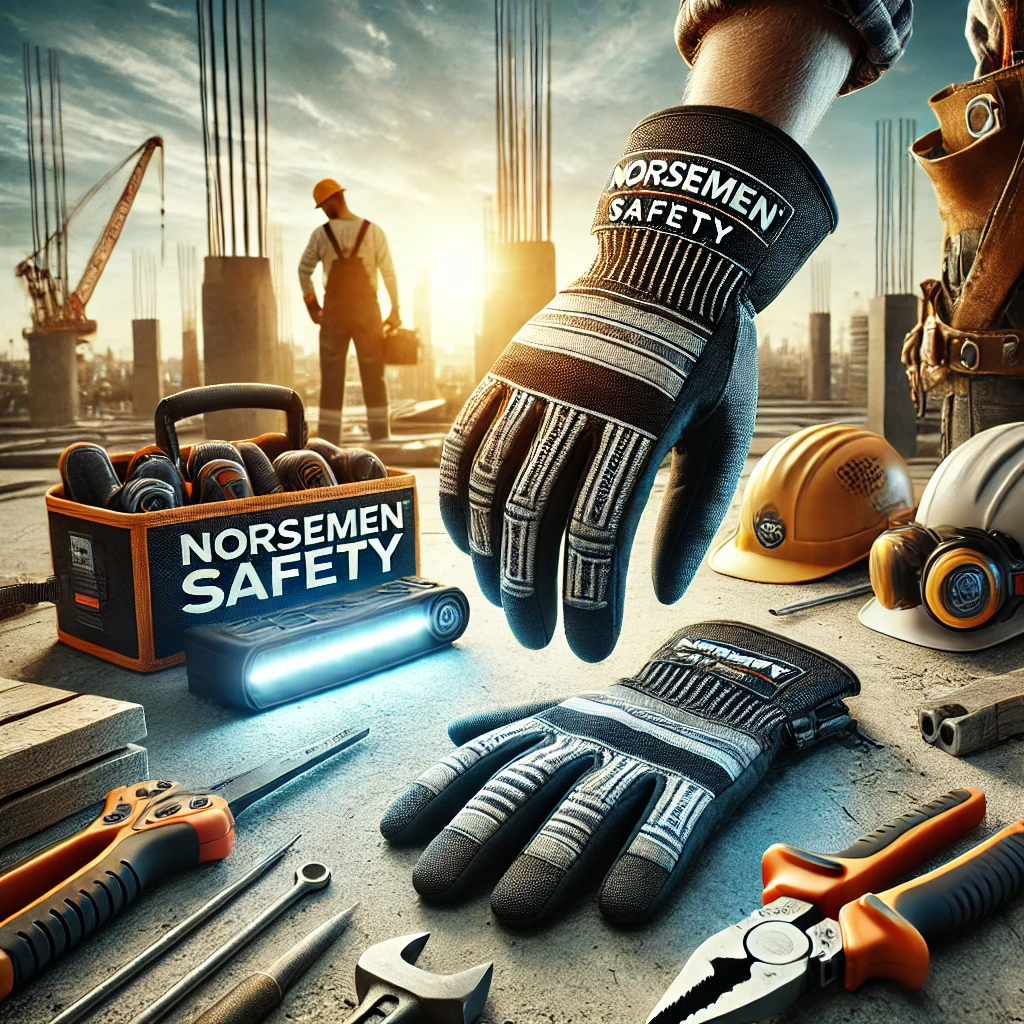
  • Protective gloves: guard hands from chemicals, cuts or burns
  • Safety boots: shield feet from heavy objects, slips or chemical spills
  • High-visibility clothing: makes workers visible in low-light conditions
  • Eye protection: safeguards eyes from dust, debris or harmful radiation

PPE serves as a critical barrier between workers and workplace hazards. Here’s how PPE protects in different environments:

  • Construction sites: prevents injuries from falling debris or equipment
  • Laboratories: shields from chemical splashes or biological contamination
  • Healthcare facilities: blocks transmission of infectious diseases
  • Manufacturing plants: protects from machinery-related accidents
  • Warehouses: reduces risks during materials handling

The Health and Safety Executive (HSE) requires employers to provide appropriate PPE when workplace risks can’t be controlled by other means. Key regulations include:

Regulation Type Requirements
PPE at Work Employers must supply suitable PPE free of charge
Risk Assessment Regular evaluation of workplace hazards
Training Workers must receive proper PPE usage instruction
Maintenance Regular inspection and replacement of damaged PPE
  • Specific workplace hazards
  • Job tasks and duration
  • Environmental conditions
  • User comfort and fit
  • Quality standards compliance

Types of PPE Equipment Available in Local Shops

ppe shop near me

Local PPE shops stock essential protective gear that meets UK safety standards. These items protect workers across various industries from potential workplace hazards.

Safety Helmets and Face Protection

Safety helmets serve as critical head protection against falling objects in construction environments. The available options include:

  • Type 1 industrial safety helmets for general construction work
  • Type 2 helmets with increased side impact protection
  • Face shields with attachable visors for enhanced protection
  • Safety goggles with anti-fog coating for clear vision
  • Impact-resistant safety glasses for flying debris protection

Protective Clothing and Footwear

Protective clothing creates barriers against workplace hazards while safety footwear prevents foot injuries. Common items include:

  • High-visibility jackets with reflective strips for low-light conditions
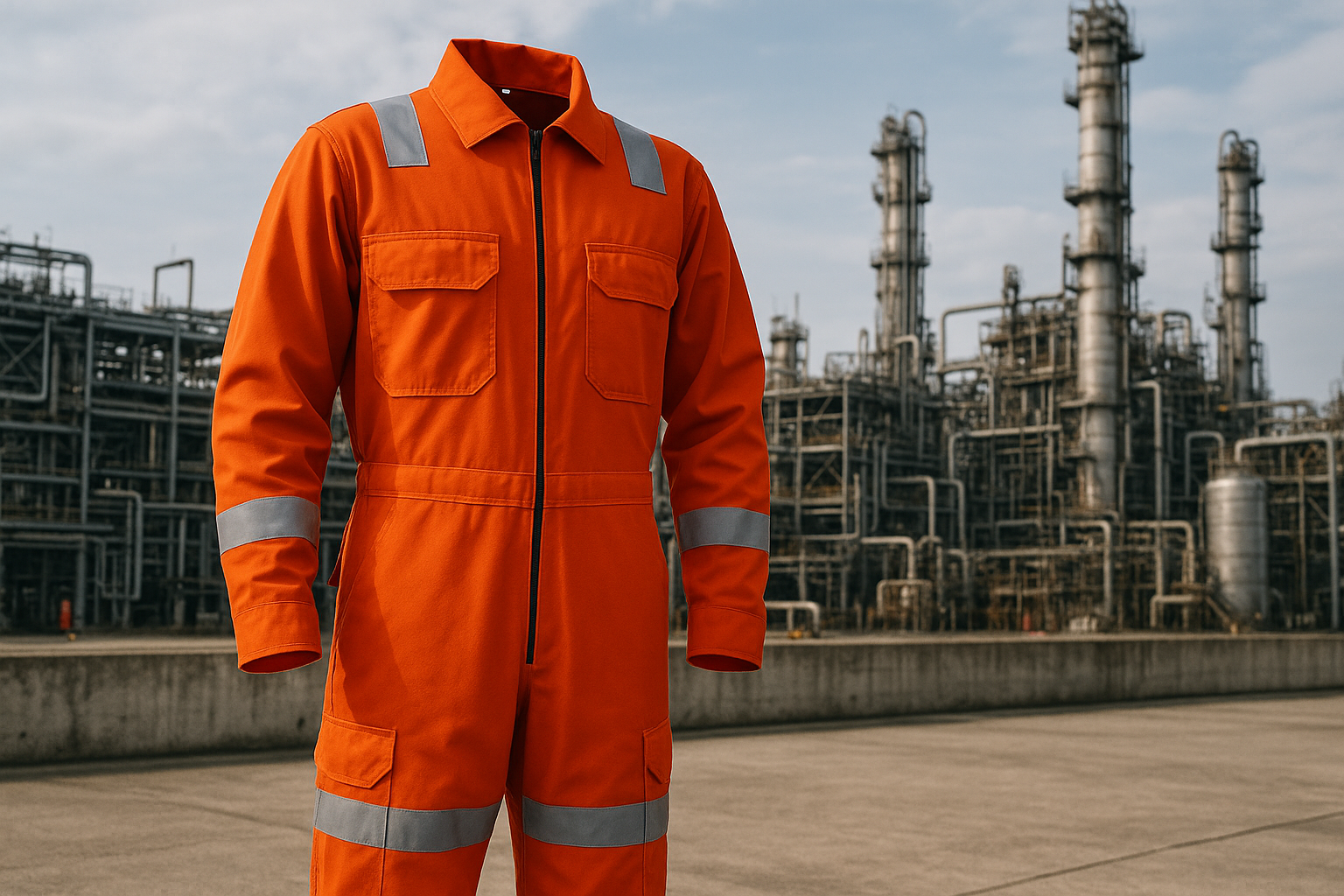
  • Chemical-resistant coveralls for hazardous material handling
  • Steel toe-capped boots with slip-resistant soles
  • Cut-resistant gloves rated from Level A to F
  • Flame-retardant workwear for high-heat environments

Respiratory Protection Equipment

  • Disposable dust masks for protection against fine particles
  • Half-face respirators with replaceable filter cartridges
  • Full-face masks offering complete facial protection
  • Powered air-purifying respirators for extended use
  • Emergency escape breathing devices for hazardous situations
PPE Category Protection Level Common Applications
Safety Helmets EN 397 Standard Construction Sites
Safety Boots S1P to S5 Rating Industrial Floors
Respirators FFP1 to FFP3 Dust/Fume Exposure

How to Find a Reliable PPE Shop Locally

Finding a reliable PPE shop involves comparing local physical stores with online retailers while checking product availability. Here’s how to locate the right supplier for your safety equipment needs.

Physical Stores vs Online Retailers

Local PPE shops offer immediate access to safety equipment with hands-on product inspection. When visiting physical stores, you can:

  • Try on safety gear for proper fit
  • Examine material quality firsthand
  • Get expert advice from trained staff
  • Receive immediate answers about product specifications
  • Avoid shipping costs delivery delays

Online retailers provide these advantages:

  • 24/7 shopping convenience
  • Wider product selection
  • Price comparison options
  • Detailed product specifications
  • Customer reviews ratings
  • Home office delivery

Checking Stock Availability

Phone verification:

  • Call during business hours
  • Ask about specific product sizes
  • Confirm current pricing
  • Request item reservation

Online inventory checks:

  • Use store website stock checkers
  • Check real-time inventory levels
  • Set stock alerts for needed items
  • View alternative location availability

Local search tools:

  • Google Maps business listings
  • Store finder applications
  • Click collect options
  • Opening hours verification
Availability Check Method Response Time Accuracy Level
Phone Call Immediate High
Website Check < 1 minute Medium
Email Enquiry 24-48 hours Medium
Store Visit Immediate Very High

What to Look for When Choosing a PPE Supplier

Selecting a trusted PPE supplier requires careful evaluation of key factors to guarantee safety compliance and value for money. Here’s what matters most when choosing your PPE provider.

Quality Certifications and Standards

A reliable PPE supplier maintains current certifications that meet UK safety regulations. Look for suppliers who stock products with:

  • CE or UKCA marking on all safety equipment
  • BSI Kitemark certification for specific protective gear
  • EN standards appropriate for each PPE category
  • ISO 9001 quality management certification
  • Documentation proving product testing compliance
  • Regular updates on safety standard changes

A quality-focused supplier displays certification details prominently and provides access to testing documentation for their products.

Price Comparison and Bulk Discounts

Smart pricing strategies help maximise your PPE budget while maintaining quality standards:

  • Request detailed quotations for bulk orders
  • Check minimum order quantities for discounts
  • Review delivery costs for different order sizes
  • Examine warranty terms for cost-effective coverage
  • Consider stock holding agreements for regular supplies

The best suppliers offer transparent pricing structures with clear volume-based discounts. They provide detailed invoices listing individual item costs product specifications.

Tips for Buying PPE from Local Shops

Research Local Stock Availability

Local PPE shops offer varying inventory levels. Calling ahead saves time by confirming stock availability of specific items like safety helmets or protective gloves. Store websites often display real-time stock information through online catalogues.

Check Certification Standards

Each PPE item requires specific safety certifications:

  • CE or UKCA marking on all protective equipment
  • EN standards corresponding to protection type
  • BSI Kitemark for quality assurance
  • Manufacturing date stamps for expiry tracking

Compare Prices and Bulk Rates

Price comparison across local suppliers yields better value:

  • Request written quotes for bulk purchases
  • Document delivery charges for accurate cost analysis
  • Note minimum order quantities
  • Compare package deals on common items

Verify Size and Fit

Proper sizing enhances protection effectiveness:

  1. Try on multiple sizes of safety boots
  2. Test range of motion in protective clothing
  3. Adjust safety helmet straps for secure fit
  4. Check seal on respiratory masks
  5. Confirm comfort of eye protection

Inspect Product Quality

Quality indicators for PPE items include:

  • Sturdy stitching on protective clothing
  • Clear lens visibility in safety glasses
  • Intact sole treads on safety footwear
  • Uncompromised material integrity
  • Proper labelling with safety ratings

Consider After-Sales Support

Local PPE shops provide essential services:

  • Product replacement policies
  • Warranty coverage details
  • Staff expertise for fitting advice
  • Emergency supply arrangements
  • Technical support for complex equipment

Conclusion

Finding a reliable PPE shop near you is crucial for maintaining workplace safety and compliance with UK regulations. We’ve shown you how to identify trustworthy local suppliers that offer quality-certified protective equipment at competitive prices.

Remember to prioritise certification standards quality and after-sales support when choosing your PPE supplier. By following our guidance you’ll be well-equipped to make informed decisions about your safety equipment purchases from local shops.

Take the first step towards enhanced workplace safety today by exploring the PPE shops in your area. Your safety and that of your workforce depends on accessing high-quality protective equipment from dependable local sources. For expert guidance on PPE and workplace safety, feel free to contact us.

Frequently Asked Questions

What is PPE and why is it important?

PPE (Personal Protective Equipment) includes specialised clothing and equipment designed to protect workers from workplace hazards. It’s crucial because it serves as the last line of defence against injuries, infections, and physical harm in various work environments, from construction sites to healthcare facilities.

What essential PPE items should a local shop stock?

A reliable PPE shop should stock basic safety equipment including hard hats, safety boots, protective gloves, hi-vis clothing, eye protection, and respiratory gear. All items should meet current UK safety standards and come with proper certification documentation. Norsemen Safety in Belfast the PPE supplier near me.

How can I ensure the PPE I’m buying meets safety standards?

Check for CE or UKCA marking on products and ask for certification documentation. Verify that the equipment complies with current Health and Safety Executive (HSE) regulations. Look for products from reputable manufacturers and ensure they meet the specific standards required for your industry.

How often should PPE be replaced?

PPE should be replaced according to manufacturer guidelines, when it shows signs of wear and tear, or after exposure to hazardous materials. Regular inspection is essential. Some items, like hard hats, typically need replacement every 2-5 years, while others might need more frequent replacement based on usage.

Do employers have to provide PPE to workers?

Yes, under UK law, employers must provide appropriate PPE free of charge to employees where risks cannot be controlled by other means. They must also ensure the equipment is properly maintained, correctly stored, and replaced when necessary.
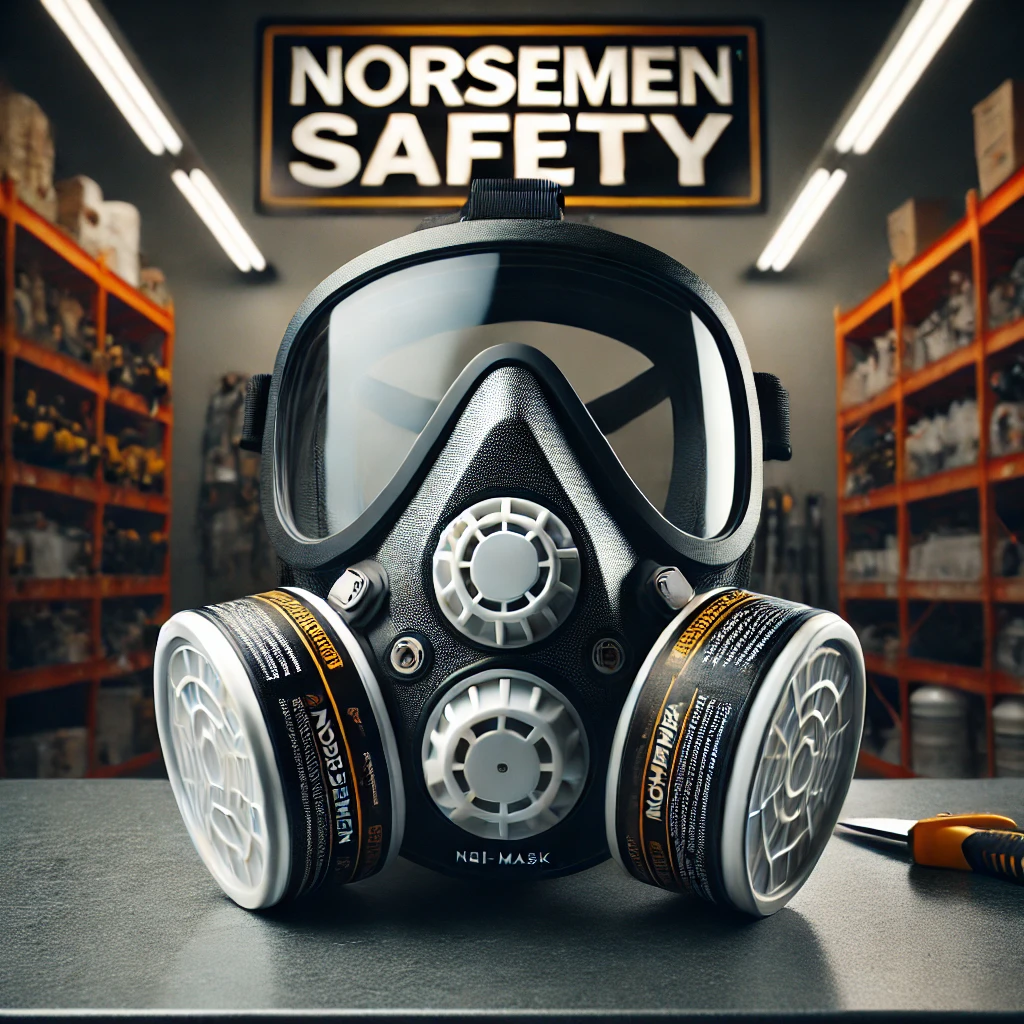

Half Mask Respirator UK: Complete Safety Guide

Key Takeaways

  • Half mask respirators are essential safety devices that protect against harmful particles, gases and vapours, covering the nose, mouth and chin with an effective face seal.
  • Three main types exist – disposable (APF 10), reusable (APF 10-20), and powered (APF 20-40), each offering different protection levels and suited to specific workplace applications.
  • UK safety standards require compliance with EN 140:1998, regular fit testing every 24 months, and proper maintenance including daily checks of seals, valves and filters.
  • Choosing the right size and fit is crucial – masks should pass negative pressure tests, seal properly around the nose bridge and chin, and maintain effectiveness during movement.
  • Filter selection is colour-coded (P1-P3 for particles, A/B/E/K for gases) and must match specific workplace hazards, with filters requiring regular replacement based on usage.
  • Proper maintenance includes regular cleaning with mild soap, correct storage away from sunlight below 25°C, and systematic component inspections to ensure continued protection.

Protecting our respiratory health at work has never been more critical. Whether we’re working with hazardous materials painting or handling chemicals a high-quality half mask respirator is essential for safeguarding our lungs from harmful particles and fumes.

We’ve noticed many UK workers struggle to find the right half mask respirator that fits their needs. From selecting the proper filter type to ensuring a comfortable fit there’s quite a bit to consider. That’s why we’ll guide you through everything you need to know about choosing and using half mask respirators in the UK including the latest safety standards and best practices.

What Is a Half Mask Respirator

A half mask respirator covers the nose mouth and chin to protect users from harmful airborne particles gases and vapours. These respiratory protective devices create an effective seal against the face filtering out contaminants through specially designed cartridges or filters.

Types of Half Mask Respirators

Half mask respirators come in three primary categories:

  • Disposable: Single-use masks with integrated filters lasting 8-40 hours depending on conditions
  • Reusable: Durable rubber or silicone masks with replaceable filters lasting 3-6 months
  • Powered: Battery-operated units with motorised fans providing positive air pressure

Each type offers distinct protection levels based on assigned protection factors (APF):

Type APF Rating Typical Applications
Disposable 10 Dust wood particles paint spray
Reusable 10-20 Chemical handling solvents pesticides
Powered 20-40 Heavy industrial pharmaceutical labs

Key Components and Features

Essential elements of a half mask respirator include:

  • Facepiece: Soft silicon or rubber material creating an airtight seal
  • Inhalation Valves: One-way portals allowing filtered air to enter
  • Exhalation Valve: Centre-mounted port releasing exhaled breath
  • Filter Connectors: Bayonet or thread attachments securing filters
  • Head Straps: Adjustable bands maintaining proper positioning

Safety Standards and Certifications in the UK

Half Mask Respirator

Half mask respirators in the UK must comply with strict regulatory standards to protect workers effectively. These standards establish performance requirements ensuring respiratory protective equipment (RPE) meets specific safety criteria.

EN Standards and Requirements

EN 140:1998 sets the baseline requirements for half mask respirators in the UK market. The standard covers:

  • Face piece specifications including materials safety testing
  • Breathing resistance limits at 30L/min inhalation
  • Minimum speech transmission values of 75dB
  • Carbon dioxide content below 1% by volume
  • Head harness durability testing for 2000 cycles

Filters must meet additional standards:

Standard Protection Type Testing Requirements
EN 143 Particle Filters P1, P2, P3 ratings
EN 14387 Gas Filters Types A, B, E, K
EN 405 Valve Filtered Masks Combined requirements

HSE Guidelines

The Health Safety Executive (HSE) provides clear direction on half mask respirator use through:

  • COSHH regulations requiring fit testing before first use
  • Regular face-fit testing at 24-month intervals

Daily pre-use checks of:

  • Face seal integrity
  • Valve function
  • Filter condition
  • Strap elasticity

Storage requirements include:

  • Clean containers away from direct sunlight
  • Temperature range of 5-25°C
  • Humidity levels below 75%
  • Separate storage from contaminated areas

Choosing the Right Half Mask Respirator

Selecting a half mask respirator requires careful consideration of both size and filter specifications. A properly fitted respirator with appropriate filters creates an effective barrier against workplace hazards.

Size and Fit Considerations

A half mask respirator’s effectiveness depends on achieving a proper seal against the face. Different face shapes require specific sizes – small, medium or large. Here’s what to check for optimal fit:

  • Perform a negative pressure test by blocking the filters and inhaling
  • Check for gaps around the nose bridge nose area
  • Verify the mask sits comfortably under the chin
  • Test the straps for secure but comfortable tension
  • Confirm the mask stays in place during head movements

A fit test determines the correct size by measuring the seal’s effectiveness using either qualitative or quantitative methods. The chosen size must maintain its seal during regular work activities like:

  • Talking
  • Head turning
  • Bending forward
  • Reaching overhead

Filter Selection Guide

Filters protect against specific hazards through colour-coded classifications:

Filter Type Colour Code Protection Against
P1 White Solid particles
P2 White Fine particles
P3 White Very fine particles
A Brown Organic gases
B Grey Inorganic gases
E Yellow Acidic gases
K Green Ammonia

Key filter selection factors include:

  • Identifying workplace contaminants
  • Measuring contaminant concentration levels
  • Checking filter compatibility with the mask
  • Following exposure limit guidelines
  • Replacing filters based on usage patterns

Top Half Mask Respirators Available in the UK

The UK market, such as Norsemen Safety offers a range of high-quality half mask respirators that meet EN safety standards. These options include both premium and budget-friendly models, each providing specific protection levels for different workplace environments.

Premium Brands and Models

Premium half mask respirators feature advanced materials with superior durability and comfort features. These models include:

  • Silicone facepieces that maintain flexibility in extreme temperatures (-10°C to 50°C)
  • Multi-layer filtration systems with 99.97% efficiency for particles down to 0.3 microns
  • Speech diaphragms for clear communication at 85-90 dB
  • Quick-release buckles for easy removal
  • Lightweight designs (250-300g) with balanced weight distribution
  • Filter life indicators that change colour at 75% capacity
Feature Specification Benefit
Face Seal Medical-grade silicone Enhanced comfort for 8+ hour wear
Filter Connection Bayonet-style 1/4 turn secure attachment
Head Straps 4-point adjustment Customised fit for face shapes
Exhalation Valve Low-resistance Reduces breathing effort by 60%

Best Value Options

  • Thermoplastic elastomer facepieces with 2-year lifespan
  • Dual-filter systems compatible with standard EN 143 filters
  • Basic speech transmission capabilities at 75-80 dB
  • Adjustable head harnesses with 3-point suspension
  • Standard weight range (300-350g)
  • Manual filter replacement indicators
Feature Specification Benefit
Face Seal TPE material Good durability at lower cost
Filter Connection Thread-style Universal filter compatibility
Head Straps 3-point adjustment Basic customisation options
Exhalation Valve Standard resistance Normal breathing resistance

Proper Usage and Maintenance

Half mask respirators require specific maintenance protocols to maintain their protective capabilities. Regular checks combined with proper cleaning methods extend the life of these essential safety devices.

Fit Testing Requirements

A fit test confirms the respirator creates a proper seal against the face. The Health and Safety Executive (HSE) requires fit testing:

  • Before first use of any new respirator model
  • At least once every 12 months
  • When facial changes occur due to weight fluctuations or dental work
  • If switching to a different size or model

Fit testing methods include:

  1. Qualitative testing using taste or smell sensitivity
  2. Quantitative testing measuring particle concentrations inside vs outside the mask

User seal checks before each use:

  • Cover the filter openings with clean hands
  • Inhale gently to create negative pressure
  • Hold breath for 10 seconds
  • Check for any air leaks around the edges

Cleaning and Storage Tips

Clean reusable half mask respirators after each shift:

  1. Remove filters and cartridges
  2. Wash facepiece in warm water (max 40°C) with mild soap
  3. Rinse thoroughly in clean water
  4. Air dry at room temperature
  5. Inspect for damage or worn parts

Storage requirements:

  • Keep in a sealed plastic bag or container
  • Store away from direct sunlight
  • Maintain in a clean dry area below 25°C
  • Separate from chemical exposure zones
  • Place filters in airtight containers between uses
Component Inspection Frequency Replacement Guide
Filters Each use 30 days or when breathing becomes difficult
Valves Weekly 6 months or if damaged
Straps Monthly 12 months or if elasticity decreases
Facepiece Daily 24 months or if cracks appear

Workplace Applications

Half mask respirators protect workers across diverse UK industries where airborne hazards pose significant health risks. These respiratory protective devices play a crucial role in maintaining workplace safety standards.

Industrial Uses

Industrial environments require specific half mask respirator configurations based on exposure types. Manufacturing facilities use these masks to filter metal fumes particles from welding operations. Chemical processing plants rely on gas cartridges to protect against organic vapours solvents. Food processing workers benefit from P3 filters that block fine powders like flour dust. Paint shops employ combination filters for protection against both paint particles spray mists.

Industry Common Hazards Required Filter Type
Welding Metal fumes P2/P3 particulate
Chemical Organic vapours A2 gas cartridge
Food Processing Fine powders P3 particulate
Painting Spray mists A2P3 combination

Construction and Trade Settings

Construction sites present multiple respiratory risks requiring specific protection levels. Woodworkers need P2 filters for sawdust particulates during cutting sanding operations. Demolition teams use P3 filters to guard against silica dust asbestos fibres. Plumbers painters often combine particulate gas filters when working with adhesives solvents. Electricians rely on protection while drilling concrete generating dust.

Trade Task Protection Level
Woodworking Cutting/Sanding P2 filter
Demolition Breaking/Crushing P3 filter
Plumbing Solvent Work A2P3 filter
Electrical Concrete Drilling P2 filter

Each application demands regular filter changes proper maintenance procedures to maintain effectiveness. Workers in these settings undergo fit testing training to maximise protection levels during daily tasks.

Conclusion

Selecting and using the right half mask respirator is crucial for workplace safety in the UK. We’ve explored how these essential pieces of protective equipment safeguard workers across various industries from harmful airborne hazards.

The key to maximum protection lies in choosing the correct size proper fit testing and regular maintenance. By following HSE guidelines and ensuring compliance with EN standards we can maintain a safe working environment for everyone.

Remember that investing in quality respiratory protection is an investment in our workforce’s health and safety. Whether you opt for premium or budget-friendly options the most important factor is meeting safety requirements and maintaining proper usage protocols. For expert advice on respiratory protection solutions, feel free to contact us.

Frequently Asked Questions

What is a half mask respirator?

A half mask respirator is a personal protective device that covers the nose, mouth, and chin to protect users from harmful airborne particles, gases, and vapours. It creates a seal against the face and uses filters or cartridges to remove contaminants from the air before it’s inhaled.

How often should I replace my respirator filters?

Filter replacement frequency depends on usage, but generally, you should change them when you notice increased breathing resistance, detect contaminant odours, or after every 40 hours of use. Always follow manufacturer guidelines and workplace safety protocols for specific timing.

Do I need to be fit-tested for a half mask respirator?

Yes, fit testing is mandatory in the UK before first use, annually, and after any significant facial changes like weight loss or dental work. This ensures the respirator provides proper protection by creating an effective seal against your face.

What types of filters are available for half mask respirators?

Filters are colour-coded and classified based on protection type: P1, P2, and P3 for particles; A, B, E, and K for gases and vapours. P3 offers the highest particle protection, while gas filters are specific to different chemical groups. Choose filters based on workplace hazards.

How do I clean and maintain my half mask respirator?

Clean reusable respirators after each shift using warm water and mild soap, or manufacturer-approved cleaning solutions. Inspect all components for damage, store in a sealed container away from sunlight, and maintain proper documentation of cleaning and maintenance activities.

What standards should a UK-approved half mask respirator meet?

UK-approved half mask respirators must comply with EN 140:1998 for basic specifications and relevant filter standards (EN 143 for particle filters, EN 14387 for gas filters). Look for CE marking and verification of compliance with these standards.

Can I wear a half mask respirator with facial hair?

No, facial hair between the skin and respirator seal prevents proper fitting and compromises protection. Users must be clean-shaven where the mask contacts the face to ensure an effective seal and maximum safety.

How do I know if my respirator fits correctly?

Perform a user seal check before each use: cover the filters and inhale (mask should collapse slightly), then cover the exhalation valve and exhale (mask should bulge slightly). If air leaks, readjust the straps or consult your safety supervisor.

Flame Retardant Coverall UK: Essential Safety Guide

Key Takeaways

  • Flame retardant coveralls must meet UK safety standards EN ISO 11612 and EN ISO 14116 for adequate workplace protection.
  • FR coveralls work through three main mechanisms: creating char barriers, releasing flame-inhibiting gases, and absorbing heat energy to protect workers.
  • Quality FR coveralls combine advanced protective materials (like aramid fibres or treated cotton) with ergonomic design features for both safety and comfort.
  • Proper sizing and fit are crucial – allowing 5-8 cm movement room whilst ensuring sleeves and legs provide full coverage during work activities.
  • Regular maintenance, including proper washing at specific temperatures and frequent inspections, is essential to maintain the protective properties of FR coveralls.
  • Replacement is necessary after flame exposure, when visible damage occurs, or typically after 50 wash cycles to ensure continued protection.

Working in hazardous environments requires proper protection, and flame retardant coveralls play a vital role in keeping workers safe. We’ve seen how the right protective gear can make all the difference between a close call and a serious incident.

Looking for reliable flame retardant coveralls in the UK? We understand the challenge of finding protective workwear that meets both safety standards and comfort requirements. From construction sites to industrial facilities, these specialised garments offer essential protection against fire hazards whilst allowing workers to move freely and perform their duties effectively.

Understanding Flame Retardant Coveralls

Flame retardant coveralls form an essential barrier between workers and potential fire hazards in industrial environments. These specialized garments incorporate advanced protective technologies to safeguard workers in high-risk settings.

How Flame Retardant Technology Works

Flame retardant coveralls use chemical treatments or inherently fire-resistant fibres to prevent or slow fire spread. The protective mechanism operates in three ways:

  • Creating a char barrier that blocks oxygen from reaching flammable materials
  • Releasing flame-inhibiting gases that suppress combustion
  • Absorbing heat energy to reduce temperature exposure

The effectiveness of flame retardant treatments varies by material type:

  • Cotton coveralls: Treated with phosphorous-based compounds
  • Synthetic fabrics: Incorporate flame-resistant polymers
  • Aramid fibres: Naturally resistant to heat and flames

Key Safety Standards and Certifications

UK flame retardant coveralls must meet specific safety requirements:

EN ISO 11612:

  • Protection against heat and flame
  • Minimum performance levels for heat transfer
  • Requirements for material spread of flame

EN ISO 14116:

  • Limited flame spread protection
  • Three index levels (1-3) based on performance
  • Material assembly requirements

Additional relevant standards include:

  • EN 1149-5: Antistatic protection
  • EN ISO 11611: Welding protection
  • EN 61482-2: Electric arc protection
Test Parameter Minimum Requirement
Flame Spread < 2 seconds
Heat Transfer > 4 seconds
Tear Resistance > 15 N
Tensile Strength > 300 N

Essential Features of Quality FR Coveralls

Quality flame retardant coveralls combine advanced protective materials with ergonomic design elements to create effective safety workwear. These features work together to provide comprehensive protection in hazardous environments.

Material Composition and Treatment

FR coveralls utilise specific fabric compositions that excel in flame resistance:

  • Aramid fibres offer inherent flame resistance without chemical treatments
  • Treated cotton incorporates flame-retardant chemicals bonded to natural fibres
  • Modacrylic blends provide balanced protection with improved comfort
  • Multi-layer fabrics create additional protective barriers against heat transfer

The treatment methods impact performance levels:

  • Chemical treatments penetrate fabric fibres for lasting protection
  • Heat-set finishes maintain effectiveness through multiple wash cycles
  • Inherent FR materials retain properties throughout the garment lifetime
  • Specialised coatings add resistance to oils chemicals or water

Comfort and Durability Factors

Key comfort elements enhance wearability during long shifts:

  • Breathable fabric constructions allow air circulation
  • Moisture-wicking properties keep skin dry in hot conditions
  • Stretch panels enable unrestricted movement at key points
  • Lightweight materials reduce physical strain
Feature Performance Metric Standard Requirement
Tensile Strength >400N EN ISO 13934-1
Tear Resistance >25N EN ISO 13937-2
Wash Cycles 50+ ISO 15797
Air Permeability >100 cm³/cm²/s EN ISO 9237

Top Flame Retardant Coverall Brands in the UK

The UK market offers numerous high-quality flame retardant coverall options from both domestic and international manufacturers. These brands meet rigorous safety standards while delivering comfort and durability for workers in hazardous environments.

British Manufacturers

British manufacturers excel in producing flame retardant coveralls with advanced protective features. These UK-based producers maintain strict quality control processes aligned with EN ISO standards. Their products incorporate:

  • High-performance treated cotton blends
  • Multi-layer protective fabrics
  • Reinforced stitching at stress points
  • Ergonomic designs for UK working conditions
  • Size ranges specifically scaled for UK workers

The manufacturing facilities operate under BSI certification, with regular third-party testing to validate protective properties.

International Brands Available in the UK

International manufacturers distribute flame retardant coveralls through established UK suppliers, such as Norsermen Safety. These brands bring innovative technologies and diverse product ranges:

  • Advanced aramid fibre combinations
  • Modacrylic-blend coveralls with enhanced comfort
  • Lightweight options for varied work environments
  • Extended size selections
  • Multiple colour options for different industry requirements
Brand Origin Certification Standards Average Durability (Wash Cycles)
UK-Made EN ISO 11612, EN ISO 14116 50-75
EU Imports EN ISO 11612, EN 1149 40-60
Global Imports EN ISO 11612, NFPA 2112 45-65

Each manufacturer provides detailed care instructions to maintain flame retardant properties throughout the garment’s lifecycle. Regular testing protocols verify continued compliance with safety standards after repeated industrial washing.

Choosing the Right FR Coverall

Selecting appropriate flame retardant coveralls requires careful consideration of industry requirements, safety standards and proper sizing. Here’s what to examine when making this critical safety equipment decision.

Industry-Specific Requirements

Different industries face unique fire hazards that demand specific protective features in FR coveralls. Oil and gas workers need coveralls with high heat resistance and anti-static properties. Construction workers benefit from coveralls with additional abrasion resistance and reinforced knees. Chemical processing facilities require chemical splash protection alongside flame resistance. Here are key industry considerations:

  • Mining operations: Arc flash protection rating of ATPV 8 cal/cm² or higher
  • Welding environments: Additional leather patches on chest and arms
  • Electrical work: Class 2 high-visibility elements integrated into the design
  • Offshore platforms: Quick-drying properties with salt water resistance
  • Manufacturing: Breathable fabrics with moisture-wicking capabilities

Size and Fit Considerations

The effectiveness of FR coveralls depends significantly on proper sizing and fit. A size guide comparison helps identify the right measurements:

Measurement Small Medium Large X-Large
Chest (cm) 86-94 94-102 102-110 110-118
Height (cm) 164-172 172-180 180-188 188-196
Waist (cm) 74-82 82-90 90-98 98-106

Key fitting points include:

  • Allow 5-8 cm of movement room in the shoulders and chest
  • Check sleeve length reaches wrist bone when arms are extended
  • Verify leg length covers boot tops without dragging
  • Confirm waist fits comfortably without binding
  • Test range of motion through typical work movements

The coverall shouldn’t restrict movement or have excess material that could catch on equipment. A proper fit maintains protection while enabling productivity.

Proper Care and Maintenance

Proper maintenance of flame retardant (FR) coveralls extends their lifespan and maintains protective properties. Regular care keeps the FR treatment active and effective throughout the garment’s service life.

Washing and Storage Guidelines

Washing FR coveralls requires specific steps to preserve their protective properties:

  • Wash FR garments separately from regular clothing
  • Use mild detergent without bleach or fabric softeners
  • Keep water temperature below 60°C
  • Remove oil stains immediately with approved spot cleaners
  • Dry on low heat settings or line dry away from direct sunlight
  • Store in clean dry areas away from chemicals or contaminants
  • Hang garments to prevent creasing and fabric stress

Care requirements vary by material type:

Material Type Wash Temperature Drying Method Special Care
Treated Cotton 40-60°C Tumble dry low No chlorine bleach
Aramid Fibres 30-40°C Line dry No fabric softeners
Modacrylic Blend 40°C Tumble dry medium No ironing

When to Replace Your FR Coverall

Regular inspection helps identify when to replace FR coveralls:

  • Replace after exposure to flame or intense heat
  • Check for holes tears or worn areas monthly
  • Monitor seam integrity at stress points
  • Replace if fabric becomes thin or loses colour
  • Test FR properties after 50 wash cycles
  • Change garments showing signs of chemical contamination
  • Replace if closure systems become damaged
Wear Sign Action Required
Visible holes or tears Immediate replacement
Faded fabric Test FR properties
Loose seams Repair or replace
Oil saturation Replace if unable to clean
Closure failure Replace if unrepairable

Conclusion

We’ve explored the critical role that flame retardant coveralls play in protecting UK workers across various industries. The right combination of certified materials reliable manufacturers and proper maintenance ensures optimal protection in hazardous environments.

By choosing coveralls that meet UK safety standards and following proper care guidelines we can significantly enhance workplace safety. Remember that investing in quality flame retardant coveralls isn’t just about compliance – it’s about safeguarding lives.

For maximum protection it’s essential to select coveralls that fit well maintain them properly and replace them when needed. Through our expertise and dedication to safety we’ll continue supporting UK industries with the most effective flame retardant protection available. For guidance on selecting the right flame retardant protection, feel free to contact us.

Frequently Asked Questions

What are flame retardant coveralls?

Flame retardant coveralls are protective garments designed to resist ignition and slow the spread of flames. They’re made from specially treated fabrics or inherently fire-resistant materials, providing a crucial safety barrier for workers in hazardous environments.

How do flame retardant coveralls work?

These coveralls work through various mechanisms including creating a char barrier, releasing flame-inhibiting gases, and absorbing heat energy. The protective properties come from either chemical treatments applied to the fabric or inherently fire-resistant fibres like aramid.

What safety standards should UK flame retardant coveralls meet?

UK flame retardant coveralls must comply with EN ISO 11612 and EN ISO 14116 standards. These certifications ensure the garments meet specific requirements for protection against heat, flame spread, and other safety parameters.

How long do flame retardant coveralls last?

The lifespan depends on usage, maintenance, and exposure to harsh conditions. Generally, with proper care, they can last 12-18 months of regular use. However, they should be replaced immediately if showing signs of damage or after excessive washing cycles that might compromise their protective properties.

How should flame retardant coveralls be maintained?

Maintain coveralls by following manufacturer’s washing instructions, using appropriate temperature settings and approved detergents. Avoid using bleach or fabric softeners, and always inspect for damage before each use. Store in a clean, dry place away from direct sunlight.

How can I ensure the right fit for flame retardant coveralls?

Select coveralls that allow full range of movement while maintaining close contact with the body. Ensure sleeves and legs are the correct length, and there’s enough room to wear necessary underlayers. The garment shouldn’t be too loose or too tight for optimal protection.

What materials are commonly used in flame retardant coveralls?

Common materials include treated cotton, aramid fibres, modacrylic blends, and multi-layer fabrics. Each material offers different levels of protection and comfort, with some being inherently flame-resistant while others require chemical treatment.

How often should flame retardant coveralls be replaced?

Replace coveralls when they show signs of wear, damage, or contamination. Also replace them if they’ve exceeded the manufacturer’s recommended number of wash cycles, typically between 25-50 washes, or if the flame-retardant properties have diminished.

Silver Solder UK: A Complete Guide to Types and Uses

Key Takeaways

  • It’s a versatile metal alloy containing silver and other metals like copper and zinc, widely used in UK plumbing and electrical work.
  • Available in four main types in the UK market: hard (720-780°C), medium (680-720°C), easy (640-680°C), and extra-easy (600-640°C), each suited for different applications.
  • Higher silver content (45-56%) provides stronger bonds but costs more, whilst lower content (24-34%) offers better flow characteristics and more economical options.
  • Essential tools for silver soldering include a torch system, heat-resistant work surface, cleaning tools, and proper safety equipment like heat-resistant gloves and safety goggles.
  • It creates bonds with exceptional tensile strength (350-450 MPa) and maintains integrity across multiple thermal cycles, making it ideal for demanding applications.
  • UK suppliers range from specialist welding suppliers to jewellery retailers, offering various formats including wire, strip, paste, and rod forms at different price points.

Working with silver solder in the UK requires the right knowledge and materials to achieve professional results. Whether you’re a jeweller crafting elegant pieces or an engineer joining metal components we’ll help you understand the essentials of silver soldering.

We know that choosing the perfect silver solder can feel challenging with so many options available in the UK market. What temperature range do you need? Which alloy composition will work best for your project? From easy-flow varieties to cadmium-free alternatives we’ll guide you through selecting and using it effectively.

Let’s explore the different types available in the UK, their applications, and how to achieve strong lasting bonds in your metalwork projects.

What Is Silver Solder and Its Common Uses

It is a metal alloy joining material containing silver mixed with other metals like copper zinc or tin. It’s used extensively in jewellery making plumbing applications electrical work machinery repairs.

Types Available in the UK

Several silver solder varieties exist in the UK market:

  • Hard (melting point 720-780°C) for initial joins in multi-part assemblies
  • Medium (melting point 680-720°C) for intermediate joining stages
  • Easy (melting point 640-680°C) for final assembly work
  • Extra-easy (melting point 600-640°C) for temperature-sensitive components

Common applications include:

  • Joining copper pipes in plumbing systems
  • Creating fine jewellery pieces
  • Repairing precious metal items
  • Connecting electrical components
  • Manufacturing medical instruments

Silver Content Percentages Explained

The silver content directly affects performance characteristics:

Silver Content Properties Common Uses
56% Highest strength strongest bonds Structural joints industrial equipment
45% Good flow characteristics moderate strength Jewellery making copper pipe joints
34% Excellent wetting ability cost-effective General purpose repairs maintenance
24% Lower melting point economical option Light-duty applications decorative work

Key composition factors:

  • Higher silver content = stronger bonds higher working temperatures
  • Lower silver content = better flow characteristics lower cost
  • Copper content affects joint strength and flexibility
  • Zinc content improves flow characteristics and reduces working temperature

Key Properties of Silver Solder

silver solder uk

Silver solder exhibits distinctive characteristics that make it ideal for creating strong metallic bonds. Its properties combine excellent flow with reliable joint strength across different temperature ranges.

Melting Points and Flow Characteristics

Silver solder flows smoothly at temperatures between 600°C and 750°C, depending on its composition. Here’s how different types perform:

  • Hard: melts at 720-750°C, offering precise control for high-temperature applications
  • Medium: operates at 670-700°C, providing balanced flow characteristics
  • Easy: activates at 630-650°C, creating efficient joins at lower temperatures

The silver content directly affects flow behaviour:

Silver Content Flow Characteristics
55-56% Superior capillary action
40-45% Moderate flow rate
30-35% Standard flow properties

Strength and Durability Benefits

Silver solder creates bonds with exceptional tensile strength ranging from 350-450 MPa. These performance features stand out:

  • Corrosion resistance matches the base metals in most environments
  • Joint strength remains stable at temperatures up to 200°C below the melting point
  • Electrical conductivity reaches 80-90% of pure silver
  • Chemical stability prevents degradation in industrial settings

The mechanical properties vary by composition:

Type Tensile Strength (MPa)
Hard 420-450
Medium 380-420
Easy 350-380

These joints maintain their integrity across multiple thermal cycles, making them reliable for demanding applications like jewellery making or industrial equipment repairs.

Buying Silver Solder in the UK

Silver solder purchasing options in the UK include specialist welding suppliers and industrial materials distributors. The market offers various grades and compositions to match specific project requirements.

Top UK Suppliers and Manufacturers

UK suppliers stock silver solder in formats ranging from wire and strip to paste and rod forms. Many suppliers, such as Norsemen Safety, specialise in specific industries:

  • Industrial wholesalers: Offering bulk quantities for manufacturing and repair operations
  • Welding specialists: Providing technical advice alongside silver solder products
  • Online marketplaces: Featuring competitive prices with direct shipping options

The most reliable suppliers maintain certification documentation and offer detailed technical specifications for their products.

Price Comparisons and Package Sizes

Silver solder prices vary based on silver content percentage and package quantity:

Package Size Typical Price Range (£) Common Applications
1g strips £2-5 Small jewellery repairs
100g coils £80-120 Professional jewellers
500g spools £350-450 Industrial use
1kg bulk £650-850 Manufacturing

Package options include:

  • Single strips for hobbyists
  • Multi-strip packs for small workshops
  • Coiled wire for production environments
  • Bulk spools for industrial applications

Suppliers often provide quantity discounts for larger orders, with price breaks typically starting at 250g purchases.

Working With Silver Solder

Silver soldering requires specific tools and proper safety measures to achieve professional results. Here’s what you need to know about the equipment and safety protocols for successful silver soldering.

Essential Tools and Equipment

A complete silver soldering setup includes essential components for precise metal joining:

  • Torch System: MAPP gas or propane torches with adjustable flame controls
  • Soldering Surface: Heat-resistant ceramic or charcoal blocks (150mm x 150mm)

Cleaning Tools:

  • Steel wool (grade 0000)
  • Wire brushes
  • Pickle solution for metal cleaning

Application Tools:

  • Flux brushes
  • Tweezers (150mm length)
  • Solder picks

Temperature Control:

  • Pyrometer for accurate temperature readings
  • Heat shields to protect surrounding areas

Workspace Items:

  • Third-hand tools with soldering clamps
  • Metal files
  • Emery paper (grades 400-1200)

Safety Precautions and Best Practices

Safe silver soldering starts with proper protective equipment and workspace setup:

Personal Protection:

  • Heat-resistant gloves (rated to 800°C)
  • Safety goggles with UV protection
  • Respirator mask with appropriate filters
  • Non-synthetic clothing

Workspace Requirements:

  • Ventilated area with minimum 2m² clear space
  • Fire-resistant work surface
  • Access to running water
  • First aid kit within reach

Operating Procedures:

  • Check gas connections before lighting
  • Keep flux containers sealed when not in use
  • Clean work area after each session
  • Store materials in designated containers

Applications Across Different Industries

Silver solder creates strong bonds across multiple industries in the UK market. Its versatility makes it a preferred choice for professionals working with precious metals electrical components plumbing systems.

Plumbing and Metal Fabrication

Silver solder excels in industrial plumbing metal fabrication applications. Its high tensile strength (350-450 MPa) creates leak-proof joints in:

  • Copper pipe systems for hot cold water
  • Stainless steel equipment components
  • Bronze brass fittings connections
  • Heat exchanger radiator repairs
  • Food grade equipment assemblies
Application Type Recommended Silver Content Working Temperature
Heavy Duty Plumbing 45-56% 720-750°C
General Fabrication 30-45% 670-700°C
Light Repairs 20-30% 630-650°C

The rod format (1.5mm-3.0mm) suits larger industrial joints while rings washers work well for pipe connections. Plumbers typically use easy-flowing grades (630-650°C) to minimise heat damage to surrounding materials.

Conclusion

We’ve explored the comprehensive world of silver solder in the UK from its diverse applications to crucial technical specifications. Quality silver solder remains essential for creating reliable bonds in industrial applications.

Whether you’re a professional jeweller or a DIY enthusiast choosing the right type of silver solder is vital for project success. By considering factors like silver content working temperature and application requirements you’ll be well-equipped to make informed decisions.

Remember that investing in high-quality silver solder and proper safety equipment will ensure optimal results in your metalworking projects. With the right supplier and careful attention to specifications you’ll achieve strong durable joints that stand the test of time. For expert advice on silver solder and safety equipment, feel free to contact us.

Frequently Asked Questions

What is silver solder and what is it made of?

Silver solder is a metal alloy joining material that contains silver mixed with other metals like copper, zinc, or tin. It’s designed for creating strong bonds between metal pieces and is widely used in jewellery making, plumbing, and industrial applications. The silver content varies depending on the type and intended use.

What are the different types of silver solder available?

There are four main types: hard, medium, easy, and extra-easy silver solder. Hard silver solder melts at 720-750°C, medium at 670-700°C, and easy at 630-650°C. Each type is suited for different applications, with harder solders providing stronger bonds but requiring higher working temperatures.

How does silver content affect solder performance?

Higher silver content results in stronger bonds and higher working temperatures but comes at a higher cost. Lower silver content offers better flow characteristics at a reduced price. The silver percentage also influences capillary action, with higher silver content providing superior flow properties.

What is the strength of silver solder joints?

Silver solder joints exhibit exceptional tensile strength ranging from 350-450 MPa. They are highly durable, corrosion-resistant, and stable at elevated temperatures. Hard silver solder achieves the highest tensile strength, making it ideal for demanding applications.

What safety equipment is needed for silver soldering?

Essential safety equipment includes heat-resistant gloves, safety goggles, and respirator masks. You also need proper ventilation and fire-resistant work surfaces. It’s crucial to check gas connections, maintain a clean work area, and store materials safely.

What industries commonly use silver solder?

Silver solder is extensively used in jewellery making for creating and repairing pieces, plumbing for leak-proof joints in copper and stainless steel systems, electrical work, and machinery repairs. Its versatility makes it suitable for both delicate and heavy-duty applications.

Safety Glasses Safety: Essential Guide to Eye Protection

Key Takeaways

  • Safety glasses must meet specific standards (ANSI Z87.1 or EN 166) to ensure adequate protection, with different markings indicating protection levels for various hazards
  • High-quality safety glasses feature impact-resistant materials like polycarbonate, essential coatings (anti-fog, anti-scratch, UV protection), and proper frame design for secure fit
  • Workplace hazards require specific protection levels, from chemical splash resistance to impact protection, with different ratings (F, B, A) corresponding to varying impact energies
  • Regular maintenance, including daily cleaning and monthly inspections, is crucial for maintaining the protective properties of safety glasses, with replacement recommended every 1-2 years
  • Proper training and workplace protocols, including hazard assessments and clear signage, can reduce eye injury risks by up to 90% when combined with appropriate protective eyewear

Protecting our eyes at work or during DIY projects isn’t just a safety requirement—it’s essential for our long-term well-being. We’ve seen countless cases where proper safety glasses could have prevented serious eye injuries, yet many people still overlook this crucial protective gear.

We’ll guide you through everything you need to know about safety equipment for your face and eyes, from selecting the right pair to maintaining them properly. Whether you’re a professional tradesperson or a weekend DIYer, understanding how to protect your eyes effectively can make all the difference. What features should you look for in safety glasses? How can you be sure they’ll provide adequate protection for your specific needs?

Understanding Safety Glasses Standards and Certification

Safety glasses standards provide specific requirements for eye protection in various work environments. These certifications guarantee that protective eyewear meets established safety benchmarks for occupational use.

ANSI and EN Safety Ratings Explained

The American National Standards Institute (ANSI Z87.1) and European Norm (EN 166) establish the primary safety ratings for protective eyewear. Each standard uses different marking systems to indicate protection levels:

ANSI Z87.1 Markings:

  • Z87+ for high-impact protection
  • Z87 for basic impact protection
  • U6 to U1.3 for UV protection levels
  • L1 to L10 for visible light filtration
  • W for welding protection

EN 166 Markings:

  • 1 to 3 for optical quality grades
  • F for low-energy impact (45m/s)
  • B for medium-energy impact (120m/s)
  • A for high-energy impact (190m/s)
  • K for scratch resistance
  • N for anti-fog properties

Impact Resistance Requirements

Impact resistance testing validates the protective capabilities of safety glasses through standardised methods:

High-Impact Testing:

  • Drop ball test: 25.4mm steel ball from 1.27m height
  • High-velocity test: 6.35mm steel ball at specific speeds
  • Penetration test: Weighted needle drop from 1.27m

Performance Requirements:

Test Type ANSI Z87.1 EN 166
High Impact 45.7 m/s 190 m/s
Medium Impact N/A 120 m/s
Low Impact 12.5 m/s 45 m/s
  • Lens breakage or cracking
  • Frame deformation
  • Lens displacement from the frame
  • Penetration of the lens

Essential Features of Protective Eyewear

safety glasses

Safety glasses incorporate specific protective elements to shield eyes from workplace hazards. Each component plays a vital role in maintaining safety standards across different environments.

Lens Materials and Coatings

Modern safety lenses feature advanced materials like polycarbonate or Trivex, offering superior impact resistance. These materials provide:

  • Anti-scratch coatings that extend lens life by 25%
  • Anti-fog treatments that maintain clear vision in humid conditions
  • UV protection filters that block 99.9% of harmful rays
  • Anti-reflective layers that reduce eye strain from bright lights
  • Polarized options that minimize glare from reflective surfaces

The lens thickness ranges from 2.0mm to 2.5mm, meeting impact resistance requirements for both ANSI Z87.1 and EN 166 standards. A hydrophobic coating repels water droplets, while oleophobic treatments resist oil smudges.

Frame Design and Fit

Safety frames prioritise secure positioning and complete eye protection through these features:

  • Adjustable temple arms for custom fit
  • Non-slip nose pads that grip during movement
  • Side shields protect from peripheral hazards
  • Ventilation channels preventing lens fogging
  • Bridge sizes ranging from 14mm to 24mm
  • Temple lengths available in 135mm to 150mm options

Frames incorporate flexible materials like TR-90 nylon or acetate composites, offering durability while maintaining comfort. The wraparound design creates a protective seal around the eyes, blocking debris from multiple angles.

  1. Temples resting firmly behind ears
  2. The bridge aligned with the nose centre
  3. Lenses positioned 2-3mm from eyelashes
  4. Side shields covering the entire eye area
  5. No pressure points on temples or nose

Common Workplace Hazards and Protection Levels

The right protective eyewear acts as a critical barrier between eyes and workplace hazards. Understanding specific workplace risks helps in selecting safety glasses with appropriate protection levels.

Chemical and Splash Protection

Safety glasses for chemical environments feature special coatings and sealed designs to prevent liquid exposure. Standard splash-resistant glasses include:

  • Wraparound frames with extended side protection
  • Chemical-resistant lens coatings that repel liquids
  • Foam gaskets that seal against the face
  • Indirect ventilation systems to prevent fog buildup

Protection levels range from basic splash resistance to full chemical immersion protection, marked by ratings like D3 for droplets or D4 for chemical splash.

Impact and Debris Protection

Impact-resistant safety glasses shield eyes from flying particles, dust, or metal fragments. Key features include:

High-impact polycarbonate lenses tested to withstand:

  • 6.35mm steel ball at 45m/s for high impact
  • 6mm steel ball at 12m/s for medium impact
  • Reinforced frames with integrated side shields

Safety markings:

  • ‘F’ for low-energy impact
  • ‘B’ for medium-energy impact
  • ‘A’ for high-energy impact
Impact Level Speed Test Marking
Low Energy 45m/s F
Medium Energy 120m/s B
High Energy 190m/s A

UV and Radiation Safety

UV-protective safety glasses block harmful radiation in welding or outdoor work environments. Protection features include:

  • UV400 coating blocking 99.9% of UVA/UVB rays
  • Shade numbers 1.2 to 16 for varying light intensities
  • Infrared protection for welding applications

Specialized filters for specific wavelengths:

  • 2 or 2C: UV protection
  • 4: IR protection
  • 5 or 6: Sunglare protection

The EN166 standard requires UV protection marking with scale numbers indicating the level of filtration.

Proper Care and Maintenance

Regular maintenance extends the life of safety glasses while preserving their protective properties. Proper care helps identify potential issues before they compromise eye protection.

Cleaning and Storage

Clean safety glasses daily with mild soap and warm water to remove dirt and debris. A microfibre cloth prevents scratches during cleaning and drying. Store glasses in a protective case when not in use to prevent lens damage and frame distortion. Keep safety glasses away from extreme temperatures and direct sunlight which can degrade lens coatings and weaken frame materials.

Inspection and Replacement Guidelines

Check safety glasses before each use for:

  • Lens damage: Look for scratches cracks or chips
  • Frame integrity: Examine for loose screws broken hinges or bent temples
  • Coating wear: Identify areas where anti-fog or anti-scratch coatings show signs of deterioration
  • Fit issues: Test if temples remain snug and nose pads maintain proper positioning
  • Deep scratches obstruct vision
  • Lenses show signs of delamination
  • Frames no longer maintain proper alignment
  • Impact damage appears on any component
  • Age exceeds manufacturer recommendations (typically 1-2 years with regular use)
Maintenance Schedule Frequency
Basic cleaning Daily
Deep cleaning Weekly
Full inspection Monthly
Professional assessment Annually
Replacement evaluation Every 12-24 months

Training and Compliance Requirements

Training programmes enhance workplace safety by establishing protocols for safety glasses usage. Proper education reduces eye injury risks by 90% when combined with appropriate protective eyewear.

Workplace Safety Protocols

Safety protocols start with a comprehensive eye hazard assessment. Each work area requires specific safety glasses based on identified risks:

  • Post visible signage marking mandatory eyewear zones
  • Document safety glass requirements for different tasks
  • Maintain emergency eyewash stations within 10 seconds of reach
  • Monitor compliance through daily safety checks
  • Establish clear reporting procedures for PPE issues
Protocol Element Implementation Rate Impact on Injuries
Signage 95% -40% incidents
Daily Checks 85% -65% incidents
Emergency Stations 98% -80% severity

Employee Education

Employee training focuses on practical safety glasses knowledge. Regular sessions cover:

  • Proper fitting techniques for different face shapes
  • Daily inspection methods for lens damage
  • Cleaning procedures using approved materials
  • Storage requirements in designated areas
  • Recognition of wear indicators
  • Emergency response procedures
Training Component Frequency Completion Rate
Basic Training Monthly 98%
Refresher Courses Quarterly 85%
Assessments Bi-annual 92%

Conclusion

Protecting our eyes with proper safety glasses isn’t just about following regulations – it’s about safeguarding our future. We’ve seen how crucial it is to choose the right safety eyewear that meets industry standards while providing comfort and durability.

Remember that maintaining our safety glasses properly and regularly inspecting them ensures they protect us when we need them most. Through proper training education and compliance, we can create a safer workplace for everyone.

Let’s make eye protection a priority in all our activities. After all our vision is irreplaceable and investing in quality safety glasses today can prevent life-changing injuries tomorrow. For expert advice on choosing the right safety glasses, feel free to contact us.

Frequently Asked Questions

How often should I replace my safety glasses?

Safety glasses should be replaced every 12-24 months, depending on usage and wear. However, replace them immediately if you notice any scratches, cracks, loose parts, or deteriorating coatings. Regular inspections help determine when replacement is necessary.

What are the most important features to look for in safety glasses?

Key features include impact-resistant polycarbonate lenses, UV protection, anti-fog coating, comfortable fit, and appropriate certification (ANSI Z87.1 or EN 166). Side shields and adjustable temple arms provide additional protection and comfort.

Can I wear safety glasses over my prescription glasses?

Yes, you can use over-spectacle safety glasses designed to fit over prescription eyewear. Alternatively, consider prescription safety glasses for better comfort and protection. Both options must meet safety standards.

How should I clean my safety glasses properly?

Clean safety glasses daily using mild soap and lukewarm water, then dry with a microfibre cloth. Avoid using harsh chemicals or rough materials that could damage the lenses or coatings. Store them in a protective case when not in use.

What do the markings on safety glasses mean?

Markings indicate certification standards (like ANSI Z87.1 or EN 166), impact resistance levels, and specific protections offered. For example, “Z87+” indicates high-impact protection, while “UV400” shows complete UV protection.

Are all safety glasses suitable for chemical handling?

No, only specific safety glasses rated for chemical protection (marked D3 or D4) are suitable for chemical handling. These feature chemical-resistant coatings and wraparound designs to prevent splash exposure.

Do safety glasses expire?

While safety glasses don’t have a specific expiry date, their protective qualities deteriorate over time due to wear, exposure to chemicals, UV radiation, and physical damage. Regular inspection is essential to maintain protection.

Do I need different safety glasses for indoor and outdoor work?

Yes, outdoor work requires additional UV protection and possibly tinted lenses, while indoor work might need clear lenses with anti-fog properties. Choose glasses based on specific workplace hazards and lighting conditions.

What is Brazing & Soldering: A Complete Metal Guide

Key Takeaways

  • Brazing and soldering are metalworking techniques that create bonds between metals using filler materials, with soldering operating below 450°C and brazing above 450°C.
  • Brazed joints are significantly stronger (200-400 MPa) than soldered joints (70-150 MPa), making brazing ideal for structural applications whilst soldering suits electrical connections.
  • Both processes require proper surface preparation and flux application, with brazing typically using borax-based fluxes and soldering using rosin-based fluxes for electronics.
  • Multiple brazing methods exist, including torch, furnace, induction, resistance and dip brazing, each offering different advantages in temperature control and production speed.
  • Safety measures are crucial for both processes, requiring proper ventilation, protective equipment, and careful material handling to prevent exposure to harmful fumes and burns.
  • Clean metal surfaces and proper material storage are essential for creating strong, reliable joints in both brazing and soldering applications.

We often see metal objects joined together seamlessly in our daily lives but rarely consider how they’re connected. Brazing and soldering are two vital metalworking techniques that create strong bonds between metal pieces using a filler material that melts at a lower temperature than the base metals.

Whether you’re a DIY enthusiast or simply curious about metalworking you’ll find these processes fascinating. While they might seem similar at first glance there are key differences in how they work and when to use each method. What makes these joining techniques so essential in modern manufacturing? Let’s explore the science and practical applications behind these time-tested metal joining methods.

Understanding Brazing and Soldering Processes

Brazing and soldering processes rely on the principle of metallurgical bonding through a filler metal. These techniques create strong joints between metal components using specific temperature ranges and application methods.

Key Differences Between Brazing and Soldering

Temperature Requirements:

  • Soldering operates below 450°C with low-melting-point fillers
  • Brazing occurs above 450°C with higher-melting-point fillers
Process Temperature Range Joint Strength
Soldering 90°C – 450°C 70-150 MPa
Brazing 450°C – 900°C 200-400 MPa

Joint Characteristics:

  • Soldered joints form mechanical bonds suitable for electrical connections
  • Brazed joints create metallurgical bonds with superior mechanical strength

Base Metal Impact:

  • Soldering preserves base metal properties with minimal heat exposure
  • Brazing affects the heat-affected zone more significantly

Types of Filler Metals Used

Soldering Alloys:

  • Lead-free tin-silver (96.5% Sn, 3.5% Ag)
  • Tin-copper (99.3% Sn, 0.7% Cu)
  • Tin-bismuth (58% Bi, 42% Sn)

Brazing Alloys:

  • Silver-based (45-56% Ag)
  • Copper-phosphorus (92% Cu, 8% P)
  • Nickel-based (82% Ni, 18% Cr)
Filler Type Common Applications Melting Point
Tin-Silver Electronics 221°C
Silver-Based Plumbing 620°C
Copper-Phosphorus HVAC Systems 714°C

Flux Requirements:

  • Soldering fluxes: Rosin-based for electronics
  • Brazing fluxes: Borax-based for metal fabrication

The Art of Brazing

Brazing and Soldering

Brazing creates permanent, high-strength metal joints through the precise application of heat and filler metals. This technique produces bonds that maintain structural integrity in demanding industrial applications.

Common Brazing Methods

Brazing methods vary based on heat application techniques:

  • Torch Brazing: Involves directing a flame at the joint area using fuel gases like acetylene oxygen mixtures
  • Furnace Brazing: Places components in a controlled-atmosphere furnace for uniform heating
  • Induction Brazing: Uses electromagnetic fields to generate localised heat in specific areas
  • Resistance Brazing: Applies electrical current through electrodes to create heat at the joint
  • Dip Brazing: Immerses parts in molten salt baths for consistent temperature distribution

Each method offers distinct advantages:

Method Temperature Control Production Speed Joint Quality
Torch Moderate High Good
Furnace Excellent Low Excellent
Induction Precise Very High Very Good
Resistance Good High Good
Dip Excellent Moderate Excellent

Temperature Requirements and Heat Sources

Brazing operations require specific temperature ranges for optimal joint formation:

  • Base metals heat to 450°C-1100°C depending on the filler metal
  • Filler metals melt between 600°C-850°C for most applications
  • Heat sources maintain temperatures ±10°C of the brazing point

Common heat sources include:

  • Oxy-fuel torches generating temperatures up to 3,200°C
  • Electric furnaces operating at controlled temperatures up to 1,300°C
  • Induction heaters producing rapid localised heating
  • Salt baths maintaining consistent temperatures between 400°C-1,100°C

Soldering Techniques and Applications

Soldering techniques vary based on temperature requirements, joint characteristics and specific applications. Each method requires appropriate tools and materials to create reliable electrical and mechanical connections.

Soft vs Hard Soldering

Soft soldering operates at temperatures below 450°C using tin-based alloys like Sn-Pb or lead-free alternatives. This technique creates joints with strengths up to 70 MPa, ideal for electronics assembly and plumbing repairs. Hard soldering occurs between 450°C-850°C using silver-based alloys, producing stronger joints up to 150 MPa suitable for jewellery making and metal fabrication.

Soldering Type Temperature Range Joint Strength Common Applications
Soft Below 450°C Up to 70 MPa Electronics, Plumbing
Hard 450°C-850°C Up to 150 MPa Jewellery, Metal Fabrication

Essential Soldering Tools and Materials

The core tools for effective soldering include:

Soldering Irons:

  • Temperature-controlled stations (150°C-480°C)
  • Cordless irons (battery-powered)
  • Resistance soldering units

Consumables:

  • Solder wire (0.5mm-1.5mm diameter)
  • Flux (rosin-based, water-soluble)
  • Cleaning materials (isopropyl alcohol)

Safety Equipment:

  • Heat-resistant gloves
  • Fume extraction systems
  • Eye protection
  • Fire-resistant work surface

We recommend organising tools by frequency of use and maintaining clean, oxidation-free tips for optimal heat transfer. Storage in a dry environment prevents flux contamination and extends material shelf life.

Benefits and Limitations

Understanding the advantages and limitations of brazing and soldering helps in selecting the most appropriate joining method for specific applications. These processes offer distinct benefits that make them ideal for different scenarios.

Advantages of Brazing

Brazing creates stronger joints than soldering, with tensile strengths ranging from 200-400 MPa. Here are the key benefits:

  • Produces uniform joints across large surface areas
  • Maintains joint strength at elevated temperatures up to 200°C
  • Joins dissimilar metals like copper to steel or aluminium to brass
  • Forms leak-tight seals suitable for pressure vessels
  • Creates visually appealing joints with minimal post-process cleanup
  • Allows automated processing for high-volume production
  • Generates less thermal stress compared to welding

When to Choose Soldering

Soldering excels in applications requiring lower temperatures and precise control. The process offers these advantages:

  • Creates electrical connections with excellent conductivity
  • Operates at temperatures below 450°C, preserving base metal properties
  • Enables rework and repairs without damaging components
  • Provides cost-effective joining for small assemblies
  • Forms temporary bonds that can be dismantled if needed
  • Uses simple, portable equipment
  • Requires minimal operator training
Property Brazing Soldering
Joint Strength 200-400 MPa 70-150 MPa
Operating Temperature 450°C-1100°C Below 450°C
Heat Impact on Base Metal Moderate Minimal
Equipment Cost Higher Lower
Production Speed Fast Variable

Each joining method’s benefits align with specific project requirements. Brazing suits structural applications needing strength while soldering fits electronics assembly where temperature control is critical.

Safety Considerations and Best Practices

Safe brazing and soldering practices protect operators from hazardous fumes, burns and other workplace risks. The right safety measures create a secure working environment for successful metal joining operations.

Proper Ventilation and Protection

Proper ventilation removes harmful fumes generated during brazing and soldering processes. A fume extraction system with a minimum airflow of 100 cubic feet per minute captures toxic gases at the source. Essential protective equipment includes:

  • Heat-resistant gloves rated for temperatures up to 1000°C
  • Safety goggles with side shields
  • Flame-resistant clothing made of cotton or wool
  • Respirator with appropriate cartridges for metal fumes
  • Steel-toed boots for protection against hot metal drops

Material Preparation Guidelines

Clean metal surfaces lead to strong, reliable joints. Here’s a systematic approach to material preparation:

Mechanical cleaning steps:

  • Remove rust with wire brushes
  • Sand surfaces with 120-grit abrasive paper
  • Eliminate sharp edges with a file

Chemical cleaning requirements:

  • Degrease surfaces with acetone or alcohol
  • Apply appropriate flux within 30 minutes of cleaning
  • Store cleaned materials in sealed containers

Temperature monitoring tools:

Tool Type Temperature Range Accuracy
Infrared thermometer -50°C to 850°C ±2%
Thermocouple -200°C to 1200°C ±1%
Temperature indicating sticks 100°C to 1000°C ±3%
  • Keep filler metals in moisture-free containers
  • Store flux in airtight containers at 20-25°C
  • Label all materials with the date of purchase
  • Inspect materials monthly for signs of degradation

Conclusion

Both brazing and soldering stand as invaluable metal joining techniques with distinct advantages for specific applications. We’ve explored how brazing delivers superior joint strength and temperature resistance while soldering excels in electrical connections and delicate assemblies.

Choosing between these methods depends on your project requirements including joint strength temperature constraints and base material properties. Whether you’re tackling DIY projects or professional manufacturing understanding these fundamental differences helps ensure successful outcomes.

Remember that following proper safety protocols and maintaining the right equipment is crucial for achieving reliable high-quality joints in either process. For expert advice on welding safety and equipment, feel free to contact us.

Frequently Asked Questions

What is the main difference between brazing and soldering?

The key difference lies in the operating temperature. Soldering occurs below 450°C, whilst brazing takes place above 450°C. This temperature difference affects joint strength and application suitability, with brazed joints being significantly stronger than soldered ones.

Which joining method provides stronger joints?

Brazing creates stronger joints, typically ranging from 200-400 MPa, compared to soldered joints which achieve 70-150 MPa. This makes brazing more suitable for structural applications requiring high strength and durability.

Can both methods join different types of metals?

Yes, both methods can join dissimilar metals, but brazing is generally more versatile. Brazing creates stronger bonds between different metals, whilst soldering is particularly effective for electrical connections and lighter applications.

What types of flux are used in these processes?

Soldering typically uses rosin-based fluxes, whilst brazing requires borax-based fluxes. The flux choice depends on the base metals and operating temperatures, with brazing fluxes designed to withstand higher temperatures.

Which method is better for electrical connections?

Soldering is the preferred method for electrical connections. It operates at lower temperatures that won’t damage sensitive components and creates reliable electrical conductivity whilst allowing for easier rework if needed.

What safety equipment is essential for both processes?

Essential safety gear includes heat-resistant gloves, safety goggles, flame-resistant clothing, and proper respirators. Adequate ventilation is crucial, and steel-toed boots are recommended for protection against dropped hot materials.

How important is surface preparation?

Surface preparation is crucial for both methods. Clean, oxide-free surfaces are essential for creating strong joints. Proper cleaning and preparation directly affect the quality and strength of the final bond.

What are the common filler metals used?

Soldering typically uses lead-free tin-silver and tin-copper alloys, whilst brazing employs silver-based and copper-phosphorus alloys. The choice of filler metal depends on the base metals and intended application.

Welding Machine Belfast: Top Suppliers & Equipment Guide

Key Takeaways

  • Norsemen Welding & Safety offers three main types of welding machine: MIG welders (130-650A), TIG welders (160-800A), and Arc welders (160-500A), each suited for specific applications
  • Regular maintenance by qualified technicians can extend welding machine life by 5-10 years and prevent 85% of common operational issues
  • Safety compliance in Belfast requires specific PPE, workspace standards, and equipment certifications, including CE marking and regular PAT testing

Looking for the right welding machine in Belfast? We understand how challenging it can be to find quality equipment that meets your specific requirements. Whether you’re a professional welder or a DIY enthusiast, having reliable welding gear is essential for successful projects.

We’ve been serving welding professionals across Northern Ireland, the Republic of Ireland, and the UK with premium welding equipment and supplies. Our extensive selection of welding machines combines industry-leading quality with competitive pricing, making professional-grade equipment accessible to everyone. What kind of welding projects are you planning to tackle?

Types of Welding Machines Available in Belfast

Belfast Norsemen Welding & Safety stock three primary types of welding machines to match different welding requirements. Each type offers specific advantages for particular welding applications based on material thickness power requirements.

MIG Welders

MIG welders create strong welds through a continuous wire feed system. These machines excel at joining mild steel aluminium copper with minimal splatter. MIG welders range from compact 130-amp units for home projects to industrial 650-amp systems for heavy fabrication work.

TIG Welders

TIG welding machines deliver precise clean welds on thin materials. These units allow exceptional control over heat input making them ideal for stainless steel aluminium projects that require attention to detail. TIG welders feature foot pedals thermal controls to maintain consistent arc stability.

Arc Welders

Arc welders provide reliable performance for outdoor construction heavy industrial applications. These robust machines handle thick materials with electrode sizes from 2.4mm to 4.0mm. Arc welders offer excellent penetration on structural steel cast iron with outputs ranging from 160 to 500 amps.

Welder Type Power Range Best Applications
MIG 130-400A Mild steel aluminium copper
TIG 160-315A Stainless steel thin materials
Arc 160-500A Structural steel cast iron

Welding Equipment Suppliers in Belfast

welding machine belfast

Located in Belfast, Norsemen Welding & Safety Supplies is an experienced welding equipment supplier who serve both industrial clients and trade customers across Northern Ireland, UK and Ireland. Norsemen supplies premium welding machines MIG TIG Arc welders with expert guidance on selection.

Buying Welding Machines in Belfast

Purchasing welding equipment depends on project frequency, budget and technical requirements.

Purchase Options

New welding machines in Belfast range from £160.00 for basic models to £15,000 for advanced industrial units. Purchasing offers:

  • Complete control over equipment maintenance schedules
  • Tax benefits through capital allowance claims
  • Long-term cost savings for regular welding work
  • Flexibility to modify or upgrade components
  • Access to manufacturer warranties up to 7 years

Professional Welding Machine Maintenance in Belfast

Regular maintenance extends welding machine life by 5-10 years while preventing 85% of common operational issues.

Essential Maintenance Tasks

  • Clean internal components to remove metal dust build-up
  • Test electrical connections for secure fitting
  • Inspect cables for wear or damage
  • Calibrate voltage output settings
  • Verify gas flow rates meet specifications
  • Check cooling system efficiency

Maintenance Schedule Guidelines

Maintenance Type Frequency Key Benefits
Basic Inspection Monthly Prevents minor issues
Deep Clean Quarterly Removes contamination
Full Service Annually Extends equipment life
Parts Replacement As needed Maintains performance

Signs Your Welding Machine Needs Service

  • Inconsistent arc stability during operation
  • Unusual noise from internal components
  • Reduced power output performance
  • Frequent wire feed interruptions
  • Cooling system inefficiency
  • Error codes on digital displays

Professional Service Benefits

  • 40+ years of technical expertise
  • Genuine replacement parts inventory
  • Same-day emergency repairs
  • Mobile service units across Belfast
  • Calibration certification provided
  • Comprehensive safety testing

Professional maintenance reduces operating costs by 30% compared to reactive repairs. Our service packages include preventive care options starting from £150 for basic inspections to £500+ for complete overhauls.

Safety Requirements for Welding Equipment in Belfast

Personal Protective Equipment (PPE)

Welding operations in Belfast require specific PPE to protect operators from hazards. Essential protective gear includes:

  • Auto-darkening welding helmets with UV protection
  • Heat-resistant gloves rated for specific welding types
  • Fire-resistant clothing made from natural fibres
  • Steel-toed safety boots with metatarsal guards
  • Respiratory protection for fume control

Workspace Safety Standards

A safe welding workspace incorporates these essential elements:

  • Fire extinguishers within 10 metres of welding areas
  • Proper ventilation systems with 85m³/hr airflow capacity
  • Non-flammable welding screens or curtains
  • Anti-static floor mats for electrical safety
  • Emergency power cut-off switches

Equipment Certification Requirements

Belfast welding equipment certification standards include:

Certification Type Renewal Period Compliance Rate
CE Marking N/A 100% Required
PAT Testing 12 months 95% Required
Calibration 6 months 90% Required
Safety Inspection 3 months 100% Required

Electrical Safety Measures

Electrical safety protocols for welding equipment include:

  • Installation of proper grounding systems
  • Regular inspection of power cables
  • Use of voltage reduction devices
  • Implementation of circuit breakers
  • Isolation of power sources during maintenance

Gas Safety Protocols

Safe handling of welding gases requires:

  • Secure storage of gas cylinders in upright positions
  • Regular leak testing of gas lines
  • Installation of flashback arrestors
  • Proper labelling of gas types
  • Maintenance of minimum 6-metre distance from heat sources

Emergency Procedures

  • Clear evacuation routes marked with illuminated signs
  • First aid stations within 30 metres of welding areas
  • Emergency contact numbers displayed prominently
  • Spill control equipment for coolants
  • Burns treatment kits in accessible locations

Conclusion

We’ve explored the comprehensive world of welding machines in Belfast from a reliable supplier, Norsemen Welding & Safety Supplies to essential maintenance requirements. Whether you’re looking to buy or rent we’re ready to support your welding needs.

Remember that choosing the right equipment backed by proper maintenance and safety measures is crucial for successful welding projects. By partnering with Belfast’s trusted welding equipment provider, Norsemen you’ll have access to expert guidance technical support and top-quality machines that meet all safety standards.

Contact us today to discover how we can help you find the perfect welding solution for your specific requirements in Belfast.

Frequently Asked Questions

What types of welding machines are available in Belfast?

Three main types are available: MIG welders for mild steel and aluminium with minimal splatter, TIG welders for precise work on thin materials, and Arc welders for heavy industrial applications. Each type comes with varying power ranges to suit different project requirements.

How much does it cost to buy a welding machine in Belfast?

New welding machines range from £150 for basic models to £3,000 -15,000 for advanced industrial units. The price depends on the type, power output, and features. Professional-grade machines typically start at £1,000.

How often should welding machines be serviced?

Regular maintenance is recommended every 3-6 months, with full services annually. Professional servicing can extend machine life by 5-10 years and prevent 85% of common operational issues. Basic inspections start from £150.

What safety equipment is required for welding in Belfast?

Essential PPE includes auto-darkening helmets, heat-resistant gloves, fire-resistant clothing, steel-toed boots, and respiratory protection. Workspace must have fire extinguishers, proper ventilation, and emergency power cut-off switches.

What are the signs that a welding machine needs servicing?

Key indicators include inconsistent arc stability, unusual noises, reduced power output, frequent wire feed interruptions, cooling inefficiency, and error codes. Professional inspection is recommended when these symptoms appear.

What certifications should I look for when buying welding equipment?

Look for CE marking, valid PAT testing certificates, and calibration records. Equipment should comply with UK safety standards and come with proper documentation for warranty and maintenance history.

Aluminium TIG Welder: How to Choose the Perfect Machine

Key Takeaways

  • Aluminium TIG welders require AC power capability and specialised features like high-frequency start and adjustable frequency controls (60-200 Hz) for optimal performance
  • Essential components include AC power source, foot pedal control, cooling system, gas flow control, and pulse settings to ensure clean, precise welds
  • Proper machine setup requires pure argon gas (15-20 L/min), correct tungsten selection (pure, ceriated, or lanthanated), and AC balance settings of 65-75% electrode negative
  • Surface preparation is crucial – thorough cleaning, oxide removal, and degreasing are necessary steps before welding aluminium
  • Common challenges include contamination control and heat management, which can be addressed through proper technique and parameter settings
  • Regular maintenance and appropriate safety equipment (including auto-darkening helmet, FR-rated clothing, and respirator) are essential for optimal welding performance and operator protection

Looking for the right TIG welder for your aluminium projects can feel overwhelming with so many options available. We’ll help you understand what makes a quality aluminium TIG welder and how to choose one that matches your specific welding needs.

Whether you’re working on automotive parts decorative railings or precision fabrication aluminium welding requires specialised equipment for the best results. We’ve researched and tested numerous TIG welders to bring you clear practical advice on selecting a machine that’ll deliver clean consistent welds on aluminium every time.

Let’s explore what features matter most in an aluminium TIG welder from AC frequency controls and pulse settings to torch options and cooling systems. Have you considered how these specifications might affect your welding results?

What Is an Aluminium TIG Welder?

A TIG welder for aluminium is a specialised welding machine that uses tungsten inert gas (TIG) technology to create precise, clean welds on aluminium materials. This welding method delivers high-quality results through a controlled process that maintains material integrity.

Key Components and Features

The essential components of an aluminium TIG welder include:

  • AC Power Source: Alternating current capability for cleaning oxide layers
  • High-Frequency Start: Creates arc initiation without contact
  • Foot Pedal Control: Regulates amperage during welding
  • Cooling System: Maintains optimal torch temperature
  • Gas Flow Control: Adjusts shielding gas distribution
  • Pulse Settings: Controls heat input for different thicknesses

These components work together to create stable arcs, precise heat control and superior weld quality. Modern TIG welders feature digital displays, programmable memory settings and adjustable AC balance controls.

How TIG Welding Works

TIG welding aluminium follows a specific process:

Surface Preparation

  • Clean metal surfaces thoroughly
  • Remove oxide layer
  • Apply proper clamping

Equipment Setup

  • Set AC frequency (60-200 Hz)
  • Adjust gas flow (12-15 CFH)
  • Position tungsten electrode correctly

Welding Operation

  • Strike arc using high frequency
  • Maintain consistent travel speed
  • Control heat input with foot pedal
  • Add filler metal as needed

The process creates a protective gas shield around the weld pool, preventing oxidation while maintaining precise control over the heat input. This method produces clean, strong welds without spatter or slag.

Parameter Typical Range
AC Frequency 60-200 Hz
Gas Flow Rate 12-15 CFH
Material Thickness 0.5-6mm
Amperage Range 50-200A

Choosing the Right Aluminium TIG Welder

aluminum tig welder

Selecting an aluminium TIG welder requires careful consideration of specific technical requirements for optimal welding performance. A proper machine delivers consistent arc stability plus effective oxide removal for clean aluminium welds.

Power Requirements and Specifications

TIG welders for aluminium operate optimally between 200-250 amps for standard applications. The input power requirements include:

  • Single-phase 230V or three-phase 415V power supply options
  • Minimum 60% duty cycle at rated output
  • AC output with balanced wave control
  • 5-200 amp output range for varied material thicknesses

The power specifications correlate directly with material thickness capabilities:

Material Thickness (mm) Required Amperage
1.6 50-70 amps
3.2 90-120 amps
6.4 130-180 amps
9.5 180-200 amps

Essential Features to Consider

Key features that impact aluminium welding performance include:

  • AC frequency control (20-200 Hz range)
  • Pre and post-flow gas timing settings
  • High-frequency start capability
  • Pulse width modulation controls
  • Water-cooling system compatibility
  • Digital display panels for precise adjustments
  • Foot pedal amperage control interface
Control Feature Optimal Range
AC Balance 60-80%
Gas Pre-flow 0.5-1.0 seconds
Gas Post-flow 8-12 seconds
Pulse Frequency 1-10 pulses/sec

Setting Up Your TIG Welder for Aluminium

Setting up a TIG welder for aluminium requires precise configuration of gas flow, tungsten type and machine parameters. These settings create optimal conditions for clean, strong welds on aluminium materials.

Gas Flow and Tungsten Selection

Pure argon gas flows at 15-20 litres per minute for aluminium TIG welding. A flow meter maintains consistent gas coverage while welding, protecting the weld pool from contamination.

The optimal tungsten choices include:

  • Pure tungsten (green band) for AC welding under 200 amps
  • Ceriated tungsten (grey band) for improved arc starts
  • Lanthanated tungsten (gold band) for higher current capacity

Tungsten diameter correlates with amperage:

Tungsten Size AC Current Range
1.6mm 50-120 amps
2.4mm 120-200 amps
3.2mm 200-250 amps

Machine Settings and Parameters

AC frequency settings impact weld characteristics:

  • 60-80 Hz: Standard cleaning action
  • 120-200 Hz: Focused arc for thin materials
  • Balance control at 65-75% electrode negative

Essential parameter ranges include:

Parameter Recommended Range
Start Amps 15-25 amps
Main Weld Amps 2-3 amps/0.025mm
Post Flow Time 8-12 seconds
Pre Flow Time 2-3 seconds
  • Peak time: 0.1-0.9 seconds
  • Background current: 30-50% of peak
  • Frequency: 1-3 pulses per second

Proper Techniques for Aluminium TIG Welding

TIG welding aluminium requires precise control over multiple variables to achieve high-quality welds. Mastering the correct techniques leads to strong welds with minimal defects.

Surface Preparation Methods

Proper surface preparation forms the foundation of successful aluminium TIG welding. Remove all oxide layers with a stainless steel brush to expose clean base metal. Clean the weld area using acetone or isopropyl alcohol to eliminate oils grease or moisture. Sand the edges with 80-grit aluminium oxide paper to create uniform surfaces for welding. Keep prepared surfaces covered until welding begins to prevent re-oxidation.

Surface Preparation Steps Tools/Materials Required
Oxide removal Stainless steel brush
Degreasing Acetone/isopropyl alcohol
Edge preparation 80-grit aluminium oxide paper
Surface protection Clean cloth or cover

Torch Control and Filler Metal Application

Control the torch at a 15-20 degree angle from vertical with the electrode extending 3-5mm from the cup. Position the filler rod at a 15-20 degree angle from horizontal opposite the torch. Feed the filler metal into the leading edge of the weld pool maintaining consistent speed. Move the torch in a slight circular motion to control the weld pool size heat input.

Torch Control Parameters Recommended Values
Torch angle 15-20 degrees
Electrode extension 3-5mm
Filler rod angle 15-20 degrees
Arc length 2-3mm

Keep the arc length consistent at 2-3mm to maintain stable welding conditions. Add filler metal only after establishing a proper weld pool using smooth rhythmic movements. Maintain steady travel speed to create uniform bead appearance penetration.

Common Challenges When Welding Aluminium

TIG welding aluminium presents specific challenges that require proper techniques and careful attention to detail. Two primary obstacles stand out when working with aluminium: contamination control and heat management.

Preventing Contamination and Oxidation

Aluminium’s highly reactive nature creates a persistent oxide layer that interferes with weld quality. Here’s how to address contamination:

  • Clean the base metal with acetone or isopropyl alcohol to remove oils grease
  • Use a dedicated stainless steel brush for aluminium only
  • Store filler rods in a clean dry container at room temperature
  • Replace contaminated tungsten electrodes immediately
  • Set AC balance to 65-75% electrode negative for effective oxide removal
  • Maintain argon gas coverage at 15-20 litres per minute
  • Keep shielding gas flowing 3-5 seconds after welding stops

Dealing With Heat Control

  • Start with a higher initial amperage (25-30% more than the main welding current)
  • Reduce amperage gradually as the material heats up
  • Use pulse welding at 1-2 pulses per second to control heat input
  • Set background current at 30-40% of peak amperage
  • Keep torch movement steady at 75-100mm per minute
  • Allow proper cooling between passes on multi-pass welds
  • Monitor the base metal temperature (keep below 150°C)
Heat Control Parameters Recommended Range
Initial Amperage 25-30% above main current
Pulse Rate 1-2 PPS
Background Current 30-40% of peak
Travel Speed 75-100mm/min
Max Base Metal Temp 150°C

Maintenance and Safety Considerations

Proper maintenance of an aluminium TIG welder extends its lifespan while safe operation protects the operator. Regular checks combined with appropriate safety equipment create an optimal welding environment.

Routine Equipment Care

Cleaning the TIG torch components prevents contamination in aluminium welds. Here’s a maintenance checklist:

  • Inspect collets weekly for wear signs
  • Clean gas nozzles after 8 hours of use to remove spatter
  • Check water-cooling connections monthly for leaks
  • Test gas lines quarterly for proper flow rates
  • Replace tungsten electrodes after 15-20 hours of use
  • Clean cable connections every 3 months to maintain conductivity

The cooling system requires specific attention:

  • Drain water tanks every 6 months
  • Replace coolant annually
  • Check coolant levels weekly
  • Clean radiator fins monthly

Personal Protection Equipment

TIG welding aluminium demands comprehensive protection. Essential PPE includes:

Basic Protection:

  • Auto-darkening helmet with shade 10-13 lens
  • FR-rated cotton jacket with closed collar
  • Heat-resistant gloves rated for TIG welding
  • Steel-toed boots with non-conductive soles

Additional Safety Items:

  • Respirator with P100 filters for fume protection
  • FR-rated skull cap under helmet
  • Side shields on safety glasses
  • Leather spats for foot protection
PPE Component Replacement Frequency
Helmet lens Every 2 years
Gloves Every 3-6 months
Respirator filters Every 30 days
FR jacket Annually

These maintenance schedules align with professional welding standards while protecting both equipment performance and operator safety.

Conclusion

We’ve explored the comprehensive world of aluminium TIG welding and the essential equipment needed for success. The right TIG welder combined with proper techniques settings and maintenance practices will ensure outstanding results in your aluminium welding projects.

Remember that achieving excellent welds requires attention to detail from equipment selection to safety protocols. By following our guidelines for machine setup surface preparation and welding techniques you’ll be well-equipped to tackle any aluminium welding challenge with confidence.

Whether you’re working on automotive parts or decorative projects we trust this guide will serve as a valuable resource for your welding journey. If you have any questions or need further guidance, feel free to contact us.

Frequently Asked Questions

What power requirements do I need for TIG welding aluminium?

TIG welders for aluminium typically require 200-250 amps and either a single-phase 230V or three-phase 415V power supply. The machine should have a minimum 60% duty cycle at rated output for optimal performance.

What type of gas should I use for aluminium TIG welding?

Pure argon gas is the recommended shielding gas for aluminium TIG welding. The flow rate should be maintained between 15-20 litres per minute, and a flow meter should be used to ensure consistent coverage.

Which tungsten electrode is best for aluminium welding?

For lower amperages, use pure tungsten. Ceriated tungsten is ideal for improved arc starts, while lanthanated tungsten works best for higher current capacity. Choose the tungsten diameter based on your specific amperage range.

How should I prepare aluminium surfaces before welding?

Remove oxide layers with a stainless steel brush, degrease the weld area using acetone or isopropyl alcohol, and sand edges with 80-grit aluminium oxide paper. Proper surface preparation is crucial for achieving high-quality welds.

What are the essential safety precautions for TIG welding aluminium?

Wear an auto-darkening helmet, FR-rated clothing, and respiratory protection. Ensure proper ventilation in the work area. Regular inspection and replacement of PPE items are crucial for maintaining safety standards.

How often should I maintain my TIG welder?

Perform routine maintenance by inspecting collets, cleaning gas nozzles, checking water-cooling connections, and replacing tungsten electrodes as needed. Regular maintenance extends equipment lifespan and ensures consistent welding performance.

What are the common challenges in aluminium TIG welding?

The main challenges include controlling contamination and managing heat input. Prevent contamination by using clean materials and maintaining proper gas coverage. Control heat by starting with higher amperage and gradually reducing it, using pulse welding when necessary.

What is the ideal torch technique for aluminium TIG welding?

Maintain consistent torch and filler rod angles, keep a steady arc length, and use slight circular motions to control the weld pool size. This ensures uniform bead appearance and proper penetration.

Construction Gloves UK: Essential Safety Guide

Key Takeaways

  • Construction gloves in the UK must meet EN 388 safety standards and display both CE and UKCA markings for legal compliance.
  • The main types of construction gloves include leather work gloves, cut-resistant gloves (rated A1-F), impact protection gloves with TPR padding, and thermal work gloves for cold conditions.
  • Essential features to consider include grip patterns for tool handling, material durability against abrasions and cuts, and weather protection for year-round use.
  • Regular maintenance, including proper cleaning methods and storage away from direct sunlight, significantly extends glove lifespan and maintains protective properties.

Working in construction requires reliable hand protection that won’t let you down. Finding the right work gloves can feel overwhelming with so many options available in the UK market. What features should you look for to keep your hands safe on the job?

We understand that construction workers need gloves that offer both protection and dexterity. From handling rough materials to operating power tools, your hands face different challenges throughout the day. That’s why we’ll guide you through everything you need to know about choosing the best construction gloves for your specific tasks. Whether you’re working with concrete, timber or metal, we’ll help you make an informed decision to protect your most valuable tools – your hands.

Common Types of Construction Gloves in the UK

Construction gloves in the UK market fall into distinct categories based on their protective features. Here’s a detailed look at the most practical options for construction work:

Leather Work Gloves

Leather work gloves offer excellent durability for handling rough materials. Cowhide leather gloves protect against abrasions while maintaining finger dexterity. Goatskin variants provide enhanced grip control with natural water resistance, making them ideal for outdoor construction tasks. Split leather options give extra protection when working with sharp objects like metal sheets or timber.

Cut-Resistant Gloves

Cut-resistant gloves incorporate advanced materials such as Kevlar or high-performance polyethylene. These gloves feature cut resistance levels from A1 to F, with F offering the highest protection. Cut-resistant models with nitrile coating combine protection with grip enhancement, perfect for handling glass sheets or metal components.

Impact Protection Gloves

Impact protection gloves include TPR (Thermoplastic Rubber) padding on the back of the hand knuckles. The reinforced areas absorb shock from falling objects tool impacts. These gloves often feature anti-vibration padding in the palm area, reducing hand fatigue when using power tools like jackhammers drills.

Thermal Work Gloves

Thermal work gloves keep hands warm in cold construction environments. Insulated variants with waterproof membranes protect against wet conditions while maintaining breathability. Winter-specific models include additional features like extended cuffs grip-enhanced palms for secure tool handling in low temperatures. Some thermal gloves incorporate reflective elements for increased visibility during darker winter months.

Glove Type Primary Protection Best For
Leather Abrasion Durability General construction handling
Cut-Resistant Sharp Objects Metal glass work
Impact Protection Shock Absorption Heavy machinery operation
Thermal Temperature Control Cold weather construction

Essential Safety Standards and Certifications

construction gloves

Construction gloves sold in the UK market must meet specific safety standards to protect workers effectively. These certifications give users clear information about protection levels for different hazards.

EN 388 Protection Ratings

The EN 388 standard uses a 6-digit code to rate mechanical protection levels for work gloves. Each digit represents protection against specific risks:

  1. Abrasion Resistance (0-4)
  2. Cut Resistance (0-5)
  3. Tear Resistance (0-4)
  4. Puncture Resistance (0-4)
  5. Cut Resistance ISO (A-F)
  6. Impact Protection (P/F)
Protection Type Rating Scale Example Rating
Abrasion 0-4 4 (highest)
Cut 0-5 5 (highest)
Tear 0-4 4 (highest)
Puncture 0-4 4 (highest)
ISO Cut A-F F (highest)
Impact P/F P (pass)

CE and UKCA Markings

Construction gloves require proper certification markings to demonstrate compliance with safety regulations:

  • CE marking indicates conformity with European safety standards
  • UKCA marking shows compliance with UK safety requirements post-Brexit

Construction gloves manufactured after January 2021 need both markings for sale in Great Britain. The certification information appears directly on the gloves or their packaging.

Key Features to Consider When Buying

Selecting construction gloves requires careful evaluation of specific performance features. These elements directly impact worker safety comfort on construction sites.

Grip and Dexterity

Construction gloves with superior grip enable precise control of tools materials in both dry wet conditions. Enhanced grip patterns on palm finger areas reduce slippage when handling smooth surfaces metal objects. Premium gloves incorporate micro-texture coatings that maintain tactile sensitivity allowing workers to:

  • Pick up small items like screws nails
  • Operate power tools with accuracy
  • Handle building materials safely
  • Maintain control in wet oily conditions

Material Durability

The durability of construction gloves stems from their material composition manufacturing quality. High-wear areas feature reinforced materials that resist:

  • Abrasion from rough surfaces
  • Cuts from sharp edges
  • Punctures from construction debris
  • Tears during heavy material handling
Material Type Durability Rating Best Use Case
Full-Grain Leather 4-5 years Heavy-duty tasks
Synthetic Leather 2-3 years General construction
Nitrile Coated 6-12 months Precision work
TPR-Enhanced 1-2 years Impact protection

Weather Protection

Construction gloves offer varying levels of weather resistance for year-round site work. Key protective features include:

  • Waterproof membranes for rain snow conditions
  • Thermal insulation for cold weather operations
  • Breathable materials for summer heat
  • Moisture-wicking liners for extended wear
Temperature Range Protection Level Working Duration
-20°C to 0°C Level 4 Up to 8 hours
0°C to 10°C Level 3 Up to 6 hours
10°C to 25°C Level 2 Full day wear
Above 25°C Level 1 Ventilation required

Top Construction Glove Brands in the UK

The UK construction glove market features established manufacturers known for their quality hand protection solutions. These brands offer diverse options to meet specific job requirements on construction sites.

Premium Options

Premium construction glove brands combine advanced materials with innovative protective features. These high-end options include:

  • Comfort-Tech Series – Engineered with ergonomic designs incorporating breathable materials for extended wear
  • Guard-Pro Range – Features reinforced palm coating technology for enhanced grip in wet conditions
  • Safety-Elite Collection – Integrates impact protection zones with cut-resistant fibres rated at Level D
  • Task-Master Pro – Utilises double-layer palm construction with touchscreen compatibility

Each premium option includes:

  • CE EN 388:2016 certification
  • UKCA marking compliance
  • Extended lifespan (3-6 months of daily use)
  • Sizes from 7-11 (S-XXL)

Budget-Friendly Choices

Cost-effective construction gloves maintain essential safety standards while offering value for money. Popular budget options include:

  • Basic-Guard Series – Provides standard protection with latex-coated palms
  • Value-Pro Range – Offers cut resistance Level B with polyurethane coating
  • Site-Essential Collection – Features basic impact protection at critical wear points
  • Grip-Master Basic – Includes nitrile-dipped palms for improved handling
  • CE EN 388:2016 certification
  • UKCA marking compliance
  • Average lifespan (1-3 months of daily use)
  • Standard sizing (M-XL)

Proper Care and Maintenance

Regular maintenance extends the life of construction gloves while maintaining their protective properties. Here’s how to keep work gloves in optimal condition.

Cleaning Methods

Construction gloves require specific cleaning based on their material type:

  • Rinse leather gloves with cold water to remove dirt debris
  • Pat dry leather gloves at room temperature away from direct heat
  • Machine wash synthetic gloves at 30°C with mild detergent
  • Air dry synthetic gloves naturally without using tumble dryers
  • Remove oil stains with specialised leather cleaners
  • Sanitise the interior using antibacterial sprays after each use
  • Brush off dried mud before washing to prevent material damage

Storage Tips

Proper storage prevents damage and maintains glove functionality:

  • Store gloves in a cool dry place away from direct sunlight
  • Keep gloves flat or hang them to maintain their shape
  • Separate dirty gloves from clean ones to prevent cross-contamination
  • Use breathable storage bags to prevent moisture build-up
  • Check gloves for tears holes before storing
  • Replace gloves showing signs of significant wear
  • Remove gloves from tool boxes to avoid punctures cuts
  • Place silica gel packets in storage containers to absorb excess moisture

Conclusion

Choosing the right construction gloves is crucial for workplace safety and efficiency. We’ve explored the various types materials and safety standards that define quality hand protection in the UK construction industry. Whether you’re looking for premium or budget-friendly options there’s a perfect pair of gloves for every construction task.

Remember to prioritise gloves that match your specific needs while meeting required safety certifications. By following proper care guidelines and regularly inspecting your work gloves you’ll ensure optimal protection and value for your investment. The right pair of construction gloves won’t just protect your hands – they’ll enhance your performance and confidence on the job. For expert advice on selecting the right work gloves, feel free to contact us Norsemen Safety.

Frequently Asked Questions

What are the main types of construction gloves available in the UK market?

There are four primary types: leather work gloves for durability and abrasion resistance, cut-resistant gloves with Kevlar for sharp object protection, impact protection gloves with TPR padding for shock absorption, and thermal work gloves for cold weather protection. Each type serves specific construction tasks and conditions.

What does the EN 388 standard mean for construction gloves?

EN 388 is a European standard using a 6-digit code to rate mechanical protection levels. It measures abrasion, cut, tear, and puncture resistance, along with impact protection. This rating helps users understand the protective capabilities of work gloves and choose appropriate protection for specific tasks.

How important are CE and UKCA markings on construction gloves?

CE and UKCA markings are crucial as they indicate compliance with safety regulations. Since January 2021, construction gloves sold in Great Britain must display both markings. These certifications ensure the gloves meet required safety standards and are legally approved for use in the UK market.

How often should construction gloves be replaced?

Replacement frequency depends on the material and usage intensity. Typically, leather gloves last 3-6 months with regular use, while synthetic gloves may need replacement every 2-3 months. Always check for signs of wear such as holes, thinning material, or damaged seams and replace immediately if compromised.

What’s the best way to clean construction gloves?

Cleaning methods vary by material. Leather gloves should be rinsed with cold water and air-dried, while synthetic gloves can be machine washed at 30°C. Regular cleaning helps maintain protective properties and extend glove life. Never use harsh chemicals or hot water as they can damage the material.

How can I ensure the best fit when choosing construction gloves?

Measure your hand circumference and length to determine the correct size. Gloves should fit snugly but not restrict movement. There should be no excess material at fingertips, and you should be able to make a fist comfortably. Most manufacturers provide detailed sizing charts for reference.

What features should I look for in all-weather construction gloves?

Look for waterproof materials, breathable liners, and insulation for temperature regulation. Good all-weather gloves should have reinforced palms for grip in wet conditions, moisture-wicking properties, and sufficient flexibility to maintain dexterity in various weather conditions.

Head Protection PPE Northern Ireland: Safety Guide

Key Takeaways -Head Protection PPE

  • Head protection PPE in Northern Ireland must comply with UK legislation through the Personal Protective Equipment at Work Regulations (Northern Ireland) 1993, requiring employers to provide and maintain appropriate protective headwear.
  • Safety helmets must meet essential standards including EN 397, EN 812, and EN 14052, with mandatory CE/UKCA marking to indicate conformity and specific performance requirements for impact resistance and protection.
  • Different types of head protection are available, from full safety helmets for high-risk environments to lighter bump caps for low-risk areas, each designed to meet specific industry requirements and workplace hazards.
  • Employers must conduct thorough risk assessments, provide proper training, and maintain detailed documentation of PPE distribution, inspection, and maintenance records for at least 3-5 years.
  • Regular maintenance and proper fitting are crucial, with daily visual inspections required and complete replacement recommended annually or sooner if damage occurs.
  • Northern Ireland has a network of PPE suppliers across all counties offering same-day collection, technical advice, and after-sales support for head protection equipment.

Protecting your head at work isn’t just about following rules – it’s about safeguarding your most vital asset. Whether you’re working in construction, manufacturing or any high-risk environment, proper head protection can make the difference between safety and serious injury.

Norsemen Safety have supplied safety equipment across Northern Ireland, the UK and Republic of Ireland for many years. Our experience has taught us that choosing the right head protection PPE involves understanding both safety standards and practical workplace needs. Have you wondered what type of head protection would work best for your specific industry?

Head Protection Regulations in Northern Ireland

Head protection regulations in Northern Ireland align with UK legislation through the Personal Protective Equipment at Work Regulations (Northern Ireland) 1993. These regulations establish mandatory requirements for both employers and employees regarding the use of protective headwear in hazardous work environments.

Legal Requirements for Employers

Employers in Northern Ireland must:

  • Complete risk assessments to identify workplace hazards requiring head protection
  • Supply appropriate protective headwear at no cost to employees
  • Maintain PPE equipment in good working condition
  • Train workers on proper helmet use inspection
  • Replace damaged or expired protective headwear
  • Document all PPE assessments training records
  • Display clear signage in areas requiring head protection

Non-compliance with these regulations can result in:

Offence Type Maximum Fine
Summary £20,000
Indictment Unlimited

Key Safety Standards and Certifications

Head protection in Northern Ireland must meet these essential standards:

  • EN 397: Industrial safety helmets
  • EN 812: Industrial bump caps
  • EN 14052: High-performance industrial safety helmets
  • CE/UKCA marking indicating conformity

Helmets require specific performance features:

Feature Requirement
Impact Resistance 5kg weight dropped from 1m height
Penetration Protection 3kg pointed mass dropped from 1m
Lateral Deformation Maximum 40mm deflection
Chin Strap Strength Between 150N-250N
  • Shock absorption capabilities
  • Penetration resistance levels
  • Flame resistance properties
  • Electrical insulation ratings
  • Temperature performance ranges
  • UV degradation resistance

Types of Head Protection Equipment

head protection ppe northern ireland

Head protection equipment comes in several specialised forms designed for different workplace hazards in Northern Ireland. Each type offers specific protection levels based on industry requirements.

Safety Helmets and Hard Hats

Safety helmets protect against falling objects impacts in high-risk environments like construction sites manufacturing facilities. These helmets feature:

  • Shell construction of high-density polyethylene or ABS plastic
  • Adjustable suspension system for proper fitting
  • Side slots for attaching ear defenders face shields
  • Ventilation systems to reduce heat buildup
  • Chin straps for secure positioning
  • Reflective strips for increased visibility

The EN 397 certified helmets include additional protection features:

Protection Type Specification
Impact Energy Up to 49 Joules
Temperature Range -30°C to +50°C
Lateral Deformation Up to 440 Newtons
Electrical Protection Up to 440V AC

Bump Caps and Protective Headwear

Bump caps offer protection against minor head impacts in confined spaces low-risk areas. Key features include:

  • Lightweight plastic shell design
  • Foam padding for comfort
  • Adjustable rear strap
  • Ventilation holes for airflow
  • Baseball cap styling options
  • EN 812 certification compliance

Common applications for bump caps:

Industry Usage Areas
Automotive Under-vehicle work
Warehousing Low ceiling spaces
Food Processing Production lines
Maintenance Equipment repair
  • Static bumps
  • Scrapes from fixed objects
  • Light falling items
  • Head contact with equipment

Industry-Specific PPE Requirements

Head protection requirements vary across different sectors in Northern Ireland based on specific workplace hazards and regulatory standards.

Construction and Engineering

Construction sites demand comprehensive head protection due to multiple overhead hazards. Workers need Type II safety helmets certified to EN 397 standards for protection against lateral impacts from scaffolding poles or construction materials. These helmets include:

  • High-visibility colours for enhanced visibility in low-light conditions
  • Four-point chin straps for secure fit during climbing activities
  • Ventilation systems for comfort during extended wear
  • Accessory slots for attaching ear defenders face shields
  • Impact-resistant shells rated for -30°C to +50°C temperatures

Manufacturing and Industrial Settings

Manufacturing environments require specialised head protection based on specific process hazards. The selection criteria include:

Production Areas

  • Type I helmets for protection against falling objects
  • Non-conductive materials for electrical work areas
  • Chemical-resistant helmet materials for processing zones
  • Heat-resistant models for high-temperature areas
  • Anti-static properties for explosive atmospheres
Industry Required Protection Level Temperature Rating Impact Resistance
Construction Type II EN 397 -30°C to +50°C 5kg from 1m height
Manufacturing Type I EN 397 -10°C to +50°C 5kg from 1m height
Engineering Type II EN 397 -20°C to +50°C 5kg from 1m height

Selecting the Right Head Protection

Proper head protection selection requires a systematic approach based on workplace hazards and industry requirements. A comprehensive evaluation of safety needs forms the foundation for selecting appropriate protective headwear in Northern Ireland workplaces.

Risk Assessment Guidelines

Risk assessments identify specific head protection requirements based on workplace hazards. Here’s what a thorough assessment examines:

  • Physical Hazards: Document falling objects overhead work areas fixed obstacles
  • Environmental Conditions: Record temperature ranges moisture levels UV exposure
  • Job Activities: List tasks requiring head movement confined space work electrical work
  • Industry Standards: Check EN 397 certification requirements safety ratings impact resistance
  • Duration of Use: Note wearing periods break patterns shift lengths
Risk Factor Assessment Criteria Protection Level Required
Impact Risk Low/Medium/High Type I or Type II Helmet
Electrical Hazard Voltage Range Class G E or C Rating
Temperature -20°C to +50°C Temperature-Resistant Rating
UV Exposure Hours per Day UV Protection Rating

Proper Fitting and Maintenance

Head protection effectiveness depends on correct fitting and regular maintenance procedures:

Fitting Guidelines:

  • Measure head circumference at 2.5 cm above eyebrows
  • Adjust suspension system for snug fit without pressure points
  • Test stability with head movement in all directions
  • Leave 2.5-3.8 cm clearance between shell crown head

Maintenance Schedule:

  • Daily visual inspections for cracks dents damage
  • Monthly detailed checks of suspension systems straps
  • Quarterly cleaning with mild soap warm water
  • Annual replacement or earlier if damage occurs
  • Keep in cool dry area away from direct sunlight
  • Store on dedicated shelving away from chemicals
  • Maintain temperature range of 5-25°C
  • Avoid stacking multiple helmets together

PPE Suppliers in Northern Ireland

Northern Ireland hosts numerous PPE suppliers specialising in head protection equipment for various industries. These suppliers operate across Belfast Antrim Down Armagh Fermanagh Londonderry Tyrone.

Local Distributors and Retailers

PPE distributors in Northern Ireland, such as Norsemen Safety, stock an extensive range of head protection equipment from trusted manufacturers. Local suppliers maintain inventory of:

  • Safety helmets certified to EN 397 standards
  • Bump caps for low-risk environments
  • Full-face shields with integrated head protection
  • Accessories like chin straps sweatbands replacement suspension systems

The advantages of working with local PPE suppliers include:

  1. Same-day collection options from Belfast distribution centres
  2. Technical advice on product selection based on workplace requirements
  3. Bulk order discounts for large quantities
  4. After-sales support for maintenance guidance
  5. Quick replacement of damaged or expired equipment

Training and Compliance

Training and compliance form essential components of head protection PPE implementation in Northern Ireland workplaces. These elements support safe work practices through structured education programmes backed by comprehensive documentation.

Worker Education Requirements

Worker education for head protection PPE includes four key components:

  • Initial training sessions covering proper helmet fitting adjustments equipment inspection criteria
  • Practical demonstrations showing correct wearing positions storage methods maintenance procedures
  • Hazard recognition training to identify situations requiring head protection
  • Regular refresher courses scheduled at 12-month intervals to reinforce safety protocols

Workers receive hands-on instruction in:

  1. Conducting pre-use inspections
  2. Identifying damage or wear indicators
  3. Cleaning protection equipment
  4. Replacing worn components
  5. Following proper storage practices

Documentation and Record Keeping

A systematic approach to documentation maintains compliance with Northern Ireland regulations through:

Required Records:

  • Training attendance logs with dates participants instructors
  • Equipment inspection reports noting condition issues replacements
  • Risk assessment documents identifying head protection requirements
  • PPE distribution records tracking issuance returns replacements
  • Maintenance schedules documenting regular equipment checks
  1. Digital copies stored in secure cloud systems
  2. Physical copies filed in accessible locations
  3. Records retained for 5 years minimum
  4. Regular audits conducted quarterly
  5. Updates logged in real-time
Documentation Type Retention Period Update Frequency
Training Records 5 years Per session
Inspection Reports 3 years Monthly
Risk Assessments 2 years Bi-annually
PPE Distribution 3 years Ongoing
Maintenance Logs 2 years Monthly

Conclusion

Head protection PPE plays a vital role in safeguarding workers across Northern Ireland’s diverse industries. We’ve explored the comprehensive regulations safety standards and industry-specific requirements that govern protective headwear in the workplace.

By partnering with trusted local suppliers and implementing thorough training programmes we can ensure that workers have access to appropriate head protection that meets their specific needs. Remember that proper selection maintenance and documentation of PPE aren’t just legal requirements – they’re essential steps in creating a safer work environment.

For expert guidance on head protection PPE in Northern Ireland, contact us today. We’re committed to helping you safeguard your workforce’s safety and well-being.

Frequently Asked Questions

What is the primary purpose of head protection in the workplace?

Head protection is designed to safeguard workers from potential head injuries caused by falling objects, impact hazards, and other workplace risks. It’s a crucial piece of Personal Protective Equipment (PPE) that helps prevent serious injuries and ensures compliance with safety regulations in high-risk work environments.

What are the main types of head protection available?

The main types include safety helmets (hard hats) certified to EN 397 for high-risk environments, and bump caps for low-risk areas. Safety helmets protect against falling objects and severe impacts, whilst bump caps guard against minor bumps and scrapes in less hazardous settings.

How often should head protection be replaced?

Most manufacturers recommend replacing safety helmets every 2-5 years from the date of manufacture, regardless of appearance. However, helmets should be replaced immediately if they’ve sustained an impact, show signs of damage, or have been exposed to harsh chemicals or extreme temperatures.

What are the legal requirements for head protection in Northern Ireland?

Under the Personal Protective Equipment at Work Regulations (Northern Ireland) 1993, employers must provide suitable head protection at no cost to employees, conduct risk assessments, maintain PPE in good condition, and provide proper training. All activities must be documented, and non-compliance can result in significant fines.

How should head protection be maintained?

Regular inspection and cleaning with mild soap and water is essential. Check for cracks, dents, or damage to the shell and suspension system. Store helmets away from direct sunlight and extreme temperatures. Never modify the helmet or use paints, solvents, or unauthorised stickers.

What standards should head protection meet in the UK?

Head protection must meet EN 397 standards for industrial safety helmets, which specify requirements for impact resistance, penetration protection, and other performance features. Additional standards may apply for specific industries or hazards, such as electrical insulation or high-temperature resistance.

How do I select the right head protection for my industry?

Choose head protection based on a thorough workplace risk assessment, considering specific hazards, environmental conditions, and job activities. Consider factors like impact protection needs, temperature conditions, electrical hazards, and comfort requirements. Consult with PPE suppliers for industry-specific guidance.

Is training required for wearing head protection?

Yes, training is mandatory. Workers must receive instruction on proper fitting, maintenance, inspection procedures, and when to replace their head protection. Regular refresher training is recommended to ensure ongoing compliance and effective use of PPE.

Best head protection PPE – MSA Safety

Head protection is a crucial aspect of personal protective equipment (PPE), safeguarding workers from falling objects, impacts, and other workplace hazards. In industries such as construction, manufacturing, and engineering, wearing a reliable hard hat can mean the difference between safety and serious injury.

One of the most trusted brands in head protection PPE is MSA Safety. Known for their cutting-edge technology and superior design, MSA Safety hard hats provide the highest level of protection available. Their helmets are rigorously tested to exceed industry safety standards, offering durability, comfort, and innovative features that enhance workplace safety.

MSA Safety hard hats come in various styles to suit different job roles. The MSA V-Gard is a popular choice, featuring a strong yet lightweight shell with a comfortable suspension system that reduces fatigue during long work shifts. For those working in extreme environments, the MSA Skullgard provides added heat resistance, making it ideal for welding and metalworking.

When selecting head protection PPE, it’s essential to consider factors such as fit, material, and safety certifications. A poorly fitting helmet can compromise safety, so adjustable suspension systems are recommended for a secure fit. Additionally, compliance with EN 397 and ANSI/ISEA Z89.1 standards ensures the helmet meets rigorous safety requirements.

Investing in MSA Safety hard hats guarantees top-tier protection, giving workers the confidence to perform their duties safely. Prioritizing high-quality PPE is a responsibility every employer and worker should take seriously.

cropped Norsemen Welding Safety Logo
Norsemen Welding Safety Logo
CONTACT DETAILS
OUR HOURS
8 AM – 5 PM Monday – Thursday
8 AM – 4 PM on Friday
Safety Equipment
Welding Equipment
Find The Right Equipment Faster