CleanSpace Respirators: Innovative Breathing Solutions for Comfort and Safety
Ever wondered how to breathe easy in a world full of pollutants? We’ve all been there, trying to find the perfect mask that doesn’t make us feel like we’re suffocating. Enter CleanSpace Respirators, the game-changer in personal protective equipment.
cleanspace work

These nifty devices are like having a personal air purifier strapped to your face. But don’t worry, you won’t look like Darth Vader! CleanSpace Respirators are sleek, comfortable, and incredibly effective. They’re so good at their job, you might even forget you’re wearing one. Have you ever tried to drink coffee through a regular mask? It’s a disaster waiting to happen. With CleanSpace, you can sip your latte without fear of spillage.

We’ll dive into the world of CleanSpace Respirators, exploring their benefits and how they’re revolutionising workplace safety. Ready to take a breath of fresh air?

Key Takeaways

  • CleanSpace Respirators are innovative powered air-purifying respirators (PAPRs) that offer superior protection against airborne contaminants with 99.97% filtration efficiency.
  • These respirators feature a lightweight, compact design with one-button operation, making them comfortable and easy to use in various workplace settings.
  • The AirSensit® Technology adapts airflow to match the user’s breathing, enhancing comfort and breathability during long periods of wear.
  • CleanSpace Respirators are versatile, suitable for healthcare, industrial, and construction environments, offering clear communication and compatibility with other PPE.
  • Compared to traditional respirators, CleanSpace models provide consistent protection, improved speech intelligibility, and higher user comfort ratings.
  • Regular maintenance, including physical inspections and timely filter replacements, is crucial for optimal performance and longevity of CleanSpace Respirators.

What Are CleanSpace Respirators?

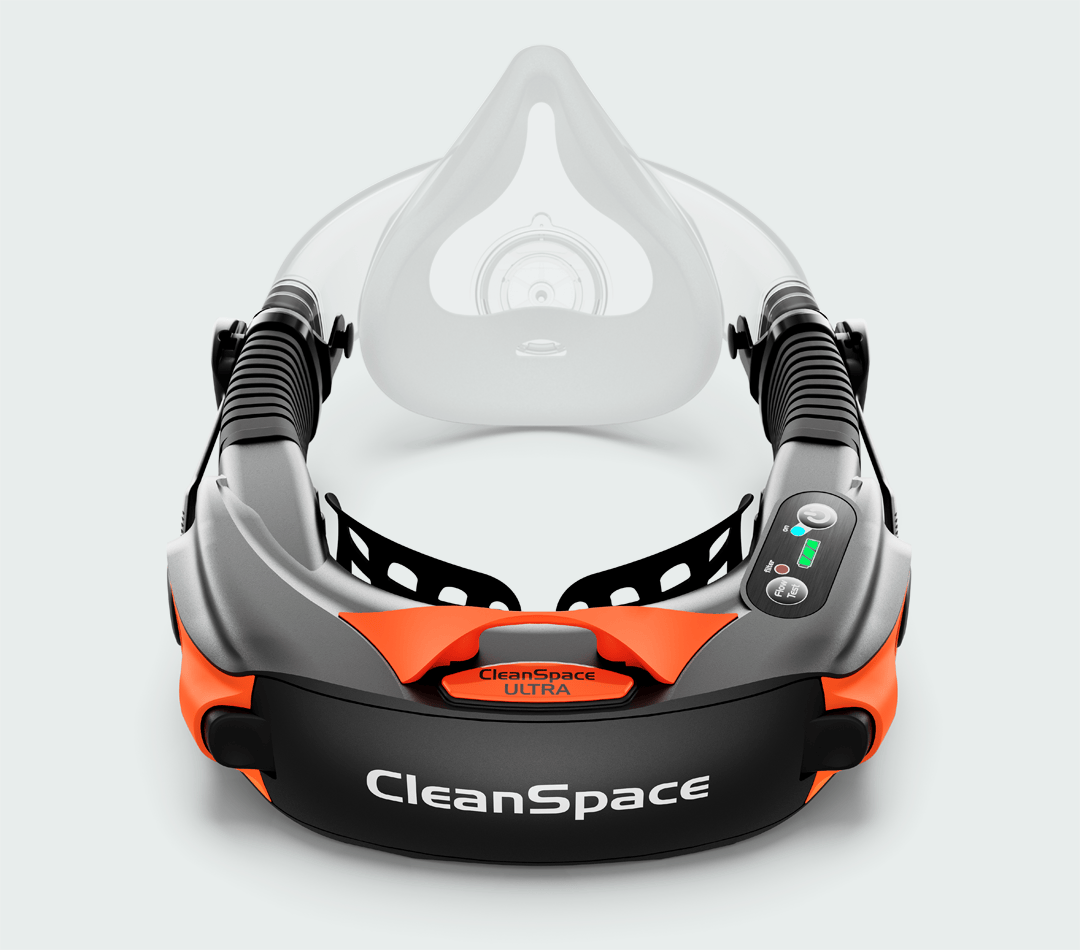
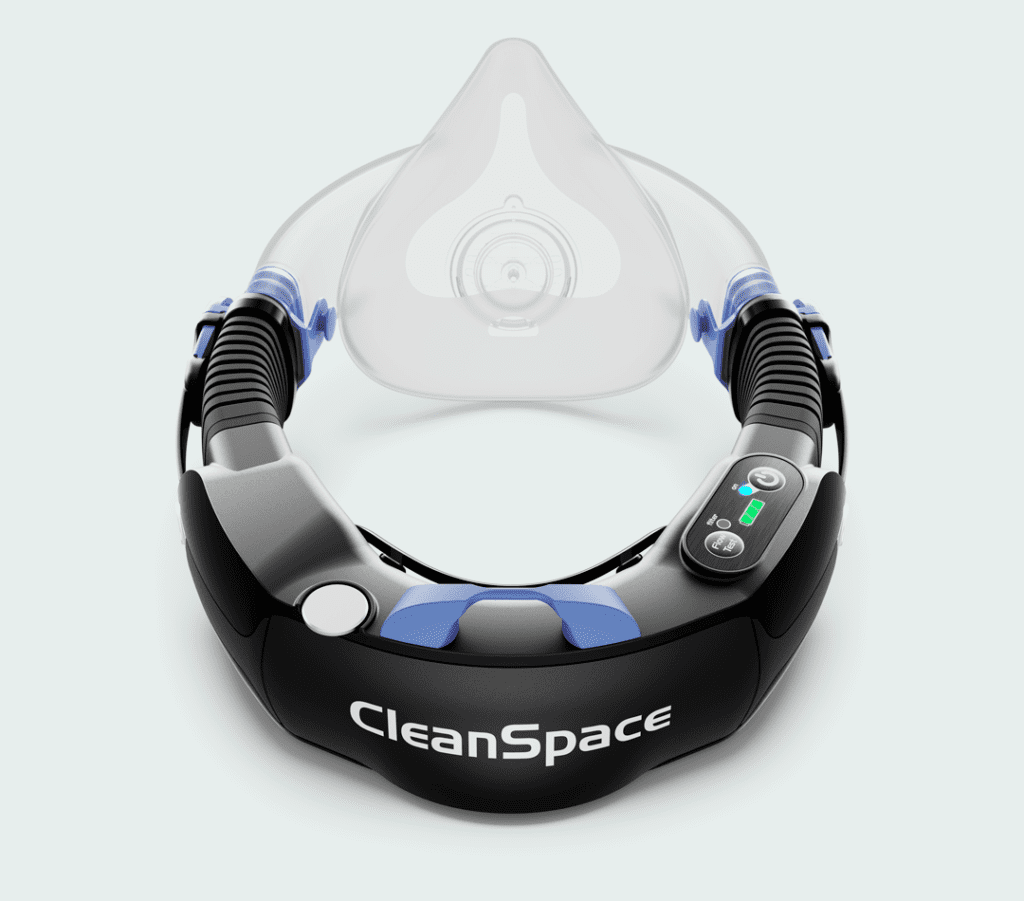
CleanSpace respirators are cutting-edge powered air-purifying respirators (PAPRs) that take personal protection to a whole new level. Imagine having your own personal bubble of clean air wherever you go – that’s what CleanSpace offers!

These nifty devices are like having a miniature air purifier strapped to your face. But don’t worry, they’re not as clunky as that sounds. In fact, they’re sleek, lightweight, and dare we say, rather stylish for protective gear.

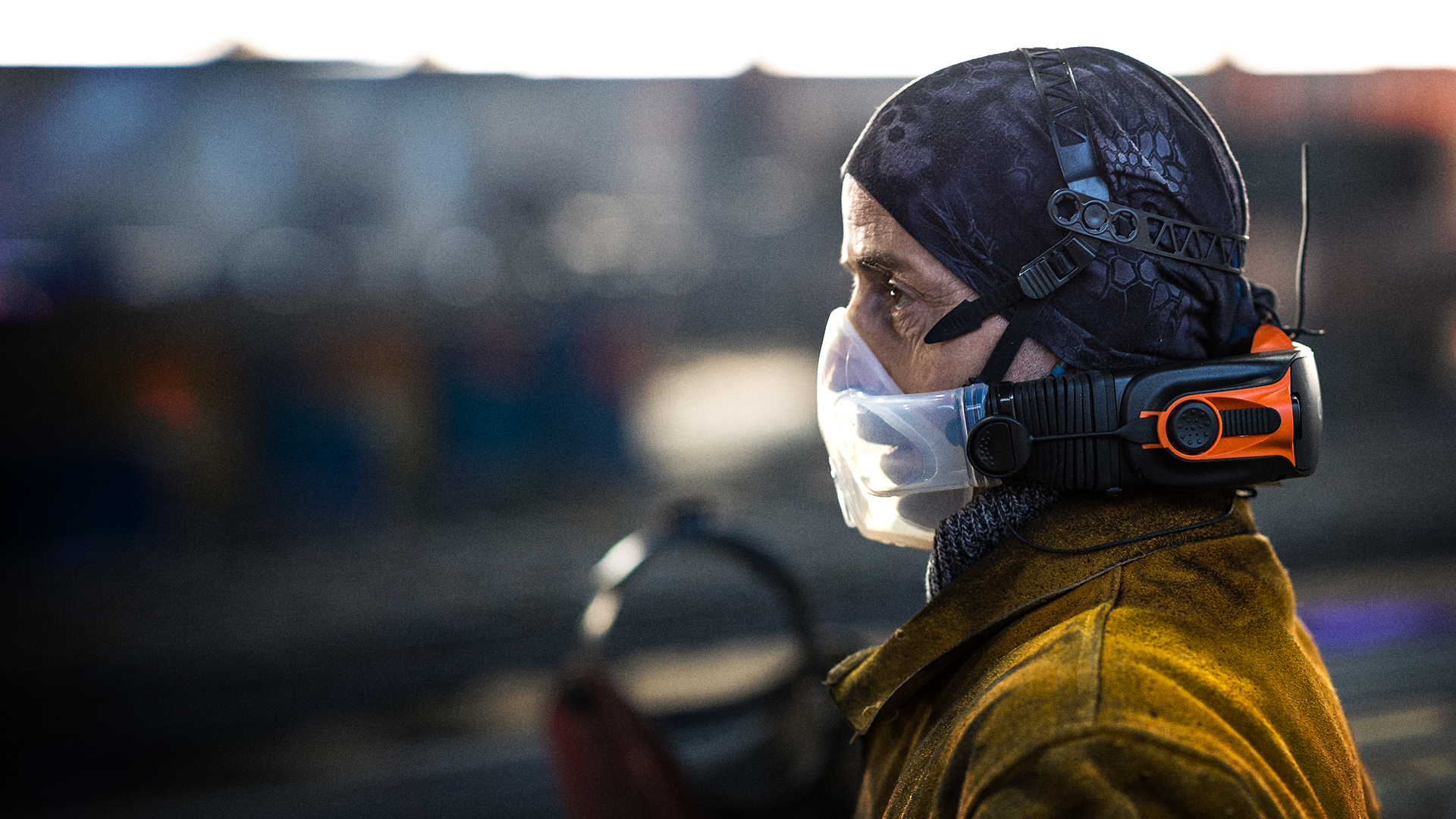
Ever tried to drink your morning cuppa while wearing a mask? It’s a bit like trying to eat soup with a fork – frustrating and messy. CleanSpace respirators solve this age-old problem with their clear face mask design. You can sip your coffee, chat with colleagues, and even show off your pearly whites without compromising on safety.

But what makes these respirators truly special? It’s all in the tech, folks. They use something called AirSensit® Technology, which sounds fancy (and it is), but essentially means it filters out 99.97% of nasties from the air you breathe. That’s more effective than your gran’s home remedies for catching a cold!

Healthcare workers, in particular, have given these respirators a big thumbs up. They’ve rated them highly for safety, comfort, and ease of use. It’s like the holy trinity of respiratory protection!

Have you ever wondered what it would be like to have superhero-level protection against airborne threats? Well, wonder no more! CleanSpace respirators provide consistent and adequate respiratory protection, even during high-intensity activities. Chest compressions? No problem. Running a marathon? Okay, maybe not that extreme, but you get the idea.
cleanspace respirators

Key Features of CleanSpace Respirators

CleanSpace Respirators offer cutting-edge features that set them apart in the world of respiratory protection. Let’s dive into the key elements that make these devices stand out.

Innovative Design

CleanSpace Respirators boast a compact and lightweight design, tipping the scales at just 350g for the HALO model and up to 500g for other variants. Imagine carrying a small bottle of water – that’s how light these respirators are! They’ve ditched the cumbersome hoses, belts, and waist-mounted battery packs, giving you the freedom to move about without feeling like you’re tangled in a web of equipment.

Ever fumbled with complicated gear? Well, CleanSpace has your back. Their one-button operation is so simple, you’ll wonder why all devices aren’t this user-friendly. It’s like they’ve taken a page from your smartphone’s book – easy to use, yet incredibly powerful.

Advanced Filtration Technology

When it comes to keeping the nasties out of your lungs, CleanSpace doesn’t mess about. Their proprietary AirSensit® Technology is like having a bouncer for your airways, turning away 99.97% of unwanted particles at the door. It’s equivalent to HEPA/P100 filters, which is just a fancy way of saying it’s really, really good at its job.

Think of it this way: if airborne contaminants were trying to gatecrash your personal air party, CleanSpace would be the eagle-eyed security guard spotting even the sneakiest of gate-crashers. From fine particles to aerosols, viruses to bacteria, these respirators have got your back… or should we say, your lungs?

Comfort and Fit

Ever worn a mask that felt like it was trying to smother you? CleanSpace Respirators are the opposite. They’re designed with your comfort in mind, fitting snugly without feeling suffocating. It’s like wearing a perfectly tailored suit, but for your face.

The clear face mask design is a game-changer. You can chat with your colleagues, and even flash a smile without having to remove your protection. It’s respiratory safety that doesn’t cramp your style.

Have you ever tried to communicate while wearing a traditional mask? It’s like playing a game of charades! With CleanSpace, you can speak clearly and be understood, making it perfect for those of us who work in teams or interact with others regularly.

Remember that time you tried to wear safety goggles with a traditional mask and ended up looking like a foggy-eyed alien? CleanSpace Respirators play nice with other PPE, so you can see clearly and stay protected from head to toe.

We’re all part of the breathing brigade, aren’t we? So why not breathe easier with a respirator that’s got your comfort, safety, and style all wrapped up in one nifty package? CleanSpace Respirators might just be the breath of fresh air you’ve been looking for in respiratory protection.

Benefits of Using CleanSpace Respirators

CleanSpace respirators offer superior protection and comfort compared to traditional masks. Let’s explore the key advantages that make these innovative devices stand out.

Enhanced Protection

CleanSpace respirators, including models like CleanSpace Work, CleanSpace EX, CleanSpace CST ULTRA, and CleanSpace HALO, provide top-notch safety benefits. These NIOSH-approved devices boast a 99.97% filtration efficiency, creating a robust barrier against airborne nasties.

Imagine having a personal forcefield that keeps out tiny troublemakers like respirable crystalline silica and airborne pathogens. That’s what CleanSpace respirators do! They’re like your lungs’ best mate, keeping them safe in high-risk environments such as hospitals, building sites, mines, and labs.

Have you ever wondered what it’d be like to have a superhero shield for your respiratory system? Well, with CleanSpace, you’re part of a community of breathers who’ve got just that!

Improved Breathability

We’ve all been there – struggling to catch our breath while wearing a stuffy mask. But CleanSpace respirators are different, thanks to their clever AirSensit® Technology. This nifty feature adapts the flow of filtered air to match your breathing rhythm, making it feel as natural as possible.

It’s like having a personal air DJ that mixes the perfect blend of clean air just for you. No more huffing and puffing like the Big Bad Wolf – with CleanSpace, you’ll breathe easy and comfortably, even during those high-intensity moments.

Here’s a chuckle for you: Why did the CleanSpace respirator win the dance competition? Because it had all the best moves and never ran out of breath!

By joining the CleanSpace club, you’re not just protecting yourself – you’re part of a movement towards smarter, more comfortable breathing solutions. So, are you ready to take a deep, clean breath and see what all the fuss is about? Need help choosing the right CleanSpace Respirator for your workplace? Contact our team for expert advice!

Applications and Industries

CleanSpace Respirators are versatile devices designed for use across various sectors. They offer high-level protection, comfort, and cost-effectiveness in diverse work environments.

Healthcare Settings

In healthcare, CleanSpace Respirators shine. They’re a godsend for medical professionals who need reliable protection without compromising communication. Imagine trying to explain a diagnosis through a muffled mask – it’s like talking underwater! But with CleanSpace, doctors and nurses can speak clearly while staying safe. These respirators are perfect for long shifts in hospitals, clinics, and care homes. They’re also ideal for dental procedures, where close contact is unavoidable.

Industrial Environments

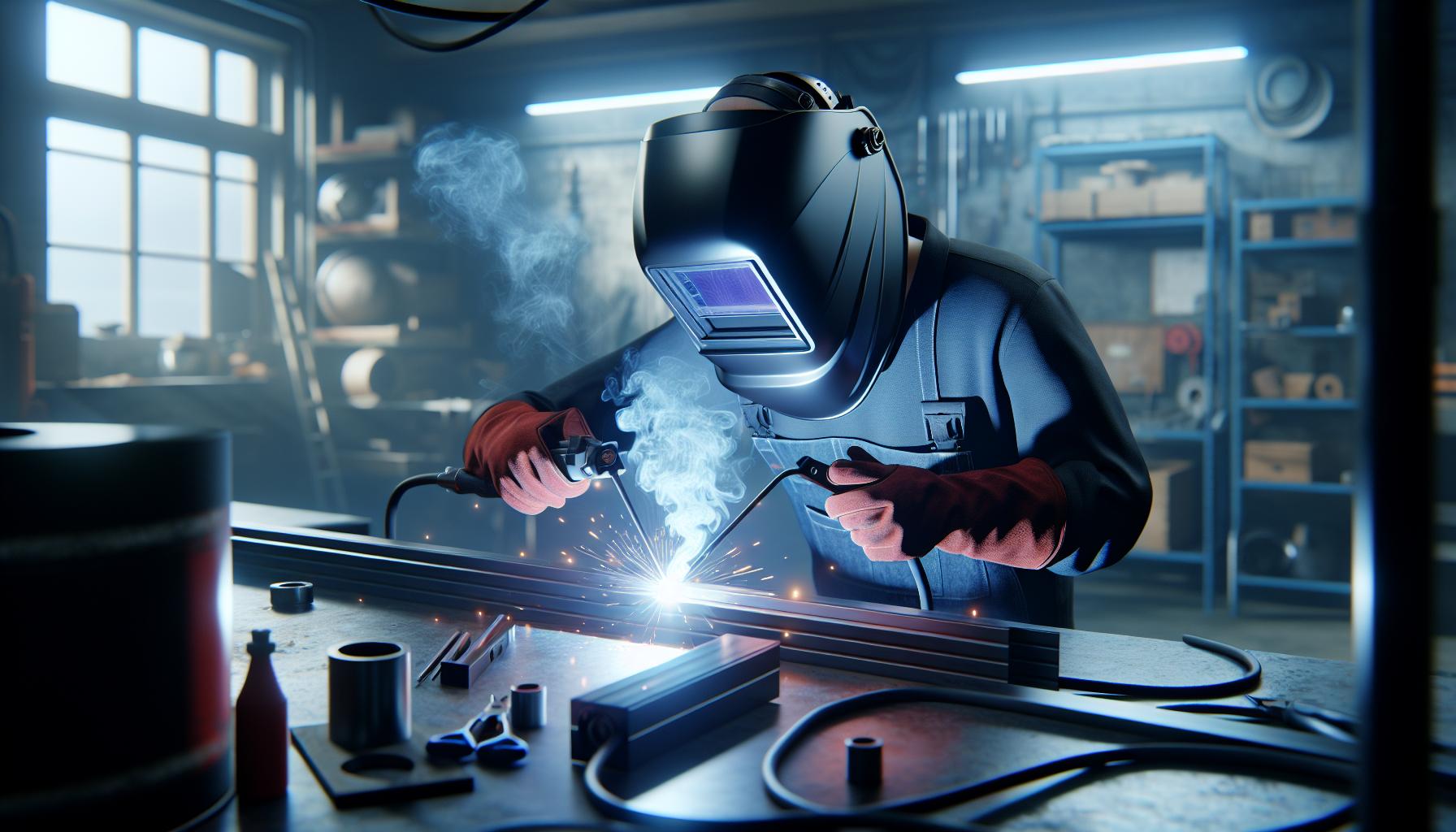
CleanSpace Respirators are tough cookies in industrial settings. They’re ready to tackle anything from metal fabrication to chemical handling. In welding shops, they’re like a superhero’s shield against flying sparks and fumes. For those working in food processing, these respirators are a breath of fresh air – literally! They keep pesky flour dust and other particles at bay.

And let’s not forget about the mining and quarry crews. CleanSpace Respirators are their trusty sidekicks in the fight against dust and debris. They’re also a hit in construction, where concrete dust is as common as bad jokes on a building site.

We’re all part of the clean air club now. So, what’s your workplace like? Do you need a respiratory superhero to swoop in and save the day?

Comparing CleanSpace to Traditional Respirators

Ever wondered how CleanSpace respirators stack up against their old-school counterparts? Let’s dive in and explore the differences that make CleanSpace a breath of fresh air in the world of respiratory protection.

Respiratory Protection

CleanSpace respirators, offer consistent and adequate protection levels. Quantitative fit tests and simulated workplace protection factor studies have shown that these respirators maintain their effectiveness at rest, during, and after physical activities. Even when performing chest compressions, the protection remains steady, whether the power is on or off. It’s like having a personal bodyguard for your lungs that never takes a break!

Communication Performance

Traditional respirators can be a real conversation killer, decreasing speech intelligibility by 1% to 17%. That’s like trying to chat with a mouthful of marbles! CleanSpace HALO, on the other hand, meets the NIOSH minimum standard for speech intelligibility. Want to take your communication game to the next level? Adding wireless communication headsets makes conversations crystal clear. No more shouting “Can you hear me now?” across the room!

Usability and Comfort

When it comes to usability and comfort, CleanSpace respirators are top-notch. They’re like the comfy trainers of the respirator world – you might forget you’re even wearing them! Users consistently rate these respirators highly for their ease of use and comfort.

Have you ever tried wearing a traditional respirator for a long shift? It’s about as fun as wearing a cardboard box on your face. CleanSpace respirators, however, are designed with the user in mind, making those long hours more bearable.

So, are you ready to join the CleanSpace revolution? Together, we can breathe easier and work smarter. After all, who said respiratory protection can’t be comfortable and effective at the same time?

Maintenance and Care Tips

Taking care of your CleanSpace Respirator is like tending to a loyal pet – it needs regular attention to keep purring along smoothly. Let’s dive into some essential maintenance tips that’ll keep your breathing buddy in tip-top shape.

Physical Condition

Picture your respirator as a superhero’s mask – it needs to be in prime condition to fight off those pesky airborne villains. Give it a once-over regularly, looking for any battle scars like cracks or tears. Check the face piece, head straps, and other bits and bobs for signs of wear and tear. Remember, a well-maintained respirator is a happy respirator!

Ever wondered what your respirator would say if it could talk? It might just thank you for keeping an eye on its attachments and head harness. These parts work hard to keep you safe, so show them some love by checking for any excessive wear.

Filter Maintenance

Filters are the unsung heroes of your respirator. They’re like tiny bouncers, keeping unwanted particles out of your personal air party. But even bouncers need a break sometimes.

Here’s a fun fact: you can’t wash your filters in the sink like your favourite coffee mug. Once they’ve done their job, it’s time for them to retire. Replace them if they’ve been damaged, had an unexpected shower, or if your respirator starts beeping and flashing like a disco ball (that’s the filter change alert, by the way).

Last but not least, make sure you’re using the right filter for the job. It’s like picking the right tool from your toolbox – you wouldn’t use a hammer to screw in a lightbulb, would you? Stick to CleanSpace filters for your CleanSpace Respirator. They’re made for each other, like peanut butter and jelly!

Conclusion

CleanSpace Respirators represent a significant leap forward in respiratory protection technology. We’ve explored their innovative features advanced filtration capabilities and versatile applications across various sectors. These devices offer a perfect blend of safety comfort and style making them an ideal choice for professionals and individuals alike. By choosing CleanSpace you’re not just investing in a respirator but embracing a smarter healthier way of breathing. Join the growing community of CleanSpace users and experience the future of respiratory protection today.

Frequently Asked Questions

What are CleanSpace Respirators?

CleanSpace Respirators are innovative personal air purifiers designed for comfortable breathing in polluted environments. They are advanced powered air-purifying respirators (PAPRs) that create a personal bubble of clean air, combining style with functionality.

How effective are CleanSpace Respirators in filtering air?

CleanSpace Respirators are highly effective in filtering air. They use AirSensit® Technology, which filters out 99.97% of airborne contaminants. This technology acts as a security guard for the lungs, effectively removing harmful particles from the air you breathe.

Are CleanSpace Respirators comfortable to wear?

Yes, CleanSpace Respirators are designed for comfort. They are compact and lightweight, with the HALO model weighing just 350g. The respirators fit snugly without suffocating, allowing for clear communication and compatibility with other PPE. Users find them far more comfortable for extended wear compared to traditional options.

How do CleanSpace Respirators compare to traditional masks?

CleanSpace Respirators offer superior protection and comfort compared to traditional masks. They provide consistent protection levels during various activities, including strenuous tasks. Unlike traditional respirators, CleanSpace models maintain speech clarity and can be enhanced with wireless communication headsets.

In which industries are CleanSpace Respirators particularly useful?

CleanSpace Respirators are versatile and useful in various sectors. They are particularly beneficial in healthcare, where clear communication is crucial during long shifts and close-contact procedures. They’re also ideal for industrial environments such as welding, food processing, mining, and construction, protecting against hazards like sparks, fumes, and dust.

How do I maintain my CleanSpace Respirator?

Maintain your CleanSpace Respirator by regularly checking its physical condition, particularly the face piece and head straps, for signs of wear and tear. Replace filters as recommended and clean the device according to the manufacturer’s instructions. Proper maintenance ensures the respirator’s longevity and effectiveness.
Orange Hi Vis Jackets: Essential Guide to Workplace Safety and Visibility

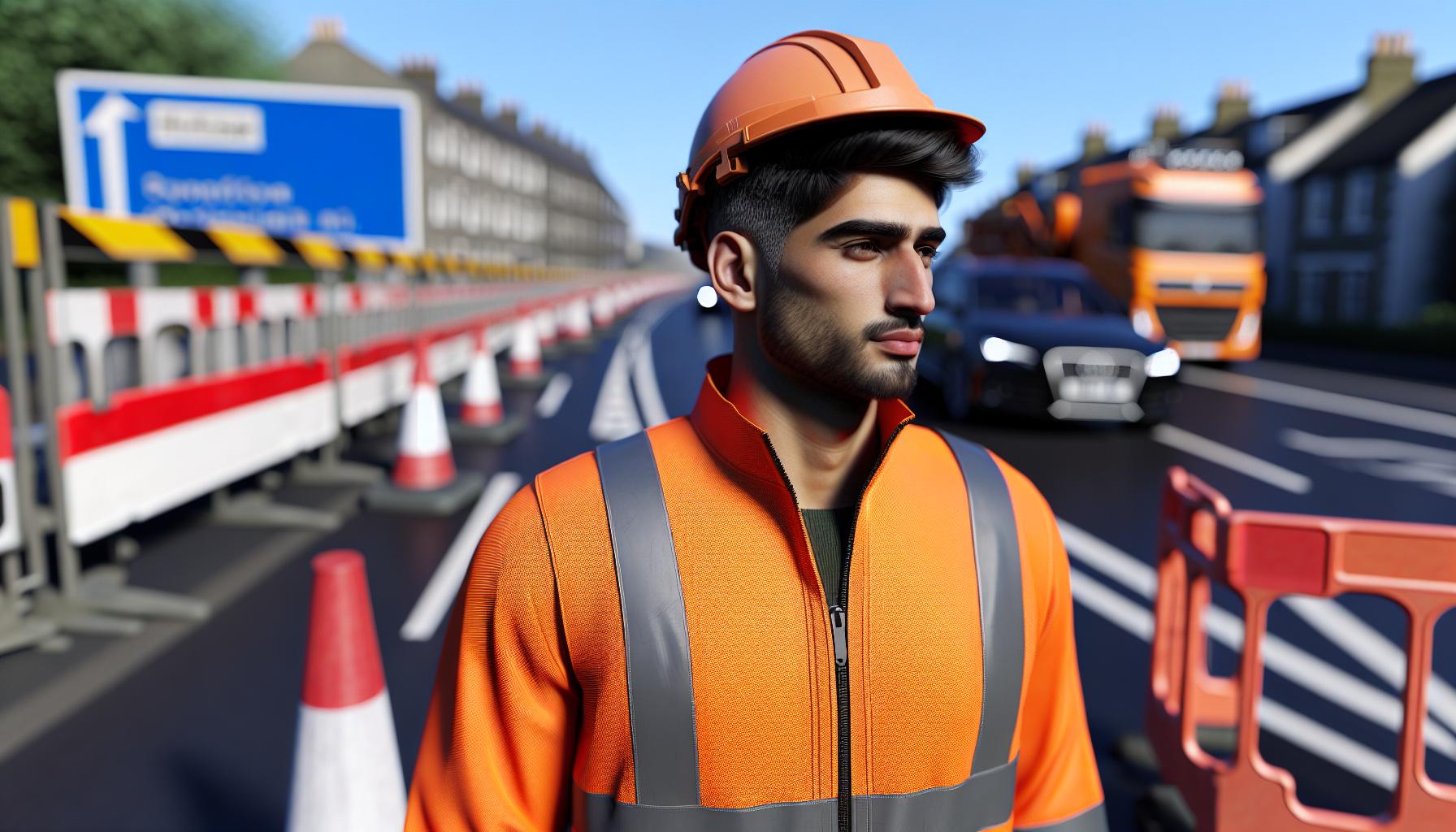
Ever noticed those bright orange jackets that seem to light up construction sites and roadworks? We’re talking about the unsung heroes of workplace safety: orange hi-vis jackets. These eye-catching garments aren’t just a fashion statement for builders and road crews – they’re lifesavers in high-risk environments.

We’ve all been there, driving through foggy conditions or navigating a busy construction zone. Suddenly, a flash of orange catches our eye, alerting us to a worker’s presence. It’s not magic; it’s clever design at work. But have you ever wondered why orange is the colour of choice? Or what makes these jackets so effective at keeping workers safe? Let’s dive into the world of orange hi-vis jackets and uncover their secrets.

orange hi vis jacket
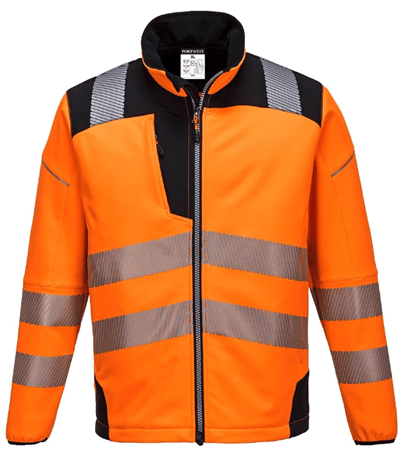
portwest t402 orange softshell hi vis jacket 6

Key Takeaways

  • Orange hi-vis jackets are crucial safety gear designed to make workers highly visible in various conditions, including low light and bad weather.
  • Key features include fluorescent fabric, reflective strips, and weather protection, enhancing visibility and comfort for wearers.
  • Safety standards and regulations, such as EN 13688, EN 20471 & RIS-3279-TOM , govern the design and use of hi-vis apparel to ensure worker safety.
  • Choosing the right jacket involves considering fit, comfort, durability, and quality to ensure optimal safety and performance.
  • Proper maintenance, including careful washing and handling, is essential to preserve the jacket’s reflective properties and overall effectiveness.

What Is an Orange Hi Vis Jacket?

Ever spotted a group of workers on the roadside looking like walking traffic cones? That’s the magic of orange hi-vis jackets! These vibrant garments are more than just a fashion statement for construction workers and road crews. They’re lifesavers in disguise.

An orange hi-vis jacket is a type of personal protective equipment (PPE) designed to make the wearer stand out like a sore thumb – but in a good way! It’s made with a fluorescent “blaze” or “safety” orange fabric that practically screams, “Hey, look at me!” This eye-catching colour contrasts sharply with most backgrounds, making workers visible in various conditions, including low light and bad weather.

But wait, there’s more! These orange hi vis jackets aren’t just about being bright. They often come with reflective strips that bounce light back to its source. Imagine a driver’s headlights hitting these strips – it’s like a disco ball effect, but for safety! This feature makes workers even more visible when illuminated by vehicle lights or other light sources.

You might be wondering, “Why orange?” Well, it’s not because construction workers are secret Dutch football fans! Orange is simply one of the most visible colours in daylight and low-light conditions. It’s like nature’s own highlighter pen.

Did you know these jackets have to meet strict standards? Bodies like the Health and Safety Executive (HSE) and the International Organisation for Standards (ISO) have set guidelines for these garments. It’s not just about slapping on some orange fabric and calling it a day!

Key Features of Orange Hi Vis Jackets

Orange hi-vis jackets are packed with essential features that make them indispensable for workplace safety. Let’s dive into the key elements that make these jackets stand out and keep workers safe in various conditions.

Reflective Strips

Reflective strips are a game-changer for visibility. These silver bands create a striking contrast against the orange fabric, making workers visible from all angles. Imagine you’re driving at night and suddenly see a bright flash – that’s the reflective strips doing their job! They’re strategically placed to outline the human form, helping drivers quickly identify workers even in dim light.

Fluorescent Fabric

Ever wondered why these jackets seem to glow? It’s all thanks to the fluorescent fabric! This clever material absorbs ultraviolet light and re-emits it as visible light, making the jacket pop against any background. It’s like wearing your own personal spotlight, especially handy when you’re working amongst trees or in areas with lots of greenery. Who knew science could be so fashionable?

Weather Protection

Orange hi-vis jackets aren’t just about being seen – they’re also about staying comfortable in all sorts of weather. Many jackets come with waterproof layers to keep you dry during those unexpected showers. Some even have removable linings, perfect for when the temperature drops. It’s like having a Swiss Army knife for your wardrobe! Have you ever tried working in the rain without proper gear? Trust us, it’s not fun. These jackets make sure you’re protected while still being visible, so you can focus on the job at hand without worrying about the weather.

Safety Standards and Regulations

Ever wondered why your orange hi-vis jacket looks like it could guide planes on a runway? Well, it’s not just for show! These eye-catching garments are subject to strict safety standards and regulations. Let’s dive into the nitty-gritty of what makes these jackets more than just a fashion statement.

In the UK and across the pond, hi-vis apparel must meet specific criteria to keep workers safe. The American National Standards Institute (ANSI) has set the bar high with their ANSI/ISEA 107-2015 2020 standard. This guideline isn’t just a mouthful; it’s the gold standard for high-visibility safety apparel.

ANSI breaks down hi-vis gear into three main types:

  1. Type R (Roadway): For those brave souls working amidst traffic. These jackets need to shine bright day and night.
  2. Type O (Off-Road): Perfect for workers around moving equipment but away from road traffic.
  3. Type P (Public Safety): Designed for our everyday heroes – police, firefighters, and paramedics.

But wait, there’s more! ANSI also categorises jackets by performance class. Class 1 is the entry-level, suitable for low-risk environments. It’s like the ‘casual Friday’ of hi-vis wear!

Have you ever noticed how some workers seem to glow brighter than others? That’s because different jobs require different levels of visibility. A road worker needs to stand out more than someone in a warehouse, for instance.

We can’t help but chuckle at the thought of a hi-vis fashion show. Imagine models strutting down the catwalk in neon orange jackets, accessorised with reflective strips! It might not be Milan, but it’d certainly be safe.

In all seriousness, these standards are crucial for keeping workers visible and protected. They’re constantly evolving to meet new challenges and improve safety. So next time you see someone rocking an orange hi-vis jacket, you’ll know there’s a whole lot of science and regulation behind that bright look.

Top Brands for Orange Hi Vis Jackets

Ever felt like a human traffic cone? That’s the life of a worker in an orange hi-vis jacket! But jokes aside, these bright beacons of safety are serious business. Let’s explore some top-notch brands, such as Norsemen Safety that keep our workers visible and protected.

When it comes to orange hi-vis jackets, quality matters. We’ve sifted through the options to bring you the cream of the crop. These brands aren’t just about slapping some orange fabric together; they’re the Michelangelos of safety wear, crafting masterpieces that could make even the Mona Lisa jealous.

First up, we’ve got brands that specialise in safety gear. Portwest are the go-to guys for all things high-visibility, offering jackets that could probably be seen from space. Their range includes bomber jackets that’ll make you feel like Top Gun, but with more safety and less volleyball.

Next, we’ve got the all-rounders. These brands don’t just do safety wear; they do it all. But when it comes to orange hi-vis jackets, they don’t mess about. They offer options with more reflective tape than a disco ball, ensuring you’re visible from every angle.

Lastly, we’ve got the specialists. These brands live and breathe high-visibility clothing. They’re so passionate about safety, they probably dream in fluorescent orange. Their jackets come with all the bells and whistles, from waterproof layers to removable linings.

So, which brand tickles your fancy? Are you after the Fort Knox of safety jackets, or something more along the lines of “visible but make it fashion”? Whatever your preference, these top brands have got you covered – quite literally!

Choosing the Right Orange Hi Vis Jacket

Selecting the perfect orange hi-vis jacket involves more than just grabbing the first one you see. We’ll guide you through the key factors to consider, helping you make an informed decision that keeps you safe and comfortable.

Fit and Comfort

When it comes to hi-vis jackets, fit and comfort are paramount. A well-fitting jacket not only feels better but also enhances safety. Ever tried working in a jacket that’s too tight or too loose? It’s like trying to dance in oversized wellies – awkward and potentially dangerous!

We recommend looking for jackets with a range of sizes to suit different body types. Features like adjustable cuffs and hems are brilliant for customising the fit. Remember, a good fit means better visibility and fewer distractions while you’re on the job.

Comfort is equally crucial, especially if you’re wearing the jacket for long hours. Imagine wearing a plastic bag all day – not fun, right? That’s why we love jackets made from breathable, moisture-wicking materials. These fabrics help regulate your body temperature, keeping you cool and dry even during those sweaty summer shifts.

Here’s a cheeky tip: try on your jacket and do a little dance. If you can boogie comfortably, you’re on the right track!

Durability and Quality

Let’s face it, your hi-vis jacket needs to be tough as nails. It’s going to face all sorts of challenges – from harsh weather to rough surfaces. A jacket that falls apart faster than a cheap Christmas cracker isn’t just a waste of money; it’s a safety risk.

We always look for jackets made with sturdy materials and reinforced stitching. Think of your jacket as your trusty sidekick in the battle against workplace hazards. You wouldn’t want your sidekick to bail on you mid-fight, would you?

Quality also extends to the reflective elements. These shiny bits are what make you visible in low light conditions. Over time, they can wear off or lose their effectiveness. That’s why we recommend jackets with high-quality reflective strips that can withstand repeated washing and wear.

Maintaining Your Orange Hi Vis Jacket

We’ve all been there – you’re about to head out to work, and your trusty orange hi-vis jacket looks like it’s been dragged through a muddy construction site. But don’t fret! Keeping your safety gear in tip-top shape is easier than you might think. Let’s dive into some practical tips that’ll have your jacket looking as bright as the day you bought it.

Washing

When it comes to washing your hi-vis jacket, treat it like a delicate flower. Machine washing can be a bit of a gamble – it’s like playing Russian roulette with your safety gear! Manufacturers typically recommend limiting machine washes to 20-25 cycles before the jacket’s reflective properties start to wave goodbye.

If you must use the washing machine, follow these steps:

  1. Turn the jacket inside out (it’s like giving it a protective hug).
  2. Use a cold or delicate cycle (imagine you’re washing a puppy – gentle does it!).
  3. Choose a mild detergent with a pH level no higher than 11 (think of it as a spa treatment for your jacket).
  4. Avoid optical brighteners, bleach, or fabric softener (these are the bullies of the laundry world for hi-vis gear).

Hand Washing

For those of us who prefer the personal touch, hand washing is the way to go. It’s like giving your jacket a relaxing bath after a hard day’s work. Here’s how to do it:

  1. Hang up your jacket and brush off any loose dirt (think of it as a mini-massage for your gear).
  2. Submerge it in lukewarm water with mild detergent for 20-30 minutes (it’s like a jacuzzi for your jacket).
  3. Gently rub stubborn stains with a light brush (treat it like you’re brushing a cat – soft and careful).
  4. Rinse under cold water (imagine you’re giving it a refreshing shower).

Have you ever wondered why we need to be so careful with our hi-vis jackets? It’s because they’re not just ordinary clothes – they’re our lifelines on the job. By taking care of them, we’re taking care of ourselves and our colleagues.

Here’s a funny thought: imagine if our hi-vis jackets could talk. They’d probably say, “Hey, easy on the rough treatment! I’m here to keep you safe, not to be your punching bag!” So let’s show them some love, shall we?

Remember, a clean and well-maintained hi-vis jacket isn’t just about looking good – it’s about staying safe. So, let’s make jacket maintenance a team effort. Who’s with us in the quest for the cleanest, brightest hi-vis jackets in town?

When and Where to Wear an Orange Hi Vis Jacket

Ever wondered why construction workers look like walking tangerines? It’s not a fashion statement, folks! Orange hi-vis jackets are the unsung heroes of workplace safety. Let’s dive into when and where these eye-catching garments shine brightest.

Low-Light and Overcast Conditions

Picture this: you’re driving on a gloomy, overcast day. Suddenly, a bright orange blob appears in your vision. That’s right, it’s an orange hi-vis jacket doing its job! These jackets are the champions of dim lighting. Their longer wavelengths keep them visible when other colors would fade into the background. So, when the sun decides to play hide and seek, orange hi-vis jackets step up to the plate.

Natural Environments

Ever tried to spot a yellow jacket in a field of daffodils? Not easy, right? That’s where orange hi-vis jackets come to the rescue. In green, leafy environments, orange stands out like a sore thumb – but in a good way! Outdoor workers in forestry, landscaping, or construction sites surrounded by trees will find orange hi-vis jackets their best friend. It’s like playing a real-life game of ‘Where’s Wally?’, except Wally is wearing a bright orange jacket and standing in front of a tree.

Specific Job Requirements

Some jobs are like a game of human Tetris, with workers navigating around moving vehicles or working under sodium vapor lamps. In these scenarios, orange hi-vis jackets are the MVPs. They provide better contrast and visibility, making sure workers don’t blend in with their surroundings. After all, we want our workers to stand out, not disappear like magicians!

So, next time you see someone rocking an orange hi-vis jacket, remember: they’re not trying to start a new fashion trend. They’re just staying safe and visible in style. And who knows? Maybe one day, orange will be the new black in the fashion world. Until then, we’ll stick to wearing these bright beauties when safety calls for it.

Conclusion

Orange hi-vis jackets are essential for workplace safety, particularly in high-risk environments. We’ve explored their design features, safety standards, and the science behind their effectiveness. From choosing the right jacket to proper maintenance, these garments play a crucial role in protecting workers. By understanding their importance and following best practices, we can ensure that orange hi-vis jackets continue to be a vital tool in maintaining a safe work environment across various industries.

Frequently Asked Questions

Why are orange hi-vis jackets important for workplace safety?

Orange hi-vis jackets are crucial for workplace safety, particularly in construction and roadwork environments. They make workers highly visible to drivers and pedestrians, reducing the risk of accidents. The bright orange colour stands out against various backgrounds, even in low light and poor weather conditions. These jackets often include reflective strips for enhanced visibility, making them an essential piece of personal protective equipment (PPE).

What makes orange the preferred colour for hi-vis jackets?

Orange is the preferred colour for hi-vis jackets due to its high visibility in both daylight and low-light conditions. It stands out prominently against most backgrounds, making workers easily noticeable. The specific ‘blaze’ orange used in hi-vis gear is fluorescent, which enhances its visibility further. This colour choice adheres to strict safety standards set by organisations like OSHA and ANSI, ensuring optimal visibility for workers in potentially hazardous environments.

What are the key features of orange hi-vis jackets?

Key features of orange hi-vis jackets include fluorescent orange fabric for high visibility, reflective strips for enhanced visibility in low light, and often weather protection elements. Many models offer waterproof layers and removable linings for comfort in various weather conditions. The jackets are designed to meet specific safety standards, with different types (R, O, P) and performance classes suited for various work environments. Durability and quality of materials are also crucial features.

How do safety standards affect hi-vis jacket design?

Safety standards, such as EN 13688, EN 20471 & RIS-3279-TOM , significantly influence hi-vis jacket design. These standards categorize hi-vis apparel into types (R, O, P) for different work environments and establish performance classes based on visibility requirements. They dictate the minimum amount of background material, reflective strip placement, and overall design to ensure jackets provide adequate visibility. Adherence to these standards is crucial for workplace safety compliance.

What should I consider when choosing an orange hi-vis jacket?

When choosing an orange hi-vis jacket, consider the specific work environment and required safety standards. Look for a proper fit and comfort features like adjustable cuffs and breathable materials. Durability is crucial, so opt for jackets made from sturdy materials with high-quality reflective elements. Consider the jacket’s performance class and type based on your job requirements. Additionally, check for weather protection features if needed for outdoor work.

How should I maintain my orange hi-vis jacket?

Proper maintenance of orange hi-vis jackets is crucial for ensuring their effectiveness. Follow the manufacturer’s washing instructions, typically involving machine washing on a gentle cycle with cold water and mild detergent. Avoid using bleach or fabric softeners. For hand washing, use lukewarm water and mild soap. Always air dry the jacket away from direct heat or sunlight. Regularly inspect the jacket for signs of wear or damage to the reflective elements, and replace it when necessary.

When and where are orange hi-vis jackets most effective?

Orange hi-vis jackets are most effective in low-light and overcast conditions, as well as in natural environments like forestry and landscaping. They provide excellent contrast against green foliage and brown earth tones. These jackets are particularly crucial for roadwork, construction sites, and any outdoor work near moving vehicles or machinery. They’re also effective in urban environments where workers need to stand out against varied backgrounds.

Optrel Welding Helmets: Crystal-Clear Vision for Precision Welding

We’ve all been there – squinting through a foggy welding helmet, trying to see our work. It’s like driving in a thick fog, isn’t it? But what if we told you there’s a way to turn that foggy view into a crystal-clear vision?

Enter Optrel welding helmets. These aren’t your grandad’s old-school face shields. They’re the Swiss Army knives of the welding world, packed with features that’ll make you wonder how you ever managed without them. Ever fancied having a superhero-like vision while welding? Well, now you can!

optrel welding helmet

Key Takeaways

  • Optrel welding helmets feature advanced ShadeTronic® technology for automatic shade adjustment and FadeTronic for smooth transitions after welding
  • Crystal Lens Technology provides superior optical clarity, offering a clear view and natural colour reproduction during welding tasks
  • The Panoramaxx series offers a field of view up to six times larger than standard helmets, enhancing visibility and reducing eye strain
  • Optrel helmets prioritise comfort with lightweight designs and IsoFit® Headgear for customisable fit and even weight distribution
  • Regular maintenance, including gentle cleaning of the auto-darkening filter and cover lenses, is crucial for optimal performance and longevity

What Are Optrel Welding Helmets?

Optrel welding helmets are top-notch protective gear crafted in Switzerland. They’re like the Swiss Army knives of welding protection – versatile, reliable, and packed with clever features. Ever tried to read a book through sunglasses? That’s what welding with a standard helmet can feel like. But Optrel helmets? They’re more like magical specs that adjust to your needs.

These helmets boast ShadeTronic® technology, which is fancy talk for “it knows how bright your welding arc is and adjusts accordingly.” Imagine if your sunglasses could automatically darken when you step into bright sunlight – that’s ShadeTronic® in action. And when you’re done welding, FadeTronic kicks in, gently easing your eyes back to normal light levels. It’s like having a personal lighting assistant!

But wait, there’s more! (We sound like a TV advert, don’t we?) Optrel’s Crystal Lens Technology is a game-changer. It’s like having HD vision while welding. You’ll see colours as clear as day, even when you’re working with molten metal. No more squinting or guessing – just crystal clear views of your work.

And let’s talk about the view. Have you ever tried looking through a letterbox? That’s what some welding helmets feel like. But Optrel’s Panoramaxx series gives you a view six times larger than standard helmets. It’s like upgrading from a porthole to a picture window. How do they do it? They’ve cleverly designed the helmet to sit closer to your eyes, giving you a wider field of view.

Key Features of Optrel Welding Helmets

Optrel welding helmets stand out with their cutting-edge features. Let’s dive into what makes these helmets a game-changer for welders.

Auto-Darkening Technology

Optrel’s auto-darkening technology is like having a personal assistant for your eyes. Remember squinting at the sun and wishing for instant sunglasses? That’s what ShadeTronic® does for welders. It automatically adjusts the shade level based on the arc’s intensity, so you’re always protected without lifting a finger.

But wait, there’s more! Ever been momentarily blinded when someone switches on the lights in a dark room? FadeTronic prevents that jarring experience. It gently fades the lens back to normal after welding, giving your eyes a smooth transition. It’s like having a dimmer switch for your welding helmet!

Comfort and Ergonomics

Comfort is king when you’re welding all day. Optrel’s IsoFit® Headgear is like a tailor-made suit for your head. It offers multiple adjustment options to fit snugly, regardless of your head shape or size.

Have you ever worn a hat that gave you a headache? Well, say goodbye to that feeling! The IsoFit® design distributes weight evenly, reducing pressure points. It’s so comfortable, that you might forget you’re wearing a helmet at all. (Just don’t try to scratch your nose without lifting the visor!)

Optical Clarity

Crystal Lens Technology in Optrel helmets is like upgrading from standard definition to 4K Ultra HD. You’ll see colours clearly, even when working with molten metal. It’s almost like having X-ray vision, minus the superpowers!

The Panoramaxx series takes this a step further. Its larger field of view is like switching from a peephole to a picture window. You’ll feel less claustrophobic and more aware of your surroundings. Who knows, you might even spot that wrench you’ve been looking for all week!

Aren’t you curious to try one of these helmets now? With Optrel, you’re not just buying a welding helmet; you’re investing in a high-tech companion that’ll make your welding life easier and more enjoyable. So, why settle for less when you can weld like a pro?

Top Optrel Welding Helmet Models

Optrel’s welding helmets are the cream of the crop in protective gear. Let’s dive into two of their standout models that are changing the game for welders everywhere.

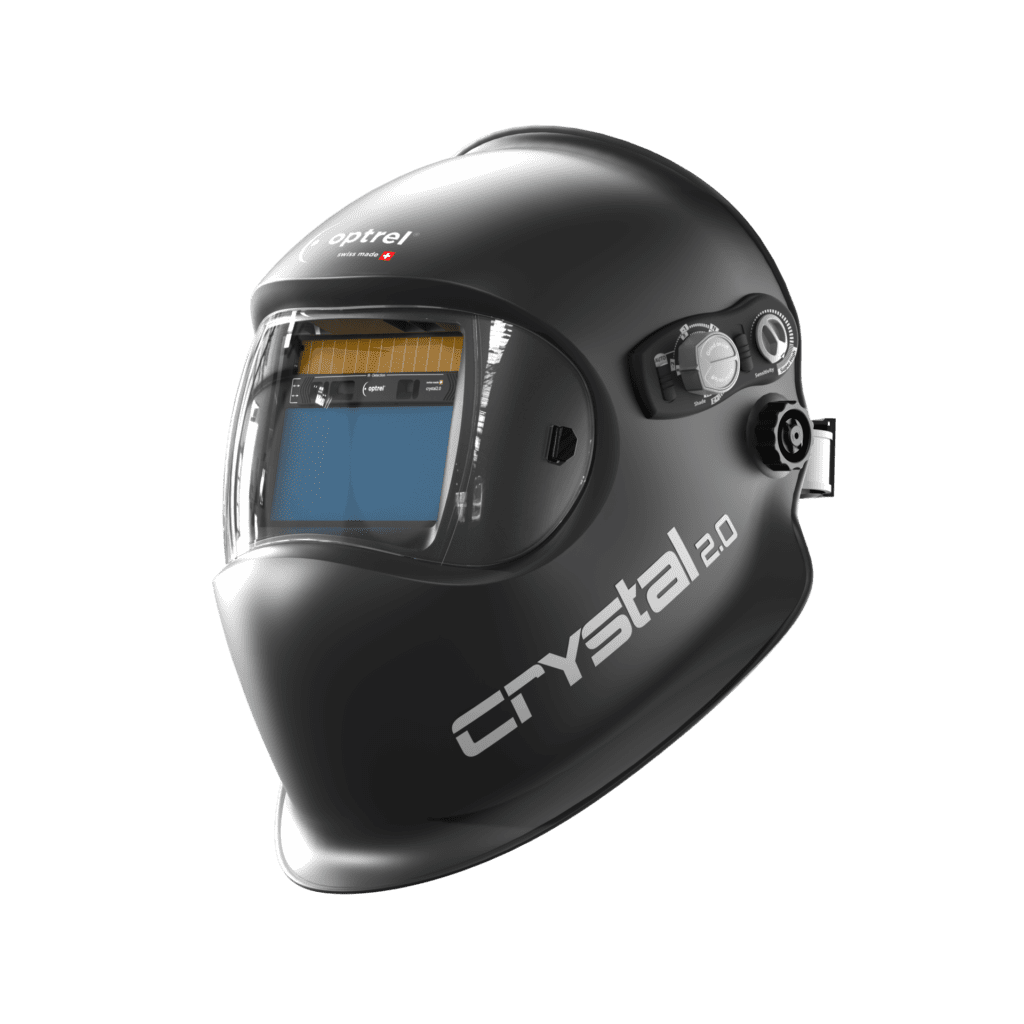
Optrel Crystal 2.0

The Crystal 2.0 is like giving your eyes a superpower upgrade. With shade levels ranging from 2.0 to 12, it’s ready for any welding task you throw at it. The Crystal Lens Technology is the star of the show, offering a crystal clear view that’ll make you wonder if you’re even wearing a helmet at all.

Ever tried to read a book through sunglasses? That’s what welding with a standard helmet can feel like. But with the Crystal 2.0, it’s like someone’s turned on the lights. Natural colours pop, and the view stays clear before, during, and after welding.

The ShadeTronic® and FadeTronic features are like having a personal assistant for your eyes. They automatically adjust the shade based on the arc intensity and fade out smoothly when you’re done, reducing eye strain. It’s like having a helmet that reads your mind!

Comfort-wise, the optional IsoFit® Headgear is a game-changer. It’s adjustable, so you can make it fit like a glove – or should we say, like a perfectly tailored hat? And at just 460 grams, it’s lighter than a pint of milk. Your neck will thank you after a long day of welding.

Optrel Panoramaxx

If the Crystal 2.0 is like upgrading to HD, the Panoramaxx series is like stepping into an IMAX theatre. The standout feature? A view so wide, you’ll feel like you’ve got eyes in the back of your head.

The Panoramaxx CLT model takes things up a notch with Crystal Lens Technology. It’s like someone’s removed the curtains from your welding world, giving you a clear, natural view of your work.

Have you ever tried to eat spaghetti with a fork while wearing mittens? That’s what precise welding can feel like with a standard helmet. But with the Panoramaxx, it’s like you’re working with bare hands – the clarity and wide view make detail work a breeze.

What’s your biggest pet peeve when welding? Is it the limited view? The eye strain? Or maybe the neck ache from a heavy helmet? Whatever it is, we bet the Panoramaxx has a solution for it. Need help choosing the perfect Optrel welding helmet for your needs? Contact our team for expert advice!

Remember, choosing the right helmet is like picking the perfect dance partner – it needs to move with you, anticipate your needs, and make you look good while you’re at it. With these Optrel models, you’re sure to find your perfect match.

Advantages of Optrel Welding Helmets

Optrel welding helmets offer a range of benefits that set them apart in the industry. These helmets combine cutting-edge technology with user-focused design to provide superior protection and enhance productivity.

Safety and Protection

Optrel helmets prioritise safety with advanced features:

  • ShadeTronic®: This innovative technology automatically adjusts shade levels based on welding light intensity. It’s like having a personal assistant that keeps your eyes safe, no matter how bright the arc.
  • FadeTronic: Ever felt dizzy after removing your helmet? FadeTronic gradually fades out the shade, reducing eye strain. It’s as if someone’s slowly turning up the lights after a film.
  • Crystal Lens Technology: This feature provides a crystal-clear view before, during, and after welding. Imagine watching your favourite show in high definition – that’s how clear your work becomes.
  • Panoramic Field of View: With a field of view six times larger than standard helmets, you’ll feel less like you’re peering through a letterbox and more like you’re looking through a picture window.

Productivity Enhancements

Optrel helmets don’t just protect – they boost your efficiency too:

  • Uninterrupted Work: Thanks to the automatic shade adjustment, you won’t need to flip your helmet up and down constantly. It’s like having an extra pair of hands!
  • Reduced Eye Fatigue: The gradual fade-out feature means your eyes adjust more comfortably to changing light conditions. No more squinting or rubbing your eyes after a long day.
  • Improved Visibility: With a clearer view and natural colour reproduction, you’ll spot details you might have missed before. It’s like upgrading from an old telly to a brand-new smart TV.
  • Comfort for Long Hours: The lightweight design and even weight distribution make these helmets comfortable for extended wear. You might even forget you’re wearing one!

Have you ever tried to thread a needle while wearing boxing gloves? That’s what welding with a subpar helmet can feel like. With Optrel, you’re getting the precision of a surgeon’s gloves combined with the protection of a knight’s armour.

Remember, choosing the right welding helmet is crucial. It’s not just about protection – it’s about making your job easier and more enjoyable. After all, who wouldn’t want to feel like a superhero while working?

Comparing Optrel to Other Brands

Ever wondered how Optrel welding helmets stack up against the competition? It’s like comparing a smartphone to a flip phone – both make calls, but one’s got a lot more bells and whistles!

Optrel’s ShadeTronic® technology is a game-changer. Unlike other brands that offer fixed shade levels, Optrel helmets adjust automatically. Imagine having a personal assistant who always knows the perfect sunglasses for you – that’s ShadeTronic®!

Crystal Lens Technology sets Optrel apart too. While some helmets make you feel like you’re peering through a foggy window, Optrel gives you crystal-clear vision. It’s like wiping the steam off your bathroom mirror – suddenly, everything’s in focus!

The panoramic field of view in Optrel helmets is truly impressive. Many welders joke about feeling like they’re looking through a letterbox with standard helmets. With Optrel, it’s more like gazing out of a picture window. Who wouldn’t want that extra visibility?

FadeTronic is another feature that puts Optrel ahead. Ever been temporarily blinded when leaving a dark cinema? That’s what it can feel like when a welding arc extinguishes. FadeTronic gently eases your eyes back to normal, like a considerate friend slowly turning up the lights.

Comfort is key, and Optrel’s IsoFit® Headgear is a cut above. It’s like having a helmet custom-made for your head. No more ‘one size fits none’ discomfort!

Multi-Sensor Detection in Optrel helmets is like having extra pairs of eyes. While some brands rely on one or two sensors, Optrel uses up to five. It’s the difference between a basic security system and a high-tech surveillance network.

Maintenance and Care Tips

Ever felt like you’re polishing a prized possession? That’s exactly what caring for your Optrel welding helmet is like. Let’s dive into some practical tips that’ll keep your trusty helmet in tip-top shape.

Cleaning the auto-darkening filter (ADF) is a bit like handling a delicate butterfly. First, gently remove it from the helmet. Then, use a soft brush to sweep away any dust or debris. For a deeper clean, grab a barely damp, fresh cotton handkerchief or a high-quality lint-free eyeglass cloth. Remember, no liquids directly on the ADF!

What about those pesky cover lenses? Think of them as your helmet’s windows to the welding world. To keep them crystal clear, use a soft cloth or lint-free tissues with an eyeglass lens cleaner. Steer clear of glass cleaners or paper towels – they’re like sandpaper to your lenses!

Have you ever noticed tiny scratches on your clear cover plates? Don’t worry, we’ve all been there. Here’s a little trick from the welding community: try using Novus plastic polish #2 or Meguire’s plastic headlight polish with a cotton pad. It’s like giving your helmet a mini spa day!

Remember, folks, a well-maintained helmet is a happy helmet. And a happy helmet makes for a happy welder. So, who’s ready to give their Optrel some TLC?

Conclusion

Optrel welding helmets stand out as a game-changing solution for welders seeking clarity comfort and safety. With advanced features like ShadeTronic® Crystal Lens Technology and FadeTronic, they’ve set a new standard in the industry. These helmets don’t just protect; they enhance the entire welding experience.

We’ve explored how Optrel’s innovations address common frustrations offering unparalleled visibility and reducing eye strain. By investing in an Optrel helmet welders can expect improved productivity enhanced safety and a more enjoyable work experience. Optrel has redefined what we can expect from welding protection.

Frequently Asked Questions

What makes Optrel welding helmets different from other brands?

Optrel helmets stand out with their ShadeTronic® technology for automatic shade adjustment, and Crystal Lens Technology for clear vision and panoramic field of view. They also feature FadeTronic for gentle light transitions and IsoFit® Headgear for superior comfort. The Multi-Sensor Detection uses up to five sensors, offering better awareness compared to competitors.

How does the ShadeTronic® technology work?

ShadeTronic® technology in Optrel helmets automatically adjusts the lens shade based on the brightness of the welding arc. This feature ensures optimal protection and visibility throughout the welding process, adapting to changing light conditions without manual intervention, thus improving safety and efficiency.

What is Crystal Lens Technology and how does it benefit welders?

Crystal Lens Technology provides high-definition vision, allowing welders to see colours clearly, even when working with molten metal. It’s comparable to upgrading to 4K Ultra HD, significantly enhancing the welder’s ability to see details vividly and improving overall welding precision and quality.

How does the Panoramaxx series improve the welding experience?

The Panoramaxx series offers a significantly larger field of view, designed to sit closer to the eyes. This expansive view is likened to stepping into an IMAX theatre, reducing the feeling of confinement and enhancing awareness of surroundings. It addresses common welding frustrations, making precise work easier.

What are the key safety features of Optrel welding helmets?

Key safety features include ShadeTronic® for automatic shade adjustment, FadeTronic for gradual light transition, and Crystal Lens Technology for a clear view. These features combine to enhance protection, reduce eye strain, and improve overall safety during welding tasks.

How do Optrel helmets improve productivity?

Optrel helmets improve productivity by allowing uninterrupted work, reducing eye fatigue, and providing improved visibility. The automatic features and clear view enable welders to focus on their tasks without frequent adjustments, while the comfortable design allows for longer working periods without discomfort.

Which Optrel models are highlighted in the article?

The article highlights two standout models: the Crystal 2.0 and the Panoramaxx series. The Crystal 2.0 is praised for its shade levels (2.0 to 12) and exceptional clarity. The Panoramaxx series, particularly the Panoramaxx CLT model, is noted for its expansive view and enhanced clarity through Crystal Lens Technology.

How does the FadeTronic feature benefit welders?

FadeTronic gradually returns the lens to normal light levels after welding, preventing discomfort and eye strain. This smooth transition allows welders to adapt more comfortably to changing light conditions, reducing fatigue and improving overall work efficiency.

What is the IsoFit® Headgear and why is it important?

The IsoFit® Headgear is Optrel’s comfort-focused design that provides a tailored fit and even weight distribution. It’s important because it prevents discomfort during long welding sessions, allowing welders to work for extended periods without experiencing fatigue or strain from their protective gear.

Top Gas Welding Supplies Near Me? Expert Guide to Quality Equipment & Local Shop

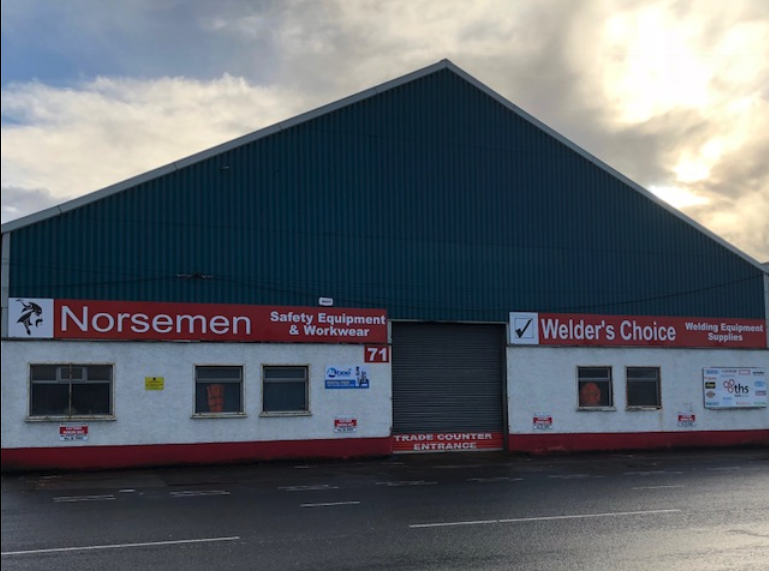
Top gas welding supplies near me? We’ve all been there – frantically searching for that crucial welding kit when we’re in a pinch. It’s like trying to find a needle in a haystack, except the needle is a gas cylinder and the haystack is Northern Ireland! Norsemen Safety & Welder’s Choice your best choice for gas welding supplies in Northern Ireland, Republic of Ireland and the UK.

We know the struggle of finding quality welding gear locally. That’s why we’re here to help you navigate the sea of options. From torches to regulators, we’ll guide you through the essentials. Ever wondered why your mate’s welds look so much better than yours? It might just be down to their choice of supplies!

Key Takeaways -gas welding supplies near me

  • Essential gas welding supplies include welding torches, gas cylinders, regulators, hoses, and safety gear
  • Norsemen Safety/Welder’s Choice is a local specialized welding shop offering comprehensive equipment ranges and expert advice
  • Regular maintenance of welding equipment, including cleaning and inspections, is crucial for optimal performance and safety
NorsemenBuilding 1

Understanding Gas Welding Supplies

Gas welding supplies are essential for achieving high-quality welds. Let’s explore the key components and safety gear needed for successful gas welding projects.

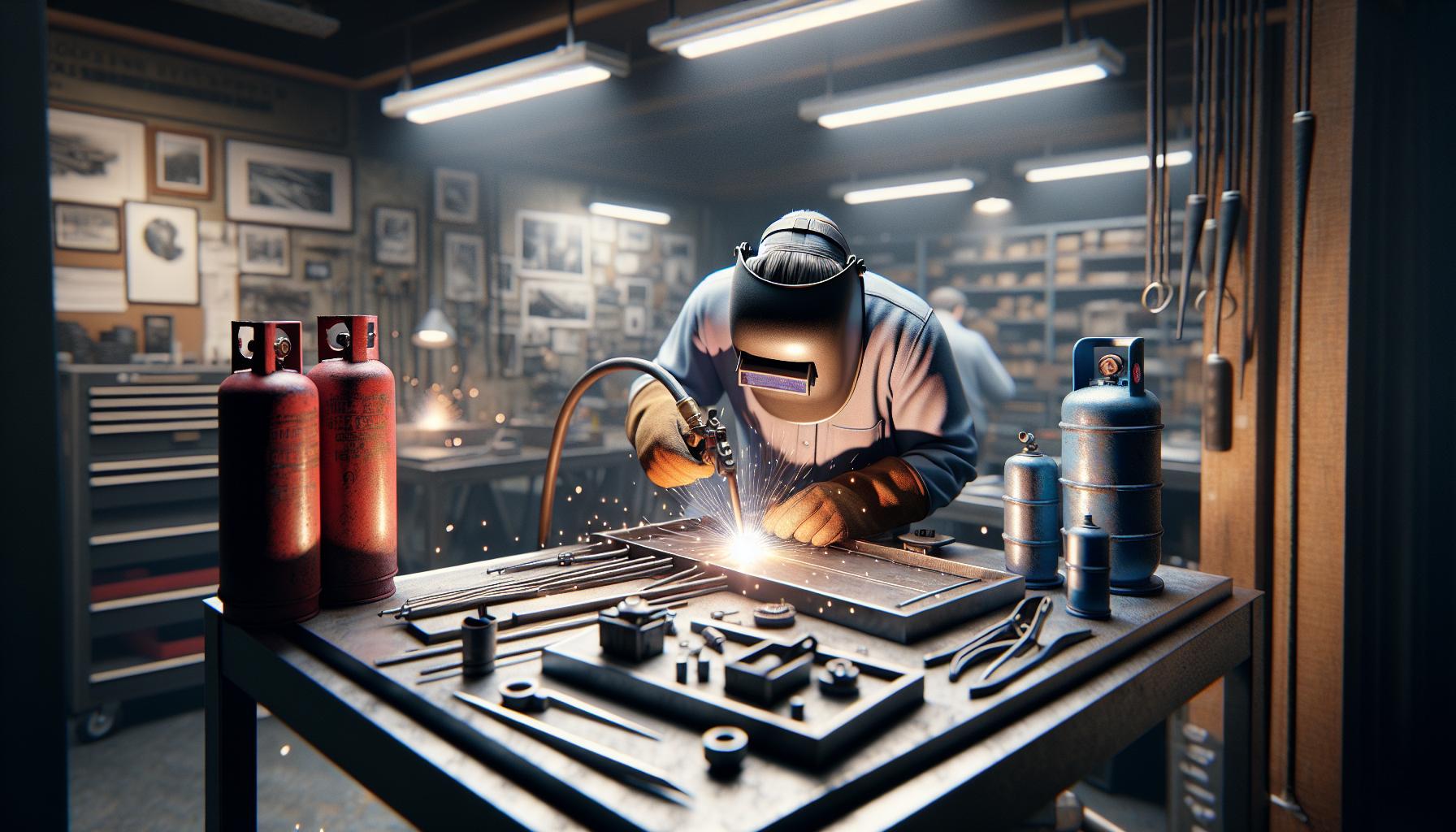
Essential Equipment for Gas Welding Near Me

Gas welding requires specific tools and supplies to get the job done right. Here’s what you’ll need:

  • Welding torch: The heart of your gas welding setup
  • Gas cylinders: Typically oxygen and acetylene
  • Regulators: Control gas flow from cylinders to torch
  • Hoses: Connect regulators to torch
  • Tips: Various sizes for different welding tasks
  • Spark lighter: Safely ignites the gas mixture
  • Cutting attachment: For metal cutting operations

Remember, quality matters! Using top-notch equipment can make the difference between a wobbly weld and a work of art.

Safety Gear and Protective Clothing

Safety first, folks! Here’s what you need to stay safe while wielding that torch:

  • Welding helmet: Protects eyes and face from harmful rays
  • Safety glasses: Extra eye protection is always a good idea
  • Welding gloves: Keep those hands safe from heat and sparks
  • Flame-resistant clothing: Long-sleeved jacket and trousers
  • Steel-toed boots: Protect your feet from falling objects
  • Respirator: Filters harmful fumes and particles

Have you ever tried to catch a falling hammer with your toes? Trust us, steel-toed boots are a much better option!

Finding Gas Welding Supplies Near Me

Finding gas welding supplies in your area doesn’t have to be a wild goose chase. We’ve got the inside scoop on where to snag those essential bits and bobs for your next welding project.

Specialised Welding Supply Shops Near Me

Norsemen is a specialised welding supply shop in the welding world. Our shop stocks a comprehensive range of welding equipment, from gas cylinders to welding machines. We’re like a sweet shop for welders, but instead of lollies, you’ll find torches, regulators, and safety gear. Our staff has years of experience and can offer expert advice on the best supplies for your specific needs. Ever tried explaining a weird noise your car makes to a mechanic? It’s a bit like that, but for welding equipment.

Advantages of Buying Locally

Buying gas welding supplies locally offers several benefits:

  • Immediate availability: We can pop into a shop and get what we need straight away. No waiting for deliveries!
  • Expert advice: Local shop staff often have hands-on experience and can offer valuable tips. It’s like having a welding mate on speed dial.
  • Product inspection: We can see and touch the products before buying. Ever bought shoes online only to find they don’t fit? Same idea here, but with welding gear.
  • Supporting local businesses: Keeping our money in the community helps our neighbors and the local economy. It’s a win-win!
  • Easier returns: If something’s not quite right, we can easily swap it without the faff of posting it back.

Have you ever tried explaining a specific welding issue over the phone? It’s like trying to describe a sunset to someone who’s never seen one! That’s where face-to-face interactions at local shops shine. Need help finding the right gas welding supplies in Belfast, Dublin or Edinburgh.

Factors to Consider When Choosing a Supplier

When searching for gas welding supplies near you, it’s crucial to weigh up several key factors. These elements can make a significant difference in your welding experience and the quality of your work.

Quality of Products

The quality of welding supplies directly impacts the outcome of your projects. Norsemen offers a wide range of top-notch products from well-known manufacturers. We stock various welding gases, MIG and TIG welders, welding wire, electrodes, and safety equipment.

Have you ever tried to bake a cake with subpar ingredients? The result is often disappointing. The same principle applies to welding. Using high-quality supplies is like having the finest flour, eggs, and butter for your cake – it sets you up for success from the start.

Customer Service and Expert Advice

Why is Norsemen the Welder’s Choice? Because we have excellent customer service and expert advice to help when choosing welding supplies. A knowledgeable staff can help you navigate the sometimes confusing world of welding equipment.

As a good welding supplier, you can consider us as your trusted friend who’s always ready with a handy tip or trick. We can tell you which torch is best for your specific project, or why a certain type of electrode might work better than another.

Here’s a chuckle for you: A welder walks into a supply shop and asks, “Do you have any welding gases?” The shopkeeper replies, “No, but we have some very amusing liquids!” All jokes aside, finding a supplier with a sense of humour and a wealth of knowledge can make your welding journey much more enjoyable.

Remember, the right supplier isn’t just about having products on shelves. It’s about creating a partnership that supports your welding endeavors, answers your questions, and helps you grow in your craft. So, next time you’re out looking for gas welding supplies, why not strike up a conversation with the staff? You might be surprised at the wealth of knowledge – and perhaps a few good jokes – you’ll discover.

Maintenance and Care for Gas Welding Equipment

Proper maintenance of gas welding equipment is like tending to a beloved garden – it requires regular attention and care to flourish. We’ve all been there, scrambling to finish a project with faulty gear. Remember that time when Bob from the workshop tried to weld with a rusty torch? Let’s just say the results were less than stellar!

To keep your welding kit in top shape, follow these simple steps:

  1. Clean regularly: Wipe down your equipment after each use. It’s as easy as brushing your teeth!
  2. Check for leaks: Give your hoses and connections a once-over before each session.
  3. Inspect components: Look for wear and tear on tips, nozzles, and valves.
  4. Store properly: Keep your gear in a dry, clean place. Treat it like your favorite pair of shoes!

How often do you inspect your welding equipment? It’s a great habit to develop, and it’ll save you headaches down the road.

Maintaining regulators is crucial. These little powerhouses control gas flow, so keep them in tip-top condition:

  • Clean the inlet filter regularly
  • Check for damage to the gauge faces
  • Ensure all connections are tight

Don’t forget about your trusty welding torch! It’s the magic wand of your craft. Keep it clean and functioning well:

  • Clear blockages in the tip with a proper cleaning tool
  • Check for cracks or damage to the handle

Here’s a funny tidbit: Ever heard of the welder who tried to clean his torch with a toothbrush? Let’s just say minty fresh welds aren’t a thing!

Gas cylinders need love too. Treat them with respect:

  • Store upright and secure
  • Keep valve caps on when not in use
  • Handle with care – no rolling or dropping
  • Check for dents or damage regularly

Remember, a well-maintained kit is a happy kit. It’ll serve you well and keep you safe. Plus, it’s a great way to show off your professional skills to fellow welders. Who doesn’t love a shiny, well-kept torch?

By following these tips, you’ll extend the life of your equipment and improve your welding results. It’s a win-win situation that’ll make you the envy of the workshop. So, are you ready to give your welding gear the TLC it deserves?

Conclusion

We’ve explored the world of gas welding supplies in Northern Ireland highlighting the importance of quality equipment and safety gear. Remember the significance of choosing a reliable supplier and maintaining your equipment properly. With the right tools and knowledge, you’re well-equipped to tackle your welding projects confidently. Happy welding!

Frequently Asked Questions

What are the essential components needed for gas welding?

The essential components for gas welding include a welding torch, gas cylinders (oxygen and acetylene), regulators, hoses, various tips, a spark lighter, and a cutting attachment. High-quality tools can significantly affect the quality of welds produced, so it’s important to invest in reliable equipment.

What safety gear is required for gas welding?

Essential safety gear for gas welding includes a welding helmet, safety glasses, welding gloves, flame-resistant clothing, steel-toed boots, and a respirator. These items protect against various hazards associated with gas welding, such as intense light, sparks, heat, and potentially harmful fumes.

Where can I find gas welding supplies in Northern Ireland?

Norsemen Safety /Welder’s Choice 71 Sydenham Road, Belfast. BT3 9DJ

What are the benefits of buying welding supplies locally?

Purchasing welding supplies locally offers several advantages, including immediate availability, expert advice from experienced staff, the ability to inspect products before buying, support for local businesses, and easier returns. Local suppliers can also provide valuable insights and support throughout your welding journey.

How important is maintenance for gas welding equipment?

Maintenance is crucial for gas welding equipment. Regular care, including cleaning after use, checking for leaks, inspecting components for wear, and proper storage, ensures optimal performance and longevity of the equipment. Well-maintained gear not only enhances welding results but also reflects professional skills.

What factors should I consider when choosing a welding supplier?

When choosing a welding supplier, consider the quality of products offered, the range of available items, customer service, and the expertise of staff. Look for suppliers that stock reputable brands and can provide expert advice. Building a relationship with your supplier can be beneficial for long-term support and insights.

Elga Welding: Mastering Precision in Metalwork with Top-Quality Consumables

We’re diving into the world of Elga welding wire and rods. Ever wondered how those sleek metal structures come together so seamlessly? It’s like watching a chef create a masterpiece, but instead of ingredients, we’re talking about metal and heat.

Key Takeaways

  • Elga Welding is a renowned manufacturer of welding consumables with over 80 years of experience in the European market.
  • The company offers a comprehensive range of high-quality welding products, including metal-cored wires, stainless steel stick electrodes, and specialised products.
  • Elga Welding consumables find diverse applications across industries such as construction, automotive, and manufacturing.
  • The equipment offers advantages like precision, quality, efficiency, and productivity, with products designed to resist porosity and moisture absorption.

What Is Elga Welding Consumables?

Elga Welding is a renowned manufacturer of welding consumables with over 80 years of experience in the European market. They specialise in producing a wide range of high-quality welding products for various applications.

History of Elga Welding

Elga Welding’s journey began more than eight decades ago, establishing itself as a major player in the European welding consumables industry. Throughout its long history, the company has built a solid reputation for producing top-notch welding supplies. Ever wondered how long it takes to become an expert in welding? Well, Elga’s been at it for longer than most of us have been alive!

Key Features of Elga Welding

Elga Welding offers a comprehensive range of welding consumables, catering to diverse welding needs. Their product lineup includes:

  • Metal-cored wires
  • Stainless steel stick electrodes
  • Specialised products.

But Elga’s not just about selling products – they’re like your friendly neighbourhood welding guru. Their team of experienced welding engineers provides top-notch technical support, combining deep knowledge of welding technology with practical experience. It’s like having a welding expert on speed dial!

Here’s a chuckle for you: Why did the welder bring a ladder to work? Because they heard the job was on another level!

Types of Elga Welding Machines

3d74c638 ec8e 4fb7 b8b6 e0e0cda60919:ek7nCQ0N32TE 90sjEVCF

Elga Welding focuses on manufacturing welding consumables. However, let’s explore the types of welding machines commonly used with Elga’s consumables.

Portable Welding Units

Portable welding units are compact, lightweight machines designed for on-site work. These units are perfect for DIY enthusiasts and professionals who need to move between job sites. They’re like the Swiss Army knives of the welding world – versatile and always ready to go. Have you ever tried carrying a bulky welding machine up a ladder? It’s not fun, trust us! That’s where portable units shine.

Industrial-Grade Welders

Industrial-grade welders are the powerhouses of the welding world. They’re built to handle heavy-duty tasks and long working hours. Think of them as the marathon runners of welding machines – they keep going when others have long since given up. These machines are typically found in large manufacturing facilities, shipyards, and construction sites. They’re not the type you’d use to fix your garden gate, unless you fancy overkill!

While Elga doesn’t produce these machines directly, their consumables are compatible with various welding equipment. It’s like having the perfect recipe but needing the right oven to bake it in. The key is matching the right consumables with the appropriate machine for optimal results.

Applications of Elga Welding

Elga Welding products find diverse applications across various industries. Let’s explore how these welding consumables are used in different sectors.

Construction Industry

In the construction industry, Elga Welding consumables play a crucial role. They’re used for welding stainless steels, low-alloy steels, and other demanding materials. The products support multiple welding processes, including:

  • Shielded Metal Arc Welding (SMAW)
  • Flux Cored Arc Welding (FCAW)
  • Gas Metal Arc Welding (GMAW)
  • Gas Tungsten Arc Welding (GTAW)
  • Submerged Arc Welding (SAW)

Stainless steel stick electrodes are particularly useful in construction. They offer high productivity and good fracture toughness, even at low temperatures. This makes them ideal for building sturdy structures that can withstand harsh conditions.

Automotive Sector

The automotive sector relies heavily on welding for vehicle manufacturing. Elga Welding consumables are used in various aspects of automotive production, such as:

  • Chassis fabrication
  • Body panel assembly
  • Exhaust system welding
  • Frame reinforcement

These products help create strong, durable welds that meet the stringent safety standards of the automotive industry. They’re designed to handle the specific challenges of welding thin sheets and complex shapes typical in vehicle construction.

Manufacturing and Fabrication

In the manufacturing and fabrication sector, Elga Welding consumables are versatile tools. They’re used in:

  • Metal furniture production
  • Industrial equipment fabrication
  • Shipbuilding
  • Pipeline construction

The range of filler metals and electrodes caters to different materials and welding processes. This versatility allows manufacturers to choose the right product for their specific needs, whether they’re working with carbon steel, stainless steel, or speciality alloys.

Advantages of Elga Welding Consumables

Elga Welding consumables offers numerous benefits for welders across various industries. Let’s explore the key advantages that make Elga a top choice for professionals and enthusiasts alike.

Precision and Quality

Elga Welding delivers exceptional weld quality, even in challenging environments. Their welding filler metals perform brilliantly, resisting porosity when working with primer-coated steel or steel affected by mill scale and rust. Have you ever tried to paint a masterpiece with a frayed brush? That’s what using subpar welding equipment can feel like. But with Elga, it’s like having the perfect brush for every stroke.

Efficiency and Productivity

The high-performance welding filler metals from Elga contribute significantly to increased productivity. They enable faster welding speeds and require less post-weld cleaning, saving time and effort. It’s like having a self-cleaning kitchen – you spend less time scrubbing and more time cooking up a storm!

Who else has experienced the joy of using equipment that just works, without any fuss? Share your stories in the comments below – we’d love to hear about your welding triumphs! Need help choosing the right Elga welding consumables for your project? Contact our team for expert advice!

Maintenance and Safety Tips for Elga Welding

Ever wondered how welders keep their equipment in tip-top shape? It’s like maintaining a prized sports car – regular care keeps it purring smoothly. Let’s dive into some crucial maintenance and safety tips for Elga welding that’ll help you weld like a pro.

Proper Storage and Handling of Filler Metals

Think of filler metals as the secret ingredients in your welding recipe. To keep them fresh:

  • Store them in a dry, clean area
  • Maintain a steady temperature
  • Cover spools and coils with plastic bags
  • Keep them in original packaging when not in use

Why so fussy? Well, moisture and contaminants are the arch-nemeses of good welds. Treat your filler metals right, and they’ll reward you with stellar results.

Preheating and Interpass Temperatures

Preheating is like warming up before a workout – it prevents injuries, or in this case, cracking. Here’s how to nail it:

  • Preheat the material thoroughly
  • Extend the heated area 8 cm on each side of the weld joint
  • Stick to the temperatures specified in your welding procedure

Remember, consistency is key. Keep those interpass temperatures steady for a weld that’ll make you proud.

Preventive Maintenance

Think of this as a regular health check-up for your welding equipment. Here’s what to do:

  • Set up a regular inspection schedule
  • Check power sources, wire feeders, and MIG guns or TIG torches
  • Look out for spatter buildup on consumables
  • Replace parts as needed

Fancy a chuckle? We once knew a welder who skipped maintenance for months. When he finally checked his equipment, he found a family of mice had made a cosy home in his wire feeder! Don’t let that be you.

How often do you inspect your welding gear? Share your maintenance routine with us – we’d love to hear your tips and tricks!

Future Trends in Elga Welding Technology

We’re about to embark on a journey into the future of Elga welding technology. It’s like peering into a crystal ball, but instead of mystical visions, we’re seeing sparks and metal fusing in innovative ways. Ready to join us?

Automation and Robotics

Automation and robotics are set to revolutionise Elga welding. Imagine a world where welding robots work tirelessly, producing perfect welds with the precision of a Swiss watchmaker. These automated systems, often using metal-cored wires, offer consistent quality and increased productivity. It’s as if we’ve trained an army of tireless welders who never need a tea break!

But here’s a chuckle-worthy thought: will these robots ever develop a sense of humour? Picture a welding bot cracking jokes about ‘joining’ the team or ‘fusing’ friendships. We’d love to hear your funniest welding puns in the comments!

Advanced Materials and Consumables

The future of Elga welding isn’t just about fancy machines; it’s also about super-smart materials. Some products are designed to withstand harsh environments better than a camel in a sandstorm. These advanced consumables are paving the way for high-productivity welding in challenging conditions.

What’s your experience with these new materials? Have you tried them yet? We’d love to hear about your adventures in the world of advanced welding consumables.

Conclusion

Elga Welding stands as a beacon of quality and innovation in the welding industry. With their extensive range of consumables and commitment to excellence they’ve become an indispensable part of various sectors. From construction to automotive manufacturing Elga’s products continue to shape the world around us.

As we look to the future we’re excited by the possibilities that emerging technologies and advanced materials bring to the field. Whether you’re a seasoned professional or a DIY enthusiast Elga Welding offers the tools and support to bring your projects to life. We encourage you to explore their range and experience the Elga difference for yourself.

Frequently Asked Questions

What is Elga Welding?

Elga Welding is a renowned manufacturer of welding consumables with over 80 years of experience in the European market. They specialise in producing high-quality welding products for various applications, including metal-cored wires, stainless steel stick electrodes, and specialised products.

What types of welding consumables does Elga offer?

Elga offers a comprehensive range of welding consumables, including:

  • Metal-cored wires
  • Stainless steel stick electrodes
  • Specialised products

Learn more about the essential consumables needed for gasless MIG welding, a versatile and user-friendly welding process.

Does Elga manufacture welding machines?

No, Elga primarily focuses on manufacturing welding consumables rather than welding machines. However, their products are compatible with a wide range of welding machines, including portable units and industrial-grade welders. Elga emphasizes the importance of matching the right consumables with appropriate machines for optimal results.

What industries use Elga Welding products?

Elga Welding products are used in various industries, including:

  • Construction (for welding stainless steels and low-alloy steels)
  • Automotive (for chassis fabrication and body panel assembly)
  • Manufacturing and fabrication (for metal furniture production, shipbuilding, and pipeline construction)
    Their versatile consumables cater to diverse welding needs across these sectors.

What are the advantages of using Elga Welding consumables?

Elga Welding consumables offers several advantages:

  • Exceptional weld quality, even in challenging environments
  • Resistance to porosity and moisture absorption
  • Enhanced efficiency and productivity
  • Faster welding speeds
  • Reduced post-weld cleaning time
    These benefits make Elga a reliable choice for both professionals and enthusiasts.

Do You Need Gas to MIG Weld? Exploring Options for Strong, Clean Welds

Ever wondered, do you need gas to MIG weld? It’s a question that often pops up in welding circles, especially for DIY enthusiasts and beginners. We’ve all been there, eager to start a project but unsure about the essentials.

MIG welding, or Metal Inert Gas welding, typically uses a shielding gas to protect the weld. But do you need gas to MIG weld? We’ll dive into this topic, exploring the ins and outs of MIG welding with and without gas. Whether you’re a weekend warrior or a budding professional, understanding your options can save you time and money. Ready to spark some knowledge?

Key Takeaways

  • MIG welding typically uses shielding gas, but gasless options exist through flux-cored arc welding (FCAW)
  • Shielding gas protects the weld pool from contamination, improving weld quality and strength
  • Gasless MIG welding offers better portability and wind resistance, but may produce more spatter and smoke
  • Gas MIG welding is ideal for indoor use, thin materials, and appearance-conscious projects
  • Proper technique, including correct gun angle and distance, is crucial for successful MIG welding with or without gas
  • Choose between gas and gasless MIG welding based on factors like portability, environment, material thickness, and cost

Understanding MIG Welding: The Basics

MIG welding is a popular welding technique that uses an electric arc to join metals. It’s known for its versatility and ease of use, making it a go-to choice for many welders.

What Is MIG Welding?

MIG welding, short for Metal Inert Gas welding, is a process that creates an electric arc between a consumable wire electrode and the workpiece. This arc melts the wire and the base metal, forming a strong bond. Think of it like using a hot glue gun, but instead of glue, you’re using molten metal to stick things together. Ever tried to fix a broken toy with superglue? MIG welding is like that, but for metal and way cooler!

Components of a MIG Welding Setup

A typical MIG welding setup includes several key components:

  1. Power source: This provides the electrical energy needed for welding.
  2. Wire feed unit: It feeds the electrode wire to the welding gun at a controlled speed.
  3. Welding gun: This directs the wire electrode and shielding gas to the weld area.
  4. Shielding gas supply: A cylinder of inert gas protects the weld from atmospheric contamination.
  5. Ground clamp: It completes the electrical circuit by connecting to the workpiece.
Do you need gas to mig weld?

Imagine you’re at a buffet. The power source is like the kitchen, cooking up all that energy. The wire feed unit is your trusty waiter, bringing you a steady supply of food (or in this case, wire). The welding gun? That’s your fork, directing where the food goes. And the shielding gas? It’s like a protective dome keeping flies away from your plate. Lastly, the ground clamp is like your chair, keeping you grounded and connected to the whole experience.

Have you ever wondered why welders look so cool in those helmets? It’s not just for show – they’re essential for protection. But let’s be honest, who hasn’t wanted to try one on and pretend they’re a futuristic space warrior?

At Norsemen Safety we supply a wide range of different MIG packages with everything you need to get started. Our 3 most popular models are;

1) Stahlwerk MIG 200 ST

STAHLWERK welder MIG MAG 200 ST

2) SIP Autoplus 210ST

SIP 05720 Autoplus 210ST

3) Parweld XTM 161i

shopping

For more information on all the MIG welders we sell at Norsemen Safety, Call us on 028 9046 0541 or send us an email to info@0d04d28e-72a4-47fa-b9bd-42897efedf67.cc12.conves.io

The Role of Shielding Gas in MIG Welding

Shielding gas is a crucial element in MIG welding. It protects the weld pool from atmospheric contamination, ensuring strong and clean welds. Let’s dive deeper into why shielding gas matters and which gases are commonly used.

Why Shielding Gas Is Important

Shielding gas acts like a protective bubble around the weld area. It keeps oxygen, nitrogen, and other atmospheric gases from mixing with the molten metal. Without this protection, welds can become porous, weak, or even fail completely. Think of shielding gas as sunscreen for your weld – it shields it from harmful elements that could damage its integrity.

Proper shielding gas also improves arc stability and helps control the weld bead shape. It influences how heat is distributed in the weld, affecting penetration and overall weld quality. Ever tried to light a match on a windy day? That’s similar to welding without shielding gas – the flame (or in this case, the arc) becomes unstable and less effective.

Common Shielding Gases Used in MIG Welding

Different shielding gases produce different results, much like how various seasonings change the flavour of a dish. Here are some common options:

  1. Argon: The most widely used shielding gas, argon provides excellent arc stability and weld appearance.
  2. Carbon Dioxide (CO2): It’s cheaper than argon but can cause more spatter. CO2 is like the budget-friendly option that gets the job done but might need a bit more clean-up afterward.
  3. Argon/CO2 Mixtures: These blends offer a balance between cost and quality. They’re like the Goldilocks of shielding gases – not too expensive, not too messy, just right for many applications.
  4. Tri-Mix (Argon/CO2/Oxygen): This combination is used for specific metals and welding positions. It’s the Swiss Army knife of shielding gases, versatile and effective in various situations.

Have you ever accidentally used the wrong gas for a weld? We once heard of a welder who grabbed a helium tank instead of argon. Let’s just say the resulting welds were not exactly stellar, and his voice was comically high-pitched for the rest of the day!

Do you Need Gas to Mig Weld?

Yes, you can MIG weld without gas using a technique called flux-cored arc welding (FCAW). This method offers an alternative for welders who don’t have access to shielding gas or prefer a more portable setup.

Gasless MIG Welding: Flux-Cored Arc Welding

Flux-cored arc welding uses a special wire that contains flux in its core. As the wire melts, the flux creates a protective shield around the weld pool, similar to how shielding gas works in traditional MIG welding. This process is like having a built-in umbrella for your weld, shielding it from harmful atmospheric elements.

FCAW comes in two varieties: self-shielded and gas-shielded. Self-shielded FCAW is truly gasless, relying solely on the flux for protection. Gas-shielded FCAW combines flux with external shielding gas for added protection.

Pros and Cons of Gasless MIG Welding

Gasless MIG welding has its perks and quirks. Let’s break them down:

Pros:

  1. Portability: No gas cylinders to lug around – it’s like packing a suitcase without the toiletries bag.
  2. Wind resistance: Works better in outdoor conditions – think of it as the all-weather jacket of welding.
  3. Deeper penetration: Great for thicker materials – it’s the heavyweight champion of welding techniques.
  4. Cost-effective: No need to buy or rent gas cylinders – your wallet will thank you.

Cons:

  1. More smoke and spatter: It’s messier than gas-shielded MIG – imagine cooking bacon without a splatter screen.
  2. Limited to certain metals: Primarily used for mild steel – it’s not a one-size-fits-all solution.
  3. Potential for porosity: Requires proper technique to avoid trapped gases – it’s like making sure your bread dough rises just right.
  4. More post-weld clean-up: Slag removal is necessary – think of it as doing the dishes after a big meal.

Choosing Between Gas and Gasless MIG Welding

Selecting the right MIG welding method can feel like picking the perfect tool for a DIY project. Let’s explore the factors to consider and best applications for both gas and gasless MIG welding.

Factors to Consider

When deciding between gas and gasless MIG welding, we’ve got to weigh several key points:

  1. Portability: Gasless welding takes the cake for on-the-go jobs. No heavy gas cylinders to lug around!
  2. Environment: Outdoor welding? Wind’s your nemesis with gas, but gasless stands strong.
  3. Material thickness: Gas welding’s your buddy for thin metals, while gasless packs a punch for thicker stuff.
  4. Cleanup: Gas welding leaves less mess, but gasless might have you scraping slag like you’re peeling potatoes.
  5. Cost: Gasless saves you from buying gas cylinders, but the wire’s pricier. It’s like choosing between a fancy coffee maker or daily cafĂ© trips.

Ever tried to light a candle on a windy beach? That’s gas welding outdoors for you! But gasless? It’s like having a windproof lighter in your pocket.

Best Applications for Each Method

Gas MIG welding shines in:

  1. Indoor workshops: Controlled environments are its playground.
  2. Thin materials: It’s gentle enough for delicate work.
  3. Appearance-conscious projects: Less spatter means prettier welds.
  4. Long, continuous welds: No slag to chip away between passes.

Gasless MIG welding rules in:

  1. Outdoor construction: Wind? What wind?
  2. Thick material joining: It penetrates like a hot knife through butter.
  3. Repair work in the field: No gas cylinder? No problem!
  4. DIY projects: Perfect for weekend warriors welding in their driveways.

Tips for Successful MIG Welding With and Without Gas

MIG welding success hinges on mastering the right techniques. Let’s explore some tips for both gas and gasless MIG welding to help you achieve clean, strong welds.

Proper Technique for Gas MIG Welding

Gas MIG welding requires a steady hand and attention to detail. Here are some key tips:

  1. Maintain the right distance: Keep your welding gun about 3/8 to 1/2 inch from the workpiece.
  2. Use the correct angle: Hold the gun at a 10 to 15-degree angle in the direction of travel.
  3. Control your speed: Move at a consistent pace that allows for proper fusion.
  4. Set the right wire feed speed: Adjust it to match your welding speed for optimal results.
  5. Clean your base metal: Remove rust, paint, and debris for better weld quality.
  6. Practice your movements: Try “drawing” figure-eights or cursive letters on scrap metal.

Remember, practice makes perfect! Ever tried writing your name in cursive while riding a bicycle? That’s kind of what MIG welding feels like at first. But don’t worry, you’ll get the hang of it!

Tricks for Effective Gasless MIG Welding

Gasless MIG welding, or flux-cored arc welding, has its own set of tricks:

  1. Reverse polarity: Set your machine to DCEN (Direct Current Electrode Negative).
  2. Increase your stick-out: Aim for 1/2 to 3/4 inch between the contact tip and workpiece.
  3. Use a drag technique: Pull the gun along the weld joint instead of pushing.
  4. Adjust your settings: Flux-cored wire often requires higher voltage and wire feed speeds.
  5. Be prepared for more spatter: Keep a chipping hammer and wire brush handy.
  6. Ventilate your workspace: Flux-cored welding produces more fumes than gas MIG welding.

Think of gasless MIG welding like cooking without a recipe. It takes some experimenting, but once you find the right combination of ingredients (settings), you’ll be whipping up delicious welds in no time!

Conclusion

MIG welding with or without gas offers unique advantages for different welding scenarios. While gas MIG welding provides cleaner welds and versatility, gasless MIG welding shines in outdoor settings and portability. We’ve explored the ins and outs of both methods, equipping you with the knowledge to choose the right technique for your projects. Remember, success in welding comes with practice and patience. Whether you opt for the traditional gas-shielded method or the flux-cored alternative, you’re now ready to tackle your welding tasks with confidence.

Frequently Asked Questions

What is MIG welding?

MIG welding (Metal Inert Gas welding) is a popular welding technique that uses an electric arc to join metals. It creates an arc between a consumable wire electrode and the workpiece, melting both to form a strong bond. MIG welding is known for its versatility and ease of use, making it popular among both professionals and DIY enthusiasts.

Do you need gas to MIG Weld?

Yes, it is possible to do MIG welding without gas using a technique called flux-cored arc welding (FCAW). This method uses a special wire with flux in its core, which creates a protective shield around the weld pool as it melts. FCAW can be either self-shielded (entirely gasless) or gas-shielded (combining flux with external shielding gas).

What are the advantages of gasless MIG welding?

Gasless MIG welding offers several advantages:

  1. Increased portability
  2. Better performance in outdoor conditions
  3. Deeper penetration for thicker materials
  4. Cost-effectiveness due to the absence of gas cylinders
    These benefits make it ideal for field work, outdoor projects, and situations where gas cylinders are impractical.

What are the disadvantages of gasless MIG welding?

Gasless MIG welding has some drawbacks:

  1. Increased smoke and spatter
  2. Limited to certain metals (primarily mild steel)
  3. Potential for porosity, requiring careful technique
  4. More post-weld cleanup due to slag removal
    These factors should be considered when choosing between gas and gasless MIG welding methods.

When should I choose gas MIG welding over gasless?

Choose gas MIG welding for:

  1. Indoor workshop projects
  2. Welding thin materials
  3. Projects where appearance is crucial
  4. Long, continuous welds
    Gas MIG welding typically produces cleaner welds with less spatter, making it ideal for precision work and visible joints.

What are some tips for successful gasless MIG welding?

For successful gasless MIG welding:

  1. Reverse polarity (electrode positive)
  2. Increase stick-out distance
  3. Use a drag technique
  4. Adjust settings for your specific wire and material
  5. Prepare for more spatter
  6. Ensure good workspace ventilation
    Practice and experimentation are key to achieving clean, strong welds with this method.

What protective gear is necessary for MIG welding?

Essential protective gear for MIG welding includes:

  1. Welding helmet with proper shade
  2. Heat-resistant gloves
  3. Flame-resistant clothing
  4. Safety glasses
  5. Steel-toed boots
  6. Respirator (especially for gasless welding)
    Always prioritize safety to protect yourself from heat, sparks, and harmful fumes.

Top 10 Jackets for Welding: Ultimate Protection for Metal Workers

Ever wondered why welders look like they’re ready for a sci-fi movie? It’s all about those cool jackets for welding! We’ve all seen them – tough, rugged, and ready for action. But there’s more to these jackets than meets the eye.

Think of welding jackets as superhero suits for metalworkers. They’re not just fashion statements; they’re lifesavers! These jackets shield welders from sparks, heat, and UV rays. Without them, welding would be like trying to fry bacon naked – ouch! So, let’s dive into the world of welding jackets and discover why they’re essential for every welder’s toolkit. Ready to spark your interest in welding safety?

Key Takeaways

  • Welding jackets are essential safety gear, protecting against sparks, heat, and UV radiation
  • Key features include fire-resistant materials, durability, and a balance of protection and comfort
  • Top materials for welding jackets are leather and flame-resistant cotton
  • Styles vary between full-length and waist-length jackets, each suited for different welding tasks
  • Proper maintenance, including regular cleaning and inspection, extends the life of welding jackets

What Are Welding Jackets?

jackets for welding

Welding jackets are the unsung heroes of the metalworking world. Picture a firefighter’s coat, but designed for folks who play with metal and fire daily. These jackets aren’t your average outerwear; they’re specialized garments crafted to keep welders safe in high-heat environments.

Made from tough materials like leather or flame-resistant fabrics, welding jackets form a protective barrier between the welder and the hazards of their trade. They shield against sparks, spatter, and intense heat that could otherwise cause serious burns or injuries. But that’s not all – these jackets also protect against harmful UV radiation emitted during the welding process.

Ever wonder why welders don’t look like they’ve spent a week on the beach after a day’s work? It’s because their jackets block those sneaky UV rays that could otherwise lead to a nasty “welder’s tan” (which is really just a painful sunburn in disguise).

Jackets for welding come in various styles and weights, catering to different welding techniques and environments. Some are lightweight for comfort in warmer conditions, while others are heavier for intense, high-heat welding jobs. They often feature special closures and collars to prevent sparks from sneaking in and causing trouble.

Here’s a fun fact: did you know that some welders call their jackets “spark catchers”? It’s like they’re wearing their own personal fireworks show! But trust us, you don’t want to be the one catching those sparks with your bare skin.

Key Features of Quality Welding Jackets

Quality welding jackets are essential for protecting welders from hazards. Let’s explore the key features that make these jackets indispensable for safety and comfort.

Fire-Resistant Materials

Top-notch welding jackets use fire-resistant materials like leather or treated cotton. These fabrics withstand high temperatures and resist ignition from sparks or spatter. Leather jackets offer excellent protection but can be heavy. Treated cotton provides a lighter alternative while maintaining fire resistance. Some jackets combine both materials for optimal safety and comfort.

Durability and Protection

Welding jackets are built to last in harsh conditions. They feature reinforced seams and sturdy closures to prevent sparks from sneaking in. High-quality jackets often have additional padding in high-risk areas like the chest and arms. This extra protection shields welders from heat and flying debris. Ever wonder how welders stay cool under pressure? It’s partly thanks to these tough-as-nails jackets!

Comfort and Flexibility

While protection is crucial, comfort can’t be ignored. The best welding jackets balance safety with ease of movement. They’re designed with gusseted underarms and ergonomic cuts to allow full range of motion. Some jackets feature breathable panels to help regulate body temperature. After all, who wants to feel like they’re wearing a suit of armor while trying to work? A comfortable welder is a focused welder, and that’s safer for everyone.

Top Materials for Welding Jackets

Welding jackets come in various materials, each offering unique protective qualities. Let’s explore the top materials used in welding jackets and their specific benefits for welders.

Leather

Leather is a classic choice for welding jackets. It’s tough, durable, and naturally resistant to sparks and heat. Think of leather as the tank armor of welding gear – it can take a beating and keep on protecting. Cowhide and pigskin are popular options, with cowhide being thicker and more protective, while pigskin is lighter and more flexible. Ever wonder why cowboys wore leather chaps? They knew a thing or two about protection!

Flame-Resistant Cotton

Portwest Bizweld Welding Jacket BIZ2

Flame-resistant (FR) cotton offers a lightweight alternative to leather. It’s treated with special chemicals that make it self-extinguishing when exposed to flames. Imagine a fabric that says “no thanks” to fire! FR cotton is breathable and comfortable, making it ideal for long welding sessions or work in warmer environments. It’s like wearing a fire-resistant second skin. Have you ever tried on an FR cotton jacket? You might be surprised by how comfy it feels!

Best Welding Jacket Styles

Welding jackets come in various styles to suit different needs and preferences. Let’s explore the two main types: full-length and waist-length jackets.

Full-Length Jackets

Full-length welding jackets offer maximum coverage from neck to knees. They’re the heavyweight champions of protection, shielding welders from head to toe. These jackets are perfect for overhead welding or working in tight spaces where sparks can fly unpredictably. Ever tried catching popcorn in your mouth? That’s how sparks behave, and full-length jackets catch them all!

Key features of full-length jackets include:

  • Extended coverage for legs and lower body
  • High collars to protect the neck
  • Reinforced sleeves for added durability
  • Multiple pockets for tools and accessories

While they provide top-notch protection, full-length jackets can be a bit warm. But hey, who doesn’t love a good sweat session while crafting metal masterpieces?

Waist-Length Jackets

Waist-length jackets are the cool cousins of the welding jacket family. They offer a balance between protection and mobility, covering the upper body while leaving the legs free. These jackets are ideal for lighter welding tasks or when you need to move around more.

Benefits of waist-length jackets include:

  • Increased flexibility for bending and crouching
  • Lighter weight for reduced fatigue
  • Better ventilation in warmer environments
  • Easier to put on and take off

Waist-length jackets are like your favorite t-shirt – comfortable and versatile. They’re perfect for those days when you’re playing musical chairs with different welding positions.

Choosing the Right Welding Jacket for Your Needs

Selecting the perfect welding jacket is crucial for safety and comfort. Let’s explore the key factors to consider when making your choice.

Consider Your Work Environment

The workplace plays a big role in jacket selection. Indoor welding in a controlled setting? A lightweight option might do the trick. Outdoor welding in harsh conditions? You’ll want something more heavy-duty.

Think about temperature too. Is your shop like a sauna or more of an ice box? We’ve all been there, sweating buckets or shivering mid-weld. A breathable jacket works wonders in hot spots, while insulated ones keep you toasty in chilly areas.

Don’t forget about sparks and spatter. Are you working with high-amperage processes that throw sparks like the Fourth of July? Opt for thicker materials with extra protection. For lighter work, a standard flame-resistant jacket should suffice.

What’s your workspace like? Tight spaces might call for a more flexible jacket, while open areas allow for bulkier options. Remember, comfort is key – you don’t want to feel like a marshmallow man while trying to reach those tricky spots!

Assess Your Welding Technique

Your go-to welding method impacts jacket choice big time. TIG welding? You’re in luck – it’s generally cleaner, so a lighter jacket works well. But if you’re into stick welding, prepare for a spark shower! You’ll want something tougher to handle the heat.

Position matters too. Overhead welding? Full-length jackets are your best friend, catching those gravity-defying sparks. For flat or horizontal welds, a waist-length jacket might be just the ticket, offering more mobility.

Think about your welding duration. Quick jobs? A standard jacket will do. Marathon welding sessions? Look for something with extra comfort features. After all, no one wants to feel like they’re wearing a straitjacket after hour three!

Maintaining Your Welding Jacket

Ever feel like your welding jacket’s been through a war? Well, it kind of has! Just like a trusty sidekick, your jacket’s been battling sparks, heat, and UV rays alongside you. But even superheroes need a little TLC, right? Let’s dive into how we can keep our protective gear in tip-top shape.

Cleaning Your Welding Jacket

Picture this: you’re at a BBQ, and someone spills sauce all over your favorite shirt. You’d wash it, wouldn’t you? The same goes for your welding jacket! Here’s how we roll:

  1. Shake it out: Give your jacket a good shake to remove loose debris.
  2. Spot clean: Use a damp cloth for small stains.
  3. Deep clean: For tougher grime, use mild soap and water.
  4. Dry thoroughly: Air dry your jacket before its next use.

Remember, folks, a clean jacket is a happy jacket!

Inspecting for Damage

Let’s play detective! Regular check-ups can catch small issues before they become big problems. What should we look for?

  • Holes or thin spots
  • Frayed seams
  • Damaged closures (zippers, snaps, buttons)
  • Signs of excessive wear

Pro tip: Make this inspection a part of your pre-welding ritual. It’s like checking your parachute before skydiving – you want to know it’s good to go!

Repairing Minor Damage

Ever heard the phrase “a stitch in time saves nine”? It’s spot-on for welding jackets. Small repairs can extend your jacket’s life significantly. Here’s what we can do:

  1. Patch small holes with heat-resistant material
  2. Reinforce weakened seams with sturdy thread
  3. Replace broken closures promptly

Don’t be shy about DIY repairs, but know when to call in the pros for major fixes.

Proper Storage

Think of your welding jacket as a hibernating bear – it needs a cozy, dry place to rest when not in use. Here’s how we can make that happen:

  • Hang it up: Use a sturdy hanger to maintain its shape
  • Keep it dry: Store in a moisture-free area
  • Avoid direct sunlight: UV rays can weaken the material over time

By giving your jacket a proper home, you’re setting it up for a long, productive life.

When to Replace Your Welding Jacket

Even the best jackets don’t last forever. How do we know when it’s time to say goodbye? Look out for these signs:

  • Multiple holes or thin spots that can’t be repaired
  • Significant fading or discoloration
  • Loss of flexibility or comfort
  • Inability to provide adequate protection

Remember, safety first! A jacket past its prime is like expired milk – it’s just not worth the risk.

Maintaining our welding jackets doesn’t have to be a chore. With these simple steps, we can keep our protective gear in fighting shape for years to come. After all, a well-maintained jacket is like a loyal friend – always there when you need it most. So, welders, how do you plan to show your jacket some love today?

Conclusion

Welding jackets are more than just protective gear they’re essential for every welder’s safety and success. We’ve explored the various materials styles and features that make these jackets indispensable in the welding world. By choosing the right jacket and maintaining it properly you’ll ensure optimal protection and longevity. Remember a well-chosen welding jacket isn’t just an investment in your safety it’s a commitment to your craft. So gear up stay safe and let your welding skills shine! Norsemen Safety & Welding is your one stop shop for all your welding PPE, give us a call on 028 9046 0541 or shop online.

Frequently Asked Questions

What is a welding jacket?

A welding jacket is a specialized protective garment designed for metalworkers. Made from tough materials like leather or flame-resistant fabrics, it shields welders from sparks, heat, and UV rays. These jackets form a crucial barrier against potential injuries in high-heat welding environments.

Why are jackets for welding important?

Welding jackets are essential for safety, protecting welders from serious burns, injuries, and harmful UV radiation. They prevent sparks and molten metal from reaching the skin, block intense heat, and help avoid “welder’s tan” – painful sunburns caused by UV exposure during welding.

What materials are welding jackets made from?

Welding jackets are typically made from fire-resistant materials such as leather (cowhide or pigskin) or flame-resistant (FR) treated cotton. Leather offers excellent toughness and natural spark resistance, while FR cotton provides lightweight, breathable protection for longer welding sessions or warmer environments.

What styles of welding jackets are available?

Two main styles of welding jackets are available: full-length and waist-length. Full-length jackets offer maximum coverage from neck to knees, ideal for overhead welding or confined spaces. Waist-length jackets provide a balance of protection and mobility, suitable for lighter tasks and offering better ventilation.

How do I choose the right welding jacket?

Choose a welding jacket based on your work environment, welding technique, and personal comfort needs. Consider factors like indoor or outdoor welding, workspace temperature, type of welding (TIG, stick, etc.), duration of work, and required mobility. Prioritize both protection and comfort for optimal performance.

How should I maintain my welding jacket?

Maintain your welding jacket by regularly shaking out debris, spot cleaning, and occasionally deep cleaning with mild soap and water. Inspect for damage before each use, perform minor repairs like patching holes, and store properly to maintain shape. Replace the jacket when it shows signs of significant wear or damage.

Preventing Hand Injuries in the Workplace: Essential Tips for a Safer Workplace

We’ve all had those moments at work where we’ve accidentally bumped our hand or dropped something heavy on our fingers. Ouch! But did you know that hand injuries are among the most common workplace accidents? From paper cuts to severe lacerations, our hands are often on the front lines of danger.

Let’s face it, our hands are pretty important. We use them for just about everything, from typing reports to operating machinery. So when they’re injured, it can throw a real wrench in our workday. Have you ever tried to tie your shoes with one hand? It’s not as easy as it sounds! That’s why understanding and preventing hand injuries in the workplace is crucial for everyone, from office workers to construction crews.

hand injuries in the workplace

Key Takeaways

  • Hand injuries are among the most common workplace accidents, ranging from minor cuts to severe fractures and repetitive strain injuries.
  • High-risk industries for hand injuries include construction, manufacturing, food service, and hospitality due to exposure to heavy machinery, sharp tools, and repetitive tasks.
  • Prevention strategies include proper equipment and safety gear, regular employee training, and implementing ergonomic practices in the workplace.
  • Immediate response to hand injuries should involve appropriate first aid procedures and seeking medical attention for severe cases.
  • Long-term impacts of hand injuries can affect workers’ physical abilities, career prospects, and financial stability.
  • Employers have legal responsibilities to provide a safe working environment, and comprehensive rehabilitation and return-to-work programs are crucial for injured workers’ recovery.

Common Types of Hand Injuries in the Workplace

Hand injuries in the workplace come in various forms, each with its own set of risks and consequences. Let’s explore the most frequent types of hand injuries workers encounter on the job.

Cuts and Lacerations

Cuts and lacerations are everyday occurrences in many work environments. From paper cuts in offices to deep gashes from machinery in factories, these injuries can range from minor to severe. Sharp tools, broken glass, and metal edges are common culprits. Remember that time your coworker tried to catch a falling knife in the break room? Spoiler alert: it didn’t end well! To avoid becoming the next office cautionary tale, always use proper cutting tools and wear protective gloves when handling sharp objects.

Fractures and Crushes

Fractures and crush injuries happen when hands get caught between heavy objects or machinery. These injuries can be particularly nasty, often resulting in broken bones, damaged tissue, and long recovery times. Picture this: you’re moving a heavy filing cabinet, and suddenly it’s like a game of “Will it Crush?” with your fingers as the unwilling contestants. Not fun, right? That’s why it’s crucial to use proper lifting techniques and wear appropriate safety gear when handling heavy items or operating machinery.

Repetitive Strain Injuries

Repetitive strain injuries (RSIs) are the sneaky ninjas of hand injuries. They creep up on you over time, caused by repeating the same motions day after day. Think carpal tunnel syndrome from typing or tendonitis from assembly line work. It’s like your hands are running a never-ending marathon without proper training or rest. Have you ever noticed that twinge in your wrist after a long day of scrolling through cat videos? That’s your body’s way of saying, “Hey, maybe take a break?” To prevent RSIs, we need to mix things up with ergonomic workstations, regular breaks, and stretching exercises.

High-Risk Industries for Hand Injuries

96864c3b 8f06 4843 b299 1bdbb8f351d8:EC9WwlmudtjrZABN6KUBI

Hand injuries are prevalent across various industries, but some sectors pose a higher risk due to the nature of their work. We’ll explore two industries where workers face significant hand injury hazards.

Construction and Manufacturing

Construction and manufacturing environments are hotbeds for hand injuries. Workers in these fields handle heavy machinery, sharp tools, and abrasive materials daily. Here’s why these industries are high-risk:

  • Heavy equipment operation: Cranes, forklifts, and presses can crush or pinch hands if not operated correctly.
  • Power tools: Saws, drills, and nail guns pose cutting and puncture risks.
  • Material handling: Lifting, carrying, and moving materials can lead to strains or impact injuries.
  • Chemical exposure: Harsh substances can cause burns or irritation to unprotected hands.

To reduce hand injury risks, construction and manufacturing companies implement strict safety protocols, require personal protective equipment (PPE), and provide regular safety training.

Food Service and Hospitality

You might think kitchens and hotels are safe havens, but they’re actually hotspots for hand injuries. From slicing and dicing to cleaning and carrying, food service workers’ hands are constantly at risk. Here’s the scoop:

  • Sharp objects: Knives, mandolins, and broken glass are common culprits for cuts.
  • Hot surfaces: Ovens, stovetops, and steam can cause severe burns.
  • Repetitive motions: Chopping, stirring, and scrubbing can lead to repetitive strain injuries.
  • Cleaning chemicals: Strong detergents and sanitizers can irritate or burn the skin.

Ever wonder why chefs wear those fancy white coats? It’s not just for looks! Those long sleeves offer some protection against burns and cuts. But jokes aside, proper training, protective gear, and ergonomic tools are crucial in preventing hand injuries in this fast-paced industry.

Remember, whether you’re building skyscrapers or flipping burgers, your hands are your most valuable tools. Let’s keep them safe, shall we?

Prevention Strategies for Hand Injuries in the Workplace

Preventing hand injuries in the workplace is crucial for maintaining a safe and productive environment. We’ll explore effective strategies to protect workers’ hands and reduce the risk of accidents.

Proper Equipment and Safety Gear

Providing the right tools and protective gear is essential for hand safety. We recommend:

Regularly inspect and replace worn-out equipment to maintain its effectiveness. Remember, the best safety gear is the one workers actually use. Have you ever tried on different types of work gloves? It’s like finding the perfect pair of shoes – comfort is key!

Employee Training and Education

Knowledge is power when it comes to preventing hand injuries. We suggest:

  • Conducting regular safety workshops
  • Demonstrating proper tool usage and handling techniques
  • Teaching ergonomic practices to prevent repetitive strain injuries
  • Explaining the importance of reporting potential hazards
  • Encouraging workers to speak up about safety concerns

Make training sessions interactive and engaging. Why not try a “spot the hazard” game? It’s a fun way to sharpen everyone’s safety awareness. Plus, it’s a great opportunity for team bonding – who doesn’t love a friendly competition?

Remember, safety education isn’t a one-time thing. It’s an ongoing process that requires regular refreshers and updates. By investing in our workers’ knowledge and skills, we’re investing in a safer workplace for everyone.

Immediate Response to Hand Injuries in the Workplace

When a hand injury occurs in the workplace, quick and appropriate action is crucial. Let’s explore the essential steps to take and when professional medical help is necessary.

First Aid Procedures

First aid for hand injuries starts with assessing the situation. Stop any bleeding by applying direct pressure with a clean cloth or sterile gauze. For minor cuts, clean the wound with soap and water, apply an antibiotic ointment, and cover it with a bandage. In case of burns, run cool (not cold) water over the affected area for at least 10 minutes.

For more severe injuries like deep cuts or possible fractures, immobilize the hand and wrist. Use a splint or sling to keep the injured area still and elevated above the heart to reduce swelling. Remove any jewelry or watches from the injured hand immediately, as swelling can make them difficult to remove later.

Remember, safety first! Always wear gloves when treating someone else’s injury to protect yourself from potential bloodborne pathogens. It’s like putting on your own oxygen mask before helping others on a plane – you can’t help if you’re not safe yourself!

When to Seek Medical Attention

While some hand injuries can be treated with first aid, others require immediate medical attention. Seek professional help if:

  1. The bleeding doesn’t stop after ddddirect pressure
  2. There’s a deep cut or puncture wound
  3. You suspect a fracture or dislocation
  4. There’s severe pain, swelling, or numbness
  5. You can’t move your fingers or wrist normally
  6. There’s a crushing injury or amputation

Don’t play the tough guy (or gal) at work! If you’re unsure about the severity of an injury, it’s better to err on the side of caution and get it checked out. After all, your hands are your most valuable tools – treat them with care!

Have you ever tried to tie your shoelaces with one hand? It’s not as easy as it sounds! This simple exercise can give you a glimpse into how challenging daily tasks become with a hand injury. So, let’s take hand safety seriously and keep our digits intact!

Remember, prompt and proper response to hand injuries can make a world of difference in recovery time and preventing long-term damage. We’re all in this together, so let’s lend a hand (pun intended!) in creating a safer workplace for everyone.

Long-Term Impact of Hand Injuries on Workers

Hand injuries in the workplace can have lasting effects on workers’ lives. These impacts extend far beyond the initial recovery period, affecting both physical abilities and career prospects.

Physical Consequences

Hand injuries often lead to chronic pain and reduced mobility. Workers may struggle with tasks they once found easy, like typing or gripping tools. Some injuries result in permanent nerve damage, causing numbness or tingling sensations. In severe cases, workers might lose fingers or hand function entirely.

Arthritis is another common long-term effect of hand injuries. It can develop years after the initial injury, causing joint pain and stiffness. This condition makes it difficult for workers to perform repetitive tasks or handle heavy objects.

Scar tissue formation is also a concern. It can limit hand movement and affect dexterity, making precision work challenging. Ever wondered why that old cut on your hand still feels tight? That’s scar tissue at work!

Career and Financial Effects

Hand injuries can derail careers and hit wallets hard. Workers in manual jobs might find themselves unable to perform their duties, leading to job loss or demotion. Imagine a chef who can’t chop vegetables or a carpenter who can’t hold a hammer – talk about a career curveball!

Retraining for a new role often becomes necessary, which takes time and money. Some workers face reduced earning potential due to limitations caused by their injury. This financial strain can affect families and future plans.

Workers’ compensation claims and medical bills can pile up quickly. Long-term treatments, like physical therapy or multiple surgeries, add to the financial burden. It’s like trying to juggle with one hand tied behind your back – tricky and potentially costly!

Career advancement opportunities may become limited. Workers with hand injuries might hesitate to take on roles requiring extensive hand use, potentially missing out on promotions or new job prospects.

Employer Responsibilities and Legal Considerations

Ever wondered what would happen if your workplace was a game of “hot potato” with safety regulations? Well, let’s dive into the world of employer responsibilities and legal considerations for hand injuries at work. It’s not all fun and games!

Employers have a legal duty to provide a safe working environment. This includes:

  • Conducting regular risk assessments
  • Implementing safety protocols
  • Providing proper training
  • Supplying appropriate personal protective equipment (PPE)

Imagine trying to butter your toast with a sledgehammer – that’s what it’s like when workers don’t have the right tools for the job. Employers must supply suitable equipment and maintain it regularly. This isn’t just about being nice; it’s the law!

We’re all in this together, right? So, what happens when things go wrong? Employers may face legal consequences for negligence. These can include:

  • Fines
  • Lawsuits
  • Damage to reputation
  • Increased insurance premiums

Remember that time you tried to catch a falling knife? (Pro tip: don’t do that!) Similarly, employers who fail to address workplace hazards are asking for trouble.

Workers’ compensation is a crucial aspect of workplace injury management. It covers:

  1. Medical expenses
  2. Lost wages
  3. Rehabilitation costs

But here’s the million-dollar question: How can employers stay on top of their game? By staying informed about:

  • HSE regulations
  • Industry-specific safety standards
  • Current best practices in workplace safety

Have you ever played “Operation” and set off that annoying buzzer? Well, navigating workplace safety regulations can feel just as tricky. But don’t worry, we’re here to help you win this game!

Rehabilitation and Return-to-Work Programs

Bouncing back from a hand injury is like learning to ride a bike again – it takes patience, practice, and support. We’ve all been there, fumbling with our shoelaces or struggling to type after a minor hand injury. Now imagine the journey workers face when recovering from more serious workplace hand injuries. It’s a road filled with challenges, but with the right rehabilitation and return-to-work programs, it’s a journey we can navigate together.

Ever wondered what goes into these programs? Let’s break it down:

  1. Physical therapy:
  • Custom exercises to improve strength and flexibility
  • Techniques to reduce pain and swelling
  • Hands-on treatments to restore function
  1. Occupational therapy:
  • Relearning daily tasks and work-related skills
  • Adapting tools and workspaces for easier use
  • Improving fine motor skills and dexterity
  1. Work conditioning:
  • Simulating job tasks to build stamina
  • Gradually increasing work demands
  • Assessing readiness for full job duties
  1. Psychological support:
  • Counseling to address anxiety or depression
  • Stress management techniques
  • Building confidence in returning to work

Remember that time you tried to open a jar with a sore hand? Now picture doing that all day at work! That’s why these programs are so crucial. They help workers regain their strength, confidence, and ability to perform their jobs safely.

But wait, there’s more! Return-to-work programs aren’t just about physical recovery. They’re about getting back into the swing of things at work. Here’s how they typically work:

  1. Modified duties:
  • Temporary assignment of lighter tasks
  • Gradual increase in workload as recovery progresses
  • Regular check-ins with supervisors and healthcare providers
  1. Flexible scheduling:
  • Part-time hours to start
  • Gradually increasing work hours
  • Allowing time for therapy appointments
  1. Workplace modifications:
  • Ergonomic adjustments to workstations
  • Providing assistive devices or tools
  • Rearranging work areas for easier access
  1. Ongoing support:
  • Regular communication between worker, employer, and healthcare team
  • Addressing any concerns or challenges promptly
  • Celebrating milestones in the recovery process

Ever tried to type with your non-dominant hand? It’s like trying to dance with two left feet! That’s why these programs are so important – they help workers find their rhythm again.

So, how can we make these programs even better? What if we added peer support groups where workers could share their experiences and tips for recovery? Or what about incorporating virtual reality exercises to make rehabilitation more engaging and fun?

Remember, the goal isn’t just to get workers back on the job – it’s to help them thrive. With the right rehabilitation and return-to-work programs, we can turn the challenge of hand injuries into an opportunity for growth and improvement. After all, isn’t that what teamwork is all about?

Conclusion

Hand injuries in the workplace remain a significant concern across various industries. We’ve explored their prevalence causes and long-term impacts highlighting the crucial role of prevention and proper management. By prioritizing safety protocols employee training and prompt response to injuries employers can create a safer work environment. Remember that protecting workers’ hands isn’t just about compliance—it’s an investment in productivity well-being and the company’s future. Let’s work together to make hand safety a top priority in every workplace.

Frequently Asked Questions

What are the most common types of hand injuries in the workplace?

The most common types of hand injuries in the workplace include cuts and lacerations from sharp tools or broken glass, fractures and crush injuries from heavy objects, and repetitive strain injuries (RSIs) from repetitive motions. These injuries can range from minor paper cuts to severe lacerations and can significantly impact a worker’s ability to perform daily tasks.

Which industries are at highest risk for hand injuries?

Construction and manufacturing industries are at the highest risk for hand injuries due to the use of heavy machinery, sharp tools, and abrasive materials. The food service and hospitality industries also present significant risks, with hazards including sharp objects, hot surfaces, repetitive motions, and exposure to cleaning chemicals.

How can employers prevent hand injuries in the workplace?

Employers can prevent hand injuries by providing proper equipment and safety gear, conducting regular safety inspections, and replacing worn-out equipment. Implementing employee training programs on proper tool usage, ergonomic practices, and hazard reporting is crucial. Creating a safety-conscious work culture and encouraging ongoing education also contribute to injury prevention.

What should be done immediately after a hand injury occurs at work?

Immediate response to a hand injury should include applying pressure to stop bleeding, cleaning minor cuts, and treating burns. For severe injuries, immobilize the affected area and seek medical attention. Proper first aid can improve recovery time and prevent long-term damage. It’s important to have a clear protocol for responding to workplace injuries.

What are the long-term impacts of hand injuries on workers?

Hand injuries can lead to chronic pain, reduced mobility, and permanent nerve damage. They may also result in conditions like arthritis or scar tissue formation, limiting hand movement and dexterity. Long-term impacts can include job loss, need for retraining, reduced earning potential, and ongoing medical expenses, significantly affecting a worker’s career and financial stability.

What are employers’ legal responsibilities regarding hand injuries at work?

Employers have a legal duty to provide a safe working environment, which includes conducting risk assessments, implementing safety protocols, providing training, and supplying appropriate PPE. Failure to address workplace hazards can result in fines, lawsuits, and reputational damage. Employers must also stay informed about HSE regulations and industry-specific safety standards.

How do rehabilitation and return-to-work programs help injured workers?

Rehabilitation and return-to-work programs help injured workers regain strength, confidence, and job performance through physical and occupational therapy, work conditioning, and psychological support. These programs often include modified duties, flexible scheduling, and workplace modifications to facilitate a smooth transition back to work and help workers thrive post-injury.

10 Surprising Advantages of TIG Welding: From Precision to Versatility

TIG welding might sound like a secret code word, but it’s actually a game-changer in the world of metal joining. We’ve all seen those perfect, shiny welds on fancy sports cars or high-end bicycles. Ever wondered how they get that flawless finish? That’s TIG welding in action!

We’ll explore why TIG welding is the go-to choice for many pros and hobbyists alike. From its precision to its versatility, there’s a lot to love about this technique. Remember that time you tried to glue two pieces of metal together with superglue? Yeah, TIG welding is nothing like that! It’s like having a magic wand that fuses metal with incredible accuracy. Ready to dive into the wonderful world of TIG welding?

Key Takeaways

  • TIG welding offers unparalleled precision and control, making it ideal for thin materials and difficult metals
  • Superior weld quality and appearance with clean, aesthetically pleasing results and minimal post-weld cleanup
  • Versatile technique capable of welding a wide range of materials, from aluminum to titanium
  • Enhanced safety features including lower heat input and reduced fume emissions
  • Cost-effective in the long run due to durable welds and reduced material waste
  • Widely applicable across industries including aerospace, automotive, medical, and art

What Is TIG Welding?

advantages of tig welding

TIG welding, short for Tungsten Inert Gas welding, is a precise metal joining technique that creates strong, clean welds. Imagine you’re an artist painting with fire instead of brushes! This method uses a non-consumable tungsten electrode to heat the metal, while a separate filler rod adds material to the weld pool.

Ever tried threading a needle? TIG welding requires similar finesse. The welder controls the heat input with a foot pedal, like driving a car but with molten metal. It’s a bit like cooking a gourmet meal – you need just the right temperature and timing for perfect results.

TIG welding shines in its ability to join thin materials and create intricate welds. It’s the go-to choice for welding aluminum, stainless steel, and exotic metals. Think of it as the Swiss Army knife of welding – versatile and reliable for various tasks.

One funny thing about TIG welding? Beginners often end up with tungsten-tipped noses from getting too close to the arc! But don’t worry, we’ve all been there. It’s just part of the learning curve.

Have you ever wondered how those sleek, seamless welds on high-end bicycles are made? That’s TIG welding in action! It’s the secret behind many beautiful metal creations we see every day.

Precision and Control in TIG Welding

TIG welding offers unparalleled precision and control, making it the go-to choice for intricate welding tasks. Let’s dive into the specifics of why TIG welding excels in accuracy and mastery.

Accurate Welds for Thin Materials

TIG welding shines when it comes to joining thin materials. The process allows welders to apply heat with pinpoint accuracy, preventing warping or burn-through. It’s like using a fine-tipped pen instead of a thick marker – you get crisp, clean lines every time.

Ever tried to staple tissue paper? It’s a delicate operation, right? TIG welding thin metals is similar, but our trusty tungsten electrode makes it a breeze. We can create seamless joints on materials as thin as a dime without breaking a sweat.

Here’s a fun fact: some TIG welders can join metals thinner than a human hair. Talk about threading the needle!

Ability to Weld Difficult Metals

TIG welding isn’t just a one-trick pony. It’s the Swiss Army knife of welding techniques, tackling tricky metals with ease. Aluminum, stainless steel, magnesium – you name it, TIG can weld it.

Remember that time you tried to glue two different types of plastic together? It’s a bit like that, but TIG welding actually works. We can join dissimilar metals without breaking a sweat, creating strong, durable bonds.

Want to hear something funny? Some welders say TIG stands for “Terribly Irritating Grinding” because of the prep work involved. But trust us, the results are worth it!

Superior Weld Quality and Appearance

TIG welding stands out for its exceptional weld quality and appearance. This technique produces clean, precise welds that often require minimal post-weld finishing.

Clean and Aesthetically Pleasing Results

TIG welding creates welds that look like they’re straight out of a sci-fi movie. The finished product is smooth, shiny, and oh-so-satisfying. It’s like the difference between a child’s crayon scribble and a masterpiece painting. We’re talking about welds so pretty, you might be tempted to frame them!

Ever seen those flawless welds on high-end bicycles or sleek sports cars? That’s TIG welding in action. It’s the go-to method for projects where appearance matters as much as strength. Think of it as the “black tie” of welding – always dressed to impress.

Minimal Spatter and Post-Weld Cleanup

TIG welding is the neat freak of the welding world. It produces virtually no spatter, which means less time cleaning up and more time admiring your work. It’s like cooking a gourmet meal without dirtying a single dish – sounds too good to be true, right?

Remember those old cartoons where characters would get covered in soot after an explosion? That’s the opposite of TIG welding. With this method, you’ll keep your workspace (and yourself) cleaner than a whistle. No more looking like you’ve been wrestling with a chimney sweep after a day of welding!

Got any messy welding horror stories? We’d love to hear them! Share your experiences in the comments below. After all, sometimes the best way to appreciate the cleanliness of TIG welding is to remember the alternatives.

Versatility of TIG Welding

TIG welding stands out as the Swiss Army knife of welding techniques. It’s the go-to method for welders who need to tackle a variety of materials and joint types with precision and finesse.

Wide Range of Materials

TIG welding shines when it comes to working with different metals. It’s like having a universal remote that works on every TV brand. From aluminum and stainless steel to copper and titanium, TIG welding handles them all with ease. Ever tried to join two different metals? With TIG, it’s as simple as making a peanut butter and jelly sandwich. This versatility makes TIG welding perfect for industries ranging from aerospace to jewelry making. Have you ever wondered how spacecraft parts are welded together? Yep, you guessed it – TIG welding to the rescue!

Enhanced Safety Features

TIG welding offers improved safety compared to other welding methods. Let’s explore some key safety advantages that make TIG welding a top choice for professionals and hobbyists alike.

Lower Heat Input

TIG welding’s precision allows for lower heat input during the welding process. This reduced heat means less risk of burns and injuries for welders. It’s like using a fine-tipped soldering iron instead of a blowtorch to fix delicate electronics. The controlled heat also minimizes distortion and warping of the metal, preserving its structural integrity.

Have you ever tried to cook a delicate fish fillet with a flamethrower? That’s what using excessive heat in welding can feel like! TIG welding gives you the finesse to ‘cook’ your metal just right, without turning your workspace into a sauna.

Reduced Fume Emissions

TIG welding produces fewer fumes compared to other welding techniques. This cleaner process creates a healthier work environment for welders. It’s like comparing the smoke from a campfire to the gentle steam from a tea kettle – both get the job done, but one’s a lot easier on the lungs!

Remember that time your friend tried to BBQ indoors? The smoke alarm went crazy, and everyone had to evacuate. Well, TIG welding won’t turn your shop into a smokehouse. You’ll breathe easier, and your colleagues won’t mistake your workspace for a fog machine at a rock concert.

Cost-Effectiveness in the Long Run

TIG welding’s initial investment pays off over time. Its precision and quality lead to long-lasting results, reducing the need for repairs and replacements.

Durability of TIG Welds

TIG welds stand the test of time. They’re like that trusty old truck that keeps running long after its newer counterparts have broken down. The clean, precise nature of TIG welding creates strong bonds that resist cracking and fatigue. This durability means less frequent repairs and replacements, saving money in the long run. Remember that time you had to fix your bike’s frame every few months? With TIG welding, those days are gone. How many of you have experienced the frustration of a weld failing at the worst possible moment?

Reduced Material Waste

TIG welding is the penny-pincher’s dream in the welding world. It’s like being able to use every part of the buffalo – nothing goes to waste. The precise control allows welders to use just the right amount of filler material, reducing excess and minimizing scrap. This efficiency translates to cost savings on materials and less time spent cleaning up. Picture this: instead of a messy plate of spaghetti, you’re crafting a neat lasagna, with each layer perfectly placed. Have you ever finished a welding project and wondered where all your material went? With TIG, that’s a thing of the past.

Funny story: A welder once told us he used to go through filler rods like a kid goes through Halloween candy. After switching to TIG, he joked that his supply closet looked like a time capsule – full of unused materials from his “wasteful days.” Who knew welding could be so environmentally friendly?

Applications Across Industries

TIG welding’s versatility shines across numerous industries, making it a go-to choice for professionals in various fields. Let’s explore how this technique transforms different sectors:

Aerospace and Aviation

In the high-flying world of aerospace, precision is paramount. TIG welding steps up to the plate, joining lightweight alloys with the finesse of a surgeon. It’s like threading a needle while riding a rollercoaster – challenging but crucial. Ever wondered how those sleek aircraft stay together at 30,000 feet? TIG welding plays a big part!

Automotive Manufacturing

Car enthusiasts, listen up! TIG welding is the secret sauce behind those eye-catching custom exhaust systems and roll cages. It’s the difference between a car that turns heads and one that blends into the background. Have you ever seen a weld so smooth it looks like it grew there naturally? That’s TIG welding at its finest.

Medical Equipment Fabrication

When it comes to medical devices, there’s no room for error. TIG welding delivers the clean, contamination-free welds essential for equipment that might end up inside the human body. It’s like cooking in a sterile kitchen – everything has to be spotless. Got any squeamish stories about medical procedures? Well, at least you can rest easy knowing the equipment was welded with utmost care!

Art and Sculpture

Artists have found a new medium in TIG welding. It allows for intricate designs and delicate joins that would make even Michelangelo jealous. Imagine painting with fire – that’s what TIG welding is to sculptors. Any budding artists out there ready to trade their paintbrushes for a welding torch?

Pipelines and Chemical Processing

In industries where leaks could spell disaster, TIG welding steps in as the hero. It creates strong, leak-proof joints in pipelines carrying everything from water to dangerous chemicals. It’s like being the plumber for a city-sized bathtub – one tiny mistake, and you’ve got a big mess on your hands!

Food and Beverage Industry

TIG welding keeps things clean in food processing equipment. It creates smooth, crevice-free surfaces that are easy to sanitize, keeping our snacks and drinks safe. Ever thought about the journey your soda takes before it hits your lips? TIG welding helps make sure it’s a clean trip!

From rockets to race cars, surgical tools to sculptures, TIG welding proves its worth across industries. It’s the Swiss Army knife of welding techniques, ready to tackle any job with precision and flair. What industry do you think could benefit from a touch of TIG magic next?

Conclusion

TIG welding stands out as a superior technique in the world of metal joining. Its precision control versatility and superior weld quality make it indispensable across various industries. From aerospace to art TIG welding delivers unmatched results with minimal waste and enhanced safety.

While it requires skill and preparation the benefits far outweigh the challenges. As we’ve seen TIG welding isn’t just a technique; it’s an art form that transforms metal joining into a clean precise and cost-effective process. For those seeking the highest quality welds TIG welding is undoubtedly the way to go.

Frequently Asked Questions

What is TIG welding?

TIG welding, or Tungsten Inert Gas welding, is a precise metal joining technique that uses a non-consumable tungsten electrode to heat the metal. It’s known for creating flawless, shiny welds often found in high-end products. TIG welding offers superior control and is ideal for thin materials and metals like aluminum and stainless steel.

How does TIG welding compare to other welding methods?

TIG welding is more precise and versatile than other methods. It produces cleaner, more aesthetically pleasing welds with minimal spatter. TIG welding excels in joining thin materials and difficult metals, offering better control and less distortion. It’s often compared to using a fine-tipped pen instead of a crayon for welding.

What materials can be welded using TIG?

TIG welding is incredibly versatile and can be used on a wide range of materials. It’s particularly effective for aluminum, stainless steel, copper, and titanium. This versatility makes it suitable for various industries, from aerospace to jewelry making. TIG welding can also join dissimilar metals effectively.

Is TIG welding safer than other welding techniques?

Yes, TIG welding is generally safer than other welding methods. It uses lower heat input, reducing the risk of burns and injuries. It also produces fewer fumes, creating a healthier work environment. The controlled heat application minimizes metal distortion and warping, making it safer for both the welder and the material.

What industries commonly use TIG welding?

TIG welding is used across various industries due to its precision and versatility. It’s crucial in aerospace for joining lightweight alloys, automotive manufacturing for custom parts, medical equipment fabrication for contamination-free welds, art for intricate sculptures, and food and beverage industry for hygienic equipment. It’s also widely used in pipeline and chemical processing.

Is TIG welding cost-effective?

While TIG welding may have a higher initial investment, it’s cost-effective in the long run. Its precision and quality lead to long-lasting results and reduced need for repairs. TIG welding also minimizes material waste, allowing for efficient use of filler material. The durability of TIG welds contributes to its overall cost-effectiveness.

How difficult is it to learn TIG welding?

TIG welding requires skill and practice, often likened to threading a needle or cooking a gourmet meal. It demands precision and coordination, as the welder must control the welding torch, filler rod, and foot pedal simultaneously. While it can be challenging for beginners, with patience and practice, many welders find TIG welding to be a rewarding skill to master.

What are the main advantages of TIG welding?

The main advantages of TIG welding include its precision, versatility, and superior weld quality. It produces clean, aesthetically pleasing welds that often require minimal post-weld finishing. TIG welding is excellent for thin materials and difficult metals, offers enhanced safety features, and is suitable for a wide range of applications across various industries.

Snickers Workwear Clothing: Superhero Gear for Your Job | Durable, Comfy & Functional Clothing

Ever wondered why some workers seem to breeze through their day while others struggle? It might just be their clothes! We’ve all been there – wrestling with ill-fitting work gear that feels more like a straightjacket than protective wear. But what if your workwear could be as comfy as your favorite weekend outfit?

Enter Snickers workwear clothing. It’s like the superhero costume for everyday workers, minus the cape (though we’re still working on that). From construction sites to workshops, this gear’s got your back – literally! With smart designs and tough materials, it’s built to handle whatever your job throws at you. Ready to ditch the sweaty, restrictive work clothes and upgrade to something that works as hard as you do?

Key Takeaways

  • Snickers workwear offers durable, comfortable, and functional clothing designed for various industries
  • Key features include reinforced seams, stretchy fabrics, multiple pockets, and integrated safety elements
  • Popular products include work trousers, jackets, and accessories like tool belts and knee pads
  • While pricier than some competitors, Snickers workwear provides superior quality, comfort, and functionality
  • Purchase options include online marketplaces, specialty workwear stores, and local hardware shops
  • Investing in Snickers workwear can improve comfort, safety, and productivity on the job

What Is Snickers Workwear Clothing?

Snickers workwear clothing is a line of professional attire designed for workers in various industries. It’s like the Swiss Army knife of work clothes – versatile, reliable, and packed with features. We’ve all been there, struggling with pants that ride up or jackets that restrict movement. But Snickers workwear aims to change that game.

Imagine slipping into a pair of pants that move with you, not against you. That’s what Snickers workwear offers. These garments are crafted with durability and comfort in mind, using high-quality materials that can withstand the rigors of tough jobs. From construction sites to workshops, Snickers workwear has got you covered – literally!

But it’s not just about looking good on the job (though that’s a nice bonus). Snickers workwear incorporates practical features like reinforced knees, multiple pockets, and breathable fabrics. It’s as if someone finally asked workers, “What do you actually need in your work clothes?” and then made it happen.

Have you ever tried to reach for a tool only to realize your pocket’s too small? Snickers workwear solves these everyday worksite annoyances. Their designs focus on functionality, with strategically placed pockets and loops for easy access to tools and equipment.

Here’s a chuckle for you: Why did the construction worker wear Snickers workwear? Because he was tired of his old clothes falling apart faster than his lunch sandwich! But seriously, the durability of Snickers workwear is no joke. These clothes are built to last, saving workers money in the long run.

Snickers workwear also prioritizes safety. Many of their garments include reflective elements, making workers more visible in low-light conditions. It’s like having a built-in safety vest – pretty nifty, right?

So, what makes Snickers workwear stand out? It’s the attention to detail and understanding of workers’ needs. They’ve taken the time to create clothing that doesn’t just cover you, but supports you throughout your workday. Now, isn’t that something we can all get behind?

The History of Snickers Workwear

Snickers Workwear has been dressing workers like superheroes since 1975. Remember those childhood dreams of wearing a cape and saving the day? Well, Snickers took that idea and applied it to the workplace. They’ve been on a mission to make sure every worker feels like they can conquer any task, no matter how tough.

From its humble beginnings in Sweden, Snickers has grown into a global brand. But how did they get there? It all started with a carpenter who was fed up with his uncomfortable work clothes. He thought, “Why can’t my work pants be as comfy as my favorite jeans?” And just like that, the seed for Snickers Workwear was planted.

Over the years, Snickers has been at the forefront of workwear innovation. They’ve introduced features that have become industry standards. Remember the first time you wore pants with built-in knee pads? That was probably a Snickers creation. It’s like they have a crystal ball for predicting what workers need before they even know they need it.

But it hasn’t all been smooth sailing. There have been some hilarious mishaps along the way. Like the time they accidentally made a batch of pants with the pockets sewn shut. Oops! But hey, even superheroes have their off days, right?

What’s your favorite Snickers Workwear feature? Is it the stretchy fabric that moves with you? Or maybe the reinforced seams that can withstand even the toughest jobs? Whatever it is, you’re part of a community of workers who appreciate clothing that works as hard as they do.

As we look to the future, one thing’s for sure: Snickers Workwear isn’t slowing down. They’re constantly pushing the boundaries of what workwear can do. Who knows? Maybe in a few years, we’ll all be wearing self-cleaning, temperature-regulating uniforms. Now wouldn’t that be something?

Key Features of Snickers Workwear

Snickers Workwear stands out with its exceptional features designed to meet workers’ needs. Let’s explore what makes this gear a cut above the rest.

Durability and Quality

Snickers Workwear is tough as nails. These garments are built to last, using high-quality materials that can take a beating. We’ve seen workers put these clothes through the wringer, and they come out looking like they’re ready for more.

Remember that time your old work pants split right down the middle during a big job? With Snickers, those embarrassing moments are a thing of the past. Their reinforced seams and rugged fabrics laugh in the face of wear and tear. It’s like having a personal armor that keeps you looking professional, no matter how rough the day gets.

Comfort and Flexibility

Who says work clothes can’t feel like pajamas? Snickers Workwear nails the comfort factor. These clothes move with you, not against you. It’s like they’ve studied the Kama Sutra of work movements!

The stretchy fabrics and ergonomic designs mean you can bend, stretch, and crouch without feeling like a sausage in a too-tight casing. Ever tried to reach for a tool in your back pocket and felt like you’re attempting advanced yoga? With Snickers, that’s ancient history. Their smartly placed pockets and flexible materials make every movement a breeze.

Safety Features

Safety isn’t just a buzzword with Snickers Workwear – it’s woven into every fiber. These clothes don’t just protect you from the elements; they’ve got your back in risky situations too.

Picture this: you’re working late, it’s getting dark, and suddenly you’re more visible than a disco ball at a rave. That’s the magic of Snickers’ reflective elements. They’ve thought of everything, from reinforced knee areas to protect your joints, to flame-resistant fabrics for those working in high-heat environments.

Have you ever wondered what it would be like to have a guardian angel on the job? Well, slip into some Snickers Workwear, and you’ll get pretty close to that feeling. It’s like having a silent partner that’s always looking out for your wellbeing.

Popular Snickers Workwear Products

Snickers Workwear offers a wide range of high-quality products designed to meet the needs of various professionals. Let’s explore some of their most sought-after items that have workers raving.

Work Trousers and Pants

Snickers Workwear trousers are like a Swiss Army knife for your legs. These pants come packed with features that’ll make you wonder how you ever managed without them. With reinforced knees, multiple pockets, and stretchy fabrics, they’re ready for anything the job throws at you. Remember the last time you had to do the “work pants squat dance” to reach something on the ground? Well, say goodbye to that awkward move! These trousers flex with you, so you can bend, squat, and climb without feeling like you’re wearing a straitjacket on your legs.

Ever had a pair of work pants that felt like they were plotting against you? We’ve all been there. But Snickers Workwear pants are on your side. They’re so comfortable, you might forget you’re wearing work clothes. And let’s talk about those pockets – they’re like Mary Poppins’ bag, seemingly bottomless and always ready to hold your tools, phone, or that half-eaten sandwich you’re saving for later.

Jackets and Outerwear

When it comes to jackets and outerwear, Snickers Workwear has got you covered – literally. Their jackets are like a warm hug from a burly lumberjack, keeping you cozy in even the chilliest conditions. But don’t worry, they won’t turn you into a sweaty mess when you’re working hard. These jackets breathe easier than a yogi master, letting air flow to keep you comfortable all day long.

Have you ever wished your jacket could do more than just keep you warm? Well, these jackets are overachievers. With reinforced elbows, adjustable cuffs, and enough pockets to make a kangaroo jealous, they’re ready to tackle any job. And let’s not forget about style – you’ll look so good, you might just start a new fashion trend on the worksite.

Accessories and Gear

Snickers Workwear accessories are the unsung heroes of your work outfit. They’re like the backup dancers that make the lead singer look good – essential but often overlooked. From knee pads that’ll make you feel like you’re kneeling on clouds to tool belts that could rival Batman’s utility belt, these accessories are game-changers.

Ever tried to carry all your tools in your pockets? It’s about as graceful as a giraffe on roller skates. That’s where Snickers Workwear tool belts come in. They’ll keep everything organized and within reach, so you can focus on the job instead of playing a game of “where did I put that screwdriver?” And let’s not forget about their gloves – they fit so well, you’ll feel like you’ve got superpowers in your fingertips.

Pros and Cons of Snickers Workwear

Advantages

Snickers Workwear offers a range of benefits that’ll make you feel like you’ve hit the workwear jackpot. Ever had that “aha!” moment when you find the perfect tool for a job? That’s what wearing Snickers feels like.

  1. Durability: These clothes are tough as nails. They’ll stick with you through thick and thin, just like that one colleague who always has your back.
  2. Comfort: Imagine wearing your favorite pajamas to work – that’s the level of comfort we’re talking about. You’ll be so comfy, you might forget you’re at work!
  3. Functionality: With more pockets than you can count, you’ll feel like a walking toolbox. No more fumbling for that elusive screwdriver!
  4. Safety features: Reflective elements make you shine brighter than a disco ball, keeping you visible in low-light conditions.
  5. Style: Who says work clothes can’t be fashionable? You’ll look so good, your coworkers might mistake the job site for a runway.

Disadvantages

Let’s address the elephant in the room. Even superheroes have their kryptonite, and Snickers Workwear is no exception.

  1. Price: These threads might make your wallet a bit lighter. But hey, quality comes at a cost, right?
  2. Limited casual wear: You might love your Snickers so much that you want to wear them everywhere. Unfortunately, they might look a bit out of place at your cousin’s wedding.
  3. Washing considerations: With all those special features, you can’t just toss them in with your regular laundry. They need a bit more TLC.
  4. Sizing issues: Finding the perfect fit can be tricky. It’s like Goldilocks trying to find the right porridge – too big, too small, just right!
  5. Overheating: All that durability can mean extra warmth. On hot days, you might feel like you’re working in a sauna.

Have you ever tried on a pair of Snickers work pants? It’s like putting on a second skin – but one that’s ready for anything the job throws at it. We once heard about a worker who loved his Snickers trousers so much, he wore them to bed! Now that’s what we call dedication to comfort.

Remember, choosing workwear is like picking a sidekick for your daily adventures. It’s got to be reliable, functional, and maybe even make you look good while you’re saving the day (or at least finishing that project on time).

How Snickers Workwear Compares to Competitors

When it comes to workwear, Snickers stands out like a peacock in a chicken coop. We’ve found that their gear outshines many competitors in several key areas.

Durability? Snickers gear is tougher than a two-dollar steak. While some brands might fall apart faster than a house of cards in a hurricane, Snickers workwear keeps trucking through the toughest jobs.

Comfort is where Snickers really struts its stuff. Ever tried doing the “work pants waddle”? You know, that awkward dance when your pants are too tight in all the wrong places? With Snickers, you can kiss that goodbye. Their stretchy fabrics move with you, not against you.

Let’s talk pockets. Some workwear brands give you enough storage space for a paperclip and a prayer. Snickers, on the other hand, provides more pockets than you can shake a stick at. It’s like having a toolbox attached to your legs!

Safety features? Snickers doesn’t skimp. Their reflective elements make you light up like a Christmas tree in low visibility conditions. Other brands might leave you feeling like a ninja in the dark – cool, but not exactly safe.

Style-wise, Snickers hits the nail on the head. While some workwear looks like it was designed by color-blind accountants, Snickers gear has a sleek, modern look that wouldn’t be out of place at the local pub after work.

We’re not saying Snickers is perfect. Their prices can make your wallet weep a little. And if you’re looking for something to wear to your cousin’s wedding, you might want to look elsewhere (unless your cousin is particularly understanding).

But for those who need gear that can keep up with demanding jobs, Snickers is hard to beat. It’s like choosing between a trusty old pickup truck and a shiny sports car for a construction job. Sure, the sports car looks nice, but which one’s going to haul your tools?

Remember that time Bob showed up to the worksite in his new “bargain” workwear? By lunchtime, he had more holes in his pants than Swiss cheese. We still laugh about it at company picnics. Don’t be like Bob. Choose wisely.

Where to Buy Snickers Workwear Clothing

Finding the perfect Snickers Workwear gear is like hunting for a hidden treasure chest filled with comfy, durable clothes. But don’t worry, we’ve got your back! Norsemen Safety is the place to snag these work-wear wonders.

Remember, buying Snickers Workwear is an investment in your comfort and productivity. It’s like choosing a trusty sidekick for your daily adventures. So, where will you start your Snickers Workwear treasure hunt?

Conclusion

Snickers Workwear stands out as a top choice for those seeking reliable comfortable and functional work attire. With its durable design innovative features and commitment to worker safety it’s more than just clothing—it’s a performance-enhancing tool. While there may be some drawbacks the benefits far outweigh them for most workers. Whether you’re scaling scaffolding or tackling tough jobs on the ground Snickers Workwear has you covered. We encourage you to explore their range and experience the difference quality workwear can make in your daily grind.

Frequently Asked Questions

What makes Snickers Workwear different from other brands?

Snickers Workwear stands out for its exceptional durability, comfort, and functionality. Unlike competitors, Snickers offers clothing with superior longevity, stretchy fabrics for ease of movement, and an abundance of pockets for storage. Their gear also features advanced safety elements like reflective materials and reinforced areas for joint protection, all wrapped in stylish designs.

How long has Snickers Workwear been in business?

Snickers Workwear has been dressing workers since 1975. The brand was founded by a Swedish carpenter who wanted more comfortable work pants. Over the past 45+ years, Snickers has pioneered numerous workwear innovations, including built-in knee pads, which have become industry standards.

Are Snickers Workwear products comfortable?

Yes, Snickers Workwear products are designed with comfort in mind. The brand uses stretchy fabrics and ergonomic designs that allow for ease of movement. Many users compare the comfort of Snickers clothing to wearing pajamas, making long workdays more bearable and allowing workers to focus on their tasks without discomfort.

What safety features does Snickers Workwear offer?

Snickers Workwear incorporates several safety features into their designs. These include reflective elements for visibility in low-light conditions, reinforced areas for joint protection (particularly knees and elbows), and durable materials that prevent embarrassing wardrobe malfunctions. The clothing is designed to enhance worker safety without compromising on comfort or style.

Where can I buy Snickers Workwear?

Snickers Workwear can be purchased from Norsemen Safety your online supplier offering a wide selection and great prices. Norsemen provides personalized assistance and the opportunity to try on items.

Is Snickers Workwear expensive?

Snickers Workwear is generally priced higher than some competitors due to its high-quality materials and innovative designs. However, many users find the investment worthwhile due to the clothing’s exceptional durability, comfort, and functionality. The longevity of Snickers products often results in better value over time compared to cheaper alternatives that wear out quickly.

What types of products does Snickers Workwear offer?

Snickers Workwear offers a comprehensive range of products for workers. Their lineup includes work trousers and pants with reinforced knees and multiple pockets, jackets and outerwear designed for warmth and breathability, and various accessories such as knee pads and tool belts. They provide complete head-to-toe solutions for workers in various industries.

Can Snickers Workwear be worn casually?

While Snickers Workwear is primarily designed for job sites, some items can be worn casually. However, the brand focuses on functional workwear rather than casual attire. The durability and specialized features of Snickers clothing may make them less suitable for everyday casual wear compared to brands specifically designed for that purpose.

How should I care for my Snickers Workwear?

Snickers Workwear may require specific washing instructions to maintain its durability and functionality. Generally, it’s recommended to follow the care label on each garment. Some items may need to be washed separately or require special detergents. Proper care ensures that your Snickers Workwear maintains its quality and longevity.

Does Snickers Workwear offer clothing for all seasons?

Yes, Snickers Workwear offers clothing suitable for various weather conditions. Their range includes lightweight, breathable options for warm weather and insulated jackets for colder conditions. Many of their products feature moisture-wicking properties and layering options, allowing workers to adapt to changing temperatures throughout the year.

cropped Norsemen Welding Safety Logo
Norsemen Welding Safety Logo
CONTACT DETAILS
OUR HOURS
8 AM – 5 PM Monday – Thursday
8 AM – 4 PM on Friday
Safety Equipment
Welding Equipment
Find The Right Equipment Faster