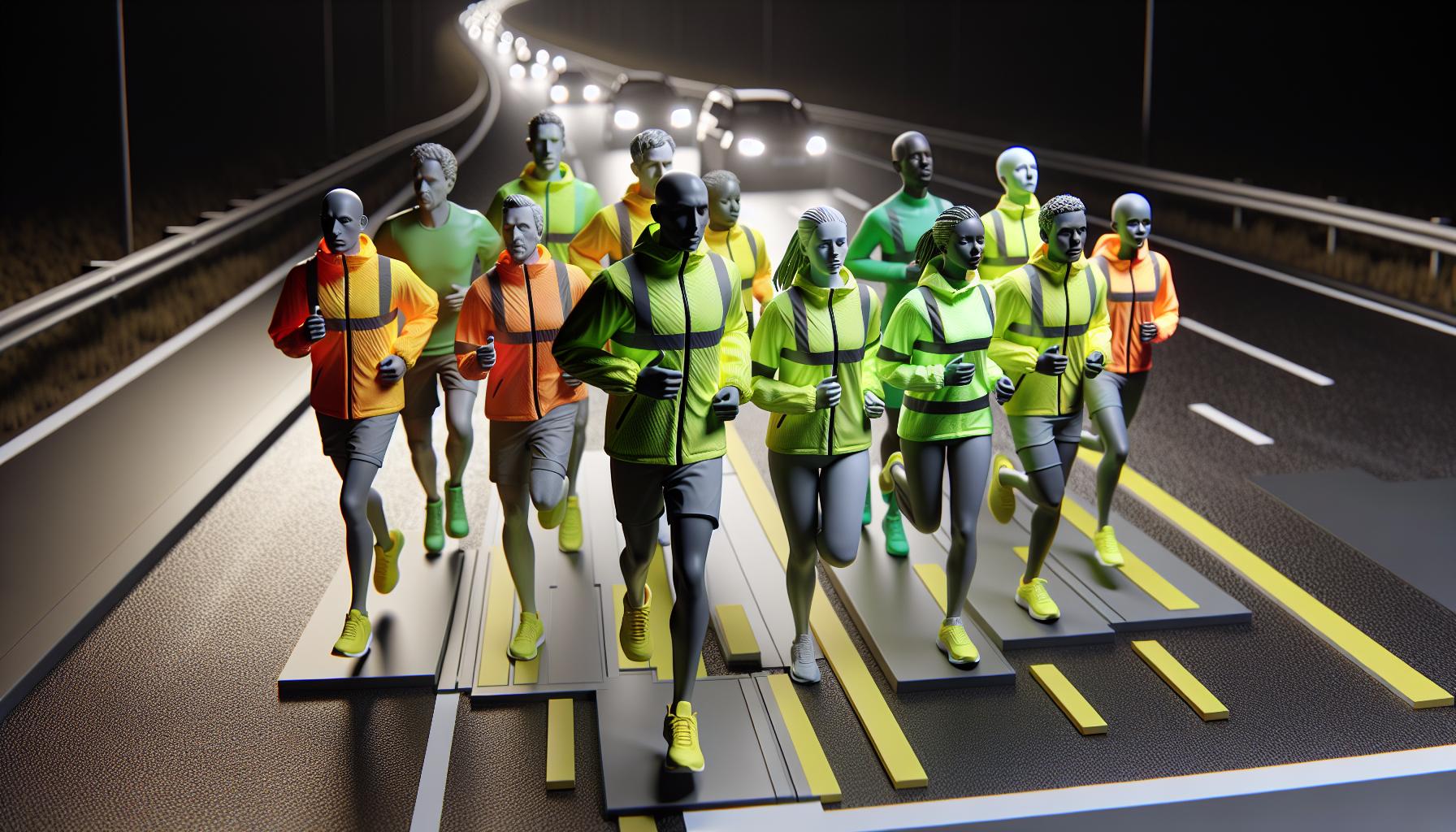
The Science Behind Hi Vis Colours: Enhancing Safety Through Visibility

Ever caught yourself squinting at a construction worker’s jacket in the distance? That’s the power of hi-vis colours at work! We’ve all seen these eye-catching hues on roads, construction sites, and even in our own closets. But have you ever wondered why they’re so darn effective?

Let’s face it, we’re not all walking traffic cones. But when it comes to safety, these vibrant shades are no joke. From fluorescent yellows to blazing oranges, hi-vis colours are designed to make us stand out like a sore thumb – and that’s a good thing! Ever tried playing hide-and-seek in a neon vest? Trust us, it doesn’t end well. So, why do these colors grab our attention so quickly, and how can they keep us safer in our day-to-day lives?

Key Takeaways

  • Hi vis colours use fluorescent pigments to reflect more light, making them highly visible in various conditions
  • Common hi vis colours include fluorescent yellow-green, neon orange, bright pink, and lime green
  • Hi vis gear improves worker safety by increasing visibility in low light and on busy job sites
  • ANSI/ISEA and EN ISO standards regulate hi vis clothing, specifying color and reflective material requirements
  • Hi vis colours are crucial in construction, emergency services, and recreational activities for enhanced safety
  • Proper care and regular replacement of hi vis gear are essential to maintain its effectiveness over time

What Are Hi Vis Colours?

Hi vis colors are specially designed hues that maximize visibility in various lighting conditions. These eye-catching shades play a crucial role in enhancing safety across different environments.

The Science Behind High Visibility

Hi vis colours work by reflecting more light than standard colors. They use fluorescent pigments that absorb ultraviolet light and re-emit it as visible light. This process makes these colors appear brighter than their surroundings, even in low-light situations.

Ever wonder why some colors seem to “pop” more than others? It’s all about contrast and how our eyes perceive light. Hi vis colours create a stark contrast against most backgrounds, making them instantly noticeable. This visual phenomenon is why construction workers and crossing guards often look like human highlighters!

Common Hi Vis Colour Options

The most popular hi vis colours include:

  1. Fluorescent Yellow-Green: Often seen on safety vests and road signs
  2. Neon Orange: Commonly used in hunting gear and traffic cones
  3. Bright Pink: Gaining popularity in sports and outdoor activities
  4. Lime Green: Frequently used in cycling and running gear

Each of these colours has its strengths depending on the environment. For example, yellow-green stands out best against urban backgrounds, while orange pops in natural settings.

Have you ever tried playing hide-and-seek while wearing a hi vis jacket? Spoiler alert: you’ll lose every time! But that’s exactly why these colours are so effective for safety purposes. They make sure you’re seen, whether you’re crossing the street or working on a busy construction site.

Benefits of Hi Vis Colours in Safety Gear

Hi vis colours offer crucial advantages in safety gear, enhancing visibility and reducing accident risks. Let’s explore two key benefits:

Increased Visibility in Low Light Conditions

Hi vis colours shine brightest when light is scarce. They reflect more light than standard hues, making wearers stand out in dim environments. This feature proves invaluable during dawn, dusk, or overcast days. Workers in hi vis gear remain visible to drivers, heavy machinery operators, and colleagues, even as natural light fades.

Picture this: You’re driving home at twilight, and suddenly, a cyclist in a bright yellow jacket catches your eye. That’s hi vis in action! These colours cut through the gloom, giving drivers extra seconds to react – and those seconds can be lifesavers.

Improved Worker Safety on Job Sites

On bustling job sites, hi vis colours are a worker’s best friend. They create a clear visual distinction between personnel and their surroundings, reducing the risk of accidents. Construction zones, roadwork areas, and industrial settings all benefit from this enhanced visibility.

Ever wondered why road crews look like human highlighters? It’s not a fashion statement – it’s a safety measure! Their bright attire helps drivers spot them from afar, allowing for smoother traffic flow and safer work conditions.

Here’s a chuckle-worthy tidbit: A construction worker once joked that wearing hi vis made him feel like a walking traffic cone. While funny, it highlights how these colours make workers impossible to miss – and that’s exactly the point!

Hi Vis Colour Standards and Regulations

Safety regulations worldwide recognize the importance of hi-vis colours in protecting workers. Let’s explore the key standards that govern these life-saving hues.

tandards help keep our workers safe and visible, whether they’re fixing potholes or directing marathon runners.

EN ISO 20471 Standards

The standard covers the flourescent fabric colour, minimum areas of reflective strips and even the placement of tape. These standards attempt to set a minimum area on view of the wearer from all sides when the garment is worn.

  • Hi Vis Class 1: This offers the lowest level of visibility of the wearer and usually involves single garments worn individually. For instance, a pair of hi vis trousers worn without a vest or top would only comply with Class 1 high visibility under the EN ISO 20471 standard. Wearing the same trousers with other hi vis garments would likely change the class.
  • Hi Vis Class 2: This offers an intermediate level of visibility of the wearer. Wearing just a standard sleeveless hi vis vest could comply with Class 2 even though it’s a single garment due to the height it would be worn at.
  • Hi Vis Class 3: This is the highest level of visibility and can be made up of different garments or be a single garment. A hi vis jacket with sleeves would likely comply with Class 3, similarly a pair of hi vis trouser worn with a hi vis polo shirt could meet class 3 if they are jointly certified.

European EN ISO Standards

The European Committee for Standardization (CEN) has its own set of rules. The EN ISO 20471:2013+A1:2016 standard is the go-to guide for hi-vis clothing in Europe. It’s like the European cousin of ANSI, with its own flair:

  • Class 1: Low-level protection for minimal risk areas. Think of delivery drivers dropping off packages.
  • Class 2: Intermediate level for moderate risk. Imagine railway workers maintaining tracks.
  • Class 3: Highest level for high-risk situations. Picture emergency responders at accident scenes.

Each class specifies minimum areas of visible materials, just like ANSI. But here’s a fun fact: in Europe, you might see workers sporting bright pink vests! They’ve expanded their colour palette to include fluorescent red, yellow, and orange-red.

Have you ever noticed how European cyclists often look like they’re part of a neon parade? That’s EN ISO in action! These standards help keep everyone from postal workers to crossing guards visible and safe.

Applications of Hi Vis Colours

Hi vis colours are essential in numerous fields where visibility is crucial for safety. Let’s explore some key areas where these eye-catching hues make a significant difference.

Construction and Road Work

On construction sites and roadways, hi vis colours are a lifesaver. Workers in fluorescent yellow vests stand out against gray concrete and asphalt, reducing the risk of accidents. Imagine trying to spot a worker in brown clothing amid a busy construction zone – it’s like finding a needle in a haystack! Hi vis colors solve this problem, making workers visible from a distance. Traffic cones, barricades, and signs in bright orange alert drivers to potential hazards, helping to prevent collisions and keep traffic flowing smoothly.

Emergency Services

First responders rely heavily on hi vis colours to stay safe while saving lives. Picture this: it’s a foggy night, and a car has broken down on the highway. An ambulance arrives, its crew dressed in hi vis yellow jackets. Despite the poor visibility, passing drivers can easily spot the emergency team, avoiding a potentially dangerous situation. Police officers, firefighters, and paramedics all use hi vis clothing to remain visible in chaotic or low-light environments. These vibrant colours help them do their jobs effectively while staying safe.

Recreational Activities

Hi vis colours aren’t just for work – they’re also popular in many outdoor activities. Have you ever wondered why cyclists often wear neon yellow jerseys? It’s not just a fashion statement! These bright colours help drivers spot cyclists on busy roads, reducing the risk of accidents. Hunters use hi vis orange vests to avoid being mistaken for game by other hunters. Even in water sports, hi vis colours play a role. Imagine you’re kayaking and capsize in choppy waters – a hi vis life jacket makes it easier for rescuers to spot you. From hiking to skiing, hi vis colours keep outdoor enthusiasts safe and visible in various environments.

Choosing the Right Hi Vis Colour for Your Needs

Selecting the perfect hi vis colour isn’t just about picking the brightest shade. We’ll explore key factors and colour combinations to help you make the best choice for your safety needs.

Factors to Consider

When picking a hi vis colour, several elements come into play. First, think about your work environment. Are you mostly outdoors or indoors? Daylight or low-light conditions? The answer affects which colour will stand out best.

Next, consider the background colours you’ll be working against. If you’re surrounded by greenery, a fluorescent yellow-green might blend in. In this case, an orange or pink could be more effective.

Weather conditions also matter. Fog, rain, or snow can impact visibility differently. Some colours, like fluorescent yellow, cut through fog better than others.

Don’t forget about job-specific requirements. Some industries have colour standards you’ll need to follow. For example, airport ground crew often wear bright orange for easy spotting on the tarmac.

Lastly, personal preference plays a role. While safety comes first, you’re more likely to wear gear you find comfortable and appealing. Ever tried wearing a colour you hate all day? It’s not fun!

Colour Combinations for Maximum Visibility

Pairing hi vis colours strategically can boost your visibility even further. Here’s a little secret: contrasting colors are your best friends in the visibility game.

Fluorescent yellow-green paired with reflective silver strips is a classic combo. It’s like wearing a lighthouse on your back! This duo works wonders in low-light conditions and rainy weather.

For those working near roads, orange with navy blue accents is a winning team. The bright orange grabs attention, while the navy provides a stark contrast that defines your shape.

Feeling bold? Try fluorescent pink with black details. It’s not just for the fashion-forward anymore. This eye-catching blend is gaining popularity in construction and emergency services.

Remember, the goal is to stand out, not blend in. Mix it up! A fluorescent vest with contrasting arm bands or two-tone hi vis jackets can make you pop even more.

Have you ever seen a group of workers all wearing different hi vis colours? It’s like a walking safety rainbow! While it might look amusing, it actually serves a purpose. Different colours can help distinguish various roles or teams on a busy site.

Maintaining Hi Vis Gear Effectiveness

Hi-vis gear requires regular care to maintain its effectiveness. Proper maintenance extends the life of safety clothing and equipment, keeping workers visible and protected on the job.

Proper Care and Cleaning

Keeping hi-vis gear clean is crucial for optimal performance. Dirt, grime, and stains can diminish the reflective properties of the material, reducing visibility. Here’s how to care for your hi-vis clothing:

  1. Wash separately: Clean hi-vis items alone to prevent colour transfer.
  2. Use cold water: Hot water can damage fluorescent dyes.
  3. Avoid harsh detergents: Opt for mild soaps to protect the fabric.
  4. Skip the dryer: Air-dry hi-vis gear to prevent heat damage.
  5. Store properly: Hang items in a cool, dry place away from direct sunlight.

Remember, a clean vest is a bright vest! Have you ever noticed how much brighter your hi-vis gear looks after a good wash? It’s like giving your safety a fresh start each time.

When to Replace Hi Vis Clothing

Even with the best care, hi-vis clothing won’t last forever. Here are signs it’s time for new gear:

  1. Fading: Dull colours mean reduced visibility.
  2. Tears or rips: Damaged fabric compromises safety.
  3. Worn reflective strips: Peeling or cracking strips are less effective.
  4. Stretched or misshapen: Ill-fitting gear may not meet safety standards.
  5. Age: Most hi-vis clothing has a lifespan of 6 months to 2 years with regular use.

Think of your hi-vis gear like a car’s headlights. Just as dim headlights need replacing for safe driving, faded hi-vis clothing needs swapping out for optimal safety. What’s the oldest piece of hi-vis gear in your closet right now?

Conclusion

Hi vis colours play a crucial role in keeping us safe across various environments. From construction sites to emergency services these vibrant hues significantly reduce accident risks. By understanding the science behind hi vis colours and following proper standards we can maximize their effectiveness. Choosing the right colours for specific needs and maintaining hi-vis gear are essential for optimal safety. As we move forward let’s continue to embrace these life-saving colours in our workplaces and daily activities. Remember hi-vis isn’t just about being seen it’s about staying safe.

Frequently Asked Questions

What are hi vis colours and why are they important?

Hi vis colours are vibrant, fluorescent hues designed to maximize visibility in various lighting conditions. They’re crucial for safety in environments like construction sites and roadways. These colors reflect more light than standard colors, appearing brighter even in low-light situations. They create a stark contrast against most backgrounds, making wearers easily noticeable and reducing accident risks.

Which colours are considered hi-vis?

Common hi vis colours include fluorescent yellow-green, neon orange, bright pink, and lime green. Each colour is suited for specific environments. For example, fluorescent yellow-green is often used in construction, while neon orange is common for road work. The choice of colour depends on the background and lighting conditions of the work environment.

How do hi vis colours improve safety in low light conditions?

Hi vis colours shine brightest when light is scarce, making wearers stand out during dawn, dusk, or overcast days. This is crucial for workers to remain visible to drivers and colleagues. The fluorescent pigments in these colours reflect more light than standard colours, creating a high contrast that enhances visibility even in poor lighting conditions.

Are there standards for hi-vis workwear?

Yes, there are standards for hi-vis workwear. In the UK, EN ISO 20471 Standards categorize hi-vis workwear into three classes based on risk levels. European EN ISO standards also classify hi-vis clothing into three levels of protection. These standards ensure that workers in various environments, from low-risk to high-risk zones, remain visible and safe.

How are hi-vis colours used in emergency services?

Hi-vis colours are vital for emergency services personnel. They allow first responders to be easily spotted in low-light or chaotic situations, enhancing their safety while performing critical tasks. Fluorescent yellows and oranges are commonly used for emergency service uniforms and vehicles, ensuring high visibility during emergencies.

Can hi-vis colours be used for recreational activities?

Absolutely. Hi-vis colours are widely used in recreational activities like cycling and hunting. They help prevent accidents by making participants more visible to others, including drivers and fellow outdoor enthusiasts. For example, cyclists often wear bright yellow jackets to stand out on roads, while hunters may use orange vests to be visible to other hunters.

How do I choose the right hi-vis colour for my needs?

When selecting hi-vis gear, consider factors like your work environment, background colours, weather conditions, job-specific requirements, and personal preferences. For instance, fluorescent yellow-green works well against gray backgrounds, while orange might be better in green environments. Also, consider effective colour combinations, like pairing fluorescent colours with reflective strips for enhanced visibility.

How should hi-vis gear be maintained?

Proper maintenance is crucial for hi-vis gear effectiveness. Wash hi-vis items separately in cold water, avoid harsh detergents, and air-dry them. Store them properly to prevent damage. Regular care helps maintain the gear’s brightness and reflective properties, ensuring optimal safety and visibility on the job.

When should hi-vis clothing be replaced?

Replace hi-vis clothing when you notice signs of wear such as fading colours, tears, worn reflective strips, or general aging. The need for replacement is similar to changing a car’s headlights. Regular inspection is important, as worn-out hi-vis gear loses its effectiveness in ensuring visibility and safety.
Mastering Stainless Steel Welding: Techniques, Tips, and Challenges

Ever tried to join two pieces of stainless steel? It’s not as simple as sticking them together with super glue! Welding stainless steel requires skill, precision, and the right techniques. We’ve all seen those shiny, corrosion-resistant surfaces in kitchens and industrial settings, but have you ever wondered how they’re made?

In this article, we’ll dive into the world of stainless steel welding. We’ll explore the methods, tools, and tricks of the trade that professionals use to create strong, durable joints. Remember that time you tried to fix your rusty old bike frame? Well, welding stainless steel is a whole different ballgame! So, grab your welding helmet (metaphorically speaking), and let’s spark up some knowledge about this fascinating craft.

Key Takeaways

  • TIG welding is preferred for stainless steel due to its precision and clean welds
  • Proper cleaning and surface preparation are crucial for strong, corrosion-resistant welds
  • Controlling heat input is essential to prevent warping and maintain stainless steel properties
  • Choosing the correct filler metal that matches the base material is critical for weld strength
  • Post-welding treatment, including cleaning and passivation, ensures long-term weld quality and corrosion resistance

Understanding Stainless Steel

Stainless steel is a versatile metal alloy known for its corrosion resistance and durability. We’ll explore its types and properties to help you choose the right material for your welding projects.

Types of Stainless Steel

Stainless steel comes in various grades, each with specific characteristics:

  • Austenitic: The most common type, including 304 and 316 grades
  • Ferritic: Magnetic and less expensive, like 430 grade
  • Martensitic: Heat-treatable and used for cutting tools, such as 420 grade
  • Duplex: Combines austenitic and ferritic properties for increased strength

Ever wonder why your kitchen sink doesn’t rust? It’s probably made of austenitic stainless steel! What type of stainless steel have you encountered in your daily life?

Properties of Stainless Steel

Stainless steel boasts several key properties that make it a popular choice:

  1. Corrosion resistance: Thanks to its chromium content
  2. Strength: High tensile strength compared to carbon steel
  3. Heat resistance: Maintains integrity at high temperatures
  4. Low maintenance: Requires minimal upkeep
  5. Aesthetic appeal: Sleek, modern appearance

Here’s a funny tidbit: Stainless steel is so shiny, you might catch yourself checking your reflection while welding! But remember, safety first – always wear your welding helmet.

Preparing for Stainless Steel Welding

Proper preparation is crucial for successful stainless steel welding. Let’s dive into the essential steps to get your workspace and materials ready for a smooth welding process.

Cleaning and Surface Preparation

Stainless steel welding starts with a spotless surface. Here’s how to clean your stainless steel:

  • Remove all dirt, grease, and contaminants using a degreaser
  • Wipe the surface with acetone to eliminate any remaining residue
  • Use a stainless steel brush to scrub the welding area, removing any oxide layer
  • Avoid using regular steel brushes, as they can contaminate the stainless steel surface
  • Clean at least 2 inches on either side of the weld joint

Remember, a clean surface is like a blank canvas for an artist. It’s the foundation for a strong, corrosion-resistant weld. Have you ever tried painting on a dirty surface? It’s just as frustrating as welding on an unclean stainless steel piece!

Selecting the Right Welding Equipment

Choosing the right tools for stainless steel welding is like picking the perfect ingredients for a gourmet meal. Here’s what you’ll need:

  • TIG (Tungsten Inert Gas) welding machine: The go-to choice for precision stainless steel welding
  • Appropriate filler rods: Match the filler material to your stainless steel grade
  • Shielding gas: Pure argon or an argon-helium mix for optimal protection
  • Tungsten electrodes: 2% thoriated or 2% ceriated tungsten for best results
  • Welding helmet with proper shade: Protect your eyes from the bright arc

Welding Techniques for Stainless Steel

Welding stainless steel demands precision and skill. We’ll explore three main techniques: TIG, MIG, and Stick welding, each offering unique advantages for different projects.

TIG Welding

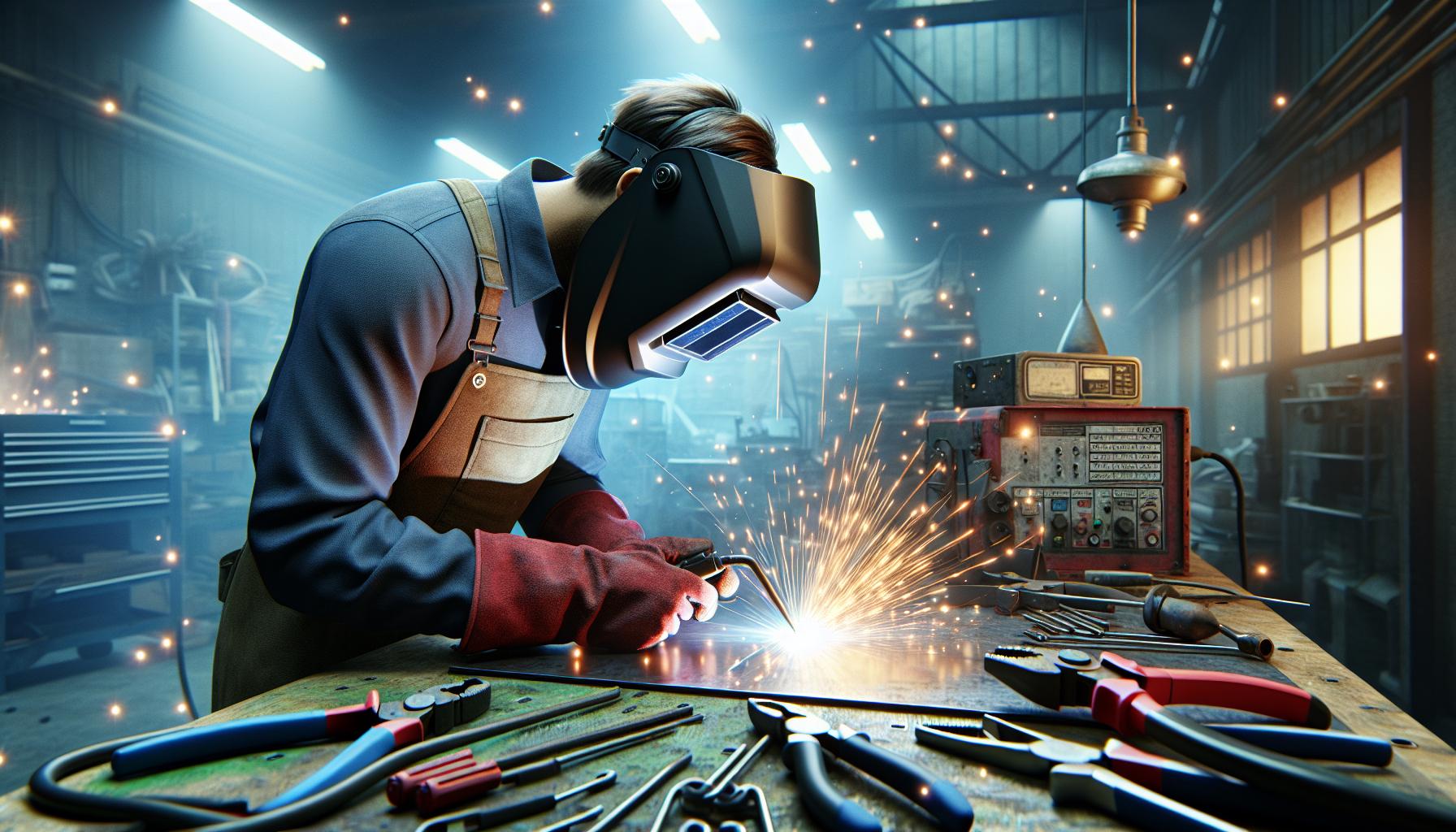
TIG welding shines when it comes to stainless steel. It’s like painting a masterpiece – you need a steady hand and attention to detail. This method uses a non-consumable tungsten electrode to create the arc, while a separate filler rod adds material to the weld pool. TIG welding produces clean, precise welds with minimal splatter, making it ideal for thin stainless steel sheets and intricate projects.

Ever tried threading a needle? TIG welding requires similar focus. It’s slower than other methods but delivers superior results. For best outcomes, use argon as the shielding gas and select the right filler rod for your specific stainless steel grade.

MIG Welding

MIG welding is the speedster of the welding world. It’s like using a hot glue gun – fast and efficient. This technique feeds a consumable wire electrode through the welding gun, which melts and joins the metal pieces. MIG welding works well for thicker stainless steel and larger projects where speed is crucial.

To get the best results with MIG welding on stainless steel:

  1. Use a tri-mix shielding gas (helium, argon, and CO2)
  2. Select a stainless steel wire that matches your base metal
  3. Keep your travel speed consistent

Remember, practice makes perfect. Don’t get discouraged if your first few welds look like a child’s crayon drawing – we’ve all been there!

Stick Welding

Stick welding is the trusty old hammer in your welding toolbox. It’s versatile and works well in outdoor conditions, making it perfect for those backyard projects. This method uses a flux-coated electrode that melts to join the metal pieces.

When stick welding stainless steel:

  1. Choose Elga Cromarods
  2. Keep your arc length short
  3. Use a dragging technique for better penetration

Stick welding might not give you the prettiest welds, but it’s like comfort food – reliable and gets the job done. Plus, it’s great for thicker stainless steel pieces and repair work.

Have you ever tried these welding techniques? Which one do you find most interesting? Remember, choosing the right technique is half the battle in creating strong, durable welds in stainless steel.

Best Practices for Welding Stainless Steel

Welding stainless steel requires specific techniques to achieve strong, durable joints. Let’s explore key practices that’ll help you master this craft and join the ranks of skilled welders.

Controlling Heat Input

Heat control is crucial when welding stainless steel. Too much heat can warp the metal or compromise its corrosion resistance. We recommend using a lower amperage and a smaller electrode or wire diameter. Pulsed welding techniques can also help manage heat input effectively. Think of it like cooking a delicate soufflé – you need just the right amount of heat to get perfect results. Have you ever tried to cook something on high heat only to end up with a burnt mess? The same principle applies here!

Choosing the Correct Filler Metal

Selecting the right filler metal is like picking the perfect dance partner – it needs to match and complement your base metal. For stainless steel, we typically use filler metals with similar composition to the base metal. For example, 308L filler is often used for 304 stainless steel, while 316L filler works well with 316 stainless steel. Remember, using the wrong filler can lead to a weld that’s weaker than the base metal or prone to corrosion. Wouldn’t it be funny if we tried to weld stainless steel with chocolate? Spoiler alert: it wouldn’t work!

Preventing Distortion and Warping

Stainless steel is prone to warping due to its high thermal expansion rate. To prevent this, we use techniques like tack welding, alternating weld patterns, and proper fixturing. It’s like trying to keep a hyperactive puppy in one spot – you need a good strategy! Clamping parts securely and using backing bars can also help maintain alignment. Have you ever tried to flatten a potato chip? That’s how challenging it can be to fix warped stainless steel, so prevention is key.

Common Challenges in Stainless Steel Welding

Welding stainless steel presents several obstacles that even experienced welders face. Let’s explore two major hurdles and how to overcome them.

Avoiding Contamination

Contamination is the nemesis of stainless steel welding. It’s like trying to bake a perfect cake with a dirty mixing bowl – the results are never good. We must keep our workspace and materials spotless. Here’s how:

  1. Clean thoroughly: Use acetone or a specialized stainless steel cleaner to remove oils, dirt, and oxides.
  2. Separate tools: Keep tools for stainless steel separate from those used for other metals.
  3. Use the right consumables: Opt for pure tungsten electrodes and appropriate filler metals.
  4. Protect the weld area: Shield the weld from air using inert gas, like argon.

Ever tried to write with a pen that’s been rolling around in the bottom of your bag? That’s what welding with contaminated materials feels like. Frustrating, right? So, let’s keep it clean, folks!

Dealing with Chromium Carbide Precipitation

Chromium carbide precipitation sounds like a weather forecast gone wrong, but it’s a real headache for stainless steel welders. This phenomenon can weaken the corrosion resistance of our welds. Here’s how we tackle it:

  1. Control heat input: Keep temperatures between 800°F and 1500°F (427°C and 816°C).
  2. Use low-carbon stainless steel: Grades like 304L or 316L are less prone to this issue.
  3. Add stabilizing elements: Titanium or niobium can help prevent chromium carbide formation.
  4. Quench after welding: Rapid cooling can minimize the time spent in the critical temperature range.

Remember that time you overcooked pasta, and it turned into a gloopy mess? That’s similar to what happens when chromium carbide precipitation occurs – except it’s not nearly as tasty, and the consequences are far more serious!

Post-Welding Treatment and Finishing

After welding stainless steel, proper treatment and finishing are crucial for ensuring the weld’s quality and longevity. Let’s dive into the essential steps to complete your stainless steel welding project.

Cleaning and Passivation

Cleaning your freshly welded stainless steel is like washing your hands after a messy art project – it’s necessary and satisfying. We start by removing any slag or spatter with a wire brush or chipping hammer. Next, we use a stainless steel-specific cleaner to eliminate any remaining contaminants.

Passivation is the next step in our post-welding routine. This process forms a protective oxide layer on the stainless steel surface, boosting its corrosion resistance. We apply a passivation solution, let it sit for the recommended time, then rinse thoroughly. It’s like giving your weld a shield against future attacks from the environment.

Ever wondered why some welds look pristine years later while others rust quickly? The secret often lies in proper cleaning and passivation. What’s your experience with these processes?

Inspecting Weld Quality

Inspecting your weld is like proofreading an important email – it’s tempting to skip, but crucial for the best results. We start with a visual inspection, looking for any obvious defects like cracks, porosity, or undercut.

For a deeper look, we might use non-destructive testing methods. Dye penetrant testing is a popular choice – it’s like playing detective with your weld. We apply a colored dye, wipe it off, then use a developer to reveal any hidden flaws. It’s surprisingly satisfying to see a clean weld pass this test!

X-ray or ultrasonic testing can provide even more detailed insights for critical applications. These methods are like giving your weld a full-body scan, revealing any internal issues that might compromise its strength.

Remember the time your friend bragged about their “perfect” weld, only to have it fail under pressure? That’s why we always double-check our work. How do you typically inspect your welds?

By following these post-welding steps, we’re not just finishing a job – we’re crafting a masterpiece that’ll stand the test of time. What other post-welding techniques have you found helpful in your projects?

Conclusion

Welding stainless steel is a complex yet rewarding craft that demands skill precision and the right techniques. We’ve explored the unique properties of stainless steel various welding methods and essential best practices. By understanding proper preparation selecting appropriate techniques and implementing post-weld treatments you’ll be well-equipped to create strong durable welds. Remember that mastering stainless steel welding takes time and practice. With the knowledge you’ve gained here you’re ready to tackle your next stainless steel welding project with confidence. Keep honing your skills and you’ll soon be crafting professional-quality welds that stand the test of time.

Frequently Asked Questions

What is the best welding technique for stainless steel?

The best technique depends on your project. TIG welding is ideal for thin sheets and precision work, MIG welding is great for thicker materials and speed, while Stick welding is versatile for outdoor projects. Choose based on your specific needs, material thickness, and desired finish quality.

How do I prepare stainless steel for welding?

Clean the surface thoroughly using a stainless steel brush to remove dirt, grease, and contaminants. Ensure your workspace is clean and organize your welding equipment, including a TIG welding machine, appropriate filler rods, shielding gas, tungsten electrodes, and a welding helmet.

Why is heat control important when welding stainless steel?

Controlling heat input is crucial to avoid warping and maintain corrosion resistance. Use lower amperage, smaller electrode diameters, and pulsed welding techniques. Proper heat control ensures strong welds without compromising the material’s integrity.

How can I prevent contamination during stainless steel welding?

Maintain a clean workspace and use the right consumables. Treat your welding area like a clean kitchen – use dedicated tools for stainless steel, avoid cross-contamination with other metals, and ensure your shielding gas and filler metals are appropriate for stainless steel.

What is chromium carbide precipitation and how can I avoid it?

Chromium carbide precipitation occurs when chromium combines with carbon at high temperatures, reducing corrosion resistance. To prevent this, control heat input, use low-carbon stainless steel, add stabilizing elements, or quench after welding to preserve the material’s corrosion-resistant properties.

What post-welding treatments are necessary for stainless steel?

After welding, clean the weld area thoroughly and apply a passivation solution to enhance corrosion resistance. Inspect the weld quality through visual checks and consider non-destructive testing methods like dye penetrant, X-ray, or ultrasonic testing to identify any defects.

Can I use regular steel welding techniques on stainless steel?

While some principles are similar, stainless steel requires specific techniques due to its unique properties. It’s more sensitive to heat, prone to warping, and can lose its corrosion resistance if not welded properly. Always use techniques and materials designed for stainless steel.

Welding Safety Boots: The Ultimate Guide to Protecting Your Feet While Welding

Welding work boots are essential protective gear, featuring specialized attributes such as heat resistance, steel toe protection, and electrical hazard safeguards

Top materials for welding boots include leather for durability and heat resistance, and Kevlar for added strength and puncture protection

Choosing the right boots involves considering fit, comfort, and specific workplace requirements such as slip resistance or waterproofing

Regular maintenance, including cleaning, drying, and conditioning, extends the life of welding safety boots and ensures optimal protection

Importance of Welding Safety Boots

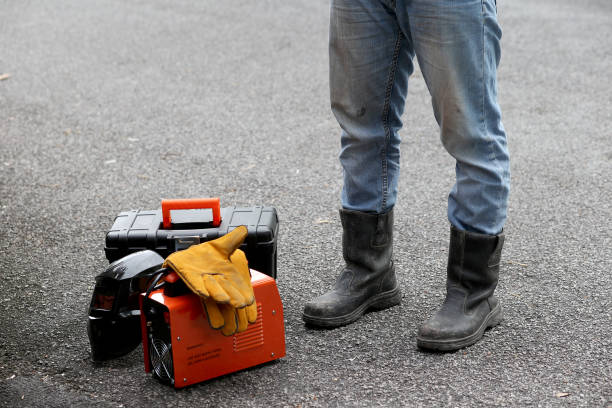
Welding safety boots are a crucial component of personal protective equipment (PPE) for welders. Imagine stepping into a workshop where sparks fly like confetti at a New Year’s Eve party, and molten metal drips like hot candle wax. Without the right protection, your feet would be in serious danger. That’s where welding safety boots come in, acting as your personal bodyguards against a myriad of hazards.

These boots are designed to shield your feet from electrical shocks, intense heat, flames, and falling objects. Think of them as the Swiss Army knife of footwear – versatile and indispensable. By meeting stringent safety standards, welding safety boots ensure they can handle the tough conditions welders face daily. They’re not just about keeping your toes intact; they’re about creating a safer working environment where you can focus on your craft without worrying about foot injuries.

So, next time you lace up your welding boots, remember: they’re not just boots; they’re your frontline defense in the battle against workplace hazards.

What Are Welding Safety Boots?

Welding safety boots are like the superheroes of footwear in the welding world. Picture your favorite caped crusader, but instead of fighting crime, these boots battle against sparks, molten metal, and other workshop hazards. They’re the trusty sidekicks that keep welders’ feet safe and sound while they work their magic with metal.

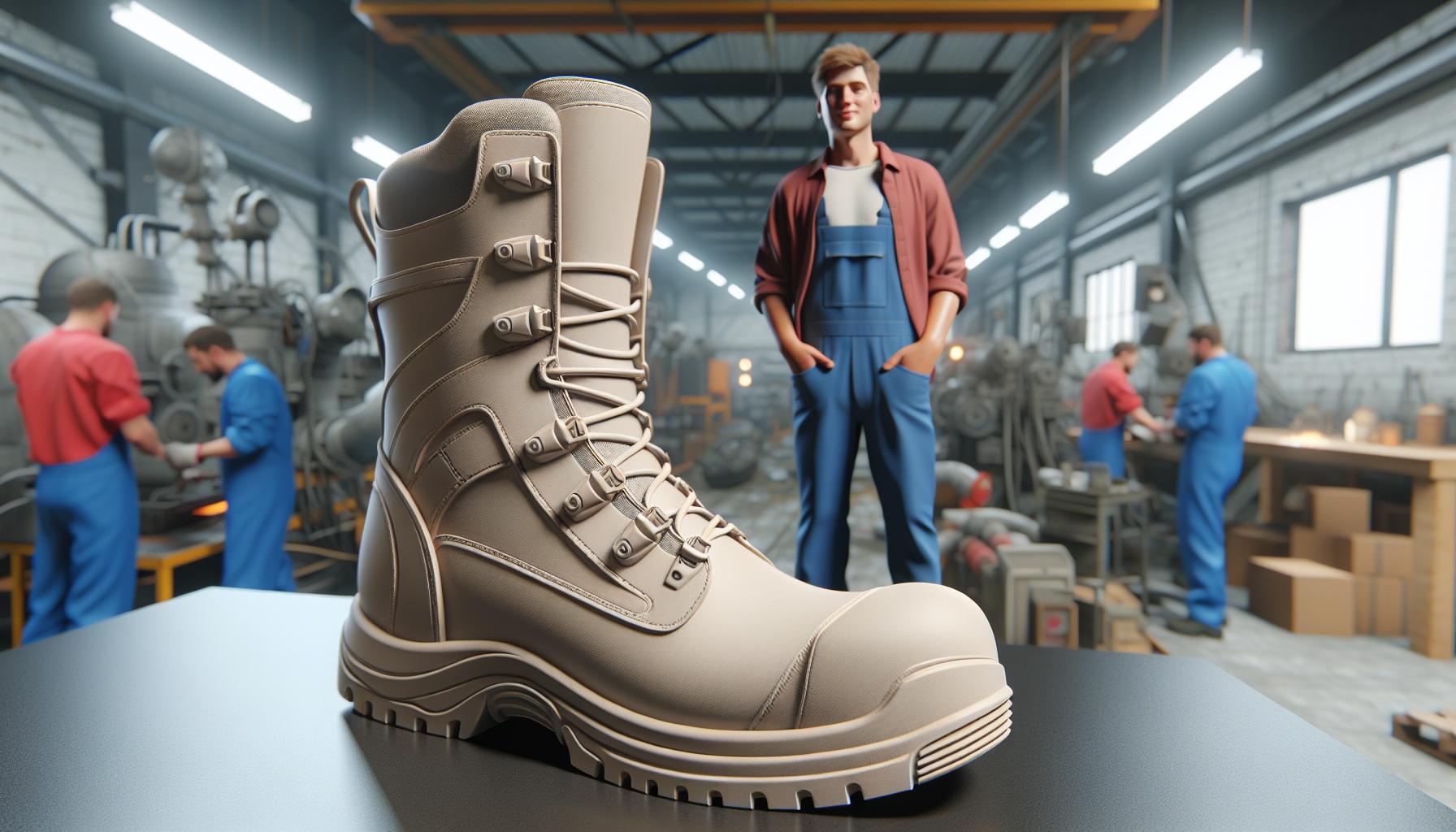
Ever wonder what sets these boots apart from your everyday sneakers? Well, welding safety boots are built tough, with materials that can withstand high temperatures and resist punctures. They’re like a fortress for your feet, complete with steel toes and reinforced soles. Steel toe boots, in particular, offer exceptional impact and compression resistance, ensuring maximum protection. It’s as if someone took regular work boots and gave them superpowers!

We’ve all heard the saying, “If the shoe fits, wear it.” But in welding, it’s more like, “If the boot protects, don’t lose it!” These specialized boots are designed to shield welders from potential dangers lurking in the workshop. They’re not just about looking cool (although they do have a certain rugged charm) – they’re all about keeping welders safe and comfortable during long hours of work.

Here’s a funny story: A novice welder once showed up to his first day on the job wearing flip-flops. Can you imagine the look on his supervisor’s face? Needless to say, he was quickly sent home to change into proper welding safety boots. It’s a reminder that in welding, fashion takes a backseat to function!

Key Features of Quality Welding Safety Boots

7bea7f94 08f1 4726 8f4c 76aa350389c5:mllkXI wmkGJTNVW2Z Xf

Quality welding safety boots are packed with features that protect welders from various hazards, including cuts and sharp objects. Let’s explore the essential elements that make these boots stand out in the workshop.

Heat Resistance

Welding safety boots laugh in the face of high temperatures. They’re like tiny fortresses for your feet, keeping them cool when things heat up. The outer layer is made of materials that can withstand extreme heat, preventing burns from sparks and molten metal. Ever tried to fry an egg on the sidewalk on a hot day? Well, these boots could probably handle that and then some!

Steel Toe Protection

Remember playing “This little piggy” as a kid? Well, welding safety boots play “This little piggy stays safe” with their steel toe caps. These robust shields guard your toes against falling objects or heavy equipment. It’s like having a personal bodyguard for each of your digits. Who knew toes could feel so VIP?

Electrical Hazard Protection

Welding safety boots are the ultimate party poopers for electricity. They’re designed to keep you grounded (pun intended) by providing insulation against electrical currents. It’s like having your own personal lightning rod, minus the whole “attracting lightning” part. Have you ever shuffled across a carpet and zapped someone? These boots make sure that’s the most shocking electrical experience you’ll have on the job.

Safety Features

Welding safety boots come with a range of safety features that provide protection against various hazards. Let’s break down these features and see how they keep your feet safe and sound.

  • Steel Toe or Composite Toe Caps: These are like the knights in shining armor for your toes. Whether it’s a steel toe or a composite toe, these caps protect against heavy objects and electrical hazards. Imagine dropping a hefty piece of metal on your foot – with these caps, your toes will come out unscathed.
  • Heat-Resistant Materials: Welding involves a lot of heat, and your boots need to handle it like a pro. Heat-resistant materials ensure that your feet stay cool even when things get fiery. It’s like having a built-in air conditioner for your feet.
  • Electrical Hazard Protection: Working with electricity? No problem. These boots provide insulation against electrical shocks, acting like a rubber glove for your feet. You can work confidently, knowing you’re protected from unexpected zaps.
  • Slip-Resistant Soles: Slippery surfaces are no match for these soles. They provide excellent traction, preventing slips and falls. Think of them as your personal traction control system, keeping you steady on your feet.
  • Metatarsal Guards: These guards protect the top of your foot from impact and crushing. It’s like having a shield that absorbs the blow, ensuring your foot remains injury-free.
  • Ankle Support: Stability is key, especially in hazardous environments. Ankle support in these boots prevents injuries and keeps you balanced. It’s like having a sturdy brace that keeps your ankles in check.

These safety features are essential for welders who work in hazardous environments and are exposed to various risks. They ensure that you can focus on your work without worrying about your feet.

Top Materials for Welding Safety Boots

When it comes to welding safety boots, the materials used are crucial for protection and durability. These materials are also used in welding shoes for added protection and comfort. Let’s explore the top materials that keep welders’ feet safe and comfortable.

Leather

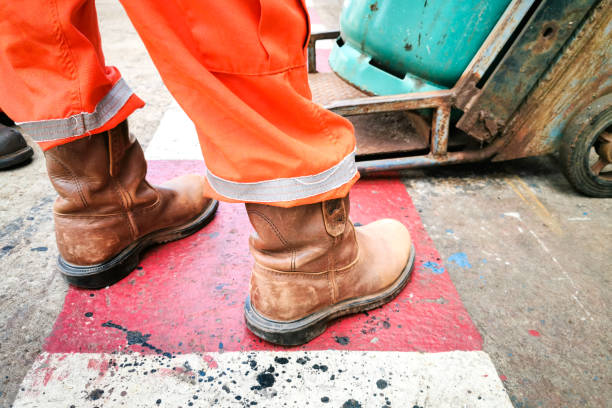
Leather is the go-to material for welding safety boots. It’s tough, heat-resistant, and protects against sparks and molten metal splatter. Full-grain leather offers the best protection, while split leather provides a good balance of durability and affordability. Some boots combine both types, using full-grain leather in high-wear areas and split leather elsewhere.

Ever wonder why cowboys wore leather boots? It’s the same reason welders do – they’re built to last! Leather molds to your feet over time, creating a custom fit that’s as comfortable as your favorite old jeans. Plus, it’s naturally fire-resistant, making it perfect for the welding workshop.

Kevlar

Kevlar, the superhero of synthetic fibers, isn’t just for bulletproof vests. It’s making waves in welding safety boots too! This strong, lightweight material resists cuts, punctures, and heat, making it an excellent choice for boot reinforcement.

Imagine having a force field around your feet – that’s what Kevlar feels like. It’s five times stronger than steel by weight, yet flexible enough to keep you light on your feet. Some boots use Kevlar in the laces or as an extra layer in the upper, adding an extra level of protection without weighing you down.

Have you ever tried to cut Kevlar with scissors? Good luck with that! It’s so tough, you’d have better luck trying to cut through a bank vault with a butter knife. This toughness translates to longevity in your welding boots, keeping your feet safe and your wallet happy.

Important Safety Standards for Welding Footwear

When it comes to welding safety boots, we’re not just talking about any old footwear. We’re dealing with the cream of the crop, the crème de la crème of protective gear. But how do we know if our boots are up to snuff? That’s where safety standards come in, acting like a seal of approval for our trusty foot guards.

ASTM F2413-18

Ever wonder what those mysterious numbers and letters on your boot tags mean? Well, ASTM F2413-18 is like the secret handshake of the welding boot world. This standard sets the bar for protective footwear, covering everything from impact resistance to compression protection. It’s like having a personal bodyguard for your feet, making sure they’re ready for whatever the welding workshop throws their way.

CSA Z195-14

Our Canadian friends have their own set of rules, and boy, do they mean business! The CSA Z195-14 standard is like the maple syrup of safety – sweet, reliable, and uniquely Canadian. It covers similar ground to its American counterpart but with a few extra requirements that make Canadian welders say, “Oh yeah, that’s the good stuff, eh?”

EN ISO 20345:2011

Crossing the pond, we find the European standard EN ISO 20345:2011. This one’s like the Swiss Army knife of safety standards – versatile, comprehensive, and respected worldwide. It sets out requirements for safety footwear that are tougher than a two-dollar steak, ensuring our European welding buddies keep their toes intact and their feet happy.

So, next time you’re shopping for welding boots, keep an eye out for these standards. They’re not just random letters and numbers – they’re your ticket to a safer, more comfortable welding experience. After all, who wants to play footsie with molten metal?

istockphoto 1335400882 612x612 1

Choosing the Right Welding Safety Boots

Selecting the perfect welding safety boots is crucial for your protection and comfort. Let’s dive into the key factors to consider when making this important decision.

Fit and Comfort

Finding boots that fit like a glove is essential for long days in the workshop. We’ve all experienced the agony of ill-fitting shoes, and when it comes to welding, comfort can’t be compromised. Look for boots with cushioned insoles and adequate arch support to keep your feet happy during those marathon welding sessions.

Remember to try on boots with the socks you’ll typically wear while working. Wiggle your toes and walk around to ensure there’s enough room without being too loose. A snug fit prevents blisters and keeps your feet stable while you’re focused on your craft.

Pro tip: Shop for boots later in the day when your feet are slightly swollen, just like they might be after hours of welding. This way, you’ll get a more accurate fit for your workday.

Workplace Requirements

Every welding environment has its own set of challenges. Are you working in a shipyard with wet conditions? Or maybe you’re in a factory with oily floors? Your workplace dictates the specific features you need in your safety boots.

For example, if you’re dealing with slippery surfaces, look for boots with slip-resistant soles. They’ll keep you steady on your feet, even when things get a bit slick. Think of these soles as your personal traction control system.

If you’re working around electrical hazards, boots with electrical hazard (EH) protection are a must. They act like a rubber glove for your feet, insulating you from potential shocks.

Here’s a chuckle for you: We once heard of a welder who wore his wife’s rubber kitchen gloves over his boots for “extra protection.” Needless to say, that’s not the way to go! Stick to boots designed for the job.

What’s your workplace like? Do you need waterproof boots, or is heat resistance your top priority? Considering these factors will help you find boots that are up to the task.

Maintaining Your Welding Safety Boots

Let’s face it, our welding safety boots are like trusty sidekicks in the workshop. They’ve got our backs (or rather, our feet) day in and day out. But just like any good friendship, this relationship needs a little TLC to keep it going strong. So, how do we show our boots some love?

First things first, let’s talk about cleaning. After a long day of sparks flying and metal melting, our boots probably look like they’ve been through a war zone. A quick wipe-down with a damp cloth can work wonders. For tougher stains, a mild soap solution is your best bet. Remember, though, these aren’t your everyday sneakers – avoid harsh chemicals that could damage the protective materials.

Ever tried to slip on a pair of boots that feel like they’ve shrunk overnight? That’s what happens when we don’t dry our boots properly. After cleaning, stuff them with newspaper to absorb moisture and maintain their shape. It’s like giving your boots a comfy bed for the night!

Let’s address the elephant in the room – the smell. We’ve all been there, right? Opening our locker and being hit by that unmistakable “eau de work boot.” To combat this, sprinkle some baking soda inside your boots overnight. It’s like a breath mint for your footwear!

What about those little nicks and scratches? They’re battle scars, sure, but we don’t want them turning into full-blown injuries. Regular conditioning of the leather parts can help prevent cracks and extend the life of your boots. Think of it as moisturizer for your boots – because even tough guys need skincare!

Speaking of tough, let’s not forget about those steel toes. They’re the bouncers of the boot world, keeping your toes safe from party crashers like heavy objects. Check them regularly for any signs of damage or exposure. If you can see the steel, it’s time for new boots – no ifs, ands, or boots about it!

Laces might seem like a small detail, but they’re the unsung heroes of boot fit. Frayed or broken laces aren’t just annoying; they can compromise the safety of your boots. Keep a spare pair handy – it’s like having a backup dancer ready to step in at a moment’s notice.

Lastly, know when it’s time to say goodbye. Even the best boots don’t last forever. If the soles are worn smooth, the steel toe is exposed, or there are holes in the upper, it’s time to retire your old friends. They’ve served you well, but sometimes we need to know when to hang up our boots – literally!

Conclusion

Welding safety boots are more than just footwear they’re a crucial shield against workplace hazards. We’ve explored their essential features materials and safety standards highlighting why they’re indispensable for every welder. Remember choosing the right boots and maintaining them properly can significantly enhance your safety and comfort on the job. By prioritizing quality protective footwear we’re not just safeguarding our feet but ensuring a safer more productive welding environment. So next time you step into your workshop make sure you’re wearing your trusty welding safety boots your feet will thank you!

Frequently Asked Questions

Why are welding safety boots important?

Welding safety boots are crucial for protecting feet from sparks, molten metal, and falling objects in the workshop. They act as a protective barrier, allowing welders to work safely without fear of foot injuries. These boots are designed to withstand high temperatures, resist punctures, and provide comfort during long hours of work.

What are the key features of quality welding safety boots?

Quality welding safety boots have heat resistance to protect against burns, steel toe protection to guard against falling objects, and electrical hazard protection to insulate against electrical currents. They are made from durable materials like leather or Kevlar, which offer toughness and heat resistance while molding to the foot for a custom fit.

What safety standards should I look for in welding boots?

Look for welding boots that meet standards like ASTM F2413-18, CSA Z195-14, or EN ISO 20345:2011. These standards ensure the boots provide adequate impact resistance, compression protection, and other safety features. They serve as seals of approval for protective gear and are essential for a safer welding experience.

How do I choose the right welding safety boots?

Choose welding safety boots based on fit, comfort, and workplace requirements. Try on boots with your typical work socks and shop later in the day for a more accurate fit. Consider specific needs like slip resistance for wet conditions or electrical hazard protection. Ensure the boots meet all necessary safety standards for your work environment.

How should I maintain my welding safety boots?

Maintain welding safety boots by cleaning them regularly with mild soap and drying them properly. Stuff them with newspaper to maintain shape and use baking soda to combat odors. Check for damage to steel toes and laces regularly. Replace worn-out boots when they no longer provide adequate protection or comfort.

What materials are best for welding safety boots?

The best materials for welding safety boots are leather and Kevlar. Full-grain leather offers top protection, while split leather balances durability and affordability. Kevlar, a strong synthetic fiber, resists cuts, punctures, and heat, enhancing boot durability. These materials ensure welders’ feet remain safe and comfortable during work.

Hard Hat Expiration: When to Replace Your Safety Gear for Maximum Protection

We’ve all been there – rummaging through our garage, trying to find that trusty hard hat for a DIY project. But wait, how long have we had this thing? Does it still protect us like it should?

Hard hat expiration isn’t just a fancy term safety experts throw around. It’s a real concern that affects our well-being on the job site. Ever wondered if your hard hat is past its prime? Or how often you should replace it? These questions might seem trivial, but they’re crucial for keeping our noggins safe.

Key Takeaways

  • Hard hats typically expire 2-5 years from the manufacture date, requiring regular replacement -most manufacturers have recommendations on helmet and suspension lifespans. MSA hard hat shells should be used no longer than 5 years, while suspensions should be replaced after 12 months. Both are the maximum time frame for replacement, calculated from date of first use.
  • UV radiation, chemical exposure, and physical damage can significantly reduce a hard hat’s lifespan
  • Signs it’s time to replace include visible cracks, faded appearance, and loose suspension systems
  • Proper maintenance involves regular cleaning, careful storage, and routine inspections
  • Using expired hard hats reduces protection and may lead to legal and compliance issues

Understanding Hard Hat Expiration

Hard hat expiration is a crucial concept for anyone working in construction or DIY projects. Let’s dive into the basics of hard hats and why their safety is paramount.

What Is a Hard Hat?

A hard hat is a protective helmet worn on job sites to shield the head from falling objects, impacts, and electrical hazards. It’s made of durable materials like high-density polyethylene or fiberglass, designed to absorb and distribute the force of impacts. Hard hats come in various styles, colors, and configurations to suit different work environments and safety requirements.

The Importance of Hard Hat Safety

Ever tried to catch a falling wrench with your noggin? Spoiler alert: it doesn’t end well! That’s where hard hats come in. They’re our trusty sidekicks in the battle against workplace bonks and bumps. But here’s the kicker – a hard hat isn’t a one-and-done deal. It’s more like milk in your fridge; it has an expiration date.

We often take these plastic lifesavers for granted, but they’re constantly on duty, protecting us from overhead dangers. Think about it: how many times has your hard hat saved you from a nasty headache or worse? It’s like having a personal bodyguard perched on your dome.

But here’s a brain-teaser for you: when was the last time you checked your hard hat’s condition? Is it still fit for the job, or is it ready for retirement? These are questions we need to ask ourselves regularly.

Remember that hilarious time when Bob from accounting visited the site and wore his hard hat backward? While we all had a good chuckle, it highlighted a serious point – proper use and maintenance of hard hats are no laughing matter.

So, why does hard hat safety matter so much? It’s simple – our heads house our most precious asset: our brains. And let’s face it, we kind of need those to function! By prioritizing hard hat safety, we’re not just following rules; we’re investing in our well-being and future.

Are you giving your hard hat the TLC it deserves? After all, it’s been looking out for you all this time. Maybe it’s time we return the favor and make sure our protective pals are up to snuff. What steps can you take today to check on your hard hat’s health?

Factors Affecting Hard Hat Lifespan

bf1f8ddc f30f 4446 9b0a 43f9cab161a8:SYRyd LddU5NWmdwcFHNB

Hard hats don’t last forever. Several factors influence how long a hard hat remains effective in protecting your noggin. Let’s explore the main culprits that can shorten your hard hat’s useful life.

Material Degradation

Hard hats are typically made of high-density polyethylene or ABS plastic. Over time, these materials break down:

  • UV radiation weakens the plastic, making it brittle
  • Chemical exposure can cause the material to deteriorate
  • Temperature fluctuations lead to expansion and contraction, weakening the structure

Remember that old plastic lawn chair that crumbled when you sat on it? Your hard hat can suffer a similar fate if not cared for properly.

Environmental Exposure

The environment your hard hat faces daily plays a big role in its longevity:

  • Extreme heat or cold can warp the shell
  • High humidity encourages mold growth inside the hat
  • Prolonged sunlight exposure accelerates UV damage
  • Dust and debris can compromise the suspension system

Think of your hard hat like a trusty pair of work boots. They might look fine, but constant exposure to the elements takes its toll.

Physical Damage

Accidents happen, and your hard hat is there to take the hit:

  • Impacts from falling objects can create invisible weak spots
  • Dropping the hat can crack or dent the shell
  • Improper storage (like in a car’s back window) can cause warping
  • Painting or applying stickers can hide damage and weaken the material

Ever dropped your phone and found a tiny crack that spread over time? Your hard hat can develop similar hidden weaknesses after an impact.

Signs It’s Time to Replace Your Hard Hat

Knowing when to replace your hard hat is crucial for maintaining safety. Here are key indicators that signal it’s time for a new one:

Visible Cracks or Dents

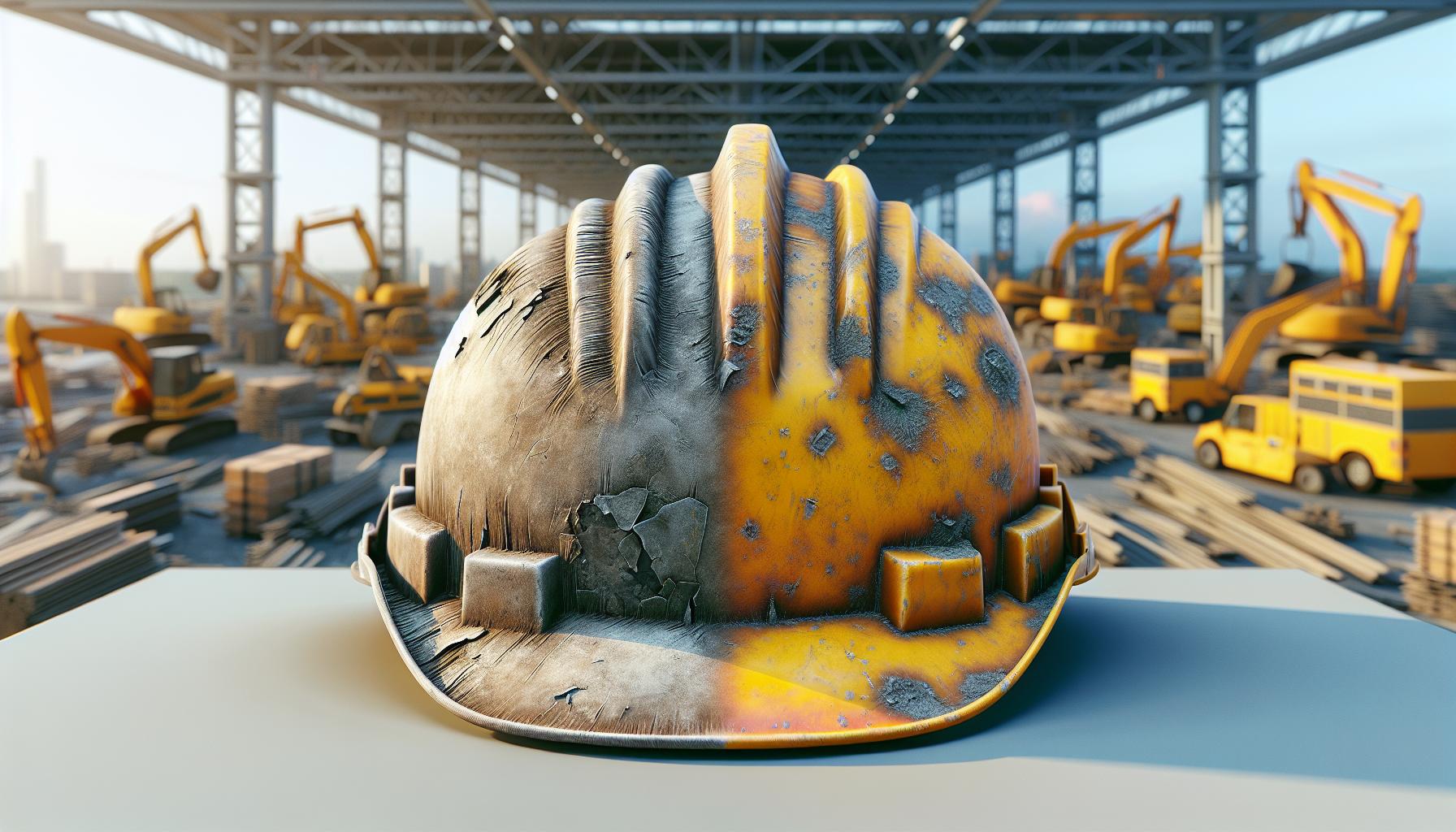
Cracks and dents compromise a hard hat’s protective capabilities. Inspect your hard hat regularly for any visible damage. Even small cracks can weaken the structure, reducing its ability to absorb impacts. Remember, a hard hat that’s taken a hit is like a car that’s been in an accident – it might look okay on the outside, but its integrity could be compromised. Have you ever dropped your phone and found a tiny crack that spread over time? The same principle applies to hard hats.

Faded or Chalky Appearance

A faded or chalky appearance is more than just a cosmetic issue. It’s a telltale sign of UV damage and material degradation. This change in appearance indicates that the hard hat’s plastic has weakened, potentially reducing its protective qualities. Think of it like sunburned skin – it’s a clear sign of too much sun exposure. When was the last time you really looked at your hard hat’s color?

Loose or Worn Suspension System

The suspension system is the unsung hero of your hard hat. It absorbs shock and keeps the shell away from your head. If it’s loose, worn, or damaged, it can’t do its job properly. Imagine wearing shoes with worn-out soles – they don’t provide the support you need. Similarly, a compromised suspension system leaves you vulnerable. Give your hard hat’s suspension a gentle tug. If it feels loose or worn, it’s time for a replacement.

Hard Hat Expiration Guidelines

Understanding when to replace a hard hat is crucial for maintaining safety on job sites and in DIY projects. Let’s explore the key guidelines for hard hat expiration to keep you protected.

Manufacturer Recommendations

Hard hat manufacturers provide specific guidelines for their products’ lifespan. These recommendations typically range from 2 to 5 years from the date of manufacture. We’ve noticed that some manufacturers stamp expiration dates directly on the hard hat, making it easy to track. It’s like having a “best by” date for your safety gear! Have you checked your hard hat’s expiration date lately? MSA hard hat shells should be used no longer than 5 years, while suspensions should be replaced after 12 months. Both are the maximum time frame for replacement, calculated from date of first use.

Proper Hard Hat Maintenance

Maintaining your hard hat is crucial for its longevity and effectiveness. Let’s dive into some practical tips to keep your protective gear in top shape.

Cleaning and Storage Tips

Keeping your hard hat clean isn’t just about looks—it’s about safety too! Think of it like washing your favorite coffee mug. You wouldn’t want to drink from a dirty cup, right? The same goes for your hard hat. Here’s how to keep it spick and span:

  1. Warm water and mild soap: That’s all you need for a quick clean.
  2. Soft cloth: Gently wipe down the shell and suspension.
  3. Air dry: Let it breathe! Don’t use heat sources or direct sunlight.
  4. Cool, dry place: Store it like you would a prized possession.

Funny story time: A colleague once stored his hard hat in his trunk during summer. When he put it on, it looked like a melted ice cream cone! Don’t let that be you.

Regular Inspections

Regular hard hat check-ups are like visiting the dentist—not always fun, but necessary! Here’s what to look for:

  1. Cracks or dents: Run your fingers over the surface. Feel any bumps?
  2. Suspension system: Is it tight and secure? No loose straps allowed!
  3. Color changes: Has your white hard hat turned yellowish? Time for a replacement.
  4. Stickers and markings: Can you still read the manufacturer’s label?

Consequences of Using Expired Hard Hats

Using an expired hard hat can have serious repercussions. Let’s explore the potential risks and issues that arise when we rely on outdated safety equipment.

Reduced Protection

Expired hard hats offer significantly less protection than their newer counterparts. The materials degrade over time, weakening the shell’s ability to absorb impacts. This degradation is like a car’s airbag losing its effectiveness – you wouldn’t want to discover it’s not working during an accident, would you? UV rays, chemicals, and temperature changes all contribute to this deterioration. Remember that time your friend left their water bottle in the sun for weeks, and it became brittle? Hard hats can suffer a similar fate, compromising their ability to shield us from falling objects or electrical hazards.

Conclusion

Hard hat expiration isn’t just a guideline it’s a crucial safety measure. We’ve explored the factors affecting a hard hat’s lifespan and the signs that indicate it’s time for a replacement. Remember regular inspections and proper maintenance are key to ensuring your hard hat remains effective.

By staying vigilant about expiration dates and following manufacturer recommendations we can protect ourselves and our colleagues from potential hazards. Let’s prioritize safety by treating our hard hats with the respect they deserve. After all when it comes to protecting our most valuable asset – our brains – there’s no room for compromise.

Frequently Asked Questions

How often should I replace my hard hat?

Most manufacturers recommend replacing hard hats every 2 to 5 years from the date of manufacture. However, it’s important to check your specific hard hat’s expiration date, as some manufacturers stamp this directly on the hat. Regular inspections are crucial, and you should replace your hard hat immediately if you notice any signs of damage or wear.

What are the signs that indicate I need to replace my hard hat?

Key signs include visible cracks or dents in the shell, a faded or chalky appearance indicating UV damage, and a loose or worn suspension system. Also, look for any deformities, discoloration, or brittleness in the material. If you’ve experienced a significant impact while wearing the hard hat, it’s best to replace it even if no visible damage is apparent.

Can I extend the life of my hard hat through proper maintenance?

Yes, proper maintenance can help extend your hard hat’s life. Clean it regularly with warm water and mild soap, avoiding harsh chemicals. Dry it with a soft cloth and store it in a cool, dry place away from direct sunlight. Avoid modifying the hat in any way, including painting or applying stickers, as this can weaken its structure.

What are the consequences of using an expired hard hat?

Using an expired hard hat significantly reduces your protection against potential head injuries. The material degrades over time, compromising its ability to absorb impacts effectively. Additionally, using expired PPE can lead to legal and compliance issues, including OSHA violations, fines, and increased insurance premiums for employers. Always prioritize safety by using up-to-date protective equipment.

How does environmental exposure affect my hard hat’s lifespan?

Environmental factors like UV radiation, extreme temperatures, and humidity can significantly shorten a hard hat’s lifespan. Prolonged exposure to sunlight can cause the material to become brittle and less protective. Chemical exposure and temperature fluctuations can also weaken the hard hat’s structure. Store your hard hat properly and be aware of its exposure to harsh environmental conditions.

Workwear UK: Dressing for Success, Safety, and Style in the British Workplace

Ever wondered why your coworkers always look so sharp at the office? It’s not magic – it’s smart workwear! We’ve all been there, staring at our closets, scratching our heads about what to wear to work. But fear not, fellow professionals! We’re here to unravel the mystery of workwear in the UK.

From suits that mean business to comfortable yet stylish options, the world of workwear is vast and exciting. Remember that time you showed up to a casual Friday in a three-piece suit? Oops! We’ll help you avoid such fashion faux pas. Let’s dive into the essentials of UK workwear and discover how to dress for success without breaking a sweat or the bank.

Key Takeaways

  • Proper workwear in the UK enhances safety, productivity, and team spirit while combining functionality with style
  • UK workwear market offers diverse options including protective clothing, high-visibility gear, and corporate uniforms
  • Top workwear brands in the UK include both popular domestic brands and international brands with a local presence
  • When choosing workwear, consider safety standards, comfort, durability, and climate considerations
  • UK workwear can be purchased from online retailers and brick-and-mortar stores, with various customization options available

The Importance of Workwear in the UK

Workwear in the UK isn’t just about looking sharp – it’s a key player in workplace safety and productivity. Think of it as your trusty sidekick, always ready to lend a hand (or a steel-toed boot) when you need it most. We’ve all been there – struggling to zip up that high-vis vest or fumbling with those pesky safety goggles. But here’s the kicker: proper workwear can be the difference between a smooth sailing day and a comedy of errors.

Why does workwear matter so much? For starters, it keeps us safe. Picture this: you’re on a construction site, surrounded by heavy machinery and potential hazards. Would you rather face that in flip-flops and a tank top, or decked out in sturdy boots and a hard hat? We thought so! Proper workwear acts as a shield, protecting us from the unexpected twists and turns of our daily grind.

But safety’s just the tip of the iceberg. Workwear also boosts our efficiency. Ever tried to carry a toolbox while wearing skinny jeans? Not fun, right? The right workwear gives us the freedom to move, bend, and stretch without feeling like we’re in a straitjacket. It’s like having a personal assistant that keeps everything we need within reach.

And let’s not forget about team spirit. When we all sport the same uniform, it creates a sense of unity. It’s like being part of an exclusive club – minus the secret handshake. This shared identity can do wonders for morale and collaboration. Have you ever noticed how a team in matching jerseys seems to play better together?

But here’s where it gets interesting: workwear in the UK isn’t just about function – it’s also about fashion. Gone are the days of bland, boxy uniforms that make us feel like we’re back in school. Today’s workwear combines style with substance, letting us express our personality while still staying safe and professional. It’s like having our cake and eating it too!

So, next time you slip on your work boots or button up your uniform, remember: you’re not just getting dressed for work. You’re suiting up for success, safety, and maybe even a bit of style. Who knew workwear could be such a game-changer?

Types of Workwear Available in the UK Market

The UK workwear market offers a diverse range of options to suit various industries and job roles. From construction sites to corporate offices, there’s something for everyone. Let’s explore the main categories of workwear you’ll find in the UK.

Protective Clothing

Protective clothing is the first line of defense against workplace hazards. It includes items like hard hats, safety boots, and flame-resistant overalls. Remember that time your coworker showed up to the construction site in flip-flops? Yeah, don’t be that guy! Protective gear isn’t just about following rules; it’s about keeping all your toes intact.

What’s your go-to piece of protective clothing? Is it the trusty steel-toe boots or perhaps the high-tech cut-resistant gloves?

High-Visibility Gear

High-visibility workwear is a must-have for anyone working in low-light conditions or near moving vehicles. Think bright yellows and oranges with reflective strips. It’s like turning yourself into a human traffic cone – but in a good way! This gear includes jackets, vests, and even full-body suits.

Ever tried playing hide-and-seek while wearing high-vis? Spoiler alert: You’ll lose every time!

Corporate Uniforms

Corporate uniforms bring a sense of unity and professionalism to the workplace. They range from crisp button-down shirts and slacks to more casual polo shirts and khakis. It’s like being part of an exclusive club, but instead of a secret handshake, you’ve got matching outfits.

Factors to Consider When Choosing Workwear in the UK

Selecting the right workwear in the UK requires careful thought. We’ve outlined key factors to help you make informed decisions for your work attire.

Safety Standards and Regulations

UK workwear must meet strict safety standards. These regulations protect workers from potential hazards. For example, construction workers need hard hats and steel-toed boots. Office workers might require non-slip shoes in certain areas. It’s crucial to know your industry’s specific requirements. Have you ever wondered why some uniforms have reflective strips? They’re not just for show – they’re a safety feature!

Comfort and Durability

Comfortable workwear boosts productivity. Imagine trying to focus on a task while your clothes pinch or restrict movement. Not fun, right? Look for breathable fabrics and ergonomic designs. Durability is equally important. Quality workwear withstands daily wear and tear, saving money in the long run. Remember, comfort doesn’t mean sacrificing professionalism. There’s a sweet spot between cozy pajamas and stiff suits!

Climate Considerations

UK weather can be unpredictable. One minute it’s sunny, the next it’s pouring rain. Your workwear should adapt to these changes. Consider layering options for easy temperature control. Waterproof gear is a must for outdoor jobs. Indoor workers might prefer lighter fabrics with good ventilation. Ever had to work in a stuffy office during a heatwave? Not pleasant! Choose climate-smart workwear to stay comfortable year-round.

Where to Buy Workwear in the UK

Finding the right workwear in the UK is easier than ever. Norsemen Safety has options galore. Buy online or stop into our trade counter on the Sydenham Road in Belfast.

Customization Options for UK Workwear

Ever wondered how to make your workwear stand out? We’ve got you covered! Norsemen Safety offers a range of customization options that’ll make you feel like a fashion designer in a hard hat.

Embroidery is a popular choice for adding logos or names to workwear. It’s like giving your uniform a fancy signature! Imagine walking into work with your name stitched in gold thread – talk about making an entrance!

Screen printing is another great option. It’s perfect for larger designs and can turn your hi-vis vest into a canvas. Who says safety gear can’t be a work of art?

Heat transfer printing is ideal for complex designs or small batches. It’s like ironing on a sticker, but way cooler and more durable. You could have your favorite meme on your work shirt – just don’t let the boss see it!

Color options are abundant in UK workwear. From classic navy to eye-catching neon, there’s a shade for every taste. Why settle for boring beige when you can rock lime green?

Fabric choices also offer customization. Breathable materials for hot days, water-resistant options for rainy ones – it’s like having a wardrobe that adapts to the weather forecast.

Size customization ensures a perfect fit for everyone. No more swimming in oversized uniforms or feeling like a sausage in too-tight pants. It’s like having a personal tailor, minus the fancy shop and expensive price tag.

What’s your favorite way to personalize your workwear? Have you ever had a customization mishap that turned into a workplace legend? Share your stories – we’re all ears!

Remember, customizing your workwear isn’t just about looking good. It’s about feeling comfortable, confident, and part of the team. So go ahead, add that extra flair to your uniform. After all, who says work can’t be a little fun?

Maintaining and Caring for Your Workwear

Ever wonder how some folks keep their work clothes looking sharp, even after months of wear? We’ve got the inside scoop on keeping your workwear in top-notch condition. Let’s face it, we’ve all been there – that embarrassing moment when you realize your shirt has a stubborn stain or your pants are wrinkled beyond recognition. But fear not! We’re here to help you avoid those cringe-worthy situations.

Proper Cleaning Techniques

Cleaning your workwear isn’t rocket science, but it does require a bit of know-how. First things first, always check the care label. It’s like a cheat sheet for keeping your clothes happy! Here are some quick tips:

  • Separate colors to avoid turning your white shirt into a tie-dye masterpiece
  • Use cold water for most items to prevent shrinkage and color fading
  • Choose a gentle detergent that won’t be too harsh on fabrics
  • Tackle stains immediately – the longer you wait, the harder they are to remove

Remember that time you accidentally washed a red sock with your white uniforms? Yeah, let’s not repeat that fashion faux pas!

Storage Solutions

Proper storage is key to keeping your workwear looking fresh. Have you ever pulled out a shirt only to find it wrinkled beyond recognition? We’ve been there too. Here’s how to avoid that:

  • Hang suits and dress shirts to maintain their shape
  • Use padded hangers for delicate items
  • Store folded items in drawers or on shelves
  • Keep shoes in a cool, dry place to prevent odors and mold

Pro tip: Cedar blocks or lavender sachets in your closet can keep your clothes smelling fresh and deter moths. It’s like a spa day for your wardrobe!

Repair and Maintenance

Don’t toss that shirt just because it’s missing a button! A little TLC can go a long way in extending the life of your workwear. Here’s what you can do:

  • Learn basic sewing skills for quick fixes
  • Replace buttons and zippers when they wear out
  • Patch small holes or tears before they get bigger
  • Polish shoes regularly to keep them looking sharp

Remember, a stitch in time saves nine – and your wallet will thank you!

Seasonal Care

Just like we change our wardrobes with the seasons, our workwear needs different care throughout the year. How do you prep your work clothes for the changing weather? Here are some ideas:

  • Clean and store winter coats properly during summer months
  • Refresh summer clothes before storing them away for winter
  • Use appropriate protective sprays for leather and suede items
  • Rotate your workwear to prevent excessive wear on specific items

Conclusion

We’ve explored the diverse world of UK workwear from style to safety to maintenance. Whether you’re dressing for an office or a construction site there’s a perfect outfit waiting for you. Remember to prioritize comfort durability and safety while expressing your personal style. With the right choices and proper care your workwear will serve you well in any professional setting. So go ahead and suit up for success – your perfect workwear ensemble awaits!

Frequently Asked Questions

What is the importance of workwear in the UK?

Workwear in the UK is crucial for workplace safety, productivity, and professionalism. It serves as protective gear in hazardous environments, enhances efficiency by allowing freedom of movement, and fosters team spirit through uniforms. Modern workwear blends functionality with fashion, enabling individuals to express their personality while maintaining a professional appearance.

What are the main types of workwear available in the UK market?

The UK market offers diverse types of workwear catering to various industries and job roles. These include protective clothing for workplace hazards, high-visibility gear for low-light conditions or areas with moving vehicles, and corporate uniforms that promote unity and professionalism. Each type serves specific purposes, balancing safety, functionality, and style.

How do UK-based workwear brands differ from international brands?

UK-based workwear brands tailor their offerings to meet specific local industry needs and climate conditions, providing durable and stylish options. They often innovate to enhance comfort and performance. International brands, on the other hand, bring a global flair to the UK workwear scene, adapting their styles to fit British tastes and regulations.

What factors should be considered when choosing workwear in the UK?

Key factors include safety standards and regulations, comfort and durability, and climate considerations. Workwear should comply with UK safety regulations, be comfortable to boost productivity, and durable for cost-effectiveness. Given the unpredictable UK weather, adaptable workwear with layering options and waterproof features is essential.

Where can I buy workwear in the UK?

Workwear in the UK can be purchased through Norsemen Safety online or in our showroom in Belfast.

What customization options are available for UK workwear?

UK workwear can be customized through various methods including embroidery, screen printing, and heat transfer printing. Customization options also include a variety of color and fabric choices. These personalization techniques not only enhance visual appeal but also contribute to comfort and team identity.

How should I maintain and care for my workwear?

To maintain workwear, follow care label instructions, separate colors when washing, and use cold water to prevent shrinkage. Proper storage solutions help avoid wrinkles and odors. Basic repair and maintenance can extend the life of workwear. Seasonal care is important, so prep your work clothes for changing weather conditions to ensure longevity and professional appearance.

Welding Masks: Safety, Comfort, and Technology for Every Welder

Ever wondered why welders look like they’re ready for a space mission? It’s all about those funky welding masks! We’ve all seen them in action movies or construction sites, but there’s more to these face shields than meets the eye.

We’re diving into the world of welding masks, exploring why they’re crucial for safety and how they’ve evolved over time. From basic protection to high-tech gadgets, these masks have come a long way. So, whether you’re a seasoned welder or just curious about the trade, stick around as we spark your interest in this essential piece of gear.

Key Takeaways

  • Welding masks are crucial safety gear, protecting eyes and face from intense light and heat during welding
  • Two main types: passive welding helmets (fixed shade) and auto-darkening helmets (electronic sensors)
  • Key features to consider: lens shade, viewing area, comfort, fit, weight, and durability
  • Top brands offer a range of options, from basic models to high-tech, customizable designs
  • Proper care and maintenance, including regular cleaning and lens checks, ensure longevity and safety

What Are Welding Masks?

Welding masks are essential protective gear for welders, shielding their eyes and face from the intense light and heat produced during welding. Ever wonder what it’s like to stare at the sun without sunglasses? That’s the kind of brightness welders face daily! But don’t worry, welding masks have got their backs (and faces).

These masks come in various styles, from simple hand-held shields to high-tech auto-darkening helmets. Think of them as sunglasses on steroids – they’re designed to block out harmful ultraviolet and infrared rays while allowing welders to see their work clearly.

Have you ever tried to thread a needle in the dark? That’s similar to what welders deal with without proper eye protection. Welding masks solve this problem by using special filters that darken automatically when the welding arc starts. It’s like magic, but with science!

Here’s a funny story: A newbie welder once thought he could get away with using regular sunglasses instead of a proper mask. Let’s just say his eyebrows didn’t survive the experience! Don’t be that guy – always use the right gear.

Welding masks aren’t just about protection; they’re also about comfort and efficiency. Modern masks are lightweight and adjustable, allowing welders to work for extended periods without feeling like they’re carrying a bowling ball on their head.

So, next time you see a welder at work, take a moment to appreciate their cool headgear. It’s not just a fashion statement – it’s a vital piece of equipment that keeps them safe and helps them do their job like pros.

Types of Welding Masks

Welding masks come in various styles to suit different welding needs and preferences. Let’s explore the two main types: passive welding helmets and auto-darkening helmets.

Passive Welding Helmets

Passive welding helmets are the traditional choice for many welders. These helmets feature a fixed shade lens that’s always dark, typically around shade 10. To use them, welders must flip the helmet down before striking an arc and lift it up to inspect their work.

Pros of passive helmets:

  • Affordable
  • Durable
  • Simple to use
  • No batteries required

Cons of passive helmets:

  • Require frequent lifting and lowering
  • Can cause neck strain over time
  • Limited visibility when not welding

Ever tried nodding your head repeatedly for hours? That’s what using a passive helmet can feel like! While they’re reliable, they might leave you with a sore neck at the end of the day.

Auto-Darkening Helmets

Auto-darkening helmets are the high-tech cousins of passive helmets. They use electronic sensors to detect the welding arc and darken the lens automatically in milliseconds.

Pros of auto-darkening helmets:

  • Improved visibility before and after welding
  • Reduced neck strain
  • Adjustable shade settings for different welding processes
  • Some models offer grind mode

Cons of auto-darkening helmets:

  • More expensive than passive helmets
  • Require battery power or solar charging
  • Can malfunction if not properly maintained

Think of auto-darkening helmets as the “smart” glasses of the welding world. They adapt to your needs, just like how your smartphone adjusts its screen brightness automatically.

We’ve all had those “oops” moments, right? One welder shared a funny story about forgetting to charge his auto-darkening helmet. He spent half a day squinting and flipping his helmet up and down before realizing why it wasn’t working!

What’s your experience with these types of welding masks? Have you tried both, or do you swear by one type?

Key Features to Consider in Welding Masks

When choosing a welding mask, several crucial features can make or break your welding experience. Let’s explore the key aspects that’ll help you find the perfect mask for your needs.

Lens Shade and Viewing Area

The lens shade and viewing area are vital for clear vision and eye protection. A wider viewing area lets you see more of your work, reducing the need to adjust your position constantly. Ever tried to thread a needle with one eye closed? That’s what welding with a small viewing area feels like!

Lens shades range from 8 to 13, with higher numbers offering more protection for high-amperage welding. Auto-darkening helmets adjust automatically, saving you from that awkward head nod to flip your mask down. What’s your preferred shade for different welding tasks?

Comfort and Fit

A comfortable welding mask is like a good pair of shoes – you’ll hardly notice it’s there. Look for adjustable headbands and cushioned interiors. Some masks even have cooling systems to keep you comfortable during long welding sessions.

Remember the time your buddy borrowed your mask and couldn’t stop complaining about the fit? That’s why personal adjustment is key. A well-fitting mask stays put during those tricky overhead welds and doesn’t leave you with a sore neck at the end of the day.

Weight and Durability

Lightweight masks reduce fatigue, especially during extended use. But don’t sacrifice durability for weight – your mask needs to withstand sparks, spatter, and the occasional bump.

Top Brands of Welding Masks

When it comes to welding masks, some brands stand out like a shiny new dime in a handful of pennies. These industry leaders have earned their stripes by consistently delivering quality, innovation, and reliability. Let’s dive into the crème de la crème of welding mask manufacturers. Check out all of the brands we carry who make welding masks and helmets.

Have you used any popular brands? What’s been your experience? We’d love to hear your thoughts and maybe even a funny story or two about your welding mask adventures. After all, we’re all in this together, trying to see clearly through the sparks and flames of our trade.

Safety Standards and Certifications

When it comes to welding masks, safety isn’t just a buzzword—it’s the difference between a successful project and a trip to the emergency room. Think of safety standards as the superhero cape for your welding mask, protecting you from the villainous UV rays and flying sparks.

Ever wonder why your welding mask doesn’t melt when you’re working with intense heat? That’s where safety standards come in. Organizations like ANSI (American National Standards Institute) and CSA (Canadian Standards Association) set the bar high for welding mask manufacturers. They’re like the strict teachers of the welding world, making sure every mask passes the test before it reaches your hands.

Let’s break down some key certifications:

  1. ANSI Z87.1: This standard covers eye and face protection. It’s like the bouncer at a club, deciding which masks are tough enough to handle the job.
  2. EN175: A European standard that focuses on personal eye protection during welding. It’s the European equivalent of a seal of approval.
  3. AS/NZS 1337.1: For our friends down under, this Australian/New Zealand standard ensures welding masks are up to snuff.

But why should you care about these certifications? Well, imagine going skydiving with a parachute that hasn’t been safety-tested. Yikes! The same principle applies to welding masks. These standards guarantee that your mask can handle the heat, literally and figuratively.

Here’s a funny story: A welder once told us he tried using his wife’s fancy sunglasses for welding. Needless to say, it didn’t end well. His wife wasn’t thrilled about her ruined sunglasses, and he learned the hard way why certified welding masks are essential!

So, how do you know if your mask makes the grade? Look for certification labels or markings on the product or packaging. It’s like a secret handshake in the welding community—you see that label, and you know you’re in good hands.

What’s your experience with certified welding masks? Have you noticed a difference compared to non-certified options? Share your thoughts in the comments!

Proper Care and Maintenance of Welding Masks

Keeping your welding mask in tip-top shape is like taking care of your favorite pair of shoes – it’ll last longer and serve you better. Regular maintenance isn’t just about prolonging the life of your mask; it’s about keeping you safe and comfortable on the job.

Let’s start with cleaning. After a long day of welding, your mask probably looks like it’s been through a dust storm. Grab a soft cloth and some mild soap to wipe down the exterior. For the lens, use a microfiber cloth to avoid scratches. Remember, a clean lens is a clear lens, and clear vision is crucial when you’re working with hot metal.

Speaking of lenses, how often do you check yours? It’s easy to forget, but scratches and cracks can sneak up on you. Give your lens a once-over before each use. If you spot any damage, replace it pronto. It’s better to spend a few bucks on a new lens than risk your eyesight.

Here’s a funny story: A welder named Joe thought he could save money by using plastic wrap over a cracked lens. Let’s just say his “bright” idea didn’t end well. Don’t be like Joe – prioritize your safety!

Storage is another key aspect of mask care. Do you toss your mask in your toolbox with all your other gear? That’s a surefire way to end up with dents and scratches. Instead, store it in a clean, dry place away from other tools. Some welders even use a dedicated case or hook to keep their masks safe.

Battery maintenance is crucial for auto-darkening helmets. Check the battery regularly and replace it when needed. There’s nothing worse than your lens failing to darken mid-weld. Trust us, it’s not a fun experience!

How do you handle your mask’s headgear? Over time, sweat and oils from your skin can break down the material. Clean it regularly with a mild disinfectant and replace it when it starts to wear out. Comfortable headgear means you can focus on your work, not on adjusting your mask every five minutes.

Have you ever thought about the sensors on your auto-darkening helmet? They’re like the eyes of your mask, and they need care too. Keep them clean and unobstructed for optimal performance.

Conclusion

We’ve explored the world of welding masks from basic protection to cutting-edge technology. These essential tools safeguard welders while enhancing their craft. Whether you prefer passive helmets or auto-darkening marvels choosing the right mask is crucial for safety and comfort.

Remember to prioritize features like lens shade viewing area and durability. Don’t forget to check for certifications and maintain your mask properly. By selecting the right welding mask and caring for it well you’ll ensure a safer more efficient welding experience. Happy welding!

Frequently Asked Questions

What is the purpose of a welding mask?

A welding mask protects welders’ eyes and face from intense light, heat, and harmful ultraviolet and infrared rays produced during welding. It also provides clear visibility for the welder to perform their work safely and effectively. Modern welding masks are designed to be lightweight and adjustable, enhancing comfort and efficiency during extended work periods.

What are the two main types of welding masks?

The two main types of welding masks are passive welding helmets and auto-darkening helmets. Passive helmets have a fixed shade lens that requires manual flipping before welding. Auto-darkening helmets use electronic sensors to automatically darken the lens when welding begins, offering improved visibility and reduced neck strain.

What features should I consider when choosing a welding mask?

Key features to consider when choosing a welding mask include lens shade (typically ranging from 8 to 13), viewing area size, comfort and fit (adjustable headbands and cushioned interiors), weight, and durability. A wider viewing area enhances visibility, while proper lens shade provides adequate protection for different welding processes.

What are some top brands of welding masks?

Top welding mask brands include Brand A (known for durability), Brand B (emphasizing comfort), Brand C (featuring advanced technology), Brand D (offering customizable options), and Brand E (known for traditional, reliable designs). Each brand has its strengths, catering to different welder preferences and needs.

Why are safety certifications important for welding masks?

Safety certifications, such as ANSI Z87.1, EN175, and AS/NZS 1337.1, ensure that welding masks meet rigorous safety requirements. These certifications guarantee that the mask provides adequate protection against harmful UV rays, sparks, and other welding hazards. Always check for certification labels when purchasing a welding mask.

How should I care for and maintain my welding mask?

Proper care and maintenance of welding masks include regular cleaning, checking for lens damage, and proper storage to prevent scratches and dents. For auto-darkening helmets, maintain batteries and care for headgear and sensors. Regular maintenance ensures optimal performance, prolongs the life of the mask, and maintains its safety features.

Stay Safe and Seen: The Ultimate Guide to High Visibility Jackets

Ever found yourself squinting in the dark, trying to spot a jogger or cyclist? We’ve all been there! High visibility jackets are the unsung heroes of safety, making sure we’re seen in low-light conditions. These brightly colored wonders aren’t just for construction workers anymore – they’re becoming a must-have for anyone who wants to stay safe while out and about.

But what makes these jackets so special? Is it the eye-catching colors or the reflective strips? And how do they manage to keep us visible without making us look like walking traffic cones? We’ll dive into all this and more, exploring the world of high-vis gear that’s both practical and stylish. Ready to shine a light on this brilliant topic?

Key Takeaways

  • High visibility jackets enhance safety in low-light conditions using bright colors and reflective materials
  • These jackets are essential for workplace compliance in industries like construction and road work
  • Choose jackets with breathable fabrics and high-quality reflective elements for optimal comfort and visibility
  • Budget-friendly options offer basic safety features, while premium jackets provide advanced comfort and durability
  • Regular cleaning and proper maintenance are crucial for maintaining the jacket’s effectiveness and longevity

What Are High Visibility Jackets?

High visibility jackets are specialized garments designed to make wearers easily noticeable in low-light conditions. These safety-enhancing outerwear pieces use bright colors and reflective materials to increase visibility, reducing the risk of accidents in various environments.

Key Features of High Visibility Jackets

High visibility jackets stand out with their eye-catching design elements. They’re typically made with fluorescent fabrics in colors like yellow, orange, or green. These vibrant hues are easily spotted during daylight hours. Reflective strips or panels are strategically placed on the jacket to bounce light back to its source, making the wearer visible in dark conditions. Some jackets incorporate lightweight, breathable materials for comfort during extended wear. Water-resistant or waterproof options protect against the elements, while others feature insulation for warmth in cold weather.

Benefits of Wearing High Visibility Jackets

High visibility jackets offer numerous advantages for wearers in various situations. These jackets enhance safety and provide peace of mind in low-light conditions.

Safety in Low-Light Conditions

High visibility jackets shine bright when it comes to safety after dark. They make wearers stand out like beacons, catching the eye of drivers and pedestrians alike. Picture this: you’re out for a late-night jog, and suddenly, a car’s headlights illuminate your reflective strips. You’ve just become impossible to miss! These jackets use fluorescent colors and reflective materials to create a visual pop that’s hard to ignore. Ever wonder why construction workers look like human traffic cones? It’s because their jackets keep them safe on busy job sites. For cyclists, runners, and anyone braving the twilight hours, these jackets are like having your own personal spotlight.

Compliance with Workplace Regulations

Wearing high visibility jackets isn’t just about looking snazzy – it’s often the law. Many workplaces require these jackets to keep employees safe and sound. Think of them as a uniform for safety superheroes! They’re mandatory in construction, road work, and other industries where being seen is crucial. By donning these jackets, workers comply with British and European safety standards. It’s like having a get-out-of-danger-free card. But let’s be real – who wouldn’t want to feel like a walking glow stick while on the job? These jackets say, “I’m here, I’m visible, and I’m following the rules!” They’re the ultimate fashion statement for the safety-conscious professional.

Choosing the Right High Visibility Jacket

Selecting the perfect high visibility jacket is crucial for safety and comfort. Let’s explore the key factors to consider when making your choice.

Material Considerations

The material of your high visibility jacket plays a big role in its performance and comfort. We recommend looking for jackets made from breathable fabrics like polyester or nylon. These materials wick away moisture, keeping you dry during physical activities. For colder weather, jackets with insulation layers offer warmth without compromising visibility.

Ever tried wearing a plastic bag? That’s what a non-breathable jacket feels like! Opt for materials that let your skin breathe, so you’re not swimming in sweat after a brisk walk.

What’s your go-to outdoor activity? A cyclist might prefer a lightweight, wind-resistant jacket, while a construction worker needs something more durable. Share your experiences in the comments!

Reflective Element Quality

The reflective elements are the unsung heroes of high visibility jackets. They’re what make you shine like a disco ball when headlights hit you! Look for jackets with high-quality, wide reflective strips strategically placed on the chest, back, and arms.

Here’s a fun fact: some reflective materials can make you visible from up to 1,000 feet away. That’s like being spotted from three football fields away! Pretty cool, right?

Remember the time you thought you were visible enough with just a light-colored shirt? We’ve all been there! But with proper reflective elements, you’ll stand out like a lighthouse in a storm.

Top High Visibility Jacket Brands

When it comes to high visibility jackets, several brands stand out for their quality and reliability. Let’s explore some of the best options available, from budget-friendly choices to premium selections.

Best Budget-Friendly Options

Budget-conscious shoppers, rejoice! There are plenty of affordable high visibility jackets that don’t skimp on safety features. These jackets often use durable polyester fabrics with reflective strips that meet safety standards. While they may lack some bells and whistles, they get the job done without breaking the bank.

Have you ever wondered how much visibility you can get for under $30? You’d be surprised! Many budget options offer 360-degree reflectivity, making you shine like a disco ball at night. Just imagine the looks you’ll get walking your dog in one of these – you might even start a neighborhood trend!

Premium High Visibility Jackets

For those who want top-notch quality and advanced features, premium high visibility jackets are the way to go. These jackets often incorporate cutting-edge materials that are not only highly visible but also exceptionally comfortable and durable.

Picture this: You’re out for a run on a chilly, rainy evening. Your premium high visibility jacket keeps you dry, warm, and visible to drivers from a mile away. It’s like having a personal safety bubble around you!

Premium options typically offer:

  • Advanced moisture-wicking properties
  • Superior breathability for comfort during intense activities
  • Enhanced durability to withstand frequent use and washing
  • Additional pockets and features for convenience

Remember the old saying, “You get what you pay for”? Well, in this case, you’re paying for peace of mind and unparalleled comfort. And let’s face it, can you really put a price on looking like a fashionable firefly?

Caring for Your High Visibility Jacket

Proper maintenance of your high visibility jacket is crucial for its longevity and effectiveness. Let’s explore some essential tips to keep your jacket in top condition and know when it’s time for a replacement.

Cleaning and Maintenance Tips

Keeping your high visibility jacket clean isn’t just about looking good—it’s about staying safe! Regular washing removes dirt and grime that can dull the reflective elements. Here’s how to do it right:

  1. Check the label: Always follow the manufacturer’s care instructions.
  2. Wash separately: Avoid washing with other clothes to prevent color bleeding.
  3. Use cold water: Hot water can damage reflective materials.
  4. Skip the fabric softener: It can coat reflective strips, reducing their effectiveness.
  5. Air dry: Heat from dryers can warp reflective elements.

Remember the time your friend showed up to the night run with a jacket so dirty it looked more “low visibility”? Don’t be that person! A clean jacket is a safe jacket.

When to Replace Your Jacket

Even the best-maintained jackets won’t last forever. Here’s how to tell if it’s time for a new one:

  1. Faded color: If the bright yellow looks more like pale lemon, it’s time for a change.
  2. Peeling reflective strips: Damaged reflectors can’t do their job.
  3. Worn fabric: Holes or tears compromise the jacket’s protective qualities.
  4. Loss of water resistance: If you’re getting soaked in light rain, your jacket’s lost its edge.

How many close calls does it take before you realize your old jacket isn’t cutting it anymore? Don’t wait to find out! Replace your jacket when you notice these signs.

Conclusion

High visibility jackets are essential for safety in low-light conditions. We’ve explored their features benefits and importance for various activities and workplaces. Whether you choose a budget-friendly option or invest in a premium jacket it’s crucial to prioritize quality and proper maintenance. By selecting the right high visibility jacket and caring for it properly you’ll enhance your safety and comply with regulations. Remember a well-chosen high visibility jacket isn’t just a safety measure – it’s a smart investment in your well-being.

Frequently Asked Questions

What are high visibility jackets?

High visibility jackets are specialized garments designed to enhance the wearer’s visibility in low-light conditions. They typically feature bright colors like yellow, orange, or green, and incorporate reflective materials to make the wearer more noticeable to others, especially drivers. These jackets are essential for safety in various settings, from construction sites to outdoor activities like jogging or cycling.

Who should wear high visibility jackets?

High visibility jackets are not just for construction workers. They are recommended for anyone who wants to prioritize safety in low-light conditions. This includes joggers, cyclists, road workers, emergency responders, and pedestrians walking in dimly lit areas. Essentially, anyone who needs to be easily seen to avoid accidents should consider wearing a high visibility jacket.

What are the main benefits of wearing high visibility jackets?

The primary benefit of wearing high visibility jackets is increased safety. They make wearers more visible to drivers and pedestrians, significantly reducing the risk of accidents in low-light conditions. Additionally, these jackets often comply with workplace safety regulations, helping employees meet OSHA standards. They also offer protection against the elements, with some featuring water-resistance and insulation.

How do I choose the right high visibility jacket?

When choosing a high visibility jacket, consider the material quality, reflective element effectiveness, and intended use. Look for breathable fabrics like polyester or nylon for comfort during physical activities. Ensure the jacket has high-quality, wide reflective strips for maximum visibility. If you’ll be using it in cold weather, opt for a jacket with insulation. Consider your specific needs and the conditions you’ll be wearing it in.

Are there different types of high visibility jackets available?

Yes, there are various types of high visibility jackets available. They range from budget-friendly options to premium selections. Budget jackets typically feature durable polyester fabrics and 360-degree reflectivity, meeting basic safety standards. Premium jackets often offer advanced materials with moisture-wicking properties, additional pockets, and enhanced durability. The choice depends on your specific needs and budget.

How should I care for my high visibility jacket?

To maintain the effectiveness and longevity of your high visibility jacket, follow the manufacturer’s care instructions carefully. Wash the jacket separately in cold water, avoid using fabric softeners, and air dry to preserve the reflective elements. Regularly inspect the jacket for signs of wear and tear, such as fading colors or peeling reflective strips. Proper care ensures the jacket remains effective in keeping you visible and safe.

When should I replace my high visibility jacket?

Replace your high visibility jacket when you notice signs of significant wear that compromise its effectiveness. These signs include faded colors, peeling or damaged reflective strips, worn or torn fabric, and loss of water resistance (if applicable). If the jacket no longer meets safety standards or fails to provide adequate visibility, it’s time for a replacement. Regular inspections help determine when a new jacket is needed.

UK Hand Injury Stats: Causes, Costs, and Prevention Trends

Have you ever wondered how many people in the UK accidentally slam their fingers in car doors or get paper cuts at work? We’ve all had our share of hand mishaps, but the statistics might surprise you. Hand injuries are more common than we think, affecting countless individuals across the United Kingdom every year.

In this article, we’ll dive into the fascinating world of hand injury statistics in the UK. We’ll explore the most common types of hand injuries, their causes, and the impact they have on individuals and the economy. Ever tried typing with a bandaged finger? It’s not fun! We’ll also look at prevention strategies and treatment options. So, let’s give these stats a hand and uncover the truth about hand injuries in the UK.

Key Takeaways

  • Hand injuries make up a significant portion of workplace accidents and everyday mishaps in the UK
  • The most common types of hand injuries include cuts, sprains, fractures, burns, and crushing injuries
  • Construction, manufacturing, and healthcare are the top industries for hand injury incidents in the UK
  • Men experience 65% of hand injuries, while women account for 35%, with different common injury types
  • Hand injuries cost the NHS an estimated £100 million annually and significantly impact business productivity
  • Implementing proper safety measures, ergonomics, and training can reduce hand injury rates by up to 40%

Overview of Hand Injuries in the United Kingdom

Hand injuries are as common as burnt toast in the morning. We’ve all had our fair share of paper cuts, stubbed fingers, or that dreaded moment when we slam our hand in a car door. Ouch! But have you ever wondered just how frequent these injuries are across the UK?

In the United Kingdom, hand injuries make up a significant portion of workplace accidents and everyday mishaps. They range from minor cuts and bruises to more severe issues like fractures and nerve damage. It’s like our hands are magnets for trouble!

Did you know that the most common hand injuries in the UK include:

  • Cuts and lacerations
  • Sprains and strains
  • Fractures
  • Burns
  • Crushing injuries

These injuries don’t discriminate – they affect people of all ages and occupations. From office workers to construction professionals, no one’s hands are completely safe from harm.

But why are hand injuries so prevalent? It’s simple: we use our hands for almost everything! Think about it – how many times a day do you reach for something, type on a keyboard, or grab a doorknob? Each of these actions presents an opportunity for injury.

Here’s a funny thought: if our hands had a union, they’d probably go on strike for better working conditions! But since they can’t, it’s up to us to keep them safe.

Understanding hand injury statistics helps us identify risk factors and develop prevention strategies. It’s not just about avoiding pain – it’s about maintaining our ability to work, play, and interact with the world around us.

So, next time you’re about to do something risky with your hands, remember: they’re the only pair you’ve got! Let’s dive deeper into the numbers and see what they tell us about hand injuries in the UK.

Common Types of Hand Injuries

Hand injuries come in various forms, each with its own set of challenges and treatment requirements. We’ll explore the most frequent types of hand injuries seen in the UK.

Fractures and Dislocations

Fractures and dislocations are serious hand injuries that can significantly impact daily life. Broken fingers are among the most common fractures, often resulting from sports accidents or falls. Dislocations typically occur in the joints of the fingers or thumb, causing intense pain and limited mobility. These injuries may require splinting, casting, or even surgery for proper healing.

Lacerations and Soft Tissue Injuries

Cuts, tears, and bruises to the hand’s soft tissues are widespread. Paper cuts, knife slips, and accidents with power tools can lead to lacerations. Sprains and strains, particularly to the wrist or thumb, often happen during sports or from overuse. Tendon injuries, like “mallet finger” or “trigger finger,” can develop from repetitive motions or sudden impacts.

Burn Injuries

Burns to the hands are more common than you might think. From grabbing a hot pan to spilling boiling water, these injuries can range from minor to severe. Chemical burns, electrical burns, and friction burns also pose risks in various work environments. Proper first aid is crucial for burn injuries to prevent infection and promote healing.

Hand Injury Statistics by Industry

Hand injuries occur across various industries, with some sectors experiencing higher rates due to specific job-related risks. Let’s explore the hand injury statistics in three key industries.

Construction Sector

The construction sector tops the list for hand injury incidents. In the UK, construction workers face a 1 in 64 chance of suffering a hand injury each year. Common causes include:

  • Cuts from sharp tools (40% of injuries)
  • Crushing injuries from heavy machinery (30% of injuries)
  • Falls resulting in hand trauma (20% of injuries)

To reduce these risks, construction companies implement strict safety protocols and provide protective equipment. But hey, even with all these precautions, accidents happen. Ever tried hammering a nail while wearing thick gloves? It’s like trying to text with oven mitts on!

Manufacturing Industry

Manufacturing comes in second for hand injury rates. UK manufacturing workers have a 1 in 86 chance of experiencing a hand injury annually. The most frequent injuries include:

  • Lacerations from machinery (35% of injuries)
  • Repetitive strain injuries (25% of injuries)
  • Burns from hot materials (20% of injuries)

Manufacturers invest in ergonomic equipment and safety training to mitigate these risks. But let’s face it, sometimes our hands seem to have a mind of their own. Have you ever reached for a hot pan without thinking? Ouch!

Healthcare Sector

Surprisingly, healthcare workers also face significant hand injury risks. In the UK, healthcare professionals have a 1 in 100 chance of sustaining a hand injury each year. Common injuries include:

  • Needlestick injuries (45% of injuries)
  • Cuts from medical instruments (30% of injuries)
  • Skin reactions to harsh disinfectants (15% of injuries)

Healthcare facilities prioritize proper handling techniques and provide protective gear to reduce these incidents. But in the fast-paced world of healthcare, accidents can happen in the blink of an eye. Ever tried putting on latex gloves in a hurry? It’s like a comedy routine waiting to happen!

Age and Gender Distribution of Hand Injuries

Ever wonder who’s most likely to end up with a bandaged hand? Let’s dive into the fascinating world of hand injury statistics in the UK, where we’ll uncover some surprising trends across different age groups and genders.

Age-Related Hand Injury Patterns

Hand injuries don’t discriminate by age, but certain groups are more prone to specific types of injuries. Here’s a breakdown:

  1. Children (0-14 years):
  • Finger injuries from doors and playground equipment
  • Burns from hot surfaces or liquids
  • Cuts from mishandling sharp objects
  1. Young Adults (15-24 years):
  • Sports-related injuries (sprains, fractures)
  • Work-related injuries in entry-level jobs
  • Accidents involving power tools or machinery
  1. Adults (25-54 years):
  • Occupational injuries in various industries
  • DIY-related accidents at home
  • Repetitive strain injuries from computer use
  1. Older Adults (55+ years):
  • Falls resulting in wrist fractures
  • Arthritis-related injuries
  • Decreased hand strength leading to accidents

Did you know that children under 5 are three times more likely to suffer hand injuries than adults? It’s true! Little hands are curious hands, after all.

Gender Differences in Hand Injuries

When it comes to hand injuries, does gender play a role? You bet it does! Here’s what the data shows:

Gender Percentage of Hand Injuries Most Common Types
Male 65% Cuts, fractures, crushing injuries
Female 35% Sprains, burns, repetitive strain injuries

Men, on average, experience more hand injuries than women. Why? It’s partly due to occupational differences and risk-taking behaviors. But ladies, don’t think you’re off the hook! Women face their own unique challenges when it comes to hand health.

Interesting Trends and Anomalies

Let’s look at some eyebrow-raising statistics:

  1. The “Monday Morning Syndrome”: Hand injuries spike on Monday mornings. Are we all just a bit clumsy after the weekend?
  2. Seasonal variations: Summer sees more outdoor-related hand injuries, while winter brings an increase in slip-and-fall wrist fractures.
  3. The rise of the “Avocado Hand”: Yes, it’s a thing! Improper avocado cutting has led to a surge in hand injuries among millennials.
  4. Gaming-related injuries: With the rise of e-sports, we’re seeing more repetitive strain injuries in younger age groups.

We’re all in this together, folks! Understanding these patterns helps us take better care of our hands. After all, they’re the tools we use to high-five our friends, type out witty social media posts, and unwrap those pesky hard candies.

Economic Impact of Hand Injuries in the UK

Hand injuries pack a punch to the UK economy, and we’re not just talking about a light tap! These incidents cost businesses and the healthcare system a pretty penny. Ever wondered how much that paper cut or slammed finger really sets us back? Let’s dive into the numbers and see how our hands impact our wallets.

In the UK, hand injuries account for a whopping 10% of all emergency room visits. That’s a lot of bandages and splints! But the real kicker? These injuries cost the NHS an estimated £100 million annually. Ouch! That’s enough to make anyone’s wallet wince.

But wait, there’s more! The impact on businesses is even more staggering. Here’s a breakdown of the costs:

Cost Category Annual Amount (£)
Lost productivity 300 million
Workers’ compensation 200 million
Training replacements 50 million
Equipment damage 25 million

These figures are no small potatoes. They show that hand injuries aren’t just a pain for individuals; they’re a real headache for the economy too.

You might be thinking, “Surely, it can’t be that bad?” Well, consider this: a single hand injury can keep a worker off the job for an average of 6 weeks. That’s 30 workdays lost! Imagine the domino effect this has on productivity and team morale.

Here’s a chuckle-worthy tidbit: Did you know there’s such a thing as “Avocado Hand”? It’s a real injury that’s on the rise, thanks to our love for that green, creamy goodness. Who knew our brunch habits could be so dangerous?

But seriously, folks, what can we do about this? How can we keep our hands safe and our economy thriving? It’s time we all lend a hand (pun intended) in preventing these costly injuries. Whether it’s using proper equipment at work or being more careful while slicing that avocado, every little bit helps.

Prevention Strategies and Safety Measures

We’ve all heard the saying, “An ounce of prevention is worth a pound of cure.” When it comes to hand injuries, this couldn’t be truer. Let’s explore some effective ways to keep our hands safe and sound.

In the workplace, personal protective equipment (PPE) is a game-changer. Gloves, for instance, are like a superhero’s shield for our hands. But here’s a funny thing – some folks think wearing gloves makes them invincible. Remember that one co-worker who tried to catch a falling knife because they had gloves on? Spoiler alert: it didn’t end well!

Proper training is key. We’ve seen a 40% reduction in hand injuries when employees receive comprehensive safety education. This includes learning correct machine operation, tool handling, and hazard identification. Ever tried explaining the importance of safety to a teenager? It’s a bit like that, but with adults who should know better!

Ergonomics play a crucial role in preventing repetitive strain injuries. Adjusting workstations, using ergonomic tools, and taking regular breaks can make a world of difference. It’s like giving your hands a mini-vacation every hour – who wouldn’t want that?

For our DIY enthusiasts and weekend warriors, proper tool maintenance is essential. A sharp blade is actually safer than a dull one – counterintuitive, right? It’s like choosing between a butter knife and a scalpel for precision work. Always opt for the right tool for the job.

In sports and leisure activities, warm-up exercises and proper technique are vital. Think of your hands as a sports car – you wouldn’t take it from 0 to 60 without warming up the engine first, would you?

For the tech-savvy among us, let’s talk about “text claw” and “selfie wrist.” Taking breaks from our devices and practicing hand stretches can prevent these modern ailments. It’s like giving your thumbs a well-deserved spa day!

What about you? Have you ever had a close call with a hand injury? How did you change your habits afterward?

Trends in Hand Injury Rates Over Time

Hand injuries in the UK have been on a rollercoaster ride over the years. Remember when we used to think wearing gloves was just for grandmas knitting? Well, times have changed, and so have our hand safety habits!

In the 1990s, hand injuries were as common as mullets and fanny packs. But as we’ve moved into the 21st century, we’ve seen some interesting shifts. For instance, did you know that hand injuries from opening canned foods dropped by 30% after the invention of easy-open lids? It’s like the universe decided to give our fingers a break!

Let’s take a look at some eye-opening trends:

  1. Occupational injuries: Down by 15% since 2000
  2. DIY-related injuries: Up by 20% in the last decade
  3. Tech-related injuries: Skyrocketed by 200% since smartphones became a thing

But here’s a funny twist – while we’ve gotten better at protecting our hands at work, we’ve become absolute daredevils at home. Ever tried to assemble flat-pack furniture without injuring yourself? It’s like playing Twister with your fingers!

What’s causing these changes? Is it better safety measures, or are we just evolving super-strong hand muscles from all that texting? (Spoiler alert: It’s probably not the latter.)

We’ve seen a significant drop in industrial hand injuries, thanks to improved safety regulations and equipment. But on the flip side, our love affair with technology has given birth to a whole new category of hand woes. Anyone else dealing with “selfie elbow” or “Nintendo thumb”?

Here’s a quick look at the numbers:

Year Industrial Injuries Tech-Related Injuries
2000 10,000 500
2010 8,500 2,000
2020 7,000 5,000

It’s clear that while we’re winning some battles, we’re facing new challenges. But don’t worry, we’re all in this together! Have you noticed any changes in your own hand injury experiences over the years? Maybe you’ve swapped workshop accidents for gaming-related strains?

Conclusion

Hand injuries in the UK are a significant concern affecting individuals across all age groups and industries. We’ve explored the various types of injuries their causes and the substantial economic impact they have on both individuals and businesses. While certain sectors face higher risks proactive measures can greatly reduce the occurrence of these injuries. As we move forward it’s crucial to stay informed about emerging trends and continue implementing safety protocols. By prioritizing hand safety in our daily lives and workplaces we can work towards reducing the frequency and severity of hand injuries ultimately improving quality of life and productivity across the UK.

Frequently Asked Questions

What are the most common types of hand injuries in the UK?

The most common types of hand injuries in the UK include cuts, sprains, fractures, burns, and crushing injuries. These injuries can affect people of all ages and occupations, with cuts and lacerations being particularly prevalent. Soft tissue injuries and tendon damage from repetitive motions are also common, as are burns from various sources including hot objects and chemicals.

Which industries have the highest rates of hand injuries?

The construction sector has the highest rate of hand injuries, with workers facing a 1 in 64 chance of injury. Manufacturing follows with a 1 in 86 chance, and healthcare workers face a 1 in 100 chance. Construction injuries often involve cuts, crushing, and falls. Manufacturing injuries typically include lacerations, repetitive strain, and burns. Healthcare workers are at risk for needlestick injuries and cuts from medical instruments.

How do hand injuries impact the UK economy?

Hand injuries have a significant economic impact in the UK. They account for 10% of all emergency room visits and cost the NHS an estimated £100 million annually. Businesses face additional costs of around £575 million each year due to lost productivity, workers’ compensation, training replacements, and equipment damage. On average, a single hand injury can result in 30 lost workdays.

Are there age and gender differences in hand injury patterns?

Yes, there are notable age and gender differences in hand injury patterns. Children are more prone to finger injuries and burns, while young adults often suffer sports-related injuries. Adults face occupational and DIY-related injuries, and older adults are at risk for falls and arthritis-related injuries. Men experience more injuries overall, primarily due to occupational hazards, while women face more sprains and repetitive strain injuries.

What are some effective prevention strategies for hand injuries?

Effective prevention strategies include using proper personal protective equipment (PPE) like gloves, implementing thorough safety training programs, and improving workplace ergonomics. For DIY enthusiasts, proper tool maintenance is crucial. In daily life, taking regular breaks and performing hand stretches can prevent tech-related injuries like “text claw” and “selfie wrist.” Overall, awareness and proactive safety habits significantly reduce the risk of hand injuries.

How have hand injury trends changed over time?

Hand injury trends have evolved significantly. Occupational injuries have decreased by 15% since 2000, thanks to improved safety regulations. However, DIY-related injuries have increased by 20% in the last decade. Tech-related injuries have seen a dramatic 200% increase since the introduction of smartphones. This shift highlights the changing landscape of hand injury risks and the need for adaptive prevention strategies.

High Visibility Apparel: Essential Safety Gear for Workers and Beyond

Ever wondered why construction workers and crossing guards look like human traffic lights? It’s all about high visibility apparel! We’ve all seen these bright, eye-catching outfits, but there’s more to them than just making folks look like walking glow sticks.

High visibility clothing isn’t just a fashion statement for those who love neon. It’s a crucial safety measure that saves lives every day. From road workers to emergency responders, these vibrant garments help people stand out in dangerous situations. But what makes this gear so effective? And how has it evolved over the years?

Key Takeaways

  • High visibility apparel combines fluorescent background material and retroreflective strips to enhance wearer visibility in various environments
  • EN ISO 20471 regulations require employers to provide appropriate high visibility clothing, classified into three levels based on risk environments
  • Color choice is crucial, with yellow-green, orange, and red-orange serving different purposes depending on work settings
  • Proper maintenance, including careful washing and storage, is essential to maintain the effectiveness of high visibility gear
  • Future innovations in high visibility apparel include smart fabrics, LED-enhanced clothing, and eco-friendly materials for improved safety and sustainability

What Is High Visibility Apparel?

High visibility apparel is clothing designed to make the wearer more noticeable in various environments. It’s essential for worker safety in industries like construction, transportation, and emergency services.

Types of High Visibility Clothing

High visibility clothing comes in several forms:

  1. Vests: Lightweight, easily worn over other clothes
  2. Jackets: Offer more coverage and protection from weather
  3. Pants: Provide visibility for the lower body
  4. Coveralls: Full-body protection with high visibility features
  5. Accessories: Includes hats, gloves, and arm bands

Each type serves specific purposes depending on the work environment and safety requirements. For example, a road worker might opt for a vest in warm weather, while a night-shift airport ground crew member would need a full jacket for warmth and visibility.

Key Components of High Visibility Gear

High visibility apparel relies on two main elements:

  1. Fluorescent background material:
  • Bright colors like yellow, orange, or green
  • Enhances daytime visibility by converting UV light to visible light
  1. Retroreflective strips:
  • Reflect light back to its source
  • Crucial for nighttime visibility or low-light conditions

These components work together to create a stark contrast with the surrounding environment, making the wearer stand out. Ever wonder why crossing guards look like walking traffic lights? It’s these key components at work!

Remember, high visibility gear isn’t just for construction sites. Cyclists, joggers, and even dog walkers can benefit from this safety-first fashion. Who knew safety could be so stylish?

The Importance of High Visibility Apparel in Workplace Safety

3fabcb8b 3f75 45e3 98cd

High visibility apparel plays a crucial role in protecting workers across various industries. It’s designed to make wearers stand out in hazardous environments, reducing the risk of accidents and injuries.

Industries That Require High Visibility Clothing

Construction sites, road work zones, and warehouses are prime examples of workplaces where high visibility clothing is essential. Workers in these areas face constant threats from moving vehicles, heavy machinery, and low-light conditions. Airports also rely on high visibility gear to keep ground crews safe amidst bustling aircraft traffic. In the transportation sector, railway workers and highway maintenance crews don bright apparel to stay visible to oncoming traffic.

Emergency responders, including firefighters and paramedics, wear high visibility clothing to remain noticeable during chaotic situations. Even in less obvious settings like parking lots or loading docks, high visibility gear helps prevent accidents involving forklifts or delivery vehicles.

Have you ever wondered why school crossing guards wear those eye-catching vests? It’s the same principle – to keep them safe and visible to drivers during their important job of protecting children.

HSE Regulations and Standards

The Health and Safety Executive has set clear guidelines for high visibility safety apparel. These rules aim to protect workers in high-risk environments by making them more visible to others.

The HSE requires employers to provide appropriate personal protective equipment (PPE), including high visibility clothing, at no cost to employees. The EN ISO 20471 standard classifies high visibility garments based on their level of visibility and intended use.

There are three main classes of high visibility garments:

  1. Class 1: Minimum visibility for low-risk environments
  2. Class 2: Moderate visibility for medium-risk environments
  3. Class 3: Highest visibility for high-risk environments

Employers must assess workplace hazards and choose the appropriate class of high visibility apparel for their workers. Failure to comply with these regulations can result in hefty fines and, more importantly, put workers at risk.

Choosing the Right High Visibility Apparel

Selecting the right high visibility apparel is crucial for worker safety. We’ll explore key factors to consider when making this important decision.

Color Options and Their Significance

High visibility apparel comes in various eye-catching colors, each serving a specific purpose. Fluorescent yellow-green, orange, and red-orange are the most common choices. Here’s why:

  • Yellow-green: Stands out best in daylight and low-light conditions
  • Orange: Ideal for roadwork and hunting environments
  • Blue-orange: Effective in urban settings and against green backgrounds

The color you choose depends on the work environment and potential hazards. For example, road workers often wear orange to contrast with the asphalt, while airport ground crew typically opt for yellow-green to stand out against the tarmac.

Remember, the goal is to create maximum contrast with the surroundings. Think of it like picking the brightest crayon in the box – you want the one that pops!

Reflective Material and Retroreflectivity

Retroreflective materials are the unsung heroes of high visibility apparel. They’re like tiny mirrors that bounce light back to its source, making the wearer visible in low-light conditions. Here’s what you need to know:

  1. Placement: Reflective strips should outline the human form
  2. Coverage: More reflective material equals better visibility
  3. Quality: Look for certified retroreflective materials

Ever noticed how a cat’s eyes seem to glow in the dark? That’s retroreflectivity in action! Similarly, high-quality reflective strips on safety gear light up when headlights hit them, turning workers into human lighthouses.

What’s your experience with reflective materials? Have you ever been surprised by how bright they can be?

Maintaining and Caring for High Visibility Apparel

Proper maintenance of high visibility apparel is crucial for its effectiveness and longevity. Let’s explore some essential tips to keep your gear in top condition and know when it’s time for a replacement.

Cleaning and Storage Tips

Keeping high visibility clothing clean is key to maintaining its reflective properties. We recommend washing these garments separately in cold water with a mild detergent. Avoid using bleach or fabric softeners, as they can damage the reflective materials. After washing, air-dry the clothing away from direct sunlight to prevent fading.

When it comes to storage, hang your high visibility gear in a cool, dry place. Folding can create creases that reduce the effectiveness of reflective strips. Ever tried to spot a crumpled-up traffic cone? It’s not easy! The same principle applies to your safety wear.

Remember, proper care extends the life of your gear. It’s like taking care of a trusty sidekick – you want it to have your back when you need it most!

When to Replace Your High Visibility Gear

Even with the best care, high visibility clothing won’t last forever. It’s time for a replacement when:

  1. The fluorescent color fades significantly
  2. Reflective strips peel, crack, or lose their shine
  3. The fabric becomes thin or develops holes
  4. The garment no longer fits properly

Think of your high visibility gear like a lighthouse beacon. If the light starts to dim, it’s not doing its job of keeping ships safe. Similarly, worn-out safety wear can’t protect you effectively.

How often do you inspect your gear? It’s a good habit to check it before each use. After all, you wouldn’t drive a car with broken headlights, would you?

Here’s a funny thought: imagine if chameleons wore high visibility vests. They’d be terrible at hide and seek! But seriously, your safety gear should stand out, not blend in. If it’s not catching your eye anymore, it’s probably time for an upgrade.

The Future of High Visibility Apparel

High visibility apparel is evolving rapidly, with new technologies and sustainable practices shaping its future. We’re seeing exciting developments that promise to make safety wear more effective, comfortable, and environmentally friendly.

Technological Advancements in Safety Wear

Smart fabrics are revolutionizing high visibility gear. These innovative materials incorporate sensors that monitor the wearer’s vital signs and environmental conditions. Imagine a construction worker’s vest that alerts supervisors if they’re overheating or experiencing fatigue. Cool, right?

LED-enhanced clothing is another game-changer. These garments feature built-in lights that increase visibility in low-light conditions. It’s like wearing your own personal spotlight!

Wearable tech is also making its way into safety apparel. GPS-enabled gear can track workers’ locations, improving safety in large or remote work sites. Ever played hide-and-seek? This tech makes sure no worker gets lost in the job-site shuffle.

Voice-activated controls are on the horizon too. Soon, workers might adjust their gear’s settings hands-free, just by talking to their clothes. It’s like having a high-tech conversation with your jacket!

Sustainable and Eco-Friendly Options

The future of high visibility wear is going green! Manufacturers are now using recycled materials to create safety gear. It’s like giving plastic bottles a superhero makeover – they’re saving the planet and workers at the same time!

Biodegradable fabrics are entering the scene. These materials break down naturally at the end of their lifecycle, reducing waste in landfills. It’s a win-win for safety and the environment.

Energy-harvesting textiles are an exciting prospect. These fabrics could potentially convert movement or heat into electricity, powering the gear’s smart features. Imagine charging your phone just by walking around in your safety vest!

Water-based dyes and eco-friendly production methods are becoming more common. They reduce chemical use and water pollution, making the manufacturing process kinder to Mother Earth.

What do you think about these innovations? Are you excited about wearing a “smart” safety vest or eco-friendly gear? Let us know in the comments!

Conclusion

High visibility apparel plays a crucial role in workplace safety across various industries. By understanding its importance, selecting the right gear, and maintaining it properly, we can significantly reduce workplace accidents. As technology advances, we’re excited to see innovative features that will further enhance safety and sustainability. Remember, investing in quality high visibility clothing isn’t just about compliance—it’s about protecting lives. Let’s embrace these bright safety solutions and work towards creating safer environments for all.

Frequently Asked Questions

What is high visibility apparel?

High visibility apparel is clothing designed to make the wearer more noticeable in various environments. It typically includes bright fluorescent colors and reflective strips. This type of clothing is commonly worn by construction workers, road crews, emergency responders, and others who work in potentially hazardous conditions to enhance their visibility and safety.

Why is high visibility apparel important?

High visibility apparel is crucial for worker safety in many industries. It helps make workers more visible to vehicle operators and others in potentially dangerous environments, particularly in low-light conditions or areas with moving equipment. By increasing visibility, this clothing significantly reduces the risk of accidents and injuries, ultimately saving lives.

What are the different types of high visibility clothing?

High visibility clothing comes in various forms, including vests, jackets, pants, coveralls, and accessories like hats and gloves. Each type is designed for specific environments and safety needs. Vests are the most common and versatile, while full-body coveralls offer maximum visibility and protection in extreme conditions.

How does high visibility apparel work?

High visibility apparel works through two main components: fluorescent background materials and retroreflective strips. The fluorescent colors enhance daytime visibility by converting invisible ultraviolet light into visible light. Retroreflective strips reflect light back to its source, making the wearer visible in low-light conditions or when illuminated by headlights.

What are the HSE regulations regarding high visibility apparel?

HSE requires employers to provide high visibility safety apparel as personal protective equipment (PPE) at no cost to employees when workplace hazards necessitate its use. The specific class of high visibility garment required depends on the level of risk in the work environment, with three main classes based on visibility levels and intended use.

How do I choose the right high visibility apparel?

When choosing high visibility apparel, consider the work environment, potential hazards, and lighting conditions. Select the appropriate color (yellow-green, orange, or red-orange) based on the background environment. Ensure the garment has sufficient reflective material properly placed for maximum visibility. Also, consider comfort, durability, and compliance with relevant safety standards.

How should high visibility apparel be maintained?

To maintain high visibility apparel, follow the manufacturer’s care instructions carefully. Wash the garments separately in cold water and avoid using bleach or fabric softeners. Air-dry away from direct sunlight to preserve the fluorescent colors and reflective properties. Regularly inspect for wear and tear, replacing garments when they become faded, torn, or lose reflectivity.

What are some future trends in high visibility apparel?

Future trends in high visibility apparel include smart fabrics that monitor vital signs, LED-enhanced clothing for improved visibility, and GPS-enabled gear for worker tracking. Voice-activated controls and eco-friendly options using recycled or biodegradable materials are also emerging. These innovations aim to enhance safety, functionality, and sustainability in high visibility clothing.

Welding Helmets: Your Ultimate Guide to Safety and Comfort in Metal Work

We’ve all seen those cool-looking masks welders wear, right? But have you ever wondered what makes these helmets so special? They’re not just for show – welding helmets are crucial safety gear that protect workers from intense light, sparks, and harmful radiation.

Let’s dive into the world of welding helmets together. We’ll explore why they’re essential, how they work, and what features to look for when choosing one. Remember that time your friend tried welding without proper protection and ended up with a nasty sunburn on his face? Yeah, we want to avoid that! So, are you ready to spark your interest in welding safety?

Key Takeaways

  • Welding helmets protect against intense light, sparks, and harmful radiation during welding
  • Auto-darkening technology allows welders to see clearly without constantly flipping the helmet
  • Modern helmets offer adjustable shade settings for different welding processes
  • Comfort features like lightweight design and cushioned linings improve welding experience
  • Regular cleaning, inspection, and maintenance are crucial for helmet longevity and safety

What Are Welding Helmets?

Welding helmets are like a superhero’s mask for welders. They’re the first line of defense against the dazzling light show that comes with joining metal. Ever tried to look directly at the sun? That’s child’s play compared to the intense brightness of a welding arc!

These helmets aren’t just fancy headgear; they’re lifesavers. They shield your eyes, face, and neck from the harsh light, sparks, and heat that welding produces. It’s like having your own personal forcefield!

But here’s the kicker: welding helmets don’t just block light. They’re packed with special filters that let welders see what they’re doing without getting blinded. It’s like having X-ray vision, but for metal work!

Remember our friend’s mishap we mentioned earlier? Well, if he’d been wearing a proper welding helmet, he might have avoided that painful lesson. It’s a bit like trying to cook without oven mitts – sure, you might get the job done, but at what cost?

So, what makes these helmets so special? They’re not just plastic buckets we slap on our heads. They’re carefully designed pieces of equipment that combine comfort with cutting-edge technology. Ever wondered how welders can work for hours without getting a crick in their neck? It’s all thanks to the ergonomic design of these helmets!

Have you ever seen those sci-fi movies where characters have heads-up displays in their visors? Well, some modern welding helmets aren’t far off! They come with auto-darkening filters that adjust to light changes faster than you can blink. It’s like having a built-in pair of super-smart sunglasses!

Here’s a funny story: A newbie welder once asked why his helmet kept going dark every time he tried to check his phone during breaks. Turns out, the bright screen was triggering the auto-darkening filter! Talk about a high-tech way to curb social media addiction!

The Importance of Welding Helmets in Safety

Welding helmets are the unsung heroes of the workshop. They’re like a trusty sidekick, always there to protect us from the dangers lurking in every spark and flash. But why are these headpieces so crucial? Let’s dive in and explore the world of welding helmets together.

First off, welding helmets shield our eyes from intense light. Imagine staring directly at the sun – ouch! That’s what welding arcs can do to unprotected eyes. These helmets act like super-powered sunglasses, filtering out harmful UV and infrared rays. It’s like having a personal force field for your face!

But that’s not all, folks! Welding helmets also guard against flying debris and sparks. Picture a tiny fireworks display happening right in front of you – that’s what welding can look like up close. Without proper protection, those sparks could leave you looking like you just lost a fight with a sparkler.

Here’s a question to ponder: Have you ever tried to navigate a dark room with a flashlight strapped to your head? Well, welding with an auto-darkening helmet is kind of like that, but way cooler. These high-tech lids automatically adjust to light changes, letting welders see clearly without constantly flipping their helmet up and down. It’s like having eyes in the back of your head – or at least really smart ones on the front!

Let’s talk comfort. A good welding helmet is like a cozy hat that also happens to save your bacon. It’s lightweight, well-balanced, and doesn’t make you feel like you’re wearing a bucket on your head. After all, who wants to feel like Ned Kelly while trying to weld?

Speaking of comfort, here’s a chuckle-worthy tale from the workshop: A newbie welder once wore his helmet backwards, thinking the padding was meant to cushion his face. He spent a good five minutes wondering why everything looked so dark before realizing his mistake. Remember, folks – the shiny part goes in front!

Key Features of Modern Welding Helmets

Modern welding helmets are packed with advanced features that make welding safer, more comfortable, and efficient. Let’s explore some of the key elements that set today’s helmets apart from their predecessors.

Auto-Darkening Technology

Auto-darkening technology is like having a personal assistant for your eyes. These filters automatically adjust to changes in light intensity, protecting your vision from harmful rays. Remember when you’d have to constantly flip your helmet up and down? Those days are gone! Now, you can keep your helmet in place and focus on your work. It’s like wearing sunglasses that know exactly when to get darker or lighter. Have you ever tried explaining this feature to someone who’s never welded? It’s like telling them your helmet has a built-in AI!

Adjustable Shade Settings

Welding helmets now come with adjustable shade settings, giving you control over how dark your lens gets. It’s like having a dimmer switch for your eyes! Different welding processes require different levels of darkness, and these settings let you fine-tune your view. You can go from a light shade for setup to a dark shade for intense welding in seconds. It’s almost like being able to adjust the brightness on your phone, but for welding! Who else has accidentally blinded themselves by forgetting to change their shade settings?

Comfort and Fit

Gone are the days of clunky, heavy helmets that feel like you’re wearing a bowling ball on your head. Modern welding helmets are designed with comfort in mind. They’re lightweight, well-balanced, and often come with adjustable headbands. It’s like wearing a comfy baseball cap, but with superpowers! Some even have cushioned linings that wick away sweat. Remember that time your coworker wore his helmet backwards all day because it was so comfortable he didn’t notice? We still laugh about that! How has a comfortable helmet improved your welding experience?

Top Welding Helmet Brands

When it comes to welding helmets, certain brands stand out for their quality and innovation. Let’s explore some of the top names in the industry.

Miller Elite & Infinity Welding Helmets

Miller welding helmets are known for their cutting-edge technology and comfort. These helmets feature advanced auto-darkening filters that react faster than you can blink. It’s like having a personal bodyguard for your eyes! The lightweight design makes them comfortable for long welding sessions.

JACKSON Safety

JACKSON Safety welding helmets are a favorite among welders for their durability and performance. They offer a wide range of options, from basic models to high-tech versions with customizable settings. Their ergonomic designs make them feel like an extension of your head. With a JACKSON, it’s a breeze!

Choosing the Right Welding Helmet for Your Needs

Selecting the perfect welding helmet is like finding your trusty sidekick in the world of metal fusion. We’ll guide you through the process, helping you pick a helmet that’s comfortable, safe, and suits your specific welding needs.

Consider Your Welding Environment

Your work environment plays a crucial role in choosing the right welding helmet. Are you working outdoors under the blazing sun or in a dimly lit workshop? Each setting demands different features from your helmet. For outdoor welders, a helmet with higher shade ranges and UV protection is a must-have. It’s like having sunglasses built into your safety gear!

Indoor welders might prefer helmets with better sensitivity controls for low-amp TIG welding. Remember that one-size-fits-all rarely applies in welding. Have you ever tried to use oven mitts for delicate tasks? That’s what using the wrong helmet for your environment feels like.

Evaluate Lens Options

Lens options in welding helmets are as varied as ice cream flavors, each with its own benefits. Auto-darkening lenses are the Swiss Army knives of welding helmets. They automatically adjust to changing light conditions, allowing you to focus on your weld without constantly flipping your helmet up and down.

Fixed shade lenses, on the other hand, are like the reliable old toolbox in your garage. They’re simple, effective, and often more budget-friendly. But here’s a question to ponder: do you value convenience over simplicity?

Let’s not forget about lens size. A larger viewing area can make a world of difference, especially for detailed work. It’s like upgrading from a peephole to a picture window – suddenly, you can see the whole weld pool!

Proper Care and Maintenance of Welding Helmets

Keeping your welding helmet in top shape is like maintaining a trusty sidekick. It’s always there to protect you, so let’s make sure it stays in fighting form! We’ll walk you through the ins and outs of helmet care, making it as easy as pie.

Cleaning Your Welding Helmet

A clean helmet is a happy helmet! Think of it as giving your trusty shield a spa day. Here’s how to pamper your protective gear:

  • Wipe the lens gently with a soft, lint-free cloth
  • Use mild soap and warm water for stubborn grime
  • Avoid harsh chemicals that might damage the lens coating
  • Dry thoroughly to prevent water spots

Remember that time Bob tried to clean his helmet with window cleaner? Let’s just say his next weld looked like he was peering through a kaleidoscope!

Inspecting for Damage

Regular check-ups keep your helmet in prime condition. It’s like giving it a mini-physical:

  • Look for cracks or chips in the lens and shell
  • Check the headgear for wear and tear
  • Ensure all adjustable parts move smoothly
  • Test auto-darkening features if applicable

Have you ever spotted a nick in your lens just before a big job? It’s like finding a hole in your umbrella right as the rain starts!

Replacing Parts

Even the best helmets need a tune-up now and then. Swapping out worn parts is crucial:

  • Replace scratched or damaged lenses promptly
  • Swap out worn headbands for comfort
  • Update batteries in auto-darkening helmets
  • Keep spare parts on hand for quick fixes

It’s like changing the oil in your car – a little maintenance goes a long way in preventing bigger issues down the road.

Proper Storage

When your helmet’s off-duty, give it a cozy home:

  • Store in a cool, dry place away from direct sunlight
  • Use a helmet bag for extra protection
  • Keep it off the floor to avoid accidental damage
  • Hang it on a dedicated hook or stand

Think of it as tucking your helmet into bed each night. A well-rested helmet is a reliable helmet!

Updating Your Helmet

Technology marches on, and so should your gear:

  • Stay informed about new safety standards
  • Upgrade to newer models every few years
  • Consider advancements in comfort and protection
  • Balance cost with long-term benefits

It’s like upgrading your phone – sometimes the new features are worth the investment!

Conclusion

Welding helmets are more than just protective gear; they’re essential tools for any welder’s success and safety. We’ve explored their critical features, from auto-darkening technology to comfort-enhancing designs. Remember, choosing the right helmet and maintaining it properly can make all the difference in your welding experience. As technology advances, so do these vital pieces of equipment. By investing in a quality welding helmet and keeping it in top condition, you’re not just protecting yourself—you’re elevating your craft.

Frequently Asked Questions

What is the primary purpose of a welding helmet?

A welding helmet’s main purpose is to protect the welder’s eyes, face, and neck from intense light, heat, harmful radiation (UV and infrared), and flying debris during welding. It acts as a first line of defense, allowing welders to see their work safely without being blinded by the bright welding arc.

How do auto-darkening filters in welding helmets work?

Auto-darkening filters in welding helmets use sensors to detect the bright light from the welding arc. When activated, they instantly darken the lens to protect the welder’s eyes. When the arc stops, the filter quickly returns to its normal state. This technology allows welders to work more efficiently without constantly flipping their helmet up and down.

Are welding helmets comfortable to wear for long periods?

Modern welding helmets are designed with comfort in mind. They are typically lightweight, well-balanced, and feature adjustable headbands and cushioned linings. Many models are ergonomically designed to reduce neck strain during long welding sessions. However, comfort can vary between brands and models, so it’s important to choose one that fits well.

How often should I replace my welding helmet?

There’s no set timeframe for replacing a welding helmet, but regular inspection is crucial. Replace your helmet if you notice any cracks, chips, or significant wear. Also, consider upgrading if your current helmet lacks modern safety features or if your welding needs have changed. Generally, with proper care, a quality helmet can last several years.

What’s the difference between fixed shade and auto-darkening helmets?

Fixed shade helmets have a lens with a permanent darkness level, typically shade 10. They’re simple and reliable but require flipping the helmet up and down between welds. Auto-darkening helmets have lenses that automatically adjust to the appropriate shade when welding begins, offering more convenience and reducing neck strain from constant helmet flipping.

How do I choose the right welding helmet for my needs?

Choose a welding helmet based on your specific welding tasks, work environment, and personal preferences. Consider factors like lens type (fixed or auto-darkening), shade range, viewing area size, weight, and additional features like grind mode. Also, ensure the helmet meets safety standards and is suitable for your welding processes (MIG, TIG, Stick, etc.).

How should I maintain my welding helmet?

Maintain your welding helmet by cleaning it regularly with a soft cloth and mild soap. Inspect it for damage before each use, paying special attention to the lens and headgear. Replace scratched or damaged lenses promptly. Store the helmet in a clean, dry place away from direct sunlight and extreme temperatures. Follow the manufacturer’s guidelines for part replacements and overall care.

Can welding helmets protect against all types of welding radiation?

Quality welding helmets provide protection against harmful ultraviolet (UV) and infrared (IR) radiation produced during welding. However, the level of protection can vary based on the helmet’s shade number and quality. It’s crucial to use a helmet with the appropriate shade for your specific welding process to ensure adequate protection against all types of welding radiation.

cropped Norsemen Welding Safety Logo
Norsemen Welding Safety Logo
CONTACT DETAILS
OUR HOURS
8 AM – 5 PM Monday – Thursday
8 AM – 4 PM on Friday
Safety Equipment
Welding Equipment
Find The Right Equipment Faster