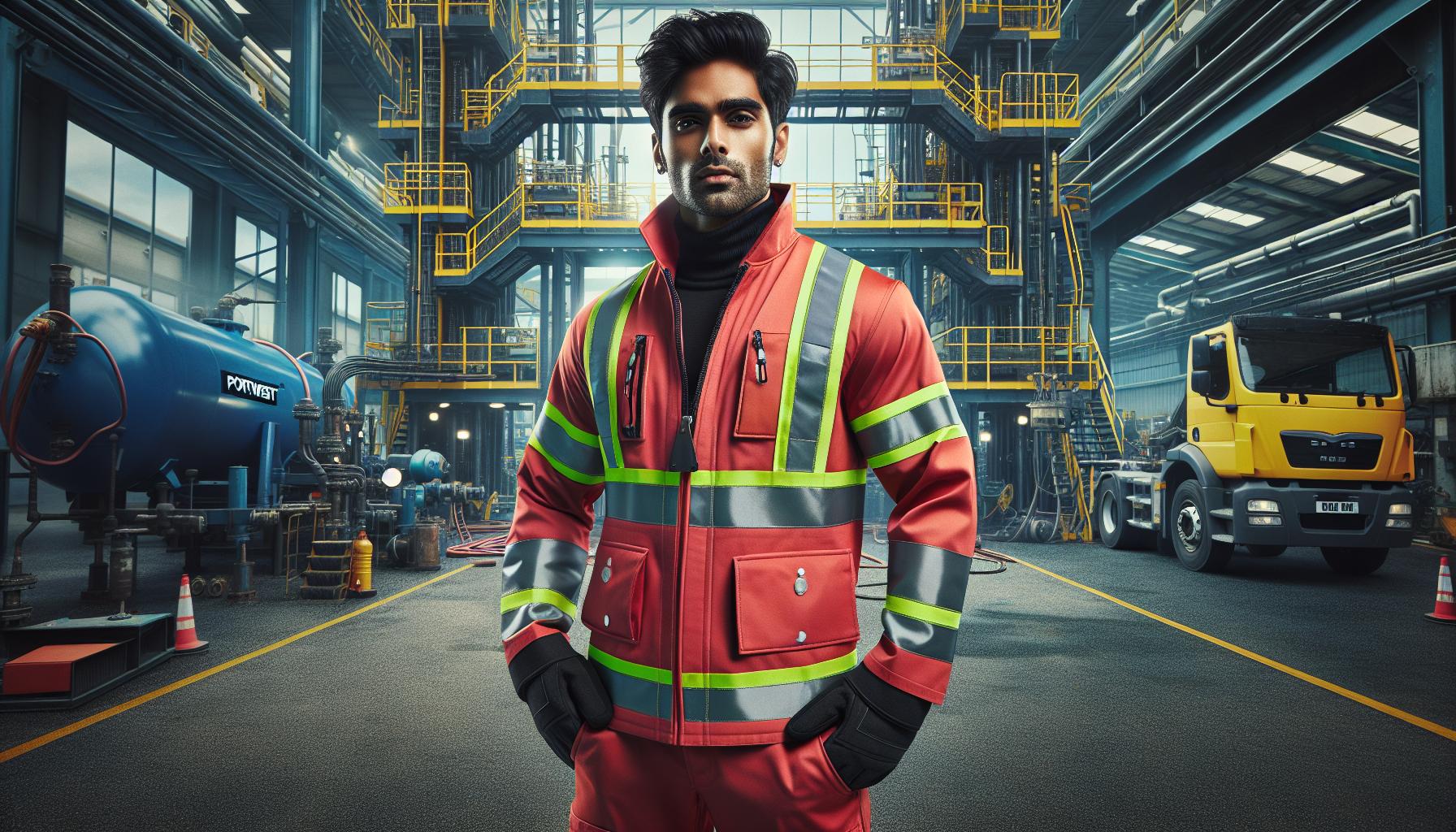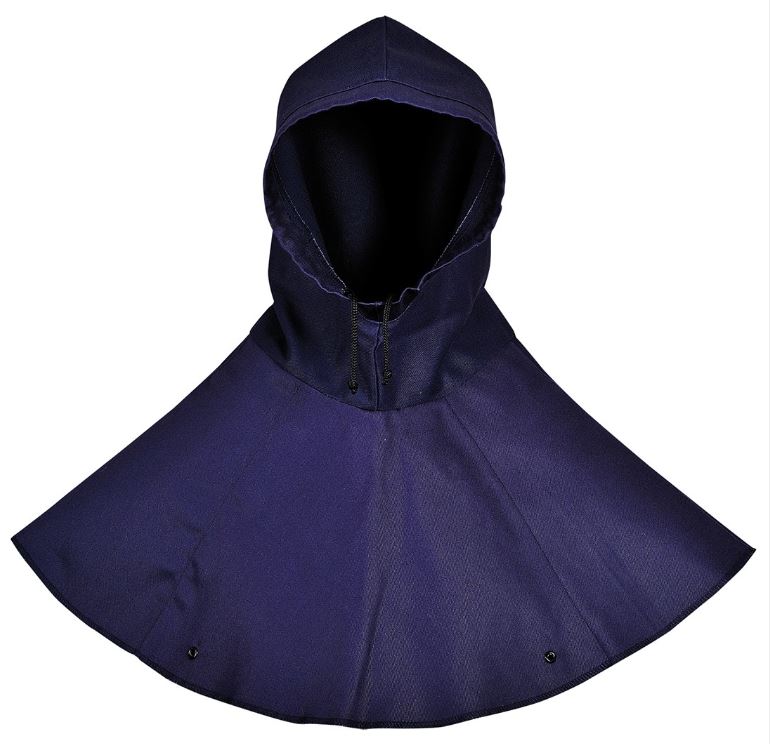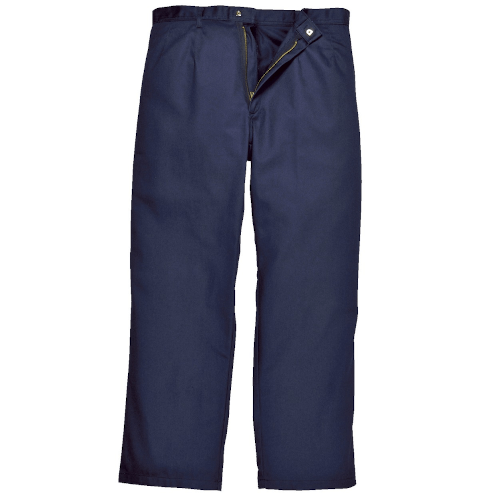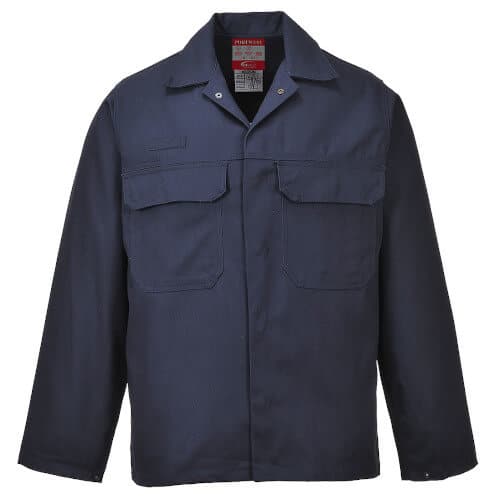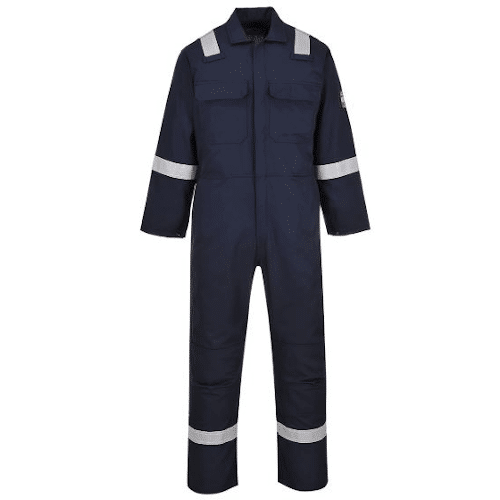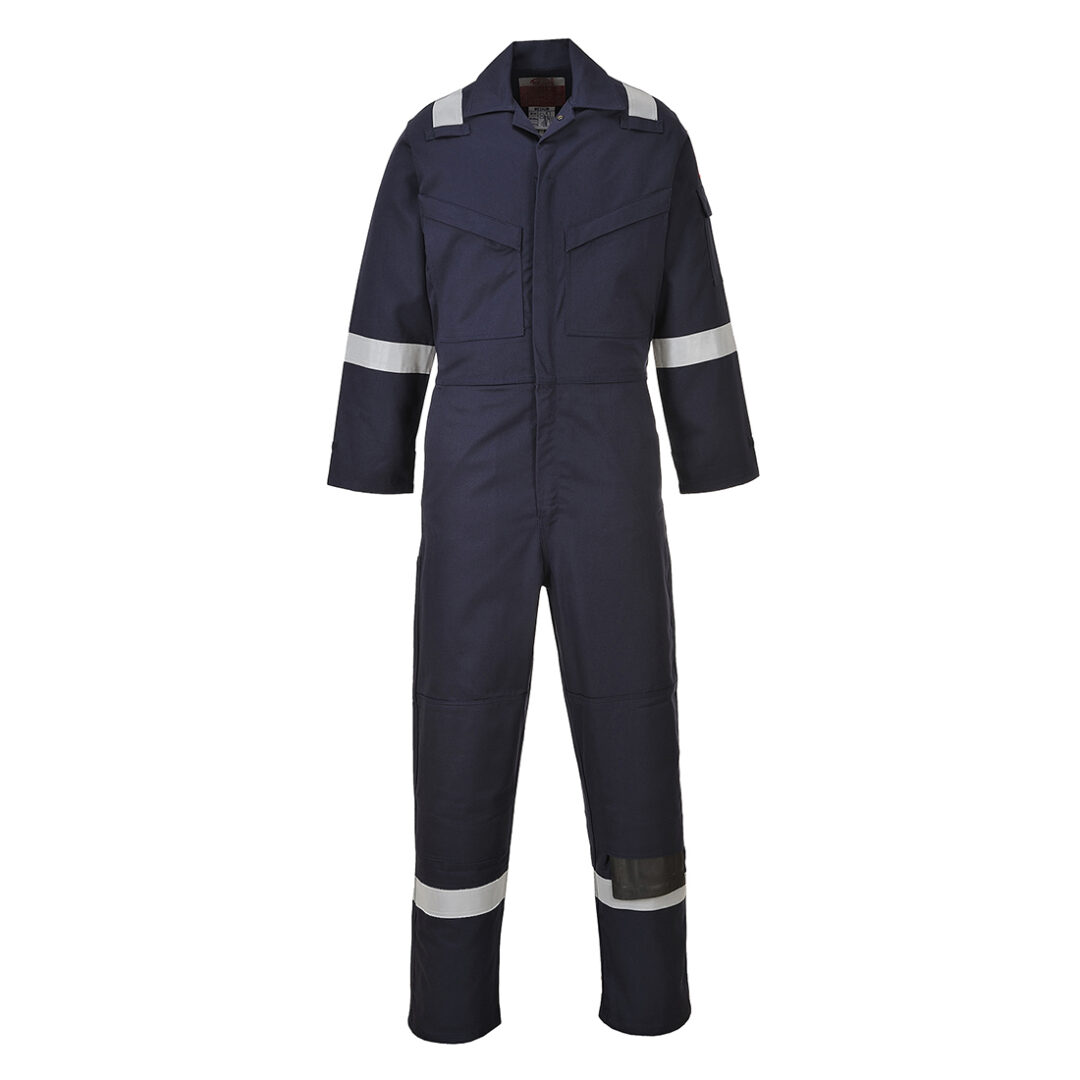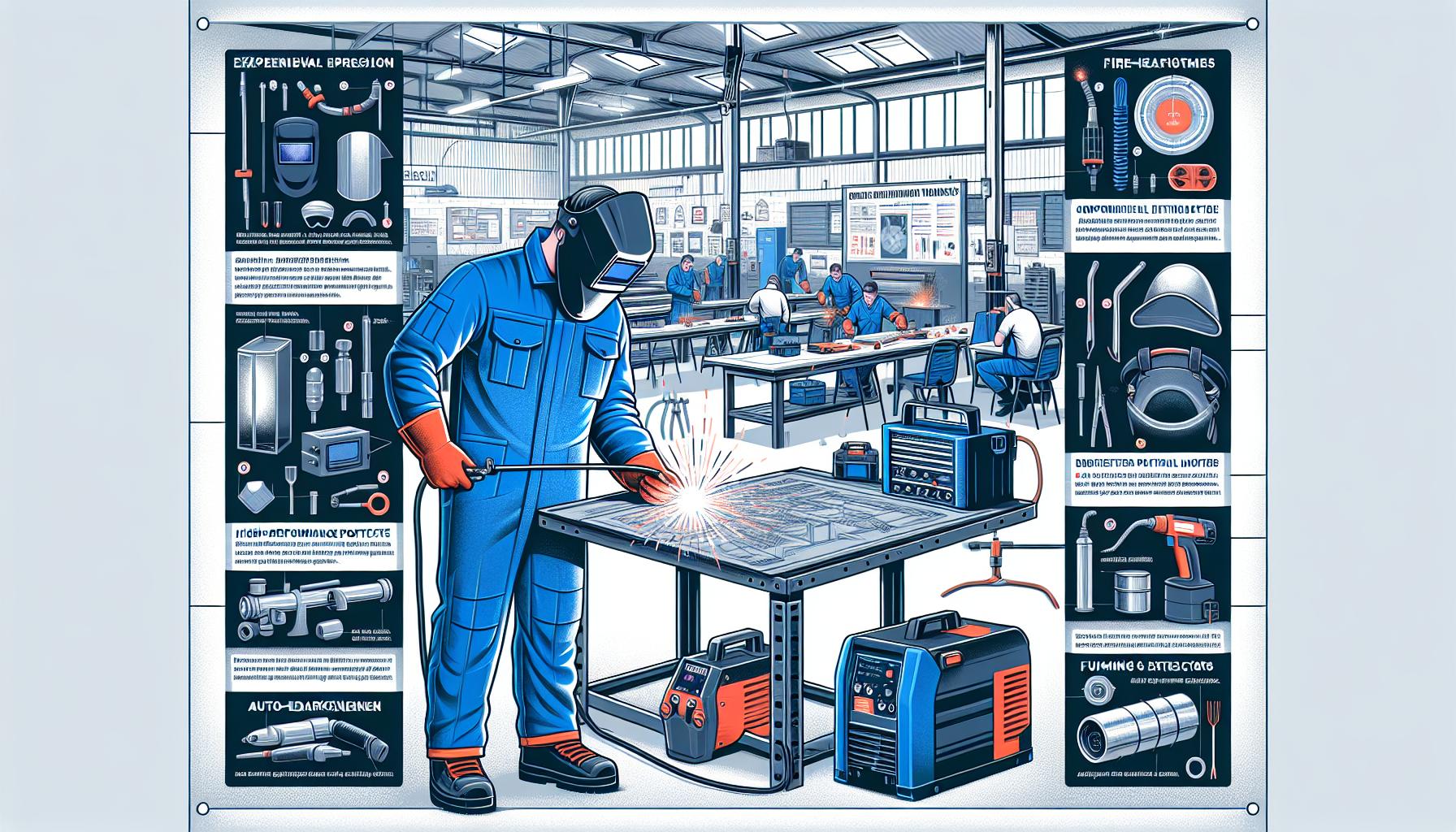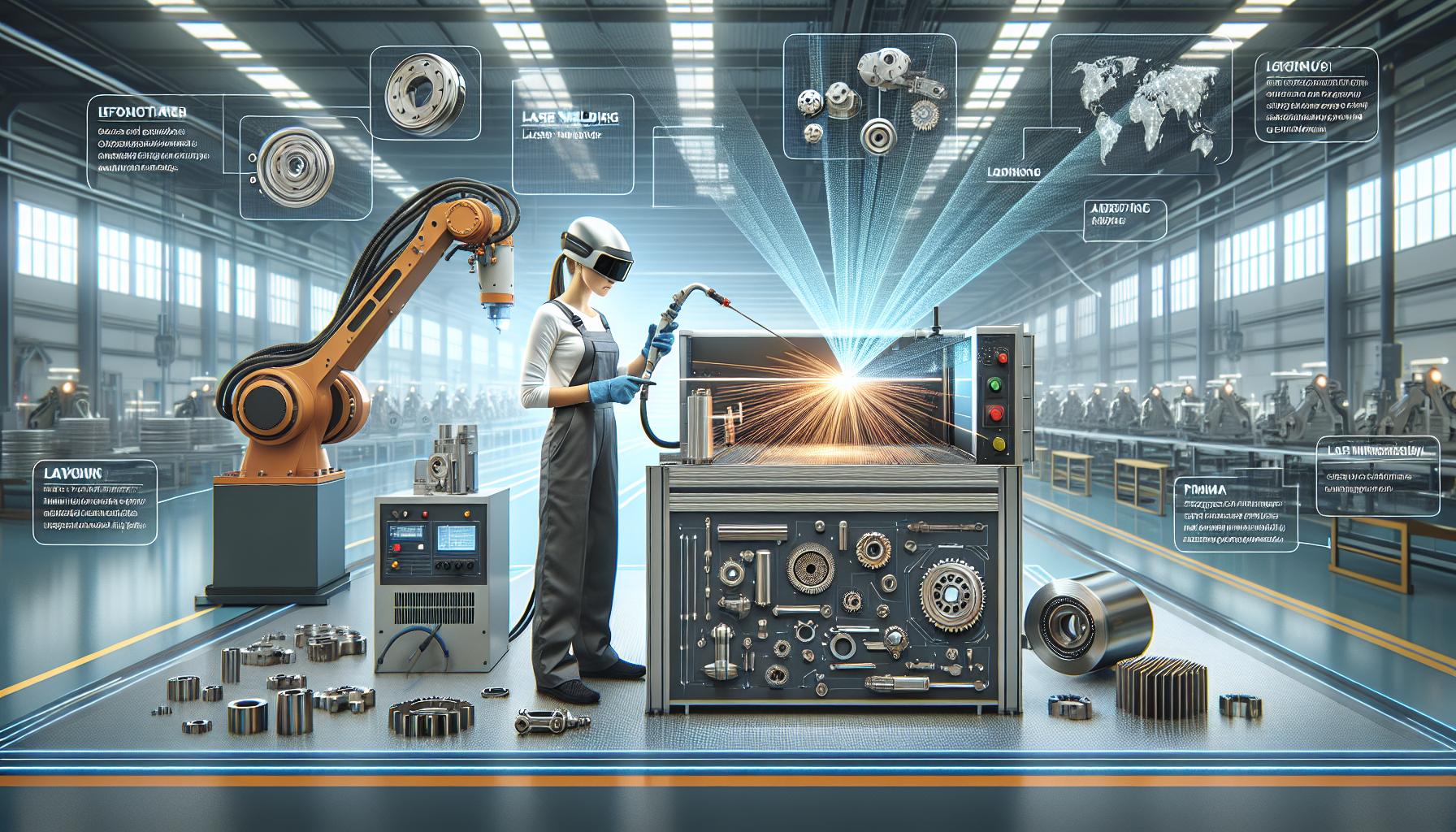
Work Trousers UK: Best Picks for Every Trade
Key Takeaways

  • Work trousers in the UK market come in three main types: cargo work trousers, traditional work trousers, and knee pad work trousers, each designed for specific job requirements.
  • Quality work trousers feature durable materials like polycotton (65% polyester, 35% cotton) or Cordura fabric, with triple-stitched seams and safety elements meeting EN ISO standards.
  • Selecting the right work trousers depends on industry requirements, weather conditions, and proper measurements, with considerations for specific features like knee pad compatibility and pocket layouts.
  • Proper maintenance, including washing at 30°C without fabric softener and regular repairs to seams and reinforced areas, helps extend the life of work trousers whilst preserving their protective features.

Finding the right work trousers can feel like searching for a needle in a haystack. We understand the challenge of balancing comfort durability and style while staying within budget. Whether you’re working on a construction site or in a warehouse you’ll need gear that can keep up with your demanding job.

We’ve spent countless hours researching and testing the best work trousers available in the UK market. From reinforced knees to multiple storage pockets what makes a quality pair of work trousers stand out? Let’s explore the essential features that’ll help you make a smart choice for your workwear needs.

Types of Work Trousers Available in the UK Market

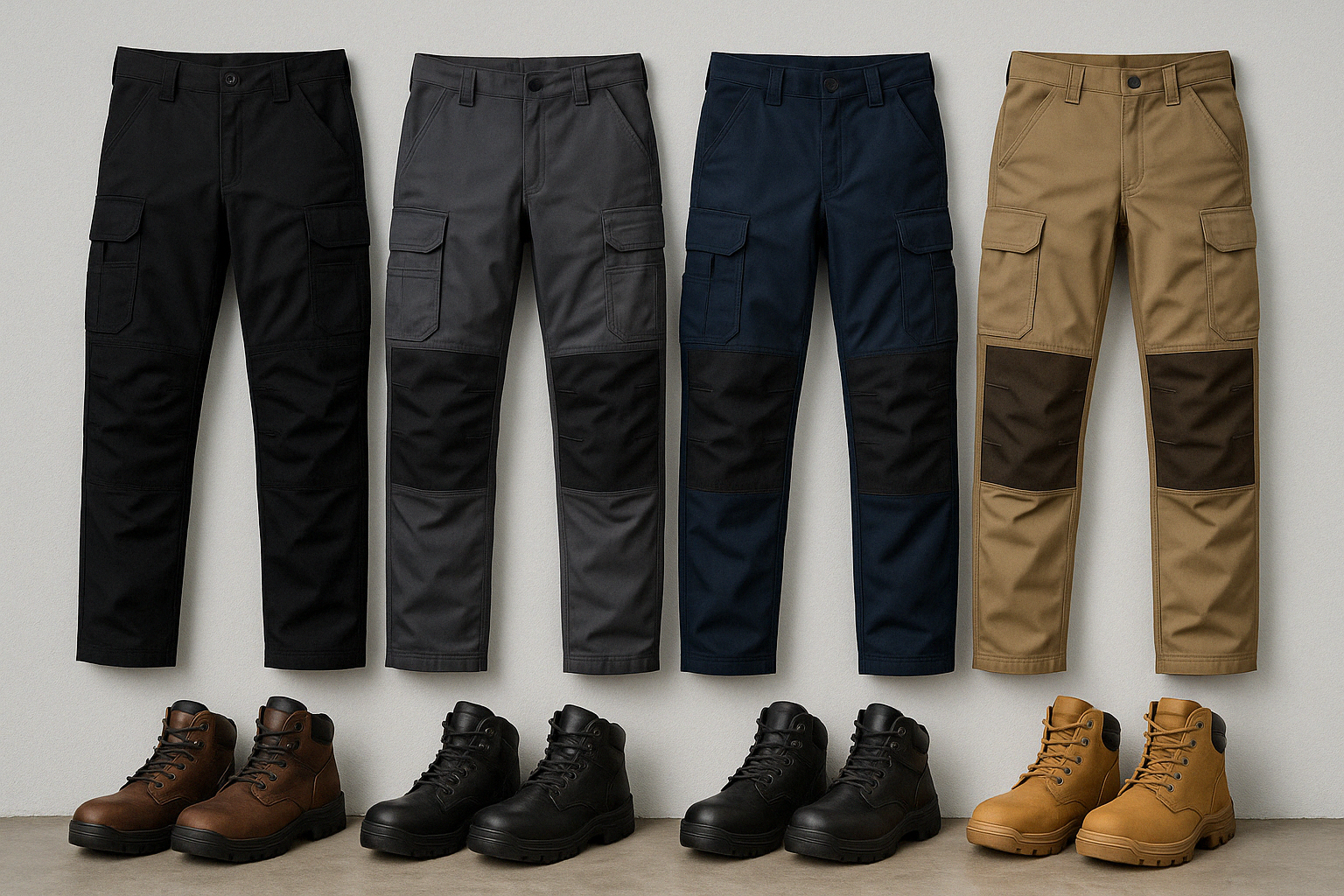
The UK market offers three primary categories of work trousers, each designed for specific job requirements and working conditions. These options include cargo work trousers, traditional work trousers and knee pad work trousers.

Cargo Work Trousers

Cargo work trousers feature multiple pockets positioned along the legs for storing tools and equipment. These trousers include 6-8 reinforced pockets on average, with side pockets measuring 15-20 cm deep. The fabric composition typically combines cotton (60%) and polyester (40%) for durability and comfort. Popular features include:

  • Hammer loops on both sides
  • Mobile phone pockets with secure flaps
  • Reinforced rivets at stress points
  • Expandable tool pockets with tear-resistant lining

Traditional Work Trousers

Traditional work trousers maintain a classic design with straightforward functionality. These trousers incorporate:

  • Two front pockets and two back pockets
  • Belt loops measuring 5 cm wide
  • Triple-stitched seams for enhanced strength
  • Regular fit with straight legs
  • Durable poly-cotton blend fabric (65% polyester, 35% cotton)

Knee Pad Work Trousers

Knee pad work trousers incorporate protective features for jobs requiring frequent kneeling. Key specifications include:

  • External knee pad pockets with 15 cm openings
  • Certified knee protection to EN 14404 standards
  • Reinforced knee areas with Cordura fabric
  • Adjustable knee pad positioning
  • Water-resistant coating on knee sections
  • Compatible with standard 20 x 15 cm knee pads

The measurements and specifications of each trouser type align with UK safety standards and workplace requirements, offering practical solutions for various trade professionals.

Essential Features of Quality Work Trousers
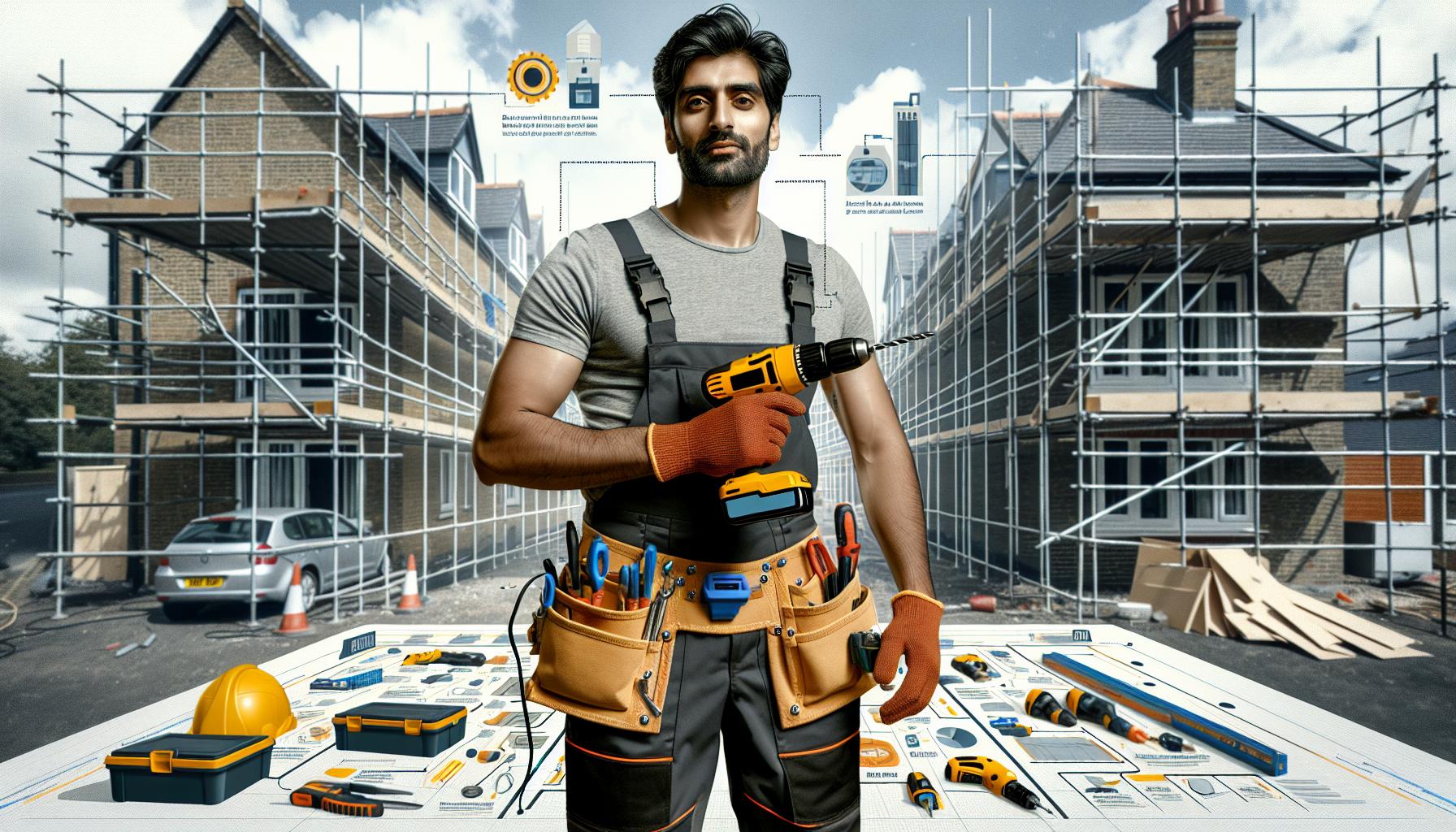
Work Trousers uk

Quality work trousers combine practical features with superior materials to create dependable workwear. These key elements establish the standard for professional-grade trousers in the UK market.

Durability and Material Composition

Work trousers rely on strong fabric blends like polycotton (65% polyester, 35% cotton) or cordura for lasting performance. Triple-stitched seams reinforce high-stress areas such as the inner leg and back pockets. Ripstop technology prevents tears from spreading while YKK zippers maintain smooth operation through repeated use.

Material Type Durability Rating Common Applications
Polycotton 8/10 General trade work
Cordura 9/10 Heavy construction
Ripstop 9/10 Outdoor work

Safety and Protection Elements

Professional work trousers incorporate high-visibility panels meeting EN ISO 20471 standards. Reinforced knee areas accommodate protective pads conforming to EN 14404 requirements. Additional safety features include:

  • Reflective strips for low-light visibility
  • Cut-resistant fabric panels in high-risk areas
  • Fire-retardant treatment options
  • Anti-static properties for electrical work

Comfort and Flexibility

  • Moisture-wicking fabric technology
  • Elasticated waistbands with side adjusters
  • Breathable mesh ventilation zones
  • Articulated knee design for natural movement
  • Gusseted crotch for extended range of motion
Comfort Feature Benefit
Stretch Panels 40% more flexibility
Mesh Zones 30% better airflow
Gusseted Crotch 50% more movement

Choosing the Right Work Trousers

Selecting appropriate work trousers depends on specific job requirements, environmental conditions and personal measurements. Let’s explore the key factors that influence this decision.

Industry-Specific Requirements

Different industries demand specific features in work trousers. Construction workers benefit from reinforced knees and multiple tool pockets. Electricians need non-conductive materials and specific pocket layouts for meters and small tools. Painters and decorators prefer lightweight trousers with easy-to-clean surfaces. Manufacturing workers require flame-resistant materials with anti-static properties. What’s your line of work?

Weather Considerations

UK weather patterns influence work trouser selection throughout the year. Summer conditions call for breathable fabrics like lightweight cotton blends with moisture-wicking properties. Winter work requires thermal-lined trousers or water-resistant materials for outdoor tasks. Layering options create versatility across seasons. Consider these weather-specific features:

  • Waterproof coatings for rainy conditions
  • Breathable panels for ventilation
  • Quick-dry fabrics for changeable weather
  • Thermal properties for cold environments
  • UV protection for outdoor work

Size and Fit Guide

Proper measurements guarantee comfort and mobility at work. Here’s a practical guide to getting the right fit:

Measurement How to Measure
Waist Measure around natural waistline
Inside Leg From crotch to ankle
Hip Around fullest part of seat
Thigh Around widest part of thigh

Key fitting considerations include:

  • Allow 2.5cm extra in waist for movement
  • Check knee pad positioning matches your height
  • Test range of motion by squatting down
  • Consider stretch materials for active jobs
  • Factor in space for base layers in winter

Remember to measure while wearing typical work boots or safety shoes for accurate leg length.

Care and Maintenance Tips

Proper maintenance extends the life of work trousers while preserving their protective features. Regular care keeps the fabric durable and maintains essential safety elements like knee pad pockets and reinforced areas.

Washing and Drying

Work trousers require specific washing methods to maintain their protective qualities. Turn the trousers inside out before washing at 30°C to protect reflective strips and external features. Use mild detergent without fabric softener as it can damage water-resistant coatings. Remove knee pads before washing to prevent damage to the pockets.

Washing Guidelines:

  • Separate dark colours from light items
  • Empty all pockets of tools debris
  • Zip up zippers fasten buttons before washing
  • Air dry away from direct sunlight
  • Check care labels for specific instructions

Repairs and Storage

Quick repairs prevent small issues from becoming major problems. Check seams reinforced areas weekly for signs of wear. Fix loose threads immediately with matching thread colour. Replace broken zips buttons promptly to maintain trouser functionality.

Storage Tips:

  • Hang trousers on sturdy hangers to prevent creasing
  • Store in dry areas away from direct sunlight
  • Keep spare knee pads in original packaging
  • Rotate between 3-4 pairs to extend wear life
  • Place cedar blocks in storage areas to prevent moths

Conclusion

Finding the perfect work trousers doesn’t need to be a complex task. We’ve explored the essential features benefits and top brands available in the UK market to help you make an informed decision.

Whether you’re looking for cargo trousers traditional designs or knee pad options there’s a perfect pair waiting for you. Remember to consider your specific job requirements working conditions and personal measurements when making your choice.

With proper care and maintenance, your chosen work trousers will serve you well through countless shifts. Now you’re equipped with all the knowledge needed to select work trousers that’ll keep you comfortable safe and professional on the job. For expert advice on selecting and maintaining work trousers, feel free to Norsemen Safety Contact Us.

Frequently Asked Questions

What are the three main types of work trousers available in the UK?

The three main types are cargo work trousers (with multiple pockets for tools), traditional work trousers (classic design with essential pockets), and knee pad work trousers (designed for jobs requiring frequent kneeling). Each type serves different professional needs and comes with specific features suited to various trades.

What features should I look for in quality work trousers?

Key features include durable fabric blends (polycotton, Cordura), triple-stitched seams, ripstop technology, reinforced knee areas, and practical elements like multiple pockets and hammer loops. Look for moisture-wicking properties and articulated designs for enhanced movement.

How should I care for my work trousers to extend their life?

Wash trousers inside out at 30°C using mild detergent without fabric softener. Regularly check seams and reinforced areas for damage, hang on sturdy hangers, and rotate between multiple pairs. Quick repairs of minor damage can significantly extend their lifespan.

How do I choose the right size work trousers?

Take accurate measurements of your waist and inside leg length. Consider the type of work you’ll be doing, as you may need extra room for movement or layers underneath. Check the manufacturer’s size guide, as sizes can vary between brands.

Are high-visibility features important in work trousers?

High-visibility features are crucial for workers in low-light conditions or on construction sites. Look for trousers with reflective strips and high-vis panels that meet UK safety standards. These features are often mandatory in certain work environments.

Can work trousers be worn in all weather conditions?

Different trousers are designed for various weather conditions. Choose breathable fabrics for summer use and thermal-lined options for winter. Some trousers feature water-resistant coatings for wet conditions, while others offer UV protection for outdoor work.

What’s work trousers are popular in the UK, Northern Ireland and Ireland?

  1. Blaklader Work Trousers – The most comfortable work trouser money can buy.
  2. Bisley – Durable and stylish.
  3. Mascot – Hardwearing and comfortable.
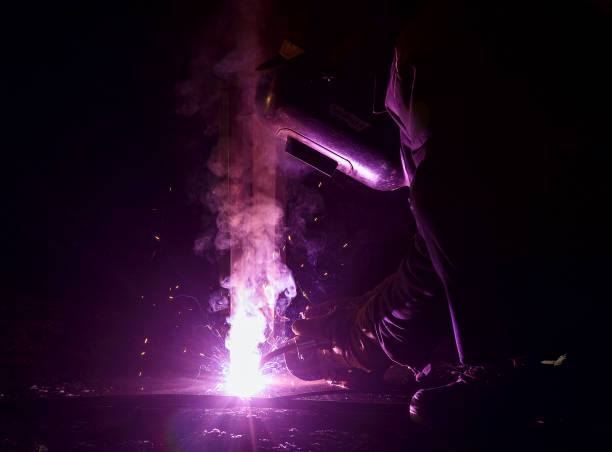
Arc Flash Protection: Cutting-Edge Safety Tech Revealed

Electricity powers our world, but it also poses deadly risks. Arc flash protection is essential, as arc flash incidents represent one of the most dangerous electrical hazards facing industrial workers today. We understand the critical importance of protecting personnel from these potentially fatal electrical explosions.

Modern technology has revolutionised arc flash protection strategies making workplaces significantly safer. Advanced protective equipment and sophisticated risk assessment techniques now provide unprecedented levels of defence against electrical accidents. These innovations aren’t just about preventing injuries – they’re about creating a culture of safety where every worker returns home unharmed.

Our exploration will dive into cutting-edge protective technologies and practical best practices that can dramatically reduce arc flash risks. We’ll uncover how intelligent monitoring systems intelligent personal protective equipment and comprehensive training programmes can transform workplace electrical safety. Are you ready to learn how to shield your team from potentially catastrophic electrical events?

Key Takeaways

  • Arc flash incidents are extremely dangerous electrical hazards that can generate temperatures up to 35,000°C and cause severe personnel injuries, equipment damage, and organisational disruptions
  • Advanced personal protective equipment (PPE) is crucial for worker safety, with modern arc-rated clothing offering sophisticated thermal protection through engineered synthetic fibres and multi-layered designs
  • Cutting-edge technologies like artificial intelligence and smart protective relays are transforming electrical safety, enabling real-time monitoring, predictive maintenance, and rapid fault detection
  • Comprehensive risk assessment and preventive maintenance protocols are essential for identifying and mitigating potential arc flash risks across electrical systems and infrastructure
  • Rigorous employee training programmes are fundamental to creating a safety-first culture, focusing on hazard recognition, PPE usage, emergency response procedures, and systematic risk management

Understanding Arc Flash Risks

Arc flashes represent a critical safety challenge in electrical environments. These sudden electrical discharges pose significant risks to personnel and infrastructure.

Defining Arc Flash Hazards

An arc flash occurs when an electric current leaves its intended path, creating a potentially catastrophic electrical discharge. This phenomenon emerges from equipment failures, insulation breakdown, or accidental conductor contact. The electrical event generates immense energy, producing temperatures reaching 35,000°C – dramatically hotter than the sun’s surface.

Characteristics of arc flash events include:

  • Instantaneous electrical discharge
  • Massive thermal energy release
  • Unpredictable directional blast
  • Potential for catastrophic equipment damage

Potential Consequences of Arc Flash Incidents

Arc flash incidents create multifaceted risks with severe implications for workplace safety. The potential outcomes extend beyond immediate physical harm, encompassing broader organisational impacts.

Primary consequences include:

Personnel Injuries

  1. Severe thermal burns
  2. Severe burns to the skin
  3. Potential fatal injuries
  4. Respiratory system damage
  5. Permanent vision impairment
  6. Acoustic trauma from explosive pressure

Equipment Destruction

  • Comprehensive electrical system failure
  • Substantial infrastructure damage
  • Extended operational downtime
  • Significant financial restoration costs

Organisational Impact

  • Potential regulatory compliance violations
  • Legal liability exposure
  • Productivity interruptions
  • Reputation damage
  • Complex insurance claims

The interconnected nature of these risks underscores the critical importance of comprehensive arc flash prevention and mitigation strategies.

Personal Protective Equipment (PPE)

Personal Protective Equipment (PPE), including specialized protective clothing, forms a critical defence mechanism against arc flash incidents, protecting workers from extreme thermal and electrical hazards. Our comprehensive approach focuses on advanced protective strategies that mitigate potential risks in electrical environments.

Latest Arc-Rated Clothing Technologies

Arc-rated clothing represents a significant advancement in worker protection technologies. These specialised garments offer robust defence against intense thermal energy generated during arc flash events:

  • Material Composition: Advanced synthetic fibres engineered to resist ignition and thermal penetration
  • Performance Ratings: Classified by Arc Thermal Performance Value (ATPV) or Energy Breakopen Threshold (EBT)
  • Protective Characteristics:
  • Flame-resistant properties
  • Minimal heat transfer
  • Structural integrity under extreme temperatures

The latest clothing technologies incorporate multi-layered fabrics that provide graduated protection levels. These innovations significantly reduce potential burn risks by creating thermal barriers that dissipate electrical discharge energy.tential burn risks by creating thermal barriers that dissipate electrical discharge energy.

istockphoto 878751126 612x612 1

Selection and Maintenance of Arc Flash Personal Protection Equipment

Effective PPE selection demands a systematic approach based on comprehensive arc flash hazard analysis. Our methodology involves:

Risk Assessment

  • Detailed electrical system evaluation
  • Incident energy calculation
  • Specific workplace environment analysis

Protection Level Determination

  • Matching PPE rating to calculated incident energy
  • Considering specific workplace electrical configurations

Maintenance Protocols

  • Regular inspection for fabric integrity
  • Replacement of damaged protective equipment
  • Annual performance verification

PPE maintenance remains critical in preserving protective capabilities. Damaged or compromised garments can significantly reduce safety effectiveness, making routine assessments paramount.

Our approach emphasises proactive protection strategies that prioritise worker safety through advanced technological solutions and rigorous selection processes.

Electrical Safety Innovations

Electrical safety continues to evolve with cutting-edge technologies that transform protection strategies. Our approach centers on electric arc and arc flash protection, utilizing advanced systems that dramatically reduce risks through intelligent detection and mitigation techniques.

Advanced Arc Flash Detection Systems

We leverage sophisticated technologies that provide rapid and precise arc flash protection. Two critical innovations stand at the forefront of electrical safety:

Waveform Recognition (WFR) and Zone Selective Interlocking (ZSI)

Waveform recognition technology enables precise protection settings across electrical systems. Key features include:

  • Sensitive level configurations on downstream circuit breakers
  • Maintained selective protection mechanisms
  • Enhanced fault detection accuracy

Zone Selective Interlocking offers targeted fault management by:

  • Restricting electrical fault clearing to the nearest breaker
  • Prioritizing arc flash protection to minimize energy release during events
  • Preventing unnecessary system-wide disruptions

Optical Arc Detection

Modern electrical safety relies on advanced optical detection methods that:

  • Identify arcing faults through light signature analysis
  • Detect characteristic current flow patterns
  • Trigger rapid protective responses
  • Reduce potential damage and injury risks

Risk Assessment and Mitigation Strategies

Comprehensive risk assessment forms the cornerstone of effective arc flash protection. Our strategic approach focuses on systematic identification and proactive management of electrical system hazards to minimise potential risks.

Electrical System Hazard Analysis

We conduct a rigorous multi-step electrical system hazard analysis through:

Comprehensive Equipment Mapping

  • Document all electrical infrastructure
  • Identify critical connection points
  • Assess age and condition of electrical components

Detailed Risk Categorisation

  • Classify potential hazard levels
  • Rate electrical systems by vulnerability
  • Prioritise high-risk areas for immediate intervention

Performance Evaluation Parameters

  • Measure fault current levels
  • Calculate potential energy release
  • Determine incident energy calculations per equipment zone

Implementing Preventive Maintenance Protocols

Preventive maintenance protocols represent our proactive defence against potential arc flash incidents:

Regular Inspection Schedules

  • Perform quarterly electrical system assessments
  • Conduct thermal imaging scans
  • Validate protective device functionality

Equipment Maintenance Strategies

  • Clean electrical components regularly
  • Replace worn insulation materials
  • Tighten electrical connections systematically

Documentation and Tracking

  • Maintain comprehensive maintenance logs
  • Update equipment condition records
  • Track historical performance metrics

By integrating systematic hazard analysis with robust preventive maintenance, we significantly reduce arc flash risks across electrical environments.

Training and Safety Protocols

Arc flash protection demands comprehensive training and rigorous safety protocols to safeguard electrical workers from potential catastrophic incidents during electrical work. Our approach focuses on strategic education and systematic risk management.

Employee Arc Flash Safety Education

We develop multilayered training programmes addressing critical safety dimensions to keep workers protected from electrical hazards:

Key Training Components

  • Hazard Recognition: Educate personnel about arc flash risks through detailed visual demonstrations and interactive learning modules.
  • Personal Protective Equipment (PPE) Training: Provide hands-on instruction for selecting, wearing and maintaining appropriate protective gear.
  • Lockout/Tagout (LOTO) Procedures: Conduct practical workshops teaching systematic electrical isolation techniques.

Training Methodology

  1. Classroom-based theoretical sessions
  2. Practical simulation exercises
  3. Regular knowledge assessment tests
  4. Periodic skill refreshment workshops

Performance Evaluation Metrics

Training AspectAssessment MethodFrequency
Technical KnowledgeWritten ExaminationQuarterly
PPE CompetencyPractical DemonstrationBi-annually
Safety Protocol UnderstandingScenario-based TestingHalf-yearly

Emergency Response Procedures

We design comprehensive emergency protocols focusing on rapid, coordinated responses during arc flash incidents:

Critical Response Steps

  • Immediate electrical system isolation
  • Personnel evacuation and medical assessment
  • Incident documentation and investigation
  • Equipment damage evaluation
  • Establish clear communication channels
  • Define roles for first responders
  • Maintain updated medical emergency contact lists
  • Conduct regular emergency simulation drills

Our training programmes emphasise proactive prevention and systematic response strategies to minimise potential arc flash incident impacts.

Emerging Technologies in Arc Flash Protection

Arc flash protection continues to evolve with innovative technological solutions that dramatically improve electrical system safety by addressing both arc flash and arc blast hazards. We’re witnessing a technological transformation in detecting and mitigating potential electrical hazards through advanced computational and sensing technologies.

Artificial Intelligence in Fault Detection

Artificial intelligence (AI) and machine learning algorithms are revolutionising fault detection in electrical systems. These sophisticated technologies offer unprecedented capabilities in predicting and preventing arc flash incidents:

  • Advanced Relaying Techniques: Modern optical relaying methods rapidly identify and clear faults by analysing light signatures and characteristic current flow associated with arcing events
  • Machine Learning Algorithms: AI-powered systems analyse complex electrical network data to detect anomalous patterns indicative of potential arc flash risks
  • Real-Time Monitoring: Intelligent systems continuously track electrical parameters and instantaneously trigger protective mechanisms when abnormal conditions emerge
  • Predictive Risk Assessment: AI models generate probabilistic risk assessments by processing historical electrical system performance data

Predictive Maintenance Solutions

Predictive maintenance technologies represent another critical advancement in arc flash protection strategies:

  • Sensor Integration: Wireless sensors continuously monitor electrical equipment performance and detect early warning signs of potential failures
  • Condition-Based Analysis: Advanced algorithms assess equipment degradation patterns and recommend targeted maintenance interventions
  • Performance Diagnostics: Real-time data collection enables precise equipment health evaluations and proactive maintenance scheduling
  • Automated Alert Systems: Intelligent platforms generate immediate notifications when potential electrical hazards are detected

By leveraging these cutting-edge technologies, we’re transforming electrical safety from reactive approaches to proactive prevention strategies.

Regulatory Compliance and Standards

Arc flash protection relies on comprehensive international safety standards and industry-specific regulations that provide critical frameworks for preventing electrical hazards. These guidelines establish systematic approaches to mitigating risks and protecting personnel across diverse electrical environments.

International Safety Guidelines

International safety guidelines play a pivotal role in standardising arc flash protection strategies globally. Key international frameworks include:

  • IEEE Standards: The Institute of Electrical and Electronics Engineers provides critical technical guidelines, specifically:
  • IEEE Std 1584TM-2002 for conducting arc flash hazard analyses
  • Detailed protocols for calculating incident energy levels
  • Systematic approaches to electrical safety assessment
  • IEC 60364: International Electrotechnical Commission standard focusing on:
  • Electrical installation safety regulations
  • Risk management protocols
  • Protection techniques for low-voltage electrical systems

Industry-Specific Arc Flash Regulations

Different industrial sectors require specialised arc flash protection approaches:

  • Manufacturing Sector: Emphasises stringent equipment maintenance and worker training protocols
  • Power Generation: Implements advanced protective relay technologies
  • Oil and Gas: Focuses on intrinsic safety measures in hazardous environments
  • Construction: Prioritises dynamic risk assessment and real-time protective strategies

We recognise that comprehensive regulatory compliance demands continuous adaptation to emerging safety technologies and evolving industrial standards.

Conclusion

Arc flash protection represents a critical frontier in workplace safety. Our exploration of cutting-edge technologies and comprehensive strategies demonstrates how organisations can effectively mitigate electrical hazards.

By integrating advanced protective equipment intelligent detection systems and robust training protocols we can significantly reduce risk and protect valuable personnel. The future of electrical safety lies in proactive prevention continuous learning and technological innovation.

Embracing these multifaceted approaches ensures not just compliance but creates a culture of safety that prioritises worker wellbeing and organisational resilience. We’re committed to driving forward these essential protective strategies in an ever-evolving technological landscape.

Safety is crucial in welding, and having the right protective gear is essential. At Norsemen Safety, we provide high-quality supplies to keep you safe and efficient on the job. Contact us here to find the perfect safety solutions for your needs.

Frequently Asked Questions

What is an arc flash incident?

An arc flash incident is a dangerous electrical discharge that occurs when electric current deviates from its intended path, creating a massive, explosive release of thermal and electrical energy. These events can generate temperatures up to 35,000°C, causing severe injuries, equipment damage, and potential fatalities in industrial electrical environments.

How dangerous are arc flash incidents?

Arc flash incidents are extremely dangerous, capable of causing fatal injuries within seconds. They can generate temperatures hotter than the sun’s surface, leading to severe thermal burns, respiratory damage, and permanent vision impairment. Beyond personal injury, these incidents can cause extensive equipment destruction, significant infrastructure damage, and substantial organisational disruption.

What protective equipment helps prevent arc flash injuries?

Personal Protective Equipment (PPE) is crucial for arc flash protection. Advanced arc-rated clothing with high Arc Thermal Performance Value (ATPV) ratings provides critical defence. Key protective gear includes specialised flame-resistant garments, face shields, insulated gloves, and protective suits designed to minimise heat transfer and prevent ignition during electrical incidents.

What technologies help detect and prevent arc flash incidents?

Modern technologies like Wave Form Recognition (WFR), Zone Selective Interlocking (ZSI), and optical arc detection systems significantly enhance arc flash prevention. These innovations enable precise electrical system monitoring, rapid fault detection, and intelligent protection strategies that minimise energy release and potential damage during electrical incidents.

How important is training in preventing arc flash incidents?

Training is fundamental in preventing arc flash incidents. Comprehensive programmes should include hazard recognition, Personal Protective Equipment usage, Lockout/Tagout (LOTO) procedures, and emergency response protocols. Regular theoretical and practical training helps workers understand risks, implement safety measures, and respond effectively during potential electrical emergencies.

What role does artificial intelligence play in arc flash protection?

Artificial intelligence and machine learning are transforming arc flash protection by enabling advanced predictive maintenance and fault detection. These technologies can analyse electrical parameters in real-time, identify potential risks using historical data, and provide proactive risk assessments, significantly improving electrical system safety and incident prevention strategies.

What international standards govern arc flash protection?

Key international standards like BS 7671 and IEEE Standards provide comprehensive frameworks for electrical safety. These regulations establish systematic approaches to risk mitigation, define protective equipment requirements, and outline essential guidelines for preventing arc flash incidents across various industrial sectors.

How can organisations reduce arc flash risks?

Organisations can reduce arc flash risks through comprehensive strategies including systematic risk assessments, regular equipment maintenance, advanced protective technologies, robust training programmes, and strict adherence to international safety standards. Proactive prevention, continuous technology adaptation, and a strong safety culture are essential for minimising electrical hazards.

Laser Welding vs TIG Welding UK: Which Method Is Best?

Laser Welding vs TIG Welding. Choosing between laser welding and TIG welding can be a challenging decision for UK manufacturers and fabricators. We understand that selecting the right welding method affects product quality, production speed and overall costs. Whether you’re working on precision components or large-scale industrial projects, it’s essential to understand the key differences between these two popular welding techniques.

In the UK manufacturing sector, both laser and TIG welding offer distinct advantages for specific applications. We’ll compare these methods across critical factors like precision, speed, cost-effectiveness and material compatibility. By exploring their strengths and limitations, you’ll be better equipped to make an informed choice for your welding requirements. What factors matter most in your welding projects?

Introduction to Welding Processes

Welding is a crucial process in various industries, including manufacturing, construction, and automotive. It involves joining two or more metal pieces together using heat, pressure, or both. There are several welding processes, each with its unique characteristics, advantages, and disadvantages. Two popular welding processes are Laser Welding and TIG (Tungsten Inert Gas) Welding. In this article, we will explore the differences between these two processes, their advantages, and disadvantages.

Understanding Laser and TIG Welding Processes

Laser and TIG welding represent two distinct approaches to metal joining, each with specific advantages in manufacturing applications. These processes differ in their heat source, application methods and precision levels.

Basic Principles of Laser Welding

Laser beam welding employs concentrated light energy to create precise, localized heat for joining metals, plastics, and composites. Pulsed laser welding minimizes the contact between the laser and the workpiece, allowing for quick and efficient spot welds while preventing issues associated with excessive heat input and improving weld quality. A focused laser beam generates temperatures up to 25,000°C, forming a keyhole in the material that creates deep, narrow welds. The process occurs in a controlled environment with shielding gas to prevent oxidation.

Key characteristics of laser welding:

  • Creates welds as narrow as 0.4mm in diameter
  • Produces minimal heat-affected zones
  • Operates at speeds up to 10 metres per minute
  • Functions without direct contact with the workpiece
  • Requires minimal post-weld cleanup

How TIG Welding Works

TIG (Tungsten Inert Gas) welding, a traditional technique, uses a non-consumable tungsten electrode to generate an electric arc. TIG welding methods are crucial for improving weld penetration and quality, with specific techniques minimizing the Heat Affected Zone (HAZ) and distortion. The TIG welding process offers advantages such as manual control over heat input and steady heat distribution, but it also has limitations like weld penetration issues.

  • Arc temperatures reach 6,100°C
  • Offers manual control over heat input
  • Creates weld widths from 2.5mm to 5mm
  • Uses filler material for reinforced joints
  • Maintains steady heat distribution
FeatureLaser WeldingTIG Welding
Heat SourceLight EnergyElectric Arc
Max Temperature25,000°C6,100°C
Min Weld Width0.4mm2.5mm
Speed Range1-10 m/min0.1-0.5 m/min
Power Input1-10 kW3-200 A

Key Differences Between Laser and TIG Welding

Laser and TIG welding present distinct operational characteristics that impact their applications in UK manufacturing. Here’s a detailed analysis of their primary differences:

Precision and Accuracy Comparison

Laser welders deliver pinpoint accuracy with beam spots as small as 0.2mm in diameter. TIG welding creates wider beads ranging from 2.5mm to 5mm, making laser welders superior for intricate components such as medical devices or electronic parts. The focused energy beam in laser welding produces consistent welds with +/-0.1mm tolerance levels, compared to TIG welding’s +/-0.5mm typical tolerance range.

Heat Affected Zone Analysis

The Heat Affected Zone (HAZ) varies significantly between these methods:

Welding TypeHAZ WidthTemperature DistributionDistortion Risk
Laser0.4-1mmConcentratedMinimal
TIG3-8mmWidespreadModerate to High

Heat generation laser welding is a highly controlled process that minimizes energy usage, resulting in less heat production compared to traditional welding methods. This lower heat input leads to reduced residual stress and distortion in the materials being welded, preserving the mechanical properties of sensitive materials like titanium alloys or stainless steel. TIG welding’s broader HAZ requires additional cooling time between passes, affecting the material’s microstructure across a larger area.

Speed and Productivity Factors

Laser welding operates at speeds up to 10 metres per minute, significantly enhancing productivity by allowing for high-quality welds without sacrificing welding speed. TIG welding speeds average 0.5 metres per minute, making it more suitable for smaller batch production. The automated nature of laser systems reduces setup times to 5-10 minutes, while TIG welding requires 15-30 minutes for equipment preparation plus ongoing operator involvement throughout the process.

ParameterLaser WeldingTIG Welding
Speed Range1-10 m/min0.1-0.5 m/min
Setup Time5-10 mins15-30 mins
Production VolumeHighLow to Medium

Advantages and Disadvantages

Advantages of Laser Welding

Laser welding is a precise and efficient process that offers several advantages over traditional welding methods. Some of the benefits of laser welding include:

  • High accuracy and repeatability: Laser welding delivers pinpoint precision, making it ideal for intricate and delicate components.
  • Fast welding speeds: Capable of operating at speeds up to 10 metres per minute, laser welding significantly boosts productivity.
  • Low heat input: This reduces distortion and thermal stress, preserving the integrity of the materials being welded.
  • Versatility in materials: Laser welding can join a wide range of materials, including metals, polymers, and glass.
  • Clean and precise welds: The process produces minimal spatter and requires little to no post-weld processing.
  • Reduced material waste and energy consumption: Laser welding is an efficient process that minimizes waste and conserves energy.

Disadvantages of Laser Welding

While laser welding offers several advantages, it also has some limitations. Some of the disadvantages of laser welding include:

  • High initial investment: Laser welding machines and equipment can be costly, with prices starting at £15,000.
  • Specialized training required: Operating laser welding machines requires specific skills and expertise.
  • Limited to thin materials: Typically, laser welding is most effective for materials up to 1/4 inch thick.
  • Material reflectivity and surface finish: Reflective materials and certain surface finishes can affect the welding process.
  • Additional safety measures: Laser welding requires stringent safety protocols to prevent eye damage and burns.

Advantages of TIG Welding

TIG welding is a versatile process that offers several advantages, including:

  • Wide range of metals: TIG welding can join various metals, including cast iron, stainless steel, and aluminum.
  • High-quality welds: The process produces welds with excellent mechanical properties and aesthetic quality.
  • Suitable for thin and thick materials: TIG welding can handle a broad range of material thicknesses.
  • Relatively low initial investment: The cost of TIG welding equipment and training is generally lower than that of laser welding.
  • Variety of welding speeds and techniques: TIG welding offers flexibility in terms of speed and methods, making it adaptable to different projects.

By understanding the advantages and disadvantages of both laser welding and TIG welding, manufacturers can make informed decisions based on their specific needs and constraints.

Cost Considerations in the UK Market

The financial aspects of laser welding vs TIG welding extend beyond initial investments, encompassing various operational factors that impact the total cost of ownership.

Equipment and Setup Expenses

Laser welding systems represent a significant capital investment, with basic setups starting at £15,000 and advanced systems reaching £250,000. A laser welding machine, with its various configurations and operational techniques, can be more costly than traditional methods but offers numerous advantages. The equipment includes:

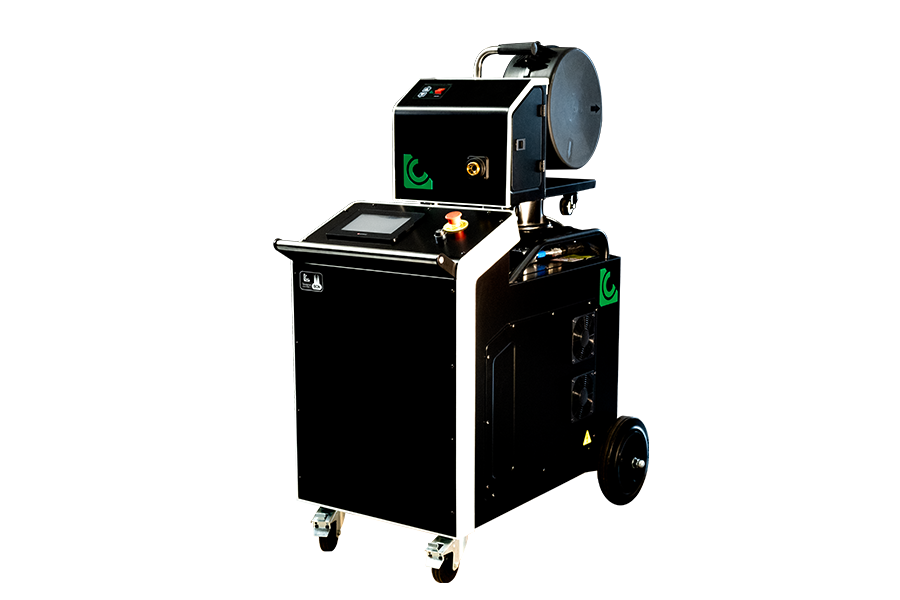
laser welder

Try our all in one handheld laser welder, LC-WELD SMART

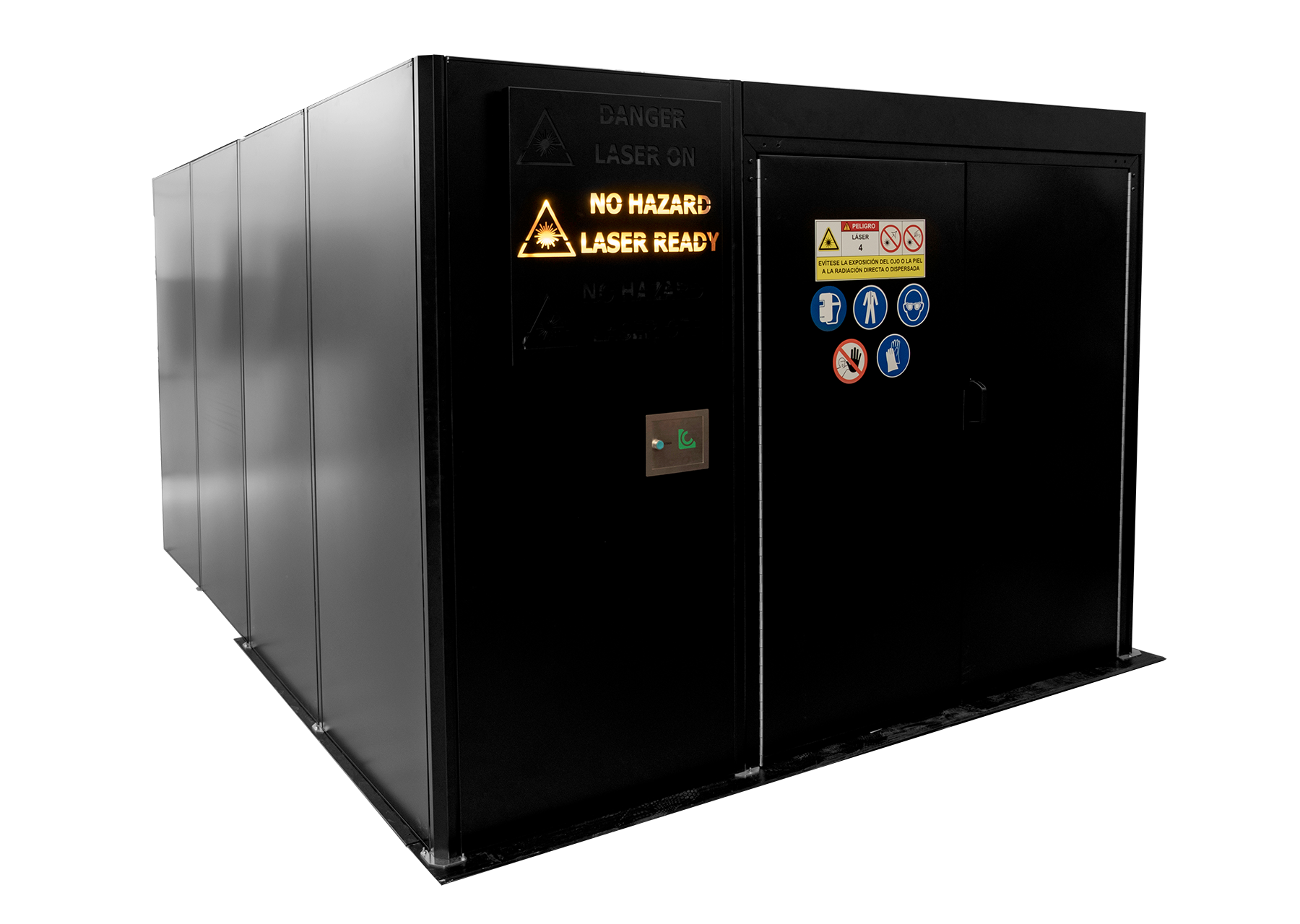
laser welding safety cabin

At Norsemen we supply a Laser Welding Cabin to allow for a safe and clean welding environment.

TIG welding equipment offers a more accessible entry point:

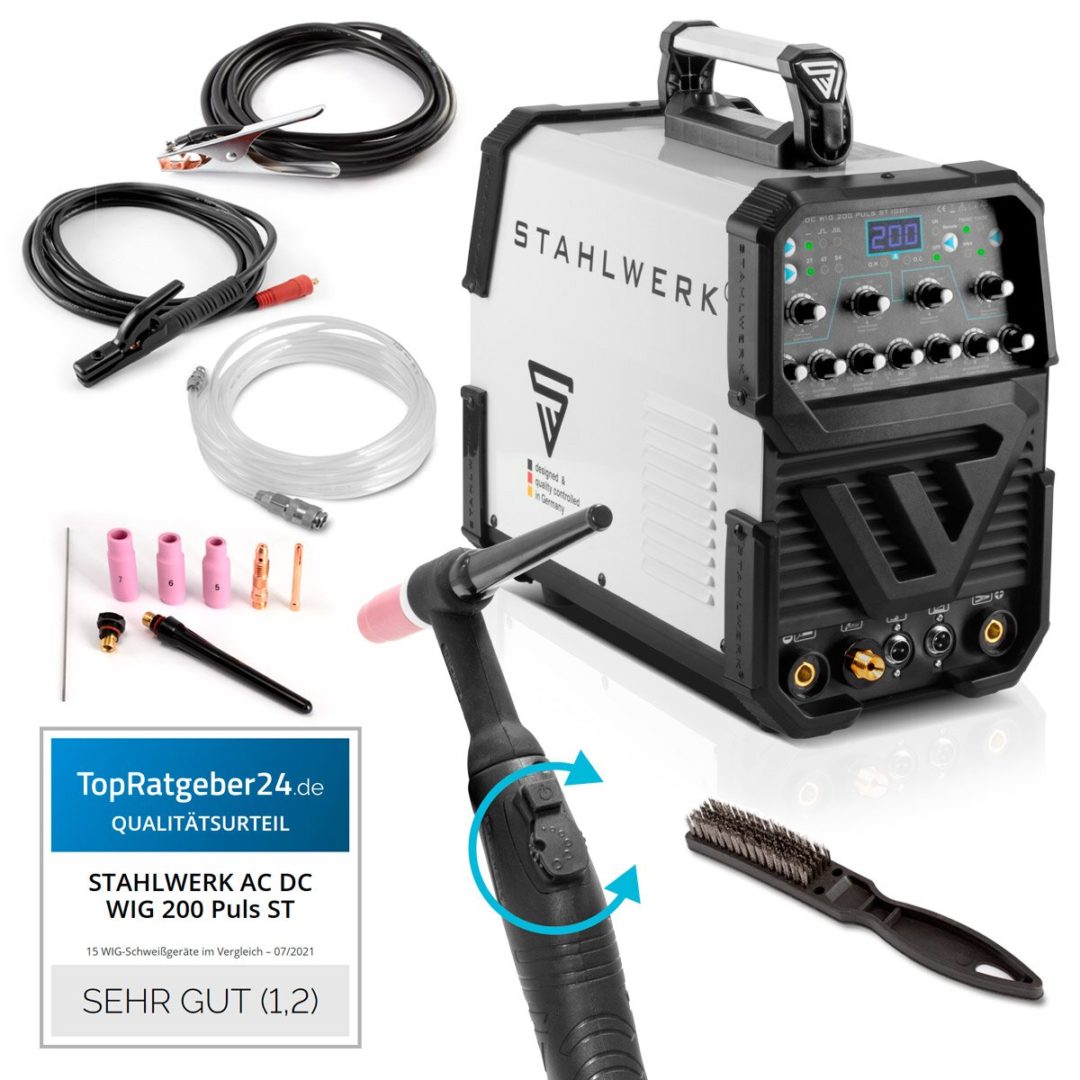
  • Power source (£500.00-£8,000.00)
stahlwerk ac/dc tig 200

Try our Stahlwerk DC TIG 200 Pulse

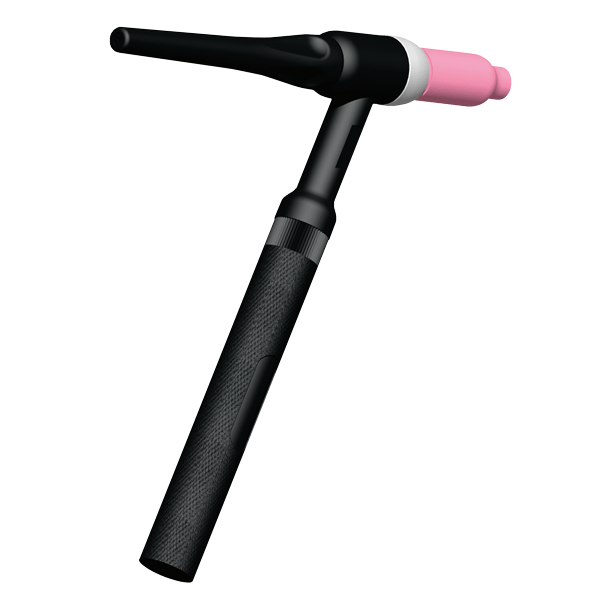
  • Torch assembly (£75.00- £325.00)
parweld wp1725rssw tig torch

Try the Parweld WP17 Air Cooled TIG Torch

  • Gas regulators (£45.00)
argon regulators

Check out our range of Welding regulators

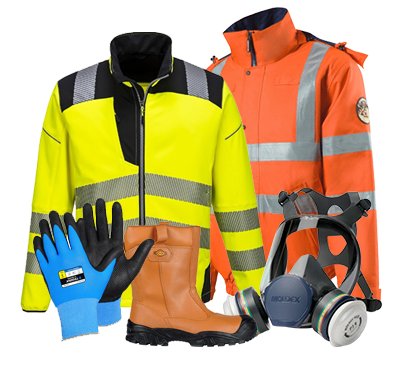
  • Basic safety equipment
5e46524f71e9790d94019acd safetygear

At Norsemen Safety we have safety equipment for any of your needs. Click here to see more

Operating Costs and Maintenance

The daily operational costs differ substantially between these technologies:

Regular maintenance requirements include:

  • Laser welding:
  • Optical system cleaning (quarterly)
  • Cooling system checks (monthly)
  • Beam alignment (bi-annual)
  • Filter replacement (quarterly)
  • TIG welding:
  • Electrode replacement (weekly)
  • Torch maintenance (monthly)
  • Cable inspections (quarterly)

Applications and Material Compatibility

Both laser welding and TIG welding excel in specific applications based on material type thickness project requirements. The choice between these methods depends on precision demands production volume material characteristics.

Ideal Use Cases for Laser Welding

Laser beam welding performs exceptionally with thin materials under 6mm thickness, offering speed and versatility in large-scale manufacturing compared to traditional methods like TIG welding. It’s particularly effective for:

  • Automotive components like transmission parts and gear assemblies
  • Medical devices requiring sterile high-precision joints
  • Electronics manufacturing for circuit boards and battery connections
  • Aerospace parts needing minimal heat distortion
  • Precision instruments with microscopic weld requirements

Materials compatible with laser welding include:

Material TypeMaximum Thickness
Stainless Steel5mm
Aluminium4mm
Titanium3mm
Copper2mm

Best Applications for TIG Welding

Traditional TIG welding offers superior control for diverse material combinations and is particularly effective in specific applications, such as achieving better penetration for thicker materials and dealing with various metal alloys. Common applications include:

  • Pressure vessel fabrication for chemical storage
  • Food processing equipment assembly
  • Custom motorcycle frame construction
  • Artistic metalwork sculptures
  • HVAC ductwork installation

Materials suited for TIG welding:

Material TypeThickness Range
Stainless Steel0.5-10mm
Aluminium1-12mm
Carbon Steel0.5-8mm
Brass1-6mm
  • Creates clean aesthetically pleasing welds on stainless steel
  • Maintains material strength in heat-sensitive alloys
  • Provides excellent control for joining dissimilar metals
  • Achieves high-quality results on non-ferrous materials

Industry Standards and Regulations in the UK

British welding standards establish specific requirements for both laser and TIG welding processes, focusing on operator safety, procedure qualifications, material testing, and quality assurance protocols.

Mandatory Standards

BS EN ISO 3834-2:2021 constitutes the primary quality standard for fusion welding of metallic materials, with these key requirements:

  • Welding procedure specifications (WPS) documentation
  • Regular equipment calibration records
  • Operator certification verification
  • Material traceability systems
  • Quality control inspection protocols

Safety Requirements

The UK Health and Safety Executive (HSE) mandates strict safety protocols:

Safety AspectLaser WeldingTIG Welding
Eye ProtectionClass 4 laser safety gogglesShade 10-13 welding helmet
VentilationLocal exhaust systemMinimum 0.5m/s airflow
PPE RequirementsFull body protectionHeat-resistant clothing
TrainingLaser safety certificationLevel 2 welding qualification

Quality Control Standards

British manufacturing requires adherence to specific testing methods:

  • Non-destructive testing (NDT) at defined intervals
  • Visual inspection requirements per BS EN ISO 17637
  • Weld strength verification through destructive testing
  • Documentation of all testing procedures

Environmental Regulations

UK environmental guidelines specify:

  • Maximum workplace emission levels
  • Waste material disposal procedures
  • Energy efficiency requirements
  • Noise level restrictions (85dB maximum)

Industry-Specific Requirements

Different sectors maintain additional standards:

IndustryCertification RequiredInspection Frequency
AerospaceAS9100D100% inspection
MedicalISO 13485Batch testing
AutomotiveIATF 16949Sampling basis
NuclearRCC-M100% inspection

These regulations apply to all UK welding operations, with regular updates from the British Standards Institution (BSI).

Conclusion

Both laser welding and TIG welding offer unique advantages for UK manufacturers. We’ve explored how laser welding excels in precision automated production with its superior speed and minimal heat distortion. It’s particularly valuable for high-volume manufacturing of intricate components despite higher initial costs.

TIG welding remains a versatile choice for smaller operations requiring exceptional control and flexibility. While it’s slower it provides excellent results for custom work and diverse material combinations at a more accessible price point.

The choice between these methods ultimately depends on specific project requirements, production volumes, and budget constraints. We recommend carefully evaluating these factors alongside our detailed comparison to make the most informed decision for your welding needs. Have questions or need assistance? Contact us today!

Frequently Asked Questions

What is the main difference between laser welding and TIG welding?

The primary difference lies in their heat sources and precision. Laser welding uses concentrated light energy reaching 25,000°C with beam spots as small as 0.2mm, whilst TIG welding uses a tungsten electrode generating an electric arc at 6,100°C with wider beads of 2.5-5mm. Laser welding offers higher precision and faster speeds but comes at a higher cost.

Which welding method is more cost-effective for small-scale operations?

TIG welding is more cost-effective for small-scale operations, with initial equipment costs ranging from £500 to £8,000. Laser welding systems start at £15,000, making them a significant investment better suited for large-scale production. TIG welding also has lower operational costs and maintenance requirements.

What materials can be welded using laser welding?

Laser welding is excellent for materials under 6mm thickness, including stainless steel, aluminium, titanium, and copper. It’s particularly suited for precision work in automotive components, medical devices, electronics manufacturing, and aerospace parts where minimal heat distortion is crucial.

How do setup times compare between laser and TIG welding?

Laser welding requires 5-10 minutes for setup, whilst TIG welding takes 15-30 minutes. However, TIG welding needs continuous operator involvement throughout the process, making it more labour-intensive. Laser welding can be automated for longer production runs with minimal supervision.

Which welding method is better for thick materials?

TIG welding is better suited for thicker materials and offers superior control for diverse material combinations. It’s commonly used in pressure vessel fabrication, custom motorcycle frames, and HVAC ductwork installation. Laser welding is limited to materials under 6mm thickness.

What safety standards must be followed in the UK for both welding methods?

Both methods must comply with BS EN ISO 3834-2:2021 standards and HSE regulations. This includes proper eye protection, ventilation systems, PPE, and certified operator training. Specific safety protocols vary between methods, with laser welding requiring additional laser safety measures.

What is the impact on production speed?

Laser welding operates at speeds up to 10 metres per minute, making it ideal for high-volume production. TIG welding averages 0.5 metres per minute, making it more suitable for smaller batches where precision and control are prioritised over speed.

Ejendals Heat Resistant Gloves UK: Ultimate Safety Guide

Key Takeaways

  • Ejendals heat resistant gloves UK protect up to 100°C depending on the model, with multi-layer construction featuring Kevlar fibres and heat resistant cotton liners
  • The gloves meet strict EN407:2020 thermal protection standards and EN388:2016 mechanical protection requirements, ensuring reliable safety performance in high-temperature environments
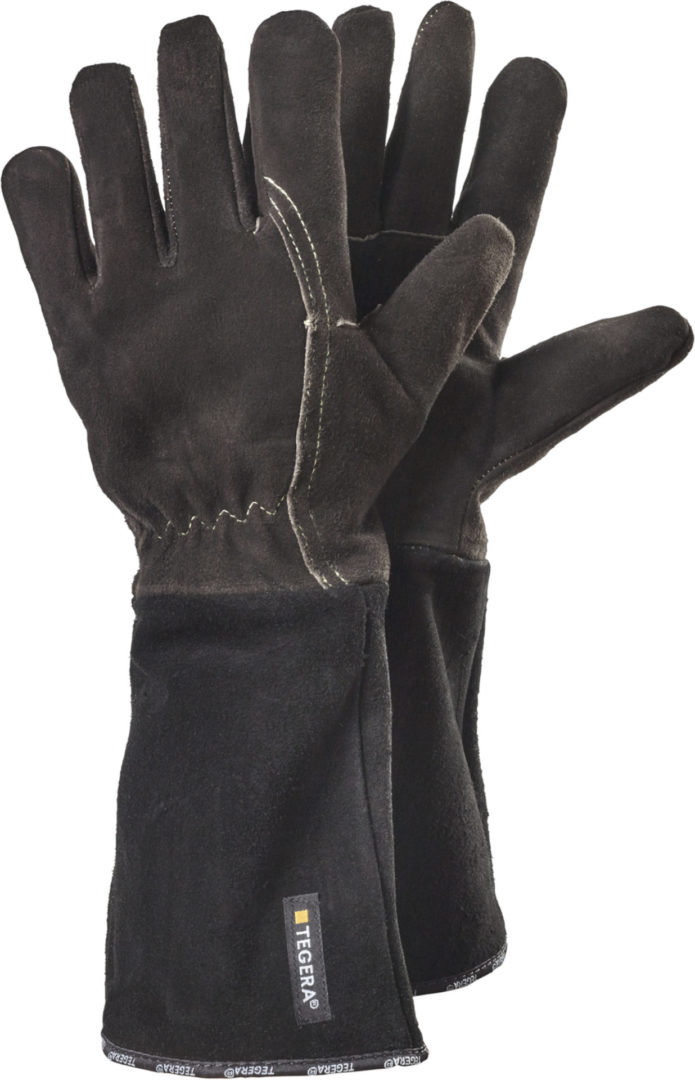
  • Popular UK models include the Tegera series (8804, 8805, 8807, 8815, 8810), each designed for specific industrial applications like metalworking, foundry operations and welding
  • Material choice is crucial – Kevlar offers protection up to 425°C, Nomex up to 370°C, and cotton-lined options up to 250°C, with features matched to specific workplace requirements
  • Proper maintenance, including correct storage, regular cleaning and thorough inspection, is essential for maintaining the gloves’ protective qualities and extending their service life
  • Our customer care team is available to provide timely assistance and information regarding delivery expectations, ensuring a positive purchasing experience

Working with high temperatures requires reliable hand protection, and we know how vital it is to find the right heat-resistant gloves. When looking for top-quality thermal protection in the UK, Ejendals gloves stand out for their exceptional performance and safety features.

We’ve seen countless professionals trust these specialised gloves for handling hot materials and working in extreme conditions. Whether you’re in metalworking, glass manufacturing or industrial kitchens, these gloves offer the protection you need. Are you struggling to find heat-resistant gloves that balance safety with comfort and dexterity? Let’s explore why Ejendals gloves might be the perfect solution for your workplace safety needs.

Understanding Ejendals Heat Resistant Gloves UK

Ejendals heat resistant gloves UK combine advanced protective materials with ergonomic design to safeguard hands against extreme temperatures. These gloves meet EN407 standards for thermal protection in industrial applications. After selecting the desired model and quantity, click the ‘Add to Basket’ button to complete your purchase.

Key Features and Technologies

  • Multilayer Construction: 3-layer design incorporating Kevlar fibres paired with heat resistant cotton liners
  • Reinforced Palm Areas: Extra protection in high-wear zones with silicone grip patterns
  • Extended Cuff Design: 15cm gauntlet style for additional wrist protection
  • Breathable Materials: Moisture-wicking fabric keeps hands dry during extended wear
  • Anatomical Fit: Pre-curved fingers reduce hand fatigue during repetitive tasks
Protection LevelContact HeatConvective HeatRadiant Heat
Level 3Up to 350°CUp to 200°CUp to 150°C
Level 4Up to 500°CUp to 250°CUp to 200°C

The gloves’ temperature resistance varies by model:

  • Standard Range: Protection against brief contact with items up to 100°C
  • Premium Range: Maximum protection rating for sustained contact at 350°C
  • Specialist Range: Enhanced protection against molten metal splashes up to 500°C
  • 15-second protection for contact heat
  • 30-second protection for convective heat
  • 3-minute protection for radiant heat exposure

Safety Standards and Certifications

ejendals heat resistant gloves uk

Ejendals heat resistant gloves UK meet rigorous European safety standards for thermal protection. These certifications validate the gloves’ performance in high-temperature environments through standardised testing protocols.

EN ISO Heat Protection Ratings

EN407:2020 thermal protection ratings define six specific performance levels for heat-resistant gloves:

  • Burning Behaviour (0-4): Measures flame resistance duration
  • Contact Heat (0-4): Tests temperature resistance from 100°C to 500°C
  • Convective Heat (0-4): Evaluates protection against hot air transfer
  • Radiant Heat (0-4): Assesses defence against infrared radiation
  • Small Splashes of Molten Metal (0-4): Measures resistance to metal drops
  • Large Quantities of Molten Metal (0-4): Tests protection against liquid metal
Performance LevelContact Heat TemperatureMaximum Contact Time
Level 1100°C15 seconds
Level 2250°C15 seconds
Level 3350°C15 seconds
Level 4500°C15 seconds

Additional Safety Certifications

EN388:2016 mechanical protection standards complement thermal ratings with specific measures:

  • Abrasion Resistance (0-4)
  • Cut Resistance (0-5)
  • Tear Resistance (0-4)
  • Puncture Resistance (0-4)
  • Impact Protection (P if passed)
  • REACH compliance for chemical safety
  • OEKO-TEX® Standard 100 for textile safety
  • CE marking for European market compliance
  • ISO 21420:2020 for general glove requirements

Popular Ejendals Heat Resistant Models in the UK

Ejendals offers an extensive range of heat resistant gloves in the UK market, with specific models designed for different temperature ranges and applications. Each model undergoes rigorous testing to meet industry-specific requirements and safety standards.

Tegera Heat Protection Series

The Tegera series features multiple heat resistant glove models with varying protection levels:

  • Tegera 8804 – protects up to 100°C with reinforced palm areas for metalworking tasks
8804
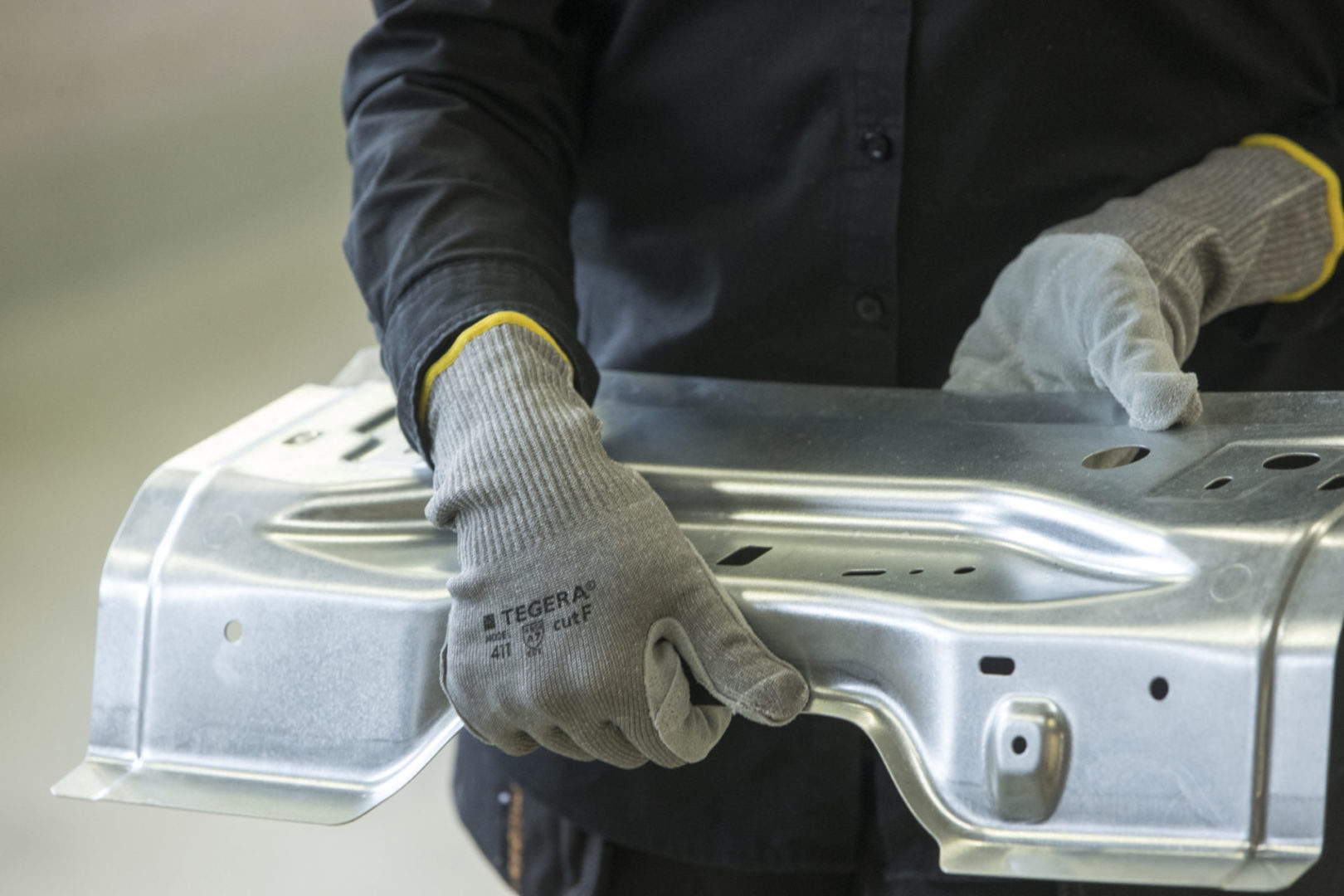
cut resistant gloves
tegera 134 mig welding gloves

Specialised Industry Options

Ejendals develops targeted solutions for specific industrial applications:

  • Glass Manufacturing: Models with extended cuffs for protection against molten glass splashes
  • Food Processing: Heat resistant gloves with food-safe coatings for commercial kitchen use
  • Automotive: Gloves with precision grip for handling hot engine components
  • Steel Production: Heavy-duty options with maximum temperature resistance for furnace operations
  • Ceramics: Models with enhanced dexterity for handling hot pottery items
  • Temperature-specific protection ratings
  • Industry-compliant materials
  • Application-optimised grip patterns
  • Size-specific anatomical fit
  • Task-appropriate cuff lengths

Choosing the Right Heat Resistant Gloves

Selecting heat resistant gloves requires careful evaluation of material composition and specific workplace requirements. Let’s explore the key factors that determine the most effective hand protection for high-temperature applications.

Application-Specific Selection

Different work environments demand specific glove features for optimal protection. Metal handling operations need gloves with reinforced palms for grip on hot surfaces. Glass manufacturing requires extended cuffs for forearm protection. Kitchen environments benefit from waterproof heat resistant options. Consider these application-matched features:

  • Metal work: Reinforced palm patches with high temperature resistance
  • Welding operations: Split leather construction with heat-reflective backing
  • Food processing: Food-grade materials with steam protection
  • Foundry work: Full-arm protection with aluminised coating
  • Glass handling: Extended cuffs with enhanced fingertip sensitivity
  • Automotive manufacturing: Oil-resistant properties with heat protection

Each application requires precise matching of glove specifications to task requirements for maximum safety effectiveness.

Sizing and Fit

Choosing the right size for your Ejendals Tegera heat-resistant gloves is crucial for ensuring both comfort and protection. These gloves are available in a range of sizes to accommodate different hand shapes and sizes. To determine your size, measure the circumference of your hand around the knuckles (excluding the thumb) with your hand open and your fingers together. Then, measure the length of your hand from the tip of your middle finger to your wrist.

Unlike typical work gloves, Ejendals Tegera gloves have a slightly looser fit, allowing for ease of movement and flexibility. This design ensures that you can perform tasks requiring dexterity without compromising on protection. The palm thickness, ranging from approximately 1.2mm to 1.4mm, strikes a perfect balance between providing robust protection and maintaining the dexterity needed for intricate tasks.

Care and Maintenance Tips

Proper maintenance extends the life of heat resistant gloves while maintaining their protective qualities. Regular care practices preserve the thermal protection properties essential for workplace safety.

Proper Storage Methods

  • Store gloves flat in a clean dry area away from direct sunlight at room temperature
  • Keep pairs together using grip clips or storage hooks to prevent mismatching
  • Avoid folding or crushing gloves to maintain shape integrity
  • Place gloves in designated storage containers away from sharp objects tools or chemicals
  • Allow gloves to dry completely before storage if exposed to moisture
  • Rotate glove inventory using a first-in-first-out system

Daily Cleaning:

  • Brush off loose dirt debris after each use
  • Wipe outer surfaces with a damp cloth
  • Air dry naturally away from heat sources
  • Avoid machine washing unless specified by manufacturer

Regular Inspection Points:

  • Check seams for loose threads or separation
  • Examine palm areas for wear spots holes or thinning
  • Inspect finger areas for cuts tears or degradation
  • Test flexibility of materials for stiffening
  • Look for discolouration indicating heat damage
  • Verify cuff integrity secure stitching

Replacement Indicators:

  • Visible holes tears or worn areas
  • Loss of heat resistance properties
  • Compromised grip surfaces
  • Permanent staining or contamination
  • Degraded elastic properties
  • Exposure to chemicals or hazardous materials

Documentation:

  • Record inspection dates results
  • Track replacement schedules
  • Document any incidents or failures
  • Note specific wear patterns
  • Monitor usage frequency
  • Keep maintenance logs current

Choosing the right heat resistant gloves is crucial for workplace safety and Ejendals offers an exceptional range that meets the highest industry standards. We’ve seen how their advanced materials combined with ergonomic design provide reliable protection in high-temperature environments.

Whether you’re working in metalworking foundries or industrial kitchens Ejendals heat resistant gloves UK deliver the perfect balance of safety comfort and durability. With proper care and regular maintenance, these gloves will continue to protect hands effectively day after day.

For UK businesses seeking top-tier hand protection against thermal hazards, Ejendals is your trusted choice. To learn more about our premium solutions or to discuss your specific safety needs, contact us today. Let us help you exceed safety standards while keeping your team comfortable and protected.

Industry Applications

Ejendals Tegera heat-resistant gloves are designed to meet the demanding needs of various high-heat industries. Their versatility and robust construction make them ideal for:

  • Welding and Metalworking: These gloves can withstand welding sparks and high temperatures, providing essential protection for welders and metalworkers.
  • Glass Manufacturing: The gloves offer excellent protection against molten glass splashes, ensuring safety in glass production environments.
  • Automotive Industry: With their precision grip and heat resistance, these gloves are perfect for handling hot engine components and other automotive parts.
  • Steel Production: Heavy-duty models provide maximum temperature resistance, making them suitable for furnace operations and other high-heat tasks in steel production.
  • Ceramics Manufacturing: Enhanced dexterity and heat protection make these gloves ideal for handling hot pottery items.
  • Food Processing: Heat-resistant gloves with food-safe coatings are perfect for commercial kitchens and food processing environments.

These gloves are designed to protect against heat, cuts, and punctures while maintaining the flexibility and dexterity needed for precise work.

Materials and Construction

The Ejendals Tegera heat-resistant gloves feature a sophisticated multilayer construction using high-quality materials to ensure maximum protection and comfort. Key materials include:

  • Heat-Resistant Materials: These materials provide the primary barrier against high temperatures, ensuring your hands remain safe.
  • Kevlar Fibers: Known for their strength and durability, Kevlar fibers add an extra layer of protection against cuts and abrasions.
  • Nomex: This material offers excellent thermal protection, making the gloves suitable for high-heat environments.
  • Cotton Lining: The inner cotton lining material ensures comfort and breathability, keeping your hands cool and dry during extended use.
  • Leather: Used in key areas for added grip and durability, leather enhances the gloves’ overall performance.

This combination of materials ensures that the gloves not only protect against heat but also provide abrasion resistance and comfort, making them suitable for a wide range of applications.

Temperature Range and Protection

Ejendals Tegera heat-resistant gloves are designed to provide robust protection against high temperatures. These gloves can withstand heat up to 300°C (572°F), making them suitable for various high-heat applications. Additionally, they meet EN 388 standards for cut resistance and puncture resistance, offering comprehensive protection against mechanical hazards.

Whether you’re handling hot materials in a foundry or working with high-temperature equipment in an industrial kitchen, these gloves provide the necessary protection to keep your hands safe. Their ability to withstand welding sparks and other high-heat hazards makes them an essential part of any safety gear.

Frequently Asked Questions

Q: What is the temperature range of the Ejendals Tegera heat-resistant gloves? A: The gloves provide protection against heat up to 300°C (572°F), making them suitable for a wide range of high-heat applications.

Q: What materials are used in the construction of the gloves? A: The gloves feature a multilayer construction using heat-resistant materials, Kevlar fibers, Nomex, cotton lining, and leather. This combination ensures optimal protection, durability, and comfort.

Q: What industries are the gloves suitable for? A: The gloves are suitable for use in various high-heat industries, including welding and metalworking, glass manufacturing, automotive industry, steel production, ceramics manufacturing, and food processing.

Q: How do I care for and maintain the gloves? A: Clean the gloves with soap and water, air dry or machine dry on low heat, and store them in a cool, dry place. Regularly inspect the gloves for signs of wear and tear, and replace them when worn or damaged.

Q: What is the warranty period for the gloves? A: The gloves come with a 30-day money-back guarantee and a 1-year warranty against defects in materials and workmanship, ensuring peace of mind with your purchase.

By following these guidelines and choosing the right Ejendals Tegera heat-resistant gloves, you can ensure maximum protection and comfort in high-temperature environments.

What are Ejendals heat resistant gloves UK designed for?

Ejendals heat resistant gloves UK are designed for protection against high temperatures in various industrial settings, including metalworking, glass manufacturing, and industrial kitchens. They offer protection for temperatures up to 500°C depending on the model, whilst providing comfort and ergonomic benefits for workers handling hot materials.

What safety certifications do Ejendals gloves have?

Ejendals gloves meet multiple safety standards including EN407:2020 for thermal protection, EN388:2016 for mechanical protection, and REACH compliance. They undergo rigorous testing to ensure they meet European safety requirements for high-temperature work environments.

How long do heat resistant gloves typically last?

The lifespan depends on usage intensity and maintenance. Regular inspection is crucial, and gloves should be replaced when showing signs of wear, holes, or reduced heat resistance. Proper care, including storage in dry areas and regular cleaning, can significantly extend their service life.

What temperature range can Ejendals gloves withstand?

Different models offer varying temperature resistance, ranging from 250°C for basic metalworking (Tegera 8804) up to 500°C for specialised applications. The specific temperature resistance depends on the model and is indicated in the product specifications.

How should heat resistant gloves be maintained?

Store gloves in a clean, dry area away from direct sunlight. Clean daily by brushing off dirt and wiping with a damp cloth. Regular inspections for wear and damage are essential. Keep pairs together to prevent mismatching, and maintain proper documentation of inspections.

Which industries commonly use Ejendals heat resistant gloves UK?

These gloves are widely used in metalworking, welding, glass manufacturing, food processing, automotive industry, steel production, and ceramics manufacturing. Each industry has specific models tailored to its unique requirements and temperature exposure levels.

What materials are used in Ejendals heat resistant gloves UK?

The gloves feature multilayer construction using materials like Kevlar fibres, Nomex, cotton lining, and leather. These materials are combined to provide optimal heat resistance, durability, and comfort whilst meeting specific industry requirements.

How do I choose the right heat resistant gloves?

Select gloves based on your specific workplace temperature requirements, application needs, and industry standards. Consider factors like maximum temperature exposure, duration of contact, grip requirements, and any additional protection needs specific to your work environment.

Jackson Safety Welding Helmets: Top Belfast Suppliers & Deals

Key Takeaways

  • Jackson Safety welding helmets in Belfast offer professional-grade protection with advanced features including auto-darkening filters and variable shade settings (9-13)
  • All helmets meet UK safety standards including BS EN 175:1997, EN 379 certification, and UKCA marking requirements for maximum protection
  • Multiple authorised distributors across Belfast offer authentic products with warranties, technical support and replacement parts services
  • Key features include 0.15ms switching time, digital controls with four arc sensors, and extended battery life of up to 3,000 hours with solar assistance
  • Regular maintenance including lens replacement every 2-3 weeks and proper storage between 10-30°C is essential for optimal performance

Are you searching for high-quality welding helmets in Belfast? As the UK and Ireland’s leading supplier of PPE and safety equipment, Norsemen Safety & Welding Supplies understand how crucial proper head protection is for welders working in demanding conditions.

We’ve spent years serving welders across Northern Ireland, the Republic of Ireland and the UK with premium safety gear at competitive prices. Our extensive selection of welding helmets combines innovative technology with reliable protection, giving you peace of mind while you work. Have you considered how the right helmet could improve both your safety and productivity?

Overview of Jackson Safety Welding Helmets

Jackson Safety welding helmets offer professional-grade protection with advanced features for welders in Belfast UK. These helmets combine durability with cutting-edge technology to meet diverse welding requirements.

Key Features and Technologies

  • Auto-darkening filters that activate in 0.15 milliseconds for enhanced eye protection
  • Variable shade settings from 9-13 for different welding applications
  • Digital controls with four arc sensors for precise detection
  • Adjustable sensitivity controls to match specific welding environments
  • Extended battery life with solar assistance technology
  • Impact-resistant shell construction tested to EN379 standards
  • Comfortable headgear with multiple adjustment points

Available Models at Norsemen Safety

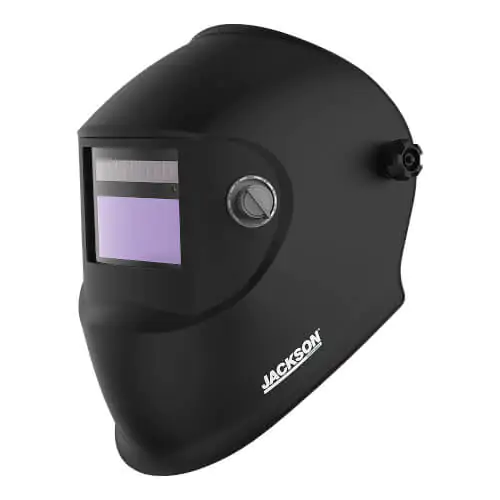
Jackson WH05 Flip Up Welding Helmet

This is an economy helmet from Jackson, the flip up lens uses a hinged shade 11 window providing the user with good vision while welding.

JACKSON WH05 Flip Up Welding Helmet Shade 11 (J7188)

Jackson WH20 Aspire Auto Darkening

This is the most popular Jackson Auto Darkening Welding helmet allowing for the helmet to automatically switch to the selected shade whenever welding begins.

jackson wh20 helmet 1

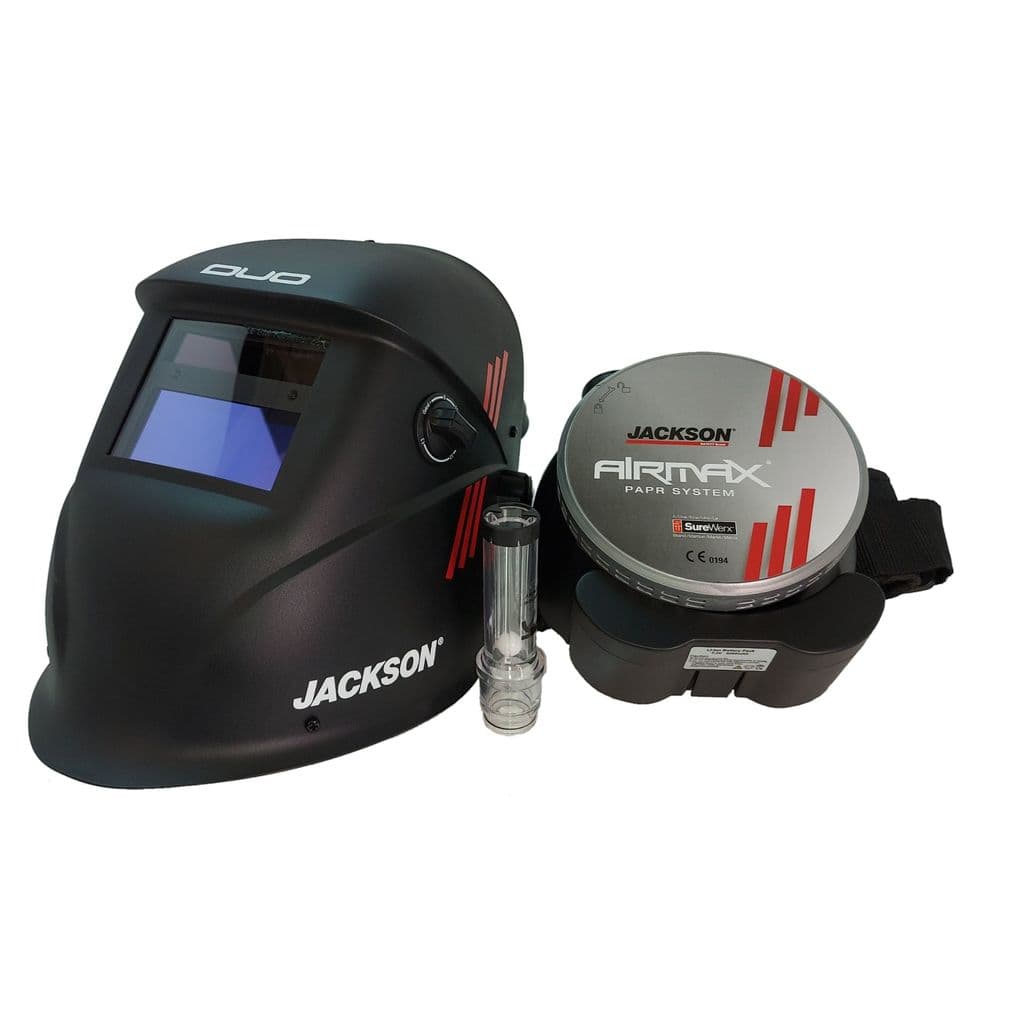
Jackson Airmax DUO PAPR

Rated at an ADF optical class 1/1/1/2 with a cartridge size of 110mm x 90mm and a 92mm x 41mm viewing area this is one of the best PAPR systems.

Jackson Airmax DUO PAPR

Safety Standards and Certifications

jackson safety welding helmets belfast uk

Jackson Safety welding helmets meet rigorous safety standards required for use in UK’s welding operations. These certifications validate the protective capabilities of each helmet model through standardised testing protocols.

UK Safety Regulations Compliance

Jackson Safety welding helmets conform to BS EN 175:1997 standards for personal eye protection during welding. The helmets’ compliance includes:

  • EN 379 certification for auto-darkening filters
  • BS EN 166:2002 impact resistance rating
  • EN 175 B mechanical strength classification
  • UKCA marking for post-Brexit UK market requirements
  • PPE Regulation 2016/425 adherence for Category III protection

Performance Ratings

The performance ratings demonstrate measurable protection levels across key safety criteria:

Safety Feature Rating/Performance
Optical Class 1/1/1/2
Light State DIN 4
Dark State Range DIN 9-13
Switching Time 0.15 ms
UV/IR Protection Up to DIN 16
Operating Temperature -10°C to +60°C
  • TIG rating >5 amps for precise arc detection
  • EMC electromagnetic compatibility certification
  • Independent testing verification from BSI Group
  • IP23 water resistance classification
  • Impact protection at extreme temperatures (-5°C to +55°C)
  • Extended battery life certification of 3,000 hours

Jackson Safety Helmet Components

Jackson Safety welding helmets integrate essential protective elements to shield welders from hazardous arc flash radiation sparks during operations. Each component works together to create a comprehensive safety system.

Auto-Darkening Filters

The auto-darkening filters in Jackson Safety helmets feature digital microprocessor controls with precise shade adjustment capabilities. These filters include:

  • Four arc sensors for reliable detection across multiple angles
  • Variable shade settings from 9-13 for different welding processes
  • Switching speed of 0.15 milliseconds from light to dark state
  • Sensitivity controls for indoor outdoor welding conditions
  • Solar-assisted power system with 3,000-hour battery life
  • Clear shade 4 setting for grinding operations
  • Heat-resistant outer shell rated for temperatures up to 180°C
  • Reinforced crown impact zones for overhead protection
  • Cushioned interior padding for extended comfort
  • Adjustable ratchet headband with sweat-wicking band
  • Side shields for peripheral arc flash protection
  • Balanced weight distribution at 540g average
  • Replaceable protective lens covers
Component Specification Rating
Shell Material High-impact nylon CE Level B
Viewing Area 96mm x 42mm Optical Class 1
Battery Life 3,000 hours With solar assist
Total Weight 540g With headband
Heat Resistance 180°C Maximum temp

Where to Buy in Belfast

Jackson Safety welding helmets are available at Norsemen Safety in Belfast UK. This local supplier offers competitive prices with verified product authenticity.

This retailer provides:

  • Product authentication verification
  • Local warranty registration
  • Replacement parts service
  • Technical support
  • Installation guidance

Maintenance and Care Tips

Regular maintenance extends the lifespan of Jackson Safety welding helmets while maintaining optimal protection levels. These practical tips keep the equipment in peak operating condition.

Lens Replacement Guidelines

The auto-darkening filter lens needs replacement when scratches appear or visibility decreases. Here’s how to maintain the lens system:

  • Clean both sides of the lens daily with a microfibre cloth
  • Replace the outer protective lens every 2-3 weeks during heavy use
  • Change the inner protective lens every 2-3 months
  • Check for cracks or chips before each welding session
  • Install only genuine Jackson Safety replacement lenses
  • Remove protective film from new lenses before installation
  • Test lens darkness settings after each replacement
  • Keep the helmet in a dry cabinet between 10-30°C
  • Store away from direct sunlight or heat sources
  • Place in a padded helmet bag when transporting
  • Remove batteries if storing longer than 3 months
  • Position the helmet upright to prevent lens scratches
  • Maintain 40-60% relative humidity in storage areas
  • Keep spare lenses in sealed plastic bags
  • Store replacement parts in their original packaging
Component Replacement Frequency Storage Temperature
Outer Lens 2-3 weeks 10-30°C
Inner Lens 2-3 months 10-30°C
Batteries 3,000 hours 15-25°C
Sweatband 6 months Room temp

Conclusion

We’ve explored the exceptional qualities of Jackson Safety welding helmets available in Belfast UK. Their advanced features reliable protection and local availability make them a top choice for professional welders across Northern Ireland.

With authorised distributors comprehensive warranty support and a strong focus on safety standards these helmets offer the perfect blend of innovation and protection. Whether you’re a seasoned welder or just starting out investing in a Jackson Safety helmet means investing in your safety and productivity.

Remember, proper maintenance and care will ensure your helmet provides optimal protection for years to come. We’re confident you’ll find the perfect Jackson Safety welding helmet to meet your specific needs right here in Belfast. Contact us today to discuss your requirements or for expert advice on our range of safety solutions.

Frequently Asked Questions

How often should I replace the protective lenses on my welding helmet?

Outer protective lenses should be replaced monthly or when visibly damaged, while inner lenses typically need replacement every 2-3 months. However, inspect both lenses daily and replace them immediately if you notice any scratches, cracks, or pitting that could compromise your vision or safety.

What certifications should I look for in a quality welding helmet?

Look for helmets certified to BS EN 175:1997 for personal eye protection and EN 379 for auto-darkening filters. These UK and European standards ensure the helmet meets essential safety requirements. The helmet should also have clear markings showing optical class, light/dark state ranges, and switching time ratings.

How long do auto-darkening filters typically last?

Auto-darkening filters with solar-assisted power systems typically last around 3,000 hours of active use. With proper maintenance and regular battery replacement, the filter unit can function effectively for 5-7 years. However, performance should be tested regularly to ensure proper darkening response.

What shade number should I use for different welding processes?

For MIG welding, use shades 10-13 depending on amperage. TIG welding typically requires shades 9-11, while stick welding needs shades 10-13. Always start with a darker shade and adjust lighter if needed for better visibility while maintaining eye protection.

How do I properly maintain my welding helmet?

Clean the helmet daily with a soft cloth and mild soap solution. Store in a dry, cool place away from direct sunlight. Check sensors and controls weekly, replace batteries as needed, and ensure all adjustment mechanisms work smoothly. Never use solvents or abrasive cleaners.

Are Jackson Safety welding helmets available with local warranty in Belfast?

Yes, Jackson Safety welding helmets purchased from authorised Belfast distributors come with full local warranty support. This includes access to replacement parts, technical documentation, and customer service through certified retailers in Northern Ireland.

Portwest Flame Resistant Jackets: UK Safety Guide 2024

Key Takeaways

  • Portwest FR jacket UK must meet strict safety standards, including EN ISO 11612 and EN ISO 14116, ensuring protection against heat, flames, and other workplace hazards.
  • These jackets feature triple-layer construction with moisture-wicking, thermal barrier and weather-resistant properties, alongside anti-static protection and UV resistance.
  • The Bizflame Plus Series offers protection up to 250°C and includes features like reinforced seams, metal snap closures and high-visibility reflective bands, making it suitable for various industrial applications.

  • Proper maintenance is crucial – jackets should be washed at 40°C with mild detergent, air-dried naturally, and stored in cool, dry conditions to maintain protective properties.

When it comes to workplace safety, we know that protecting against fire hazards can’t be left to chance. The Portwest flame resistant jacket stands as a crucial piece of safety equipment for workers across the UK who face potential fire risks daily.

We’ve seen countless professionals in industries like welding, electrical work and oil & gas rely on these protective garments. What makes these jackets special isn’t just their fire-resistant properties – but how they balance safety with comfort for all-day wear. Are you looking for a reliable flame resistant jacket that meets UK safety standards without compromising on quality?

Understanding Flame Resistant Clothing Standards in the UK

Flame resistant (FR) clothing in the UK follows strict regulatory standards that protect workers in high-risk environments. These standards establish specific requirements for FR workwear manufacturing testing protocols.

EN ISO Standards for FR Workwear

The EN ISO 11612 standard governs protective clothing against heat flames in the UK manufacturing processes. This certification requires FR garments to pass multiple tests:

  • Flame spread resistance (A1 A2)
  • Convective heat protection (B1-B3)
  • Radiant heat resistance (C1-C4)
  • Contact heat protection (F1-F3)
  • Molten metal splash resistance (D1-D3)

The EN ISO 14116 standard applies specifically to FR materials properties testing:

Test Parameter Requirement
Flame Spread Index 1-3
Hole Formation No hole formation
Afterglow ≤ 2 seconds
Afterflame ≤ 2 seconds

UK Safety Regulations

The UK safety regulations mandate specific FR clothing requirements across industries:

  • Personal Protective Equipment at Work Regulations 1992
  • Control of Substances Hazardous to Health 2002
  • Electricity at Work Regulations 1989

Key compliance requirements include:

  1. Regular testing documentation
  2. Clear FR clothing identification labels
  3. Performance level classifications
  4. Material composition details
  5. Care maintenance instructions
  • Workplace inspections
  • Risk assessment reviews
  • Compliance documentation checks
  • Equipment testing verification
  • Training record audits

Key Features of Portwest Flame Resistant Jackets

portwest fr jacket uk

Portwest flame resistant jackets combine advanced protective features with practical functionality for workplace safety. These jackets incorporate multiple layers of specialized materials to create effective barriers against heat, flames and electrical hazards.

Material Composition and Technology

The outer shell consists of inherently flame-resistant fibres like aramid blends with cotton. A triple-layer construction includes:

  • Moisture-wicking inner layer that pulls sweat away from the skin
  • Thermal barrier made from fire-retardant treated cotton batting
  • Weather-resistant outer shell with DWR (Durable Water Repellent) coating

The fabric technology provides:

  • Anti-static properties to prevent spark ignition
  • UV protection rating of UPF 50+
  • Breathable membrane for comfort during extended wear
  • Chemical splash resistance through specialized coating

Protection Levels and Ratings

These jackets meet key safety standards with verified protection levels:

Protection Type Rating/Standard Protection Level
Flame Spread EN ISO 11612 A1/A2
Contact Heat EN ISO 11612 B1/B2
Radiant Heat EN ISO 11612 C1/C2
Molten Metal EN ISO 11612 D1/D2
Electric Arc IEC 61482-2 Class 1
  • High-visibility reflective strips that maintain FR properties
  • Metal snap closures rated for 3,000+ cycles
  • Double-stitched seams with FR thread
  • Reinforced stress points at shoulders and elbows
  • Radio loops and FR hook-and-loop closures

Popular Portwest FR Jacket Models for UK Market

Portwest’s flame resistant jacket range features specialised collections designed for specific workplace hazards. Each series incorporates distinct protective elements that meet UK safety requirements for different industrial applications.

Bizflame Plus Series

The Bizflame Plus Series offers triple-layer protection with a moisture-wicking base, thermal middle layer, and flame-resistant outer shell. These jackets feature:

  • Reinforced double-stitched seams with FR thread
  • Metal snap closures for quick release
  • High-visibility reflective bands on arms and torso
  • Multiple tool pockets with secure closure systems
  • Compatible with fall protection harnesses
  • Protection against heat exposure up to 250°C

Key specifications:

Feature Rating
Flame Resistance EN ISO 11612 A1 B1 C1
Heat Protection Class 3
Durability 50+ industrial washes
Weight 350g/m²

Bizweld Products

Bizweld Cape Hood

This hood is designed to offer maximum protection and comfort to the wearer, made with self-fabric drawcord to allow for adjustment for a comfortable fit.

Portwest Bizweld Cape Hood BZ12

Bizweld Trousers

These trousers are designed to provide the best protection and comfort to the wearer, with twin stitched seams for extra strength and side pockets.

Portwest Bizweld Flame Retardant Trousers BZ30

Bizweld Jacket

This jacket provides the wearer all day protection and comfort. It offers dual hazard protection, and guaranteed flame resistance for the life of the garment.

Portwest Bizweld Welding Jacket BIZ2

Bizweld Welding Overall

This welding overall is flame resistant throughout the coveralls life cycle. It is resistant against radiant, convective and contact heat and has a certified protection against molten splash and protection for welding.
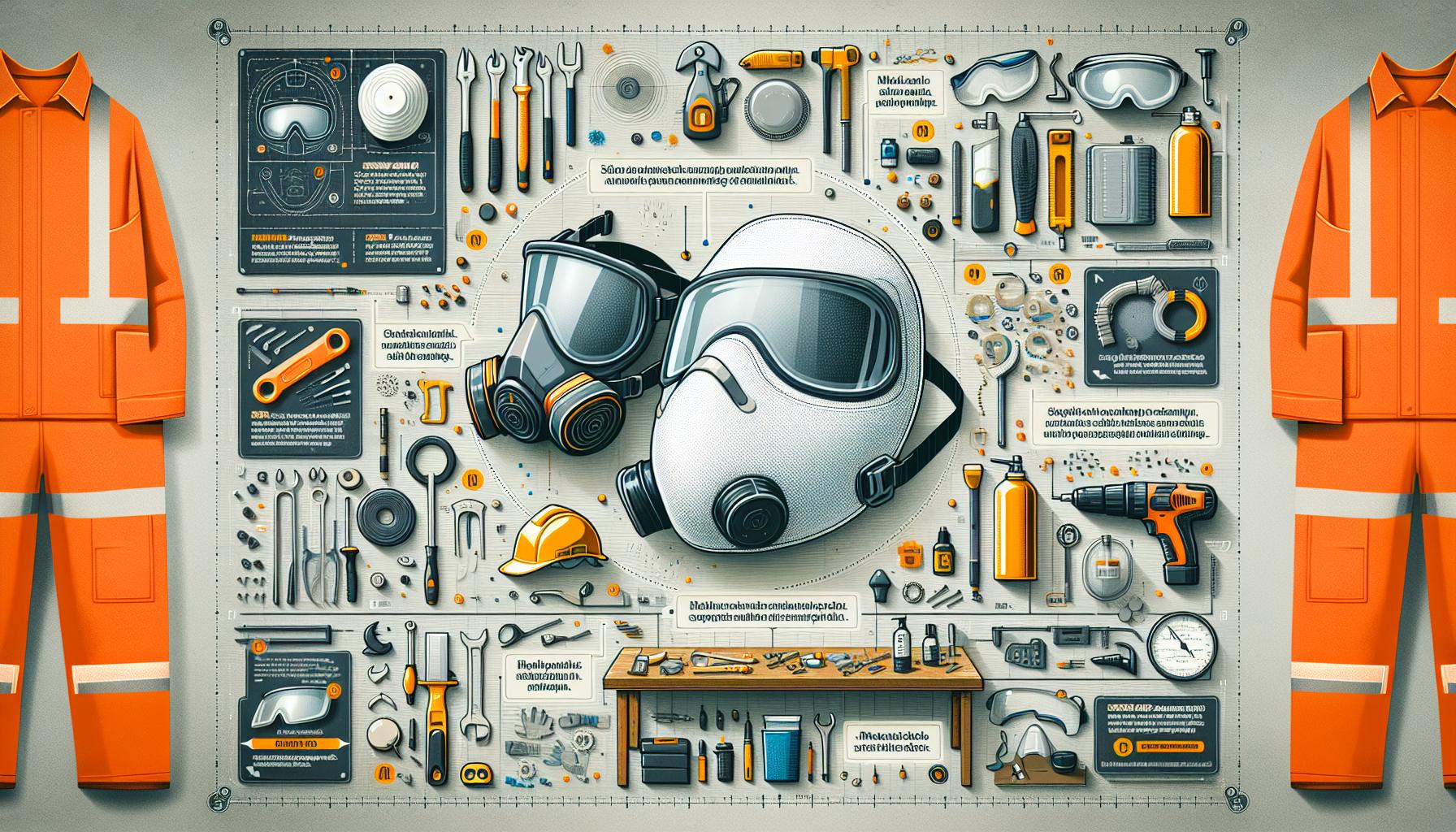
welding overall

Anti-Static FR Collection

The Anti-Static FR Collection combines flame resistance with electrostatic dissipative properties. These jackets include:

  • Carbon fibre anti-static grid throughout fabric
  • Chemical splash-resistant coating
  • Adjustable cuffs with FR hook and loop closures
  • Radio loops on both shoulders
  • Internal storm cuffs for weather protection
  • Arc flash protection rating of 12.4 cal/cm²
Protection Type Standard
Anti-static EN 1149-5
Arc Flash IEC 61482-2
Chemical EN 13034 Type 6
Flame Spread Index 3

Anti-Static Flame Retardant Coverall

These coveralls are perfect for the demands of the offshore industry. Constructed with flame-retardant fabric and hi-vis reflective tape for enhanced visibility.

Portwest FR50 Anti-Static Flame Retardant Coverall.

Proper Care and Maintenance

Maintaining Portwest flame resistant jackets extends their lifespan and preserves their protective properties. Following specific care instructions keeps the FR protection intact while preventing damage to the specialised fabric treatments.

Washing Instructions

  • Wash FR jackets at 40°C with mild detergent free from bleach or fabric softeners
  • Turn jackets inside out before washing to protect reflective strips
  • Use a gentle cycle setting to prevent damage to protective coatings
  • Avoid mixing FR jackets with regular clothing during washing
  • Air dry naturally away from direct heat sources or sunlight
  • Remove stains immediately with a damp cloth to prevent setting
  • Check garment care labels for specific washing symbols and temperature limits
  • Store FR jackets in a cool dry place away from direct sunlight
  • Hang jackets on sturdy hangers to maintain shape and prevent creasing
  • Keep separate from non-FR clothing to avoid cross-contamination
  • Check for damage or wear before storing after each use
  • Allow jackets to dry completely before storage to prevent mildew
  • Avoid storing in compressed spaces that can damage protective layers
  • Maintain proper ventilation in storage areas to prevent moisture buildup
Care Aspect Recommended Frequency
Regular Washing After 5-7 wears or when visibly soiled
Deep Cleaning Every 3 months
Inspection Before each use
Replacement Every 12-18 months or when damaged

Value for Money and Durability Assessment

Portwest flame resistant jackets demonstrate exceptional value through their extended service life and reliable protection in challenging industrial environments. The initial investment delivers long-term cost benefits through durability and sustained protective performance.
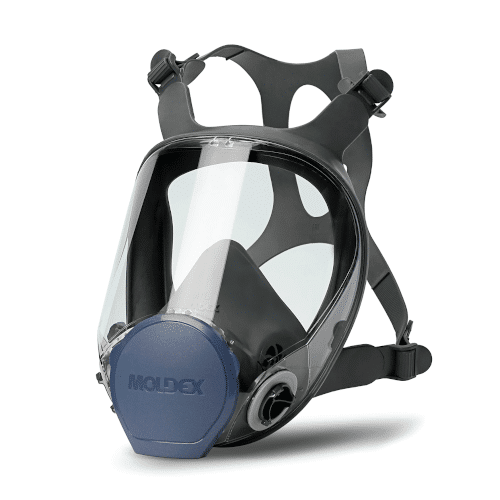
Performance in Industrial Settings

These FR jackets excel in demanding industrial environments through repeated exposure to:

  • Direct flame contact for up to 5 seconds without degradation
  • Heat sources ranging from 100°C to 250°C
  • Chemical splashes from common industrial substances
  • Static electricity in explosive atmospheres
  • Regular friction against metal surfaces

Performance testing data shows consistent protection levels after:

  • 500+ hours of continuous wear
  • 100+ exposure cycles to high-temperature environments
  • 75+ cycles of chemical splash resistance tests
Test Category Performance Duration
Seam Strength 2000+ movement cycles
Closure Systems 1000+ open/close cycles
Fabric Integrity 500+ abrasion cycles

Conclusion

Portwest flame resistant jackets stand as a cornerstone of workplace safety in the UK’s high-risk industries. We’ve seen how these garments combine advanced protection with practical features while meeting rigorous safety standards.
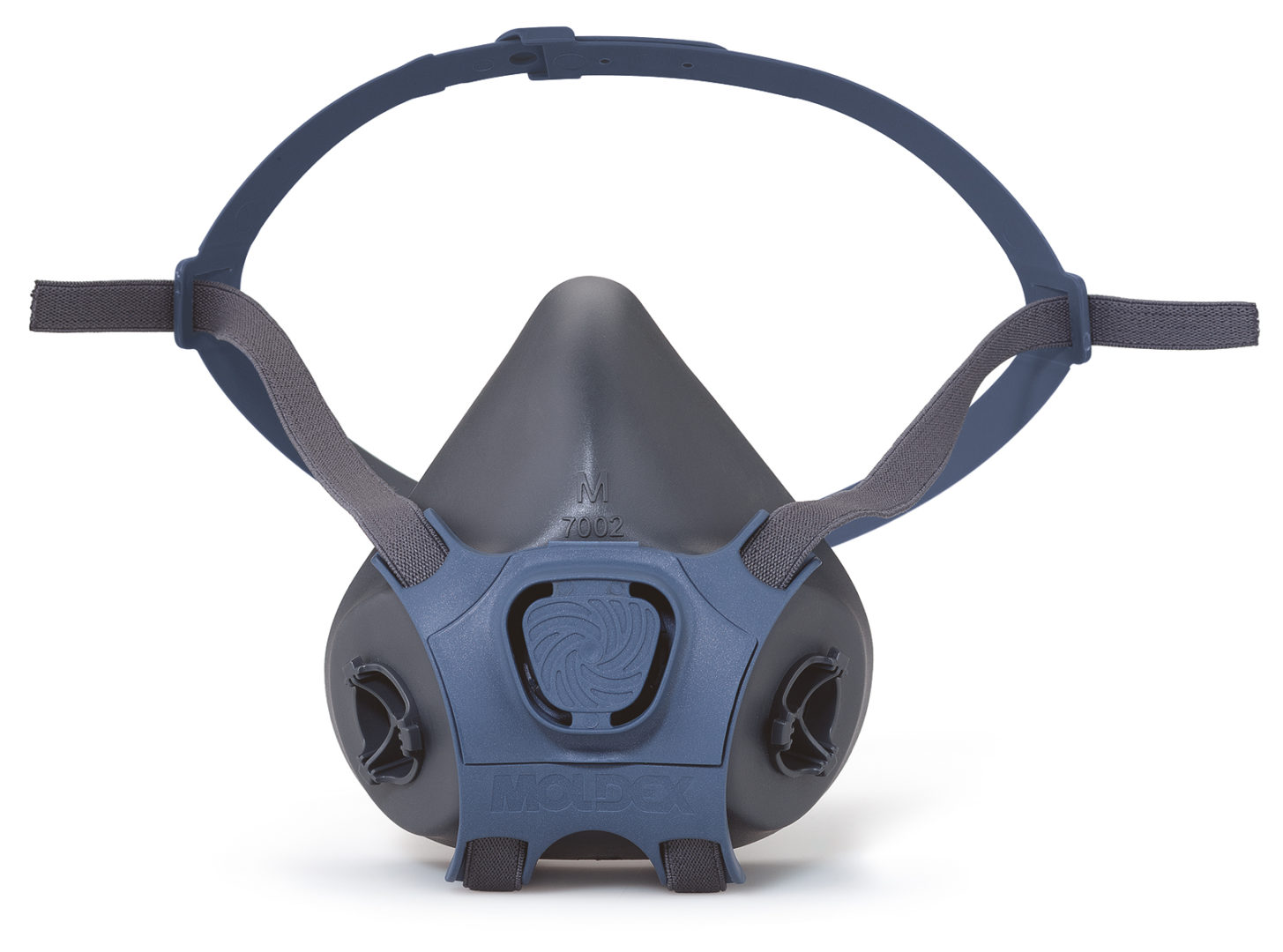
The impressive durability cost-effectiveness and comprehensive protective features make them an invaluable investment for businesses prioritising worker safety. Through proper care and maintenance these jackets deliver reliable protection that working professionals can trust.

For UK workers facing fire hazards, we can confidently say that Portwest’s range of FR jackets provides the perfect balance of safety compliance, comfort, and value. Have questions or need assistance? Contact us today!

Frequently Asked Questions

What are Portwest flame resistant jackets designed for?

Portwest flame resistant jackets are designed to protect workers in high-risk environments from fire hazards. They’re specifically engineered for professionals in industries like welding and oil & gas, combining fire resistance with comfort for extended wear whilst meeting strict UK safety standards.

What safety standards do Portwest FR jackets comply with?

Portwest FR jackets comply with EN ISO 11612 and EN ISO 14116 standards. These standards govern protective clothing against heat and flames, requiring garments to pass specific tests for flame spread resistance and molten metal splash resistance, ensuring comprehensive worker protection.

What are the key features of Portwest FR jackets?

The jackets feature a triple-layer design with moisture-wicking inner layer, thermal barrier, and weather-resistant outer shell. They include anti-static properties, UV protection, breathability, chemical splash resistance, reflective strips, metal snap closures, and reinforced stress points.

How long do Portwest FR jackets typically last?

Portwest FR jackets typically last 12-18 months with proper care and maintenance. However, they should be replaced immediately if damaged. Regular inspection before each use and proper care can help maximise their lifespan.

How should I maintain my Portwest FR jacket?

Wash the jacket at 40°C using mild detergent after 5-7 wears. Air dry away from direct heat and store in a cool, dry place. Perform deep cleaning every three months and inspect before each use to maintain protective properties.

Are Portwest FR jackets cost-effective?

Yes, Portwest FR jackets offer excellent value for money. With prices between £150-£200 and a lifespan of 12-18 months, the daily cost averages £0.50-£0.75. Their durability and reliable protection make them more cost-efficient than cheaper alternatives.

What protection levels do these jackets offer?

The jackets provide comprehensive protection against flame spread, contact heat up to 250°C, radiant heat, molten metal splashes, and electric arc flashes. They also feature anti-static properties and chemical splash resistance for additional safety.

Which industries commonly use Portwest FR jackets?

These jackets are widely used in welding, oil and gas, petrochemical, electrical work, and other high-risk industrial environments where workers need protection from fire hazards, chemical splashes, and static electricity.

Welding and Safety Supplies: Top UK & Ireland Suppliers

Key Takeaways

  • We are a leading welding and safety supplies across Ireland and UK with 40+ years of expertise and nationwide delivery from Belfast
  • Essential welding supplies include comprehensive MIG/TIG equipment, specialised safety gear like auto-darkening helmets, fire-resistant clothing, and respiratory protection that meets UK/EU standards
  • All safety equipment requires regular maintenance with specific replacement schedules – helmets every 2-3 years, gloves every 3-6 months, respirators monthly (filters), and work boots every 12-18 months
  • Products comply with strict Irish and UK safety regulations including HSA/HSE guidelines, with mandatory certifications like EN ISO 9001 and regular inspection requirements
  • Strategic bulk purchasing can provide 10-35% cost savings, with delivery times ranging from 1-7 days depending on order volume

Looking for quality welding and safety supplies across Ireland and the UK? With over 40 years of industry expertise Norsemen has built a reputation as one of the largest suppliers of welding equipment and PPE safety gear in the region.

From our central Belfast location we deliver premium welding solutions throughout Northern Ireland the Republic of Ireland and across the UK. Our comprehensive range includes everything from MIG and TIG welders to specialist welding safety equipment all backed by our commitment to outstanding service. What matters most to you when choosing welding supplies for your projects?

We understand that selecting the right welding equipment is crucial for safety and success. That’s why we partner with leading manufacturers while maintaining competitive prices to provide you access to trusted products that meet the highest industry standards.

Essential Welding Equipment and Safety Gear in Ireland and the UK

Professional welding requires specific equipment and safety gear to maintain workplace safety standards across Ireland and the UK. Our comprehensive range includes essential tools, machinery and protective equipment from leading manufacturers.

Basic Welding Tools and Machinery

Essential welding tools comprise high-quality MIG welders, TIG welders and specialised accessories for precise metal fabrication. Here’s what professional welders need:

MIG Welding Equipment

  • Wire feed welders
  • Gas regulators
  • Contact tips
  • Welding wire

TIG Welding Components

  • Power sources
  • Torches
  • Tungsten electrodes
  • Filler metals

Accessories

  • Angle grinders
  • Clamps
  • Chipping hammers
  • Wire brushes

Personal Protective Equipment for Welders

Head Protection

  • Auto-darkening helmets
  • Face shields
  • Safety glasses

Body Protection

  • Fire-resistant jackets
  • Heavy-duty gloves
  • Steel-toe boots
  • Leather aprons

Respiratory Equipment

  • Welding respirators
  • Fume extractors
  • Filtration masks
  • Fresh air systems
PPE Category Protection Level Replacement Frequency
Welding Helmets UV/IR Protection 2-3 years
Safety Gloves Heat Resistant 3-6 months
Respirators Particle/Fume Filters: Monthly
Work Boots Impact/Heat 12-18 months

Top Safety Supply Manufacturers and Distributors

welding and safety supplies Ireland uk

The UK and Irish markets feature established manufacturers and distributors of welding equipment and safety supplies. These suppliers maintain extensive inventories of certified products that meet British and European safety standards.

Leading Irish Suppliers – Norsemen Safety & Industrial Supplies

Irish safety supply distributors offer comprehensive product ranges from Belfast to Cork. Local stockists provide next-day delivery services across the Republic of Ireland and Northern Ireland for essential welding equipment and PPE. These suppliers, such as Norsemen Safety stock auto-darkening helmets, fire-resistant clothing, respiratory protection and specialised welding consumables from major European manufacturers.

Major UK Suppliers and Stockists – Norsemen Safety & Industrial Supplies

UK-based distributors maintain large warehouses across England, Scotland, and Wales with direct supply links to Ireland. These stockists carry:

  • Safety Equipment
  • EN-certified protective gear
  • Industrial workwear
  • Respiratory systems
  • Welding Products
  • MIG/TIG/Plasma equipment
  • Fume extraction units
  • Consumable materials

Industrial Safety Standards and Regulations

Industrial safety standards protect workers through comprehensive legislation backed by regulatory bodies in Ireland and the UK. These standards establish specific requirements for welding operations while prioritising workplace safety.

Irish Safety Requirements

The Safety, Health and Welfare at Work Act 2005 governs workplace safety in Ireland. Here are the key requirements:

  • Employers must provide appropriate PPE certified to EN standards
  • Risk assessments become mandatory before starting welding operations
  • Workplace ventilation systems require regular maintenance documentation
  • Annual equipment inspections need certification from qualified professionals
  • Emergency procedures must be displayed in welding areas
  • Training records for all welding personnel require updating every 24 months

The Health and Safety Authority (HSA) conducts periodic site inspections to verify compliance with:

Regulation Area Inspection Frequency Documentation Required
PPE Equipment Every 3 months Usage logs & maintenance records
Welding Equipment Every 6 months Calibration certificates
Ventilation Systems Monthly Service reports
Emergency Protocols Quarterly Drill records & updates

UK Health and Safety Guidelines

The UK’s Health and Safety Executive (HSE) enforces strict welding safety protocols through:

  • COSHH regulations for controlling hazardous substance exposure
  • PUWER guidelines for equipment maintenance schedules
  • LOLER requirements for lifting equipment certification
  • RIDDOR incident reporting procedures within 10 days
  • Work at Height regulations for elevated welding tasks

Critical compliance areas include:

Safety Element Standard Reference Update Frequency
Risk Assessment HSG 129 Every 12 months
Electrical Safety BS EN 60974-1 Every 6 months
Fume Control HSG 37 Quarterly checks
Fire Prevention HSG 51 Monthly reviews
  • Welding fumes: 5mg/m³ over 8 hours
  • Noise levels: 85dB(A) daily average
  • Vibration: 2.5 m/s² A(8) for hand-arm exposure

Choosing Quality Welding Supplies

Quality welding supplies impact both safety and project outcomes. The right equipment paired with proper certifications creates optimal welding conditions.

Material Certifications and Standards

Welding supplies in the UK and Ireland adhere to strict British Standards (BS) and European Norms (EN). Essential certifications include:

  • EN ISO 9001 for quality management systems
  • EN 1090 for structural steel components
  • BS EN ISO 15614 for welding procedure specifications
  • EN ISO 5817 for weld quality levels

Certified materials feature these key identifiers:

  • Batch tracking numbers
  • Material composition certificates
  • Heat treatment records
  • Testing documentation

Maintaining and Replacing Safety Equipment

Regular maintenance extends the life of welding safety equipment whilst protecting workers from potential hazards. Here’s a comprehensive guide to maintaining and replacing essential safety gear:

Inspection Schedule

  • Check auto-darkening helmets weekly for lens scratches cracks or damage
  • Test respiratory equipment filters daily before use
  • Examine welding gloves before each shift for wear tears or holes
  • Inspect protective clothing monthly for burns holes or compromised integrity

Cleaning Procedures

  • Clean helmet lenses daily with anti-static wipes
  • Sanitise respirator masks after each use with approved cleaning solutions
  • Wash flame-resistant clothing according to manufacturer specifications
  • Wipe down safety glasses with lens cleaner between shifts

Replacement Guidelines

Equipment Type Replacement Frequency Signs for Immediate Replacement
Welding Helmets 2-3 years Cracked lens delayed auto-darkening
Safety Gloves 3-6 months Holes worn patches frayed seams
Respirators 6-12 months Damaged valves clogged filters
Safety Boots 12 months Worn soles exposed steel toe

Storage Requirements

  • Store helmets in dust-free containers away from direct sunlight
  • Keep respirators in sealed bags between uses
  • Hang protective clothing in ventilated areas
  • Place safety boots in dry areas away from chemicals

Documentation

  • Log all equipment inspections with dates findings
  • Record cleaning activities maintenance procedures
  • Track replacement dates serial numbers
  • Document training sessions equipment demonstrations

Following these maintenance protocols maximises equipment effectiveness reduces replacement costs. Regular checks identify potential issues before they become safety hazards keeping welding operations safe efficient.

Conclusion

We’ve explored the comprehensive world of welding and safety supplies across Ireland and the UK. From trusted suppliers with decades of experience to essential safety equipment and regulatory compliance our guide serves as your gateway to informed purchasing decisions.

Remember that quality welding supplies and proper safety equipment aren’t just about meeting regulations – they’re vital investments in worker safety and project success. Whether you’re a professional welder or managing a workshop we’re here to help you make the right choices for your welding needs.

Visit our showroom in Belfast, UK or browse our extensive online catalogue to discover our full range of welding equipment and safety supplies. Together, we can ensure your welding operations remain safe, efficient, and compliant with all relevant standards. Have questions or need assistance? Contact us today!

Frequently Asked Questions

What certifications should I look for when buying welding supplies?

Look for EN ISO 9001 certification for quality management systems and BS EN ISO 15614 for welding procedure specifications. All equipment should have relevant CE markings and batch tracking numbers. For PPE, ensure items meet current British and European safety standards.

How often should welding safety equipment be replaced?

Welding helmets should be replaced every 3-5 years, gloves every 3-6 months (or when worn), respirator filters monthly, and safety boots annually. However, replace any equipment immediately if damaged or showing signs of wear, regardless of timeframe.

What are the minimum PPE requirements for welding?

Essential PPE includes an auto-darkening welding helmet, fire-resistant clothing, heavy-duty welding gloves, safety boots, and appropriate respiratory protection. Additional items may include ear protection and safety glasses for grinding work.

What are the main safety regulations for welding in Ireland?

The Safety, Health and Welfare at Work Act 2005 governs welding safety in Ireland. Key requirements include mandatory PPE certification, regular risk assessments, and equipment inspections. The Health and Safety Authority (HSA) conducts periodic site inspections.

How can I reduce costs when purchasing welding supplies?

Implement strategic bulk purchasing, establish minimum stock levels, and coordinate bulk deliveries. Consider volume-based discounts and develop relationships with reliable suppliers. Always balance cost savings with quality requirements.

What maintenance is required for welding equipment?

Perform daily visual inspections of all equipment, clean gear after each use, and maintain proper storage conditions. Keep detailed maintenance records, regularly test safety features, and follow manufacturer guidelines for servicing schedules.

Are there specific requirements for fume extraction?

Yes, adequate ventilation or fume extraction systems are mandatory. COSHH regulations require proper control of welding fumes. Local exhaust ventilation (LEV) systems must be tested every 14 months and maintained regularly.

What should I consider when choosing a welding supplier?

Look for suppliers with extensive industry experience, ISO 9001 certification, comprehensive product ranges, and reliable delivery services. Consider their stock availability, technical support, and compliance with current safety regulations.

Laser Welding Benefits UK: Boost Manufacturing Efficiency

Key Takeaways

  • Laser welding benefits UK by significantly improving manufacturing efficiency with welding speeds up to 10 metres per minute, offering 40% less material waste compared to traditional methods
  • The technology delivers superior precision with spot sizes as small as 0.2mm and minimal heat-affected zones (0.5mm or less), making it ideal for UK industries requiring high accuracy
  • Operating costs are reduced by 35% through lower energy consumption, whilst labour costs decrease by up to 50% due to automated processes
  • UK manufacturers benefit from enhanced quality standards compliance, with laser welding meeting strict BS EN ISO requirements and maintaining tolerances of ±0.1mm
  • The process demonstrates strong environmental benefits, consuming 65% less electricity than conventional welding and reducing CO2 emissions by 40%

Modern manufacturing demands precision and speed and laser welding delivers both. We’ve seen this advanced technology transform UK manufacturing with its superior accuracy and outstanding results. From automotive parts to medical devices laser welding has become essential for businesses looking to stay competitive.

We understand that choosing the right welding method can be challenging. That’s why more British manufacturers are turning to laser welding for its impressive benefits. Would you like to discover how this cutting-edge technique could boost your production efficiency while reducing costs? Let’s explore the key advantages that make laser welding a game-changer for UK industries.

Understanding Laser Welding Technology

Laser welding creates precise joins using concentrated light energy. This advanced technology transforms heat energy into focused beams for controlled material fusion.

How Laser Welding Works

Laser welding directs concentrated photon beams at specific material points to create a localised heat zone. The focused energy penetrates the material surface, forming a keyhole that allows deep penetration welding. As the laser moves along the join line, the molten material solidifies behind it, creating a strong metallurgical bond.

Key components of the process include:

  • Laser source generating the high-power beam
  • Focusing optics concentrating the energy
  • Shielding gas protecting the weld pool
  • Motion system controlling beam movement
  • Cooling system maintaining optimal temperatures

Types of Laser Welding Systems

The main categories of laser welding systems include:

Solid-State Lasers

  • Nd:YAG systems for precision work
  • Fibre lasers with high beam quality
  • Disk lasers offering concentrated power

Gas Lasers

  • CO2 systems for thick materials
  • Helium-neon lasers for alignment
  • Mixed-gas systems for specific applications

Pulse Characteristics

  • Continuous wave for steady output
  • Pulsed systems for heat control
  • Q-switched for high-peak power
Laser Type Power Range (kW) Material Thickness (mm)
Fibre 1-20 0.5-15
CO2 1-15 0.5-20
Nd:YAG 0.5-5 0.2-8
  • Material thickness requirements
  • Production speed demands
  • Joint configuration needs
  • Surface finish specifications

Key Benefits of Laser Welding in Manufacturing

Laser Welding Benefits uk

Laser welding offers significant advantages in modern manufacturing processes across the UK. These benefits enhance production efficiency while maintaining exceptional quality standards.

Superior Precision and Accuracy

Laser welding delivers precise welds with spot sizes as small as 0.2mm in diameter. The focused beam creates clean uniform joints with minimal distortion, making it ideal for intricate components like medical instruments or electronic parts. This precision reduces material waste by 40% compared to traditional welding methods.

Increased Production Speed

Manufacturing operations gain substantial time savings through laser welding’s rapid processing capabilities. The technology achieves welding speeds up to 10 metres per minute, enabling high-volume production runs. Automation integration reduces setup times by 65%, while consistent beam delivery maintains quality across extended production cycles.

Production Metric Laser Welding Traditional Welding
Welding Speed Up to 10 m/min 0.5-2 m/min
Setup Time 15-20 minutes 45-60 minutes
Scrap Rate 2-3% 8-12%

Reduced Heat-Affected Zone

The concentrated energy beam creates a minimal heat-affected zone (HAZ) of 0.5mm or less. This narrow HAZ preserves material properties adjacent to the weld, maintaining component strength and preventing thermal distortion. The controlled heat input results in 75% less warping compared to conventional welding techniques, particularly beneficial for thin materials and heat-sensitive assemblies.

Heat Impact Comparison Laser Welding Arc Welding
HAZ Width 0.5mm or less 2-5mm
Temperature Control ±5°C ±25°C
Warping Reduction 75% Baseline

Cost Advantages for UK Industries

Laser welding delivers significant cost reductions across multiple aspects of manufacturing operations in the UK. The financial benefits extend from daily operations to long-term equipment maintenance.

Lower Operating Expenses

Laser welding systems reduce operational costs by consuming 35% less energy than traditional welding methods. The automated process requires fewer operators, cutting labour costs by up to 50% compared to manual welding techniques. These systems feature low maintenance requirements, with service intervals extending to 5,000 operating hours versus 2,000 hours for conventional welders. The cost per weld decreases by 45% due to:

  • Reduced power consumption during standby periods
  • Decreased maintenance frequency
  • Lower labour requirements per production unit
  • Extended equipment lifespan of 15+ years

Minimised Material Waste

Material efficiency improves substantially through laser welding’s precise control mechanisms. The technology reduces material waste by:

  • Limiting excess filler material usage by 60%
  • Decreasing scrap rates from 8% to 2%
  • Optimising material thickness requirements by 25%
  • Creating narrower weld seams of 0.4mm versus 3mm in traditional welding
Waste Reduction Metrics Traditional Welding Laser Welding
Scrap Rate 8% 2%
Weld Seam Width 3mm 0.4mm
Filler Material Use 100% 40%
Material Thickness Standard -25%

The high precision of laser welding creates consistently accurate joints, reducing the need for post-weld machining by 80%. This accuracy translates to fewer rejected parts and optimised material usage throughout the production process.

Applications Across British Manufacturing Sectors

Laser welding transforms UK manufacturing through specialised applications in high-value industries. This advanced technology delivers exceptional precision across multiple sectors, meeting strict quality standards while increasing productivity.

Automotive Manufacturing

UK automotive manufacturers integrate laser welding for critical vehicle components. The process joins body panels 8 times faster than traditional methods while maintaining a 0.3mm tolerance. Advanced robotics systems weld chassis components, door frames, transmission parts with 99.9% accuracy. Electric vehicle production benefits from laser welding’s ability to join dissimilar metals like aluminium to copper for battery assemblies.

Aerospace Components

British aerospace manufacturers rely on laser welding for safety-critical components. The technology creates hermetic seals in fuel systems with leak rates below 1×10^-9 mbar l/s. Turbine components welded by laser maintain structural integrity at temperatures up to 1200°C. The process enables the joining of thin-walled titanium components (0.5-3mm) for engine housings with minimal distortion.

Medical Device Production

Medical device manufacturers employ laser welding for sterile instrument production. The technology creates welds as small as 0.2mm for surgical tools, implants, pacemaker casings with biocompatible finishes. Automated systems maintain cleanroom standards while achieving repeatability rates of 99.8%. The process eliminates contamination risks through non-contact welding capabilities, meeting ISO 13485 requirements for medical device manufacturing.

Quality and Compliance Standards in the UK

Laser welding in the UK adheres to strict quality standards enforced by regulatory bodies. These standards establish specific parameters for weld integrity safety requirements across manufacturing sectors.

Meeting British Manufacturing Requirements

British manufacturing standards specify technical requirements for laser welding processes with a focus on weld quality control. The BS EN ISO 13919-1 standard sets acceptance levels for imperfections in electron beam laser-welded joints with tolerances of ±0.1mm. UK manufacturers follow the BS EN 1011-6:2018 guidelines which outline:

  • Process controls for heat input management
  • Material-specific welding parameters
  • Joint preparation specifications
  • Quality inspection protocols
  • Documentation requirements

Industry Certifications

UK laser welding operations require specific certifications to demonstrate compliance with safety standards. Key certifications include:

Certification Coverage Area Renewal Period
ISO 9001:2015 Quality Management Systems 3 years
ISO 3834-2 Welding Quality Requirements 3 years
CE/UKCA Marking Product Safety Compliance Ongoing
BS EN 16834 Qualification of Welding Procedures 5 years

The certification process involves:

  • Regular quality audits by accredited bodies
  • Operator qualification testing
  • Equipment calibration checks
  • Safety system verification
  • Process documentation reviews

These standards integrate with the wider European EN ISO standards while maintaining UK-specific requirements through BSI guidelines.

Environmental Impact and Sustainability

Laser welding represents a significant advancement in sustainable manufacturing practices across the UK. This technology delivers substantial environmental benefits through reduced energy consumption, minimal waste production, and a decreased carbon footprint.

Energy Efficiency

Laser welding systems demonstrate superior energy efficiency compared to conventional welding methods. These systems consume 65% less electricity per weld seam due to their precise energy delivery and focused beam technology. A typical laser welding setup uses 2-4 kW of power to process materials up to 5mm thick, while traditional arc welding requires 7-10 kW for similar applications. The rapid processing speeds of laser welding, reaching up to 10 metres per minute, further reduce the overall energy consumption per component.

Energy Comparison Laser Welding Traditional Welding
Power Usage 2-4 kW 7-10 kW
Energy per Weld 0.8 kWh/m 2.3 kWh/m
Processing Speed 10 m/min 3 m/min

Reduced Carbon Footprint

Laser welding contributes to lower greenhouse gas emissions in manufacturing operations. The process generates 40% less CO2 compared to traditional welding methods, with emissions dropping from 2.5 kg to 1.5 kg CO2 per hour of operation. The minimal material waste, reduced from 8% to 2%, decreases the environmental impact of raw material production. The technology’s precision eliminates the need for additional finishing processes, cutting associated emissions by 75%.

Environmental Impact Laser Welding Traditional Welding
CO2 Emissions/Hour 1.5 kg 2.5 kg
Material Waste 2% 8%
Post-Process Requirements 25% 100%

Our Recommendations

For any of your Laser Welding Applications we recommend the following:

LC Weld SMART

laser welder

We recommend the LC Weld SMART Laser welder. This machine can weld, Stainless Steel, Galvanised steel, Aluminium, Titanium, Carbon Steel, and Special Alloys. For more information on this machine contact us on 02890460541

Optrel Laser Welding Helmet

laser welding helmet

This Helmet is the ideal companion for hand-held Laser welding, it protects from the infrared radiation with its colour filter. This is vital for any laser welding to ensure eye and face protection.

Conclusion

Laser welding stands at the forefront of British manufacturing innovation bringing unprecedented precision efficiency and cost-effectiveness to diverse industries. We’ve seen how this technology revolutionises production processes while maintaining the highest quality standards and reducing environmental impact.

The future of UK manufacturing lies in embracing advanced technologies like laser welding. With its superior precision automated capabilities and significant cost advantages it’s clear why more manufacturers are making the switch. We encourage businesses to explore this transformative technology to stay competitive in today’s demanding market.

Contact us today to discover how laser welding can elevate your manufacturing processes and drive your business forward.

Frequently Asked Questions

What is laser welding and how does it work?

Laser welding is a high-precision joining technique that uses concentrated light energy to create strong metallurgical bonds. The process directs focused photon beams to form a localised heat zone, allowing for deep penetration welding. It requires a laser source, focusing optics, shielding gas, motion system, and cooling system to function effectively.

What are the main advantages of laser welding over traditional methods?

Laser welding offers superior precision (welds as small as 0.2mm), 40% less material waste, faster production speeds (up to 10m/minute), and 65% reduced setup times. It creates minimal heat-affected zones (0.5mm or less), preserves material properties, and reduces warping by 75% compared to conventional techniques.

How cost-effective is laser welding for manufacturers?

Laser welding provides significant cost savings with 35% lower energy consumption, 50% reduced operator requirements, and 45% lower cost per weld. It minimises material waste by 60%, reduces scrap rates from 8% to 2%, and decreases post-weld machining needs by 80%.

Which industries benefit most from laser welding in the UK?

Key beneficiaries include automotive (8x faster production), aerospace (critical components with hermetic seals), and medical device manufacturing (sterile instruments with 0.2mm welds). These sectors leverage laser welding’s precision and speed for high-value components.

What quality standards must laser welding meet in the UK?

Laser welding must comply with BS EN ISO 13919-1 for weld imperfections and BS EN 1011-6:2018 for process controls. Manufacturers need certifications like ISO 9001:2015 and ISO 3834-2, involving regular audits, operator testing, and documentation reviews.

How environmentally friendly is laser welding?

Laser welding is highly sustainable, using 65% less energy (2-4 kW vs 7-10 kW), producing 40% less CO2 emissions (1.5 kg vs 2.5 kg per hour), and reducing material waste by 75%. It eliminates many finishing processes, making it an environmentally responsible choice.

What materials can be welded using laser technology?

Laser welding is versatile and can join various metals including steel, aluminium, titanium, and precious metals. It’s particularly effective for thin materials and heat-sensitive components, offering precise control and minimal distortion.

How long does it take to implement laser welding in manufacturing?

Implementation typically requires 3-6 months, including equipment installation, operator training, and process validation. The timeline depends on the complexity of applications, existing infrastructure, and required certifications.

How to Control Welding Fume: UK Safety Guide

Key Takeaways

  • Control welding fume: Welding fumes contain hazardous metal particles and gases that pose significant health risks, including respiratory issues, metal fume fever and potential long-term conditions like cancer
  • Local Exhaust Ventilation (LEV) systems are essential for capturing fumes at source, with proper positioning 200-300mm from welding points and regular maintenance being crucial
  • Personal Protective Equipment (PPE), especially respirators with P3 filters and PAPRs, provide vital protection and must meet HSE requirements for UK welding operations
  • Effective workplace design combining natural and mechanical ventilation, with 6-10 air changes per hour, helps control fume exposure across workshop environments
  • Regular monitoring through air quality testing and equipment inspections, alongside comprehensive staff training, ensures sustained effectiveness of fume control measures

Welding fumes pose significant health risks in workshops across the UK and proper control measures are essential for worker safety. We understand the challenges of managing these hazardous byproducts while maintaining productivity in your welding operations.

Did you know that exposure to welding fumes can lead to serious respiratory issues? Whether you’re working with mild steel or more exotic metals the right control strategies are crucial. We’ll explore effective methods for controlling welding fumes – from local exhaust ventilation systems to proper workspace setup and personal protective equipment.

Let’s dive into practical solutions that’ll help you create a safer welding environment. We’ve gathered proven techniques and best practices to help you meet UK safety regulations whilst protecting your team’s wellbeing.

Understanding Welding Fume Hazards

Welding fumes create a complex mixture of airborne particles metals gases that pose significant health risks to workers. These hazards vary based on the welding process type of metals involved.

Common Types of Welding Fumes

Welding operations generate several types of harmful fumes:

  • Metal oxide fumes from iron steel manganese
  • Toxic gases including carbon monoxide nitrogen oxides
  • Chromium nickel fumes from stainless steel welding
  • Zinc oxide fumes from galvanized metal welding
  • Aluminium oxide particles from aluminium welding
Welding Process Primary Fume Components Concentration Level (mg/m³)
MIG/MAG Iron Oxide, Manganese 5-10
TIG Tungsten, Argon 2-5
Stick Iron, Silica 10-15

Health Risks and Legal Requirements

The HSE identifies specific health impacts from welding fume exposure:

  • Short-term effects: Eye irritation throat inflammation breathing difficulties
  • Long-term risks: Occupational asthma chronic bronchitis lung cancer
  • Neurological issues from manganese exposure
  • Metal fume fever from zinc galvanized metal fumes
  1. Conducting regular workplace exposure monitoring
  2. Installing local exhaust ventilation systems
  3. Maintaining fume extraction equipment
  4. Providing respiratory protective equipment
  5. Training workers on fume hazard management
Health Effect Time Frame Required Action
Metal Fume Fever 4-12 hours Immediate ventilation
Respiratory Issues Long-term Regular health surveillance
Cancer Risk 10+ years Prevention through control measures

Engineering Control Measures

how to control welding fume uk

Engineering controls form the primary defence against welding fume exposure in UK workshops. These measures create systematic barriers between workers and hazardous fumes through targeted extraction methods.

Local Exhaust Ventilation Systems

Local Exhaust Ventilation (LEV) systems capture welding fumes at their source before they reach the welder’s breathing zone. These systems include fixed extraction arms mounted near welding stations, downdraft tables for bench work, and portable extraction units for mobile welding tasks. The extraction hood placement sits 200-300mm from the welding point to maximise fume capture efficiency.

Key components of an effective LEV system:

  • Capture hoods with adjustable positioning
  • Ducting networks with proper airflow rates
  • Air cleaning filters for particle removal
  • Exhaust fans sized for the workspace volume
  • Regular maintenance schedules with documented checks

On-Torch Extraction Solutions

On-torch extraction integrates fume capture directly into the welding torch design. These systems remove fumes within 100mm of their generation point, providing immediate protection for welders.

Essential features include:

  • Built-in extraction nozzles around the torch tip
  • Flexible extraction hoses connected to main LEV systems
  • Adjustable suction rates for different welding processes
  • Lightweight design for reduced operator fatigue
  • Compatible filters for specific fume types

Performance indicators:

Feature Specification
Capture velocity 0.5-1.0 m/s
Operating distance 50-100mm
Extraction rate 80-150 m³/h
Filter efficiency 99.9% at 0.3μm
  • 14-month statutory examinations
  • Monthly visual inspections
  • Quarterly performance checks
  • Annual airflow measurements
  • Daily pre-use checks by operators

At Norsemen safety we stock the MIG air cooled fume extraction by Holch.

fume extraction mig torch 2

This torch keeps the air in the workspace clean and safe, it eliminates harmful fumes, gases and particles created during welding allowing for a safer and healthier work environment.

Personal Protective Equipment

Personal protective equipment (PPE) forms an essential layer of protection for welders against harmful fumes and particulates. The Health and Safety Executive (HSE) mandates specific PPE requirements for welding operations in the UK.

Respiratory Protective Equipment

Powered Air-Purifying Respirators (PAPRs) provide the highest level of respiratory protection for welders. These systems include:

  • Filtered air delivery units with battery-powered fans
  • Full-face masks with clear visors for optimal visibility
  • P3 filters that capture 99.95% of airborne particles
  • Adjustable head straps for secure fit during movement

Traditional respirators offer alternative protection options:

  • Half-mask respirators with P2 or P3 filters
  • Disposable FFP3 masks for short-duration tasks
  • Face-fit testing requirements for all tight-fitting masks
  • Regular maintenance schedules for reusable equipment

Additional Safety Gear

Comprehensive welding protection extends beyond respiratory equipment:

Protective Clothing:

PPE Type Protection Level Replacement Frequency
PAPR 99.95% (P3) Filters: 3 months
Half-mask 94-99% (P2-P3) 6 months
FFP3 99% Single use
Welding Helmet UV/IR Grade 11-13 2 years

Workplace Design and Ventilation

Effective workplace design coupled with proper ventilation systems creates a safer welding environment by controlling fume exposure at the source. Strategic layout planning maximises natural airflow while mechanical ventilation supplements air circulation in enclosed spaces.

Natural Ventilation Strategies

Natural ventilation leverages outdoor air movement through strategically placed openings to disperse welding fumes. Opening windows at opposite ends of the workspace creates cross-ventilation patterns that direct fumes away from welders’ breathing zones. High-level roof vents or skylights encourage the stack effect, allowing hot fumes to rise naturally upward. We recommend positioning welding stations near building openings while maintaining appropriate distances from walkways to prevent fume drift into occupied areas.

Mechanical Ventilation Solutions

Mechanical ventilation systems provide controlled air movement when natural ventilation proves insufficient. Down-draft tables pull fumes downward through perforated surfaces, ideal for small component welding. Ceiling-mounted extraction arms offer flexible positioning with 3-4 metre reach to capture fumes directly above welding points. Push-pull systems combine supply air with exhaust ventilation to create directional airflow patterns across large work areas. Key specifications for mechanical systems include:

Component Specification
Minimum Air Changes 6-10 per hour
Capture Velocity 0.5-1.0 m/s
Duct Transport Velocity 10-20 m/s
Filter Efficiency 99.5% at 0.3 microns
Fan Power 1.1-2.2 kW per station
  • Inspecting ductwork for damage monthly
  • Cleaning or replacing filters quarterly
  • Testing airflow rates every 6 months
  • Calibrating pressure monitors annually
  • Servicing fan motors based on runtime hours

At Norsemen Safety we recommend the Portable Welding Fume extractor for your mechanical Ventilation needs.

Portable Welding fume Extractor AER 201

This Portable Welding Fume Extractor is ideal for environments with medium to low concentrations of airborne pollutants, it is specifically designed for enclosed or hard-to-access areas where traditional systems don’t suffice.

Training and Best Practices

Effective training programmes establish a foundation for controlling welding fume exposure in UK workplaces. These practices incorporate systematic approaches to worker education alongside clear operational procedures.

Safe Working Procedures

  • Maintain a clean workspace by removing dust deposits daily
  • Position welding tasks away from other workers
  • Check LEV systems before starting each welding task
  • Document pre-work safety inspections using standardised checklists
  • Monitor air quality levels with calibrated testing equipment
  • Report faulty equipment or ventilation issues immediately
  • Rotate welding tasks among trained staff to reduce exposure time
  • Keep emergency protocols visible in welding areas

Employee Education Requirements

Initial Training Components:

  • Welding fume hazard recognition
  • Proper use of LEV systems
  • PPE selection fitting procedures
  • Emergency response protocols
  • Health surveillance participation

Ongoing Training Elements:

  • Quarterly safety refresher sessions
  • Updates on regulatory changes
  • New equipment operation guidance
  • Risk assessment techniques
  • Exposure monitoring methods

Certification Requirements:

  • COSHH awareness certification
  • Face-fit testing qualifications
  • LEV operation competency
  • First aid response training
  • Equipment-specific certifications

Documentation Standards:

  • Training attendance records
  • Competency assessments
  • Certification renewals
  • Health surveillance reports
  • Equipment inspection logs
Training Type Frequency Duration Certification Valid For
Initial Safety Once 2 days Permanent
COSHH Annual 4 hours 12 months
Face-Fit Test Bi-annual 30 mins 24 months
LEV Operation Annual 6 hours 12 months
Emergency Response Quarterly 2 hours 3 months

Monitoring and Maintenance

Regular monitoring and maintenance protocols protect welders from harmful fume exposure through systematic testing and equipment upkeep.

Air Quality Testing

Air quality testing forms the foundation of a comprehensive welding fume control strategy. Monthly air sampling measures respirable particulate concentrations using calibrated personal sampling pumps. Testing includes:

  • Gravimetric analysis to determine total particulate matter
  • Metal fume concentration measurements for specific elements
  • Gas detection for carbon monoxide nitric oxide levels
  • Exposure mapping across different workstation zones
Testing Parameter Frequency Target Level
Total Particulates Monthly < 5 mg/m³
Metal Fumes Monthly < 0.5 mg/m³
Carbon Monoxide Weekly < 30 ppm
Nitric Oxide Weekly < 25 ppm

Equipment Inspection Schedule

A structured inspection programme maintains optimal performance of fume control systems. Critical inspection points include:

  • Daily visual checks of LEV capture hoods ducting
  • Weekly airflow measurements at extraction points
  • Monthly filter condition assessments
  • Quarterly thorough examination of fan units motors
  • Annual third-party testing certification of LEV systems
Equipment Component Inspection Frequency Key Checks
Capture Hoods Daily Physical damage positioning
Ducting Weekly Leaks blockages
Filters Monthly Loading contamination
Fan Units Quarterly Belt tension bearings
Full System Annually Performance certification
  • Test results trends over time
  • Equipment fault repairs
  • Filter replacement dates
  • Statutory inspection certificates
  • Worker exposure monitoring data

Conclusion

Protecting workers from welding fumes isn’t just about compliance – it’s about safeguarding lives and ensuring long-term health. By implementing robust control measures including LEV systems proper PPE and comprehensive training programmes we can create safer welding environments.

Regular monitoring maintenance and documentation form the backbone of an effective fume control strategy. We must remember that welding fume control is an ongoing process that requires constant vigilance and adaptation to changing workplace conditions.

Together, we can build a culture of safety that prioritises worker health while maintaining productive welding operations across the UK. The investment in proper fume control measures today will undoubtedly pay dividends in worker health and operational efficiency for years to come. Have questions or need assistance? Contact us today!

Frequently Asked Questions

What are welding fumes and why are they dangerous?

Welding fumes are complex mixtures of airborne particles, metals, and gases produced during welding processes. They’re dangerous because they contain toxic substances like metal oxides, carbon monoxide, and nitrogen oxides that can cause both immediate health issues (eye irritation, breathing problems) and long-term conditions (occupational asthma, lung cancer).

What is Local Exhaust Ventilation (LEV) and how does it protect welders?

LEV systems are engineered solutions that capture and remove welding fumes at their source before workers can breathe them in. They consist of capture hoods, ducting networks, air filters, and exhaust fans. When properly maintained, LEV systems are the most effective engineering control for protecting welders from harmful fumes.

What type of respiratory protection is recommended for welders?

Powered Air-Purifying Respirators (PAPRs) offer the highest level of protection, featuring filtered air delivery units and full-face masks with P3 filters that capture 99.95% of airborne particles. Alternative options include half-mask respirators and disposable FFP3 masks, all of which require proper face-fit testing.

How often should welding safety equipment be inspected?

Safety equipment should undergo regular inspections: daily checks for PPE, monthly testing for air quality and respirators, and annual thorough examinations for LEV systems. Equipment maintenance schedules should be documented and followed strictly to ensure optimal protection for workers.

What training do welders need for fume safety?

Welders require comprehensive training in hazard recognition, PPE selection and use, LEV operation, and emergency response protocols. They must complete COSHH awareness training and face-fit testing certification. Regular refresher courses are essential to maintain safety standards and competency.

How can workplace design help reduce welding fume exposure?

Effective workplace design incorporates proper ventilation systems, including natural cross-ventilation and mechanical solutions like down-draft tables and ceiling-mounted extraction arms. The layout should facilitate good air flow and include dedicated welding areas with appropriate fume control measures.

What are the minimum PPE requirements for welding?

Essential PPE includes respiratory protection (minimum FFP3), flame-resistant clothing, heat-resistant gloves, steel-toed safety boots, and auto-darkening welding helmets with UV-protective face shields. All PPE must meet current HSE standards and be properly maintained.

How do you know if fume control measures are working effectively?

Regular air quality monitoring, including monthly air sampling for respirable particulates and specific gas detection, helps assess the effectiveness of control measures. Visual inspections of LEV systems, along with worker feedback and exposure monitoring, provide comprehensive evaluation of control measures.

Full Face Mask Moldex UK: Complete Safety Guide 2025

Key Takeaways

  • Full face mask Moldex UK provide comprehensive protection with their triple-seal technology and meets strict British safety standards including EN 136:1998 requirements
  • Two primary models are available in the UK market: Series 9000 (heavy-duty) and Series 7000 (medium-duty), offering different protection levels from FFP1 to FFP3 with filtration rates of 80% to 99%
  • The masks feature medical-grade silicone seals, polycarbonate lenses, and thermoplastic components engineered for durability and comfort during extended wear
  • Regular maintenance is crucial, including fit testing every 12 months, cleaning after each use, and proper storage between 5-25°C in sealed containers
  • UK prices range from £90-£180 for masks and £15-£45 for filters, available through authorised safety equipment distributors with typical delivery within 1-3 business days

Respiratory protection plays a vital role in keeping workers safe across countless industries in the UK. We’ve seen how full face masks from Moldex have become essential equipment for professionals working in environments with airborne hazards.

If you’re looking to protect yourself or your team from dangerous particles dust and fumes you’ll want to understand what makes these masks so effective. We’ll explore why Moldex full face masks stand out in the UK market and help you discover the features that matter most for your specific needs. From their comfortable fit to their reliable filtration systems, these masks offer comprehensive protection for challenging work environments.

Understanding Moldex Full Face Masks

Moldex full face masks offer comprehensive respiratory protection through advanced filtration technology and ergonomic design. These masks protect workers from hazardous airborne particles while maintaining comfort during extended wear periods.

Key Features and Protection Levels

The Moldex full face mask series incorporates essential protective elements:

  • Triple-seal technology creates an airtight barrier against particulates dust vapours
  • Wide-view polycarbonate lens provides 180-degree visibility
  • Dual filter ports enable balanced air distribution
  • Quick-release straps for fast donning removal
  • Speech diaphragm enhances clear communication

Protection ratings range from FFP1 to FFP3:

Protection Level Filtration Rate Suitable For
FFP1 80% Non-toxic dusts fibres
FFP2 94% Metal fumes toxic particles
FFP3 99% Harmful biological agents chemicals

Materials and Construction Quality

The masks feature premium materials engineered for durability:

  • Medical-grade silicone face seal prevents skin irritation
  • Impact-resistant lens meets EN166 standards
  • Thermoplastic elastomer body withstands chemical exposure
  • Reinforced filter connections prevent air leakage
  • Lightweight components reduce user fatigue

Construction specifications include:

Component Material Benefits
Face Seal Silicone Comfort flexibility longevity
Lens Polycarbonate Impact resistance clarity
Head Harness Elastic textile Secure fit adjustability
Filter Housing Thermoplastic Chemical resistance durability

The materials undergo strict quality testing to maintain consistent performance standards in demanding work environments.

Popular Moldex Full Face Mask Models in the UK

full face mask moldex uk

Moldex offers two primary full face mask series in the UK market, each designed for specific workplace protection requirements. These models combine advanced filtration with ergonomic features to meet diverse industrial safety needs.

Series 9000 Full Face Mask

The Moldex Series 9000 full face mask delivers comprehensive respiratory protection in challenging environments. Its distinctive features include:

  • Triple-flange silicone seal creating an airtight barrier
  • Extra-wide 180° viewing panel with anti-fog coating
  • Pre-installed speech diaphragm for clear communication
  • Compatible with P1 P2 P3 particulate filters
  • 5-point head harness for secure positioning

Protection levels for the Series 9000:

Filter Class Protection Level Applications
FFP3 99.95% filtration Heavy dust, metal fumes
Gas/Vapour ABEK1 Chemical processing
Combined ABEK1P3 Multiple hazards
Moldex Full Face Mask 9000 no filters

Series 7000 Half Face Mask

The Series 7000 mask presents a lightweight alternative for medium-duty applications. Key attributes include:

  • Low-profile design reducing neck strain
  • Dual filter ports for balanced air distribution
  • Quick-release buckles for easy removal
  • Replaceable lens protection films
  • Four-point head strap system
Feature Specification Benefit
Weight 370g Reduced fatigue
Lens material Polycarbonate Impact resistance
Face seal Medical silicone Extended comfort
Filter types P1/P2/P3, Gas Versatile protection
moldex 7000 reusable half mask 1 1

Safety Standards and Certifications

Moldex full face masks meet rigorous safety standards established by UK regulatory bodies. These certifications validate the masks’ effectiveness in protecting users from workplace respiratory hazards.

UK and EU Compliance Requirements

Full face masks sold in the UK comply with EN 136:1998 standards for respiratory protective devices. The certification process involves testing for:

  • Impact resistance at extreme temperatures (-30°C to +60°C)
  • Flame resistance with 6 seconds direct exposure
  • Heat radiation protection up to 900°C
  • Chemical permeation resistance against common industrial substances
  • Carbon dioxide content below 1% in inhaled air
  • Field of vision exceeding 70% of natural sight range

The masks also maintain CE marking compliance under UK CA requirements post-Brexit, demonstrating adherence to:

  • PPE Regulation (EU) 2016/425
  • UKCA marking standards BS EN 136:1998
  • ISO 9001 quality management systems

Protection Classes Explained

Moldex full face masks offer three distinct protection classes:

Protection Class Filtration Rate Max Inward Leakage
FFP1 80% 22%
FFP2 94% 8%
FFP3 99% 2%

Proper Fitting and Maintenance

Proper fitting and regular maintenance of Moldex full face masks maximise protection and extend the equipment’s lifespan. The following guidelines detail essential steps for achieving optimal fit and maintaining mask effectiveness.

Size Selection and Fit Testing

Selecting the correct mask size starts with measuring facial dimensions from chin to nose bridge and across the widest part of the face. A fit test verifies the mask’s seal effectiveness through these steps:

  • Perform a negative pressure test by blocking the filter ports and inhaling
  • Complete a positive pressure test by covering the exhalation valve and exhaling
  • Check for leaks by moving the head in multiple directions
  • Document fit test results with date time and pass/fail status
  • Repeat fit testing every 12 months or after significant facial changes

At Norsemen Safety we provide Fit testing services for those who are in Northern Ireland. To find out more information about this, contact us 02890460541.

Cleaning and Storage Guidelines

Regular cleaning maintains hygiene standards and preserves the mask’s protective qualities. Here’s a systematic approach to cleaning and storage:

  • Remove filters and store separately
  • Wash the mask in warm water (40°C) with mild soap
  • Disinfect using approved sanitising solutions
  • Rinse thoroughly with clean water
  • Air dry at room temperature away from direct sunlight
Maintenance Task Frequency
Basic cleaning After each use
Deep cleaning Weekly
Seal inspection Monthly
Filter replacement As per manufacturer guidelines or when breathing resistance increases
Fit testing Annually

Where to Buy Moldex Full Face Masks in the UK

Moldex full face masks are available through several authorised distribution channels in the UK, such as Norsemen Safety.

Price Ranges and Availability

Key factors affecting availability include:

  • Bulk order quantities receive priority shipping
  • Standard stock levels fluctuate seasonally
  • Popular filter cartridges remain consistently available
  • Custom configurations require 5-7 day lead times
  • Emergency orders accommodate next-day delivery options

Regular inventory updates from authorized suppliers help track real-time stock levels. Local distributors often maintain emergency supplies for immediate collection.

Conclusion

Moldex full face masks stand as a cornerstone of workplace respiratory protection in the UK. We’ve explored their advanced features ergonomic designs and strict compliance with safety standards that make them indispensable across various industries.

The combination of premium materials superior filtration technology and comprehensive protection demonstrates why these masks are trusted by professionals nationwide. Whether choosing the robust Series 9000 or the versatile Series 7000 we know that proper fitting and maintenance are crucial for optimal protection.

Through authorised UK distributors, these essential safety devices remain readily accessible to workers who need reliable respiratory protection. Moldex’s commitment to quality and safety continues to set the standard in workplace respiratory protection. Have questions or need assistance? Contact us today!

Frequently Asked Questions

What makes Moldex full face masks different from other respiratory protection?

Moldex full face masks stand out due to their triple-seal technology, 180-degree wide-view lens, and dual filter ports. They’re constructed with medical-grade silicone and impact-resistant polycarbonate, offering superior comfort and protection. The masks meet rigorous UK safety standards and provide comprehensive protection against various airborne hazards.

Which protection classes are available for Moldex full face masks?

Moldex offers three protection classes: FFP1, FFP2, and FFP3. FFP1 filters at least 80% of particles, FFP2 filters 94%, and FFP3 provides the highest protection, filtering 99% of airborne particles. The choice depends on the specific workplace hazards and risk assessment.

How often should I replace the filters on my Moldex full face mask?

Filters should be replaced when you notice increased breathing resistance, detect contaminant odour, or after 6 months of use, whichever comes first. Regular inspection of filters is essential for maintaining optimal protection levels. Follow manufacturer guidelines for specific filter types.

What maintenance is required for Moldex full face masks?

Regular maintenance includes cleaning after each use, weekly deep cleaning, and annual fit testing. Inspect seals regularly, clean with mild soap and water, and store in a cool, dry place away from direct sunlight. Check for damage to straps, lens, and seal before each use.

How do I ensure the mask fits correctly?

Perform both negative and positive pressure tests before each use. Select the appropriate size, conduct proper fit testing, and ensure all straps are correctly adjusted. The mask should create an airtight seal around your face with no gaps. Professional fit testing is recommended annually.

Are Moldex masks suitable for all workplace environments?

While Moldex masks offer comprehensive protection, they must be matched to specific workplace hazards. They’re suitable for most industrial settings, including chemical processing, construction, and manufacturing. However, always conduct a workplace risk assessment to ensure the chosen model meets your specific safety requirements.

What certifications do Moldex full face masks have?

Moldex masks comply with EN 136:1998 standards and feature UKCA marking post-Brexit. They’re certified for impact resistance, flame resistance, heat radiation protection, and chemical permeation resistance. These certifications ensure the masks meet UK safety regulations and quality management systems.

cropped Norsemen Welding Safety Logo
Norsemen Welding Safety Logo
CONTACT DETAILS
OUR HOURS
8 AM – 5 PM Monday – Thursday
8 AM – 4 PM on Friday
Safety Equipment
Welding Equipment
Find The Right Equipment Faster