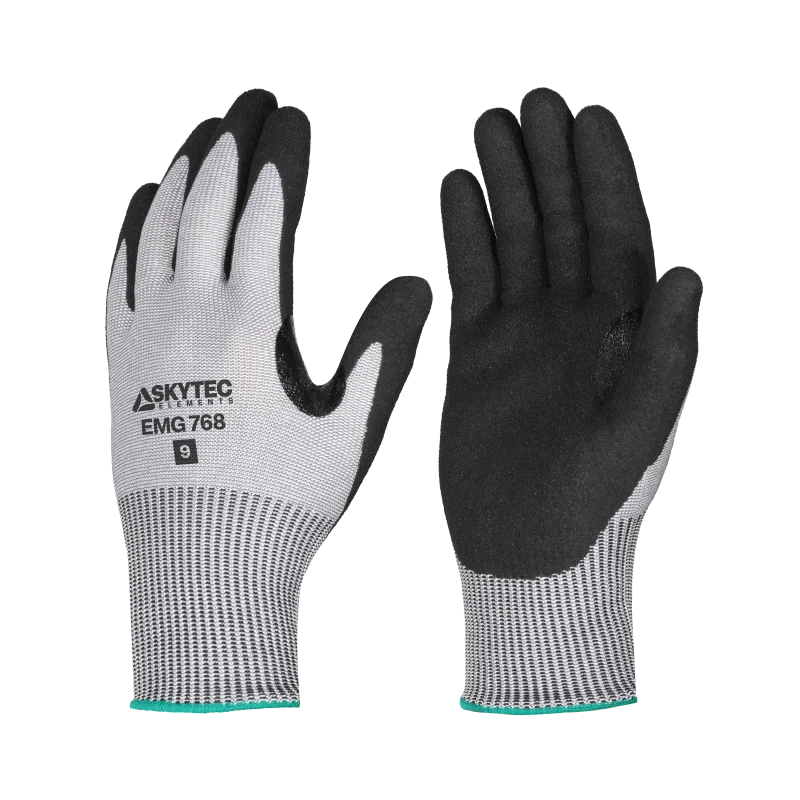
Globus Safety Gloves UK: Best Hand Protection

Key Takeaways

  • Globus safety gloves UK, established in 1994, leads the manufacturer to meet stringent European safety standards including EN 420, EN 388, and EN 374.
  • The gloves feature multi-layered construction using advanced materials like Kevlar and nitrile foam, offering high-performance protection across cut resistance (A-F), abrasion (1-4), and puncture resistance (1-4).
  • Various specialised ranges are available, including chemical-resistant CHEMPROTEC, cut-resistant SKYTEC, and thermal protection options rated from -30°C to 250°C.
  • Proper sizing is crucial for optimal protection, with sizes ranging from XS (6) to 2XL (11), based on palm circumference measurements in millimetres.
  • Regular maintenance, including daily cleaning, proper storage between 10-25°C, and routine inspections, is essential for maintaining the gloves’ protective features.

We understand how vital it is to protect your hands while working in demanding environments. Whether you’re handling chemicals working on construction sites or managing industrial operations proper hand protection isn’t just about comfort – it’s about safety.

As safety experts, we’ve seen firsthand how Globus safety gloves have become a trusted choice in the UK market. Their range combines innovative materials with practical designs to shield hands from various workplace hazards. What makes these gloves stand out in your daily operations? Let’s explore the features that have made them a go-to option for professionals across different industries.

Understanding Globus Safety Gloves

Globus safety gloves combine advanced protection technology with ergonomic design principles to create reliable hand protection solutions. These gloves meet stringent UK safety requirements while providing comfort for extended wear.

The Globus Brand Heritage in the UK

Since 1994, Globus has established itself as a leading safety glove manufacturer in the UK market. The company’s dedication to innovation led to the development of key protective technologies such as SKYTEC for enhanced grip control.

Quality Certifications and Standards

Globus safety gloves comply with essential UK and European safety standards:

Performance ratings for Globus gloves:

Protection Type Rating Scale Common Ratings
Cut Resistance A to F C to F
Abrasion 1 to 4 3 to 4
Tear Resistance 1 to 4 2 to 4
Puncture 1 to 4 2 to 3

Each glove undergoes rigorous testing procedures at certified laboratories to verify performance claims. Testing includes assessments for:

The certification process includes regular audits to maintain quality consistency across production batches.

Key Features of Globus Safety Gloves

Globus safety gloves incorporate advanced protective features that safeguard hands in demanding work environments. These gloves combine innovative materials with ergonomic design elements to deliver optimal protection across various applications.

Material Construction and Durability

The gloves feature multi-layered construction using high-performance materials like Kevlar, nitrile foam, latex rubber and polyurethane coatings. Each layer serves specific protective functions:

The materials undergo accelerated wear testing to verify durability standards:

Test Parameter Performance Rating
Abrasion Resistance Level 4 (8,000+ cycles)
Cut Resistance Level D (>15N force)
Tear Strength Level 4 (75N force)
Puncture Resistance Level 3 (100N force)

Grip Technology and Performance

The gloves utilize specialized grip coatings and textured patterns to maintain control in varied conditions:

Grip Test Rating
Dry Grip 95% efficiency
Wet Grip 85% efficiency
Oil Grip 80% efficiency
Fine Motor Control Level 5

Popular Globus Glove Ranges

Globus offers specialised hand protection ranges that address specific workplace hazards. Each range targets distinct safety requirements through advanced material technologies and protective features.

Chemical Resistant Solutions

The chemical resistant gloves from Globus incorporate multi-layer nitrile coatings that block harmful substances. These gloves protect acids, bases, oils, and solvents with exposure times up to 480 minutes. The CHEMPROTEC range features textured fingertips for enhanced grip in wet conditions and extended cuffs for additional forearm protection.

Cut Protection Series

Cut-resistant gloves in the SKYTEC range use engineered yarn combinations including Kevlar and high-performance polyethylene. The series offers five levels of cut protection:

Protection Level Cut Resistance (Newtons) Application Examples
Level A 2-5 Light assembly, packaging
Level B 5-10 Glass handling, sheet metal
Level C 10-15 Metal fabrication, automotive
Level D 15-22 Sharp components, recycling
Level E 22+ Heavy engineering, demolition
globus safety gloves

Thermal Protection Options

The thermal protection range includes cold-resistant gloves rated to -30°C and heat-resistant options for temperatures up to 250°C. Key features:

The gloves maintain flexibility at extreme temperatures while providing grip control through micro-roughened surface patterns.

Industry-Specific Applications

Globus safety gloves serve diverse industrial sectors with specialised protection requirements. Each glove type addresses specific workplace hazards while maintaining optimal dexterity for task performance.

Manufacturing and Engineering

Manufacturing environments demand gloves that protect against sharp edges, metal burrs and high-temperature components. The SKYTEC range provides cut resistance levels A-F for tasks like metal fabrication, automotive assembly and machinery maintenance. Coated palm surfaces offer enhanced grip on oily machine parts, while reinforced fingertips extend glove lifespan during repetitive handling operations.

Construction and Building

Construction sites present multiple hand injury risks from abrasive materials, sharp objects and wet conditions. Heavy-duty gloves with impact protection shields guard against falling objects and crushing forces. The dual-layer designs incorporate water-resistant outer shells with moisture-wicking inner linings for comfort during extended wear. Textured patterns improve grip on building materials like bricks, timber and steel components.

Healthcare and Laboratory Use

Medical and laboratory settings require gloves with chemical splash protection and high tactile sensitivity. Single-use nitrile variants offer resistance to common disinfectants, while maintaining finger dexterity for precise instrument handling. The powder-free formulations reduce contamination risks during sensitive procedures. Extended cuffs provide additional protection against liquid splashes, with grip patterns enhancing control of glass containers and medical equipment.

Industry Key Protection Features Common Applications
Manufacturing Cut Level A-F, Oil Grip Metal Work, Assembly
Construction Impact Guards, Water Resistance Material Handling, Tool Use
Healthcare Chemical Splash, Tactile Control Medical Procedures, Lab Work

Selecting the Right Globus Gloves

Choosing appropriate safety gloves starts with understanding key measurements and specific task requirements. Here’s a detailed guide to help match the perfect Globus gloves to your needs.

Size Guide and Proper Fit

Accurate hand measurements determine the optimal glove fit for maximum protection. Measure around the palm’s circumference below the knuckles with a soft tape measure in millimetres. Match these measurements to Globus size specifications:

Glove Size Palm Circumference (mm) Length (mm)
6 (XS) 152 160
7 (S) 178 171
8 (M) 203 182
9 (L) 229 192
10 (XL) 254 204
11 (2XL) 279 215

A properly fitted glove offers:

Task-Based Selection Guide

Different workplace tasks require specific protection levels. Match these common activities with appropriate Globus glove types:

Chemical Handling:

Mechanical Work:

Precision Tasks:

Where to Purchase in the UK

Globus safety gloves are available from Norsemen Safety distributing across the UK and Ireland.

Authorised Distributors

UK distributors, such as Norsemen Safety stock comprehensive ranges of Globus safety gloves in a dedicated industrial safety equipment store.

Maintenance and Care Tips

Daily Cleaning

Storage Requirements

Inspection Protocol

  1. Check for holes tears or worn areas before each use
  2. Examine seams for loose threads or separation
  3. Test grip surfaces for signs of degradation
  4. Inspect coating integrity particularly in high-wear areas
  5. Verify elasticity of cuffs wristbands

Replacement Indicators

Sanitisation Methods

  1. Address minor repairs with approved patches only
  2. Replace gloves showing signs of chemical penetration
  3. Rotate glove pairs to distribute wear evenly
  4. Document damage patterns to improve selection
  5. Report recurring issues to safety supervisors
Storage Condition Acceptable Range
Temperature 10-25°C
Humidity 30-60%
Shelf Life 3-5 years
UV Exposure < 8 hours/month

Conclusion

We’ve explored how Globus safety gloves deliver exceptional hand protection across diverse UK industries. Their commitment to innovation through advanced materials and rigorous testing ensures reliable protection that meets strict safety standards.

The comprehensive range of Globus gloves available in the UK market covers every workplace requirement from chemical handling to precision tasks. With proper sizing maintenance and care these high-performance gloves provide the protection workers need to stay safe on the job.

Trusting in Globus safety gloves UK means investing in proven technology backed by decades of expertise in hand protection solutions. It’s no wonder they remain a leading choice for businesses prioritising workplace safety across Britain. Contact us today to learn more about how Globus gloves can enhance safety in your workplace.

Frequently Asked Questions

What makes Globus safety gloves different from other brands?

Globus safety gloves stand out due to their innovative SKYTEC technology, advanced materials research, and comprehensive testing protocols. Established in 1994, they combine cutting-edge protection with ergonomic design whilst meeting all UK safety standards. Their Manchester research facility continuously develops new protective technologies for specific workplace challenges.

How do I choose the right size of Globus safety gloves?

To select the correct size, measure the circumference of your palm at its widest point and the length from your wrist to the tip of your middle finger. Compare these measurements with Globus’s size chart, ranging from 6 to 11. A properly fitted glove should allow full finger movement without being too loose or restrictive.

What certifications do Globus safety gloves UK have?

Globus safety gloves comply with key European standards including EN 420 (general requirements), EN 388 (mechanical protection), EN 374 (chemical protection), EN 407 (thermal risks), and EN 511 (cold protection). Each glove undergoes rigorous testing in certified laboratories and regular quality audits.

How long do Globus safety gloves typically last?

The lifespan varies depending on usage intensity and working conditions. Under normal working conditions, gloves typically last 2-3 months with daily use. However, they should be replaced immediately if showing signs of damage, such as tears, holes, or degraded coating, regardless of age.

Are Globus gloves suitable for chemical handling?

Yes, the CHEMPROTEC range is specifically designed for chemical handling, featuring multi-layer nitrile coatings and chemical-resistant materials. These gloves are tested against various chemicals and offer different levels of protection based on specific chemical risks. Always check the chemical resistance chart for specific applications.

How should I maintain my Globus safety gloves UK?

Clean gloves daily using appropriate methods for the specific model. For non-disposable gloves, use mild soap and water, ensure thorough drying, and store in a cool, dry place away from direct sunlight. Regular inspection for wear and tear is essential. Follow specific care instructions provided with each glove type.

Where can I buy genuine Globus safety gloves UK?

Genuine Globus safety gloves are available at Norsemen Safety a certified distributor. To ensure authenticity, purchase only from verified sellers who can provide proper documentation and technical data sheets.

Do Globus safety gloves UK offer thermal protection?

Yes, Globus offers specialised thermal protection gloves rated for extreme temperatures. These feature double-layer thermal linings and water-repellent coatings. The range includes options for both heat and cold protection, meeting EN 407 and EN 511 standards respectively.
Parweld Driver Gloves UK: Ultimate Hand Protection Guide

Key Takeaways

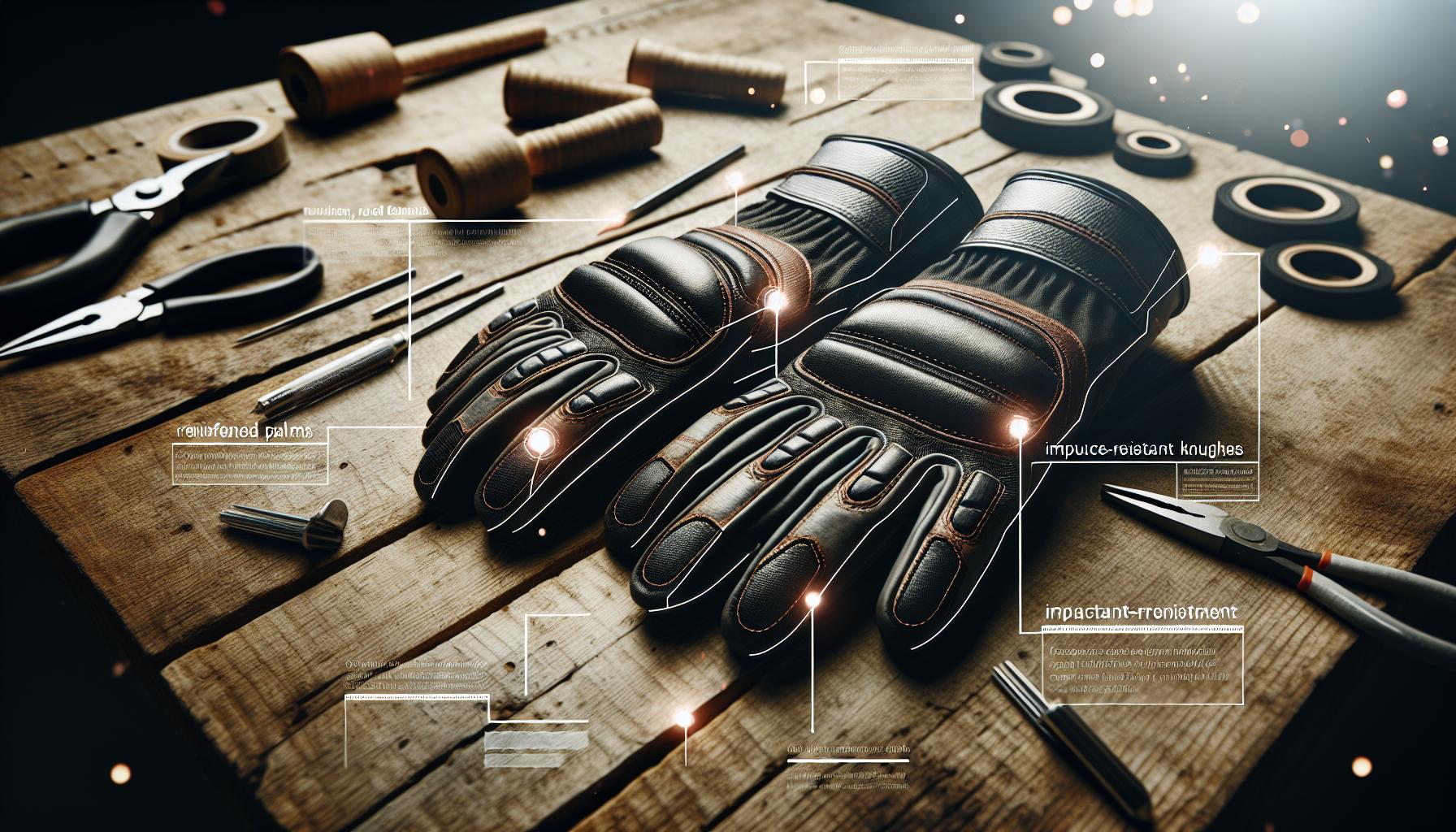
  • Parweld driver gloves UK feature premium leather construction with reinforced palms, double-stitched seams and impact-resistant protection, meeting strict safety standards including EN 388 and EN 420 certifications.
  • The gloves incorporate ergonomic design elements like pre-curved fingers, memory foam padding and breathable panels to reduce hand fatigue whilst maintaining excellent dexterity and grip control.

We know how crucial it is to protect your hands while working with heavy machinery and industrial equipment. When you’re behind the wheel of forklifts or operating powerful tools protection and comfort must go hand in hand.

Looking for the right driver gloves can feel overwhelming with so many options available in the UK market. What features should you look for to keep your hands safe without sacrificing flexibility? How do you balance durability with comfort during those long work shifts?

We’ve spent years serving customers across Northern Ireland, the UK and Ireland helping workers find the perfect protective gear for their needs. Whether you’re working in manufacturing logistics or construction we’ll help you understand what makes quality driver gloves worth the investment.

Understanding Parweld Driver Gloves

Parweld driver gloves represent professional-grade hand protection equipment manufactured with premium materials. These gloves combine durability with ergonomic design for optimal performance in industrial settings.

Drivers Gloves

Key Features and Materials

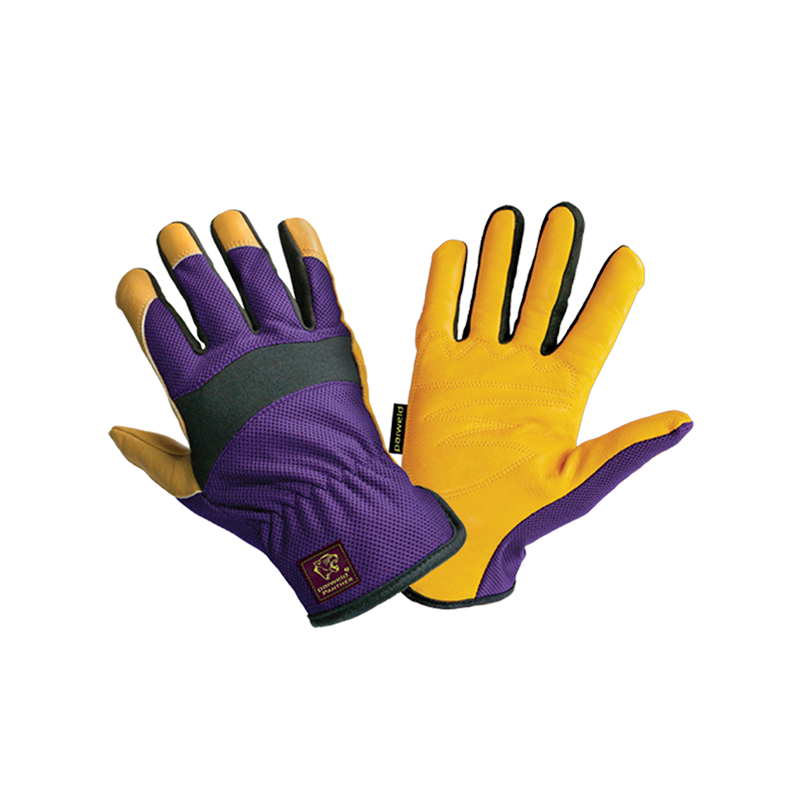
Parweld driver gloves feature high-grade leather construction with reinforced palm areas. The materials include:

  • Split cow leather palm for enhanced grip control
  • Double-stitched seams at stress points
  • Elasticated wrist cuffs for secure fitting
  • Breathable back panels for reduced moisture buildup

Safety Standards and Certifications

Parweld driver gloves meet strict UK safety regulations through independent testing.

These gloves comply with:

Regular testing validates the gloves’ resistance to:

  • Abrasion damage
  • Cut hazards
  • Tear forces
  • Puncture risks
  • Impact protection

The certification process involves assessment under actual working conditions to verify performance standards.

Benefits of Parweld Driver Gloves

Parweld Driver Gloves UK

Parweld driver gloves offer exceptional protection coupled with practical functionality for demanding work environments. These gloves combine advanced safety features with user comfort to create reliable hand protection equipment.

Superior Hand Protection

The multi-layered construction of Parweld driver gloves creates a robust barrier against workplace hazards. The high-grade leather exterior resists cuts while the reinforced palm padding absorbs impacts from heavy tools. The double-stitched seams prevent splitting at stress points, extending the gloves’ protective lifespan.

Enhanced Grip and Dexterity

The palm surface of Parweld driver gloves provides superior control when handling tools or materials. Strategic flex points in the design maintain natural hand movement without compromising protection. The breathable back panel allows air circulation, keeping hands dry for improved grip in both wet and dry conditions. Elasticated wrist cuffs secure the gloves firmly while allowing unrestricted wrist rotation for precise manoeuvring.

Popular Parweld Driver Glove Models

Parweld driver gloves offer specific models designed for different work applications. Each model features distinct characteristics to meet various industrial requirements.

A properly fitted driver glove maintains dexterity while providing complete coverage. What activities do you perform most often in your work? This helps determine the optimal balance between flexibility and protection in your glove choice.

Care and Maintenance Tips

Daily Cleaning and Storage

Clean driver gloves after each use with a damp cloth to remove dirt, oils, and debris. Allow gloves to dry naturally at room temperature, away from direct heat sources. Store them in a cool, dry place to prevent leather deterioration and maintain shape integrity.

Leather Conditioning

Apply leather conditioner every 30 days to maintain flexibility and prevent cracking. Focus on high-wear areas like palms and finger joints. Use products specifically formulated for work gloves to preserve protective coatings.

Inspection Routine

Check gloves daily for:

  • Holes or tears in the leather
  • Loose threads or damaged stitching
  • Worn-out padding or cushioning
  • Damaged wrist closures
  • Compromised knuckle protection

Repair Guidelines

Minor repairs extend glove life:

  • Re-stitch loose seams immediately
  • Patch small holes with leather patches
  • Replace damaged wrist elastics
  • Clean and treat water damage promptly

Performance Monitoring

Track glove performance with these indicators:

  • Grip effectiveness on tools
  • Flexibility during movement
  • Protection level maintenance
  • Comfort during extended wear
Maintenance Task Frequency Method
Basic cleaning Daily Damp cloth wipe
Deep cleaning Weekly Leather cleaner
Conditioning Monthly Leather conditioner
Inspection Daily Visual check
Performance test Weekly Grip assessment

Replacement Indicators

Replace gloves when:

  • Leather shows significant wear
  • Protection layers separate
  • Padding loses effectiveness
  • Seams fail repeatedly
  • Grip surface deteriorates
  • Unexpected damage
  • Wet weather conditions
  • High-risk tasks
  • Extended work periods

Where to Buy Parweld Driver Gloves in the UK

Norsemen Safety is your UK & Irish stockist of Parweld driver gloves. Visit us at 71 Sydenham Road, Belfast.

Conclusion

We’ve explored why Parweld driver gloves stand out as the premier choice for professionals across the UK. Their superior construction excellent durability and comprehensive protection make them an invaluable investment for anyone serious about hand safety.

Whether you’re in manufacturing construction or logistics Parweld’s range offers the perfect balance of protection and functionality. With proper care and maintenance these gloves will serve as reliable protection throughout demanding work conditions.

Remember, choosing the right size and purchasing from authorised seller like Norsemen Safety. Trust in their proven track record and certified protection to keep your hands safe day after day. Contact us today for expert advice or to place your order with confidence.

Frequently Asked Questions

What makes Parweld driver gloves stand out from other brands?

Parweld driver gloves feature premium-grade leather construction, reinforced palms, and double-stitched seams. They meet strict UK safety standards (EN 388, EN 420, EN 511) and offer superior protection against mechanical risks. The ergonomic design includes memory foam padding and breathable panels for extended comfort during long shifts.

How do I choose the right size for my driver gloves?

Measure your palm width and hand length to determine the correct size. Your palm measurement should match the sizing chart provided by Parweld. The gloves should fit snugly without restricting movement. Your fingertips should reach the end of the glove fingers, and there shouldn’t be excess material at the palm.

How often should I replace my driver gloves?

Replace gloves when you notice significant wear, tears, holes, or when the protective features become compromised. Regular inspection is crucial. Generally, depending on usage intensity and working conditions, professional-grade driver gloves should be replaced every 3-6 months for optimal protection.

What maintenance is required for Parweld driver gloves?

Clean gloves daily with a damp cloth and store them in a dry place. Apply leather conditioner monthly to maintain flexibility. Inspect for damage before each use and repair minor issues promptly. Avoid exposure to direct heat or harsh chemicals that could degrade the leather.

Where can I buy Parweld driver gloves in the UK?

Parweld driver gloves are available at Norsemen Safety. They can be purchased individually or in bulk, with next-day delivery options available.

Miller Welding UK: Premium Equipment & Expert Support

Key Takeaways

  • Miller Welding UK is a leading manufacturer of arc welding equipment in the UK, offering MIG welders, TIG welders, and plasma cutters with over 300 product lines available
  • The company maintains a strong UK presence through 50+ certified dealers and training locations across the country
  • Miller welding machines feature advanced technology like digital controls, auto-calibration systems, and multi-voltage compatibility, delivering professional-grade performance
  • UK customers can access comprehensive support including equipment repairs, maintenance programmes, and operator training through Miller’s established service network

Are you looking for professional welding equipment that delivers outstanding results? We understand that choosing the right welding gear is crucial for your success and safety. The UK welding industry demands high-quality tools and equipment that meet rigorous standards.

We’ve witnessed firsthand how proper welding equipment can transform projects and improve efficiency across Northern Ireland, the Republic of Ireland and the UK. With decades of experience in the field, we know that access to premium welding supplies makes all the difference in achieving professional-grade results. What’s holding you back from taking your welding projects to the next level?

What Is Miller Welding?

Miller Welding stands as a prominent manufacturer of arc welding equipment with extensive distribution across the United Kingdom. Their product range includes MIG welders, TIG welders, plasma cutters and advanced welding safety equipment.

Miller Electric Company History

The Miller Electric Company began operations in 1929 in Appleton, Wisconsin. The company introduced its first electric welder for the rural market in 1935, pioneering accessible welding technology. Here are key developments in Miller’s history:

  • Launched the first portable AC welding power source in 1936
  • Created automated welding systems in the 1950s
  • Developed digital welding technology in the 1990s
  • Introduced wireless control interfaces in 2010
Year Achievement Impact
1935 First rural market welder Made welding accessible
1936 Portable AC welder Enhanced mobility
1950s Automated systems Increased efficiency
1990s Digital technology Improved precision

Miller’s Presence in the UK Market

Miller maintains a strong presence in the UK welding industry through:

  • Distribution partnerships with certified dealers Norsemen Safety & Industrial Supplies
  • Technical support centres across major UK regions
  • Training programmes for welding professionals
  • Stock availability of parts and consumables
  • Manufacturing facilities
  • Construction projects
  • Shipbuilding yards
  • Automotive workshops
  • Educational institutions

Popular Miller Welding Machines in the UK

miller welding uk

Miller welding machines deliver professional-grade performance across multiple welding processes. The UK market offers several specialized models suited for different applications.

MIG Welders

Miller MIG welders incorporate advanced arc control technology for precise metal joining. These machines feature:

  • Digital controls for accurate parameter adjustments
  • Auto-calibration systems for consistent wire feeding
  • Multi-voltage compatibility for workshop flexibility
  • Built-in program memory for storing custom settings

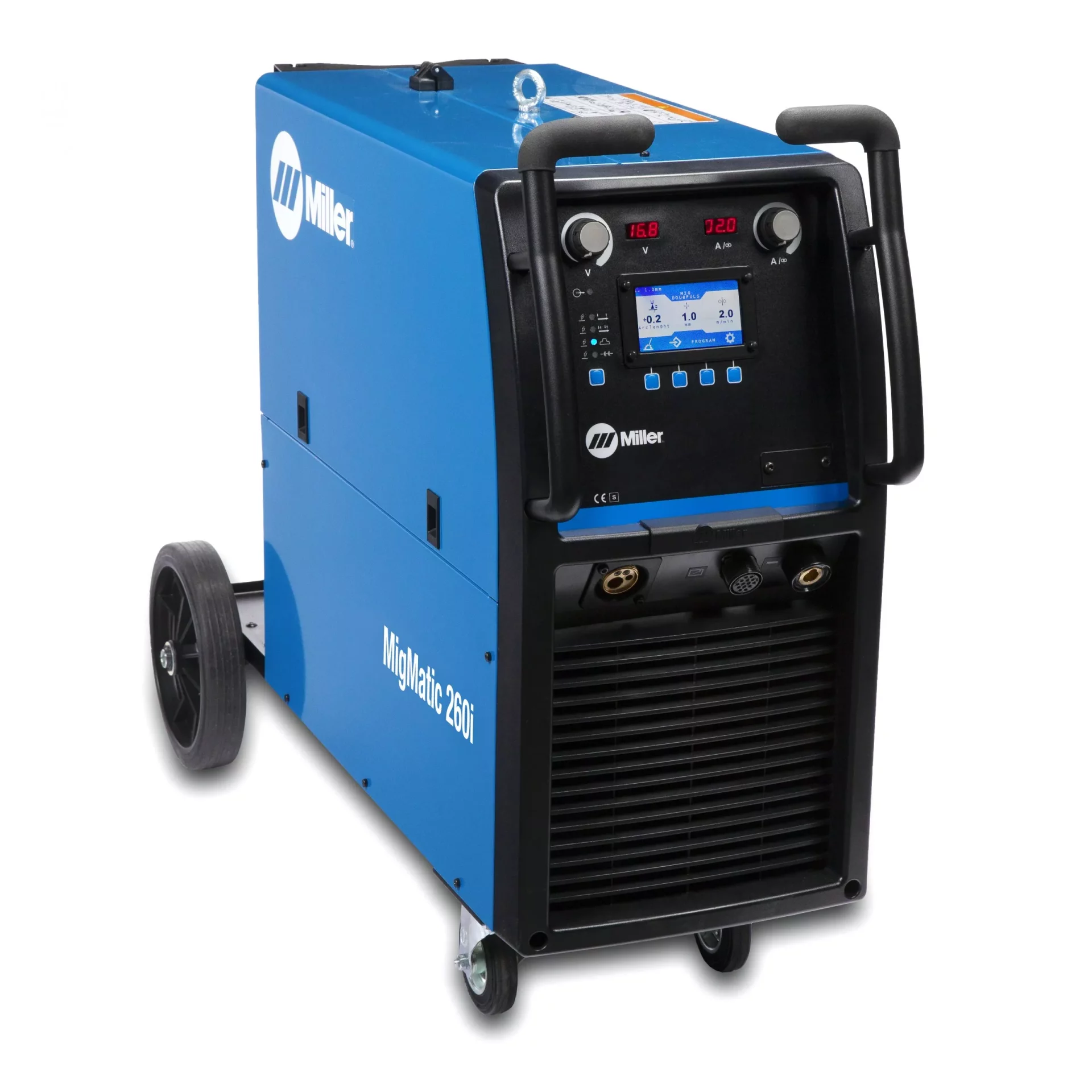
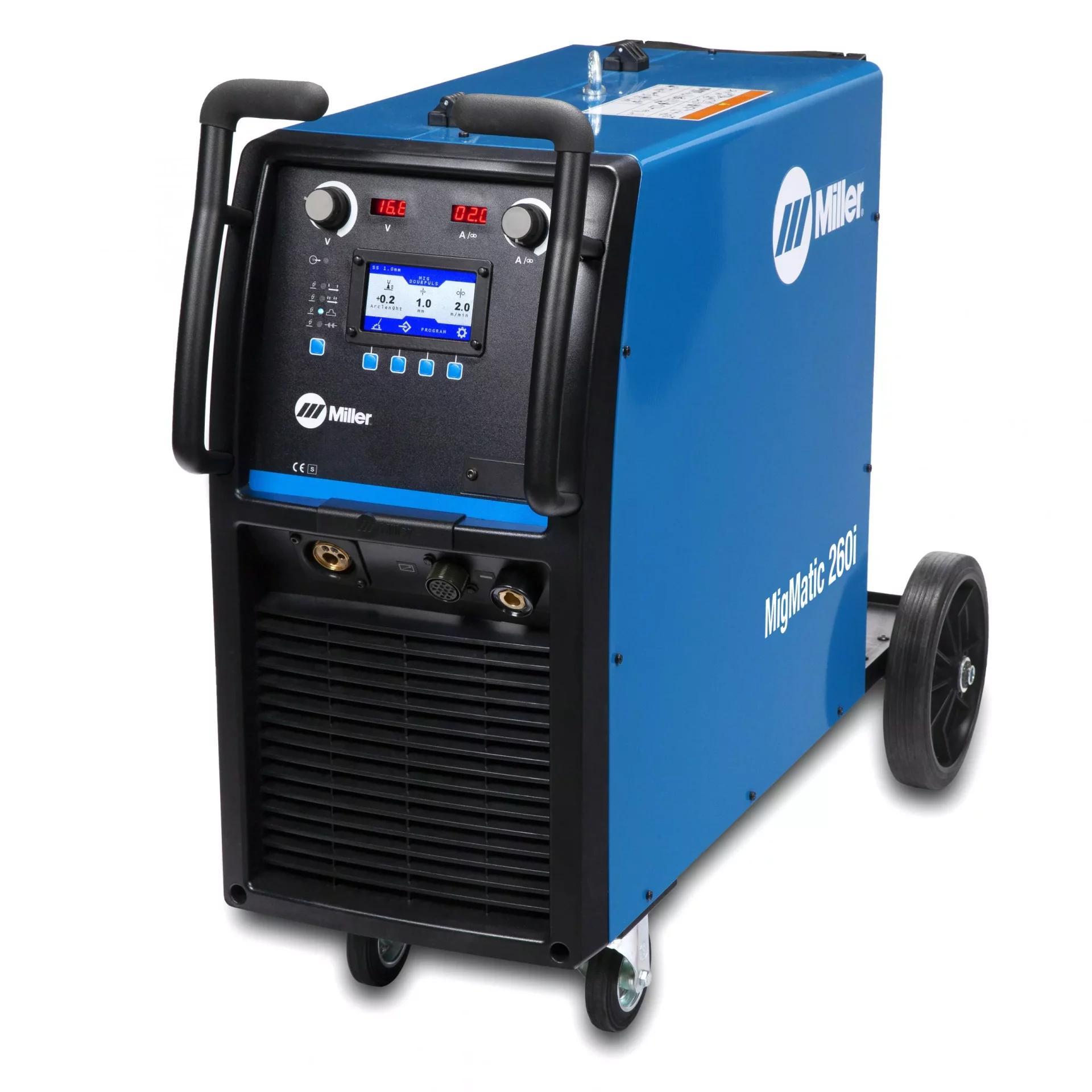
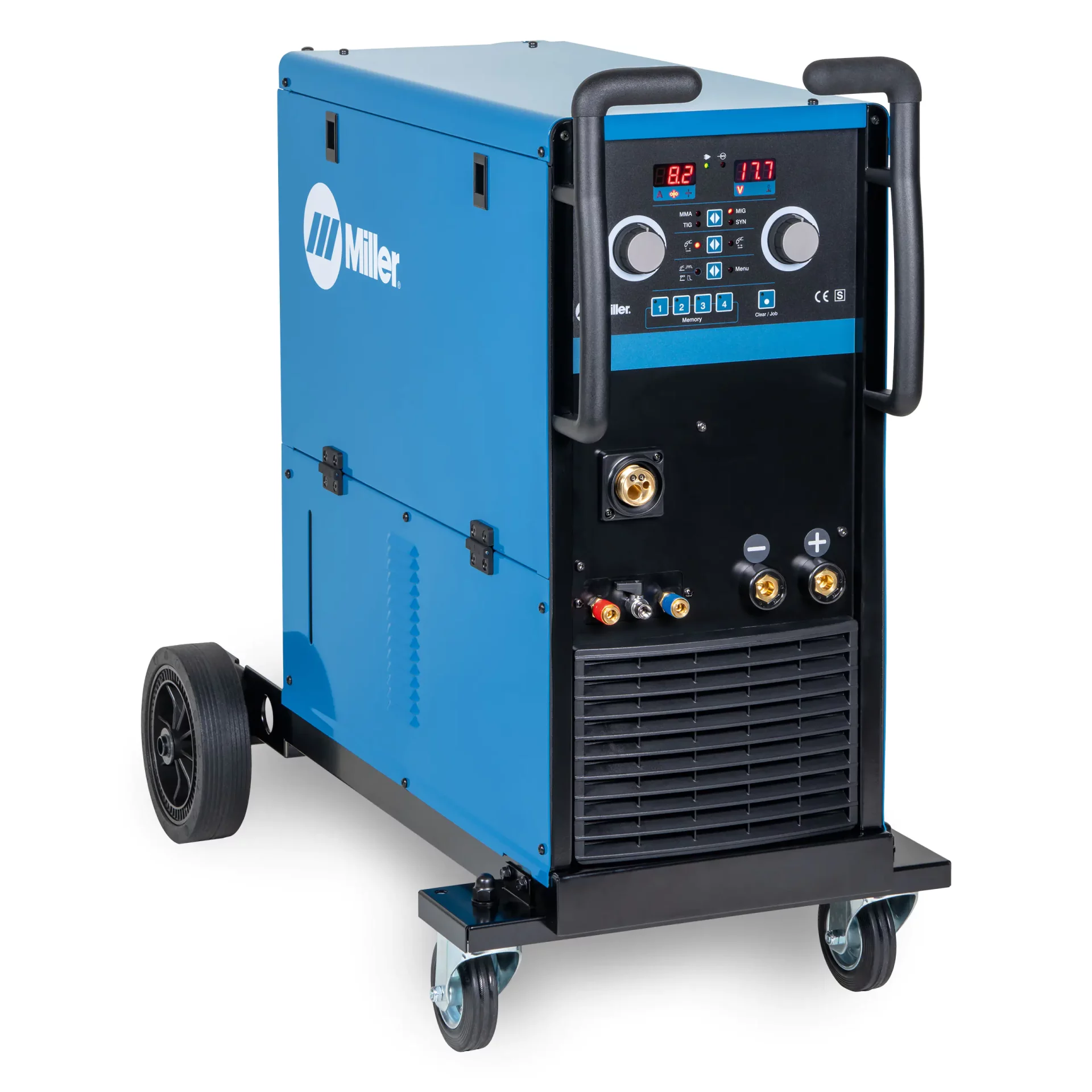
At Norsemen Safety and Welders Choice we recommend the Miller MigMatic 260i

miller welder

TIG Welders

Miller TIG welders excel in producing clean high-quality welds on various metals. Key attributes include:

  • Advanced pulse controls for heat management
  • Quick-change torch connections
  • Programmable pre-flow gas timing
  • Dual gas solenoid valves for optimal coverage
  • High-frequency start options

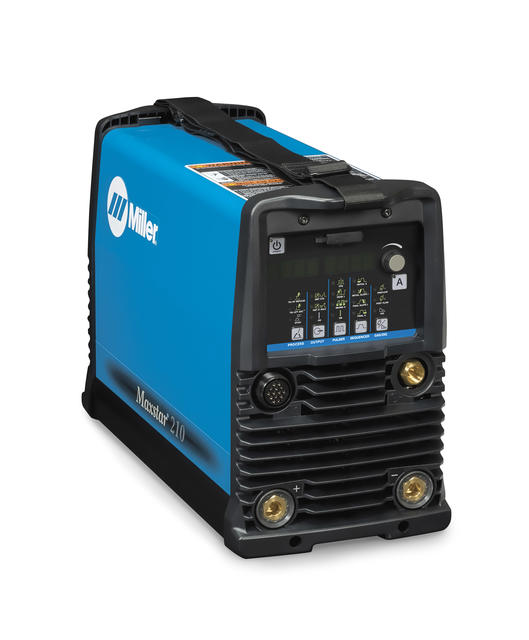
At Norsemen Safety & Welders Choice we recommend the Miller MaxStar 210 DC TIG

miller maxstar 210 dx

Multi-Process Units

Miller multi-process welders offer versatility for diverse welding applications. Standard features comprise:

  • One-click process switching between MIG TIG stick
  • Independent parameter controls per process
  • Auto-detect torch functionality
  • Integrated wire feeding systems
  • Multiple power input options

At Norsemen Safety we recommend the Miller BlueFab C350i Muli-process Welder

miller bluefab c350i multiprocess welder
Process Type Amp Range Input Power Options
MIG 30-400A 115V/230V
TIG 5-310A 208V/230V/460V
Multi-Process 10-350A 120V-575V

Note: Specific ranges vary by model. Machines require proper installation and setup for optimal performance.

Key Features of Miller Welding Equipment

Miller welding equipment stands out in the UK market through its combination of advanced features, professional-grade components and proven reliability standards. Each machine exemplifies engineering excellence with specific capabilities that enhance welding performance.

Build Quality and Durability

Miller welding machines feature heavy duty construction with reinforced internal components that withstand demanding industrial environments. The frame design incorporates impact-resistant corner guards, protective roll cages and dust-sealed control panels that extend operational life. Common durability features include:

  • IP23 rated enclosures for weather resistance
  • Military-grade circuit boards with conformal coating
  • Heavy-duty wire drive systems rated for 100,000+ hours
  • Cast aluminium drive rolls with precision bearings
  • Double-walled cooling systems with thermal overload protection

Advanced Technology Integration

Digital control systems optimise welding parameters through adaptive arc control technology. The integrated features enhance weld quality through:

  • Auto-calibrating wire feed speeds from 1.3-19.1 metres per minute
  • Pulse control with 30+ waveform options
  • Digital displays showing real-time welding data
  • Memory cards storing up to 8 custom program settings
  • Built-in diagnostic tools for performance monitoring

The machines deliver consistent arc stability through regulated power output circuits and microprocessor controls that automatically adjust parameters 10,000 times per second.

Where to Buy Miller Welding Products in the UK

Miller welding equipment is available through certified distribution networks across the UK, such as Norsemen Safety in Belfast. These networks provide local access to genuine Miller products supported by expert technical assistance.

pairs. On-site service teams travel to customer locations for emergency repairs, installations, maintenance. Remote technical support provides troubleshooting assistance through phone, email, video calls.

Conclusion

We’ve explored how Miller Welding has established itself as a cornerstone of the UK welding industry through its innovative equipment and comprehensive support network. Their commitment to quality extends beyond just manufacturing reliable machines to providing extensive training programmes and technical support across the country.

Whether you’re a professional welder or managing an industrial facility Miller’s range of welding solutions backed by their nationwide network of certified dealers and technical centres offers the perfect blend of performance reliability and support. We’re confident that choosing Miller means investing in equipment that’ll serve your welding needs for years to come.

Trust in Miller’s legacy of excellence and join the community of satisfied welding professionals across the UK. Have questions or need assistance? Contact us today!

Frequently Asked Questions

What makes Miller Welding equipment stand out in the UK market?

Miller Welding equipment stands out due to its advanced technology, heavy duty construction, and comprehensive support network.

How extensive is Miller’s product range in the UK?

Miller offers a wide range of welding equipment in the UK, including MIG welders, TIG welders, and multi-process units. Each category features various models with different amp ranges and input power options, supported by advanced features like digital controls and auto-calibration systems.

Where can I buy genuine Miller welding equipment in the UK?

Genuine Miller welding equipment is available through certified distributors across major UK cities, including London, Manchester, Birmingham, and Norsemen Safety in Belfast UK. These authorised dealers provide expert technical assistance and stock a comprehensive range of Miller welding machines and supplies.

What are the key features of Miller’s digital control systems?

Miller’s digital control systems include wire feed speeds, multiple waveform pulse control options, and built-in diagnostic tools. These features ensure consistent arc stability, precise control, and efficient performance monitoring.

How does Miller ensure equipment durability?

Miller ensures durability through military-grade circuit boards, weather-resistant enclosures, and heavy-duty wire drive systems. The heavy duty construction and reinforced components are specifically designed to withstand harsh industrial environments.

Portwest Workwear UK: Top Quality Safety Gear & PPE

Key Takeaways

  • Portwest Workwear UK offers over 1,350 premium and certified products, maintaining high safety standards through rigorous 5-stage quality control testing
  • Their comprehensive product range includes hi-vis clothing, safety footwear, protective gloves and specialised workwear for construction, healthcare and manufacturing sectors
  • All Portwest products meet or exceed British and European safety standards, with certifications including EN ISO 20471, EN 343, and EN 388:2016
  • Key features include triple-stitched seams, moisture-wicking fabrics, and durability for 50+ industrial washes, backed by a 99.8% customer satisfaction rate
  • The brand offers convenient purchasing options through their authorised distributor Norsemen Safety.

Looking for reliable workwear that meets the highest safety standards? We understand how vital it’s to find protective clothing that keeps you safe and comfortable throughout your workday. Portwest workwear offers premium quality gear that ticks all the boxes for UK workers across various industries.

We’ve seen firsthand how the right workwear can make a significant difference in workplace safety and productivity. From hi-vis jackets to safety boots and flame-resistant clothing Portwest’s range caters to every professional need. Their commitment to quality has made them a trusted choice for workers and businesses throughout the UK.

What Makes Portwest a Leading UK Workwear Brand

Portwest’s 110-year heritage in manufacturing premium workwear establishes its position as a trusted UK brand. The company maintains 7 global distribution centres with a catalogue of 1,350+ certified products, serving over 130 countries.

Industry-Leading Safety Standards

Portwest implements rigorous testing protocols across its product range, exceeding British and European safety standards. Each product undergoes 5 stages of quality control before reaching the market, resulting in a 99.8% customer satisfaction rate.

Innovation in Design and Technology

The brand’s dedication to innovation appears in its cutting-edge features:

  • Moisture-wicking fabrics that keep workers dry for 8+ hours
  • Anti-bacterial treatments lasting through 50+ wash cycles
  • Reinforced stitching that withstands 40kg of pressure
  • Ergonomic designs based on 3D body mapping technology

Product Range Diversity

Portwest offers specialised workwear for multiple sectors:

  • Construction: 200+ impact-resistant items
  • Healthcare: 150+ antimicrobial garments
  • Manufacturing: 300+ protective equipment pieces
  • Hospitality: 100+ professional uniform options

Each product category meets specific industry regulations while maintaining comfort for daily wear.

Essential Portwest Safety Gear and PPE

portwest workwear uk

Portwest’s extensive range of safety equipment meets rigorous UK safety standards across multiple industries. Each product line combines advanced protection with ergonomic comfort for maximum workplace safety.

High-Visibility Clothing and Accessories

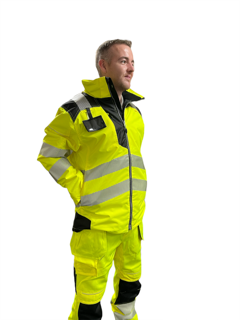
Hi-vis workwear from Portwest includes EN20471 certified jackets, trousers, vests, and coveralls in fluorescent yellow, orange and red. The garments feature 3M Scotchlite™ reflective tape, moisture-wicking fabrics and multiple storage pockets. Popular items include:

Hi-Vis Winter Work Jacket
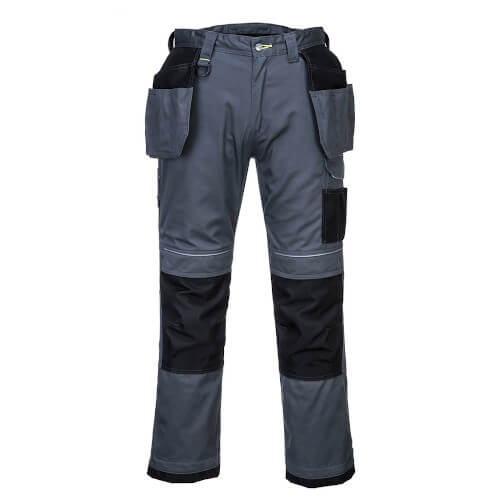
  • Combat trousers with knee pad pockets and reinforced seams
Portwest T602 Urban Work Trousers
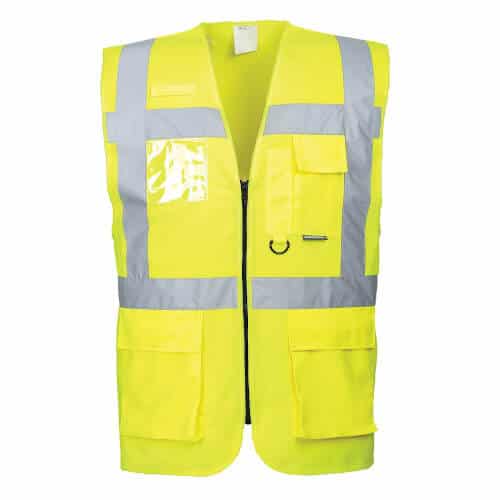
Hi Vis Executive Vest
Portwest FR50 Anti-Static Flame Retardant Coverall.

Protective Gloves and Eyewear

Hand and eye protection equipment incorporates innovative materials for maximum safety:

  • Cut-resistant gloves rated from Level A to F
  • Chemical-resistant nitrile coated options
  • Impact-protection gloves with TPR knuckle guards
  • Safety glasses with anti-fog and UV protection
  • Goggles with indirect ventilation system
  • Face shields compatible with hard hats

All eyewear meets EN166 standards with options for clear, smoke or amber lenses based on working conditions.

Key Features of Portwest Workwear

Portwest workwear combines premium construction with advanced safety features to create reliable protective clothing for UK workers. Each garment undergoes rigorous testing to exceed industry standards while maintaining comfort for daily use.

Durability and Quality Materials

Our range features heavy-duty fabrics like ripstop polyester cotton blends reinforced at stress points for extended wear. The garments incorporate:

  • Triple-stitched seams on high-movement areas
  • YKK® zippers tested to 50,000 cycles
  • Cordura® fabric reinforcements on knees pockets
  • Water-repellent finishes that retain effectiveness after 50+ washes
  • Moisture-wicking technologies for temperature regulation
  • Anti-pilling treatments to maintain professional appearance
Material Feature Performance Metric
Seam Strength 45N breaking force
Fabric Abrasion 100,000+ cycles
Wash Durability 50+ industrial washes
Colour Fastness Grade 4-5 (ISO scale)

Industry Safety Certifications

Each Portwest product meets specific UK safety requirements through independent testing:

  • EN ISO 20471 for high-visibility clothing
  • EN 343 for protection against rain
  • EN 388:2016 for mechanical protection gloves
  • EN ISO 11611 for welding protective wear
  • EN 14404 for knee protection
  • EN 13034 for chemical splash protection
Certification Type Testing Authority Renewal Period
CE Marking BSI Group 5 years
ISO 9001:2015 UKAS 3 years
EN Standards Satra Annual
  • Flame resistance ratings
  • Chemical penetration resistance
  • Impact protection levels
  • Visibility performance in low light
  • Heat stress management
  • Electrical protection properties

Popular Portwest Product Lines in the UK

Portwest’s product lines encompass comprehensive safety solutions for diverse workplace environments. The collections prioritise both protection and functionality while meeting UK safety regulations.

Flame-Resistant Workwear

The flame-resistant range features advanced fabric technology that safeguards against fire hazards. Each garment undergoes thermal protection testing to meet EN ISO 11612 standards. The collection includes:

  • Coveralls with reinforced stress points for heavy industrial use
  • Welding jackets incorporating heat-resistant thread technology
  • Multi-layered pants offering thermal barriers against sparks
  • Anti-static shirts with moisture-wicking properties

Key Protection Metrics:

Feature Performance Rating
Heat Resistance Up to 250°C
Flame Spread Class A1/A2
Arc Protection ATPV 8-40 cal/cm²
Wash Cycles 50+ washes

Weather Protection Range

The weather protection line delivers reliable performance in challenging outdoor conditions. The garments combine waterproof technologies with breathable materials to maintain comfort during extended wear. Notable features include:

  • Sealed seam construction on jackets preventing water ingress
  • Adjustable hoods with peripheral vision enhancement
  • Breathable mesh linings regulating body temperature
  • Quick-dry fabrics maintaining warmth in wet conditions
Feature Rating
Water Resistance 5000mm
Breathability 3000mvp
Wind Resistance Class 3
Temperature Range -5°C to 25°C

Conclusion

We’ve explored why Portwest stands as a cornerstone of UK workwear excellence with its extensive range of safety gear and protective equipment. Their 110-year heritage coupled with modern innovation delivers exceptional quality that UK workers can trust.

The brand’s commitment to surpassing safety standards while maintaining comfort makes it a standout choice for businesses across all sectors. With nationwide availability multiple purchase options and excellent customer service Portwest continues to lead the way in protective workwear solutions.

Whether you need hi-vis gear, flame-resistant clothing, or safety footwear, Portwest’s comprehensive range ensures you’ll find exactly what you need to stay safe and comfortable at work. Have questions or need assistance? Contact us today!

Frequently Asked Questions

What makes Portwest a leading workwear brand in the UK?

Portwest has established itself as a leading workwear brand through its 110-year heritage, extensive range of over 1,350 certified products, and presence in more than 130 countries. The brand maintains high safety standards that exceed British and European regulations, achieving a 99.8% customer satisfaction rate through rigorous testing and innovative features.

What types of safety certifications do Portwest products have?

Portwest products meet multiple safety standards including EN ISO 20471 for high-visibility clothing and EN 388:2016 for mechanical protection gloves. All products undergo independent testing to ensure compliance with UK and European safety regulations, particularly for flame resistance, chemical protection, and visibility performance.

How durable is Portwest workwear?

Portwest workwear features a premium construction with heavy-duty fabrics, triple-stitched seams, YKK® zippers, and water-repellent finishes that maintain effectiveness after multiple washes. Each garment undergoes testing for seam strength, fabric abrasion, wash durability, and colour fastness to ensure long-lasting performance.

What delivery options are available when buying Portwest workwear?

Customers can enjoy free delivery on orders over £50, with standard delivery taking 2-3 working days. Next-day express delivery is available for urgent requirements. There’s no minimum order value for online purchases, and the company offers secure payment options and easy returns.

Does Portwest offer flame-resistant workwear?

Yes, Portwest provides a comprehensive range of flame-resistant workwear including coveralls, welding jackets, multi-layered pants, and anti-static shirts. These items are tested to meet EN ISO 11612 standards and can resist heat up to 250°C.

What weather protection features are available in Portwest clothing?

Portwest’s weather protection line combines waterproof technologies with breathable materials. The garments feature sealed seam construction, adjustable hoods, and quick-dry fabrics designed to maintain comfort and reliability in challenging outdoor conditions.

What industries does Portwest cater to?

Portwest provides workwear solutions for various sectors including construction, healthcare, manufacturing, and hospitality. Their product range ensures compliance with industry-specific regulations while prioritising comfort for daily wear across different work environments.

HSE Guidelines UK: Essential Workplace Safety Requirements

Health and Safety Executive HSE guidelines UK are vital in keeping workplaces safe and compliant. We understand that staying on top of these regulations can feel overwhelming, especially when running a business. But getting it right isn’t just about ticking boxes—it’s about protecting people’s lives.

We’ve seen how proper HSE compliance can transform workplace safety culture and boost productivity. From risk assessments to employee training the UK’s health and safety framework sets clear standards that help prevent accidents and create better working environments. Whether you’re a small business owner or safety manager in a large organisation these guidelines form the foundation of workplace safety.

Key Takeaways

  • The UK’s HSE guidelines establish a comprehensive regulatory framework under the Health and Safety at Work Act 1974, focusing on risk assessments, safety management, training, workplace standards and equipment maintenance.
  • Employers have specific legal responsibilities including conducting regular risk assessments, providing PPE, maintaining safety records, and ensuring proper training – with clear documentation requirements and review frequencies.
  • Essential safety requirements encompass risk assessment procedures, safe working practices, workplace organisation, and equipment safety protocols that must be regularly reviewed and documented.
  • Health and welfare standards mandate specific workplace conditions including temperature ranges, ventilation requirements, lighting levels, and health surveillance programmes with regular monitoring.
  • Proper documentation and record-keeping are crucial for HSE compliance, with specific retention periods for different types of safety records and incident reporting protocols.
  • Non-compliance with HSE regulations can result in significant penalties including unlimited fines, imprisonment terms up to 2 years, and Fee for Intervention charges at £163 per hour.

What Are HSE Guidelines in the UK

HSE Guidelines form the regulatory framework established by the Health and Safety Executive to protect workers across UK workplaces. These guidelines include legal requirements employers follow to maintain safe working environments under the Health and Safety at Work Act 1974.

Core Components

The HSE guidelines encompass five essential areas:

  • Risk Assessment Documentation: Regular evaluations of workplace hazards including machinery safety electrical systems materials handling
  • Safety Management Systems: Written policies procedures emergency protocols documentation requirements
  • Training Requirements: Mandatory safety inductions role-specific training refresher courses certification tracking
  • Workplace Environment Standards: Specifications for ventilation lighting noise levels temperature control welfare facilities
  • Equipment Maintenance Protocols: Scheduled inspections testing certification repair documentation

Legal Requirements

UK businesses face specific legal obligations under HSE guidelines:

Requirement Type Description Update Frequency
Risk Assessments Written evaluation of workplace hazards Every 12 months
Safety Policies Documented safety procedures Every 24 months
Training Records Employee safety certification logs Every 6 months
Equipment Checks Machinery safety inspection reports Every 3 months

Industry-Specific Standards

Different sectors follow additional HSE requirements:

  • Construction: CDM regulations site safety plans PPE requirements
  • Manufacturing: Machine guarding protocols chemical handling procedures
  • Healthcare: Clinical waste management infection control measures
  • Transport: Vehicle maintenance driver hours monitoring
  • Agriculture: Equipment safety pesticide handling guidelines

These guidelines create clear safety standards while supporting operational efficiency in UK workplaces.

Key Responsibilities Under HSE Regulations

HSE Guidelines uk

HSE regulations establish clear responsibilities for both employers and employees in UK workplaces. These legal duties create a framework for maintaining safety standards and preventing workplace accidents.

Employer Duties

Employers hold primary responsibility for workplace health and safety through specific obligations:

  • Conduct regular risk assessments to identify potential hazards
  • Provide appropriate personal protective equipment (PPE) at no cost to workers
  • Maintain safe machinery equipment with documented inspection records
  • Display the HSE-approved health and safety law poster in visible locations
  • Implement emergency procedures for fire evacuation medical response
  • Report workplace accidents injuries using RIDDOR guidelines
  • Supply adequate first aid facilities personnel equipment
  • Arrange occupational health surveillance when required by law
  • Document all safety procedures policies training records
  • Consult employees on health safety matters affecting them
Employer Documentation Requirements Minimum Review Frequency
Risk Assessments Annual or after incidents
Safety Policies Every 2 years
Training Records Every 6 months
Equipment Inspections Based on manufacturer guidelines
First Aid Provisions Quarterly

Employee Obligations

Employees play an essential role in maintaining workplace safety through these responsibilities:

  • Follow safety training instructions provided by employers
  • Use PPE machinery equipment according to training received
  • Report hazards defects unsafe conditions immediately
  • Cooperate with employers on health safety matters
  • Avoid interfering with safety equipment provisions
  • Take reasonable care of their own others’ safety
  • Participate in safety training when offered
  • Complete required health surveillance checks
  • Keep workspaces clean organised safe
  • Support workplace safety representatives initiatives

Following these duties creates a collaborative safety culture where everyone contributes to accident prevention workplace wellbeing.

Essential HSE Safety Requirements

HSE safety requirements establish fundamental standards for workplace safety in the UK. These requirements protect employees while helping organisations maintain legal compliance.

Risk Assessment Procedures

Regular risk assessments form the cornerstone of effective workplace safety management. A comprehensive risk assessment includes:

  • Identifying potential hazards in each work area
  • Evaluating risks based on likelihood & severity
  • Recording findings in a standardised format
  • Implementing control measures to reduce risks
  • Reviewing assessments every 12 months minimum

The assessment process requires documented evidence of:

  • Equipment safety checks
  • Environmental monitoring results
  • Employee consultation records
  • Accident investigation findings
  • Control measure effectiveness

Safe Working Practices

Safe working practices reduce workplace accidents through systematic controls. Key elements include:

Workplace Organisation:

  • Clear walkways & emergency exits
  • Proper storage of materials & equipment
  • Clean & organised work areas
  • Adequate lighting & ventilation
  • Regular housekeeping schedules

Equipment Safety:

  • Pre-use equipment checks
  • Scheduled maintenance programmes
  • Correct PPE provision & usage
  • Clear operating procedures
  • Defect reporting systems
  • Written safe work instructions
  • Job-specific safety training
  • Regular safety briefings
  • Incident reporting protocols
  • Emergency response plans
Safety Practice Type Minimum Review Frequency Documentation Required
Risk Assessments 12 months Written reports
Equipment Checks 3 months Inspection logs
Safety Training 6 months Training records
Emergency Drills 6 months Drill reports
PPE Reviews 3 months Stock records

Health and Welfare Standards

Health and welfare standards form essential components of HSE guidelines, establishing specific requirements for employee wellbeing in UK workplaces. These standards protect workers’ physical and mental health while promoting a positive work environment.

Workplace Environment

The HSE workplace environment guidelines establish specific requirements for physical working conditions. These include:

  • Temperature ranges: 16°C for office work, 13°C for physical work
  • Ventilation systems providing 10 litres of fresh air per person per second
  • Natural lighting where possible with minimum illumination levels of 200 lux
  • Noise levels below 85 decibels for an 8-hour working period
  • Clean facilities with adequate sanitation stations
  • Ergonomic workstations with adjustable seating options
  • Sufficient workspace per employee: minimum 11 cubic metres

Health Surveillance Programmes

  • Annual hearing tests for employees exposed to noise
  • Regular lung function tests for workers handling hazardous substances
  • Vision screening for display screen equipment users
  • Skin monitoring for chemical handlers

Medical Assessment Requirements

  • Pre-employment health screenings
  • Return-to-work assessments after long-term illness
  • Task-specific fitness evaluations
  • Periodic health reviews for high-risk roles

Mental Health Support

  • Stress risk assessments every 6 months
  • Access to confidential counselling services
  • Mental health first aiders: 1 per 50 employees
  • Regular wellbeing surveys
Health Management Element Review Frequency Required Documentation
Health Surveillance Every 12 months Medical records
DSE Assessments Every 24 months Assessment forms
Stress Risk Assessments Every 6 months Risk assessment reports
First Aid Provisions Every 3 months First aid logs

HSE Documentation and Record Keeping

HSE documentation creates a clear audit trail of safety practices in UK workplaces. Proper record keeping helps organisations demonstrate compliance with health and safety regulations while providing essential data for continuous improvement.

Required Safety Records

UK employers must maintain these essential safety records:

  • Risk assessment documents updated every 12 months
  • Equipment maintenance logs with inspection dates
  • Employee training certificates including refresher courses
  • Health surveillance records spanning 40 years
  • Safety meeting minutes from staff consultations
  • PPE inspection records updated quarterly
  • Fire safety checks conducted weekly
  • First aid treatment records stored for 3 years
  • Environmental monitoring data like air quality tests
  • COSHH assessments for hazardous substances

Each document requires specific retention periods based on HSE regulations. Digital storage systems streamline record management when they include:

  • Secure backup systems
  • Access controls
  • Version tracking
  • Automated review reminders
  • Quick retrieval capabilities

Incident Reporting Protocols

The incident reporting system captures:

Immediate Actions

  • Record incidents within 24 hours
  • Document injuries in the accident book
  • Take photographs of the scene
  • Collect witness statements
  • Preserve evidence
Incident Type Reporting Deadline
Deaths Report immediately
Specified injuries Within 10 days
Over-7-day injuries Within 15 days
Dangerous occurrences Without delay
Occupational diseases When diagnosed

Follow-up documentation includes:

  • Investigation findings
  • Root cause analysis
  • Corrective actions taken
  • Implementation timelines
  • Prevention strategies
  • Review dates
  • Password protection
  • Limited access rights
  • Secure file storage
  • Regular data backups
  • Compliance with GDPR requirements

HSE Training and Development

HSE training forms a critical component of workplace safety compliance in the UK. Training programmes incorporate both mandatory safety elements and continuous professional growth opportunities to create competent safety-conscious workforces.

Mandatory Safety Training

All UK employees receive mandatory safety training aligned with HSE regulations. The core training elements include:

  • First aid procedures with certification renewal every 3 years
  • Fire safety protocols including evacuation procedures every 6 months
  • Manual handling techniques for specific job roles
  • Personal protective equipment (PPE) usage based on risk assessments
  • Chemical handling for relevant personnel working with hazardous substances
  • Equipment operation training with annual refresher courses

Training records document:

Documentation Required Update Frequency
Attendance registers Each session
Assessment results Per training module
Certification copies Upon completion
Refresher schedules Quarterly

Ongoing Professional Development

Professional development programmes expand employee safety knowledge beyond basic requirements. Key development areas include:

  • Advanced risk assessment methodologies
  • Incident investigation techniques
  • Safety leadership skills for supervisors
  • Environmental management systems
  • Occupational health awareness
  • Workplace mental health first aid

Development tracking incorporates:

Activity Monitoring Method
Skills assessments Quarterly reviews
Competency updates Annual evaluations
Career progression Development plans
Safety qualifications Achievement logs
  • Monthly toolbox talks on specific safety topics
  • Quarterly workshops on emerging safety practices
  • Online learning modules with practical assessments
  • Peer-to-peer knowledge sharing sessions
  • Industry-specific safety seminars

HSE Compliance and Enforcement

HSE enforcement maintains workplace safety standards through regular inspections and legal actions. The enforcement process combines proactive monitoring with reactive measures to address safety violations.

Inspection Process

HSE inspectors conduct both planned and unannounced visits to UK workplaces. These visits focus on:

  • Examining workplace conditions including temperature, ventilation, lighting
  • Reviewing safety documentation such as risk assessments, training records
  • Inspecting equipment maintenance logs, safety certificates
  • Interviewing employees about safety practices, training received
  • Checking first aid facilities, emergency procedures, fire safety measures

During inspections, businesses must provide:

  • Access to all work areas, equipment facilities
  • Required safety documentation within 24 hours
  • Staff availability for inspector interviews
  • Details of incident records, investigation reports
  • Evidence of implemented control measures

Penalties for Non-Compliance

Non-compliance with HSE regulations leads to specific consequences:

Violation Type Maximum Fine Potential Prison Term
Level 1-3 Offences £20,000 Up to 6 months
Level 4 Offences Unlimited Up to 2 years
Corporate Manslaughter Unlimited N/A

Enforcement actions include:

  • Improvement notices requiring changes within set timeframes
  • Prohibition notices stopping dangerous work activities
  • Prosecution for serious breaches leading to fines or imprisonment
  • Fee for Intervention (FFI) charges at £163 per hour
  • Director disqualification for up to 15 years
  • Failing to report incidents within legal deadlines
  • Obstructing HSE inspectors during visits
  • Operating without required licenses or certificates
  • Ignoring enforcement notices
  • Providing false safety documentation

Conclusion

Following HSE guidelines isn’t just about legal compliance – it’s about creating safer healthier workplaces for everyone. We’ve seen how these regulations provide a comprehensive framework that protects both employers and employees while fostering a positive safety culture.

By implementing proper safety measures documenting procedures and maintaining regular training programmes we can significantly reduce workplace accidents and improve overall wellbeing. Remember that HSE compliance is an ongoing journey that requires commitment from all levels of an organisation.

The effort we put into following these guidelines today will lead to better working conditions enhanced productivity and most importantly the protection of our workforce for years to come.

Are you looking for reliable welding services in Belfast UK? Get in touch with our expert team today to discuss your requirements and discover how we can support your welding needs.

Frequently Asked Questions

What are HSE guidelines and why are they important?

HSE guidelines are regulatory frameworks established by the Health and Safety Executive under the Health and Safety at Work Act 1974. They are crucial because they protect workers’ safety, ensure legal compliance, and create standardised safety practices across UK workplaces. Following these guidelines helps prevent accidents, promotes employee wellbeing, and shields businesses from legal penalties.

How often should risk assessments be reviewed?

Risk assessments must be reviewed at least every 12 months. However, they should also be updated whenever there are significant changes to workplace processes, equipment, or after incidents occur. Regular reviews help ensure that safety measures remain effective and relevant to current workplace conditions.

What are the main responsibilities of employers under HSE regulations?

Employers must conduct regular risk assessments, provide PPE, maintain safe machinery, implement emergency procedures, and ensure proper documentation. They are also responsible for delivering appropriate safety training, maintaining workplace environmental standards, and establishing health surveillance programmes where necessary.

What documentation must UK businesses maintain for HSE compliance?

Essential documentation includes risk assessment records, equipment maintenance logs, employee training certificates, incident reports, safety policies, and health surveillance records. All documents must be readily accessible during HSE inspections and kept updated according to specified frequencies.

What training is mandatory under HSE guidelines?

Mandatory training includes first aid procedures, fire safety protocols, manual handling techniques, PPE usage, chemical handling, and equipment operation training. Training records must be maintained and updated regularly, with refresher courses provided at specified intervals depending on the type of training.

What happens if a business fails to comply with HSE guidelines?

Non-compliance can result in significant penalties, including substantial fines and potential prison terms for serious breaches. HSE can issue improvement notices, prohibition notices, or pursue prosecution. Businesses may also face reputational damage and increased insurance costs.

How often do HSE inspections occur?

HSE inspections can be routine or triggered by incidents, complaints, or specific concerns. The frequency varies by industry sector and risk level, but businesses should maintain continuous compliance as inspections can occur without notice.

What are the employee responsibilities under HSE regulations?

Employees must follow safety training instructions, use PPE correctly, report hazards, and participate in safety initiatives. They should also cooperate with employers on safety matters and take reasonable care of their own health and safety, as well as that of others.

PPE Supplies Bulk: Essential Guide to Wholesale Safety Gear

PPE supplies bulk have become essential for businesses and organisations across the UK. Norsemen Safety understand that finding reliable wholesale sources for personal protective equipment can feel overwhelming with so many options available. To navigate this, consider sourcing PPE supplies bulk to ensure your workforce is well-protected.

We’ve helped countless organisations secure high-quality PPE supplies bulk at competitive prices through bulk purchasing. From disposable masks and gloves to protective eyewear and safety clothing, we’ll explore everything you need to know about sourcing PPE supplies bulk in large quantities. Looking to cut costs while maintaining safety standards? PPE supplies bulk buying might be your ideal solution.

PPE supplies bulk are an excellent way to ensure that safety measures are both effective and economical.

Investing in PPE supplies bulk not only reduces costs but also guarantees that your team has the necessary gear to perform safely and efficiently.

Looking to cut costs while maintaining safety standards? Bulk buying might be your ideal solution. Together we’ll explore how to identify quality standards and make smart purchasing decisions that protect both your team and your budget.

Key Takeaways of PPE supplies bulk

  • Bulk PPE supplies encompass three main categories: respiratory protection, hand/body protection, and eye/face protection, each serving specific workplace safety functions.
  • Purchasing PPE in bulk quantities can lead to significant cost savings of 5-30% per unit, alongside reduced shipping costs and streamlined procurement processes.
  • Quality assurance for bulk PPE requires proper certification verification, including CE marking and specific EN ISO standards, plus thorough manufacturer validation.
  • Effective storage of bulk PPE demands controlled environments with temperatures between 15-25°C and humidity levels of 40-60% to maintain product integrity.
  • Regular safety audits, proper documentation, and staff training are essential for maintaining PPE quality and ensuring workplace safety compliance.

When considering PPE supplies bulk, think about the various hazards present in your workplace and how different items can mitigate those risks.

Utilizing PPE supplies bulk is an efficient way to protect your workforce while also managing costs.

Understanding the Value of PPE Supplies Bulk

Personal Protective Equipment (PPE) forms a critical barrier between workers and workplace hazards. This specialised gear includes:

  • Face Protection: Masks, face shields, respirators
  • Hand Protection: Chemical-resistant gloves, disposable gloves, safety gloves
  • Eye Protection: Safety glasses, goggles, protective eyewear
  • Body Protection: Coveralls, protective clothing, high-visibility gear
  • Foot Protection: Safety boots, slip-resistant footwear

Types of Workplace Hazards

Different work environments present various risks that require specific PPE solutions:

  • Physical Hazards: Flying debris, falling objects, sharp edges
  • Chemical Hazards: Toxic substances, corrosive materials, harmful gases
  • Biological Hazards: Bacteria, viruses, infectious materials
  • Environmental Hazards: Extreme temperatures, loud noise, radiation

Regulatory Requirements

UK workplace safety regulations mandate specific PPE standards:

By leveraging PPE supplies bulk, companies can ensure their employees are always equipped with the latest safety gear.

PPE supplies bulk allow businesses to maintain a consistent supply of essential equipment.

Regulation Type Key Requirements Implementation Timeline
Health and Safety at Work Act Basic PPE provision Immediate compliance
Personal Protective Equipment at Work Regulations Risk assessment documentation Annual review
Control of Substances Hazardous to Health Specialist protection measures Regular updates

Benefits of Proper PPE Implementation – PPE supplies bulk

Effective PPE programmes deliver measurable advantages:

  • Reduced workplace accidents by up to 60%
  • Lower insurance premiums
  • Improved employee confidence
  • Enhanced productivity rates
  • Decreased sick leave incidents
  • Protection Level: Matches specific workplace hazards
  • Comfort: Supports extended wear periods
  • Compatibility: Works with other PPE items
  • Durability: Withstands regular use
  • Certification: Meets UK safety standards

Types of Bulk PPE Equipment

Bulk PPE equipment encompasses three essential categories that protect workers from various workplace hazards. Each category serves specific safety functions while meeting UK regulatory standards.

Respiratory Protection

Respiratory protective equipment guards against airborne hazards in industrial environments. Common bulk respiratory PPE items include:

  • FFP3 respirators for filtering airborne particles
  • Full-face respirators with replaceable cartridges
  • Disposable dust masks for basic particle protection
  • Powered Air-Purifying Respirators (PAPRs) for heavy-duty protection
  • Half-mask respirators with dual filters
  • Escape respirators for emergency situations

Hand and Body Protection

Hand and body protection equipment safeguards workers from physical contact with harmful substances. Popular bulk items include:

  • Disposable nitrile gloves in multiple sizes
  • Chemical-resistant coveralls
  • Cut-resistant work gloves rated by protection level
  • High-visibility safety vests with reflective strips
  • Disposable protective gowns
  • Heavy-duty rubber gloves for chemical handling
  • Safety glasses with side shields
  • Chemical splash goggles
  • Face shields with adjustable headgear
  • Impact-resistant protective eyewear
  • Anti-fog safety glasses
  • Full-face visors with replaceable screens
PPE Category Common Applications Minimum Order Quantity
Respiratory Healthcare Industrial 100-500 units
Hand Body Manufacturing Construction 200-1000 pieces
Eye Face Laboratory Workshop 50-250 units

Benefits of Buying PPE Supplies in Bulk

Purchasing Personal Protective Equipment (PPE) in bulk quantities offers significant advantages for organisations of all sizes. These benefits extend beyond immediate cost savings to create lasting operational improvements.

Cost Effectiveness

Bulk purchasing of PPE supplies reduces the per-unit cost through volume discounts and economies of scale. Large-quantity orders typically result in 5-30% savings compared to retail prices, with additional reductions in shipping expenses. The cost advantages include:

  • Lower price per item due to wholesale rates
  • Reduced shipping costs through consolidated deliveries
  • Decreased administrative expenses from fewer purchase orders
  • Minimised storage costs through efficient inventory management
  • Tax benefits from bulk business purchases
Order Quantity Average Cost Savings
1,000+ units 15-20%
5,000+ units 20-25%
10,000+ units 25-30%
  • Protected stock levels during high-demand periods
  • Direct relationships with manufacturers and suppliers
  • Quality consistency across product batches
  • Reduced risk of counterfeit products
  • Streamlined procurement processes
  • Enhanced tracking and traceability options
Supply Chain Aspect Impact of Bulk Buying
Stock security 3-6 months coverage
Lead times 30-50% reduction
Quality control 99% consistency rate

How to Source Quality Bulk PPE Supplies

Sourcing quality PPE supplies in bulk requires a systematic approach focused on verification processes and compliance standards. Here’s how to identify reliable sources and validate product quality for bulk PPE orders.

Manufacturer Verification

Direct manufacturer verification establishes authenticity and reliability in bulk PPE procurement. Here’s what to examine:

  • Request business licenses and registration documents specific to PPE manufacturing
  • Check manufacturing facility certifications from recognised UK authorities
  • Review production capacity documentation to confirm bulk order capabilities
  • Verify trade references from existing bulk PPE customers
  • Examine sample products before placing large orders
  • Cross-reference supplier details with industry databases

Quality Standards and Certifications

Quality standards verification protects your investment in bulk PPE supplies. Essential certifications include:

  • CE marking compliance for all protective equipment
  • EN ISO standards specific to each PPE category:
  • EN 149:2001+A1:2009 for filtering face masks
  • EN 374 for protective gloves
  • EN 166 for eye protection
Certification Type Validity Period Required Documentation
CE Marking 5 years Declaration of Conformity
BSI Kitemark 3 years Test Reports & Audits
ISO 9001 Annual Quality Management System
  • Download digital copies of certificates
  • Validate certification numbers through official databases
  • Request test reports from accredited laboratories
  • Compare product specifications with UK safety standards
  • Document batch numbers for traceability
  • Maintain records of quality control checks

Storage and Inventory Management of Bulk PPE

Warehouse Requirements

Bulk PPE storage demands specific warehouse conditions to maintain product integrity. Temperature control between 15-25°C protects materials from degradation while humidity levels of 40-60% prevent moisture damage. Storage areas require:

  • Clean dry floors with proper drainage systems
  • Adequate ventilation to prevent moisture buildup
  • UV-protected lighting to avoid material deterioration
  • Pest control measures to protect stored items
  • Fire safety equipment placed at strategic locations

Organisation Systems

An effective PPE storage system incorporates these essential elements:

  • First-in-first-out (FIFO) rotation to track expiration dates
  • Clear aisle markings for easy access to different PPE categories
  • Barcode scanning systems for accurate inventory tracking
  • Designated quarantine areas for damaged or expired items
  • Colour-coded zones for different PPE types

Inventory Management Solutions

Digital inventory management streamlines bulk PPE operations through:

System Feature Benefit Impact
Real-time tracking 98% accuracy in stock levels Reduced stockouts
Automated reordering 25% reduction in admin time Consistent supply
Batch tracking 100% traceability Quality control
Expiry monitoring 40% less waste Cost savings

Environmental Controls

PPE storage environments require specific monitoring systems:

PPE supplies bulk are not just a purchase; they represent a commitment to workplace safety.

When purchasing PPE supplies bulk, consider the long-term benefits of consistent safety for your team.

  • Temperature sensors with 24/7 monitoring capabilities
  • Humidity detection equipment with alert functions
  • Air quality monitors for dust particle levels
  • Light exposure meters for sensitive materials
  • Motion detectors for security purposes
  • Regular safety audits of storage facilities
  • Emergency response procedures for contamination
  • Staff training on proper handling techniques
  • Documentation of all safety incidents
  • Monthly equipment maintenance checks

Conclusion

Bulk PPE supplies represent a strategic investment in workplace safety and operational efficiency. We’ve explored how proper sourcing quality control and storage management form the cornerstone of an effective PPE procurement strategy.

By partnering with a reliable supplier, like Norsemen Safety implementing robust inventory systems and maintaining compliance with UK safety standards businesses can secure reliable PPE supplies while achieving significant cost savings. We understand that protecting your workforce isn’t just about meeting regulatory requirements – it’s about fostering a culture of safety and responsibility. Talk to us!

Remember that successful bulk PPE procurement goes beyond the initial purchase. It requires ongoing commitment to quality assurance proper storage practices and regular supplier evaluation to ensure consistent protection for your team.

PPE supplies bulk are essential for maintaining a safe working environment across all sectors.

Frequently Asked Questions

What are the main benefits of buying PPE in bulk?

By investing in PPE supplies bulk, businesses can ensure they are prepared for any workplace hazards.

Understanding the various types of PPE supplies bulk is crucial for selecting appropriate gear for your industry.

Bulk purchasing PPE offers significant cost savings (5-30%), ensures steady supply during high-demand periods, and enables direct relationships with manufacturers. It also provides better quality control and reduces per-unit costs. Additionally, bulk buying helps maintain consistent safety standards and streamlines procurement processes.

What are the essential types of PPE for workplace safety?

The three main categories are respiratory protection (masks, respirators), hand and body protection (gloves, protective clothing), and eye/face protection (goggles, face shields). Each category serves specific safety purposes and must meet UK regulatory standards.

How should bulk PPE be stored properly?

Store PPE in temperature-controlled warehouses with appropriate humidity levels and pest control measures. Implement FIFO (First-In-First-Out) rotation system, use barcode scanning for inventory tracking, and maintain designated quarantine areas for damaged items. Regular safety audits and proper documentation are essential.

What UK regulations govern PPE requirements?

The Health and Safety at Work Act and Personal Protective Equipment at Work Regulations are the primary legislation governing PPE in the UK. These laws mandate compliance, risk assessment documentation, and proper implementation of safety measures in workplaces.

How can I ensure PPE compliance with UK safety standards?

Verify CE and UKCA markings and EN ISO certifications on all PPE items. Keep detailed documentation of compliance checks, maintain regular quality assessments, and ensure all equipment meets current UK safety regulations. Stay updated with changes in safety standards and regulations.

What factors should I consider when selecting PPE?

Focus on protection level, comfort, compatibility with other safety equipment, durability, and proper certification. Consider the specific workplace hazards (physical, chemical, biological, environmental) and ensure the PPE is appropriate for the intended use.

How can I manage PPE inventory effectively?

Implement digital inventory management systems for real-time tracking. Set up automated reordering processes, monitor expiry dates, and maintain minimum stock levels. Regular audits and staff training ensure proper handling and distribution of PPE supplies. PPE supplies bulk

Respiratory Protection Northern Ireland: Essential Guide 2024

Respiratory protection Northern Ireland: Protecting yourself and your team from workplace respiratory hazards is vital. Across Northern Ireland and the UK, proper respiratory protection ensures compliance with safety regulations while safeguarding long-term health and well-being.

We’ve witnessed firsthand how the right respiratory equipment can make all the difference in workplace safety. As a leading supplier of PPE and safety equipment across Northern Ireland, the UK and Republic of Ireland, Norsemen Safety understand that choosing the correct respiratory protection can feel overwhelming with so many options available.

Let’s explore what you need to know about respiratory protection, from understanding different mask types to selecting the perfect fit for your specific work environment. Whether you’re in construction, manufacturing or healthcare, we’ll help you breathe easier knowing you’ve made the right choice for your respiratory safety needs.

Key Takeaways of Respiratory protection Northern Ireland

  • Northern Ireland follows UK health and safety standards for respiratory protection, overseen by the Health and Safety Executive Northern Ireland (HSENI)
  • Employers must conduct risk assessments, select appropriate protective equipment, and train employees under COSHH Regulations
  • Respiratory Protective Equipment (RPE) includes both filtering devices (like FFP masks) and breathing apparatus, with protection levels ranging from FFP1 to FFP3
  • Face-fit testing is mandatory for all tight-fitting respirators, with tests required initially and every 12 months thereafter
  • Covid-19 introduced enhanced respiratory protection measures, particularly in healthcare settings where FFP3 masks are required for aerosol-generating procedures
  • Industry-specific requirements vary, with construction requiring protection against silica dust and chemicals, whilst healthcare follows strict NHS guidelines

Understanding Respiratory Protection Requirements in Northern Ireland

Respiratory protection regulations in Northern Ireland align with UK health and safety standards. The Health and Safety Executive Northern Ireland (HSENI) oversees these requirements to protect workers from airborne hazards.

Workplace Safety Regulations

The Control of Substances Hazardous to Health (COSHH) Regulations mandate respiratory protection in workplaces with airborne contaminants. Here are the key requirements:

  • Conduct risk assessments to identify respiratory hazards
  • Select appropriate protective equipment based on hazard type
  • Train employees on proper equipment use
  • Maintain regular equipment inspections
  • Document all safety procedures
  • Review protection measures every 12 months

Types of Respiratory Protective Equipment (RPE)

RPE falls into two main categories based on their protection mechanisms:

Filtering Devices:

  • Disposable filtering facepieces (FF)
  • Half-mask respirators with filters
  • Full-face respirators with filters
  • Powered air-purifying respirators
  • Fresh air hose breathing apparatus
  • Self-contained breathing apparatus
  • Escape breathing apparatus
Protection Level Filter Class Suitable For
FFP1 P1 Low-level dust
FFP2 P2 Moderate hazards
FFP3 P3 High-risk particles
  • Nature of airborne hazards
  • Concentration of contaminants
  • Duration of exposure
  • Work environment conditions
  • Physical demands of the task

Key Legislative Framework for Respiratory Safety

respiratory protection northern ireland

Northern Ireland’s respiratory protection legislation establishes comprehensive standards for workplace safety through two primary regulatory frameworks. These regulations create a structured approach to managing respiratory hazards in various work environments.

COSHH Regulations in Northern Ireland

The Control of Substances Hazardous to Health (COSHH) Regulations 2002 forms the cornerstone of respiratory protection in Northern Ireland. Employers must:

  • Complete risk assessments to identify respiratory hazards
  • Monitor exposure levels to hazardous substances
  • Implement control measures to reduce exposure risks
  • Select appropriate RPE based on workplace assessments
  • Maintain detailed records of exposure monitoring
  • Train employees on proper RPE usage protocols
  • Review protection measures every 12 months

The regulations specify exposure limits for over 500 substances, with specific requirements for:

Substance Type Exposure Monitoring Review Frequency
High Risk Daily Monthly
Medium Risk Weekly Quarterly
Low Risk Monthly Annually

PPE at Work Regulations

The Personal Protective Equipment at Work Regulations 2022 complement COSHH by establishing specific requirements for respiratory protective equipment:

  • Conduct face-fit testing for all tight-fitting respirators
  • Document equipment maintenance schedules
  • Replace filters according to manufacturer guidelines
  • Store RPE in clean designated areas
  • Inspect equipment before each use
  • Keep detailed records of PPE distribution
  • Train workers on proper donning procedures
Circumstance Required Action
Exposure Above WEL Immediate RPE Provision
Emergency Scenarios Backup RPE Available
Short-term Protection Task-specific RPE
High-risk Operations Enhanced RPE Systems

Selecting the Right Respiratory Protection

Choosing appropriate respiratory protection equipment requires a systematic evaluation of workplace hazards combined with an understanding of protection standards. The selection process follows specific guidelines set by the Health and Safety Executive Northern Ireland (HSENI).

Risk Assessment Guidelines

A thorough risk assessment forms the foundation of respiratory protection selection. Here are the essential steps:

  • Identify airborne contaminants present in the workplace (e.g., dusts, fumes, vapours)
  • Measure exposure levels using approved monitoring equipment
  • Document the physical state of hazardous substances
  • Record work patterns including duration of exposure
  • List specific job activities requiring respiratory protection
  • Note environmental factors like temperature humidity

The assessment includes monitoring workplace exposure limits (WELs):

Hazard Type Time-Weighted Average Short-Term Exposure Limit
Inhalable Dust 10 mg/m³ 20 mg/m³
Respirable Dust 4 mg/m³ 12 mg/m³
Welding Fume 5 mg/m³ 10 mg/m³

Protection Factors and Equipment Standards

Protection factors indicate the level of safety provided by different types of RPE:

  • Filtering facepieces (FFP1) offer protection up to 4x WEL
  • Half-mask respirators provide protection up to 10x WEL
  • Full-face masks deliver protection up to 20x WEL
  • Powered respirators supply protection up to 40x WEL
Standard Type Description Application
EN 149 Filtering facepieces Particle protection
EN 140 Half masks Gas vapour filters
EN 136 Full face masks Combined protection
EN 12941 Powered devices High-risk environments

Training and Proper Use of RPE

Effective respiratory protection equipment (RPE) training forms the cornerstone of workplace safety in Northern Ireland. Our comprehensive guide explores the essential aspects of RPE training, fit testing requirements maintenance protocols.

Fit Testing Requirements

Face fit testing validates the seal between a respirator and the wearer’s face. The Health and Safety Executive Northern Ireland requires fit testing for all tight-fitting RPE, including:

  • Filtering face pieces (FFP1, FFP2, FFP3)
  • Half-mask respirators with particulate filters
  • Full-face masks with combined filters
  • Powered air-purifying respirators

A qualified fit tester conducts two primary methods:

  1. Qualitative testing: Uses taste or smell detection
  2. Quantitative testing: Measures particle concentration inside the mask

Fit testing frequency:

Requirement Timeframe
Initial test Before first use
Repeat test Every 14 months
Additional test After facial changes
Emergency check Post significant weight change

Maintenance and Storage Protocols

Proper maintenance extends RPE life span creates a safer working environment. Key maintenance requirements include:

  • Daily inspections of straps filters seals
  • Weekly cleaning with manufacturer-approved solutions
  • Monthly documentation of maintenance records
  • Quarterly replacement of filters based on usage
  • Annual thorough examination by competent personnel

Storage guidelines:

  1. Keep RPE in clean dry containers
  2. Store away from direct sunlight chemicals
  3. Place in designated storage areas
  4. Label individual storage units
  5. Monitor temperature humidity levels
Record Type Retention Period
Maintenance logs 5 years
Inspection reports 2 years
Cleaning records 1 year
Storage conditions 6 months

Respiratory Protection During Covid-19 in Northern Ireland

The Covid-19 pandemic transformed respiratory protection requirements across Northern Ireland’s healthcare facilities workplaces. These changes established new standards for personal protective equipment (PPE) usage maintaining public health safety.

Updated Healthcare Guidelines

Healthcare settings in Northern Ireland follow specific respiratory protection protocols aligned with Public Health Agency guidelines. Medical staff wear FFP3 masks during aerosol-generating procedures with confirmed or suspected Covid-19 patients. The guidelines specify:

  • Daily fit checks before each respirator use
  • Maximum 4-hour continuous wear periods for FFP3 masks
  • Replacement of masks when damaged wet or visibly contaminated
  • Designated donning doffing areas in clinical spaces
  • Documentation of mask allocation usage per department
PPE Type Protection Level Usage Duration
FFP3 Mask 99% filtration 4 hours max
Type IIR Surgical Mask 98% filtration 2-4 hours
Clear Panel Mask 95% filtration 2-4 hours

Workplace Adaptations

Northern Ireland businesses implemented comprehensive respiratory protection measures following Covid-19 workplace safety regulations. Key adaptations include:

  • Installation of protective screens at customer service points
  • Designated mask-wearing zones in shared spaces
  • Enhanced ventilation systems in enclosed areas
  • Regular sanitisation stations near entrances exits
  • Clear signage indicating respiratory protection requirements
Workplace Area Protection Measure Review Frequency
Reception Screens sanitiser Daily
Meeting Rooms Ventilation masks Each use
Break Areas Distancing signs Weekly
  • Conduct regular risk assessments
  • Supply appropriate PPE to staff
  • Train employees on correct mask usage
  • Monitor compliance with protection measures
  • Update protocols based on current guidance

Industry-Specific Requirements

Respiratory protection requirements vary significantly across different industries in Northern Ireland, with each sector facing unique hazards that demand specific protective measures.

Construction and Manufacturing

Construction sites in Northern Ireland require respiratory protection against silica dust, wood particles, metal fumes, and chemical vapours. Workers use FFP3-rated masks for tasks involving concrete cutting, sanding, or demolition. Manufacturers implement powered air-purifying respirators (PAPRs) in areas with high particulate concentrations, such as:

  • Paint spraying operations with exposure limits above 10mg/m³
  • Metal fabrication processes generating toxic fumes
  • Chemical processing areas with airborne contaminants
  • Wood processing facilities producing fine dust particles

Regular monitoring of exposure levels occurs every 3 months, with documentation stored for 5 years per COSHH regulations.

Healthcare Settings

Healthcare facilities in Northern Ireland follow strict respiratory protection protocols aligned with NHS guidelines. Medical staff use:

Protection Level Usage Scenario Replacement Frequency
FFP3 Masks Aerosol procedures Every 8 hours
Surgical Masks Patient care Every 4 hours
PAPRs High-risk areas Daily cleaning

Key protection measures include:

  • Mandatory fit testing for all clinical staff every 12 months
  • Separate protocols for infectious disease units
  • Enhanced protection requirements in operating theatres
  • Specific guidelines for emergency response teams

Each department maintains infection control logs with daily RPE checks recorded electronically. Storage areas feature controlled humidity levels below 60% to maintain equipment integrity.

Conclusion Respiratory protection Northern Ireland

Respiratory protection in Northern Ireland requires a comprehensive understanding of regulations professional guidance and practical implementation. We’ve explored how proper respiratory protective equipment along with regular maintenance and training form the cornerstone of workplace safety.

The requirements set by HSENI and COSHH provide a robust framework for protecting workers across various industries. By following these guidelines and maintaining proper documentation we can ensure the highest level of respiratory protection for all employees.

Looking for reliable respiratory protection in Northern Ireland UK? Get in touch with our expert team today to discuss your requirements and discover how we can support your welding needs.

Frequently Asked Questions about Respiratory protection Northern Ireland

What is respiratory protective equipment (RPE)?

RPE refers to equipment designed to protect workers from breathing in hazardous substances. This includes various types of masks and breathing apparatus that filter out harmful particles, gases, and vapours from the air. The two main categories are filtering devices and fresh air systems.

Why is face-fit testing important for respiratory protection?

Face-fit testing ensures that tight-fitting RPE forms a proper seal with the wearer’s face, preventing contaminated air from leaking in. It’s a legal requirement under PPE regulations and must be conducted by a qualified professional. Testing should be repeated annually or if significant facial changes occur.

How often should RPE be inspected and maintained?

RPE should be inspected before each use for signs of damage or wear. Daily cleaning is required for reusable equipment, while detailed maintenance checks should occur monthly. All maintenance activities must be documented and records kept for at least five years.

What are the different types of RPE available?

The main types include filtering facepieces (FFP1, FFP2, FFP3), half-mask respirators, full-face masks, and powered respirators (PAPRs). Each type offers different levels of protection and is suitable for specific workplace hazards and environments.

What are the employer’s responsibilities regarding RPE?

Employers must conduct risk assessments, provide appropriate RPE, ensure proper fit testing, deliver training on correct usage, maintain equipment, monitor compliance, and keep detailed records. They must also review and update protection measures annually.

What RPE is required for Covid-19 protection in healthcare settings?

FFP3 masks are mandatory for aerosol-generating procedures, while surgical masks are required for routine patient care. Daily fit checks are essential, and masks must be replaced according to specific protocols. Additional measures include enhanced ventilation and sanitisation stations.

How long should RPE-related records be kept?

Records for maintenance logs, inspection reports, and fit testing should be retained for at least five years. Training records should be kept for the duration of employment plus an additional two years. Exposure monitoring records must be maintained for 40 years.

What factors determine the type of RPE needed?

The selection depends on the nature of airborne hazards, contaminant concentration, exposure duration, work environment conditions, physical demands of the task, and workplace exposure limits (WELs). A thorough risk assessment should guide the selection process. Respiratory protection Northern Ireland

Norsemen Safety Workwear Belfast: Premier PPE Supplier

Norsemen Safety Workwear Belfast: With over 40 years of experience, we’ve become the leading supplier of PPE, safety equipment, and welding supplies across the UK and Ireland. Trusted by professionals, our high-quality safety workwear in Belfast ensures you stay protected on the job.

We understand that safety gear needs to be both reliable and comfortable. That’s why we stock only premium workwear from respected manufacturers, giving you access to the latest innovations in personal protective equipment. Whether you need basic PPE or specialist safety solutions, our extensive range meets the highest industry standards. Norsemen Safety Workwear Belfast.

Want to discover how proper safety workwear can transform your workplace safety? Our Belfast location serves customers across Northern Ireland, the Republic of Ireland and the entire UK, offering expert guidance on selecting the right protective gear for your specific needs.

Key Takeaways of Norsemen Safety Workwear Belfast

  • Norsemen Safety Workwear has been Belfast’s leading PPE supplier for over 20 years, serving the UK and Ireland with premium safety equipment and welding supplies.
  • Our extensive product range includes over 5,000 certified items, from high-visibility clothing and safety footwear to specialised protective gear, all meeting strict industry standards.
  • The Belfast showroom offers expert fitting services and personalised consultations, with trained specialists providing precise measurements and product recommendations.
  • All safety workwear meets essential certifications including EN ISO standards, with rigorous quality control processes and regular third-party testing.
  • Comprehensive after-sales support includes complimentary PPE inspections, equipment recertification, and warranty claims processed within 48 hours at their Belfast workshop.

The History of Norsemen Safety Workwear Belfast

Norsemen Safety Workwear established its presence in Belfast 20 years ago, marking the beginning of a legacy in safety equipment distribution across the UK & Ireland. Our journey started with a focused mission to provide high-quality personal protective equipment (PPE) to local industries.

From our Belfast headquarters, we’ve expanded our product range to include:

  • Industrial workwear for construction sites
  • Specialized safety equipment for manufacturing plants
  • Welding supplies for professional workshops
  • PPE solutions for healthcare facilities
  • Norsemen Safety Workwear Belfast

Throughout the decades, our growth has been marked by significant milestones:

Our partnerships with premium manufacturers have strengthened our position in the market. We distribute products from multiple certified brands, maintaining strict quality standards for:

  • Safety footwear with advanced protection features
  • High-visibility clothing meeting EN ISO standards
  • Respiratory protection equipment
  • Hand protection solutions

The Belfast location serves as our central distribution hub, connecting customers across:

  • Northern Ireland industrial zones
  • Republic of Ireland business centres
  • UK mainland manufacturing facilities
  • Local construction projects
  • Regular staff training programmes
  • Updated product knowledge
  • Enhanced customer service systems
  • Streamlined delivery operations

Product Range and Specialities -Norsemen Safety Workwear Belfast

norsemen safety workwear belfast

Norsemen Safety Workwear offers comprehensive safety solutions through an extensive catalogue of certified protective gear and equipment. Our Belfast showroom displays over 5,000 products from leading manufacturers, meeting industry-specific safety requirements.

Protective Clothing and Equipment

Norsemen Safety Workwear Belfast stock a complete range of protective clothing, including:

  • High-visibility jackets with reflective strips for enhanced visibility
  • Flame-resistant overalls tested to EN ISO standards
  • Chemical-resistant suits with various protection levels
  • Cut-resistant gloves rated from Level A to F
  • Safety helmets certified to EN 397 standards
  • Eye protection including safety glasses goggles

Our protective equipment selection features:

  • Respiratory protection masks from FFP1 to FFP3
  • Fall protection harnesses rated for different working heights
  • Hearing protection with varying noise reduction ratings
  • Face shields for welding industrial applications
  • Disposable protective coveralls in multiple sizes

Safety Footwear Collection

Our safety footwear range includes:

  • Steel toe-capped boots with slip-resistant soles
  • Waterproof safety shoes for outdoor work environments
  • Electrically insulated footwear for electrical works
  • Heat-resistant boots for foundry operations
  • Chemical-resistant safety wellingtons
  • Lightweight composite toe shoes for logistics sectors

Quality Standards and Certifications

Norsemen Safety Workwear Belfast maintains rigorous quality control processes across its extensive PPE range. Our certification standards align with UK workplace safety regulations to deliver reliable protection for workers across multiple industries.

Industry Compliance

All our safety workwear meets the following essential certifications:

  • EN ISO 20471 for high-visibility clothing with reflective elements
  • EN 388:2016 for protective gloves against mechanical risks
  • EN ISO 20345:2011 for safety footwear with protective toecaps
  • EN 397 for industrial safety helmets
  • EN 149:2001 for respiratory protective devices

Our certification process includes:

  1. Third-party testing by accredited laboratories
  2. Regular quality audits of manufacturing facilities
  3. Documentation verification for each product batch
  4. Sample testing before stock deployment

We partner with manufacturers who hold:

  • ISO 9001:2015 Quality Management certification
  • ISO 14001:2015 Environmental Management certification
  • OHSAS 18001 Occupational Health & Safety certification
  • BSI Kitemark certification for specific product ranges
  1. Physical inspection upon arrival
  2. Performance testing against stated specifications
  3. Durability assessments in simulated work conditions
  4. Documentation checks for material composition compliance

Store Location and Services

Our Belfast store operates from a 5,500-square-foot facility at 71 Sydenham Road, Belfast BT3 9DJ, providing comprehensive safety workwear solutions. The showroom opens Monday through Friday from 8:00 AM to 5:00 PM (4:00 PM on Fridays)

Expert Fitting and Advice

We offer personalised fitting sessions with trained safety specialists who measure customers for correct workwear sizes. Our team provides specific recommendations based on job requirements, including:

  • Safety boot fittings with foot measurements
  • Professional adjustments for head protection gear
  • Custom sizing for protective clothing ranges
  • PPE compatibility checks across multiple items

Our Belfast store features dedicated fitting rooms with specialised equipment to test:

  • Respiratory mask seal checks
  • Eye protection comfort assessments
  • Hearing protection effectiveness
  • Foot Scanning

Our in-store experts complete regular training on:

  • Latest safety standards updates
  • New product specifications
  • Measurement techniques
  • Industry-specific requirements

Regular customers receive priority booking for fitting sessions with 24-hour notice. Walk-in fittings are available during off-peak hours, subject to specialist availability.

Customer Support and After-Sales Care

Our dedicated support team in Belfast delivers comprehensive assistance throughout the workwear lifecycle. The team includes 15 certified safety specialists who provide expert guidance on product maintenance, size adjustments and warranty claims.

Technical Support Services

  • Conduct complimentary PPE inspections every 3 months
  • Offer equipment recertification for fall protection gear
  • Perform quality checks on damaged workwear items
  • Process warranty claims within 48 hours
  • Execute repairs at our Belfast workshop

Contact Options

Our support channels operate from Monday to Friday, 8:00 AM to 6:00 PM:

  • Phone support: Direct line to safety specialists
  • Live chat: Immediate online assistance
  • Email: Technical enquiries with 4-hour response
  • On-site consultations: Available across Belfast

Product Care Guidelines

We provide digital care guides for each product category:

  • Cleaning instructions for specific materials
  • Storage recommendations for PPE
  • Maintenance schedules for safety equipment
  • Replacement part information
  • Usage life indicators for safety gear

Our Belfast service centre handles repairs, alterations and equipment testing. Customers receive detailed reports after each service interaction, including recommendations for optimal product performance and longevity.

Conclusion

We’ve shown why Norsemen Safety Workwear stands as Belfast’s premier destination for quality PPE and safety equipment. Our 20-year legacy combining extensive product knowledge premium brands and exceptional customer service makes us the trusted choice for businesses across the UK and Ireland.

Our Belfast showroom welcomes you to explore our comprehensive range of certified safety workwear. With dedicated fitting services expert guidance and reliable after-sales support we’re committed to keeping workers safe and comfortable.

Looking for reliable welding services in Belfast UK? Get in touch with our expert team today to discuss your requirements and discover how we can support your welding needs.

Frequently Asked Questions

Where is Norsemen Safety Workwear located?

Norsemen Safety Workwear’s main facility is located at 71 Sydenham Road in Belfast. The 5,500-square-foot store operates Monday through Friday from 8:00 AM to 5:00 PM, serving customers across Northern Ireland, the Republic of Ireland, and the UK.

What types of safety equipment does Norsemen offer?

The company offers over 5,000 certified protective items, including high-visibility jackets, flame-resistant overalls, chemical-resistant suits, cut-resistant gloves, safety helmets, respiratory masks, fall protection harnesses, and hearing protection. They also stock a comprehensive range of safety footwear.

Does Norsemen provide fitting services?

Yes, they offer personalised fitting sessions with trained safety specialists who provide tailored recommendations based on specific job requirements. The store features dedicated fitting rooms for testing respiratory masks, fall protection harnesses, and eye and hearing protection.

What certifications do their products meet?

Their products meet various UK workplace safety regulations, including EN ISO 20471 for high-visibility clothing, EN 388:2016 for protective gloves, and EN ISO 20345:2011 for safety footwear. All products undergo third-party testing and regular quality audits.

How long has Norsemen been in business?

Norsemen Safety Workwear has over 20 years of experience in the safety equipment industry. They established their first store in Belfast in 2005.

Can I order safety equipment online?

Yes, Norsemen Safety Workwear introduced an online ordering system, making it convenient for customers to purchase safety equipment remotely. Our website offers access to their full range of products with delivery across the UK and Ireland. www.0d04d28e-72a4-47fa-b9bd-42897efedf67.cc12.conves.io

What customer support options are available?

Support is available Monday to Friday through multiple channels, including phone support, live chat, email assistance, and on-site consultations. Our team of safety specialists in Belfast provides expert guidance and technical support for all products.

Best Steel Boots: Top 10 Safety Work Boots for 2025

Finding the best steel boots shouldn’t leave you feeling overwhelmed. We’ve tested dozens of safety footwear options to help you make an informed choice that’ll keep your feet protected and comfortable all day long.

Whether you’re working in construction, manufacturing or any industrial setting we understand how vital proper foot protection is. The best steel boots can mean the difference between a comfortable productive workday and painful blisters or worse – serious foot injuries. But what features should you look for in the best steel boots and how do you know which ones are worth the investment?

We’ll guide you through our top best steel boots covering essential factors like safety ratings durability comfort and value for money. Our research focuses on real-world performance so you can choose boots that’ll serve you well in your specific work environment.

Key Takeaways

  • High-quality steel boots must meet specific safety standards like ASTM F2413-18, providing impact resistance up to 75 pounds and electrical hazard protection.
  • Essential features include a 2-3mm steel toe cap, puncture-resistant midsole, oil-resistant outsoles, and moisture-wicking liners for maximum comfort and protection.
  • Different work environments require specific boot designs – 8-inch boots for industrial sites and 6-inch boots for warehouse settings, each with appropriate safety ratings.
  • Regular maintenance, including cleaning after each shift and quarterly waterproofing treatment, can extend boot lifespan by 12-18 months beyond standard wear periods.

What Makes a Best Steel Boot

The best steel boots combine advanced safety features with practical comfort elements to protect workers in hazardous environments. These essential components create reliable footwear for diverse industrial applications.

Safety Standards and Certifications

Top-quality steel toe boots meet specific safety standards that validate their protective capabilities:

  • ASTM F2413-18 certification confirms impact resistance up to 75 pounds
  • EN ISO 20345:2011 standard verifies slip resistance testing results
  • CSA Grade 1 rating demonstrates puncture protection of 1,200 Newtons
  • EH (Electrical Hazard) certification indicates protection against open circuits up to 600 volts
  • Waterproof ratings specify protection levels (IP44, IP67) for wet conditions

Essential Features to Consider

The key components of best steel boots include:

Protection Elements

  • Steel toe cap thickness of 2mm-3mm for maximum impact absorption
  • Steel midsole plate offering 1,200N puncture resistance
  • Oil-resistant outsoles with 0.4 or higher coefficient of friction
  • Shock-absorbing heel pad measuring 25mm-30mm in depth
  • Moisture-wicking liner materials (polyester mesh, bamboo fabric)
  • Removable cushioned insoles with 4mm-6mm padding
  • Breathable leather uppers with 1.8mm-2.0mm thickness
  • Padded collar measuring 10mm-15mm in depth
  • Triple-stitched seams at high-stress points
  • 200,000 flex cycle rating for sole durability
  • Water-resistant materials rated at 4 hours minimum exposure
  • Heat-resistant soles tested to 300°C contact resistance

Comfort and Durability Features

best steel boots

The best steel boots combine protective elements with comfort features to support long hours of wear. The integration of advanced cushioning systems with weather-resistant materials creates footwear that’s both safe and comfortable.

Cushioning and Support Systems

Advanced cushioning systems absorb impact during walking or standing on hard surfaces. Memory foam insoles conform to foot shapes while gel-padded heel cups reduce pressure points. Multi-layer shock absorption includes:

  • EVA midsoles distribute weight evenly across the foot
  • Contoured arch support platforms for stability
  • Anti-fatigue technology that returns energy to key pressure zones
  • Removable orthotics compatibility for custom comfort needs

Weather-Resistant Materials

Weather protection starts with premium waterproof leather uppers treated with protective coatings. The construction includes:

  • Seam-sealed waterproof membranes that block moisture
  • Breathable linings that wick away sweat
  • Temperature-regulating materials rated from -20°C to 40°C
  • Oil-tanned leather that resists water penetration
  • Gusseted tongues that keep out debris

These features work together to maintain dry comfort in wet conditions while allowing feet to breathe during intense activity. The weather-resistant properties extend the boots’ lifespan by preventing material degradation from environmental exposure.

Style Options for Different Work Environments

The best steel boots come in specific designs that match distinct workplace requirements. Each environment demands particular features for optimal safety and performance.

Industrial and Construction Sites

Industrial and construction environments require steel boots with reinforced uppers and high-traction outsoles. The boots must withstand heavy impacts, falling objects and sharp debris. Key features include:

  • 8-inch height boots for maximum ankle support on uneven surfaces
  • Heavy-duty leather uppers with triple-stitched seams
  • Deep-lugged rubber outsoles for grip on wet concrete surfaces
  • Extended steel toe caps covering more of the foot’s front area
  • Side zips for quick removal in emergencies
  • Heel guards to prevent injury when climbing ladders
  • Electrical hazard protection rated at 18,000 volts

Warehouse and Logistics Settings

Warehouse environments need steel boots that balance protection with mobility. These boots incorporate features suited for long periods of standing and walking on concrete floors:

  • 6-inch height boots allowing greater ankle flexibility
  • Lightweight composite materials in non-critical areas
  • Shock-absorbing midsoles with gel cushioning
  • Anti-fatigue footbeds for extended standing comfort
  • Static-dissipative properties for electronic components
  • Slip-resistant soles tested on polished surfaces
  • Quick-lacing systems for efficient wearing and removal

Care and Maintenance Tips

Proper maintenance extends steel boot lifespan by 12-18 months beyond standard wear periods. Regular care protects both the safety features and comfort elements of these essential work boots.

Cleaning and Waterproofing

Clean steel boots after each shift using a soft brush to remove dirt, debris and chemicals. Apply leather cleaner with circular motions, focusing on seams and stitching. Dry boots naturally at room temperature, away from direct heat sources which can damage leather integrity. Apply waterproofing treatment every 3 months using:

  • Silicone-based sprays for full-grain leather
  • Wax-based products for nubuck surfaces
  • Water-resistant compounds for suede sections
  • Specialised treatments for composite materials

Extending Boot Lifespan

Rotate between 2-3 pairs of steel boots to allow 24-hour drying periods. Insert cedar shoe trees to maintain shape and absorb moisture. Additional preservation methods include:

  • Replacing insoles every 4-6 months
  • Conditioning leather quarterly with natural oils
  • Resoling boots when tread depth drops below 2mm
  • Storing in cool, dry areas away from sunlight
  • Using boot dryers after exposure to heavy moisture
  • Replacing broken laces immediately to prevent eyelet damage
  • Cleaning steel toe caps monthly to prevent rust formation
  • Treating rust spots with penetrating oil within 24 hours
  • Applying protective coatings to exposed metal components

Store boots upright using boot trees or supports to maintain structural integrity. Check stitching monthly for signs of wear, addressing loose threads before they compromise boot stability.

Conclusion

Choosing the right steel boots is crucial for workplace safety and comfort. We’ve explored the key features safety ratings and maintenance practices that make these boots essential protective gear. The perfect pair balances durability with comfort while meeting industry-specific requirements.

Remember that proper maintenance can significantly extend your boots’ lifespan. By following our comprehensive guide you’ll be well-equipped to select steel boots that protect your feet and serve you reliably through demanding work conditions.

Looking for the best steel boots in Belfast UK? Get in touch with our expert team today to discuss your requirements and discover how we can support your welding needs.

Frequently Asked Questions

How often should I replace my steel toe boots?

Steel toe boots typically need replacement every 12-18 months with regular use. However, this varies based on working conditions and maintenance. Look for signs like worn-out soles, damaged steel caps, or compromised water resistance as indicators for replacement.

What safety certifications should I look for in steel toe boots?

Key certifications include ASTM F2413-18 for impact resistance, EN ISO 20345:2011 for slip resistance, and CSA Grade 1 for puncture protection. These standards ensure the boots meet essential safety requirements for workplace protection.

Are steel toe boots waterproof?

Most high-quality steel toe boots offer water resistance through waterproof leather uppers and seam-sealed membranes. However, not all are completely waterproof. Check the product specifications for specific waterproof ratings and features.

How can I make my steel toe boots more comfortable?

Break them in gradually, use quality moisture-wicking socks, and consider adding custom insoles. Many boots come with memory foam insoles and gel-padded heel cups for enhanced comfort during long work hours.

How should I maintain my steel toe boots?

Clean boots after each shift, apply waterproofing treatment quarterly, and rotate between pairs to allow proper drying. Regularly condition the leather, replace insoles when worn, and address repairs promptly to maintain safety standards.

Can steel toe boots protect against electrical hazards?

Yes, many steel toe boots offer electrical hazard protection, with some rated up to 18,000 volts. Look for boots specifically certified for electrical hazard protection if working around electrical equipment.

What’s the difference between 6-inch and 8-inch steel toe boots?

8-inch boots provide more ankle support, ideal for construction and rough terrain. 6-inch boots offer better mobility, suitable for warehouse work. Choose based on your specific workplace requirements and comfort preferences.

Do steel toe boots come in different widths?

Yes, most quality manufacturers offer steel toe boots in various widths from narrow to extra-wide. Proper width fitting is crucial for comfort and preventing foot fatigue during long work hours.

Where to buy Steel toe boots?

Buy quality Steel Toe Boots from Norsemen Safety & Industrial Supplies.

Magnaflux UV Lights: A Guide to NDT Testing & Inspection

Magnaflux UV lights are crucial in enhancing the visibility of fluorescent particles, making them glow brightly against dark surfaces. In the realm of non-destructive testing (NDT), magnetic particle inspection has become an indispensable method for identifying surface and near-surface defects in ferromagnetic materials.

Our experience shows that choosing the right UV light can make all the difference in inspection quality. Whether you’re testing welds aircraft components or automotive parts proper illumination is crucial for spotting even the tiniest defects. Want to know what makes these specialised lights so effective for NDT inspections? Let’s explore how UV technology transforms invisible flaws into clearly visible indicators making quality control more reliable and efficient.

Key Takeaways

  • Magnaflux UV lights are essential tools in non-destructive testing (NDT), operating at 365 nanometres to illuminate fluorescent particles and detect surface/subsurface defects in ferromagnetic materials.
  • There are two primary types of UV light sources: LED UV lamps (offering instant-on capability and 30,000-hour lifespan) and Mercury Vapour lamps (providing high-intensity output for large inspection areas).
  • Proper safety protocols include wearing UV-blocking safety glasses, maintaining minimum safe distances, and ensuring ambient light levels remain below 2 foot-candles during inspections.
  • The technology enables detection of defects as small as 30 microns and can identify flaws up to 6mm deep, making it highly effective for quality control in automotive, aerospace, and industrial applications.
  • Regular maintenance and calibration are crucial, with daily UV intensity checks required and equipment needing to be stored in controlled environments (20-25°C) to ensure optimal performance.

What Are Magnaflux UV Lights?

Magnaflux UV lights are specialised inspection tools that emit ultraviolet radiation at 365 nanometres to illuminate fluorescent magnetic particles during non-destructive testing. These lights enable technicians to detect surface and subsurface defects in ferromagnetic materials with enhanced visibility and precision.

How UV Light Works in NDT Testing

UV light interacts with fluorescent magnetic particles by exciting their phosphors, causing them to emit visible light in the 530-560 nanometre range. The process creates a bright yellow-green glow that contrasts against the dark background of the test surface. This stark contrast makes microscopic defects visible when:

  • Magnetic particles collect around discontinuities
  • Fluorescent dyes absorb UV energy
  • Particles emit visible light
  • Ambient light levels stay below 2 foot-candles

Key Components of UV Light Systems

A complete UV light inspection system contains these essential elements:

  • LED or mercury vapour UV source
  • Focusing lens assembly
  • UV-blocking filters
  • Light intensity controls
  • Thermal management system
  • Protective housing
Component Specifications Standard Requirements
UV-A Wavelength 365 ±5 nm
Minimum Intensity 1,000 µW/cm² at 15″
Beam Diameter 4-8 inches at 15″
Warm-up Time <5 minutes
Operating Temperature 5-40°C

The UV light assembly incorporates specific filters to block visible light transmission while maximising UV output. Modern LED systems provide instant-on capability with consistent intensity levels throughout their operational lifespan of 5,000+ hours.

Benefits of Using Magnaflux UV Lights

magnaflux uv lights

Magnaflux UV lights provide essential advantages in magnetic particle inspection by improving detection accuracy and operational efficiency. These specialised lights transform the way technicians identify defects in ferromagnetic materials.

Enhanced Flaw Detection

UV lights create optimal conditions for detecting microscopic flaws during magnetic particle inspection. The fluorescent particles glow brightly under UV illumination at 365 nanometres, revealing surface defects as small as 30 microns. This enhanced visibility enables technicians to:

  • Identify hairline cracks in critical components
  • Detect subsurface discontinuities up to 6mm deep
  • Spot corrosion patterns in early stages
  • Examine complex geometries with precision

Cost-Effective Inspection Method

Magnaflux UV inspection delivers significant cost benefits through its efficient detection capabilities. The process reduces inspection time by 40% compared to conventional visual methods while maintaining high accuracy rates. Key economic advantages include:

  • Minimised material waste through early defect detection
  • Reduced labour hours per inspection cycle
  • Lower equipment maintenance costs
  • Extended component life through preventive maintenance
Cost Factor Savings Percentage
Labour Time 40% reduction
Material Waste 35% reduction
Maintenance Costs 25% reduction
Equipment Downtime 30% reduction

The combination of improved detection capabilities with operational efficiency makes UV magnetic particle inspection a valuable investment for quality control processes.

Types of Magnaflux UV Light Sources

Magnaflux UV light sources come in two main categories, each offering specific advantages for magnetic particle inspection. These light sources emit ultraviolet radiation at 365 nanometres to illuminate fluorescent particles effectively.

LED UV Lamps

LED UV lamps represent the latest advancement in magnetic particle inspection technology. These lamps feature instant-on capabilities with no warm-up time required. LED systems consume 75% less energy than traditional UV sources while delivering consistent UV-A output over their 30,000-hour operational life. The compact design allows for enhanced manoeuvrability in tight spaces during inspection processes.

Key characteristics of LED UV lamps:

  • Zero warm-up time for immediate inspection readiness
  • Consistent 365nm wavelength output
  • Operating temperature range of -10°C to 40°C
  • Lightweight construction at 0.5kg average weight
  • Built-in cooling systems for extended operation

Mercury Vapour Lamps

Mercury vapour lamps serve as traditional UV light sources in magnetic particle inspection. These lamps generate UV radiation through mercury vapour excitation inside a specialised glass tube. The technology produces high-intensity UV output suitable for large inspection areas.

Notable features of mercury vapour lamps:

  • High UV-A intensity levels reaching 5000 µW/cm²
  • 5-10 minute warm-up period for optimal performance
  • 2000-3000 hour typical bulb lifespan
  • Robust construction for industrial environments
  • Filtered output to minimise visible light interference
Feature LED UV Lamps Mercury Vapour Lamps
Warm-up Time Instant 5-10 minutes
Lifespan 30,000 hours 2,000-3,000 hours
Energy Usage 25% of traditional 100% baseline
Heat Output Low High
Initial Cost Higher Lower
Operating Cost Lower Higher

Best Practices for Using UV Inspection Lights

UV inspection lights require specific protocols and conditions to maximise detection accuracy while maintaining operator safety. Here’s a comprehensive guide to implementing effective UV light inspection procedures.

Safety Protocols

  • Wear UV-blocking safety glasses rated for 365nm wavelength protection
  • Use protective gloves to prevent skin contact with magnetic particles
  • Install proper ventilation systems to remove inspection material fumes
  • Place UV hazard warning signs in inspection areas
  • Keep a minimum distance of 38cm between the UV source and inspection surface
  • Conduct regular equipment checks for UV light leakage or damage
  • Store UV lights in protective cases when not in use
  • Train operators on proper UV light handling techniques
  • Set up inspection areas in dark environments with ambient light below 2 foot-candles
  • Maintain UV light intensity at 1,000 µW/cm² at 38cm from the inspection surface
  • Clean inspection surfaces thoroughly before testing
  • Position UV lights at a 45-degree angle to the inspection surface
  • Allow LED UV lights 60 seconds to stabilise before inspection
  • Check UV intensity levels every 8 hours during operation
  • Keep inspection areas free from dust particles
  • Control room temperature between 20-25°C for optimal particle mobility
  • Monitor humidity levels between 40-60% to prevent particle clumping
Parameter Recommended Value
Ambient Light <2 foot-candles
UV Intensity 1,000 µW/cm²
Distance 38cm
Temperature 20-25°C
Humidity 40-60%

Maintaining Your Magnaflux UV Equipment

Proper maintenance of Magnaflux UV equipment extends its lifespan and maintains inspection accuracy. Regular care keeps the equipment running at peak performance while preventing costly repairs.

Cleaning and Storage

UV inspection lights require specific cleaning procedures to maintain optimal performance:

  1. Clean the lens with lint-free cloths before each use
  2. Remove dust particles using compressed air at 30 PSI
  3. Wipe external surfaces with isopropyl alcohol solutions
  4. Check cables for wear marks or exposed wires
  5. Store equipment in protective cases at 20-25°C

Keep UV lamps away from moisture, extreme temperatures and direct sunlight during storage. Place silica gel packets in storage cases to absorb excess humidity.

Calibration Requirements

Regular calibration maintains inspection accuracy and compliance with industry standards:

Calibration Task Frequency Acceptable Range
UV Intensity Check Daily 1,000-5,000 µW/cm²
White Light Level Weekly <2 foot-candles
Distance Verification Monthly 15 ±1 inches
Radiometer Calibration Annually ±5% accuracy

Key calibration steps include:

  • Testing UV output intensity with certified radiometers
  • Measuring background white light levels
  • Documenting readings in calibration logs
  • Adjusting light positioning and settings
  • Verifying results with standard reference panels
  1. Impact damage
  2. Lamp replacement
  3. 500 hours of operation
  4. Exposure to extreme conditions
  5. Failed performance checks

Conclusion

Magnaflux UV lights have revolutionised magnetic particle inspection by offering unmatched precision in detecting surface and subsurface defects. We’ve seen how these specialised tools significantly enhance the inspection process while reducing operational costs and improving efficiency.

Whether choosing LED UV lamps for their energy efficiency or mercury vapour lamps for their high-intensity output we must prioritise proper maintenance and safety protocols. By following industry best practices and maintaining our equipment regularly we can ensure reliable and accurate inspections for years to come.

Looking for reliable welding services in Belfast UK? Get in touch with our expert team today to discuss your requirements and discover how we can support your welding needs.

Frequently Asked Questions

What is magnetic particle inspection?

Magnetic particle inspection is a non-destructive testing method used to detect surface and near-surface flaws in ferromagnetic materials. It uses magnetic particles and UV lights to identify defects that might not be visible to the naked eye.

What are Magnaflux UV lights?

Magnaflux UV lights are specialised inspection tools that emit ultraviolet radiation at 365 nanometres. They work by causing fluorescent magnetic particles to glow bright yellow-green, making microscopic defects visible against a dark background.

What are the types of UV light sources available?

There are two main types: LED UV lamps and mercury vapour lamps. LED lamps offer instant-on capabilities, energy efficiency, and longer life (30,000 hours), whilst mercury vapour lamps provide high-intensity output but require warm-up time and have shorter lifespans (2,000-3,000 hours).

How much energy do LED UV lamps save?

LED UV lamps consume 75% less energy compared to traditional mercury vapour lamps. This significant reduction in energy consumption makes them a more cost-effective and environmentally friendly option for magnetic particle inspection.

What safety measures should be followed during UV inspection?

Essential safety measures include wearing UV-blocking safety glasses, using protective gloves, and ensuring proper ventilation. Inspections should be conducted in dark environments with controlled temperature and humidity levels.

How often should Magnaflux UV equipment be maintained?

Regular maintenance includes daily UV intensity checks and monthly distance verifications. The equipment should be cleaned with lint-free cloths and isopropyl alcohol solutions. UV lamps typically need replacement after 500 hours of operation.

What are the benefits of using Magnaflux UV lights?

Magnaflux UV lights improve detection accuracy, reduce inspection time by 40%, minimise material waste, and lower labour hours. They enable technicians to detect hairline cracks, subsurface discontinuities, and early-stage corrosion patterns with precision.

How long do UV lamps typically last?

LED UV lamps can last up to 30,000 hours, whilst traditional mercury vapour lamps typically last between 2,000-3,000 hours. The significant difference in lifespan makes LED lamps more cost-effective in the long term.

Where to buy Magnaflux UV Lights?

Magnaflux UV Lights are available from Norsemen Welding and Safety Supplies. Call 028 9046 0541 we ship across Ireland and the UK. Norsemen is an authorized Magnaflux Distributor.

cropped Norsemen Welding Safety Logo
Norsemen Welding Safety Logo
CONTACT DETAILS
OUR HOURS
8 AM – 5 PM Monday – Thursday
8 AM – 4 PM on Friday
Safety Equipment
Welding Equipment
Find The Right Equipment Faster