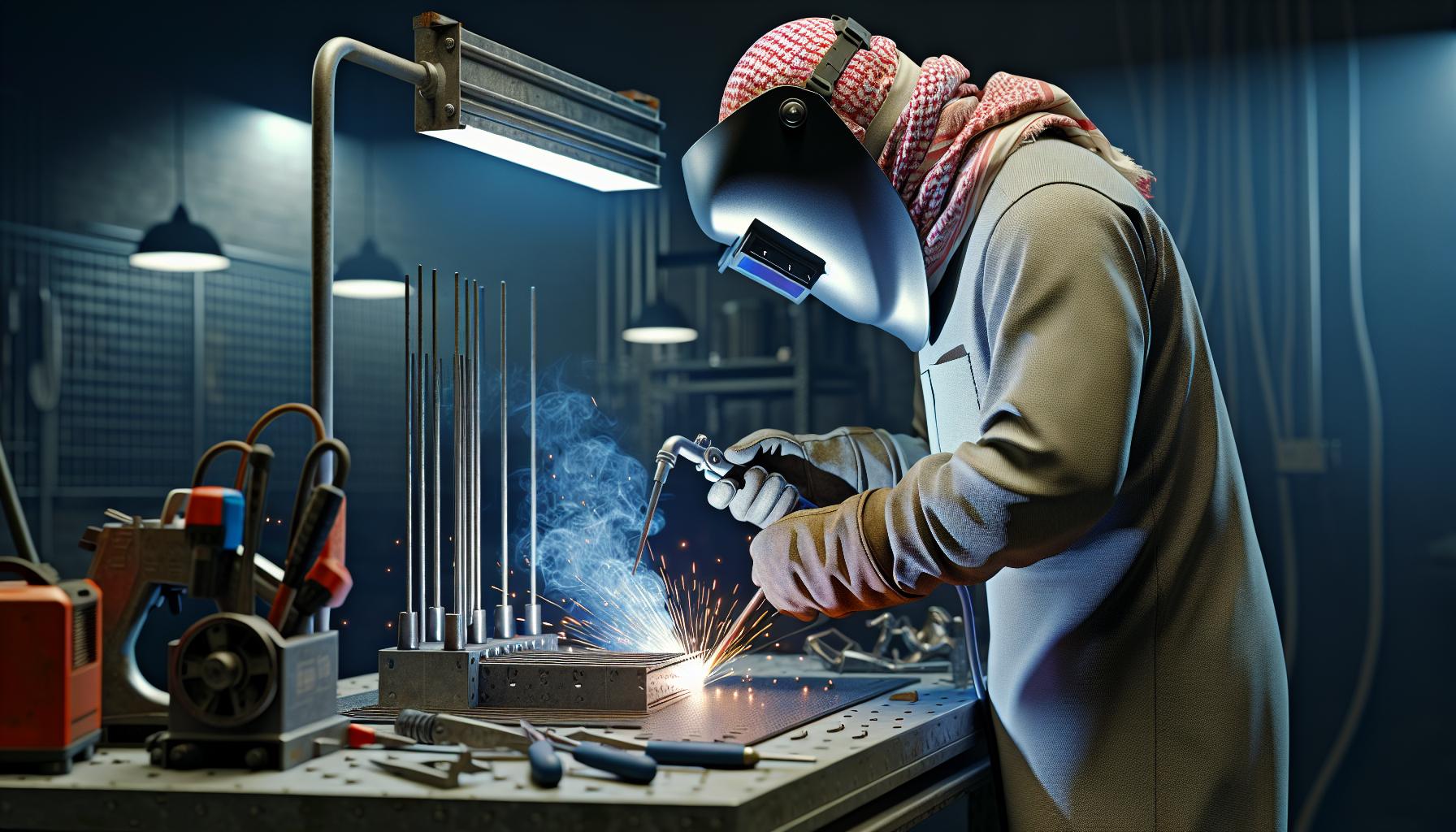
First Aid Requirements for Welding: Essential Safety Guide
Welding workshops buzz with energy and potential hazards that demand serious safety protocols. We’re diving into the critical world of first aid requirements that can literally save lives in these high-risk environments.

Safety isn’t just about protective gear and careful technique – it’s about being prepared for unexpected incidents. Every welding professional knows that split-second responses can make the difference between a minor injury and a catastrophic outcome. What would you do if a colleague suffered a severe burn or electrical shock right in front of you?

Our comprehensive guide will walk you through the essential first aid requirements that every welding workshop must have in place. From understanding immediate treatment protocols to maintaining a well-stocked medical kit we’ll equip you with the knowledge to create a safer workplace. Remember: prevention and quick action are your best allies in managing potential workplace emergencies.

Key Takeaways

  • First Aid is Critical in Welding Workshops: Immediate medical response can prevent minor injuries from escalating into serious, long-term health complications, making comprehensive first aid preparedness essential for worker safety.
  • Comprehensive First Aid Kits are Mandatory: Welding workshops must maintain well-stocked, easily accessible first aid kits containing specialised supplies like sterile burn dressings, eye wash solutions, and emergency thermal blankets to address specific workplace hazards.
  • Targeted Emergency Protocols Save Lives: Rapid and precise interventions for common welding injuries—such as burns, electric shocks, and eye contamination—require systematic treatment protocols and staff training to minimise potential health risks.
  • Welding Personal Protective Equipment (PPE) is Non-Negotiable: Workers must use comprehensive protective gear, including flame-resistant clothing, advanced welding helmets, impact-resistant goggles, and specialised gloves to mitigate workplace risks effectively.
  • Legal Compliance and Regular Training are Crucial: Welding workshops must adhere to HSE regulations, maintain detailed safety documentation, and ensure staff complete regular first aid certification to create a proactive safety culture.

Understanding First Aid Requirements in Welding Environments

Welding workshops present complex safety challenges that demand comprehensive medical preparedness. Our approach focuses on systematic risk management and proactive injury prevention strategies.

Common Workplace Hazards for Welders

Welders encounter multiple potential injury sources during work operations:

Thermal Injuries

  • Burns from direct heat exposure
  • Molten metal splatter
  • Intense radiation from welding arc

Chemical Hazards

  • Toxic metal fume exposure
  • Potential respiratory irritants
  • Skin contact with hazardous substances

Physical Risks

  • Electric shock possibilities
  • Flying debris and projectiles
  • Potential eye damage from intense light

Importance of Immediate Medical Response

Rapid medical intervention determines injury severity and recovery potential. Our first aid requirements emphasise:

  • Immediate assessment of injury type
  • Quick application of appropriate treatment
  • Minimising potential long-term complications

First Aid Kit Essentials

Critical medical supplies for welding workshops include:

Item Purpose Quantity
Sterile Burns Dressings Thermal Injury Treatment 10
Eye Wash Solution Chemical/Particle Decontamination 2 bottles
Burn Gel Immediate Pain Relief 3 tubes
Disposable Gloves Infection Prevention 1 box
Emergency Blanket Shock Prevention 2

Our comprehensive approach prioritises worker safety through strategic medical preparedness and immediate response mechanisms.

Essential First Aid Equipment for Welding Workshops

Welding workshops demand rigorous safety protocols and comprehensive medical preparedness. Our analysis focuses on critical first aid equipment that protects workers from potential workplace injuries.

Mandatory First Aid Kits

NEBOSH regulations mandate specific first aid equipment availability in welding environments. Workshops must maintain fully stocked kits containing:

Item Category Specific Contents
Burn Treatment Sterile burn dressings
Wound Care Antiseptic wipes
Injury Management Gauze pads
Protective Barriers Disposable medical gloves

These kits must be:

  • Easily accessible
  • Regularly inspected
  • Replenished after each use
  • Located in multiple workshop zones

Specialised Welding Injury Treatment Supplies

Welding environments require targeted medical supplies addressing specific injury risks. Our recommended specialised treatment inventory includes:

  • Burn gel and specialised cooling agents
  • Eye wash solutions for metal fragment removal
  • Thermal injury dressings
  • Chemical contamination neutralisation kits
  • Emergency thermal blankets

Key considerations for injury treatment supplies:

  • Chemical compatibility
  • Temperature resistance
  • Quick application methods
  • Sterility maintenance
  • Flame-resistant clothing
  • Arc-flash protection
  • Chemical-resistant gloves
  • Impact-resistant face shields

Emergency Treatment Protocols

Emergency treatment in welding workshops demands rapid and precise medical interventions. Our protocols focus on immediate response strategies for specific workplace injuries.

Burn Management Techniques

Welding burn management requires systematic and careful treatment:

  • Cool burns immediately with lukewarm water for 15-20 minutes
  • Prevent further tissue damage by removing heated clothing carefully
  • Cover burns with sterile non-adhesive dressings
  • Categorise burns by severity:
  • First-degree: Redness and minor pain
  • Second-degree: Blistering and significant discomfort
  • Third-degree: Potential deep tissue damage requiring professional medical attention

Electric Shock Response Procedures

Critical steps for electric shock incidents include:

  • Disconnect electrical source immediately
  • Check victim’s consciousness and breathing
  • Perform cardiopulmonary resuscitation (CPR) if unresponsive
  • Monitor for potential cardiac complications
  • Flush eyes continuously with sterile eyewash solution
  • Remove contact lenses if present
  • Cover affected eye with sterile protective patch
  • Prevent rubbing or applying pressure
  • Obtain immediate ophthalmological assessment
  • Document incident for workplace safety records

Personal Protective Equipment and First Aid Requirements

Welding workshops demand rigorous safety protocols to protect workers from potential hazards. Our comprehensive approach focuses on essential protective gear and medical preparedness.

Personal Protective Equipment (PPE)

Welders require specialised protective equipment to mitigate workplace risks effectively. Our recommended PPE includes:

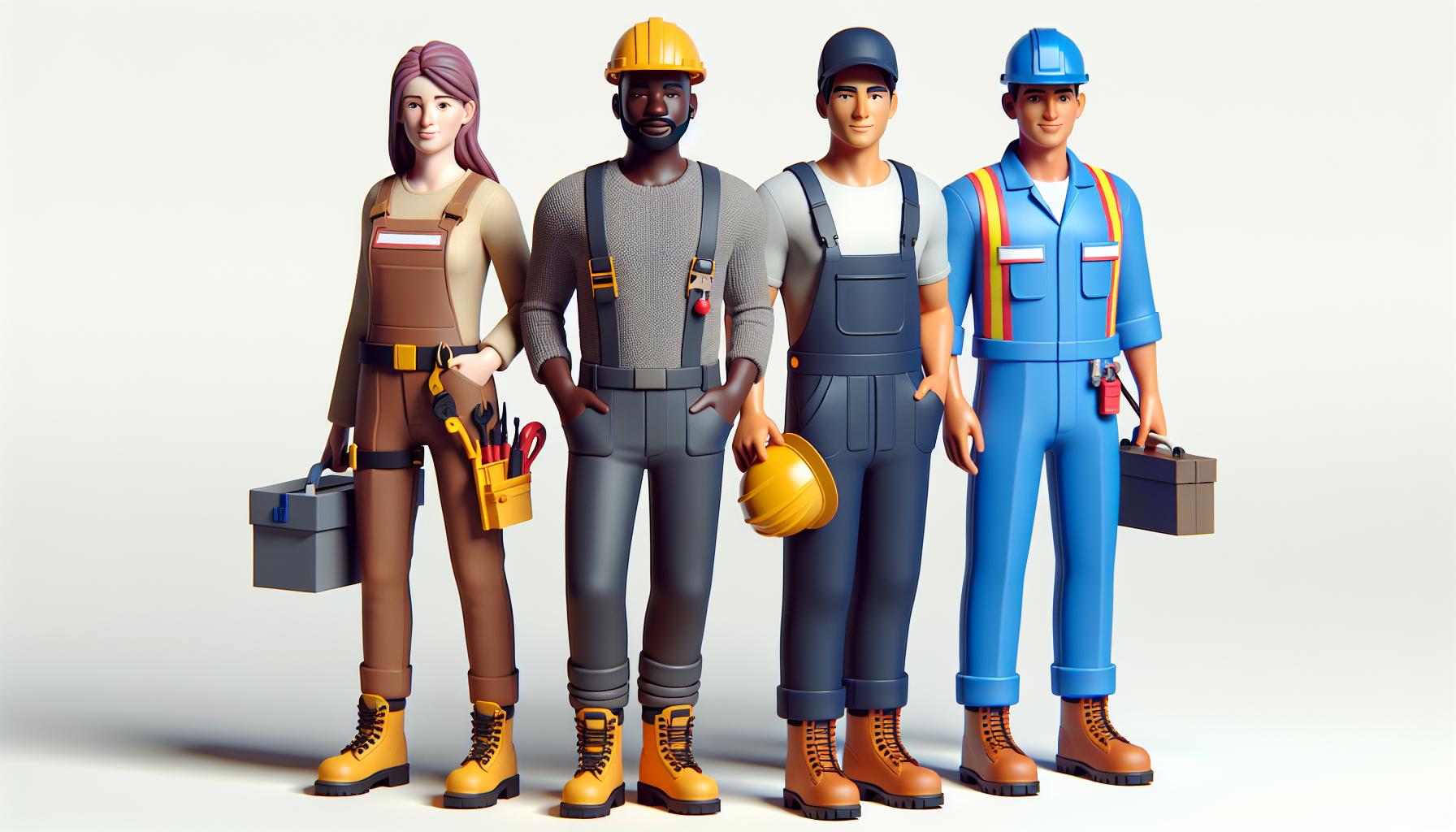
  • Head Protection: Welding helmets with advanced UV and infrared filters
  • Eye Safety: Impact-resistant goggles with shade levels 10-14
  • Respiratory Protection: Respirators with HEPA filtration systems
  • Body Coverage: Flame-resistant jackets and trousers
  • Hand Protection: Leather welding gloves with extended cuffs
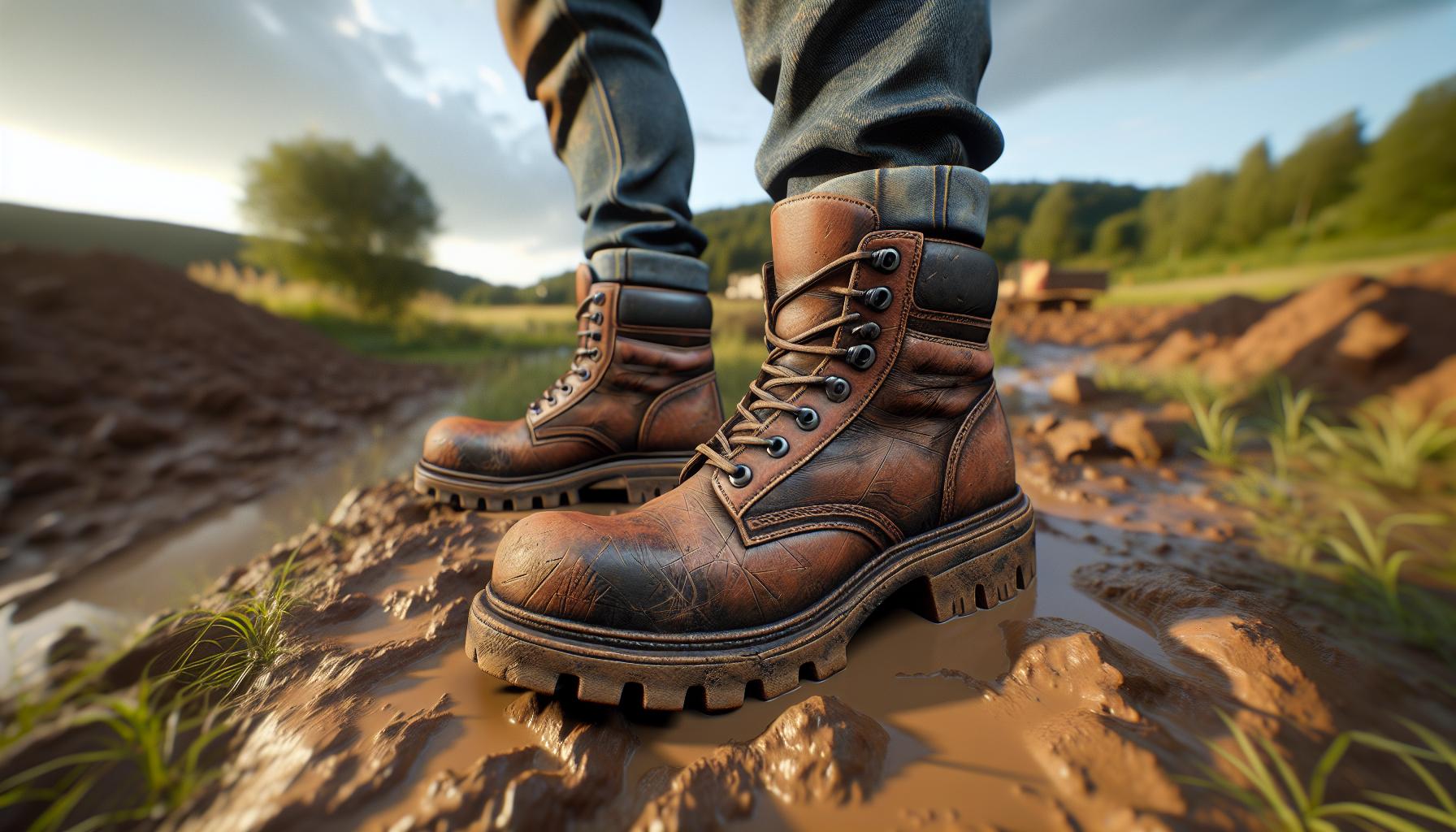
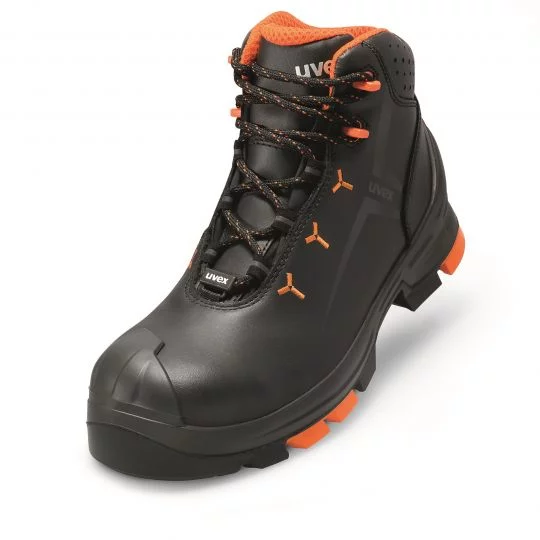
  • Foot Protection: High-top leather boots with steel toe caps

Safety Gear Interactions

Proper interaction between different PPE components prevents potential safety vulnerabilities. We recommend:

  • Ensuring complete coverage without gaps between equipment pieces
  • Checking compatibility of different protective items
  • Verifying seal integrity for respiratory and eye protection
  • Maintaining consistent protective layer across entire body
  • Inspecting equipment before each welding session

Emergency Quick-Release Mechanisms

Emergency clothing and gear quick-release features provide critical safety advantages:

  • Rapid removal of contaminated protective clothing
  • Instant detachment of potentially hazardous equipment
  • Integrated breakaway connections on welding suits
  • Strategically placed release mechanisms on gloves and boots
  • Minimised risk during unexpected workplace incidents

Our approach prioritises worker safety through comprehensive protective strategies and advanced equipment design.

Legal Requirements and Training

Welding workshops operate under strict regulatory frameworks designed to protect worker safety. Our comprehensive guide explores the critical legal requirements and training mandates essential for maintaining a safe welding environment.

Setting Up an Effective First Aid Station

Our welding workshop’s first aid station serves as a critical safety hub for managing potential workplace injuries. We’ll detail the strategic approach to establishing a comprehensive and responsive medical support area.

Strategic Location Placement

Location determines the effectiveness of our first aid requirements. We prioritise visibility and rapid accessibility by positioning the station:

  • Near workshop entrance
  • Close to primary welding zones
  • Away from direct heat sources
  • Within clear line of sight
  • Adjacent to emergency exits

Key placement considerations include minimising travel distance during emergencies and ensuring unobstructed pathways. The station must remain visible with clear signage and remain free from potential obstruction by equipment or materials.

Stock Management and Inventory Checks

Systematic inventory management guarantees our first aid requirements supplies remain current and ready. Our approach includes:

Inventory Management Strategy Frequency Purpose
Monthly kit inspections Every 30 days Verify supply integrity
Expiration date tracking Quarterly Remove outdated materials
Replenishment protocol After each use Maintain complete inventory
Digital tracking system Continuous Monitor stock levels

We recommend documenting each inspection, recording used items, and establishing a standardised restocking procedure. Digital tracking enables precise monitoring of medical supply levels and upcoming replacement requirements.

Our comprehensive strategy ensures our welding workshop maintains a responsive and well-equipped first aid station prepared to address potential workplace incidents efficiently.

Medical Screening and Preventative Measures

Medical screening forms a critical component of safety protocols in welding workshops. Our approach focuses on comprehensive health assessments and proactive risk management for workers exposed to potential hazardous environments.

Regular Health Assessments

Regular health assessments protect welders from long-term occupational health risks. Medical professionals conduct systematic screenings that:

  • Evaluate respiratory function
  • Monitor exposure to toxic metals
  • Check cardiovascular health
  • Assess neurological indicators
  • Perform audiometric testing

Risk Mitigation Strategies

Risk mitigation in welding workshops involves multiple strategic interventions:

  • Implement mandatory personal protective equipment (PPE) protocols
  • Provide comprehensive training on chemical and physical hazards
  • Establish strict exposure monitoring systems
  • Create detailed medical documentation for each worker
  • Develop individualised health management plans

Our strategies prioritise prevention through:

  • Continuous training updates
  • Advanced medical screening techniques
  • Proactive health intervention programmes

These systematic approaches significantly reduce potential long-term health complications for welding professionals.

Conclusion

Worker safety in welding workshops isn’t just about following regulations—it’s about creating a culture of proactive protection. We’ve explored comprehensive strategies that transform potential hazards into manageable risks through strategic planning and robust first aid requirements.

Our detailed approach ensures that every team member understands their role in maintaining a safe working environment. From advanced personal protective equipment to meticulously stocked first aid stations we’ve demonstrated how systematic preparation can significantly reduce workplace injury risks.

Ultimately safety is a continuous journey of learning adaptation and commitment. By implementing the protocols and practices we’ve discussed welding workshops can become models of workplace safety excellence ensuring every professional returns home unharmed at the end of each day.

Safety is crucial in welding, and having the right protective gear is essential. At Norsemen Safety, we provide high-quality supplies to keep you safe and efficient on the job. Contact us here to find the perfect safety solutions for your needs.

Frequently Asked Questions

What are the most common injuries in welding workshops?

Welding workshops typically experience burns, eye injuries, electric shock incidents, and respiratory issues. Thermal injuries from hot metal and sparks are most prevalent, with potential for first-degree to third-degree burns. Eye damage from intense light and flying debris is common, whilst electrical accidents can cause serious trauma. Respiratory risks include exposure to harmful metal fumes and gases that can lead to long-term health complications.

How quickly should first aid be administered after a welding injury?

Immediate response is critical. Most welding injuries require treatment within minutes to prevent further damage. For burns, cooling the affected area within 10-15 seconds can significantly reduce severity. Eye injuries need instant flushing with sterile solution. Electric shock victims require immediate disconnection from the power source and potential CPR. The first 3-5 minutes are crucial in determining injury outcome and potential long-term consequences.

What essential items should be in a welding workshop first aid kit?

A comprehensive welding first aid kit should include sterile burn dressings, eye wash solution, burn gel, disposable gloves, emergency blankets, thermal injury dressings, antiseptic wipes, gauze pads, scissors, tweezers, and pain relief medication. Specialised items like aloe vera gel for burns and specific eye injury treatment supplies are recommended. The kit must be easily accessible, clearly marked, and regularly inspected to ensure all items are within their expiration date.

How often should first aid requirements supplies be checked and replaced?

First aid requirements supplies should be inspected monthly, with a comprehensive review every six months. Check expiration dates, assess inventory levels, and replace used or outdated items immediately. Implement a digital tracking system to monitor supply levels and expiration dates. After any incident, restock the first aid requirements kit completely. Always ensure sterility of medical supplies and maintain a backup inventory to prevent shortages during emergencies.

What medical screenings are recommended for welders?

Regular medical screenings for welders should include respiratory function tests, exposure to toxic metal assessments, cardiovascular health checks, neurological evaluations, and audiometric testing. These screenings help detect early signs of occupational health risks. Frequency depends on exposure levels, typically ranging from annual to biennial comprehensive health assessments. The goal is to identify potential long-term health complications and implement preventative strategies early.

What PPE is mandatory in welding workshops?

Mandatory Personal Protective Equipment (PPE) includes welding helmets, impact-resistant goggles, respirators, flame-resistant clothing, leather gloves, and steel-toed boots. Ensure complete coverage and compatibility between different PPE components. Emergency quick-release mechanisms are recommended for rapid removal of contaminated gear. Always inspect PPE before use, replace damaged items immediately, and train workers on proper fitting and maintenance to maximise protection.

How should electrical shock incidents be managed?

In electrical shock incidents, first disconnect the power source immediately. Check the victim’s consciousness and breathing. If unresponsive, begin CPR if trained. Do not touch the victim until the electrical source is disconnected. Look for burn marks and assess for potential internal injuries. Call emergency services immediately. Monitor the victim for delayed symptoms like cardiac irregularities. Professional medical assessment is crucial, even if initial symptoms seem minor.
Does TIG Welder Use Gas? A Consumption Guide

Ever wondered if TIG welder use gas? We’ll dive into the critical world of shielding gases that can dramatically transform your welding precision and quality.

TIG welding demands more than just skill—it requires deep knowledge of gas dynamics. Whether you’re a seasoned metalworker or a curious beginner our comprehensive guide will help you navigate the intricate landscape of gas selection. We’ll break down the complexities of argon and helium and its mixtures to help you make informed choices that elevate your welding performance.

Our goal isn’t just to explain gas types but to empower you with practical insights that will boost your welding prowess. Get ready to unlock the secrets of optimal gas consumption and take your TIG welding technique to the next level.

Key Takeaways –TIG welder use gas

  • Argon is the primary gas TIG welders use, offering universal compatibility with multiple metals and ensuring stable arc performance across various welding applications.
  • Gas selection critically impacts welding quality, directly influencing arc stability, penetration depth, and overall weld strength by protecting the weld area from atmospheric contamination
  • Precise gas flow management is essential, with recommended flow rates typically ranging between 10-20 cubic feet per hour (CFH) depending on material thickness and welding conditions
  • Gas purity levels significantly affect welding performance, with higher purity percentages (99.99% and above) correlating directly to enhanced welding precision and reduced potential for material defects
  • Advanced gas mixtures like argon-helium blends can optimise welding outcomes, enabling improved heat distribution, faster welding speeds, and superior penetration for complex metalworking scenarios
  • Safety and proper equipment handling are paramount in gas management, requiring regular cylinder inspections, appropriate storage practices, and comprehensive understanding of gas-related welding challenges

Understanding TIG Welding Gas Basics

TIG welding requires precise use and gas selection to protect the weld area and maintain high-quality results. Our comprehensive guide explores the critical role of shielding gases in creating superior welding performance.

Role of Shielding Gas in TIG Welding

Shielding gases act as a critical protective barrier during the welding process. They prevent atmospheric contaminants like oxygen, nitrogen, and hydrogen from compromising the weld’s structural integrity by:

  • Blocking oxidation
  • Stabilising the welding arc
  • Reducing potential metal defects
  • Controlling heat distribution

Types of Shielding Gases for Tig Welder use gas

Argon

Argon remains the primary shielding gas in TIG welding due to its versatility across multiple metal types. Key characteristics include:

  • Universal compatibility with mild steel, stainless steel, aluminum, and magnesium
  • Provides stable arc performance
  • Enables precise welding control
  • Facilitates effective cathodic cleaning during alternating current welding

Helium

Helium offers distinct advantages in specific welding scenarios:

  • Increases heat input for thicker material welding
  • Enhances penetration on high thermal conductivity metals
  • Frequently combined with argon for optimised performance
  • Particularly effective for aluminum and copper alloys

Role of Gas in Welding Quality

Gas selection directly influences weld characteristics:

  • Determines arc stability
  • Controls penetration depth
  • Impacts overall weld strength
  • Minimises potential metallurgical defects

Our strategic gas selection process considers metal composition, thickness, and desired welding outcomes to achieve consistent, high-quality results.

Argon: It’s The Primary TIG Welder Gas

TIG welder use gas

Argon stands as the cornerstone of TIG welding that use gases, offering unparalleled performance across multiple metal types. Our exploration reveals its critical role in achieving superior welding outcomes.

Pure Argon Applications

Argon demonstrates remarkable versatility in welding applications, supporting multiple metal processing scenarios:

  • Metal Compatibility: Provides comprehensive protection for mild steel, stainless steel, aluminum, and magnesium welding processes.
  • Arc Performance: Generates exceptionally stable welding arcs with precise control characteristics. Enables consistent ionization and seamless arc maintenance across extended welding distances.
  • Aluminum Processing: Facilitates effective cathodic cleaning actions during alternating current welding operations, particularly beneficial for aluminum material treatments.
  • Economic Advantages: Represents a cost-efficient solution compared to alternative shielding gases, delivering high-performance results at competitive price points.

Argon Gas Purity Levels

Gas purity significantly impacts welding performance and final weld quality.

Purity levels determine arc stability, contamination resistance, and overall weld integrity. Higher purity percentages correlate directly with enhanced welding performance and reduced potential for material defects.

Alternative Gas Mixtures

Gas combinations play a pivotal role in optimising TIG welding performance across different metal types and thicknesses. Our exploration continues with advanced gas mixture strategies that enhance welding precision and efficiency.

Helium and Argon Blends

Argon and helium combinations represent sophisticated solutions for challenging welding scenarios. A standard 75% argon and 25% helium mixture delivers remarkable performance characteristics.

Key advantages include:

  • Improved welding speed
  • Superior penetration capabilities
  • More consistent arc characteristics
  • Enhanced heat distribution across metal surfaces

Professional welders leverage these blends strategically. Thicker materials requiring deeper penetration benefit significantly from helium’s heat-conducting properties, while argon maintains arc stability.

Adding Hydrogen to Gas Mixtures

Hydrogen introduces additional complexity to shielding gas compositions. Small hydrogen percentages (1-2%) in argon mixtures can:

  • Increase welding speed
  • Improve weld bead appearance
  • Enhance penetration depth
  • Reduce oxidation risks

Precise hydrogen concentration management prevents potential material degradation. Metallurgical considerations determine optimal hydrogen percentages based on specific metal compositions and welding requirements.

Welding professionals carefully balance these gas mixtures, recognising that minute adjustments can dramatically impact weld quality and efficiency.

Gas Flow Rate and Consumption

Understanding gas flow dynamics is crucial for achieving high-quality TIG welds. Gas consumption directly impacts welding performance and efficiency.

Calculating Optimal Gas Flow

Determining the correct gas flow rate requires precise calculations based on multiple parameters. We recommend maintaining a flow rate between 10-20 cubic feet per hour (CFH) for most TIG welding applications.

Calculation factors include:

  • Welding position
  • Material thickness
  • Electrode diameter
  • Torch design
  • Atmospheric conditions

Factors Affecting Gas Consumption

Several critical factors influence gas consumption during TIG welding:

  1. Nozzle Size: Larger nozzle diameters require higher gas flow rates to maintain adequate shielding.
  2. Wind Conditions: External air currents increase gas consumption by disrupting shielding coverage.
  3. Welding Speed: Faster welding speeds necessitate higher gas flow to protect the weld pool effectively.
  4. Joint Configuration: Complex joint designs demand more precise gas flow management.
  5. Contamination Risk: Higher purity environments reduce the required gas flow rate.

Monitoring and adjusting these parameters helps optimise gas consumption and welding quality.

Gas Selection for Different Materials

Gas selection profoundly impacts weld quality across diverse metal types. Our systematic approach considers material-specific characteristics to determine optimal shielding gas performance.

Welding Stainless Steel

Pure argon dominates stainless steel TIG welding scenarios. Its properties deliver exceptional arc stability and comprehensive oxidation prevention, critical for maintaining stainless steel’s corrosion resistance.

Key advantages of argon for stainless steel welding include:

  • Consistent arc performance
  • Minimal tungsten electrode contamination
  • Superior penetration control
  • Reduced surface oxidation risks

Argon’s molecular structure creates a stable plasma environment that protects weld pools from atmospheric interference. We recommend 99.99% pure argon for precision stainless steel applications, ensuring predictable welding outcomes.

Aluminium and Exotic Metals Considerations

Aluminium welding demands specific gas strategies to address its unique metallurgical properties. Pure argon remains the primary shielding gas for aluminium TIG welding, providing:

  • Effective arc initiation
  • Stable plasma characteristics
  • Comprehensive weld pool protection
  • Minimal metal surface disruption

For exotic metals like titanium and nickel alloys, argon gas mixtures might incorporate helium percentages. These hybrid compositions enhance heat transfer and penetration capabilities, accommodating complex metallurgical requirements.

Recommended gas mixture ranges for exotic metals typically span:

  • 70-80% argon
  • 20-30% helium
  • Optional trace hydrogen percentages (1-2%)

These strategic gas selections optimise welding performance across challenging metal substrates, delivering consistent and high-quality results.

Gas Equipment and Accessories

Gas equipment plays a crucial role in achieving precision and safety during TIG welding operations. Our comprehensive guide explores the essential accessories that support effective gas management and welding performance. Yes tig welder use gas.

Regulators and Flow Meters

Regulators and flow meters are critical components for controlling gas delivery in TIG welding. These instruments manage gas pressure and flow rate with exceptional accuracy:

Equipment Function Pressure Range Typical Application
Single-stage Regulator Reduces cylinder pressure 0-3000 PSI Small workshop environments
Two-stage Regulator Provides consistent pressure 0-3000 PSI Professional and industrial settings
Digital Flow Meter Precise gas flow measurement 0-50 CFH High-precision welding tasks

Key features of effective regulators include:

  • Stainless steel diaphragms for corrosion resistance
  • Accurate pressure adjustment mechanisms
  • Compatible with multiple gas types
  • Clear pressure and flow rate indicators

Gas Cylinder Handling Safety

Safe gas cylinder management involves multiple critical practices:

Cylinder Storage Guidelines:

  • Store vertically in designated secured areas
  • Maintain temperatures below 52°C
  • Keep away from direct heat sources
  • Use protective valve caps during transportation
  • Segregate full and empty cylinders
  • Implement clear cylinder identification protocols

Transportation Recommendations:

  • Use purpose-built cylinder trolleys
  • Secure cylinders with appropriate restraints
  • Avoid dragging or rolling cylinders
  • Inspect cylinders for damage before moving
  • Maintain proper ventilation during transport

Risk Mitigation Strategies:

  • Conduct regular cylinder pressure checks
  • Train personnel in proper handling techniques
  • Implement emergency response procedures
  • Use personal protective equipment
  • Maintain comprehensive maintenance logs

By following these guidelines, welders can significantly reduce potential safety risks associated with gas cylinder management and TIG welding operations.

Common Gas-Related Welding Challenges

TIG welding presents several intricate gas management challenges that can significantly impact weld quality. Our comprehensive guide explores critical strategies for maintaining optimal gas performance and preventing potential complications.

Preventing Gas Contamination

Gas contamination represents a critical risk in TIG welding processes. Contaminants like moisture dust and hydrocarbon particles can compromise weld integrity and compromise arc stability. We recommend implementing rigorous protection strategies:

  • Source Protection: Install high-quality filters on gas supply lines
  • Storage Management: Store gas cylinders in clean controlled environments
  • Cylinder Inspection: Regularly check cylinder valves for debris or damage
  • Connection Maintenance: Use clean dedicated gas lines with minimal junction points

Contamination detection involves monitoring:

  • Weld bead discolouration
  • Increased porosity
  • Inconsistent arc performance
  • Unexpected spatter formation

Troubleshooting Gas Flow Issues

Gas flow disruptions can arise from multiple mechanical and environmental factors. Key diagnostic approaches include:

  • Flow Rate Verification: Measure actual gas output against recommended settings
  • Regulator Assessment: Check for consistent pressure maintenance
  • Nozzle Examination: Inspect for blockages or wear
  • Hose Integrity: Verify gas line connections remain secure and undamaged

Common troubleshooting steps:

  1. Measure current gas flow rate
  2. Compare against manufacturer specifications
  3. Inspect entire gas delivery system
  4. Replace compromised components immediately
  • Irregular arc behaviour
  • Increased oxidation
  • Inconsistent weld penetration
  • Visible atmospheric contamination

Conclusion

Mastering gas selection and consumption in TIG welding isn’t just a technical skill—it’s an art form that distinguishes professional welders. We’ve explored the nuanced world of shielding gases understanding how precise gas choices can dramatically enhance welding performance.

Our journey through gas dynamics demonstrates that successful TIG welding relies on more than just technical knowledge. It requires a strategic approach to gas selection equipment maintenance and safety protocols. By implementing the insights shared we can consistently achieve superior welding results across diverse metal substrates.

The key takeaway is clear: informed gas selection isn’t an optional extra—it’s fundamental to producing high-quality welds. Whether you’re a seasoned professional or an aspiring welder understanding these gas essentials will elevate your craft and ensure remarkable metalworking outcomes.

Safety is crucial in welding, and having the right protective gear is essential. At Norsemen Safety, we provide high-quality supplies to keep you safe and efficient on the job. Contact us here to find the perfect safety solutions for your needs.

For clear guidance on complying with health and safety laws, visit The Basics for Your Business.

Frequently Asked Questions about Tig Welder Use Gas

What is the primary shielding gas used in TIG welding?

Argon is the primary shielding gas in TIG welding due to its versatility and compatibility with various metals. It provides excellent arc stability, effective cathodic cleaning for aluminium, and consistent performance across different material types. Its high purity levels (ranging from 99.5% to 99.999%) significantly impact welding quality and arc characteristics.

How do argon and helium mixtures improve TIG welding?

A standard 75% argon and 25% helium mixture optimises TIG welding performance by improving welding speed, heat transfer, and penetration capabilities. This combination offers superior arc characteristics and works effectively across different metal types and thicknesses. Adding small percentages of hydrogen (1-2%) can further enhance bead appearance and reduce oxidation risks.

What is the recommended gas flow rate for TIG welding?

The recommended gas flow rate typically ranges from 10-20 cubic feet per hour (CFH), depending on factors like material thickness, welding position, electrode diameter, and atmospheric conditions. Thinner materials require lower flow rates, while thicker materials need higher rates. Proper flow rate ensures optimal shielding and prevents atmospheric contamination during welding.

Which gas is best for welding stainless steel?

Pure argon (99.99% purity) is recommended for welding stainless steel. It provides exceptional arc stability, prevents oxidation, and ensures high-quality welds. The high-purity argon creates a stable welding environment, minimises contamination risks, and delivers precise, clean weld results across various stainless steel applications.

How does gas selection differ for aluminium welding?

For aluminium welding, pure argon remains the primary shielding gas. It offers effective arc initiation, stable plasma characteristics, and reliable cathodic cleaning. The gas helps prevent oxidation and ensures consistent weld quality. Some welders might use argon-helium mixtures for improved heat transfer on thicker aluminium materials.

What safety practices are important when handling welding gas cylinders?

Key safety practices include proper storage in well-ventilated areas, securing cylinders upright, using appropriate transportation equipment, regularly inspecting valve conditions, and maintaining clean cylinder environments. Always use appropriate personal protective equipment, ensure proper regulator connections, and follow manufacturer guidelines for handling and storing gas cylinders.

How can welders prevent gas contamination?

Prevent gas contamination by installing high-quality filters, maintaining clean storage environments, regularly inspecting cylinder valves, using dust caps, and avoiding exposure to moisture and dirt. Implement strict handling protocols, use clean equipment, and conduct regular maintenance checks on gas delivery systems to ensure pure, uncontaminated shielding gas.

What factors influence gas consumption in TIG welding?

Gas consumption is influenced by nozzle size, wind conditions, welding speed, joint configuration, material thickness, torch design, and atmospheric conditions. Factors like electrode diameter and welding position also impact gas flow rates. Careful monitoring and adjustment of these parameters help optimise gas consumption and welding efficiency.

Why is gas purity important in TIG welding?

Gas purity directly affects weld quality, arc stability, and potential material defects. Higher purity levels (99.999%) provide more consistent welding performance, reduce contamination risks, and ensure cleaner, more precise welds. Lower-quality gases can introduce impurities that compromise weld strength, appearance, and overall structural integrity.

Can hydrogen be added to argon for welding?

Small hydrogen percentages (1-2%) can be added to argon mixtures to enhance welding performance. This combination can improve welding speed, bead appearance, and penetration depth while reducing oxidation risks. However, careful management is crucial, as excessive hydrogen can potentially cause hydrogen embrittlement in certain metal types.

Mastering Tungsten Gas Welding: Tips for Precision Arc Welding Success

Have you ever wondered how those sleek, seamless metal joints are created? We’re diving into the world of tungsten gas welding, a technique that’s as cool as it sounds. It’s like using a tiny lightning bolt to fuse metals together!

We’ll explore how this precise method works and why it’s the go-to choice for many industries. From aerospace to automotive, tungsten gas welding plays a crucial role in creating strong, durable connections. It’s not just about joining metals; it’s about crafting perfection at the atomic level. So, let’s spark up our curiosity and learn about this fascinating welding process that’s shaping our modern world.

Key Takeaways

  • Tungsten gas welding, also known as GTAW or TIG welding, uses a non-consumable tungsten electrode and inert shielding gas to create precise, high-quality welds.
  • The process offers advantages like clean, spatter-free welds, excellent control, and the ability to weld thin materials and dissimilar metals.
  • Key applications include aerospace, automotive manufacturing, and precision metalwork such as jewellery making and sculpture.
  • Proper safety gear, including welding helmets and flame-resistant clothing, is crucial to protect against harmful UV rays and potential burns.
  • Improving technique involves maintaining cleanliness, practising torch control, using the correct welding angle, and managing heat input effectively.
  • Everything you need for tig welding can be purchased from Norsemen Safety/Welder’s Choice.

What Is Tungsten Gas Welding?

Tungsten Gas Welding, also known as Gas Tungsten Arc Welding (GTAW) or Tungsten Inert Gas (TIG) welding, is a precise arc welding process. It’s like using a tiny lightning bolt to fuse metals together! We use a non-consumable tungsten electrode to produce the weld, which can act as either a cathode or an anode.

Ever wondered how we keep the weld area clean? We’ve got a secret weapon: inert shielding gas. Typically, we use argon or helium to protect the weld area and electrode from atmospheric contamination. It’s like giving the weld its own personal bubble of protection!

But wait, there’s more! We often use a separate filler metal in the form of a wire. However, some welds are rebels and don’t need any filler at all. We call these autogenous welds or fusion welds.

Curious about what powers this welding wizardry? It’s all thanks to a constant-current welding power supply. This clever device generates electrical energy, which zips across the arc through a plasma of highly ionized gas and metal vapours. It’s like a mini lightning storm in your workshop!

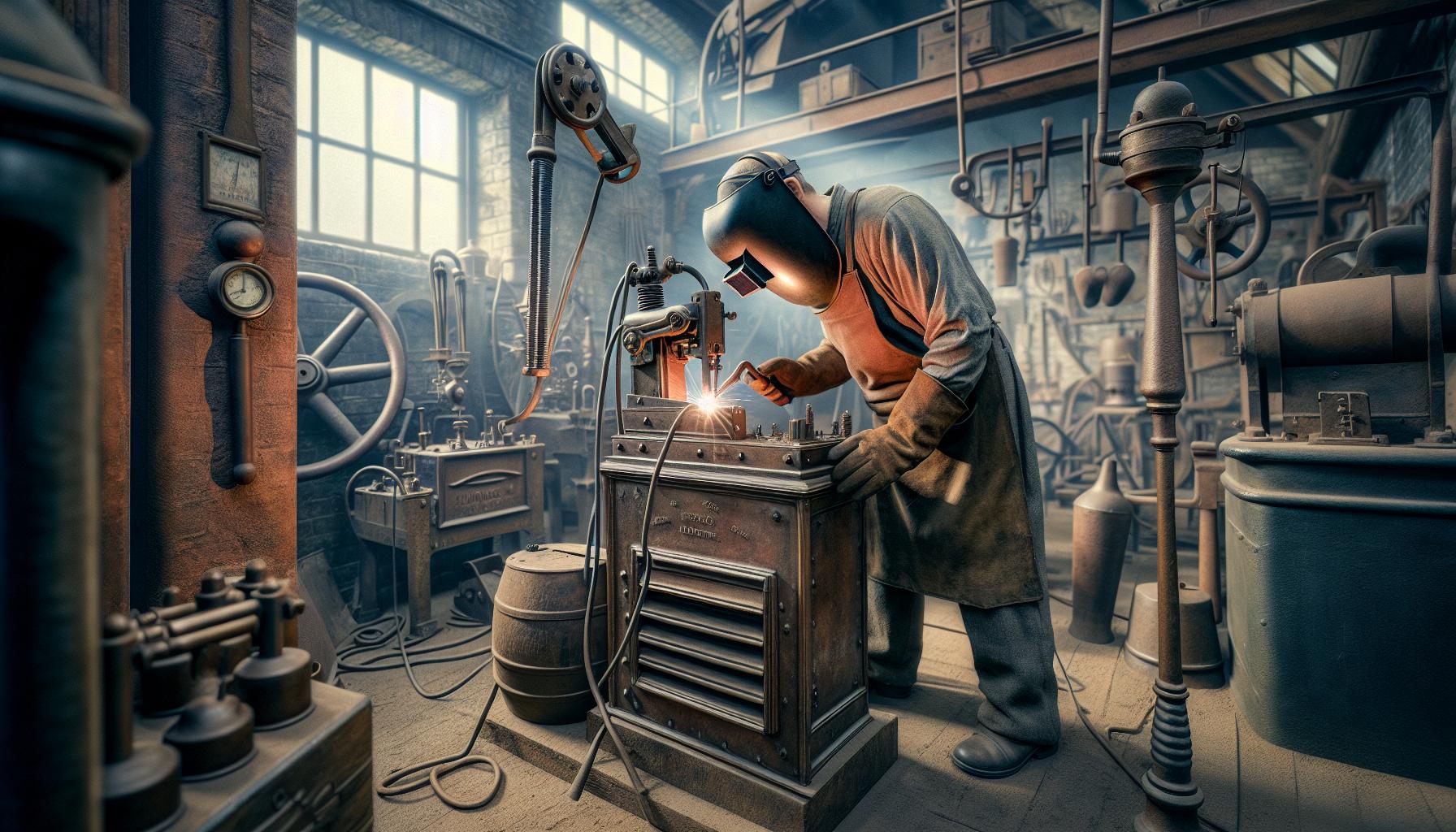
The History of Tungsten Gas Welding

f4f21dbd ca95 492d bbf6 151e90a223e7:3lrb7wGRv4Gh7qKpUeyY

Early Beginnings

Tungsten gas welding’s story begins in the late 19th century, much like a tiny spark that would eventually ignite a revolution in metal joining. In 1890, C.L. Coffin patented the idea of welding in a nonoxidizing gas atmosphere. It’s as if Coffin had discovered a way to create a magical bubble around the weld, protecting it from the pesky air that loves to ruin a good metal fusion!

Development in the Early 20th Century

Fast forward to the roaring 1920s, when researchers H.M. Hobart and P.K. Devers were busy experimenting with argon and helium atmospheres for shielding the arc. Can you imagine their excitement when they realised they’d stumbled upon something groundbreaking? Their work, patented in 1926, laid the foundation for what we now know as GTAW or TIG welding.

But wait, there’s more! These clever chaps also explored welding with a concentric nozzle and feeding the electrode as a wire through it. It’s like they were playing with a high-tech, metal-melting spaghetti maker! This idea later influenced the development of Gas Metal Arc Welding (GMAW).

Refinement and Commercialization

The 1940s saw GTAW getting a serious makeover. It’s as if the process went from being a scruffy teenager to a polished professional in a matter of years. The refinements made during this period set the stage for GTAW to become the precise and versatile welding method we know today.

As we delve deeper into the history of tungsten gas welding, we’ll uncover more fascinating developments that have shaped this essential technique. Who knows what other welding wonders we’ll discover?

Key Components of Tungsten Gas Welding Equipment

Tungsten gas welding relies on several essential components to create precise, high-quality welds. Let’s explore the key elements that make this welding technique so effective.

Tungsten Electrode

The tungsten electrode is the star of the show in GTAW. It’s like the conductor’s baton in an orchestra, directing the arc with precision. Here’s what you need to know:

  • Made from tungsten or tungsten alloys, these electrodes boast a melting point of about 6,170°F (3,410°C).
  • Various types are available, including pure tungsten, thoriated tungsten, and zirconiated tungsten.
  • Thoriated tungsten electrodes are ground to a point, improving arc starting and stability.
  • The electrode’s taper affects weld shape and penetration.
  • Size matters: larger electrodes handle higher currents, while smaller ones suit thinner materials or out-of-position welding.

Shielding Gas

Think of shielding gas as the bouncer at a exclusive weld party – it keeps the riff-raff (atmospheric contaminants) out. Here’s the lowdown:

  • Crucial for protecting the weld area and tungsten electrode from atmospheric contamination.
  • Typically inert gases like argon or helium are used.
  • The choice of gas affects weld appearance, penetration, and overall quality.
  • Flow rates and gas mixtures can be adjusted for different materials and welding conditions.

Power Source

The power source is the heart of the GTAW system, pumping electrical energy to create that all-important arc. Let’s break it down:

  • Constant-current welding power supplies are used to maintain a steady arc.
  • They can be AC or DC, depending on the material being welded.
  • Modern power sources often include features like pulse welding and high-frequency starting.
  • Amperage control allows for precise adjustments to suit different material thicknesses.
  • Some units offer programmable settings for repeatable welds.

The Tungsten Gas Welding Process Explained

Tungsten Inert Gas (TIG) welding, also known as Gas Tungsten Arc Welding (GTAW), is a precise and high-quality arc welding process. Let’s dive into the key steps of this fascinating technique.

Preparing the Workpiece

Proper preparation is the cornerstone of successful TIG welding. Here’s what we do:

  • Clean the workpiece thoroughly, removing oil, moisture, dirt, and other impurities.
  • Use alcohol or commercial solvents to eliminate oil and grease.
  • Remove oxides from metal surfaces, especially for materials like aluminium, using a stainless steel wire brush or chemical process.
  • Machine the edges of the workpiece for a precise fit-up, particularly important for mechanised systems like orbital welding.
  • Ensure accurate joint fit-up to maintain control over the weld pool and arc behaviour.

Ever tried to paint a dirty wall? It’s a bit like that – the cleaner your canvas, the better your masterpiece!

Striking the Arc

Striking the arc in TIG welding is like lighting a tiny, controlled lightning bolt. Here’s how we do it:

  • Position the torch at a 15-20 degree angle to the workpiece.
  • Bring the tungsten electrode close to the workpiece, about 2-3 mm away.
  • Press the torch switch to initiate the flow of shielding gas.
  • Gently touch the tungsten to the workpiece and immediately lift it to create the arc.
  • Maintain a consistent arc length of about 3-5 mm.

Remember, practice makes perfect. Don’t be discouraged if your first attempts look more like a fireworks display than a weld!

Controlling the Weld Pool

Mastering weld pool control is where the real artistry of TIG welding shines. Here’s how we do it:

  • Move the torch steadily along the joint at a consistent speed.
  • Maintain a constant arc length to keep the heat input uniform.
  • Add filler metal if needed, dipping it into the leading edge of the weld pool.
  • Control the heat input by adjusting the amperage or using a foot pedal.
  • Watch the weld pool size and shape, adjusting your technique as needed.

Advantages of Tungsten Gas Welding

Tungsten Gas Welding, also known as Gas Tungsten Arc Welding (GTAW) or TIG welding, is like having a magic wand for metal. It’s the Rolls-Royce of welding techniques, offering a host of benefits that make welders smile. Let’s dive into why GTAW is the toast of the welding world.

High-Quality Welds

GTAW produces welds that are stronger than a bodybuilder’s biceps and more flexible than a gymnast. These welds are top-notch, surpassing those made by other metal arc welding methods. With GTAW, we’ve got more control over the weld area than a conductor has over an orchestra, resulting in joints that could withstand a zombie apocalypse.

Clean and Precise Welds

GTAW is even cleaner! It doesn’t use flux, so there’s no risk of flux getting trapped in the weld bead. The result? Welds cleaner than your gran’s kitchen floor, with no spatter, sparks, or smoke.

This cleanliness makes GTAW perfect for jobs where looks matter. It’s the supermodel of welding techniques, producing welds so pretty you might want to frame them. And for those serious X-ray quality welds? GTAW’s got you covered.

So, fellow metal enthusiasts, isn’t it time we appreciated the art of tungsten gas welding? It’s not just about joining metals; it’s about creating connections that stand the test of time. Who knew that playing with lightning could be so productive?

Common Applications of Tungsten Gas Welding

Tungsten gas welding, also known as GTAW or TIG welding, is a versatile technique used in various industries. Let’s explore some of its common applications.

Aerospace Industry

In the aerospace sector, tungsten gas welding is the go-to method for creating strong, precise joints. It’s like using a laser-focused lightning bolt to craft the skeleton of aircraft and spacecraft. Here’s why it’s so crucial:

  • Magnesium welding: GTAW excels at joining magnesium parts, which are common in aerospace due to their lightweight properties.
  • High-quality welds: The process produces aesthetically pleasing welds that meet the strict standards of aircraft manufacturing.
  • Precision work: GTAW allows welders to tackle complex components with the accuracy of a surgeon’s scalpel.

Automotive Manufacturing

In the world of cars, GTAW is the unsung hero behind many of the vehicles we drive daily. It’s like the secret ingredient in your favourite recipe – you might not see it, but it makes all the difference. Here’s how:

  • Critical components: GTAW joins crucial vehicle parts, ensuring they can withstand the rigours of the road.
  • Rust-resistant welds: The process creates strong, corrosion-resistant joints that keep cars running smoothly for years.
  • Precise control: Welders can fine-tune their work, much like a painter adding the final touches to a masterpiece.

Precision Metalwork

When it comes to intricate metal projects, tungsten gas welding is the artist’s brush of choice. It’s perfect for tasks that require a steady hand and an eye for detail. Here’s where GTAW shines:

  • Jewellery making: Crafting delicate pieces that’ll make your gran’s eyes light up at Christmas.
  • Sculpture creation: Bringing metal to life in ways that would make Michelangelo jealous.
  • Custom fabrication: Creating one-of-a-kind items that’ll have your mates asking, “Where’d you get that?”

Safety Considerations in Tungsten Gas Welding

We’ve all heard the saying, “Safety first!” And when it comes to tungsten gas welding, it’s not just a catchy phrase—it’s a lifesaver. Picture this: you’re wielding the power of a miniature sun in your hands. Exciting, right? But also potentially dangerous if you’re not careful. .

Eye and Skin Protection

Ever tried to look directly at the sun? Ouch! Well, the arc in tungsten gas welding is just as bright and can be just as harmful. That’s why proper eye protection is non-negotiable. We’re talking about welding helmets with the right shade filter lenses. Think of them as sunglasses on steroids, specifically designed to shield your peepers from those pesky UV and IR rays.

But why stop at the eyes? Your skin needs some love too. The arc’s radiation can give you a nasty sunburn faster than you can say “ouch.” That’s where protective clothing comes in. We’re not suggesting you dress up like an astronaut, but covering up with flame-resistant gear is a must.

Here’s a quick rundown of what you’ll need:

Remember, folks, we’re not just talking about looking cool (although safety gear does have a certain Mad Max vibe to it). We’re talking about keeping your eyes, skin, and overall health in tip-top shape.

Have you ever wondered what would happen if welders didn’t use proper protection? Well, let’s just say “arc eye” or welder’s flash is no laughing matter. It’s like having sand in your eyes, but worse. And don’t even get us started on skin burns. Trust us, you don’t want to experience either of these firsthand.

So, next time you’re gearing up for some tungsten gas welding, take a moment to double-check your safety gear. Your future self will thank you for it. After all, we want you to keep enjoying the art of welding for years to come, not nursing a nasty case of welder’s flash.

Tips for Improving Tungsten Gas Welding Technique

Mastering tungsten gas welding is like learning to dance with electricity. We’ve gathered some top tips to help you perfect your moves and join the community of skilled welders. Ready to boogie with your torch?

Cleanliness Is Next to Wellness

Cleanliness isn’t just for germaphobes; it’s crucial for top-notch welds. Picture your welding area as a pristine kitchen where you’re about to whip up a gourmet meal. You wouldn’t cook in a dirty kitchen, would you?

  • Scrub your workpiece like you’re prepping for a royal inspection
  • Wipe down your filler rod as if it’s the last clean fork at a buffet
  • Keep your electrode sharp and shiny, like a pencil on the first day of school

Ever tried writing with a broken crayon? That’s what welding with a dirty electrode feels like. Don’t be that welder!

Torch Control: The Art of Steady Hands

Holding a welding torch steady is trickier than balancing a spoon on your nose. But fear not! We’ve got some tricks up our sleeve:

  • Practice makes perfect: Try tracing lines on paper with your torch (unpowered, of course!)
  • Use both hands: One for the torch, one for the filler rod – like rubbing your belly and patting your head
  • Find your comfy stance: Welding isn’t a yoga class, but good posture helps

Remember, a wobbly torch leads to wobbly welds. And nobody wants a wobbly weld, do they?

The Right Angle for the Right Weld

Positioning your torch is like aiming a water hose at a specific flower. Too close, and you’ll drown it; too far, and it’ll die of thirst. Here’s how to nail it:

  • Keep a 15-20 degree angle between the torch and workpiece
  • Hold the filler rod at a 90-degree angle to the torch
  • Maintain a consistent arc length, about 1/8 inch

Heat Management: The Goldilocks Zone

Managing heat in welding is like cooking porridge – not too hot, not too cold, but just right. How do we achieve this welding nirvana?

  • Start with a lower amperage and work your way up
  • Move at a steady pace, like a determined snail
  • Watch the weld pool size – it should be consistent, like your grandma’s cooking

Conclusion

Tungsten gas welding stands as a pinnacle of precision and versatility in the world of metal joining. We’ve explored its rich history evolution and applications across industries from aerospace to artistry. This technique’s ability to produce clean strong and visually appealing welds makes it indispensable for modern manufacturing. As we’ve seen mastering GTAW requires skill attention to safety and continuous improvement. By embracing these principles welders can harness the power of this remarkable process creating connections that are both functional and beautiful. The future of tungsten gas welding looks bright poised to continue shaping our world one perfect weld at a time.

Frequently Asked Questions

What is tungsten gas welding?

Tungsten gas welding, also known as Gas Tungsten Arc Welding (GTAW) or Tungsten Inert Gas (TIG) welding, is a precise welding technique that uses a non-consumable tungsten electrode to create strong metal joints. It employs an inert shielding gas to protect the weld area from atmospheric contamination, resulting in high-quality, seamless welds.

When was tungsten gas welding invented?

The concept of welding in a non-oxidising gas atmosphere was patented by C.L. Coffin in 1890. However, significant advancements were made in the 1920s by H.M. Hobart and P.K. Devers, who experimented with argon and helium for shielding. The 1940s brought further refinements, transforming GTAW into the precise and versatile method it is today.

What are the key components of tungsten gas welding equipment?

The key components of tungsten gas welding equipment include:

  1. Tungsten electrode: Directs the arc with precision
  2. Shielding gas: Protects the weld area from contaminants
  3. Power source: Provides electrical energy to maintain a steady arc
    These components work together to create high-quality welds with precise control.

What are the advantages of tungsten gas welding?

Tungsten gas welding offers several advantages:

  1. High-quality, strong, and flexible welds
  2. Precision and control, likened to ‘painting with electricity’
  3. Clean welds without flux, ideal for aesthetically demanding jobs
  4. Versatility across various materials and industries
    These benefits make it the ‘Rolls-Royce’ of welding techniques.

In which industries is tungsten gas welding commonly used?

Tungsten gas welding is widely used in:

  1. Aerospace: For creating strong, precise joints in aircraft components
  2. Automotive: Joining critical vehicle parts with durable, rust-resistant welds
  3. Precision metalwork: Including jewellery making and custom fabrication
  4. Sculpture and art: For creating intricate metal artworks
    Its versatility makes it essential across various manufacturing and creative sectors.

What safety precautions should be taken when tungsten gas welding?

Essential safety precautions for tungsten gas welding include:

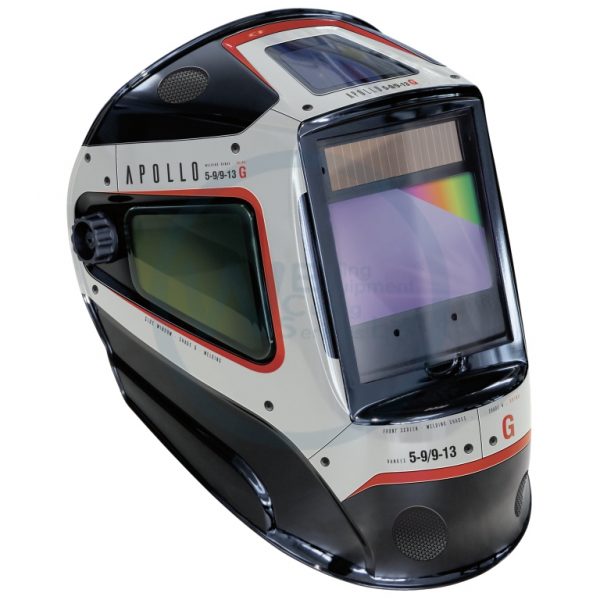
  1. Wearing a welding helmet with appropriate shade filter lenses

    Check out the GYS LCD Apollo+

    gys welding helmet

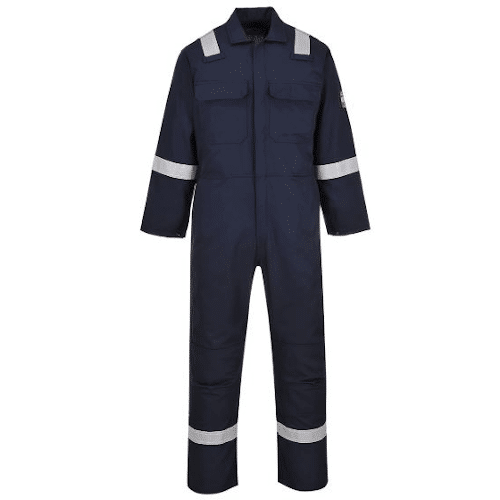
    2. Using flame-resistant clothing to protect against sparks and heat

    Check out the Portwest BIZ5

    welding overall

    3. Wearing welding gloves to shield hands from heat and radiation

    Check out the SPIDERHAND TIG Welding gloves

    SPIDERHAND TIG SUPREME 1

    4. Ensuring proper ventilation to avoid inhaling harmful fumes

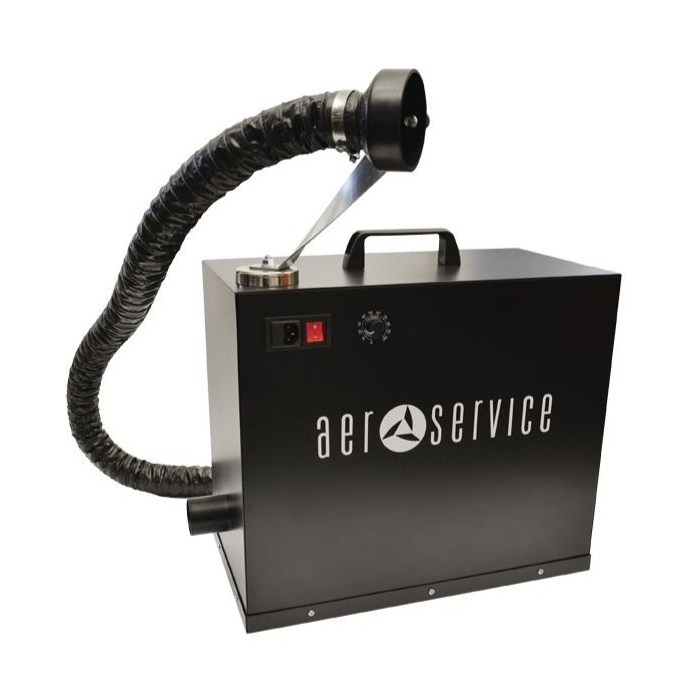
    Check out the AER Portable Welding Fume Extractor

    Portable Welding fume Extractor AER 201

    5. Prioritising safety helps prevent injuries like ‘arc eye’ and skin burns.

      How can I improve my tungsten gas welding technique?

      To improve your tungsten gas welding technique:

      1. Ensure a clean workpiece and welding area
      2. Maintain proper torch control and steady hands
      3. Keep the correct angle between the torch and workpiece
      4. Manage heat input effectively
      5. Practice these tips consistently to enhance your welding skills and achieve high-quality results.

      MIG Welding vs Arc Welding: Which Method Suits Your Project Best?

      Have you ever found yourself scratching your head over which welding method to choose? We’ve all been there! MIG welding vs arc welding is like the chocolate and vanilla of the welding world – both popular, but each with its own unique flavour.

      Key Takeaways

      • MIG welding offers faster, cleaner welds and is easier to learn, but requires more complex equipment and is less suitable for outdoor use.
      • Arc welding is more versatile, portable and cost-effective, but has a steeper learning curve and slower welding speed.
      • MIG welding produces smoother welds, while arc welding often provides stronger joints for heavy-duty applications.
      • MIG welding equipment is generally more expensive, but arc welding may have higher ongoing costs for consumable electrodes.
      • Both methods require proper safety gear, but MIG welding involves additional precautions for handling shielding gas cylinders.
      • Norsemen/Welder’s Choice supplies all the equipment and welding consumables for mig welding, arc welding (Stick/MMA) and Tig Welding.

      Understanding MIG Welding vs Arc Welding

      MIG Welding: The Smooth Operator

      MIG welding, or Metal Inert Gas welding, is like spreading butter on toast – smooth and continuous. It’s a process that uses a wire electrode fed through a welding gun, creating an electric arc between the wire and the workpiece. This arc melts both the wire and the base metal, forming a weld that’s as neat as a pin.

      Ever tried to keep a steady hand while drawing a long, unbroken line? That’s what MIG welding feels like. The wire feeds automatically, allowing for a consistent weld bead.

      Arc Welding: The Versatile Veteran

      Arc welding, also known as Shielded Metal Arc Welding (SMAW), is the Swiss Army knife of welding. It’s been around the block a few times and knows a thing or two about joining metals. This method uses a consumable electrode covered with flux, which burns off during welding to protect the molten metal from atmospheric contamination.

      Imagine you’re at a barbecue, and your mate hands you a stick with a marshmallow on the end. That’s a bit like an arc welding electrode – except instead of toasting marshmallows, you’re fusing metal. And let’s be honest, that’s way cooler!

      Equipment: The Tools of the Trade

      MIG welding requires a few more bells and whistles than its arc counterpart. You’ll need a wire feeder, a welding gun, and a gas cylinder. It’s like preparing for a fancy dinner party – you need all the right cutlery and crockery to make it work.

      Arc welding, on the other hand, is more of a minimalist. It doesn’t need a separate shielding gas, as the flux on the electrode does all the heavy lifting. It’s the backpacker of welding methods – lightweight and ready for action.

      The Basics of MIG Welding

      MIG welding, short for Metal Inert Gas welding, is a popular arc welding process that uses a continuous wire electrode. It’s like having a never-ending supply of metal to join two pieces together seamlessly.

      How MIG Welding Works

      MIG welding operates on a simple principle: a wire electrode is fed through a welding gun, creating an electric arc between the wire and the workpiece. This arc melts both the wire and the base metal, forming a weld pool. The process is shielded by an inert gas, typically argon or a mix of argon and CO2, which protects the weld from atmospheric contamination.

      Think of it as a hot glue gun for metal. The wire is like the glue stick, continuously feeding through the gun, while the electric arc acts as the heating element. The shielding gas is your invisible helper, keeping pesky air particles away from your masterpiece.\

      istockphoto 1416507388 612x612 1

      Advantages of MIG Welding

      1. Speed: MIG welding is faster than many other welding methods. It’s like the fast food of the welding world – quick and efficient.
      2. Clean welds: The process produces neat, spatter-free welds. No more messy clean-ups!
      3. Versatility: MIG welding works on various metals and thicknesses. It’s the Swiss Army knife of welding techniques.
      4. Easy to learn: Even beginners can pick up MIG welding relatively quickly. It’s like riding a bike – once you get the hang of it, you’re off!
      5. Continuous welding: The wire feed allows for long, uninterrupted welds. No need to stop and start like with stick welding.

      Draw Backs of Mig Welding

      1. Equipment complexity: MIG welding requires more equipment than some other methods. It’s a bit like needing a full kitchen to make a gourmet meal.
      2. Outdoor restrictions: Wind can blow away the shielding gas, making outdoor welding tricky. It’s not the best choice for your backyard projects on a blustery day. Gasless mig wire is a great option for outdoor welding.
      3. Power requirements: MIG welders often need more power than other welding machines. They’re the energy guzzlers of the welding world.
      4. Material limitations: While versatile, MIG welding isn’t ideal for all metals. It’s like trying to spread cold butter – some materials just won’t cooperate.
      5. Cost: The initial setup for MIG welding can be pricey. It’s an investment, much like buying a good set of power tools.

      The Fundamentals of Arc Welding

      Arc welding, also known as Shielded Metal Arc Welding (SMAW) or stick welding, is a popular metal joining technique. It’s like using a giant, superheated pencil to draw metal together. Let’s dive into the nitty-gritty of this welding method.

      How Arc Welding Works

      Arc welding creates an electric arc between a consumable electrode (the “stick“) and the workpiece. This arc generates enough heat to melt the metal, allowing two pieces to join when cooled. The electrodes have a flux coating that protects the weld area from atmospheric gases, eliminating the need for external shielding gas.

      Ever tried toasting marshmallows? Arc welding is similar, but instead of a campfire, you’re using electricity to melt metal. The stick electrode is like your marshmallow stick, but much hotter and more precise.

      Advantages of Arc Welding

      1. Versatility: Arc welding works in various environments, including windy or outdoor conditions.
      2. Portability: The equipment is relatively lightweight and easy to move around.
      3. Cost-effectiveness: Arc welders and electrodes are generally less expensive than other welding equipment.
      4. Simplicity: With fewer components, there’s less to go wrong.

      Have you ever needed to fix something in a tricky spot? Arc welding might be your go-to solution. It’s like having a Swiss Army knife in your welding toolkit – ready for almost any situation.

      Disadvantages of Arc Welding

      1. Skill requirement: It takes practice to master the technique.
      2. Slower speed: Compared to some other methods, arc welding can be time-consuming.
      3. Frequent electrode changes: You’ll need to pause work to replace electrodes.
      4. Slag removal: After welding, you’ll need to chip away the slag covering.

      Remember the last time you tried to learn a new skill? Arc welding can feel like that – a bit challenging at first, but rewarding once you’ve got the hang of it.

      Comparing MIG Welding vs Arc Welding

      When it comes to welding, MIG welding vs arc welding are like two different flavours of ice cream. Each has its own unique taste and texture, appealing to different palates. Let’s dive into the nitty-gritty of these welding methods and see how they stack up against each other.

      Ease of Use and Learning Curve

      MIG welding is the friendly neighbour of the welding world. It’s like learning to ride a bike with training wheels – you’ll be zipping along in no time. The automatic wire feed makes it a breeze to maintain a consistent weld, much like cruise control in your car. On the other hand, arc welding is more like mastering a unicycle. It’s trickier to get the hang of, requiring a steady hand and a keen eye to manage the electrode. But once you’ve got it down, you’ll feel like a proper welding acrobat!

      Have you ever tried to write with your non-dominant hand? That’s a bit what arc welding feels like at first. But don’t worry, with practice, you’ll be signing your name (or rather, your welds) with flourish in no time.

      Weld Quality and Strength

      MIG welding produces welds smoother than a baby’s bottom. It’s like spreading butter on hot toast – smooth, even, and oh-so-satisfying. However, when it comes to strength, arc welding often takes the cake. It’s like the difference between a handshake and a bear hug – both get the job done, but one’s got a bit more oomph behind it.

      Versatility and Applications

      MIG welding is like your trusty Swiss Army knife – it’s handy for a wide range of jobs and materials. From car bodywork to household repairs, it’s got you covered. Arc welding, however, is more like that old, sturdy toolbox in your grandad’s shed. It might not be as flashy, but it can handle tough jobs in various conditions, even outdoors on a blustery day.

      Cost Considerations: MIG Welding vs Arc Welding

      When it comes to welding, we’re all looking for the best bang for our buck, aren’t we? Let’s dive into the cost considerations of MIG welding vs arc welding – it’s like comparing apples and oranges, but with sparks!

      Equipment Costs

      MIG welders are the fancy sports cars of the welding world. They’re sleek, complex, and come with a heftier price tag. With their wire feeders and gas delivery systems, MIG welders can cost 2-4 times more than their arc welding counterparts. It’s like buying a smartphone instead of a basic mobile – you’re paying for the bells and whistles.

      Arc welders, on the other hand, are the trusty bicycles of welding. They’re simple, durable, and won’t break the bank. With fewer moving parts, arc welders are not only cheaper to buy but also easier on the wallet when it comes to maintenance. It’s like choosing between a Swiss Army knife and a simple pocketknife – both get the job done, but one’s a bit more straightforward.

      Consumables

      Here’s where things get interesting! MIG welding uses consumable wire, which isn’t too pricey on its own. But wait, there’s more! You’ll need shielding gas too, usually a mix of argon and carbon dioxide. It’s like needing both petrol and oil for your car – the costs can add up.

      Arc welding, however, keeps things simple with its flux-coated electrodes. These little sticks are like the all-in-one meals of the welding world – everything you need in one package.

      Have you ever tried to budget for a DIY project only to find hidden costs popping up everywhere? Welding can be a bit like that, especially when you’re just starting out. But don’t worry, we’ve all been there!

      Remember, the cheapest option isn’t always the most cost-effective in the long run. It’s about finding the right balance for your needs and budget. So, whether you’re team MIG welding vs team Arc welding, make sure you’ve crunched all the numbers before making your choice. After all, in welding as in life, it’s not just about the initial investment – it’s about the long-term value.

      Safety Aspects of MIG Welding vs Arc Welding

      Let’s dive into the safety aspects of MIG welding vs arc welding. Think of welding safety as putting on your seatbelt before driving – it’s essential and non-negotiable.

      Equipment and Setup

      MIG welding is like preparing a gourmet meal – it requires more ingredients and tools. The setup includes a welding gun, wire feeder, and gas cylinder. This complexity can increase the risk of tripping or equipment damage. It’s a bit like having too many cooks in the kitchen!

      On the other hand, arc welding is more like making a sandwich – simple and straightforward. The equipment is minimal, reducing the chances of accidents due to complex setups.

      Personal Protective Equipment (PPE)

      When it comes to PPE, both MIG welding vs arc welding demand respect. MIG welding produces less slag and spatter, but it’s not a free pass to skimp on protection. Arc welding, meanwhile, is like a fireworks display – lots of sparks and slag!

      For both methods, we need:

      • Welding helmet: Your face’s best friend
      • Gloves: Because who wants toasty fingers?
      • Protective clothing: Fashion meets function

      Have you ever tried to explain your welding gear to non-welders? It’s like describing a superhero costume – they just don’t get it!

      Shielding Gas Considerations

      MIG welding uses shielding gas, typically a mix of argon and carbon dioxide. Handling gas cylinders is like juggling – it requires care and attention. One wrong move, and you might find yourself chasing a runaway cylinder down the workshop!

      Arc welding, however, doesn’t need separate shielding gas. The flux coating on the electrode does the job, making it a bit less complicated in this regard.

      Remember, safety in welding isn’t just about protecting yourself – it’s about keeping your workshop mates safe too. After all, we’re all in this together, right?

      Choosing Between MIG Welding vs Arc Welding

      Let’s start with MIG welding. It’s like driving an automatic car – smooth, easy to handle, and perfect for beginners. You’ve got a wire that feeds automatically, like a never-ending stream of molten metal. Fancy, right? But remember, it’s a bit fussy about where it works. Wind is its enemy, so it’s best kept indoors or in sheltered areas.

      Arc welding is more like riding a bike. It might take a bit more skill to master, but once you’ve got it, you can take it anywhere. It’s the sturdy, reliable friend that’s always ready for an adventure. Plus, it’s not picky about the weather – rain or shine, it’s ready to weld.

      But how do you choose? Well, let’s break it down:

      1. What are you welding? Thin sheets? Go MIG. Thick, rusty metal? Arc’s your mate.
      2. Where are you welding? Indoors? MIG’s happy there. Outdoors? Arc won’t let you down.
      3. How’s your budget looking? MIG’s initial cost might make your wallet wince, but arc keeps things simple and affordable.

      We’re all part of this welding community, learning and growing together. What’s your go-to welding method? Have you had any hilarious welding mishaps? Share your stories with us!

      Conclusion

      Both MIG welding vs arc welding have their place in the world of metal joining. We’ve explored their unique characteristics strengths and limitations. MIG welding shines with its ease of use and clean welds while arc welding stands out for its versatility and ruggedness. Your choice ultimately depends on your specific needs project requirements and budget. Whether you opt for the smooth consistency of MIG or the robust reliability of arc welding remember that mastering either technique takes practice and patience. Choose wisely and weld with confidence!

      Frequently Asked Questions

      What is MIG welding?

      MIG welding, or Metal Inert Gas welding, is a smooth and continuous welding process that uses a wire electrode fed through a welding gun. It creates an electric arc that melts both the wire and the base metal to form a neat weld. The process is shielded by an inert gas, typically argon or a mix of argon and CO2, to protect the weld from contamination.

      What is arc welding?

      Arc welding, also known as Shielded Metal Arc Welding (SMAW), is a versatile welding method that uses a consumable electrode covered with flux. It creates an electric arc between the electrode and the workpiece, generating enough heat to melt the metal for joining. The flux on the electrode protects the molten metal from contamination during the welding process.

      Which welding method is easier to learn?

      MIG welding is generally considered easier to learn and more user-friendly for beginners. It offers a smooth, continuous process with automatic wire feeding, making it easier to maintain a consistent weld bead. Arc welding, on the other hand, requires more skill and practice to master the technique of maintaining the correct arc length and speed.

      What are the main advantages of MIG welding?

      The main advantages of MIG welding include its speed, clean welds, versatility, and ease of learning for beginners. It produces smooth, spatter-free welds and can be used on a variety of metals. MIG welding is also faster than arc welding and allows for longer continuous welds due to its automatic wire feed system.

      What are the benefits of arc welding?

      Arc welding offers several benefits, including versatility in various environments, portability, cost-effectiveness, and simplicity due to fewer components. It can be used outdoors and in windy conditions, making it suitable for field work. Arc welding equipment is also generally less expensive and more portable than MIG welding equipment.

      Which welding method is more cost-effective?

      Arc welding is generally more cost-effective in terms of initial equipment costs and consumables. Arc welders are simpler and more affordable, often likened to “trusty bicycles” in the welding world. While MIG welding requires additional costs for shielding gas, arc welding’s flux-coated electrodes are more straightforward and economical.

      How do MIG welding vs arc welding compare in terms of weld quality?

      MIG welding typically produces smoother, cleaner welds with less spatter. However, arc welding often results in stronger joints, especially on thicker materials. The quality of the weld in both methods depends on the skill of the welder and the specific application. MIG welding is preferred for thin sheets, while arc welding excels on thicker, rusty metals.

      What safety considerations are important for both welding methods?

      Both MIG and arc welding require proper personal protective equipment (PPE), including welding helmets, gloves, and flame-resistant clothing. Arc welding generates more sparks and slag, necessitating extra caution. MIG welding involves handling pressurised gas cylinders, which requires additional safety measures. Proper ventilation is crucial for both methods to avoid inhaling harmful fumes.

      How do I choose between MIG welding vs arc welding?

      Choose based on your specific welding needs and budget. Consider factors like the type and thickness of metal, working environment (indoor vs outdoor), frequency of use, and your skill level. MIG welding is ideal for thin sheets and indoor work, while arc welding is better for thick, rusty metal and outdoor conditions. Evaluate your requirements carefully to select the most suitable method for your projects.

      GVS Respirators and Filters: Your Guide to Breathe Easy at Work

      Ever wondered how painters avoid inhaling harmful fumes? The answer lies in GVS respirators and filters. These nifty devices are the unsung heroes of workplace safety, protecting us from invisible dangers lurking in the air.

      We’ve all been there – trying to hold our breath while walking past a smelly bin or covering our noses during a dusty home renovation. But imagine doing that all day at work! That’s where GVS respirators come in handy. They’re like superhero masks for your lungs, keeping out nasty particles and gases. But what makes them tick? How do they work their magic? Let’s dive in and explore the world of GVS respirators and filters together.

      gvs respirators and filters

      Key Takeaways

      • GVS respirators provide high-level protection against airborne particles, gases and vapours in various workplace environments
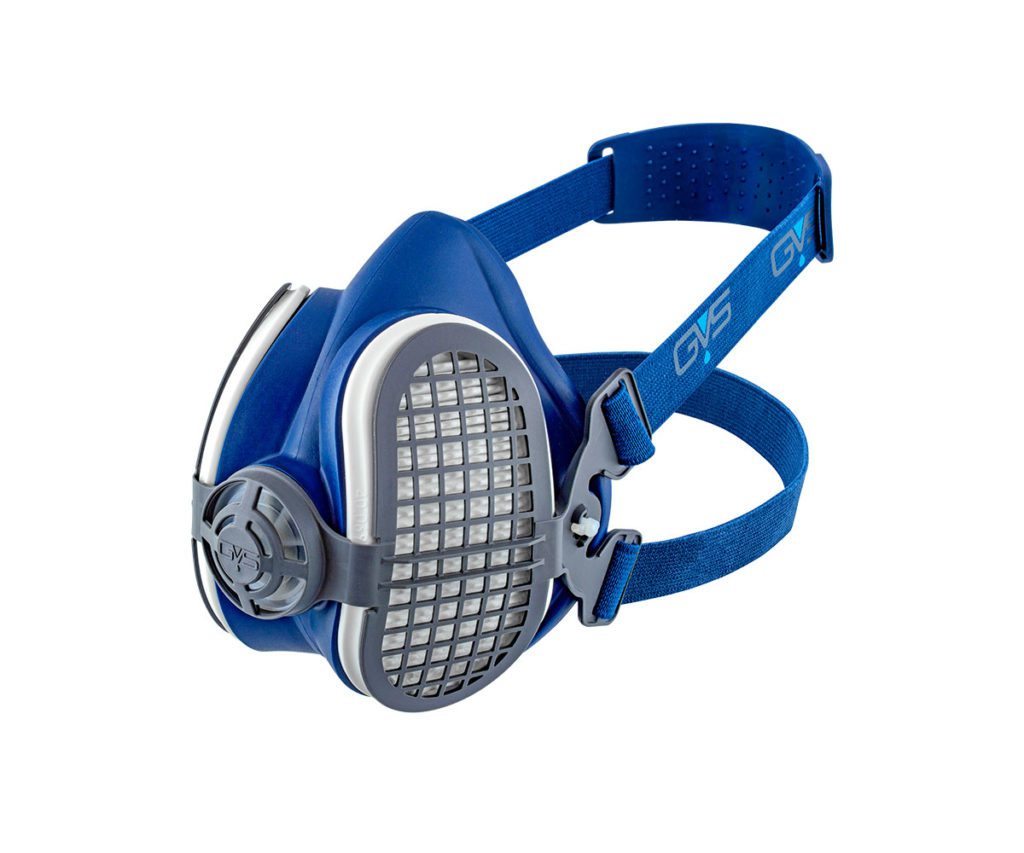
      • The Elipse series offers lightweight, comfortable half-face respirators with P3 filters that are 99.95% efficient at 0.3 microns
      • GVS filters come in particle, gas/vapour and combined types to suit different hazards and applications
      • Proper fit, regular filter replacement and thorough cleaning are essential for optimal respirator performance and protection
      • GVS respirators find wide application in industries like construction, manufacturing, healthcare and laboratory settings
      • Compared to other brands, GVS respirators stand out for their lightweight design, superior filtration and low breathing resistance
      • GVS Elipse respirators and filters are available from Norsemen Safety & Industrial Supplies.

      What Are GVS Respirators and Filters?

      GVS respirators and filters are advanced protective devices designed to safeguard users from airborne contaminants. These essential tools have been developed by GVS, a company with over 40 years of experience in filtration solutions.

      Key Components of GVS Respiratory Protection

      GVS respirators consist of several crucial elements that work together to provide top-notch protection. Think of them as a superhero team, each member playing a vital role in keeping you safe. Let’s break down these components:

      1. The mask: Made from medical-grade Thermoplastic Elastomer (TPE), it’s like a comfy, flexible shield for your face. No latex or silicone here, folks!
      2. Filters: These are the real MVPs, trapping dust, fumes, and other nasties before they reach your lungs. They’re like bouncers at an exclusive lung party!
      3. Non-return valve: This clever little device reduces breathing resistance and keeps moisture at bay. It’s the unsung hero of the respirator world.
      4. Straps: They keep everything snug and secure, like a warm hug for your face (but with added safety benefits).

      Have you ever wondered how these components work together so seamlessly? It’s a bit like a well-oiled machine, or perhaps a perfectly choreographed dance routine. Each part knows its job and performs it flawlessly.

      What’s your experience with respirators? Do you have any hilarious respirator-related stories to share? We’d love to hear them!

      Types of GVS Respirators

      GVS offers a range of respirators designed to protect workers in various industries. These respirators come in two main types: half-face and full-face models, each with unique features to suit different needs.

      Half-Face Respirators

      Half-face respirators cover the nose and mouth, providing protection against airborne particles and gases. They’re like a cosy breathing fortress for your lower face! GVS’s Elipse series is a popular choice in this category.

      The Elipse Respirator is a standout product. It’s lightweight and compact, fitting snugly on your face without getting in the way of other protective gear. Imagine wearing a mask that’s as comfortable as your favourite pair of slippers!

      Key features of the Elipse Half Mask Respirator include:

      • Pleated, interchangeable P3 filters with 99.95% efficiency at 0.3 microns
      • Low breathing resistance (3 mbar at 47.5 l/min flow rate)
      • EN140: 1998 Mask Body. EN143: 2000+ A1: 2006 P3 RD. CE 2797.
      • Large central non-return valve to reduce moisture buildup
      • Adjustable elastic straps for a secure fit
      • Made from medical-grade TPE, latex-free and odour-free

      Have you ever tried to breathe through a straw? That’s what some respirators feel like. But with the Elipse’s low breathing resistance, you’ll feel like you’re breathing normally. It’s a breath of fresh air in the world of respiratory protection!

      Full-Face Respirators

      gvs full face respirator

      Full-face respirators take protection up a notch by covering your entire face, including your eyes. They’re like a superhero mask for your whole face! These respirators offer comprehensive protection against particles, gases, and vapours.

      GVS full-face respirators typically feature:

      • Wide-view visor for excellent visibility
      • Soft, flexible face seal for comfort during extended wear
      • Multiple filter options for different hazards
      • Integrated speech diaphragm for clear communication

      We’d love to hear about your experiences with different types of respirators. Have you used both half-face and full-face models? Which do you prefer and why?

      Remember, choosing the right respirator is crucial for your safety. It’s not just about looking cool (though you might feel like a space explorer in a full-face model). Always consider the specific hazards in your workplace when selecting your respiratory protection.

      GVS Filter Classifications

      GVS respirators utilise various filter types to provide protection against different hazards. These filters are categorised based on their specific functions and the substances they’re designed to block. Let’s explore the main types of filters used in GVS respirators.

      Particle Filters

      Particle filters are the first line of defence against airborne particles. They’re like a sieve for your breath, catching tiny bits before they reach your lungs. Here’s what you need to know:

      • P3 Filters: These are the heavy hitters of particle filtration. With a minimum efficiency of 99.95% at 0.3 microns, they’re highly effective against dusts, fumes, and micro-organisms. Imagine a bouncer at a club, but instead of keeping out rowdy patrons, it’s blocking harmful particles like asbestos, silica, and toxic metals.

      Have you ever wondered how many particles these filters catch in a single breath? It’s mind-boggling!

      Gas and Vapour Filters

      Gas and vapour filters are the odour-busters of the respirator world. They’re designed to tackle invisible threats that particle filters can’t catch. Here’s the lowdown:

      • Activated Carbon Filters: These filters are like sponges for gases and vapours. They absorb harmful substances, keeping them away from your lungs. It’s as if they’re playing a game of chemical hide-and-seek, and they always win!
      • Specific Gas Filters: Some filters are tailored to protect against particular gases. For example, there are filters for organic vapours, acid gases, and ammonia. It’s like having a superhero team, each with its own special power against different villains.

      What’s the strangest smell you’ve encountered that made you wish you had a gas filter?

      Combined Filters

      Combined filters are the Swiss Army knives of the filter world. They offer protection against both particles and gases, giving you the best of both worlds. Here’s what you should know:

      • Multi-Gas Filters: These filters can tackle a variety of gases and vapours. They’re like the all-you-can-eat buffet of filters, offering a wide range of protection.
      • Particle and Gas Combination: Some filters combine particle filtration with gas absorption. It’s like having a bodyguard and a chemist working together to keep you safe.

      Advantages of GVS Respirators and Filters

      GVS respirators and filters offer a range of benefits that set them apart in the world of respiratory protection. We’ve explored their key advantages, focusing on comfort, fit, durability, and performance.

      Comfort and Fit

      GVS respirators are designed with the wearer’s comfort in mind, especially for extended use. The masks are crafted from soft, medical-grade Thermo Plastic Elastomer (TPE), which prevents skin irritation and is free from latex and silicone. This hypoallergenic material is like a gentle hug for your face, keeping you comfortable even during long shifts.

      GVS Respirators work really well under a welding helmet.

      The lightweight and flexible design of these respirators moulds to your face’s contours, creating a snug fit. It’s almost like having a custom-made mask! The elasticated head and neck straps can be adjusted in four different positions, allowing you to find your perfect fit. Have you ever worn a mask that kept slipping off your nose? Well, GVS has solved that problem with their nasal area ridge, which helps keep the respirator in place and reduces fogging of glasses.

      Durability and Performance

      When it comes to durability, GVS respirators are tough cookies. They maintain their performance throughout their lifespan, which is quite impressive. The masks and filters have a shelf life of 5 years when stored properly – that’s longer than most of us can keep a houseplant alive!

      The filters in these respirators are real troopers. They keep working until they’re saturated, and you only need to replace them when you find breathing uncomfortable. It’s like having a personal air purifier that tells you when it needs a break.

      We’d love to hear about your experiences with respiratory protection. Have you ever had a mask that felt like it was trying to suffocate you instead of protect you? Or perhaps you’ve had a GVS respirator that’s been your trusty companion through countless projects? Share your stories with us!

      Proper Use and Maintenance

      GVS respirators are essential for protecting against harmful particles and gases. Let’s explore how to use and maintain these vital safety devices effectively.

      Fitting Your GVS Respirator

      A well-fitted respirator is crucial for optimal protection. Here’s how to get it right:

      1. Clean your face thoroughly before putting on the mask.
      2. Place the respirator over your nose and mouth, securing it behind your head.
      3. Adjust the straps for a snug fit without being too tight.
      4. Perform a seal check by covering the filters with your hands and inhaling sharply.
      5. You need to be clean shaved when wearing GVS respirators.
      6. Fit testing is required in order to ensure the correct fit.

      Remember, a proper fit is like finding the perfect pair of shoes – it should feel comfortable and secure. Have you ever tried on a mask that felt like it was made just for you? That’s the feeling we’re aiming for!

      Replacing Filters

      Knowing when to replace your filters is key to maintaining protection. Here’s what you need to know:

      • Replace filters when you notice increased breathing resistance or detect odours.
      • Check the manufacturer’s guidelines for specific replacement intervals.
      • Always replace both filters at the same time for balanced protection.

      Think of filter replacement like changing the oil in your car – it keeps everything running smoothly and safely. How often do you find yourself needing to replace your filters?

      Cleaning your respirator is as important as brushing your teeth – it should be done regularly and thoroughly. After each use:

      1. Remove the filters and set them aside.
      2. Wash the facepiece with warm water and mild soap.
      3. Rinse thoroughly and air dry away from direct sunlight.
      4. Once dry, store in a clean, sealed container.

      Remember, a clean respirator is a happy respirator! And who doesn’t want a happy piece of safety equipment?

      Applications and Industries

      GVS respirators and filters play a crucial role in various industries, protecting workers from harmful airborne substances. Let’s explore their applications in different sectors.

      Construction and Manufacturing

      In construction and manufacturing, GVS respirators are indispensable. The Elipse P3, for instance, is a popular choice due to its effectiveness against a wide range of hazardous materials. It’s like having a personal bodyguard for your lungs!

      These respirators shield workers from dust and fumes containing:

      • Silica
      • Coal
      • Iron ore
      • Graphite
      • Kaolin
      • Zinc
      • Aluminium
      • Asbestos
      • Bauxite
      • Manganese
      • Lead
      • Chromium

      You’ll find GVS respirators in action across various industries:

      • Mining
      • Steel mills
      • Foundries
      • Mechanical work
      • Cement production
      • Glass manufacturing
      • Ceramics
      • Chemical processing
      • Construction
      • Waste management
      • Rail industry

      Healthcare and Laboratory Settings

      In healthcare and laboratory environments, GVS respirators are the unsung heroes. They’re like invisible shields, protecting medical professionals and researchers from potentially harmful microorganisms and chemicals.

      These respirators are particularly useful in:

      • Hospitals
      • Clinics
      • Research laboratories
      • Pharmaceutical manufacturing

      Remember, whether you’re laying bricks or pipetting samples, GVS respirators have got your back (or should we say, your lungs?). They’re the breath of fresh air in potentially hazardous environments.

      Comparing GVS to Other Respirator Brands

      When it comes to protecting our lungs, we’re spoilt for choice. GVS respirators and filters stand out in the crowd, but how do they stack up against other brands? Let’s dive in and see what makes GVS tick.

      GVS respirators, like the Elipse Half-Mask, are known for their lightweight design. It’s like wearing a feather on your face! Other brands might feel like you’re carrying a brick. Have you ever tried to work a full shift with a heavy respirator? It’s not fun, trust us.

      The filters in GVS respirators are top-notch. They catch 99.95% of particles at 0.3 microns. That’s like having a bouncer at a club who only lets in 3 out of 10,000 people! Other brands might let a few more slip through the cracks.

      Comfort is key, and GVS nails it. The flexible design moulds to your face like a second skin. Some other brands might leave you feeling like you’re wearing a plastic bowl. Ever tried to smile with one of those on? It’s a real challenge!

      Let’s talk breathing resistance. GVS keeps it low at 3 mbar at 47.5 l/min. In plain English? It’s easy to breathe. Some other brands might have you feeling like you’re sucking air through a straw.

      Conclusion

      GVS respirators and filters stand out as essential tools for workplace safety across various industries. We’ve explored their components features and applications highlighting the importance of proper fit and maintenance. These innovative devices offer superior protection comfort and durability making them a top choice for professionals seeking reliable respiratory safety equipment. As we prioritise our health and well-being in potentially hazardous environments GVS respirators prove to be invaluable allies in safeguarding our lungs and overall health. Contact us for expert advice on respiratory protection.

      Frequently Asked Questions

      What are GVS respirators and how do they work?

      GVS respirators are advanced protective devices that safeguard against harmful airborne substances. They work by filtering out dangerous particles and gases through specialised filters. The respirator consists of a medical-grade TPE mask, filters, a non-return valve, and secure straps. Together, these components create a barrier between the wearer’s lungs and harmful airborne substances, ensuring clean air is breathed in.

      What types of GVS respirators are available?

      GVS offers two main types of respirators: half-face and full-face models. Half-face respirators, like the Elipse P3 Respirator, protect the nose and mouth. They’re lightweight with pleated P100 filters. Full-face respirators offer comprehensive protection, covering the entire face including eyes. They feature a wide-view visor and integrated speech diaphragm for clear communication. The choice depends on specific workplace hazards.

      What filter classifications are used in GVS respirators?

      GVS respirators use various filter classifications to protect against different hazards. Particle filters, such as P3 RD, block airborne particles. Gas and vapour filters, including activated carbon filters, absorb harmful substances. Combined filters offer protection against both particles and gases. The filter choice depends on the specific workplace hazards and the level of protection required.

      What are the advantages of GVS respirators?

      GVS respirators offer several advantages including comfort, fit, durability, and performance. They’re made from soft, medical-grade TPE, preventing skin irritation and ensuring comfort during extended use. The lightweight, flexible design moulds to the wearer’s face, while adjustable straps provide a secure fit. GVS respirators are durable with a five-year shelf life and maintain performance until filters become saturated.

      How should GVS respirators be properly used and maintained?

      Proper use of GVS respirators involves achieving a secure fit and performing regular seal checks. Users should replace filters when breathing resistance increases or odours are detected. Regular cleaning is essential for maintaining effectiveness. A step-by-step guide for fitting and seal checking is provided, emphasising the importance of a well-fitted mask for optimal protection. Proper maintenance ensures the respirator’s longevity and effectiveness.

      In which industries are GVS respirators commonly used?

      GVS respirators are widely used in construction and manufacturing industries to protect workers from harmful substances like silica, coal, and asbestos. They’re also essential in healthcare and laboratory settings, safeguarding against microorganisms and chemicals. The Elipse P3 respirator is particularly effective and NIOSH certified. GVS respirators serve as crucial safety tools across diverse work environments where airborne hazards are present.

      How do GVS respirators compare to other brands?

      GVS respirators stand out for their lightweight design, superior filter efficiency, and comfort. Their filters capture 99.95% of particles while maintaining low breathing resistance. GVS products meet stringent safety standards and certifications. Compared to some competitors, GVS respirators are often easier to use due to their low breathing resistance and comfortable design. However, individual experiences may vary based on specific needs and preferences.

      Stahlwerk Welding Machines: Versatile Tools for Every Welder’s Needs

      We’ve all been there – staring at a pile of metal pieces, wondering how to join them seamlessly. That’s where Stahlwerk welding machines come in handy. These nifty gadgets are like the Swiss Army knives of the welding world, ready to tackle any job you throw at them.

      Ever tried to explain welding to a non-welder? It’s a bit like describing how to bake the perfect soufflé to someone who’s never set foot in a kitchen. But don’t worry, we’re here to break it down for you. What’s your biggest welding challenge? Whether you’re a DIY enthusiast or a seasoned pro, Stahlwerk machines might just be the answer you’ve been looking for.

      stahlwerk welding machines

      Key Takeaways

      • Stahlwerk welding machines offer versatile, high-quality options for both professionals and hobbyists
      • These machines feature IGBT technology, providing efficient performance and stable welding currents
      • Popular models like the MIG 200 ST IGBT and AC/DC TIG 200 Pulse offer multi-process capabilities
      • Stahlwerk machines are generally more affordable than premium brands, making welding accessible
      • Whilst offering good value, some users report issues with AC TIG welding and instruction manual clarity.
      • Norsemen/Welder’s Choice are the main Stahlwerk Distributor for the UK and Ireland. Give us a call today.

      What Are Stahlwerk Welding Machines?

      Stahlwerk welding machines are the workhorses of the welding world. They’re like the trusty spanner in your toolbox – always ready to tackle a job, big or small. These machines come from a high-tech company that’s made a name for itself in the welding industry.

      Ever tried to explain welding to your gran? It’s not easy, is it? Well, Stahlwerk machines make it a bit simpler. They offer a range of welding options that’ll make you feel like a pro, even if you’re just starting out. From TIG to MIG, and even plasma cutting, these machines have got you covered.

      But what makes Stahlwerk stand out? It’s all about the tech, folks. They use something called IGBT technology. Don’t worry if that sounds like alphabet soup – it just means these machines are efficient and perform well. It’s like having a sports car engine in your family sedan!

      Here’s a quick rundown of what Stahlwerk offers:

      • TIG welding machines (both AC and DC)
      • MIG and MAG welding machines
      • Combo machines with MMA mode
      • Plasma cutters

      Have you ever bought something and worried it might break down? With Stahlwerk, that’s less of a concern. Some of their products come with a 7-year warranty. That’s longer than some marriages last!

      So, whether you’re fixing your garden gate or working on a major construction project, Stahlwerk machines are up to the task. They’re the kind of tools that make you want to find things to weld, just for the fun of it. Anyone else guilty of that?

      Key Features of Stahlwerk Welding Machines

      Stahlwerk welding machines boast a range of features that set them apart in the industry. These tools combine durability, versatility, and user-friendly design to meet the needs of both novice and experienced welders.

      Build Quality and Durability

      Stahlwerk welding machines are built to last. Their robust construction uses high-quality materials, including internal copper components that enhance transformer output. This design choice results in a more stable welding current, improving overall performance and longevity. Looking for tips on achieving stable welding currents with gasless MIG welding? Check out our essential guide!

      Have you ever used a tool that felt like it might fall apart at any moment? That’s not the case with Stahlwerk machines. They’re like the tortoise in the race – slow and steady wins the day. These machines are designed for the long haul, ready to tackle project after project without breaking a sweat.

      Versatility and Performance

      When it comes to versatility, Stahlwerk welding machines are the Swiss Army knives of the welding world. They’re capable of handling various materials, from mild steel to copper, and support multiple welding processes. This flexibility means you’re not limited to just one type of project.

      Imagine having a kitchen gadget that could chop, slice, dice, and julienne – that’s the kind of multi-tasking these welding machines offer. Whether you’re working on a delicate piece of stainless steel or a hefty chunk of mild steel, these machines have got your back.

      User-Friendly Design

      Stahlwerk welding machines are designed with the user in mind. They feature intuitive controls and clear displays, making them accessible to welders of all skill levels. It’s like they’ve taken the complexity of welding and packaged it into something as easy to use as your smartphone.

      Remember the first time you tried to assemble flat-pack furniture without instructions? Well, using a Stahlwerk welding machine is the opposite of that experience. They’re designed to be straightforward and easy to use, even if you’re new to welding.

      What’s your biggest challenge when it comes to welding? Is it finding a machine that can handle different materials? Or perhaps you’re looking for something that won’t give up halfway through a big project? Whatever your needs, Stahlwerk machines are designed to meet them head-on.

      Popular Stahlwerk Welding Machine Models

      Stahlwerk offers a range of welding machines to suit various needs. Let’s dive into two popular models that have caught the attention of welders across the UK.

      Stahlwerk MIG 200 ST IGBT

      The Stahlwerk MIG 200 ST IGBT is a versatile powerhouse. It’s like having a Swiss Army knife in your welding arsenal. This multi-process machine handles MIG, TIG, and stick welding with ease.

      The IGBT technology at its core enhances efficiency and stability. It’s a bit like having a smart engine in your car – it optimises performance while keeping things running smoothly.

      Fancy working with different materials? This machine’s got you covered. From steel to aluminium, it adapts like a chameleon. The synergic MIG function is particularly nifty for tackling multiple materials.

      Ever tried to weld aluminium and felt like you were trying to ice skate uphill? The pulse MIG feature on this model makes it a breeze. It’s almost like having a welding wizard by your side, guiding your hand.

      Stahlwerk AC/DC TIG 200 Pulse

      stahlwerk tig welder

      Meet the Stahlwerk AC/DC TIG 200 Pulse – the James Bond of welding machines. It’s sleek, sophisticated, and packs a punch when it comes to performance.

      This model is a TIG welding specialist. It handles both AC and DC welding, making it perfect for a wide range of metals. It’s like having a bilingual friend who can chat with both aluminium and steel.

      The pulse function is where this machine really shines. It’s like having a metronome for your welding – it helps you maintain a steady rhythm, resulting in cleaner, more precise welds.

      Have you ever tried to weld thin materials and ended up with more holes than welds? This machine’s fine control settings make delicate work a doddle. It’s like swapping your boxing gloves for a painter’s brush.

      Remember, choosing the right welding machine is like picking the perfect dance partner. It needs to match your style and keep up with your moves. Which of these Stahlwerk models do you think would be your ideal welding companion? Still unsure which Stahlwerk model is right for you? Contact us for expert advice!

      Advantages of Stahlwerk Welding Machines

      Advantages

      Stahlwerk welding machines pack a punch with their powerful output. Models like the CTM-250 ST deliver up to 250 amps, tackling a wide range of welding tasks. It’s like having a heavyweight champion in your corner!

      These machines are the Swiss Army knives of welding. They’re multi-function maestros, handling TIG, MIG, Stick, and even plasma cutting. Fancy whipping up a metal masterpiece? These machines have got your back.

      When it comes to DC mode performance, Stahlwerk machines shine brighter than a welding arc. They hold their own against pricier options, especially for TIG welding. It’s like getting a luxury car ride at budget airline prices!

      Speaking of prices, Stahlwerk machines won’t burn a hole in your pocket. They’re more wallet-friendly than high-end equipment, offering multiple welding functions without breaking the bank. Who doesn’t love a good bargain?

      Comparing Stahlwerk to Other Welding Brands

      Stahlwerk welding machines often find themselves in a David and Goliath situation when pitted against industry giants. But don’t let their underdog status fool you – these plucky contenders pack quite a punch!

      Quality and Performance

      Stahlwerk machines employ IGBT inverter technology, delivering energy-efficient and stable current output. It’s like comparing a smartphone to an old rotary phone – both make calls, but one’s got a few more tricks up its sleeve.

      Price Point

      When it comes to cost, Stahlwerk often wins the race. These machines offer a wallet-friendly alternative to premium brands, making welding accessible to more people. It’s like finding a hidden gem in a charity shop – you get a great deal without breaking the bank.

      Versatility

      Stahlwerk’s range includes MMA, MIG, TIG, and plasma cutters, with some models combining multiple functions. It’s like having a Swiss Army knife in your welding arsenal – handy for various tasks without needing separate tools.

      User Experience

      Stahlwerk machines boast user-friendly features.

      Have you ever used a Stahlwerk welding machine? What was your experience like? We’d love to hear your thoughts!

      Who Should Consider Stahlwerk Welding Machines?

      Stahlwerk welding machines are like a Swiss Army knife for metal workers – they’re versatile, reliable, and can tackle a variety of jobs. But who exactly should be eyeing up these nifty tools? Let’s break it down.

      Professionals

      For the pros out there, Stahlwerk machines are a solid choice. They’re built tough, like a reliable old workhorse, ready to handle the daily grind of industrial welding. These machines are at home in chemical plants, car factories, shipyards, and more. They’re the dependable mate you want by your side when you’re tackling big projects.

      DIY Enthusiasts and Hobbyists

      Are you a weekend warrior who loves tinkering in the garage? Stahlwerk machines might just be your new best friend. They’re user-friendly, compact, and perfect for those who are just starting their welding journey. Remember the first time you tried to assemble flat-pack furniture? Well, using a Stahlwerk machine is much easier than that!

      Small to Medium-Sized Workshops

      If you run a small workshop, you know the importance of equipment that can multitask. Stahlwerk machines are like that colleague who always volunteers for extra shifts – they’re ready to take on various welding tasks without breaking a sweat. With their IGBT inverter technology, they’re efficient too, helping keep those energy bills in check.

      Have you ever wondered if a Stahlwerk machine could be the missing piece in your workshop puzzle? Whether you’re a seasoned pro or a curious newcomer, these machines have something to offer. They’re like the friendly neighbour who’s always happy to lend a hand – reliable, versatile, and always up for a challenge.

      So, what’s your welding story? Are you looking to upgrade your current setup, or are you taking your first steps into the world of welding? Whatever your situation, Stahlwerk machines are worth considering. They might just be the perfect dance partner for your next welding project.

      Conclusion

      Stahlwerk welding machines offer a compelling blend of versatility power and affordability. They’re suitable for professionals DIY enthusiasts and small workshops alike. While they may not match specialized high-end machines in every aspect they provide excellent value for money.

      We’ve explored their features popular models and how they stack up against other brands. Whether you’re tackling industrial tasks or home projects there’s likely a Stahlwerk machine that fits your needs. As with any tool it’s crucial to assess your specific requirements before making a choice.

      Remember welding is both an art and a science. The right machine can be your trusted partner in creating durable and beautiful welds.

      Frequently Asked Questions

      What are Stahlwerk welding machines?

      Stahlwerk welding machines are versatile tools that simplify the welding process. They offer a variety of welding options, including TIG, MIG, and plasma cutting, making them suitable for both beginners and professionals. These machines use advanced IGBT technology to enhance efficiency and performance, and are often described as reliable workhorses in the welding world. Curious about how Stahlwerk’s MIG welders compare to gasless options? Explore our in-depth analysis of gasless MIG welders.

      What types of Stahlwerk welding machines are available?

      Stahlwerk offers a range of welding machines, including:

      • TIG welding machines (AC and DC)
      • MIG and MAG welding machines
      • Combo machines with MMA mode
      • Plasma cutters
        Some products come with a 7-year warranty, ensuring durability and reliability for users.

      What are the key features of Stahlwerk welding machines?

      Key features of Stahlwerk welding machines include:

      • Durability: Built with high-quality materials for enhanced performance and stability
      • Versatility: Capable of handling various materials and welding processes
      • User-friendly design: Intuitive controls and clear displays for ease of use
      • Advanced technology: Utilises IGBT inverter technology for energy efficiency

      What are some popular Stahlwerk welding machine models?

      Two popular models are:

      1. Stahlwerk MIG 200 ST IGBT: A versatile machine capable of MIG, TIG, and stick welding, featuring synergic MIG functions and pulse MIG capabilities.
      2. Stahlwerk AC/DC TIG 200 Pulse: A sophisticated TIG welding specialist, adept at handling both AC and DC welding, with fine control settings for precise work.

      What are the advantages of Stahlwerk welding machines?

      Advantages of Stahlwerk welding machines include:

      • Powerful output
      • Multi-function capabilities
      • Competitive performance in DC mode
      • Affordability compared to high-end options
      • Energy efficiency due to IGBT inverter technology
      • Versatility with models that combine multiple functions

      How do Stahlwerk welding machines compare to other brands?

      Stahlwerk machines offer impressive quality and performance at a more affordable price point compared to premium brands. They use IGBT inverter technology for energy efficiency and versatility. While they may not match the specialised performance of high-end single-function machines, they provide a cost-effective alternative for many welding tasks.

      Who should consider using Stahlwerk welding machines?

      Stahlwerk welding machines are suitable for:

      1. Professionals: Robust and reliable for industrial tasks
      2. DIY enthusiasts: User-friendly and compact for home projects
      3. Small to medium-sized workshops: Benefit from multitasking capabilities and energy efficiency
        Consider your specific welding needs to determine which Stahlwerk model would best suit your requirements.

      Miller Welding Equipment: Top Tools for Perfect Welds | Expert Guide

      We’re all about making sparks fly in the welding world, and when it comes to top-notch equipment, Miller’s gear is the bee’s knees. Ever tried to butter your toast with a sledgehammer? That’s what using subpar welding tools can feel like. But with Miller, it’s like spreading butter on a hot crumpet – smooth and effortless.

      Have you ever wondered what sets professional welders apart from DIY enthusiasts? It’s not just skill; it’s the tools they use. We’ve seen countless welders transform their work with the right equipment. From hobbyists to industrial pros, everyone’s looking for that perfect weld. And let’s face it, in the welding game, your equipment can make or break your project.

      miller welding equipment

      Key Takeaways

      • Miller Welders offers a diverse range of welding machines, including MIG, TIG, and stick welders, suitable for various skill levels and applications
      • Key features of Miller welding equipment include durability, advanced technology integration, and user-friendly interfaces
      • Popular Miller series include Millermatic for MIG welding, Dynasty for precision TIG welding, and Multimatic for multi-process capabilities
      • When choosing Miller welding equipment, consider your welding needs, budget, and long-term value to ensure the best fit for your projects
      • Regular maintenance, including cleaning, checking connections, and monitoring consumables, is crucial for optimal performance and longevity of Miller welding equipment

      The Legacy of Miller Welding Equipment

      Miller’s welding equipment has become a household name in the industry, much like how a trusty kettle is essential for a proper British cuppa. We’ve seen firsthand how their tools have revolutionised welding practices over the years. Remember when welding was as tricky as trying to eat soup with a fork? Miller changed all that!

      Their range of welding machines is impressive, covering everything from MIG and TIG to stick and engine drive welders. It’s like having a Swiss Army knife for welding – there’s a tool for every job. But what sets Miller apart? It’s their commitment to quality and innovation, which has been as consistent as a Yorkshire pudding recipe passed down through generations.

      Have you ever wondered why seasoned welders swear by Miller? It’s not just brand loyalty; it’s about reliability. Using Miller equipment is like having a dependable mate who’s always got your back. Their tools perform when it matters most, whether you’re working on a DIY project in your garage or tackling a major industrial job.

      Speaking of DIY, here’s a chuckle for you: A novice welder once told us he thought MIG stood for “Maybe I’ll Get it right”. With Miller equipment, even beginners feel confident. It’s user-friendly design makes welding less daunting and more accessible to everyone.

      Miller’s Digital Series helmets, paired with their Legacy Headgear, offer comfort and protection that’s second to none. It’s like wearing a cosy jumper that also happens to shield you from sparks and UV rays. Who said safety can’t be comfortable?

      We’ve seen how Miller’s equipment has helped welders create everything from intricate metal art to robust industrial structures. Their tools are the unsung heroes behind countless projects, big and small. It’s no wonder they’ve earned their stripes in the welding world.

      Types of Miller Welding Machines

      Miller offers a diverse range of welding machines to suit various needs and skill levels. Let’s explore the different types available:

      MIG Welders

      MIG welders are the go-to choice for many welding enthusiasts. They’re like the Swiss Army knives of the welding world – versatile and easy to use. These machines use a wire feed system that makes welding as simple as pointing and pulling the trigger. Ever tried to frost a cake? That’s how smooth MIG welding can be with the right machine! Want to learn more about achieving smooth welds with gasless MIG welding? 

      TIG Welders

      TIG welders are the precision instruments of the welding family. They’re perfect for those delicate jobs where accuracy is key. Using a TIG welder is like painting with a fine brush – it requires a steady hand and patience, but the results are stunning. Have you ever marvelled at the seamless welds on a bicycle frame? Chances are, a TIG welder was behind that craftsmanship.

      Stick Welders

      Stick welders are the tough guys of the welding world. They’re like the trusty old boots you wear for a muddy hike – reliable and able to handle rough conditions. These machines are ideal for outdoor projects or when working with rusty or dirty metals. Remember that time you tried to fix the garden gate in the rain? A stick welder would’ve been your best mate!

      Key Features of Miller Welding Equipment

      Miller welding equipment stands out for its exceptional quality and performance. Let’s explore the key features that make Miller gear a favourite among welders.

      Durability and Reliability

      Miller welding equipment is built to last, like a trusty old Land Rover that never fails to start. These machines can take a beating and keep on welding. Imagine trying to crack a walnut with a plastic spoon – that’s what using lesser equipment feels like compared to Miller’s robust gear. Have you ever had a tool that just wouldn’t give up, no matter how hard you pushed it? That’s Miller for you.

      Advanced Technology Integration

      Miller’s tech is so advanced, it’s like having a tiny Einstein in your welding machine. Their ClearLight™ 4x Lens Technology is clearer than a window after a good scrub. It’s as if someone turned on the lights in a dimly lit room – suddenly, you can see every detail of your work. And let’s not forget the Miller Copilot™ with Touch Sensing. It’s like having a backseat driver, but one you actually want around!

      User-Friendly Interfaces

      Using a Miller welder is as easy as making a cup of tea. The Millermatic series, in particular, is so user-friendly, it’s like they’ve put a ‘That was easy!’ button on every machine. Remember when you first tried to program your VCR? (If you’re old enough to know what that is!) Well, using a Miller welder is the exact opposite of that experience. It’s so intuitive, you’ll wonder why all machines aren’t made this way.

      Popular Miller Welding Equipment Models

      Miller offers a range of welding equipment to suit various needs and skill levels. Let’s explore some of their popular series, each with its own unique features and capabilities.

      Migmatic Series

      The Migmatic series is Miller’s go-to for MIG welding. It’s like the Swiss Army knife of welding equipment – versatile and user-friendly. These machines are perfect for both DIY enthusiasts and light industrial applications. Models like the Migmatic 260i and the Migmatic S400i are common choices, offering easy setup and operation. However, it’s worth noting that some users have reported durability issues with certain models, such as problems with arcing and wire kinking.

      Have you ever tried to thread a needle with boxing gloves on? That’s what using a complicated welder can feel like. But with a Migmatic, it’s more like slipping on a comfy pair of slippers – effortless and comfortable.

      Dynasty Series

      The Dynasty series is Miller’s answer to precision TIG welding. These machines are the paint brushes of the welding world, allowing for intricate work with finesse. They’re ideal for welders who need to create those picture-perfect welds on thin materials or in tight spots.

      Remember that time you tried to frost a cake with a garden trowel? Well, using a Dynasty TIG welder is the opposite of that – it’s all about precision and control.

      Multimatic Series

      The Multimatic series is the jack-of-all-trades in Miller’s lineup. These multi-process welders can handle MIG, TIG, and stick welding, making them incredibly versatile. It’s like having a whole toolbox in one machine.

      Imagine if your kitchen blender could also toast bread and brew coffee. That’s the kind of versatility we’re talking about with the Multimatic series. Whether you’re working on a car restoration project or crafting metal sculptures, these machines have got you covered.

      Choosing the Right Miller Welding Equipment

      Selecting the perfect Miller welding gear can be as tricky as finding a needle in a haystack. But fear not! We’re here to guide you through the process, making it as easy as pie.

      Assessing Your Welding Needs

      First things first, let’s chat about your welding needs. Are you a weekend warrior tackling DIY projects, or are you planning to weld like there’s no tomorrow? The type of welding you’ll be doing most often is key. Miller offers a smorgasbord of equipment for MIG, TIG, and Stick welding. Imagine you’re at a buffet – you wouldn’t pile your plate with everything, would you? The same goes for welding equipment. Pick the one that suits your taste… er, we mean, your welding style!

      Have you thought about where you’ll be using your equipment? Will it be in your cosy garage or out in the wild? The environment plays a big role in choosing the right gear. It’s like picking shoes – you wouldn’t wear flip-flops to climb a mountain, would you? For heavy-duty industrial use, you might need a more robust model. But for lighter, hobbyist use, a less powerful machine could do the trick.

      Considering Budget and Long-Term Value

      Let’s talk money, honey! Budgeting for welding equipment can be as nerve-wracking as waiting for your toast to pop. But remember, buying welding gear is an investment, not just a purchase. It’s like buying a good pair of jeans – spend a bit more upfront, and they’ll last you ages.

      Think about the long-term value. Will the equipment grow with you as your skills improve? Or will you outgrow it faster than a teenager outgrows their shoes? It’s worth considering more versatile models that can handle different types of welding. They might cost more initially, but they could save you a pretty penny in the long run.

      Have you ever bought something cheap only to replace it twice as fast? We’ve all been there! With welding equipment, quality often equals longevity. So, while your wallet might feel a bit lighter at first, you’ll be thanking yourself later when your equipment is still going strong.

      Remember, folks, choosing the right Miller welding equipment isn’t rocket science. It’s all about knowing your needs, considering your budget, and thinking long-term. So, what’s your welding story? Are you ready to join the welding community and create some sparks? Need help choosing the perfect Miller welding equipment for your needs? Contact our expert team for personalized advice!

      Maintenance and Care for Miller Welding Equipment

      We all know that taking care of our tools is like nurturing a garden – it keeps them blooming and ready for action. So, let’s dive into the nitty-gritty of maintaining your Miller welding gear. Ready to roll up your sleeves and get your hands dirty? Here’s how we keep our welding kit in tip-top shape:

      Cleanliness

      Keeping your welding equipment clean is as crucial as brushing your teeth – neglect it, and you’ll face some unpleasant consequences! We regularly inspect and clean the welding torch, nozzle, and gas diffuser. It’s like giving your car a good wash; you’ll spot any issues before they become major problems.

      • Use a wire brush or Miller-recommended cleaning tools to remove spatter or debris.
      • Clean the surrounding area to prevent dust and dirt from sneaking into sensitive parts.
      • Vacuum or use filtered compressed air to blow away pesky particles from the welder itself.

      Check for Loose Connections

      Loose connections in your welder are like a wobbly tooth – they’re not doing anyone any favours! We make it a habit to inspect all electrical connections within the Miller welder system. It’s surprising how often these can come loose during operation, like a sock slipping down your ankle during a long walk.

      • Pay extra attention to cables, plugs, terminals, and ground connections.
      • Tighten any loose connections you find – it’s a simple task that can prevent big headaches later.

      Monitor Consumables

      Keeping an eye on your consumables is like watching the petrol gauge in your car – you don’t want to run out at an inconvenient time! We regularly check:

      • Contact tips
      • Nozzles
      • Liners
      • Drive rolls

      These parts wear out over time, just like the treads on your favourite trainers. Replacing them before they’re completely worn ensures your welds stay as smooth as butter on hot toast.

      Have you ever tried to weld with a worn-out contact tip? It’s like trying to write with a pen that’s run out of ink – frustrating and ineffective! By staying on top of these maintenance tasks, we keep our Miller welding equipment purring like a contented cat.

      Remember, folks, a well-maintained welder is a happy welder. And a happy welder means happy welders! So, grab that wire brush and get to work – your future self will thank you for it.

      Comparison with Other Leading Welding Brands

      Ever wondered how Miller welding equipment stacks up against its rivals? It’s like comparing apples and oranges, but we’ll give it a go!

      Miller welding equipment is often praised for their quality and performance. They’re the heavy hitters in the welding world, much like a seasoned boxer in the ring. However, even champions have their off days. Some users have reported issues with certain models, particularly in the hobbyist range. It’s a bit like finding a soggy chip in your favourite fish and chips – disappointing, but not enough to put you off the whole meal.

      When it comes to features and performance, Miller’s competitors aren’t just sitting on their hands. Other brands offer competitive pricing and robust feature sets. They’re like the plucky underdogs in a sports movie, always ready to surprise you. Some even boast better duty cycles and power compatibilities compared to similarly priced Miller units. It’s a bit like discovering your neighbour’s garden gnome can actually dance – unexpected, but impressive!

      Quality and durability are where things get interesting. Miller’s industrial machines are generally considered top-notch, but there’s been chatter about a decline in quality for their lighter-duty models. It’s like your favourite pub changing its recipe for fish and chips – loyalists might notice, but newcomers might not see what all the fuss is about.

      So, what’s a welder to do? How do you choose between these welding titans? It’s not always about picking the shiniest tool in the shed. Sometimes, it’s about finding the right fit for your specific needs. Are you a weekend warrior or a full-time fabricator? Do you need a machine that can handle the heat or one that’s easy on the wallet?

      Remember, folks, choosing a welding brand is a bit like picking a football team to support. Everyone’s got their favourites, and debates can get heated faster than a welding torch! But at the end of the day, it’s all about what works best for you.

      Conclusion

      Miller welding equipment stands as a beacon of quality and innovation in the welding industry. We’ve explored their impressive range of tools from MIG to TIG welders highlighting their user-friendly features and advanced technology. While Miller’s industrial machines shine competitors offer compelling alternatives for specific needs. Remember choosing the right equipment is crucial for your welding success. With proper maintenance and care your Miller gear will be your trusty companion for years to come. Whether you’re a seasoned pro or a DIY enthusiast Miller’s legacy of excellence continues to shape the world of welding one perfect weld at a time.

      Frequently Asked Questions

      What makes Miller welding equipment stand out in the industry?

      Miller’s welding equipment is renowned for its superior quality, user-friendliness, and innovative technology. It offers a wide range of machines suitable for both professionals and DIY enthusiasts, including MIG, TIG, stick, and engine drive welders. Miller’s tools are known for their reliability, precision, and ability to enhance the quality of welding work across various projects.

      How do I choose the right Miller welding equipment for my needs?

      Selecting the right Miller welding equipment involves assessing your specific welding needs, considering your working environment, and evaluating your budget. Determine whether you need a machine for DIY projects or industrial use, and consider the types of materials you’ll be working with. Miller offers various models suitable for different skill levels and applications, so understanding your requirements is key to making the best choice.

      What are the main types of Miller welding machines available?

      Miller offers three main types of welding machines: MIG welders, known for their versatility and user-friendliness; TIG welders, ideal for precision work and delicate tasks; and stick welders, which are robust and suitable for outdoor projects or challenging conditions. Additionally, Miller provides multi-process machines like the Multimatic series, capable of handling MIG, TIG, and stick welding in one unit.

      How do I maintain my Miller welding equipment?

      Proper maintenance of Miller welding equipment involves regular cleaning, inspections, and timely replacement of consumables. Clean the welding torch, nozzle, and gas diffuser regularly. Check for loose connections and monitor the condition of contact tips and nozzles. Replace worn parts promptly to ensure optimal performance. Treat your welding equipment like a garden, nurturing it to keep it in top condition for better performance and longevity.

      How does Miller welding equipment compare to other brands?

      While Miller is highly regarded for its quality and performance, especially in industrial machines, some users have reported issues with certain hobbyist models. Competitors may offer competitive pricing and features, with some boasting better duty cycles and power compatibilities. When choosing between brands, consider your specific needs and budget. The decision is personal, much like choosing a football team to support.

      What safety features does Miller offer in its welding equipment?

      Miller prioritises safety in its welding equipment design. The brand offers Digital Series helmets and Legacy Headgear that provide both comfort and protection. Advanced features like ClearLight™ 4x Lens Technology enhance visibility during welding, while the Miller Copilot™ with Touch Sensing improves safety and ease of use. These features ensure that welders can work efficiently while maintaining high safety standards.

      Top 10 Best Work Boots: Safety, Comfort, and Durability for Every Job

      Ever wondered why your feet ache after a long day on the job? We’ve all been there, trudging home with sore toes and blistered heels. But what if we told you that the best work boots could make all the difference?

      best work boots

      Key Takeaways

      • Safety features like steel toes, waterproofing, and slip-resistant soles are crucial for protecting feet on the job
      • Durability depends on quality materials like full-grain leather and Goodyear welt construction
      • Comfort is key – look for cushioned insoles, arch support, and breathable linings for all-day wear
      • Choose the best work boots tailored to your profession, whether you’re in construction, electrical work, or manufacturing
      • Proper fit is essential – ensure enough toe room and a snug heel fit when trying on work boots
      • Regular cleaning, conditioning, and maintenance will extend the life of your work boots
      • Norsemen Safety stocks a wide range of quality and comfortable safety footwear. Brands include Uvex, Jalas, U Power, Base and Roots Boots are just a few manufacturers we offer. Give us a call on 028 9046 0541 to discuss your requirements.

      What Makes The Best Work Boot?

      The best work boots combine safety, durability, and comfort to protect your feet during long shifts. Let’s explore the key features that set top-notch work boots apart from the rest.

      Safety Features

      Safety is paramount when it comes to the best work boots. Here’s what to look for:

      • Safety toes: These protect your feet from falling objects.
      • Steel toes: Incredibly strong, perfect for heavy-duty environments
      • Alloy toes: 30-50% lighter than steel, yet equally protective
      • Nano toes: Lightweight and robust, made from woven nanotubes
      • Waterproofing: A must-have for wet conditions. Look for boots with waterproof leather uppers and membranes to keep your feet dry.
      • Slip-resistant soles: These provide excellent traction on slippery surfaces, reducing the risk of accidents.
      • Electrical hazard protection: Essential for those working around electrical equipment.

      Durability and Materials

      The longevity of your work boots depends on their construction and materials:

      • Full-grain leather: This tough, water-resistant material offers excellent durability.
      • Goodyear welt construction: This stitching method allows for easy resoling, extending the life of your boots.
      • Reinforced stitching: Double or triple stitching at stress points increases overall durability.
      • Quality outsoles: Look for materials like Vibram or rubber compounds that resist wear and tear.
      • Breathable linings: These wick away moisture, preventing premature deterioration from sweat.

      Comfort and Fit

      Comfort is crucial for those long days on your feet:

      • Cushioned insoles: These absorb shock and provide all-day comfort.
      • Arch support: Proper support reduces fatigue and prevents foot pain.
      • Ankle padding: This prevents chafing and improves overall comfort.
      • Breathable materials: These keep your feet cool and dry throughout the day.
      • Proper fit: Ensure there’s enough room in the toe box and a snug fit around the heel.

      Top Best Work Boots for Different Professions

      65467daa 8dfe 4cf8 9221 c86aa839ba07:62FLeKC9eApelJe6CroIw

      Different jobs require specific features in the best work boots. Let’s explore the best options for various professions.

      Construction Workers

      Construction workers need boots that can handle tough conditions. The ideal boots for this profession offer excellent traction and durability. Look for options with welted construction and high-quality outsoles that perform well on various surfaces, including hard surfaces, rocks, dirt, and grass. Waterproof full-grain leather uppers and moisture-wicking liners are also crucial features for construction site environments.

      Electricians

      Electricians require boots with specific safety features. The best choices for this profession include:

      • Non-conductive soles to protect against electrical hazards
      • Comfortable designs for long periods of standing and walking
      • Lightweight materials to reduce fatigue during long shifts
      • Slip-resistant outsoles for added safety on various surfaces
      • Reinforced toe caps for protection against falling objects

      Factory Workers

      Factory workers need boots that prioritise comfort and safety. Key features to consider include:

      • Cushioned insoles for all-day comfort
      • Breathable materials to keep feet cool during long shifts
      • Slip-resistant outsoles for improved traction on smooth factory floors
      • Protective toe caps to guard against heavy machinery and falling objects
      • Durable construction to withstand the demands of factory environments

      Have you ever wondered why some workers seem to glide through their shifts while others trudge along? It’s often down to their choice of footwear! Selecting the right work boots can make all the difference between feeling like you’re walking on clouds or trudging through quicksand.

      Best Waterproof Work Boots

      Ever stepped in a puddle at work and felt that dreaded squelch in your boots? We’ve all been there! Waterproof work boots are a game-changer for those of us battling the elements on the job. But what makes a great waterproof boot, and how do we choose the right pair?

      Let’s dive into the world of waterproof work boots with a splash of humour, shall we? After all, if we’re going to talk about keeping our feet dry, we might as well have a bit of fun with it!

      What Makes The Best Work Boots Waterproof?

      Waterproof boots aren’t just regular boots with a bit of extra rubber. They’re carefully crafted to keep your feet dry in even the wettest conditions. Here’s what to look for:

      • Waterproof materials: Full-grain leather or synthetic fabrics with waterproof treatments
      • Sealed seams: Stitching that’s been treated to prevent water ingress
      • Waterproof membranes: Thin layers that block water while allowing sweat to escape
      • Gusseted tongues: These help prevent water from sneaking in through the laces

      Have you ever wondered how these boots manage to keep water out while still letting your feet breathe? It’s like magic, but with science!

      Comfort Features to Consider

      A boot can be as waterproof as a duck’s back, but if it’s not comfortable, you’ll be quacking mad by the end of the day. Here’s what to look for in terms of comfort:

      • Cushioned insoles: For all-day support
      • Breathable linings: To keep your feet fresh
      • Ankle padding: For extra comfort and stability
      • Flexible soles: To allow natural foot movement

      Remember, a comfortable boot is like a good friend – always there to support you, even on the toughest days!

      Durability: Built to Last

      What’s the point of a waterproof boot if it falls apart after a few months? Look for these features to ensure your boots will go the distance:

      • Quality outsoles: For grip and longevity
      • Reinforced stitching: To withstand daily wear and tear
      • Goodyear welt construction: For easy resoling and extended life

      Think of your boots as your trusty sidekicks. You want them to stick around for the long haul, right?

      Safety First

      Even the most waterproof boot isn’t worth a puddle if it doesn’t keep you safe. Here are some safety features to consider:

      • Safety toes: Steel, alloy, or composite options available
      • Slip-resistant soles: For those slippery surfaces
      • Electrical hazard protection: A must for some professions

      Safety features in boots are like airbags in cars – you hope you never need them, but you’re glad they’re there!

      Best Work Boots for Long Shifts

      Ever felt like your feet have run a marathon after a long day at work? We’ve all been there, trudging home with aching soles and dreaming of a foot massage. But what if we told you that the best and right pair of work boots could turn your workday into a walk in the park?

      When it comes to comfort during those never-ending shifts, three key factors make all the difference: arch support, cushioning, and materials. Let’s dive in and explore how these elements can revolutionise your work boot experience.

      Arch Support and Fit

      Imagine your foot as a bridge. The arch is the keystone that holds everything together. Without proper support, that bridge could collapse under pressure. That’s why finding work boots with stellar arch support is crucial. They keep your feet in their natural position, reducing strain and warding off common foot woes like plantar fasciitis.

      But how do you know if a boot fits like a glove? Here’s a pro tip: try on boots at the end of the day when your feet are slightly swollen. This way, you’ll get a true feel for how they’ll fit during those long shifts.

      Cushioning and Sole

      Remember jumping on a trampoline as a kid? That bouncy feeling is what your feet crave after hours on the job. A well-cushioned sole acts like a personal trampoline for your feet, absorbing shock and keeping you light on your toes.

      Look for boots with memory foam insoles or gel inserts. These nifty additions mould to your foot shape, providing a custom-fit cushion that’ll make you feel like you’re walking on clouds.

      Materials

      Leather boots are like a fine wine – they get better with age. Over time, they mould to your feet, creating a perfect, personalised fit. However, be prepared for a bit of a ‘getting to know you’ period. Breaking in leather boots can be a bit like training a puppy – it takes patience, but the loyalty you get in return is worth it.

      Have you ever considered the impact your work boots have on your overall job performance? What features do you think would make the biggest difference in your comfort during long shifts?

      Budget-Friendly: Best Work Boots That Don’t Compromise Quality

      Ever felt like you’re walking on eggshells trying to find work boots that won’t break the bank but still keep your feet happy? We’ve all been there, squinting at price tags and wondering if we’ll have to eat beans on toast for a month to afford decent footwear. But fear not, fellow thrifty shoppers! We’ve got the lowdown on how to snag those budget-friendly beauties without sacrificing quality.

      First things first, let’s talk about comfort and support. You know that feeling when you slip on a pair of boots and it’s like walking on clouds? That’s what we’re after. Look for boots with proper arch support and cushioning that’ll make your feet sing even after a long day on the job. Memory foam insoles or gel inserts are like giving your feet a spa day – they’ll thank you later!

      About materials – it’s like choosing between a trusty old leather jacket or a flashy new windbreaker. Leather boots are the classic choice, tough as nails but might need a bit of breaking in. Synthetic boots, on the other hand, are like that friend who’s always ready for a good time – lightweight and breezy. Which one tickles your fancy?

      Safety first, right? We’re not playing hopscotch here; we’re talking serious work environments. Make sure your boots meet ASTM standards for safety. It’s like having a tiny superhero for your toes! Steel, alloy, or nanosafety toes – each has its superpowers. Steel’s the heavyweight champion, alloy’s the nimble middleweight, and nano’s the lightweight contender. Choose your fighter!

      Last but not least, let’s chat about weight and breathability. Nobody wants to feel like they’re lugging around bricks on their feet, right? Lighter boots can keep you feeling spry all day long. And breathability? It’s like having a built-in air conditioner for your feet. Trust us, your nose (and your workmates) will appreciate it!

      So, what’s your go-to strategy for finding wallet-friendly work boots? Have you ever had a ‘too good to be true’ moment that turned out to be just right? Share your boot-hunting adventures with us!

      How to Choose the Best Work Boots for You

      Ever felt like Cinderella trying to find the perfect glass slipper, but instead of a ball, you’re headed to a construction site? We’ve all been there! Picking the right work boots can be a bit of a comedy of errors, but fear not – we’re here to help you navigate this footwear fiasco.

      Firstly, let’s talk about purpose. What’s your daily grind like? Are you dodging falling bricks or splashing through puddles? Your job’s demands are the compass guiding your boot choice. For instance, if you’re in construction, you’ll want boots with a sturdy toe cap to protect your tootsies from unexpected encounters with heavy objects.

      Durability is next on our hit list. We’re looking for the Terminator of boots here – ones that’ll say “I’ll be back” day after day. Full-grain leather is a top contender in the durability stakes. It’s like the superhero of boot materials, ready to take on whatever your workday throws at it.

      Let’s chat about comfort. After all, who wants to feel like they’re walking on hot coals all day? Look for boots with cushioning that’ll make you feel like you’re strolling on clouds. Breathable materials are also a must – unless you fancy your feet marinating in their sweat (yuck!).

      Here’s a fun question for you: If your work boots could talk, what would they say about your job? Share your thoughts in the comments – we’d love to hear your witty responses!

      Remember, folks, choosing the best work boots isn’t a one-size-fits-all affair. It’s about finding that sweet spot between safety, durability, and comfort. Need help finding the perfect pair of work boots for your welding tasks? Contact our team for expert advice! So, take your time, try on different pairs, and don’t be afraid to ask for help. After all, we’re all in this together, trying to keep our feet happy and our workdays smooth sailing.

      Caring for Your Work Boots

      Let’s face it, our best work boots are like trusty sidekicks in our daily grind. They’ve got our backs (or rather, our feet) through thick and thin. But how do we return the favour? Here’s the lowdown on keeping your boots in tip-top shape.

      Cleaning and Maintenance

      Picture this: your boots after a long day at the construction site. They’re caked in mud, looking like they’ve been through a mud-wrestling match with a bulldozer. Funny, right? But let’s get serious about cleaning them up.

      First things first, brush off that excess dirt. Use a soft-bristled brush to gently remove the grime. For leather boots, a damp cloth works wonders. Remember, gentle is the name of the game here. We’re not trying to scrub off the leather along with the dirt!

      What about those pesky stains? A mild soap solution can be your best friend. But be careful not to soak your boots – they’re not aquatic mammals, after all!

      Drying and Storage

      Ever left your boots out in the rain and found them looking like sad, soggy puppies the next day? We’ve all been there. But let’s avoid that scenario, shall we?

      If your boots get wet, stuff them with newspaper. It’s like giving them a cosy, absorbent blanket. Change the paper every few hours until they’re dry. And please, keep them away from direct heat sources. Your boots aren’t marshmallows at a campfire!

      When it comes to storage, think cool and dry. A shoe rack or a well-ventilated closet is perfect. Hanging them upside down? That’s a no-no. We’re not bats, and neither are our boots!

      Conditioning and Waterproofing

      Leather boots need love too! Conditioning keeps them supple and prevents cracks. It’s like moisturiser for your boots. Apply a leather conditioner every few months, or more often if you’re working in harsh conditions.

      As for waterproofing, it’s essential for keeping your feet dry. Apply a waterproofing spray or wax regularly, especially before the rainy season hits. Think of it as an umbrella for your boots!

      Replacing Worn Parts

      Even the toughest boots wear out eventually. Keep an eye on the soles, laces, and insoles. If they’re looking worse for wear, it’s time for a change. It’s like getting a new haircut – sometimes a little trim is all you need to feel brand new!

      Remember, taking care of your work boots isn’t just about making them last longer. It’s about comfort, safety, and performance. So, let’s show our boots some TLC!

      Conclusion

      Choosing the best work boots is crucial for comfort safety and productivity. We’ve explored various aspects from safety features to comfort considerations and budget-friendly options. Remember that the perfect work boot varies depending on your specific job requirements. Regular maintenance is key to extending the life of your boots. By following our guidelines you’ll be well-equipped to find and care for the ideal work boots that’ll keep you comfortable and protected throughout your workday. Your feet will thank you!

      Frequently Asked Questions

      What are the key features to look for in work boots?

      The best work boots include safety toes (steel, alloy, or nano), waterproofing, slip-resistant soles, and electrical hazard protection. Durability is enhanced by full-grain leather, Goodyear welt construction, and reinforced stitching. Comfort features include cushioned insoles, arch support, ankle padding, and breathable materials. Ensure a proper fit for optimal comfort and safety. Discover how these work boot features are essential for safe and efficient gasless MIG welding.

      How do I choose the best work boots for my profession?

      Consider the specific demands of your job. Construction workers need boots with excellent traction and waterproof full-grain leather uppers. Electricians require non-conductive soles and lightweight designs. Factory workers benefit from cushioned insoles and slip-resistant outsoles. Prioritise safety features relevant to your work environment and ensure the boots meet ASTM standards for your industry.

      What makes the best work boot waterproof?

      Waterproof work boots feature waterproof materials and sealed seams to keep feet dry in wet conditions. Look for boots with waterproof membranes or treatments, and ensure they have proper ventilation to prevent moisture build-up. Remember that even waterproof boots should prioritise safety features and comfort for long-term wear.

      How can I ensure my work boots are comfortable for long shifts?

      For comfort during long shifts, prioritise boots with proper arch support to reduce strain and prevent foot issues. Look for cushioning features like memory foam insoles or gel inserts for shock absorption. Consider leather boots, which mould to your feet over time. Try on boots at the end of the day when feet are slightly swollen for the best fit.

      Are there budget-friendly work boots that don’t compromise on quality?

      Yes, there are affordable work boots that maintain quality. Look for options with proper arch support and cushioning. Compare leather and synthetic materials, considering their pros and cons. Ensure the boots meet ASTM safety standards for your job. Consider factors like weight and breathability. Remember, investing in quality boots can save money in the long run.

      How should I care for and maintain my work boots?

      Clean your boots gently and dry them properly to avoid damage. Condition leather boots regularly to maintain suppleness and prevent cracks. Apply waterproofing treatments as needed. Replace worn parts like soles and insoles to ensure ongoing comfort and safety. Proper care and maintenance will enhance the longevity and performance of your work boots.

      JCB Socks: Comfort Meets Durability for Work and Play | Ultimate Guide

      Ever wondered why JCB socks are all the rage? We’ve got the scoop on these trendy footwear favourites that have taken the fashion world by storm. From construction sites to catwalks, these socks are making a bold statement.

      We’ll dive into the comfort, durability, and style that make JCB socks stand out from the crowd. Whether you’re a workwear enthusiast or simply looking for cosy feet, we’ve got you covered. Ready to step up your sock game?

      jcb work socks

      Key Takeaways

      • JCB socks offer exceptional comfort, durability, and safety features for work and outdoor activities
      • These socks are crafted from a blend of materials, including cotton, polyester, and elastane, for optimal performance
      • JCB offers various types of socks, including work boot socks, safety socks, and all-purpose options for different needs
      • Key benefits include moisture-wicking properties, cushioning, and long-lasting wear
      • Proper care, including gentle washing and appropriate drying methods, can extend the lifespan of JCB socks
      • Choosing the right JCB socks for your specific needs ensures maximum comfort and protection for your feet
      • Wide range of JCB socks are available from Norsemen Safety.

      What Are JCB Socks?

      JCB socks are the unsung heroes of the workwear world. Imagine slipping your feet into a cloud that’s also tough as nails – that’s what wearing JCB socks feels like. These aren’t your average pair of foot coverings; they’re a blend of comfort, durability, and safety all rolled into one.

      We’ve all been there, haven’t we? That moment when you’re halfway through a long day, and your feet are screaming for mercy. Well, JCB socks are like a hug for your feet. They’re crafted from premium materials, striking the perfect balance between thickness and warmth. Not too bulky, not too thin – just right for keeping your toes cosy without feeling like you’re wearing woollen boots.

      But here’s the kicker – these socks aren’t just about comfort. They’re built to last, like a trusty old friend who’s always got your back. Whether you’re climbing scaffolding or trekking through muddy fields, JCB socks have got you covered. They’re engineered to prevent blisters and provide support, so you can focus on the job at hand rather than your aching feet.

      You might be thinking, “Socks that meet safety standards? Pull the other one!” But it’s true! Many JCB socks are designed with workplace safety in mind. They’re like the Swiss Army knife of the sock world – versatile enough to meet various work environment requirements.

      And let’s not forget about variety. JCB socks come in more flavours than your local ice cream parlour. From heavy-duty work socks to outdoor activity designs, there’s a pair for every occasion. It’s like having a wardrobe just for your feet!

      The History of JCB Socks

      d327f4b8 7edc 4a1a a429

      Ever wonder how a company known for heavy machinery ended up making socks? It’s a bit like a builder deciding to bake cakes! The story of JCB socks is as fascinating as it is unexpected.

      JCB’s journey began in 1945 when Joseph Cyril Bamford started building agricultural trailers in Uttoxeter, UK. Picture a small workshop buzzing with activity, the air filled with the scent of metal and oil. Who’d have thought this humble beginning would lead to socks?

      As JCB grew, so did its ambitions. The company expanded beyond machinery, venturing into workwear. It’s like they asked themselves, “Why stop at building machines when we can outfit the people who use them?” This move shows JCB’s commitment to quality across all products.

      JCB socks embody the same principles of strength and durability that made their machinery famous. Imagine socks as tough as a digger’s bucket! These aren’t your average woolly foot warmers; they’re built to withstand the rigours of a hard day’s work.

      What’s your experience with workwear socks? Have you ever worn a pair that felt like they could survive a construction site? JCB socks aim to do just that, bringing the company’s robust reputation right down to your toes.

      Here’s a chuckle for you: What do you call a sock that can lift heavy loads? A JCB sock, of course! While they might not actually lift machinery, these socks are designed to support those who do.

      Key Features of JCB Socks

      JCB socks stand out for their exceptional qualities, designed to meet the demands of both work and outdoor activities. Let’s explore the standout features that make these socks a top choice for comfort and performance.

      Durability and Comfort

      JCB socks are built to last, offering unmatched comfort and longevity. Crafted from soft, breathable materials, they’re like a cosy hug for your feet that won’t let go. These socks maintain their shape and comfort over time, making them perfect for long days on the job or adventurous treks.

      Ever had that pair of socks that felt like they were plotting against your feet? Well, JCB socks are the exact opposite! They’re so comfy, you might forget you’re wearing them. It’s like walking on clouds, but with better arch support.

      Moisture-Wicking Properties

      Say goodbye to sweaty, uncomfortable feet! JCB socks come equipped with moisture-wicking technology that keeps your feet dry by pulling sweat away from your skin. It’s like having a personal air conditioning system for your feet.

      Have you ever tried to hike with soggy socks? It’s about as fun as trying to eat soup with a fork. With JCB socks, you can kiss those clammy toes goodbye. Whether you’re scaling mountains or tackling a tough workday, your feet will thank you for the dry comfort.

      Safety and Visibility

      While we can’t promise that wearing JCB socks will make you invincible, they’re certainly designed with practicality in mind. As part of the workwear and outdoor apparel family, these socks are built to handle whatever you throw at them.

      Think of them as the unsung heroes of your footwear collection. They might not have capes, but they’ve got your back (or rather, your feet) when the going gets tough. Who knows? Maybe one day we’ll see a superhero whose power comes from their indestructible socks!

      Types of JCB Socks

      JCB offers a range of socks designed to meet various needs and preferences. Let’s explore the different types available, each crafted to provide comfort and durability in specific situations.

      Work Boot Socks

      Work boot socks are the backbone of JCB’s sock lineup. These tough cookies are like the trusty sidekick to your work boots, ready to tackle any job. Made with comfort and durability in mind, they’re available in packs of three and come in classic colours like black and grey. Ever wondered what it’s like to have a cushion for your feet? These socks might just give you that feeling!

      Safety Socks

      While not explicitly labelled as ‘safety socks’, JCB’s work socks are designed with your wellbeing in mind. They’re like a secret agent for your feet, working undercover to keep you safe and comfortable. The JCB Tough Work Socks, for instance, are built to last and provide comfort during those long shifts. Have you ever thought about how much your socks contribute to your overall safety at work?

      Thermal Socks

      Here’s a funny story – we searched high and low for specific ‘thermal socks’ in the JCB range, but they seemed to be playing hide and seek! However, don’t let that fool you. JCB socks are known for striking a perfect balance – not too thick, not too thin. They’re like the Goldilocks of the sock world, providing just the right amount of warmth. Who needs a portable foot sauna when you’ve got these bad boys?

      Remember, whether you’re on a construction site or trekking through muddy fields, there’s a JCB sock that’s got your back (or should we say, your feet?). Why settle for ordinary socks when you can join the JCB sock squad?

      Benefits of Wearing JCB Socks

      JCB socks aren’t just another pair of foot coverings; they’re like a cosy hug for your feet! Have you ever wondered what makes these socks stand out from the crowd? Let’s dive in and explore the fantastic perks of slipping on a pair of JCB socks.

      Comfort

      Imagine walking on clouds – that’s the level of comfort JCB socks offer. With their thick, warm terry cushioning layer, these socks cradle your feet in pure bliss. It’s like having a personal foot masseuse with you all day long! Who wouldn’t want that?

      Breathability and Moisture Management

      Ever had that icky, sweaty foot feeling? Say goodbye to that with JCB socks! These clever little foot guardians are made from soft, breathable materials that whisk moisture away faster than you can say “dry feet”. It’s like having a built-in air conditioning system for your tootsies!

      Cushioning

      Think of JCB socks as tiny shock absorbers for your feet. The cushioning, especially in the foot area, turns each step into a gentle landing. It’s perfect for those days when you’re on your feet more than a kangaroo in a jumping contest!

      Durability

      JCB socks are the marathon runners of the sock world. While we can’t give you an exact lifespan, these socks are built to last. They’re the kind of socks that’ll stick with you through thick and thin, just like a loyal friend.

      Versatility

      Talk about multi-taskers! JCB socks are the Swiss Army knives of the sock drawer. Whether you’re conquering a mountain trail or tackling a tough day at work, these socks have got your back (or should we say, your feet?).

      How to Choose the Right JCB Socks

      JCB Work Socks Multi Pack, 8-pack (UK Size 6-11)

      Picking the perfect pair of JCB socks can feel like finding a needle in a haystack. But don’t worry, we’ve got your back (and your feet)! Let’s dive into the world of JCB socks with a bit of humour and a lot of know-how.

      Material and Construction

      JCB socks are crafted using top-notch materials and cutting-edge production techniques. They’re like a cosy blanket fort for your feet! These socks often blend cotton, nylon, polyester, elastane, and viscose to create a comfy and durable experience. For instance, the Outdoor Activity Socks boast a mix of 60% cotton, 24% nylon, 4% polyester, 2% elastane, and 1% viscose. It’s like a recipe for happy feet!

      Have you ever wondered why some socks feel like they’re giving your feet a warm hug? That’s the magic of the right material blend. Cotton keeps things breathable, nylon adds strength, and elastane gives that perfect stretch. It’s like assembling a superhero team for your toes!

      Purpose and Environment

      JCB socks come in more flavours than ice cream at a fancy parlour. Each style is designed for specific working environments and activities. Let’s break it down:

      1. Heavy Duty Work Socks: These are the tough guys of the sock world. With reinforced heel and toe areas, they’re ready to take on the most demanding jobs. Imagine tiny armour plates for your feet!
      2. Rigger Boot Socks: Tailor-made for rigger boots, these socks come in various sizes. They’re like the perfect dance partner for your boots – they move with you, not against you.
      3. Wellington Boot Welly Socks: Designed to keep your feet cosy in wellington boots. They’re the unsung heroes of rainy days and muddy fields.

      Remember that time you wore the wrong socks and ended up with blisters the size of small countries? We’ve all been there! That’s why choosing the right JCB socks for your specific needs is crucial.

      Need help finding the perfect pair of JCB socks for your work environment? Contact our team for expert advice!

      Caring for Your JCB Socks

      Ever wondered how to keep your favourite socks in tip-top shape? We’ve got you covered! Let’s dive into the world of JCB sock care – it’s easier than you might think.

      Washing Instructions

      Before you slip into your new JCB socks, give them a quick wash. It’s like giving them a warm welcome to your sock drawer! Here’s how:

      1. Turn them inside out (it’s like giving them a protective hug)
      2. Pop them in with light colours (no accidental tie-dye here!)
      3. Use non-chlorine bleach if needed (but only if they’re really crying out for it)

      Funny story: A friend once washed his red socks with his white work shirt. Let’s just say he rocked a very ‘bold’ look at the office the next day!

      Drying Instructions

      How do we get these socks dry without turning them into mini-me versions? Two options:

      1. Tumble dry on medium heat
      2. Line dry for that fresh, outdoor scent

      Which method do you prefer? There’s something satisfying about seeing socks dancing on a clothesline, isn’t there?

      General Care

      JCB socks are tough cookies, made from a blend of 66% polyester, 32% cotton, and 2% elastane. But even tough cookies need some TLC. Treat them right, and they’ll be your faithful foot companions for years to come.

      Conclusion

      JCB socks offer an unbeatable blend of comfort durability and style. From their humble beginnings to becoming a staple in workwear and beyond they’ve proven their worth time and again. Whether you’re tackling a tough job or simply seeking cosy feet JCB socks have got you covered.

      We’ve explored their features benefits and care instructions giving you all the tools to make an informed choice. So why not give your feet the JCB treatment? It’s time to experience the difference that quality craftsmanship and thoughtful design can make to your everyday comfort.

      Frequently Asked Questions

      What are JCB socks?

      JCB socks are durable, comfortable footwear designed for both work and casual wear. They’re made by JCB, a company known for construction equipment, and embody the same principles of strength and quality. These socks offer a blend of comfort, durability, and style, making them popular for workwear and everyday use.

      What materials are JCB socks made from?

      JCB socks are typically made from a blend of cotton, nylon, polyester, elastane, and viscose. This combination of materials ensures comfort, durability, and moisture-wicking properties. The exact ratio may vary depending on the specific style of sock, but all are designed to provide a comfortable and long-lasting experience.

      Are JCB socks suitable for work environments?

      Yes, JCB socks are excellent for work environments. They’re designed to withstand the rigours of a hard day’s work, offering features like durability, comfort, and moisture-wicking technology. Many styles meet safety standards and provide extra cushioning and support, making them ideal for various work settings, including construction sites. Discover how the right workwear, including quality socks, can enhance safety and comfort during gasless MIG welding.

      How do I choose the right JCB socks?

      To choose the right JCB socks, consider your specific needs. For heavy-duty work, opt for thicker, more durable styles. For everyday wear, choose lighter options. Consider features like thermal properties for cold environments or moisture-wicking for active use. Also, ensure you select the correct size for a comfortable fit.

      How should I care for my JCB socks?

      To care for JCB socks, turn them inside out before washing with similar colours. Use a mild detergent and wash in warm water. You can tumble dry on medium heat or line dry for a fresh scent. Avoid using bleach or fabric softeners, as these can damage the fibres and reduce the socks’ performance.

      Are JCB socks only for work, or can they be worn casually?

      JCB socks are versatile and can be worn both for work and casual occasions. While they’re designed to withstand tough work environments, many people enjoy their comfort and durability for everyday wear, outdoor activities, and sports. The range includes styles suitable for various settings and preferences.

      What makes JCB socks different from regular socks?

      JCB socks stand out due to their exceptional durability, comfort, and functional features. They offer superior cushioning, moisture-wicking properties, and are designed to prevent blisters. Many styles also provide extra support and meet safety standards. The brand’s reputation for quality in machinery manufacturing extends to their sock production.

      Do JCB socks come in different styles?

      Yes, JCB socks come in various styles to suit different needs. Options include heavy-duty work socks, rigger boot socks, Wellington boot socks, thermal socks, and safety socks. Each style is tailored for specific environments and activities, offering features like extra cushioning, thermal insulation, or high visibility elements.

      Water Resistant vs Waterproof: Which Keeps You Dry? Find Out Now

      Have you ever been caught in a sudden downpour, only to find your “waterproof” jacket isn’t quite living up to its name? We’ve all been there, and it’s a soggy reminder that not all water protection is created equal.

      When it comes to keeping dry, the terms “water resistant” vs “waterproof” are often used interchangeably, but they’re as different as a drizzle and a deluge. Understanding this distinction can be the difference between staying comfortably dry or ending up like a drenched puppy after a walk in the rain.

      waterproof

      Key Takeaways Water Resistance vs Waterproof

      • Water-resistant items offer limited protection against light moisture, whilst waterproof products provide a complete barrier against water.
      • Common water-resistant products include windbreakers and some watches, whereas waterproof items include raincoats and specialised outdoor gear.
      • Waterproof materials often feature advanced technologies like breathable membranes and sealed seams for superior protection.
      • When choosing between water-resistant and waterproof options, consider your environment, activity duration, and intensity level.
      • Proper maintenance, including regular cleaning and re-application of water-repellent treatments, is crucial for both water-resistant and waterproof items.

      Understanding Water Resistance vs Waterproofing

      Ever had that moment when you’re caught in a downpour, thinking your “waterproof” jacket would keep you dry, only to end up feeling like a soggy piece of toast? We’ve all been there! It’s like expecting a paper umbrella to withstand a monsoon – not the best idea, right?

      Let’s dive into the world of water resistance vs waterproof. It’s not rocket science, but it’s certainly not as simple as “keeps water out” or “doesn’t keep water out”. There’s a whole spectrum of water protection, and we’re here to help you navigate it.

      Water-resistant materials are like the shy kid at a party – they’ll handle a bit of social interaction (or in this case, water), but they’re not up for a full-on splash fest. These materials use clever tricks like tightly woven fabrics or special coatings to keep water at bay for a while. Think of them as fair-weather friends – great for a light drizzle or the occasional splash, but they’ll abandon ship in heavy rain.

      On the other hand, waterproof materials are the life of the party – they’re ready for anything, including a full-on water balloon fight! These materials create an impenetrable barrier against moisture, laughing in the face of even the heaviest downpours. They’re the superheros of the fabric world, keeping you dry no matter what Mother Nature throws at you.

      But here’s a question to ponder: Is more always better when it comes to water protection? Should we all be walking around in deep-sea diving suits just in case it rains? (Spoiler alert: probably not the most practical solution for your daily commute!)

      The key is finding the right balance for your needs. Are you an urban explorer who occasionally gets caught in a light shower? A water-resistant jacket might be your perfect companion. Or are you an adventurer who regularly faces the wrath of the elements? Then a fully waterproof outfit could be your new best friend.

      Remember, choosing between water resistant vs waterproof is like picking between an umbrella and a raincoat – both have their place, and both can keep you dry if used correctly. The trick is knowing which one to grab before you head out the door!

      Defining Water Resistant Products

      Water-resistant products offer limited protection against moisture but aren’t completely impervious to water. Let’s explore what this means and how it affects everyday items.

      Common Water Resistant Items

      We often encounter water-resistant products in our daily lives. Here’s a list of common items that typically feature water-resistant properties:

      • Jackets and windbreakers
      • Watches
      • Some types of shoes and boots
      • Certain electronic devices
      • Backpacks and bags
      • Outdoor furniture covers
      • Tents and camping gear

      These items are designed to handle light moisture exposure, making them suitable for everyday use in various conditions. For instance, a water-resistant watch can withstand splashes while washing your hands, but it’s not meant for swimming.

      Limitations of Water Resistance

      While water-resistant products offer some protection, they have their limits. Here’s what you need to know:

      1. Light protection only: Water-resistant items can handle drizzle or brief showers, but they’re not equipped for heavy rain or submersion.
      2. Time-limited effectiveness: Even in light rain, water can eventually seep through water-resistant materials if exposed for too long.
      3. Vulnerable areas: Seams and zippers are often weak points where water can penetrate more easily.
      4. Wear and tear: The water-resistant properties can diminish over time with regular use and washing.
      5. Coating limitations: Many water-resistant items rely on a surface coating that can wear off, reducing effectiveness.

      Ever tried using a water-resistant jacket in a downpour? It’s like bringing a knife to a gunfight – you’ll end up all wet! Remember, water resistance is more of a “light shower shield” than a “monsoon warrior”.

      What’s your go-to water-resistant item? Have you ever been caught out by its limitations? Understanding these constraints helps us make better choices when selecting gear for different weather conditions.

      Exploring Waterproof Technology

      Waterproof technology has revolutionised how we stay dry in wet conditions. It’s a game-changer for outdoor enthusiasts and everyday folk alike. Let’s dive into the nitty-gritty of this remarkable innovation.

      sealtexjacket2

      How Waterproofing Works

      Waterproofing isn’t just about repelling water; it’s about creating an impenetrable barrier. The secret lies in the materials and construction techniques used. Waterproof fabrics often feature a thin, breathable membrane with microscopic pores. These pores are small enough to block water droplets but large enough to let water vapour escape, keeping you dry from both the outside and inside.

      Have you ever wondered how a rain jacket can keep you bone-dry even in a downpour? It’s all thanks to these clever membranes and sealed seams. Picture your jacket as a fortress, with each seam acting as a drawbridge that’s been welded shut. No water is getting through that!

      Examples of Waterproof Products

      Waterproof gear isn’t just limited to raincoats. We’ve got a whole array of products designed to keep you dry in any situation. Here’s a chuckle-worthy list of waterproof items you might not have considered:

      1. Waterproof socks (for those who like to splash in puddles)
      2. Waterproof notebooks (for when inspiration strikes in the shower)
      3. Waterproof cameras (because underwater selfies are a thing)
      4. Waterproof phone cases (no more rice-filled emergencies)
      5. Waterproof mascara (for those who like to cry at the beach)

      But let’s not forget the classics: raincoats, boots, and tents. These are the true heroes of the waterproof world, keeping us dry during camping trips and rainy commutes alike.

      What’s your go-to waterproof item? Is it a trusty umbrella or something more exotic? Share your thoughts in the comments below!

      Water Resistant vs Waterproof: Key Differences

      When it comes to staying dry, knowing the difference between water resistant vs waterproof gear is crucial. Let’s dive into the key differences between these two types of protection.

      Level of Protection

      Water-resistant products offer limited protection against moisture. They can handle light showers or drizzle but won’t keep you dry in heavy rain. Imagine wearing a water-resistant jacket during a light mist – you’ll stay mostly dry, but if you’re caught in a downpour, you’ll soon feel the dampness seeping through.

      Waterproof items, on the other hand, provide a complete barrier against water. They’re designed to keep you dry even in heavy rain or snow. Think of a waterproof jacket as your personal force field against the elements – no matter how hard it’s raining, you’ll stay dry as a bone underneath.

      We often see water-resistant materials using a Durable Water Repellent (DWR) coating. This clever technology makes water bead up and roll off the surface. It’s like watching raindrops play a game of ping-pong on your jacket! However, this protection can wear off over time, so it’s not a permanent solution.

      Waterproof materials take it up a notch. They often feature a waterproof membrane, such as those found in certain high-tech fabrics. This membrane acts as a barrier between two layers of fabric, creating an impenetrable shield against water. It’s like having an invisible umbrella built right into your clothing!

      Testing Standards and Ratings

      How do we know if something is truly water resistant vs waterproof? That’s where testing standards and ratings come in. These measures help us understand just how much protection we can expect from our gear.

      For water-resistant items, ratings typically indicate how long the item can withstand light moisture before water starts seeping through. It’s a bit like timing how long you can stand in a light drizzle before feeling damp – the longer, the better!

      Waterproof ratings are more rigorous. They’re often measured in millimetres, indicating the height of a water column the fabric can withstand before leaking. The higher the number, the more waterproof the item. Imagine stacking water bottles on top of each other – how many can your jacket hold before a drop sneaks through?

      Have you ever wondered why some rain jackets seem to work better than others? It’s all in the ratings! A jacket with a 5,000mm rating might be fine for light rain, but if you’re planning a trek through the Amazon rainforest, you’ll want something closer to 20,000mm.

      Here’s a cheeky thought: wouldn’t it be great if we could apply these ratings to umbrellas? We’ve all experienced that moment when a gust of wind turns our umbrella inside out, leaving us looking like a drenched cat. Maybe it’s time for waterproof umbrellas!

      Choosing Between Water Resistant vs Waterproof

      Selecting the right level of water protection is crucial for staying dry and comfortable. We’ll explore the key factors to consider when deciding between water resistant vs waterproof options.

      Considering Your Needs and Activities

      When choosing between water resistant vs waterproof gear, it’s essential to think about your typical activities and the conditions you’ll face. Here’s what to keep in mind:

      • Environment: Are you often in light drizzle or heavy downpours? Water-resistant gear suits occasional light rain, while waterproof is best for frequent exposure to heavy rain.
      • Duration: How long will you be out in wet conditions? Water-resistant items work for short periods, but waterproof is necessary for extended exposure.
      • Intensity: Consider the level of activity. Water-resistant gear might suffice for casual walks, but waterproof is better for high-intensity activities where you’ll sweat more.
      • Versatility: Do you need gear for various conditions? Water-resistant items are often more breathable and comfortable in mild weather, while waterproof gear offers protection in severe conditions.

      Remember the old saying, “There’s no such thing as bad weather, only unsuitable clothing.” What’s your go-to gear for rainy days? Need help choosing the right level of water protection for your welding gear? Contact our team for expert advice!

      Cost Implications

      The price difference between water resistant vs waterproof items can be significant. Here’s what you need to know:

      • Initial Investment: Waterproof gear typically costs more due to advanced materials and construction techniques.
      • Long-term Value: While pricier, waterproof items often last longer and perform better in harsh conditions, potentially offering better value over time.
      • Maintenance Costs: Water-resistant items may need more frequent re-treatment to maintain their effectiveness, adding to long-term costs.
      • Replacement Frequency: You might need to replace water-resistant gear more often if you frequently encounter wet conditions.

      Here’s a chuckle for you: Why did the hiker buy a waterproof jacket? Because they were fed up with being the butt of ‘drip’ jokes!

      What’s your experience with the cost-effectiveness of water resistant vs waterproof gear? Have you found the extra investment in waterproof items worthwhile?

      Maintenance and Care Tips

      Caring for water resistant vs waterproof gear isn’t rocket science, but it does require a bit of know-how. Think of it like tending to a garden – a little regular attention goes a long way!

      For water-resistant items:

      1. Clean gently: Use a soft brush or cloth to remove dirt.
      2. Wash carefully: Follow the care label instructions.
      3. Reapply DWR: Restore the water-repellent coating periodically.
      4. Air dry: Avoid high heat, which can damage the fabric.

      Waterproof gear needs a different approach:

      1. Rinse after use: Remove salt and grime to prevent damage.
      2. Clean with care: Use specialised cleaners for waterproof fabrics.
      3. Re-waterproof: Apply a waterproofing treatment when needed.
      4. Store properly: Keep items dry and away from direct sunlight.

      Have you ever had a ‘waterproof’ jacket let you down? We’ve all been there! One of our team members once confidently wore their new waterproof coat to a music festival, only to end up looking like a drowned rat by the end of the night. Turns out, they’d forgotten to re-waterproof it after washing!

      Conclusion

      We’ve explored the crucial differences between water resistant vs waterproof gear. Understanding these distinctions is key to staying dry in various weather conditions. Whether you’re facing light showers or heavy downpours choosing the right protection can make all the difference.

      Remember to consider your specific needs activities and budget when selecting gear. Proper maintenance is essential for both water resistant vs waterproof items to ensure their longevity and effectiveness. By making informed choices and caring for your gear you’ll be well-equipped to face whatever weather comes your way.

      Frequently Asked Questions

      What’s the difference between water resistant vs waterproof?

      Water-resistant items offer limited protection against light moisture, whilst waterproof items provide a complete barrier against water. Water-resistant gear can handle light showers but will fail in heavy rain. Waterproof gear uses advanced materials and construction techniques to create an impenetrable barrier, offering superior protection in wet conditions.

      How long can water-resistant items withstand rain?

      Water-resistant items can typically withstand light rain for a limited time, usually around 30 minutes to an hour. However, this can vary depending on the quality of the item and the intensity of the rainfall. It’s important to note that water-resistant gear is not designed for prolonged exposure to heavy rain.

      What are some common water-resistant items?

      Common water-resistant items include lightweight jackets, watches, shoes, and certain types of outdoor gear. These products are designed to handle light moisture exposure and are suitable for everyday use in mild weather conditions. However, they may not provide adequate protection in heavy rain or during extended outdoor activities.

      How does waterproof technology work?

      Waterproof technology creates an impenetrable barrier using advanced materials and construction techniques. Many waterproof items use breathable membranes with microscopic pores that block water droplets whilst allowing vapor to escape. This technology ensures complete protection from water whilst maintaining comfort by allowing perspiration to evaporate.

      What are some examples of waterproof products beyond raincoats?

      Waterproof technology has been applied to various products beyond raincoats. Some examples include waterproof socks, notebooks, cameras, phone cases, and even mascara. These items are designed to protect against water damage in specific situations, from outdoor adventures to everyday use in rainy conditions.

      How are waterproof ratings measured?

      Waterproof ratings are typically measured in millimeters, indicating how much water pressure the fabric can withstand before leaking. For example, a 10,000mm rating means the fabric can withstand a 10,000mm tall column of water before it starts to leak. Higher ratings indicate better waterproofing performance.

      How do I choose between water resistant vs waterproof gear?

      Choose based on your specific needs and activities. Consider factors like the environment you’ll be in, duration of exposure to moisture, intensity of activity, and versatility required. Water-resistant gear is suitable for light rain and everyday use, whilst waterproof gear is essential for heavy rain and prolonged outdoor activities.

      Are waterproof items more expensive than water-resistant ones?

      Generally, waterproof items are more expensive than water-resistant ones due to the advanced materials and construction techniques used. However, they often offer better long-term value and durability. Consider your budget and how frequently you’ll need protection from wet conditions when making your choice.

      How should I care for my water-resistant gear?

      To maintain water-resistant gear, clean it gently, wash carefully according to instructions, periodically reapply DWR (Durable Water Repellent) coating, and air dry. Avoid using fabric softeners or harsh detergents, as these can damage the water-resistant properties of the fabric.

      How can I ensure my waterproof gear remains effective?

      To maintain waterproof gear, rinse after use, use specialised cleaners, re-waterproof as needed, and store properly. Regular maintenance is crucial for preserving the waterproof properties. Follow the manufacturer’s care instructions and consider professional cleaning for high-performance gear.

      cropped Norsemen Welding Safety Logo
      Norsemen Welding Safety Logo
      CONTACT DETAILS
      OUR HOURS
      8 AM – 5 PM Monday – Thursday
      8 AM – 4 PM on Friday
      Safety Equipment
      Welding Equipment
      Find The Right Equipment Faster