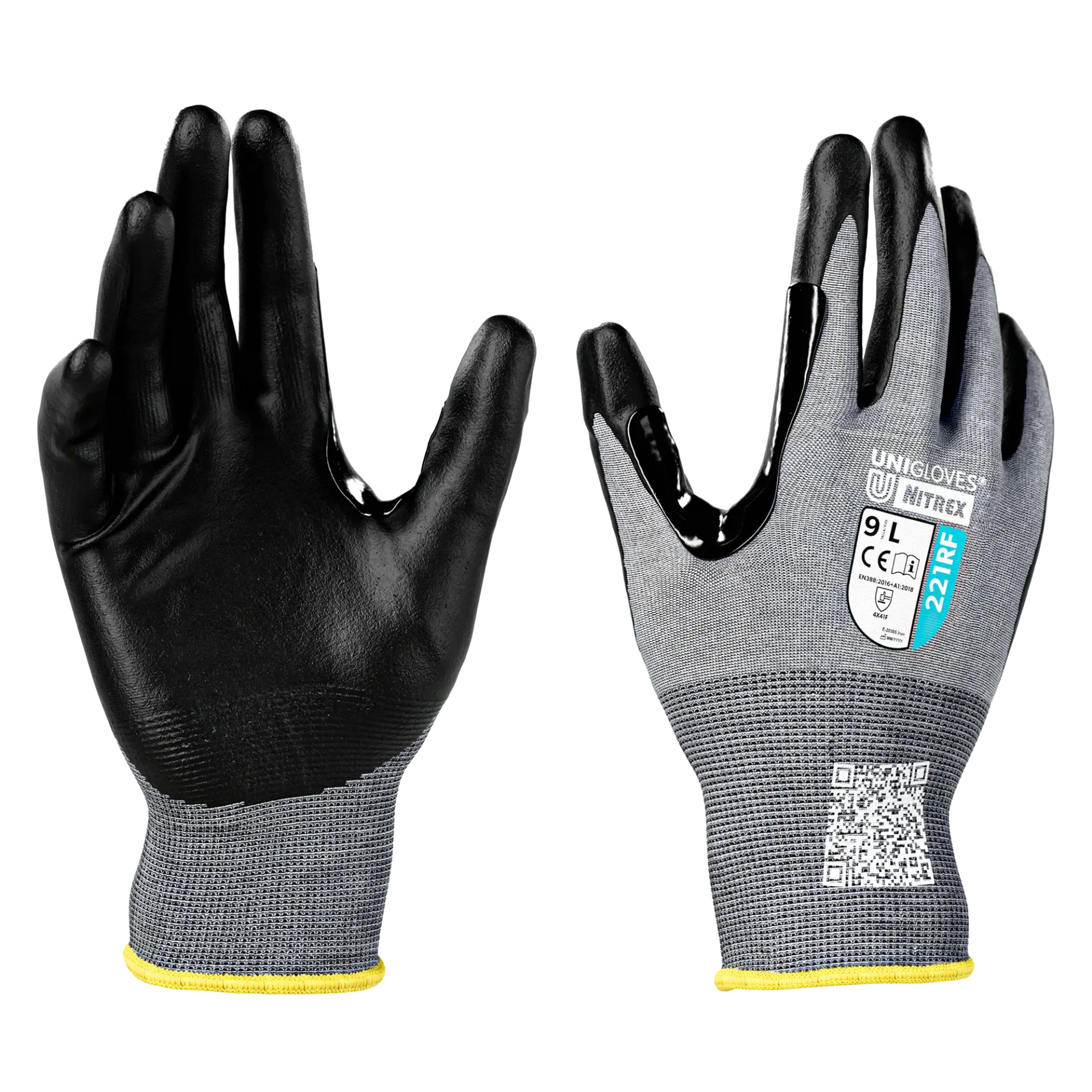
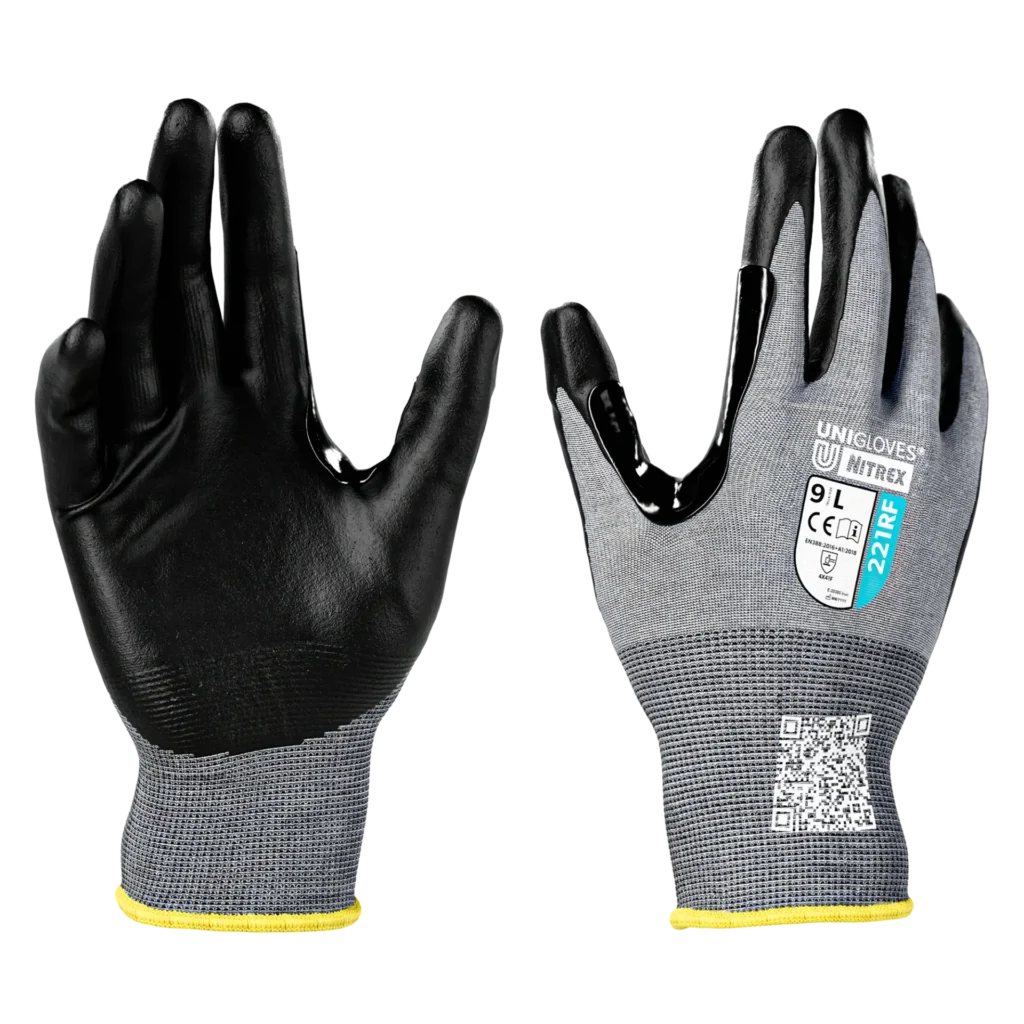
When working in environments with sharp materials, metal edges, or glass, choosing the right hand protection isn’t optional—it’s essential. Among all the safety glove categories, Cut F gloves offer the highest degree of cut protection under the EN 388 standard. In this review, we spotlight the industry-leading Uniglove 221RF Cut F Glove, one of the most advanced gloves for hand safety. Learn how this glove redefines durability, grip, flexibility, and worker comfort in hazardous work environments.
What Are Cut F Gloves?
Cut-resistant gloves are classified by the EN 388:2016 standard, which measures a glove’s protection against mechanical risks. Ratings range from Level A (lowest) to Level F (highest). Cut F gloves must resist a straight blade cut force of at least ≥30 Newtons.
Applications for Cut F Gloves
Glass and sheet metal handling
Automotive and aerospace assembly
Heavy machinery and construction
Recycling and waste management
Overview of Uniglove as a Brand
Unigloves is a global leader in protective gloves, boasting over 30 years of experience in the PPE industry. Headquartered in the UK and known for innovations like Nitrex and Derma Shield technologies, the brand supplies over 4 billion gloves annually across 50+ countries. Their mission revolves around ethical production, sustainable design, and delivering top-tier safety solutions.
What Makes the Uniglove 221RF Stand Out?
The Uniglove 221RF, part of the Nitrex range, is engineered for workers facing extreme cut hazards. It combines Unigloves’ proprietary NitreGuard® technology with a 21-gauge seamless liner, offering a lightweight but resilient glove. It excels in high-precision environments without compromising on safety.
Technical Specifications
EN 388:2016 Rating: 4X42F (Abrasion 4, Cut X, Tear 4, Puncture 2, ISO Cut F)
Gauge: 21
Coating: Foam nitrile palm with reinforced thumb crotch
The glove’s 21-gauge seamless liner makes it ultra-thin yet robust. The foam nitrile coating is smooth to touch and provides flexibility, allowing workers to maintain dexterity for detailed tasks. The glove design incorporates a knitted wrist cuff to reduce slippage and keep contaminants out.
Cut Resistance Performance
Thanks to Unigloves’ NitreGuard® Technology and high-performance yarns, the glove withstands blade penetration up to 30 Newtons, securing its place in the top-tier protection category. It’s ideal for cutting-intensive roles where even minor slips can result in serious injuries.
Puncture and Tear Resistance
Beyond cut resistance, the glove earns top ratings for tear resistance (Level 4). Its construction minimizes glove failure from snags or pressure. A reinforced nitrile thumb crotch ensures high-wear areas last longer, providing better ROI over time.
Thermal and Impact Protection
While the 221RF doesn’t offer specific thermal or impact protection, its foam nitrile coating offers decent insulation against minor contact heat and friction. However, it’s not intended for high-temperature or heavy impact environments. It excels in mechanical protection, not thermal or chemical exposure.
Touchscreen Compatibility and Modern Features
The 221RF is not touchscreen compatible, focusing instead on optimal grip and abrasion resistance. For environments relying on digital devices, gloves with conductive fingertips might be more suitable. However, for heavy-duty work, its performance is unparalleled.
Safety Compliance and Certifications
The glove meets the latest EN 388:2016 + A1:2018 mechanical hazard standards. Each glove undergoes rigorous testing to comply with European PPE Regulation (EU) 2016/425. Although not food-safe or chemically resistant, it delivers elite mechanical safety.
Use Cases by Industry
Automotive Manufacturing
Perfect for cutting, assembling, or handling metal sheets and components.
Glass Handling
Protects against the sharpest glass edges without reducing tactile sensitivity.
Construction
Withstands rugged materials like steel rods and concrete with ease.
Waste Management
Resists punctures and tears from sharp debris or jagged materials in recycling facilities.
Cost-Efficiency and Longevity
Its durable design translates to fewer glove replacements over time. Reinforced high-wear zones increase lifespan. Buying in bulk (bundles of 5 pairs) can reduce cost per unit significantly for industries.
Pros and Cons of the Uniglove 221RF Cut F Glove
Pros
Highest cut resistance (Level F)
Ultra-lightweight and flexible
Foam nitrile palm resists oils and moisture
Reinforced thumb crotch for added durability
Cons
Not touchscreen compatible
Not food or chemical safe
Where to Buy
You can purchase the Uniglove 221RF directly on our website, Norsemen Safety.
Tips for Choosing the Right Size and Fit
Ensure accurate fit using a sizing chart based on palm circumference. Sizes range from Small to XXL. Always try on gloves before finalizing bulk orders to ensure optimal comfort and safety.
Care and Maintenance
To prolong lifespan:
Hand wash with mild detergent
Air dry—avoid direct sunlight or high heat
Inspect regularly for tears or wear in the thumb crotch area
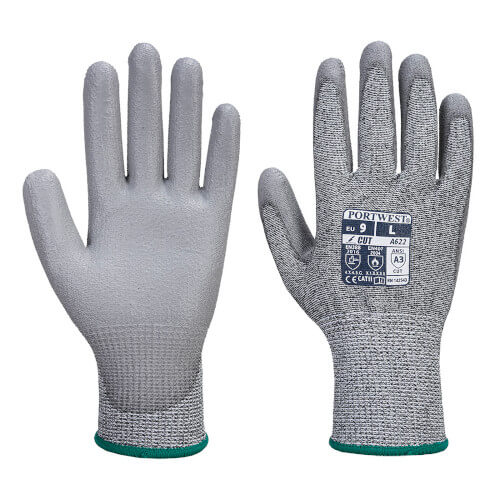
These level 5 rated cut resistant gloves have a smooth PU Palm Coating which protects the palm from cuts, scratches and lacerations. With a durable liner it allows for the wearers hand to stay warmer for longer.
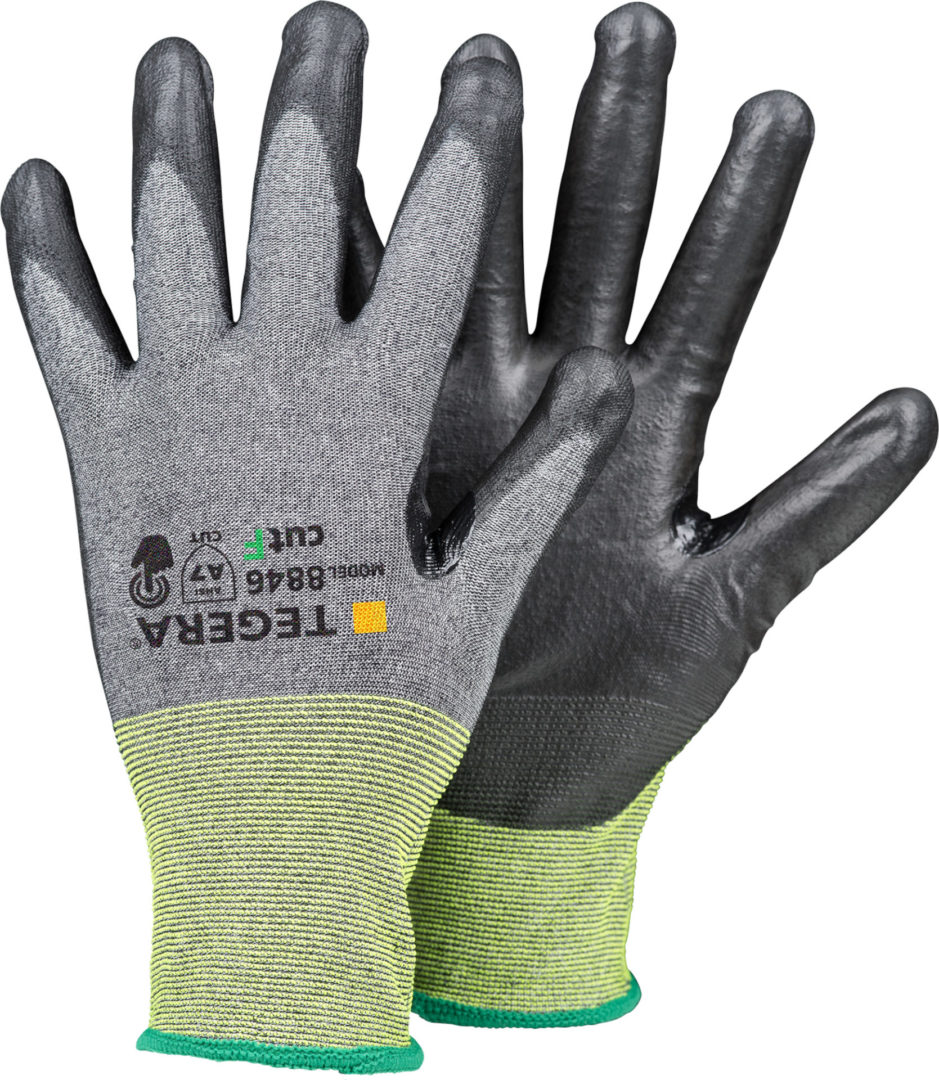
These gloves are recognised as being the world’s thinnest Cut F glove. With the additional Touchscreen functionality it is a good all round Cut resistant glove.
If you prioritize precision, lightweight feel, and maximum cut protection, the Uniglove 221RF remains unmatched.
Conclusion
The Uniglove 221RF Cut F Glove is the ideal choice for professionals needing maximum cut protection without sacrificing agility. With its 21-gauge construction, superior grip, and certified durability, it’s one of the most reliable safety gloves on the market today. While it may lack touchscreen compatibility, its benefits far outweigh this in environments where cut hazards are the primary risk.
FAQs
1. What is the EN 388 rating for Uniglove 221RF?
The glove is rated 4X42F under EN 388:2016+A1:2018 standards, providing the highest cut resistance available.
2. Can the Uniglove 221RF be used in wet conditions?
Yes. The foam nitrile palm coating offers strong grip and moisture-wicking in oily and damp environments.
3. How long do Cut F gloves typically last?
Depending on use intensity, Cut F gloves like the 221RF can last several weeks to months. Reinforced areas extend wear time.
4. Are these gloves suitable for precision tasks?
Yes. The 21-gauge liner offers excellent dexterity and control, ideal for fine handling and assembly work.
5. Do these gloves come in multiple sizes?
Yes. Available in Small to XXL, with each glove hand-specific and designed for a snug fit.
When working on remote job sites, construction zones, or pipeline welding, a dependable engine-driven welder generator isn’t just a tool — it’s a lifeline. But with so many options available, how do you choose the right one for your specific needs?
Choosing an engine-driven welder generator -Let’s break it down.
1. Understand Your Welding Application
Different job types call for different machines. Ask yourself:
Are you welding pipe, structural steel, or doing general maintenance?
Do you need multi-process capability (Stick, MIG, TIG, gouging)?
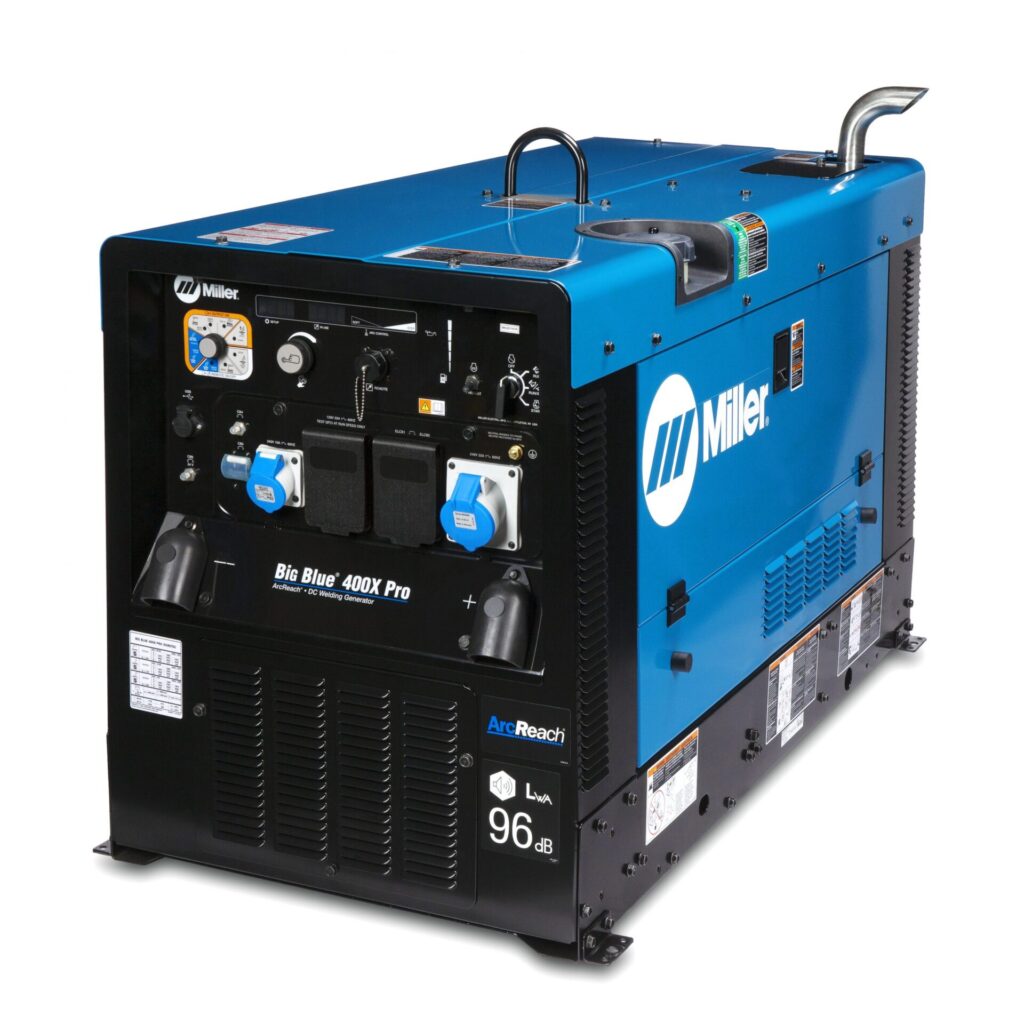
Choosing the right engine-driven welder generator depends on your job size, workflow, and power needs. If you’re looking for a powerful, portable, and feature-rich diesel welder, the Miller Big Blue 400X Pro ticks all the boxes.
Need Help Deciding on an engine-driven welder generator?
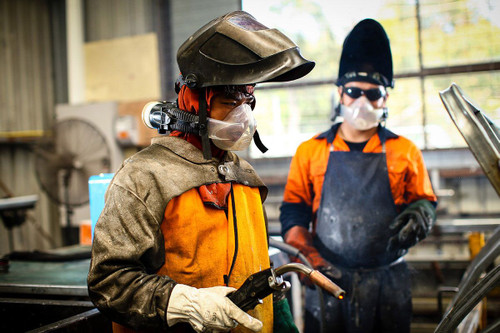
Welding Safety 101 – Welding is a skilled trade that powers industries across the UK, from construction to manufacturing. But with the sparks, heat, and fumes comes serious risk—burns, eye damage, and respiratory issues are just a few hazards welders face daily. At Norsemen Safety, the UK’s largest supplier of PPE and welding supplies, we’ve got your back with top-tier gear to keep you safe on the job. Whether you’re a seasoned pro or just starting out, here’s your Welding Safety 101 guide to the must-have equipment every welder needs. For all your Welding Safety needs, call Norsemen Safety & Welding Supplies.
Why Welding Safety Gear Matters
Welding exposes you to intense light, molten metal, and toxic fumes. According to the Health and Safety Executive (HSE), welding-related incidents account for numerous workplace injuries in the UK each year—many preventable with the right PPE. Quality gear isn’t just about compliance; it’s about protecting your health and boosting productivity. Let’s break down the essentials.
1. Welding Helmet: Your First Line of Defensefor Welding Safety 101
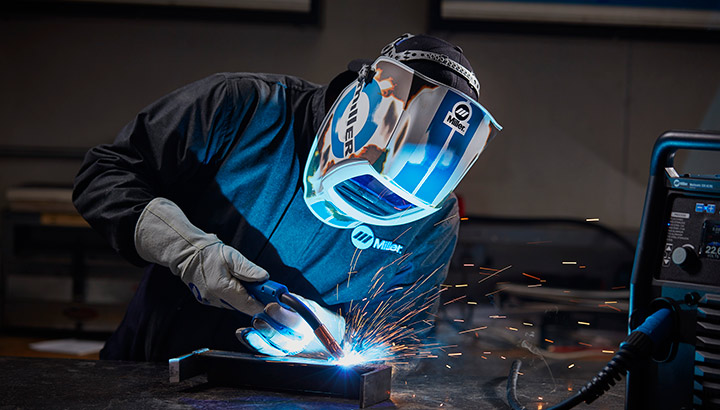
A welding helmet is non-negotiable. The bright arc from welding emits UV and infrared rays that can cause “arc eye”—a painful condition like a sunburn on your cornea. Modern auto-darkening helmets, like those from our Welder’s Choice range, adjust instantly to light changes, shielding your eyes while keeping your vision clear.
Key Features: Look for helmets with adjustable shade (DIN 9-13), lightweight design, and a comfy head strap.
Pro Tip: Pair it with safety glasses underneath for extra protection against flying debris.
Your hands are inches from molten metal—don’t skimp here. High-quality welding gloves made from leather or Kevlar, like the ones we stock from Portwest, protect against burns, cuts, and abrasions while maintaining dexterity.
Why It’s Essential: Gloves prevent thermal burns and ensure you can handle tools safely.
Best Pick: Choose gauntlet-style gloves for wrist coverage, especially for overhead welding.
3. Welding Jacket: Full-Body Shield
Sparks and slag can fly anywhere, making a flame-resistant welding jacket a must. Our Parweld and Weldas jackets are built to withstand heat and protect your torso, arms, and neck from burns.
What to Look For: Durable cotton or leather with flame-retardant treatment.
Bonus: Opt for a jacket with pockets for tools—practicality meets safety.
4. Respiratory Protection: Breathe Easy
Welding fumes contain harmful particles like manganese and chromium, linked to long-term lung issues. A respirator or powered air-purifying respirator (PAPR) is critical, especially in confined spaces.
Top Choice: Our Optrel respirators filter out 99% of particulates, keeping your lungs clear.
HSE Tip: Always check ventilation, but don’t rely on it alone—gear up.
Molten metal on the floor? It happens. Steel-toe welding boots with metatarsal guards and heat-resistant soles, like those in our Belfast warehouse, protect your feet from heavy objects and hot surfaces.
Must-Have: Slip-resistant soles for oily shop floors.
Upgrade: Look for EH-rated boots to guard against electrical hazards.
Welding’s bangs and grinds can hit noise levels above 85 decibels, risking hearing loss over time. Earplugs or earmuffs from Norsemen Safety keep you safe without breaking the bank.
Quick Fact: Pair ear protection with your helmet for a seamless fit.
Bonus Tips from the Pros– Welding Safety 101
Layer Up: Wear flame-resistant base layers (no synthetics—they melt!).
Maintenance: Inspect gear regularly—cracked helmets or worn gloves won’t cut it.
Training: Gear is only half the battle—know your welding process and risks.
Why Choose Norsemen Safetyfor Welding Safety 101?
As the UK’s leading supplier, we stock premium brands like Roots Flame Resistant Coveralls , Portwest, and Optrel Welding Helmets, all available at competitive prices. With over 50,000 products in our Belfast hub, we deliver fast to keep your projects on track. Safety isn’t just our business—it’s our promise.
Get Welding-Ready Today
Ready to gear up? Browse our full range of welding PPE and equipment or visit our Welder’s Choice collection for pro-grade picks. Questions? Contact our team—we’re here to help you weld safely and smartly.
Welding Safety 101 – Norsemen has everything you need.
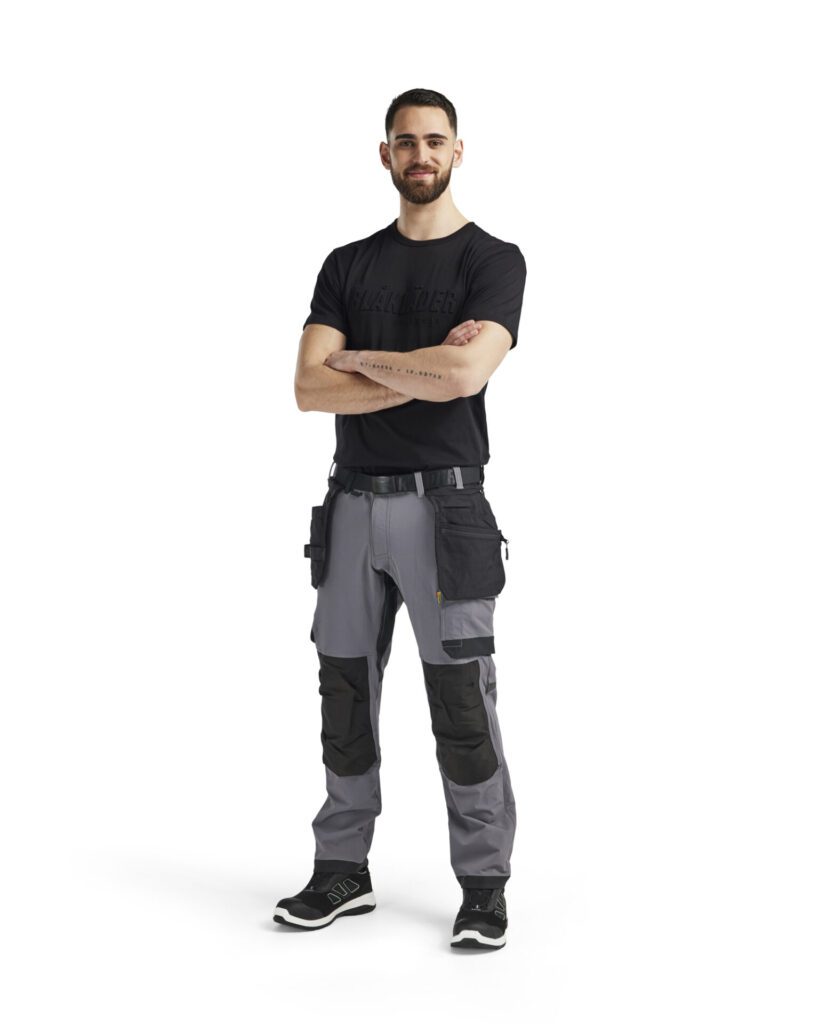
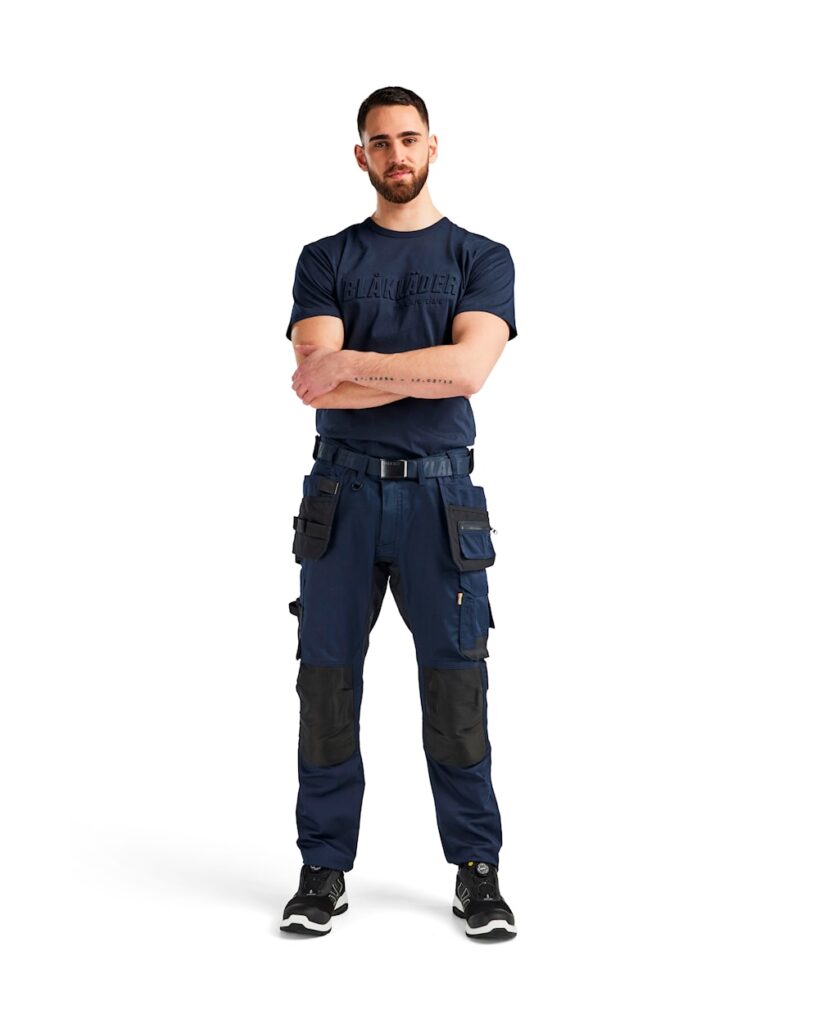
Blaklader Workwear is quickly overtaking the Snickers in the world of industrial workwear. In today’s fast-paced industrial and construction environments, workwear isn’t just about style—it’s about durability, comfort, and functionality. As tradespeople know all too well, the demands of the job require work trousers that can keep up with the rigors of daily tasks.
Many customers have come into our trade counter in search of the trusted Snickers Workwear, only to discover that the Blaklader range redefines what workwear should be. In this blog, we’ll explore why Blaklader’s Craftsman 1720 and Craftsman 1750 trousers have quickly become the new benchmark for quality, and how Norsemen Safety, a trusted Blaklader distributor, is shipping these game-changing garments across the UK and Ireland.
A New Era in Workwear
For years, Snickers Workwear has been synonymous with reliability and durability in the workwear industry. However, discerning tradespeople are increasingly demanding more from their gear. They require trousers that not only offer exceptional protection but also the flexibility to move freely and the comfort to get through long days on the job. Over the years the price of Snickers trousers and workwear have been skyrocketing so Blaklader offers competitive pricing along with super comfort and quality. When customers try on the range, the difference is immediately apparent. The enhanced design, superior materials, and thoughtful construction make Blaklader work trousers stand out in a crowded market.
The Blaklader Advantage
Unparalleled Comfort and Flexibility
One of the key attributes of Blaklader workwear is its commitment to comfort. The Craftsman 1720 Blaklader work trouser and Craftsman 1750 Blaklader work trousers are engineered with advanced 2 and 4-way stretch fabric, allowing for complete freedom of movement. Whether you’re climbing scaffolding, bending under loads, or simply moving around the worksite, these trousers provide unmatched flexibility. Customers who have switched from Snickers have been quick to note the difference, often mentioning that the Blaklader range feels like it was custom-designed for the physically demanding tasks of their day-to-day work.
Superior Quality and Durability
The modern tradesperson demands gear that can withstand harsh conditions, and Blaklader delivers just that. Constructed with reinforced stitching, durable materials, and innovative design features, these trousers are built to last. The Craftsman 1720 and 1750 are designed to resist wear and tear, even in the most challenging environments. When workers test these trousers against the backdrop of tough industrial settings, the results are clear: Blaklader offers a level of quality that not only meets but exceeds industry standards. Blaklader work trousers and a lifetime warrant on the seams.
Superior Quality and Durability What does lifetime Warranty on the seams mean?
If the seams of a garment split, we’ll repair or replace it. The warranty does not cover seams that split due to mechanical damage that tears or cuts the seam because of contact with sharp edges or tools, or if the fabric is otherwise worn out from general wear. Please return the item to the retailer where you bought the garment. All garments must be returned to the retailer at the buyer’s expense before a garment can be repaired or replaced.
Thoughtful Design for Enhanced Functionality
Beyond comfort and durability, Blaklader trousers are a testament to smart design. With strategically placed pockets, adjustable waistbands, and ergonomic cuts, these trousers are as practical as they are comfortable. Each design element has been meticulously planned to cater to the everyday needs of tradespeople. Customers who once relied on Snickers for basic functionality have found that Blaklader’s attention to detail makes their workday smoother and more efficient.
Craftsman 1720 vs. Craftsman 1750: Tailored for Every Need
Blakladder offers two standout models in their work trousers range: the Craftsman 1720 and the Craftsman 1750. Although both models share the core qualities of comfort, durability, and flexibility, they cater to slightly different needs on the worksite.
Craftsman 1720: The Versatile Champion
The Craftsman 1720 is celebrated for its adaptability. It’s ideal for tradespeople who need trousers that can handle both heavy-duty tasks and intricate work that requires precision. The innovative 4-way stretch fabric means that whether you’re lifting heavy materials or working in confined spaces, you’ll experience minimal restriction and maximum ease of movement. This model has quickly become a favorite among our customers who have made the switch from Snickers, as they appreciate the added mobility and durability.
Craftsman 1750: Built for Robust Performance
For those requiring even more reinforcement and enhanced features, the Craftsman 1750 is the go-to model. It takes the great foundation of the 1720 and adds extra layers of durability and design features to support even more rigorous use. The 1750 is engineered to be especially resilient against abrasion and tear, making it perfect for trades in industries where the work environment is particularly tough. Customers looking for that extra level of performance and protection find the Craftsman 1750 a worthy upgrade.
Customer Testimonials: The Proof is in the Wearing
One of the most compelling pieces of evidence for Blaklader’s superiority is the glowing feedback from our customers. Many of those who initially visited our counter in search of Snickers trousers left with a completely different perspective after trying on Blaklader. Here’s what some of our clients have shared:
Immediate Recognition of Comfort: “I came in looking for my usual Snickers trousers, but once I tried on the Blaklader workwear, I instantly noticed the difference. The comfort and flexibility are on a whole different level.”
Quality That Speaks for Itself: “I’ve been in construction for over 20 years, and I’ve seen my fair share of workwear. This range is by far the best—durable, comfortable, and built for the job.”
Word of Mouth: “After switching to Blaklader, I told a few of my colleagues, and now many of them are making the change too. It’s not just about looking good; it’s about working efficiently and safely.”
These testimonials highlight the transformative experience of switching from a well-known brand like Snickers to the innovative design of Blaklader. The fact that customers are actively recommending these trousers to friends and colleagues speaks volumes about the product’s quality and performance.
Norsemen Safety: Your Trusted Blaklader Distributor
At Norsemen Safety, we are proud to be a key distributor of Blaklader workwear across the UK and Ireland. Our commitment to quality and customer satisfaction means that we don’t just sell workwear—we deliver peace of mind. Here’s why choosing Norsemen Safety as your Blaklader supplier is a decision you can trust:
Wide Range of Options
As an authorized Blaklader distributor, we offer the full spectrum of the Blaklader range. Whether you’re interested in the versatile Craftsman 1720 or the robust Craftsman 1750, we have the right work trousers to match your specific needs. Our extensive product range ensures that you find the perfect fit for your role, no matter how demanding the job.
Fast and Reliable Shipping
Understanding the urgency of workwear needs in fast-paced industries, Norsemen Safety is dedicated to providing prompt delivery services. We ship across the entire UK and Ireland, ensuring that your work trousers arrive quickly and in perfect condition. This commitment to fast, reliable service is a cornerstone of our operations, ensuring that you can always count on us to keep you equipped and ready for work.
Expert Advice and Support
Choosing the right workwear can be challenging, especially with the range of options available today. Our team of experts at Norsemen Safety is on hand to guide you through every step of the process. Whether you need detailed product specifications or advice on the best model for your specific needs, we are here to help. Our goal is to ensure that you’re not just buying work trousers, but investing in gear that enhances your performance and safety on the job.
Why Blaklader Workwear is the Future of Tradesperson Apparel
The shift from traditional workwear brands like Snickers to innovative solutions like Blaklader is more than just a trend—it’s a testament to the evolving needs of modern tradespeople. With its focus on comfort, durability, and cutting-edge design, Blaklader workwear is setting new standards in the industry. Here are a few key reasons why Blaklader is quickly becoming the go-to choice:
Enhanced Mobility: The integration of 4-way stretch fabric means that every movement is effortless, reducing strain and increasing productivity.
Long-lasting Durability: Reinforced stitching and premium materials ensure that these trousers can withstand the harsh conditions of any work environment.
Ergonomic Design: Each element of the design is purpose-built to support the unique demands of physical work, from adjustable waistbands to well-placed pockets.
Proven Customer Satisfaction: Real-life testimonials from tradespeople who have switched to Blakladder underscore the tangible benefits of making the switch.
Competitive Pricing – Snickers workwear has become very expensive and Blaklader is offering high quality, comfort, great warranties at pricing that is affordable.
Conclusion: Elevate Your Workwear Game with Blaklader
In a competitive industry where every tool and piece of equipment matters, workwear should be no exception. Craftsman 1720 and Craftsman 1750 work trousers represent a significant leap forward in terms of comfort, durability, and overall functionality. As customers discover the difference for themselves—often at our trade counter where the transformation is evident—the reputation of Blaklader grows stronger by the day.
At Norsemen Safety, we are proud to be at the forefront of this workwear revolution. By offering premium Blaklader products and ensuring efficient shipping across the UK and Ireland, we are committed to helping you elevate your workday. So, the next time you’re considering an upgrade from your usual Snickers work trousers, remember that the future of workwear is here—tailored to meet the demands of modern tradespeople, and delivered with the quality and service you deserve.
Embrace the change. Experience the superior comfort and lasting durability of Blaklader workwear, and join the growing community of professionals who have already made the switch. Your job is demanding—your workwear should be too.
Lanoshield is gaining significant recognition in the realm of protective coatings due to its capability to enhance durability while maintaining environmental sustainability. This article examines the characteristics of Lanoshield and highlights its key benefits, including exceptional protective qualities and advantages related to sustainability. It also offers practical guidance on effective application techniques and outlines essential factors to consider prior to usage, such as material compatibility and cost considerations. Explore the reasons why Lanoshield may serve as an ideal solution for your protective requirements.
Understanding Lanoshield
Lanoshield is a high-performance protective coating specifically engineered to provide exceptional surface protection across a range of applications, including industrial, residential, and automotive uses.
Using advanced technology, Lanoshield offers remarkable durability and versatility, positioning it as an optimal choice for users seeking long-lasting solutions.
This eco-friendly product is composed of non-toxic components that comply with environmental safety standards, thereby ensuring minimal impact on the ecosystem.
With its innovative formulation, Lanoshield effectively adheres to various substrates while enhancing the aesthetic qualities of surfaces and delivering unparalleled performance against environmental elements.
What is Lanoshield?
Lanoshield is a cutting-edge protective coating developed with advanced technology to deliver superior surface protection against environmental factors, including moisture, UV exposure, and corrosion.
This innovative formulation provides exceptional waterproofing capabilities, ensuring that surfaces remain dry and protected even under the most challenging conditions. The unique chemical resistance properties of Lanoshield enable it to endure exposure to various industrial chemicals, rendering it suitable for use in demanding environments.
Its remarkable adhesion properties ensure effective bonding to a wide range of substrates, creating a durable barrier that preserves its integrity over time. With Lanoshield, users can anticipate not only an extended lifespan for their surfaces but also a straightforward application and maintenance process, thereby establishing a new standard in protective coatings.
Benefits of Using Lanoshield
The advantages of utilising Lanoshield as a protective coating are extensive, including enhanced durability, environmental safety, and considerable benefits for users across a diverse range of applications.
Whether employed in industrial settings, automotive contexts, and personal equipment, Lanoshield distinguishes itself through its exceptional performance and long-lasting characteristics. Users can anticipate improved surface treatment that effectively prevents damage from environmental elements while also providing chemical resistance and UV protection, thereby ensuring that surfaces remain intact and visually appealing over time.
Protection and Durability
Lanoshield provides exceptional protection and durability, making it an ideal solution for safeguarding surfaces against wear and tear resulting from environmental factors.
With its remarkable waterproofing capabilities, Lanoshield serves as a strong barrier against moisture, ensuring that most metals remains intact even in the face of persistent rain or high humidity.
Its corrosion resistance is particularly beneficial for metal surfaces subjected to harsh marine conditions, effectively preventing rust and degradation that could compromise structural integrity.
In industrial environments, machinery and equipment coated with Lanoshield exhibit enhanced longevity, as they are able to withstand corrosive chemicals and abrasive particles.
Whether it involves protecting outdoor furniture from unexpected rain or extending the lifespan of vehicles exposed to saline air, the versatile applications of Lanoshield make it an essential solution for individuals seeking to maintain their investments in optimal condition.
Environmental Benefits
The environmental benefits of Lanoshield are substantial, as it is specifically formulated to be eco-friendly and non-toxic, thereby minimising its impact on the environment while delivering effective surface protection.
This innovative product not only safeguards surfaces and extends their lifespan but also responds to the increasing demand for sustainable solutions across various industries.
Users can take comfort in the fact that Lanoshield adheres to rigorous safety standards, ensuring that it poses no risk to human health or ecosystems. Its non-toxic formulation is particularly attractive to individuals who prioritise sustainability and seek to reduce their carbon footprint.
By utilising Lanoshield, environmentally conscious individuals can uphold the integrity of their spaces while actively contributing to a cleaner and greener planet, thus making a deliberate choice that aligns with their values.
How to Use Lanoshield
Effectively utilising Lanoshield necessitates a comprehensive understanding of its application methods and user instructions, which facilitates a straightforward and accessible process for both industrial and residential applications.
The coating’s user-friendly application fosters confidence among users, thereby enabling seamless integration into diverse projects, whether aimed at enhancing the durability of automotive surfaces or providing protection for residential areas against environmental elements.
By adhering to the specified maintenance guidelines, users can ensure sustained performance and achieve optimal results.
Application Techniques
The application of Lanoshield necessitates specific techniques that enhance its effectiveness as a surface treatment, thereby ensuring optimal performance and adhesion to various substrates.
To achieve the most favourable results, it is imperative to begin with comprehensive surface preparation, which includes cleaning and drying the surface to eliminate any dirt, dust, or oils. Additionally, it is essential to consider the ideal environmental conditions; temperatures ranging from 10°C to 30°C and low humidity levels will facilitate better adhesion and curing.
The use of essential tools, such as brushes, rollers, or spray equipment, is recommended to ensure an even application. Best practices indicate that multiple thin coats should be applied instead of a single thick layer, allowing each coat to dry completely before the subsequent application.
This approach not only extends durability but also improves the overall finish, thereby providing prolonged protection against environmental elements.
This application technique varies depending on what product of lanoshield you are using, to help with this view lanoshield’s how to apply guide here.
Factors to Consider Before Using Lanoshield
Before using Lanoshield, it is essential to assess several factors that may influence its performance, including compatibility with various materials and an understanding of cost and maintenance considerations.
Each application may present distinct challenges, and confirming that Lanoshield is appropriate for the intended substrate will greatly enhance its protective properties.
Furthermore, evaluating the long-term costs associated with maintenance will facilitate well-considered choices when selecting this high-performance protective coating.
Compatibility with Different Materials
The effectiveness of Lanoshield is significantly influenced by its compatibility with various materials, underscoring the necessity of selecting appropriate application methods based on the characteristics of the substrate.
Understanding the nature of the substrate is crucial when considering the application of Lanoshield, as it directly impacts adhesion and long-term durability. For example, Lanoshield demonstrates excellent adhesion to metallic surfaces, offering a robust barrier against water infiltration.
By thoroughly assessing the compatibility of Lanoshield with various materials, users can maximise the product’s protective capabilities, resulting in improved outcomes that fulfil specific project requirements.
Cost and Maintenance Considerations
Cost and maintenance considerations are critical factors when selecting Lanoshield, as its long-lasting performance provides significant benefits to users that can outweigh initial investment costs.
Upon evaluating the longevity of Lanoshield in comparison to other products, it becomes evident that its durability results in fewer replacements over time, thereby inherently reducing overall expenditures.
In contrast to some alternatives that necessitate frequent maintenance or early replacements, Lanoshield typically retains its integrity under various conditions, requiring minimal maintenance efforts from users.
This not only contributes to a reduction in associated costs but also enhances user satisfaction through its reliability and consistent performance.
Ultimately, the combination of decreased long-term expenses and user-friendly maintenance requirements renders Lanoshield an attractive choice for those seeking value and effectiveness in their investment.
Products Available
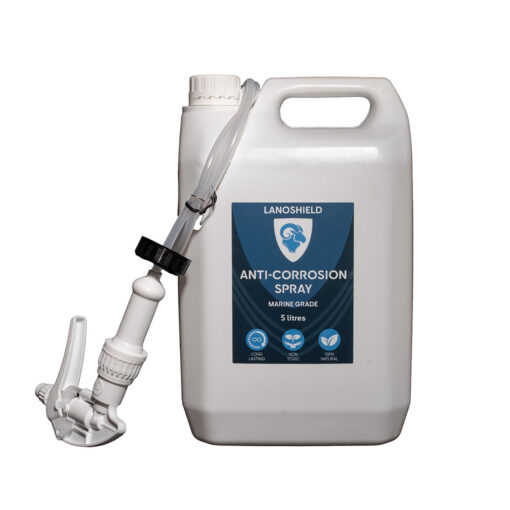
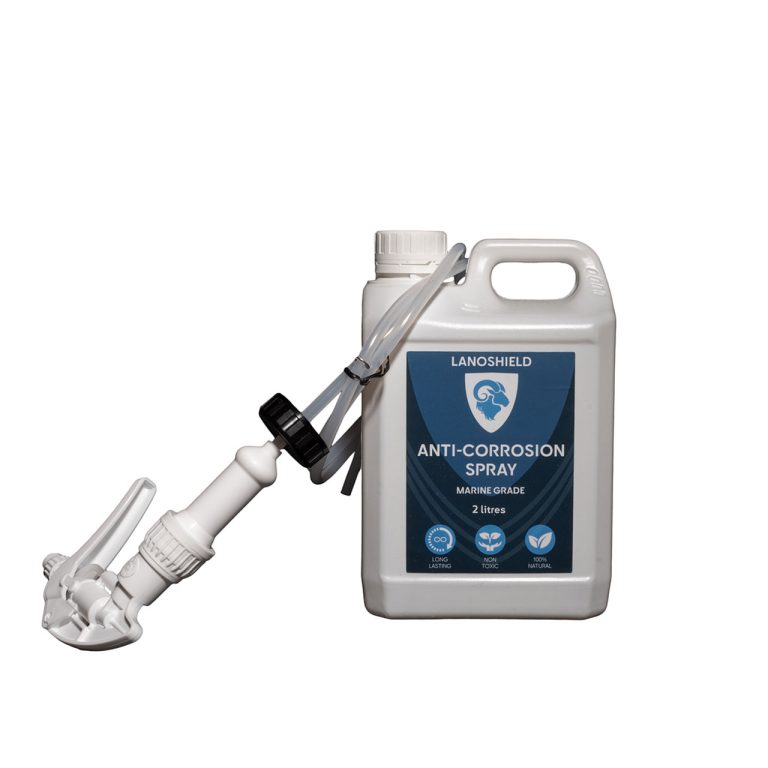
At Norsemen Safety we supply two different types of Lanoshield, Autobody and Marine. Both of these have different applications. Autobody is specifically designed for vehicles underbody coating, allowing for protection from salty roads and saline air. Marine is a higher concentrate form specifically designed for marine purposes, this includes the likes of boats.
Frequently Asked Questions
What is Lanoshield?
Lanoshield is a protective coating that is designed to keep surfaces clean and prevent damage from environmental factors.
What surfaces can Lanoshield be used on?
Lanoshield can be used on anything metal.
How does Lanoshield work?
Lanoshield works by creating a strong barrier on the surface that repels water, and other contaminants, keeping the surface clean and protected.
Is Lanoshield safe to use?
Yes, Lanoshield is non-toxic and environmentally friendly, making it safe to use around children and pets.
Why should I use Lanoshield?
Lanoshield offers long-lasting protection for surfaces, reducing the need for constant cleaning and maintenance. It also helps to extend the lifespan of surfaces by preventing damage from UV rays, water, and other elements.
How do I apply Lanoshield?
Lanoshield can be easily applied using bottle spray as provided in the kit. Simply spray the product onto the surface and let it dry for best results.
Laser welding has significantly transformed the fabrication landscape by providing precise, efficient, and versatile solutions for joining materials. This overview will examine laser welding, encompassing its definition, historical development, various techniques, and applications across diverse industries. The discussion will include a comparison of the advantages and disadvantages of laser welding relative to traditional methods, along with an exploration of the working process, equipment utilized, and essential safety considerations. This technology is shaping modern manufacturing practices, and its potential benefits may make it a suitable option for your next project.
Overview of Laser Welding
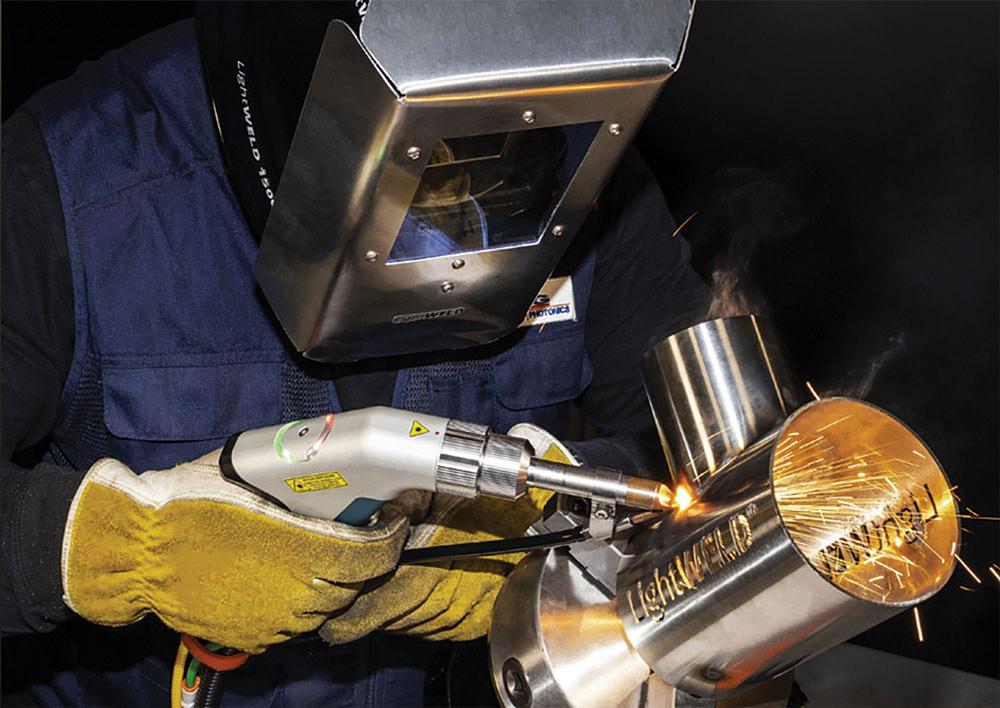
Laser welding is a sophisticated welding technique that employs laser technology to join materials through the application of a high-energy beam. This method of metal joining has gained considerable recognition across various industrial applications due to its capacity to deliver precise welding results with minimal thermal distortion.
As a result, it is suitable for welding a wide variety of materials, including metals and thermoplastics. Since its introduction, laser welding has undergone significant evolution, integrating automation and technological advancements to improve production efficiency and cost-effectiveness while maintaining weld quality and the integrity of joint design.
Definition and History
Laser welding is a technique that utilises concentrated laser energy to join materials, offering a high level of control over the welding process. This innovative method originated in the mid-20th century with the development of laser technology, which has led to significant advancements in metal joining processes across various industries.
The inception of laser welding can be traced back to the invention of the first operational laser by Theodore Maiman in 1960, which generated considerable interest in its industrial applications. Subsequently, advancements in laser technology, including the introduction of continuous wave and pulsed lasers, significantly enhanced the precision and versatility of welding techniques.
By the 1970s, laser welding gained traction in the automotive and aerospace sectors, fundamentally altering manufacturers’ approaches to material assembly. Presently, laser welding is esteemed not only for its speed and efficiency but also for its capability to produce strong, precise joints with minimal thermal distortion. This evolution has markedly transformed the manufacturing landscape, facilitating the production of lighter and more durable components, thereby expanding the horizons of modern engineering.
Types of Laser Welding
There are several types of laser welding techniques, each characterised by the specific laser sources utilised, including fibre lasers, CO2 lasers, and diode lasers. These sources differ in their applications and efficiency.
Each laser welding method presents distinct advantages and challenges that address various industrial requirements and material compatibility. Consequently, selecting the appropriate technique is essential for achieving optimal weld quality and performance.
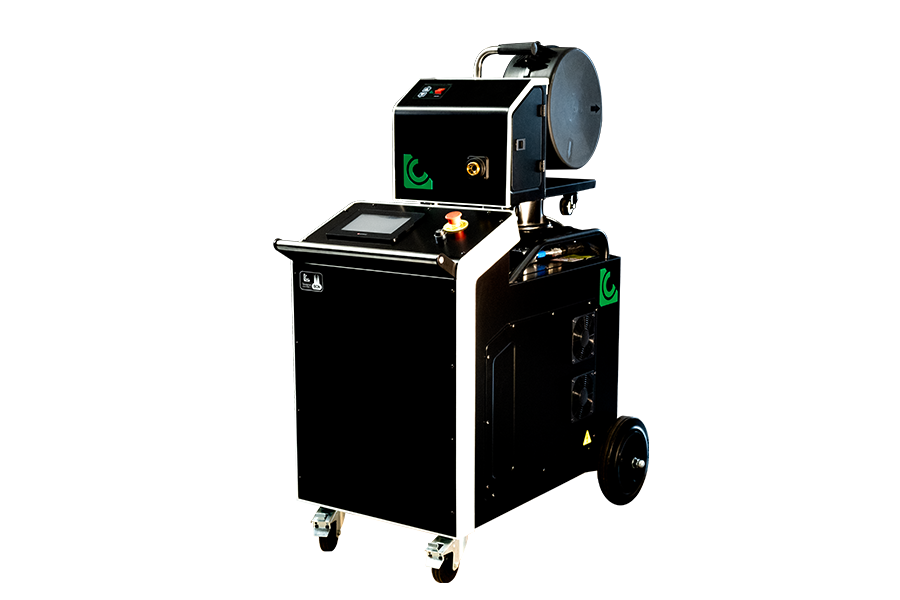
At Welders Choice we have the LC-Weld Laser welder in stock for you to purchase at anytime. Contact us on 02890460541 if you have any questions.
Comparison of Different Techniques
A comparison of various laser welding techniques reveals distinct advantages and disadvantages contingent upon factors such as welding parameters, process control, and energy efficiency. Understanding these distinctions is crucial for manufacturers in selecting the most appropriate technique tailored to their specific welding requirements and materials.
Each laser welding method, whether continuous wave or pulsed, possesses unique characteristics that significantly influence overall welding quality. For example, fibre laser welding techniques generally provide deeper penetration and a narrower heat-affected zone, which enhances material integrity.
Conversely, certain pulsed laser systems may offer precise control over energy input, aligning with quality assurance objectives by minimising thermal distortion.
Evaluating weld bead profiles is instrumental in determining the effectiveness of a selected technique, as specific applications may necessitate different bead shapes and sizes to ensure optimal performance.
Applications of Laser Welding
Laser welding has become widely used across various industries, including automotive, aerospace, electronics, and medical sectors, due to its remarkable production efficiency and precision in custom fabrication.
The ability to weld a diverse range of materials, including metals, alloys, and thermoplastics, provides significant versatility for applications such as repair welding and component assembly.
Industries and Use Cases
In the automotive industry, laser welding is employed for the assembly of body structures and components due to its precision and speed. Similarly, aerospace applications benefit from laser welding as it contributes to reduced weight and enhanced structural integrity. In electronics manufacturing, laser welding is utilised for the assembly of delicate parts, ensuring high-quality joints with minimal thermal impact.
These applications underscore the versatility of laser welding across various sectors. For example, in the medical device industry, laser welding plays a crucial role in joining small, intricate components such as stents and surgical instruments made from materials like titanium and stainless steel. The accuracy of this process results in strong, reliable products.
Furthermore, the energy sector utilises laser welding for the construction of pipelines, achieving robust connections capable of withstanding high pressures. The emphasis on quality assurance and rigorous inspection methods, including non-destructive testing, ensures that products meet the requisite safety and performance standards.
This highlights the critical importance of precision in these industrial applications.
Advantages and Disadvantages of Laser Welding
Laser welding provides a range of advantages, including high precision, minimised thermal impact, and enhanced manufacturing efficiency, which makes it a preferred option for various applications.
However, it is important to acknowledge certain disadvantages, such as the initial setup costs and the requirement for skilled operators to effectively manage the complex welding equipment and parameters involved.
Pros and Cons in Comparison to Traditional Welding Methods
When comparing laser welding to traditional welding methods, the advantages include faster welding speeds and enhanced energy efficiency. However, the potential drawbacks may include higher initial costs and increased operational complexity. Evaluating these factors is crucial for businesses contemplating a transition to laser welding technologies.
One of the primary advantages of laser welding is its exceptional weld quality. This method typically results in narrower heat-affected zones and minimises distortion in the materials being joined. Such precision not only improves the aesthetic appeal of the welds but also enhances the final product’s strength by preserving the integrity of the surrounding material.
Conversely, traditional welding methods may struggle with consistency and often experience issues with weld defects, which can result in costly rework or structural failures. The finely controlled nature of the laser process provides adaptability across various applications, equipping manufacturers with a versatile tool capable of meeting diverse production needs.
How Laser Welding Works
The laser welding process involves directing a focused laser beam onto the workpieces, whereby the concentrated energy generates laser-induced heat to melt the metal, resulting in a strong joint upon cooling.
This technique requires meticulous control over the laser parameters to ensure optimal penetration depth and to minimise distortion of the surrounding material.
Process and Equipment Used
Laser welding necessitates specialised equipment, including laser welding machines and beam delivery systems, which enable the precise focusing of the laser beam onto the workpieces. Effective process control is essential for achieving the desired weld quality and minimising defects during operation.
Plus these critical components, various types of optics, such as lenses and mirrors, are integral in directing and refining the laser beam for optimal performance. Advanced automation systems further enhance this equipment, improving speed and precision while mitigating the potential for human error.
As technology progresses, innovations such as fibre lasers and high-precision scanners have emerged, allowing for the welding of complex geometries with exceptional repeatability.
These advancements not only enhance operational efficiency but also expand the range of applications across various industries, underscoring the importance of remaining informed about technological developments in the field.
Safety Considerations for Laser Welding
Safety considerations in laser welding are of utmost importance, as the high-energy laser beam presents potential hazards, including eye injuries and skin burns.
For more guidance on safety considerations for laser welding from the HSE click here.
It is essential to adhere to stringent safety precautions in this context. The use of appropriate protective equipment and the implementation of proper safety protocols can substantially mitigate the risks associated with the welding process.
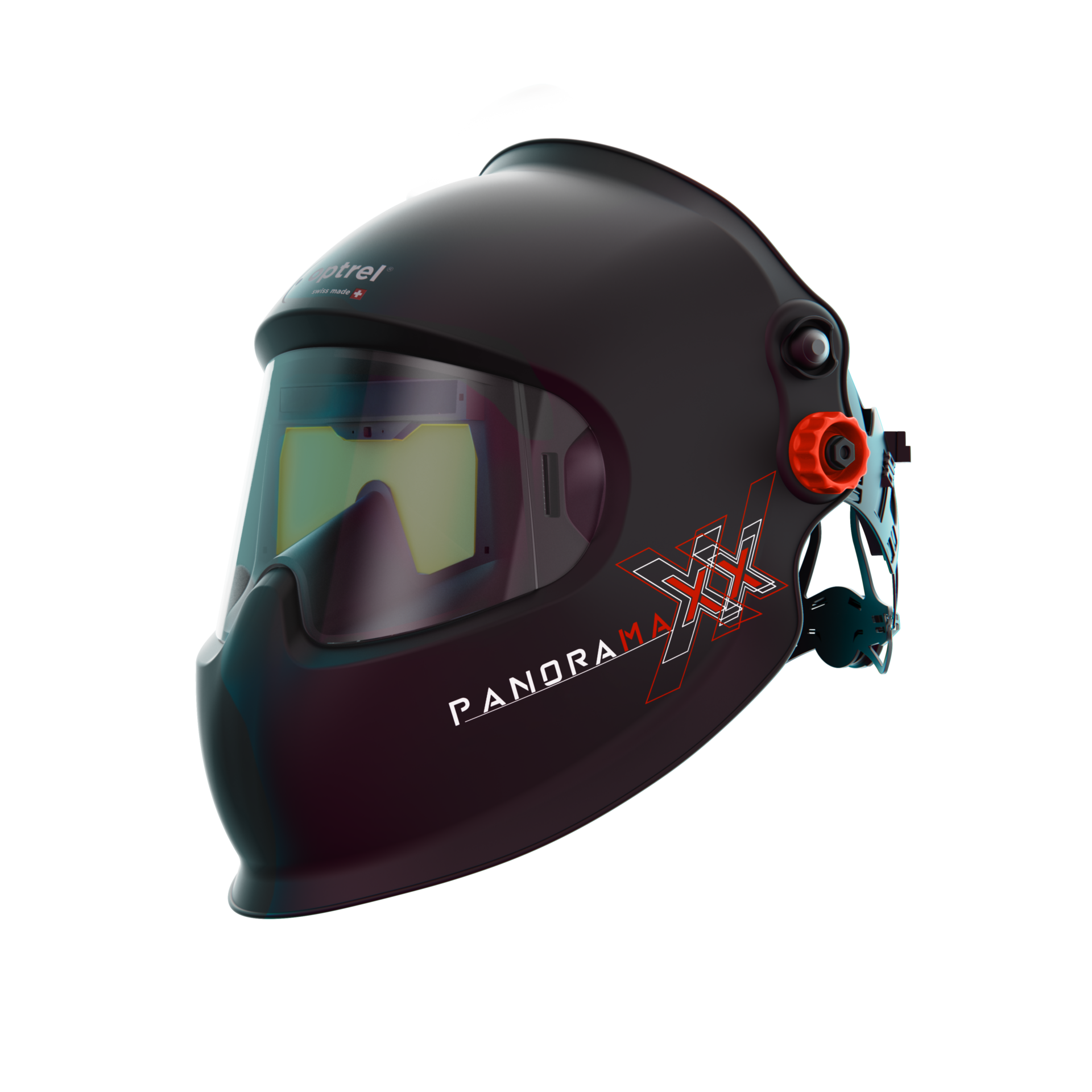
Because of these Safety precautions specific helmets must be used in order to protect the users eyesight. At Welder’s Choice we recommend the Optrel Panoramaxx Laser welding helmet.
This helmet protects the wearer from infrared radiation which can severely damage your eyesight.
Potential Hazards and Precautions
Potential hazards associated with laser welding include exposure to harmful laser radiation, fumes, and molten metal. Therefore, it is imperative for welders to conduct comprehensive risk assessments and adhere to established safety precautions.
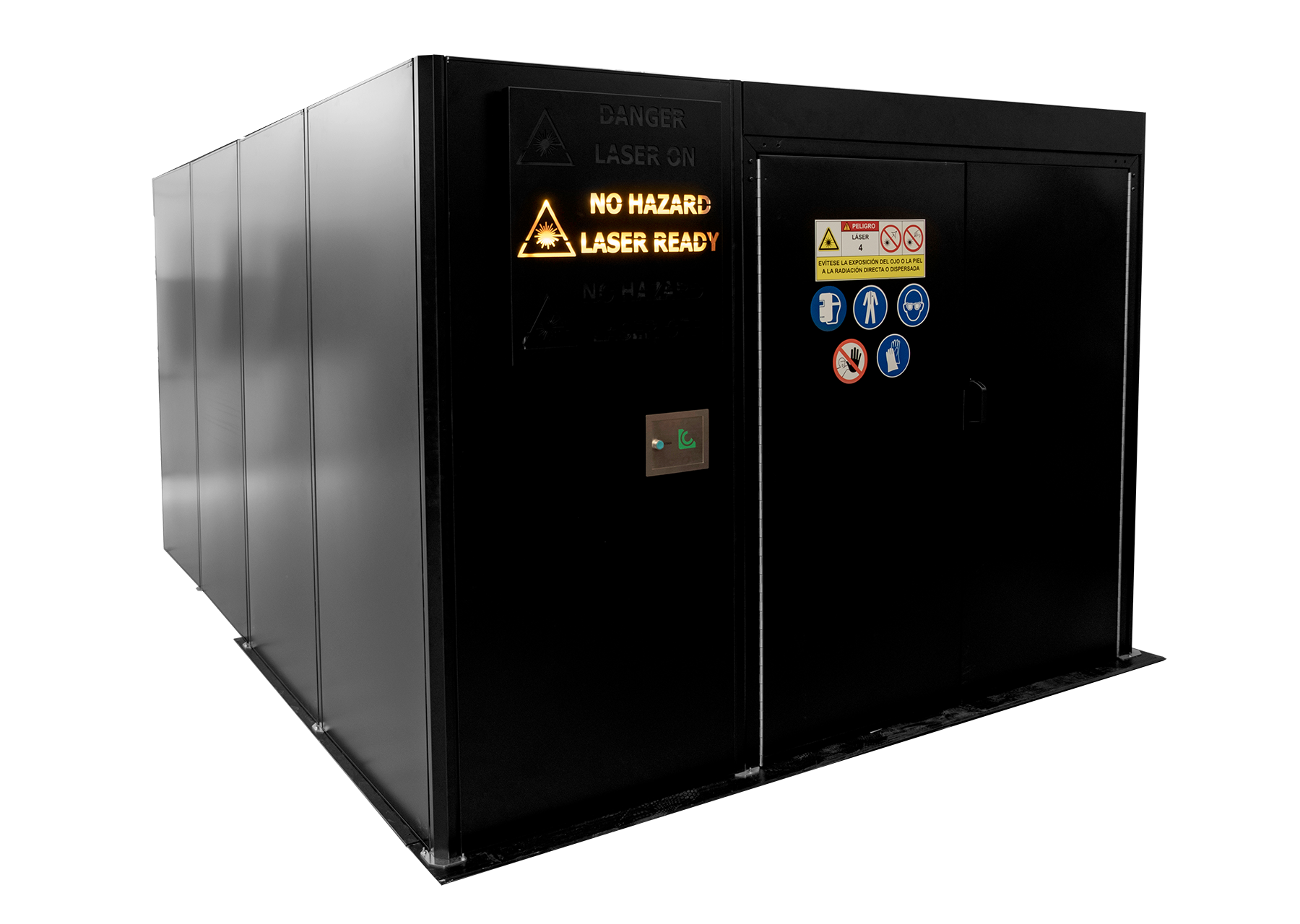
To assist with this, at Welder’s Choice we recommend users the laser welding safety cabin, this cabin allows for there to be full protection from the outside as well as ensure other employees safety.
The use of proper protective gear, such as laser safety goggles and appropriate protective clothing, is essential to ensure safe working conditions.
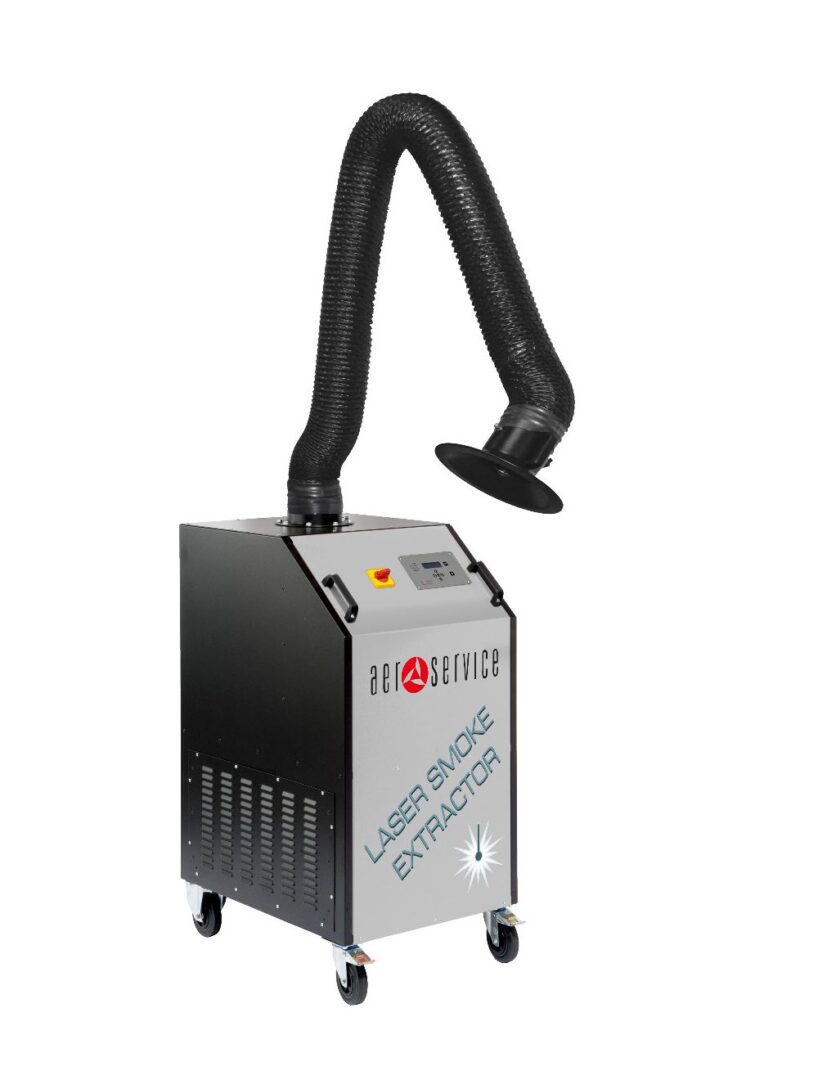
Plus utilising appropriate personal protective equipment, implementing safety protocols, including effective ventilation systems, can significantly reduce the inhalation of toxic fumes generated during the welding process.
Furthermore, it is crucial for individuals engaged in laser welding to undergo specialised training and obtain certifications that address the unique risks associated with this technique. Such training programmes not only educate welders about potential hazards but also instil best practices for emergency response and equipment handling.
By prioritising safety and continuous education, workplaces can substantially enhance their safety culture while safeguarding the well-being of their personnel.
Frequently Asked Questions
What is Laser Welding?
Laser welding is a modern welding method that uses a high-powered laser beam to melt and join materials together. It is commonly used in industrial manufacturing and is known for its precision and speed.
How does Laser Welding work?
Laser welding works by directing a concentrated beam of light, usually from a CO2 or fibre laser, onto the materials to be joined. The intense heat from the laser beam causes the materials to melt and fuse together, creating a strong bond.
What materials can be welded using Laser Welding?
Laser welding can be used to join a variety of materials including metals, plastics, and even some composites. Commonly welded metals include steel, aluminium, and titanium.
What are the advantages of using Laser Welding?
Laser welding offers several advantages over traditional welding methods, including high precision, minimal heat distortion, and minimal need for post-welding finishing. It is also a non-contact process, making it suitable for welding delicate or hard-to-reach materials.
Are there any limitations to Laser Welding?
While laser welding has many benefits, it does have some limitations. It is not suitable for welding materials with high thermal conductivity, such as copper or silver, and it may not be cost-effective for small-scale or low-volume production.
Is Laser Welding safe?
Yes, laser welding is generally considered safe when proper safety measures are followed. However, it is important to use appropriate protective gear, such as a welding helmet, and to ensure that the welding area is properly ventilated to prevent exposure to fumes.
Bulane Dyoflam is revolutionising the approach to brazing and cutting through its innovative hydrogen-powered flame technology. This advancement presents eco-friendly and cost-effective benefits, establishing itself as a versatile option for both industrial and domestic applications. This discussion will address essential safety precautions and the potential risks associated with the use of this technology. We invite you to explore the advantages and practical applications of this solution.
No more Oxygen Cylinders, No Acetylene Cylinders and No Propane Cylinders. No cylinder rentals, no cylinder delivery charges. The new way to braze! How? Water and Acetone.
What is The Bulane Dyoflam?
Bulane Dyoflam is an innovative device that harnesses hydrogen power to generate a portable flame, marking a substantial advancement in clean energy technology. This versatile tool is specifically engineered to improve combustion efficiency while providing a user-friendly interface, making it suitable for a wide range of applications, including refrigeration Equipment, HVAC, Motors & Transformers, Oxy-Cutting, Graze-welding and other industrial applications.
Featuring a lightweight design, adjustable flame settings, and non-toxic flame characteristics, Bulane Dyoflam distinguishes itself as an eco-friendly fuel solution that meets contemporary energy demands.
Its advanced design incorporates state-of-the-art technology to ensure optimal energy output while minimising emissions, thereby addressing the increasing necessity for sustainable energy sources. By utilising hydrogen combustion, the device not only achieves a clean burn but also enhances energy efficiency, positioning it as a favourable option for users who are mindful of their environmental impact.
The potential applications of Bulane Dyoflam can extend beyond typical activities; various industries can employ the device for tasks that require precise and clean heat application. Additionally, the user experience is further enhanced by integrated safety features and ease of maintenance, underscoring the brand’s commitment to delivering solutions that seamlessly integrate into everyday life while promoting a positive environmental impact.
How Does it Work?
Bulane Dyoflam utilises advanced hydrogen-powered flame technology, in which a hydrogen generator combines gas to create a controlled combustion process that optimises combustion efficiency and thermal output.
This innovative design stabilises the flame, thereby ensuring optimal performance and safety while generating a high-temperature flame suitable for a variety of applications.
Explanation of Hydrogen-Powered Flame Technology
Hydrogen-powered flame technology capitalises on the potential of hydrogen fuel as a clean and efficient energy source, resulting in a non-toxic flame that offers substantial advantages over traditional fossil fuels. This flame technology is characterised by high thermal efficiency, low emissions, and the capability to produce a stable and adjustable flame, rendering it highly adaptable for various applications.
In contrast to conventional fuels, which release harmful pollutants during combustion, hydrogen combustion emits only water vapour. This significantly reduces the carbon footprint and contributes to a cleaner environment. The energy efficiency of hydrogen combustion is particularly noteworthy, as it can achieve higher temperatures with reduced fuel consumption, making it suitable for both domestic and industrial processes.
As society increasingly transitions towards clean technology, the integration of hydrogen as a primary energy source presents an exciting frontier in the pursuit of environmentally friendly alternatives.
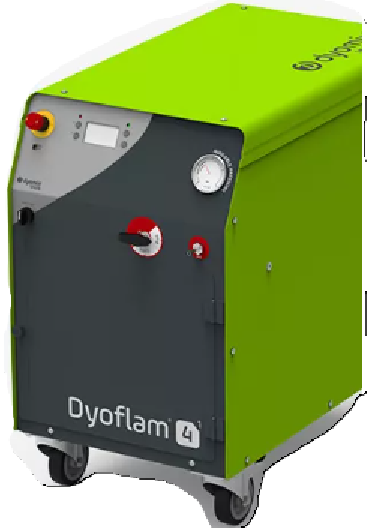
This Industrial machine is the best option for those manufactures who are working day to day with oxy-acetylene and are wanting to cut costs and help the environment. Depending on your industry needs at Norsemen we can supply 4KW, 6KW, 9KW and 12KW variants for the industry machine.
For more information on the Industry range click here
This Mobile machine is the best option for mobile plumbers who are moving locations. For more information on the mobile 2 click here
Benefits of Using Bulane Dyoflam
The advantages of utilising Bulane Dyoflam are numerous, particularly its dedication to clean energy solutions that not only meet but also exceed existing standards for combustion efficiency and fuel versatility.
As an environmentally friendly alternative energy source, Bulane Dyoflam substantially decreases energy consumption while delivering high-performance heating capabilities and exerting a lower environmental impact in comparison to traditional fuels.
Eco-Friendly and Cost-Effective
Bulane Dyoflam distinguishes itself as an eco-friendly fuel option that does not compromise on performance. It provides users with a cost-effective solution for various industrial applications while ensuring low emissions.
The utilisation of hydrogen fuel significantly minimises the carbon footprint and aligns with sustainable practices that are becoming increasingly essential in today’s energy landscape.
This innovative alternative not only offers substantial savings for consumers but also enables industries to comply with stringent environmental regulations. As businesses adapt to market trends that prioritise greener technologies, the transition to hydrogen fuels such as Bulane Dyoflam presents numerous advantages.
By effectively reducing harmful emissions, this fuel contributes to a healthier environment, thereby allowing industries to enhance their sustainability profiles. As more consumers and companies recognise the significance of eco-conscious choices, the adoption of such alternatives can yield substantial long-term benefits, ultimately fostering a cleaner future for generations to come.
Efficient and Versatile
The efficiency and versatility of the Bulane Dyoflam position it as an exceptional choice for a wide range of applications, including Braze-welding, HVAC Equipment and much more, all while ensuring remarkable thermal output and energy efficiency.
Its adjustable flame capabilities enable users to customise the heat source to their specific requirements, thereby ensuring optimal performance in any given setting.
The robust design of the Bulane Dyoflam enhances its durability, allowing it to withstand the rigours of various tasks effortlessly. Users value the precision flame control facilitates temperature adjustments, catering to different applications which require different temperatures.
Plus, with its various applications, the Bulane Dyoflam demonstrates its utility in essential outdoor tasks, providing dependable heat for activities. This versatility solidifies its status as a valuable tool across multiple sectors.
Safety Precautions and Considerations
Safety precautions and considerations are of utmost importance when utilising Bulane Dyoflam, especially given its reliance on hydrogen fuel. This necessitates a comprehensive understanding of the safety features and best practices for handling and storage.
Users are strongly advised to adhere to established safety regulations to mitigate potential risks and ensure secure operation while benefiting from the advantages offered by this innovative technology.
Proper Handling and Storage
Proper handling and storage of Bulane Dyoflam are essential for ensuring a safe experience, particularly due to the inherent risks associated with hydrogen as a fuel source. Adhering to the user manual and technical specifications provided by the manufacturer is critical for maintaining safety regulations and preventing potential hazards.
To guarantee optimal safety, it is imperative for users to become familiar with the recommended storage conditions, which include:
Keeping the product in a cool, well-ventilated area away from open flames and ignition sources.
Ensuring that it is in frost protection mode for storage temperatures below 5°c
Regular inspection of storage areas to detect leaks or other potential risks significantly enhances safety.
Moreover, fostering clear communication and providing training among team members regarding the specific procedures and precautions related to Bulane Dyoflam is vital for promoting a culture of safety. This proactive approach reduces the likelihood of accidents and ensures compliance with all relevant regulations.
Potential Risks and Mitigation
The potential risks associated with the use of Bulane Dyoflam primarily arise from the inherent properties of hydrogen, necessitating a proactive approach to safety and risk mitigation. By thoroughly understanding the combustion properties of hydrogen and implementing effective safety features, users can significantly reduce hazards while benefiting from this advanced technology.
To further ensure user safety, it is essential to incorporate comprehensive training and strictly adhere to established safety protocols. The design of Bulane Dyoflam includes multiple safety features, such as pressure relief valves and automatic shut-off mechanisms, which are meticulously engineered to minimise the risk of leaks or unintended ignition. furthermore the use of multiple flashback arrestors to reduce the chances of flashback from the machine.
Additionally, the device is constructed with flame-resistant materials that enhance its resilience during operation. Regular maintenance and inspections are also imperative to identify any potential wear and tear that could compromise safety, these must be made by a certified Bulane technician, if you require maintainance on your machine contact us on 0289046051.
Collectively, these measures not only promote a safer user experience but also instill greater confidence in the utilisation of this innovative technology.
Frequently Asked Questions
What is Bulane Dyoflam?
Bulane Dyoflam is a revolutionary hydrogen-powered flame that is used for various industrial applications. It is a clean, efficient, and sustainable alternative to traditional fuel sources.
How does Bulane Dyoflam work?
Bulane Dyoflam uses a process called electrolysis to convert water into hydrogen gas. The gas is then burned to produce a clean and intense flame, making it a highly efficient fuel source. Water and Acetone.
What are the benefits of using Bulane Dyoflam?
There are numerous benefits to using Bulane Dyoflam, including its eco-friendliness, high energy efficiency, and cost-effectiveness. It also produces very little carbon emissions, making it a sustainable alternative to traditional fuels.
Is Bulane Dyoflam safe to use?
Yes, Bulane Dyoflam is completely safe to use. Unlike traditional fuels, it does not emit harmful pollutants or fumes, making it safe for both the environment and the user. It also has a lower risk of explosion compared to other gases such as propane or butane. Furthermore, there is 0 harmful UV rays emitted from the machine meaning that tinted glasses are not required.
How long does a Bulane Dyoflam water canister last?
The duration of a Bulane Dyoflam canister depends on the specific application and usage, but on average, a 0.25L Pure Water bottle lasts roughly 1 Hour in the standard operation mode (Mobile 2.0). However, the flame can be adjusted to accommodate different levels of intensity, which can affect the duration of the Pure Water.
MIG welding, is a widely favoured option among both hobbyists and professionals. Here we examine the realm of Miller MIG welders, outlining the different types available—ranging from entry-level models suitable for beginners to advanced options tailored for experienced professionals. We examine the key features to consider when selecting the appropriate welder to meet specific requirements, thereby facilitating an informed decision. Whether an individual is just beginning their welding journey or seeking to upgrade their equipment, this guide provides comprehensive assistance.
What is a MIG Welder?
A MIG welder, or Metal Inert Gas welder, is a highly versatile machine specifically engineered for a range of welding processes, predominantly gas metal arc welding (GMAW). This welding equipment operates by continuously feeding a reel of wire through a welding gun into the weld pool, facilitating efficient and high-quality welds on various materials, including steel, aluminium, and stainless steel.
With a Miller MIG welder, users can achieve a variety of welding outputs, duty cycles, and settings, making it suitable for both novices and experienced operators. A thorough understanding of the different types of MIG welders available is essential for selecting the appropriate welding machine to meet specific requirements.
Types of Miller MIG Welders
Miller MIG welders are available in a variety of types, each specifically designed to meet diverse user requirements, thus enabling both hobbyist and professional welders to achieve optimal performance in their welding tasks.
These machines encompass a range from entry-level MIG welders tailored for beginners to advanced MIG welders featuring state-of-the-art technology for industrial applications. Each type of Miller MIG welder is meticulously engineered to offer distinct features, enableing users to select the most suitable welding machine based on their particular needs, whether for DIY projects, metal fabrication, or professional use.
A thorough understanding of these types is essential, as it can significantly influence the welder selection process.
Entry-Level MIG Welders
Entry-level Miller MIG welders are specifically engineered for hobbyist welders and beginners who seek user-friendly features without sacrificing performance. These machines are typically lightweight and portable, making them well-suited for small DIY projects and residential applications.
With straightforward settings and dependable weld quality, entry-level MIG welders provide an excellent introduction to MIG welding processes, allowing new users to develop their skills and confidence in the craft. Many entry-level models offer versatility, enabling users to work with a variety of materials, including aluminium and stainless steel.
The intuitive interfaces of these welders often incorporate coded knobs and digital displays that simplify operation, thereby reducing any intimidation for individuals without prior experience. Additionally, these welders generally include built-in safety features, such as thermal overload protection and gas flow regulators, ensuring both peace of mind and optimal performance.
This user-centric design facilitates experimentation and learning, allowing beginners to practise without the worry of incurring costly mistakes.
Ideal for automotive repairs, home improvements, or crafting projects, entry-level Miller MIG welders enable enthusiasts to transform their creative visions into reality while simultaneously enhancing their welding expertise.
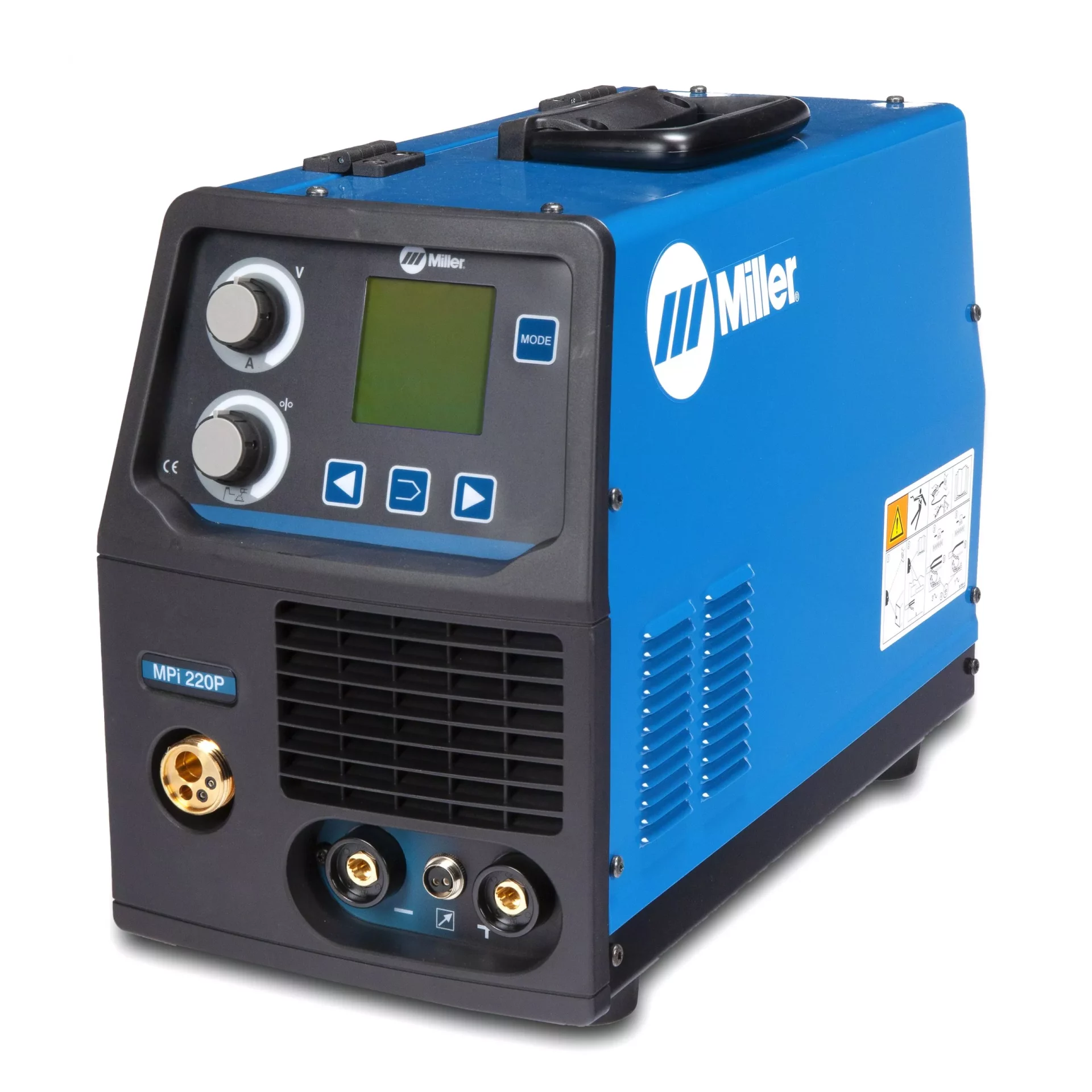
At Norsemen Safety/Welder’s Choice we recommend the Miller MPI 220P.
Intermediate MIG Welders
Intermediate Miller MIG welders are specifically designed for individuals who have advanced their skills and are prepared to undertake more complex welding projects. These machines offer enhanced features, including adjustable wire feed speed, improved welding voltage control, and superior duty cycles compared to entry-level models.
With a strong emphasis on weld quality and performance, intermediate Miller MIG welders cater to both DIY enthusiasts and professionals, effectively bridging the gap between hobbyist and advanced MIG welding capabilities. Users can explore a variety of welding techniques, making these machines suitable for a wider range of projects.
In contrast to entry-level units, which may restrict users to basic functions, intermediate models provide a level of versatility that accommodates multiple materials and thicknesses, including aluminium and stainless steel. This flexibility enables welders to adapt to diverse tasks, from automotive repairs to intricate metal art.
The user-friendly interfaces are often equipped with digital displays, facilitating easier adjustments for optimising weld settings.
Consequently, for those seeking to elevate their skills and address more demanding applications, selecting an intermediate Miller MIG welder can significantly enhance both their workflow and the quality of their work.
Professional MIG Welders
Professional Miller MIG welders are meticulously engineered to meet the stringent demands of industrial applications, offering a comprehensive range of advanced features that enhance welding performance. These machines are designed with durability and efficiency as primary considerations, incorporating inverter technology and sophisticated controls to ensure precision welding on diverse materials, including stainless steel and aluminium.
With higher power outputs, extensive duty cycles, and customisable welding settings, professional Miller MIG welders deliver exceptional weld quality and are specifically designed to withstand continuous use in challenging environments. The selection of the appropriate professional Miller MIG welder is critical for achieving consistent results in high-volume projects.
Along with their robust construction, these welding systems frequently incorporate advanced features such as synergic control, which automatically adjusts the voltage and wire feed speed according to the thickness and type of material being processed. This capability not only simplifies the welding process for operators of varying skill levels but also significantly enhances the quality of the final weld.
Many models also support spool gun capabilities, making them particularly suitable for aluminium welding, thereby alleviating issues associated with feeding soft wires. Furthermore, the integration of multi-process capabilities allows for the versatility to switch seamlessly between MIG, TIG, and stick welding, thereby broadening their application range across various industrial settings.
When selecting a Miller MIG welder, it is essential to consider several key features to ensure optimal performance and suitability for specific welding tasks.
Important factors to evaluate include:
Power output
Duty cycle
Wire feed speed
The overall design of the welder, including user-friendly features such as digital displays and ergonomic handling
A thorough understanding of these aspects enables users to make informed decisions regarding their welding equipment, whether they are hobbyists or professionals.
Furthermore, the selection of shielding gas and wire types is critical in achieving the desired weld quality and penetration.
Power Output and Duty Cycle
Power output and duty cycle are critical factors that directly influence the performance of a MIG welder, determining its capacity to effectively handle various welding tasks. The power output dictates the welder’s ability to join different materials and thicknesses, while the duty cycle indicates the permissible operating time before the machine requires a cooling period.
A comprehensive understanding of these parameters is essential for making an informed investment in welding equipment, as they significantly affect the welder’s efficiency and suitability for specific projects. Reputable welder manufacturers typically provide detailed technical specifications to assist users in evaluating their options.
When selecting a MIG welder, it is important to recognise that power output not only governs the strength of the welds but also influences the user experience during extended work sessions. A welder with a higher duty cycle allows for prolonged use without the risk of overheating, which can prove invaluable for professionals involved in large-scale projects. Investing in a brand recognised for reliability can result in more consistent performance and facilitate troubleshooting.
A thorough understanding of these elements can assist welders in achieving optimal results, ensuring that their equipment effectively supports their objectives, regardless of their skill level, whether they are beginners or seasoned experts.
Wire Feed Speed and Control
Wire feed speed is a critical parameter in MIG welding, as it directly influences the quality of the weld and the penetration achieved during the welding process. Proper control of wire feed speed allows users to adapt their welding techniques to accommodate various materials and thicknesses, thereby ensuring optimal results.
High-performance MIG welders typically offer precise adjustments for wire feed speed, enabling welders to fine-tune their settings according to specific project requirements. By mastering wire feed speed in conjunction with other welding controls, users can significantly enhance their welding outcomes and minimise the likelihood of weld defects.
This adjustment is essential, as an incorrect wire feed speed can result in issues such as insufficient heat input or excessive spatter, both of which may compromise the integrity of the weld. When welders comprehend how wire feed speed interacts with voltage, travel speed, and the type of filler material used, they can improve their overall technique.
Maintaining an optimal wire feed speed contributes to achieving a smoother arc and greater control over the welding puddle, thereby enhancing both the aesthetic and structural integrity of the weld. Ultimately, this expertise leads to a higher success rate and increased efficiency in the welding process.
Portability and Accessories
Portability is a critical factor to consider when selecting a Miller MIG welder, particularly for users who require flexibility for both industrial and domestic applications. Many modern MIG welders are designed with a lightweight construction that facilitates convenient transport, enabling operators to work on-site or in various locations.
This capability significantly enhances usability, allowing operators to transition swiftly from one job site to another without the challenges associated with cumbersome equipment. Portable MIG welders typically feature ergonomic handles and compact designs, ensuring user-friendliness during extended periods of operation.
Along with the welder itself, essential accessories such as shielding gas cylinders, carrying cases, and adjustable trolleys further enhance convenience, ensuring that welders have all necessary components readily accessible.
This thoughtful integration of portability and complementary accessories not only streamlines the welding process but also enables users to undertake a broader range of projects with confidence.
How to Choose the Right Miller MIG Welder for Your Needs
Selecting the appropriate Miller MIG welder for your specific needs requires thorough consideration of several factors to ensure that the chosen machine aligns with your welding requirements and level of expertise.
Users should evaluate their intended applications, whether for DIY projects or industrial tasks, and identify the necessary welding processes, such as aluminium or stainless steel welding.
Furthermore, assessing features such as power output, duty cycle, and ease of use of the controls will contribute to an improved welding experience.
Making a well-informed decision is essential for optimising both the performance and the return on investment in welding equipment.
Factors to Consider
When selecting a Miller MIG welder, it is essential to consider several factors to ensure the most suitable choice for specific needs and preferences in MIG welding. Key considerations include the types of materials to be welded, the thickness of the weld joints, and the welding techniques planned for use.
While budget-friendly welders may adequately serve beginners, advanced users typically prioritise features that enhance productivity and weld quality. Additionally, it is important to evaluate the welder’s versatility and any additional features that could facilitate various projects.
Ultimately, an understanding of one’s skill level and the requirements of a project significantly influences the welder selection process. For example, if an individual foresees a wide range of applications, investing in a model with adjustable settings may be a wise decision.
Assessing technical specifications, such as power output and duty cycle, will contribute to understanding how the welder performs under varying conditions. Portability may also be a critical factor for those who require mobility in their equipment.
By thoroughly evaluating these elements, one can identify a MIG welder that not only meets current project needs but also accommodates future endeavours.
Frequently Asked Questions
How do I choose the right Miller MIG welder for my needs?
Consider factors such as your level of experience, the type of materials you will be welding, and the intended use of the welder. It is also helpful to consult with the UK and Ireland’s largest Miller Welder representative, Norsemen Welder’s Choice call 028 9046 0541. We can help you choose the right Miller welding machine for your application.
Can I upgrade my Miller MIG welder with additional features?
Yes, many Miller MIG welders offer upgrade options such as advanced controls, additional welding processes, and wireless capabilities. Consult with Norsemen Welding and Safety Supplies or refer to the product manual for compatible upgrades.
Why buy a Miller Mig Welder or Miller Tig Welder?
Miller Welders are the best machines on the market. They are more expensive than most but they last for years. No false economy when you buy a Miller Welding Machine, built to last – you won’t regret buying Miller Welding Machines.
We specialize in providing all the supplies and equipment you need for MIG and MAG welding. Recognized as two of the most effective welding techniques globally, both MIG and MAG welding are popular choices across a wide range of industries for their ability to produce high-quality, durable welds.
The Basics: What Are MIG and MAG Welding?
MIG (Metal Inert Gas) and MAG (Metal Active Gas) welding are both forms of Gas Metal Arc Welding (GMAW). They operate on similar principles but utilize different shielding gases, which can make one more suitable than the other depending on the material and welding requirements.
A shielding gas protects the electric arc during welding, preventing contamination and keeping the temperature stable. Here lies the main difference between the two processes: MIG welding uses an inert gas (like argon or helium), while MAG welding uses an active gas (such as carbon dioxide, nitrogen, or oxygen). This simple difference leads to unique applications and advantages for each type of welding. MIG vs MAG Welding lets take a closer look.
MIG Welding: Precision and Purity
MIG welding relies on an inert gas to shield the weld, which means no chemical reactions occur in the welding pool. This makes MIG ideal for delicate materials that require high-quality, clean welds. Commonly used for metals like aluminum, MIG welding’s inert gases, especially argon, create a stable electric arc for consistent protection.
Key Benefits of MIG Welding:
Prevents chemical reactions, resulting in a clean, high-quality finish
Excellent for non-ferrous metals like aluminum
Provides clean, oxidation-free welds
Automated options for precise robotic welding systems
MAG Welding: Strength and Cost-Effectiveness
MAG welding, on the other hand, uses active gases, which interact with the weld pool and can produce higher temperatures. This makes MAG welding ideal for thicker materials and ferrous metals like steel, where deep penetration and high heat are essential.
Key Benefits of MAG Welding:
Cost-effective, using affordable and readily available active gases like CO2
Higher weld penetration, making it ideal for thicker metals
Efficiently welds ferrous metals like steel
Easily automated for robotic welding systems
MIG vs MAG Welding – Which One Is Right for You?
The choice between MIG and MAG depends on the project. For welding materials like aluminum, MIG welding is the best option due to its clean, oxidation-free results. For steel, MAG welding provides the necessary strength, heat, and depth required for thicker, tougher materials. Each process serves its own purpose, offering versatility and adaptability to specific needs.
MAG welding excels in strength and affordability. Using active gases like carbon dioxide, MAG welding achieves high temperatures and deep weld penetration, which is particularly beneficial for thicker, tougher materials like steel. The reactivity of active gases enhances the bond, making MAG welding a preferred choice in heavy industries and construction where structural integrity is crucial.
Considerations for Choosing MIG vs MAG Welding:
Cost: MAG welding tends to be more cost-effective.
Metal Type: Use MAG for ferrous metals like steel and MIG for non-ferrous metals.
Precision vs. Penetration: MIG welding is precise and non-reactive, while MAG welding allows for deeper penetration and higher temperatures.
The Future of Welding: Automation
One significant advantage of both MIG and MAG welding is the potential for automation. Robotic welding systems have become a go-to solution for companies needing consistency, speed, and safety. Robotic MIG/MAG systems reduce waste, improve quality, and enhance workplace safety by handling tasks that require high temperatures and precision.
Advantages of Robotic Welding:
Continuous operation for 24/7 productivity
Cost savings through reduced waste and optimized resources
Improved health and safety in the workplace
Consistent, high-quality welds every time
At Welder’s Choice, we understand the intricacies of MIG and MAG welding. We’re here to provide you with expert advice, top-quality supplies, and advanced welding solutions for all your needs.
If you have any further questions about MIG vs MAG Welding, please give us a call on 028 9046 0541.
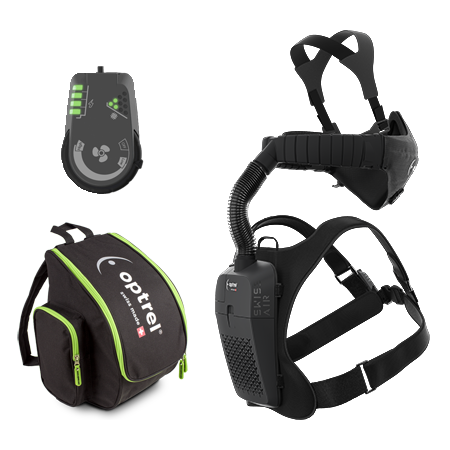
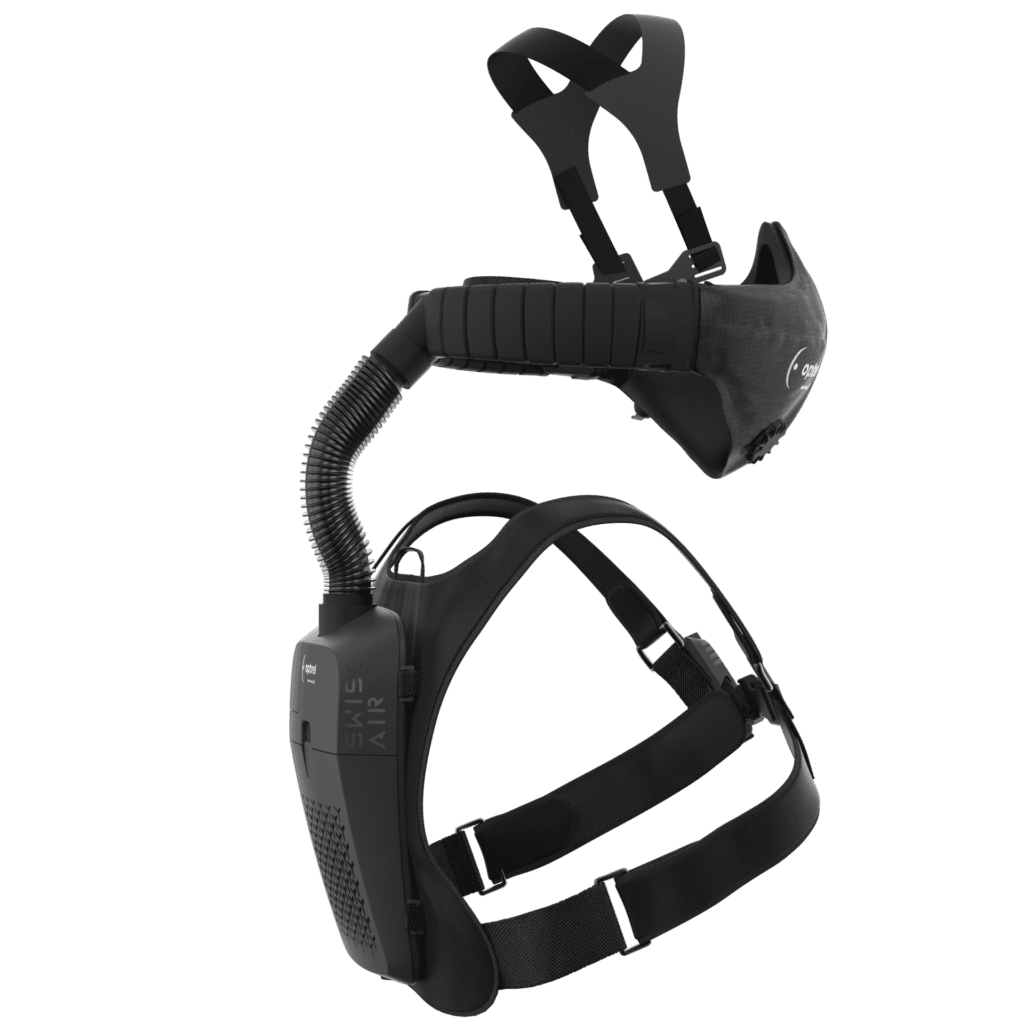
Optrel Swiss Air PAPR System – In the demanding world of welding, safety and comfort are paramount. Ensuring the best protection while maintaining peak performance is no small task. Enter the Optrel Swiss Air PAPR – an advanced powered air purifying respirator system designed to make the life of welders easier, safer, and healthier. As an authorized Optrel distributor, Norsemen Safety/Welder’s Choice is proud to offer this innovative solution that brings unparalleled protection to welding professionals worldwide.
What Makes the Optrel Swiss Air PAPR Stand Out?
The Optrel Swiss Air PAPR system is more than just a respirator – it’s a game-changing piece of technology designed for ultimate comfort and safety. Here are the key features that make this product a standout solution for welders:
1. Exceptional Respiratory Protection
The Optrel Swiss Air PAPR system offers top-tier respiratory protection by filtering out harmful particulates and contaminants that welders are frequently exposed to. With a TH3 classification – the highest level of protection in its class – this PAPR system provides 99.8% filtration efficiency, ensuring welders breathe in only clean, filtered air.
2. Unmatched Comfort
Unlike traditional respiratory systems, the Optrel Swiss Air PAPR system is designed with the user’s comfort in mind. The lightweight, modular design evenly distributes weight, significantly reducing strain on the neck and shoulders. Welders can work longer without feeling fatigued, enhancing productivity and overall job satisfaction.
3. Fresh Air, Anytime
With the Optrel Swiss Air PAPR system , welders can enjoy a constant supply of fresh, filtered air. The adjustable airflow settings allow users to customize the air supply to their personal comfort, making even the toughest jobs more manageable. The freedom to breathe comfortably without restrictive masks truly sets the Optrel Swiss Air PAPR system apart.
4. Integrated Solution for Welding Helmets
The Swiss Air PAPR is fully compatible with Optrel’s range of high-quality welding helmets and any other brand of welding helmet – Miller, Esab, Lincoln, Parweld. Welders can seamlessly integrate the system with their existing equipment, ensuring full-face protection without compromising on visibility or convenience. The ergonomic design means that the Swiss Air fits comfortably beneath welding helmets, giving you a complete safety solution without any hassle.
Why Choose the Optrel Swiss Air PAPR Over the Competition?
When comparing the Optrel Swiss Air PAPR to other PAPR systems on the market, it’s easy to see why the Swiss Air stands out. While other systems may provide basic protection, the Swiss Air PAPR combines innovative design, cutting-edge technology, and extreme comfort in one package. Here are some reasons why:
No Compromises on Comfort: Welding is already a physically demanding job. The Swiss Air’s ergonomic design, lightweight build, and user-friendly controls ensure welders are comfortable even during extended periods of work.
Superior Airflow Control: With multiple airflow settings, the Swiss Air provides a level of customization that is hard to find elsewhere. Welders can adjust airflow based on their environment, keeping them cool and comfortable.
Durability and Reliability: Built to withstand the harsh conditions of welding, the Swiss Air PAPR is robust and reliable. Whether working in a workshop or on-site, you can trust that this system will perform consistently.
The Benefits of Choosing Norsemen Safety/Welder’s Choice
At Norsemen Safety/Welder’s Choice, we understand the unique challenges welders face daily. That’s why we’re committed to providing products that not only meet but exceed expectations. As an authorized Optrel distributor, we offer:
Expert Guidance: Our team of experts is always ready to help you find the best solution for your specific needs.
Competitive Pricing: We offer competitive pricing on all Optrel products, ensuring you get the best value for your investment.
After-Sales Support: We stand by our products and provide exceptional after-sales support to ensure your complete satisfaction.
How to Get Your Optrel Swiss Air PAPR
Ready to experience the difference that the Optrel Swiss Air PAPR can make? Visit Norsemen Safety/Welder’s Choicetoday to browse our selection and speak with our knowledgeable staff. With our commitment to quality and customer satisfaction, we’re confident that the Swiss Air PAPR will elevate your welding experience.
Conclusion
The Optrel Swiss Air PAPR system is redefining what welders can expect from respiratory protection. With its advanced filtration, user comfort, and seamless integration with welding helmets, it’s easy to see why the Swiss Air PAPR is the preferred choice for professionals. At Norsemen Safety/Welder’s Choice, we’re here to ensure that welders have access to the best tools in the industry, so you can focus on what you do best—welding with precision and confidence.
Don’t settle for anything less than the best in welding safety. Choose the Optrel Swiss Air PAPR today and breathe easier while you work.
Shop Now and take the next step towards ultimate protection and comfort!