Fixed Gas Detectors and Portable Gas Detectors: Key Insights for Workplace Safety

Gas detection is a critical aspect of safety in various industries, ensuring the protection of workers from potentially harmful gases. This article explores the importance of gas detection, the differences between fixed and portable gas detectors, the types of gases detected, and the applications of these devices. We will also discuss installation considerations, factors to consider when purchasing gas detectors, common sensor types, maintenance requirements, training and education, and future trends in gas detection technology. Stay tuned to learn everything you need to know about fixed and portable gas detection.

Introduction to Fixed and Portable Gas Detection

Introduction to Fixed and Portable Gas Detection provides an overview of the essential tools and technologies used in monitoring hazardous gases in various environments, ensuring safety and compliance.

Gas detectors play a critical role in safeguarding lives and property by constantly monitoring the presence of harmful gases in industrial, commercial, and residential settings. Portable gas detectors, designed for on-the-go use, offer flexibility and mobility in detecting toxic gases while fixed gas detection systems provide continuous monitoring for long-term protection. These devices are equipped with advanced sensors and alarms that trigger alerts when gas levels exceed safe limits, allowing for prompt intervention and prevention of potential disasters.
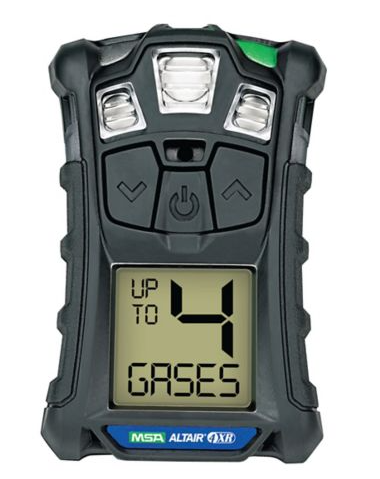
msa altair 4xr

Importance of Gas Detection

Understanding the importance of gas detection is crucial for maintaining safety in industries dealing with hazardous gases, ensuring compliance with regulations and standards whilst enabling continuous monitoring.

Gas detection plays a vital role in safeguarding the well-being of workers, preventing potential accidents, and minimising the risk of catastrophic events. The implementation of advanced monitoring systems allows for real-time data collection, analysis, and response, enhancing overall safety measures within industrial settings. Along with protecting personnel, efficient gas detection also helps in safeguarding equipment, infrastructure, and the environment from the dangers associated with gas leaks or exposure. Compliance with industry-specific protocols and legal requirements is essential for maintaining operational integrity and fostering a culture of safety consciousness.

Fixed Gas Detectors
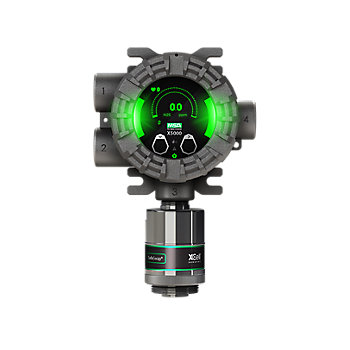
fixed gas monitor

Fixed Gas Sensors are fixed devices designed to monitor gas concentrations in specific areas, providing continuous monitoring to ensure safety and early detection of hazardous levels.

These sensors play a crucial role in industrial, commercial, and residential settings, where the release of hazardous gases could pose significant risks. By continuously measuring the levels of gases such as carbon monoxide, hydrogen sulphide, methane, and more, these devices can alert individuals to potential dangers promptly. The real-time data provided by fixed gas sensors allows for quick response measures to be implemented, preventing accidents and protecting both life and property.

Overview of Fixed Gas Detectors

An overview of Fixed Gas Detectors includes their installation in fixed systems, strategic placement in critical areas, and their role in safeguarding employees and companies against potential gas hazards.

These detectors are designed to continuously monitor the presence of hazardous gases in industrial environments, such as manufacturing plants, refineries, and storage facilities.

  1. By detecting leaks or abnormal levels of gases like methane, carbon monoxide, or hydrogen sulphide, Fixed Gas Detectors provide early warning to employees and allow for prompt response to prevent accidents and injuries.
  2. Their integration with alarm systems can trigger automatic shutdown procedures, ventilation systems, or emergency notifications, enhancing the overall safety protocols within a facility.

Advantages of Fixed Gas Detectors

MSA Fixed Gas Detectors offer advantages such as continuous monitoring, immediate alerts, and alarm notifications that comply with industry requirements, ensuring timely responses to gas leaks and safety hazards.

These detectors are crucial for maintaining a safe working environment by continuously measuring the presence of harmful gases such as carbon monoxide, hydrogen sulphide, and methane.

They boast advanced alert systems that can notify designated personnel in real-time when gas levels exceed safe limits, allowing for rapid evacuation or containment measures.

Fixed gas detectors align with industry standards such as HSE and EA regulations, ensuring compliance and adherence to safety protocols within various sectors, including manufacturing, petrochemical, and pharmaceutical industries.

Portable Gas Detectors
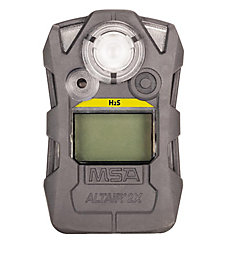
portable gas detector

Portable Gas Detectors are mobile devices used to alert workers of potential gas hazards in various environments, enhancing safety measures and providing immediate warnings in critical situations.

This innovative technology is designed to detect a wide range of gases, from carbon monoxide to hydrogen sulphide, ensuring a quick response to any danger. Due to their compact size and lightweight construction, portable gas detectors are easy to carry around, making them ideal for workers in industries like oil and gas, construction, and chemical plants. These devices play a crucial role in preventing accidents by continuously monitoring gas levels and triggering alarms when thresholds are exceeded.

Overview of Portable Gas Detectors

The overview of Portable Gas Detectors includes their ability to monitor gas levels, provide warnings, and meet industry requirements, ensuring companies adhere to safety regulations and protect their workforce.
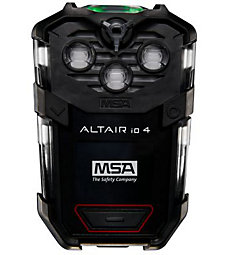
ALTAIR io

One key feature of portable gas detectors is their advanced warning systems that emit audible alarms and visual indicators when gas levels exceed specified thresholds, alerting users to potential hazards in their environment.

Along with this, many models are equipped with internal sensors that continuously monitor gas concentrations, allowing for real-time updates on air quality.

These detectors also come with customisable settings for alarm thresholds, providing flexibility to suit varied work environments.

Portable gas detectors are designed to be compliant with stringent industry standards ensuring accuracy and reliability in gas detection.

Advantages of Portable Gas Detectors

Portable Gas Detectors offer advantages in diverse applications, alerting workers to gas hazards, and monitoring gas levels effectively, enhancing safety in various work environments.

These compact devices are essential tools for industries such as oil and gas, chemical plants, mining, and confined spaces. By providing real-time alerts to dangers like carbon monoxide, hydrogen sulphide, and flammable gases, they enable quick responses to mitigate risks.

Portable gas detectors precisely monitor gas levels ensures that safety protocols are followed, preventing accidents and maintaining compliance with regulations. Portable gas detectors play a crucial role in safeguarding workers’ health and well-being, offering peace of mind in hazardous work settings.

Fixed vs. Portable Gas Detectors

Comparing Fixed and Portable Gas Detectors involves evaluating their performance in different work environments, ability to provide immediate warnings, effectiveness in safety precautions, and adaptability to changing conditions.

Fixed gas detectors are typically installed in a fixed position within industrial facilities or buildings to continuously monitor for the presence of hazardous gases. These detectors are crucial for early detection of gas leaks and triggering alarms to prompt immediate evacuation or safety measures.

On the other hand, portable gas detectors offer flexibility by allowing personnel to carry them around, making them ideal for tasks that involve moving between different areas with potential gas exposure.

Types of Gases Detected

Gas detectors can identify various types of gases, including specific ones with unpredictable levels that pose risks in high-risk zones, storage tanks, and other critical environments.

These detectors play a vital role in ensuring safety by monitoring the presence of flammable gases like methane or propane that can lead to explosions if leaked in confined spaces. Along with flammable gases, toxic gases such as hydrogen sulphide or carbon monoxide are also commonly detected.

The continuous tracking of these gases helps in preventing health hazards and maintaining compliance with safety regulations. The ability of gas detectors to detect a wide range of gases makes them essential tools in industrial settings.

Applications of Gas Detectors

Gas detectors find applications in various industrial locations, providing comprehensive coverage in infrastructure sites, ensuring public safety, and safeguarding critical environments from potential gas hazards.

These sophisticated devices are essential tools in industrial settings, where they play a crucial role in detecting hazardous gases like carbon monoxide, methane, and hydrogen sulphide. Gas detectors are designed to alert workers of any dangerous gas levels, preventing potential accidents and ensuring a safe working environment. In infrastructure sites such as oil refineries, chemical plants, and manufacturing facilities, these detectors are vital for monitoring gas leaks, early detection of fires, and maintaining air quality standards. The importance of public safety is highlighted by the use of gas detectors in public spaces such as schools, hospitals, and shopping centres, where the well-being of individuals is a top priority.

Installation Considerations for Gas Detectors

Proper installation considerations for gas detectors include incorporating preventive maintenance practices, strategic placement in common areas, adherence to compliance measures, and alignment with industry standards for effective monitoring. MSA Safety are the leaders in fixed gas detection, Norsemen Safety is a proud MSA Safety distributor supplying MSA gas monitors both fixed and portable to industry in Ireland and the UK. Get in touch to discuss your gas detection requirements.

Preventive maintenance plays a crucial role in ensuring the longevity and accuracy of gas detectors. Regular inspections, calibration checks, and sensor replacements are essential tasks to uphold their functionality.

Strategic placement in common areas like kitchens, boiler rooms, and industrial facilities is vital to detect potential gas leaks promptly. Ensuring detectors are installed at optimal heights and distances from potential sources of gas is paramount for early detection.

Compliance requirements set the guidelines for the types of detectors, installation protocols, and maintenance schedules that need to be followed. Adhering strictly to these regulations is necessary to mitigate risks and ensure a safe environment.

Industry standards such as HSE and FPA provide specific guidelines on the installation and maintenance of gas detectors. Following these standards not only ensures regulatory compliance but also enhances overall safety measures in the facility.

Common Sensor Types in Gas Detectors

Gas detectors utilise common sensor types such as electrochemical sensors, LED panels for display, measurement units like parts per million (PPM), and compliance thresholds like Permissible Exposure Limits (PEL).

Electrochemical sensors are often used in gas detectors for their high sensitivity to specific gases such as carbon monoxide or hydrogen sulphide, providing accurate and reliable detection capabilities. LED panel displays offer clear visual indications of gas levels and alarms, ensuring easy monitoring for operators.

The measurement units in gas detectors, represented as parts per million (PPM), help in quantifying gas concentrations in the air, giving a numerical value that indicates potential hazards. Compliance standards such as Permissible Exposure Limits (PEL) set by regulatory bodies ensure that workplaces maintain safe levels of gas exposure, protecting the health and safety of individuals.

Gas Detector Maintenance

Maintaining gas detectors is crucial for ensuring safety monitoring, comprehensive coverage, and early detection of gas hazards, highlighting the importance of regular maintenance in preserving the effectiveness of these devices.

Gas detector maintenance plays a pivotal role in upholding workplace safety standards and minimising the risks associated with gas leaks. Regular upkeep ensures that these devices function optimally, providing a reliable shield against potential dangers.

Consistent monitoring of gas detector performance enables swift identification of any malfunctions or deviations, preventing any lapses in safety protocols.

Proper maintenance routines extend the lifespan of gas detectors, offering long-term cost savings and uninterrupted protection. With comprehensive coverage achieved through regular checks and calibrations, organizations can create a secure environment conducive to employee well-being and operational efficiency.

Importance of Regular Maintenance

Regular maintenance of gas detectors is essential to uphold environmental safety standards, meet industry applications, ensure continuous monitoring, and facilitate effective emergency response protocols.

Gas detectors play a critical role in various sectors, including manufacturing, petrochemical, mining, and more. Proper maintenance not only ensures their accuracy and reliability but also helps in identifying and preventing potential hazards that could lead to environmental disasters or health risks to personnel.

Continuous monitoring provided by well-maintained detectors is vital in detecting leaks or abnormal gas levels promptly, thus preventing accidents and ensuring a safe working environment. Regular maintenance enhances the readiness of emergency response teams by ensuring the detectors are fully functional during critical situations.

Training and Education on Gas Detection

Training and education on gas detection are vital for ensuring adherence to industry standards, implementing safety precautions, understanding electric codes, and receiving expert guidance on effective gas detection practices.

Recognising the importance of comprehensive training in gas detection, professionals learn to identify potential hazards, interpret sensor readings, calibrate equipment accurately, and troubleshoot common issues.

Staying updated on the latest technological advancements and regulatory requirements guarantees that individuals can handle diverse gas detection scenarios with proficiency and confidence.

Future Trends in Gas Detection Technology

Future trends in gas detection technology focus on expanded coverage capabilities, emphasis on preventative maintenance strategies, adoption of standard protocols, and integration of advanced technologies for enhanced detection and safety measures.

One of the key areas receiving substantial attention is the enhancement of sensor capabilities to detect a wider range of gases, enabling early detection of potential hazards. The shift towards cloud-based monitoring systems is gaining momentum, allowing real-time data analysis and remote access for efficient management. The implementation of predictive maintenance algorithms is also becoming prevalent, ensuring optimal performance and minimising downtime. The industry is witnessing a growing inclination towards the incorporation of AI and machine learning algorithms to improve accuracy and reliability in gas detection processes.

Future Trends in Gas Detection Technology

Looking ahead, the future trends in gas detection technology will focus on providing flexible protection solutions, adapting to changing conditions, addressing risks in high-risk zones, and ensuring safety in storage tank environments.

Gas detection systems are moving towards more intelligent designs that can quickly adapt to various hazardous scenarios. These systems are being equipped with advanced sensors capable of detecting a wide range of gases, from common pollutants to highly toxic substances, with enhanced precision and speed. The integration of Internet of Things (IoT) technology allows for real-time monitoring and data analysis, which aids in proactively managing potential risks.

MSA Safety is now the leader in fully integrated cellular connectivity right out-of-the-box, the ALTAIR io 4 delivers real-time visibility to help drive safety and productivity across workers, worksites, and workflows.

ALTAIR io 4 features:

  • Designed with fully integrated connectivity for real-time visibility across your worksites from Day One
  • CAT-M LTE cellular connectivity and integration with the MSA Grid
  • Deploys in seconds, right out of the box. No IT required
  • Rugged, durable design and Industry-Leading XCell® Sensors
  • Survives a 25-foot drop test. Breakthrough sensor design enables faster response and shorter span calibrations
  • 1 to 4 gas options available. Sensor Options: Combustible (LEL), Oxygen, Carbon Monoxide, Hydrogen Sulfide, Methane, H2S Low-Concentration, CO – Hydrogen Resistant

The ALTAIR io 4 is part of the MSA Connected Work Platform, which helps to simplify safety, curb risk, and boost productivity.

In storage tank facilities, there is a growing emphasis on implementing predictive maintenance strategies to prevent equipment failures and reduce the likelihood of incidents. By leveraging cutting-edge technologies like artificial intelligence and machine learning, modern gas detection solutions are becoming more sophisticated and efficient in safeguarding industrial installations.

Frequently Asked Questions

What is the difference between fixed gas detection and portable gas detection?

Fixed gas detection refers to stationary gas detection systems that are permanently installed in a specific location, while portable gas detection devices are handheld and can be carried to different areas for on-the-go gas monitoring.

Why do I need both fixed and portable gas detection?

Fixed gas detection systems provide continuous monitoring and can cover larger areas, while portable gas detectors allow for personal monitoring and can be used in areas where fixed systems are not available or practical.

What types of gases can be detected by fixed and portable gas detection systems?

Both fixed and portable gas detectors can detect a wide range of gases including toxic gases, combustible gases, and oxygen levels. Some models may be designed to detect specific gases or a combination of gases.

How do fixed and portable gas detection systems work?

Fixed gas detectors use sensors and alarms to detect and warn of the presence of hazardous gases. Portable gas detectors work similarly, but with a smaller form factor and often with audible and visual alerts.

Are there any maintenance requirements for fixed and portable gas detection systems?

Yes, both types of gas detectors will require regular maintenance to ensure proper functioning. Fixed systems may need to be calibrated and tested periodically, while portable devices may need to have their sensors replaced or recalibrated.

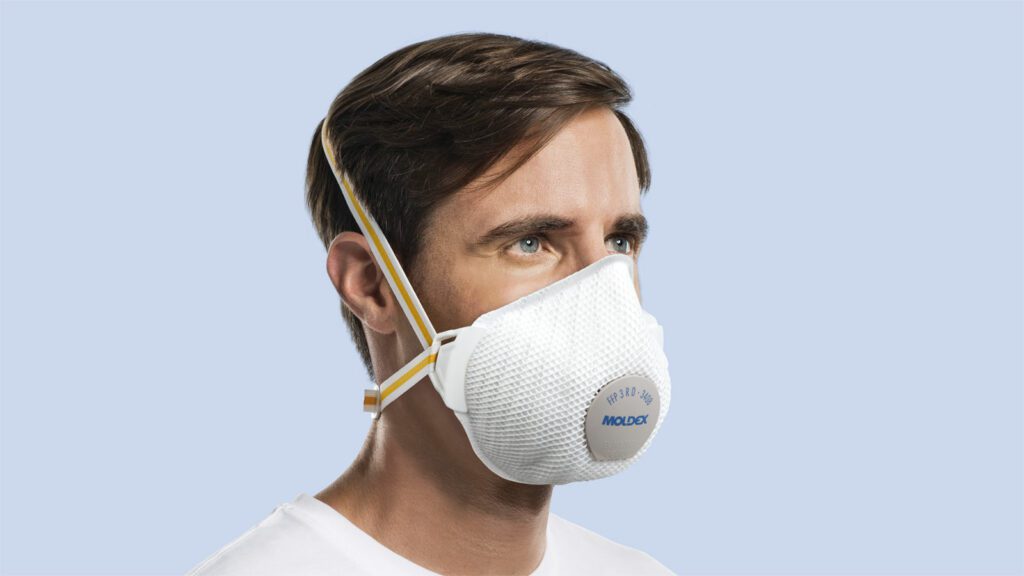
The Ultimate Guide to Choosing Moldex Respiratory Protection

Moldex Respiratory Protection is essential for safeguarding your health in hazardous environments. This ultimate guide will explore the importance of respiratory protection, the various types available, key features to consider, and tips for selecting the right one for your needs.

Whether you require disposable respirators, reusable options, or powered air purifying respirators (PAPRs), Moldex has you covered. Stay informed about certification, filtration efficiency, comfort, fit, durability, and workplace hazards to ensure maximum safety.

What is Moldex Respiratory Protection?

moldex respiratory

Moldex Respiratory Protection is an essential component of workplace safety measures, offering a range of innovative respiratory products designed to protect individuals from various airborne contaminants and hazards. Moldex, a leading brand in the industry, provides a comprehensive selection of Moldex Masks and Moldex Respirators that adhere to stringent safety standards and guidelines.

Ensuring a safe and healthy work environment is paramount, and respiratory protection plays a vital role in achieving this goal. Moldex is renowned for its commitment to quality and excellence in providing reliable protection against respiratory risks. The Moldex Masks and Moldex Respirators are crafted with precision to offer maximum comfort and efficiency for the wearer. By prioritising safety and health standards, Moldex instils confidence in users that they are safeguarded in potentially hazardous work settings.

Why is Respiratory Protection Important?

Respiratory protection is crucial in safeguarding individuals against respiratory hazards prevalent in various workplaces, ensuring their health and safety. Exposure to airborne contaminants can lead to severe health issues, making the use of Moldex Respiratory Protection equipment imperative for mitigating risks and maintaining a safe work environment.

This type of equipment acts as a shield, preventing harmful particles from entering the respiratory system and causing potential harm. By creating a barrier between individuals and hazardous substances, Moldex Respiratory Protection plays a vital role in promoting occupational safety and health standards. In industries where workers are exposed to fumes, dust, or other airborne pollutants on a regular basis, reliable respiratory protection is not just a precaution but a necessity to protect individuals from short-term and long-term health implications.

What Types of Moldex Respiratory Protection are Available?

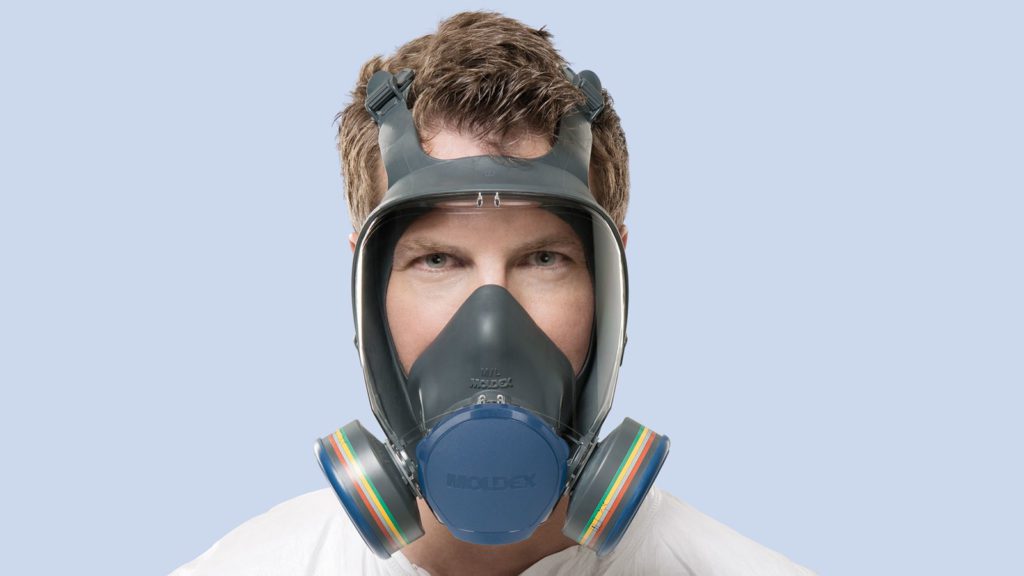
Moldex offers a comprehensive range of respiratory protection solutions to cater to diverse needs, including Disposable Respirators, Reusable Respirators, and Powered Air Purifying Respirators (PAPRs). Each type of Moldex Respiratory Protection is designed to address specific respiratory hazards and provide reliable protection in various work environments.

Disposable respirators, such as Moldex’s FFP2V masks, are convenient for one-time use and offer effective filtration against particulate matter.

On the other hand, Reusable Respirators, like Moldex’s half-face and full-face respirators, provide long-term protection with replaceable filters.

moldex full face mask

Moldex products excel in versatility, ensuring that workers in different industries can find the right respiratory protection solution for their specific workplace requirements.

Disposable Respirators

Disposable Respirators from Moldex are designed for single-use applications, providing efficient respiratory protection against airborne contaminants. These respirators offer superior filtering capabilities to ensure that users are shielded from harmful particles and maintain respiratory safety in hazardous environments.

The beauty of Moldex Disposable Respirators lies in their hassle-free single-use functionality, making them a convenient choice for individuals in various industries. With these respirators, there’s no need for cleaning or maintenance, simplifying the process for users. The exceptional filtering efficiency of Moldex respirators guarantees a high level of protection against dust, mist, and other airborne particles. By wearing these respirators, individuals can breathe with ease knowing that their respiratory health is prioritised and safeguarded, promoting a safer work environment for everyone.

Reusable Respirators

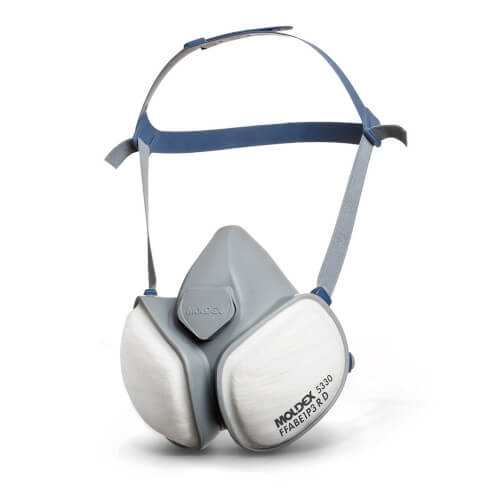
Moldex 5330 Compact Mask

Moldex Reusable Respirators are designed for extended use and offer a cost-effective solution for long-term respiratory protection. These respirators provide a proper fit, ensuring user comfort and safety while effectively filtering out airborne contaminants in various work settings.

Their economical nature makes them an ideal choice for individuals or companies looking to manage costs without compromising on quality. With their durability and multiple-use capabilities, Moldex Reusable Respirators stand out for their ability to provide continuous protection over time. The secure fit of these respirators not only enhances comfort during extended wear but also plays a crucial role in preventing harmful particles from entering the respiratory system. Their efficient filtration system ensures that users can breathe cleaner, healthier air, reducing the risk of exposure to hazardous substances.

What are the Key Features to Look for in Moldex Respiratory Protection?

When selecting Moldex Respiratory Protection, it is essential to consider key features such as Moldex’s innovative technology, European Standard (EN) 149:2001+A1:2009 certification, and user comfort. These features ensure that the respiratory protection equipment meets stringent safety standards and provides optimal performance in protecting against airborne contaminants.

Moldex Respiratory Protection stands out for its advanced features, including the exclusive Dura-Mesh shell that resists collapsing in hot and humid conditions, maintaining a strong seal. Their patented Ventex valve facilitates easy breathing by reducing heat buildup inside the mask. The CE certification signifies that Moldex products have undergone rigorous testing to meet and exceed safety regulations, giving users peace of mind. The emphasis on user comfort is evident in the soft foam nose cushion and contoured shape, promoting extended use without discomfort.

Filtration Efficiency

Filtration efficiency is a critical factor in Moldex Respiratory Protection, as it determines the respirators’ ability to filter out airborne contaminants effectively. Moldex utilises advanced filtration technology to enhance the efficiency of its products, ensuring that users are adequately protected in challenging work environments.

This focus on filtration efficiency is essential, as it directly impacts the level of protection provided by Moldex respirators. The innovative technology incorporated into Moldex products allows for improved filtration capabilities, effectively trapping harmful particles and ensuring clean air for the wearer. By consistently optimising filtration efficiency, Moldex reinforces their dedication to safeguarding the respiratory health of individuals exposed to hazardous substances. This commitment to excellence in respiratory protection sets Moldex apart as a reliable and trusted source for ensuring optimal safety in various industrial settings.

Comfort and Fit

User comfort and proper fit are key considerations in Moldex Respiratory Protection, as they ensure that the respirators are worn consistently and correctly. Moldex offers a range of sizes to accommodate different face shapes, prioritising user comfort to encourage compliance with safety protocols.

This focus on sizing options not only enhances comfort but also plays a crucial role in the overall wearability of Moldex Respiratory Protection. Moldex’s dedication to user-centric design is evident in the thoughtfulness put into creating respirators that prioritise optimal comfort without compromising on safety.

The importance of a comfortable fit cannot be overstated, especially when considering long-term usage, as discomfort or improper fit could lead to non-compliance and decreased effectiveness of the respiratory protection equipment. By catering to various face shapes and sizes, Moldex ensures that users can find a respirator that fits snugly and comfortably, promoting consistent and correct usage.

Durability

Durability is a key feature of Moldex Respiratory Protection, ensuring that the equipment maintains its integrity and effectiveness over extended periods of use. Moldex products are designed to withstand demanding work conditions and require minimal maintenance, offering long-lasting protection against respiratory hazards.

The robust construction of Moldex equipment contributes significantly to its durability. This sturdiness means that workers can rely on their respiratory protection in various environments without concern for premature wear or damage.

By investing in durable respiratory equipment like Moldex products, individuals can have peace of mind knowing that they are consistently safeguarded from harmful particles and contaminants. The longevity of Moldex products helps companies save costs in the long run, as they won’t need frequent replacements due to wear and tear, making it a reliable and cost-effective choice for respiratory protection.

How to Choose the Right Moldex Respiratory Protection for Your Needs?

Selecting the appropriate Moldex Respiratory Protection involves assessing workplace hazards, determining the type of respirator needed, ensuring a proper fit, and evaluating cost and maintenance requirements. By considering these factors, individuals can choose the right Moldex product that offers optimal protection against respiratory hazards.

When assessing workplace hazards, it is crucial to identify specific airborne contaminants present, such as dust, fumes, or vapours, to determine the level of protection required. Once the hazard level is determined, selecting the appropriate respirator type, whether it be disposable masks, half-face respirators, or full-face respirators, becomes essential for ensuring the safety of the individual.

Proper fit and comfort play a significant role in the effectiveness of respiratory protection, as a poorly fitted mask can lead to gaps, reducing its efficiency. Considering factors like cost-effectiveness and maintenance requirements ensures that the chosen Moldex product not only provides adequate protection but also remains sustainable in the long run.

Assess Your Workplace Hazards

Before choosing Moldex Respiratory Protection, individuals should conduct a thorough assessment of workplace hazards to identify potential respiratory risks. Understanding the specific dangers present in the work environment is essential for selecting the most suitable protection equipment.

This assessment ensures that the respiratory protection chosen is tailored to the actual risks faced, offering the necessary defence against harmful substances. Identifying hazards allows individuals to implement preventive measures and establish protocols to minimise exposure. By recognising potential respiratory threats, workers can proactively safeguard their health and well-being in the workplace.

It is crucial to regularly review and update hazard assessments to address any new risks that may arise and ensure that the chosen respiratory protection continues to provide effective defence.

Consider the Type of Respirator Needed

Choosing the right type of respirator from the Moldex range depends on the nature of respiratory hazards in the workplace. Individuals should consider whether disposable, reusable, or powered respirators are most suitable for the level of protection required in their specific work environment.

Respiratory hazards can vary widely, from particulates and gases to biohazards, each demanding a specific approach in terms of respiratory protection.

Disposable respirators offer convenience and cost-effectiveness for short-term exposure to non-toxic particles.

Reusable respirators, on the other hand, provide a sustainable option for environments with frequent exposure to contaminants.

Powered respirators are ideal for environments with high concentrations of toxic substances, offering a higher level of protection.

Tailoring the choice of respirator to the hazards present ensures that workers are adequately safeguarded against potential health risks.

Check for Proper Fit

Fit Testing is required for all disposable and reusable respirators. Moldex Fit Testing Kits are available from Norsemen Safety.

Ensuring a proper fit is essential when choosing Moldex Respiratory Protection, as it contributes to user comfort, safety, and the overall effectiveness of the equipment. Individuals should pay attention to sizing options, fit testing, and adjustment mechanisms to guarantee a secure and comfortable fit.

A well-fitted respirator ensures that the user is adequately protected from harmful particles, gases, or fumes present in the environment. In addition to protecting the wearer, a proper fit also plays a significant role in meeting regulatory requirements and industry standards.

Comfort and safety go hand in hand when it comes to respiratory protection, as a secure fit can prevent leakage and ensure that the wearer can breathe easily without compromising on protection levels. Proper fit tests, such as the user seal check, are crucial to verify that the respirator is correctly positioned on the face for optimal performance.

Evaluate Cost and Maintenance

When choosing Moldex Respiratory Protection, individuals should consider the cost implications and maintenance requirements associated with different types of respirators. Evaluating the long-term costs and upkeep of the equipment is essential for ensuring sustainable protection against respiratory hazards.

By assessing the financial considerations of each respirator option, users can make informed decisions that not only prioritize protection but also factor in the long-term sustainability of the chosen equipment. Regular maintenance and proper upkeep not only extend the lifespan of the respirators but also ensure optimal performance, reducing the risk of malfunctions or failures that could compromise safety. Therefore, understanding the cost and maintenance aspects of Moldex Respiratory Protection options is key to establishing a reliable and sustainable respiratory protection program.

What are the Safety Tips for Using Moldex Respiratory Protection?

Adhering to safety standards and following guidelines is crucial when using Moldex Respiratory Protection to ensure maximum effectiveness and protection. Individuals should familiarise themselves with proper usage instructions, maintenance protocols, and storage recommendations to optimise the performance and longevity of their respiratory equipment.

Regular inspection of the respiratory gear is essential to identify any signs of wear or damage that may compromise its effectiveness. Ensuring a proper fit of the respirator is equally important for sealing out contaminants. Proper cleaning practices also play a significant role in maintaining hygiene and preventing the build-up of harmful particles. It is advised to store the equipment in a clean, dry place away from extreme temperatures or humidity. By following these safety tips and best practices, individuals can safeguard their respiratory health and well-being.

Frequently Asked Questions

What is Moldex Respiratory Protection?

Moldex Respiratory Protection refers to a range of personal protective equipment designed to filter and purify the air you breathe, protecting you from harmful airborne particles and pollutants.

What are the protection levels of FFP1, FFP2 and FFP3?

FFP stands for “Filtering Facepiece”. The number 1 to 3 describes the protection level of the respiratory mask. The higher the number, the more efficiently the mask filters particles such as dust or airborne liquid particles from the air.. For this reason, FFP3 respiratory masks may be used against more harmful substances and at higher concentrations than FFP1 and FFP2 respiratory masks.

Detailed information about FFP protection levels can be found here.

What makes Moldex Respiratory Protection different from other brands?

Moldex is a trusted and reputable brand that has been providing high-quality respiratory protection for over 30 years. Their products are designed with comfort, durability, and safety in mind, making them a top choice for many industries.

What types of respiratory protection does Moldex offer?

Moldex offers a wide range of respiratory protection, including disposable masks, reusable masks, half masks and full face masks. They also offer a variety of filters and cartridges to suit different needs and environments.

How do I choose the right Moldex Respiratory Protection for me?

Choosing the right respiratory protection depends on various factors, such as the type of work you do, the level of protection you need, and the environment you will be working in. The Ultimate Guide to Choosing Moldex Respiratory Protection can help you determine the best option for your specific needs.

Are there any tips for properly using and maintaining Moldex Respiratory Protection?

Yes, it is crucial to follow the manufacturer’s instructions for proper use and maintenance of your Moldex Respiratory Protection. This includes checking for proper fit, replacing filters and cartridges as needed, and regularly cleaning and disinfecting the equipment. The Ultimate Guide to Choosing Moldex Respiratory Protection also provides helpful tips for proper use and maintenance.

The Essential Guide to Welding Sticks and Rods for Every Project – Welder’s Choice

If you’re new to welding or looking to expand your knowledge on the subject, understanding the ins and outs of welding sticks | welding rods is essential.

Here, we will explore what welding sticks are, how they work, the different types available, their advantages and disadvantages, how to choose the right welding rod for your project, and important safety precautions to keep in mind.

Whether you’re a seasoned welder or just starting out, this comprehensive guide will help you navigate the world of welding rods and welding sticks with confidence.

What Are Welding Sticks | Welding Rods?

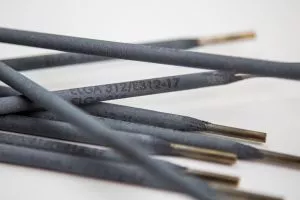
Welding rods, also known as welding electrodes or welding sticks, are essential tools in the metalworking industry used for metal joining and fabrication processes.

These rods are made of various welding materials, such as mild steel, stainless steel, and aluminum, each designed to suit specific welding techniques and applications.

Welding rods play a crucial role in providing the necessary heat and filler material to create strong bonds between metal pieces. As a result, welding rods are indispensable in various welding applications, from structural steel fabrication to automotive repairs.

How Do Welding Sticks Work?

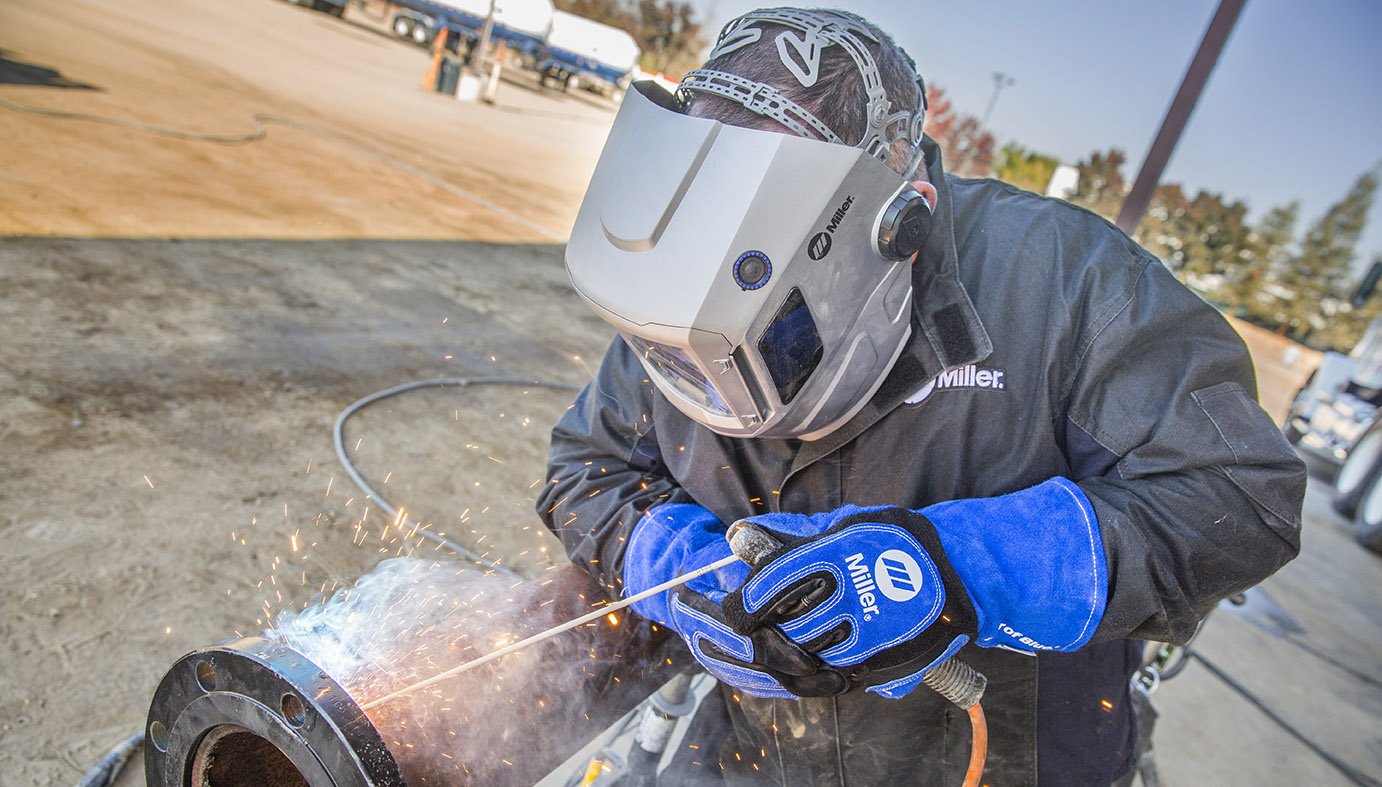
Welding rods function by creating an electrical arc that generates intense heat, melting both the welding filler material and the base metals to form a strong bond.

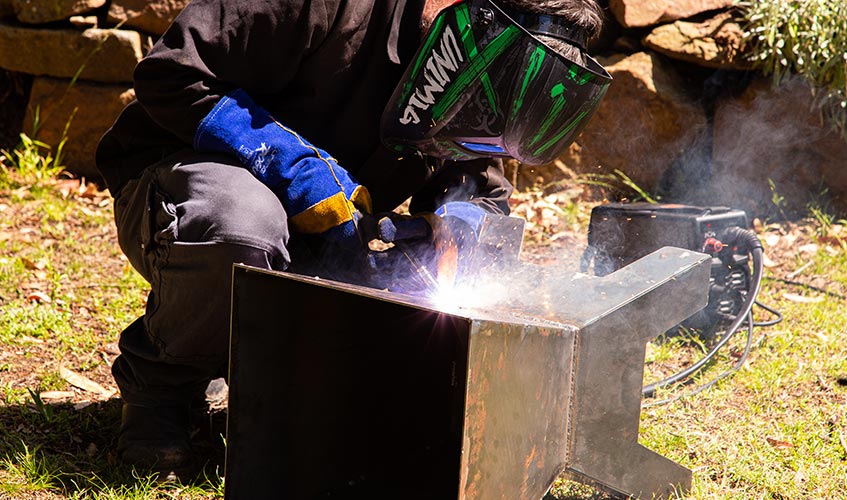
stick welding

This process relies on the heat source provided by the electrical current passing through the welding rod to melt the materials. The intense heat softens the metals, allowing them to fuse together as the filler material fills any gaps and strengthens the joint.

Proper technique is crucial in ensuring a secure weld, requiring steady hand control and precise manipulation of the welding rod to achieve the desired result. With the right skills and understanding of the welding process, professionals can effectively join different metal components with welding rods.

What Are the Different Types of Welding Sticks?

There are three primary categories:

  • Basic
  • Cellulosic
  • Rutile

Basic Welding Electrodes

These electrodes feature a coating rich in calcium carbonate (limestone) and calcium fluoride (fluorspar), leading to a more fluid slag compared to rutile coatings. This fluidity, coupled with fast-freezing properties, aids in vertical and overhead welding. They’re ideal for projects requiring higher weld quality, excellent mechanical properties, and crack resistance under high stress.

Characteristics:

  • Produces low hydrogen weld metal.
  • Needs high welding currents/speeds.
  • Results in a poor bead profile with a convex and coarse surface.
  • Slag removal is challenging.
  • Sensitive to air moisture, requiring pre-use drying in a controlled temperature oven for about an hour at 150°C to 300°C. Post-drying, keep them at 100°C to 150°C to prevent moisture reabsorption.

Metal Powder Electrodes

By incorporating metal powder in the flux coating, these electrodes support higher welding currents, enhancing the metal deposition rate and efficiency. They’re predominantly used in flat and horizontal/vertical positions for their increased deposition rates. Their slag is usually easy to remove, and the arc is less forceful, which might reduce bead penetration.

Cellulosic Welding Electrodes

With a high cellulose percentage in the coating, these electrodes are known for their deep penetrating arc and rapid burn-off rate, enabling high welding speeds. While their weld deposit might be coarse and the slag fluid, making deslagging tough, they excel in versatility, including vertical down welding, and are recognized for the ‘stovepipe’ welding technique.

Characteristics:

  • Deep penetration in all welding positions.
  • Suitable for vertical down welding.
  • Produces reasonably good mechanical properties.
  • Generates a high level of hydrogen, posing a risk of cracking.

These electrodes are less prone to moisture and might not always need drying, except in very humid conditions.

Rutile Welding Electrodes

Rutile electrodes contain significant titanium oxide, facilitating easy arc ignition, smooth operation, and minimal spatter. They’re versatile, suitable for all positions, and compatible with AC and DC. Particularly effective for horizontal/vertical fillet joints due to their good welding properties and easily removable slag.

Specialty Electrodes

  • Hard Wear/Facing Electrodes: Used for applying a hard surface on softer materials, commonly for repairing wear surfaces like mining equipment teeth.
  • DC Copper Coated and Plain Electrodes: The former offers stable arc characteristics and a longer life, while the latter, lacking copper coating, consumes more rapidly.
  • AC Coated Electrodes: These include special additives for arc stabilization and are copper coated, designed for use with compressed air to prevent excessive metal removal.

What Are the Advantages of Using Welding Sticks?

Using welding rods offers several advantages, including versatility in different welding applications, portability for on-site work, cost-effectiveness compared to other welding methods, and ease of use for welders.

The versatility of welding rods allows welders to tackle a variety of materials and thicknesses, making them a valuable tool in the welding equipment arsenal. Their portable nature enables welders to work in remote locations or confined spaces where traditional welding equipment may not be practical. The cost-effectiveness of welding rods makes them a budget-friendly option for both professionals and hobbyists looking to complete welding tasks without breaking the bank. The user-friendly design of welding rods makes them accessible to welders of all skill levels, contributing to their widespread popularity in the industrial tools sector.

Versatility

The versatility of welding rods allows them to be used in various welding applications, from small repairs to heavy industrial projects, making them indispensable welding supplies.

These welding rods possess a unique quality that sets them apart in the realm of welding equipment – their flexibility and adaptability. This quality enables welders to tackle a wide range of welding tasks, whether it’s joining pieces of metal in intricate designs or fusing large structural components together. Welding rods can seamlessly transition between different welding techniques, offering a versatile solution for any welding challenge that comes their way. Their ability to conform to the needs of the project at hand makes them a valuable asset in the armoury of welding supplies for professionals and hobbyists alike.

Portability

The portability of welding rods makes them ideal for building sites and remote locations where transporting heavy welding machinery may not be feasible.

Workers in the construction industry often depend on welding equipment that can easily be moved between different work sites. Welding rods offer the convenience of setting up and using them in various environments without the need for costly and bulky equipment. This mobility enables welders to address repairs or fabrication tasks quickly and efficiently, improving productivity on the job. The compact size of welding rods makes them a practical option for confined spaces or projects that demand precision and agility.

Cost-effective

Welding rods are a cost-effective welding solution, particularly advantageous in the manufacturing industry where high-quality welds can be achieved without expensive welding consumables.

The use of welding rods in the manufacturing sector significantly reduces operational costs by eliminating the need for complex equipment and specialised gases, making it a highly efficient and budget-friendly option.

The simplicity of welding rods allows for quick and easy setup, enabling workers to complete welding tasks swiftly and with precision. This simplicity also translates to minimal training requirements, further enhancing productivity and reducing labour expenses in a manufacturing environment.

The affordability and effectiveness of welding rods make them a preferred choice for many industrial welding applications.

Easy to Use

Welding rods are favoured for their ease of use, making them suitable for welders of various skill levels and reducing the likelihood of welding defects.

Users find that welding rods provide a more intuitive welding experience compared to other methods, allowing them to focus on honing their welding skills. By simplifying the welding process, these rods enable welders to achieve better control over their technique and produce cleaner, more precise welds. The ability to easily manipulate the rod results in improved manoeuvrability, contributing to enhanced accuracy and reducing the occurrence of common welding defects such as porosity and lack of fusion.

What Are the Disadvantages of Using Welding Sticks?

Factors Impacting Stick Welding

Several factors can impact the success of stick welding, including the presence of moisture, the quality of power sources and welding machines, and the precise control of welding parameters throughout the process.

Moisture, in particular, can have a significant effect on the quality of the final weld. High moisture levels in the welding environment can lead to porosity and cracking in the weld metal, compromising its strength and integrity.

Regarding power sources and welding machines, it is essential to ensure that they are in optimal working condition. A reliable power source and a well-maintained welding machine can provide the stable arc needed for producing quality welds.

The control of welding parameters such as amperage, electrode angle, and travel speed plays a crucial role in determining the overall quality of the weld. Precision in these parameters ensures proper penetration and fusion, resulting in strong and durable weld joints.

Moisture and Stick Welding

Moisture can significantly impact stick welding performance, particularly in humid environments or when working with materials prone to moisture absorption. Understanding how to mitigate the effects of moisture is essential for achieving consistent welding quality in the British market.

The presence of moisture in welding electrodes or base materials can lead to various issues such as porosity, cracks, and weak welds. When moisture vaporises upon contact with the arc, it can introduce hydrogen into the weld pool, causing hydrogen embrittlement.

To address these challenges, welders should store electrodes in a dry environment and preheat them if exposed to high humidity. Utilising proper welding techniques, such as maintaining appropriate amperage, electrode angle, and travel speed, is crucial for minimising the negative impact of moisture on weld quality.

Limited Welding Positions

One of the disadvantages of welding rods is their limitation in accessing confined or complex welding positions, requiring specialised welding techniques and workshops for challenging projects.

In certain welding procedures, such as overhead welding or welding in tight spaces, the rigidity and length of welding rods can hinder proper manoeuvrability and precision. This is where welding professionals often turn to advanced welding workshops for specialised training in more intricate welding positions.

By incorporating innovative techniques and tools provided in these workshops, welders can enhance their skills and effectively tackle the challenges presented by difficult welding scenarios. Such workshops play a crucial role in sharpening the expertise required to excel in demanding welding projects.

Requires Skill and Experience

Using welding rods effectively requires a high level of welding skills and experience, often requiring welding certification and expertise to ensure weld quality and safety.

Welding rods necessitate a thorough understanding of welding techniques and material properties to achieve strong and durable welds. Welders must be able to interpret technical drawings, adjust welding parameters, and troubleshoot potential issues during the welding process. A welding certification is vital as it shows that the welder has received formal training and meets industry standards. Possessing welding expertise enables welders to identify the most appropriate welding methods and materials for specific projects, ensuring the structural integrity and longevity of the welds.

Creates More Waste

The use of welding rods can result in the generation of more waste due to the consumption of welding filler materials, presenting a challenge in waste management and recycling efforts in welding practices.

This increased waste generation is a direct result of the materials used to create strong bonds between metal pieces during the welding process. The discarded filler materials, such as rods, wires, or flux, accumulate as by-products that require proper disposal. Unfortunately, the management of this waste poses significant challenges, as it contains potentially hazardous substances and needs specialised handling to prevent environmental harm.

Emphasising sustainable practices in welding not only reduces waste but also promotes a cleaner and safer working environment for welders and the surrounding community.

How to Choose the Right Welding Stick for Your Project?

Selecting the appropriate welding rod for your project involves considering factors such as the type of metal, material thickness, electrode size, and the welding position to ensure optimal welding results.

See the Miller Welding Stick Welding Setting Calculator.

Understanding the characteristics of different welding materials is essential in determining which welding rod will provide the best results for each specific project. Welding techniques play a crucial role in creating strong and long-lasting welds, emphasising the need to match the rod to the welding process being used.

Electrode sizes must also be selected carefully, taking into account the thickness of the material being welded and the desired penetration for a successful weld. It’s important to conduct thorough research and testing to find the perfect combination of welding rod, material, and technique for your welding project.

Consider the Metal Type

When choosing a welding rod, it is crucial to consider the type of metal being welded to ensure compatibility and effective metal joining, aligning with specific welding procedures for different metal compositions.

Different metals have varying properties such as conductivity, melting point, and strength, which directly affect the choice of welding rod. For instance, using the wrong rod for a specific metal composition may result in weak joints or even breakage.

Proper selection of welding rods ensures proper fusion and bonding of metals during the metal joining process, contributing to the overall strength and durability of the final weld. The use of appropriate welding rods in accordance with the specific welding procedures is essential for achieving high-quality and reliable welds in diverse metalworking applications.

Determine the Thickness of the Metal

The thickness of the metal plays a crucial role in choosing the right welding rod, as different metal thicknesses require varying levels of heat and welding inspection to ensure proper fusion and structural integrity.

When working with thin metals, such as sheet metal, using a precise heat source is essential to prevent warping or burn-through. Thicker metals, on the other hand, may require more heat to achieve proper penetration. Welding inspection becomes critical to verify the quality of the weld and ensure it meets the required specifications for strength and durability. Understanding how heat sources interact with varying metal thicknesses is fundamental in achieving successful welds that hold up under stress and pressure.

Choose the Appropriate Electrode Size

Selecting the right electrode size is crucial for achieving optimal welding quality and performance, as incorrect electrode sizes can lead to defects and quality issues in the weld.

The size of the electrode used in welding plays a critical role in determining the strength and integrity of the weld. When the electrode size is not properly matched to the specific welding requirements, it can result in defects such as cracks, porosity, and lack of fusion, compromising the overall quality of the weld.

Welding defects like these can weaken the structural integrity of the joint and reduce the overall performance of the welded workpiece. Therefore, understanding the significance of electrode size selection is essential for ensuring high-quality, defect-free welds.

Consider the Welding Position

Understanding the welding position is essential when choosing a welding rod, as different positions require specific safety measures, adherence to regulations, and proper equipment set-up for successful welding operations.

For example, overhead welding requires extra precautions due to the potential risks associated with falling debris and spatter. Welders must ensure that their protective gear, such as helmets, gloves, and clothing, is in place to shield them from any hazards.

Following welding regulations and standards ensures the weld’s quality and the safety of the welder and those around them. Factors like electrode selection, current setting, and technique vary based on the welding position, highlighting the need for a comprehensive understanding of welding safety and regulatory compliance.

Power Sources for Stick Welding

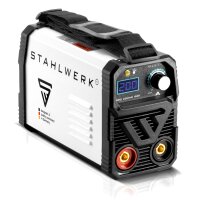
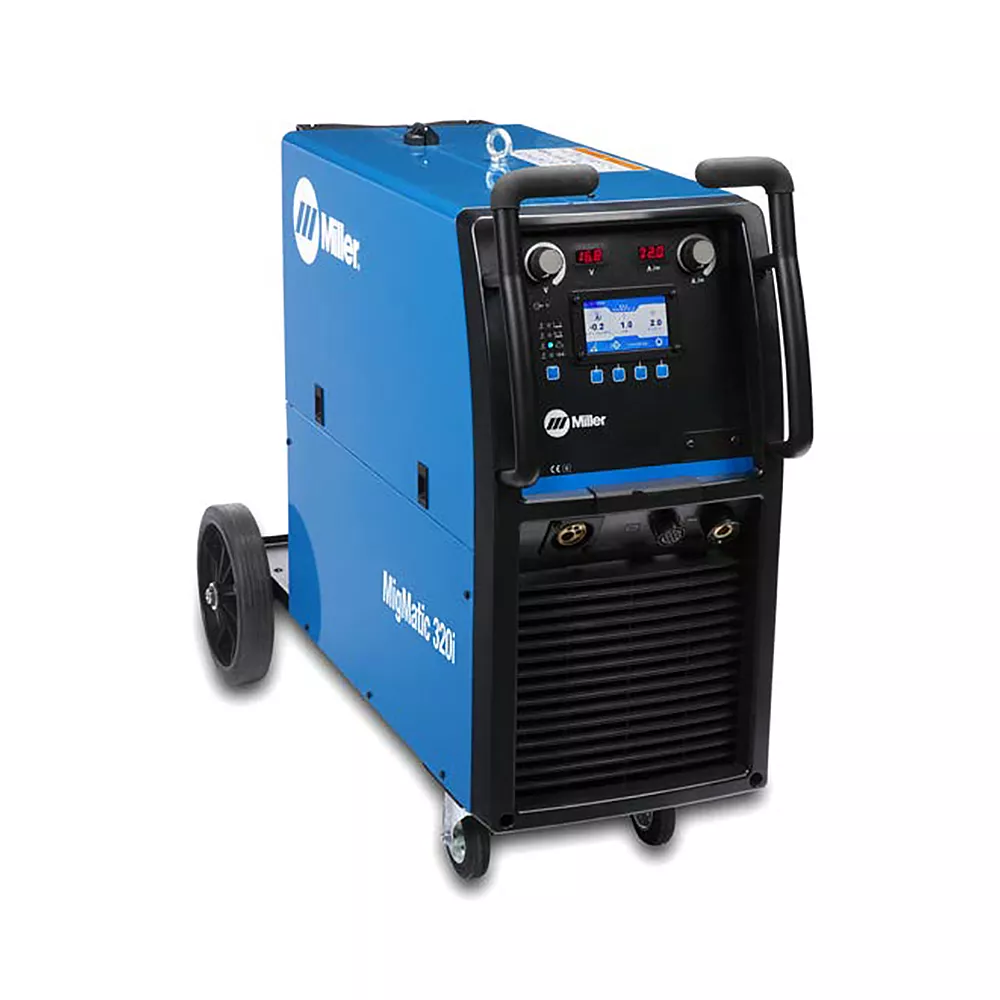
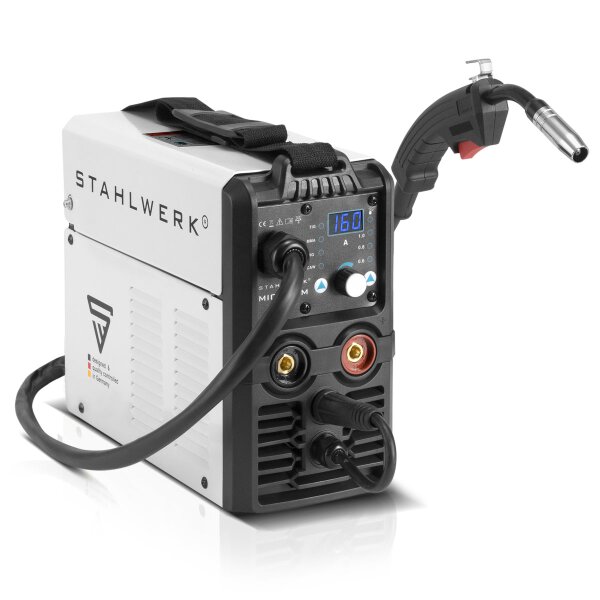
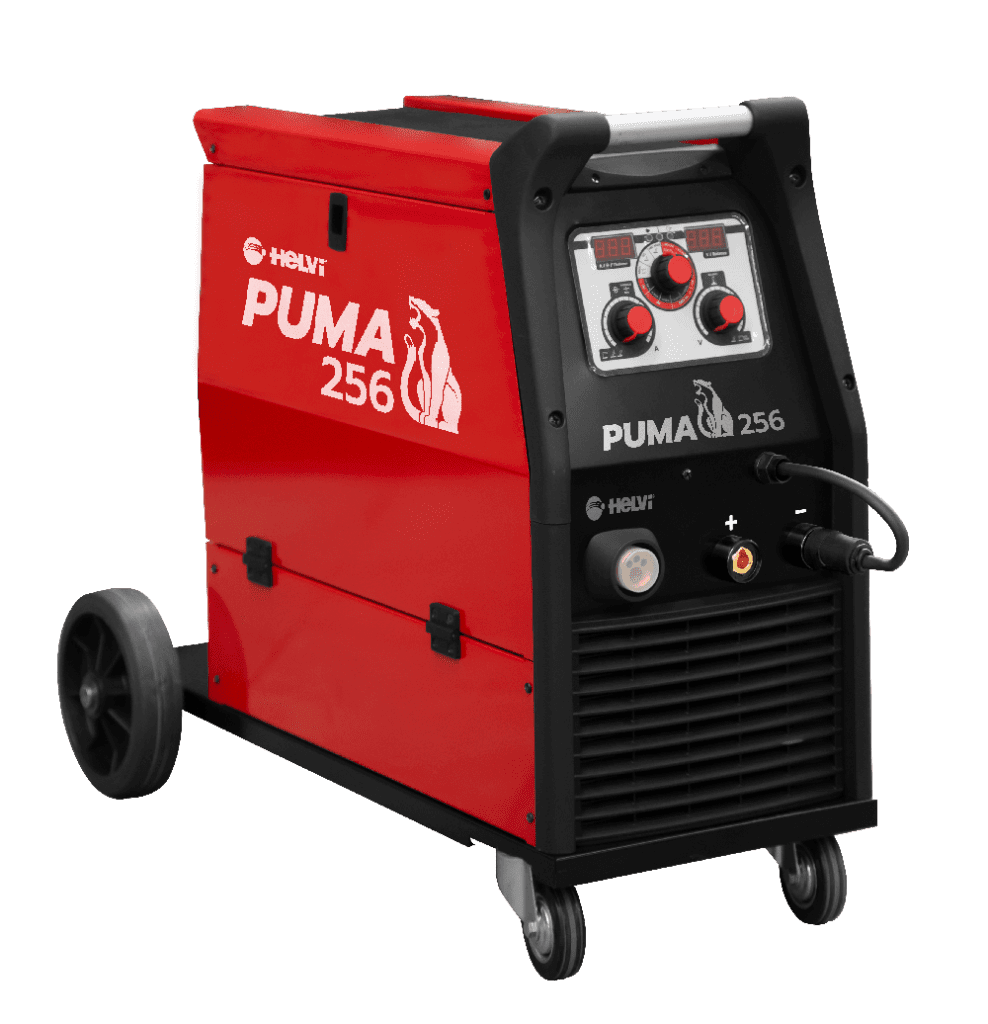
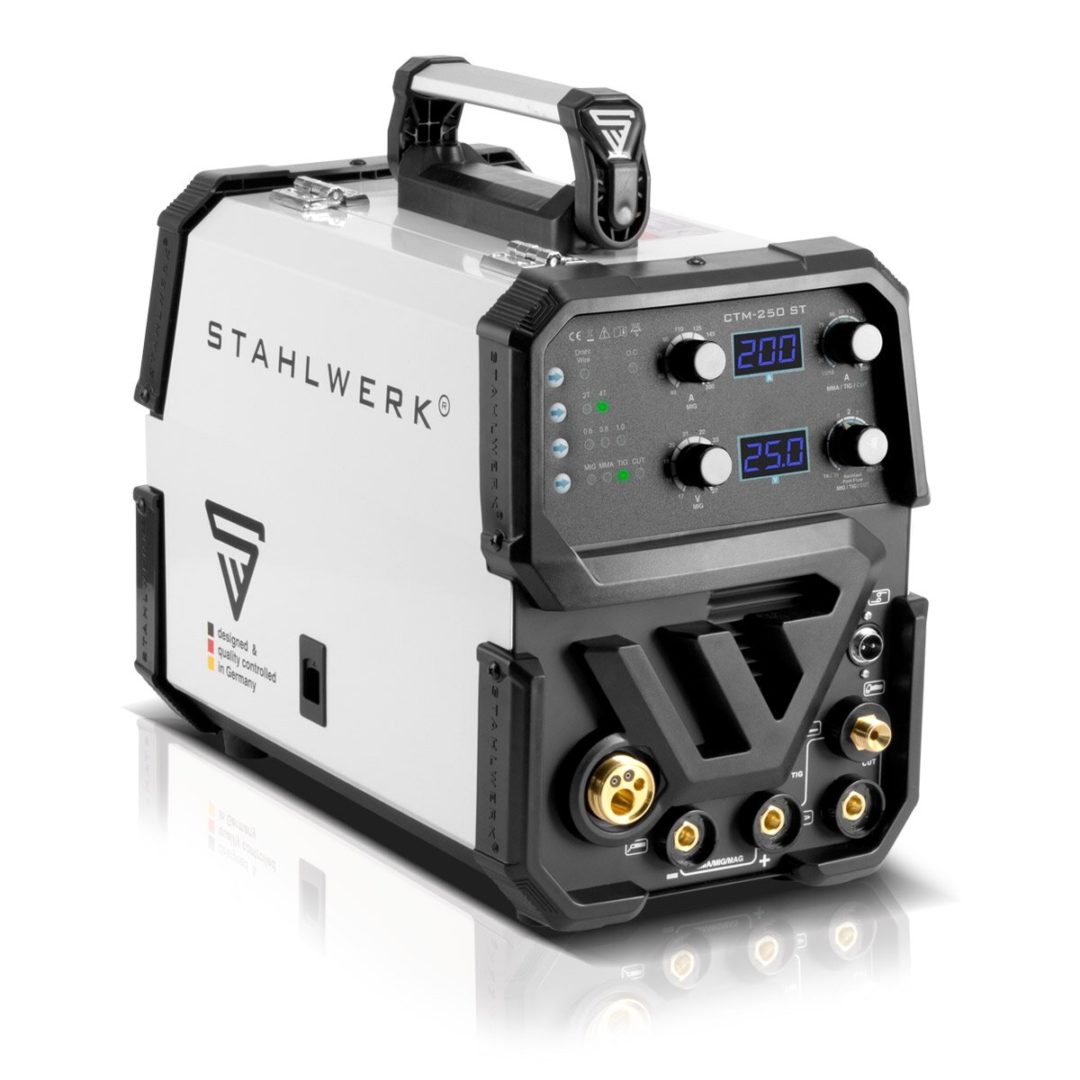
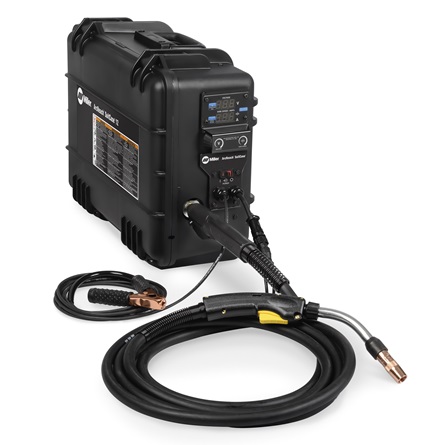
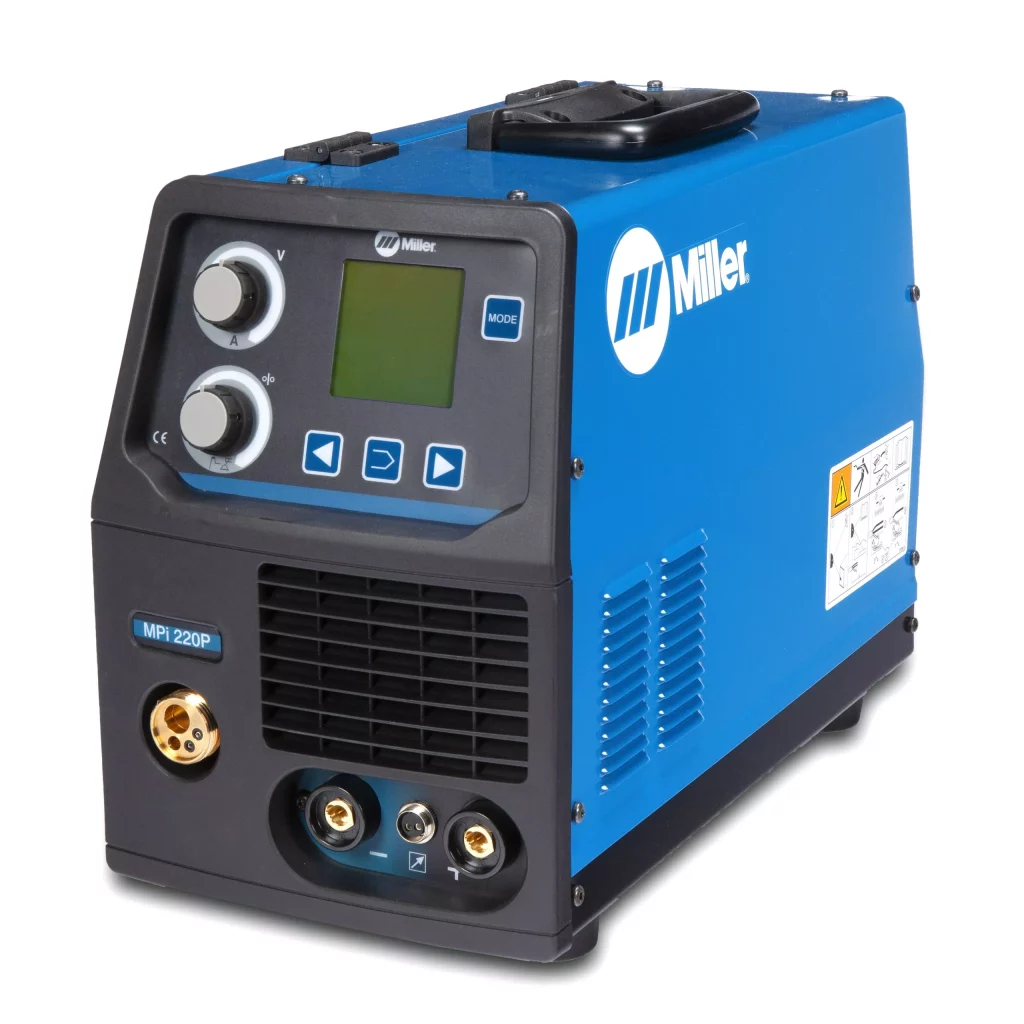
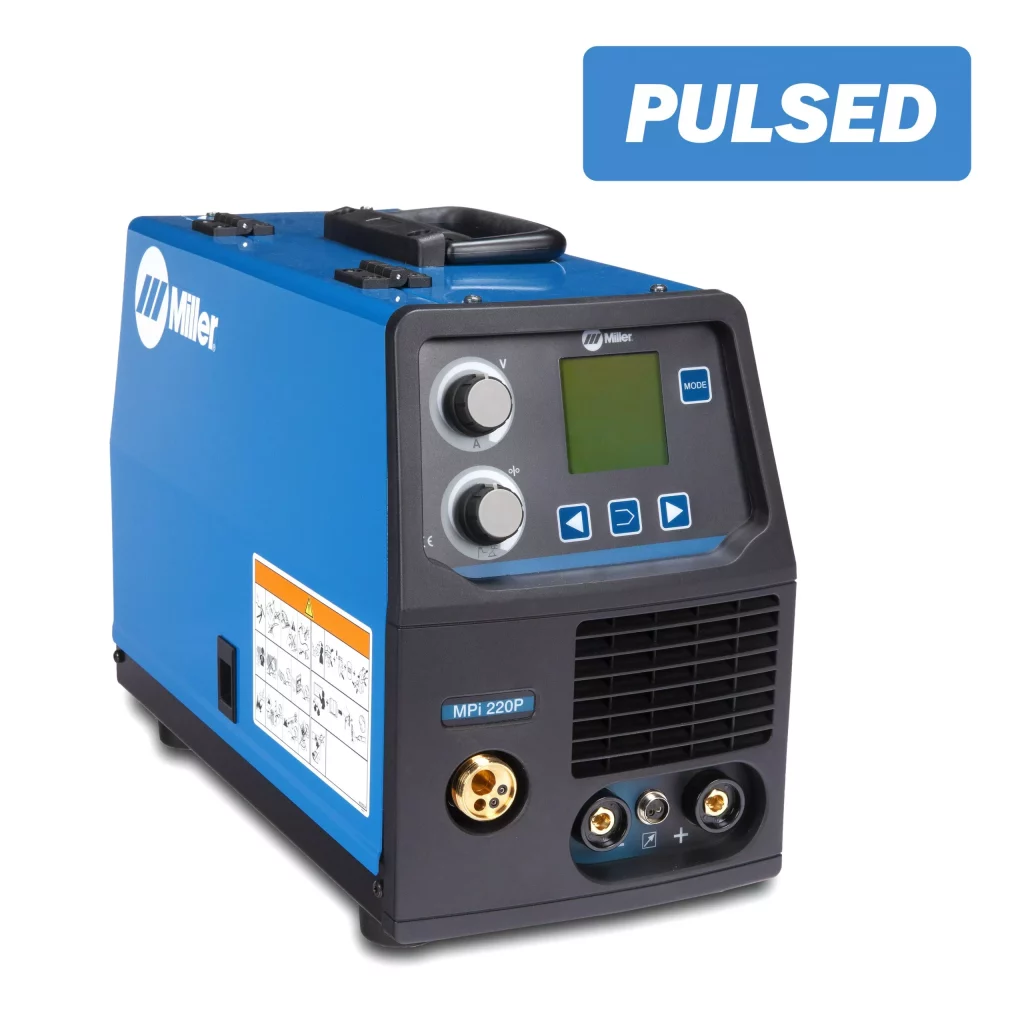
arc welder

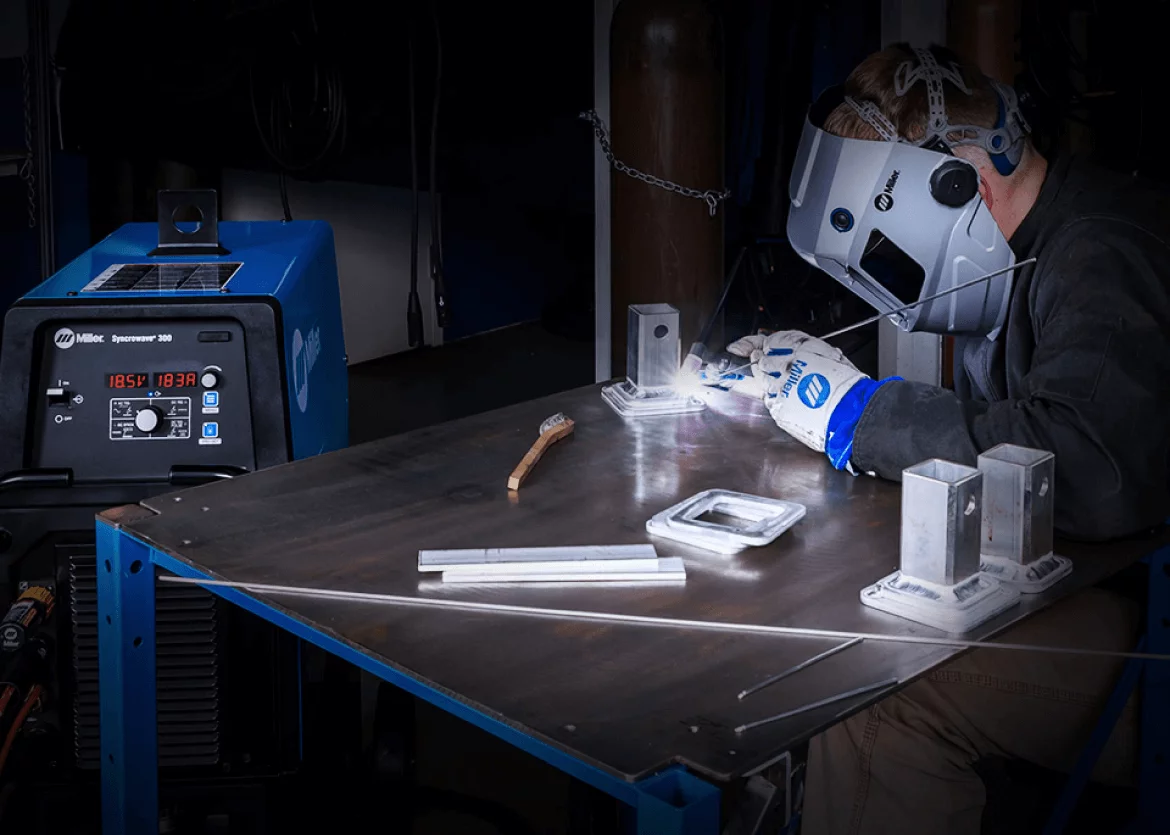
Selecting the appropriate power sources for stick welding is crucial for maintaining a stable welding arc, optimising welding speed, and ensuring consistent weld quality. Understanding the characteristics of different power sources is essential for successful welding operations.

Power sources play a vital role in providing the necessary energy for the welding electrodes to create the welding arc. The type of power source chosen can significantly impact the stability of the arc duration and overall welding speed. For instance, constant current power sources are often preferred for stick welding due to their ability to deliver a consistent current output, which is essential for maintaining a stable arc.

Along with arc stability, power sources also influence the penetration depth and bead appearance, affecting the overall quality of the weld. By selecting the right power source, welders can achieve their desired welding outcomes, such as proper fusion, minimal spatter, and smooth weld beads.

Despite their advantages, welding rods have limitations such as restricted welding positions, the need for skill and experience to operate effectively, and the generation of more waste compared to other welding methods.

Using welding rods can be cumbersome when working in tight or overhead welding positions, as their rigid nature limits the flexibility of movement. This constraint can impact the quality and efficiency of the welding job, making it challenging to achieve the desired weld strength and aesthetics.

Mastering the technique of welding with rods requires a significant amount of practice and expertise. Novice welders may struggle with maintaining stable arc conditions and controlling the deposition of filler metal, leading to subpar welds and potential rework. The maintenance of welding rods involves regular cleaning, inspection, and replacement of consumables like electrodes, adding to the overall operational costs and downtime.

What Safety Precautions Should You Take When Using Welding Sticks?

When working with welding rods, it is vital to adhere to strict safety precautions such as wearing appropriate protective equipment, operating in well-ventilated spaces, keeping fire extinguishers close by, and carrying out regular equipment inspections.

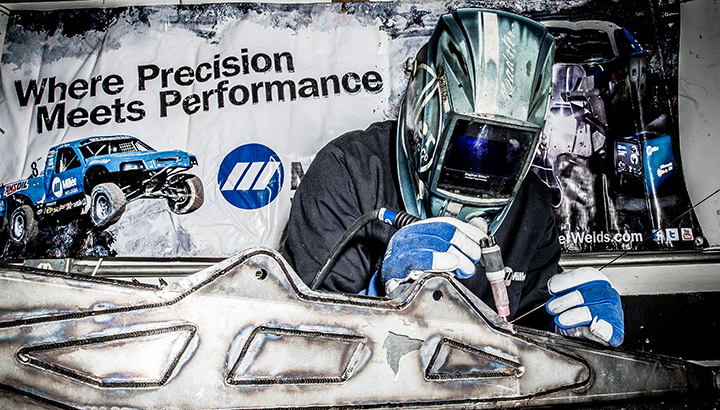
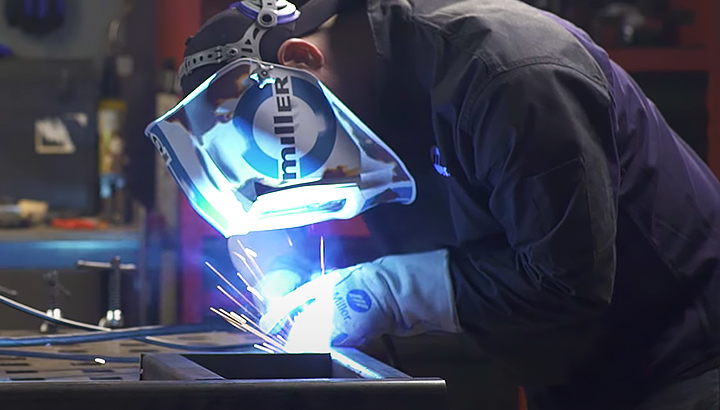
Protective equipment like welding masks, gloves, and welding jackets are essential to protect oneself from sparks and UV radiation produced during the welding process. Adequate ventilation is crucial to avoid inhaling harmful fumes and gases. It is essential to have a clear understanding of fire safety procedures, including the correct storage of flammable materials and the presence of a fire extinguisher within easy reach at all times. Regular inspections of welding equipment, such as ensuring proper connections and insulation, are crucial to prevent accidents and maintain a safe welding environment.

Wear Protective Gear

Protective equipment such as welding helmets, gloves, and safety glasses are essential when using welding rods to comply with industry standards, codes, and regulations for personal safety.

It is crucial to ensure that welding helmets meet the specific requirements outlined in welding standards to provide adequate protection against intense heat and sparks.

gys welding helmet

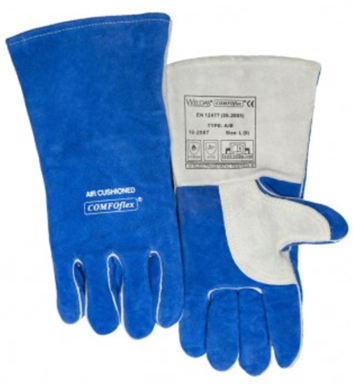
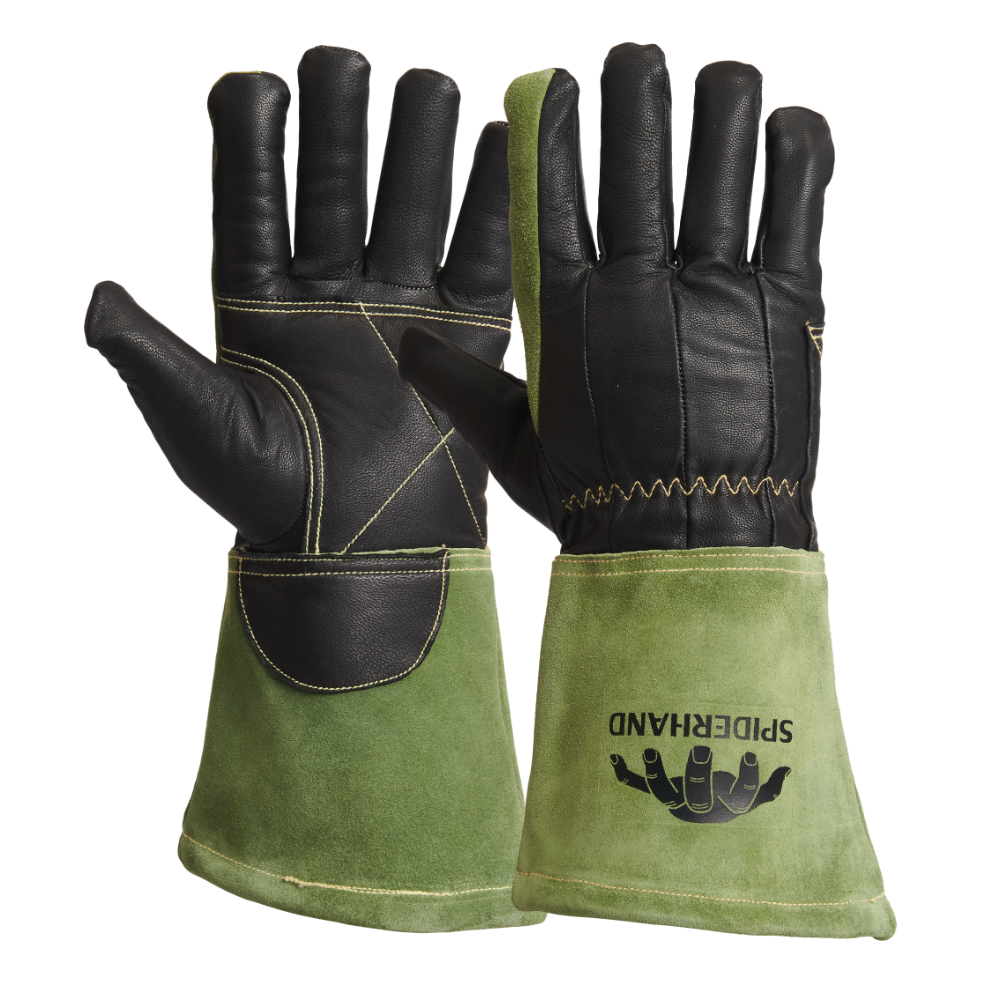
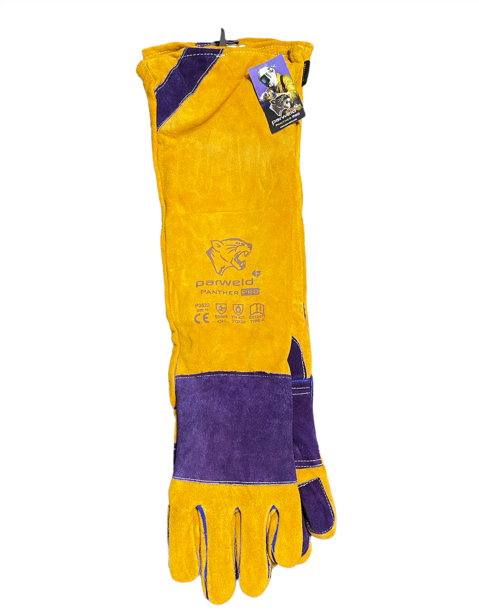
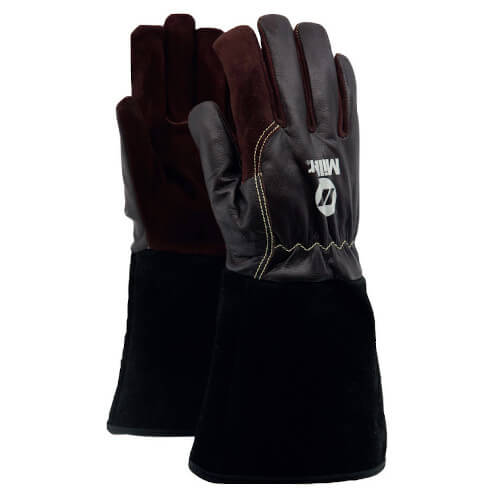
Welding gloves should be robust and flame-retardant to prevent burns and injuries during welding operations.

Safety glasses with appropriate shading levels are necessary to shield the eyes from harmful ultraviolet and infrared rays produced during the welding process.

Adhering to welding codes and safety guidelines is paramount to creating a safe working environment and reducing the risk of accidents in welding workshops.

Work in a Well-Ventilated Area

Working in a well-ventilated area is crucial during welding operations with rods to ensure proper fume extraction, air circulation, and safety demonstration practices for minimising exposure to harmful welding by-products.

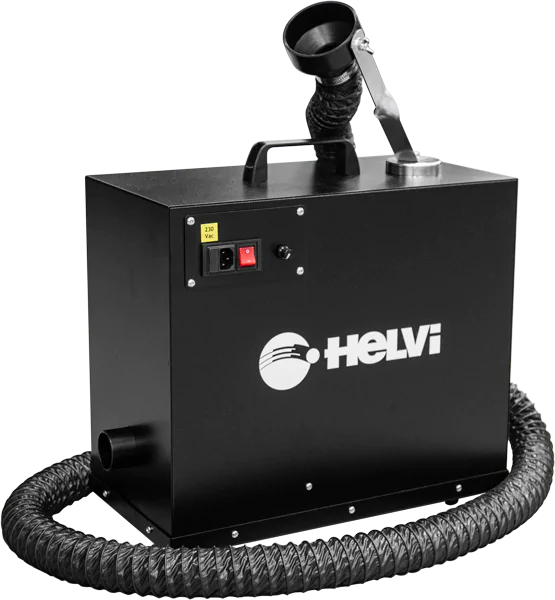
portable welding fume extractor

Effective ventilation plays a key role in welding procedures as it helps in maintaining a clean and safe working environment. By ensuring adequate air circulation, ventilation not only assists in reducing the concentration of welding fumes but also aids in maintaining a comfortable temperature for welding demonstrations. Proper ventilation systems also contribute significantly to the overall health and safety of welders by minimising the risks associated with inhaling toxic fumes. Therefore, incorporating proper ventilation techniques is essential for a successful and safe welding operation.

Keep a Fire Extinguisher Nearby

Having a fire extinguisher readily available is a critical safety measure when using welding rods, ensuring quick response to potential fire hazards and supporting automated safety features or innovative welding technologies.

Incorporating fire extinguishers into welding rod operations not only complies with safety regulations but also promotes a proactive approach towards fire prevention. By seamlessly integrating fire extinguishers within the welding automation systems, businesses can effortlessly enhance their safety protocols. These innovative safety advancements in welding technology aim to mitigate potential risks and create a secure working environment for welders. Embracing the necessity of fire extinguishers underscores a commitment to safeguarding personnel and equipment while fostering a culture of safety awareness in welding operations.

Inspect Your Equipment Regularly

Regular equipment inspections are essential for maintaining the quality and performance of welding rods, addressing potential operational challenges, and implementing effective solutions to ensure consistent welding outcomes.

By carrying out regular inspections, welders can proactively identify issues such as equipment wear, electrical irregularities, and gas leaks that may hinder the welding process. Identifying these challenges early on allows for prompt corrective action, resulting in optimised welding performance and productivity.

Implementing solutions such as replacing worn components, calibrating equipment settings, and ensuring proper ventilation can significantly enhance the efficiency and effectiveness of the welding operation. Through careful maintenance and problem-solving, welders can uphold the integrity of their equipment and produce high-quality welds consistently.

Frequently Asked Questions

What are welding sticks?

Welding sticks, also known as welding electrodes, are consumable tools used in arc welding. They are typically made of metal and coated with a flux material that melts and creates a protective gas shield when heated, allowing for a strong weld to be formed.

What types of welding sticks are available?

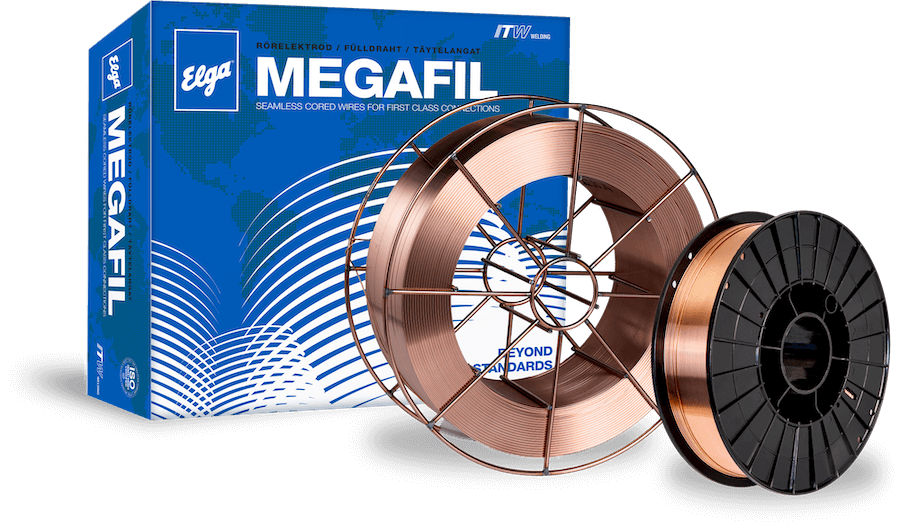
There are various types of welding sticks, each designed for different welding applications. Some common types include coated electrodes for stick welding, tungsten electrodes for TIG welding, and flux-cored electrodes for MIG welding.

How do I choose the right welding sticks for my project?

Choosing the right welding sticks depends on several factors, such as the type of metal being welded, the welding process being used, and the thickness of the materials. It is best to consult with a welding professional or refer to the welding stick manufacturer’s guidelines for proper selection.

Are welding sticks reusable?

No, welding sticks are not reusable. Once they have been used for welding, they are consumed and must be replaced with a new stick. It is important to properly dispose of used sticks to prevent any potential hazards.

How should I store welding sticks?

Welding sticks should be stored in a dry and temperature-controlled environment, away from moisture and extreme heat or cold. They should also be kept in their original packaging or a moisture-proof container to prevent any damage or degradation.

Do I need any special equipment to use welding sticks?

Yes, you will need a welding machine or power source that is compatible with the type of welding stick you are using. You may also need additional equipment, such as welding gloves, safety glasses, and a welding helmet, for proper safety and protection while welding.

Norsemen Safety – A proud distributor of Cofra Safety Boots.

If you work in industries like construction, manufacturing, oil and gas, you know the importance of having protective gear. Cofra Safety Boots are designed to keep your feet safe and comfortable in hazardous work environments. This article will guide you on how to choose the right Cofra Safety Boots for your needs, covering their features, benefits, and the different types available. Learn valuable tips on care and maintenance to ensure your boots last long and provide maximum protection. All of which is supplied by us, Norsemen Safety.

What Are Safety Boots?

Safety boots are a crucial component of protective footwear designed to ensure the safety of workers in various industries.

Safety boots are specifically engineered to provide necessary foot protection in hazardous work environments, offering a blend of functionality and comfort. Cofra boots are equipped with features such as steel toe caps, puncture-resistant soles, and slip-resistant outsoles, making them ideal for construction sites, warehouses, and manufacturing facilities. Their durable construction and high-quality materials ensure longevity and reliability, meeting the stringent safety standards required for different job roles and settings. Workers commonly rely on Cofra safety boots to shield their feet from potential hazards and maintain optimum safety levels at the workplace.

What Are the Features of Cofra Safety Boots?

Cofra safety boots are equipped with advanced features such as steel toe caps, waterproofing, slip-resistant soles, and insulation for maximum protection and comfort.

These safety boots not only meet rigorous safety standards but also exceed them with their steel toe protection, ensuring the feet stay shielded from impact and compression hazards in industrial environments.

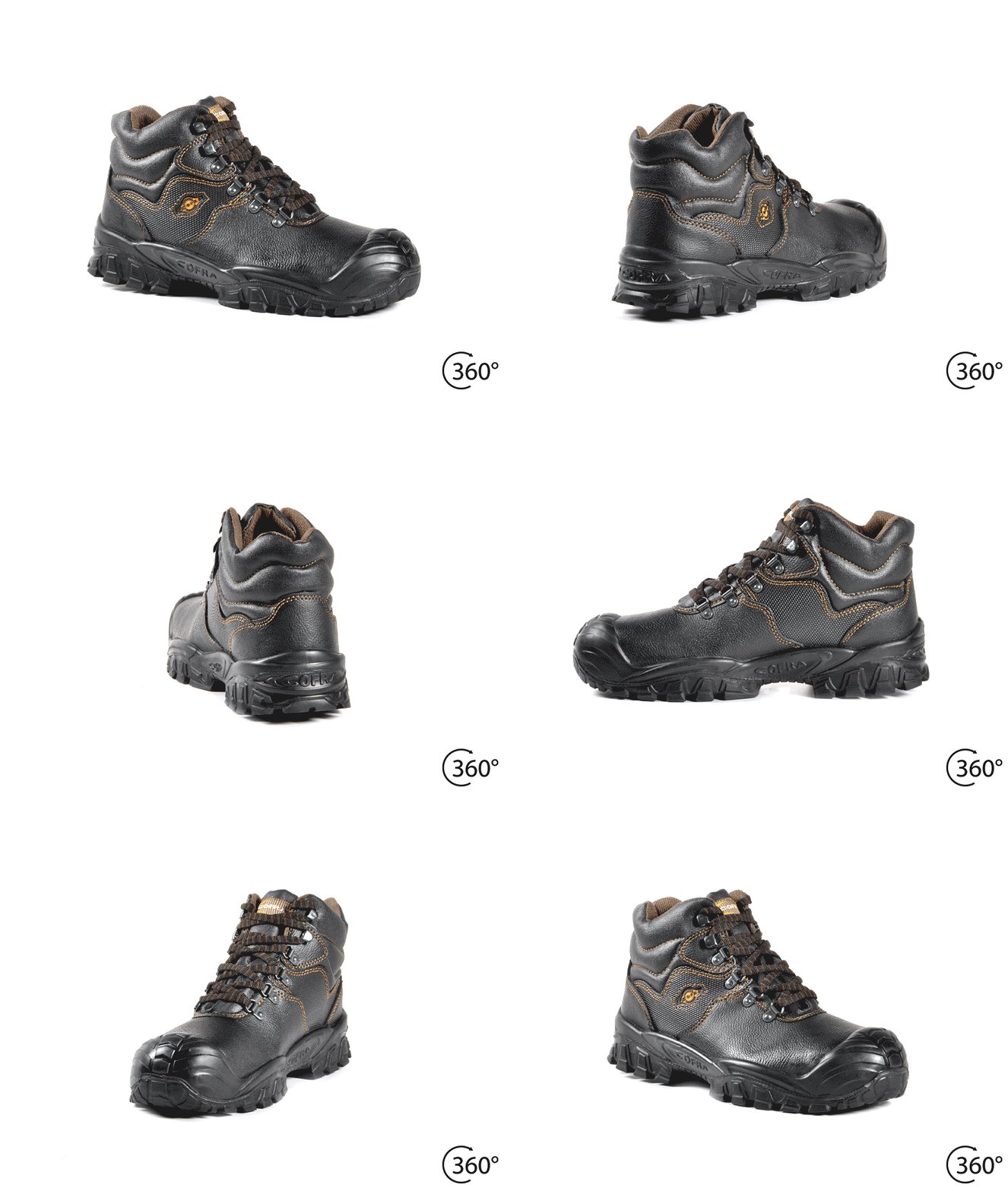
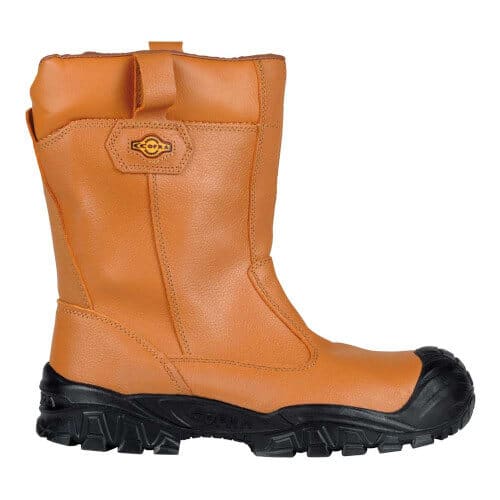
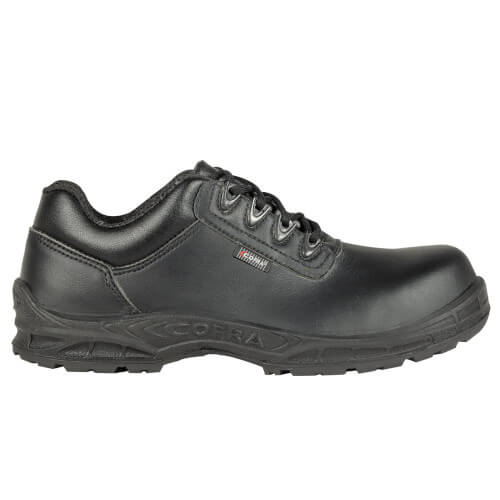
cofra new reno uk safety boot

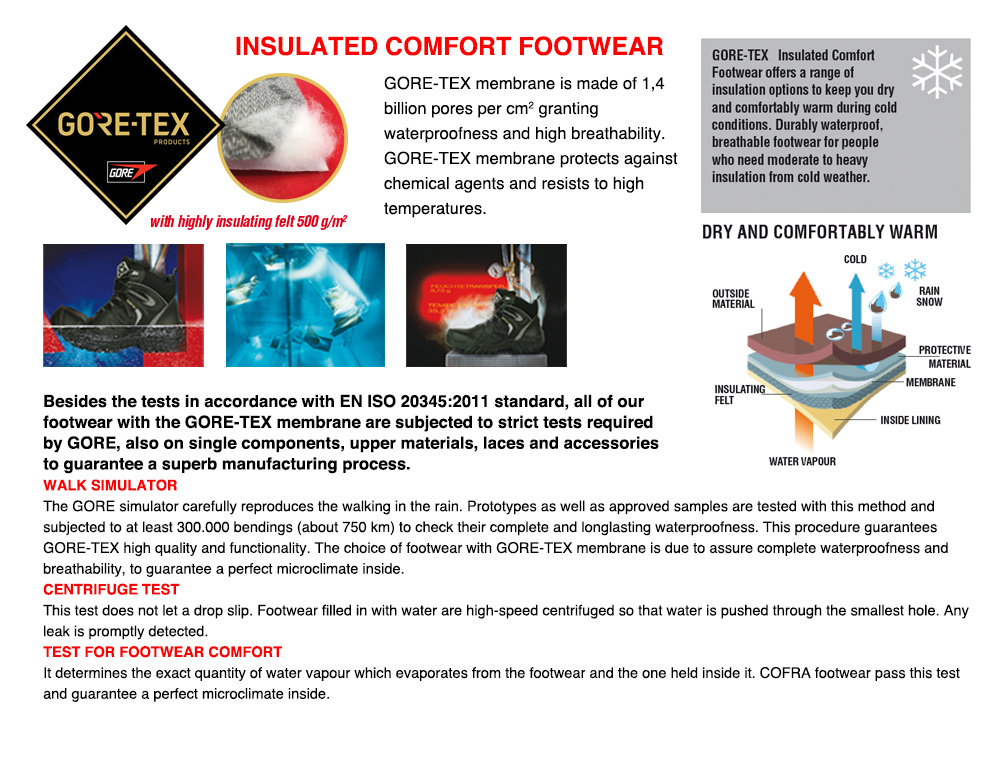
The waterproof capabilities of Cofra boots keep feet dry and comfortable even in the harshest conditions, while the slip-resistant soles provide superior traction to prevent slips and falls.

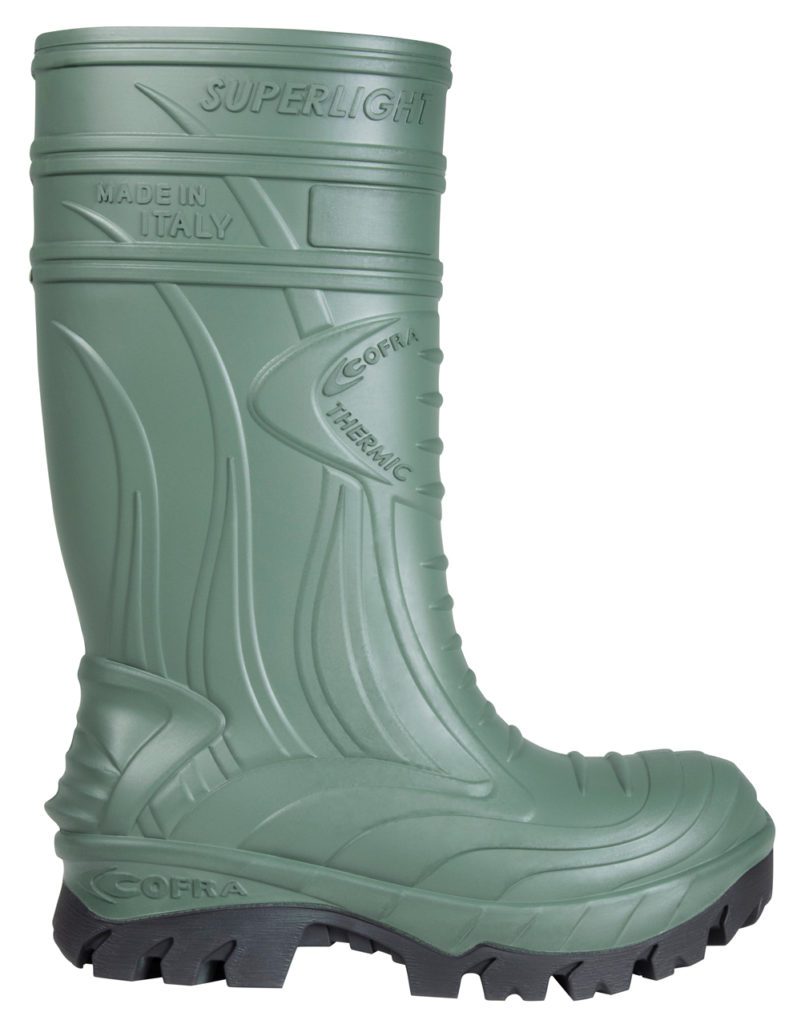
cofra thermic s5 safety wellington boot

Adding to their exceptional features, the insulation properties of these boots keep the feet warm in cold environments, enhancing overall comfort and safety for the wearer.

Rigger Boots Cofra Castle Safety Boot

What Are the Different Types of Cofra Safety Boots?

Cofra offers a diverse range of safety boots, all of which can be purchased on our site, including Safety Boots, Welders Boots, Wellington Boots, Rigger Boots, Metatarsal Boots, Chemical resistant Boots and Water Resistant Boots. For the full list of Cofra products please go to their website here, or please feel free to contact us for more information.

Safety boots by Cofra are crafted with durable materials and feature a slip-resistant outsole for enhanced traction. The rigger boots are designed for rugged outdoor environments, with metatarsal guard models providing additional protection for the top of the foot. Cofra’s chemical resistant varieties offer safety and comfort during long hours of work. The waterproof membrane in their hurricane boots ensures feet stay dry in wet conditions, while non-metallic materials make the boots lightweight and suitable for various worksites.

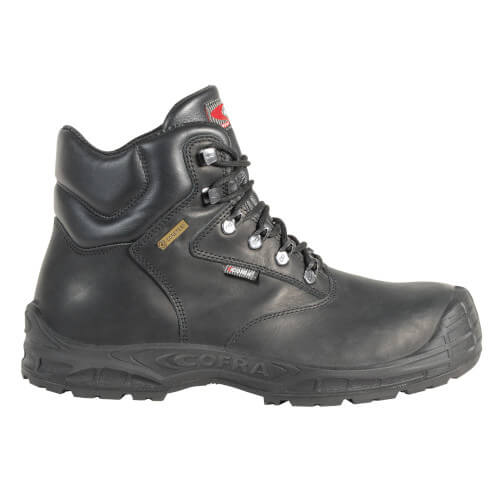
COFRA Hurricane Safety Boot
Cofra Safety Boots

What Are the Benefits of Cofra Safety Boots?

Cofra safety boots offer a wide array of benefits, including protective features, comfort, durability, reliability and compliance with personal protective equipment (PPE) standards.

These safety boots are designed to provide impeccable foot protection, ensuring that workers are shielded from potential hazards in various industries. The combination of sturdy materials and reinforced structures enhances their durability, allowing for long-term use without compromising on safety. Cofra boots not only prioritise safeguarding employees but also prioritise their comfort, with features like cushioned insoles and ergonomic designs.

By adhering to strict PPE guidelines, Cofra safety boots set a standard for excellence in safety footwear.

Protects Feet from Injuries

Cofra safety boots excel in protecting the feet from potential injuries due to their robust safety features and impact protection capabilities.

These safety boots are designed with key safety elements that work together to shield the feet during hazardous situations. The toe caps provide crucial protection against impact and compression hazards, while the midsoles ensure underfoot safety by dispersing and absorbing the force of any harmful impacts. The incorporation of advanced safety technologies such as slip-resistant soles and metatarsal guards further enhances the overall protective capabilities of Cofra safety boots, making them a reliable choice for individuals working in high-risk environments.

Provides Comfort and Support

Cofra safety boots prioritise comfort and support through their ergonomic design, innovative comfort technology, and reliable foot support features.

Crafted with the wearer’s comfort in mind, these safety boots are engineered to provide unparalleled support and cushioning, ensuring that every step is a comfortable one. By incorporating advanced comfort-enhancing technologies, such as memory foam insoles and shock-absorbing midsoles, Cofra ensures that wearers can tackle long hours on their feet without discomfort or fatigue. The strategic placement of arch support and heel stabilisers further enhances the overall foot support, reducing the risk of strain or injury.

This blend of ergonomic design and cutting-edge comfort features not only promotes long-lasting wear but also prioritises the health and well-being of the wearer’s feet, making them an essential choice for those in demanding work environments.

Resistant to Water and Chemicals

Cofra safety boots demonstrate exceptional resistance to water and chemicals, thanks to their waterproofing technology, chemical-resistant materials, and oil-resistant properties.

This innovative waterproofing technology not only keeps the feet dry and comfortable in wet conditions but also acts as a barrier against various chemicals, making these boots ideal for industrial environments where exposure to hazardous substances is common.

The chemical-resistant components used in the construction of these boots help maintain their integrity even when exposed to harsh chemicals, ensuring their durability and longevity.

The oil-repelling features of Cofra safety boots prevent oil absorption, making them easier to clean and enhancing their overall protective qualities against slippery surfaces.

COFRA Helium S3 SRC Chemical Resistant Safety Shoe

Durable and Long-lasting

Cofra safety boots are renowned for their durability and longevity, undergoing rigorous quality assurance tests to ensure heavy-duty performance and long-lasting wear.

These boots are crafted with high-quality materials such as premium leather and durable rubber soles, ensuring they can withstand the harshest work conditions. Cofra implements stringent durability testing procedures, including impact resistance, water resistance, and slip resistance evaluations, to guarantee that each pair meets the highest standards. The brand’s commitment to quality assurance is reflected in their meticulous attention to detail in the manufacturing process, resulting in boots that provide optimal protection and comfort for those working in demanding environments.

What Industries Use Cofra Safety Boots?

Cofra safety boots are trusted by various industries such as construction, industrial settings, worksites, warehouses, manufacturing facilities, and other professional environments for their reliable foot protection.

These durable boots are designed to withstand the rigorous demands of construction sites, providing essential features such as reinforced toes and slip-resistant soles to prevent accidents. In industrial workplaces, Cofra safety boots offer protection against heavy machinery and hazardous materials, with specialised models equipped with puncture-resistant insoles for added security. Work sites benefit from the lightweight yet sturdy construction of Cofra boots, ensuring comfort and safety during long hours of strenuous activity. In warehouses and manufacturing plants, these boots meet strict safety regulations, with anti-static and chemical-resistant options available to suit specific workplace requirements.

Construction

In the construction industry, Cofra safety boots are a staple choice due to their heavy-duty construction, compliance with safety regulations, and adherence to industry-specific safety standards.

These heavy-duty work boots are specifically designed to withstand the rigorous demands of construction sites, providing unparalleled protection from potential hazards like falling objects, sharp debris, and heavy machinery. With their steel toe caps, slip-resistant outsoles, and puncture-resistant midsoles, Cofra safety boots offer a comprehensive safety solution for construction workers to ensure their well-being on the job. These boots are crafted in alignment with the latest construction safety regulations, meeting and often exceeding industry standards to guarantee utmost safety and comfort for the wearers.

Manufacturing

Manufacturing facilities rely on Cofra safety boots for their exceptional safety footwear ratings, quality assurance standards, and innovative footwear technology that enhance worker protection and comfort.

These safety boots are designed to meet stringent safety standards, providing protection against hazards like heavy objects, sharp materials, and slippery surfaces commonly found in manufacturing environments. Cofra ensures that each pair undergoes rigorous quality assurance procedures to guarantee durability and reliability under challenging conditions, giving workers the confidence to focus on their tasks without worrying about foot injuries.

The incorporation of advanced footwear technologies such as impact-resistant toe caps, slip-resistant outsoles, and moisture-wicking linings further enhances comfort and performance, making them indispensable tools for maintaining a safe and efficient work environment.

Oil and Gas

The oil and gas industry values Cofra safety boots for their electrical hazard protection, heat resistance capabilities, and chemical-resistant properties that safeguard workers in demanding environments.

These specialised boots play a crucial role in protecting workers from potential electrical hazards commonly present in the oil and gas sector, where the risk of exposure to high voltage equipment is significant. In addition to their ability to withstand extreme heat conditions, Cofra safety boots are designed to offer reliable protection against various chemicals that workers may encounter, ensuring their feet are shielded from corrosive substances and providing peace of mind in challenging work environments.

Agriculture

Cofra safety boots play a vital role in agriculture with their waterproofing treatments, ankle support designs, and non-slip outsoles that provide farmers and agricultural workers with the necessary protection and stability.

These innovative features are crucial for individuals working in various agricultural settings such as farms, fields, and orchards. By incorporating advanced waterproofing treatments, Cofra boots ensure that water and moisture do not penetrate the boots, keeping the feet dry and comfortable throughout long hours of work. The ankle support designs offer extra reinforcement, reducing the risk of twists and injuries in rugged terrains. The non-slip outsoles provide reliable traction on wet surfaces, preventing slips and falls, especially during rainy days or muddy conditions.

The Safety boot we would recommend for this use is the Cofra thermic Boots, these allow for low temperature protection as well as non-slip soles to allow for traction on wet surfaces.

How to Choose the Right Cofra Safety Boots?

Selecting the appropriate Cofra safety boots involves considering factors such as the sizing guide, ensuring a comfortable fit, evaluating safety toe caps, and matching the boots to the specific requirements of the work environment.

One crucial aspect to pay attention to when selecting Cofra safety boots is utilising the sizing guide provided by the manufacturer. This guide will help you determine the correct fit based on your foot measurements, ensuring that you can work comfortably without any discomfort or issues.

Understanding the different safety toe cap options available is essential to cater to the specific safety needs of your job. By assessing whether you require steel toe caps, composite toe caps, or other variations, you can ensure optimal protection for your feet in hazardous environments.

Consider the Job Requirements

When choosing Cofra safety boots, it is vital to consider the specific job requirements, focusing on the necessary safety features and the nature of the protective clothing worn in the workplace.

Different work environments require specific safety features in boots to ensure that they provide adequate protection in accordance with safety regulations. For example, a construction site may require boots with steel toe caps to protect against heavy objects, while a chemical plant might require boots with chemical-resistant materials. It is crucial that the safety boots not only match the job’s requirements but also complement the rest of the protective gear worn, creating a coherent and effective safety outfit.

Check for Safety Ratings

Before purchasing Cofra safety boots, it is essential to check for safety ratings, ensuring compliance with industry standards and undergoing necessary safety inspections for quality assurance.

By verifying safety ratings and conducting regular safety inspections, wearers can be confident that the Cofra safety boots meet stringent safety regulations to protect against workplace hazards.

Safety ratings provide insight into the boots’ ability to withstand various conditions, such as slip-resistance, impact protection, and electrical hazard resistance. Periodic safety inspections help identify any potential wear and tear, ensuring that the boots maintain their safety integrity over time.

Prioritising safety compliance and quality assurance processes through these measures can ultimately contribute to a safer work environment, reducing the risk of accidents and injuries.

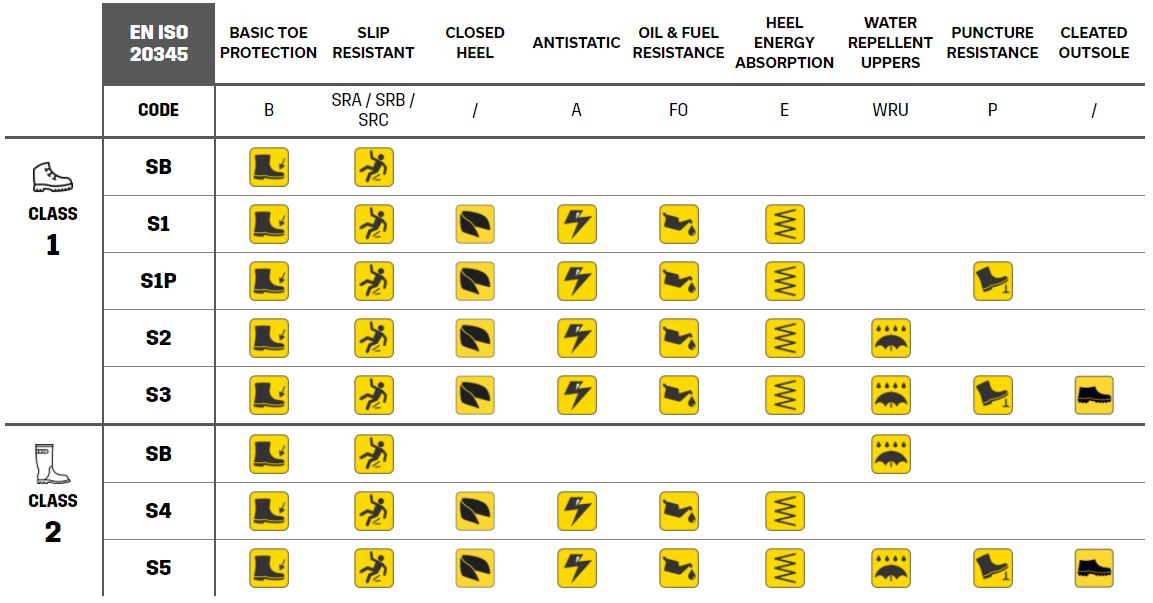
Safety Boots Guide

The above guide will assist you in finding out what safety rating your boot require.

Choose the Right Material

Opting for the appropriate material in Cofra safety boots is crucial, with choices like leather, breathable linings, and waterproofing technologies offering specific benefits for diverse work environments.

For instance, selecting high-quality leather in Cofra safety boots provides not only a stylish appearance but also exceptional durability and protection against abrasions and impacts. Breathable linings like Gore-Tex or moisture-wicking fabrics enhance comfort by regulating temperature and moisture levels inside the boots, crucial for long work shifts. Waterproofing technologies such as Sympatex or OutDry ensure feet remain dry even in challenging weather conditions, preventing discomfort and potential health issues. These material choices significantly influence the overall performance and user experience of Cofra safety boots.

Ensure Proper Fit

Achieving a proper fit with Cofra safety boots is essential for comfort, extended wear, and moisture-wicking properties that maintain foot health and support throughout long work shifts.

It is crucial to select boots that offer adequate arch support and cushioning to prevent fatigue and foot pain. Look for features like shock-absorbing midsoles and contoured insoles that provide the necessary support for all-day wear.

Prioritising boots with moisture-wicking linings can help keep your feet dry and comfortable, reducing the risk of blisters and irritation.

Choosing the right size is also key; ensure a snug fit without being too tight to allow room for movement and circulation, ultimately enhancing your overall comfort and performance.

What Are the Care and Maintenance Tips for Cofra Safety Boots?

Proper care and maintenance of Cofra safety boots involve regular cleaning, appropriate storage, and timely replacement when necessary to ensure their longevity and continued effectiveness.

Regular cleaning of the boots is vital to remove dirt, mud, and other contaminants that can compromise their protective qualities. Simple maintenance routines like wiping them down with a damp cloth and allowing them to air dry can go a long way in preserving the materials.

When not in use, it’s important to store the boots in a cool, dry place away from direct sunlight and extreme temperatures to prevent deterioration. Keep an eye out for signs of wear such as cracks, worn treads, or loose stitching, as these indicate the need for prompt replacement to maintain optimal safety standards.

Clean Regularly

Regular cleaning of Cofra safety boots is essential to maintain their quality and effectiveness, especially when utilising easy maintenance features like waterproofing treatments and oil-resistant outsoles.

By incorporating proper cleaning routines into your maintenance regimen, you not only ensure that your Cofra safety boots last longer but also enhance their protective properties. Waterproofing treatments act as a barrier, repelling water and moisture, thereby keeping your feet dry and comfortable in various conditions. The oil-resistant outsoles help maintain traction and stability in oily or slippery environments, reducing the risk of accidents. Regular cleaning not only maintains the boots’ appearance but also extends their durability and performance, making them a reliable choice for various work environments.

Replace When Necessary

Timely replacement of Cofra safety boots is crucial to ensure continued protection and safety, with durability tests, safety inspections, and longevity considerations guiding the replacement process.

Regular durability tests play a key role in assessing the boots’ ability to withstand wear and tear, ensuring they offer the required protection. Safety inspections help identify any signs of damage or wear that might compromise the boots’ protective capabilities. Assessing the longevity of the boots helps determine when they need to be replaced to maintain optimal safety standards. By following these replacement guidelines and conducting timely assessments, individuals can prioritise workplace safety and ensure their protection is not compromised.

Frequently Asked Questions

1. What are Cofra Safety Boots?

Cofra Safety Boots are high-quality, durable boots designed specifically for work environments that require protection and safety. They are made with top-grade materials and advanced technologies to ensure maximum comfort and safety for the wearer.

2. What safety features do Cofra Safety Boots have?

Cofra Safety Boots are equipped with various safety features, including steel toes, slip-resistant soles, and puncture-resistant materials. They also have heat and chemical resistance, water resistance, and electrical hazard protection, making them suitable for various work environments.

3. Are Cofra Safety Boots suitable for all types of work?

Cofra Safety Boots are designed for a wide range of industries and work environments, including construction, manufacturing, mining, and agriculture. However, it is always recommended to check the specific safety requirements and regulations of your workplace before purchasing any safety boots.

4. Are Cofra Safety Boots comfortable to wear?

Yes, Cofra Safety Boots are designed with comfort in mind. They have cushioned insoles, padded collars, and ergonomic designs for maximum comfort during long hours of wear. Additionally, they are lightweight and have excellent shock absorption to reduce strain on the feet.

5. How do I take care of my Cofra Safety Boots?

To maintain the quality and longevity of your Cofra Safety Boots, it is essential to clean them regularly and follow the manufacturer’s care instructions. Brush off any dirt or debris and wipe them down with a damp cloth. Avoid using harsh chemicals or solvents, and allow them to air dry completely before wearing them again.

Belfast’s Best Welding Supplies Destination: Welder’s Choice/Norsemen Safety

Looking for the best welding supplies and embarking on a welding venture in the heart of Belfast or anywhere across Northern Ireland? This comprehensive guide is tailored to assist both the seasoned professionals and those newly introduced to the welding world. Welding projects, regardless of their scale, necessitate a well-equipped toolkit comprising advanced machinery and essential safety gear to ensure the project’s success. Here, we delve into the indispensable welding supplies, examine the nuances of various welding processes, offer guidance on selecting the most suitable supplies for your specific project, and highlight the premier destination, Welder’s Choice/Norsemen Safety for acquiring welding supplies in Belfast. Located in Northern Ireland, Welder’s Choice/Norsemen Safety ship all over Ireland and mainland UK, with no hassle shipping or additional paperwork. We’re welding Belfast.

The Foundation: Essential Welding Supplies

Welding, a skillful art and science, requires an array of specialized equipment, tools, materials, and protective gear. The choice of supplies, including sophisticated welding machines (MIG, TIG, stick welders) and essential hand tools (clamps, hammers, brushes), plays a pivotal role in the quality and efficiency of your welding endeavors. Ensuring personal safety with welding helmets, gloves, and protective clothing is paramount to shield oneself from the potential hazards of sparks, UV radiation, and the intense heat generated during the welding process. Adequate Personal Protective Equipment (PPE) is indispensable to maintain safety and comfort across diverse projects, whether working with steel, aluminum, or stainless steel.

Welding Machines: The Core of Welding Operations

miller migmatic 320i mig welder

A welding machine is the cornerstone of any welding project, pivotal for the fusion and joining of various materials. The market avails a variety of welding machines, each tailored for specific welding processes and material types. The selection among Stick, MIG, TIG, and Flux-Cored welders can significantly influence the overall quality and efficiency of welding activities.

  • Stick Welders: Renowned for their versatility, suitable for welding both thick and thin metal forms.
  • MIG Welders: Ideal for quick welding applications on thinner materials, offering speed and convenience and heavy plate welding on all types of metals.
  • TIG Welders: Known for their precision, allowing for meticulous control over the welding process, perfect for intricate projects.
  • Flux-Cored Welders: Excellently suited for outdoor welding tasks, capable of withstanding adverse conditions like wind.

Choosing the right welding machine is a critical decision that profoundly impacts the welding process’s outcome.

Safety Gear: Ensuring Welder’s Protection

cleanspace2

The importance of safety gear cannot be overstated in the welding industry. A comprehensive set of protective equipment is essential to safeguard welders from the occupational hazards associated with welding.

  • Welding Helmets: A vital component, equipped with auto-darkening lenses to protect against intense light, sparks, and debris. Proper ventilation in the helmet ensures the welder is not exposed to harmful fumes.
  • Welding Gloves: Critical for protection against heat, sparks, and electrical hazards. Available in various types (MIG, TIG, stick welding gloves), made from durable materials like leather and Kevlar to offer optimal protection.
  • Welding Jackets: Designed to offer full-body protection from heat, flames, and spatter, enhancing safety and comfort during welding tasks.

Consumables: Electrodes and Wire

elga megafil 713r flux core mig wire

The success of welding projects also hinges on the selection of appropriate welding consumables.

  • Welding Electrodes: Vital for creating strong and durable welds, these consumables come in various compositions and sizes, catering to specific welding needs.
  • Welding Wire: In MIG welding, the wire serves as a crucial consumable, feeding the weld pool to create consistent welds. The choice of welding wire material and size significantly influences the weld quality.

Welding Gas: A Shielding Essential

Welding gas is indispensable in processes like TIG and MIG welding, providing the necessary shielding to protect the weld pool from atmospheric contamination. The selection of welding gas, such as argon for its inert properties, plays a critical role in preventing oxidation and ensuring the quality of the weld. Talk to us about our rent-free gas cylinders.

Understanding Diverse Welding Processes

Welding encompasses various processes, each with unique applications and benefits. MIG welding, known for its versatility and speed, is popular in automotive and fabrication industries. TIG welding offers precision, making it ideal for welding thin materials. Stick welding provides robustness and portability, suitable for outdoor and heavy-duty applications. Each method, including advanced techniques like plasma arc and submerged arc welding, offers flexibility for welding thicker materials or in challenging positions.

Selecting the Right Welding Supplies for Your Project

Choosing appropriate welding supplies involves a careful consideration of the welding process, metal thickness, supply quality, and budget. Aligning supplies with the project’s specific needs ensures high-quality results and enhances the welding experience.

  • Consider the Welding Process: Different processes necessitate specific equipment and tools, underscoring the importance of selecting supplies that match your chosen technique.
  • Determine Metal Thickness: The metal’s thickness dictates the need for particular materials and welding wire sizes, impacting the weld’s strength and appearance.
  • Assess Supply Quality: High-quality supplies not only improve the welding process but also ensure safety and reliability. Regular maintenance and choosing reputable brands are key to sustainable operation.
  • Budget Considerations: While quality should not be compromised, finding cost-effective solutions within your budget can maximize the value of your investment in welding supplies.

Your Go-To Source for Welding Supplies Northern Ireland

welding supplies

Welder’s Choice/Norsemen Safety stands as the quintessential destination for all welding necessities in Belfast. Catering to both professional welders and industrial clients, we pride ourselves on offering expert advice and a comprehensive selection of welding equipment, tools, and safety gear. Our commitment to quality welding supplies and customer satisfaction makes us the ideal one-stop shop for those looking to embark on or continue their welding journey in Northern Ireland, the Republic of Ireland, and the UK.

By equipping yourself with the right welding supplies, knowledge, and protective gear, you are well on your way to completing successful and safe welding projects. Visit Welder’s Choice/Norsemen Safety to explore our extensive range of welding solutions designed to meet the diverse needs of our clients. With our expertise and dedication, we aim to support your welding endeavors, ensuring you have access to the best supplies and advice in the industry. Whether you’re tackling a small home project or a large industrial task, we’re here to help you achieve excellence in every weld. Welding Supplies Northern Ireland.

Are gasless MIG welders any good? Read advice from professional welders.

Are gasless MIG welders any good?

Curious about gasless MIG welders and their effectiveness? Wondering how they work and if they’re right for your welding projects? In this article, we’ll explore the ins and outs of gasless MIG welding, from its benefits to drawbacks, and how to choose the best one for your needs. Whether you’re a DIY enthusiast or a professional welder, understanding the pros and cons of gasless MIG welders is essential. Stay tuned as we break down everything you need to know about these versatile welding machines.

What Is a Gasless MIG Welder?

A gasless MIG welder is a welding machine that operates without the need for a shielding gas, ideal for outdoor welding or situations where wind may interfere with gas shielding.

This type of welder uses a flux-cored wire that forms a protective slag as it melts, preventing atmospheric contamination and producing strong, clean welds. One of the main benefits of a gasless MIG welder is the convenience it offers by eliminating the need to carry or refill gas cylinders. Its portability and ease of use make it a popular choice for hobbyists, DIY enthusiasts, and professionals alike.

How Does a Gasless MIG Welder Work?

If you’ve been wondering, are gasless MIG welders any good? Then you should also know how they work. Gasless MIG welders utilise flux-cored welding wire that contains a built-in flux to shield the weld pool from contaminants and oxidation during the welding process.

What Are the Benefits of Using a Gasless MIG Welder?

Using a gasless MIG welder offers several advantages such as portability, making it suitable for outdoor welding in windy conditions where traditional gas shielding may be challenging.

One of the key benefits of gasless MIG welders is their lightweight design, which facilitates easy transportation to various work sites. Their compact and portable nature allows welders to move around with ease, whether they are working on construction sites, automotive repairs, or other outdoor projects.

The absence of a gas cylinder simplifies the setup process, making these welders especially convenient for fieldwork. The effectiveness of gasless MIG welders in outdoor welding environments cannot be overstated.
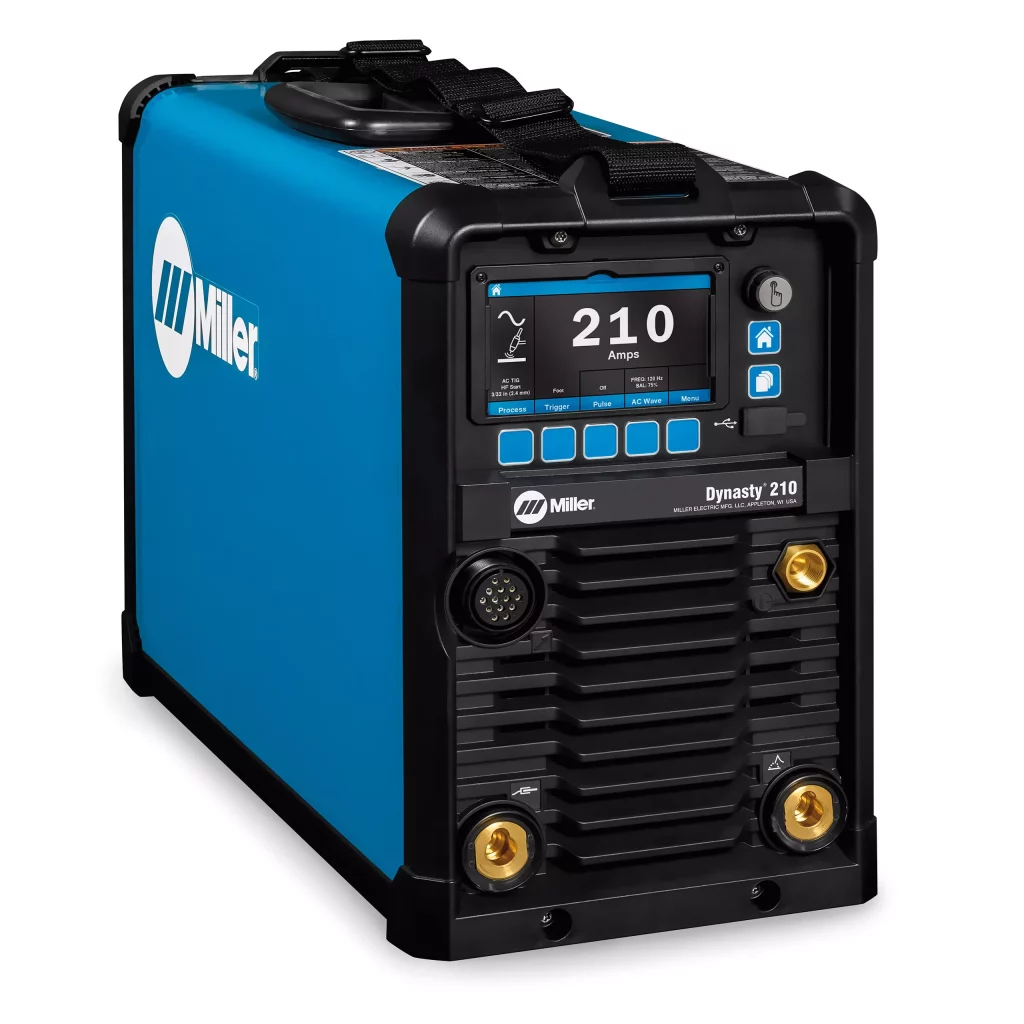
The wire feed mechanism combined with the flux core filler material creates a self-shielding arc that protects the weld pool from contaminants, even in windy conditions. This self-shielding feature eliminates the need for an external gas supply, making these welders highly versatile and reliable for outdoor use.

helvi puma 256

No Need for Gas Cylinders

One significant benefit of using a gasless MIG welder is the elimination of the need for gas cylinders, reducing setup time and maintenance while enhancing the duty cycle of the welding machine.

Gas cylinders are not only cumbersome to handle but also require additional safety measures and periodic refills, which incurs extra costs and time. By opting for a gasless MIG welder, welders can work more efficiently without interruptions, achieving higher productivity rates. The absence of gas cylinders means less equipment to deal with, streamlining the welding process and making it more convenient for users. This also leads to a cleaner work environment as there are no gas leaks or potential hazards associated with handling gas cylinders.

More Portable

Gasless MIG welders are known for their lightweight and portable nature, allowing welders to move them easily between job sites or work in confined spaces.

These compact machines are often preferred for their convenience and versatility, offering the flexibility to tackle welding tasks in various environments without the need for an external shielding gas.

Due to their lightweight design, they are highly manoeuvrable, making them ideal for on-the-go welding projects or repairs that require mobility.

The portability of gasless MIG welders also makes them popular for DIY enthusiasts and hobbyists who may not have a permanent workspace but still want to achieve professional welding results.

Suitable for Outdoor Use

Gasless MIG welders excel in outdoor welding applications where wind and environmental factors can disrupt traditional gas shielding, providing reliable performance in challenging conditions.

Due to their unique design, gasless MIG welders offer a distinct advantage when working in the open air, as they eliminate the need for an external gas source. This feature makes them highly portable and ideal for fieldwork or remote construction sites.

Their ability to create a strong, clean weld without the use of gas shielding makes them resistant to wind interference, ensuring consistent results even when working in breezy conditions. Gasless MIG welders are known for their versatility, allowing for effective welding in various outdoor environments.

Affordable

Gasless MIG welders are a cost-effective welding solution, offering affordability without compromising on performance or quality, making them an attractive option for hobbyists and manufacturers.

These welders are particularly beneficial for those looking to keep their welding costs down, as they eliminate the need for shielding gas, which can be a significant ongoing expense. The affordable price point of gasless MIG welders makes them a practical investment for DIY enthusiasts and small businesses alike.

What Are the Drawbacks of Using a Gasless MIG Welder?

Whilst gasless MIG welders offer portability and convenience, they may not be suitable for all materials, especially when working with steel or when specific shielding gases are required for optimal weld quality.

Regarding welding steel with a gasless MIG welder, there are inherent limitations due to the lack of a shielding gas. Steel welding often demands precise control over the welding environment to prevent oxidation and ensure strong, clean welds. Without the protective layer provided by shielding gases, the risk of producing porous welds or experiencing splatter significantly increases.

Not as Strong as Gas Shielded Welds

Gasless MIG welds may not offer the same level of strength and arc quality as gas-shielded welds, impacting the overall durability and integrity of the weld joint in certain applications.

When using gasless MIG welding, the absence of shielding gas can lead to increased spatter and potential porosity in the weld bead, affecting its overall strength and quality. Without the protective gas, the weld pool is more exposed to atmospheric contaminants, which can result in impurities and weaker fusion.

The compromised arc quality in gasless MIG welding can lead to uneven penetration and incomplete fusion, further reducing the overall structural integrity of the weld. This can be particularly problematic in critical applications where weld strength and consistency are paramount.

Lower Quality Welds

Gasless MIG welding may result in lower-quality welds due to the absence of gas shielding, leading to potential issues with weld penetration, porosity, and overall weld appearance.

This lack of gas shielding in gasless MIG welding affects the arc quality, as the weld pool is more exposed to atmospheric contaminants. This exposure can lead to increased chances of porosity within the weld, weakening its structural integrity. Inadequate gas coverage can result in insufficient weld penetration, affecting the overall strength of the joint. The absence of gas shielding can also impact the aesthetics of the weld, causing spatter and rough surfaces that may require additional post-weld cleaning or refinishing.

How to Choose the Right Gasless MIG Welder?

When selecting a gasless MIG welder, consider factors such as the amperage output, duty cycle, and additional features like the digital display and multi-process capabilities of models such as the STAHLWERK CTM 250.

STAHLWERK CTM 250 Combination Welding Machine

Amperage output is crucial as it determines the welding capabilities of the machine and should align with your welding needs. A higher duty cycle ensures longer welding durations without overheating, improving efficiency. The digital display feature provides accurate control and monitoring of settings, enhancing precision in your welding projects. Models like the Stahlwerk CTM 250 offer not only these essential features but also user-friendly interfaces and advanced functionalities that cater to both beginners and experienced welders.

Check the Power Output

Evaluate the amperage output of gasless MIG welders to ensure it meets your welding needs, considering the thickness of the materials you will be working with and the required power for optimal weld penetration.

When selecting a gasless MIG welder, the amperage output plays a crucial role in determining the welding performance. Higher amperage is needed for thicker materials to achieve deep weld penetration, while lower amperage is suitable for thinner metals to prevent burn-through. It is essential to match the welder’s amperage capabilities with the specific requirements of your welding projects.

Inadequate amperage can result in weak welds and inconsistent bead formation, leading to compromised structural integrity. On the other hand, excessive amperage may cause distortion and warping of the workpiece. Therefore, understanding the optimal amperage output for different material thicknesses is key to producing high-quality welds.

Look for Additional Features

Consider the availability of additional features such as DINSE connectors, IGBT inverter-based technology, and multi-process capabilities when selecting a gasless MIG welder to enhance versatility and performance.

Gasless MIG welders equipped with DINSE connectors offer a quick and secure connection, ensuring a stable flow of power during welding tasks. The integration of IGBT inverter technology enhances energy efficiency and provides better control over welding parameters.

The multi-process capabilities of these welders enable seamless switching between different welding techniques, offering the flexibility to work on various materials and thicknesses without the need for separate equipment.

Can a Gasless MIG Welder Be Used for Professional Welding?

Gasless MIG welders can be suitable for certain professional welding applications, especially those involving FCAW or TIG welding processes where shielding gas is not mandatory for effective weld outcomes.

gasless mig welding

In the realm of industrial welding, gasless MIG welders offer a versatile solution that eliminates the need for external shielding gas, making them highly convenient for on-site welding tasks or applications in challenging environments. Welders often opt for gasless MIG welding techniques when working with thicker materials or in outdoor settings where traditional gas shielding may not be practical or cost-efficient. The flexibility of gasless MIG welders is particularly advantageous in scenarios that demand efficient weld penetration and strong metal joints.

What Are the Best Gasless MIG Welders in the Market?

The market offers a range of top-notch gasless MIG welders from reputable brands like STAHLWERK and Helvi, known for their quality craftsmanship, advanced features, and reliable performance in various welding applications.

STAHLWERK and Helvi have established themselves as industry leaders, with a strong focus on innovation and customer satisfaction. These brands offer a wide selection of gasless MIG welders that cater to the needs of both professionals and enthusiasts. Whether you are working on automotive repairs, metal fabrication, or DIY projects, STAHLWERK and Helvi welders provide exceptional welding results.

Their welders are designed with user-friendly features such as adjustable wire speed, voltage control, and thermal overload protection, ensuring precision and safety during welding operations. The robust build quality and durability of Stahlwerk and Helvi machines make them ideal for handling diverse welding tasks with ease.

Frequently Asked Questions

Are gasless MIG welders any good?

Yes, gasless MIG welders can be a great option for certain welding projects. They are often more portable and convenient than traditional gas MIG welders, making them a good choice for DIY projects or on-the-go welding needs.

What are the advantages of using a gasless MIG welder?

Gasless MIG welders do not require an external gas cylinder, making them more cost-effective and easier to transport. They also produce less spatter and can be used in windy or drafty environments without affecting the quality of the weld.

Mig Welding Gloves

Mig Welding Gloves -Are you a welder looking to protect your hands during MIG welding? In this article, we will explore the world of MIG welding gloves, discussing their importance, different types, materials used, key features to look for, how to choose the right size, and some recommended brands. Whether you are mig welding, tig welding or stick welding, finding the right pair of gloves with heat resistance, durability, comfort, and dexterity is crucial. Stay tuned to discover the best MIG welding gloves for your needs.

Key Takeaways:

  • Mig welding gloves are specialised gloves designed for protection while performing welding tasks.
  • Choosing the right type and size of mig welding gloves is crucial for safety and comfort during welding.
  • Some top recommended brands for mig welding gloves include Spiderhands, Miller Welding, Weldas and Parweld.

What Are Mig Welding Gloves?

MIG welding gloves are essential protective equipment designed for welders engaged in metal inert gas (MIG) welding processes, ensuring safety and comfort during operations.

These gloves play a crucial role in shielding the hands and arms from sparks, heat, and potential burns that can occur during welding. Along with protection, MIG welding gloves also enhance the grip of the welder, making it easier to handle the welding torch and materials, thereby improving overall work efficiency and precision.

Why Are Mig Welding Gloves Important?

MIG welding gloves play a crucial role in ensuring welder safety and protection by offering heat resistance, dexterity, and compliance with welding safety standards.

In terms of MIG welding, the right gloves can make all the difference. These specially designed gloves not only protect welders from the intense heat generated during the welding process but also provide the flexibility needed for intricate welding tasks, allowing welders to maintain precision and control. The heat resistance of these gloves is paramount in preventing burns and other injuries commonly associated with welding. Their dexterity ensures that welders can work efficiently and securely, meeting the necessary safety requirements to ensure optimal performance.

What Are the Different Types of Mig Welding Gloves?

MIG welding gloves come in various styles, generally always made of leather and different manufacturers each offering unique characteristics and benefits for welders.

Leather welding gloves are known for their durability and heat resistance, making them ideal for heavy-duty welding applications where sparks and heat are prevalent. They provide excellent protection against burns and abrasions, ensuring the safety of the welder in high-temperature environments.

Leather Gloves

Leather welding gloves are crafted from durable materials such as high-quality leather and reinforced with Kevlar stitching, providing excellent protection and durability for welders.

These gloves are designed to withstand rigorous welding activities, offering heat resistance and exceptional grip to ensure safety in high-temperature environments. The Kevlar reinforcement adds an extra layer of protection, making the gloves more resilient to wear and tear.

Leather welding gloves provide superior comfort, allowing welders to work for extended periods without discomfort or fatigue. Their versatility makes them suitable for various welding applications, from MIG and TIG welding to stick welding and more, making them a must-have accessory for any welder’s toolkit.

What Materials Are Mig Welding Gloves Made Of?

MIG welding gloves are predominantly made of materials such as leather, Kevlar, cotton, and synthetic fabrics, each offering specific benefits and functionalities for welders.

  1. Leather is favoured for its exceptional heat resistance and durability, making it ideal for heavy-duty welding applications.
  2. Kevlar, on the other hand, provides excellent cut and abrasion resistance, enhancing the overall longevity of the gloves.
  3. Cotton offers superior comfort and breathability, keeping hands cool during extended welding sessions.
  4. Synthetic fabrics combine various properties, such as flexibility and chemical resistance, to provide a versatile option for different welding processes.

Leather

Leather is a popular material choice for welding gloves due to its durability, heat resistance, and comfort, with features like a grain leather palm offering enhanced grip and protection.

One of the key advantages of using leather in welding gloves is its exceptional durability, capable of withstanding the rigorous demands of welding environments. Leather’s natural resistance to heat ensures that welders are protected from burns and sparks during their work.

In addition, the comfort provided by leather gloves allows welders to work for extended periods without experiencing discomfort or fatigue. The grain leather palm, specifically, enhances the grip, enabling precise movements and reducing the risk of accidents.

The longevity of leather gloves, particularly those with reinforced stitching and quality materials, ensures that welders can rely on their protective gear for multiple projects, making them a cost-effective investment in the long run.

Kevlar

Kevlar is a robust synthetic material often incorporated into welding gloves for its exceptional strength, cut resistance, and heat protection, with Kevlar stitching enhancing the gloves’ overall durability.

Welding gloves play a crucial role in shielding workers from intense heat, sharp metal shards, and potential molten splatter during welding operations. In this high-risk environment, the need for reliable protective gear cannot be overstated, making the utilisation of advanced materials like Kevlar critical.

The unique properties of Kevlar, including its remarkable tensile strength and resistance to cuts and abrasions, provide a formidable defence against the hazards faced by welders. The use of Kevlar stitching further bolsters the structural integrity of welding gloves, ensuring they can withstand the rigorous demands of daily use in industrial settings.

Cotton

Cotton is a lightweight and breathable material commonly used in welding gloves to provide comfort, flexibility, and basic hand protection for welders during light welding tasks.

One of the key benefits of cotton as a material for welding gloves is its exceptional breathability. This feature allows for proper air circulation, preventing excessive sweating and discomfort during extended wear. Cotton gloves are known for their soft texture, which significantly enhances the overall comfort level for the wearer.

The lightweight nature of cotton gloves contributes to ease of movement and agility, crucial for tasks that require dexterity and precision. This quality makes them a popular choice for less intensive welding operations where the focus is on basic hand protection while ensuring the welder’s comfort.

Synthetic Materials

Synthetic materials like nylon and polyester are commonly used in welding gloves to provide a balance of protection, flexibility, and affordability for welders in a variety of welding applications.

These materials are chosen for their exceptional durability and resistance to heat, sparks, and sharp objects, ensuring that welders can work safely without compromising on hand protection. The flexibility of synthetic gloves allows for ease of movement and dexterity, crucial in intricate welding tasks that require precision.

The cost-effectiveness of nylon and polyester gloves makes them a popular choice among welders looking for reliable hand protection without breaking the bank. Whether it’s MIG, TIG, or stick welding, synthetic gloves offer a versatile solution that meets the demands of various welding techniques.

What Features Should You Look for in Mig Welding Gloves?

When selecting MIG welding gloves, key features to consider include heat resistance for protection against high temperatures, durability for long-lasting use, comfort for extended wear, and dexterity for precise handling during welding tasks.

Heat resistance is crucial as it shields the hands from intense heat, reducing the risk of burns and injuries. The durability of the gloves ensures they can withstand the harsh conditions of welding environments, providing long-term protection. Comfort plays a significant role in enabling welders to work for extended periods without discomfort, enhancing productivity. Dexterity allows for better control and manoeuvrability, leading to improved accuracy and efficiency in welding operations.

Heat Resistance

Heat resistance is a critical feature in MIG welding gloves, as it shields welders from high temperatures, sparks, and molten metal, ensuring optimal safety and protection in hazardous welding environments.

weldas comfoflex welding glove 102087

The Weldas Comfoflex 10-2087 is an extremely comfortable mig welding glove offering a Comfoflex lining protecting the welder’s hands from the heat. The other advantage to the Weldas welding gloves, they offer different sized gloves which allows you to get a good fit, helping with the comfort.

This crucial characteristic in welding gloves is especially important during prolonged welding tasks where heat exposure is continuous. The heat-resistant materials used in these gloves not only protect against burns but also offer enhanced comfort by minimising sweat build-up. Ensuring proper heat resistance is not just about preventing injuries; it also plays a significant role in meeting industry safety standards and regulations, contributing to a safer working environment for welders.

Durability

Durability is a key factor to consider in MIG welding gloves, as it ensures long-lasting performance, resistance to wear and tear, and reliable protection for welders in demanding industrial settings.

The ability of MIG welding gloves to withstand rigorous use and resist damage from welding hazards is crucial for ensuring the safety and productivity of welders in challenging welding environments. Durable gloves not only offer consistent protection over time but also play a significant role in minimising the risk of injuries and accidents, thereby enhancing workplace efficiency and cost-effectiveness. Welding professionals rely on the durability of their gloves to handle the intense heat, sparks, and sharp edges encountered during welding processes, making it an essential aspect of their protective gear.

Comfort

Comfort is essential in MIG welding gloves to ensure welder satisfaction, reduce fatigue, and promote productivity, with features like ergonomic design and non-conductive materials enhancing overall user experience.

SPIDERHAND MIG SUPREME PLUS WELDING GLOVE

SpiderHand Welding Gloves offer a range of sizes and styles, allowing you a perfect fit every time.

Welders rely on their gloves not just for protection but also for comfort during long hours of work. An ergonomic design ensures that the gloves fit well, enabling easy movement and reducing hand strain. Buying welding gloves that offer sizing is paramount in get a welding glove that allows you to wear for hours without being uncomfortable. Using non-conductive materials prevents heat transfer and electric shock risks, adding a layer of safety while enhancing comfort. These comfort-related aspects play a crucial role in not only improving welding performance but also in keeping welders focused and engaged, ultimately contributing to a more efficient and satisfying welding experience.

Dexterity – Choose Spiderhand Welding Gloves

Dexterity is a crucial feature in MIG welding gloves, allowing welders to maintain precision, flexibility, and control during intricate welding tasks, with enhanced grip enhancing handling and maneuverability.

Having dexterity in welding gloves is like having a superpower; it enables welders to work with intricate and delicate materials effortlessly. The ability to handle tools, manipulate pieces, and perform detailed tasks with finesse is essential in achieving top-notch welds.

When a welder has enhanced grip, they can move and position components with accuracy and ease. This level of control not only boosts maneuverability but also ensures that the welding process is precise, safe, and efficient.

How Do You Choose the Right Size of Mig Welding Gloves?

Selecting the correct size of MIG welding gloves is crucial for ensuring a secure and comfortable fit, with industry standards such as the European Standard (EN) providing guidance on sizing and performance requirements.

When determining the right size of MIG welding gloves, it is essential to measure the width and length of your hand accurately. Utilising a flexible measuring tape, wrap it around the widest part of your palm to get the circumference measurement.

Compare your measurements with the sizing chart provided by manufacturers, which generally align with the EN 420 and EN 388 standards. These standards not only ensure a proper fit but also indicate the level of protection and durability.

What Are Some Recommended Mig Welding Gloves Brands?

Several reputable brands offer high-quality MIG welding gloves, with options like Weldas and the Comfoflex Mig Welding Glove known for their heat resistance, reliability, and suitability for diverse welding applications.

Weldas Europe is recognised for its innovative designs that combine premium materials with advanced heat-resistant properties, ensuring welders feel confident in challenging work environments. The Comfoflex Mig Welding Glove stands out for its exceptional durability, providing long-lasting protection without compromising on comfort. These gloves are praised for their ergonomic designs that cater to the precision required in various welding tasks, making them a preferred choice among professionals seeking top-notch performance and peace of mind while working.

Spiderhands

Spiderhands is a trusted name in welding technology, offering a range of MIG welding gloves designed for welder safety, comfort, and performance in various welding applications.

With a longstanding reputation for excellence in the welding industry, Spiderhands has consistently prioritised welder protection through their innovative range of MIG welding gloves. These gloves, crafted with high-quality materials and advanced designs, not only ensure optimal safety but also enhance the comfort and efficiency of welders during their work.

One of the key features that set Spiderhand gloves apart is their ergonomic design, which allows for greater dexterity and flexibility while maintaining a secure grip. The use of durable and heat-resistant materials ensures long-lasting protection against sparks and heat, crucial for welders working in demanding environments.

Parweld

Welding Gauntlets

Parweld is a respected brand in protective equipment, offering MIG welding gloves that address various welding hazards, providing welders with reliable protection, durability, and peace of mind.

Parweld’s range MIG welding gloves prioritises protection, durability, and hazard mitigation, standing out in the market for their commitment to providing welders with the highest level of safety. With a focus on quality and reliability, these gloves instill confidence in users working in challenging welding environments. Whether it’s handling high temperatures, sparks, or sharp objects, Parweld gloves have been designed to exceed expectations and ensure optimal protection for welders.

Miller Welding

Miller UNIVERSAL Welding Gloves - Welding Gloves for all Welding Processes

Miller Welding Gloves are high quality and comfortable. Whether you’re mig welding or tig welding, Miller has a glove for you. Their Universal Mig Welding Glove is available in different sizes. Commitment to safety is always priority one for Miller Welding.

Norsemen Safety/ Welder’s Choice is your go to welding supplier for mig welding gloves, tig welding gloves and work gloves. We sell the best quality brands of welding gloves in the UK and Ireland. Call us to discuss your welding glove requirements on 028 9046 0541. Don’t settle for economy mig welding gloves, buy long last welding gloves that give you the best protection and comfort.

Frequently Asked Questions

What are mig welding gloves?

Mig welding gloves are a type of protective glove designed for use during metal inert gas (MIG) welding. They are typically made of durable materials such as leather and are designed to protect the hands and wrists from heat, sparks, and other hazards associated with welding.

Why do I need mig welding gloves?

Mig welding gloves are essential for protecting your hands and wrists from the hazards of welding. Welding can produce high temperatures and sparks that can cause serious burns or injuries if not properly protected. Mig welding gloves provide a barrier between your skin and these potential hazards, keeping you safe on the job.
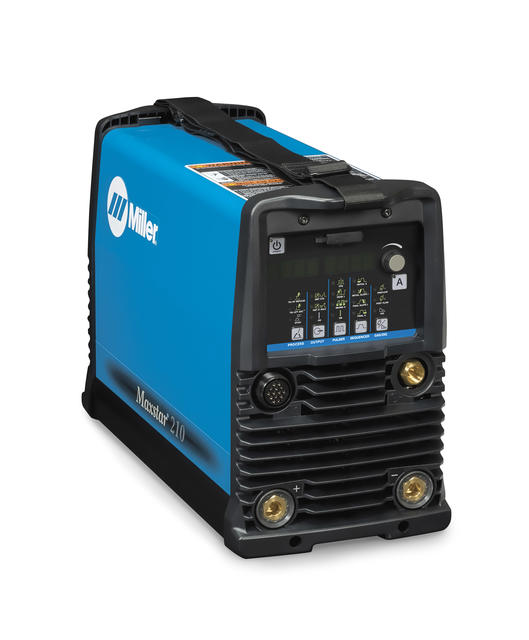
What makes mig welding gloves different from other types of welding gloves?

Mig welding gloves are specifically designed for use during MIG welding, which produces high amounts of heat and sparks. They are typically made of thicker, more durable materials than other types of welding gloves, and often have added features such as reinforced palms and heat-resistant lining to provide maximum protection.

How do I choose the right size mig welding gloves?

To ensure a proper fit, it is important to choose mig welding gloves that are the right size for your hands. Measure the circumference of your hand at the widest part, excluding the thumb, and use the following chart to determine your glove size: Then refer to the manufacturer’s glove sizing chart.

How do I care for my mig welding gloves?

To prolong the life of your mig welding gloves, it is important to properly care for them. After use, wipe off any debris or sparks and allow them to air dry. Do not put them in a washing machine or dryer. If your gloves become heavily soiled, you can use a mild soap and water to clean them, but be sure to thoroughly rinse and dry them afterwards.

Can mig welding gloves be used for other types of welding?

While mig welding gloves are specifically designed for use during MIG welding, they can also be used for other types of welding such as TIG or stick welding. However, it is important to note that these gloves may not provide the same level of protection for these types of welding as they do for MIG welding. It is always best to use gloves specifically designed for the type of welding you are performing.

Where do I buy Mig Welding Gloves?

Norsemen Safety/Welder’s Choice the leading supplier of welding PPE in the UK, Ireland and Northern Ireland.

MILLER WELDING MACHINES – The Only Choice When You Want the Best

Are you looking to purchase a new welding machine? Miller Welding Machines are the perfect choice for you. In this detailed guide, we will explore the various types of Miller welding machines, such as MIG, TIG, and MMA welders. We will also cover important features and factors to consider when making your purchase, including price range, warranty, and voltage requirements. We will showcase some popular Miller welding machines, offer guidance on selecting the right one for your needs, and highlight the advantages of using Miller products. Additionally, we will discuss support and maintenance options, including technical support and tips for product maintenance. Keep reading to discover everything you need to know about Miller Welding Machines.

miller welding machine

Introduction to Miller Welding Machines

Miller welding machines are renowned for their cutting-edge technology and precision engineering, making them a top choice for professional welders and enthusiasts alike.

These top-tier welding machines have gained widespread popularity in the industry due to their innovative features and consistent performance. One of the key aspects that set Miller welders apart from the competition is their utilisation of inverter technology, allowing for better control and efficiency during welding processes. The high-quality components used in Miller machines ensure durability and reliability, making them a trustworthy companion for all types of welding projects, from intricate precision work to heavy-duty industrial applications.

Types of Miller Welding Machines

MIG Welders

miller mpi 220

MIG welders from Miller, such as the MPI 220 pulse MIG model, offer exceptional control, efficiency, and versatility for a wide range of welding applications.

The MPI 220 pulse MIG model by Miller is specifically designed to provide welders with advanced synergic control capabilities, allowing for precise adjustments to achieve optimal welding results. One of the key advantages of Miller MIG welders is their efficiency in delivering high-quality welds while maintaining a consistent arc, which is essential for ensuring strong and durable welds. The incorporation of synergic control technology in the MPI 220 model simplifies the welding process by automatically adjusting settings to match the welding parameters, resulting in improved productivity and reduced setup time.

TIG Welders

miller dynasty 210

Miller TIG welders equipped with advanced inverter technology are ideal for welding stainless steel and aluminium with superior quality and precision.

One of the key features of Miller TIG welders is their utilization of inverter technology, which brings numerous advantages to the welding process. This technology allows for better control over the welding arc, resulting in smoother and more stable welds. The precision offered by these welders is crucial when working with materials like stainless steel and aluminium, where accuracy is paramount.

The quality of the welds produced by Miller TIG welders is renowned in the industry, making them a top choice for both professional welders and hobbyists. Their versatility further enhances their appeal, as they can handle a wide range of welding tasks with ease and efficiency.

MMA Welders

miller maxstar 210 dx

Miller Stick welders, also known as MMA welders, are renowned for their robust construction and exceptional performance when welding carbon steel in various industrial settings.

These welders are specifically designed to handle the demands of welding carbon steel, offering superior performance and efficiency. Their durable construction ensures longevity, making them a reliable choice for heavy-duty applications. Miller Stick welders are equipped with advanced features such as adjustable amperage control, which allows for precise welding control.

Their portability and compact design make them versatile for use in different work environments. The ease of maintenance and simple operation further enhance the user experience, making them a top choice for professionals in the welding industry.

Features and Considerations

When considering Miller welding machines, it’s essential to evaluate factors such as price range, warranty options, voltage requirements, and advanced features to ensure you choose the right equipment for your welding needs.

Price range is a crucial aspect to weigh when buying a Miller welding machine as it determines the financial feasibility of the investment. Warranty options provide a safety net against unexpected malfunctions and repairs, ensuring the longevity of the equipment. Voltage compatibility plays a vital role in the performance of the machine, as using the correct voltage ensures efficient welding operations.

Advanced features like adjustable settings, digital displays, and compatibility with various welding techniques can enhance the versatility and precision of the welding process, making the equipment more suitable for a wide range of projects.

Price Range

Miller welding machines offer a diverse price range to cater to different budget preferences and welding requirements.

For those looking to enter the world of welding without breaking the bank, Miller offers entry-level machines such as the Miller 160 Si, which provides a solid performance at an affordable price point. On the other end of the spectrum, for professionals or enthusiasts seeking top-tier capabilities, Miller’s Migmatic S400iP Synergic Pulsed Mig Machine stands out as a premium option with advanced features and precision control that justifies its higher cost. With a wide selection in between these extremes, customers can find the perfect Miller welding machine that fits both their budget and welding needs.

Warranty Options

Miller provides a 3 Year True Blue Warranty for their welding machines, ensuring customers have peace of mind regarding product quality and support.

Additionally, Miller provides excellent customer support throughout the guarantee period, offering troubleshooting guidance, technical assistance, and even replacement parts if required. This level of support plays a crucial role in enhancing customer satisfaction and building trust in the brand.
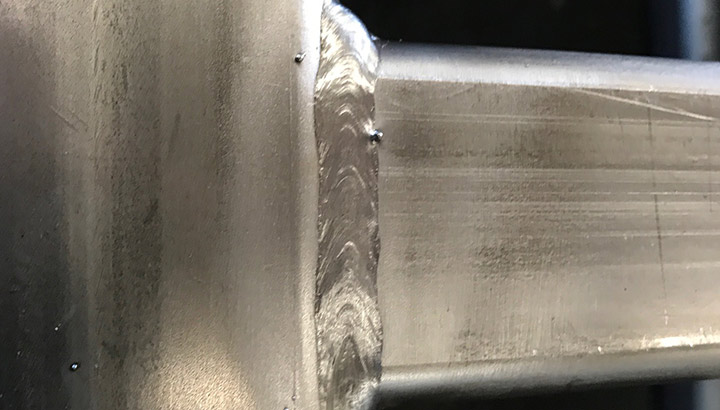
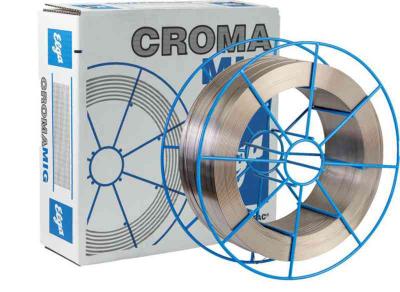
Voltage Requirements

Understanding the voltage requirements of Miller welding machines is crucial, especially with models that utilise advanced inverter technology for optimised performance.
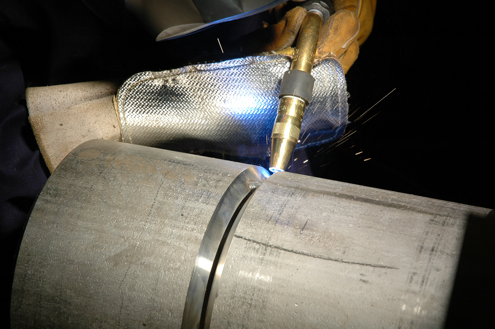
When using Miller welding machines equipped with inverter technology, a key factor to consider is voltage compatibility. Voltage directly impacts the arc stability, penetration depth and overall quality of the weld. Incorrect voltage settings can lead to issues such as spatter, incomplete fusion, or even equipment damage. By matching the voltage requirements specified by the manufacturer, welders can ensure consistent and precise results, improve efficiency, and extend the lifespan of their equipment.

Advanced Features

Miller welding machines are packed with advanced features like synergic control, ensuring precise welding parameters and seamless operation for optimal results.

With synergic control, users can achieve optimal weld settings effortlessly by adjusting a single control parameter, allowing for greater accuracy and consistency in welds. Some Miller machines offer features which automatically adjusts parameters based on material thickness, making it easier for welders to dial in the correct settings. The user-friendly interface and intuitive design of Miller equipment further enhance the overall welding experience, ensuring both beginners and experienced welders can operate the machines with ease.

Choosing the Right Miller Welding Machine

Selecting the perfect Miller welding machine involves assessing your welding needs, considering factors such as welding processes, materials, and desired outcomes to ensure optimal performance and efficiency.

When determining the suitable Miller welding machine for your specific requirements, it is essential to first identify the primary welding processes you will be using. Different machines are designed for various welding techniques such as MIG, TIG, or Stick welding, so matching the machine to your preferred method is crucial.

Assessing the compatibility of the welding machine with the materials you commonly work with is vital. Whether you are primarily welding steel, aluminium, or other metals, ensuring that the machine can handle the specific materials is key to achieving high-quality results.

Consider your performance expectations regarding factors like duty cycle, amperage range, and welding thickness capabilities. Understanding your output requirements will help in selecting a Miller welding machine that meets your workload demands and provides the desired level of precision.

Benefits of Using Miller Welding Machines

Utilising Miller welding machines offers numerous benefits, including exceptional efficiency, superior weld quality and enhanced productivity for welding professionals and hobbyists.

Miller welding machines are well-known for their precision and reliability, resulting in consistently strong and visually appealing welds. The advanced technology integrated into Miller welders not only ensures high-quality results but also makes the welding process smoother and more user-friendly.

With features such as intuitive controls and automatic settings, Miller machines streamline the welding process, reducing setup time and minimising errors. This not only saves valuable time but also enhances the overall welding experience, allowing users to focus on their craft rather than technical complexities.

Where to Buy Miller Welding Machines

Miller welding machines are available from Norsemen Safety/Welder’s Choice an authorised dealer and online retailer. If you’re considering a miller welder, give us a call and let us help you choose the right Miller machine for your application. Ask for Jackie 028 9046 0541.

Buying from an authorised source is crucial as it guarantees the authenticity of the product and ensures that customers have access to warranty coverage in case of any issues. As an Authorised dealer, Norsemen/Welder’s Choice offers expert guidance and support, helping customers choose the right welding machine for their specific needs.

Support and Maintenance

Ensuring proper support and maintenance for your Miller welding machines, including additional equipment like Plasma Cutters, is essential to prolong their lifespan, optimise performance, and maintain safety standards.

Regular routine care for your welding equipment involves cleaning the components, checking for any wear and tear, and ensuring proper lubrication of moving parts to prevent breakdowns. It is also crucial to conduct periodic inspections on the electrical connections, gas hoses, and cooling systems to avoid potential hazards and ensure smooth operation.

When troubleshooting issues with your Miller welding machine, refer to the user manual for guidance on common problems and their solutions. It is advisable to have a certified technician perform any repairs or adjustments to prevent voiding warranties or causing further damage.

To ensure the longevity and efficiency of your Miller welders, establish a maintenance schedule that includes periodic inspections, calibration checks, and component replacements as needed. Investing time and effort in maintaining your welding equipment will not only extend its lifespan but also improve the quality of your work and ensure safety in the workplace. These are all things that Norsemen/Welder’s Choice can help you with. Give us a call on 028 9046 0541

Technical Support

Miller offers comprehensive technical support services for their welding machines, providing customers with expert assistance, troubleshooting guidance, and product knowledge to address any queries or issues they may encounter.

Customers can reach out to our Miller technical support team through via the phone, email jackie@welderschoice.co.uk or visit us at our trade counter in Belfast. We ensure quick and efficient response times. Users have access to a vast online database of FAQs, manuals, and instructional videos for self-help. The company also conducts regular training sessions and workshops to educate customers on best practices for maintaining and optimising their welding equipment. By offering such a wide range of support options, Miller underscores its commitment to customer satisfaction and smooth operational experiences.

Product Maintenance Tips

Regular maintenance of Miller welding machines is crucial for optimal performance and longevity, encompassing tasks such as cleaning, inspection, and parts replacement as recommended by the manufacturer.

Proper cleaning is a fundamental aspect of maintaining a Miller welding machine. Ensure that you regularly wipe down the exterior surfaces with a damp cloth to remove dust, debris, and spatter.

Inspection plays a vital role in identifying potential issues early on. Regularly check cables, connections, and components for signs of wear or damage, and address any issues promptly to prevent further damage.

Part replacement schedules should be strictly adhered to as per the manufacturer’s recommendations. This includes replacing consumable parts like nozzles, tips, and liners on a regular basis to maintain welding quality.

Conclusion

In conclusion, Miller welding machines represent the epitome of welding technology, offering unmatched precision, reliability, and efficiency to meet the diverse needs of welders across industries and skill levels.

One of the key factors that set Miller welding machines apart is their advanced technology, such as the Synergic feature that simplifies voltage and wire feed speed settings. This technology ensures optimal welding parameters, making them ideal for both beginners and experienced welders.

The durability and ruggedness of Miller welders make them a preferred choice in industrial settings, where performance and reliability are crucial. The exceptional arc performance and smooth welds achieved with Miller machines further enhance their value proposition, leading to high-quality welds with minimal spatter and defects.

Frequently Asked Questions

What are Miller welding machines and what are they used for?

Miller welding machines are high-quality, industrial-grade welding equipment manufactured by Miller Electric Manufacturing Company. They are used for a wide range of welding applications, including metal fabrication, construction, and automotive repair.

What types of welding processes can be done with Miller welding machines?

Miller welding machines are designed to perform various welding processes, including MIG, TIG, stick, and flux-cored welding. Some models also have the capability for advanced processes such as pulsed MIG and AC/DC TIG.

What makes Miller welding machines stand out from other welding equipment brands?

Miller welding machines are known for their superior quality, reliability, and innovative technologies. They are designed for high performance and efficiency, making them a top choice for professional welders and industrial applications.

Are Miller welding machines suitable for both beginners and experienced welders?

Yes, Miller welding machines are suitable for both beginners and experienced welders. Their user-friendly design and advanced features make them easy to use for beginners, while their high-quality performance meets the demands of experienced welders.

Do Miller welding machines come with any warranty?

Yes, Miller welding machines come with a warranty that covers any manufacturing defects for 3 Years. The length of the warranty may vary depending on the model, so it’s best to check with the manufacturer or your dealer for more details.

Where can I purchase Miller welding machines?

Miller welding machines are available from Norsemen/Welder’s Choice an authorized distributor and dealer. It is recommended to purchase from authorized source to ensure you are getting a genuine Miller product with warranty coverage.

Stainless Steel Mig Welding Wire- A Guide to Understanding Stainless Steel Welding Wire

Stainless Steel Mig Welding Wire and the process of MIG welding stainless steel stands out as a pivotal skill in the welding world, renowned for its application in projects that demand longevity and resistance to corrosion. From crafting outdoor fire pits and smokers to mending household items, the ability to MIG weld stainless steel efficiently while maintaining high-quality welds is invaluable. Understanding stainless steel mig welding wire will provide insights and best practices to enhance your welding proficiency.

stainless steel mig welding wire

Stainless Steel: An Overview

Distinguished by its chromium content, stainless steel boasts superior corrosion resistance, setting it apart from other materials. This attribute ensures its resilience against rust when welded correctly. However, its sensitivity to heat demands careful consideration; excessive heat can lead to carbide precipitation, diminishing the material’s anti-corrosive properties, and causing oxidation at the weld joint. Thus, controlling heat input, utilizing proper gas shielding, and maintaining an optimal travel speed are crucial when welding stainless steel.

Given its costlier nature compared to mild steel, adhering to best practices is essential to minimize weld defects, distortion, and expenses.

stainless mig welding

Understanding Stainless Steel MIG Welding Wire

Stainless steel MIG (Metal Inert Gas) welding wire is a core element in the MIG welding process, known for its efficiency and clean welds. This type of welding wire is specifically designed for welding stainless steel, which is prized for its corrosion resistance, strength, and aesthetic appeal. The right stainless steel MIG welding wire can significantly impact the quality and longevity of your welds, making it a critical choice for professionals and hobbyists alike.

What Welding Wire to use for Stainless?

Types of Stainless Steel MIG Welding Wire

The selection of stainless steel MIG welding wire depends on the grade of stainless steel you’re working with and the desired properties of the finished weld. Common types include:

  • 308L: Ideal for 304 stainless steel, offering good corrosion resistance.
  • 316L: Best suited for welding 316 stainless steel, providing superior corrosion resistance, particularly against chlorides.
  • 309L: Used for welding stainless steel to carbon steel or low alloy steel.
  • 321: Contains titanium, making it suitable for temperatures up to 1500°F.

Each type has its specific applications, emphasizing the importance of matching the welding wire with the material and project requirements.

What’s the difference between L and LSi when deciding on Stainless Steel Mig Welding Wire?

The main difference between the L and LSi MIG wire lies in their silicon content:

Here’s an example of 316L versus 316LSi

316L:

  • Low carbon content (max 0.03%) for excellent corrosion resistance.
  • Standard silicon content (around 0.35%).
  • Offers good all-around performance for welding various 316-series stainless steels.

316LSi:

  • Similar low carbon content as 316L.
  • Higher silicon content (0.65-1.00%).
  • Improved “wetting” and “washing” behavior during welding, resulting in smoother bead appearance and potentially increased productivity.
  • May have slightly lower mechanical properties compared to 316L due to the higher silicon content.

Here’s a table summarizing the key differences:

Feature316L316LSi
Carbon contentMax 0.03%Max 0.03%
Silicon contentAround 0.35%0.65-1.00%
Welding behaviorGood all-aroundSmoother bead, potentially faster
Mechanical propsHigherSlightly lower
ApplicationsGeneral welding of 316 stainless steelsSimilar to 316L, ideal for smooth welds

Choosing between 316L and 316LSi depends on your specific needs:

  • If you prioritize smoothness and speed in your welds, 316LSi might be a better choice.
  • If you need maximum mechanical strength or are unsure about the specific application, 316L is a safer option.

Additional factors to consider:

  • Cost: 316LSi might be slightly more expensive than 316L.

Advantages of Using Stainless Steel MIG Welding Wire

  • Corrosion Resistance: Stainless steel welding wire ensures that your welds inherit the corrosion-resistant properties of stainless steel, making them ideal for use in harsh or marine environments.
  • Strength: Welds made with stainless mig wire are strong and durable, capable of withstanding significant stress and wear.
  • Aesthetic Appeal: Stainless steel welds are often more visually appealing, making them a preferred choice for visible or decorative applications.

Tips for Successful Stainless Steel MIG Welding – Stainless Steel Mig Welding Wire

Here are essential tips from welding experts for achieving the best results when MIG welding stainless steel:

  1. Select Appropriate Shielding Gas and Filler Metal: The corrosion resistance of stainless steel can be compromised by excessive carbon in the weld. A shielding gas with less than 5% carbon dioxide is advisable. A popular choice is a tri-mix gas of argon, helium, and carbon dioxide, tailored to the welding process. For conventional MIG, a helium-rich mix is preferred, while pulsed MIG benefits from an argon-rich mix. A 98% argon and 2% carbon dioxide mix is also suitable for stainless steel wire. Choosing the right filler metal is crucial; options like 309 and 316 wires are common, depending on the stainless steel grade being welded.
  2. Preparation Is Key: Use tools dedicated to stainless steel, such as wire brushes or grinding wheels, to avoid contamination. This step ensures purity and prevents weld defects.
  3. Technique and Speed Matter: Employ a push technique for better bead appearance and puddle wetting. Maintain a brisk travel speed to manage heat input and avoid slow speeds that can increase heat buildup.
  4. Adjust Inductance for Smooth Welds: Stainless steel welds tend to have a “ropey bead” appearance due to the quick setting of the weld puddle. Increasing inductance on your MIG welder can aid in achieving a smoother flow.
  5. Explore Pulsed MIG: This technique reduces spatter and cleanup, offering an aesthetically pleasing weld bead. It’s particularly effective in managing heat input, crucial for welding thin stainless steel materials.
  6. Dedicated Drive Rolls and Liner: To prevent cross-contamination, use stainless steel-specific drive rolls and a liner. V-knurled drive rolls are recommended for better grip on stainless steel welding wire.
  7. Employ Post-Flow Gas Coverage: Similar to TIG welding, post-flow shielding gas coverage protects the weld pool as it solidifies, safeguarding against atmospheric contamination. Maintaining the gas flow for a few seconds post-weld ensures optimal protection.

Can you weld stainless steel with normal MIG wire?

Yes, you can weld stainless steel using normal MIG wire, but it’s not typically recommended for high-quality or corrosion-resistant welds. Welding stainless steel with mild steel mig wire, usually made of carbon steel, can be used to join stainless steel pieces when the weld’s mechanical properties and corrosion resistance are not critical factors. This approach is sometimes employed for quick fixes or in situations where the specific benefits of stainless steel are not required in the welded joint.

However, welding stainless steel with carbon steel wire introduces several issues:

  1. Corrosion Resistance: The weld area will not inherit the corrosion-resistant properties of stainless steel. The carbon steel weld metal can corrode much faster than the stainless steel, leading to potential failure in environments where resistance to corrosion is a necessity.
  2. Material Compatibility: The difference in material properties between the stainless steel and the carbon steel filler wire can lead to problems such as cracking due to the dissimilar metal welding, different thermal expansion rates, and potential galvanic corrosion.
  3. Aesthetic Differences: The weld will have a different color and finish compared to the stainless steel, which might be undesirable for visible or aesthetic applications.

For applications where the properties of stainless steel are required, including its corrosion resistance, strength at high temperatures, and appearance, it’s best to use a matching stainless steel MIG wire. Stainless steel MIG wires are typically formulated with similar alloy content to the base metal, ensuring that the weld zone has properties closely matching those of the surrounding material. For general welding of stainless steel, types 308, 309, and 316 are common choices, depending on the grade of stainless steel being welded.

If you must weld stainless steel with normal MIG wire in a non-critical application, ensure proper welding techniques are followed and consider the limitations of the weld. For critical applications, always use the appropriate stainless steel filler wire to maintain the integrity and performance of the welded component.

Stainless Steel MIG wire Settings?

Miller Welding has created a great stainless steel mig welding calculator. You input your material thickness, type of material and the Miller Welding Calculator gives you a good indicator of where your start settings should be. Try it out at Miller Welds Calculator.

Achieving Excellence in Stainless Steel Welds

Controlling heat input is paramount in preserving the corrosion resistance of stainless steel and achieving quality welds. Success in MIG welding stainless steel also hinges on following best practices for selecting suitable shielding gases and filler metals. By integrating these strategies, welders can master the art of MIG welding stainless steel, ensuring durability, aesthetic appeal, and resistance to corrosion in their projects.

Is gasless stainless steel mig welding wire available?

Yes, there is gasless stainless steel MIG welding wire available, which is designed for flux-cored arc welding (FCAW) without the need for external shielding gas. This type of wire is a convenient option for welding stainless steel in outdoor conditions where using shielding gas might be impractical due to wind dispersing the gas, or in situations where portability and simplicity are desired.

Gasless stainless steel flux-cored wires contain a core filled with flux that provides the necessary shielding gas when the flux vaporizes during the welding process. This eliminates the need for a separate shielding gas supply, making setup quicker and welding more flexible. However, it’s important to select the right wire for the specific stainless steel grade you’re working with to ensure compatibility and achieve the desired mechanical properties and corrosion resistance in the weld.

Gasless flux-cored stainless steel wires are available (although difficult to find) in various alloys to match common stainless steel grades, such as 308L, 309L, and 316L, each designed for specific welding needs:

  • 308L is typically used for welding 304 stainless steel.
  • 309L is often used for welding stainless steel to carbon steel.
  • 316L is used for welding 316 stainless steel for enhanced corrosion resistance.

When using gasless stainless steel MIG wire, it’s crucial to follow the manufacturer’s recommendations for polarity, as flux-cored welding usually requires a different setup compared to standard MIG welding. Additionally, while gasless flux-cored welding is convenient, it may produce more spatter and a somewhat rougher weld appearance compared to gas-shielded welding. Proper technique and post-weld cleaning can help manage these issues.

In summary, gasless stainless steel MIG welding wire offers a practical solution for welding stainless steel in conditions where using shielding gas is not feasible, combining the corrosion resistance and strength of stainless steel with the convenience of flux-cored welding.

Can you weld mild steel to stainless steel?

Yes, you can weld mild steel to stainless steel. This process is commonly done in various industries for applications that require the combination of the properties of both metals, such as in mixed-material structures or when adding stainless steel components to mild steel assemblies for corrosion resistance. However, welding these two different materials together requires careful consideration of the filler material, welding process, and potential challenges.

Choosing the Right Filler Material – Stainless Steel Mig Welding Wire

The key to successfully welding mild steel to stainless steel lies in selecting the appropriate filler material. A common choice is a 309L stainless steel filler wire, which is designed specifically for welding dissimilar metals. This type of filler material provides a good balance between the different expansion rates and mechanical properties of stainless steel and mild steel, helping to reduce the risk of cracking and ensuring a durable weld.

Welding Processes

Several welding processes can be used to join mild steel to stainless steel, with the most common being:

  • MIG (Metal Inert Gas) Welding: MIG welding with a suitable stainless steel filler wire (like 309L) is a popular method for joining these metals due to its ease of use and efficiency.
  • TIG (Tungsten Inert Gas) Welding: TIG welding offers greater control over the weld, making it ideal for precise applications. Using a 309L stainless steel filler rod is recommended.
  • Stick Welding (SMAW): Stick welding can also be used with electrodes suitable for welding dissimilar metals, such as a 309L stick electrode.

Challenges and Considerations

  • Thermal Expansion: Stainless steel and mild steel have different rates of thermal expansion, which can lead to stresses and distortion in the welded joint. Proper welding techniques and preheating can help manage these effects.
  • Corrosion Resistance: The welded area will have mixed properties. While the 309L filler will provide some corrosion resistance, it will not be as resistant as stainless steel or as susceptible as mild steel. The specific environment where the weld will be exposed should be considered.
  • Welding Technique: Care must be taken to ensure proper penetration and fusion between the metals, avoiding excessive heat input to prevent warping and distortion.

Best Practices

  • Preheating: Preheating the mild steel can help minimize the cooling rate, reducing the risk of cracking.
  • Post-Weld Cleaning: Cleaning the weld area thoroughly after welding is important to remove any potential contaminants and improve corrosion resistance.
  • Testing and Inspection: It’s advisable to conduct thorough testing and inspection of the welded joint to ensure its integrity, especially if it will be used in critical applications.

Welding mild steel to stainless steel is entirely feasible with the right approach, filler material, and welding process. Understanding the characteristics and challenges of welding these dissimilar metals is crucial for achieving a successful and durable weld.

Looking for Stainless Steel mig welding wire near me?

Look no further, Norsemen Safety/Welder’s Choice can provide all your stainless steel mig welding wire requirements. Located in Belfast, we ship to the UK and Ireland. We can supply any welding consumables or welding equipment that you require. Give us a call and let us know what you need.

The Ultimate Guide to Miller Welders: Available from the Belfast-Based Welding Experts

Miller Welders – Welding professionals and enthusiasts across the UK and Ireland, rejoice! As a leading welding, equipment, and safety supplier based in Belfast, Norsemen Safety/Welder’s Choice prides itself on our extensive experience and expertise in providing top-of-the-line Miller Welders UK. Our commitment to excellence and our deep understanding of the welding industry set us apart as your go-to destination for all welding needs.

miller welder

Why Choose Miller Welders?

Miller Welders are synonymous with quality, durability, and performance. Each Miller welder comes with a 3 Year True Blue Warranty -Miller Welders Warranty. These welding machines are designed to cater to both professional welders and hobbyists who demand the best in their equipment. Whether you’re working on a small home project or a large industrial task, Miller’s range of products ensures there’s something perfectly suited for your welding requirements.

miller mpi 220p pulse synergic mig welder

Our Expertise Makes the Difference

With years of experience in the welding industry, Norsemen understands the ins and outs of what makes a great welding machine. Our team of experts is not only knowledgeable about Miller Welders but also passionate about helping our customers find the right equipment for their projects. We believe in providing personalized service that goes beyond just selling products; we aim to be your trusted advisor in all things welding.

Comprehensive Range of Miller Welding Equipment

Our inventory boasts a wide selection of Miller Welding equipment, including but not limited to:

  • MIG Welders: Ideal for both DIY enthusiasts and professional welders, offering versatility and ease of use.
  • TIG Welders: Perfect for precision welding, these machines provide superior control for high-quality welds.
  • Stick Welders: Known for their robustness and reliability, suitable for harsh welding conditions.
  • Multi-Process Welders: For those who require the flexibility to switch between different welding processes without changing machines.
  • Welding Safety Gear: Because safety is paramount, we supply a comprehensive range of Miller’s safety equipment to protect you during your welding projects.
Miller Deltaweld 350 mig welder

Shipping Across the UK and Ireland – Welding Equipment Belfast

Located in Belfast, we are strategically positioned to efficiently ship Miller Welders and equipment all over the UK and Ireland. Our logistics network ensures fast and reliable delivery, so you can start on your welding projects without unnecessary delays. There is no extra paperwork or customs/duties when purchasing from Belfast UK. We ship to the Republic of Ireland and all over the UK with no hassle.

Trust Built on Years of Experience

Our longstanding experience in selling Miller Welding equipment has not only equipped us with unmatched product knowledge but also with a deep understanding of our customers’ needs. We are proud to have built a reputation based on trust, quality, and customer satisfaction. We consider ourselves, Miller Welders UK.

Ready to Assist You

Our customer service doesn’t end with your purchase. We offer ongoing support to ensure you get the most out of your Miller Welding equipment. Whether you need advice on choosing the right product, assistance with your existing equipment, or have any welding-related queries, our team is here to assist you.

miller welder

Trust the Brand that has been building machines since 1926

The Legacy of Miller Welders: A Journey from Appleton, Wisconsin

The story of Miller Welders begins in the heart of Appleton, Wisconsin, where a young man’s vision and ingenuity laid the foundation for what would become one of the most recognized names in the welding industry. This tale is not just about a company; it’s a chronicle of innovation, quality, and the relentless pursuit of excellence that has made Miller Welders a cornerstone for welders worldwide.

The Humble Beginnings

In 1929, Neils Miller recognized a need in the market for a more affordable, reliable welding solution. Operating out of a small basement in Appleton, Wisconsin, Miller set out to develop an electric arc welder that would offer a more accessible and efficient welding solution than the options available at the time. His pioneering work led to the creation of the first Miller welder, marking the inception of Miller Electric Mfg. Co. This innovation not only revolutionized the welding industry but also established Miller’s commitment to meeting the needs of its customers with groundbreaking solutions.

A Legacy of Innovation

Miller Welders’ journey from those early days in Appleton has been marked by continuous innovation. The company has consistently set industry standards, introducing technology that enhances the welding experience, improves quality, and increases efficiency. From the development of the first aluminum welding power source in the 1970s to the introduction of the Millermatic, the first all-in-one MIG welding system, Miller has been at the forefront of welding technology. Each innovation reflects the company’s dedication to providing welders with the tools they need to achieve their best work.

Expanding the Miller Brand

Over the decades, Miller Welders has grown from its modest beginnings in Appleton to become a global leader in the welding industry. This expansion was fueled by the company’s commitment to quality, innovation, and understanding the needs of welders. As the company grew, it continued to invest in research and development, leading to the creation of products that cater to a wide range of welding styles and techniques. This adaptability has allowed Miller to serve a diverse clientele, from hobbyists to industrial welders, each benefiting from the brand’s rich history of excellence.

A Commitment to the Community and Industry

Miller Welders’ impact extends beyond its products. The company has been a vital part of the Appleton community and the broader welding industry. Through educational initiatives, scholarships, and training programs, Miller has invested in the future of welding, ensuring that the next generation of welders has the skills and knowledge to continue the trade’s legacy. This commitment to education and community reflects the core values that have guided Miller Welders since its inception.

The Future of Miller Welders

Today, Miller Welders continues to innovate from its base in Appleton, Wisconsin. With a relentless focus on technological advancement and customer satisfaction, Miller is poised to lead the welding industry into the future. The company’s dedication to producing the highest quality welding equipment ensures that the Miller Welder name will remain synonymous with welding excellence for generations to come.

From its early days in a small basement in Appleton to its status as a global leader in the welding industry, Miller Welders’ history is a testament to American ingenuity and the spirit of innovation. The company’s journey reflects a commitment to providing welders with the tools they need to achieve their best work, a mission that continues to drive Miller Welders forward. As the brand looks to the future, its legacy in Appleton, Wisconsin, remains a cornerstone of its identity, reminding us of the power of vision, innovation, and the pursuit of excellence.

Conclusion

For your welding projects, don’t settle for anything less than the best. Miller Welding Machines, supplied by your Belfast-based welding, equipment, and safety experts Norsemen Safety/Welder’s Choice -Welding Experts Belfast, are your assurance of quality, performance, and durability. If your considering a miller welder- with our extensive range, expert advice, and commitment to customer satisfaction, we are your ideal partner for all your welding needs. Contact us today to discover how we can help take your welding projects to the next level.

cropped Norsemen Welding Safety Logo
Norsemen Welding Safety Logo
CONTACT DETAILS
OUR HOURS
8 AM – 5 PM Monday – Thursday
8 AM – 4 PM on Friday
Safety Equipment
Welding Equipment
Find The Right Equipment Faster