JCB Diggers, JCB Toys and JCB Workwear: A Legacy of Vision
JCB Diggers are a legacy of diligence, innovation, and quality. When delving into the rich JCB Digger history, it’s clear why the brand has had such an indelible impact on the world of workwear, and why establishments like Norsemen Safety are proud to associate with them.
Digging Deep into JCB’s Past
In 1945, the world was at the brink of monumental change. Amidst this backdrop, Joseph Cyril Bamford laid the foundation for what would become a giant in the world of construction machinery in a tiny garage in Staffordshire, England. It was here that the first-ever JCB product, a tipping trailer made from war surplus materials, saw the light of day.
The Man Behind the Vision: Joseph Cyril Bamford
To truly understand JCB’s monumental success, one must go back to the man who started it all – Joseph Cyril Bamford. His story is a classic tale of grit and perseverance. JCB was never about creating machines; it was about solving problems. Joseph saw a post-war Britain in dire need of rebuilding and reimagined the landscape of construction machinery to meet this challenge head-on.
Joseph’s vision wasn’t just limited to the UK. He dreamt of a global footprint. By the 1960s, JCB had already established its first overseas subsidiary in Belgium. This marked the start of JCB’s international expansion, setting the stage for its global dominance.
Over the decades, JCB transformed, pushing the boundaries of what’s possible. Its commitment to groundbreaking technology and designs has led to it becoming a global powerhouse, operating in over 150 countries. But JCB’s contribution isn’t limited to the field of construction machinery. Their dedication to excellence and safety seamlessly transitioned to workwear, revolutionizing the industry.
Norsemen Safety & JCB Workwear: An Unbreakable Bond
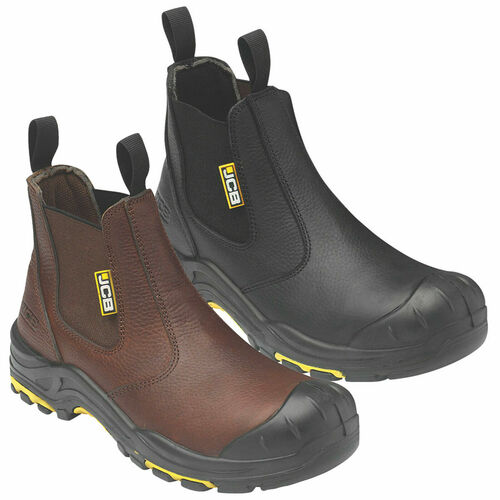
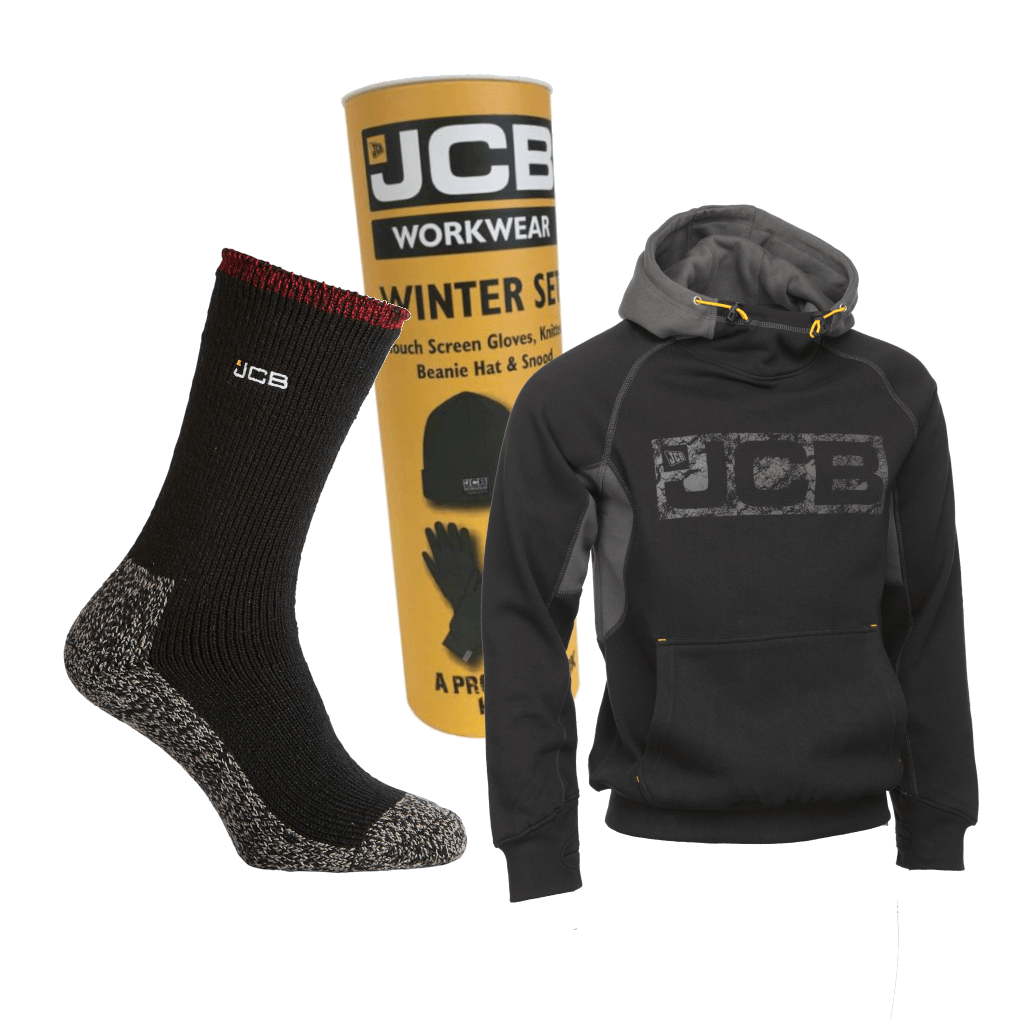
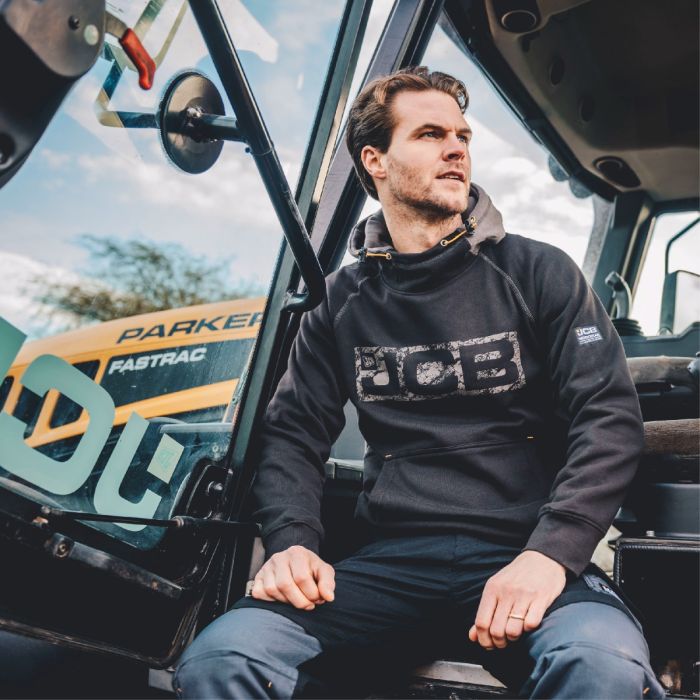
At Norsemen Safety, we’ve always had a keen eye for quality. JCB workwear, with its exemplary standards, has become a brand of choice for us. Every stitch and seam in JCB workwear speaks of the brand’s history, ethos, and relentless pursuit of perfection.
The fabrics are sourced and tested rigorously to endure the harshest of environments, while the designs are crafted keeping in mind the modern worker’s needs – mobility, comfort, and of course, safety. These are the reasons why countless professionals globally resonate with JCB and rely on it for protection and comfort.
JCB: Not Just Machinery, But a Phenomenon
As we unearth more facets of JCB, it’s fascinating to note their achievements:
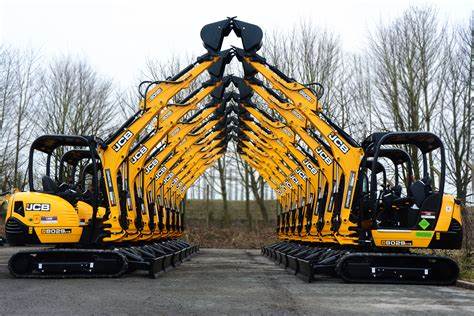
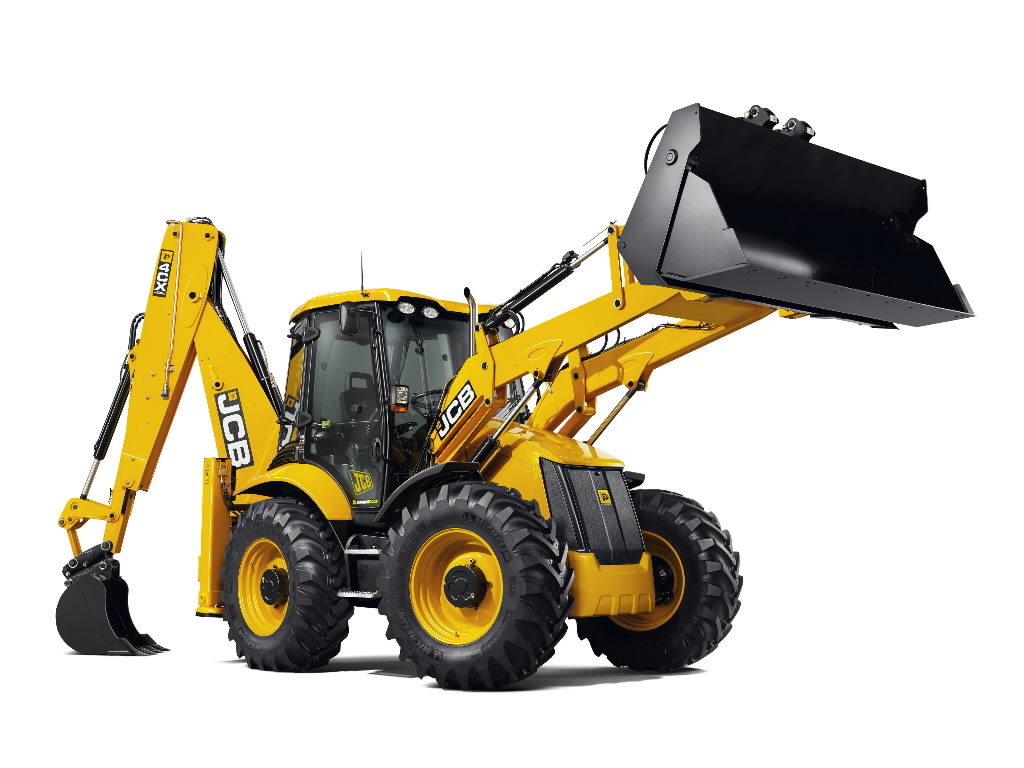
In the early 1950s, JCB introduced the backhoe loader, a revolutionary product that went on to become the company’s flagship offering.
Over 750,000 JCB backhoes have been sold, with many still in operation today.
JCB’s commitment to environmental sustainability is commendable. They’ve invested in research to reduce emissions and make their machines more efficient and eco-friendly.
Toys, Memories, and the JCB Legacy
A testament to JCB’s universal charm is its range of JCB toys. These aren’t just mere child’s play. JCB toys are miniature marvels that mirror the brand’s attention to detail, stimulating the imagination of young minds and evoking nostalgia in adults.
Safety Above All – A Commitment Echoed by Norsemen Safety
Being at the forefront of workwear and Safety PPE, Norsemen Safety understands the gravity of a professional’s demands. Our partnership with JCB is a testament to our shared values. As JCB machinery paves the way for infrastructural marvels, its workwear ensures that the workforce remains shielded and secure.
In Conclusion
From a small garage in Staffordshire to becoming a global icon, JCB’s journey is nothing short of inspiring. It’s not just about machinery or apparel; it’s about setting unparalleled standards. At Norsemen Safety, we’re elated to be a part of this narrative. Dive into our range of JCB workwear today and wear a piece of history, innovation, and excellence.
Essential Safety Guidelines for Using Welding Mask Air Fed Units.
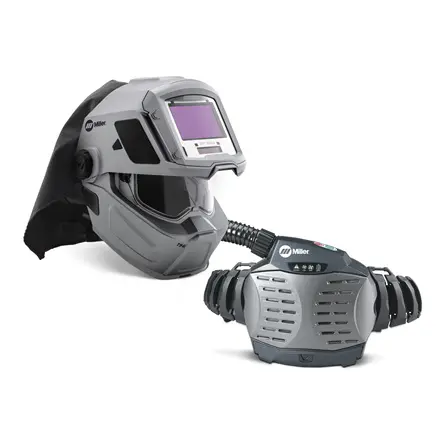
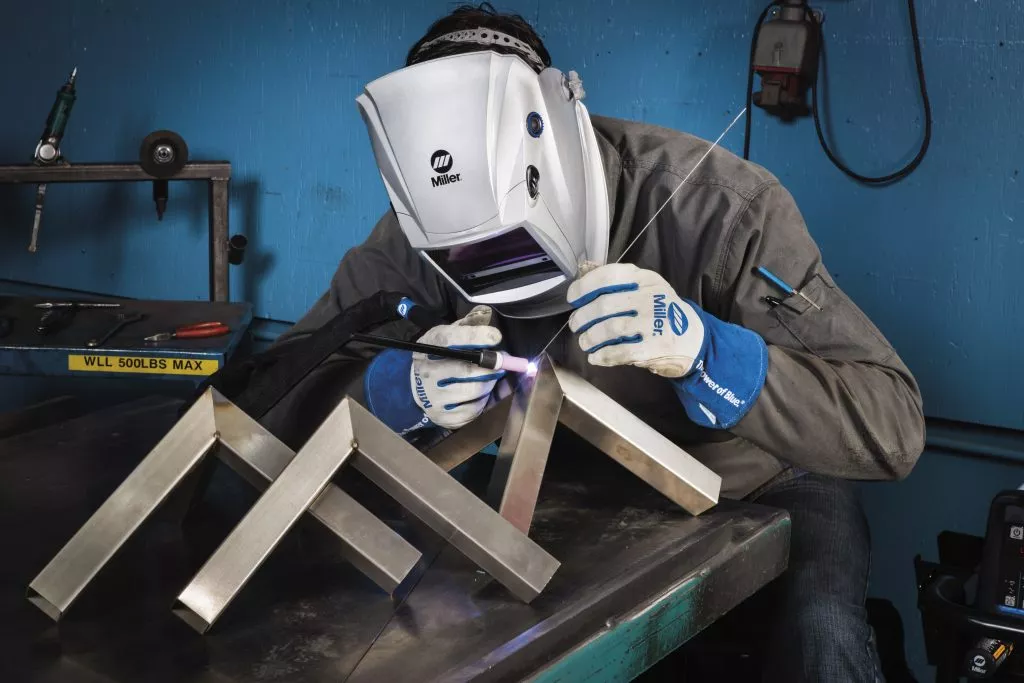
Miller T94i-R Powered Air Welding Helmet
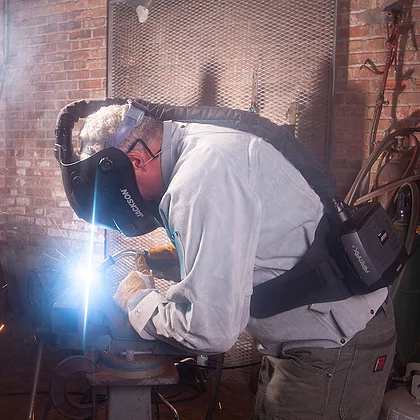
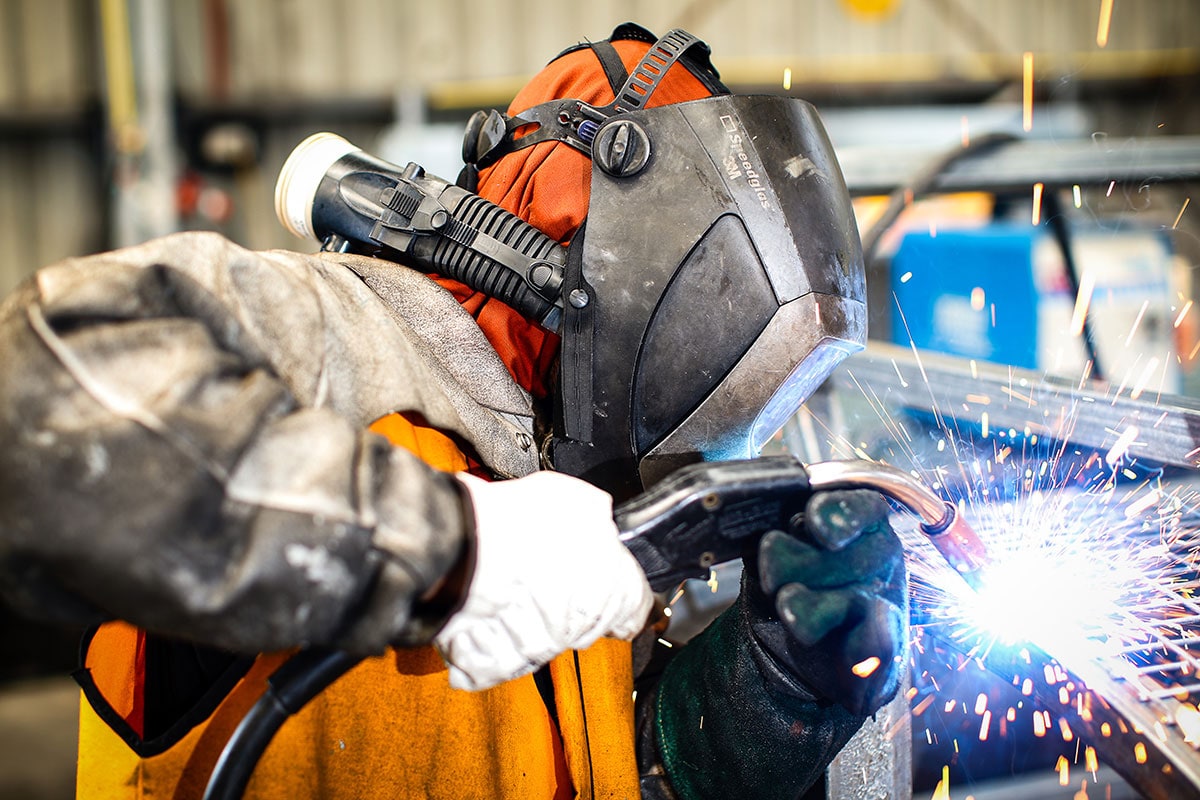
Ever been curious about how welders protect themselves from harmful fumes and intense light? Enter the welding mask air fed! These masks not only protect the face and eyes but also supply clean, breathable air to the user. But as with any protective equipment, proper use and care are paramount. Here’s the essentials of ensuring safety with these masks.
Introduction to Air Fed Welding Masks
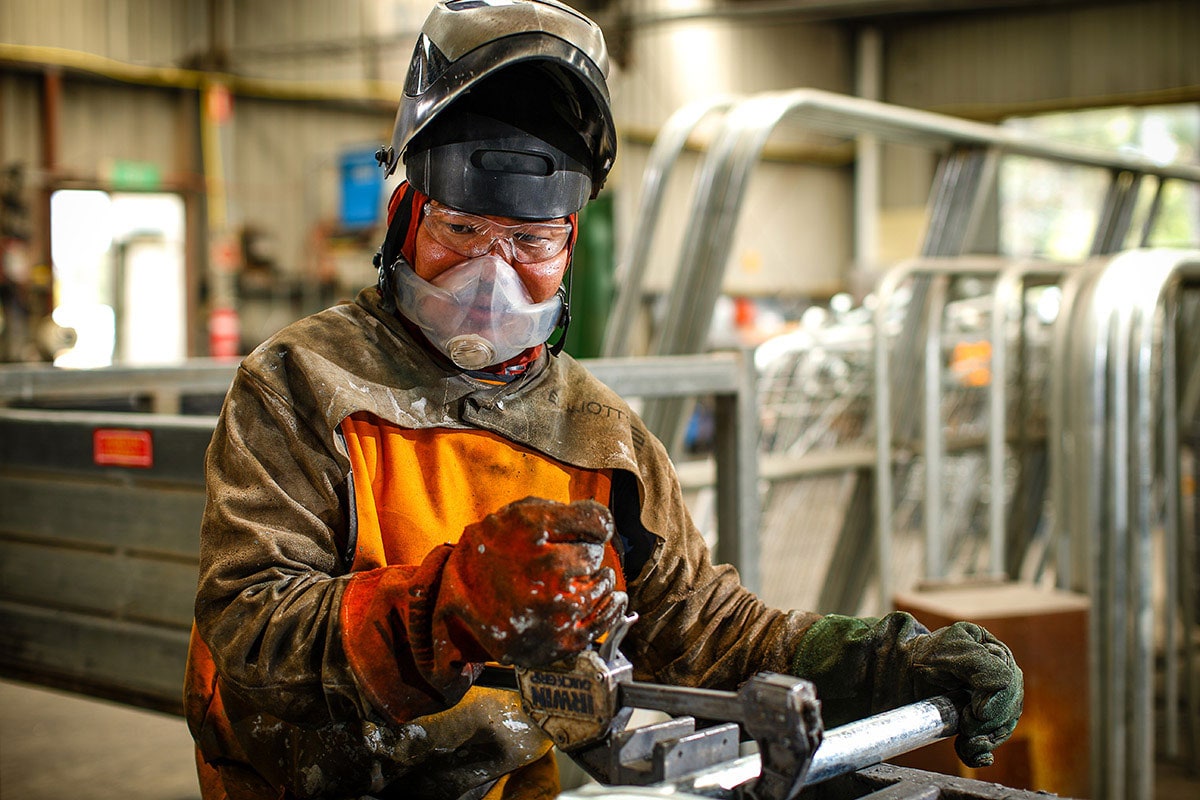
Definition and Purpose: Air fed welding masks, also known as powered air purifying respirators (PAPRs), are designed to provide welders with filtered air, protecting them from harmful gases and particulates produced during welding. They combine eye protection with respiratory safety, ensuring an all-around defense.
Importance of Safety: In welding, hazards are ever-present. Fumes can contain harmful metals and gases. Without the right protection, prolonged exposure can lead to health complications. Hence, ensuring the correct use of an air fed welding mask is not just about compliance; it’s about well-being. Read this quick guide to safety when welding.
Components of Welding Masks Air Fed
Face Shield: This part protects the eyes from intense light and the face from hot splatter. Made of high-quality, heat-resistant material, it offers clear visibility and durability.
Air Delivery System: This system channels filtered air to the wearer, ensuring they breathe uncontaminated air. It’s like giving welders a breath of fresh air amidst all the chaos!
Filtration System: Think of it as the mask’s lungs. It filters out the bad stuff—dust, vapors, and harmful gases.
Advantages of Using Welding Masks Air Fed
Enhanced Protection: These masks offer dual protection: for the lungs from harmful fumes and for the eyes from blinding light. Isn’t it wonderful to have one tool that looks out for you in more ways than one?
Comfort and Breathability: Ever tried working while feeling suffocated? Air fed masks eliminate that discomfort, ensuring welders can focus solely on their craft.
Essential Safety Guidelines
Proper Fit and Adjustment: Just like you wouldn’t wear shoes that don’t fit, ensure your mask sits snugly without being too tight. Regularly adjust the straps for optimal protection.
Regular Inspection and Maintenance: Treat your welding mask air fed like your car. Regular check-ups ensure it runs smoothly. Check for cracks, leaks, and ensure the filtration system works effectively.
Battery Management: Remember, the mask’s efficiency relies on power. Regularly charge batteries and have backups ready.
Proper Cleaning Techniques: After a long day, your mask deserves a spa! Clean it with recommended solutions to maintain its efficiency.
Safe Storage: Store in a cool, dry place away from direct sunlight.
Common Mistakes to Avoid
Ignoring Leaks: A small leak can compromise your safety. Regularly check and address any leaks.
Using Damaged or Expired Filters: Would you drink water from a dirty filter? Similarly, don’t breathe air through a compromised filter.
Neglecting Battery Care: A mask without power is like a car without gas. Regularly check battery levels.
The Imperative of Safety
Safety isn’t just a word; it’s a responsibility. By ensuring the proper use and care of air fed welding masks, welders can protect themselves from potential hazards and focus on what they do best—crafting masterpieces with metal.
FAQs
How often should I replace the filters in my air fed welding helmets?
It depends on usage and the environment, but it’s good practice to check them regularly and replace them as recommended by the manufacturer.
Can I use any cleaning solution for my mask?
Always check the manufacturers recommendations about cleaning solutions to avoid damaging the mask.
How long do the batteries typically last on PAPR auto darkening welding helmets ?
Battery life varies by model and usage, but most last between 8-10 hours. Always refer to the manufacturer’s guide.
What should I do if I notice a crack in the face shield of my PAPR air fed welding helmet?
Replace it immediately. A crack can compromise your protection.
Hello there, I’m Jackie Sclater and I own Welder’s Choice and Norsemen Safety . Since 1980, I’ve been in the welding industry and my focus has primarily been on selling top-quality welding equipment. While I’ve had experience dealing with various brands like Lincoln and Esab, my heart and expert recommendation always lean towards Miller Welding Machines. In today’s blog, I’d like to shed some light on why that is.
Cost and Longevity: The Winning Combo
Now, I get it; Miller Welders doesn’t come cheap. Many of my clients initially balk at the price tag. My answer to that? Take that cost and divide it by 20 years, at least. With Miller Welding Machines, you’re not buying a tool; you’re making an investment. An investment that pays off by lasting you decades of efficient, problem-free welding.
A Focus on Quality
When it comes to welding machines, Miller sets the gold standard. I’ve had years of experience selling against competitors like Lincoln and Esab. While each has its merits, none have been able to match the consistent quality and reliability that Miller Welding Machines deliver. From the arc’s stability to its user-friendly interface, Miller offers an unparalleled welding experience.
Versatility for Every Welder
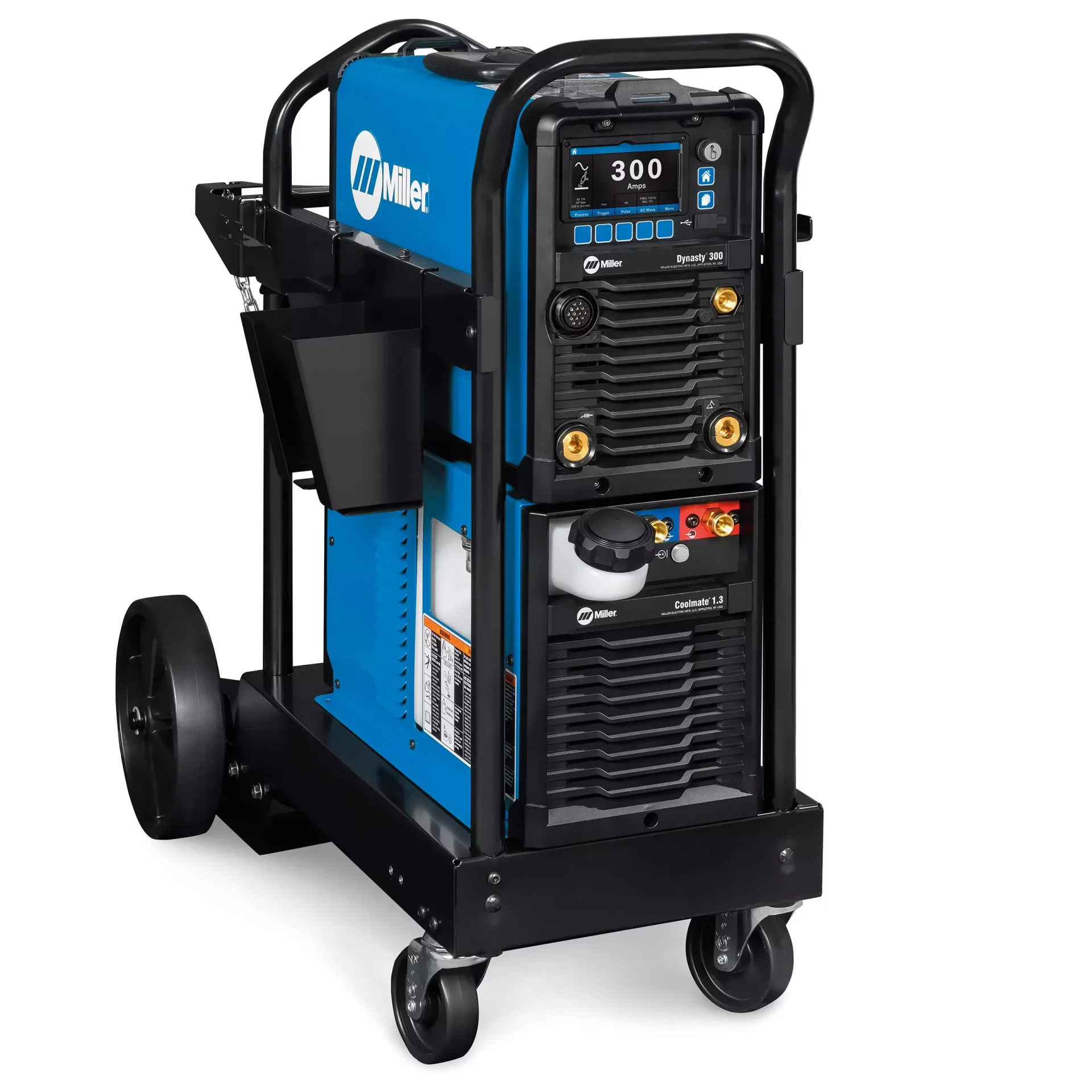
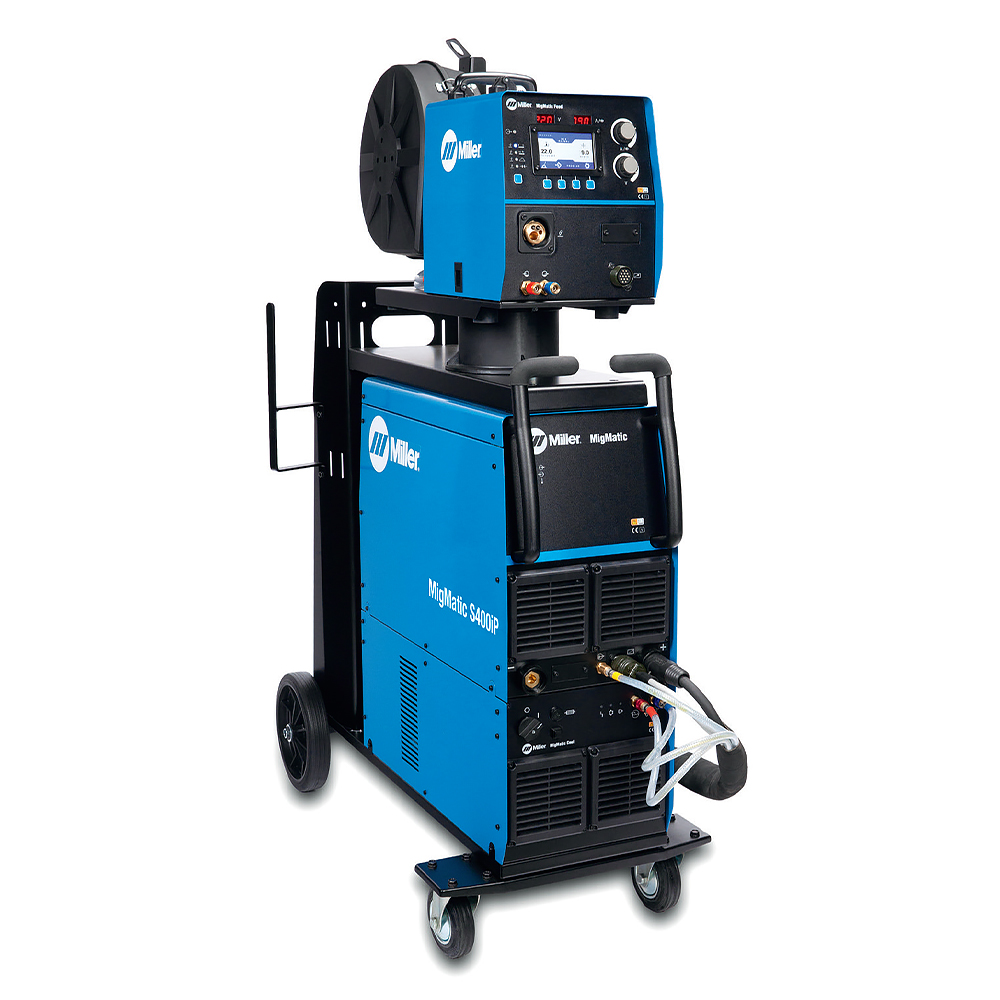
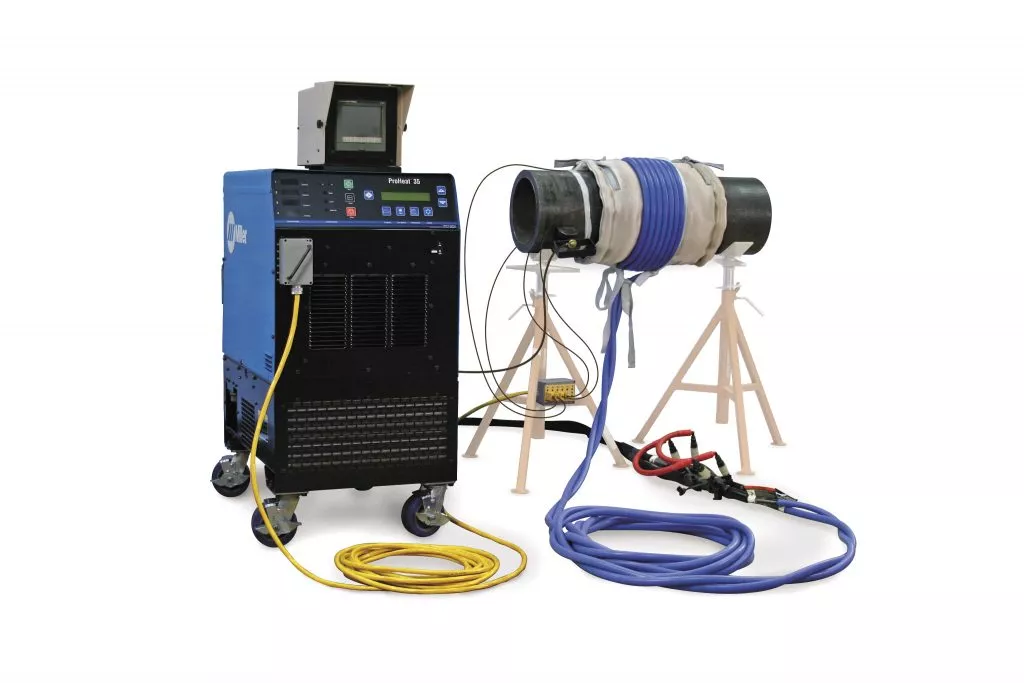
In my decades of experience, I’ve seen that no two welding projects are the same. And Miller understands this better than anyone. Their range of machines covers everything from MIG welding, TIG welding, stick welding, to induction heating ensuring there’s a Miller welder for every job and every craftsman. Miller is known for having the best Tig welders in the welding industry. An example is the new Dynasty 300 AC/DC. Users will experience the unrivalled precision arc performance they’ve come to expect from the original Dynasty. It now has an intuitive, user-friendly interface that puts advanced capabilities at your fingertips. Miller Dynasty TIG power sources help minimize error and achieve high-precision welds every time, making the best welders even better.
Unmatched Customer Service
Beyond the machine, what you’re also investing in is Miller Welding’s stellar customer support. From True Blue Warranties to troubleshooting, the after-sales service is nothing short of excellent. I stand by Miller Welders because Miller stands by its products and customers, making sure you’re supported every step of the way.
I do sell other welding machines because some people feel they don’t need to buy the Miller welder quality but those are the people who I know I will see again, generally before the machine warranty expires or just after the warranty runs out. But when a customer buys a Miller welding machine and leaves my trade counter, I know that 99% of the time they will be back not to complain but to tell us how pleased they are with the equipment. And generally once a customer buys a Miller welder, they always buy Miller welding machines.
Welder’s Choice & Norsemen Safety and Industrial supplies, is a trusted supplier of an extensive range of welding supplies and safety equipment, and we’re committed to delivering nothing short of the best for our customers.
Final Words
With more than four decades in this industry, I can say without reservation that Miller Welding Machines are the best option for my valued customers. Pair that with the extensive range and outstanding service from Welder’s Choice & Norsemen Safety, and you’ve got a match made in welding heaven.
So, whether you’re a seasoned pro or a budding craftsman, put your trust in a Miller welding machine. It’s not just an investment in a tool; it’s an investment in your craft, in flawless welds, and in peace of mind.
If you’re in the market for a welding machine that combines longevity, top-tier performance, and second-to-none customer support, then look no further than Miller Welding Machines. Without a shadow of a doubt that Miller Welding Machines are the best option for my valued customers.
Miller Welders are simply unbeatable. Don’t just take my word for it, invest in a Miller welder today and experience the difference yourself. Contact us to discuss your welding requirements.
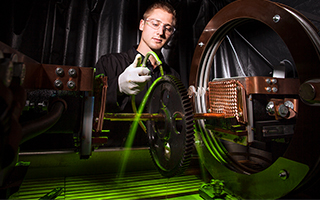
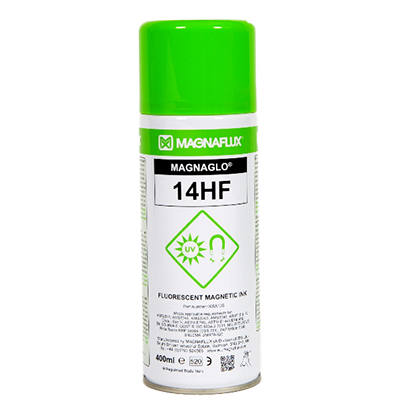
Non-Destructive Testing (NDT) is a crucial practice in a range of industries, offering a way to inspect materials, components, or systems without damaging their serviceability. One of the leading names in NDT is Magnaflux, offering a large amount of reliable solutions to meet your specific testing needs. When it comes to sourcing NDT products in the UK, Northern Ireland and the Republic of Ireland, look no further than Welder’s Choice/Norsemen Safety, your authorized Magnaflux distributor.
Unpacking NDT: The Critical Role of Non-destructive Testing in Safeguarding Our World.
So, you’re wondering, “What exactly is NDT?” According to the American Society for Non-destructive Testing (ASNT), NDT, or Non-destructive Testing, is “the method of examining, evaluating, or testing materials, components, or assemblies without causing any damage or altering their usability.” Simply put, the item you’re testing remains functional even after the inspection is complete.
While this technical definition offers a basic understanding, it barely scratches the surface of how vital NDT professionals are to numerous industries and our daily lives. From ensuring the structural integrity of buildings and bridges to validating the reliability of aerospace components, the role of NDT experts is indispensable for safety and quality assurance.
Who is Magnaflux?
Magnaflux is a globally recognized leader in Non-Destructive Testing solutions. The company provides a range of NDT products, including magnetic particle testing, liquid penetrant testing (LPT), yokes and accessories that ensure the quality and safety of your materials and machinery. Magnaflux products offer an effective, efficient, and economical way to discover surface and subsurface discontinuities in ferromagnetic and non-ferromagnetic materials.
Why Choose Magnaflux?
Unmatched Reliability
Magnaflux products are engineered with the highest standards of quality and reliability in mind, ensuring that defects are accurately identified.
Versatility
The Magnaflux range includes options for both portable and stationary NDT solutions, suitable for a wide range of industrial applications. Magnetic particle inspection from fluorescent powders, visible and coloured magnetic particles, carrier liquid, contrast aid paint and other products for mag particle testing.
Cost-Effective
Magnaflux NDT products offer an economical way to ensure the integrity of your assets, thereby helping you prevent costly failures and ensure safety.
Why Choose Welder’s Choice/Norsemen Safety as Your Magnaflux Distributor?
Local Expertise
We understand the specific needs and challenges of the UK and Irish markets, making us your perfect local partner for Magnaflux products.
Comprehensive Range
Welder’s Choice/Norsemen Safety offers a wide variety of Magnaflux NDT products, ensuring that you’ll find the perfect solution for your unique testing requirements.
Excellent Customer Service
Our commitment to our clients extends beyond the point of sale. Our dedicated team is always on hand to offer advice, training, and after-sales support. Contact us for more information.
Applications of Magnaflux Products
Aerospace: Detect cracks or defects in aircraft components.
Automotive: Test the integrity of axles, gears, and other critical parts.
Oil & Gas: Ensure the reliability of pipelines and drilling equipment.
Construction: Test the quality of structural components like beams and pillars.
Manufacturing: Regularly check the quality of machine parts for optimum performance.
Conclusion
Whether you’re in aerospace, automotive, oil & gas, construction, weld inspection or manufacturing, Magnaflux and their NDT products are your go-to solution for ensuring the quality and safety of your assets. And when it comes to sourcing these top-tier NDT solutions in the UK, Northern Ireland and the Republic of Ireland, Welder’s Choice/Norsemen Safety stands as the authorized Magnaflux distributor you can trust.
Contact us today to explore the comprehensive range of Magnaflux products and take the first step in ensuring the safety and integrity of your welding operations.
About Norsemen Safety/Welder’s Choice:
As the authorized Magnaflux distributor for the UK, Northern Ireland and the Republic of Ireland, we provide high-quality NDT solutions that meet your specific needs. Contact us for a personalized consultation today.
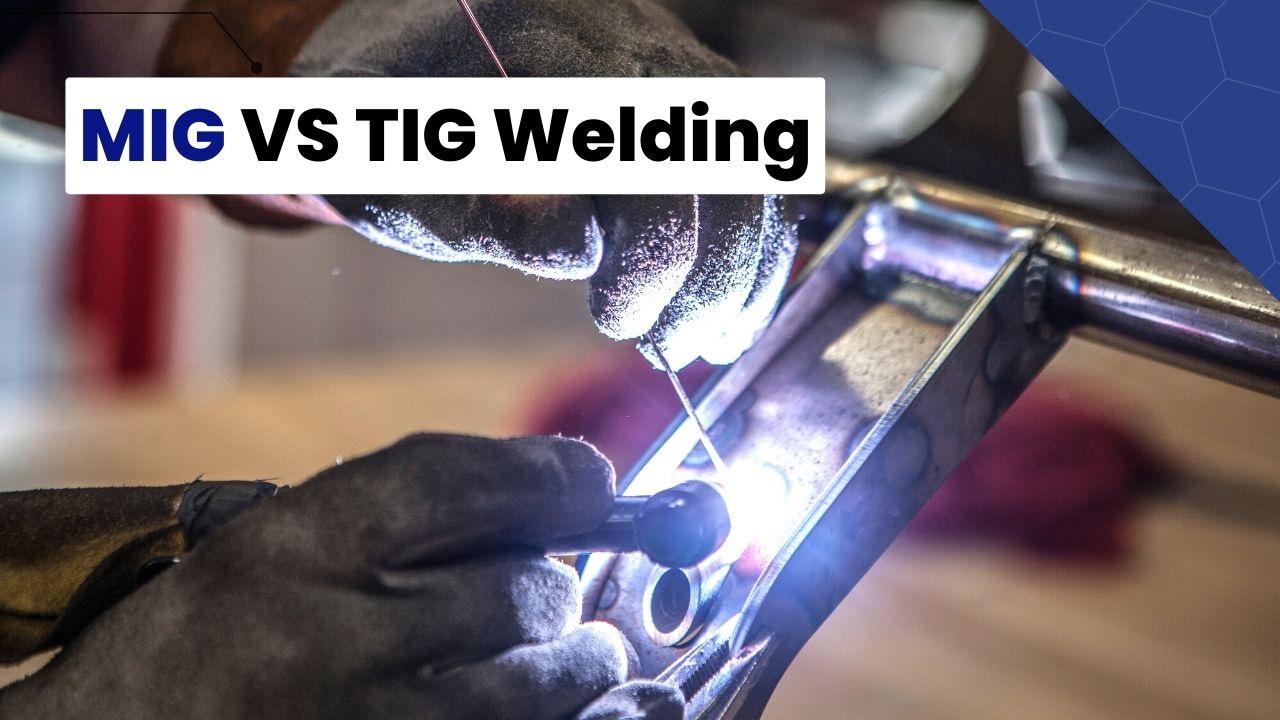
TIG welding, or Tungsten Inert Gas welding, is a popular welding technique known for its precision and high-quality welds. In this article, we will explore the advantages and disadvantages of TIG welding, its applications, compare it to MIG welding, and the safety precautions which we advise for people to take whenever they are TIG welding.
What is TIG Welding?
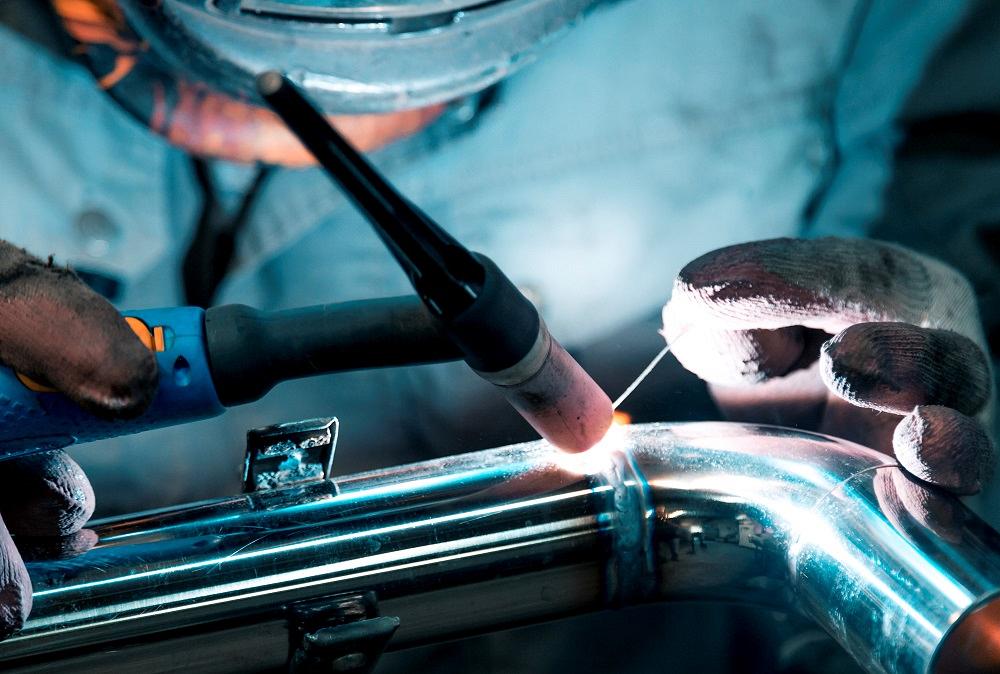
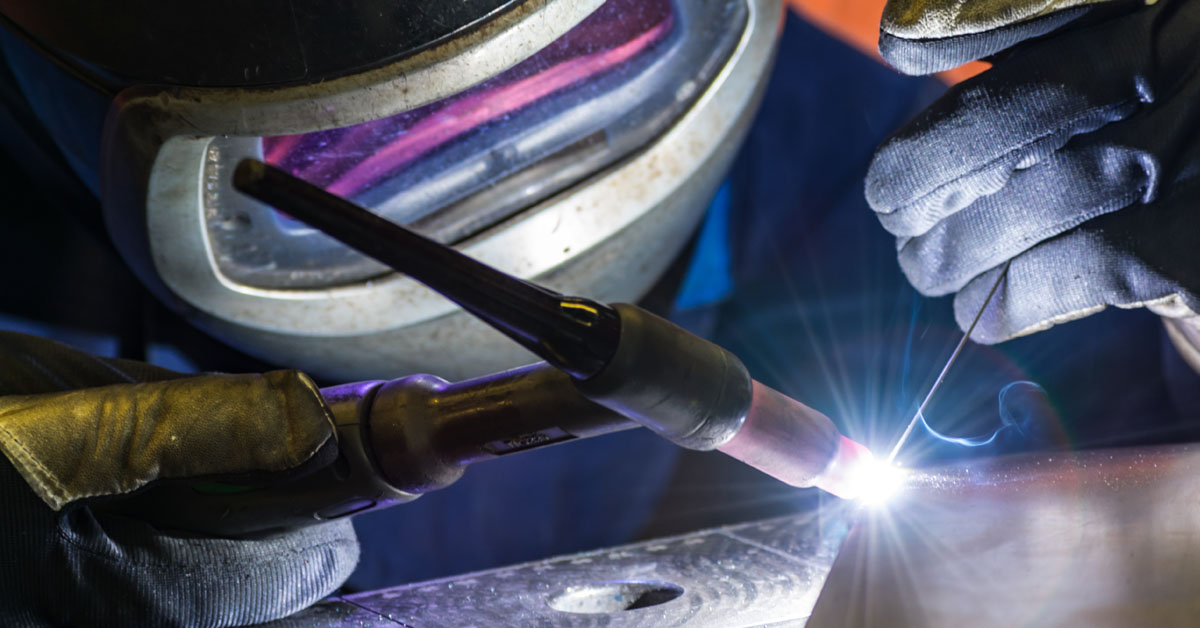
TIG welding is an arc welding process that uses a non-consumable tungsten electrode to create a weld. The weld area is protected from atmospheric contamination by an inert gas, usually argon. This process is often preferred for its ability to produce clean, strong, and precise welds. TIG welding is suitable for all types of carbon steels, low-alloy steels, alloyed stainless, nickel alloys, aluminum and its alloys, copper and its alloys, titanium, magnesium, and other nonferrous alloys.
Advantages of TIG Welding
High-Quality Welds
The method’s inherent characteristics enable welders to achieve better control over the welding process, thereby yielding remarkably robust and long-lasting joints. This then means that the weld is unlikely to fracture and crack.
Precise Control
TIG welding provides precise control over the heat input, welding speed, and filler metal deposition. This level of control is especially beneficial for welding thin materials and intricate joints. The more control the welder has the more easier the weld will be to complete.
No Flux Required
Unlike some other welding methods, TIG welding does not require any flux. By not using any flux the welder doesn’t need to have to take up extra time trying to clean the weld so that it looks presentable, because of this they are able to increase their overall output.
Versatility
TIG welding can be used on a wide range of metals, including stainless steel, aluminum, copper, and even exotic metals like titanium and magnesium. Due to this wide range of metals that can be TIG welded, it means that most jobs are able to be tackled with the use of a TIG welder.
Clean Welds
The use of an inert gas shield prevents the weld from reacting with atmospheric elements, resulting in clean and oxidation-free welds. The cleaner the weld is the stronger and more presentable the weld is, because of this the piece of work can go for a higher price than those which would have issues such as porosity.
Disadvantages of TIG Welding
Slower Process
TIG welding is generally slower compared to other welding methods. The precise control and meticulous nature of the process contribute to a slower welding speed. This then means that it could be more beneficial to the business for the welders to create faster welds and produce more at a lower quality, than less at a higher quality.
Skill-Intensive
TIG welding, being a precision welding technique, demands a higher level of skill and expertise from welders to execute it correctly. Mastery of this method requires not only technical knowledge but also finesse in handling the welding equipment. Welders must possess steady hands and impeccable eye-hand coordination to create flawless and high-quality welds. The process involves delicately controlling the arc length and heat input to ensure the proper fusion of metals without causing any distortion or defects in the weld bead. Additionally, the welder’s ability to precisely control the filler metal deposition and the speed at which they move the torch along the joint is crucial for achieving consistent and aesthetically pleasing welds.
Not the most efficient for all Thick Materials
While TIG welding can handle thick materials, it may not be the most efficient method for heavy-duty applications. due to this it can become more time consuming for the welder especially if most of the jobs are thick materials.
Expensive Equipment
TIG welding equipment, including the power source, torch, and gas supply, can be more expensive compared to other welding setups. Due to this we would advise that for small jobs you buy a Stahlwerk DC Tig 200, this is a small 200 amp Tig inverter great for tig welding mild steel or stainless steel.
Susceptible to Contaminants
TIG welding is sensitive to contaminants on the base metal or filler metal. Proper cleaning and preparation are crucial to ensuring quality welds. This could entail the business using angle grinders, such as the FEIN WSG 8 with a flap disc attached, for the best results we would recommend the used of a Pferd 120 Grit Steelox Disc.
Applications of TIG Welding
TIG welding finds application in critical industries like aerospace, automotive, and even artistic metalwork, where precision, aesthetic appeal, and strength are paramount. It’s particularly valued for its ability to create high-quality welds with minimal distortion and spatter. TIG welding is also well-suited for welding exotic materials that demand strict purity and exacting tolerances. Some TIG welder brands like Miller allow for the user to be able to add a wireless foot pedal, this means that the welder will have more control of the welder and thus create better welds, it is described in the below video.
Comparison with Other Welding Methods
TIG vs. MIG Welding
Process:
TIG Welding: Uses a non-consumable tungsten electrode to create an arc and requires a separate filler material to join the metals. The weld area must then be shielded from the atmosphere with the use on an inert gas such as argon.
MIG Welding: on the other hand, involves a consumable wire electrode that melts and fuses the base metals, the electrode then acts as a filler for the two metals. similarly to TIG welding, the weld are must be protected with the use of an inert gas such as argon.
Applications:
TIG Welding: TIG welding is normally preferred for precise and intricate welding applications, especially on thin materials like stainless steel, aluminum, and non-ferrous metals. It is Commonly used in industries where aesthetic appeal, precision, and high-quality welds are crucial, such as aerospace, and electronics.
MIG Welding: Suited for faster and more efficient welding of thicker materials, making it popular in industries like automotive, construction, and manufacturing.
Weld Quality:
TIG Welding: Offers superior control over the welding process, this then results in a cleaner and more precise weld with minimal spatter and distortion, this then reduces the chances of messing up a weld. Ideal for critical applications where weld integrity is paramount, for example in the aviation sector it is quite likely to be using TIG welding.
MIG Welding: Provides good weld quality with decent speed, this then means that the business would be able to achieve more output in a certain amount of time. However, due to the higher deposition rates, the welds might not be as precise as those achieved with TIG welding, this would then mean that the welds would not be able to be used for certain jobs.
Skill Level:
TIG Welding: Requires a higher level of skill and expertise due to the need for precise control over the arc, filler material, and heat input. Mastery can take time, but it allows for intricate work. this would then mean that the worker could charge a higher rate than a MIG welder as they are going to have more expertise in the area and would also have higher quality welds.
MIG Welding: Relatively easier to learn and operate, making it suitable for beginners and those seeking to weld quickly on thicker materials. this would then mean that the employees are likely to be on a lower wage than those who are a TIG welder.
Setup and Equipment:
TIG Welding: Involves more complex equipment, including a power supply, tungsten electrode, filler material, and gas supply. This can make the setup more time-consuming and the process less portable.
MIG Welding: Simpler setup with a welding gun, wire feeder, power source, and gas supply. This makes it more convenient for on-site and rapid welding tasks.
Safety Precautions in TIG Welding
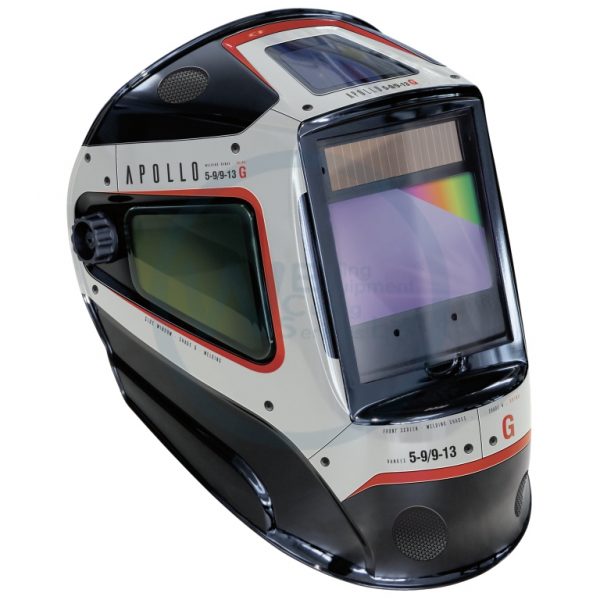
TIG welding involves high temperatures and potentially hazardous fumes. Firstly, wearing appropriate personal protective equipment (PPE) such as a welding helmet, for example, the GYS LCD apollo+, flame-resistant clothing, such as the Portwest Safe-Welder C030 and welding Gloves such as the Spider Hand TIG Supreme +.
Adequate ventilation in the workspace helps dissipate hazardous fumes and gases generated during the welding process, this can be further assisted with the use of a welding respirator such as GVS Elipse Half Mask. Ensuring a clutter-free work area minimizes tripping hazards and potential accidents. Fire safety measures including having a fire extinguisher nearby and using a Welding Blanket. A clear understanding of emergency shutdown procedures are critical. Additionally, training in TIG welding techniques, knowledge of the specific metals being welded, and following recommended current settings contribute to a safer welding environment.
Conclusion
Overall there are a range of advantages and disadvantages of TIG welding. It offers numerous advantages of TIG welding, including precise control, clean welds, and versatility in working with various metals. However, it also has some disadvantages of TIG welding, such as being skill-intensive and slower compared to other welding methods. Understanding these advantages and disadvantages of TIG welding can help professionals choose the right welding method for their specific applications.
FAQs
Is TIG welding suitable for beginners?
TIG welding requires a certain level of skill, making it more suitable for experienced welders. Beginners may find it challenging to master the process initially.
What types of metals can be welded using TIG welding?
TIG welding is versatile and can be used on various metals, including stainless steel, aluminum, copper, titanium, and more.
Can TIG welding be used for thick materials?
While TIG welding can handle thick materials, it may not be the most efficient method for heavy-duty applications. Other welding methods like MIG or stick welding might be more suitable.
How does TIG welding compare to MIG welding?
TIG welding produces cleaner and more precise welds than MIG welding but is a slower process and requires more skill.
What safety precautions should I take while TIG welding?
When TIG welding, ensure to wear appropriate protective gear, work in well-ventilated areas, and follow safety guidelines to prevent accidents and health risks.
Handheld Laser Welding Machines are becoming of interest to companies that want to improve productivity and reduce costs in the welding operation. Compared to traditional argon arc welding, laser welding offers significant advantages such as ease of use, lightweight design, and superior welding quality. Laser welding is more accessible and affordable than ever — offering much faster travel speeds than other welding processes and weld consistency in automated welding applications. Because skilled welders are harder to find and keep, handheld laser welding offers a practical and cost effective welding solution. Individuals with no previous welding experience can easily be trained to operate and produce welds that otherwise could have taken years to train in the tig welding and mig welding processes.
Understanding Handheld Laser Welding
What is Laser Welding?
Laser welding is a precise and efficient welding process that uses a focused laser beam to join materials. This technique is widely used in various industries, including metal manufacturing, automotive, aerospace, and medical device manufacturing. The laser beam generates intense heat, allowing for deep penetration and strong welds with minimal distortion. This results in high-quality welds that are both aesthetically pleasing and structurally sound. The precision of laser welding makes it an ideal choice for applications where accuracy and consistency are crucial, ensuring that the final product meets stringent quality standards.
What is Handheld Laser Welding and what kind of machine do you use?
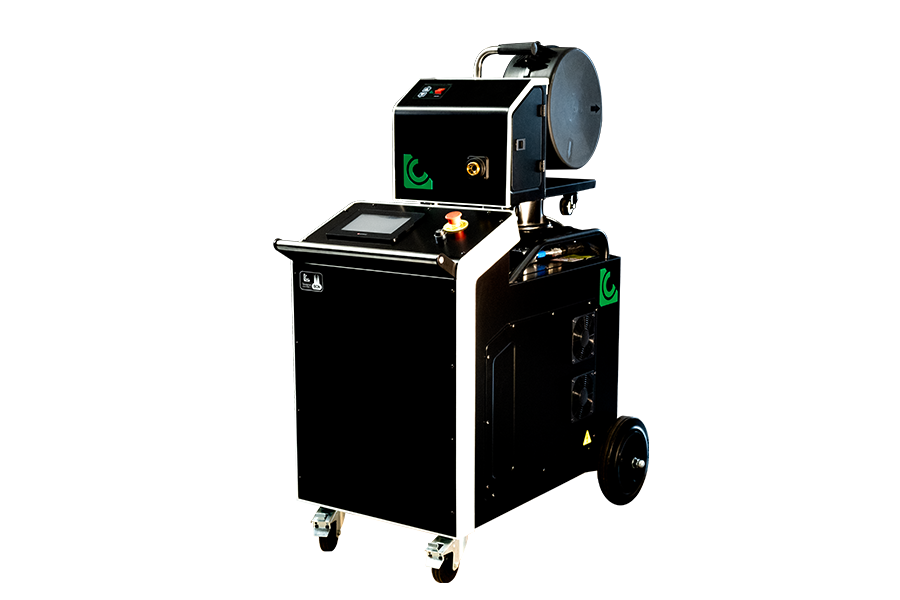
Handheld laser welding involves the use of a portable fiber laser welding machine that emits a focused beam of high-intensity light. This laser beam generates heat that melts and fuses metals with exceptional precision. The operator holds the handheld device, allowing for unparalleled control and accuracy, even in hard-to-reach areas.
The Handheld Laser Welding Machines Behind the Magic
Several advanced machines make handheld laser welding possible. These machines integrate cutting-edge technology to ensure optimal performance:
Fibre Laser Source: The heart of the machine, it produces the laser beam with high power and stability.
Optics System: Focuses the laser beam to a pinpoint spot for precise welding.
Cooling System: Prevents the machine from overheating during extended usage.
Control Panel: Allows the operator to adjust settings and monitor the welding process in real-time.
Safety Features: Including shields and sensors to protect the operator’s eyes and skin from the laser.
Wire Feeder: An optional feature for situations where weld metal gaps exceed 0.2mm, necessitating the use of filler wire to achieve high-quality welds in specific welding scenarios.
Benefits of Handheld Laser Welding Machines
Handheld laser welding machines offer several benefits over traditional welding methods. Some of the key advantages include:
High-Quality Welds: The focused laser beam produces clean and precise welds with minimal distortion, ensuring high-quality results.
Fast Welding Speed: The high power density of the laser allows for faster welding speeds, reducing production time and increasing efficiency.
Precise Control: Operators can easily adjust welding parameters, allowing for accurate and consistent results.
Versatility: These machines can weld a variety of metal materials, including thin stainless steel plates, aluminum, and other metals.
Reduced Heat Input: The concentrated heat of the laser minimizes the risk of damage to surrounding materials, preserving the integrity of the workpiece.
Ease of Operation: Handheld laser welders are user-friendly, requiring minimal training for operators to achieve professional results.
Applications of Handheld Laser Welding Machines
Handheld laser welding machines are versatile and can be used in a variety of applications, including:
Metal Manufacturing and Processing: Ideal for joining metal components with precision and strength.
Automotive and Aerospace Industries: Used for welding critical components that require high-quality welds and minimal distortion.
Medical Device Manufacturing: Ensures the production of reliable and safe medical devices with precise welds.
Jewelry Making and Repair: Allows for intricate and delicate welding tasks, producing aesthetically pleasing results.
Artistic and Decorative Metalwork: Enables artists to create detailed and durable metal artworks.
Repair and Maintenance: Useful for repairing and maintaining machinery and equipment, ensuring longevity and reliability.
Key Features of Handheld Laser Welding Machines
Handheld laser welding machines typically feature:
High-Powered Laser Source: Provides fast and efficient welding, capable of deep penetration and strong welds.
Advanced Digital Control System: Allows for precise control over welding parameters, ensuring consistent and accurate results.
Ergonomic Design: Comfortable to hold and operate, reducing operator fatigue during extended use.
Lightweight and Compact: Easy to transport and store, making it convenient for various work environments.
Safety Features: Equipped with laser safety curtains, safety glasses, and other protective measures to ensure operator safety during the welding process.
By integrating these new sections, the article will provide a comprehensive overview of handheld laser welding machines, highlighting their benefits, applications, and key features, while maintaining the informative and professional tone of the existing content.
Are Laser Welds Strong?
Laser welds are known for their exceptional strength. The precise and concentrated heat generated by the laser beam creates a weld that often exhibits higher strength than traditional welding methods. The weld seam produced by laser welding machines is characterized by its high quality and ability to handle various sizes, ensuring excellent results in metal welding applications. This is due to the minimal heat-affected zone and reduced distortion in the welded material. Additionally, the fast cooling rate of laser welding contributes to the strength of the weld joint. However, the strength of a laser weld also depends on factors such as the type of material being welded, the welding parameters, and the skill of the operator. When performed correctly, laser welds can result in strong and reliable joints, making them a preferred choice for applications that require durability and structural integrity.
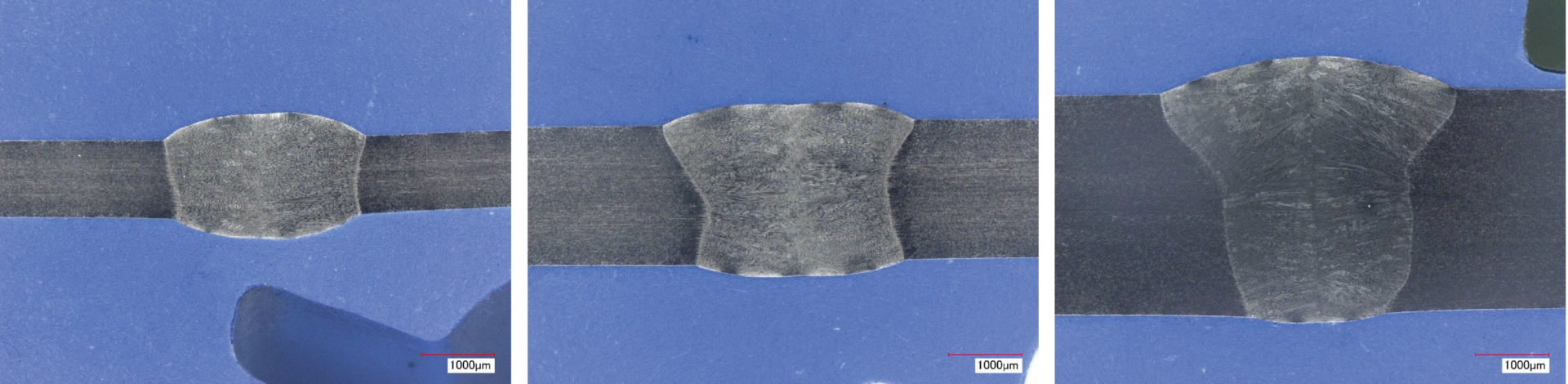
PICTURE 1 Butt joints in 304 stainless steel plates of 0.036 in
PICTURE 2 Butt joints in 304 stainless steel plates of 0.075 in
PICTURE 3 Butt joints in 304 stainless steel plates of 0.120 in
“The findings from the third-party evaluation of the samples by Sturbridge Metallurgical Services indicate that LightWELD produces welds that meet rigorous industry standards, including critical aerospace applications; offering both efficiency and quality in welding applications. In summary, LightWELD offers a faster and more efficient welding solution compared to traditional MiG and TiG techniques, thanks to its high power density that enables deep penetration and faster welding speeds. Furthermore, when parts fit up well, filler wire can even be eliminated, resulting in an aesthetically pleasing and strong weld.”
Is Handheld Laser Welding Machine Safe?
The safety of handheld laser welding is really a big question. In recent months, there are loads of Instagram, Facebook, and TikTok videos of people where their summer shorts and t-shirts welding stainless making professional-looking welds with little or no safety/PPE protection. As a result, many of our customers think it’s as easy as buying a laser welding and presto you can start to weld.
When you purchase a laser welder, you must do your due diligence and like any other piece of machinery you bring into your workplace a health & safety risk assessment must be done. Laser welds create radiation, hazardous emissions, potential for fires or explosions, skin damage and potential cancer risks. Compared to traditional argon arc welding, laser welding offers enhanced safety features but still requires strict adherence to safety protocols.
I recently spoke to laser expert and he pointed out that if something goes wrong with a laser welder there is the potential that an operator or someone in the area could lose their eyesight in less than 1/10 of a second and it’s not repairable. Company owners and operators really need to understand how dangerous these machines can be if the proper safety procedures aren’t in place or adhered to – the personal and financial costs would be life-changing.
There is an excellent article written by Matthew Dale of Laser Systems Europe called Questioning the Safety of Handheld Laser Welders. Mr Dale speaks to two experts in the field of laser welding and covers all the points and steps that someone buying or considering buying a handheld laser welding machine should consider making to ensure everyone is protected and safe when using the machine.
Norsemen Safety & Industrial Supplies A.K.A Welder’s Choice, makes welding safety our priority. Because of our years of welding and safety experience, let us help you with all your laser welding requirements from planning, testing, machine purchase, and safety equipment. Email jackie@welderschoice.co.uk
The 1000 Watt laser welding machine can weld stainless steel up to 3 mm.
The 2000 Watt laser welding machine can weld stainless steel up to 8 mm.
For welds greater than 0.3mm it is recommended to use a laser welding machine with wire feed. Material thickness less than 1 mm, it is recommended to use the laser welding without wire feed, because the wire feed welding speed is relatively slow without wire feed, which can easily cause deformation.
How much does a handheld laser welding machine cost?
The cost of a handheld laser welder can vary widely based on several factors, including the brand, specifications, power output, and additional features. Generally, you can find entry-level handheld laser welders starting around £15,000 to £35,000. Keep in mind these prices don’t include safety enclosures, extraction equipment or safety/PPE.
Handheld laser welding machines are versatile and capable of performing various welding techniques, including fillet welding, which is ideal for different joint configurations.
Norsemen Welding & Safety works with two handheld laser manufacturers supplying APPROVED equipment in Northern Ireland & Republic of Ireland. Please get in touch to discuss your welding requirements or upcoming projects and we will be happy to provide information and arrange a demonstration to show you what handheld laser welding can do for you.
Conclusion
Handheld laser welding has redefined the landscape of welding technology. Its precision, portability, and cost-efficiency have made it a sought-after solution in industries pursuing excellence in fabrication. The method produces a beautiful, high-quality welding seam with no welding marks or discoloration, enhancing the final appearance of the welds. With its superior weld quality, reduced wastage, and long-term savings potential, handheld laser welding is more than an investment—it’s a strategic advantage.
FAQs
Q1: What Are the Core Advantages of Handheld Laser Welding? Handheld laser welding offers precision, portability, versatility, reduced material waste, and lower labor costs, ultimately leading to long-term cost savings.
Q2: Are Laser Welds Stronger Than Traditional Welds? Yes, laser welds often exhibit higher strength due to minimized heat-affected zones and reduced distortion. However, material, parameters, and operator skill play roles in determining strength.
Q3: Is Handheld Laser Welding Safe for Beginners? No, safety is paramount in laser welding. Adequate risk assessment, protective measures, and operator training are essential to ensure safety.
Q4: How Does Material Thickness Affect Welding? Handheld laser welders vary in their capabilities based on power output. Thicker materials may require different machines or techniques.
Q5: What’s the Overall Cost of Handheld Laser Welding? The cost ranges from £15,000 to £35,000, excluding safety measures and additional equipment. It’s essential to consider these factors when budgeting for handheld laser welding projects.
Q6: Where can I buy a handheld laser welding machine with excellent aftersales support?Call Welder’s Choice/Norsemen Safety 028 9046 0541 Ext 201 or email jackie@0d04d28e-72a4-47fa-b9bd-42897efedf67.cc12.conves.io
In today’s world, workplace safety has become a top priority for employers and employees alike. One of the major concerns in this regard is the exposure to harmful airborne contaminants, such as dust and fumes. Airborne contaminants can pose a serious threat to human health, causing respiratory problems, allergic reactions, and even chronic illnesses.
To mitigate this risk, it is essential to ensure that workers are equipped with the right protective gear, including respiratory masks that fit properly. This is where the Moldex Face Fit Test Kit comes in.
This comprehensive guide will take you through everything you need to know about this innovative product, from its features and benefits to how to use it effectively. We will explore the importance of workplace safety and the role that the Moldex Face Fit Test Kit can play in ensuring a healthy and secure work environment. So, whether you are an employer or an employee, read on to learn more about how you can stay safe and protected with the Moldex Face Fit Test Kit.
Understanding the importance of fit testing.
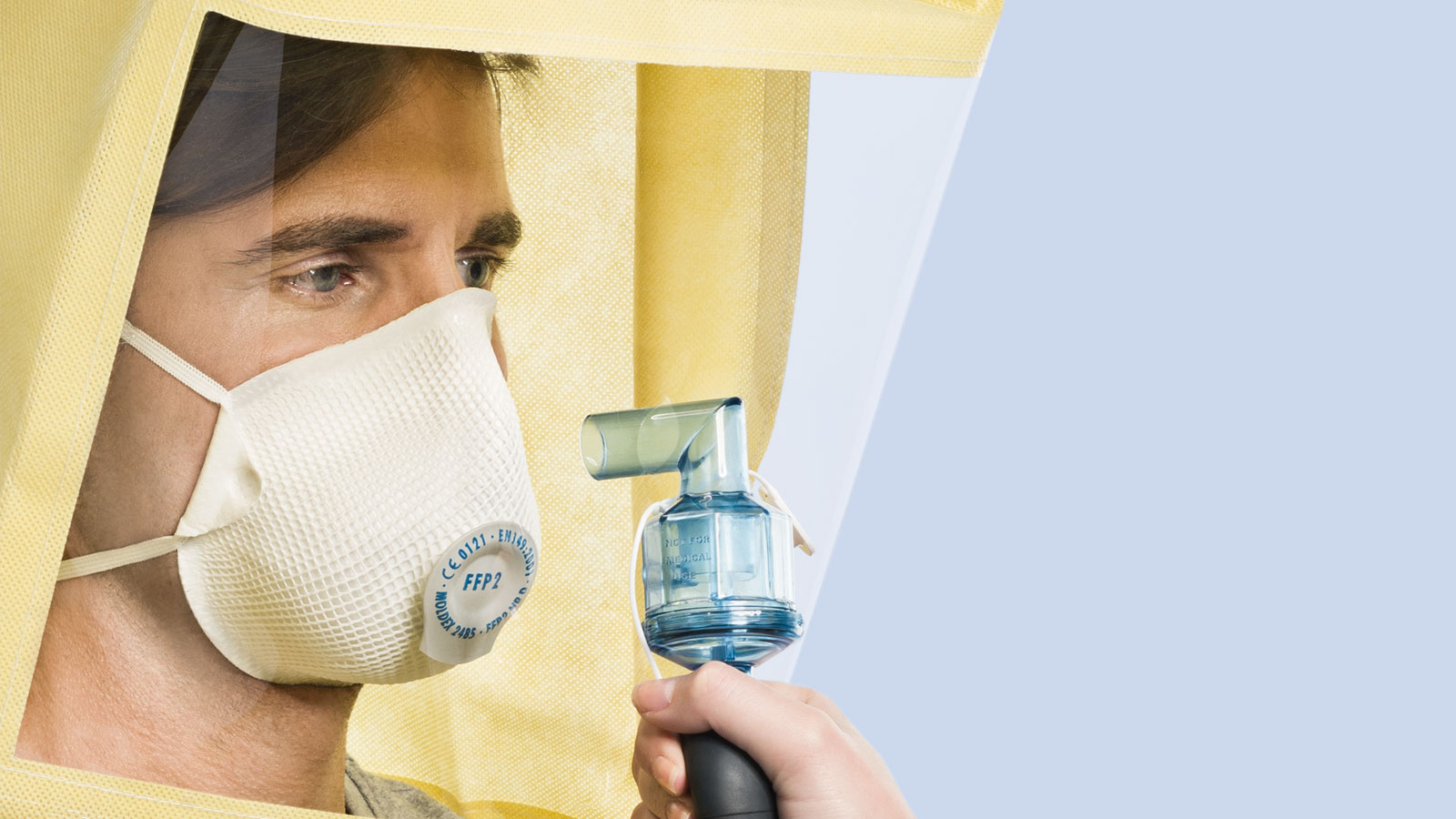
Fit testing is an essential component of workplace safety. It is the process of ensuring that a respiratory mask fits properly and provides adequate protection against airborne contaminants. The purpose of fit testing is to identify any leaks or gaps in the mask that could allow harmful particles to enter the wearer’s lungs. COSHH (Control of Substances Hazardous to Health), CLaW (Control of Lead at Work), CAR (Control of Asbestos Regulations) and the Ionising Radiation Regulations, stipulate that fit testing should be carried out as part of the initial mask selection process. This ensures that inadequately fitting face pieces are not selected for use.
Fit testing is important because it helps to ensure that workers are adequately protected from airborne contaminants. If a mask does not fit properly, it may not provide adequate protection, putting the worker at risk of exposure to harmful particles. Fit testing also helps to identify which type and size of respirator is appropriate for each worker, as different people have different facial shapes and sizes.
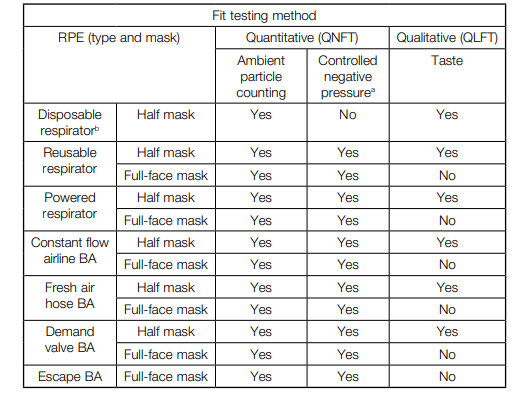
Fit testing should be conducted before a worker begins using a respirator and periodically thereafter to ensure that the mask continues to fit properly. There are two types of fit testing: qualitative and quantitative. Qualitative fit testing relies on the wearer’s sense of taste or smell to detect leaks, while quantitative fit testing measures the amount of particles that leak into the mask.
Qualitative Fit Testing
Qualitative fit testing (QLFT) is a pass/fail test based on the wearer’s subjective assessment of any leakage through the face seal region by detecting the introduction of bitter- or sweet-tasting aerosol as a test agent. In this article, we will explore what QLFT is, its methods, its suitability for different types of masks, and the importance of having a competent fit tester administer the test.
Quantitative Fit Testing
Quantitative fit testing is a method of testing the fit of a respirator on a wearer’s face. It measures the effectiveness of the facepiece in preventing airborne contaminants from entering the respiratory system through gaps between the face and the mask. The QNFT test gives an objective measure of face fit by calculating a fit factor. The fit factor is the ratio of the concentration of particles outside the mask to the concentration inside the mask, and it indicates how well the mask fits the wearer’s face. Proper fit is critical to the effectiveness of a respirator in protecting workers from airborne hazards. A poorly fitting mask can result in leaks that compromise the respirator’s ability to protect against airborne contaminants. QNFT is important because it provides a quantitative measure of the fit of the respirator on the wearer’s face. This helps to ensure that the respirator provides the level of protection intended. If you require quantitative fit testing please give us a call 028 9046 0541 and we’ll be happy to put you in contact with an approved quantitative fit tester.
Fit Test Selection Method -Qualitative vs Quantitative
Benefits of using Moldex Face Fit Test Kit
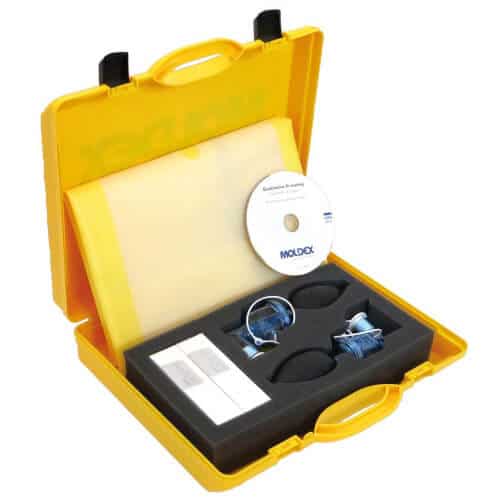
The Moldex Face Fit Test Kit is a comprehensive solution for fit testing respirators. It is designed to ensure that workers are properly protected from airborne contaminants by providing a reliable and easy-to-use method for testing the fit of respiratory masks. Some of the benefits of using the Moldex Face Fit Test Kit include:
Ease of use
Please see this easy guide on how to use the Moldex Fit Test Kit – Please Moldex Fit Test Kit Guide Click Here
The Moldex Face Fit Test Kit is easy to use. It comes with all the necessary components, including a testing solution and a nebulizer, and can be used in any location.
Cost-effective
The Moldex Face Fit Test Kit is a cost-effective solution for fit testing respirators. It eliminates the need for expensive equipment and training, making it accessible to small and medium-sized businesses. To purchase the Moldex Fit Test Kit and/or replacement Bitrex refills, please click here.
Maintaining your Moldex Face Fit Test Kit
Proper maintenance of the Moldex Face Fit Test Kit is essential for ensuring accurate and reliable fit testing results. Here are some tips for maintaining your kit:
1. Store the kit in a cool, dry place.
2. Replace the testing solution when it expires or becomes contaminated.
3. Clean the nebulizer and fit test adapter after each use.
Conclusion: why workplace safety matters and how Moldex Face Fit Test Kit can help you achieve it.
In conclusion, workplace safety is a top priority for employers and employees alike. Exposure to harmful airborne contaminants, such as dust and fumes, can pose a serious threat to human health. To mitigate this risk, it is essential to ensure that workers are equipped with the right protective gear, including respiratory masks that fit properly.
The Moldex Face Fit Test Kit is a comprehensive solution for fit testing respirators. It is accurate, easy to use, and cost-effective, making it accessible to small and medium-sized businesses. By using the Moldex Face Fit Test Kit, employers can ensure that their workers are adequately protected from airborne contaminants.
In conclusion, the Moldex Face Fit Test Kit is an essential tool for ensuring workplace safety and protecting the health of workers. Whether you are an employer or an employee, it is important to prioritize workplace safety and take steps to mitigate the risks of exposure to harmful airborne contaminants.
Norsemen Safety works closely with Moldex Europe to provide quality respiratory protection. Find out more information about Moldex, please click here.