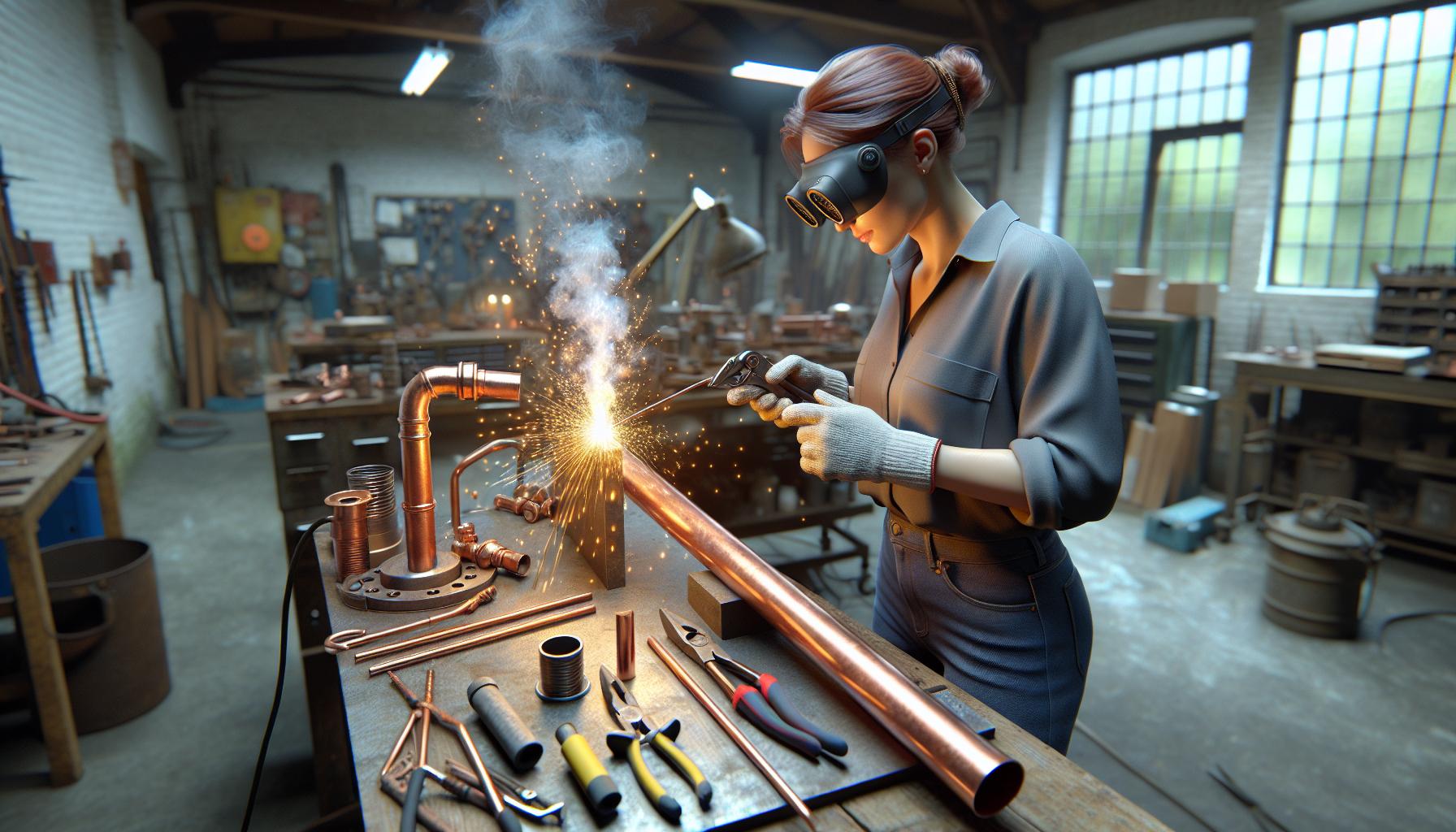
What is Brazing & Soldering: A Complete Metal Guide
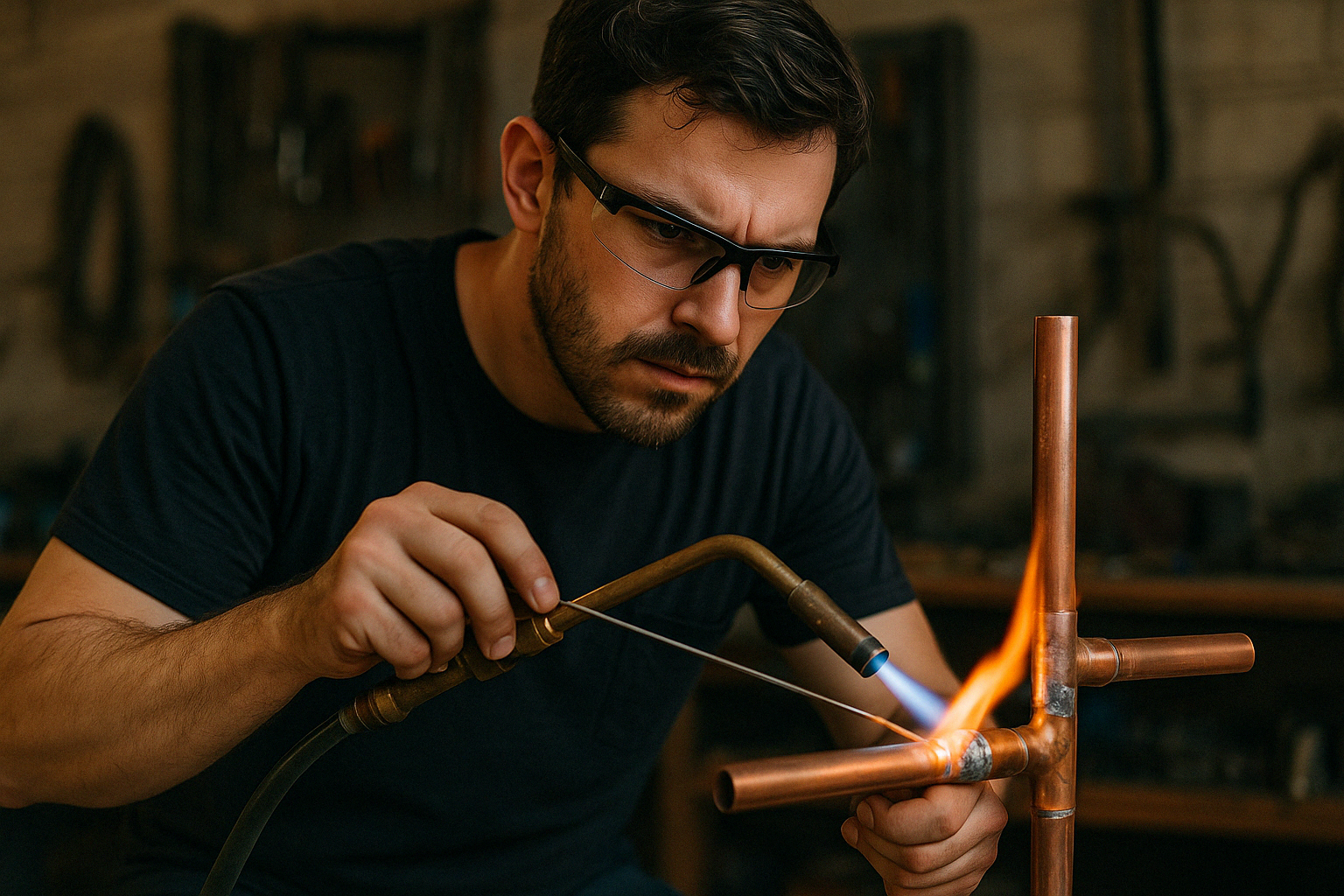
Key Takeaways

  • Brazing and soldering are metalworking techniques that create bonds between metals using filler materials, with soldering operating below 450°C and brazing above 450°C.
  • Brazed joints are significantly stronger (200-400 MPa) than soldered joints (70-150 MPa), making brazing ideal for structural applications whilst soldering suits electrical connections.
  • Both processes require proper surface preparation and flux application, with brazing typically using borax-based fluxes and soldering using rosin-based fluxes for electronics.
  • Multiple brazing methods exist, including torch, furnace, induction, resistance and dip brazing, each offering different advantages in temperature control and production speed.
  • Safety measures are crucial for both processes, requiring proper ventilation, protective equipment, and careful material handling to prevent exposure to harmful fumes and burns.
  • Clean metal surfaces and proper material storage are essential for creating strong, reliable joints in both brazing and soldering applications.

We often see metal objects joined together seamlessly in our daily lives but rarely consider how they’re connected. Brazing and soldering are two vital metalworking techniques that create strong bonds between metal pieces using a filler material that melts at a lower temperature than the base metals.

Whether you’re a DIY enthusiast or simply curious about metalworking you’ll find these processes fascinating. While they might seem similar at first glance there are key differences in how they work and when to use each method. What makes these joining techniques so essential in modern manufacturing? Let’s explore the science and practical applications behind these time-tested metal joining methods.

Understanding Brazing and Soldering Processes

Brazing and soldering processes rely on the principle of metallurgical bonding through a filler metal. These techniques create strong joints between metal components using specific temperature ranges and application methods.

Key Differences Between Brazing and Soldering

Temperature Requirements:

  • Soldering operates below 450°C with low-melting-point fillers
  • Brazing occurs above 450°C with higher-melting-point fillers
Process Temperature Range Joint Strength
Soldering 90°C – 450°C 70-150 MPa
Brazing 450°C – 900°C 200-400 MPa

Joint Characteristics:

  • Soldered joints form mechanical bonds suitable for electrical connections
  • Brazed joints create metallurgical bonds with superior mechanical strength

Base Metal Impact:

  • Soldering preserves base metal properties with minimal heat exposure
  • Brazing affects the heat-affected zone more significantly

Types of Filler Metals Used

Soldering Alloys:

  • Lead-free tin-silver (96.5% Sn, 3.5% Ag)
  • Tin-copper (99.3% Sn, 0.7% Cu)
  • Tin-bismuth (58% Bi, 42% Sn)

Brazing Alloys:

  • Silver-based (45-56% Ag)
  • Copper-phosphorus (92% Cu, 8% P)
  • Nickel-based (82% Ni, 18% Cr)
Filler Type Common Applications Melting Point
Tin-Silver Electronics 221°C
Silver-Based Plumbing 620°C
Copper-Phosphorus HVAC Systems 714°C

Flux Requirements:

  • Soldering fluxes: Rosin-based for electronics
  • Brazing fluxes: Borax-based for metal fabrication

The Art of Brazing
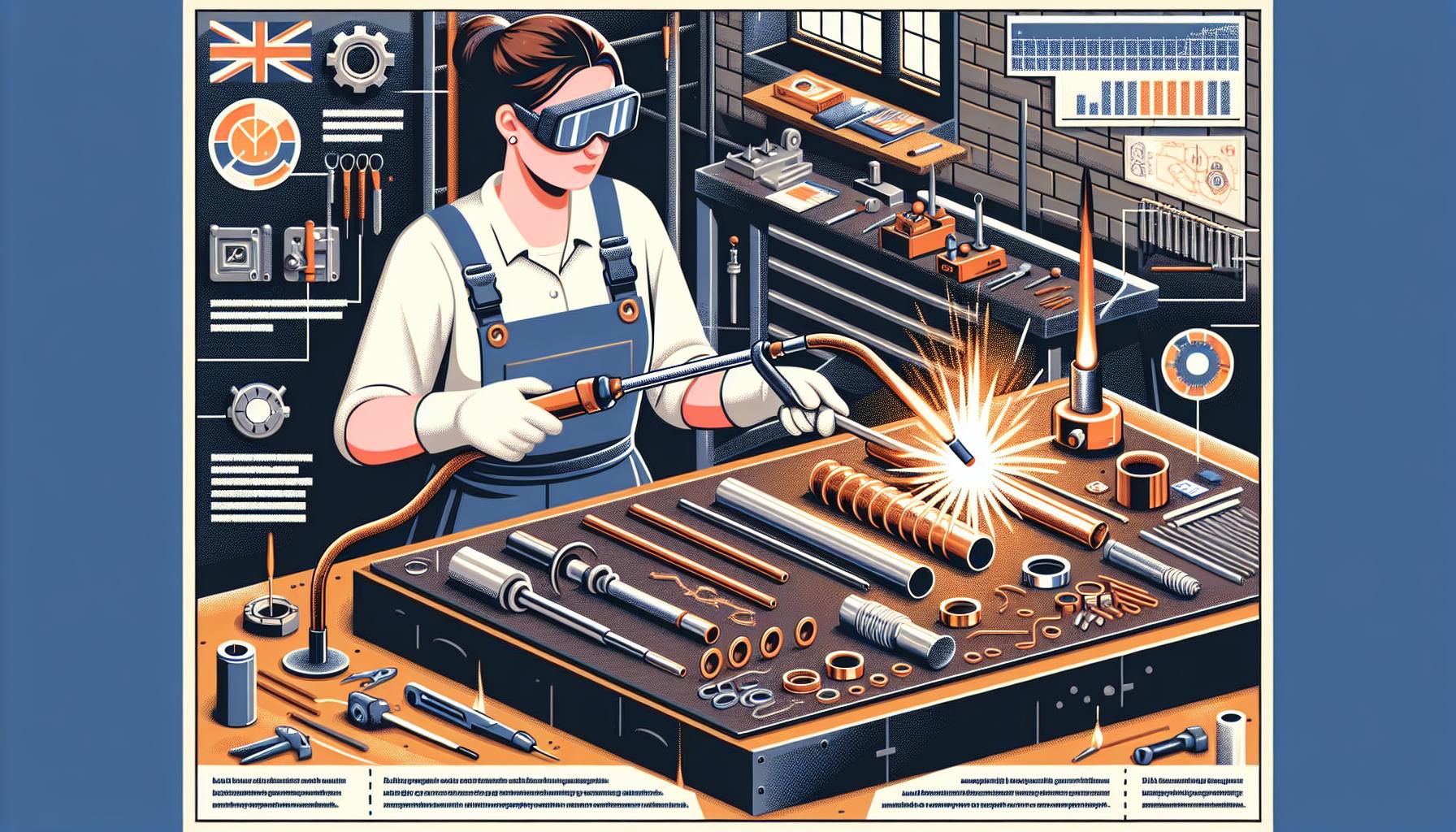
Brazing and Soldering

Brazing creates permanent, high-strength metal joints through the precise application of heat and filler metals. This technique produces bonds that maintain structural integrity in demanding industrial applications.

Common Brazing Methods

Brazing methods vary based on heat application techniques:

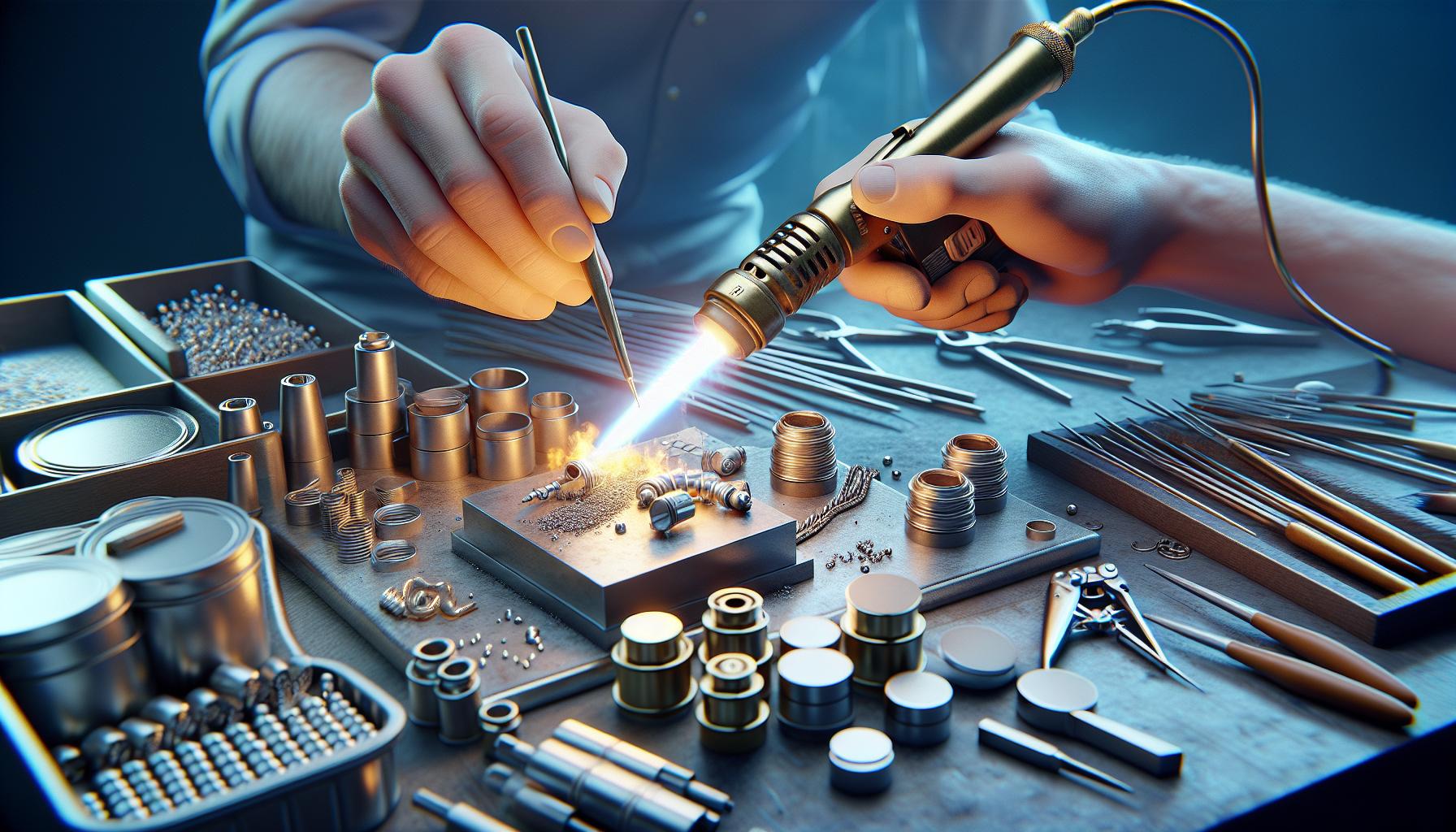
  • Torch Brazing: Involves directing a flame at the joint area using fuel gases like acetylene oxygen mixtures
  • Furnace Brazing: Places components in a controlled-atmosphere furnace for uniform heating
  • Induction Brazing: Uses electromagnetic fields to generate localised heat in specific areas
  • Resistance Brazing: Applies electrical current through electrodes to create heat at the joint
  • Dip Brazing: Immerses parts in molten salt baths for consistent temperature distribution

Each method offers distinct advantages:

Method Temperature Control Production Speed Joint Quality
Torch Moderate High Good
Furnace Excellent Low Excellent
Induction Precise Very High Very Good
Resistance Good High Good
Dip Excellent Moderate Excellent

Temperature Requirements and Heat Sources

Brazing operations require specific temperature ranges for optimal joint formation:

  • Base metals heat to 450°C-1100°C depending on the filler metal
  • Filler metals melt between 600°C-850°C for most applications
  • Heat sources maintain temperatures ±10°C of the brazing point

Common heat sources include:

  • Oxy-fuel torches generating temperatures up to 3,200°C
  • Electric furnaces operating at controlled temperatures up to 1,300°C
  • Induction heaters producing rapid localised heating
  • Salt baths maintaining consistent temperatures between 400°C-1,100°C

Soldering Techniques and Applications

Soldering techniques vary based on temperature requirements, joint characteristics and specific applications. Each method requires appropriate tools and materials to create reliable electrical and mechanical connections.

Soft vs Hard Soldering

Soft soldering operates at temperatures below 450°C using tin-based alloys like Sn-Pb or lead-free alternatives. This technique creates joints with strengths up to 70 MPa, ideal for electronics assembly and plumbing repairs. Hard soldering occurs between 450°C-850°C using silver-based alloys, producing stronger joints up to 150 MPa suitable for jewellery making and metal fabrication.

Soldering Type Temperature Range Joint Strength Common Applications
Soft Below 450°C Up to 70 MPa Electronics, Plumbing
Hard 450°C-850°C Up to 150 MPa Jewellery, Metal Fabrication

Essential Soldering Tools and Materials

The core tools for effective soldering include:

Soldering Irons:

  • Temperature-controlled stations (150°C-480°C)
  • Cordless irons (battery-powered)
  • Resistance soldering units

Consumables:

  • Solder wire (0.5mm-1.5mm diameter)
  • Flux (rosin-based, water-soluble)
  • Cleaning materials (isopropyl alcohol)

Safety Equipment:

  • Heat-resistant gloves
  • Fume extraction systems
  • Eye protection
  • Fire-resistant work surface

We recommend organising tools by frequency of use and maintaining clean, oxidation-free tips for optimal heat transfer. Storage in a dry environment prevents flux contamination and extends material shelf life.

Benefits and Limitations

Understanding the advantages and limitations of brazing and soldering helps in selecting the most appropriate joining method for specific applications. These processes offer distinct benefits that make them ideal for different scenarios.

Advantages of Brazing

Brazing creates stronger joints than soldering, with tensile strengths ranging from 200-400 MPa. Here are the key benefits:

  • Produces uniform joints across large surface areas
  • Maintains joint strength at elevated temperatures up to 200°C
  • Joins dissimilar metals like copper to steel or aluminium to brass
  • Forms leak-tight seals suitable for pressure vessels
  • Creates visually appealing joints with minimal post-process cleanup
  • Allows automated processing for high-volume production
  • Generates less thermal stress compared to welding

When to Choose Soldering

Soldering excels in applications requiring lower temperatures and precise control. The process offers these advantages:

  • Creates electrical connections with excellent conductivity
  • Operates at temperatures below 450°C, preserving base metal properties
  • Enables rework and repairs without damaging components
  • Provides cost-effective joining for small assemblies
  • Forms temporary bonds that can be dismantled if needed
  • Uses simple, portable equipment
  • Requires minimal operator training
Property Brazing Soldering
Joint Strength 200-400 MPa 70-150 MPa
Operating Temperature 450°C-1100°C Below 450°C
Heat Impact on Base Metal Moderate Minimal
Equipment Cost Higher Lower
Production Speed Fast Variable

Each joining method’s benefits align with specific project requirements. Brazing suits structural applications needing strength while soldering fits electronics assembly where temperature control is critical.

Safety Considerations and Best Practices

Safe brazing and soldering practices protect operators from hazardous fumes, burns and other workplace risks. The right safety measures create a secure working environment for successful metal joining operations.

Proper Ventilation and Protection

Proper ventilation removes harmful fumes generated during brazing and soldering processes. A fume extraction system with a minimum airflow of 100 cubic feet per minute captures toxic gases at the source. Essential protective equipment includes:

  • Heat-resistant gloves rated for temperatures up to 1000°C
  • Safety goggles with side shields
  • Flame-resistant clothing made of cotton or wool
  • Respirator with appropriate cartridges for metal fumes
  • Steel-toed boots for protection against hot metal drops

Material Preparation Guidelines

Clean metal surfaces lead to strong, reliable joints. Here’s a systematic approach to material preparation:

Mechanical cleaning steps:

  • Remove rust with wire brushes
  • Sand surfaces with 120-grit abrasive paper
  • Eliminate sharp edges with a file

Chemical cleaning requirements:

  • Degrease surfaces with acetone or alcohol
  • Apply appropriate flux within 30 minutes of cleaning
  • Store cleaned materials in sealed containers

Temperature monitoring tools:

Tool Type Temperature Range Accuracy
Infrared thermometer -50°C to 850°C ±2%
Thermocouple -200°C to 1200°C ±1%
Temperature indicating sticks 100°C to 1000°C ±3%
  • Keep filler metals in moisture-free containers
  • Store flux in airtight containers at 20-25°C
  • Label all materials with the date of purchase
  • Inspect materials monthly for signs of degradation

Conclusion

Both brazing and soldering stand as invaluable metal joining techniques with distinct advantages for specific applications. We’ve explored how brazing delivers superior joint strength and temperature resistance while soldering excels in electrical connections and delicate assemblies.

Choosing between these methods depends on your project requirements including joint strength temperature constraints and base material properties. Whether you’re tackling DIY projects or professional manufacturing understanding these fundamental differences helps ensure successful outcomes.

Remember that following proper safety protocols and maintaining the right equipment is crucial for achieving reliable high-quality joints in either process. For expert advice on welding safety and equipment, feel free to contact us.

Frequently Asked Questions

What is the main difference between brazing and soldering?

The key difference lies in the operating temperature. Soldering occurs below 450°C, whilst brazing takes place above 450°C. This temperature difference affects joint strength and application suitability, with brazed joints being significantly stronger than soldered ones.

Which joining method provides stronger joints?

Brazing creates stronger joints, typically ranging from 200-400 MPa, compared to soldered joints which achieve 70-150 MPa. This makes brazing more suitable for structural applications requiring high strength and durability.

Can both methods join different types of metals?

Yes, both methods can join dissimilar metals, but brazing is generally more versatile. Brazing creates stronger bonds between different metals, whilst soldering is particularly effective for electrical connections and lighter applications.

What types of flux are used in these processes?

Soldering typically uses rosin-based fluxes, whilst brazing requires borax-based fluxes. The flux choice depends on the base metals and operating temperatures, with brazing fluxes designed to withstand higher temperatures.

Which method is better for electrical connections?

Soldering is the preferred method for electrical connections. It operates at lower temperatures that won’t damage sensitive components and creates reliable electrical conductivity whilst allowing for easier rework if needed.

What safety equipment is essential for both processes?

Essential safety gear includes heat-resistant gloves, safety goggles, flame-resistant clothing, and proper respirators. Adequate ventilation is crucial, and steel-toed boots are recommended for protection against dropped hot materials.

How important is surface preparation?

Surface preparation is crucial for both methods. Clean, oxide-free surfaces are essential for creating strong joints. Proper cleaning and preparation directly affect the quality and strength of the final bond.

What are the common filler metals used?

Soldering typically uses lead-free tin-silver and tin-copper alloys, whilst brazing employs silver-based and copper-phosphorus alloys. The choice of filler metal depends on the base metals and intended application.
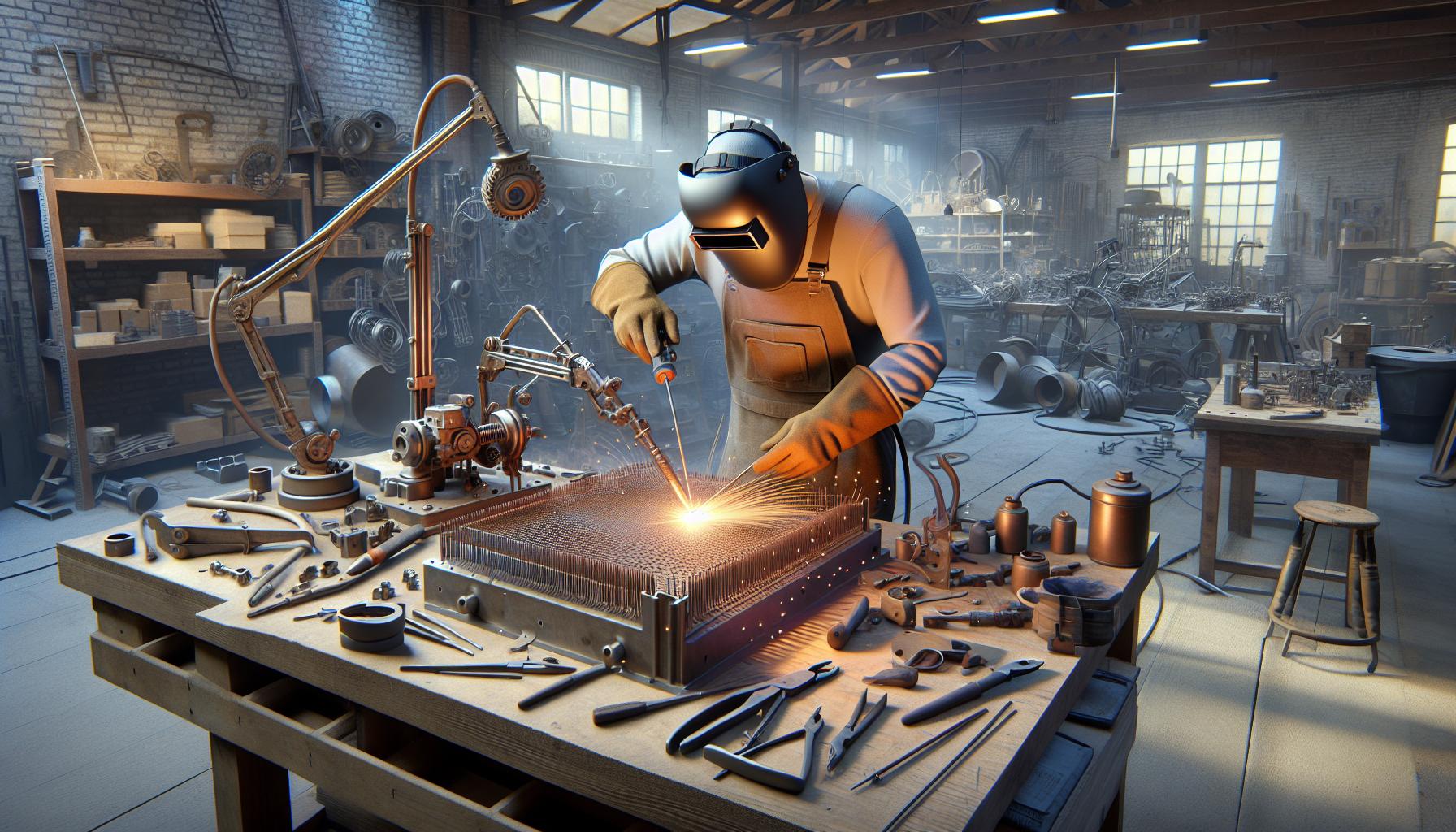
Braze Welding vs Brazing: Which Metal Joining Method Is Right for You?

Have you ever wondered about braze welding vs brazing? We’ve all been there, trying to join metals and scratching our heads over which method to choose. It’s like deciding between a cozy fireplace and a BBQ grill – both heat things up, but in very different ways!

Key Takeaways

  • Braze welding vs brazing, both are distinct metal joining techniques, each with unique characteristics and applications.
  • Braze welding uses filler metal applied like welding but without melting base metals, suitable for automotive repairs and jewellery making.
  • Brazing relies on capillary action to distribute filler metal, ideal for plumbing fixtures and aerospace applications.
  • Temperature requirements differ: brazing occurs above 840°F (450°C), while braze welding operates above 800°F (427°C).
  • Joint strength varies: brazed joints are often stronger, while braze welded joints offer excellent ductility.
  • Choosing between techniques depends on factors like joint fit, aesthetics, and industry-specific requirements.

What Is Braze Welding?

Braze welding is a distinct metal joining process that differs from traditional brazing. It combines elements of both welding and brazing techniques, offering unique advantages in specific applications.

Key Characteristics of Braze Welding

Braze welding uses a nonferrous filler metal with a melting point above 800°F (427°C) but below the base metals’ melting point. Unlike brazing, joint surfaces aren’t closely fitted together, as capillary action doesn’t distribute the filler metal. Instead, the filler metal is applied similarly to welding, but without melting the base metals.

Have you ever tried to squeeze into a packed lift? That’s how brazing works – it relies on tight spaces. Braze welding, on the other hand, is more like walking through an open door. It doesn’t need that snug fit to work its magic.

Common Applications

Braze welding shines in situations where traditional welding might be too harsh or brazing too weak. It’s often used in:

  1. Automotive repairs
  2. Plumbing fixtures
  3. HVAC systems
  4. Jewellery making

Remember that time you tried to fix your gran’s antique necklace with superglue? Well, a jeweller would’ve used braze welding for a proper repair. It’s gentle enough for delicate pieces but strong enough to last.

Understanding Brazing

2acc6c7a 68f5 44d1 ba9c e2ac7a2cab50:KZRwELeMLNS3 mUVKO bc

Brazing is a metal-joining process that creates strong, durable connections without melting the base metals. Let’s explore the different types of brazing methods and materials used in this versatile technique.

Types of Brazing Methods

Brazing comes in several flavours, each with its own unique twist. Ever wondered how your favourite jewellery gets its sparkle? It might be thanks to torch brazing! This method uses a handheld torch to heat the joint area, perfect for small, intricate pieces.

For larger jobs, furnace brazing is the go-to method. It’s like putting a whole batch of cookies in the oven at once – efficient and consistent. Induction brazing, on the other hand, is the speedster of the bunch. It uses electromagnetic fields to heat the metal quickly, making it ideal for high-volume production.

Have you ever seen those old-timey soldering irons? They’ve got a modern cousin in resistance brazing, which uses electrical resistance to generate heat. It’s precise and controlled, just like a surgeon’s steady hand.

Dip brazing is the dunking method – imagine bobbing for apples, but with molten metal instead of water. It’s great for coating entire components evenly.

Materials Used in Brazing

Let’s talk about what goes into the brazing pot. The star of the show is the filler metal, which acts like the glue in this metallic sandwich. Common filler metals include silver, copper, and aluminium alloys. Each has its own personality – silver’s the smooth operator, copper’s the tough guy, and aluminium’s the lightweight champion.

But wait, there’s more! Flux is the unsung hero of brazing. It’s like a bouncer at a club, keeping unwanted oxidation out of the joint. Without flux, our metals wouldn’t bond properly, and we’d be left with a weak joint. Nobody wants that, right?

The base metals play a crucial role too. Steel, copper, brass, and even exotic materials like titanium can all join the brazing party. It’s like a metal mixer where everyone’s invited!

Remember that time you tried to stick two incompatible magnets together? Choosing the right combination of filler metal and base metals is key to avoiding a similar frustration in brazing.

Braze Welding vs Brazing: Key Differences

While braze welding vs brazing might sound similar, they’re quite different in practice. Let’s explore the key differences between these two metal joining techniques.

Temperature Requirements

Brazing occurs at temperatures above 840°F (450°C) but below the melting points of the base metals. It’s like cooking a perfect steak – hot enough to sear, but not so hot it burns. Typically, brazing temperatures range from about 1150°F to 1600°F (620°C to 870°C).

Braze welding also uses temperatures above 800°F (427°C) but below the base metals’ melting points. However, it doesn’t rely on capillary action, making it more forgiving with joint fit. Think of it as grilling – you’ve got more control over where the heat goes.

Filler Metal Behaviour

In brazing, the filler metal is distributed through the joint by capillary action. It’s like watching water seep into a sponge – the molten filler metal is drawn into the closely fitted joint surfaces automatically.

Braze welding, on the other hand, doesn’t use capillary action. The filler metal is applied in thicker layers, more like frosting a cake. Joint surfaces don’t need to be as snug, giving you more flexibility in your work.

Joint Strength and Appearance

Brazed joints are often stronger than the base metals themselves, thanks to the uniform distribution of filler metal. They’re like a well-knit sweater – strong all over. The finished joint is usually smooth and neat, with minimal clean-up required.

Braze welded joints, while strong, may not match the strength of brazed joints in all applications. However, they offer excellent ductility and can handle more stress. The appearance is often described as a “stack of coins” – distinctive and easy to spot.

Advantages and Disadvantages of Braze Welding

Braze welding offers a unique blend of strengths and limitations. Let’s explore the pros and cons of this metal-joining technique, helping you decide if it’s the right choice for your project.

Pros of Braze Welding

  1. Versatility: Braze welding works with a wide range of metals, including those tricky to join through traditional welding. It’s like having a Swiss Army knife in your toolbox!
  2. Lower heat input: Unlike traditional welding, braze welding doesn’t melt the base metals. This means less warping and distortion – imagine ironing your shirt on low heat instead of scorching it on high.
  3. Stronger joints: The filler metal often creates stronger bonds than the base metals themselves. It’s like using industrial-strength glue instead of regular adhesive.
  4. Aesthetically pleasing: Braze welded joints often look smoother and more polished. Think of it as the difference between a neatly iced cake and a roughly frosted one.
  5. Cost-effective: Braze welding equipment is generally less expensive than traditional welding gear. It’s like opting for a reliable hatchback instead of a fancy sports car.
  6. Limited high-temperature applications: Braze welded joints may not withstand extreme heat as well as traditional welds. It’s akin to wearing a light jacket in winter – fine for mild cold, not so great for Arctic conditions.
  7. Preparation time: Surfaces need thorough cleaning before braze welding. It’s like prepping a wall for painting – skip it, and you’ll regret it later.
  8. Skill requirement: Braze welding demands precision and practice. Remember learning to ride a bike? It takes time to master the balance.
  9. Potential for galvanic corrosion: When joining dissimilar metals, there’s a risk of accelerated corrosion. It’s like putting a cat and dog in the same room – sometimes they get along, sometimes they don’t.
  10. Visible joint lines: Unlike some welding methods, braze welding often leaves visible seams. Think of it as wearing clothes with obvious stitching – not always a bad thing, but noticeable.

Have you ever tried braze welding? What was your experience like? We’d love to hear your stories – successes, failures, and everything in between. After all, we’re all in this metal-joining journey together!

Benefits and Limitations of Brazing

Brazing offers a range of advantages and disadvantages that set it apart from other metal joining methods. Let’s explore the ups and downs of this versatile technique.

Advantages of Brazing

Brazing shines in many areas, making it a go-to choice for various applications. Here’s why it’s a favourite among metal workers:

  1. Strong joints: Brazed connections often outperform the base metals in strength.
  2. Low heat input: It’s gentle on your metals, reducing the risk of warping or distortion.
  3. Versatility: Brazing joins dissimilar metals with ease, like a matchmaker for materials.
  4. Neat finish: The result is a smooth, clean joint that’s pleasing to the eye.
  5. Cost-effective: It’s typically cheaper than welding for many applications.

Ever tried to stick a magnet to your fridge with chewing gum? That’s a bit like comparing other joining methods to brazing when it comes to strength and neatness!

Drawbacks of Brazing

While brazing is brilliant, it’s not without its quirks. Here are some challenges you might face:

  1. Temperature limitations: Brazed joints can weaken at high temperatures.
  2. Surface prep: It requires clean, oxide-free surfaces for the best results.
  3. Skill required: Mastering brazing takes practice and patience.
  4. Visible joint lines: Unlike welding, brazed joints are often visible.
  5. Galvanic corrosion: When joining dissimilar metals, this can be an issue.

Have you ever tried to ice skate uphill? That’s the level of challenge you might face when brazing without proper preparation!

Choosing Between Braze Welding vs Brazing

Selecting the right metal joining technique can be tricky. We’ll explore the key factors to consider and provide industry-specific recommendations to help you make an informed decision.

Factors to Consider

When deciding between braze welding and brazing, several factors come into play:

  1. Joint strength: Brazed joints often outperform the base metals in strength, while braze welded joints offer excellent ductility.
  2. Temperature requirements: Brazing occurs above 840°F (450°C) but below base metal melting points. Braze welding operates above 800°F (427°C) without relying on capillary action.
  3. Joint fit: Brazing needs closely fitted surfaces, while braze welding allows for more flexibility.
  4. Filler metal application: Brazing uses capillary action to draw filler metal into the joint. Braze welding involves applying thicker layers of filler metal.
  5. Aesthetics: Braze welding typically results in a more visible joint, while brazing can produce a neater finish.

Have you ever tried to fit a square peg in a round hole? That’s what it’s like choosing the wrong joining technique for your project!

Industry-Specific Recommendations

Different industries have varying requirements for metal joining. Here’s a quick guide:

  1. Automotive repairs: Braze welding is often preferred for its versatility and lower heat input.
  2. Plumbing fixtures: Brazing is commonly used due to its ability to create leak-tight joints.
  3. HVAC systems: Both techniques are used, with brazing favoured for copper tubing connections.
  4. Jewellery making: Braze welding is popular for its precise control and aesthetic appeal.
  5. Aerospace: Brazing is widely used for its ability to join dissimilar metals and create strong, lightweight structures.

Remember, choosing between braze welding and brazing isn’t a one-size-fits-all decision. It’s more like picking the right tool from your trusty toolbox – you wouldn’t use a hammer to tighten a screw, would you? Need help deciding whether braze welding or brazing is right for your project? Contact our team for expert advice!

Conclusion

Braze welding vs brazing, are both valuable metal-joining techniques with unique strengths. We’ve explored their characteristics applications and differences to help you make informed decisions for your projects. Whether you’re working on automotive repairs jewellery or HVAC systems understanding these methods is crucial. By considering factors like joint strength temperature requirements and aesthetics you’ll be able to choose the right technique for your needs. Remember that mastering these skills takes practice but the results are worth the effort. We hope this guide has shed light on these often-confused processes and empowered you to tackle your metal-joining challenges with confidence.

Frequently Asked Questions

What is the main difference between braze welding vs brazing?

Braze welding combines elements of welding and brazing, using a filler metal with a melting point above 800°F (427°C) but below that of the base metals. It doesn’t rely on capillary action, allowing for more flexible joint fit. Brazing occurs above 840°F (450°C) but below base metal melting points, using capillary action to draw filler metal into tightly fitted joints.

Which process is better for automotive repairs?

Braze welding is generally recommended for automotive repairs. It offers lower heat input, which reduces the risk of warping or damaging surrounding components. The process also provides strong, ductile joints that can withstand vibrations and stress typical in automotive applications. Additionally, braze welding allows for more flexibility in joint fit, which is beneficial when working with potentially misaligned or damaged parts.

Can brazing be used for jewellery making?

Yes, brazing can be used for jewellery making, but braze welding is often preferred. Braze welding offers better control over the filler metal application, allowing for more precise and aesthetically pleasing results. It’s particularly useful for creating decorative beads or filling gaps in intricate designs. However, traditional brazing can also be effective for joining smaller, closely fitted components in jewellery.

What are the main advantages of brazing?

Brazing offers several advantages, including strong joints that are often stronger than the base metals, low heat input that minimises distortion, versatility in joining dissimilar metals, a neat finish with minimal clean-up required, and cost-effectiveness due to its efficiency and lower energy consumption. It’s particularly useful for joining thin materials and creating leak-tight joints in applications like plumbing and HVAC systems.

How do I choose between braze welding vs brazing for my project?

Consider factors such as joint strength requirements, temperature limitations of the materials, joint fit precision, filler metal application method, and desired aesthetics. For automotive repairs and jewellery making, braze welding is often preferred. Brazing is typically recommended for plumbing fixtures and HVAC systems. Assess your specific project needs, material compatibility, and skill level to make the best choice.

Brazing vs Welding: Which Metal Joining Technique is Right for Your Project?

Brazing vs welding: Ever found yourself puzzled by the difference between them? You’re not alone! We’ve all been there, staring at two seemingly similar metal-joining techniques and scratching our heads. It’s like trying to tell apart identical twins – tricky at first glance, but once you know what to look for, it’s a piece of cake.

Key Takeaways

  • Brazing joins metals at lower temperatures (620°C-870°C) without melting base metals, whilst welding fuses metals at higher temperatures (around 3800°C).
  • Welded joints are typically stronger than brazed joints, but brazing excels in joining dissimilar metals and creating leak-tight seals.
  • Brazing offers advantages like lower heat input, less distortion, and more precise, aesthetically pleasing joints.
  • Welding provides superior joint strength, versatility in applications, and cost-effectiveness for large-scale projects.
  • The choice between brazing and welding depends on factors such as material properties, joint strength requirements, and industry-specific needs.
  • Future trends in joining technologies include automation, hybrid techniques, additive manufacturing, and more environmentally friendly processes.

Brazing vs Welding?

Brazing vs welding, are two distinct metal-joining techniques that serve different purposes in metalworking. Let’s explore these methods to understand their unique characteristics and applications.

Defining Brazing

Brazing is a metal-joining process that creates strong, permanent bonds without melting the base metals. Here’s how it works:

  • Temperature: Brazing occurs at temperatures above 840°F (450°C) but below the melting point of the base metals. The sweet spot typically ranges from 1,150°F to 1,600°F (620°C to 870°C).
  • Filler Metal: A filler metal is melted and drawn into the joint by capillary action. This creates a robust bond between the two base metals.
  • Process: The base metals remain solid throughout the brazing process. Flux is often used to remove oxides, promote wetting, and aid capillary action.
  • Applications: Brazing shines in plumbing, joining dissimilar metals, and situations where minimal distortion is crucial. It’s like the gentle giant of metal joining – strong yet careful not to overwhelm the base metals.

Understanding Welding

Welding is a more intense process that fuses metals by melting them.

  • Heat Source: Welding uses various heat sources, such as electric arcs, gas flames, or lasers, to melt the base metals.
  • Fusion: The base metals are melted and fused together, often with the addition of a filler material.
  • Strength: Welded joints are typically stronger than the base metals themselves, making them ideal for high-stress applications.
  • Versatility: Welding can join a wide range of metals and is used in industries from automotive to aerospace.

Have you ever watched a welder at work? It’s like they’re painting with fire, creating metal masterpieces one spark at a time.

Remember, choosing between brazing and welding is like picking the right tool for a job. Sometimes you need a sledgehammer (welding), and other times a precision instrument (brazing) is the way to go. What’s your go-to method for joining metals?

Key Differences Between Brazing vs Welding

Brazing vs welding, while both are used to join metals, have distinct characteristics that set them apart. Let’s dive into the key differences between these two techniques, focusing on temperature requirements, filler materials, and joint strength.

Temperature Requirements

Welding vs brazing, both operate at vastly different temperatures. Welding’s a bit like cooking a steak on a scorching hot grill – it requires high heat to melt the base metals. We’re talking temperatures around 3800°C (or roughly 10,000 degrees Fahrenheit)! That’s hot enough to make even a dragon sweat.

Brazing, on the other hand, is more like making a delicate soufflé. It needs a gentler touch, with temperatures above 840°F (450°C) but below the melting point of the base metals. It’s all about finesse, not force. Ever tried to melt chocolate without burning it? That’s the kind of precision we’re aiming for with brazing.

Filler Materials

When it comes to filler materials, welding vs brazing takes different approaches. In welding, the filler material is like a close cousin to the base metals – it has a similar melting temperature. Picture it as mixing two colours of play-dough; they blend together seamlessly.

Brazing filler materials, however, are more like the icing on a cake. They melt at a lower temperature than the base metals, flowing into the joint and creating a bond without melting the base materials. It’s a bit like using super glue to stick two pieces of wood together – the glue does all the work while the wood stays intact.

Joint Strength

Joint strength is where things get interesting. Welded joints are typically stronger than the base metals themselves. It’s like fusing two pieces of a broken plate – the joined area becomes the strongest part.

Brazed joints, while strong, usually aren’t as robust as welded ones. They’re more like a well-built Lego structure – solid and reliable, but not indestructible. However, brazed joints have their own superpowers. They’re great at joining dissimilar metals and creating leak-tight seals, making them perfect for plumbing work.

Have you ever wondered why some metal joints look smoother than others? Or why certain metalwork seem more intricate? The choice between brazing and welding often plays a big role in the final appearance and strength of metal joints. What’s your experience with these techniques? We’d love to hear your thoughts!

Remember, choosing between brazing and welding isn’t about which is better – it’s about which is right for your specific project. It’s like picking the right tool from a toolbox. Sometimes you need a hammer, sometimes a screwdriver. What’s your go-to joining method for metal projects?

Advantages of Brazing

Brazing offers several benefits over welding, making it the preferred choice for many applications. Let’s explore why this technique often comes out on top when compared to its fiery cousin.

Lower Heat Input

Brazing’s lower heat input is like using a gentle touch instead of a heavyweight punch. The process requires temperatures between 1,150°F to 1,600°F (620°C to 870°C), which is significantly cooler than welding. This gentler approach means:

  • Less distortion and warping of parts
  • Reduced stress in the joint area
  • Lower energy consumption, leading to cost savings

Have you ever tried to reshape a warped piece of metal? It’s no picnic! Brazing helps avoid this headache by keeping things cool and collected.

Joining Dissimilar Metals

Brazing is the matchmaker of the metal world, bringing together materials that wouldn’t normally mix. Unlike welding, which requires both base metals to melt at the same temperature, brazing only melts the filler metal. This makes it perfect for:

  • Joining copper and steel
  • Connecting other tricky metal combinations
  • Creating strong bonds between materials with different properties

Imagine trying to get a cat and a dog to share a bed – that’s welding dissimilar metals. Brazing, on the other hand, is like finding the perfect cushion that both pets love!

Precision and Aesthetics

When it comes to precision and looks, brazing takes the cake. This technique allows for:

  • Cleaner, more visually appealing joints
  • Greater control over the joining process
  • Minimal post-process cleaning or finishing

Think of brazing as the fine dining of metal joining – it’s all about presentation and finesse. Welding, in comparison, is more like a hearty pub meal – gets the job done but might not win any beauty contests!

Have you ever seen a beautifully brazed copper pipe? It’s like jewellery for your plumbing! What’s your experience with brazed joints? Do you find them more attractive than welded ones?

Benefits of Welding

Welding offers several advantages that make it a preferred choice for many metal-joining applications. Let’s explore the key benefits that set welding apart from other techniques.

Superior Joint Strength

Welding creates joints that are often stronger than the base materials themselves. By melting and fusing metals together, welding forms a metallurgical bond that’s incredibly robust. This strength is crucial in high-stress applications where failure isn’t an option. Ever wonder why skyscrapers don’t topple over? It’s partly thanks to those super-strong welded joints!

Versatility in Applications

Welding is like the Swiss Army knife of metal joining. It’s adaptable to a wide range of materials, including metals and thermoplastics. Whether you’re working on a delicate piece of jewellery or constructing a massive bridge, welding has got you covered. It’s particularly handy for joining large assemblies and creating both spot and linear joints in thicker materials. From arc welding to gas welding, there’s a technique for nearly every job.

Cost-Effectiveness

While the initial setup for welding might seem pricey, it often proves cost-effective in the long run. Welding allows for quick and efficient joining of materials, reducing labour time and costs. Plus, the durability of welded joints means less maintenance and fewer replacements down the line. It’s like buying a quality pair of shoes – they might cost more upfront, but they’ll last much longer than cheaper alternatives.

Choosing Between Brazing and Welding

Selecting the right joining method can feel like picking the perfect tool from a toolbox. Let’s explore the key factors and industry applications that’ll help you make the best choice for your project.

Factors to Consider

Temperature and process are crucial when deciding between brazing and welding. Welding melts the base metals and filler material at temperatures exceeding the metals’ melting points, creating a strong, fused bond. Brazing, on the other hand, uses lower temperatures (620°C to 870°C) to melt only the filler metal, which is drawn into the joint by capillary action.

Joint strength is another vital consideration. Welded joints are typically as strong as or stronger than the base materials due to molecular-level fusion. Brazed joints, while very strong and often exceeding the strength of individual parts, generally aren’t as robust as welded ones.

What’s your experience with these methods? Have you ever had a project where the choice between brazing and welding made all the difference?

Need help deciding whether brazing or welding is right for your project? Contact our team for expert advice!

Industry-Specific Applications

Different industries favour certain joining methods based on their unique requirements. In the automotive sector, welding reigns supreme for structural components, while brazing shines in HVAC systems for its leak-tight seals.

Aerospace engineers often opt for brazing when joining dissimilar metals or working with thin materials that could warp under intense heat. Meanwhile, the construction industry relies heavily on welding for its strength in load-bearing structures.

Here’s a chuckle for you: A welder and a brazer walk into a bar. The bartender asks, “What’ll it be?” The welder says, “I’ll fuse two drinks together,” while the brazer replies, “I’ll just join them smoothly, if you please!”

Remember, there’s no one-size-fits-all solution. The best choice depends on your specific project needs, materials, and desired outcomes. What industries have you worked in, and which method did you find most useful?

Future Trends in Joining Technologies

As we peer into the crystal ball of metal joining, it’s like watching a sci-fi film unfold before our eyes. Remember when we thought flying cars were just a dream? Well, the future of brazing and welding might surprise us just as much!

Automation is set to revolutionise both brazing and welding. Picture robots with precision that would make a surgeon jealous, effortlessly joining metals with pinpoint accuracy. It’s not just about speed; it’s about consistency and quality that would make even the most seasoned metalworker nod in approval.

But wait, there’s more! Hybrid joining techniques are emerging faster than new flavours of crisps. These clever combinations of brazing and welding are like the best of both worlds – imagine if you could have your cake and eat it too! These methods aim to capitalise on the strengths of each process while minimising their weaknesses.

Additive manufacturing is another game-changer. It’s like 3D printing, but for metals! This technology is blurring the lines between fabrication and joining, potentially reducing the need for traditional brazing and welding in some applications. Who knew we’d be ‘printing’ metal parts one day?

Environmental concerns are also shaping the future of joining technologies. We’re seeing a push towards more energy-efficient processes and materials that are kinder to our planet. It’s like giving Mother Nature a big, metallic hug!

What about the materials themselves? New alloys and composites are popping up like daisies in spring, each with their own unique joining requirements. This constant evolution keeps us on our toes, always learning and adapting.

So, what do you think? Will we see nano-robots brazing at a molecular level? Or perhaps welding with lasers from space? The possibilities are as endless as a politician’s promises!

Here’s a chuckle for you: Why did the welder bring a ladder to work? He heard the job was on another level!

As we navigate this exciting future, one thing’s certain: the world of metal joining will continue to spark our imagination and fuel innovation. Are you ready to join us on this thrilling journey?

Conclusion

Both brazing and welding have their unique strengths and applications. We’ve explored their differences in temperature heat input joint strength and versatility. While welding offers superior strength brazing excels in precision and joining dissimilar metals. The choice between these methods depends on specific project requirements and industry needs. As technology advances we’re seeing exciting developments in automation hybrid techniques and additive manufacturing. These innovations promise to reshape the future of metal joining offering even more options for craftsmen and engineers alike.

Frequently Asked Questions

What is the main difference between brazing and welding?

The main difference lies in the temperature and process. Brazing occurs at temperatures above 840°F (450°C) but below the melting point of the base metals, using a filler metal drawn into the joint by capillary action. Welding, however, involves melting the base metals themselves, typically at much higher temperatures around 3800°C (10,000°F), fusing them directly.

Which method produces stronger joints?

Generally, welding produces stronger joints. Welded joints are typically as strong as or stronger than the base metals themselves, making them suitable for high-stress applications. Brazed joints, while solid and reliable, are usually not as strong as welded ones but excel in joining dissimilar metals and creating leak-tight seals.

When is brazing preferred over welding?

Brazing is preferred when joining dissimilar metals, working with thin materials, or when minimal distortion is crucial. It’s also favoured in plumbing and HVAC systems for creating leak-tight seals. Brazing produces cleaner joints with less heat input, resulting in less warping and reduced stress in the joint area.

What industries commonly use welding?

Welding is widely used in the automotive, construction, and heavy machinery industries. It’s preferred for structural components and large-scale projects where high joint strength is essential. The versatility of welding makes it suitable for a wide range of materials and applications, from delicate electronics to massive steel structures.

How does the cost of brazing compare to welding?

Brazing is generally more cost-effective due to lower energy consumption and less post-process finishing required. While welding may have higher initial setup costs, it can be more economical in the long run for large-scale projects due to reduced labour time and the durability of welded joints, which often require less maintenance.

Can brazing and welding be used on the same materials?

Both methods can be used on many common metals, but their suitability varies. Welding is ideal for similar metals with high melting points, while brazing excels at joining dissimilar metals or materials with lower melting points. The choice depends on factors like the specific metals involved, joint strength requirements, and the application’s thermal sensitivity.

What are the future trends in metal joining technologies?

Future trends include increased automation to enhance precision and consistency, the development of hybrid joining techniques combining brazing and welding strengths, and the rise of additive manufacturing. There’s also a focus on more energy-efficient processes and environmentally friendly materials. Ongoing advancements in alloys and composites will continue to drive innovation in joining techniques.

cropped Norsemen Welding Safety Logo
Norsemen Welding Safety Logo
CONTACT DETAILS
OUR HOURS
8 AM – 5 PM Monday – Thursday
8 AM – 4 PM on Friday
Safety Equipment
Welding Equipment
Find The Right Equipment Faster