Choosing the Best Gasless MIG Welder: What You Need to Know
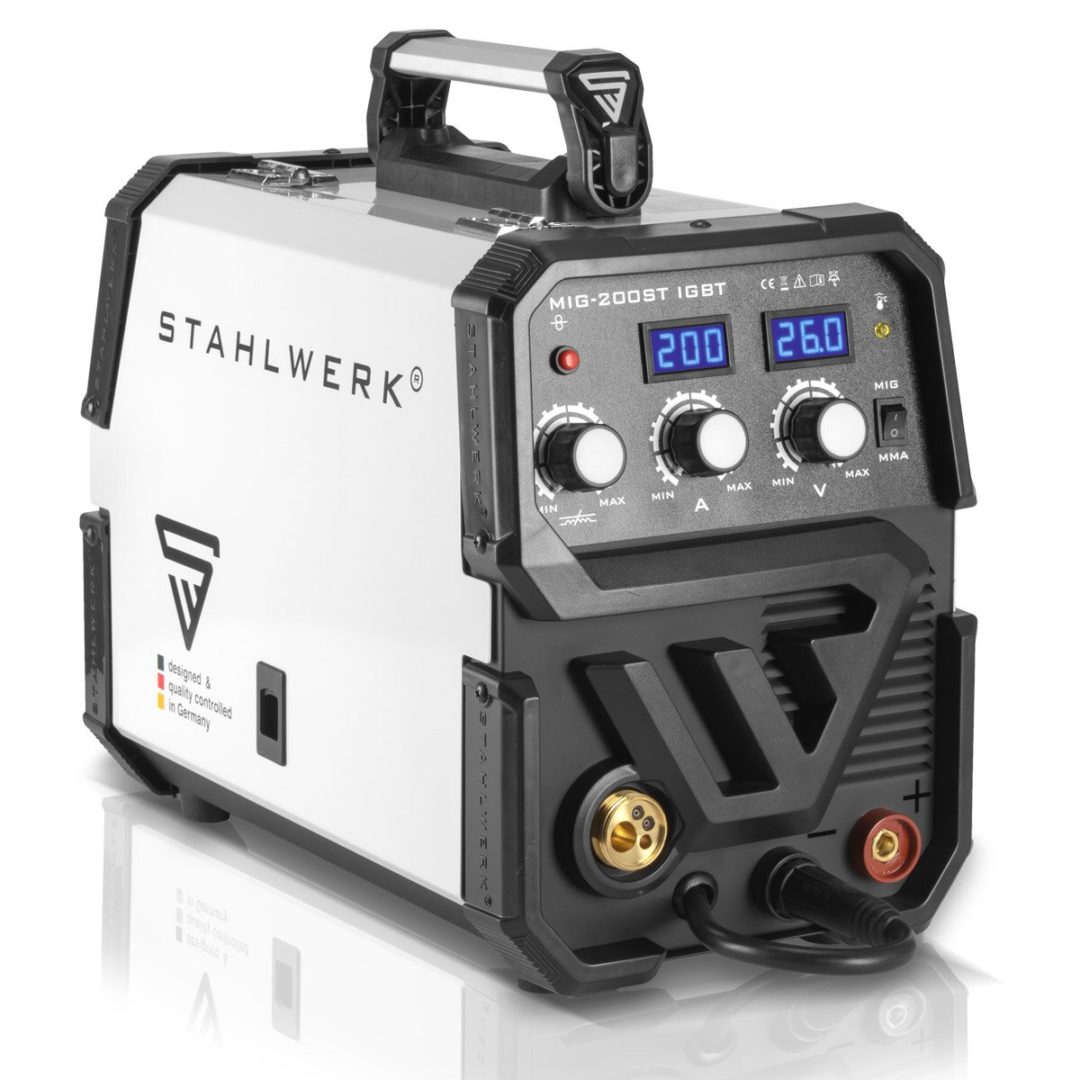
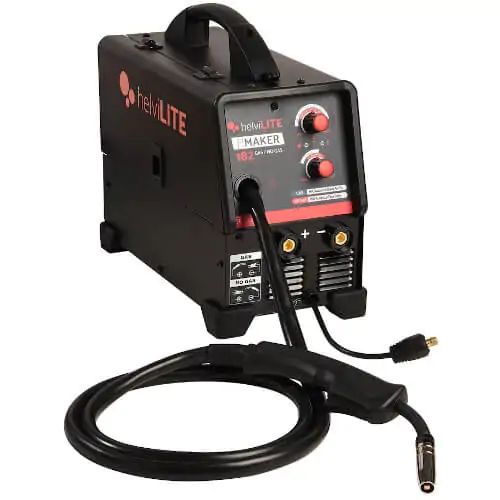
Best Gasless MIG Welder – Gasless MIG welders have revolutionised the world of welding by offering a convenient and accessible solution for both beginners and seasoned professionals.

This article explores what gasless MIG welders are and weighs their advantages and disadvantages.

It covers essential factors to consider when selecting the right model, reviews of the top options available, and tips for safe and effective usage.

Whether tackling home projects or professional jobs, this guide will equip you with the knowledge you need.

Understanding Gasless MIG Welders
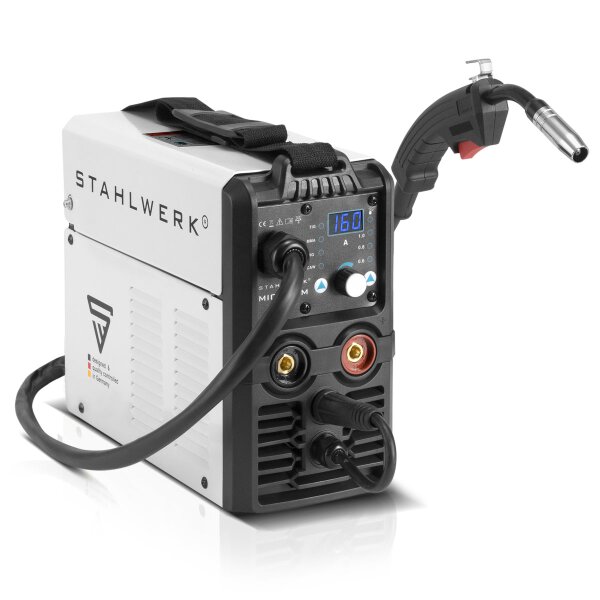
Gasless MIG welders signify a notable advancement in welding technology, offering a user-friendly solution for both novice and experienced welders. These versatile machines employ flux-cored wire, which enables a streamlined welding process that eliminates the necessity for shielding gas. This characteristic makes them especially attractive for home use, DIY projects, and industrial applications.

Importantly, gasless welding machines are known for their portability and ease of use, making them ideal for on-the-go fabrication. They combine portability with substantial power output, allowing for effective welding across a range of materials and thicknesses. It is crucial to understand the features and capabilities of gasless MIG welders in order to select the most appropriate MIG welder for specific needs and projects.

What is a Gasless MIG Welder?

It is a specialised type of welding equipment that employs flux-cored wire, enabling effective welding without the necessity for external shielding gas. This characteristic makes it particularly suitable for a variety of welding applications.

These welders function by feeding the flux-cored wire through the MIG gun, where an electric arc is established between the wire and the workpiece. This process generates sufficient heat to melt the metal. The flux contained within the wire serves a dual purpose: it not only shields the weld pool from contaminants but also produces a slag that protects the weld as it cools, resulting in a cleaner finish.

The technical specifications of such machines typically include amperage ratings ranging from 30 to 250 amps, demonstrating their versatility across diverse projects. Performance ratings often emphasise their efficiency, indicating the capability to produce strong, high-quality welds even on thicker materials.

Users experience benefits such as enhanced manoeuvrability and reduced setup time, further enhancing the appeal of mig welding without gas for both novice and experienced welders.

How Do Gasless MIG Welders Work?

Gasless MIG welders, also known as flux-cored welders, operate using a unique type of wire that generates its own shielding gas as it melts. This innovative approach eliminates the need for an external shielding gas tank, making these welders more portable and convenient. The flux core wire is designed to produce a protective gas shield around the weld pool, which prevents oxidation and contamination during the welding process. This ensures that high-quality welds can be achieved without the need for additional shielding gas.

The process begins when the flux-cored wire is fed through the MIG gun, creating an electric arc between the wire and the workpiece. The heat generated by this arc melts the metal, allowing it to fuse together. The flux within the wire not only produces the necessary shielding gas but also forms a slag that covers the weld as it cools, protecting it from impurities and resulting in a cleaner finish. This makes gasless MIG welders an excellent choice for both novice and experienced welders looking for a versatile and efficient welding solution.

Advantages and Disadvantages of Gasless MIG Welders

Gasless MIG welders present numerous advantages that make them appealing to both novice and experienced welders; however, they also have certain drawbacks that require consideration.

The removal of shielding gas simplifies the welding process and improves portability, enabling use in a variety of environments, including outdoor settings. It also eliminates the extra costs involved in hiring industrial gas cylinders. Gasless MIG welders can help beginners develop their welding skills by providing a simpler and more accessible welding process. Nevertheless, users must acknowledge potential challenges, such as increased spatter and reduced control over heat settings compared to traditional MIG welders.

A thorough evaluation of both the advantages and disadvantages will allow individuals to make a well-informed decision. Speak to our Gasless mig welding specialist if you have any questions.

Pros and Cons of Using a Gasless MIG Welder

When evaluating a gasless MIG welder, it is crucial to assess both the advantages and disadvantages to determine its suitability for your welding requirements. The primary benefits of it include portability and ease of setup, making it an excellent option for DIY projects and light industrial applications when welding without gas on steel.

Users frequently commend the ease with which these welders can be transported to various job sites or workshops, eliminating the need for gas cylinders. Additionally, many find them simple to operate, resulting in shorter learning curves for novice welders.

However, some users have expressed concerns regarding the quality of welding, particularly when working with thicker materials. Gasless models can occasionally produce more spatter compared to their gas-shielded counterparts. This feedback underscores an important trade-off; while users appreciate the convenience and efficiency of gasless welders, achieving clean and aesthetically pleasing welds may necessitate additional cleaning and attention.

Ultimately, the decision should be based on the specific welding tasks required and the operator’s level of experience.

Factors to Consider When Choosing a Gasless MIG Welder

Selecting an appropriate gasless MIG welder necessitates a thorough evaluation of several factors that can substantially impact the welding experience and results.

Important components to consider include the welder’s features, portability, duty cycle, and power output, as these factors directly affect the welder’s efficiency with various project types and materials.

Furthermore, understanding the maximum welding thickness and reviewing user feedback can offer essential insights into the welder’s performance and reliability.

Key Features to Look for

When seeking the ideal gasless MIG welder, several key features can significantly enhance the welding experience, including portability, user-friendly controls, and compatibility with a variety of welding applications.

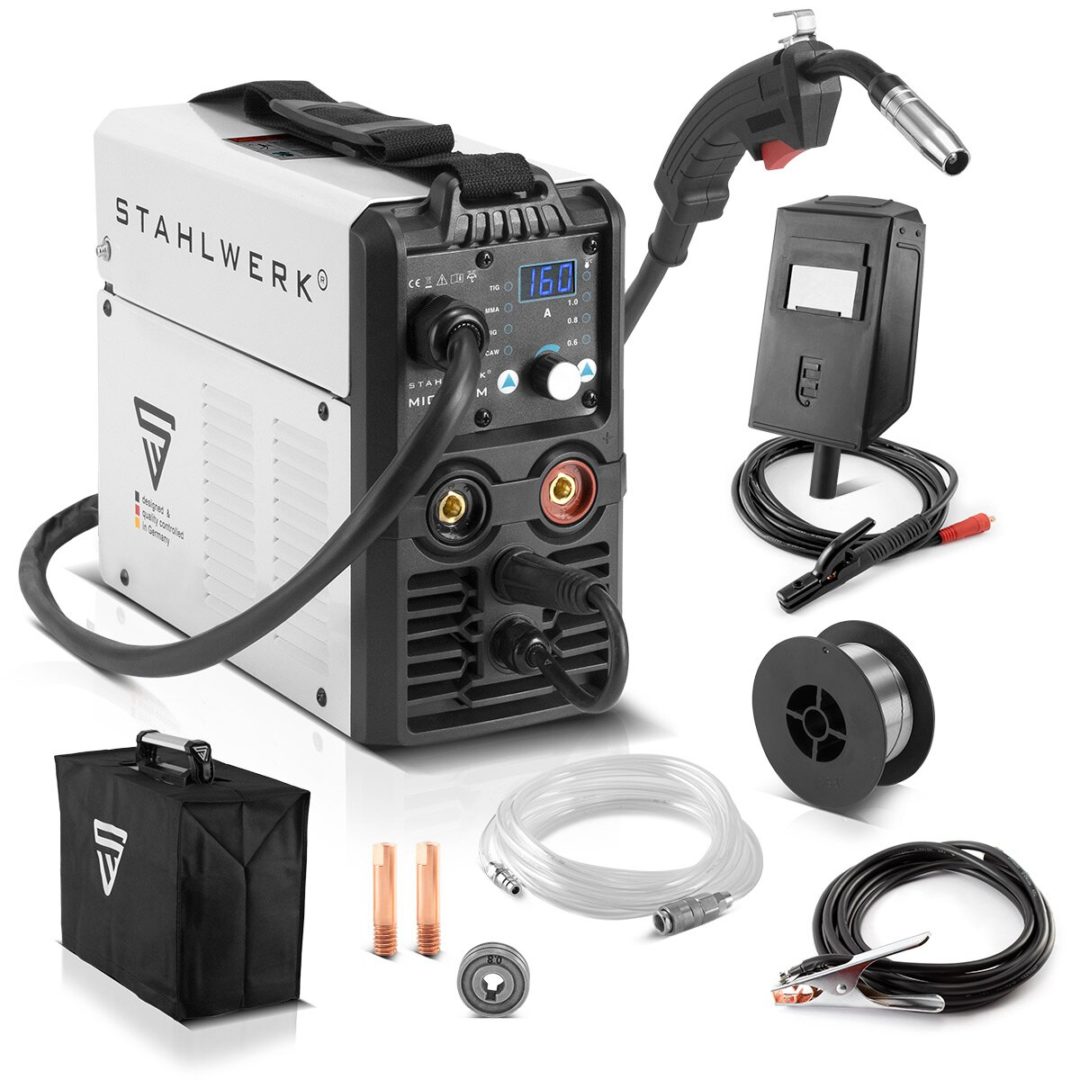
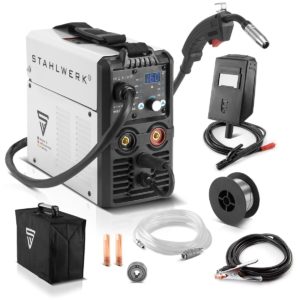
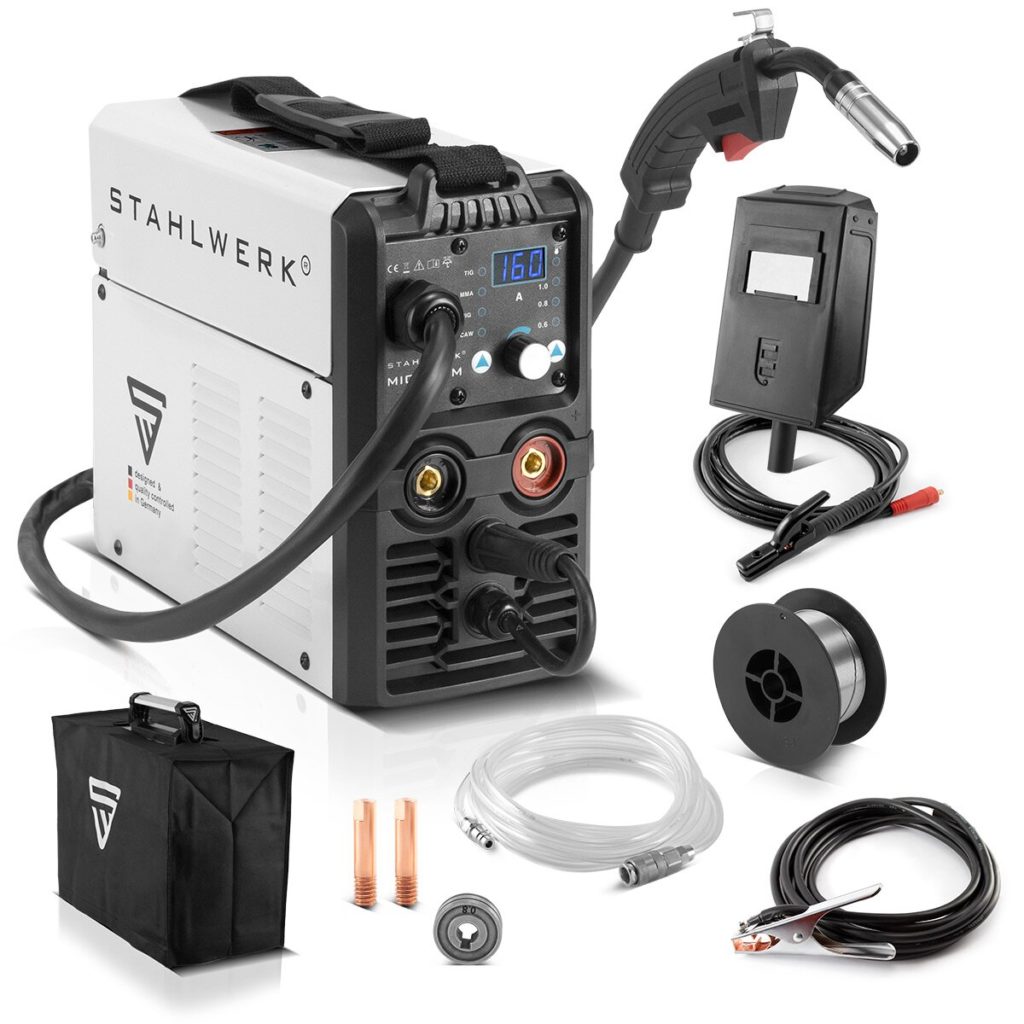
These attributes are essential for both novice and experienced welders, as they ensure efficiency and effectiveness across a range of projects. For example, models such as the Stahlwerk Mig 160 M Full Synergic welder are equipped with intuitive knobs and digital displays, facilitating seamless adjustments.

Portability is another critical factor; lightweight models like the STAHLWERK welder MIG MAG 200 ST / Gas-shielded welder with synergic wire feed/Gasless Mig Welder offer the convenience of easy mobility across job sites. Furthermore, adaptability to diverse tasks—spanning from hobby projects to industrial applications—is exemplified by brands like Stahlwerk Welders, whose welders are suitable for both auto body repair and fabrication work, making them a versatile choice for any welding enthusiast.

Top Brands for Gasless MIG Welders

When it comes to selecting a gasless MIG welder, several top brands stand out for their quality and reliability. Here are some of the most reputable names in the industry:

  • Lincoln Electric: Renowned for their high-quality welding equipment, Lincoln Electric offers a range of gasless MIG welders that are favored by experienced welders. Their machines are known for their durability, advanced features, and consistent performance.
  • Hobart: Hobart is another well-respected brand in the welding industry, providing a variety of gasless MIG welders suitable for both hobbyists and professionals. Their welders are user-friendly and designed to deliver excellent results across different applications.
  • Forney: Popular among DIY enthusiasts and hobbyists, Forney offers affordable gasless MIG welders that are easy to use and maintain. Their products are ideal for those new to welding or working on smaller projects.
  • Everlast: Specializing in welding equipment, Everlast provides a range of gasless MIG welders designed for both hobbyists and professionals. Their machines are known for their versatility and robust performance, making them a reliable choice for various welding tasks.

Top Gasless MIG Welders on the Market

Identifying the foremost gasless MIG welders available in the market requires a careful evaluation of various models from reputable brands from Norsemen Safety & Welding Supplies, each presenting distinct features and performance capabilities designed to accommodate different levels of welding expertise and specific applications.

This guide will provide a comprehensive review of some of the most outstanding models, emphasising their strengthsweaknesses, and appropriateness for a range of projects.

Best Gasless MIG Welders for Different Needs

Choosing the right gasless MIG welder depends on your specific needs and requirements. Here are some of the best options for different user levels:

  • Best for Beginners: The Forney 140Amp is an excellent choice for those new to welding. Its compact and easy-to-use design makes it perfect for small projects and learning the basics of gasless MIG welding.
  • Best for Professionals: The Lincoln Electric Power MIG 211i is a top-tier gasless MIG welder designed for professional use. It offers advanced features, high-quality welds, and the reliability needed for demanding industrial applications.
  • Best for DIY Enthusiasts: The Hobart 500554 Handler 190 is a popular option among DIY enthusiasts. It combines a range of features with a compact design, making it ideal for small projects and home repairs.

Tips for Using a Gasless MIG Welder

Effective use of a gasless MIG welder necessitates a thorough understanding of best practices and safety precautions to ensure optimal welding performance and user safety. Mastering these techniques will not only enhance individual skill levels but also improve the overall quality of the welds produced.

Best Practices and Safety Precautions

Adhering to best practices and safety precautions when utilising a gasless MIG welder is essential for achieving high-quality welds while minimising the risks associated with welding tasks. Proper operation of user-friendly controls and the use of appropriate safety gear are imperative for every welder.

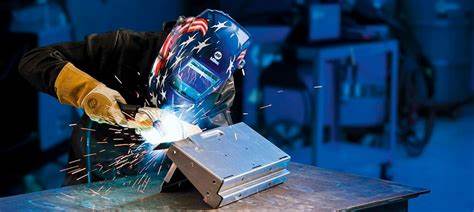
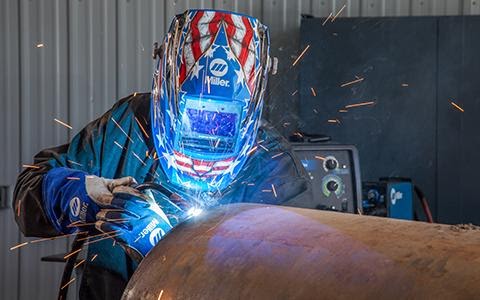
Welders should invest in suitable personal protective equipment, which includes a welding helmet with the appropriate shade, gloves, and fire-resistant clothing.

A thorough understanding of optimal settings is crucial; adjusting voltage and wire feed speed according to material thickness ensures the production of strong, clean welds. Employing the correct weaving pattern and travel speed further enhances the integrity of the joints.

Regular maintenance, such as inspecting the feed mechanism and cleaning the nozzle, is vital for improving both performance and longevity.

By prioritising these practices, welders not only enhance the quality of their work but also promote the safe and efficient operation of their equipment.

Tips for Beginners

If you’re new to gasless MIG welding, here are some essential tips to help you get started:

  • Safety First: Always wear proper safety gear, including a welding helmet, gloves, and safety glasses. Protecting yourself from sparks and UV radiation is crucial.
  • Choose the Right Wire: Select the appropriate wire size and type for your project. Follow the manufacturer’s instructions to ensure optimal performance.
  • Practice Makes Perfect: Before starting your main project, practice on scrap metal to get a feel for the welding process. This will help you develop your technique and build confidence.
  • Maintain a Clean Workspace: Keep your workspace clean and well-ventilated. This not only prevents accidents but also ensures high-quality welds by reducing contamination.

MIG Welding Techniques

MIG welding is a versatile process that can be used for various applications. Here are some common techniques:

  • Butt Welding: This technique involves welding two pieces of metal together along their edges to create a strong, continuous joint. It’s commonly used for joining sheet metal and other thin materials.
  • Lap Welding: In lap welding, two pieces of metal are overlapped and welded along the seam. This technique is often used for joining thicker materials and provides a strong, durable connection.
  • Spot Welding: Spot welding involves making a series of overlapping welds in a localized area. This technique is ideal for creating strong, durable connections in sheet metal and other thin materials.

Comparison to Stick Welding

Gasless MIG welding and stick welding are two popular welding processes, each with its own advantages and disadvantages. Here’s a comparison of the two:

  • Portability: Gasless MIG welders are generally more portable than stick welders because they do not require an external shielding gas tank. This makes them easier to transport and use in various locations.
  • Ease of Use: Gasless MIG welders are often easier to use than stick welders. They require less skill and technique, making them a great choice for beginners and those looking for a more straightforward welding process.
  • Quality of Welds: Both gasless MIG welding and stick welding can produce high-quality welds. However, gasless MIG welding is often preferred for its ability to produce smooth, consistent welds with less spatter. Stick welding, on the other hand, is known for its versatility and ability to weld thicker materials.

By understanding the differences between these two welding methods, you can choose the one that best suits your specific needs and preferences.

Frequently Asked Questions

What is a gasless MIG welder and why should I consider using one?

A gasless MIG welder, also known as a flux-cored welder, uses a flux-cored wire to create a shielding gas around the weld area. This eliminates the need for a separate gas tank, making it more portable and convenient. Gasless MIG welders can also be used in outdoor or windy conditions, making them a versatile choice for welding projects.

What factors should I consider when choosing the best gasless MIG welder?

Some important factors to consider when choosing a gasless MIG welder include the power output, duty cycle, wire feed speed, and portability. You should also consider your welding needs and the types of materials you will be working with.

What is the difference between a gasless MIG welder and a traditional MIG welder?

The main difference between a gasless MIG welder and a traditional MIG welder is the use of shielding gas. Traditional MIG welders require a separate gas tank, while gasless MIG welders use a flux-cored wire to create a shielding gas. Gasless MIG welders are also typically more portable and convenient to use.

Can I use a gasless MIG welder for all types of welding projects?

While gasless MIG welders are versatile and can be used for many types of welding projects, they may not be suitable for all applications. Gasless MIG welders are best for welding thicker materials and are not recommended for welding aluminium. It is important to consider your specific welding needs before choosing a gasless MIG welder.

What is the recommended power output for a gasless MIG welder?

The recommended power output for a gasless MIG welder will depend on the thickness of the materials you will be welding. In general, a higher power output will allow you to weld thicker materials more efficiently. However, it is important to also consider the duty cycle and wire feed speed to ensure the best results.

Are there any safety precautions I should take when using a gasless MIG welder?

Yes, it is important to follow all safety precautions when using a gasless MIG welder. Some important safety tips include wearing protective gear, working in a well-ventilated area, and ensuring the welding machine is properly grounded. It is also important to carefully read and follow the manufacturer’s instructions for safe and proper use of the welder.

Contact Norsemen Safety & Welding Supplies for all your gasless mig welding needs. Call 028 9046 0541
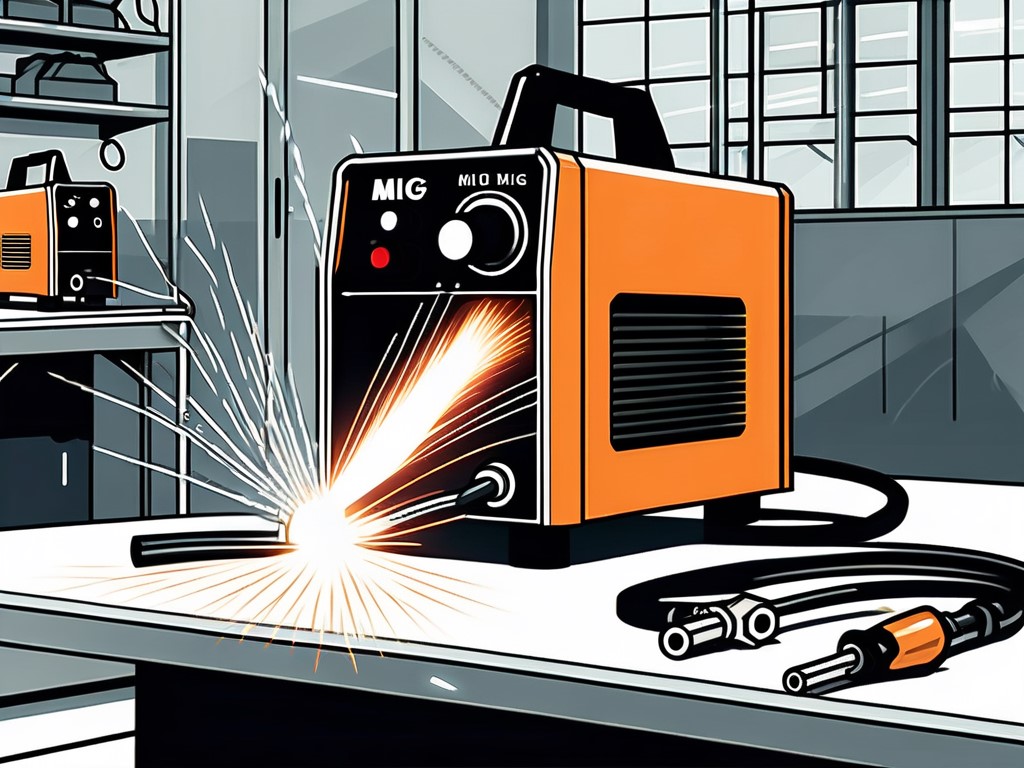
How to Guide for Gasless MIG Welding

Gasless MIG welding, also known as flux-cored arc welding (FCAW)

Gasless MIG welding is a versatile and efficient welding process that doesn’t require external shielding gas. This makes it ideal for outdoor welding projects or situations where portability is essential. In this guide, we’ll walk you through the steps and techniques for mastering gasless MIG welding, from equipment setup to executing perfect welds.

Read to the end and see the Seven Essential Gasless Mig Welding Tips.

Understanding Gasless MIG Welding

What is Gasless MIG Welding?

Gasless MIG welding uses a flux-cored wire that generates its own shielding gas when heated. This eliminates the need for an external gas supply, making the process simpler and more portable.

Advantages of Gasless MIG Welding

  1. Portability: No need for gas cylinders.
  2. Wind Resistance: Effective in outdoor conditions where wind might blow away shielding gas.
  3. Ease of Use: Simplified setup compared to traditional MIG welding.

Applications of Gasless MIG Welding

Ideal for:

  • Outdoor welding
  • Automotive repairs
  • Farm equipment maintenance
  • Construction projects

Essential Equipment

Flux Cored Wire Welding

Welding Machine

Choose a MIG welder compatible with flux-cored welding. Ensure it has adjustable settings for voltage and wire feed speed.

Flux-Cored Wire

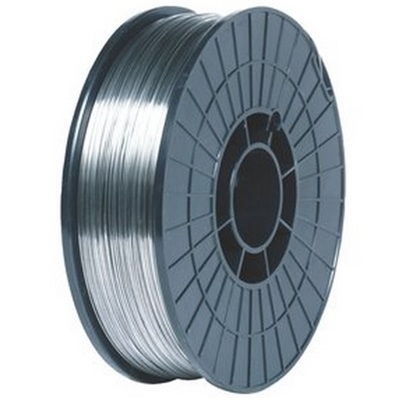
Select the appropriate flux-cored wire for your project. Common types include E71T-11 and E71T-GS, suitable for mild steel.

Protective Gear

Always wear:

Additional Tools

Preparation

Setting Up Your Workspace

  1. Clean the Area: Remove any flammable materials and ensure proper ventilation.
  2. Lighting: Ensure adequate lighting to see the weld area clearly.
  3. Safety Measures: Have a fire extinguisher nearby and ensure your workspace is free of tripping hazards.

Preparing the Metal

  1. Clean the Surface: Use a wire brush or grinder to remove rust, paint, or oil from the metal surface.
  2. Fit-Up: Securely clamp the workpieces together to prevent movement during welding.

Machine Setup

Adjusting Voltage and Wire Feed Speed

  1. Voltage: Set the voltage according to the thickness of the metal. Higher voltage for thicker metals, lower for thinner metals.
  2. Wire Feed Speed: Adjust the wire feed speed to match the voltage setting. Too fast or too slow can result in poor welds.

Polarity Setting

For gasless MIG welding, set your machine to DCEN (Direct Current Electrode Negative), also known as straight polarity.

Welding Technique

Striking an Arc

  1. Hold the Torch: Position the torch at a 10-15 degree angle to the workpiece.
  2. Contact Tip: Ensure the contact tip is close to the metal without touching it.
  3. Trigger: Squeeze the trigger to start the arc and begin welding.

Travel Speed and Angle

  1. Travel Speed: Maintain a consistent speed. Too fast results in weak welds, too slow causes excessive buildup.
  2. Torch Angle: Keep the torch angled slightly towards the direction of travel.

Weaving Technique

For thicker metals, use a slight weaving motion to ensure proper penetration and a wider bead.

Welding Position

  1. Flat Position: Best for beginners, provides better control.
  2. Horizontal and Vertical Positions: Requires more skill, adjust settings and technique accordingly.
  3. Overhead Position: Most challenging, ensure proper safety and control.

Post-Weld Process

Cleaning the Weld

  1. Slag Removal: Use a chipping hammer and wire brush to remove slag from the weld bead.
  2. Inspect the Weld: Check for defects such as porosity, cracks, or incomplete fusion.

Finishing

Grind or polish the weld if needed, especially if the appearance is important or if further work is required on the welded piece.

Common Issues and Troubleshooting

Porosity

  • Cause: Contaminants or improper settings.
  • Solution: Clean the metal thoroughly and adjust voltage/wire speed.
  • What is weld porosity? See Porosity in Welding.

Inconsistent Bead

  • Cause: Uneven travel speed or incorrect settings.
  • Solution: Practice maintaining a steady hand and adjust settings accordingly.

Spatter

  • Cause: High voltage or wire feed speed.
  • Solution: Lower the voltage or wire feed speed.

FAQs

1. What is the best flux-cored wire for beginners? E71T-11 is a popular choice for beginners due to its versatility and ease of use on mild steel.

2. Can I use gasless MIG welding indoors? Yes, but ensure proper ventilation to avoid inhaling fumes.

3. How do I reduce spatter in gasless MIG welding? Adjusting the voltage and wire feed speed can help reduce spatter. Ensuring clean metal surfaces also minimizes spatter.

4. What is the ideal torch angle for gasless MIG welding? A 10-15 degree angle towards the direction of travel is ideal for most welds.

5. How often should I replace the contact tip? Replace the contact tip when it shows signs of wear or if the arc becomes unstable, typically after several hours of welding.

Seven Essential Gasless Mig Welding Tips

1. Dial in the Polarity:

Unlike traditional MIG welding, gasless MIG uses a different polarity setting. Ensure your welder is set to Direct Current Electrode Negative (DCEN). This setting provides the correct heat distribution for the self-shielding flux contained within the electrode wire. Using the wrong polarity can lead to excessive splatter and weak welds. If your welder doesn’t offer DCEN polarity, it might not be suitable for gasless welding.

2. Embrace the Drag Technique:

Unlike push welding used in solid wire MIG welding, gasless MIG requires a drag technique. In this method, you point the torch nozzle in the direction you’re welding, but drag the torch backwards at an angle of 10-15 degrees. This allows the flux coating to vaporize and shield the weld pool as you progress.

3. Fine-Tune Machine Settings and Technique:

Gasless MIG welders operate similarly to standard MIG welders in terms of adjusting settings. Consult your machine’s manual to determine the optimal voltage and wire feed speed for your material thickness. Practice on scrap metal to perfect your travel speed and torch angle before tackling your main project.

4. Fight the Filth:

Gasless MIG welding doesn’t offer the same level of shielding as gas-protected MIG. Therefore, ensuring clean metal surfaces is crucial. Wire brush or grind away dirt, rust, paint, and any contaminants from your weld area. Cleanliness minimizes the chance of introducing impurities into the weld pool, reducing weld strength and quality.

5. Tame the Breeze:

Wind can disrupt the flux shielding, leading to porosity (air pockets) in the weld. If possible, weld in a sheltered location or use wind guards to minimize airflow around the weld zone. For outdoor projects, choose a calm day for optimal welding conditions.

6. Upgrade Your Wire:

Not all flux-cored wires are created equal. Higher quality wires offer a smoother welding experience with less splatter and a more consistent weld profile. At Norsemen Safety & Welding Supplies, we offer a wide selection of top-grade flux-cored wires to match your specific project needs.

7. Safety First!

Always prioritize safety when welding. Wear proper Personal Protective Equipment (PPE) including a welding helmet, gloves, respirator, and flame-retardant clothing. Ensure adequate ventilation to avoid fume inhalation, and keep a fire extinguisher nearby in case of emergencies.

By following these tips and using the right equipment from Norsemen Safety & Welding Supplies, you’ll be well on your way to mastering gasless MIG welding and achieving professional-looking results on your next project.

Ready to get started? Browse our extensive selection of gasless MIG welders, flux-cored wires, and safety gear online and visit Norsemen Safety & Welding Supplies in Belfast! Welding Belfast, Welding Ireland and Welding UK – we’ve got you covered.

Understanding Flux Cored Wire Welding/Gasless Mig Wire

Mastering Flux Cored Wire Welding/Gasless Mig Wire: Techniques and Tips for Beginners

Flux Cored Wire Welding

Flux cored wire welding offers a cost-effective and versatile approach for mild steel projects, particularly for occasional welders. This method stands out because it allows for effective outdoor welding, even in moderate wind conditions, without the need for shielding gas.

Flux Cored Wire Welding

Understanding the Challenges and Solutions in Flux Cored Welding

One of the initial hurdles in learning flux cored wire welding is managing the smoke and flux. These elements can obscure the welder’s view, making it challenging to monitor the welding process. Unlike mild steel wire, flux cored wire does not conduct electricity. This characteristic requires extra caution to avoid re-welding over a cooled section, as it can lead to poor quality welds.

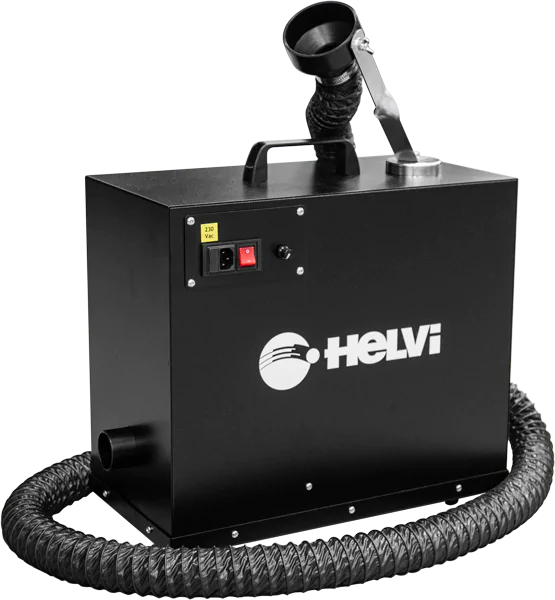
One way to reduce the smoke when gasless mig welding is to use a portable fume extractor that allows you to capture the fume right at the source.

portable welding fume extractor

The Gasless Advantage in Welding

Traditional MIG welding with mild steel wire necessitates an inert gas shield to protect the molten weld from oxidation. In contrast, gasless MIG wire, with its integral flux core, automatically forms a protective barrier around the weld. This flux core is the key to preventing oxygen intrusion during the welding process.

Dealing with Weld Spatter and Slag

Flux cored welding is known for producing weld spatter and a light-colored crust, known as slag, on the weld surface. Though the slag can be mostly brushed off, it tends to accumulate around the weld’s edges. This slag formation, while protective, temporarily obscures the weld pool, making it difficult for the welder to adjust their technique in real-time. This contrasts with gas-shielded welding, where the weld pool is clearly visible, allowing for on-the-spot adjustments.

Techniques for Effective Flux Cored Welding

To achieve optimal results with flux cored wire, practicing on scrap material is recommended. This allows for fine-tuning of the welding settings. A successful technique involves a flat zigzag torch movement, which helps in maintaining a stable arc and preventing the arc from re-entering the cooling weld pool. While the arc in flux cored welding is generally stable, care must be taken to clean any tack welds due to the non-conductive nature of the slag. Have a look at flux cored wire welding in action here.

Welding in Windy Conditions: Flux Cored Wire’s Unique Advantage

A significant benefit of flux cored welding is its effectiveness in windy outdoor conditions. Unlike traditional gas-shielded welding, which struggles even in mild breezes, flux cored welding remains stable and produces high-quality welds in gusty environments.

Setting Up Your Welder for Flux Cored Welding

For optimal flux cored welding, setting up your welder with a positive earth and a negative electrode is crucial. This configuration maximizes the power directed towards melting the wire. While welding with reversed polarity may still work, it is generally less effective, as evidenced by the experiences of various welders.

gasless mig welder

Differentiating Flux Cored Wires from Other Types

It’s important not to confuse gasless flux cored wires with other types like “dual shield” and “metal cored” wires. Dual shield wires are used for welding thick metals and require additional shielding gas, while metal cored wires are filled with ground metals for specific properties and also necessitate a gas shield.

In conclusion, mastering flux cored wire welding requires understanding its unique properties, practicing effective techniques, and ensuring the right setup. This method is especially advantageous for outdoor welding, providing robust and quality welds even in challenging wind conditions.

Flux Cored Wire Welding/Gasless Mig Welding is an economical way to mig weld. No need for expensive welding gas, gas cylinder rental charges or gas cylinder deposits. If you would like to know more about the range of gasless mig welders and gasless mig wire, please give us a call at Welder’s Choice Belfast, supplying quality welding equipment to the UK, Northern Ireland and the Republic of Ireland.

5 Essential Gasless MIG Welding Tips | The Best Welder’s Choice

Interested in learning more about gasless MIG welding? Here, we discuss what gasless MIG welding is, why you should use it, and provide essential tips for successful welding projects.

From choosing the right welding wire to using the correct technique and wearing proper protective gear, we cover it all. We also highlight common mistakes to avoid when using gasless MIG welding.

Ready to dive in and improve your welding skills? Let’s get started!

Gasless MIG welding is a popular welding technique that eliminates the need for an external shielding gas. This makes it ideal for projects that require mobility or working in tight spaces. In this article, we’ll explore the benefits of gasless MIG welding and how it differs from traditional MIG welding.

Remember when welding with gasless wire, the wire is a self-shielding wire and you don’t require a cylinder of welding gas.

A lot of beginners also prefer a gasless mig welder, as it’s easier and cheaper to get up and running. Gasless mig welding is one of the simplest ways for amateur welders to get professional results.

However, you still need to know what you’re doing.

Today, we’ll look at five simple tips to help beginners and experienced professionals alike get the most out of their gasless mig welders. But first, let’s get the basics out of the way.

stahlwerk mig 160 m


What is Gasless MIG Welding?

Gas vs Gasless MIG welding?

Most welders use an external gas cylinder to shield their joints from oxygen in the air. This prevents holes within the weld bead, known as porosity, as well as excessive spatter. 

Instead of using an external gas cylinder, gasless welders use what’s known as ‘self-shielding wire’.

Essentially, this is a metal tube with a flux core. When the wire is heated, the flux burns and produces shielding gas. This prevents the welding joint from becoming oxidised or contaminated, without the need for an external gas cylinder. 

With that in mind, here are five tips for getting better results with a gasless MIG welder.

  1. Select the Right Welding Polarity

The first thing you need to understand is that not all welders can be used with self-shielding wire. This is because welding torches need to have the right polarity for the type of wire you’re using.

Luckily, there are only three types of welding polarity to get your head around:

  • DC Straight – The electrical current flows from the electrode to the welding surface, creating significant heat on the welding surface.
  • DC Reverse – The electrical current flows from the welding surface to the electrode, concentrating the heat on the electrode itself.
  • Alternating – Here, the direction of the current alternates. This is primarily used for large industrial applications.

A gasless mig welder requires a welding gun with DC reverse polarity. 

Using straight polarity with self-shielding wire will give you poor results. Typically, this will result in a large amount of splatter around the join. Naturally, you want your joints to look as clean as possible, so this is best avoided.  

Even worse, this can lead to structural issues, as wire splatters onto the wrong areas of your welding surface.

Most modern MIG welding machines can be set to either straight or reverse polarity. If your welder only offers straight polarity, it shouldn’t be used for gasless welding.

  1. Use your Gasless MIG Welder in a Well Ventilated Area

One of the great benefits of gasless welding is that it’s easier to work in small spaces when you don’t have an external gas cylinder. However, this creates certain problems of its own, especially as small spaces offer poor ventilation.

This is a big problem, as gasless welders produce quite a lot of fumes.

In the short term, this creates an unpleasant working environment. In the longer term, exposure to fumes can also cause health problems. As such, it’s vital to take precautions when working with a gasless welder. 

The best way to prevent harm from welding fumes is to use a combination of local exhaust ventilation (LEV) and respiratory protective equipment (RPE). For instance, you might use a welding bench with air extraction, as well as an air fed welding helmet. You may also want to consider fume extraction at the source.  This could be on-torch extraction or with a portable fume extraction unit. 

papr
Air-fed welding helmets provide wearable ventilation.
  1. Use a Voltage Sensing Wire Feeder

Gasless mig welding is also popular for outdoor applications. For example, many farmers prefer gasless welders for repairing fences on their land, as they offer better portability. However, gasless welders don’t always work well with external generators. 

Many portable generators provide constant current and variable voltage. This is not ideal for gasless welding, as different gauges of self-shielding wire require different currents. 

To get around this problem, it’s best to use a voltage sensing wire feeder. This allows you to control the current going to your welding torch, even when you have a constant current supply. 

Even when you’re not working in the field, voltage sensing wire feeders add an extra level of control over your welding arc. This helps you to create cleaner and more precise beads. 

gasless mig welding
Combine gasless welding with a voltage sensitive wire feeder to control current in the field.
  1. Choose the Optimum Travel Speed and Angle

Switching from gas-shielded to self-shielding welding can be tricky for even the most seasoned professionals. As with anything, old habits are hard to break. This is equally true for adjusting your welding technique.

Because of their higher concentration of heat on the electrode, gas welders work best in a smaller range of attack angles. For vertical welding, 5-15 degrees is the optimal range of angels. For horizontal welding, this is 15-40 degrees. 

Maintaining a constant travel speed is also vital when welding with self-shielding wire. Again, the high concentration of heat on the electrode can quickly cause puddling and create slag on your welding surface. To prevent this, it’s important to keep the torch moving. 

  1. Avoid Porosity and Worm Tracking

Self-shielding wire creates some problems which don’t occur with external gas shielding. This can be visual as well as structural. In either case, simply being aware of these is often enough to prevent them.

The first is porosity. Essentially, this is when pockets of the gas which is emitted by the flux get trapped in the joint. This results in weak points along your welding surface.  

Porosity can be prevented by thoroughly cleaning the surface before welding. This includes removing any dirt or grime from the surface. It’s also a good practice to keep your electrode extension under 3cm. 

The second issue is worm tracking. This is the name given to marks created by flux gas on the surface of your welding joint. Typically, worm tracking won’t occur if you stick to the parameters listed by the manufacturer of the wire.  

If worm tracking does occur, it’s important to reduce your voltage setting. To find the optimum voltage, use a test piece and reduce your voltage in increments of half a volt until the problem goes away.

The big advantage of gasless mig welding is you don’t have to use industrial shielding gas, saving you lots of money on cylinder rental/leases.

Shielding gases are expensive and if you aren’t doing alot of mig welding, a cylinder sitting in your garage or shop is costly on a monthly or yearly basis.

For more information and video about gasless MIG welding, please read this article from one of our valued suppliers MillerWelds.

cropped Norsemen Welding Safety Logo
Norsemen Welding Safety Logo
CONTACT DETAILS
OUR HOURS
8 AM – 5 PM Monday – Thursday
8 AM – 4 PM on Friday
Safety Equipment
Welding Equipment
Find The Right Equipment Faster