MSA Safety Helmets Belfast, UK: Ultimate Protection Guide
Key Takeaways

  • MSA safety helmets meet UK standards EN 397 and EN 12492, providing essential head protection for workplace safety across Belfast and beyond
  • The helmets feature advanced protection elements including 4-point chinstraps, UV-resistant shells, impact-absorbing foam liners, and ventilation channels for optimal comfort
  • Three main types are available: V-Gard (basic impact), V-Gard 500 (advanced industrial), and V-Gard 520 (vented design), each serving different work environments
  • All MSA helmets undergo rigorous testing and quality assurance, including impact resistance, penetration, electrical, and UV exposure tests to maintain UK safety standards
  • Genuine MSA helmets can be purchased through authorised distributors in Belfast or online platforms, with options for expert fitting and next-day delivery
  • Regular maintenance and proper fitting are crucial, with daily inspections recommended and components requiring replacement at specific intervals to maintain protection

Are you looking for top-quality MSA safety helmets that meet UK standards? We understand the critical role head protection plays in workplace safety across Belfast and beyond. Safety helmets aren’t just protective gear – they’re essential lifesaving equipment that every worker deserves.

We’ve served the UK, Northern Ireland and Republic of Ireland as leading suppliers of Personal Protective Equipment (PPE) and safety supplies. With our extensive experience in the industry we know exactly what makes a reliable safety helmet. Whether you need protection for construction sites manufacturing facilities or industrial environments we’ll help you find the right helmet that meets your specific requirements.

Understanding MSA Safety Helmets

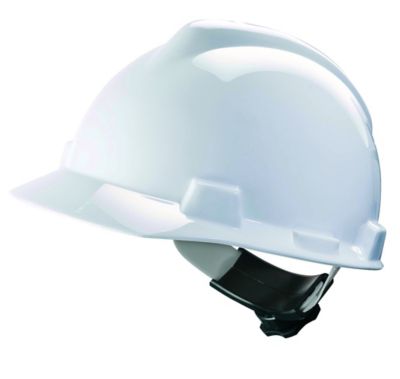
MSA Safety helmets combine advanced protection with ergonomic design for optimal workplace safety. These certified helmets meet UK safety standards EN 397 and EN 12492 for industrial head protection.

Key Features and Benefits

MSA safety helmets incorporate multiple protective elements:

  • 4-point chinstrap system for secure fitting during movement
  • UV-resistant shell materials lasting 5+ years
  • Impact-absorbing foam liner reducing force by 40%
  • Ventilation channels maintaining comfortable temperatures
  • Rain gutter system directing water away from the face
  • Anti-static protection for hazardous environments
  • Compatibility with hearing protection earmuffs
  • Reflective strips enhancing visibility in low light

Types of MSA Hard Hats Available

MSA offers specialised helmets for different work environments:

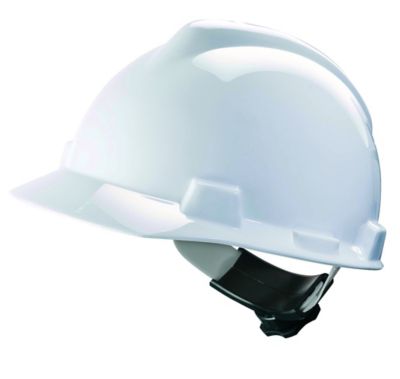
V-Gard Range

  • Basic impact protection for general construction
  • Available in 3 colours for worker identification
  • Optional accessory slots for face shields
  • Adjustable ratchet suspension system
  • Enhanced protection for heavy industrial use
  • Built-in eyewear integration points
  • Rain gutter channels on all sides
  • Extended nape protection at rear
msa v-gard hard hat

MSA V-Gard 930

This MSA helmet with built in eye protection is an extremely high quality product from MSA. This hard hat is made with ABS material and uses a low profile, balanced design with ventilation throughout.
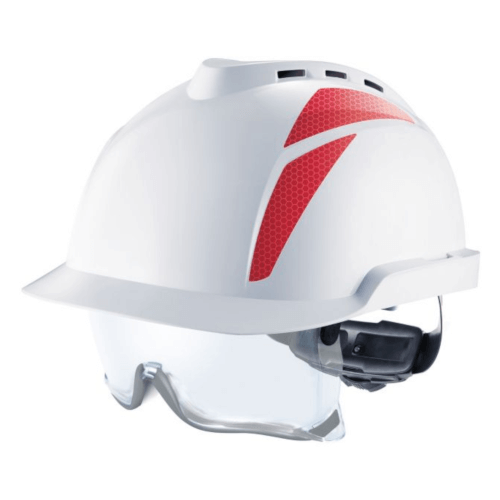
MSA V-Gard 930 Vented Safety Helmet

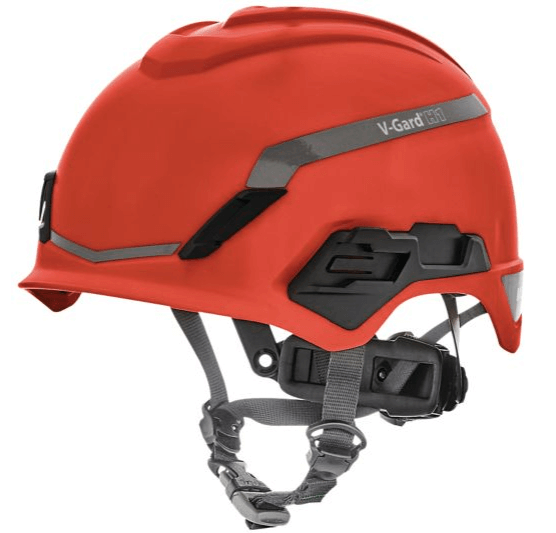
MSA V-Gard H1 Trivent

This extremely comfortable, high level protection safety helmet is apart of MSA’s new V-Gard range. this is exceeding in both quality and style.
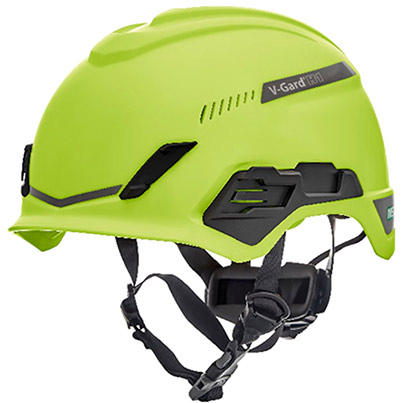
msa v gard h1 trivent hard hat

Safety Standards and Certifications

msa safety helmets belfast uk

MSA safety helmets meet rigorous UK safety regulations through comprehensive testing protocols and independent certification processes.

UK and European Compliance

MSA safety helmets comply with EN 397:2012+A1:2012 standards for industrial hard hats in the UK. These helmets also conform to the PPE Regulation (EU) 2016/425 requirements including:

  • Mandatory impact protection at -30°C to +50°C
  • Lateral deformation resistance for structural integrity
  • Electrical insulation up to 440V AC
  • Molten metal splash protection for industrial environments
  • EN 50365:2002 certification for electrical hazards

Testing and Quality Assurance

Each MSA helmet undergoes extensive testing before distribution across Belfast:

Test Type Parameters Frequency
Impact Resistance 5kg mass from 1m height Every batch
Penetration 3kg striker from 1m height Quarterly
Electrical 1200V AC for 15 seconds Monthly
UV Exposure 400 hours accelerated aging Bi-annually

Quality control measures include:

  • Raw material verification before production
  • In-line quality checks during manufacturing
  • Random sample testing of finished products
  • Third-party laboratory certification
  • Batch number tracking for full traceability

The helmets receive CE marking only after passing these tests, confirming their compliance with European safety directives.

Where to Buy MSA Helmets in Belfast, UK

MSA safety helmets are available through multiple channels in Belfast for construction professionals industrial workers. Here’s where to find genuine MSA helmets in the Belfast area.

Authorised Distributors

Local authorised MSA distributors in Belfast, such as Norsemen Safety stocks a complete range of safety helmets including the V-Gard series. Visit this location in person to:

  • Try different helmet sizes for optimal fit
  • Get expert advice on model selection
  • Access immediate stock availability
  • Receive product demonstrations
  • Obtain bulk order discounts

Proper Usage and Maintenance

MSA safety helmets require correct fitting adjustments and regular maintenance to provide optimal protection. These practices extend the helmet’s lifespan and maintain its protective capabilities.

Fitting and Adjustment Guidelines

The proper fit of an MSA safety helmet starts with the headband adjustment. Place the helmet on your head and rotate the ratchet knob clockwise until the band fits snugly without pressure points. Here’s how to achieve the correct fit:

  • Adjust the nape strap to sit below the occipital bone
  • Position the helmet level on the head, 2-3 cm above the eyebrows
  • Tighten the chinstrap until it’s secure with minimal side movement
  • Check the suspension system sits 1-2 cm below the shell
Adjustment Point Recommended Setting
Headband Size 53-63 cm
Front Height 2-3 cm above eyebrows
Chinstrap Tension 2-finger space
Shell Clearance 2.5-3.0 cm

Care and Inspection Tips

Daily inspection and proper care maintain the helmet’s protective qualities. Here’s a systematic approach to helmet maintenance:

Daily Checks:

  • Examine the shell for cracks fractures or dents
  • Test the suspension system for wear or damage
  • Verify all adjustment mechanisms function smoothly
  • Clean the surface with mild soap and warm water
Component Inspection Frequency Replacement Timeline
Shell Daily 2-5 years
Suspension Weekly 12 months
Sweatband Monthly 3-4 months
Chinstrap Weekly 12 months

Industry Applications

MSA safety helmets serve critical roles across diverse industrial sectors in Belfast UK, providing essential head protection for workers in high-risk environments.

Construction and Engineering

Construction sites demand reliable head protection against falling objects, electrical hazards, and impact risks. MSA helmets protect workers during activities like scaffolding assembly, crane operations, demolition work, road construction, bridge building, tunnel excavation, and electrical installations. The V-Gard range excels in these environments with its:

  • UV-resistant shell for outdoor work sites
  • 4-point chinstrap for stability during climbing activities
  • Rain gutter system for adverse weather conditions
  • Compatibility with face shields for welding operations
  • Side slots for hearing protection attachments

Manufacturing and Industrial Use

Manufacturing facilities require specialised head protection for specific hazards in controlled environments. Industrial applications include:

  • Chemical processing plants with exposure to corrosive substances
  • Metal fabrication workshops with hot work zones
  • Food processing facilities requiring hygiene-compliant helmets
  • Automotive assembly lines with overhead conveyor systems
  • Warehousing operations involving forklift traffic
Industry Sector Primary Protection Features Temperature Range
Construction Impact resistance, electrical insulation -30°C to +50°C
Manufacturing Chemical splash, heat resistance -10°C to +90°C
Engineering Impact absorption, UV protection -40°C to +60°C
Industrial Lateral deformation, metal splash -20°C to +70°C

These helmets incorporate ventilation channels for temperature regulation during extended wear periods, maintaining worker comfort without compromising protection standards.

Conclusion

We’ve explored how MSA safety helmets stand as essential protective equipment for workers across Belfast, UK. These helmets not only meet but exceed British safety standards delivering top-tier protection in diverse industrial settings.

Through our network of certified distributors in Belfast we’re committed to providing authentic MSA helmets backed by expert guidance and reliable support. Whether you need basic impact protection or advanced features for specific working conditions we’ve got you covered.

Remember, the right safety helmet isn’t just about compliance – it’s about ensuring everyone returns home safely after each workday. Trust in MSA’s proven track record and let us help you make the best choice for your workforce’s head protection needs. Have questions or need assistance? Contact us today!

Frequently Asked Questions

What makes MSA Safety helmets compliant with UK standards?

MSA Safety helmets meet both EN 397 and EN 12492 standards through rigorous testing for impact resistance, penetration, and electrical safety. They comply with PPE Regulation (EU) 2016/425 and undergo extensive quality control measures before receiving CE marking, ensuring maximum protection for users.

How long do MSA safety helmets typically last?

MSA safety helmets have a recommended lifespan of 2-5 years from the date of first use, depending on working conditions and maintenance. However, helmets should be replaced immediately if they sustain any significant impact or show signs of damage, regardless of age.

What are the key features of MSA V-Gard helmets?

The V-Gard range features UV-resistant materials, 4-point chinstraps, impact-absorbing foam, and ventilation channels. They include a rain gutter system, anti-static protection, and compatibility with hearing protection. Different models cater to specific working conditions and temperature ranges.

How should I maintain my MSA safety helmet?

Perform daily inspections for cracks, wear, and damage. Clean with mild soap and warm water, avoid harsh chemicals, and store away from direct sunlight. Regularly check adjustment mechanisms and replace components as needed. Maintain proper documentation of inspection dates.

What industries are MSA safety helmets suitable for?

MSA helmets are designed for various industries including construction, engineering, chemical processing, metal fabrication, food processing, and warehousing. Each model is tailored to specific workplace hazards, offering appropriate protection levels and features for different environments.

How do I ensure the correct fit of my MSA helmet?

Adjust the headband size to fit snugly but comfortably around your head. Ensure proper shell clearance and correct chinstrap tension. The helmet should be level on your head and stable during movement. Regularly check and readjust the fitting components as needed.

What protection levels do different V-Gard models offer?

The basic V-Gard provides standard impact protection, while the V-Gard 500 offers advanced protection including electrical insulation. The V-Gard 520 is specifically designed for hot working conditions with enhanced ventilation and heat resistance features.
Hard Hat Expire: When to Replace Your Protective Gear UK

When will my hard hat expire? Worker safety isn’t just about following rules—it’s about protecting lives. Hard hats represent our first line of defence against potential workplace accidents and head injuries. But how often do we really consider the condition of these critical protective tools?

We’ve all heard stories about equipment failures that could have been prevented with proper maintenance. In the construction and industrial sectors protecting workers requires more than just wearing a hard hat—it means understanding when and why these safety devices need replacement. Every scratch potential crack or exposure to harsh conditions can compromise a hard hat’s protective capabilities.

Our guide will walk you through the key considerations for hard hat safety. We’ll explore practical insights about when hard hat expire, replacement timelines, and critical warning signs that indicate it’s time to retire your current protective headgear. Are you ready to become a safety-conscious professional who takes proactive steps to safeguard yourself and your colleagues?

Key Takeaways

  • Hard hat expire guidelines suggest a recommended lifespan of 3-5 years, with replacement dependent on workplace conditions, usage frequency, and potential damage.
  • Regular quarterly inspections are crucial to identify signs of material degradation, such as surface cracks, discolouration, or structural weakening
  • UK safety regulations, specifically the Health and Safety at Work Act 1974, mandate strict compliance with personal protective equipment (PPE) standards, including guidelines on when hard hat expire.
  • Environmental factors like direct sunlight, high temperatures, and chemical exposure can accelerate when hard hat expire, significantly impacting durability and compromising protective capabilities.
  • Proactive hard hat management helps prevent workplace accidents and potential legal consequences, with replacement costs averaging £25-£50 when hard hat expire.
  • Choosing the right replacement hard hat requires considering when the hard hat expire, British Standard BS EN 397:2012 certification, and specific workplace environment requirements.

What Are Hard Hat Expire Dates?

Hard hat expire dates represent critical safety benchmarks for workplace protective equipment. These dates are not printed directly on the hat but determined by specific manufacturing details and recommended usage timelines.

Legal Requirements in the UK

The Health and Safety at Work Act 1974 mandates employers protect workers through appropriate personal protective equipment (PPE). For hard hats, this means considering when hard hats expire and ensuring compliance with safety standards:

  • Regular inspection of protective headgear
  • Replacement of damaged or aged equipment
  • Compliance with British Standard BS EN 397:2012 for industrial safety helmets
  • Maintaining documentation of equipment lifecycle and replacement

Manufacturer Recommendations

Manufacturers provide clear guidance for hard hat lifecycle management, including when a hard hat expire and needs to be replaced.

  • Typical recommended lifespan: 3-5 years from manufacture date
  • Precise replacement timing depends on:
  • Working environment conditions
  • Frequency of use
  • Exposure to chemical/physical damage
  • Storage practices

Date of Manufacture Identification

Identifying when hard hat expire involves examining the internal stamp for the manufacture date:

  • Location: Inside shell of hard hat
  • Format: Clock face with month indicators (1-12)
  • Central number represents manufacturing year
  • Example: Number 13 pointing to 5 indicates May 2013 production
  • Constant exposure to direct sunlight
  • High-temperature work environments
  • Chemical contamination
  • Visible structural damage
  • Significant scratches or deformation

Factors Affecting When A Hard Hat Expire

ce80d7e8 eb90 48b3 a2b0 1b04314a11ee:2dA2fAVtyNtYTi6I 7Ksm

Hard hats are critical safety equipment that protects workers from potential head injuries. Understanding the factors that impact when hard hat expire helps maintain optimal protection in workplace environments.

Material Degradation

Plastic composition plays a pivotal role in hard hat performance and longevity. Over time, the material’s structural integrity can deteriorate, impacting when hard hat expire. Key degradation indicators include:

  • Visible surface changes
  • Reduced material flexibility
  • Microscopic structural weakening
  • Colour fading or discolouration

Chemical alterations in the plastic’s molecular structure compromise the hat’s impact resistance. Manufacturers design hard hats with specific polymer grades, but prolonged storage or environmental stress accelerates material breakdown.

Environmental Exposure

Environmental conditions dramatically influence when hard hat expire. Critical exposure factors include:

Environmental Factor Impact on Hard Hat
Direct Sunlight Accelerates UV degradation
High Temperatures Increases material brittleness
Chemical Interactions Reduces structural strength
Humidity Levels Promotes material oxidation

Ultraviolet radiation penetrates plastic surfaces, causing molecular changes that reduce protective capabilities. Temperature fluctuations further compromise material elasticity and shock absorption properties.

Workplace Conditions

Different work environments present unique challenges that influence when hard hat expire.

  • Construction sites: High mechanical stress
  • Chemical processing plants: Potential contamination
  • Outdoor infrastructure projects: Extended environmental exposure
  • Manufacturing facilities: Potential impact risks

Frequent inspections help identify subtle structural changes before catastrophic failure occurs. Workers should assess their hard hats quarterly to determine when hard hat expire, checking for micro-cracks, surface irregularities, and potential structural weaknesses.

Signs That Indicate When A Hard Hat Expire And Need Replacement

Regular inspection of hard hats protects workers from potential safety risks. Our comprehensive guide highlights critical indicators that show when hard hat expire and require immediate replacement.

Visual Inspection Checklist

A thorough visual examination can reveal early warning signs of when hard hat expire and show signs of deterioration:

  • Fading colour indicating UV exposure
  • Chalky or discoloured surface texture
  • Visible scratches or scuff marks
  • Significant surface discolouration
  • Worn or damaged suspension system
  • Missing or loose attachment points

Structural Damage Indicators

Structural integrity compromises safety in multiple ways:

  • Hairline cracks across the shell’s surface
  • Dents deeper than 6mm in diameter
  • Compression marks from significant impacts
  • Deformation or warping of the hard hat’s shape
  • Brittleness or reduced shell flexibility
  • Areas with reduced material thickness

Impact and Performance Degradation

Physical damage directly impacts protective capabilities:

  • Previous significant impacts weaken structural resistance
  • Compression zones lose shock absorption capacity
  • Microscopic structural changes reduce impact protection
  • Repeated stress creates cumulative material fatigue
  • Loss of elasticity minimises energy dispersion during impacts
  • Constant exposure to direct sunlight
  • Extreme temperature fluctuations
  • Chemical contamination
  • High humidity environments
  • Frequent mechanical stress
  • Improper storage conditions

UK Safety Regulations for Personal Protective Equipment

Personal protective equipment (PPE) regulations in the UK establish critical safety standards for workplace protection. These regulations mandate comprehensive protocols for maintaining and managing protective gear across various industrial sectors.

HSE Guidelines

The Health and Safety Executive (HSE) provides definitive guidance on when hard hat expire and need replacement. Their recommendations center on three primary aspects:

Replacement Timeline: Industrial safety helmets require replacement within:

  • Maximum period of 3 years after manufacture
  • Potentially earlier depending on manufacturer specifications
  • Guided by specific working condition assessments

Inspection Protocols:

  • Quarterly visual examinations help determine when hard hat expire.
  • Assessment of structural integrity
  • Verification of suspension system functionality

Customisation Restrictions:

  • Prohibit painting hard hats
  • Restrict adding external stickers or modifications
  • Maintain manufacturer-specified protective characteristics

Industry-Specific Standards

Different industrial sectors have specific safety standards that dictate when hard hat expire, aligned with UK workplace regulations:

Construction Sector:

  • Compliance with BS EN 397:2012 standard
  • Enhanced impact resistance requirements
  • Additional electrical insulation specifications

Manufacturing Environments:

  • Chemical resistance testing
  • Temperature performance evaluations
  • Rigorous durability assessments

High-Risk Work Zones:

  • Specialized protective rating classifications
  • Advanced material performance criteria
  • Comprehensive impact protection measurements

Our analysis highlights the critical importance of adhering to these comprehensive safety regulations, protecting workers through systematic protective equipment management.

Proper Maintenance Ensures When Hard Hat Expire, It Is Safely Replaced On Time.

Maintaining your hard hat correctly extends its protective capabilities and helps determine when hard hat expire, safeguarding worker safety. Our guide covers essential procedures to keep your personal protective equipment in optimal condition.

Cleaning Procedures

Regular cleaning prevents contamination and material degradation. We recommend gentle washing using mild soap and lukewarm water. Avoid harsh chemicals or abrasive cleaning materials that might compromise the hat’s structural integrity. Rinse thoroughly and air dry at room temperature away from direct sunlight. Inspect the hat after cleaning for any signs of surface damage or material weakness.

Storage Recommendations

Proper storage protects hard hats from environmental damage. Store hats in a cool dry area with consistent temperature between 10-20°C. Keep away from direct sunlight windows or heat sources. Use dedicated storage containers or wall hooks that prevent crushing or deformation. Never store hard hats:

  • Near heating equipment
  • In direct sunlight
  • Close to chemical storage areas
  • Where mechanical pressure might cause structural stress

Impact on Longevity

Multiple factors influence hard hat durability. Environmental exposure remains the primary degradation catalyst. Chemical interactions temperature fluctuations and physical impacts dramatically reduce protective capabilities. Key considerations include:

  • Material composition resilience
  • Frequency of workplace exposure
  • Intensity of environmental stressors
  • Compliance with manufacturer guidelines

Regular quarterly inspections help identify subtle material changes before catastrophic failure occurs. Proactively monitoring your hard hat’s condition protects against potential workplace accidents and maintains safety standards.

Cost-Effective Hard Hat Management

Maintaining safety equipment doesn’t mean breaking the bank. We’ll explore strategic approaches to managing hard hat costs while prioritising worker protection.

When to Replace

Identifying the right moment to replace a hard hat prevents unnecessary expenses and potential safety risks. Key replacement triggers include:

  • Visual Damage: Hairline cracks or significant surface degradation
  • Age: 3-5 years from manufacture date
  • Impact Incidents: After any substantial collision or drop
  • Environmental Exposure: Signs of material weakening from UV or chemical interaction

Replacement costs average £5-£90 per helmet, making proactive monitoring financially sensible. Regular quarterly inspections help predict replacement needs before critical failures occur.

Budgeting for Safety Equipment

Strategic safety equipment budgeting requires systematic planning:

Budget Consideration Estimated Cost Frequency
Standard Hard Hat £30-£50 Every 3-5 years
Suspension Replacement £10-£20 As needed
Quarterly Inspection £0 (Internal) Every 3 months

Cost-saving strategies include:

  • Bulk purchasing for team-wide replacements
  • Selecting multi-purpose helmets
  • Implementing robust maintenance protocols
  • Tracking individual helmet usage histories

Investing in preventative maintenance reduces long-term safety equipment expenditures by minimising unexpected replacement requirements.

Consequences of Using Expired Hard Hats

Using an expired hard hat significantly compromises worker safety and potentially exposes employers to serious legal and operational risks. Our section explores the critical consequences of neglecting hard hat maintenance and replacement protocols.

Legal Implications

Employers face substantial legal consequences when workers use expired or damaged hard hats. The Health and Safety at Work Act 1974 mandates strict compliance with personal protective equipment (PPE) standards. Potential legal ramifications include:

  • £20,000 to £500,000 in potential fines for non-compliance
  • Potential criminal prosecution for workplace safety violations
  • Personal liability for directors in severe negligence cases
  • Invalidation of workplace insurance claims
  • Potential prohibition notices from Health and Safety Executive (HSE)

Workplace Safety Risks

Expired hard hats dramatically increase workplace accident probabilities. Material degradation reduces critical protective capabilities:

  • 50% reduction in impact absorption after 3 years
  • Increased risk of skull fractures during incidents
  • Compromised structural integrity from environmental exposure
  • Higher potential for penetration and side-impact injuries
  • Reduced chemical resistance in protective shell

A damaged or expired hard hat provides false security, potentially leading to catastrophic injuries. Professional safety inspectors recommend immediate replacement upon detecting any structural compromise.

Risk Factor Probability Potential Impact Recommended Action
Material Fatigue High Critical Immediate Replacement
Surface Damage Medium Significant Quarterly Inspection
Environmental Exposure High Moderate Annual Comprehensive Review

Proactive management of hard hat safety remains our most effective strategy for preventing workplace incidents and protecting worker well-being.

Choosing the Right Replacement Hard Hat

Selecting an appropriate replacement hard hat requires careful consideration of safety standards and workplace requirements. We’ll explore the critical factors that guide our selection process.

Certification Standards

UK safety regulations mandate specific certification standards for industrial hard hats. The British Standard BS EN 397:2012 provides comprehensive guidelines for protective headgear:

Certification Aspect Key Requirements
Impact Protection Minimum 3 metre drop test resistance
Electrical Insulation Class 0 protection up to 1000V
Temperature Range -30°C to +50°C performance guarantee
Material Durability Resistant to penetration and lateral deformation

Manufacturers must demonstrate compliance through rigorous testing. Our selection process prioritises hard hats that meet or exceed these critical safety benchmarks.

Compatibility with Work Environment

Different work environments demand specialised hard hat characteristics:

Construction Sites

  • High-impact resistance requirements
  • Enhanced ventilation features
  • UV-resistant materials

Chemical Processing Plants

  • Chemical-resistant shell materials
  • Non-conductive properties
  • Seamless construction preventing chemical absorption
  • Electrical insulation rating
  • Non-metallic external components
  • Dielectric strength tested to 1000V

We recommend matching hard hat specifications precisely to specific workplace hazards. Professional safety assessments help identify the most appropriate protective headgear for each unique working condition.

Conclusion

Worker safety isn’t just a regulatory requirement—it’s a moral imperative. Our exploration of hard hat safety underscores the critical need for proactive protective equipment management.

We’ve highlighted the importance of understanding expiration dates regular inspections and timely replacement. By staying vigilant and informed workers and employers can significantly reduce workplace risks and protect human lives.

Ultimately our commitment to safety goes beyond compliance. It’s about creating a culture of prevention where every individual takes responsibility for their protection and the well-being of their colleagues. Investing time and resources in proper hard hat maintenance is a small price to pay for safeguarding lives.

Safety is crucial in welding, and having the right protective gear is essential. At Norsemen Safety, we provide high-quality supplies to keep you safe and efficient on the job. Contact us here to find the perfect safety solutions for your needs.

Frequently Asked Questions

How often should I replace my hard hat?

Most manufacturers recommend replacing hard hats every 3-5 years, depending on usage and working conditions. Regular quarterly visual inspections are crucial to identify potential damage or wear. If your hard hat shows signs of structural compromise, such as visible cracks, fading, or material deterioration, you should replace it immediately, regardless of its age.

What are the key signs that indicate a hard hat needs replacement?

Look for clear warning signs including fading colour, chalky surface texture, visible scratches, worn suspension system, hairline cracks, significant dents, and reduced material thickness. Any signs of previous major impacts or structural damage should prompt immediate replacement. If the hard hat appears brittle, has lost its flexibility, or shows signs of material degradation, it’s time to invest in a new one.

What legal risks are associated with using an expired hard hat?

Using an expired hard hat can expose employers to significant legal consequences, including substantial HSE fines, potential criminal prosecution, personal liability for directors, and invalidation of insurance claims. The Health and Safety at Work Act 1974 mandates employers to provide appropriate personal protective equipment, and non-compliance can result in prohibition notices and severe financial penalties.

How do environmental factors affect hard hat lifespan?

Environmental conditions significantly impact hard hat durability. Constant exposure to direct sunlight, high temperatures, chemical contamination, and extreme humidity can accelerate material degradation. Different work environments like construction sites or chemical plants present unique challenges that can compromise hard hat structural integrity, necessitating more frequent inspections and potential earlier replacements.

What UK safety standards apply to hard hats?

In the UK, hard hats must comply with British Standard BS EN 397:2012 for industrial safety helmets. This standard mandates rigorous testing for impact protection, electrical insulation, temperature range, and material durability. The Health and Safety Executive (HSE) recommends a maximum replacement period of 3 years, with potential earlier replacement based on manufacturer specifications and workplace conditions.

Can I customise my hard hat?

Customisation of hard hats is generally restricted. Painting or adding external stickers can compromise the helmet’s structural integrity and protective capabilities. Most safety regulations prohibit modifications that might weaken the hard hat’s original design. Always consult manufacturer guidelines and workplace safety protocols before attempting any personalisation.

How do I check the manufacture date of my hard hat?

Locate the internal stamp inside the hard hat, which typically indicates the manufacturing date. This helps determine the helmet’s age and potential remaining useful life. The stamp is usually located on the inside of the shell and provides crucial information about when the hard hat was produced, helping you track its recommended replacement timeline.

What are the consequences of using an expired hard hat?

Using an expired hard hat can reduce impact absorption by up to 50%, significantly increasing the risk of serious head injuries. Compromised structural integrity means reduced protection against workplace accidents. Workers using outdated protective equipment face heightened risks of skull fractures and potential life-altering injuries, making regular replacement a critical safety measure.

How do different work environments impact hard hat safety?

Various work environments present unique challenges for hard hat durability. Construction sites, chemical processing plants, and outdoor workplaces expose hard hats to different stress factors like physical impact, chemical exposure, temperature variations, and UV radiation. Each environment requires specific hard hat characteristics and more frequent professional safety assessments to ensure optimal protection.

What steps should I take to maintain my hard hat?

Conduct quarterly visual inspections, checking for signs of damage or wear. Store the hard hat in a cool, dry place away from direct sunlight when not in use. Avoid exposing it to extreme temperatures or chemical substances. Clean with mild soap and water, and always follow manufacturer maintenance guidelines to preserve its protective capabilities.

MSA Hard Hats: Essential Safety Gear for the Modern Workforce

Are you in search of dependable head protection options for the workplace? MSA hard hats stand out for their robustness and safety attributes. This article delves into the characteristics of MSA hard hats, the diverse types they come in, and the advantages they offer in terms of protection and comfort.

msa v gard hard hat 3

It also covers the selection process for the appropriate MSA hard hat considering various factors, along with guidance on maintaining and caring for this essential protective equipment. Furthermore, the article emphasizes the significance of MSA hard hats in ensuring compliance with workplace safety regulations and standards.

Gain a deeper understanding of this critical safety gear by diving into further details provided in this content.

What are MSA Hard Hats?

MSA hard hats represent critical elements of personal protective equipment (PPE) specifically crafted to offer head protection within a variety of industrial and construction environments. These helmets are meticulously designed to shield against impacts, falling objects, and electrical hazards, thereby ensuring the safety and welfare of employees operating in rigorous settings.

The robust build and durable constituents of MSA hard hats render them as dependable selections for workers exposed to potential risks at construction sites or industrial premises. Furthermore, the high-visibility hues and reflective strips adorning MSA hard hats serve to enhance visibility, thereby ameliorating overall safety at job sites.

msa v gard h1 trivent hard hat

These hard hats frequently feature adjustable suspension systems, delivering a comfortable and secure fitting accommodating various head sizes. In alignment with safety protocols, MSA hard hats play a pivotal role in averting severe head injuries and fostering a secure work environment for all staff members.

Overview and Purpose

The main objective of MSA hard hats is to offer dependable head protection to workers whilst conforming to safety standards established by EN, ANSI, CSA, IRAM.

MSA hard hats are crafted to meet precise regulations mandated by EN Standards, ensuring the safety and welfare of individuals employed across different sectors. Whether on construction sites or in manufacturing facilities, MSA hard hats play a vital role in shielding workers from potential head injuries resulting from falling objects or impacts. Their robust construction and quality materials make them suitable for various workplace settings where head protection is essential for comprehensive safety compliance.

Types of MSA Hard Hats

MSA provides a wide selection of safety helmets designed to meet the diverse requirements of various industries and occupational roles. These safety helmets are available in different designs, including peaked style and low profile hard hats, and offer a range of colour options as well as the choice for custom logo printing.

Different Styles and Features

MSA hard hats are designed with a range of features that prioritise both safety and comfort. These features include advanced ventilation systemshigh impact resistanceelectrical protection, and the use of lightweight materials.

The advanced ventilation systems incorporated in these hard hats are specifically engineered to promote airflow, effectively reducing heat build-up and ensuring breathability, especially during prolonged wear in hot environments.

The high impact resistance feature is crucial in environments such as construction sites or industrial settings, where the wearer is at risk of encountering falling objects or accidental impacts. It serves as a protective shield that enhances the wearer’s safety and minimises the potential for injuries.

Additionally, the electrical protection element integrated into these hard hats provides an added layer of safety against electrical hazards, making them well-suited for work environments where electrical risks are present.

Moreover, the utilisation of lightweight materials in the construction of these hard hats not only reduces user fatigue but also allows for extended wear without causing discomfort. This feature is particularly beneficial for individuals who require long hours of work, as it ensures that the hard hats remain comfortable and wearable throughout extended periods of use.

Benefits of MSA Hard Hats

MSA hard hats provide a multitude of advantages, such as superior protectionincreased comfort, and exceptional durability, establishing them as the favoured option for professionals operating in demanding work settings. The adjustable straps and sophisticated suspension system guarantee a secure and comfortable fit, accommodating a range of head sizes and preferences.

Protection and Comfort

Crafted with a focus on safety and comfort, MSA hard hats are designed to prevent head injuries effectively through a secure fit and innovative features such as sweatbands and ratchet suspension systems. These hard hats are equipped with sweatbands that not only draw moisture away but also provide cushioning, ensuring prolonged comfort and minimising irritation during extended work periods.

The inclusion of ratchet suspension systems allows for a personalised fit, guaranteeing that the hard hat remains securely in place even during strenuous activities. This blend of protection and comfort proves especially beneficial in industries such as construction, where workers face various hazards and require equipment that can endure extended usage without causing discomfort or distractions.

Choosing the Right MSA Hard Hat

The proper selection of an MSA hard hat requires the consideration of various factors, including head sizedurabilitycomfort, and the specific protection requirements relevant to the job at hand. Through a thorough evaluation of these aspects, individuals can ensure the selection of a hard hat that offers an ideal combination of safety and comfort.

Factors to Consider

When choosing an MSA hard hat, it is essential to carefully evaluate factors such as durability, adjustability, compatibility with head size, and overall comfort.

Durability is of utmost importance as it guarantees that the hard hat can endure impacts, falls, and other potential hazards in the worksite, offering consistent protection over an extended duration.

Adjustability plays a critical role in ensuring a snug and secure fit, enabling the wearer to tailor the hat to their specific head size for optimal safety and comfort.

Compatibility with head size is crucial to prevent discomfort or slippage during work, ensuring that the hard hat remains firmly in place to maintain uninterrupted focus and protection.

Caring for Your MSA Hard Hat

The maintenance and timely replacement of MSA hard hats are imperative to guarantee their longevity and sustained protective efficacy. Routine inspections and cleaning protocols are instrumental in preserving the structural integrity of the hard hat, thereby ensuring its reliability during exigent circumstances.

Maintenance and Replacement Tips

To maintain the longevity and effectiveness of the MSA hard hat, it is essential to carry out regular inspections and cleaning procedures, promptly replacing any faulty components.

Inspecting the hard hat requires a thorough check for any cracks, dents, or signs of wear that could compromise its structural integrity. Special attention should be paid to the suspension system to ensure it is in optimal condition for proper fitting and protective capabilities. Keeping the hard hat clean by removing dirt and debris is crucial to maintain its visibility and overall operational efficiency.

Signs indicating the need for a hard hat replacement include visible damage like cracks, deep scratches, or exposure to significant impacts.

MSA Hard Hats in the Workplace

MSA hard hats are extensively used in various industries such as construction, manufacturing, oil and gas, mining, and electrical work. These hard hats are specifically engineered to meet the strict requirements of these sectors, providing reliable head protection and enhancing workplace safety procedures.

Safety Regulations and Requirements

MSA hard hats are engineered in accordance with strict EN and HSE safety standards to ensure effective prevention of head injuries in a variety of workplace settings.

These safety regulations mandate that MSA hard hats undergo specific impact and penetration tests to ensure robustness and safeguard against falling objects and electrical hazards. Adherence to these standards equips the hard hats with dependable protection for workers in sectors such as construction, mining, manufacturing, and other industries where head injuries pose significant risks.

Conformance to these regulations provides assurance to employees, allowing them to work with confidence, knowing that their head protection equipment has undergone thorough testing and certification to deliver optimal safety.

Frequently Asked Questions

What is MSA Hard Hats?

MSA Hard Hats refer to a type of personal protective equipment designed to protect the head from falling objects, impact, and electrical hazards in the workplace.

What are the benefits of using MSA Hard Hats?

MSA Hard Hats offer reliable protection against various workplace hazards, such as falling debris, impacts, and electrical shocks. They are also lightweight, comfortable to wear, and come in various styles and colors.

How do I choose the right MSA Hard Hat for my needs?

The right MSA Hard Hat depends on your specific work environment and the level of protection you need. Consider factors such as the type of hazards present, level of impact protection, and any additional features you may require. Contact Norsemen Safety to configure a hard hat that meets your needs.

Does a hard hat have an “expiration” date?

Technically speaking, the answer is no. After all, we’re not talking about foods, medicines, or even that delicious glass of milk.

That said, most manufacturers have recommendations on helmet and suspension lifespans. MSA hard hat shells should be used no longer than 5 years, while suspensions should be replaced after 12 months. Both are the maximum time frame for replacement, calculated from date of first use.

The date of manufacture is stamped or molded onto the hard hat shell, usually on the underside of the brim. Similarly, the suspension will be marked with the month and year of manufacture, along with the headband size. Remember the recommended replacement date is from the day of first use. Markers or labels can be used to identify the date the hard hat was first placed in service. This helps avoid replacing a sound hard hat too soon.

Depending on the environment, application and use, the shell might need replaced as often as every two years.

Some visible signs of hard hat damage, such as cracks, dents, or holes, are easy to see and are obvious reasons to remove the hard hat from service. But even scores or scuffs on the surface might signal that it’s time to retire it.

If a hard hat has been impacted or penetrated, remove it from service immediately.

Dents from impacts stress the hard hat material, causing weak spots that are not acceptable. Scuffs or scores also weaken it by thinning out the shell. Consider replacement as soon as possible.

If the suspension straps are frayed or ripped, or have damaged stitching, remove the webbing immediately and replace it with a new suspension assembly. Check the plastic attachment clips to make sure they aren’t weakened or broken as well.

Here’s a word of caution, though: When replacing the suspension, or any other attachment for that matter, use only those made by the original manufacturer specifically for that model and size. Hard hats are tested and certified with the manufacturer suspension installed and approved as a system.

Incorrect parts and accessories or those made from any other source render the certification null and void. Additionally, an incorrect headband and web could reduce or eliminate the amount of impact protection. The impact space might not be adequate.

Fading, normally seen in fiberglass or plastic shells, is a sign that sunlight or UV rays have started weakening the shell. This often shows up as a chalky, brittle surface or discoloration.

This can cause brittleness, easily noticed by flexing the brim. Too much flexibility can also be a sign of shell weakness.

Even harsh chemicals or other severe conditions break down the shell material, producing brittleness. This often shows up as fading or discoloration as well. Chemicals can damage the suspension, too.

Can MSA Hard Hats be customized?

Yes, MSA offers a variety of customisation options for their hard hats, including adding logos, names, and decals. This allows for easy identification and promotes brand recognition in the workplace. Norsemen Safety can logo your MSA hard hats, give us a call 028 9046 0541.

cropped Norsemen Welding Safety Logo
Norsemen Welding Safety Logo
CONTACT DETAILS
OUR HOURS
8 AM – 5 PM Monday – Thursday
8 AM – 4 PM on Friday
Safety Equipment
Welding Equipment
Find The Right Equipment Faster