Laser Welding vs TIG Welding UK: Which Method Is Best?
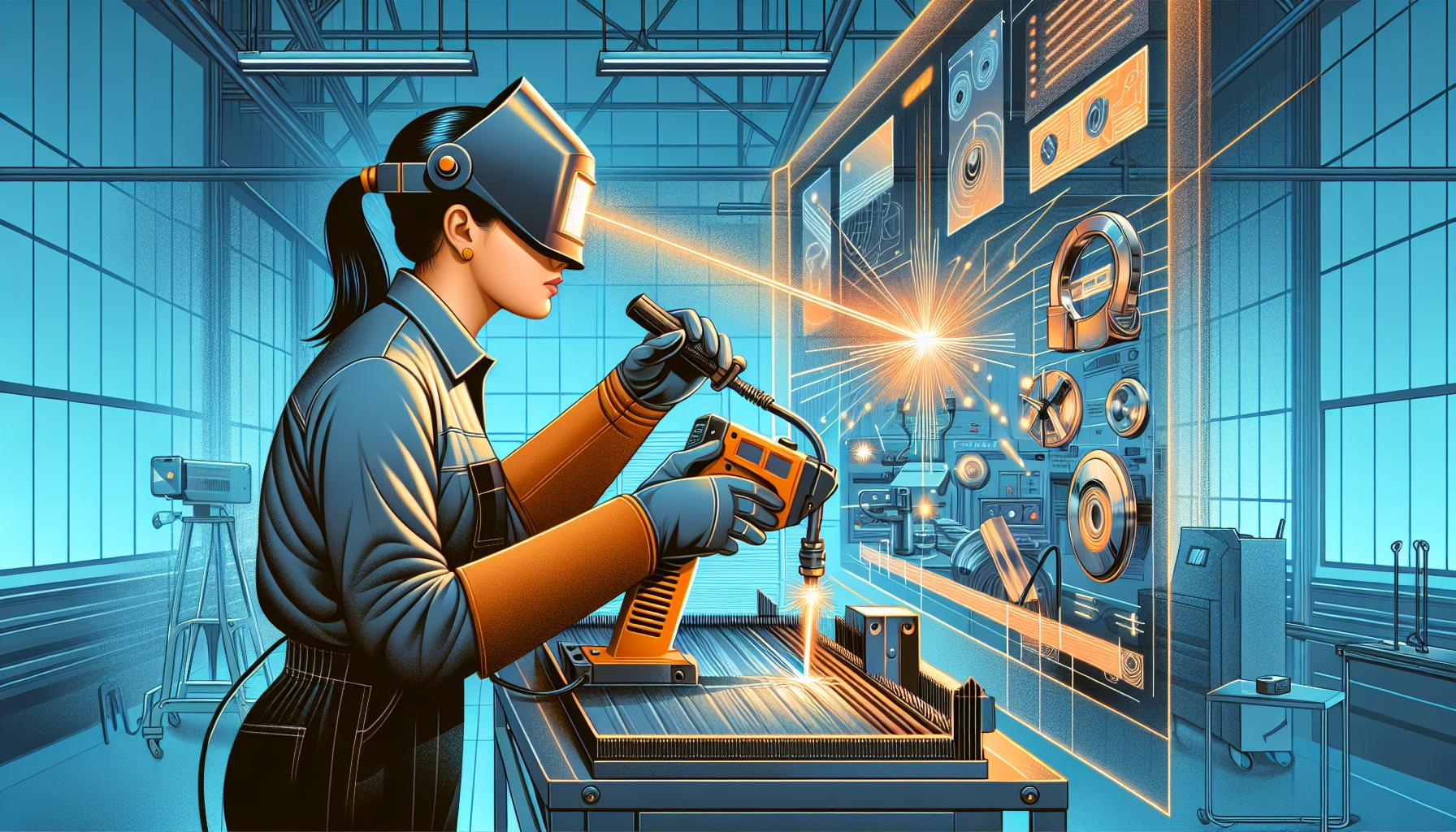
Laser Welding vs TIG Welding. Choosing between laser welding and TIG welding can be a challenging decision for UK manufacturers and fabricators. We understand that selecting the right welding method affects product quality, production speed and overall costs. Whether you’re working on precision components or large-scale industrial projects, it’s essential to understand the key differences between these two popular welding techniques.

In the UK manufacturing sector, both laser and TIG welding offer distinct advantages for specific applications. We’ll compare these methods across critical factors like precision, speed, cost-effectiveness and material compatibility. By exploring their strengths and limitations, you’ll be better equipped to make an informed choice for your welding requirements. What factors matter most in your welding projects?

Introduction to Welding Processes

Welding is a crucial process in various industries, including manufacturing, construction, and automotive. It involves joining two or more metal pieces together using heat, pressure, or both. There are several welding processes, each with its unique characteristics, advantages, and disadvantages. Two popular welding processes are Laser Welding and TIG (Tungsten Inert Gas) Welding. In this article, we will explore the differences between these two processes, their advantages, and disadvantages.

Understanding Laser and TIG Welding Processes

Laser and TIG welding represent two distinct approaches to metal joining, each with specific advantages in manufacturing applications. These processes differ in their heat source, application methods and precision levels.

Basic Principles of Laser Welding

Laser beam welding employs concentrated light energy to create precise, localized heat for joining metals, plastics, and composites. Pulsed laser welding minimizes the contact between the laser and the workpiece, allowing for quick and efficient spot welds while preventing issues associated with excessive heat input and improving weld quality. A focused laser beam generates temperatures up to 25,000°C, forming a keyhole in the material that creates deep, narrow welds. The process occurs in a controlled environment with shielding gas to prevent oxidation.

Key characteristics of laser welding:

  • Creates welds as narrow as 0.4mm in diameter
  • Produces minimal heat-affected zones
  • Operates at speeds up to 10 metres per minute
  • Functions without direct contact with the workpiece
  • Requires minimal post-weld cleanup

How TIG Welding Works

TIG (Tungsten Inert Gas) welding, a traditional technique, uses a non-consumable tungsten electrode to generate an electric arc. TIG welding methods are crucial for improving weld penetration and quality, with specific techniques minimizing the Heat Affected Zone (HAZ) and distortion. The TIG welding process offers advantages such as manual control over heat input and steady heat distribution, but it also has limitations like weld penetration issues.

  • Arc temperatures reach 6,100°C
  • Offers manual control over heat input
  • Creates weld widths from 2.5mm to 5mm
  • Uses filler material for reinforced joints
  • Maintains steady heat distribution
FeatureLaser WeldingTIG Welding
Heat SourceLight EnergyElectric Arc
Max Temperature25,000°C6,100°C
Min Weld Width0.4mm2.5mm
Speed Range1-10 m/min0.1-0.5 m/min
Power Input1-10 kW3-200 A

Key Differences Between Laser and TIG Welding

Laser and TIG welding present distinct operational characteristics that impact their applications in UK manufacturing. Here’s a detailed analysis of their primary differences:

Precision and Accuracy Comparison

Laser welders deliver pinpoint accuracy with beam spots as small as 0.2mm in diameter. TIG welding creates wider beads ranging from 2.5mm to 5mm, making laser welders superior for intricate components such as medical devices or electronic parts. The focused energy beam in laser welding produces consistent welds with +/-0.1mm tolerance levels, compared to TIG welding’s +/-0.5mm typical tolerance range.

Heat Affected Zone Analysis

The Heat Affected Zone (HAZ) varies significantly between these methods:

Welding TypeHAZ WidthTemperature DistributionDistortion Risk
Laser0.4-1mmConcentratedMinimal
TIG3-8mmWidespreadModerate to High

Heat generation laser welding is a highly controlled process that minimizes energy usage, resulting in less heat production compared to traditional welding methods. This lower heat input leads to reduced residual stress and distortion in the materials being welded, preserving the mechanical properties of sensitive materials like titanium alloys or stainless steel. TIG welding’s broader HAZ requires additional cooling time between passes, affecting the material’s microstructure across a larger area.

Speed and Productivity Factors

Laser welding operates at speeds up to 10 metres per minute, significantly enhancing productivity by allowing for high-quality welds without sacrificing welding speed. TIG welding speeds average 0.5 metres per minute, making it more suitable for smaller batch production. The automated nature of laser systems reduces setup times to 5-10 minutes, while TIG welding requires 15-30 minutes for equipment preparation plus ongoing operator involvement throughout the process.

ParameterLaser WeldingTIG Welding
Speed Range1-10 m/min0.1-0.5 m/min
Setup Time5-10 mins15-30 mins
Production VolumeHighLow to Medium

Advantages and Disadvantages

Advantages of Laser Welding

Laser welding is a precise and efficient process that offers several advantages over traditional welding methods. Some of the benefits of laser welding include:

  • High accuracy and repeatability: Laser welding delivers pinpoint precision, making it ideal for intricate and delicate components.
  • Fast welding speeds: Capable of operating at speeds up to 10 metres per minute, laser welding significantly boosts productivity.
  • Low heat input: This reduces distortion and thermal stress, preserving the integrity of the materials being welded.
  • Versatility in materials: Laser welding can join a wide range of materials, including metals, polymers, and glass.
  • Clean and precise welds: The process produces minimal spatter and requires little to no post-weld processing.
  • Reduced material waste and energy consumption: Laser welding is an efficient process that minimizes waste and conserves energy.

Disadvantages of Laser Welding

While laser welding offers several advantages, it also has some limitations. Some of the disadvantages of laser welding include:

  • High initial investment: Laser welding machines and equipment can be costly, with prices starting at £15,000.
  • Specialized training required: Operating laser welding machines requires specific skills and expertise.
  • Limited to thin materials: Typically, laser welding is most effective for materials up to 1/4 inch thick.
  • Material reflectivity and surface finish: Reflective materials and certain surface finishes can affect the welding process.
  • Additional safety measures: Laser welding requires stringent safety protocols to prevent eye damage and burns.

Advantages of TIG Welding

TIG welding is a versatile process that offers several advantages, including:

  • Wide range of metals: TIG welding can join various metals, including cast iron, stainless steel, and aluminum.
  • High-quality welds: The process produces welds with excellent mechanical properties and aesthetic quality.
  • Suitable for thin and thick materials: TIG welding can handle a broad range of material thicknesses.
  • Relatively low initial investment: The cost of TIG welding equipment and training is generally lower than that of laser welding.
  • Variety of welding speeds and techniques: TIG welding offers flexibility in terms of speed and methods, making it adaptable to different projects.

By understanding the advantages and disadvantages of both laser welding and TIG welding, manufacturers can make informed decisions based on their specific needs and constraints.

Cost Considerations in the UK Market

The financial aspects of laser welding vs TIG welding extend beyond initial investments, encompassing various operational factors that impact the total cost of ownership.

Equipment and Setup Expenses

Laser welding systems represent a significant capital investment, with basic setups starting at £15,000 and advanced systems reaching £250,000. A laser welding machine, with its various configurations and operational techniques, can be more costly than traditional methods but offers numerous advantages. The equipment includes:
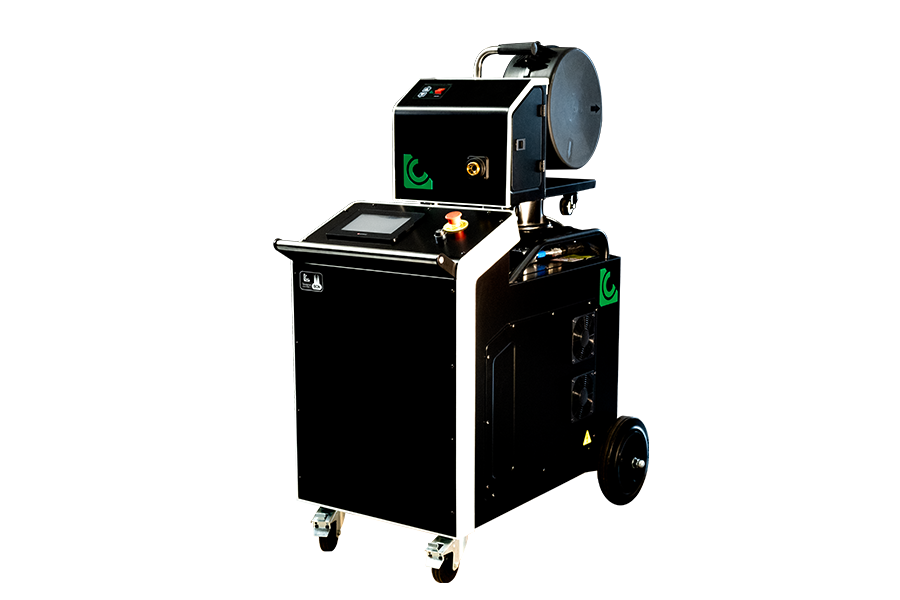
laser welder

Try our all in one handheld laser welder, LC-WELD SMART
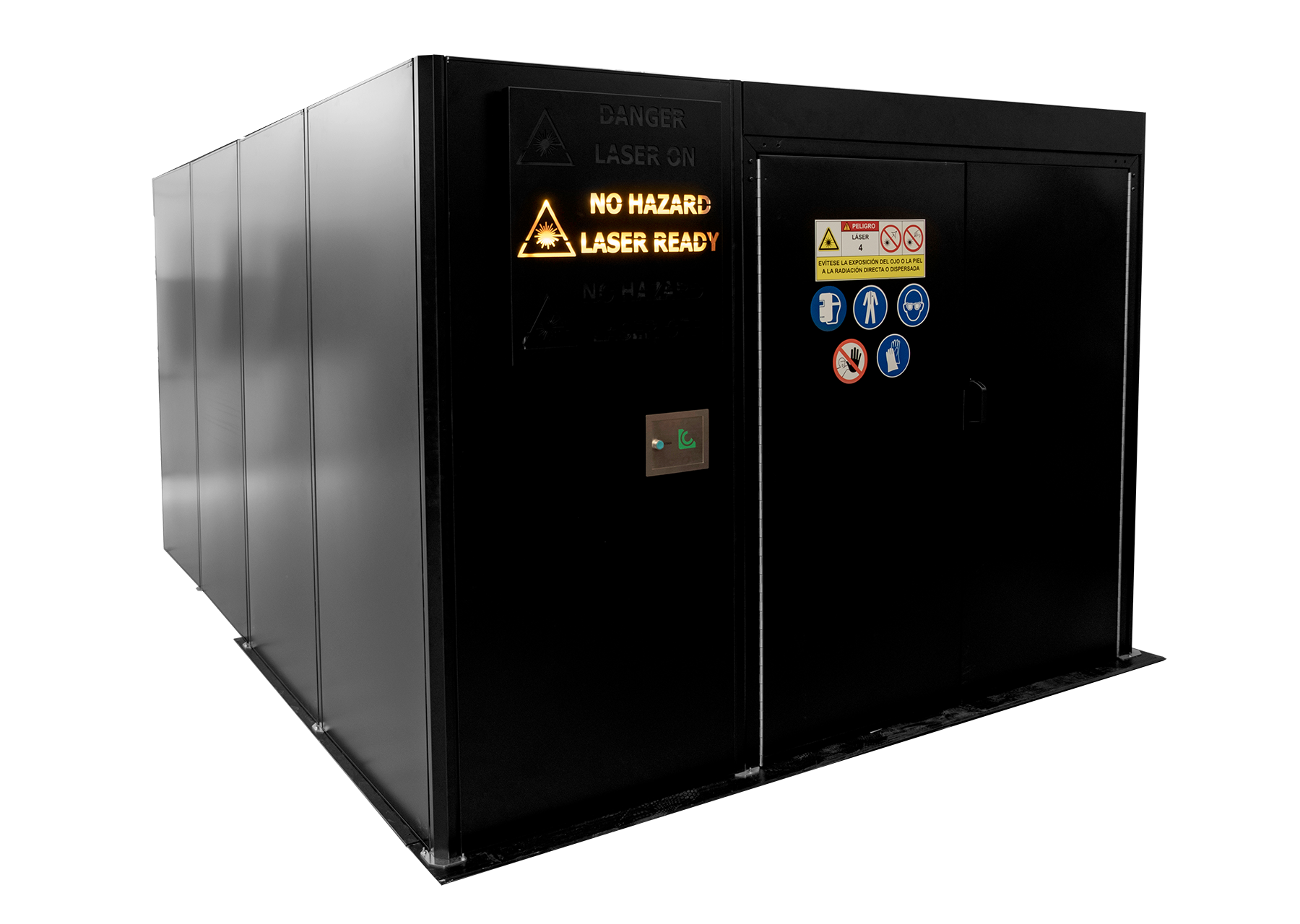
laser welding safety cabin

At Norsemen we supply a Laser Welding Cabin to allow for a safe and clean welding environment.

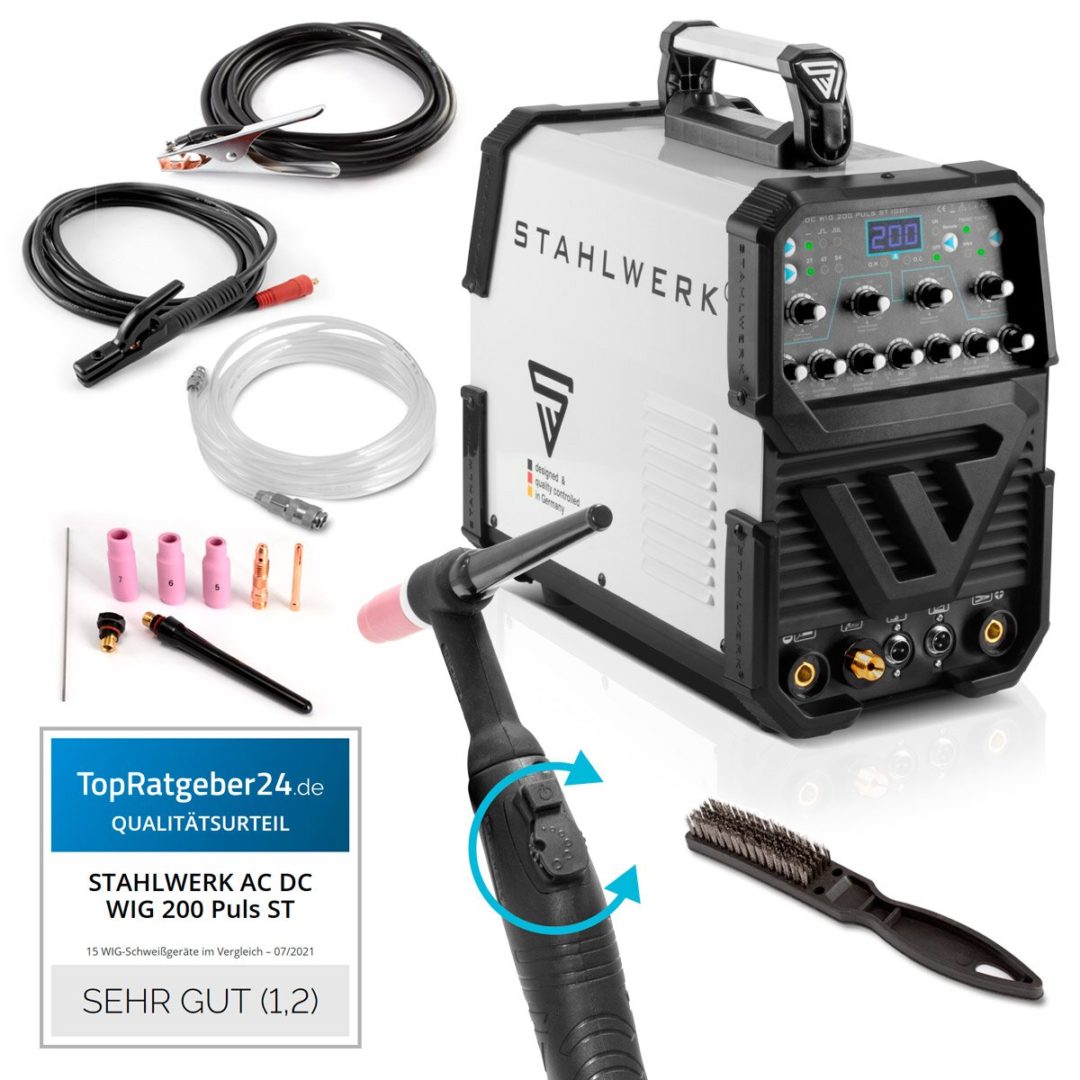
TIG welding equipment offers a more accessible entry point:

  • Power source (£500.00-£8,000.00)
stahlwerk ac/dc tig 200

Try our Stahlwerk DC TIG 200 Pulse

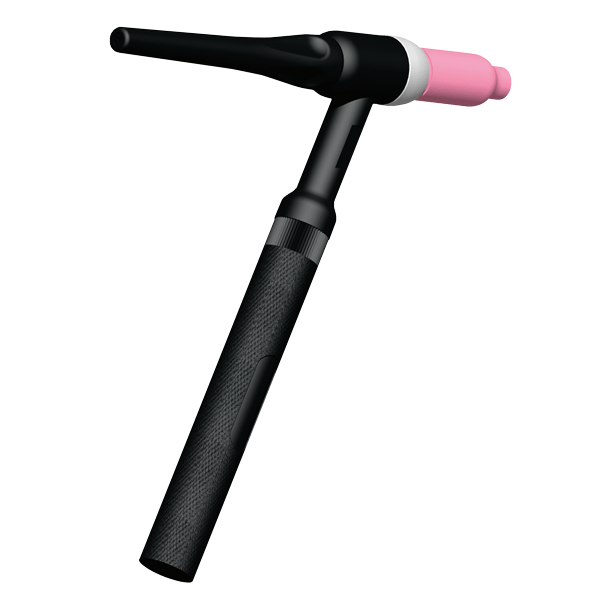
  • Torch assembly (£75.00- £325.00)
parweld wp1725rssw tig torch

Try the Parweld WP17 Air Cooled TIG Torch

  • Gas regulators (£45.00)
argon regulators

Check out our range of Welding regulators

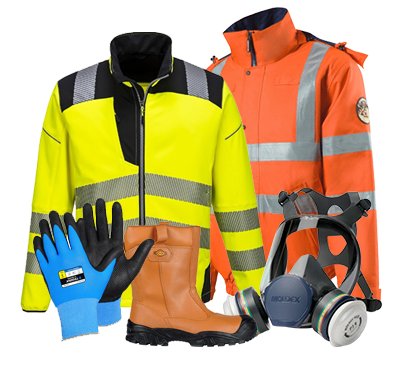
  • Basic safety equipment
5e46524f71e9790d94019acd safetygear

At Norsemen Safety we have safety equipment for any of your needs. Click here to see more

Operating Costs and Maintenance

The daily operational costs differ substantially between these technologies:

Regular maintenance requirements include:

  • Laser welding:
  • Optical system cleaning (quarterly)
  • Cooling system checks (monthly)
  • Beam alignment (bi-annual)
  • Filter replacement (quarterly)
  • TIG welding:
  • Electrode replacement (weekly)
  • Torch maintenance (monthly)
  • Cable inspections (quarterly)

Applications and Material Compatibility

Both laser welding and TIG welding excel in specific applications based on material type thickness project requirements. The choice between these methods depends on precision demands production volume material characteristics.

Ideal Use Cases for Laser Welding

Laser beam welding performs exceptionally with thin materials under 6mm thickness, offering speed and versatility in large-scale manufacturing compared to traditional methods like TIG welding. It’s particularly effective for:

  • Automotive components like transmission parts and gear assemblies
  • Medical devices requiring sterile high-precision joints
  • Electronics manufacturing for circuit boards and battery connections
  • Aerospace parts needing minimal heat distortion
  • Precision instruments with microscopic weld requirements

Materials compatible with laser welding include:

Material TypeMaximum Thickness
Stainless Steel5mm
Aluminium4mm
Titanium3mm
Copper2mm

Best Applications for TIG Welding

Traditional TIG welding offers superior control for diverse material combinations and is particularly effective in specific applications, such as achieving better penetration for thicker materials and dealing with various metal alloys. Common applications include:

  • Pressure vessel fabrication for chemical storage
  • Food processing equipment assembly
  • Custom motorcycle frame construction
  • Artistic metalwork sculptures
  • HVAC ductwork installation

Materials suited for TIG welding:

Material TypeThickness Range
Stainless Steel0.5-10mm
Aluminium1-12mm
Carbon Steel0.5-8mm
Brass1-6mm
  • Creates clean aesthetically pleasing welds on stainless steel
  • Maintains material strength in heat-sensitive alloys
  • Provides excellent control for joining dissimilar metals
  • Achieves high-quality results on non-ferrous materials

Industry Standards and Regulations in the UK

British welding standards establish specific requirements for both laser and TIG welding processes, focusing on operator safety, procedure qualifications, material testing, and quality assurance protocols.

Mandatory Standards

BS EN ISO 3834-2:2021 constitutes the primary quality standard for fusion welding of metallic materials, with these key requirements:

  • Welding procedure specifications (WPS) documentation
  • Regular equipment calibration records
  • Operator certification verification
  • Material traceability systems
  • Quality control inspection protocols

Safety Requirements

The UK Health and Safety Executive (HSE) mandates strict safety protocols:

Safety AspectLaser WeldingTIG Welding
Eye ProtectionClass 4 laser safety gogglesShade 10-13 welding helmet
VentilationLocal exhaust systemMinimum 0.5m/s airflow
PPE RequirementsFull body protectionHeat-resistant clothing
TrainingLaser safety certificationLevel 2 welding qualification

Quality Control Standards

British manufacturing requires adherence to specific testing methods:

  • Non-destructive testing (NDT) at defined intervals
  • Visual inspection requirements per BS EN ISO 17637
  • Weld strength verification through destructive testing
  • Documentation of all testing procedures

Environmental Regulations

UK environmental guidelines specify:

  • Maximum workplace emission levels
  • Waste material disposal procedures
  • Energy efficiency requirements
  • Noise level restrictions (85dB maximum)

Industry-Specific Requirements

Different sectors maintain additional standards:

IndustryCertification RequiredInspection Frequency
AerospaceAS9100D100% inspection
MedicalISO 13485Batch testing
AutomotiveIATF 16949Sampling basis
NuclearRCC-M100% inspection

These regulations apply to all UK welding operations, with regular updates from the British Standards Institution (BSI).

Conclusion

Both laser welding and TIG welding offer unique advantages for UK manufacturers. We’ve explored how laser welding excels in precision automated production with its superior speed and minimal heat distortion. It’s particularly valuable for high-volume manufacturing of intricate components despite higher initial costs.

TIG welding remains a versatile choice for smaller operations requiring exceptional control and flexibility. While it’s slower it provides excellent results for custom work and diverse material combinations at a more accessible price point.

The choice between these methods ultimately depends on specific project requirements, production volumes, and budget constraints. We recommend carefully evaluating these factors alongside our detailed comparison to make the most informed decision for your welding needs. Have questions or need assistance? Contact us today!

Frequently Asked Questions

What is the main difference between laser welding and TIG welding?

The primary difference lies in their heat sources and precision. Laser welding uses concentrated light energy reaching 25,000°C with beam spots as small as 0.2mm, whilst TIG welding uses a tungsten electrode generating an electric arc at 6,100°C with wider beads of 2.5-5mm. Laser welding offers higher precision and faster speeds but comes at a higher cost.

Which welding method is more cost-effective for small-scale operations?

TIG welding is more cost-effective for small-scale operations, with initial equipment costs ranging from £500 to £8,000. Laser welding systems start at £15,000, making them a significant investment better suited for large-scale production. TIG welding also has lower operational costs and maintenance requirements.

What materials can be welded using laser welding?

Laser welding is excellent for materials under 6mm thickness, including stainless steel, aluminium, titanium, and copper. It’s particularly suited for precision work in automotive components, medical devices, electronics manufacturing, and aerospace parts where minimal heat distortion is crucial.

How do setup times compare between laser and TIG welding?

Laser welding requires 5-10 minutes for setup, whilst TIG welding takes 15-30 minutes. However, TIG welding needs continuous operator involvement throughout the process, making it more labour-intensive. Laser welding can be automated for longer production runs with minimal supervision.

Which welding method is better for thick materials?

TIG welding is better suited for thicker materials and offers superior control for diverse material combinations. It’s commonly used in pressure vessel fabrication, custom motorcycle frames, and HVAC ductwork installation. Laser welding is limited to materials under 6mm thickness.

What safety standards must be followed in the UK for both welding methods?

Both methods must comply with BS EN ISO 3834-2:2021 standards and HSE regulations. This includes proper eye protection, ventilation systems, PPE, and certified operator training. Specific safety protocols vary between methods, with laser welding requiring additional laser safety measures.

What is the impact on production speed?

Laser welding operates at speeds up to 10 metres per minute, making it ideal for high-volume production. TIG welding averages 0.5 metres per minute, making it more suitable for smaller batches where precision and control are prioritised over speed.
Laser Welding Benefits UK: Boost Manufacturing Efficiency

Key Takeaways

  • Laser welding benefits UK by significantly improving manufacturing efficiency with welding speeds up to 10 metres per minute, offering 40% less material waste compared to traditional methods
  • The technology delivers superior precision with spot sizes as small as 0.2mm and minimal heat-affected zones (0.5mm or less), making it ideal for UK industries requiring high accuracy
  • Operating costs are reduced by 35% through lower energy consumption, whilst labour costs decrease by up to 50% due to automated processes
  • UK manufacturers benefit from enhanced quality standards compliance, with laser welding meeting strict BS EN ISO requirements and maintaining tolerances of ±0.1mm
  • The process demonstrates strong environmental benefits, consuming 65% less electricity than conventional welding and reducing CO2 emissions by 40%

Modern manufacturing demands precision and speed and laser welding delivers both. We’ve seen this advanced technology transform UK manufacturing with its superior accuracy and outstanding results. From automotive parts to medical devices laser welding has become essential for businesses looking to stay competitive.

We understand that choosing the right welding method can be challenging. That’s why more British manufacturers are turning to laser welding for its impressive benefits. Would you like to discover how this cutting-edge technique could boost your production efficiency while reducing costs? Let’s explore the key advantages that make laser welding a game-changer for UK industries.

Understanding Laser Welding Technology

Laser welding creates precise joins using concentrated light energy. This advanced technology transforms heat energy into focused beams for controlled material fusion.

How Laser Welding Works

Laser welding directs concentrated photon beams at specific material points to create a localised heat zone. The focused energy penetrates the material surface, forming a keyhole that allows deep penetration welding. As the laser moves along the join line, the molten material solidifies behind it, creating a strong metallurgical bond.

Key components of the process include:

  • Laser source generating the high-power beam
  • Focusing optics concentrating the energy
  • Shielding gas protecting the weld pool
  • Motion system controlling beam movement
  • Cooling system maintaining optimal temperatures

Types of Laser Welding Systems

The main categories of laser welding systems include:

Solid-State Lasers

  • Nd:YAG systems for precision work
  • Fibre lasers with high beam quality
  • Disk lasers offering concentrated power

Gas Lasers

  • CO2 systems for thick materials
  • Helium-neon lasers for alignment
  • Mixed-gas systems for specific applications

Pulse Characteristics

  • Continuous wave for steady output
  • Pulsed systems for heat control
  • Q-switched for high-peak power
Laser Type Power Range (kW) Material Thickness (mm)
Fibre 1-20 0.5-15
CO2 1-15 0.5-20
Nd:YAG 0.5-5 0.2-8
  • Material thickness requirements
  • Production speed demands
  • Joint configuration needs
  • Surface finish specifications

Key Benefits of Laser Welding in Manufacturing

Laser Welding Benefits uk

Laser welding offers significant advantages in modern manufacturing processes across the UK. These benefits enhance production efficiency while maintaining exceptional quality standards.

Superior Precision and Accuracy

Laser welding delivers precise welds with spot sizes as small as 0.2mm in diameter. The focused beam creates clean uniform joints with minimal distortion, making it ideal for intricate components like medical instruments or electronic parts. This precision reduces material waste by 40% compared to traditional welding methods.

Increased Production Speed

Manufacturing operations gain substantial time savings through laser welding’s rapid processing capabilities. The technology achieves welding speeds up to 10 metres per minute, enabling high-volume production runs. Automation integration reduces setup times by 65%, while consistent beam delivery maintains quality across extended production cycles.

Production Metric Laser Welding Traditional Welding
Welding Speed Up to 10 m/min 0.5-2 m/min
Setup Time 15-20 minutes 45-60 minutes
Scrap Rate 2-3% 8-12%

Reduced Heat-Affected Zone

The concentrated energy beam creates a minimal heat-affected zone (HAZ) of 0.5mm or less. This narrow HAZ preserves material properties adjacent to the weld, maintaining component strength and preventing thermal distortion. The controlled heat input results in 75% less warping compared to conventional welding techniques, particularly beneficial for thin materials and heat-sensitive assemblies.

Heat Impact Comparison Laser Welding Arc Welding
HAZ Width 0.5mm or less 2-5mm
Temperature Control ±5°C ±25°C
Warping Reduction 75% Baseline

Cost Advantages for UK Industries

Laser welding delivers significant cost reductions across multiple aspects of manufacturing operations in the UK. The financial benefits extend from daily operations to long-term equipment maintenance.

Lower Operating Expenses

Laser welding systems reduce operational costs by consuming 35% less energy than traditional welding methods. The automated process requires fewer operators, cutting labour costs by up to 50% compared to manual welding techniques. These systems feature low maintenance requirements, with service intervals extending to 5,000 operating hours versus 2,000 hours for conventional welders. The cost per weld decreases by 45% due to:

  • Reduced power consumption during standby periods
  • Decreased maintenance frequency
  • Lower labour requirements per production unit
  • Extended equipment lifespan of 15+ years

Minimised Material Waste

Material efficiency improves substantially through laser welding’s precise control mechanisms. The technology reduces material waste by:

  • Limiting excess filler material usage by 60%
  • Decreasing scrap rates from 8% to 2%
  • Optimising material thickness requirements by 25%
  • Creating narrower weld seams of 0.4mm versus 3mm in traditional welding
Waste Reduction Metrics Traditional Welding Laser Welding
Scrap Rate 8% 2%
Weld Seam Width 3mm 0.4mm
Filler Material Use 100% 40%
Material Thickness Standard -25%

The high precision of laser welding creates consistently accurate joints, reducing the need for post-weld machining by 80%. This accuracy translates to fewer rejected parts and optimised material usage throughout the production process.

Applications Across British Manufacturing Sectors

Laser welding transforms UK manufacturing through specialised applications in high-value industries. This advanced technology delivers exceptional precision across multiple sectors, meeting strict quality standards while increasing productivity.

Automotive Manufacturing

UK automotive manufacturers integrate laser welding for critical vehicle components. The process joins body panels 8 times faster than traditional methods while maintaining a 0.3mm tolerance. Advanced robotics systems weld chassis components, door frames, transmission parts with 99.9% accuracy. Electric vehicle production benefits from laser welding’s ability to join dissimilar metals like aluminium to copper for battery assemblies.

Aerospace Components

British aerospace manufacturers rely on laser welding for safety-critical components. The technology creates hermetic seals in fuel systems with leak rates below 1×10^-9 mbar l/s. Turbine components welded by laser maintain structural integrity at temperatures up to 1200°C. The process enables the joining of thin-walled titanium components (0.5-3mm) for engine housings with minimal distortion.

Medical Device Production

Medical device manufacturers employ laser welding for sterile instrument production. The technology creates welds as small as 0.2mm for surgical tools, implants, pacemaker casings with biocompatible finishes. Automated systems maintain cleanroom standards while achieving repeatability rates of 99.8%. The process eliminates contamination risks through non-contact welding capabilities, meeting ISO 13485 requirements for medical device manufacturing.

Quality and Compliance Standards in the UK

Laser welding in the UK adheres to strict quality standards enforced by regulatory bodies. These standards establish specific parameters for weld integrity safety requirements across manufacturing sectors.

Meeting British Manufacturing Requirements

British manufacturing standards specify technical requirements for laser welding processes with a focus on weld quality control. The BS EN ISO 13919-1 standard sets acceptance levels for imperfections in electron beam laser-welded joints with tolerances of ±0.1mm. UK manufacturers follow the BS EN 1011-6:2018 guidelines which outline:

  • Process controls for heat input management
  • Material-specific welding parameters
  • Joint preparation specifications
  • Quality inspection protocols
  • Documentation requirements

Industry Certifications

UK laser welding operations require specific certifications to demonstrate compliance with safety standards. Key certifications include:

Certification Coverage Area Renewal Period
ISO 9001:2015 Quality Management Systems 3 years
ISO 3834-2 Welding Quality Requirements 3 years
CE/UKCA Marking Product Safety Compliance Ongoing
BS EN 16834 Qualification of Welding Procedures 5 years

The certification process involves:

  • Regular quality audits by accredited bodies
  • Operator qualification testing
  • Equipment calibration checks
  • Safety system verification
  • Process documentation reviews

These standards integrate with the wider European EN ISO standards while maintaining UK-specific requirements through BSI guidelines.

Environmental Impact and Sustainability

Laser welding represents a significant advancement in sustainable manufacturing practices across the UK. This technology delivers substantial environmental benefits through reduced energy consumption, minimal waste production, and a decreased carbon footprint.

Energy Efficiency

Laser welding systems demonstrate superior energy efficiency compared to conventional welding methods. These systems consume 65% less electricity per weld seam due to their precise energy delivery and focused beam technology. A typical laser welding setup uses 2-4 kW of power to process materials up to 5mm thick, while traditional arc welding requires 7-10 kW for similar applications. The rapid processing speeds of laser welding, reaching up to 10 metres per minute, further reduce the overall energy consumption per component.

Energy Comparison Laser Welding Traditional Welding
Power Usage 2-4 kW 7-10 kW
Energy per Weld 0.8 kWh/m 2.3 kWh/m
Processing Speed 10 m/min 3 m/min

Reduced Carbon Footprint

Laser welding contributes to lower greenhouse gas emissions in manufacturing operations. The process generates 40% less CO2 compared to traditional welding methods, with emissions dropping from 2.5 kg to 1.5 kg CO2 per hour of operation. The minimal material waste, reduced from 8% to 2%, decreases the environmental impact of raw material production. The technology’s precision eliminates the need for additional finishing processes, cutting associated emissions by 75%.

Environmental Impact Laser Welding Traditional Welding
CO2 Emissions/Hour 1.5 kg 2.5 kg
Material Waste 2% 8%
Post-Process Requirements 25% 100%

Our Recommendations

For any of your Laser Welding Applications we recommend the following:

LC Weld SMART

laser welder

We recommend the LC Weld SMART Laser welder. This machine can weld, Stainless Steel, Galvanised steel, Aluminium, Titanium, Carbon Steel, and Special Alloys. For more information on this machine contact us on 02890460541

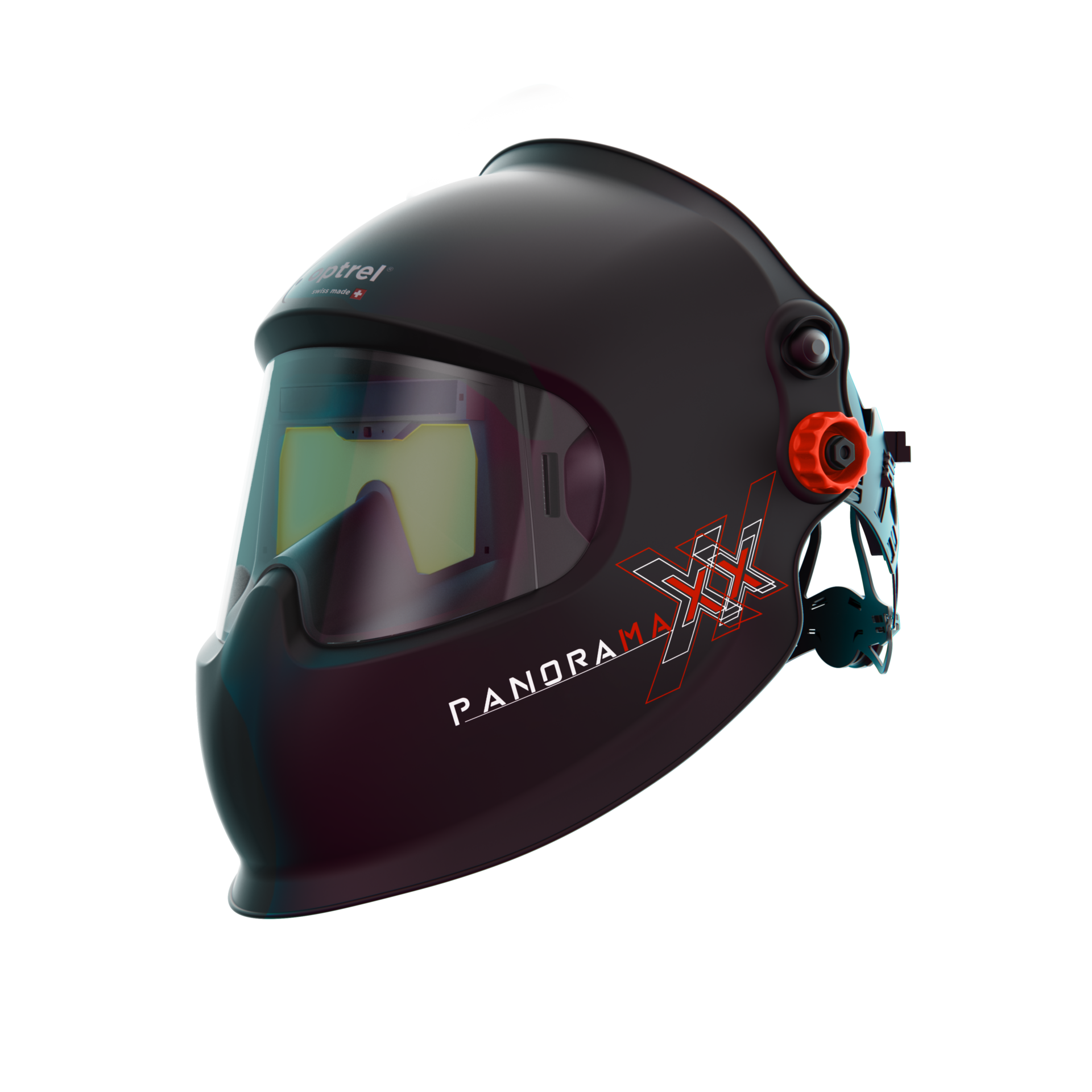
Optrel Laser Welding Helmet

laser welding helmet

This Helmet is the ideal companion for hand-held Laser welding, it protects from the infrared radiation with its colour filter. This is vital for any laser welding to ensure eye and face protection.

Conclusion

Laser welding stands at the forefront of British manufacturing innovation bringing unprecedented precision efficiency and cost-effectiveness to diverse industries. We’ve seen how this technology revolutionises production processes while maintaining the highest quality standards and reducing environmental impact.

The future of UK manufacturing lies in embracing advanced technologies like laser welding. With its superior precision automated capabilities and significant cost advantages it’s clear why more manufacturers are making the switch. We encourage businesses to explore this transformative technology to stay competitive in today’s demanding market.

Contact us today to discover how laser welding can elevate your manufacturing processes and drive your business forward.

Frequently Asked Questions

What is laser welding and how does it work?

Laser welding is a high-precision joining technique that uses concentrated light energy to create strong metallurgical bonds. The process directs focused photon beams to form a localised heat zone, allowing for deep penetration welding. It requires a laser source, focusing optics, shielding gas, motion system, and cooling system to function effectively.

What are the main advantages of laser welding over traditional methods?

Laser welding offers superior precision (welds as small as 0.2mm), 40% less material waste, faster production speeds (up to 10m/minute), and 65% reduced setup times. It creates minimal heat-affected zones (0.5mm or less), preserves material properties, and reduces warping by 75% compared to conventional techniques.

How cost-effective is laser welding for manufacturers?

Laser welding provides significant cost savings with 35% lower energy consumption, 50% reduced operator requirements, and 45% lower cost per weld. It minimises material waste by 60%, reduces scrap rates from 8% to 2%, and decreases post-weld machining needs by 80%.

Which industries benefit most from laser welding in the UK?

Key beneficiaries include automotive (8x faster production), aerospace (critical components with hermetic seals), and medical device manufacturing (sterile instruments with 0.2mm welds). These sectors leverage laser welding’s precision and speed for high-value components.

What quality standards must laser welding meet in the UK?

Laser welding must comply with BS EN ISO 13919-1 for weld imperfections and BS EN 1011-6:2018 for process controls. Manufacturers need certifications like ISO 9001:2015 and ISO 3834-2, involving regular audits, operator testing, and documentation reviews.

How environmentally friendly is laser welding?

Laser welding is highly sustainable, using 65% less energy (2-4 kW vs 7-10 kW), producing 40% less CO2 emissions (1.5 kg vs 2.5 kg per hour), and reducing material waste by 75%. It eliminates many finishing processes, making it an environmentally responsible choice.

What materials can be welded using laser technology?

Laser welding is versatile and can join various metals including steel, aluminium, titanium, and precious metals. It’s particularly effective for thin materials and heat-sensitive components, offering precise control and minimal distortion.

How long does it take to implement laser welding in manufacturing?

Implementation typically requires 3-6 months, including equipment installation, operator training, and process validation. The timeline depends on the complexity of applications, existing infrastructure, and required certifications.

Laser Welding Equipment Northern Ireland: Top Suppliers & Systems

Key Takeaways

  • Laser welding equipment Northern Ireland offers advanced technology capable of reaching temperatures up to 25,000°C, enabling precise and efficient metal joining across various industries.
  • Two primary types of laser welding systems are available: continuous wave systems for high-speed, deep-penetration welding, and pulsed laser systems for delicate, precision applications.
  • Initial investment costs range from £15,000 to £500,000, with various government grants and support programmes available through Invest NI to offset expenses.
  • All operators must obtain specific safety certifications, including Level 2 Certificate in Welding Safety and Laser Safety Officer qualification, whilst adhering to strict workplace safety protocols.

Looking for reliable laser welding equipment in Northern Ireland? We understand the critical role that quality welding gear plays in your professional success. From Belfast to beyond, we’ve been supporting welders across the UK and Ireland with premium equipment and expert guidance.

Our extensive selection of laser welding supplies caters to both seasoned professionals and newcomers to the trade. What sets us apart is our deep understanding of the local market combined with access to top-tier brands at competitive prices. Are you ready to discover how the right laser welding equipment can transform your projects?

Stay ahead in the welding industry by choosing equipment that meets the highest safety and performance standards. We’re proud to serve Northern Ireland’s welding community with comprehensive solutions that help you deliver exceptional results every time.

Understanding Laser Welding Technology in Northern Ireland

Laser welding technology transforms manufacturing processes across Northern Ireland with precise, high-speed metal joining capabilities. The advanced equipment delivers consistent results through concentrated heat application.

How Laser Welding Works

Laser welding uses focused light beams to create intense heat at specific points. The process generates temperatures up to 25,000°C, melting metals together without affecting surrounding areas. This creates:

  • Concentrated energy beams that form narrow, deep welds
  • Minimal heat-affected zones reducing material distortion
  • Automated control systems for repeatable results
  • Fast processing speeds reaching 10 metres per minute
  • Clean welds requiring minimal post-processing

Key Applications in Northern Irish Industries

Northern Irish manufacturers leverage laser welding across multiple sectors:

Manufacturing Applications:

  • Automotive parts production
  • Medical device assembly
  • Aerospace components
  • Electronics manufacturing
  • Tool & die repair
Industry Sector Average Productivity Increase
Automotive 35%
Medical Devices 40%
Aerospace 45%
Electronics 30%

Technical Benefits:

  • Reduced material waste by 60%
  • Improved weld strength by 40%
  • Enhanced production speed by 50%
  • Decreased energy usage by 25%

The technology’s precision meets stringent quality standards for Northern Irish export markets while reducing operational costs through efficient material usage.

Types of Laser Welding Equipment Available

Laser Welding Equipment Northern Ireland

Northern Ireland’s manufacturing sector utilises two primary types of laser welding systems. Each type offers specific advantages for different industrial applications based on power requirements, precision levels and material compatibility.

Continuous Wave Laser Systems

Continuous wave laser systems emit an uninterrupted beam of light for consistent welding results. These systems excel at high-speed welding of thick materials, creating deep penetration welds with minimal distortion. The equipment operates at power levels ranging from 1-10 kW, making it ideal for automotive parts manufacturing, heavy machinery components and structural steel fabrication.

Key features include:

  • Automatic power control systems for stable output
  • Integrated cooling units for extended operation
  • Computer-controlled positioning systems for precise movement
  • Real-time monitoring capabilities for quality control
  • Beam delivery options through fibre optic cables

Pulsed Laser Welders

Pulsed laser welders deliver energy in short, concentrated bursts, offering superior control for delicate applications. The pulse duration ranges from microseconds to milliseconds, with peak powers reaching 10 kW or higher.

Performance specifications:

Feature Capability
Pulse Rate 0.2-500 Hz
Spot Size 0.1-2.0 mm
Power Range 200W-2kW
Weld Depth Up to 5mm

Benefits of pulsed systems:

  • Reduced heat input for thin material welding
  • Precise control of weld pool formation
  • Minimal thermal distortion in sensitive components
  • Enhanced welding of dissimilar materials
  • Lower operating costs through reduced energy consumption

Leading Laser Welding Equipment Suppliers in Northern Ireland

Northern Ireland’s laser welding equipment suppliers, such as Norsemen Welding & Safety, deliver advanced technology solutions with comprehensive support across the region.

Equipment Available at Norsemen Safety

Laser Welding Helmet

This helmet features a passive colour filter and level 2 IsoFit headgear. We believe that this is your ideal companion for hand-held laser welding. Within laser welding there is deep penetration depths that can irreparably damage your eyesight, even from reflections.

laser welding helmet

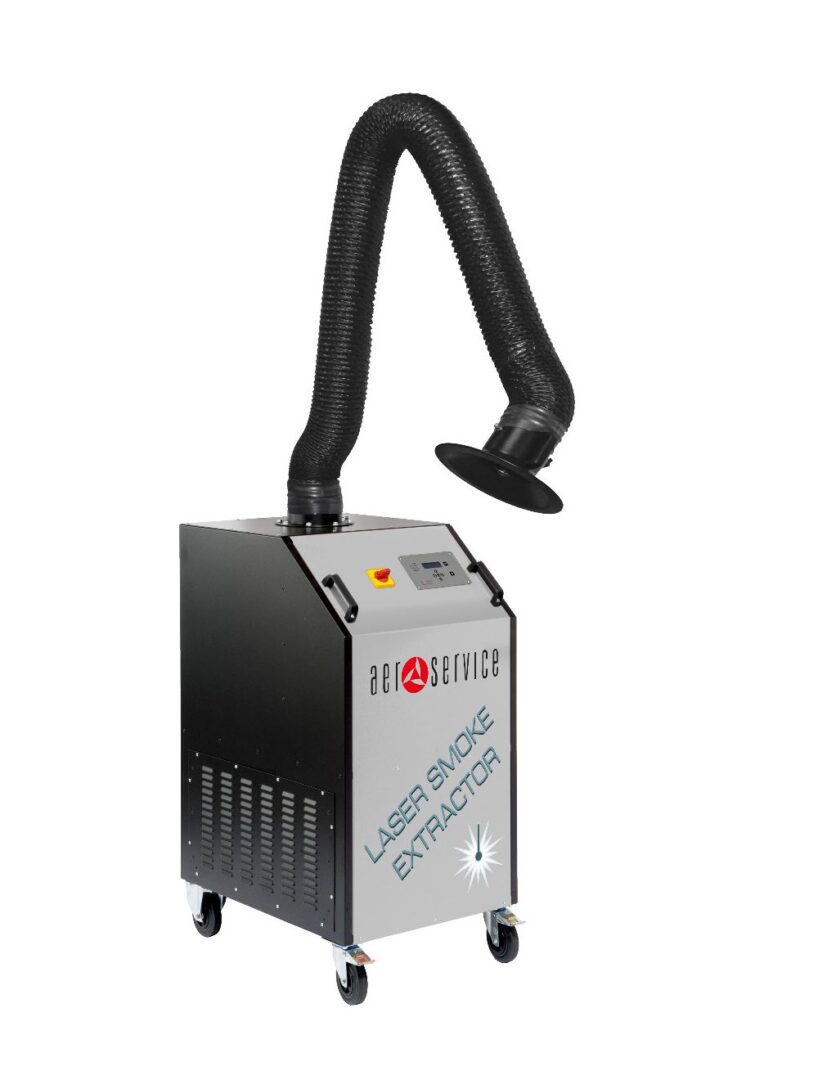
Laser Welding Fume Extractor

This fume extractor is specifically certified for Laser welding Fumes. This machine is provided with a DGUV test. Furthermore there are 4 available versions:

  • UNI 2.2 C W3 Laser single-phase
  • UNI 2.2 C W3 Laser three-phase
  • UNI 2.2 C W3 Laser single-phase with automatic Start/Stop
  • UNI 2.2 C W3 Laser three-phase with automatic Start/Stop

For more information on these contact us on 02890460541

laser welding fume extractor

Laser Welding Safety Cabin

This Welding Safety Cabin is a modular cabin that allows the user to work with laser equipment safely, all of which are available in various sizes. The cabin is specifically designed by LC to form a safe laser working area with their welding and cleaning equipment.

laser welding safety cabin

LC-Weld SMART Weld

Designed with simplicity and efficiency in mind, this laser welder is perfect for those who seek top-tier performance without the complexity. This machine allows for welding with, stainless steel, Galvanised steel, Aluminium, Titanium, Carbon Steel and Special Alloys. For more information contact us on 02890460541

laser welder

Safety Standards and Regulations in Northern Ireland

Laser welding safety standards in Northern Ireland align with UK and EU regulations to protect operators and maintain workplace safety. These regulations encompass specific training certifications, protective equipment requirements and workplace safety protocols.

Training Requirements

All laser welding operators need comprehensive safety training certifications before operating equipment. The essential certifications include:

  • Level 2 Certificate in Welding Safety
  • Laser Safety Officer (LSO) qualification
  • Equipment-specific operation training
  • First aid response certification
  • Risk assessment competency training

Regular refresher courses maintain operator competency at 12-month intervals. Training documentation stays on-site for inspection by health and safety authorities.

Workplace Safety Guidelines

Personal Protective Equipment (PPE):

  • Class 4 laser safety eyewear
  • Fire-resistant coveralls
  • Heat-resistant gloves
  • Steel-toed safety boots

Workspace Requirements:

  • Designated laser safety zones
  • Warning signs and signals
  • Emergency stop systems
  • Ventilation systems
  • Fire suppression equipment

Safety Protocols:

  • Daily equipment inspections
  • Maintenance record keeping
  • Emergency response procedures
  • Regular safety audits
  • Incident reporting systems
Safety Requirement Inspection Frequency Documentation
PPE Check Daily Digital Log
Equipment Inspection Weekly Service Record
Safety Audit Quarterly Compliance Report
Training Review Annually Certificate Update

Conclusion

Norsemen is proud to be at the forefront of Northern Ireland’s laser welding evolution bringing cutting-edge technology and expertise to your doorstep. Our commitment to providing top-tier equipment backed by comprehensive support services ensures that businesses across the region can maintain their competitive edge.

The future of laser welding in Northern Ireland looks exceptionally bright with continued technological advancements and growing demand across various sectors. We’re here to help you navigate this dynamic landscape whether you’re looking to upgrade your existing setup or invest in your first laser welding system.

Let’s work together to enhance your welding capabilities and drive your business forward. Contact us today to explore how our laser welding solutions can transform your operations.

Frequently Asked Questions

What are the main types of laser welding systems available in Northern Ireland?

There are two primary types: Continuous Wave Laser Systems and Pulsed Laser Welders. Continuous wave systems offer consistent results for thick materials and high-speed welding, while pulsed systems provide better control for delicate applications with minimal thermal distortion.

How much does a laser welding system cost in Northern Ireland?

Initial investment ranges from £15,000 to £500,000, depending on the system specifications. Additional costs include installation, training, maintenance, energy consumption, and consumables. Government grants and support programmes are available through Invest NI to help offset these costs.

What safety regulations apply to laser welding in Northern Ireland?

Laser welding operations must comply with UK and EU safety regulations. These standards ensure operator protection and workplace safety. Proper training, protective equipment, and regular safety assessments are mandatory for all laser welding facilities.

Which industries commonly use laser welding in Northern Ireland?

Laser welding is widely used in automotive, medical devices, aerospace, and electronics manufacturing sectors. Each industry benefits from the technology’s precision, speed, and ability to create high-quality joins with minimal material waste.

What support is available for laser welding equipment maintenance?

Local suppliers provide comprehensive support including 24/7 emergency repairs, preventative maintenance programmes, operator training, and remote diagnostic capabilities. This ensures minimal downtime and optimal equipment performance across Northern Ireland.

Are there funding options available for purchasing laser welding equipment?

Yes, various funding options exist through government initiatives. These include Invest NI’s Capital Support Programme and Innovation Vouchers. Recent schemes particularly support energy-efficient systems and carbon reduction initiatives.

What are the main advantages of laser welding technology?

Laser welding offers precise, high-speed metal joining capabilities with narrow, deep welds and minimal heat-affected zones. It provides improved weld strength, reduced material waste, and meets stringent quality standards for export markets while optimising operational costs.

Is training provided with laser welding equipment purchase?

Yes, equipment suppliers typically offer comprehensive training packages. These include operator training, safety protocols, and technical support to ensure proper equipment use and maintenance procedures.

What is Laser Welding? – The Essential Guide

Laser welding has significantly transformed the fabrication landscape by providing precise, efficient, and versatile solutions for joining materials. This overview will examine laser welding, encompassing its definition, historical development, various techniques, and applications across diverse industries. The discussion will include a comparison of the advantages and disadvantages of laser welding relative to traditional methods, along with an exploration of the working process, equipment utilized, and essential safety considerations. This technology is shaping modern manufacturing practices, and its potential benefits may make it a suitable option for your next project.

Overview of Laser Welding

Laser welding is a sophisticated welding technique that employs laser technology to join materials through the application of a high-energy beam. This method of metal joining has gained considerable recognition across various industrial applications due to its capacity to deliver precise welding results with minimal thermal distortion.

As a result, it is suitable for welding a wide variety of materials, including metals and thermoplastics. Since its introduction, laser welding has undergone significant evolution, integrating automation and technological advancements to improve production efficiency and cost-effectiveness while maintaining weld quality and the integrity of joint design.

Definition and History

Laser welding is a technique that utilises concentrated laser energy to join materials, offering a high level of control over the welding process. This innovative method originated in the mid-20th century with the development of laser technology, which has led to significant advancements in metal joining processes across various industries.

The inception of laser welding can be traced back to the invention of the first operational laser by Theodore Maiman in 1960, which generated considerable interest in its industrial applications. Subsequently, advancements in laser technology, including the introduction of continuous wave and pulsed lasers, significantly enhanced the precision and versatility of welding techniques.

By the 1970s, laser welding gained traction in the automotive and aerospace sectors, fundamentally altering manufacturers’ approaches to material assembly. Presently, laser welding is esteemed not only for its speed and efficiency but also for its capability to produce strong, precise joints with minimal thermal distortion. This evolution has markedly transformed the manufacturing landscape, facilitating the production of lighter and more durable components, thereby expanding the horizons of modern engineering.

Types of Laser Welding

There are several types of laser welding techniques, each characterised by the specific laser sources utilised, including fibre lasers, CO2 lasers, and diode lasers. These sources differ in their applications and efficiency.

Each laser welding method presents distinct advantages and challenges that address various industrial requirements and material compatibility. Consequently, selecting the appropriate technique is essential for achieving optimal weld quality and performance.

At Welders Choice we have the LC-Weld Laser welder in stock for you to purchase at anytime. Contact us on 02890460541 if you have any questions.

laser welder

Comparison of Different Techniques

A comparison of various laser welding techniques reveals distinct advantages and disadvantages contingent upon factors such as welding parameters, process control, and energy efficiency. Understanding these distinctions is crucial for manufacturers in selecting the most appropriate technique tailored to their specific welding requirements and materials.

Each laser welding method, whether continuous wave or pulsed, possesses unique characteristics that significantly influence overall welding quality. For example, fibre laser welding techniques generally provide deeper penetration and a narrower heat-affected zone, which enhances material integrity.

Conversely, certain pulsed laser systems may offer precise control over energy input, aligning with quality assurance objectives by minimising thermal distortion.

Evaluating weld bead profiles is instrumental in determining the effectiveness of a selected technique, as specific applications may necessitate different bead shapes and sizes to ensure optimal performance.

Applications of Laser Welding

Laser welding has become widely used across various industries, including automotive, aerospace, electronics, and medical sectors, due to its remarkable production efficiency and precision in custom fabrication.

The ability to weld a diverse range of materials, including metals, alloys, and thermoplastics, provides significant versatility for applications such as repair welding and component assembly.

Industries and Use Cases

In the automotive industry, laser welding is employed for the assembly of body structures and components due to its precision and speed. Similarly, aerospace applications benefit from laser welding as it contributes to reduced weight and enhanced structural integrity. In electronics manufacturing, laser welding is utilised for the assembly of delicate parts, ensuring high-quality joints with minimal thermal impact.

These applications underscore the versatility of laser welding across various sectors. For example, in the medical device industry, laser welding plays a crucial role in joining small, intricate components such as stents and surgical instruments made from materials like titanium and stainless steel. The accuracy of this process results in strong, reliable products.

Furthermore, the energy sector utilises laser welding for the construction of pipelines, achieving robust connections capable of withstanding high pressures. The emphasis on quality assurance and rigorous inspection methods, including non-destructive testing, ensures that products meet the requisite safety and performance standards.

This highlights the critical importance of precision in these industrial applications.

Advantages and Disadvantages of Laser Welding

Laser welding provides a range of advantages, including high precision, minimised thermal impact, and enhanced manufacturing efficiency, which makes it a preferred option for various applications.

However, it is important to acknowledge certain disadvantages, such as the initial setup costs and the requirement for skilled operators to effectively manage the complex welding equipment and parameters involved.

Pros and Cons in Comparison to Traditional Welding Methods

When comparing laser welding to traditional welding methods, the advantages include faster welding speeds and enhanced energy efficiency. However, the potential drawbacks may include higher initial costs and increased operational complexity. Evaluating these factors is crucial for businesses contemplating a transition to laser welding technologies.

One of the primary advantages of laser welding is its exceptional weld quality. This method typically results in narrower heat-affected zones and minimises distortion in the materials being joined. Such precision not only improves the aesthetic appeal of the welds but also enhances the final product’s strength by preserving the integrity of the surrounding material.

Conversely, traditional welding methods may struggle with consistency and often experience issues with weld defects, which can result in costly rework or structural failures. The finely controlled nature of the laser process provides adaptability across various applications, equipping manufacturers with a versatile tool capable of meeting diverse production needs.

How Laser Welding Works

The laser welding process involves directing a focused laser beam onto the workpieces, whereby the concentrated energy generates laser-induced heat to melt the metal, resulting in a strong joint upon cooling.

This technique requires meticulous control over the laser parameters to ensure optimal penetration depth and to minimise distortion of the surrounding material.

Process and Equipment Used

Laser welding necessitates specialised equipment, including laser welding machines and beam delivery systems, which enable the precise focusing of the laser beam onto the workpieces. Effective process control is essential for achieving the desired weld quality and minimising defects during operation.

Plus these critical components, various types of optics, such as lenses and mirrors, are integral in directing and refining the laser beam for optimal performance. Advanced automation systems further enhance this equipment, improving speed and precision while mitigating the potential for human error.

As technology progresses, innovations such as fibre lasers and high-precision scanners have emerged, allowing for the welding of complex geometries with exceptional repeatability.

These advancements not only enhance operational efficiency but also expand the range of applications across various industries, underscoring the importance of remaining informed about technological developments in the field.

Safety Considerations for Laser Welding

Safety considerations in laser welding are of utmost importance, as the high-energy laser beam presents potential hazards, including eye injuries and skin burns.

For more guidance on safety considerations for laser welding from the HSE click here.

It is essential to adhere to stringent safety precautions in this context. The use of appropriate protective equipment and the implementation of proper safety protocols can substantially mitigate the risks associated with the welding process.

Because of these Safety precautions specific helmets must be used in order to protect the users eyesight. At Welder’s Choice we recommend the Optrel Panoramaxx Laser welding helmet.

laser welding helmet

This helmet protects the wearer from infrared radiation which can severely damage your eyesight.

Potential Hazards and Precautions

Potential hazards associated with laser welding include exposure to harmful laser radiation, fumes, and molten metal. Therefore, it is imperative for welders to conduct comprehensive risk assessments and adhere to established safety precautions.

To assist with this, at Welder’s Choice we recommend users the laser welding safety cabin, this cabin allows for there to be full protection from the outside as well as ensure other employees safety.

laser welding safety cabin

To further your safety we also recommend the use of a laser welding fume extractor.

laser welding fume extractor

The use of proper protective gear, such as laser safety goggles and appropriate protective clothing, is essential to ensure safe working conditions.

Plus utilising appropriate personal protective equipment, implementing safety protocols, including effective ventilation systems, can significantly reduce the inhalation of toxic fumes generated during the welding process.

Furthermore, it is crucial for individuals engaged in laser welding to undergo specialised training and obtain certifications that address the unique risks associated with this technique. Such training programmes not only educate welders about potential hazards but also instil best practices for emergency response and equipment handling.

By prioritising safety and continuous education, workplaces can substantially enhance their safety culture while safeguarding the well-being of their personnel.

Frequently Asked Questions

What is Laser Welding?

Laser welding is a modern welding method that uses a high-powered laser beam to melt and join materials together. It is commonly used in industrial manufacturing and is known for its precision and speed.

How does Laser Welding work?

Laser welding works by directing a concentrated beam of light, usually from a CO2 or fibre laser, onto the materials to be joined. The intense heat from the laser beam causes the materials to melt and fuse together, creating a strong bond.

What materials can be welded using Laser Welding?

Laser welding can be used to join a variety of materials including metals, plastics, and even some composites. Commonly welded metals include steel, aluminium, and titanium.

What are the advantages of using Laser Welding?

Laser welding offers several advantages over traditional welding methods, including high precision, minimal heat distortion, and minimal need for post-welding finishing. It is also a non-contact process, making it suitable for welding delicate or hard-to-reach materials.

Are there any limitations to Laser Welding?

While laser welding has many benefits, it does have some limitations. It is not suitable for welding materials with high thermal conductivity, such as copper or silver, and it may not be cost-effective for small-scale or low-volume production.

Is Laser Welding safe?

Yes, laser welding is generally considered safe when proper safety measures are followed. However, it is important to use appropriate protective gear, such as a welding helmet, and to ensure that the welding area is properly ventilated to prevent exposure to fumes.

cropped Norsemen Welding Safety Logo
Norsemen Welding Safety Logo
CONTACT DETAILS
OUR HOURS
8 AM – 5 PM Monday – Thursday
8 AM – 4 PM on Friday
Safety Equipment
Welding Equipment
Find The Right Equipment Faster