Optrel PAPR vs 3M Speedglas PAPR: Which Welding Respirator Comes Out on Top?

When selecting the best powered air-purifying respirator (PAPR) for welders, the debate often centre’s on the Optrel PAPR vs 3M Speedglas PAPR. These two leading welding respirators are trusted globally, but which one offers the best protection, comfort, and value?

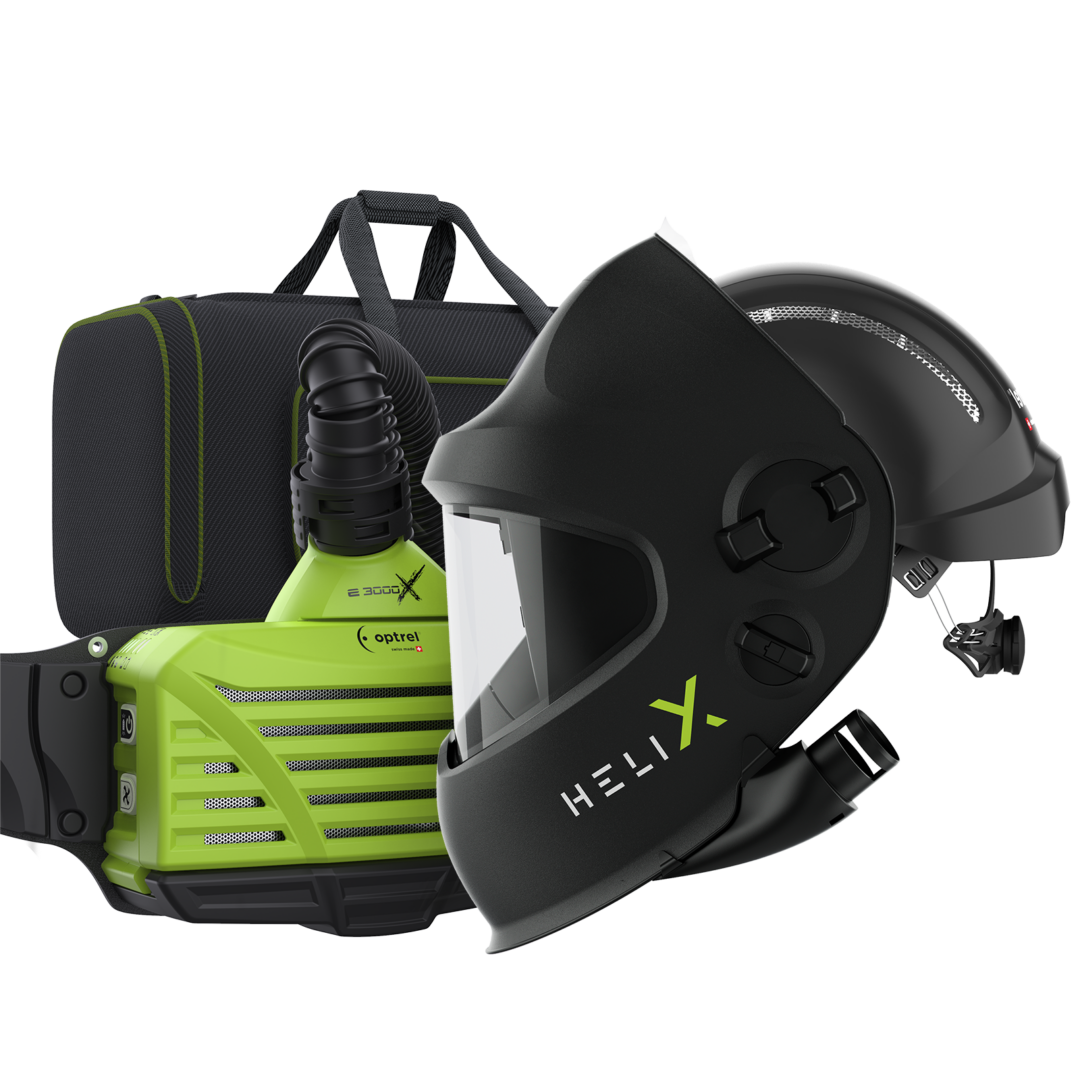
optrel helix pure air welding

Filtration Performance

The Optrel PAPR, particularly the e3000X model, leads the industry with its TH3 certification, filtering out 99.8% of welding fumes, dust, and smoke. This top-level filtration is essential for welders working in hazardous conditions. Conversely, the 3M Speedglas PAPR G5-01 provides TH2-level protection, filtering around 98% of particles.

Verdict: Optrel PAPR’s TH3 certification ensures superior respiratory protection, setting it apart from the 3M Speedglas PAPR.

Comfort and Ergonomics

Welding respirators must be comfortable for extended use. The Optrel PAPR is renowned for its ultra-lightweight frame and ergonomic belt system, which evenly distributes weight and minimizes fatigue. The airflow system is adjustable, offering a dry-eye-free experience. In contrast, users of the 3M Speedglas PAPR often note that it is heavier and can become uncomfortable over long shifts.

Verdict: The Optrel PAPR stands out for all-day comfort, making it the preferred choice for welders working extended hours.

Battery Life

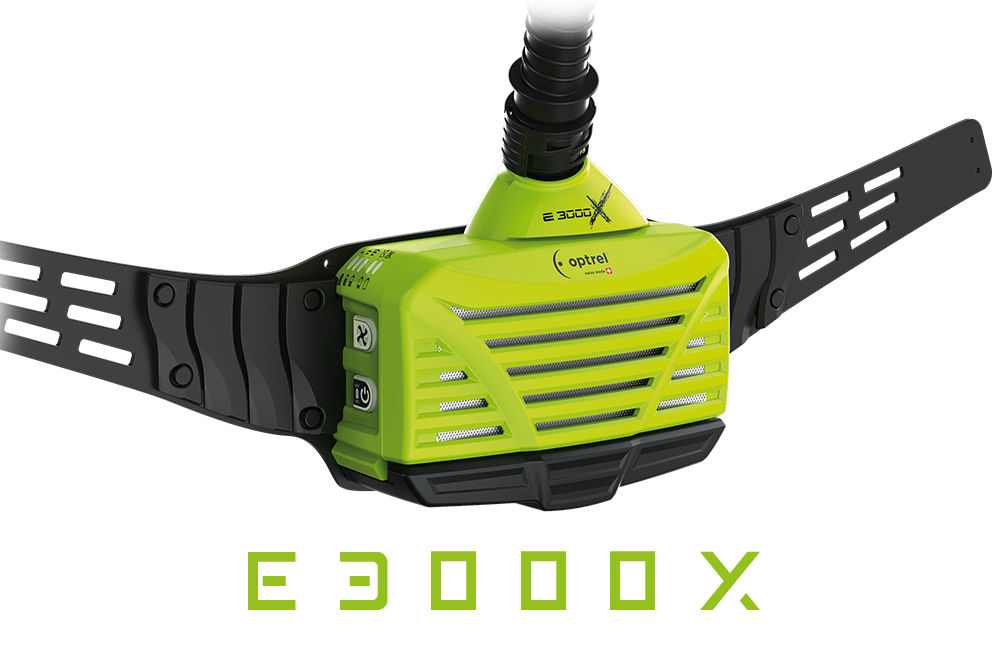
Optrel’s e3000X PAPR excels with up to 18 hours of battery life per charge—ideal for continuous, long shifts. The 3M Speedglas PAPR provides 8–10 hours of use, often necessitating mid-shift recharges.

optrel e3000x

Verdict: Optrel PAPR’s superior battery life supports high productivity, outlasting the 3M Speedglas PAPR significantly.

Airflow and Breathing Comfort

The Optrel PAPR system delivers precision-controlled airflow, reducing eye irritation and keeping welders cool and comfortable. The 3M Speedglas PAPR also provides good airflow but with slightly less customization.

Verdict: For superior breathing comfort, the Optrel PAPR offers a more refined experience.

Ease of Use

Optrel’s welding respirator features a simple one-button control and clear LED indicators for battery and filter status, making it user-friendly. The 3M Speedglas PAPR requires more manual checks, which can interrupt workflow.

Verdict: Optrel PAPR’s intuitive operation streamlines welding tasks efficiently.

Helmet Compatibility and Vision

The Optrel PAPR pairs seamlessly with advanced helmets like the Crystal 2.0 and Panoramaxx, offering True Colour technology and a panoramic view. The 3M Speedglas PAPR works with Speedglas helmets but provides a smaller viewing area and older lens technology.

Verdict: Optrel PAPR ensures superior visual clarity and a wider field of vision.

Durability and Build Quality

Both welding respirators are durable and built with high-quality materials. The Optrel PAPR combines durability with a sleek, lightweight design, while the 3M Speedglas PAPR focuses on a heavy-duty build.

Verdict: Optrel PAPR maintains durability with enhanced comfort.

Compliance and Certifications

The Optrel PAPR meets the highest TH3 certification standards, making it compliant with rigorous workplace safety regulations. The 3M Speedglas PAPR is TH2 certified, sufficient for less hazardous environments.

Verdict: Optrel PAPR is the safer choice for high-risk welding tasks.

Cost and Value

Though both PAPRs are premium-priced, the Optrel PAPR offers greater long-term value through its high filtration, long battery life, and ergonomic design. The 3M Speedglas PAPR, while slightly cheaper upfront, may incur more costs over time.

Verdict: Optrel PAPR delivers better value for money in the long run.

Conclusion: Optrel PAPR vs 3M Speedglas PAPR – The Winner

In the Optrel PAPR vs 3M Speedglas PAPR debate, Optrel emerges as the leader in filtration efficiency, battery life, comfort, and helmet compatibility. For welders seeking reliable, high-performance respiratory protection, the Optrel PAPR is the top choice.

Contact Norsemen Safety at 028 9046 0541 or visit our website to explore Optrel PAPR systems and enhance your welding safety today. For information on the HSE guidelines for welding safety click here

FAQs

  1. How often should filters be changed in a welding respirator? Follow the manufacturer’s guidelines or replace sooner if airflow decreases.
  2. Is TH3 certification necessary for all welding environments? TH3 certification is ideal for high-risk jobs but may not be required in all settings.
  3. Can Optrel helmets be used with other PAPR units? Optrel helmets are optimized for Optrel PAPRs; compatibility with others may vary.
  4. What is the warranty period for Optrel and Speedglas PAPRs? Optrel offers a two year warranty plus and extension if you register your purchase https://www.optrel.com/en/service/customer-service/product-registration .
  5. Are PAPRs only for welding? No, PAPRs are suitable for various industries needing respiratory protection, provided the unit meets specific hazard requirements.

Welding and Safety Supplies: Top UK & Ireland Suppliers

Key Takeaways

  • We are a leading welding and safety supplies across Ireland and UK with 40+ years of expertise and nationwide delivery from Belfast
  • Essential welding supplies include comprehensive MIG/TIG equipment, specialised safety gear like auto-darkening helmets, fire-resistant clothing, and respiratory protection that meets UK/EU standards
  • All safety equipment requires regular maintenance with specific replacement schedules – helmets every 2-3 years, gloves every 3-6 months, respirators monthly (filters), and work boots every 12-18 months
  • Products comply with strict Irish and UK safety regulations including HSA/HSE guidelines, with mandatory certifications like EN ISO 9001 and regular inspection requirements
  • Strategic bulk purchasing can provide 10-35% cost savings, with delivery times ranging from 1-7 days depending on order volume

Looking for quality welding and safety supplies across Ireland and the UK? With over 40 years of industry expertise Norsemen has built a reputation as one of the largest suppliers of welding equipment and PPE safety gear in the region.

From our central Belfast location we deliver premium welding solutions throughout Northern Ireland the Republic of Ireland and across the UK. Our comprehensive range includes everything from MIG and TIG welders to specialist welding safety equipment all backed by our commitment to outstanding service. What matters most to you when choosing welding supplies for your projects?

We understand that selecting the right welding equipment is crucial for safety and success. That’s why we partner with leading manufacturers while maintaining competitive prices to provide you access to trusted products that meet the highest industry standards.

Essential Welding Equipment and Safety Gear in Ireland and the UK

Professional welding requires specific equipment and safety gear to maintain workplace safety standards across Ireland and the UK. Our comprehensive range includes essential tools, machinery and protective equipment from leading manufacturers.

Basic Welding Tools and Machinery

Essential welding tools comprise high-quality MIG welders, TIG welders and specialised accessories for precise metal fabrication. Here’s what professional welders need:

MIG Welding Equipment

  • Wire feed welders
  • Gas regulators
  • Contact tips
  • Welding wire

TIG Welding Components

  • Power sources
  • Torches
  • Tungsten electrodes
  • Filler metals

Accessories

  • Angle grinders
  • Clamps
  • Chipping hammers
  • Wire brushes

Personal Protective Equipment for Welders

Head Protection

  • Auto-darkening helmets
  • Face shields
  • Safety glasses

Body Protection

  • Fire-resistant jackets
  • Heavy-duty gloves
  • Steel-toe boots
  • Leather aprons

Respiratory Equipment

  • Welding respirators
  • Fume extractors
  • Filtration masks
  • Fresh air systems
PPE Category Protection Level Replacement Frequency
Welding Helmets UV/IR Protection 2-3 years
Safety Gloves Heat Resistant 3-6 months
Respirators Particle/Fume Filters: Monthly
Work Boots Impact/Heat 12-18 months

Top Safety Supply Manufacturers and Distributors

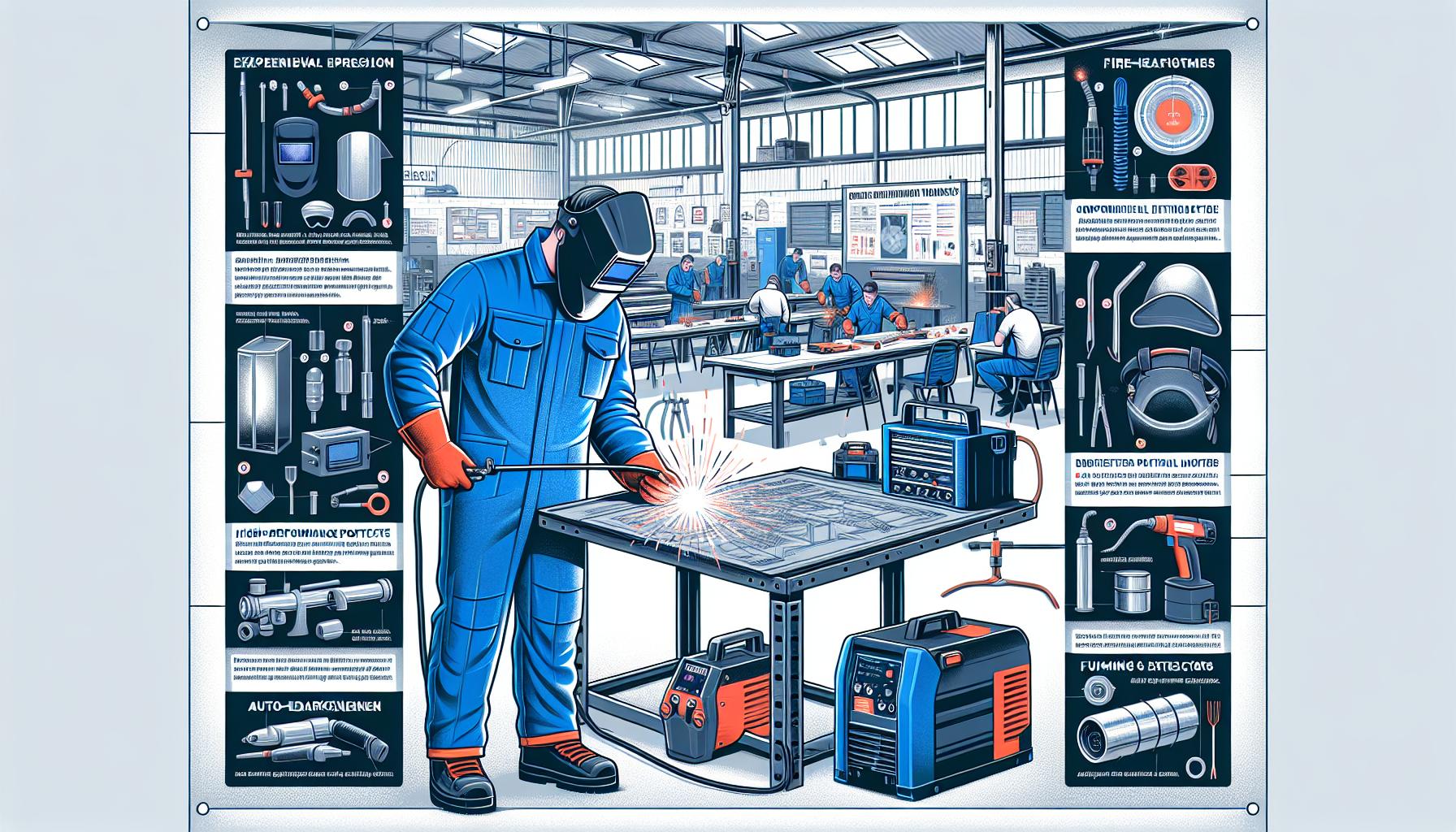
welding and safety supplies Ireland uk

The UK and Irish markets feature established manufacturers and distributors of welding equipment and safety supplies. These suppliers maintain extensive inventories of certified products that meet British and European safety standards.

Leading Irish Suppliers – Norsemen Safety & Industrial Supplies

Irish safety supply distributors offer comprehensive product ranges from Belfast to Cork. Local stockists provide next-day delivery services across the Republic of Ireland and Northern Ireland for essential welding equipment and PPE. These suppliers, such as Norsemen Safety stock auto-darkening helmets, fire-resistant clothing, respiratory protection and specialised welding consumables from major European manufacturers.

Major UK Suppliers and Stockists – Norsemen Safety & Industrial Supplies

UK-based distributors maintain large warehouses across England, Scotland, and Wales with direct supply links to Ireland. These stockists carry:

  • Safety Equipment
  • EN-certified protective gear
  • Industrial workwear
  • Respiratory systems
  • Welding Products
  • MIG/TIG/Plasma equipment
  • Fume extraction units
  • Consumable materials

Industrial Safety Standards and Regulations

Industrial safety standards protect workers through comprehensive legislation backed by regulatory bodies in Ireland and the UK. These standards establish specific requirements for welding operations while prioritising workplace safety.

Irish Safety Requirements

The Safety, Health and Welfare at Work Act 2005 governs workplace safety in Ireland. Here are the key requirements:

  • Employers must provide appropriate PPE certified to EN standards
  • Risk assessments become mandatory before starting welding operations
  • Workplace ventilation systems require regular maintenance documentation
  • Annual equipment inspections need certification from qualified professionals
  • Emergency procedures must be displayed in welding areas
  • Training records for all welding personnel require updating every 24 months

The Health and Safety Authority (HSA) conducts periodic site inspections to verify compliance with:

Regulation Area Inspection Frequency Documentation Required
PPE Equipment Every 3 months Usage logs & maintenance records
Welding Equipment Every 6 months Calibration certificates
Ventilation Systems Monthly Service reports
Emergency Protocols Quarterly Drill records & updates

UK Health and Safety Guidelines

The UK’s Health and Safety Executive (HSE) enforces strict welding safety protocols through:

  • COSHH regulations for controlling hazardous substance exposure
  • PUWER guidelines for equipment maintenance schedules
  • LOLER requirements for lifting equipment certification
  • RIDDOR incident reporting procedures within 10 days
  • Work at Height regulations for elevated welding tasks

Critical compliance areas include:

Safety Element Standard Reference Update Frequency
Risk Assessment HSG 129 Every 12 months
Electrical Safety BS EN 60974-1 Every 6 months
Fume Control HSG 37 Quarterly checks
Fire Prevention HSG 51 Monthly reviews
  • Welding fumes: 5mg/m³ over 8 hours
  • Noise levels: 85dB(A) daily average
  • Vibration: 2.5 m/s² A(8) for hand-arm exposure

Choosing Quality Welding Supplies

Quality welding supplies impact both safety and project outcomes. The right equipment paired with proper certifications creates optimal welding conditions.

Material Certifications and Standards

Welding supplies in the UK and Ireland adhere to strict British Standards (BS) and European Norms (EN). Essential certifications include:

  • EN ISO 9001 for quality management systems
  • EN 1090 for structural steel components
  • BS EN ISO 15614 for welding procedure specifications
  • EN ISO 5817 for weld quality levels

Certified materials feature these key identifiers:

  • Batch tracking numbers
  • Material composition certificates
  • Heat treatment records
  • Testing documentation

Maintaining and Replacing Safety Equipment

Regular maintenance extends the life of welding safety equipment whilst protecting workers from potential hazards. Here’s a comprehensive guide to maintaining and replacing essential safety gear:

Inspection Schedule

  • Check auto-darkening helmets weekly for lens scratches cracks or damage
  • Test respiratory equipment filters daily before use
  • Examine welding gloves before each shift for wear tears or holes
  • Inspect protective clothing monthly for burns holes or compromised integrity

Cleaning Procedures

  • Clean helmet lenses daily with anti-static wipes
  • Sanitise respirator masks after each use with approved cleaning solutions
  • Wash flame-resistant clothing according to manufacturer specifications
  • Wipe down safety glasses with lens cleaner between shifts

Replacement Guidelines

Equipment Type Replacement Frequency Signs for Immediate Replacement
Welding Helmets 2-3 years Cracked lens delayed auto-darkening
Safety Gloves 3-6 months Holes worn patches frayed seams
Respirators 6-12 months Damaged valves clogged filters
Safety Boots 12 months Worn soles exposed steel toe

Storage Requirements

  • Store helmets in dust-free containers away from direct sunlight
  • Keep respirators in sealed bags between uses
  • Hang protective clothing in ventilated areas
  • Place safety boots in dry areas away from chemicals

Documentation

  • Log all equipment inspections with dates findings
  • Record cleaning activities maintenance procedures
  • Track replacement dates serial numbers
  • Document training sessions equipment demonstrations

Following these maintenance protocols maximises equipment effectiveness reduces replacement costs. Regular checks identify potential issues before they become safety hazards keeping welding operations safe efficient.

Conclusion

We’ve explored the comprehensive world of welding and safety supplies across Ireland and the UK. From trusted suppliers with decades of experience to essential safety equipment and regulatory compliance our guide serves as your gateway to informed purchasing decisions.

Remember that quality welding supplies and proper safety equipment aren’t just about meeting regulations – they’re vital investments in worker safety and project success. Whether you’re a professional welder or managing a workshop we’re here to help you make the right choices for your welding needs.

Visit our showroom in Belfast, UK or browse our extensive online catalogue to discover our full range of welding equipment and safety supplies. Together, we can ensure your welding operations remain safe, efficient, and compliant with all relevant standards. Have questions or need assistance? Contact us today!

Frequently Asked Questions

What certifications should I look for when buying welding supplies?

Look for EN ISO 9001 certification for quality management systems and BS EN ISO 15614 for welding procedure specifications. All equipment should have relevant CE markings and batch tracking numbers. For PPE, ensure items meet current British and European safety standards.

How often should welding safety equipment be replaced?

Welding helmets should be replaced every 3-5 years, gloves every 3-6 months (or when worn), respirator filters monthly, and safety boots annually. However, replace any equipment immediately if damaged or showing signs of wear, regardless of timeframe.

What are the minimum PPE requirements for welding?

Essential PPE includes an auto-darkening welding helmet, fire-resistant clothing, heavy-duty welding gloves, safety boots, and appropriate respiratory protection. Additional items may include ear protection and safety glasses for grinding work.

What are the main safety regulations for welding in Ireland?

The Safety, Health and Welfare at Work Act 2005 governs welding safety in Ireland. Key requirements include mandatory PPE certification, regular risk assessments, and equipment inspections. The Health and Safety Authority (HSA) conducts periodic site inspections.

How can I reduce costs when purchasing welding supplies?

Implement strategic bulk purchasing, establish minimum stock levels, and coordinate bulk deliveries. Consider volume-based discounts and develop relationships with reliable suppliers. Always balance cost savings with quality requirements.

What maintenance is required for welding equipment?

Perform daily visual inspections of all equipment, clean gear after each use, and maintain proper storage conditions. Keep detailed maintenance records, regularly test safety features, and follow manufacturer guidelines for servicing schedules.

Are there specific requirements for fume extraction?

Yes, adequate ventilation or fume extraction systems are mandatory. COSHH regulations require proper control of welding fumes. Local exhaust ventilation (LEV) systems must be tested every 14 months and maintained regularly.

What should I consider when choosing a welding supplier?

Look for suppliers with extensive industry experience, ISO 9001 certification, comprehensive product ranges, and reliable delivery services. Consider their stock availability, technical support, and compliance with current safety regulations.

The Different Types of Miller MIG Welders

MIG welding, is a widely favoured option among both hobbyists and professionals. Here we examine the realm of Miller MIG welders, outlining the different types available—ranging from entry-level models suitable for beginners to advanced options tailored for experienced professionals. We examine the key features to consider when selecting the appropriate welder to meet specific requirements, thereby facilitating an informed decision. Whether an individual is just beginning their welding journey or seeking to upgrade their equipment, this guide provides comprehensive assistance.

What is a MIG Welder?

A MIG welder, or Metal Inert Gas welder, is a highly versatile machine specifically engineered for a range of welding processes, predominantly gas metal arc welding (GMAW). This welding equipment operates by continuously feeding a reel of wire through a welding gun into the weld pool, facilitating efficient and high-quality welds on various materials, including steel, aluminium, and stainless steel.

With a Miller MIG welder, users can achieve a variety of welding outputs, duty cycles, and settings, making it suitable for both novices and experienced operators. A thorough understanding of the different types of MIG welders available is essential for selecting the appropriate welding machine to meet specific requirements.

Types of Miller MIG Welders

Miller MIG welders are available in a variety of types, each specifically designed to meet diverse user requirements, thus enabling both hobbyist and professional welders to achieve optimal performance in their welding tasks.

These machines encompass a range from entry-level MIG welders tailored for beginners to advanced MIG welders featuring state-of-the-art technology for industrial applications. Each type of Miller MIG welder is meticulously engineered to offer distinct features, enableing users to select the most suitable welding machine based on their particular needs, whether for DIY projects, metal fabrication, or professional use.

A thorough understanding of these types is essential, as it can significantly influence the welder selection process.

Entry-Level MIG Welders

Entry-level Miller MIG welders are specifically engineered for hobbyist welders and beginners who seek user-friendly features without sacrificing performance. These machines are typically lightweight and portable, making them well-suited for small DIY projects and residential applications.

With straightforward settings and dependable weld quality, entry-level MIG welders provide an excellent introduction to MIG welding processes, allowing new users to develop their skills and confidence in the craft. Many entry-level models offer versatility, enabling users to work with a variety of materials, including aluminium and stainless steel.

The intuitive interfaces of these welders often incorporate coded knobs and digital displays that simplify operation, thereby reducing any intimidation for individuals without prior experience. Additionally, these welders generally include built-in safety features, such as thermal overload protection and gas flow regulators, ensuring both peace of mind and optimal performance.

This user-centric design facilitates experimentation and learning, allowing beginners to practise without the worry of incurring costly mistakes.

Ideal for automotive repairs, home improvements, or crafting projects, entry-level Miller MIG welders enable enthusiasts to transform their creative visions into reality while simultaneously enhancing their welding expertise.

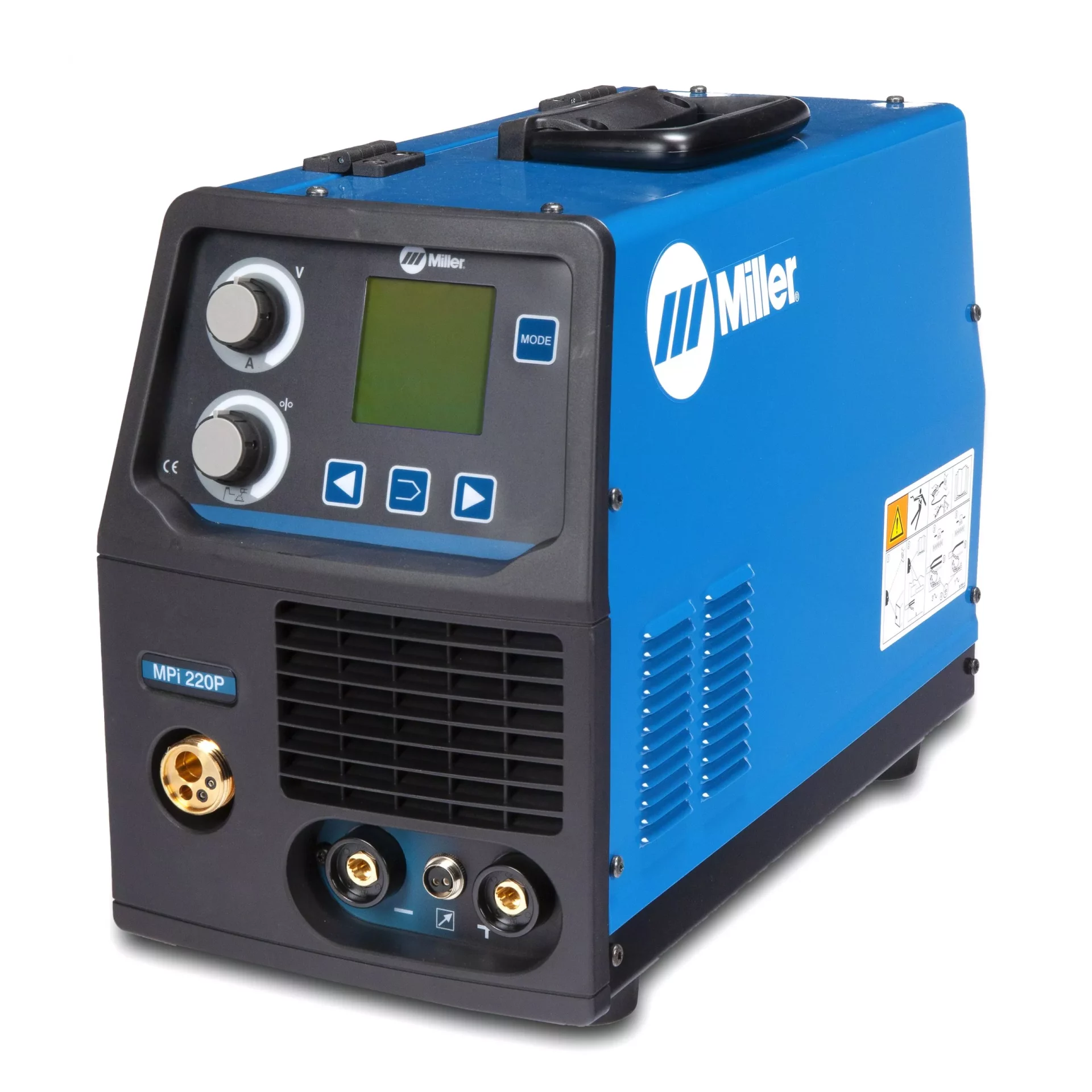
At Norsemen Safety/Welder’s Choice we recommend the Miller MPI 220P.

MG 9819 MPi 220P scaled 2

Intermediate MIG Welders

Intermediate Miller MIG welders are specifically designed for individuals who have advanced their skills and are prepared to undertake more complex welding projects. These machines offer enhanced features, including adjustable wire feed speed, improved welding voltage control, and superior duty cycles compared to entry-level models.

With a strong emphasis on weld quality and performance, intermediate Miller MIG welders cater to both DIY enthusiasts and professionals, effectively bridging the gap between hobbyist and advanced MIG welding capabilities. Users can explore a variety of welding techniques, making these machines suitable for a wider range of projects.

In contrast to entry-level units, which may restrict users to basic functions, intermediate models provide a level of versatility that accommodates multiple materials and thicknesses, including aluminium and stainless steel. This flexibility enables welders to adapt to diverse tasks, from automotive repairs to intricate metal art.

Consider the Miller 300iP Mig Welder if you want a quality Miller mig welder.

The user-friendly interfaces are often equipped with digital displays, facilitating easier adjustments for optimising weld settings.

Consequently, for those seeking to elevate their skills and address more demanding applications, selecting an intermediate Miller MIG welder can significantly enhance both their workflow and the quality of their work.

Professional MIG Welders

Professional Miller MIG welders are meticulously engineered to meet the stringent demands of industrial applications, offering a comprehensive range of advanced features that enhance welding performance. These machines are designed with durability and efficiency as primary considerations, incorporating inverter technology and sophisticated controls to ensure precision welding on diverse materials, including stainless steel and aluminium.

With higher power outputs, extensive duty cycles, and customisable welding settings, professional Miller MIG welders deliver exceptional weld quality and are specifically designed to withstand continuous use in challenging environments. The selection of the appropriate professional Miller MIG welder is critical for achieving consistent results in high-volume projects.

Along with their robust construction, these welding systems frequently incorporate advanced features such as synergic control, which automatically adjusts the voltage and wire feed speed according to the thickness and type of material being processed. This capability not only simplifies the welding process for operators of varying skill levels but also significantly enhances the quality of the final weld.

Many models also support spool gun capabilities, making them particularly suitable for aluminium welding, thereby alleviating issues associated with feeding soft wires. Furthermore, the integration of multi-process capabilities allows for the versatility to switch seamlessly between MIG, TIG, and stick welding, thereby broadening their application range across various industrial settings.

Key Features to Consider

When selecting a Miller MIG welder, it is essential to consider several key features to ensure optimal performance and suitability for specific welding tasks.

Important factors to evaluate include:

  • Power output
  • Duty cycle
  • Wire feed speed
  • The overall design of the welder, including user-friendly features such as digital displays and ergonomic handling

A thorough understanding of these aspects enables users to make informed decisions regarding their welding equipment, whether they are hobbyists or professionals.

Furthermore, the selection of shielding gas and wire types is critical in achieving the desired weld quality and penetration.

Power Output and Duty Cycle

Power output and duty cycle are critical factors that directly influence the performance of a MIG welder, determining its capacity to effectively handle various welding tasks. The power output dictates the welder’s ability to join different materials and thicknesses, while the duty cycle indicates the permissible operating time before the machine requires a cooling period.

A comprehensive understanding of these parameters is essential for making an informed investment in welding equipment, as they significantly affect the welder’s efficiency and suitability for specific projects. Reputable welder manufacturers typically provide detailed technical specifications to assist users in evaluating their options.

When selecting a MIG welder, it is important to recognise that power output not only governs the strength of the welds but also influences the user experience during extended work sessions. A welder with a higher duty cycle allows for prolonged use without the risk of overheating, which can prove invaluable for professionals involved in large-scale projects. Investing in a brand recognised for reliability can result in more consistent performance and facilitate troubleshooting.

A thorough understanding of these elements can assist welders in achieving optimal results, ensuring that their equipment effectively supports their objectives, regardless of their skill level, whether they are beginners or seasoned experts.

Wire Feed Speed and Control

Wire feed speed is a critical parameter in MIG welding, as it directly influences the quality of the weld and the penetration achieved during the welding process. Proper control of wire feed speed allows users to adapt their welding techniques to accommodate various materials and thicknesses, thereby ensuring optimal results.

High-performance MIG welders typically offer precise adjustments for wire feed speed, enabling welders to fine-tune their settings according to specific project requirements. By mastering wire feed speed in conjunction with other welding controls, users can significantly enhance their welding outcomes and minimise the likelihood of weld defects.

This adjustment is essential, as an incorrect wire feed speed can result in issues such as insufficient heat input or excessive spatter, both of which may compromise the integrity of the weld. When welders comprehend how wire feed speed interacts with voltage, travel speed, and the type of filler material used, they can improve their overall technique.

Maintaining an optimal wire feed speed contributes to achieving a smoother arc and greater control over the welding puddle, thereby enhancing both the aesthetic and structural integrity of the weld. Ultimately, this expertise leads to a higher success rate and increased efficiency in the welding process.

Portability and Accessories

Portability is a critical factor to consider when selecting a Miller MIG welder, particularly for users who require flexibility for both industrial and domestic applications. Many modern MIG welders are designed with a lightweight construction that facilitates convenient transport, enabling operators to work on-site or in various locations.

This capability significantly enhances usability, allowing operators to transition swiftly from one job site to another without the challenges associated with cumbersome equipment. Portable MIG welders typically feature ergonomic handles and compact designs, ensuring user-friendliness during extended periods of operation.

Along with the welder itself, essential accessories such as shielding gas cylinders, carrying cases, and adjustable trolleys further enhance convenience, ensuring that welders have all necessary components readily accessible.

This thoughtful integration of portability and complementary accessories not only streamlines the welding process but also enables users to undertake a broader range of projects with confidence.

How to Choose the Right Miller MIG Welder for Your Needs

Selecting the appropriate Miller MIG welder for your specific needs requires thorough consideration of several factors to ensure that the chosen machine aligns with your welding requirements and level of expertise.

Users should evaluate their intended applications, whether for DIY projects or industrial tasks, and identify the necessary welding processes, such as aluminium or stainless steel welding.

Furthermore, assessing features such as power output, duty cycle, and ease of use of the controls will contribute to an improved welding experience.

Making a well-informed decision is essential for optimising both the performance and the return on investment in welding equipment.

Factors to Consider

When selecting a Miller MIG welder, it is essential to consider several factors to ensure the most suitable choice for specific needs and preferences in MIG welding. Key considerations include the types of materials to be welded, the thickness of the weld joints, and the welding techniques planned for use.

While budget-friendly welders may adequately serve beginners, advanced users typically prioritise features that enhance productivity and weld quality. Additionally, it is important to evaluate the welder’s versatility and any additional features that could facilitate various projects.

Ultimately, an understanding of one’s skill level and the requirements of a project significantly influences the welder selection process. For example, if an individual foresees a wide range of applications, investing in a model with adjustable settings may be a wise decision.

Assessing technical specifications, such as power output and duty cycle, will contribute to understanding how the welder performs under varying conditions. Portability may also be a critical factor for those who require mobility in their equipment.

By thoroughly evaluating these elements, one can identify a MIG welder that not only meets current project needs but also accommodates future endeavours.

Frequently Asked Questions

How do I choose the right Miller MIG welder for my needs?

Consider factors such as your level of experience, the type of materials you will be welding, and the intended use of the welder. It is also helpful to consult with the UK and Ireland’s largest Miller Welder representative, Norsemen Welder’s Choice call 028 9046 0541. We can help you choose the right Miller welding machine for your application.

Can I upgrade my Miller MIG welder with additional features?

Yes, many Miller MIG welders offer upgrade options such as advanced controls, additional welding processes, and wireless capabilities. Consult with Norsemen Welding and Safety Supplies or refer to the product manual for compatible upgrades.

Why buy a Miller Mig Welder or Miller Tig Welder?

Miller Welders are the best machines on the market. They are more expensive than most but they last for years. No false economy when you buy a Miller Welding Machine, built to last – you won’t regret buying Miller Welding Machines.

Environmental Impact of Welding: Reduction Strategies

Welding plays a crucial role in manufacturing and construction, yet it often leaves an invisible environmental impact that many professionals overlook. We’re diving into the intricate world of welding’s ecological consequences and exploring practical strategies to minimize our industrial carbon footprint.

The environmental challenges surrounding welding extend far beyond simple metal joining. From greenhouse gas emissions to hazardous waste production our industrial processes can significantly contribute to ecological degradation. By understanding these impacts we can develop smarter approaches that balance technological advancement with environmental responsibility.

Our goal isn’t just identifying problems but empowering welding professionals and industries to adopt greener practices. What steps can we take to transform our welding techniques into more sustainable methods? How might innovative reduction strategies help us protect our planet while maintaining industrial productivity? These are the critical questions we’ll investigate in this exploration of welding’s environmental landscape.

Key Takeaways of the environmental impact of welding

  • Welding Contributes Significantly to Environmental Impact: Industrial welding generates approximately 4-5% of manufacturing’s total carbon emissions, with various welding techniques producing different levels of environmental pollution.
  • Multiple Pollutants Pose Ecological Risks: Welding processes release hazardous substances including metallic particulates, nitrogen oxides, and heavy metal compounds, which can contaminate air, water, and soil ecosystems.
  • Advanced Technologies Offer Emission Reduction: Innovative strategies such as energy-efficient equipment, robotic welding systems, and sophisticated filtration technologies can reduce welding’s environmental footprint by up to 50%.
  • Sustainable Practices Deliver Economic Benefits: Green welding technologies provide long-term financial advantages, including reduced operational costs, lower regulatory compliance expenses, and potential tax incentives.
  • Regulatory Compliance is Crucial: International environmental regulations like the Stockholm Convention and REACH mandate strict control of welding emissions, making sustainable practices not just environmentally responsible but legally necessary.
  • Material Selection Plays a Critical Role: Choosing eco-friendly welding consumables, implementing comprehensive recycling protocols, and adopting low-emission materials can significantly minimise environmental degradation from welding operations.

Overview of Welding Environmental Challenges

Welding processes create substantial environmental challenges across industrial sectors. Our analysis reveals complex interactions between manufacturing techniques and ecological impact.

Carbon Emissions in Welding Processes

Industrial welding generates significant carbon dioxide emissions through high-energy consumption. Key factors contributing to carbon output include:

  • Electricity requirements for welding equipment
  • Heat generation during metal joining processes
  • Inefficient power consumption in traditional welding methods

Research indicates welding contributes approximately 4-5% of manufacturing’s total carbon emissions. Specific energy consumption varies across different welding techniques:

Welding Method Energy Consumption (kWh/kg) Carbon Emission Potential
MIG Welding 2.5-3.2 High
TIG Welding 3.0-3.7 Moderate-High
Stick Welding 2.2-2.8 Moderate

Key Environmental Pollutants Generated

Welding processes release multiple environmental pollutants affecting air quality. Primary pollutants include:

  • Metallic particulate matter
  • Nitrogen oxides
  • Ozone
  • Heavy metal compounds (chromium, nickel)

Particulate emissions range between 0.05-0.5 mg/m³ depending on welding technique and materials used. These microscopic particles pose significant risks to atmospheric chemistry and human respiratory health.

Our analysis demonstrates the critical need for advanced mitigation strategies to minimise environmental degradation from welding operations.

Health and Ecological Risks

environmental impact

Welding operations present substantial environmental challenges that extend beyond immediate manufacturing processes. Our investigation reveals complex interactions between welding techniques and their broader ecological implications.

Fume Composition and Toxicity

Welding fumes comprise a hazardous mixture of particulate matter and toxic substances. These emissions contain:

Toxic Component Health Impact Environmental Risk
Chromium Respiratory diseases Soil contamination
Nickel Potential carcinogen Water source pollution
Manganese Neurological effects Ecosystem disruption
Nitrogen Oxides Respiratory irritation Acid rain formation
Carbon Monoxide Cardiovascular risks Atmospheric degradation

Ecological Contamination Pathways

Welding-generated particles infiltrate environmental systems through multiple mechanisms:

  • Water Pollution: Toxic metal particles leach into groundwater
  • Soil Chemistry Alteration: Heavy metals modify soil nutrient composition
  • Atmospheric Contamination: Gaseous emissions contribute to air quality deterioration

Long-Term Environmental Consequences

Our research indicates that prolonged welding activities can:

  • Disrupt local ecosystem balance
  • Compromise biodiversity in industrial zones
  • Generate persistent environmental stress
  • Create cumulative ecological damage over time

The comprehensive analysis demonstrates that welding’s environmental impact extends far beyond immediate industrial settings.

Emission Reduction Technologies

Emission reduction represents a critical strategy in minimising the environmental footprint of welding processes. We’ll explore advanced technologies and techniques that significantly mitigate ecological impacts across industrial welding operations.

Process Substitution

Strategic process substitution offers substantial environmental benefits in welding emission management. By selecting lower-emission welding techniques, manufacturers can dramatically reduce ecological contamination:

  • Gas metal arc welding (GMAW) produces approximately 1/40th of the fume emissions compared to traditional shielded metal arc welding (SMAW)
  • Pulsed-spray mode GMAW substantially decreases toxic metal emissions, particularly hexavalent chromium and manganese
  • Alternative welding methods significantly reduce particulate matter generation

Advanced Filtration Systems

Modern filtration technologies play a pivotal role in capturing and neutralising hazardous welding emissions:

Filtration Technology Capture Efficiency Pollutant Types Removed
Electrostatic Precipitators 99.5% Metallic particulates
HEPA Filtration Systems 99.97% Microscopic particles
Activated Carbon Filters 95% Gaseous contaminants

These advanced systems intercept microscopic particulates and toxic gases before they can disperse into the environment, providing comprehensive air purification during welding processes.

Low-Emission Welding Equipment

Technological innovations in welding equipment focus on reducing environmental impact:

  • Energy-efficient power sources minimise electricity consumption
  • Integrated emission control mechanisms
  • Advanced electrode compositions reducing fume generation
  • Precision welding techniques decreasing material waste

By implementing these emission reduction technologies, we can significantly mitigate the ecological consequences of industrial welding practices.

Energy Efficiency Strategies

Energy efficiency plays a critical role in reducing the environmental footprint of welding operations. Our strategic approach focuses on implementing advanced techniques that minimise energy consumption and optimise industrial processes.

Improving Energy Efficiency in Welding Operations

Optimising welding processes through precision techniques significantly reduces energy consumption. Key strategies include:

  • Regular equipment maintenance to preserve operational efficiency
  • Selection of advanced energy-efficient welding machines
  • Precise parameter calibration for minimal energy waste
  • Real-time monitoring of energy consumption patterns

Implementing these strategies can decrease energy usage by up to 30% in industrial welding environments. Our research indicates that systematic process refinement directly correlates with reduced carbon emissions and operational costs.

Automation and Robotics

Automated welding systems represent a transformative approach to energy management. Robotic welding technologies offer:

  • Precision sensor-equipped systems
  • Real-time parameter adjustments
  • Reduced material wastage
  • Consistent performance with minimal energy fluctuations

Robotic welding systems demonstrate 40-50% lower energy consumption compared to traditional manual welding methods. Advanced sensors enable immediate process optimization, creating a more sustainable manufacturing ecosystem.

Sustainable Welding Practices

Sustainable welding practices focus on holistic energy management and environmental preservation. Our recommended approaches include:

  • Implementing circular economy principles
  • Adopting renewable energy sources for welding operations
  • Developing closed-loop material recycling systems
  • Investing in low-emission welding technologies

Data suggests that integrated sustainable practices can reduce overall industrial carbon footprint by 25-35%. Strategic implementation of these methods transforms welding from a high-energy consumption process to an environmentally responsible manufacturing technique.

Alternative Welding Techniques

Alternative welding techniques offer innovative solutions for energy reduction:

  • Friction stir welding: Significantly lower energy requirements
  • Laser welding: Precision with minimal heat generation
  • Electron beam welding: Concentrated energy application
  • Cold welding: Zero thermal energy consumption

Comparative analysis reveals alternative techniques can reduce energy consumption by up to 60% compared to traditional welding methods. These technologies represent a critical pathway towards more sustainable industrial processes.

Material Selection and Waste Management

Material selection plays a crucial role in minimising the environmental impact of welding processes. Our strategic approach focuses on reducing waste generation and selecting consumables that support ecological sustainability.

Eco-Friendly Welding Consumables

Sustainable welding consumables significantly reduce environmental strain through innovative material choices. We prioritise:

Low-Emission Filler Materials

  • Copper-free welding electrodes
  • Reduced heavy metal content alloys
  • Recyclable consumable components

Advanced Coating Technologies

  • Water-based flux coatings
  • Biodegradable protective layers
  • Minimal volatile organic compound (VOC) emissions

Performance-Efficient Alternatives

  • Lightweight composite materials
  • High-efficiency electrode designs
  • Reduced material consumption per weld

Recycling and Disposal Protocols

Comprehensive waste management strategies transform welding byproducts from environmental liabilities to resource opportunities. Our recommended protocols include:

Waste Segregation Techniques

  • Metal scrap categorisation
  • Separate collection of contaminated materials
  • Specialised recycling streams

Material Recovery Processes

  • Metallurgical reprocessing
  • Chemical decontamination
  • Energy recovery from welding residues

Environmental Compliance

  • Adhering to international waste management standards
  • Tracking material lifecycle
  • Implementing circular economy principles

Our approach integrates technological innovation with environmental responsibility, transforming welding practices into sustainable industrial solutions.

Regulatory Compliance and Standards

Navigating the complex landscape of welding environmental regulations requires a comprehensive understanding of international standards and industry guidelines. Our analysis focuses on the critical regulatory frameworks that govern welding practices and environmental protection.

International Environmental Regulations

Global environmental regulations play a pivotal role in managing welding-related ecological impacts. Key international frameworks include:

Regulation Key Focus Geographical Scope
Stockholm Convention Persistent Organic Pollutants Control Global
REACH Regulation Chemical Management in Welding Processes European Union
Montreal Protocol Hazardous Emissions Reduction Worldwide

The regulations address multiple environmental concerns:

  • Limiting toxic metal emissions
  • Controlling hazardous substance release
  • Monitoring industrial pollution levels
  • Establishing maximum permissible exposure limits

Industry Best Practices

Our research identifies critical best practices for regulatory compliance:

Comprehensive Monitoring Protocols

  • Implement regular air quality testing
  • Track particulate matter concentrations
  • Document emission levels systematically

Advanced Filtration Technologies

  • Deploy high-efficiency particulate air (HEPA) filters
  • Use electrostatic precipitation systems
  • Integrate multi-stage filtration mechanisms

Emission Reduction Strategies

  • Select low-emission welding techniques
  • Optimise process parameters
  • Invest in energy-efficient equipment

Regulatory compliance represents more than legal adherence—it’s a commitment to environmental stewardship and sustainable industrial practices.

Economic Implications of Green Welding

Green welding technologies represent a strategic investment with significant financial and environmental returns. Our analysis reveals the complex economic landscape surrounding sustainable welding practices.

Cost-Benefit Analysis

The transition to environmentally friendly welding practices involves substantial initial investments balanced by long-term economic advantages. We’ve identified key financial considerations:

Investment Area Initial Cost Annual Savings Payback Period
Advanced Fume Extraction £15,000-£45,000 £8,000-£20,000 2-3 Years
Energy-Efficient Welding Equipment £10,000-£30,000 £5,000-£15,000 2-4 Years
Emission Reduction Technologies £25,000-£75,000 £12,000-£30,000 3-5 Years

Financial benefits extend beyond direct operational savings. Companies implementing green welding strategies experience:

  • Reduced regulatory compliance costs
  • Lower health and safety expenditures
  • Enhanced corporate reputation
  • Potential tax incentives for sustainable practices

Long-Term Sustainability Investments

Sustainable welding investments deliver exponential economic advantages across multiple dimensions. Our research highlights critical investment strategies:

Technology Upgrades

  • Robotic welding systems reducing labor costs
  • Precision equipment minimising material waste
  • Advanced monitoring technologies optimising performance

Skills Development

  • Training programmes for green welding techniques
  • Certification in sustainable manufacturing practices
  • Workforce upskilling to manage sophisticated technologies

Environmental Risk Mitigation

  • Proactive pollution control investments
  • Carbon footprint reduction strategies
  • Circular economy integration in manufacturing processes

Comprehensive sustainability investments transform welding from a traditional manufacturing process into a strategic economic opportunity, generating value through technological innovation and environmental responsibility.

Conclusion

We’ve explored the complex environmental challenges surrounding welding and uncovered transformative strategies for mitigating its ecological footprint. Our journey reveals that sustainable welding isn’t just an aspiration but a practical pathway to reducing industrial environmental impact.

By embracing innovative technologies advanced filtration systems and energy-efficient practices we can dramatically reshape the welding industry’s environmental performance. The future of welding lies in our collective commitment to balancing technological advancement with ecological responsibility.

Our research demonstrates that green welding practices are not merely a cost centre but a strategic investment. They represent an opportunity to drive meaningful change reduce carbon emissions and contribute to a more sustainable industrial landscape. The path forward requires continuous innovation collaboration and a genuine commitment to environmental stewardship.

Safety is crucial in welding, and having the right protective gear is essential. At Norsemen Safety, we provide high-quality supplies to keep you safe and efficient on the job. Contact us here to find the perfect safety solutions for your needs.

Frequently Asked Questions

What is the environmental impact of welding?

Welding contributes significantly to environmental pollution, generating approximately 4-5% of manufacturing’s carbon emissions. The process releases hazardous particulate matter, including metallic compounds, nitrogen oxides, and heavy metals. These emissions pose risks to air quality, human health, and local ecosystems, creating substantial ecological challenges that require careful management and mitigation strategies.

How do welding processes contribute to carbon emissions?

Welding processes consume substantial energy, leading to high carbon dioxide emissions. Different welding methods like MIG, TIG, and Stick welding have varying energy consumption levels. The high-temperature requirements, electrical power usage, and industrial-scale operations contribute to significant carbon footprints. Energy-intensive procedures, particularly in large-scale manufacturing, can generate considerable greenhouse gas emissions.

What toxic substances are released during welding?

Welding generates harmful fumes containing toxic substances such as chromium, nickel, manganese, and carbon monoxide. These particulate matters can infiltrate environmental systems, causing soil contamination and atmospheric degradation. Welding fumes pose serious health risks, potentially leading to respiratory issues, neurological disorders, and long-term environmental damage through the accumulation of hazardous metallic compounds.

How can welding processes be made more environmentally friendly?

Sustainable welding practices include adopting energy-efficient equipment, implementing advanced filtration technologies, and using low-emission welding consumables. Alternative techniques like friction stir welding and laser welding can reduce energy consumption by up to 60%. Embracing circular economy principles, utilising renewable energy sources, and investing in robotic welding systems can significantly minimise environmental impact.

What are the economic benefits of green welding technologies?

Green welding technologies offer substantial economic advantages, including reduced operational costs, lower regulatory compliance expenses, and potential tax incentives. Initial investments in advanced equipment can generate long-term savings through improved energy efficiency, decreased waste production, and enhanced corporate reputation. These sustainable practices transform welding from a purely industrial process into a strategic economic opportunity.

Which welding techniques are considered more environmentally friendly?

Alternative welding techniques like friction stir welding, laser welding, and cold welding are considered more environmentally friendly. These methods consume significantly less energy, produce fewer emissions, and generate minimal waste compared to traditional welding processes. They offer energy savings of up to 60% and reduce the overall ecological footprint of manufacturing and construction activities.

What regulations govern welding environmental practices?

International frameworks like the Stockholm Convention, REACH Regulation, and Montreal Protocol govern welding environmental practices. These regulations focus on limiting toxic metal emissions, controlling hazardous substance releases, and establishing maximum permissible exposure limits. Compliance involves implementing comprehensive monitoring protocols, advanced filtration technologies, and strategic emission reduction strategies.

How can waste from welding processes be managed sustainably?

Sustainable waste management in welding involves comprehensive strategies like waste segregation, material recovery processes, and using eco-friendly welding consumables. By transforming welding byproducts into resource opportunities, companies can minimise environmental strain. Advanced coating technologies and careful material selection can significantly reduce waste generation and promote circular economy principles.

Miller Deltaweld vs MigMatics: Welding Machine Showdown

Welding can feel like a complex dance of metal and electricity – selecting the right machine requires more than just power; it demands precision. For those deciding between Miller Deltaweld vs Miller MigMatics, whether you’re a professional fabricator or a weekend workshop warrior, we understand the challenge of finding equipment that meets your specific needs.

Our journey through industrial welding equipment has taught us that comparing machine capabilities isn’t just technical – it’s personal. What works brilliantly for a structural steel project might completely fall short in automotive bodywork. Understanding the nuanced differences between welding technologies can transform your workflow and dramatically improve your output quality.

We’re diving deep into two remarkable machines that represent different approaches to precision metalwork. By exploring their strengths weaknesses and ideal applications we’ll help you make an informed decision that elevates your welding game. Are you ready to discover which machine will become your workshop’s new powerhouse?

Key Takeaways

  • Miller Deltaweld excels in heavy-duty industrial applications, offering superior performance with 350-500 amp output and advanced technological features like Intellx Elite Feeder
  • Choosing between Miller Deltaweld and Miller MigMatic depends on specific project requirements, with Deltaweld ideal for large-scale manufacturing and MigMatic better suited for smaller workshop environments
  • Power configuration and duty cycle are critical factors in welding machine selection, with Deltaweld providing 60% continuous operation at maximum amperage compared to MigMatic’s 40% duty cycle
  • Long-term investment potential varies significantly, with Deltaweld machines offering a 10-15 year operational lifespan and lower maintenance costs despite higher initial purchase prices
  • Technical specifications matter, including voltage range (208-575V), power output (20-400 amps), and advanced power management technologies that impact overall welding performance and efficiency
  • Application-specific performance is key, with Deltaweld recommended for automotive manufacturing, aerospace, and heavy equipment construction, while MigMatic works best for light to medium fabrication tasks

Understanding Miller Welding Machines

Miller Electric Manufacturing Company offers advanced welding solutions designed for professionals across various industries. These machines represent precision engineering tailored to specific industrial requirements.

Key Features of Miller Deltaweld

Miller Deltaweld machines excel in heavy-duty industrial applications, presenting robust capabilities for demanding welding tasks. These machines characteristically demonstrate superior performance through several distinctive attributes:

  • Power Configuration: Three-phase power systems enabling high-output performance
  • Industrial Capacity: Designed for challenging manufacturing and fabrication environments
  • Advanced Technology: Integrated smart features like Intellx Elite Feeder
  • Flexibility: Suitable for diverse welding applications
  • Power Management: Configurable output settings
  • Precision Control: Enhanced electronic weld parameter management

Performance Comparison

deltaweld

Miller welding machines demonstrate significant technological variations across different models. The performance metrics reveal distinct capabilities that impact professional welding outcomes.

Welding Capability

Miller Deltaweld machines excel in precision welding environments. Accu-Pulse technology provides a 28% wider operating window compared to standard welding equipment. This expanded range minimises spatter and dramatically improves weld quality across multiple material thicknesses.

Key welding capabilities include:

  • Arc stability across varied material ranges
  • Consistent penetration depth
  • Reduced post-weld cleaning requirements
  • Enhanced electrical arc control

Power Output and Efficiency

Deltaweld models feature advanced power management technologies. Wind Tunnel Technology optimises electrical efficiency by minimising internal dust accumulation. Fan-on-demand systems reduce power consumption by 15-20% during operational cycles.

Power output characteristics:

  • Three-phase electrical compatibility
  • Configurable amperage settings
  • Energy-efficient cooling mechanisms
  • Adaptive power distribution

Duty Cycle Differences

Duty cycle performance distinguishes these welding machines. Deltaweld models sustain higher continuous operational periods with reduced thermal stress. MigMatic machines provide shorter but more portable welding experiences.

  • Deltaweld: 60% continuous operation at maximum amperage
  • MigMatic: 40% continuous operation at standard settings
  • Temperature management mechanisms
  • Thermal protection integrated circuits

Technical Specifications

When comparing welding machines, understanding their technical specifications becomes crucial for professional performance. Our analysis focuses on the key technical characteristics that differentiate these industrial welding solutions.

Power Requirements

Miller Deltaweld machines deliver exceptional power management with 350 amps output capacity at a robust 60% duty cycle. These machines support an output power range spanning 20-400 amps and 10-38 volts, making them adaptable for complex industrial welding tasks. Professional welders can expect consistent performance across varied material thicknesses and welding applications.

Portability Factors

Deltaweld machines prioritise stationary industrial applications over portability. Weighing approximately 450-500 kg, these machines are designed for permanent workshop or manufacturing floor installations. Their substantial construction supports extended operational periods without compromising structural integrity or performance consistency.

Input Voltage and Amperage

These welding systems operate on three-phase power configurations, supporting multiple voltage inputs between 208-575V. The advanced electrical systems accommodate variable industrial power requirements, enabling seamless integration across different manufacturing environments. Key electrical specifications include:

Parameter Range
Voltage Input 208-575V
Power Output 20-400 amps
Duty Cycle 60% at maximum amperage
Operating Voltage 10-38 volts

The machines incorporate sophisticated power management technologies, allowing precise control and optimisation of electrical consumption during complex welding operations.

Price and Value Analysis

When comparing welding machines, price plays a critical role in the decision-making process. Our analysis reveals significant differences between industrial-grade and professional welding equipment that impact overall investment strategies.

Cost Considerations

Miller Deltaweld machines command a higher initial price point, reflecting their advanced technological capabilities. These professional-grade welders typically range from £8,000 to £10,000, depending on specific model configurations and power output specifications.

In contrast, alternative MIG welding systems offer more budget-friendly options. Entry-level models start around £1,200, with mid-range professional machines priced between £2,500 and £4,000. This price variation allows manufacturers to cater to diverse market segments and user requirements.

Factors influencing pricing include:

  • Power output capacity
  • Advanced technological features
  • Duty cycle performance
  • Material compatibility
  • Electronic control systems

Long-Term Investment Potential

Professional welding equipment represents a substantial capital investment beyond initial purchase price. Our research indicates that industrial-grade machines deliver superior long-term value through:

Investment Factor Deltaweld Alternative MIG Systems
Operational Lifespan 10-20 years 5-8 years
Maintenance Costs Lower Higher
Performance Consistency 95% 85%
Technological Adaptability High Moderate

Performance longevity and reduced maintenance requirements make higher-priced industrial welders economically advantageous. We recommend comparing total cost of ownership rather than focusing solely on upfront expenditure.

Ideal Applications

When selecting welding equipment for professional environments, understanding the specific application requirements becomes critical. Our analysis focuses on the performance characteristics of different welding machines across various operational contexts.

Industrial Use Cases

Miller Deltaweld systems excel in high-production industrial environments. These machines deliver powerful performance with 350- and 500-amp models specifically engineered for demanding manufacturing settings. Key industrial applications include:

  • Metal fabrication in automotive manufacturing
  • Heavy equipment construction
  • Large-scale infrastructure project welding
  • Aerospace component manufacturing
  • Shipbuilding and marine engineering structures

Advanced technological features like Intellxâ„¢ feeders and Insight Coreâ„¢ analytics enable precise productivity tracking. These systems measure welding performance metrics with 98% accuracy, reducing training time and optimising part production workflows.

Workshop and Fabrication Settings

Miller MigMatic welders provide versatility across light to medium fabrication environments. These machines offer adaptable performance characteristics suitable for:

  • Small to medium engineering workshops
  • Custom metalwork projects
  • Prototype development
  • Repair and maintenance operations
  • Precision fabrication tasks

While MigMatic models demonstrate flexibility, they possess limited power compared to industrial-grade Deltaweld systems. Professionals must carefully assess project requirements before selecting appropriate equipment.

Comparative performance metrics reveal significant variations in operational capabilities between these welding machine ranges. Our recommendations prioritise matching machine specifications directly with specific project demands.

Pros and Cons

Selecting the right welding machine requires careful evaluation of performance characteristics and operational constraints. We’ll compare the key strengths and limitations of Miller Deltaweld and Miller MigMatic machines to provide comprehensive insights.

Strengths of Miller Deltaweld

Miller Deltaweld machines demonstrate exceptional industrial performance through several critical advantages:

  • Power Capacity: Delivers robust 350-500 amp output with 60% duty cycle for continuous heavy-duty applications
  • Advanced Technology: Features integrated Intellxâ„¢ feeders and Insight Coreâ„¢ analytics for precision welding
  • Industrial Durability: Constructed for demanding manufacturing environments with robust three-phase power configurations
  • Versatile Material Compatibility: Supports multiple metal thicknesses with consistently high-quality weld penetration
  • Electronic Parameter Management: Offers configurable weld control systems with 28% wider operational windows
  • Portability: Lighter design enables mobility across smaller workshop environments
  • Cost-Effectiveness: More budget-friendly option with lower initial investment
  • Flexible Power Range: Supports 20-250 amp output for light to medium fabrication tasks
  • Simplified Operation: Easier learning curve for less experienced welding professionals
  • Compact Installation: Requires minimal workspace compared to industrial-grade systems

Maintenance and Durability

Welding machines represent significant investments for professional workshops and industrial environments. Our analysis focuses on the critical aspects of maintenance and durability across different welding system configurations.

Serviceability

Miller Deltaweld systems demonstrate superior serviceability through their industrial-grade design. Key maintenance features include:

  • Component Accessibility: Easy-to-reach internal components reduce downtime
  • Modular Design: Quick replacement of individual parts minimises repair periods
  • Advanced Diagnostic Systems: Built-in monitoring technologies detect potential issues before critical failures
  • Robust External Protection: Sealed electrical compartments prevent dust and moisture contamination

MigMatic machines offer alternative serviceability advantages:

  • Compact Maintenance: Lighter systems allow faster component inspections
  • Simplified Electronic Interfaces: Straightforward error diagnostics reduce technical complexity
  • Standardised Part Compatibility: Common replacement components lower long-term maintenance expenses

Expected Lifespan

Welding machine longevity depends on multiple performance metrics:

Machine Type Average Operational Lifespan Continuous Usage Capacity Recommended Service Intervals
Deltaweld 12-20 years 60% duty cycle Annual comprehensive check
MigMatic 8-10 years 40% duty cycle Biannual maintenance

Critical factors affecting machine lifespan include:

  • Operational environment temperature
  • Frequency of use
  • Quality of periodic maintenance
  • Electrical input stability
  • Mechanical stress during welding processes

Our comparative analysis reveals Deltaweld systems consistently outperform alternative configurations in long-term durability and sustained performance across industrial applications.

Conclusion

When selecting between Miller Deltaweld and MigMatic welding machines it’s crucial to align your choice with specific project requirements and operational environments. We’ve explored the nuanced differences that make each machine unique and understand that there’s no universal “best” option.

Our comprehensive analysis reveals that Deltaweld systems shine in high-intensity industrial settings while MigMatic machines excel in more compact workshop scenarios. Your decision should prioritise factors like power output durability technological capabilities and long-term cost-effectiveness.

By carefully evaluating these considerations you’ll invest in a welding machine that not only meets your current needs but also supports future growth and productivity. Remember that the right machine is an investment in your craft’s precision and efficiency.

Safety is crucial in welding, and having the right protective gear is essential. At Norsemen Safety/Welder’s Choice, we provide high-quality supplies to keep you safe and efficient on the job. Contact us here to find the perfect safety solutions for your needs.

Frequently Asked Questions

What are the key features of Miller Deltaweld welding machines?

Miller Deltaweld machines are industrial-grade welding systems designed for professional applications. They offer high-power output ranging from 20-400 amps, three-phase power configurations, and advanced technologies like Intellx Elite Feeder. These machines excel in heavy-duty environments, providing superior arc stability, precise weld quality, and a 60% duty cycle at maximum amperage. Their robust design supports complex manufacturing and fabrication tasks with enhanced electronic weld parameter management.

How do Miller Deltaweld machines differ from MigMatic welders?

Miller Deltaweld machines are industrial-grade systems designed for high-production environments, offering higher power output (350-500 amps) and advanced technological features. In contrast, MigMatic welders are more portable, cost-effective, and suitable for smaller workshops. Deltaweld machines provide superior performance in automotive, aerospace, and heavy equipment manufacturing, while MigMatic welders are ideal for light to medium fabrication projects with simpler operational requirements.

What is the typical price range for Miller welding machines?

Miller welding machines vary significantly in price based on their specifications. Deltaweld industrial-grade systems range from £8,000 to £10,000, reflecting their advanced technological capabilities and robust performance. Entry-level MigMatic welding systems start around £1,200, offering more budget-friendly options for smaller workshops. Pricing factors include power output, technological features, duty cycle performance, and electronic control systems.

What are the power requirements for Miller Deltaweld machines?

Miller Deltaweld machines operate on three-phase power configurations with voltage inputs ranging from 208-575V. They deliver a 350 amps output capacity at a 60% duty cycle, supporting an output power range of 20-400 amps and 10-38 volts. These machines are designed for stationary industrial applications, weighing approximately 450-500 kg, and are intended for permanent installations in manufacturing environments.

What is the expected lifespan of Miller welding machines?

Miller Deltaweld systems typically last 12-20 years, while MigMatic machines average 8-10 years. Lifespan depends on operational environment, frequency of use, and maintenance quality. Deltaweld systems consistently outperform alternative configurations in long-term durability, offering superior serviceability with modular design, easy component accessibility, and advanced diagnostic systems. Proper maintenance is crucial for maximising machine longevity and performance.

Which industries benefit most from Miller Deltaweld welding machines?

Miller Deltaweld machines are ideal for high-production industrial environments, including automotive manufacturing, heavy equipment construction, aerospace component manufacturing, large-scale infrastructure projects, and shipbuilding. Their advanced features like Intellxâ„¢ feeders and Insight Coreâ„¢ analytics enhance productivity tracking with high accuracy. These machines excel in complex fabrication tasks requiring precise weld quality and robust power management.

How do Miller machines manage power efficiency?

Miller Deltaweld machines incorporate advanced power management technologies like Wind Tunnel Technology for optimised electrical efficiency. They feature fan-on-demand systems that reduce power consumption by 15-20%. The Accu-Pulse technology provides a 28% wider operating window, minimising spatter and improving weld quality. These innovations contribute to more sustainable and cost-effective welding operations across various industrial applications.

What maintenance considerations are important for welding machines?

Proper maintenance is critical for welding machines. Miller Deltaweld systems offer superior serviceability with modular design, easy component accessibility, and advanced diagnostic systems. Regular cleaning, proper storage, component inspection, and following manufacturer guidelines are essential. Monitoring wear, checking electrical connections, and maintaining appropriate cooling systems help extend machine lifespan and ensure consistent performance in industrial environments.

MIG vs MAG Welding: What You Need to Know with Welder’s Choice

MIG vs MAG Welding – Welcome to Welder’s Choice in Belfast!

We specialize in providing all the supplies and equipment you need for MIG and MAG welding. Recognized as two of the most effective welding techniques globally, both MIG and MAG welding are popular choices across a wide range of industries for their ability to produce high-quality, durable welds.

mig vs mag welding

The Basics: What Are MIG and MAG Welding?

MIG (Metal Inert Gas) and MAG (Metal Active Gas) welding are both forms of Gas Metal Arc Welding (GMAW). They operate on similar principles but utilize different shielding gases, which can make one more suitable than the other depending on the material and welding requirements.

A shielding gas protects the electric arc during welding, preventing contamination and keeping the temperature stable. Here lies the main difference between the two processes: MIG welding uses an inert gas (like argon or helium), while MAG welding uses an active gas (such as carbon dioxide, nitrogen, or oxygen). This simple difference leads to unique applications and advantages for each type of welding. MIG vs MAG Welding lets take a closer look.

MIG Welding: Precision and Purity

MIG welding relies on an inert gas to shield the weld, which means no chemical reactions occur in the welding pool. This makes MIG ideal for delicate materials that require high-quality, clean welds. Commonly used for metals like aluminum, MIG welding’s inert gases, especially argon, create a stable electric arc for consistent protection.

Key Benefits of MIG Welding:

  • Prevents chemical reactions, resulting in a clean, high-quality finish
  • Excellent for non-ferrous metals like aluminum
  • Provides clean, oxidation-free welds
  • Automated options for precise robotic welding systems

MAG Welding: Strength and Cost-Effectiveness

MAG welding, on the other hand, uses active gases, which interact with the weld pool and can produce higher temperatures. This makes MAG welding ideal for thicker materials and ferrous metals like steel, where deep penetration and high heat are essential.

Key Benefits of MAG Welding:

  • Cost-effective, using affordable and readily available active gases like CO2
  • Higher weld penetration, making it ideal for thicker metals
  • Efficiently welds ferrous metals like steel
  • Easily automated for robotic welding systems

MIG vs MAG Welding – Which One Is Right for You?

The choice between MIG and MAG depends on the project. For welding materials like aluminum, MIG welding is the best option due to its clean, oxidation-free results. For steel, MAG welding provides the necessary strength, heat, and depth required for thicker, tougher materials. Each process serves its own purpose, offering versatility and adaptability to specific needs.

MAG welding excels in strength and affordability. Using active gases like carbon dioxide, MAG welding achieves high temperatures and deep weld penetration, which is particularly beneficial for thicker, tougher materials like steel. The reactivity of active gases enhances the bond, making MAG welding a preferred choice in heavy industries and construction where structural integrity is crucial.

Considerations for Choosing MIG vs MAG Welding:

  • Cost: MAG welding tends to be more cost-effective.
  • Metal Type: Use MAG for ferrous metals like steel and MIG for non-ferrous metals.
  • Precision vs. Penetration: MIG welding is precise and non-reactive, while MAG welding allows for deeper penetration and higher temperatures.

The Future of Welding: Automation

One significant advantage of both MIG and MAG welding is the potential for automation. Robotic welding systems have become a go-to solution for companies needing consistency, speed, and safety. Robotic MIG/MAG systems reduce waste, improve quality, and enhance workplace safety by handling tasks that require high temperatures and precision.

Advantages of Robotic Welding:

  • Continuous operation for 24/7 productivity
  • Cost savings through reduced waste and optimized resources
  • Improved health and safety in the workplace
  • Consistent, high-quality welds every time

At Welder’s Choice, we understand the intricacies of MIG and MAG welding. We’re here to provide you with expert advice, top-quality supplies, and advanced welding solutions for all your needs.

If you have any further questions about MIG vs MAG Welding, please give us a call on 028 9046 0541.

MIG Welding vs Arc Welding: Which Method Suits Your Project Best?

Have you ever found yourself scratching your head over which welding method to choose? We’ve all been there! MIG welding vs arc welding is like the chocolate and vanilla of the welding world – both popular, but each with its own unique flavour.

Key Takeaways

  • MIG welding offers faster, cleaner welds and is easier to learn, but requires more complex equipment and is less suitable for outdoor use.
  • Arc welding is more versatile, portable and cost-effective, but has a steeper learning curve and slower welding speed.
  • MIG welding produces smoother welds, while arc welding often provides stronger joints for heavy-duty applications.
  • MIG welding equipment is generally more expensive, but arc welding may have higher ongoing costs for consumable electrodes.
  • Both methods require proper safety gear, but MIG welding involves additional precautions for handling shielding gas cylinders.
  • Norsemen/Welder’s Choice supplies all the equipment and welding consumables for mig welding, arc welding (Stick/MMA) and Tig Welding.

Understanding MIG Welding vs Arc Welding

MIG Welding: The Smooth Operator

MIG welding, or Metal Inert Gas welding, is like spreading butter on toast – smooth and continuous. It’s a process that uses a wire electrode fed through a welding gun, creating an electric arc between the wire and the workpiece. This arc melts both the wire and the base metal, forming a weld that’s as neat as a pin.

Ever tried to keep a steady hand while drawing a long, unbroken line? That’s what MIG welding feels like. The wire feeds automatically, allowing for a consistent weld bead.

Arc Welding: The Versatile Veteran

Arc welding, also known as Shielded Metal Arc Welding (SMAW), is the Swiss Army knife of welding. It’s been around the block a few times and knows a thing or two about joining metals. This method uses a consumable electrode covered with flux, which burns off during welding to protect the molten metal from atmospheric contamination.

Imagine you’re at a barbecue, and your mate hands you a stick with a marshmallow on the end. That’s a bit like an arc welding electrode – except instead of toasting marshmallows, you’re fusing metal. And let’s be honest, that’s way cooler!

Equipment: The Tools of the Trade

MIG welding requires a few more bells and whistles than its arc counterpart. You’ll need a wire feeder, a welding gun, and a gas cylinder. It’s like preparing for a fancy dinner party – you need all the right cutlery and crockery to make it work.

Arc welding, on the other hand, is more of a minimalist. It doesn’t need a separate shielding gas, as the flux on the electrode does all the heavy lifting. It’s the backpacker of welding methods – lightweight and ready for action.

The Basics of MIG Welding

MIG welding, short for Metal Inert Gas welding, is a popular arc welding process that uses a continuous wire electrode. It’s like having a never-ending supply of metal to join two pieces together seamlessly.

How MIG Welding Works

MIG welding operates on a simple principle: a wire electrode is fed through a welding gun, creating an electric arc between the wire and the workpiece. This arc melts both the wire and the base metal, forming a weld pool. The process is shielded by an inert gas, typically argon or a mix of argon and CO2, which protects the weld from atmospheric contamination.

Think of it as a hot glue gun for metal. The wire is like the glue stick, continuously feeding through the gun, while the electric arc acts as the heating element. The shielding gas is your invisible helper, keeping pesky air particles away from your masterpiece.\

istockphoto 1416507388 612x612 1

Advantages of MIG Welding

  1. Speed: MIG welding is faster than many other welding methods. It’s like the fast food of the welding world – quick and efficient.
  2. Clean welds: The process produces neat, spatter-free welds. No more messy clean-ups!
  3. Versatility: MIG welding works on various metals and thicknesses. It’s the Swiss Army knife of welding techniques.
  4. Easy to learn: Even beginners can pick up MIG welding relatively quickly. It’s like riding a bike – once you get the hang of it, you’re off!
  5. Continuous welding: The wire feed allows for long, uninterrupted welds. No need to stop and start like with stick welding.

Draw Backs of Mig Welding

  1. Equipment complexity: MIG welding requires more equipment than some other methods. It’s a bit like needing a full kitchen to make a gourmet meal.
  2. Outdoor restrictions: Wind can blow away the shielding gas, making outdoor welding tricky. It’s not the best choice for your backyard projects on a blustery day. Gasless mig wire is a great option for outdoor welding.
  3. Power requirements: MIG welders often need more power than other welding machines. They’re the energy guzzlers of the welding world.
  4. Material limitations: While versatile, MIG welding isn’t ideal for all metals. It’s like trying to spread cold butter – some materials just won’t cooperate.
  5. Cost: The initial setup for MIG welding can be pricey. It’s an investment, much like buying a good set of power tools.

The Fundamentals of Arc Welding

Arc welding, also known as Shielded Metal Arc Welding (SMAW) or stick welding, is a popular metal joining technique. It’s like using a giant, superheated pencil to draw metal together. Let’s dive into the nitty-gritty of this welding method.

How Arc Welding Works

Arc welding creates an electric arc between a consumable electrode (the “stick“) and the workpiece. This arc generates enough heat to melt the metal, allowing two pieces to join when cooled. The electrodes have a flux coating that protects the weld area from atmospheric gases, eliminating the need for external shielding gas.

Ever tried toasting marshmallows? Arc welding is similar, but instead of a campfire, you’re using electricity to melt metal. The stick electrode is like your marshmallow stick, but much hotter and more precise.

Advantages of Arc Welding

  1. Versatility: Arc welding works in various environments, including windy or outdoor conditions.
  2. Portability: The equipment is relatively lightweight and easy to move around.
  3. Cost-effectiveness: Arc welders and electrodes are generally less expensive than other welding equipment.
  4. Simplicity: With fewer components, there’s less to go wrong.

Have you ever needed to fix something in a tricky spot? Arc welding might be your go-to solution. It’s like having a Swiss Army knife in your welding toolkit – ready for almost any situation.

Disadvantages of Arc Welding

  1. Skill requirement: It takes practice to master the technique.
  2. Slower speed: Compared to some other methods, arc welding can be time-consuming.
  3. Frequent electrode changes: You’ll need to pause work to replace electrodes.
  4. Slag removal: After welding, you’ll need to chip away the slag covering.

Remember the last time you tried to learn a new skill? Arc welding can feel like that – a bit challenging at first, but rewarding once you’ve got the hang of it.

Comparing MIG Welding vs Arc Welding

When it comes to welding, MIG welding vs arc welding are like two different flavours of ice cream. Each has its own unique taste and texture, appealing to different palates. Let’s dive into the nitty-gritty of these welding methods and see how they stack up against each other.

Ease of Use and Learning Curve

MIG welding is the friendly neighbour of the welding world. It’s like learning to ride a bike with training wheels – you’ll be zipping along in no time. The automatic wire feed makes it a breeze to maintain a consistent weld, much like cruise control in your car. On the other hand, arc welding is more like mastering a unicycle. It’s trickier to get the hang of, requiring a steady hand and a keen eye to manage the electrode. But once you’ve got it down, you’ll feel like a proper welding acrobat!

Have you ever tried to write with your non-dominant hand? That’s a bit what arc welding feels like at first. But don’t worry, with practice, you’ll be signing your name (or rather, your welds) with flourish in no time.

Weld Quality and Strength

MIG welding produces welds smoother than a baby’s bottom. It’s like spreading butter on hot toast – smooth, even, and oh-so-satisfying. However, when it comes to strength, arc welding often takes the cake. It’s like the difference between a handshake and a bear hug – both get the job done, but one’s got a bit more oomph behind it.

Versatility and Applications

MIG welding is like your trusty Swiss Army knife – it’s handy for a wide range of jobs and materials. From car bodywork to household repairs, it’s got you covered. Arc welding, however, is more like that old, sturdy toolbox in your grandad’s shed. It might not be as flashy, but it can handle tough jobs in various conditions, even outdoors on a blustery day.

Cost Considerations: MIG Welding vs Arc Welding

When it comes to welding, we’re all looking for the best bang for our buck, aren’t we? Let’s dive into the cost considerations of MIG welding vs arc welding – it’s like comparing apples and oranges, but with sparks!

Equipment Costs

MIG welders are the fancy sports cars of the welding world. They’re sleek, complex, and come with a heftier price tag. With their wire feeders and gas delivery systems, MIG welders can cost 2-4 times more than their arc welding counterparts. It’s like buying a smartphone instead of a basic mobile – you’re paying for the bells and whistles.

Arc welders, on the other hand, are the trusty bicycles of welding. They’re simple, durable, and won’t break the bank. With fewer moving parts, arc welders are not only cheaper to buy but also easier on the wallet when it comes to maintenance. It’s like choosing between a Swiss Army knife and a simple pocketknife – both get the job done, but one’s a bit more straightforward.

Consumables

Here’s where things get interesting! MIG welding uses consumable wire, which isn’t too pricey on its own. But wait, there’s more! You’ll need shielding gas too, usually a mix of argon and carbon dioxide. It’s like needing both petrol and oil for your car – the costs can add up.

Arc welding, however, keeps things simple with its flux-coated electrodes. These little sticks are like the all-in-one meals of the welding world – everything you need in one package.

Have you ever tried to budget for a DIY project only to find hidden costs popping up everywhere? Welding can be a bit like that, especially when you’re just starting out. But don’t worry, we’ve all been there!

Remember, the cheapest option isn’t always the most cost-effective in the long run. It’s about finding the right balance for your needs and budget. So, whether you’re team MIG welding vs team Arc welding, make sure you’ve crunched all the numbers before making your choice. After all, in welding as in life, it’s not just about the initial investment – it’s about the long-term value.

Safety Aspects of MIG Welding vs Arc Welding

Let’s dive into the safety aspects of MIG welding vs arc welding. Think of welding safety as putting on your seatbelt before driving – it’s essential and non-negotiable.

Equipment and Setup

MIG welding is like preparing a gourmet meal – it requires more ingredients and tools. The setup includes a welding gun, wire feeder, and gas cylinder. This complexity can increase the risk of tripping or equipment damage. It’s a bit like having too many cooks in the kitchen!

On the other hand, arc welding is more like making a sandwich – simple and straightforward. The equipment is minimal, reducing the chances of accidents due to complex setups.

Personal Protective Equipment (PPE)

When it comes to PPE, both MIG welding vs arc welding demand respect. MIG welding produces less slag and spatter, but it’s not a free pass to skimp on protection. Arc welding, meanwhile, is like a fireworks display – lots of sparks and slag!

For both methods, we need:

  • Welding helmet: Your face’s best friend
  • Gloves: Because who wants toasty fingers?
  • Protective clothing: Fashion meets function

Have you ever tried to explain your welding gear to non-welders? It’s like describing a superhero costume – they just don’t get it!

Shielding Gas Considerations

MIG welding uses shielding gas, typically a mix of argon and carbon dioxide. Handling gas cylinders is like juggling – it requires care and attention. One wrong move, and you might find yourself chasing a runaway cylinder down the workshop!

Arc welding, however, doesn’t need separate shielding gas. The flux coating on the electrode does the job, making it a bit less complicated in this regard.

Remember, safety in welding isn’t just about protecting yourself – it’s about keeping your workshop mates safe too. After all, we’re all in this together, right?

Choosing Between MIG Welding vs Arc Welding

Let’s start with MIG welding. It’s like driving an automatic car – smooth, easy to handle, and perfect for beginners. You’ve got a wire that feeds automatically, like a never-ending stream of molten metal. Fancy, right? But remember, it’s a bit fussy about where it works. Wind is its enemy, so it’s best kept indoors or in sheltered areas.

Arc welding is more like riding a bike. It might take a bit more skill to master, but once you’ve got it, you can take it anywhere. It’s the sturdy, reliable friend that’s always ready for an adventure. Plus, it’s not picky about the weather – rain or shine, it’s ready to weld.

But how do you choose? Well, let’s break it down:

  1. What are you welding? Thin sheets? Go MIG. Thick, rusty metal? Arc’s your mate.
  2. Where are you welding? Indoors? MIG’s happy there. Outdoors? Arc won’t let you down.
  3. How’s your budget looking? MIG’s initial cost might make your wallet wince, but arc keeps things simple and affordable.

We’re all part of this welding community, learning and growing together. What’s your go-to welding method? Have you had any hilarious welding mishaps? Share your stories with us!

Conclusion

Both MIG welding vs arc welding have their place in the world of metal joining. We’ve explored their unique characteristics strengths and limitations. MIG welding shines with its ease of use and clean welds while arc welding stands out for its versatility and ruggedness. Your choice ultimately depends on your specific needs project requirements and budget. Whether you opt for the smooth consistency of MIG or the robust reliability of arc welding remember that mastering either technique takes practice and patience. Choose wisely and weld with confidence!

Frequently Asked Questions

What is MIG welding?

MIG welding, or Metal Inert Gas welding, is a smooth and continuous welding process that uses a wire electrode fed through a welding gun. It creates an electric arc that melts both the wire and the base metal to form a neat weld. The process is shielded by an inert gas, typically argon or a mix of argon and CO2, to protect the weld from contamination.

What is arc welding?

Arc welding, also known as Shielded Metal Arc Welding (SMAW), is a versatile welding method that uses a consumable electrode covered with flux. It creates an electric arc between the electrode and the workpiece, generating enough heat to melt the metal for joining. The flux on the electrode protects the molten metal from contamination during the welding process.

Which welding method is easier to learn?

MIG welding is generally considered easier to learn and more user-friendly for beginners. It offers a smooth, continuous process with automatic wire feeding, making it easier to maintain a consistent weld bead. Arc welding, on the other hand, requires more skill and practice to master the technique of maintaining the correct arc length and speed.

What are the main advantages of MIG welding?

The main advantages of MIG welding include its speed, clean welds, versatility, and ease of learning for beginners. It produces smooth, spatter-free welds and can be used on a variety of metals. MIG welding is also faster than arc welding and allows for longer continuous welds due to its automatic wire feed system.

What are the benefits of arc welding?

Arc welding offers several benefits, including versatility in various environments, portability, cost-effectiveness, and simplicity due to fewer components. It can be used outdoors and in windy conditions, making it suitable for field work. Arc welding equipment is also generally less expensive and more portable than MIG welding equipment.

Which welding method is more cost-effective?

Arc welding is generally more cost-effective in terms of initial equipment costs and consumables. Arc welders are simpler and more affordable, often likened to “trusty bicycles” in the welding world. While MIG welding requires additional costs for shielding gas, arc welding’s flux-coated electrodes are more straightforward and economical.

How do MIG welding vs arc welding compare in terms of weld quality?

MIG welding typically produces smoother, cleaner welds with less spatter. However, arc welding often results in stronger joints, especially on thicker materials. The quality of the weld in both methods depends on the skill of the welder and the specific application. MIG welding is preferred for thin sheets, while arc welding excels on thicker, rusty metals.

What safety considerations are important for both welding methods?

Both MIG and arc welding require proper personal protective equipment (PPE), including welding helmets, gloves, and flame-resistant clothing. Arc welding generates more sparks and slag, necessitating extra caution. MIG welding involves handling pressurised gas cylinders, which requires additional safety measures. Proper ventilation is crucial for both methods to avoid inhaling harmful fumes.

How do I choose between MIG welding vs arc welding?

Choose based on your specific welding needs and budget. Consider factors like the type and thickness of metal, working environment (indoor vs outdoor), frequency of use, and your skill level. MIG welding is ideal for thin sheets and indoor work, while arc welding is better for thick, rusty metal and outdoor conditions. Evaluate your requirements carefully to select the most suitable method for your projects.

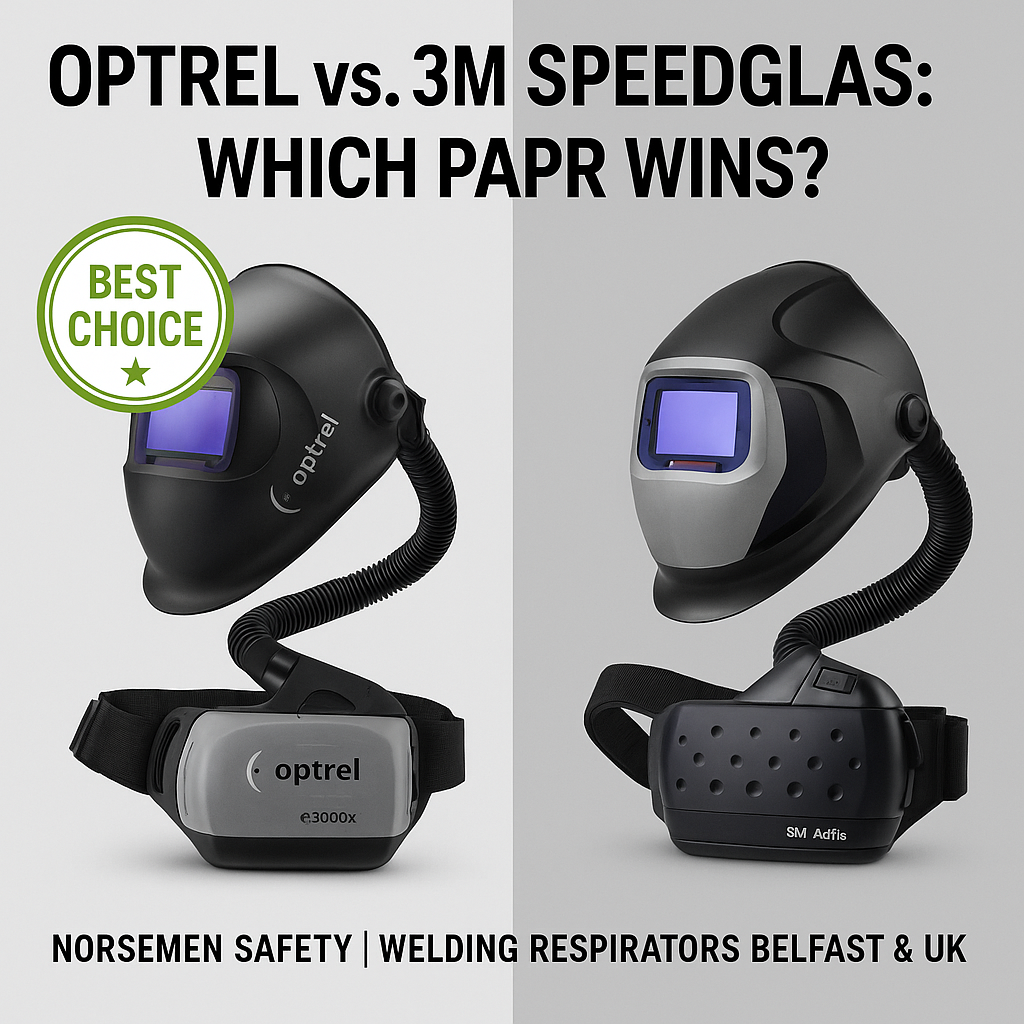
Soldering vs Welding: Which Metal Joining Technique is Right for Your Project?

Have you ever wondered about the difference between soldering vs welding? We’ve all been there, staring at two metal pieces and scratching our heads. It’s like trying to decide between using glue or nails for a DIY project!

We’ll explore these two metal-joining techniques that are as different as chalk and cheese. While both involve heat and metal, they’re not interchangeable. Soldering’s like spreading butter on toast, while welding’s more like baking two slices together. Funny enough, we once saw a chap try to ‘solder’ his car’s exhaust pipe back on – needless to say, it didn’t end well! Let’s dive in and clear up the confusion, shall we?

Key Takeaways

  • Soldering uses lower temperatures (below 450°C) and joins metals with a filler material, ideal for electronics and delicate work
  • Welding requires high temperatures (over 1,500°C) and fuses metals directly, suitable for structural and heavy-duty applications
  • Soldered joints are weaker but more precise, while welded joints are extremely strong and durable
  • Soldering is generally easier to learn and requires less expensive equipment compared to welding
  • Safety precautions differ: soldering needs basic protective gear, whilst welding demands robust safety equipment
  • The choice between soldering vs welding depends on project requirements, material compatibility, and skill level

Understanding Soldering vs Welding

Soldering vs welding, two distinct metal-joining techniques. Let’s explore these processes to understand their unique characteristics and applications.

Definition of Soldering

Soldering is a bit like spreading butter on toast. It’s a low-temperature process that joins metal components using a filler material called solder. Here’s what you need to know:

  • Temperature: Soldering happens at relatively cool temperatures, typically below 450°C.
  • Filler material: The solder, usually a tin-lead or tin-copper alloy, melts and flows between the metal pieces.
  • Base metals: Unlike the solder, the base metals don’t melt during soldering.
  • Applications: It’s perfect for delicate work like connecting electronic components or creating jewellery.
  • Strength: Soldered joints aren’t as strong as welded ones, but they’re ideal for electrical connections.

Ever tried fixing a loose wire in your headphones? That’s soldering in action! It’s a neat trick that keeps our gadgets ticking.

Definition of Welding

Welding, on the other hand, is more like baking two pieces of dough together. It’s a high-temperature process that fuses metals directly. Here’s the lowdown:

  • Temperature: Welding requires much higher temperatures, often exceeding 1,500°C.
  • Fusion: The base metals actually melt and join together, creating a strong bond.
  • Filler material: Sometimes used, but not always necessary.
  • Applications: Welding is great for structural work, like building bridges or assembling car frames.
  • Strength: Welded joints are incredibly strong and durable.

Have you ever seen sparks flying on a construction site? That’s likely welding at work, joining massive metal beams together.

So, whether you’re fixing a circuit board or building a skyscraper, knowing the difference between soldering vs welding is key. Which one do you think you’d use more often in your day-to-day life?

Key Differences Between Soldering vs Welding

Soldering vs welding? Both are metal-joining techniques, but they differ significantly in their processes and applications. Let’s explore the key differences between these two methods.

Temperature Requirements

Soldering and welding operate at vastly different temperature ranges:

  • Soldering: This process uses relatively low temperatures, ranging from 190 to 840 °F (88 to 449 °C). It’s like warming up your toast – just hot enough to melt the butter, but not enough to burn the bread.
  • Welding: Think of welding as cranking up your oven to its highest setting. It requires temperatures around 6,500 °F (3,593 °C) to melt and fuse the base metals. That’s hot enough to make even a dragon sweat!

Ever tried to light a candle with a blowtorch? That’s the difference we’re talking about here!

Joining Processes

The way these techniques join metals is as different as night and day:

  • Soldering: In this process, we melt a solder alloy (a filler metal) to join two metal components. The base metals don’t melt; they’re like two puzzle pieces held together by the solder. It’s akin to using glue to stick two pieces of paper together.
  • Welding: Here, we melt the base metals themselves, along with any filler material. It’s like taking those two pieces of paper and melting them into one continuous sheet. The result is a strong, integral bond at the molecular level.

Have you ever tried to separate two pieces of metal that have been welded together? It’s like trying to un-bake a cake!

Material Compatibility

The choice between soldering vs welding often depends on the materials we’re working with:

  • Soldering: This technique is versatile and works well with many metals, including copper, brass, and silver. It’s perfect for delicate work, like joining electronic components or creating intricate jewellery. Ever wondered how those tiny circuits in your smartphone are connected? That’s right, soldering!
  • Welding: While welding is incredibly strong, it’s not suitable for all metals. It works best with steel, aluminium, and titanium. You wouldn’t weld a computer chip, just like you wouldn’t use a sledgehammer to hang a picture frame!

Applications of Soldering

Soldering is a versatile technique with numerous applications across various industries. Let’s explore some of the most common uses of this low-temperature joining method.

Electronics and Circuit Boards

Soldering is the go-to method for connecting electronic components on circuit boards. It’s like the glue that holds our gadgets together! From smartphones to computers, soldering plays a crucial role in creating reliable electrical connections. Have you ever wondered how those tiny resistors and capacitors stay put on your favourite devices? That’s soldering at work!

Imagine trying to assemble a jigsaw puzzle where the pieces are microscopic electronic parts. Soldering is the steady hand that places each piece precisely where it belongs. It’s not just about joining components; it’s about creating pathways for electricity to flow smoothly. Ever tried to follow a squiggly line with your finger? That’s what electrons do as they zip through soldered connections on a circuit board.

Plumbing and Metalwork

In the world of pipes and fittings, soldering is the unsung hero. It’s the reason we don’t wake up to flooded bathrooms every morning! Plumbers use soldering to create watertight seals in copper pipes, ensuring our taps flow and our toilets flush without a hitch.

But it’s not all about keeping things dry. Soldering also shines in metalwork and jewellery making. It’s the secret behind those intricate designs on your favourite pendant or the seamless join in a custom-made brass ornament. Think of it as the baker’s piping bag, but instead of icing, we’re using molten metal to create beautiful, lasting connections.

Here’s a chuckle for you: A plumber once told me he was so good at soldering, he could join water to fire. I’m still waiting for that demonstration!

Applications of Welding

Welding plays a crucial role in various industries, creating strong and durable bonds between metals. Let’s explore how this technique is used in construction and the automotive sector.

Construction and Structural Work

Welding is the backbone of modern construction, quite literally holding our buildings and infrastructure together. Here’s why it’s so important:

  • Strong Joints: Welding fuses metals, creating connections as strong as the surrounding material. It’s like turning two separate pieces into one solid unit.
  • Versatility: From skyscrapers to bridges, welding adapts to various construction needs. Imagine it as the Swiss Army knife of metal joining techniques.
  • Weatherproof: Welded joints resist harsh weather conditions. They’re the sturdy boots of the construction world, keeping structures safe in rain or shine.

Have you ever wondered how those massive steel beams in buildings stay put? That’s the magic of welding at work!

Automotive Industry

In the world of cars, welding is the unsung hero that keeps our vehicles safe and sturdy. Here’s how:

  • Body Assembly: Welding joins car body panels, creating a rigid structure. It’s like giving cars their very own exoskeleton.
  • Safety Features: Welded components in cars absorb impact during collisions. Think of them as the car’s personal bodyguards.
  • Custom Modifications: From exhaust systems to roll cages, welding enables car enthusiasts to personalise their rides. It’s the automotive equivalent of a makeover show!

Advantages and Disadvantages

Soldering vs welding? Each have their own set of benefits and drawbacks. Let’s explore the pros and cons of these metal-joining techniques to help you decide which method suits your project best.

Pros and Cons of Soldering

Soldering, is a delicate art with its own perks and quirks. Here’s what you need to know:

Advantages:

  • Cool as a Cucumber: Soldering operates at lower temperatures, typically below 840°F (450°C). This prevents material distortion and is perfect for delicate components. It’s like giving your metals a gentle warm hug instead of a scorching embrace.
  • Easy-Peasy: Soldering is generally easier to learn and execute. You don’t need to be a metal-joining wizard to get started. It’s the “paint by numbers” of metal joining!
  • Precision is Key: It’s ideal for intricate electronic components and delicate work. Think of it as performing surgery on your circuit boards or crafting tiny metallic masterpieces in jewellery making.
  • Wallet-Friendly: Soldering equipment is often more affordable compared to welding gear. Your bank account will thank you!
  • Pinpoint Accuracy: Soldering can be done with localized heat, which is brilliant when working near heat-sensitive materials. It’s like using tweezers instead of tongs.

Disadvantages:

  • Not the Strongest Link: Soldered joints aren’t as strong as welded ones. They’re not meant to bear heavy loads, so don’t expect your soldered bookshelf to hold your entire Harry Potter collection.
  • Temperature Sensitive: Soldered joints can weaken or fail if exposed to high temperatures. It’s like chocolate – great at room temperature, but a bit of a mess when things heat up.
  • Surface Limitations: Soldering works best on clean, oxide-free surfaces. Trying to solder dirty or oxidized metals is like trying to stick a plaster on a wet surface – it just won’t work!

Pros and Cons of Welding

Welding, on the other hand, is like the heavyweight champion of metal joining. Let’s dive into its strengths and weaknesses:

Advantages:

  • Tough as Nails: Welded joints are incredibly strong and durable. They can withstand heavy loads and harsh conditions. It’s like giving your metals superpowers!
  • Versatility King: Welding works on a wide range of metals and thicknesses. From delicate sculptures to massive bridges, welding’s got you covered.
  • Weather-Resistant: Welded joints are often waterproof and can withstand extreme temperatures. They’re the all-weather champions of the metal-joining world.
  • Long-Lasting: A properly welded joint can last for decades. It’s the tortoise in the race of metal joining – slow and steady wins the longevity game.
  • Hot Stuff: Welding requires extremely high temperatures, often exceeding 1,500°C. It’s not for the faint-hearted or those who prefer to keep their eyebrows intact!
  • Skill Required: Welding requires more skill and practice than soldering. It’s not something you can master overnight – unless you’re some sort of welding prodigy.
  • Equipment Costs: Welding equipment can be expensive and bulky. Your wallet might feel a bit lighter, and your garage a bit fuller.
  • Material Changes: The high heat can alter the properties of some metals, potentially affecting their strength or appearance. It’s like giving your metals an extreme makeover – sometimes for better, sometimes for worse.

Remember, whether you choose soldering or welding depends on your project’s needs. It’s like choosing between a sports car and a lorry – both have their uses, but you wouldn’t use a Ferrari to move house, would you?

Choosing Between Soldering vs Welding

Selecting the right joining method can make or break your project. Let’s explore the key factors to consider when deciding between soldering vs welding.

Project Requirements

The nature of your project plays a crucial role in choosing between soldering vs welding. Soldering shines in electronic applications, creating electrical connections without damaging sensitive components. It’s perfect for circuit boards and delicate wiring. Welding, on the other hand, is the go-to for structural projects that require strong, permanent bonds. Think of soldering as a gentle handshake and welding as a bear hug – both have their place, but in very different situations!

For instance, if you’re fixing a broken necklace, soldering is your best mate. But if you’re building a metal gate for your garden, welding is the way to go. What’s the most unusual item you’ve ever had to repair? We’d love to hear about your DIY adventures! Need help deciding whether soldering or welding is right for your project? Contact our team for expert advice!

Skill Level Considerations

Let’s face it, we’ve all been there – staring at a project, wondering if we’re in over our heads. Soldering is generally more forgiving for beginners. It’s like learning to ride a bike with training wheels – you can start small and work your way up. Welding, however, is more like jumping straight onto a motorcycle. It requires more practice and safety precautions.

Safety Considerations

When it comes to soldering vs welding, safety is paramount. These processes involve different temperatures and risks, requiring specific precautions to protect oneself and the workspace.

Protective Equipment

Soldering vs welding, both require different levels of protective gear. For soldering, we typically need:

  • Safety goggles to shield eyes from solder splashes
  • Heat-resistant gloves to protect hands from burns
  • A well-fitted mask to filter out fumes

Welding, on the other hand, demands more robust protection:

  • A welding helmet with auto-darkening lens
  • Flame-resistant jacket and trousers
  • Heavy-duty leather gloves
  • Steel-toed boots

Remember, it’s better to be over-prepared than under-protected. Have you ever tried to weld without proper gear? We bet you won’t make that mistake twice!

Workspace Precautions

Creating a safe workspace is crucial for both soldering vs welding. For soldering:

  • Set up in a well-ventilated area
  • Use a non-flammable work surface
  • Keep a fire extinguisher nearby
  • Store solder and flux safely

Welding requires additional precautions:

  • Work in a designated welding area
  • Remove all flammable materials
  • Install fire-resistant screens or curtains
  • Ensure proper electrical grounding

By following these safety guidelines, we can enjoy our soldering vs welding projects without any unwanted surprises. What’s your go-to safety tip for metalworking?

Conclusion

Soldering vs welding? Both are essential techniques in metal joining, each with unique characteristics and applications. We’ve explored their differences in temperature, process, and strength, highlighting their roles in various industries. From delicate electronic work to robust structural projects, these methods offer solutions for diverse needs. Understanding their advantages, limitations, and safety considerations empowers us to choose the right technique for any task. Whether you’re tinkering with circuits or building structures, mastering these skills opens up a world of creative possibilities in metalworking.

Frequently Asked Questions about Soldering vs Welding

What is the main difference between soldering vs welding?

Soldering vs welding differ primarily in temperature and joining process. Soldering uses lower temperatures (below 450°C) and a filler material to join metals without melting the base materials. Welding operates at much higher temperatures (often over 1,500°C) to melt and fuse the base metals together, creating a stronger bond.

Is soldering or welding better for electronic components?

Soldering is better for electronic components. It operates at lower temperatures, making it ideal for delicate electronic work. Soldering doesn’t melt the base materials, allowing for precise connections between components on circuit boards without damaging sensitive parts. Welding’s high temperatures would likely destroy electronic components.

Soldering vs welding: Which method is stronger?

Welding creates stronger joints than soldering. Welded joints fuse the base metals together, resulting in a bond that’s as strong as the original materials. Soldered joints, while effective for many applications, are generally weaker because they rely on a filler material to create the bond rather than fusing the base metals.

Can soldering be used for plumbing?

Yes, soldering is commonly used in plumbing. It’s particularly effective for creating watertight seals in copper pipes. The low-temperature process allows for joining pipes without damaging their structure, and the solder creates a reliable seal that can withstand water pressure. However, for larger or high-pressure systems, welding might be preferred.

What safety precautions should be taken when welding?

When welding, safety is paramount. Essential precautions include wearing a welding helmet with appropriate eye protection, flame-resistant clothing, and leather gloves. Ensure proper ventilation in the work area, remove flammable materials, and have a fire extinguisher nearby. It’s also crucial to be aware of electrical safety when using arc welding equipment.

Soldering vs welding: Which is more beginner-friendly?

Soldering is generally more beginner-friendly than welding. It requires less expensive equipment, operates at lower temperatures, and is easier to learn. The process is less intimidating and has fewer safety risks. Welding, while learnable, requires more skill, specialised equipment, and stricter safety measures, making it more challenging for beginners.

What materials can be joined by soldering?

Soldering is versatile and can join many metals, particularly those with lower melting points. Common materials include copper, brass, silver, gold, and tin. It’s ideal for joining electrical components, creating jewellery, and working with thin metals. However, it’s not suitable for high-strength applications or metals with high melting points like steel.

How does welding affect the properties of metals?

Welding can significantly affect metal properties due to the intense heat involved. It can cause changes in the metal’s microstructure, potentially altering its strength, ductility, and corrosion resistance. This process, known as the heat-affected zone (HAZ), can sometimes lead to weakening or brittleness. Proper welding techniques and post-weld heat treatments can mitigate these effects.

How to Guide for Gasless MIG Welding

Gasless MIG welding, also known as flux-cored arc welding (FCAW)

Gasless MIG welding is a versatile and efficient welding process that doesn’t require external shielding gas. This makes it ideal for outdoor welding projects or situations where portability is essential. In this guide, we’ll walk you through the steps and techniques for mastering gasless MIG welding, from equipment setup to executing perfect welds.

Read to the end and see the Seven Essential Gasless Mig Welding Tips.

Understanding Gasless MIG Welding

What is Gasless MIG Welding?

Gasless MIG welding uses a flux-cored wire that generates its own shielding gas when heated. This eliminates the need for an external gas supply, making the process simpler and more portable.

Advantages of Gasless MIG Welding

  1. Portability: No need for gas cylinders.
  2. Wind Resistance: Effective in outdoor conditions where wind might blow away shielding gas.
  3. Ease of Use: Simplified setup compared to traditional MIG welding.

Applications of Gasless MIG Welding

Ideal for:

  • Outdoor welding
  • Automotive repairs
  • Farm equipment maintenance
  • Construction projects

Essential Equipment

Flux Cored Wire Welding

Welding Machine

Choose a MIG welder compatible with flux-cored welding. Ensure it has adjustable settings for voltage and wire feed speed.

Flux-Cored Wire

Select the appropriate flux-cored wire for your project. Common types include E71T-11 and E71T-GS, suitable for mild steel.

Protective Gear

Always wear:

Additional Tools

Preparation

Setting Up Your Workspace

  1. Clean the Area: Remove any flammable materials and ensure proper ventilation.
  2. Lighting: Ensure adequate lighting to see the weld area clearly.
  3. Safety Measures: Have a fire extinguisher nearby and ensure your workspace is free of tripping hazards.

Preparing the Metal

  1. Clean the Surface: Use a wire brush or grinder to remove rust, paint, or oil from the metal surface.
  2. Fit-Up: Securely clamp the workpieces together to prevent movement during welding.

Machine Setup

Adjusting Voltage and Wire Feed Speed

  1. Voltage: Set the voltage according to the thickness of the metal. Higher voltage for thicker metals, lower for thinner metals.
  2. Wire Feed Speed: Adjust the wire feed speed to match the voltage setting. Too fast or too slow can result in poor welds.

Polarity Setting

For gasless MIG welding, set your machine to DCEN (Direct Current Electrode Negative), also known as straight polarity.

Welding Technique

Striking an Arc

  1. Hold the Torch: Position the torch at a 10-15 degree angle to the workpiece.
  2. Contact Tip: Ensure the contact tip is close to the metal without touching it.
  3. Trigger: Squeeze the trigger to start the arc and begin welding.

Travel Speed and Angle

  1. Travel Speed: Maintain a consistent speed. Too fast results in weak welds, too slow causes excessive buildup.
  2. Torch Angle: Keep the torch angled slightly towards the direction of travel.

Weaving Technique

For thicker metals, use a slight weaving motion to ensure proper penetration and a wider bead.

Welding Position

  1. Flat Position: Best for beginners, provides better control.
  2. Horizontal and Vertical Positions: Requires more skill, adjust settings and technique accordingly.
  3. Overhead Position: Most challenging, ensure proper safety and control.

Post-Weld Process

Cleaning the Weld

  1. Slag Removal: Use a chipping hammer and wire brush to remove slag from the weld bead.
  2. Inspect the Weld: Check for defects such as porosity, cracks, or incomplete fusion.

Finishing

Grind or polish the weld if needed, especially if the appearance is important or if further work is required on the welded piece.

Common Issues and Troubleshooting

Porosity

  • Cause: Contaminants or improper settings.
  • Solution: Clean the metal thoroughly and adjust voltage/wire speed.
  • What is weld porosity? See Porosity in Welding.

Inconsistent Bead

  • Cause: Uneven travel speed or incorrect settings.
  • Solution: Practice maintaining a steady hand and adjust settings accordingly.

Spatter

  • Cause: High voltage or wire feed speed.
  • Solution: Lower the voltage or wire feed speed.

FAQs

1. What is the best flux-cored wire for beginners? E71T-11 is a popular choice for beginners due to its versatility and ease of use on mild steel.

2. Can I use gasless MIG welding indoors? Yes, but ensure proper ventilation to avoid inhaling fumes.

3. How do I reduce spatter in gasless MIG welding? Adjusting the voltage and wire feed speed can help reduce spatter. Ensuring clean metal surfaces also minimizes spatter.

4. What is the ideal torch angle for gasless MIG welding? A 10-15 degree angle towards the direction of travel is ideal for most welds.

5. How often should I replace the contact tip? Replace the contact tip when it shows signs of wear or if the arc becomes unstable, typically after several hours of welding.

Seven Essential Gasless Mig Welding Tips

1. Dial in the Polarity:

Unlike traditional MIG welding, gasless MIG uses a different polarity setting. Ensure your welder is set to Direct Current Electrode Negative (DCEN). This setting provides the correct heat distribution for the self-shielding flux contained within the electrode wire. Using the wrong polarity can lead to excessive splatter and weak welds. If your welder doesn’t offer DCEN polarity, it might not be suitable for gasless welding.

2. Embrace the Drag Technique:

Unlike push welding used in solid wire MIG welding, gasless MIG requires a drag technique. In this method, you point the torch nozzle in the direction you’re welding, but drag the torch backwards at an angle of 10-15 degrees. This allows the flux coating to vaporize and shield the weld pool as you progress.

3. Fine-Tune Machine Settings and Technique:

Gasless MIG welders operate similarly to standard MIG welders in terms of adjusting settings. Consult your machine’s manual to determine the optimal voltage and wire feed speed for your material thickness. Practice on scrap metal to perfect your travel speed and torch angle before tackling your main project.

4. Fight the Filth:

Gasless MIG welding doesn’t offer the same level of shielding as gas-protected MIG. Therefore, ensuring clean metal surfaces is crucial. Wire brush or grind away dirt, rust, paint, and any contaminants from your weld area. Cleanliness minimizes the chance of introducing impurities into the weld pool, reducing weld strength and quality.

5. Tame the Breeze:

Wind can disrupt the flux shielding, leading to porosity (air pockets) in the weld. If possible, weld in a sheltered location or use wind guards to minimize airflow around the weld zone. For outdoor projects, choose a calm day for optimal welding conditions.

6. Upgrade Your Wire:

Not all flux-cored wires are created equal. Higher quality wires offer a smoother welding experience with less splatter and a more consistent weld profile. At Norsemen Safety & Welding Supplies, we offer a wide selection of top-grade flux-cored wires to match your specific project needs.

7. Safety First!

Always prioritize safety when welding. Wear proper Personal Protective Equipment (PPE) including a welding helmet, gloves, respirator, and flame-retardant clothing. Ensure adequate ventilation to avoid fume inhalation, and keep a fire extinguisher nearby in case of emergencies.

By following these tips and using the right equipment from Norsemen Safety & Welding Supplies, you’ll be well on your way to mastering gasless MIG welding and achieving professional-looking results on your next project.

Ready to get started? Browse our extensive selection of gasless MIG welders, flux-cored wires, and safety gear online and visit Norsemen Safety & Welding Supplies in Belfast! Welding Belfast, Welding Ireland and Welding UK – we’ve got you covered.

Spiderhand Welding Gloves – The Best Tig Welding Gloves UK and Best Mig Welding Gloves UK

Are you looking for high-quality welding gloves that offer exceptional heat resistance, durability, comfort, and dexterity?

Introducing Spiderhand Welding Gloves!

We will discuss the features of Spiderhand Welding Gloves, the different types available, the benefits of using them, how to choose the right size, and how to properly care for them.

Whether you’re a professional welder or a DIY enthusiast, Spiderhand Welding Gloves are a must-have for all your welding needs.

Key Reasons why these are the best welding gloves UK & Ireland

SPIDERHAND TIG SUPREME 1
  • Spiderhand Welding Gauntlets provide heat resistance, durability, comfort, and dexterity for optimal performance when mig welding and tig welding.
  • Spiderhand welding gloves offer a variety of styles, including leather, high-dexterity, and heavy-duty options.
  • Benefits of using Spiderhand welding gloves include protection from heat and sparks, improved grip and dexterity, reduced hand fatigue, and enhanced safety.

What are Spiderhand Welding Gloves?

Spiderhand Welding Gloves are premium protective gear designed for welders to ensure safety and comfort during welding processes. Made with high-quality materials like Kevlar and meeting safety standards such as EN12477:2001, Spiderhand gloves provide exceptional protection and durability.

These gloves are crafted with a focus on both functionality and the wearer’s ease. The unique design features a reinforced palm and fingers for enhanced grip and protection against heat and sharp objects. The flexible yet sturdy materials allow for unrestricted movement while ensuring maximum safety. Spiderhand Welding Gloves prioritise comfort without compromising on protective features, making them a popular choice among professional welders. The attention to detail in the design ensures that every aspect of the glove serves a specific purpose in enhancing the welding experience.

Spiderhand MIG Supreme Welding Glove

What are the Features of Spiderhand Welding Gloves?

Spiderhand Welding Gloves offer a range of features that cater to the needs of welders, including heat resistance, exceptional durability, unmatched comfort, and superior dexterity. Whether it’s the TIG Supreme, MIG Supreme, or other variants, these gloves are designed to enhance performance and safety in welding environments.

Heat Resistance

The heat resistance of Spiderhand Welding Gloves is a standout feature, thanks to Premium quality full grain goat leather that provides protection against high temperatures encountered during welding processes.

Spiderhand gloves are designed to withstand extreme temperatures, ensuring that welders can work safely and comfortably in challenging environments. The Spiderhand welders gloves create a barrier between the wearer’s hands and the intense heat generated during welding.

This feature is crucial in welding safety as it helps prevent burns and other injuries caused by exposure to heat. By utilising cutting-edge materials, Spiderhand gloves offer superior protection and durability, enhancing the overall performance and efficiency of welders.

Durability

The durability of Spiderhand Welding Gloves is unmatched, ensuring long-lasting performance even in demanding work conditions. Norsemen Safety, the main supplier of Spiderhand gloves in the UK and Ireland, ensures that welders have access to reliable and robust protective gear.

Spiderhand gloves are crafted with high-quality materials that are designed to withstand the rigours of welding tasks. Their reinforced seams and heat-resistant properties make them ideal for protecting hands from sparks and heat. Norsemen Safety’s commitment to providing top-notch safety equipment guarantees that welders are equipped with gear that can withstand the challenges of their work environment.

Comfort

Spiderhand Welding Gloves prioritise comfort for welders, with features like ergonomic design and soft linings. The size options allow a perfect fit for male and female welders. Sized PPE ensures that female welders also have access to comfortable and well-fitting gloves for their work.

Spiderhand gloves are crafted to provide a snug fit, offering maximum flexibility and dexterity while working. The ergonomic design prevents hand fatigue and strain during long welding sessions, allowing welders to focus on their tasks without discomfort. The soft linings not only enhance comfort but also help in absorbing sweat, keeping hands dry and cool.

These gloves are designed with a focus on comfort without compromising on safety, making them an essential part of any female welder’s gear.

Dexterity

Spiderhand Welding Gloves offer exceptional dexterity to welders, allowing for precise movements and control during welding tasks. The emphasis on dexterity enhances safety by enabling better handling of tools and manoeuvrability in various welding scenarios.

Enhanced dexterity provided by Spiderhand Tig gloves results in reduced chances of accidents and injuries due to improved grip and manoeuvrability. With these gloves, welders can confidently work on intricate welds and delicate tasks with greater ease and accuracy. The tactile sensitivity offered by the gloves enables welders to feel and react promptly to any changes in the welding environment, ensuring a secure and efficient process.

SPIDERHAND TIG WELDING GLOVE SUPREME Plus

What Types of Spiderhand Welding Gloves are Available?

Spiderhand offers four styles of welding glove options to cater to different needs and preferences. Spiderhand Mig Supreme, Spiderhand Mig Supreme Plus, Spiderhand Tig Supreme and Spiderhand Tig Supreme Plus, there is a Spiderhand glove suitable for every welding task.

Leather Welding Gloves

Spiderhand Leather Welding Gloves are the classic choice for welders, providing traditional protection and durability. Made from high-quality leather, these gloves offer reliable shielding against heat and sparks in various welding environments.

What sets Spiderhand Leather Welding Gloves apart is their exceptional craftsmanship, ensuring a snug and comfortable fit for prolonged wear. The reinforced stitching on these gloves enhances their resilience, making them stand the test of time in demanding work conditions. Superior grip is another standout feature of these gloves, enabling welders to handle tools and materials securely without compromising on dexterity.

High-Dexterity Welding Gloves

Spiderhand High-Dexterity Welding Gloves are crafted for welders who require precise hand movements and control during intricate welding tasks. These gloves offer exceptional flexibility without compromising on protection, enhancing the welder’s performance and safety.

The design of the Spiderhand High-Dexterity Welding Gloves ensures that welders can maintain a high level of dexterity while safeguarding their hands from potential hazards. The gloves’ material provides a perfect balance of durability and tactile sensitivity, allowing the wearer to handle intricate welding operations with ease. With improved grip and sensitivity, welders can execute precise movements and adjustments, leading to higher productivity and quality in their work.

Heavy-Duty Welding Gloves

Spiderhand Heavy-Duty Welding Gloves are designed for robust and demanding welding applications that require maximum protection and durability. These gloves offer strengthened layers and enhanced shielding to ensure welders can work safely in challenging environments.

The specialised design of these gloves includes heat-resistant properties, ensuring that welders’ hands are shielded from extreme temperatures during welding tasks. The ergonomic construction provides a comfortable fit, allowing users to maintain dexterity and control while working on intricate welding projects. The reinforced palm and fingertips of the gloves offer additional grip and durability, making them ideal for heavy-duty welding work. With Spiderhand Heavy-Duty Welding Gloves, welders can confidently tackle tough jobs knowing they have reliable protection at their fingertips.

SPIDERHAND MIG SUPREME PLUS WELDING GLOVE

What are the Benefits of Using Spiderhand Welding Gloves?

Using Spiderhand Welding Gloves offers multiple advantages to welders, including:

  • Protection from heat and sparks
  • Improved grip and dexterity
  • Reduced hand fatigue
  • Enhanced overall safety in welding operations
  • Comfort when welding

Protection from Heat and Sparks

Spiderhand Welding Gloves provide reliable protection from heat and sparks, shielding welders’ hands from potential burns and injuries during welding processes. The specialised materials and design ensure that heat-related risks are minimised, enhancing the safety of welders.

The exceptional heat resistance of Spiderhand gloves stems from the use of Premium quality split deer leather and Premium quality full grain goat leather along with innovative Kevlar stitching that effectively insulate hands from the intense temperatures encountered in welding applications. The gloves feature reinforced palm and fingertips to withstand sparks and abrasions, further safeguarding welders against potential hazards. These protective features not only reduce burn and injury risks but also promote greater confidence and focus among welders, ultimately fostering a safer working environment.

Improved Grip and Dexterity

Spiderhand Welding Gloves enhance grip and dexterity for welders, allowing them to handle tools and materials with precision and control.

The enhanced grip from these gloves plays a crucial role in ensuring that welders have a firm hold on their equipment, reducing the risk of accidents and improving overall safety in the workplace.

When tig welding, dexterity and a good fit is key. The added dexterity provided by the Spiderhand gloves enables welders to make intricate and precise movements with their hands, enhancing the quality and accuracy of their welds.

These gloves are specifically designed to optimise tool handling, making it easier for welders to manipulate their equipment effectively and efficiently.

Reduced Hand Fatigue

Spiderhand Welding Gloves help reduce hand fatigue for welders, ensuring comfort and prolonged use without strain. The ergonomic design and cushioned linings of the gloves alleviate stress on the hands, enabling welders to work efficiently for extended periods.

Enhanced Safety

Spiderhand Welding Gloves prioritise safety by providing comprehensive protection and features that reduce risks in welding environments. The focus on safety elements like heat resistance and durability ensures that welders can work with confidence and minimise potential hazards.

These gloves offer not only physical protection but also enhance overall dexterity, allowing welders to handle intricate tasks with ease.

Spiderhand gloves feature reinforced stitching and ergonomic designs to reduce hand strain and fatigue, promoting long-term comfort during extended welding sessions.

By combining innovative safety technologies with user-centric design, Spiderhand sets a new benchmark in safety gear for welders.

How to Choose the Right Size of Spiderhand Welding Gloves?

Selecting the correct size of Spiderhand Welding Gloves is crucial for optimal fit and performance. To choose the right size, measure your hand circumference and refer to the size chart provided by Spiderhand to ensure a snug and secure fit for enhanced comfort and safety.

In terms of welding gloves, having the perfect fit can make a world of difference in your work. Ill-fitting gloves can lead to discomfort, reduced dexterity, and compromised safety. By accurately measuring your hand circumference, you can find the ideal size that allows for flexibility while offering adequate protection.

Utilising the size chart provided by Spiderhand will guide you in selecting the most suitable glove size based on your measurements. Remember, a glove that fits just right will not only boost your comfort during long welding sessions but also enhance your overall performance and safety on the job.

How to Care for Spiderhand Welding Gloves?

Proper care and maintenance of Spiderhand Welding Gloves are essential to prolong their lifespan and effectiveness. This includes regular cleaning to remove debris, proper storage to prevent damage, and timely replacement when signs of wear or tear appear.

Cleaning

Cleaning Spiderhand Welding Gloves regularly is crucial to remove dirt, debris, and contaminants that can compromise the gloves’ integrity. Follow the manufacturer’s cleaning instructions.

For routine cleaning, start by removing excess dirt or debris from the gloves by gently brushing them. Washing or dry-cleaning may lead to a change in the properties of the material.

Regular maintenance not only keeps your gloves clean but also ensures their longevity and performance. It is advisable to clean them after each use, especially in high-contamination environments. Investing time in proper cleaning will pay off by extending the life of your Spiderhand Welding Gloves.

Storage

Proper storage of Spiderhand Welding Gloves is essential to prevent damage and maintain their shape and effectiveness. Store the gloves in a cool, dry place away from direct sunlight and moisture, ensuring they are not compressed or folded to preserve their protective qualities.

Store in the bag provided when you purchase your Spiderhand welding gloves.

Proper storage not only safeguards the gloves against premature deterioration but also enhances their durability for prolonged use.

By following these storage guidelines, you can ensure that your Spiderhand Welding Gloves remain in top condition whenever you need them.

Frequently Asked Questions

1. What makes Spiderhand Welding Gloves stand out from other welding gloves on the market?

Spiderhand Welding Gloves are made with high-quality materials and innovative design features to provide superior protection, comfort, and dexterity. Our gloves are also extensively tested and certified to meet safety standards, ensuring top-notch performance for all your welding needs.

2. Are Spiderhand Welding Gloves suitable for all types of welding processes?

Yes, our welding gloves are designed to provide maximum protection and flexibility for various types of welding processes, including MIG, TIG, stick, and more. Our gloves also feature reinforced palm and finger areas to withstand high heat and sparks, making them suitable for any welding job.

3. How do I know which size of Spiderhand Welding Gloves to choose?

We offer a wide range of sizes for our welding gloves, from small to extra-large, to cater to different hand sizes. To determine the right size for you, measure the circumference of your hand around the knuckles and compare it to our sizing chart. If you are in between sizes, we recommend choosing the larger size for a comfortable fit.

4. Can I use Spiderhand Welding Gloves for other tasks besides welding?

While our gloves are primarily designed for welding, they can also be used for other tasks that require heat and flame resistance, such as grilling, camping, and handling hot objects. However, we do not recommend using them for tasks that involve chemicals or sharp objects as they are not designed for such purposes.

5. Are Spiderhand Welding Gloves suitable for both men and women?

Yes, our welding gloves are unisex and can be worn by both men and women. They are also designed with a flexible and ergonomic fit, making them suitable for a wide range of hand sizes and shapes.

cropped Norsemen Welding Safety Logo
Norsemen Welding Safety Logo
CONTACT DETAILS
OUR HOURS
8 AM – 5 PM Monday – Thursday
8 AM – 4 PM on Friday
Safety Equipment
Welding Equipment
Find The Right Equipment Faster