Finding the Right Welding Boots: Your Ultimate Guide to Safety and Performance
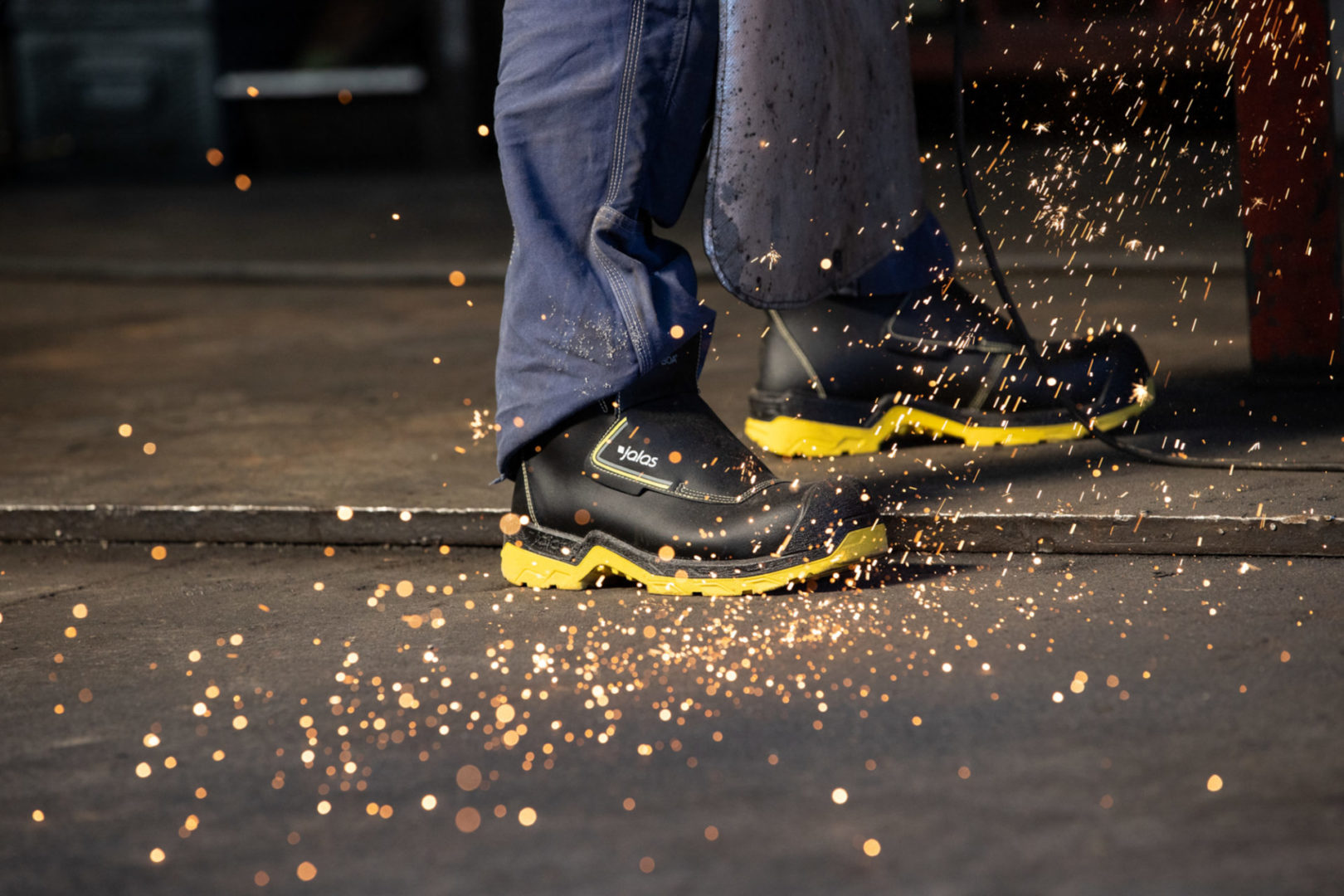
Welding Boots are a must for any welding Environment
welding boots

When it comes to welding, precision, skill, and safety are paramount. One of the most crucial elements of a welder’s safety gear is a pair of high-quality welding boots. Not just any footwear can stand up to the challenging conditions of welding work. This is where specialized welding safety boots come into play, providing unmatched protection, durability, and comfort on the job. From Cofra and Jalas welding boots known for their rugged design to options catering to women’s welding boots, this guide will help you navigate the market to find the best fit for your welding endeavors.

The Dangers Lurking in Welding Environments

Welding tasks expose workers to extreme heat, molten metal, sharp objects, and electrical hazards. The feet, often the most overlooked body part, are incredibly vulnerable during welding operations. Specialized welding safety boots are designed to mitigate these risks by providing comprehensive protection. From the heat-resistant soles to the metal-guarded toes, these boots are the first line of defense against workplace injuries. They are built with materials and safety features that ordinary boots lack, like flame-resistant leather, welding boots steel toes, metatarsal guards, and slip-resistant soles. Whether you’re a seasoned professional or new to the field, understanding the protective elements of welding work boots can make a significant difference in your daily safety.
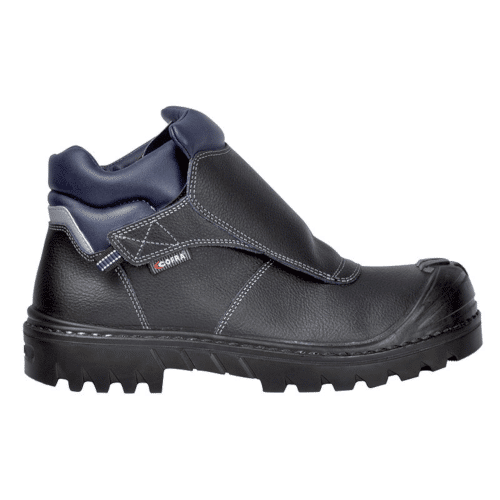
cofra welder bis welding boot

Norsemen Safety/Welder’s Choice: Your Destination for Top-Quality Welding Boots Featuring Jalas and Cofra Welding Boots.

When it comes to welding, the right footwear is not just about comfort; it’s about safety. Norsemen Safety/Welder’s Choice understands this better than anyone. As a premier provider of welding gear, we offer an extensive selection of welding boots designed to meet the needs of even the most demanding welding environments. With quality brands like Jalas and Cofra in their lineup, Norsemen Safety/Welder’s Choice ensures that welders are equipped with boots that offer the ultimate protection, durability, and comfort.

Jalas and Cofra: Synonymous with Welding Boot Excellence

The partnership between Norsemen Safety/Welder’s Choice and esteemed brands like Jalas and Cofra is a testament to their commitment to quality. Jalas boots are renowned for their ergonomic design and high-tech safety features, while Cofra has made a name for itself with robust construction and innovative protective technologies. These brands are leaders in the safety footwear industry, and Norsemen Safety/Welder’s Choice proudly brings their exceptional products to welders across the market.

Ensuring Foot Safety with Jalas and Cofra Welding Boots

Each brand offered by Norsemen Safety/Welder’s Choice comes with its own set of unique benefits. Jalas boots are designed with the Nordic climate in mind, providing exceptional insulation and protection from the cold, making them ideal for welders in harsher environments. On the other hand, Cofra boots are recognized for their cutting-edge designs that incorporate features like heat-resistant soles and anti-perforation liners, all while maintaining a lightweight and comfortable fit.
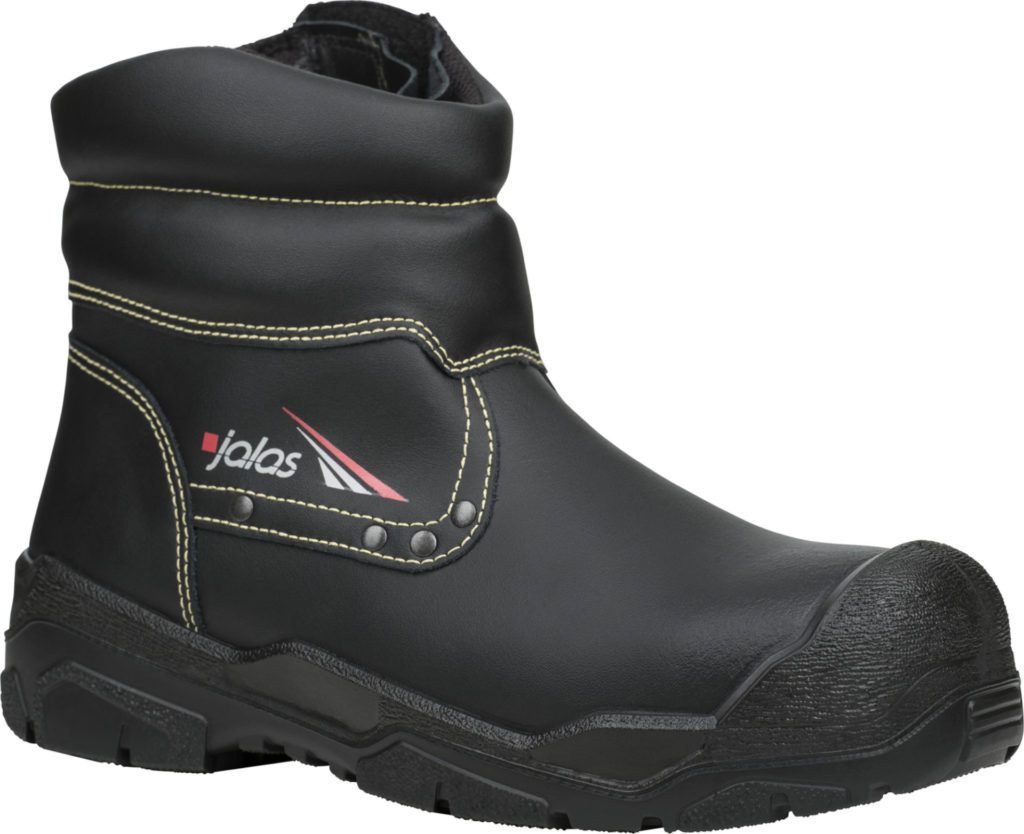
welding boots

A Closer Look at Norsemen Safety/Welder’s Choice Product Range

Norsemen Safety/Welder’s Choice doesn’t just sell welding boots; we provide a full safety solution. Their selection includes safety boots that meet various safety standards and certifications, ensuring that welders are fully protected from the ground up. With detailed product descriptions, specifications, and customer reviews, Norsemen Safety/Welder’s Choice makes it easy for customers to find the perfect pair of welding boots for their specific needs.

Choosing the Best Welding Work Boots

Selecting the right welding boots can seem daunting with so many options available. However, the key to finding good welding boots lies in identifying the specific needs of your work environment. Consider factors like the boot’s material, safety ratings, type of construction, and user reviews. A boot that excels in heavy-duty environments might be overkill for lighter workshop tasks, so align your choice with the demands of your job.

Top Three Welding Boots Offering Quality, Comfort & Protection – Hands down best welding boots!

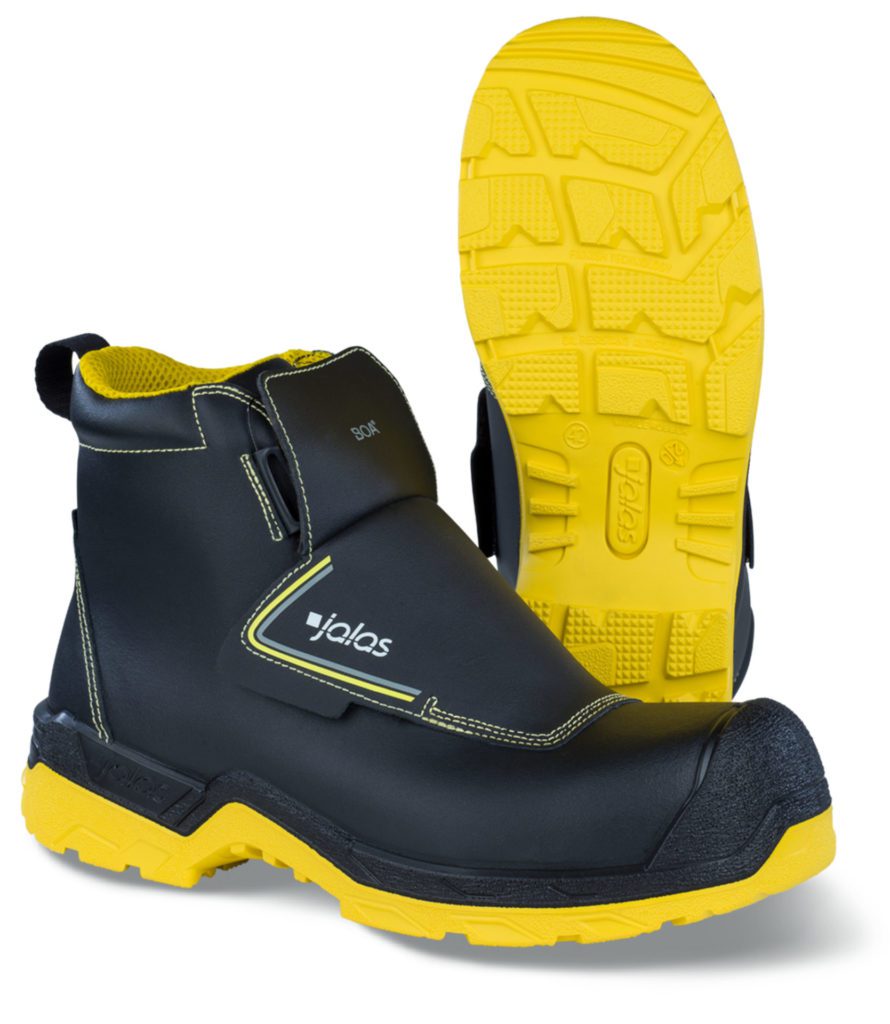
Number 1 Choice: Jalas 1228W Welders Boot – Mid-cut boot with hidden BOA Fit System
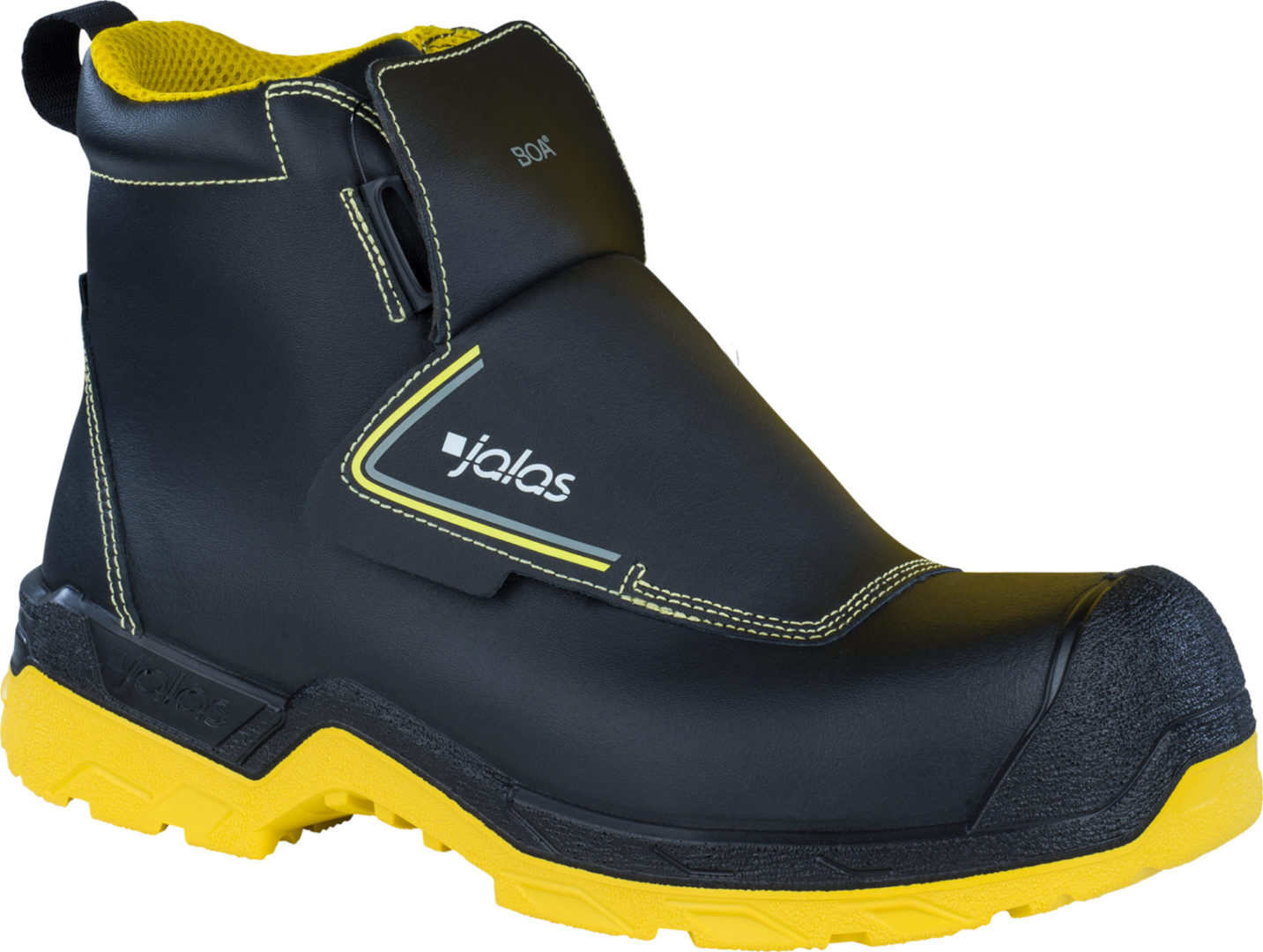
jalas 1228w welding boots

Our most expensive welders boot offering the following features;

1. Unparalleled Comfort: The JALAS 1228W Welder’s Boot is designed with your comfort in mind. Whether on your feet for hours or tackling challenging welding tasks, these boots offer exceptional comfort, ensuring you stay focused and productive throughout your workday.

2. Unrivaled Durability: Crafted for longevity, these boots are built to withstand the rigors of welding work. The PU-coated leather exterior not only enhances durability but also protects against the wear and tear of your demanding job.

3. Perfect Fit with BOA® Fit System: Achieving the perfect fit is essential for both comfort and safety. The JALAS 1228W features the innovative BOA® Fit system, allowing you to customize the fit precisely to your liking, ensuring a snug and secure feel.

4. Heat Resistance Beyond Compare: Welders encounter extreme heat daily, and these boots are up to the task. Specially treated leather combined with KEVLAR® thread in the seams provide outstanding heat resistance, with a maximum operating limit of 427°C and a long-term heat exposure limit of 204°C.

5. Superior Traction and Safety Features: The nitrile outer sole of these boots is not only resistant to heat and oil but also offers excellent grip, reducing the risk of slips and falls in your workspace. Plus, the JALAS® composite toe cap, steel nail penetration insert, and double impact protection zones in PORON® XRD® technology work in unison to help prevent injuries and ensure your safety.

Number 2 Choice: Cofra BIS UK S3 HRO SRC
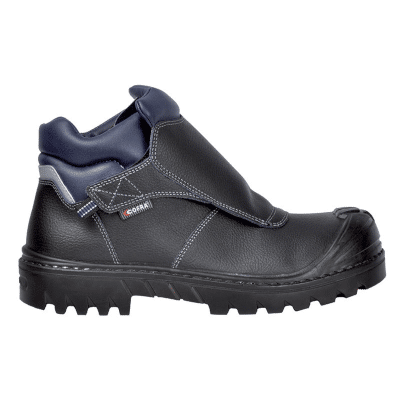
cofra welder boot

The Cofra BIS UK is our most popular welders boots which offers the following features;

Velcro closure to protect the top of the boot and its laces.

Heat Resistant fabric, fireproof seams. Protects from sparks and molten metals from burning your feet

Water Repellent leather, keeping the wearer’s foot dry when working in wet conditions.

These welding boots have an external lining is made with a synthetic fabric, and the internal lining is made using Texelle 100% polyamide fabric

Evanit Footbed made of Eva & Nitrile Special Compound.

A sole, which is made using Heat Resistant PU/Nitrile rubber resistant. This can withstand up to 300 degrees for 1 minute (approx.).

A non metallic top return toe cap, which can withstand up to 200 J. This is paired with a non metallic APT Plate Midsole.

Number 3 Choice: Jalas Gran Premio 1668W Welding Boot Quality & Comfort
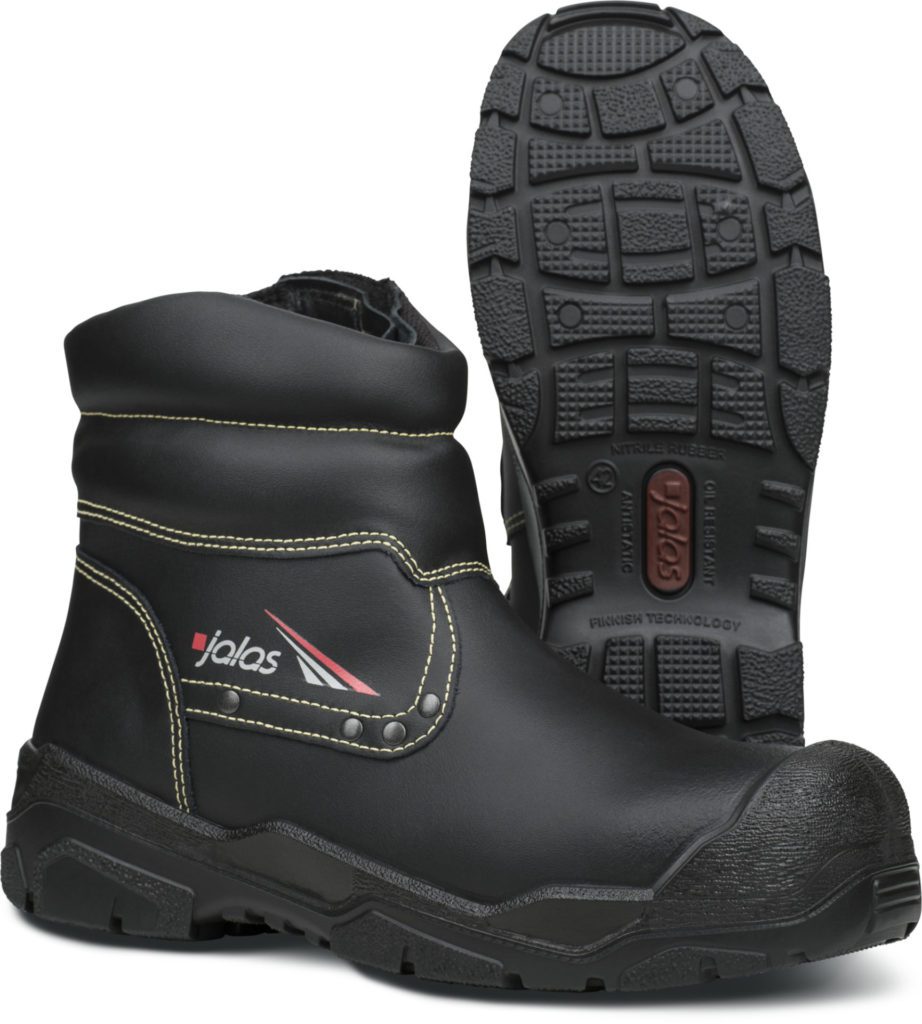
JALAS GRAN PREMIO 1668W
  • Heat-Resistant Construction: The boot’s leather upper is PU-coated and reinforced with KEVLAR thread, ensuring resilience against short-term heat exposure up to 427° C and prolonged exposure up to 204° C.
  • Oil and Heat-Resistant Outsole: The nitrile outer sole provides exceptional grip and traction on slippery and oily surfaces, even amidst intense heat.
  • JALAS Aluminium Toe Cap: Shield your toes from falling objects and impact forces with the JALAS aluminium toe cap, engineered to absorb and disperse energy effectively.
  • Steel Nail Penetration Insert: Guard against underfoot punctures with the steel nail penetration insert, safeguarding your feet from sharp objects.
  • PORON XRD Impact Protection Zones: Strategically placed PORON XRD impact protection zones cushion your heels and metatarsals, minimizing the impact of repetitive movements and reducing fatigue.
  • Thinsulateâ„¢ Lining: Experience exceptional warmth and insulation with the Thinsulateâ„¢ lining, keeping your feet comfortable and protected throughout the workday.
  • Wide Fit: The boot’s generous width accommodates a wide range of foot sizes, ensuring a comfortable fit that minimizes pressure points and prevents discomfort.

Women’s Welding Boots: Ensuring Proper Fit and Protection

The welding industry has seen a welcome increase in diversity, with more women taking up the trade. This shift has brought about the introduction of women’s welding boots, which are designed to fit the unique contours of a woman’s foot, providing the same level of protection but with a better fit. We would suggest the Jalas Gran Premio 1668W for a ladies welding boots because it is available in the following sizes (UK) 3, 4, 5, 6, 6½, 7, 8, 9, 10, 10½, 11, 12, 13. Give us a call to check availability of your size. These boots address the need for proper ergonomic support, ensuring that female welders have access to footwear that is both safe and comfortable. Another new arrival to our range of welding boots, is the Rock Fall RF5000 also available in smaller sizing.
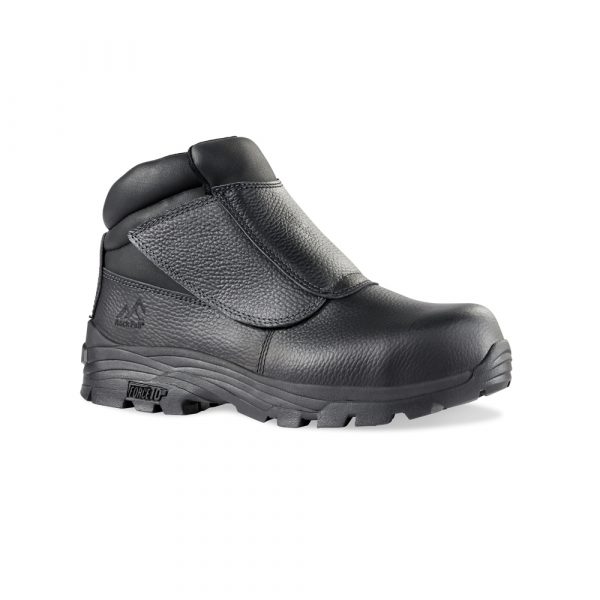
Welding Boot Rock Fall spark RF 5000

Why Choose Norsemen Safety/Welder’s Choice for Your Welding Boots?

Norsemen Safety/Welder’s Choice stands out for its comprehensive range of welding work boots. Whether you’re looking for the classic durability and heat resistance of Jalas or the modern protective features of Cofra welding boots, Norsemen Safety/Welder’s Choice has options for every type of welder. They understand that good welding boots are not a luxury but a necessity, which is why they cater to a wide spectrum of needs, including specialized women’s welding boots.
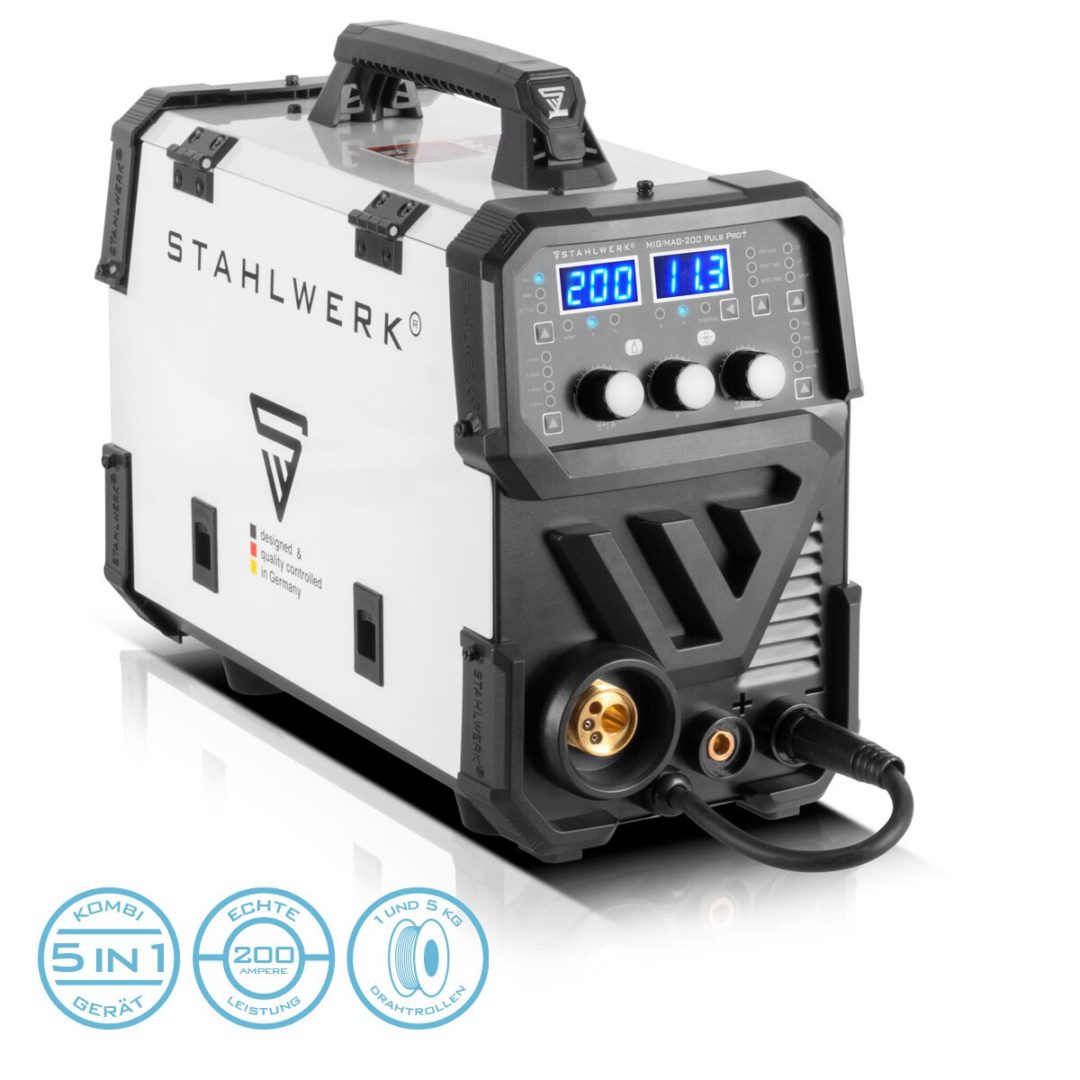
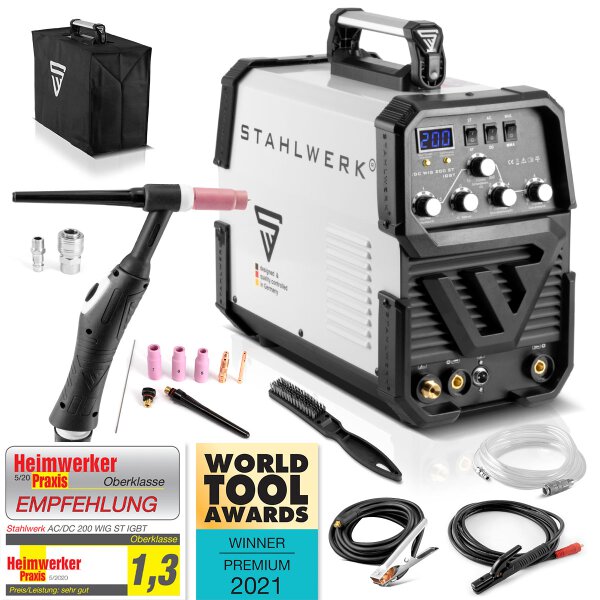
Exciting News: Stahlwerk Partners with Norsemen Safety & Welding Supplies Belfast

We are thrilled to announce that Norsemen Safety & Welding Supplies has officially become a distributor for Stahlwerk, a renowned manufacturer of high-quality welding equipment and accessories. This partnership marks a significant milestone for us, as we continue to expand our product offerings and services to better serve our customers in the UK and Ireland.

About Stahlwerk

Stahlwerk has been a trusted name in the welding industry since 1998, providing a wide range of welding machines, plasma cutters, air compressors, and accessories. Their products are known for their durability, performance, and innovative IGBT technology. With a commitment to quality, Stahlwerk offers a 7-year warranty on their products, ensuring that customers receive the best in terms of reliability and longevity.

Stahlwerk Tig AC/DC Welder 200 Amp

STAHLWERK – Premium quality for craftsmen and professionals

Welding machines with IGBT technology
In addition to our bestsellers, we offer a broad portfolio of Stahlwerk welding machines and cutting technology. Discover our welding equipment with the latest IGBT technology and 7 years warranty! AC/DC TIG welders, combination units with integrated MMA mode, plasma cutters, MIG MAG welding machines, ARC/MMA electrode welding machines and much more.

Powerful battery chargers
Discover our battery chargers with the latest technology and 7 years warranty! With our light and compact battery chargers you will always have power. The high-quality workmanship and additional features allow for quick use in all situations.

Plasma cutters with IGBT technology
Check out our plasma cutters with the latest IGBT technology and 7 years warranty! Our plasma devices with maximum cutting thickness between 10 and 44 mm are available with single-phase and three-phase alternating current as well as with contact and pilot ignition. Thus we offer the right equipment for every requirement.

Fully automatic welding helmets
The fully automatic welding helmets offer reliable protection during welding, plasma cutting and flexing. With a 7-year guarantee on the filter cassette and a high level of wearing comfort, the welding helmets ensure the greatest possible safety.

Powerful air compressors
Discover our air compressors with the latest IGBT technology and 7 years warranty! The quiet, oil-free whisper compressors are a necessity in every workshop. They can be used to operate not only plasma cutters, but also a wide range of many other tools. The different boiler sizes offer a wide choice.

Tools & Accessories
In addition to welding and cutting technology, STAHLWERK offers a wide range of tools and accessories. In this way, we offer the perfect equipment for every challenge. Convince yourself of our high-quality products!

What This Means for Our Customers

As a distributor for Stahlwerk, Norsemen Safety & Welding will now be stocking a variety of Stahlwerk welding machine products in our Belfast location, ready to be shipped to customers throughout the UK and Ireland. This partnership allows us to offer an even broader selection of high-quality welding equipment and accessories, ensuring that we have the right tools for every job.

Whether you are in the industry, a craftsman, or a DIY enthusiast, our expanded product range from Stahlwerk has something to offer. From TIG and MIG/MAG welders to plasma cutters and air compressors, we have the equipment you need to get the job done right.

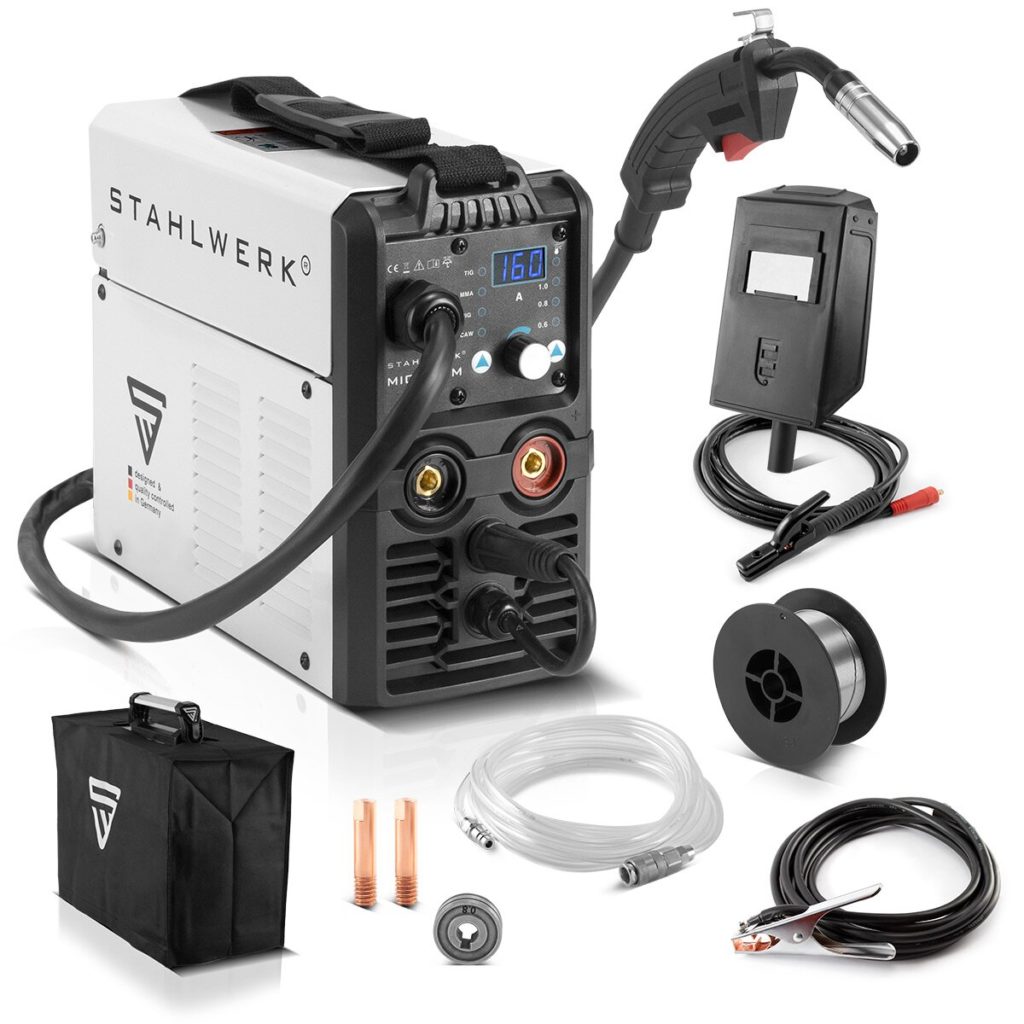
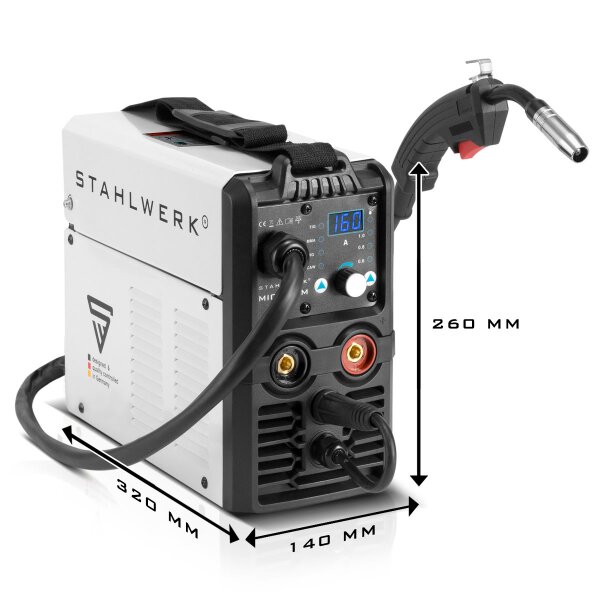
stahlwerk mig 160 m 1

Why Choose Stahlwerk?

  • Quality and Reliability: Stahlwerk products are built to last, with precise production processes and a high level of expertise. They have earned the trust of over 500,000 satisfied customers across Europe.
  • Innovation: Stahlwerk is at the forefront of welding technology, offering products with the latest IGBT technology for maximum performance.
  • Comprehensive Warranty: With a 7-year warranty on their products, Stahlwerk stands behind the quality of their equipment, giving you peace of mind with your purchase.
  • Extensive Product Range: Stahlwerk offers a wide range of welding and cutting equipment, as well as tools and accessories, ensuring that you have access to everything you need.

Get in Touch

We are excited to bring Stahlwerk’s exceptional range of products to our customers in the UK and Ireland. Shipping to the UK and Ireland No matter where you are located, Norsemen Safety & Welding has you covered. We offer shipping to all parts of the UK and Ireland, ensuring that you can get access to Stahlwerk’s exceptional products no matter where you are. If you have any questions or would like to learn more about our new product offerings, please do not hesitate to contact us. Our team is here to help and provide the support you need to find the perfect tools for your projects.

Thank you for your continued support, and we look forward to serving you with an even greater selection of high-quality welding equipment and accessories.

Norsemen Safety & Welding Supplies Team 028 9046 0541

The Advantages of MIG Inverter Welders: A Professional Review

Welding has transformed over the years, with numerous innovations enhancing the precision, efficiency, and reliability of welding processes. At the forefront of these advancements is the MIG Inverter Welder. While traditional welding machines have their merits, the MIG Inverter Welder has rapidly become the go-to choice for many professionals and hobbyists alike. But what makes the MIG Inverter Welder, an advanced inverter type, stand out? Let’s explore.

mig inverter welder

Mig Inverter Welders

Energy Efficiency

One of the top product features of MIG Inverter Welders is their energy efficiency. These welders convert power to a higher frequency, allowing for a smaller transformer and ultimately, reduced power consumption. Not only is this good for the environment, but it’s also kinder to your energy bills.

Here are several reasons why MIG inverter welders are considered energy-efficient:

  1. High Power Factor: MIG inverter welders typically have a high power factor, which means they can convert a larger percentage of the electrical power they consume into usable welding power. This results in less wasted energy and more efficient operation.
  2. Improved Power Conversion: Inverter technology is highly efficient at converting incoming electrical power from AC (Alternating Current) sources to stable DC (Direct Current) output used for welding. Traditional welding machines may have lower efficiency in this conversion process, leading to higher energy consumption.
  3. Precise Control: Inverter welders offer precise control over welding parameters, such as voltage and amperage. This precision allows welders to optimize their settings for specific welding tasks, reducing the need for excessive energy consumption.
  4. Reduced Downtime: Inverter welders often have faster startup and shutdown times compared to older welding equipment. This means they spend less time idling and drawing power when not in use, contributing to energy savings.
  5. Variable Output: Inverter welders can adjust their output power according to the demands of the welding task. For example, when welding thinner materials, they can operate at lower power levels, saving energy compared to running at maximum power constantly.
  6. Portability and Versatility: Many MIG inverter welders are compact and portable, making them suitable for a wide range of applications. Their portability allows them to be used in remote locations where power supply options may be limited, further emphasizing energy efficiency by minimizing the need for long power cables.
  7. Cooling Systems: Inverter welders often incorporate efficient cooling systems that only activate when necessary, ensuring that energy is not wasted on continuous cooling when the machine is not under heavy load.
  8. Duty Cycle Management: Inverter welders are designed to manage their duty cycles effectively. They can operate at their rated capacity for a specific amount of time, after which they enter a cooling cycle. This intelligent duty cycle management prevents overheating and excessive energy consumption.
  9. Energy Conservation Awareness: Many industries and welders are increasingly aware of the importance of energy conservation. This awareness has led to the development of more energy-efficient welding processes and equipment, including MIG inverter welders.

Versatile Welding Capabilities

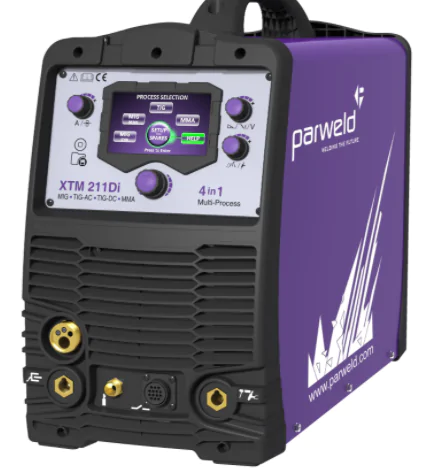
The MIG Inverter Welder is adaptable. Whether you’re working with thin sheets of metal or tackling thicker structures, it has the capacity to handle various tasks, adjusting settings based on material thickness. Its versatility extends to different metals, making it a robust choice for diverse projects. Pictured below is the Parweld XTM 211DI Multi Process Welder with AC/DC Tig sold by Norsemen Safety.

parweld mig inverter welder

Enhanced User Control

With more control settings available, users can fine-tune their welding process to meet specific requirements. This added precision ensures higher quality welds and reduces the potential for errors. Many models come with an auto set feature, allowing users to input metal thickness and wire diameter for automatic adjustments. Inverter MIG welders often feature advanced wire feed systems that can precisely control the feeding speed of the welding wire. This ensures a smooth and steady wire feed, reducing the chances of wire jamming or erratic wire movement that can lead to spatter.

Reduced Spatter

There’s nothing more frustrating than spending time cleaning up after a welding job. With the MIG Inverter Welder, the occurrence of spatter is significantly diminished, saving both time and material. Using flux-cored wire can further reduce spatter, making the welding process cleaner and more efficient. Inverter MIG welders offer precise control over voltage and amperage settings, allowing welders to fine-tune their welding parameters. This control helps to create a stable and consistent arc, which minimizes spatter.

The inverter technology in these welders helps maintain a more stable welding arc, even when working with challenging materials or positions. A stable arc is less likely to produce excessive spatter.

Cost-Effective Over Time

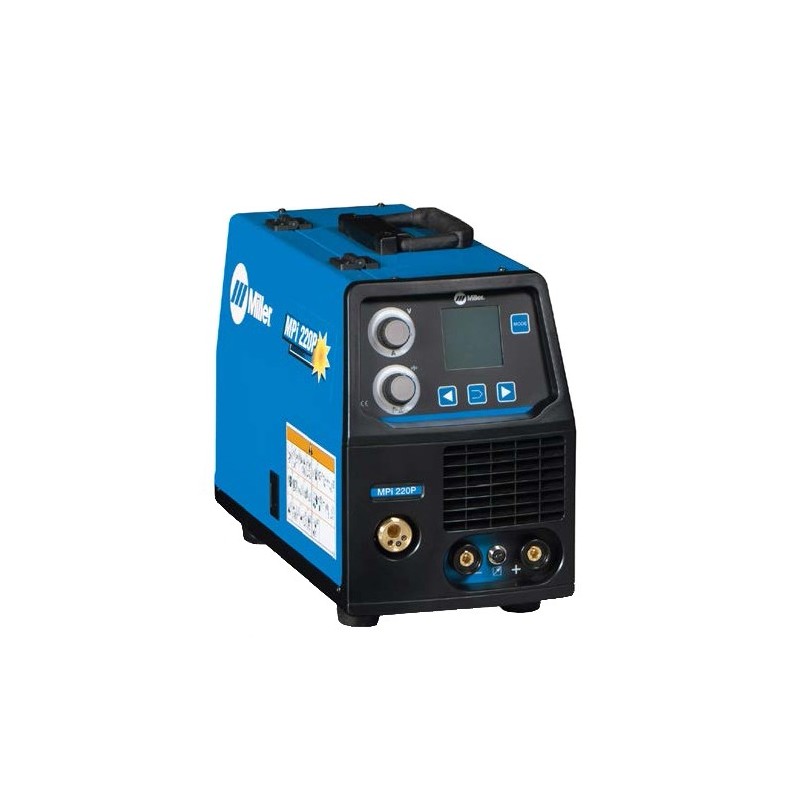
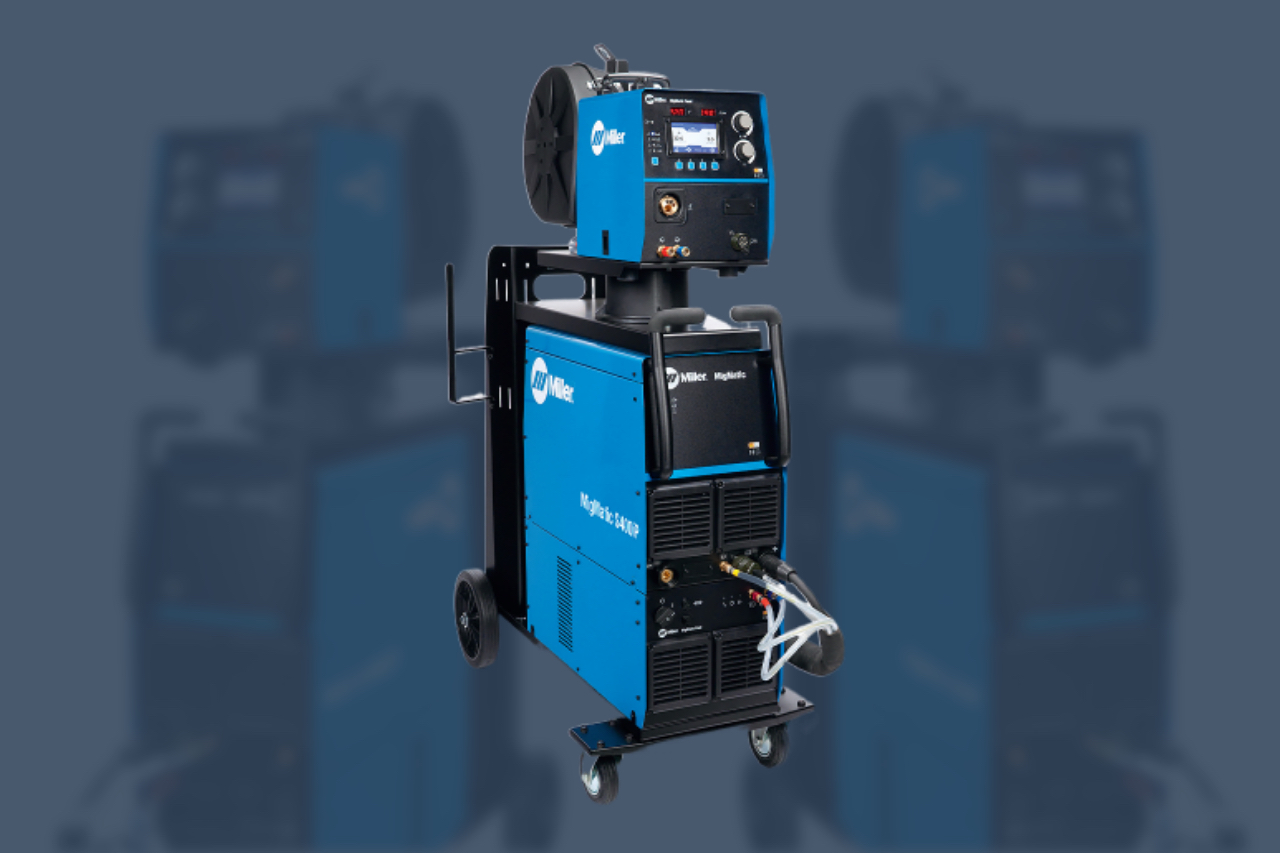
Though the initial investment may be higher than traditional welders, the MIG Inverter Welder often proves more cost-effective in the long run. Reduced power consumption, decreased maintenance, and enhanced durability all contribute to its cost-saving benefits. Choosing the right welder for your needs can lead to significant cost savings over time. Miller Welding explains how energy efficient inverter welders can save a substantial amount of money. See their article, Welding Guide to Power Efficiency.

Lightweight and Portable

Unlike its bulkier counterparts, the MIG Inverter Welder boasts a compact design. This doesn’t just mean it’s easier to store; it also makes transport a breeze. Whether you’re a mobile welder or simply enjoy having flexibility in your workshop, this feature is invaluable. This portability is especially beneficial for diverse welding projects that require mobility. Here’s an example of an inverter mig welder that’s small but offers 160 amp of welding power.

stahlwerk 160 m mig inverter welder

In Conclusion

The MIG Inverter Welder, with its range of product features, showcases the future of welding. Unlike traditional transformer type welders, the MIG Inverter Welder offers advanced features and greater efficiency. Its benefits far outweigh the initial costs, providing value in both functionality and efficiency. As the world of welding continues to evolve, the MIG Inverter Welder undeniably holds a prominent position in this progression.

For those seeking a top-performing, energy-efficient, and versatile welding solution, the MIG Inverter Welder is undoubtedly a top choice. Dive deeper into its features, and you’ll quickly understand why it’s becoming an industry favourite.

Norsemen Safety/Welder’s Choice offers a range of MIG inverter welders from Miller Welding, Helvi Welding, Parweld and Stahlwerk welding equipment. Give us a call to discuss your welding requirements and let us help you decide the best machine to suit your welding requirements.

FAQs for MIG Inverter Welders

Q1: What is a MIG Inverter Welder?
A MIG Inverter Welder is a welding machine that uses inverter technology to convert power to a higher frequency, making it energy-efficient, lightweight, and highly adaptable to various welding tasks. It offers precise control over welding parameters, reduced spatter, and enhanced portability.

Q2: Why are MIG Inverter Welders considered energy-efficient?
MIG Inverter Welders are energy-efficient due to their high power factor, improved power conversion from AC to DC, precise control over settings, and efficient cooling systems. These features reduce power consumption and overall energy waste during operation

Q3: What materials can a MIG Inverter Welder handle?
MIG Inverter Welders are versatile and can work with a range of materials, from thin metal sheets to thicker structures. They are suitable for welding various metals, making them ideal for diverse projects.

Q4: Does a MIG Inverter Welder reduce spatter during welding?
Yes, MIG Inverter Welders significantly reduce spatter. Their precise control over voltage, amperage, and arc stability minimizes the chances of spatter, saving time and materials in post-welding cleanup.

Q5: Are MIG Inverter Welders cost-effective?
Although the initial investment may be higher than traditional welders, MIG Inverter Welders are cost-effective in the long run. Their energy efficiency, reduced maintenance, and enhanced durability lead to significant savings over time.

Q6: Are MIG Inverter Welders portable?
Yes, MIG Inverter Welders are lightweight and compact compared to traditional welders. This makes them easy to transport and ideal for mobile welders or workshops with limited space.

Q7: Can I use a MIG Inverter Welder for all types of welding tasks?
MIG Inverter Welders are highly versatile and can be used for a wide range of welding tasks. However, it’s important to choose the appropriate model and settings based on the material and welding requirements.

Safety First: Welding Mask Air Fed Guidelines


Essential Safety Guidelines for Using Welding Mask Air Fed Units.

Ever been curious about how welders protect themselves from harmful fumes and intense light? Enter the welding mask air fed! These masks not only protect the face and eyes but also supply clean, breathable air to the user. But as with any protective equipment, proper use and care are paramount. Here’s the essentials of ensuring safety with these masks.

Introduction to Air Fed Welding Masks

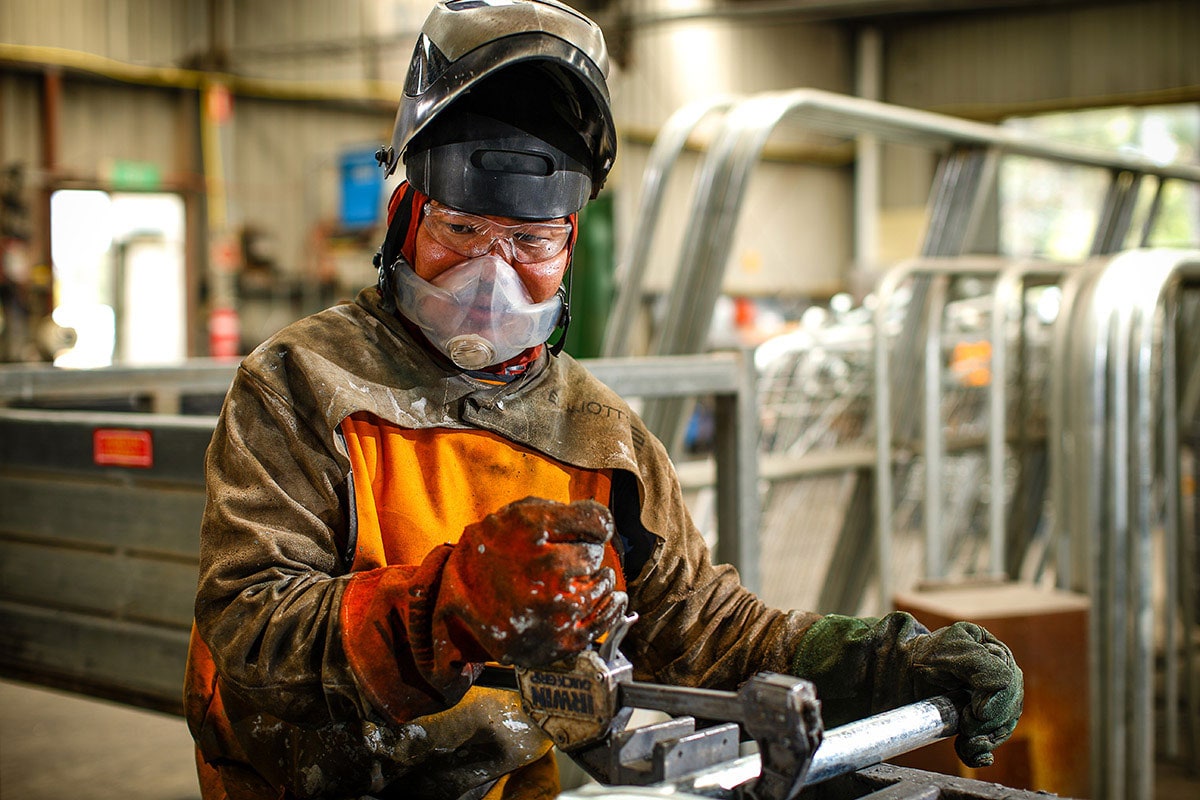
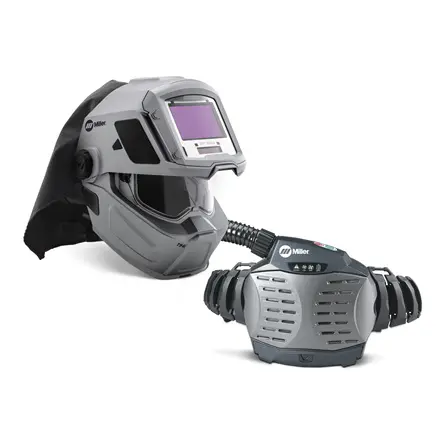
  • Definition and Purpose: Air fed welding masks, also known as powered air purifying respirators (PAPRs), are designed to provide welders with filtered air, protecting them from harmful gases and particulates produced during welding. They combine eye protection with respiratory safety, ensuring an all-around defense.
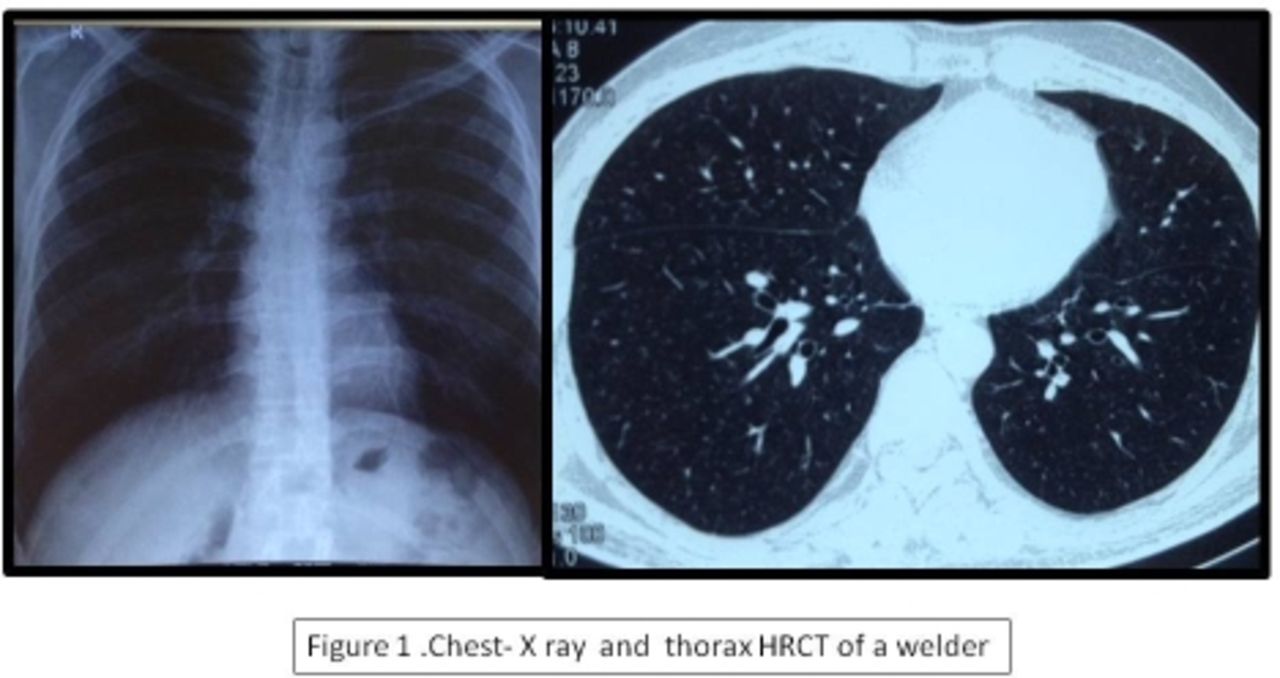
  • Importance of Safety: In welding, hazards are ever-present. Fumes can contain harmful metals and gases. Without the right protection, prolonged exposure can lead to health complications. Hence, ensuring the correct use of an air fed welding mask is not just about compliance; it’s about well-being. Read this quick guide to safety when welding.

Components of Welding Masks Air Fed

  • Face Shield: This part protects the eyes from intense light and the face from hot splatter. Made of high-quality, heat-resistant material, it offers clear visibility and durability.
  • Air Delivery System: This system channels filtered air to the wearer, ensuring they breathe uncontaminated air. It’s like giving welders a breath of fresh air amidst all the chaos!
  • Filtration System: Think of it as the mask’s lungs. It filters out the bad stuff—dust, vapors, and harmful gases.
Welders lungs

Advantages of Using Welding Masks Air Fed

  • Enhanced Protection: These masks offer dual protection: for the lungs from harmful fumes and for the eyes from blinding light. Isn’t it wonderful to have one tool that looks out for you in more ways than one?
  • Comfort and Breathability: Ever tried working while feeling suffocated? Air fed masks eliminate that discomfort, ensuring welders can focus solely on their craft.
Jackson translight flip

Essential Safety Guidelines

  • Proper Fit and Adjustment: Just like you wouldn’t wear shoes that don’t fit, ensure your mask sits snugly without being too tight. Regularly adjust the straps for optimal protection.
  • Regular Inspection and Maintenance: Treat your welding mask air fed like your car. Regular check-ups ensure it runs smoothly. Check for cracks, leaks, and ensure the filtration system works effectively.
  • Battery Management: Remember, the mask’s efficiency relies on power. Regularly charge batteries and have backups ready.
  • Proper Cleaning Techniques: After a long day, your mask deserves a spa! Clean it with recommended solutions to maintain its efficiency.
  • Safe Storage: Store in a cool, dry place away from direct sunlight.

Common Mistakes to Avoid

  • Ignoring Leaks: A small leak can compromise your safety. Regularly check and address any leaks.
  • Using Damaged or Expired Filters: Would you drink water from a dirty filter? Similarly, don’t breathe air through a compromised filter.
  • Neglecting Battery Care: A mask without power is like a car without gas. Regularly check battery levels.

The Imperative of Safety

Safety isn’t just a word; it’s a responsibility. By ensuring the proper use and care of air fed welding masks, welders can protect themselves from potential hazards and focus on what they do best—crafting masterpieces with metal.

FAQs

  1. How often should I replace the filters in my air fed welding helmets?
    • It depends on usage and the environment, but it’s good practice to check them regularly and replace them as recommended by the manufacturer.
  2. Can I use any cleaning solution for my mask?
    • Always check the manufacturers recommendations about cleaning solutions to avoid damaging the mask.
  3. How long do the batteries typically last on PAPR auto darkening welding helmets ?
    • Battery life varies by model and usage, but most last between 8-10 hours. Always refer to the manufacturer’s guide.
  4. What should I do if I notice a crack in the face shield of my PAPR air fed welding helmet?
    • Replace it immediately. A crack can compromise your protection.
  5. Are all air fed welding masks the same?

5 advantages and disadvantages of TIG welding?

Introduction

TIG welding, or Tungsten Inert Gas welding, is a popular welding technique known for its precision and high-quality welds. In this article, we will explore the advantages and disadvantages of TIG welding, its applications, compare it to MIG welding, and the safety precautions which we advise for people to take whenever they are TIG welding.

What is TIG Welding?

TIG welding is an arc welding process that uses a non-consumable tungsten electrode to create a weld. The weld area is protected from atmospheric contamination by an inert gas, usually argon. This process is often preferred for its ability to produce clean, strong, and precise welds. TIG welding is suitable for all types of carbon steels, low-alloy steels, alloyed stainless, nickel alloys, aluminum and its alloys, copper and its alloys, titanium, magnesium, and other nonferrous alloys.

Advantages of TIG Welding

tig weld aluminium

High-Quality Welds

The method’s inherent characteristics enable welders to achieve better control over the welding process, thereby yielding remarkably robust and long-lasting joints. This then means that the weld is unlikely to fracture and crack.

Precise Control

TIG welding provides precise control over the heat input, welding speed, and filler metal deposition. This level of control is especially beneficial for welding thin materials and intricate joints. The more control the welder has the more easier the weld will be to complete.

No Flux Required

Unlike some other welding methods, TIG welding does not require any flux. By not using any flux the welder doesn’t need to have to take up extra time trying to clean the weld so that it looks presentable, because of this they are able to increase their overall output.

Versatility

TIG welding can be used on a wide range of metals, including stainless steel, aluminum, copper, and even exotic metals like titanium and magnesium. Due to this wide range of metals that can be TIG welded, it means that most jobs are able to be tackled with the use of a TIG welder.

Clean Welds

The use of an inert gas shield prevents the weld from reacting with atmospheric elements, resulting in clean and oxidation-free welds. The cleaner the weld is the stronger and more presentable the weld is, because of this the piece of work can go for a higher price than those which would have issues such as porosity.

Disadvantages of TIG Welding

Slower Process

TIG welding is generally slower compared to other welding methods. The precise control and meticulous nature of the process contribute to a slower welding speed. This then means that it could be more beneficial to the business for the welders to create faster welds and produce more at a lower quality, than less at a higher quality.

Skill-Intensive

TIG welding, being a precision welding technique, demands a higher level of skill and expertise from welders to execute it correctly. Mastery of this method requires not only technical knowledge but also finesse in handling the welding equipment. Welders must possess steady hands and impeccable eye-hand coordination to create flawless and high-quality welds. The process involves delicately controlling the arc length and heat input to ensure the proper fusion of metals without causing any distortion or defects in the weld bead. Additionally, the welder’s ability to precisely control the filler metal deposition and the speed at which they move the torch along the joint is crucial for achieving consistent and aesthetically pleasing welds.

Not the most efficient for all Thick Materials

While TIG welding can handle thick materials, it may not be the most efficient method for heavy-duty applications. due to this it can become more time consuming for the welder especially if most of the jobs are thick materials.

Expensive Equipment

TIG welding equipment, including the power source, torch, and gas supply, can be more expensive compared to other welding setups. Due to this we would advise that for small jobs you buy a Stahlwerk DC Tig 200, this is a small 200 amp Tig inverter great for tig welding mild steel or stainless steel.

Susceptible to Contaminants

TIG welding is sensitive to contaminants on the base metal or filler metal. Proper cleaning and preparation are crucial to ensuring quality welds. This could entail the business using angle grinders, such as the FEIN WSG 8 with a flap disc attached, for the best results we would recommend the used of a Pferd 120 Grit Steelox Disc.

Applications of TIG Welding

TIG welding finds application in critical industries like aerospace, automotive, and even artistic metalwork, where precision, aesthetic appeal, and strength are paramount. It’s particularly valued for its ability to create high-quality welds with minimal distortion and spatter. TIG welding is also well-suited for welding exotic materials that demand strict purity and exacting tolerances. Some TIG welder brands like Miller allow for the user to be able to add a wireless foot pedal, this means that the welder will have more control of the welder and thus create better welds, it is described in the below video.

Comparison with Other Welding Methods

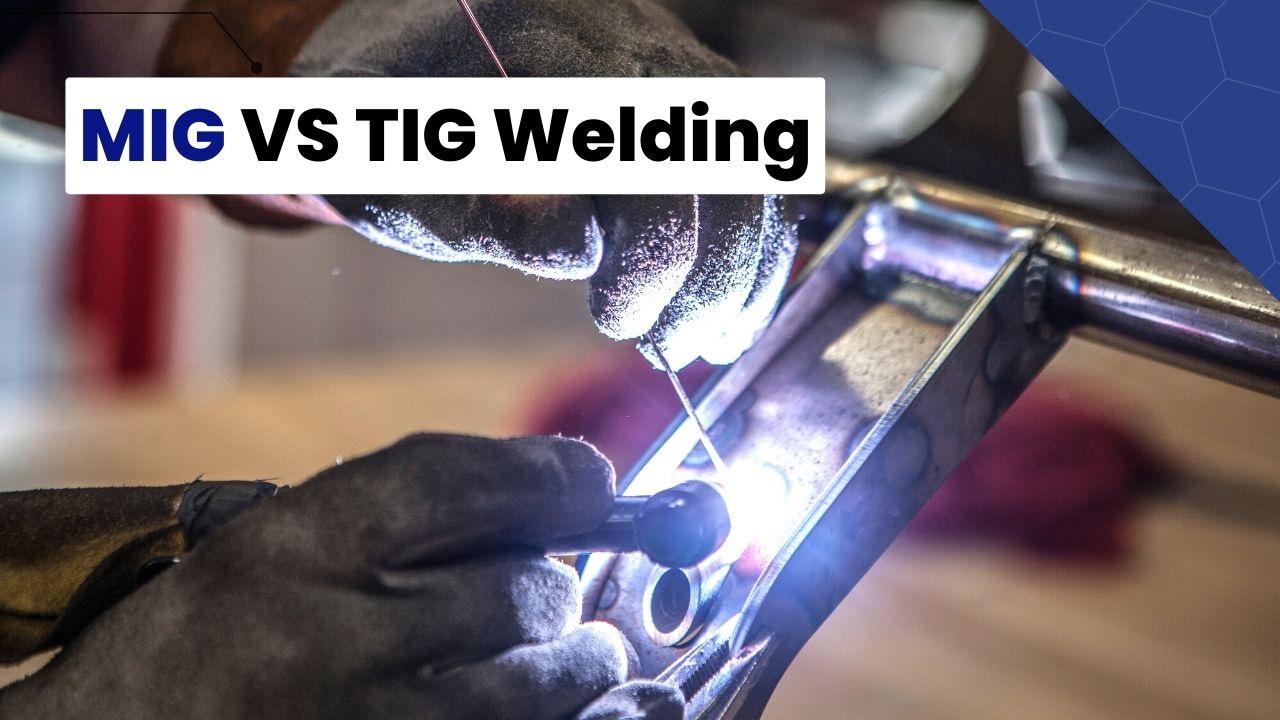
MIG vs TIG welding

TIG vs. MIG Welding

  1. Process:
    • TIG Welding: Uses a non-consumable tungsten electrode to create an arc and requires a separate filler material to join the metals. The weld area must then be shielded from the atmosphere with the use on an inert gas such as argon.
    • MIG Welding: on the other hand, involves a consumable wire electrode that melts and fuses the base metals, the electrode then acts as a filler for the two metals. similarly to TIG welding, the weld are must be protected with the use of an inert gas such as argon.
  2. Applications:
    • TIG Welding: TIG welding is normally preferred for precise and intricate welding applications, especially on thin materials like stainless steel, aluminum, and non-ferrous metals. It is Commonly used in industries where aesthetic appeal, precision, and high-quality welds are crucial, such as aerospace, and electronics.
    • MIG Welding: Suited for faster and more efficient welding of thicker materials, making it popular in industries like automotive, construction, and manufacturing.
  3. Weld Quality:
    • TIG Welding: Offers superior control over the welding process, this then results in a cleaner and more precise weld with minimal spatter and distortion, this then reduces the chances of messing up a weld. Ideal for critical applications where weld integrity is paramount, for example in the aviation sector it is quite likely to be using TIG welding.
    • MIG Welding: Provides good weld quality with decent speed, this then means that the business would be able to achieve more output in a certain amount of time. However, due to the higher deposition rates, the welds might not be as precise as those achieved with TIG welding, this would then mean that the welds would not be able to be used for certain jobs.
  4. Skill Level:
    • TIG Welding: Requires a higher level of skill and expertise due to the need for precise control over the arc, filler material, and heat input. Mastery can take time, but it allows for intricate work. this would then mean that the worker could charge a higher rate than a MIG welder as they are going to have more expertise in the area and would also have higher quality welds.
    • MIG Welding: Relatively easier to learn and operate, making it suitable for beginners and those seeking to weld quickly on thicker materials. this would then mean that the employees are likely to be on a lower wage than those who are a TIG welder.
  5. Setup and Equipment:
    • TIG Welding: Involves more complex equipment, including a power supply, tungsten electrode, filler material, and gas supply. This can make the setup more time-consuming and the process less portable.
    • MIG Welding: Simpler setup with a welding gun, wire feeder, power source, and gas supply. This makes it more convenient for on-site and rapid welding tasks.

Safety Precautions in TIG Welding

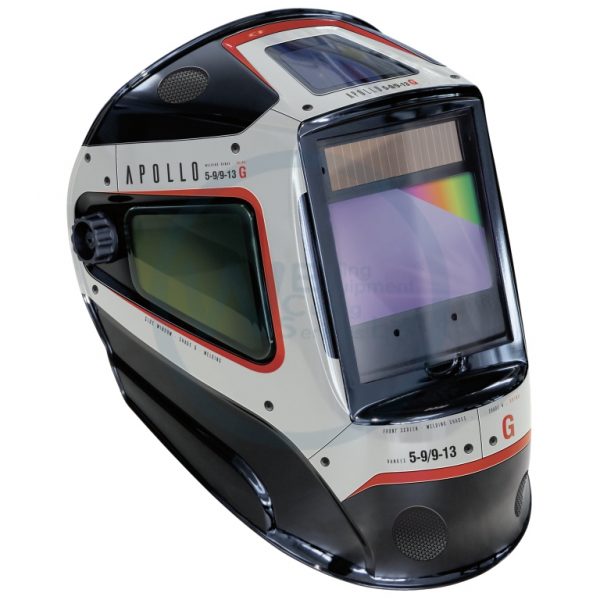
TIG welding involves high temperatures and potentially hazardous fumes. Firstly, wearing appropriate personal protective equipment (PPE) such as a welding helmet, for example, the GYS LCD apollo+, flame-resistant clothing, such as the Portwest Safe-Welder C030 and welding Gloves such as the Spider Hand TIG Supreme +.

gys welding helmet

Adequate ventilation in the workspace helps dissipate hazardous fumes and gases generated during the welding process, this can be further assisted with the use of a welding respirator such as GVS Elipse Half Mask. Ensuring a clutter-free work area minimizes tripping hazards and potential accidents. Fire safety measures including having a fire extinguisher nearby and using a Welding Blanket. A clear understanding of emergency shutdown procedures are critical. Additionally, training in TIG welding techniques, knowledge of the specific metals being welded, and following recommended current settings contribute to a safer welding environment.

Conclusion

Overall there are a range of advantages and disadvantages of TIG welding. It offers numerous advantages of TIG welding, including precise control, clean welds, and versatility in working with various metals. However, it also has some disadvantages of TIG welding, such as being skill-intensive and slower compared to other welding methods. Understanding these advantages and disadvantages of TIG welding can help professionals choose the right welding method for their specific applications.

FAQs

  1. Is TIG welding suitable for beginners?
    • TIG welding requires a certain level of skill, making it more suitable for experienced welders. Beginners may find it challenging to master the process initially.
  2. What types of metals can be welded using TIG welding?
    • TIG welding is versatile and can be used on various metals, including stainless steel, aluminum, copper, titanium, and more.
  3. Can TIG welding be used for thick materials?
    • While TIG welding can handle thick materials, it may not be the most efficient method for heavy-duty applications. Other welding methods like MIG or stick welding might be more suitable.
  4. How does TIG welding compare to MIG welding?
    • TIG welding produces cleaner and more precise welds than MIG welding but is a slower process and requires more skill.
  5. What safety precautions should I take while TIG welding?
    • When TIG welding, ensure to wear appropriate protective gear, work in well-ventilated areas, and follow safety guidelines to prevent accidents and health risks.

5 advantages and disadvantages of TIG welding

cropped Norsemen Welding Safety Logo
Norsemen Welding Safety Logo
CONTACT DETAILS
OUR HOURS
8 AM – 5 PM Monday – Thursday
8 AM – 4 PM on Friday
Safety Equipment
Welding Equipment
Find The Right Equipment Faster