How to Guide for Gasless MIG Welding

Gasless MIG welding, also known as flux-cored arc welding (FCAW)

Gasless MIG welding is a versatile and efficient welding process that doesn’t require external shielding gas. This makes it ideal for outdoor welding projects or situations where portability is essential. In this guide, we’ll walk you through the steps and techniques for mastering gasless MIG welding, from equipment setup to executing perfect welds.

Read to the end and see the Seven Essential Gasless Mig Welding Tips.

Understanding Gasless MIG Welding

What is Gasless MIG Welding?

Gasless MIG welding uses a flux-cored wire that generates its own shielding gas when heated. This eliminates the need for an external gas supply, making the process simpler and more portable.

Advantages of Gasless MIG Welding

  1. Portability: No need for gas cylinders.
  2. Wind Resistance: Effective in outdoor conditions where wind might blow away shielding gas.
  3. Ease of Use: Simplified setup compared to traditional MIG welding.

Applications of Gasless MIG Welding

Ideal for:

  • Outdoor welding
  • Automotive repairs
  • Farm equipment maintenance
  • Construction projects

Essential Equipment
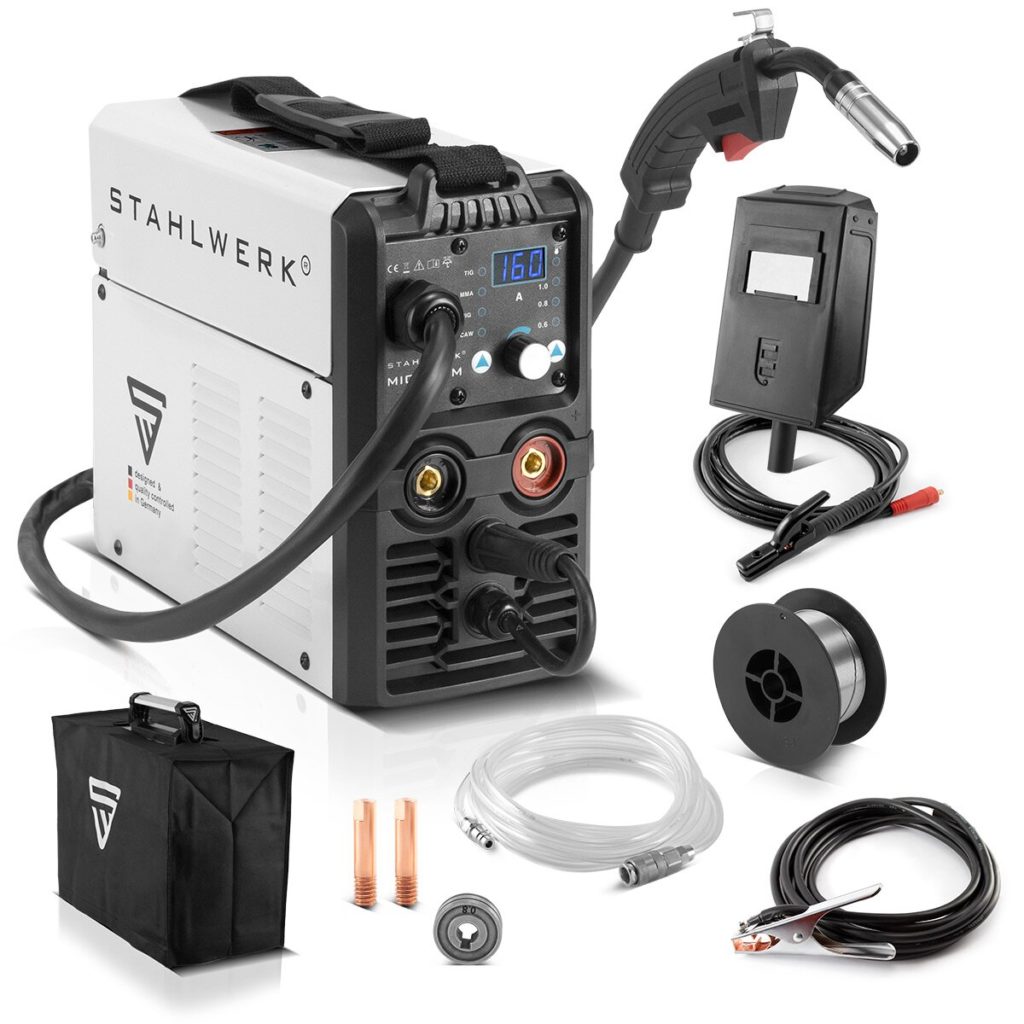
Flux Cored Wire Welding

Welding Machine

Choose a MIG welder compatible with flux-cored welding. Ensure it has adjustable settings for voltage and wire feed speed.

Flux-Cored Wire

Select the appropriate flux-cored wire for your project. Common types include E71T-11 and E71T-GS, suitable for mild steel.

Protective Gear

Always wear:

Additional Tools

Preparation

Setting Up Your Workspace

  1. Clean the Area: Remove any flammable materials and ensure proper ventilation.
  2. Lighting: Ensure adequate lighting to see the weld area clearly.
  3. Safety Measures: Have a fire extinguisher nearby and ensure your workspace is free of tripping hazards.

Preparing the Metal

  1. Clean the Surface: Use a wire brush or grinder to remove rust, paint, or oil from the metal surface.
  2. Fit-Up: Securely clamp the workpieces together to prevent movement during welding.

Machine Setup

Adjusting Voltage and Wire Feed Speed

  1. Voltage: Set the voltage according to the thickness of the metal. Higher voltage for thicker metals, lower for thinner metals.
  2. Wire Feed Speed: Adjust the wire feed speed to match the voltage setting. Too fast or too slow can result in poor welds.

Polarity Setting

For gasless MIG welding, set your machine to DCEN (Direct Current Electrode Negative), also known as straight polarity.

Welding Technique

Striking an Arc

  1. Hold the Torch: Position the torch at a 10-15 degree angle to the workpiece.
  2. Contact Tip: Ensure the contact tip is close to the metal without touching it.
  3. Trigger: Squeeze the trigger to start the arc and begin welding.

Travel Speed and Angle

  1. Travel Speed: Maintain a consistent speed. Too fast results in weak welds, too slow causes excessive buildup.
  2. Torch Angle: Keep the torch angled slightly towards the direction of travel.

Weaving Technique

For thicker metals, use a slight weaving motion to ensure proper penetration and a wider bead.

Welding Position

  1. Flat Position: Best for beginners, provides better control.
  2. Horizontal and Vertical Positions: Requires more skill, adjust settings and technique accordingly.
  3. Overhead Position: Most challenging, ensure proper safety and control.

Post-Weld Process

Cleaning the Weld

  1. Slag Removal: Use a chipping hammer and wire brush to remove slag from the weld bead.
  2. Inspect the Weld: Check for defects such as porosity, cracks, or incomplete fusion.

Finishing

Grind or polish the weld if needed, especially if the appearance is important or if further work is required on the welded piece.

Common Issues and Troubleshooting

Porosity

  • Cause: Contaminants or improper settings.
  • Solution: Clean the metal thoroughly and adjust voltage/wire speed.
  • What is weld porosity? See Porosity in Welding.

Inconsistent Bead

  • Cause: Uneven travel speed or incorrect settings.
  • Solution: Practice maintaining a steady hand and adjust settings accordingly.

Spatter

  • Cause: High voltage or wire feed speed.
  • Solution: Lower the voltage or wire feed speed.

FAQs

1. What is the best flux-cored wire for beginners? E71T-11 is a popular choice for beginners due to its versatility and ease of use on mild steel.

2. Can I use gasless MIG welding indoors? Yes, but ensure proper ventilation to avoid inhaling fumes.

3. How do I reduce spatter in gasless MIG welding? Adjusting the voltage and wire feed speed can help reduce spatter. Ensuring clean metal surfaces also minimizes spatter.

4. What is the ideal torch angle for gasless MIG welding? A 10-15 degree angle towards the direction of travel is ideal for most welds.

5. How often should I replace the contact tip? Replace the contact tip when it shows signs of wear or if the arc becomes unstable, typically after several hours of welding.

Seven Essential Gasless Mig Welding Tips

1. Dial in the Polarity:

Unlike traditional MIG welding, gasless MIG uses a different polarity setting. Ensure your welder is set to Direct Current Electrode Negative (DCEN). This setting provides the correct heat distribution for the self-shielding flux contained within the electrode wire. Using the wrong polarity can lead to excessive splatter and weak welds. If your welder doesn’t offer DCEN polarity, it might not be suitable for gasless welding.

2. Embrace the Drag Technique:

Unlike push welding used in solid wire MIG welding, gasless MIG requires a drag technique. In this method, you point the torch nozzle in the direction you’re welding, but drag the torch backwards at an angle of 10-15 degrees. This allows the flux coating to vaporize and shield the weld pool as you progress.

3. Fine-Tune Machine Settings and Technique:

Gasless MIG welders operate similarly to standard MIG welders in terms of adjusting settings. Consult your machine’s manual to determine the optimal voltage and wire feed speed for your material thickness. Practice on scrap metal to perfect your travel speed and torch angle before tackling your main project.

4. Fight the Filth:

Gasless MIG welding doesn’t offer the same level of shielding as gas-protected MIG. Therefore, ensuring clean metal surfaces is crucial. Wire brush or grind away dirt, rust, paint, and any contaminants from your weld area. Cleanliness minimizes the chance of introducing impurities into the weld pool, reducing weld strength and quality.

5. Tame the Breeze:

Wind can disrupt the flux shielding, leading to porosity (air pockets) in the weld. If possible, weld in a sheltered location or use wind guards to minimize airflow around the weld zone. For outdoor projects, choose a calm day for optimal welding conditions.

6. Upgrade Your Wire:

Not all flux-cored wires are created equal. Higher quality wires offer a smoother welding experience with less splatter and a more consistent weld profile. At Norsemen Safety & Welding Supplies, we offer a wide selection of top-grade flux-cored wires to match your specific project needs.

7. Safety First!

Always prioritize safety when welding. Wear proper Personal Protective Equipment (PPE) including a welding helmet, gloves, respirator, and flame-retardant clothing. Ensure adequate ventilation to avoid fume inhalation, and keep a fire extinguisher nearby in case of emergencies.

By following these tips and using the right equipment from Norsemen Safety & Welding Supplies, you’ll be well on your way to mastering gasless MIG welding and achieving professional-looking results on your next project.

Ready to get started? Browse our extensive selection of gasless MIG welders, flux-cored wires, and safety gear online and visit Norsemen Safety & Welding Supplies in Belfast! Welding Belfast, Welding Ireland and Welding UK – we’ve got you covered.
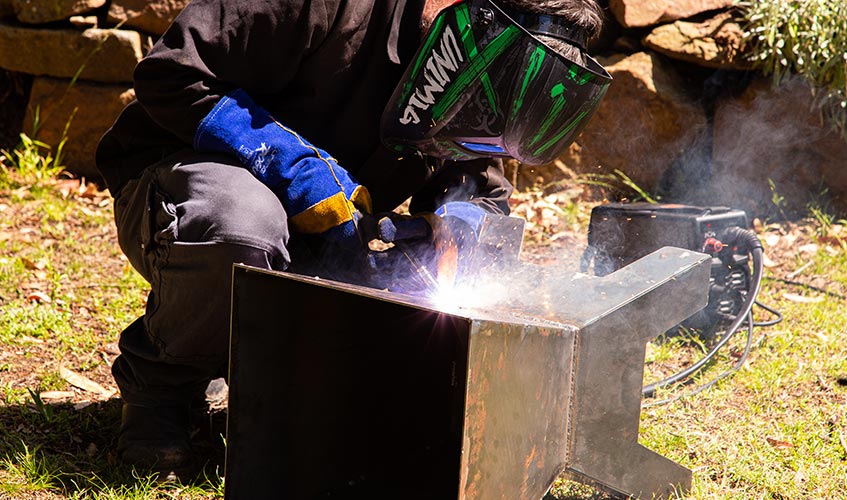
Are gasless MIG welders any good? Read advice from professional welders.

Are gasless MIG welders any good?

Curious about gasless MIG welders and their effectiveness? Wondering how they work and if they’re right for your welding projects? In this article, we’ll explore the ins and outs of gasless MIG welding, from its benefits to drawbacks, and how to choose the best one for your needs. Whether you’re a DIY enthusiast or a professional welder, understanding the pros and cons of gasless MIG welders is essential. Stay tuned as we break down everything you need to know about these versatile welding machines.

What Is a Gasless MIG Welder?

A gasless MIG welder is a welding machine that operates without the need for a shielding gas, ideal for outdoor welding or situations where wind may interfere with gas shielding.

This type of welder uses a flux-cored wire that forms a protective slag as it melts, preventing atmospheric contamination and producing strong, clean welds. One of the main benefits of a gasless MIG welder is the convenience it offers by eliminating the need to carry or refill gas cylinders. Its portability and ease of use make it a popular choice for hobbyists, DIY enthusiasts, and professionals alike.

How Does a Gasless MIG Welder Work?

If you’ve been wondering, are gasless MIG welders any good? Then you should also know how they work. Gasless MIG welders utilise flux-cored welding wire that contains a built-in flux to shield the weld pool from contaminants and oxidation during the welding process.

What Are the Benefits of Using a Gasless MIG Welder?

Using a gasless MIG welder offers several advantages such as portability, making it suitable for outdoor welding in windy conditions where traditional gas shielding may be challenging.

One of the key benefits of gasless MIG welders is their lightweight design, which facilitates easy transportation to various work sites. Their compact and portable nature allows welders to move around with ease, whether they are working on construction sites, automotive repairs, or other outdoor projects.

The absence of a gas cylinder simplifies the setup process, making these welders especially convenient for fieldwork. The effectiveness of gasless MIG welders in outdoor welding environments cannot be overstated.

The wire feed mechanism combined with the flux core filler material creates a self-shielding arc that protects the weld pool from contaminants, even in windy conditions. This self-shielding feature eliminates the need for an external gas supply, making these welders highly versatile and reliable for outdoor use.

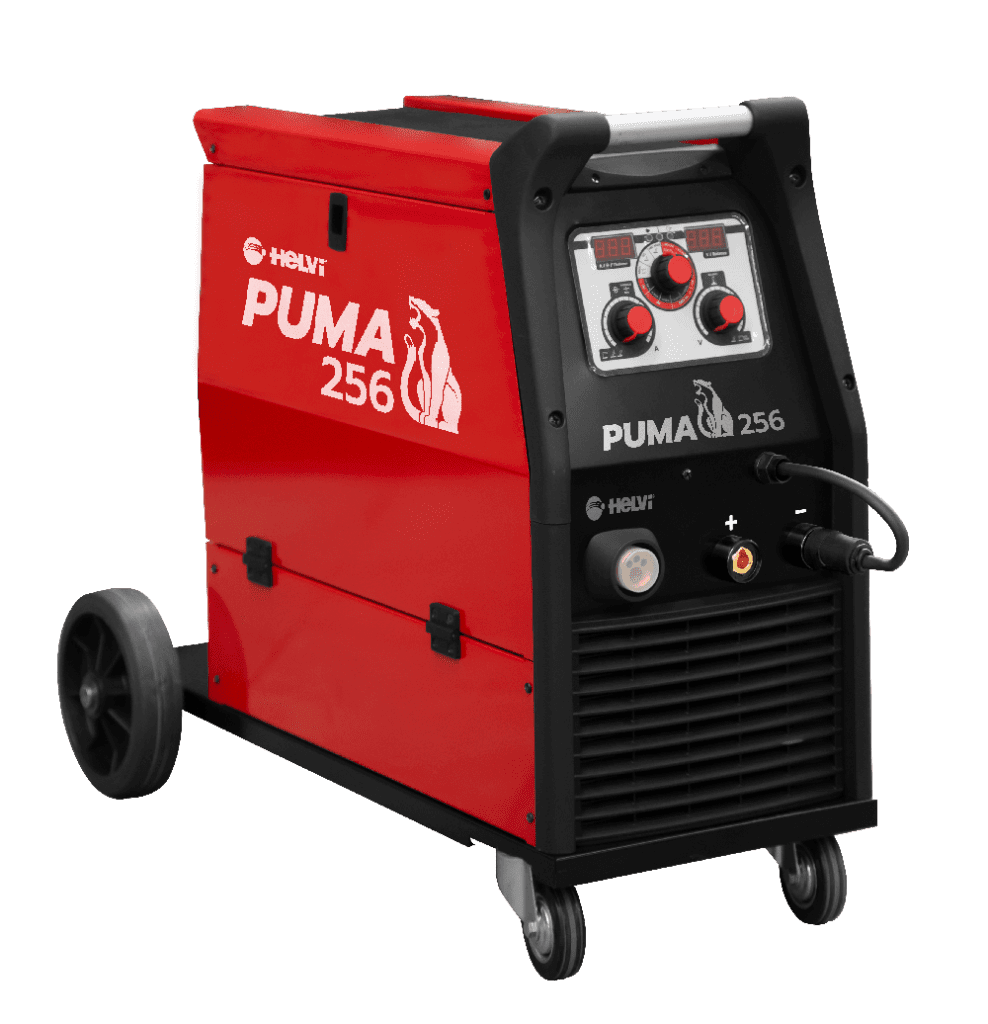
helvi puma 256

No Need for Gas Cylinders

One significant benefit of using a gasless MIG welder is the elimination of the need for gas cylinders, reducing setup time and maintenance while enhancing the duty cycle of the welding machine.

Gas cylinders are not only cumbersome to handle but also require additional safety measures and periodic refills, which incurs extra costs and time. By opting for a gasless MIG welder, welders can work more efficiently without interruptions, achieving higher productivity rates. The absence of gas cylinders means less equipment to deal with, streamlining the welding process and making it more convenient for users. This also leads to a cleaner work environment as there are no gas leaks or potential hazards associated with handling gas cylinders.

More Portable

Gasless MIG welders are known for their lightweight and portable nature, allowing welders to move them easily between job sites or work in confined spaces.

These compact machines are often preferred for their convenience and versatility, offering the flexibility to tackle welding tasks in various environments without the need for an external shielding gas.

Due to their lightweight design, they are highly manoeuvrable, making them ideal for on-the-go welding projects or repairs that require mobility.

The portability of gasless MIG welders also makes them popular for DIY enthusiasts and hobbyists who may not have a permanent workspace but still want to achieve professional welding results.

Suitable for Outdoor Use

Gasless MIG welders excel in outdoor welding applications where wind and environmental factors can disrupt traditional gas shielding, providing reliable performance in challenging conditions.

Due to their unique design, gasless MIG welders offer a distinct advantage when working in the open air, as they eliminate the need for an external gas source. This feature makes them highly portable and ideal for fieldwork or remote construction sites.

Their ability to create a strong, clean weld without the use of gas shielding makes them resistant to wind interference, ensuring consistent results even when working in breezy conditions. Gasless MIG welders are known for their versatility, allowing for effective welding in various outdoor environments.

Affordable

Gasless MIG welders are a cost-effective welding solution, offering affordability without compromising on performance or quality, making them an attractive option for hobbyists and manufacturers.

These welders are particularly beneficial for those looking to keep their welding costs down, as they eliminate the need for shielding gas, which can be a significant ongoing expense. The affordable price point of gasless MIG welders makes them a practical investment for DIY enthusiasts and small businesses alike.

What Are the Drawbacks of Using a Gasless MIG Welder?

Whilst gasless MIG welders offer portability and convenience, they may not be suitable for all materials, especially when working with steel or when specific shielding gases are required for optimal weld quality.

Regarding welding steel with a gasless MIG welder, there are inherent limitations due to the lack of a shielding gas. Steel welding often demands precise control over the welding environment to prevent oxidation and ensure strong, clean welds. Without the protective layer provided by shielding gases, the risk of producing porous welds or experiencing splatter significantly increases.

Not as Strong as Gas Shielded Welds

Gasless MIG welds may not offer the same level of strength and arc quality as gas-shielded welds, impacting the overall durability and integrity of the weld joint in certain applications.

When using gasless MIG welding, the absence of shielding gas can lead to increased spatter and potential porosity in the weld bead, affecting its overall strength and quality. Without the protective gas, the weld pool is more exposed to atmospheric contaminants, which can result in impurities and weaker fusion.

The compromised arc quality in gasless MIG welding can lead to uneven penetration and incomplete fusion, further reducing the overall structural integrity of the weld. This can be particularly problematic in critical applications where weld strength and consistency are paramount.

Lower Quality Welds

Gasless MIG welding may result in lower-quality welds due to the absence of gas shielding, leading to potential issues with weld penetration, porosity, and overall weld appearance.

This lack of gas shielding in gasless MIG welding affects the arc quality, as the weld pool is more exposed to atmospheric contaminants. This exposure can lead to increased chances of porosity within the weld, weakening its structural integrity. Inadequate gas coverage can result in insufficient weld penetration, affecting the overall strength of the joint. The absence of gas shielding can also impact the aesthetics of the weld, causing spatter and rough surfaces that may require additional post-weld cleaning or refinishing.

How to Choose the Right Gasless MIG Welder?

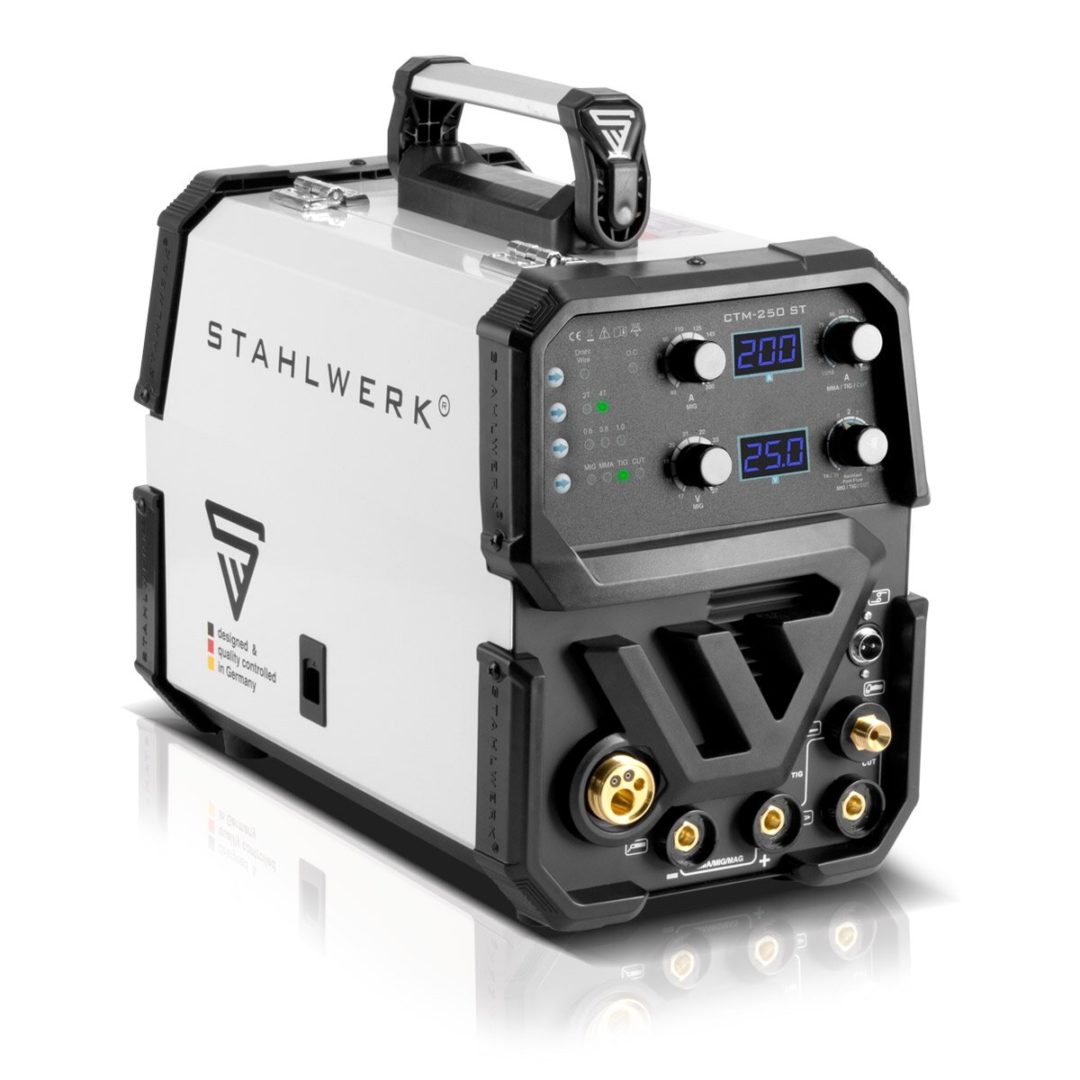
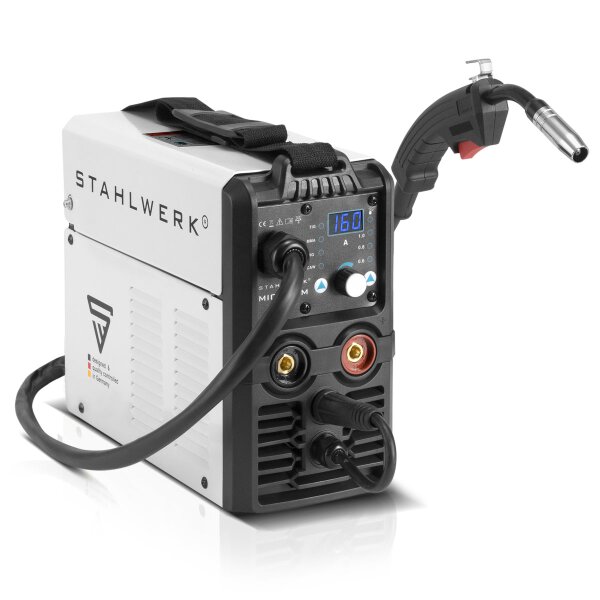
When selecting a gasless MIG welder, consider factors such as the amperage output, duty cycle, and additional features like the digital display and multi-process capabilities of models such as the STAHLWERK CTM 250.

STAHLWERK CTM 250 Combination Welding Machine

Amperage output is crucial as it determines the welding capabilities of the machine and should align with your welding needs. A higher duty cycle ensures longer welding durations without overheating, improving efficiency. The digital display feature provides accurate control and monitoring of settings, enhancing precision in your welding projects. Models like the Stahlwerk CTM 250 offer not only these essential features but also user-friendly interfaces and advanced functionalities that cater to both beginners and experienced welders.

Check the Power Output

Evaluate the amperage output of gasless MIG welders to ensure it meets your welding needs, considering the thickness of the materials you will be working with and the required power for optimal weld penetration.

When selecting a gasless MIG welder, the amperage output plays a crucial role in determining the welding performance. Higher amperage is needed for thicker materials to achieve deep weld penetration, while lower amperage is suitable for thinner metals to prevent burn-through. It is essential to match the welder’s amperage capabilities with the specific requirements of your welding projects.

Inadequate amperage can result in weak welds and inconsistent bead formation, leading to compromised structural integrity. On the other hand, excessive amperage may cause distortion and warping of the workpiece. Therefore, understanding the optimal amperage output for different material thicknesses is key to producing high-quality welds.

Look for Additional Features

Consider the availability of additional features such as DINSE connectors, IGBT inverter-based technology, and multi-process capabilities when selecting a gasless MIG welder to enhance versatility and performance.

Gasless MIG welders equipped with DINSE connectors offer a quick and secure connection, ensuring a stable flow of power during welding tasks. The integration of IGBT inverter technology enhances energy efficiency and provides better control over welding parameters.

The multi-process capabilities of these welders enable seamless switching between different welding techniques, offering the flexibility to work on various materials and thicknesses without the need for separate equipment.

Can a Gasless MIG Welder Be Used for Professional Welding?

Gasless MIG welders can be suitable for certain professional welding applications, especially those involving FCAW or TIG welding processes where shielding gas is not mandatory for effective weld outcomes.

gasless mig welding

In the realm of industrial welding, gasless MIG welders offer a versatile solution that eliminates the need for external shielding gas, making them highly convenient for on-site welding tasks or applications in challenging environments. Welders often opt for gasless MIG welding techniques when working with thicker materials or in outdoor settings where traditional gas shielding may not be practical or cost-efficient. The flexibility of gasless MIG welders is particularly advantageous in scenarios that demand efficient weld penetration and strong metal joints.

What Are the Best Gasless MIG Welders in the Market?

The market offers a range of top-notch gasless MIG welders from reputable brands like STAHLWERK and Helvi, known for their quality craftsmanship, advanced features, and reliable performance in various welding applications.

STAHLWERK and Helvi have established themselves as industry leaders, with a strong focus on innovation and customer satisfaction. These brands offer a wide selection of gasless MIG welders that cater to the needs of both professionals and enthusiasts. Whether you are working on automotive repairs, metal fabrication, or DIY projects, STAHLWERK and Helvi welders provide exceptional welding results.

Their welders are designed with user-friendly features such as adjustable wire speed, voltage control, and thermal overload protection, ensuring precision and safety during welding operations. The robust build quality and durability of Stahlwerk and Helvi machines make them ideal for handling diverse welding tasks with ease.

Frequently Asked Questions

Are gasless MIG welders any good?

Yes, gasless MIG welders can be a great option for certain welding projects. They are often more portable and convenient than traditional gas MIG welders, making them a good choice for DIY projects or on-the-go welding needs.

What are the advantages of using a gasless MIG welder?

Gasless MIG welders do not require an external gas cylinder, making them more cost-effective and easier to transport. They also produce less spatter and can be used in windy or drafty environments without affecting the quality of the weld.

cropped Norsemen Welding Safety Logo
Norsemen Welding Safety Logo
CONTACT DETAILS
OUR HOURS
8 AM – 5 PM Monday – Thursday
8 AM – 4 PM on Friday
Safety Equipment
Welding Equipment
Find The Right Equipment Faster