Optrel PAPR vs 3M Speedglas PAPR: Which Welding Respirator Comes Out on Top?
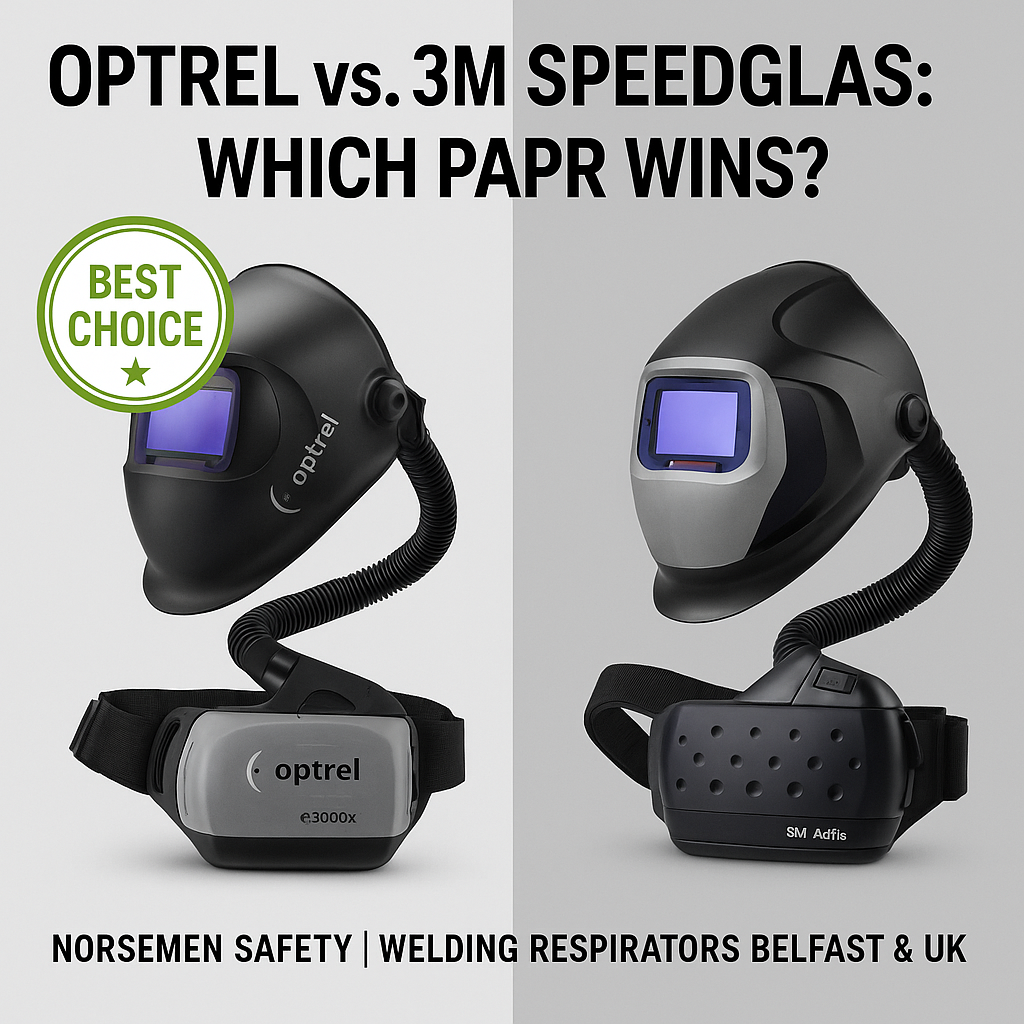
When selecting the best powered air-purifying respirator (PAPR) for welders, the debate often centre’s on the Optrel PAPR vs 3M Speedglas PAPR. These two leading welding respirators are trusted globally, but which one offers the best protection, comfort, and value?
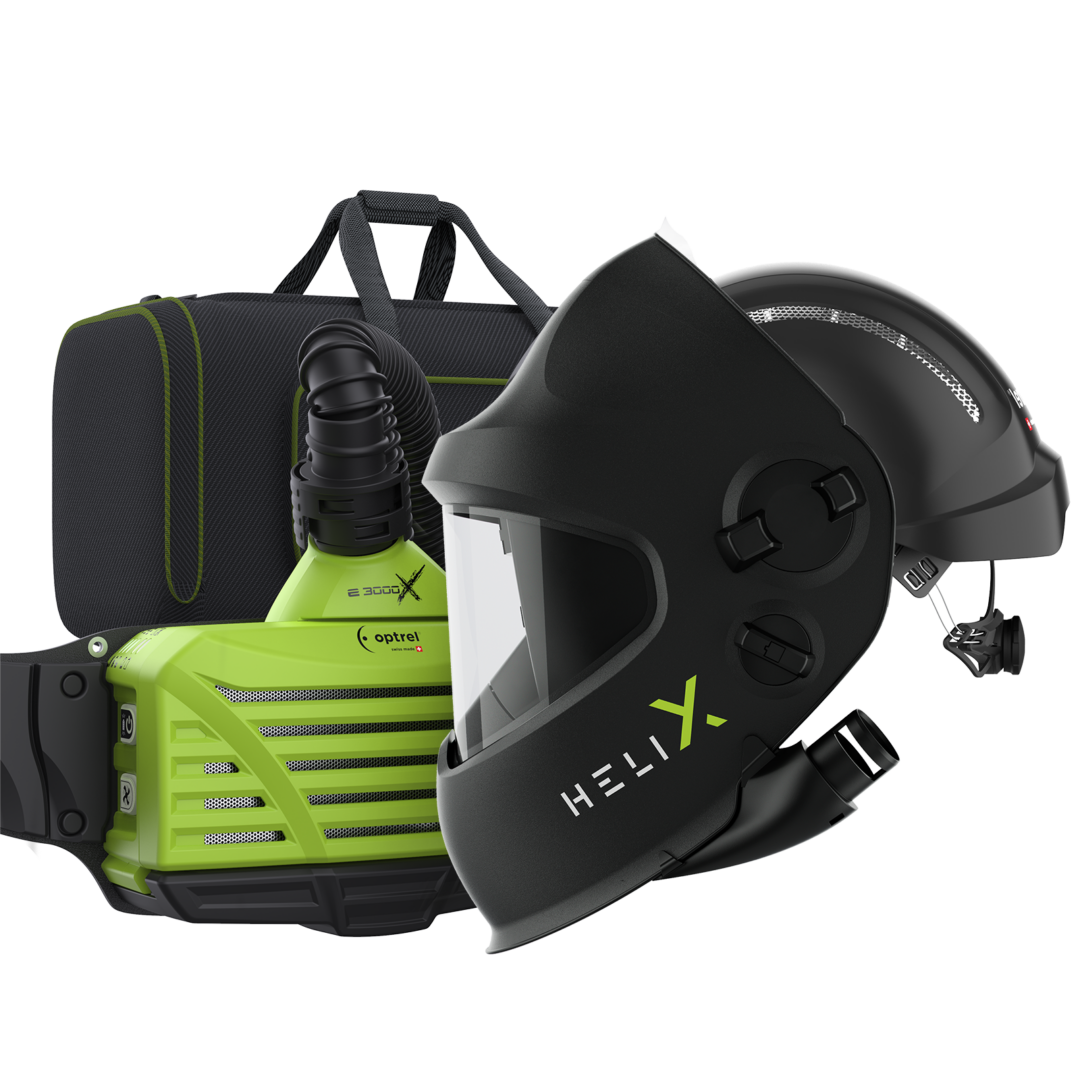
optrel helix pure air welding

Filtration Performance

The Optrel PAPR, particularly the e3000X model, leads the industry with its TH3 certification, filtering out 99.8% of welding fumes, dust, and smoke. This top-level filtration is essential for welders working in hazardous conditions. Conversely, the 3M Speedglas PAPR G5-01 provides TH2-level protection, filtering around 98% of particles.

Verdict: Optrel PAPR’s TH3 certification ensures superior respiratory protection, setting it apart from the 3M Speedglas PAPR.

Comfort and Ergonomics

Welding respirators must be comfortable for extended use. The Optrel PAPR is renowned for its ultra-lightweight frame and ergonomic belt system, which evenly distributes weight and minimizes fatigue. The airflow system is adjustable, offering a dry-eye-free experience. In contrast, users of the 3M Speedglas PAPR often note that it is heavier and can become uncomfortable over long shifts.

Verdict: The Optrel PAPR stands out for all-day comfort, making it the preferred choice for welders working extended hours.

Battery Life

Optrel’s e3000X PAPR excels with up to 18 hours of battery life per charge—ideal for continuous, long shifts. The 3M Speedglas PAPR provides 8–10 hours of use, often necessitating mid-shift recharges.
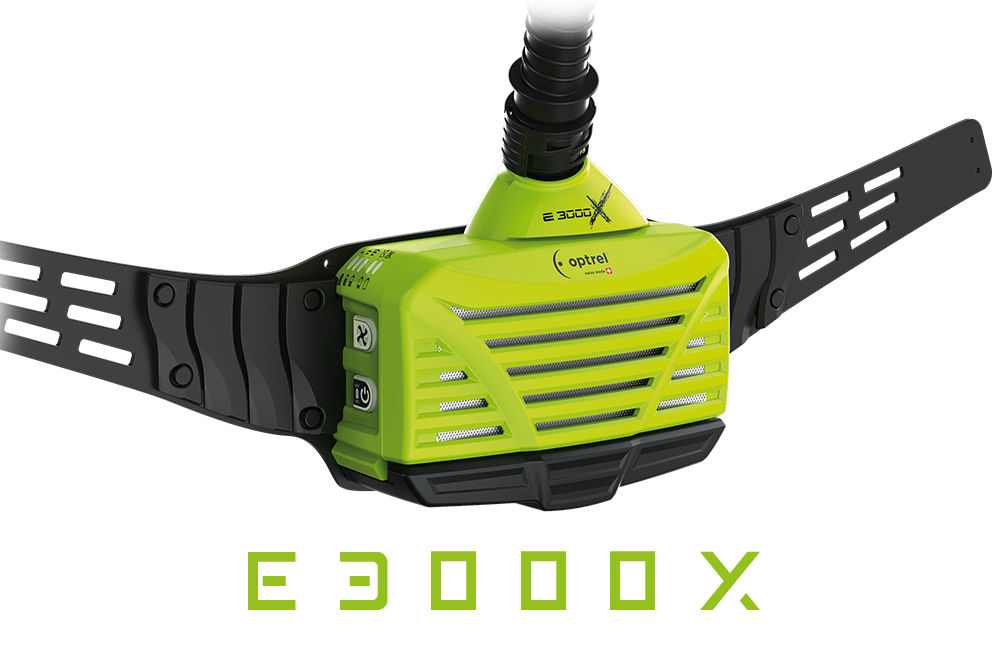
optrel e3000x

Verdict: Optrel PAPR’s superior battery life supports high productivity, outlasting the 3M Speedglas PAPR significantly.

Airflow and Breathing Comfort

The Optrel PAPR system delivers precision-controlled airflow, reducing eye irritation and keeping welders cool and comfortable. The 3M Speedglas PAPR also provides good airflow but with slightly less customization.

Verdict: For superior breathing comfort, the Optrel PAPR offers a more refined experience.

Ease of Use

Optrel’s welding respirator features a simple one-button control and clear LED indicators for battery and filter status, making it user-friendly. The 3M Speedglas PAPR requires more manual checks, which can interrupt workflow.

Verdict: Optrel PAPR’s intuitive operation streamlines welding tasks efficiently.

Helmet Compatibility and Vision

The Optrel PAPR pairs seamlessly with advanced helmets like the Crystal 2.0 and Panoramaxx, offering True Colour technology and a panoramic view. The 3M Speedglas PAPR works with Speedglas helmets but provides a smaller viewing area and older lens technology.

Verdict: Optrel PAPR ensures superior visual clarity and a wider field of vision.

Durability and Build Quality

Both welding respirators are durable and built with high-quality materials. The Optrel PAPR combines durability with a sleek, lightweight design, while the 3M Speedglas PAPR focuses on a heavy-duty build.

Verdict: Optrel PAPR maintains durability with enhanced comfort.

Compliance and Certifications

The Optrel PAPR meets the highest TH3 certification standards, making it compliant with rigorous workplace safety regulations. The 3M Speedglas PAPR is TH2 certified, sufficient for less hazardous environments.

Verdict: Optrel PAPR is the safer choice for high-risk welding tasks.

Cost and Value

Though both PAPRs are premium-priced, the Optrel PAPR offers greater long-term value through its high filtration, long battery life, and ergonomic design. The 3M Speedglas PAPR, while slightly cheaper upfront, may incur more costs over time.

Verdict: Optrel PAPR delivers better value for money in the long run.

Conclusion: Optrel PAPR vs 3M Speedglas PAPR – The Winner

In the Optrel PAPR vs 3M Speedglas PAPR debate, Optrel emerges as the leader in filtration efficiency, battery life, comfort, and helmet compatibility. For welders seeking reliable, high-performance respiratory protection, the Optrel PAPR is the top choice.

Contact Norsemen Safety at 028 9046 0541 or visit our website to explore Optrel PAPR systems and enhance your welding safety today. For information on the HSE guidelines for welding safety click here

FAQs

  1. How often should filters be changed in a welding respirator? Follow the manufacturer’s guidelines or replace sooner if airflow decreases.
  2. Is TH3 certification necessary for all welding environments? TH3 certification is ideal for high-risk jobs but may not be required in all settings.
  3. Can Optrel helmets be used with other PAPR units? Optrel helmets are optimized for Optrel PAPRs; compatibility with others may vary.
  4. What is the warranty period for Optrel and Speedglas PAPRs? Optrel offers a two year warranty plus and extension if you register your purchase https://www.optrel.com/en/service/customer-service/product-registration .
  5. Are PAPRs only for welding? No, PAPRs are suitable for various industries needing respiratory protection, provided the unit meets specific hazard requirements.
PAPR Welding Helmets: An Effective Solution for Welders

Introduction to PAPR -Air Fed Welding Helmets

Welding is an important process in various industries, from construction to manufacturing. The new implementation of PAPR welding Helmets allows for a reduction in the amount of hazards like toxic fumes that welders are exposed to. Personal protective equipment (PPE) is essential to protect welders from these hazards. In this article, we’ll explore what PAPR welding is, its benefits, how it can help welders, Is a PAPR welding helmet worth it, and PAPR welding helmet alternatives.

What is PAPR Welding?

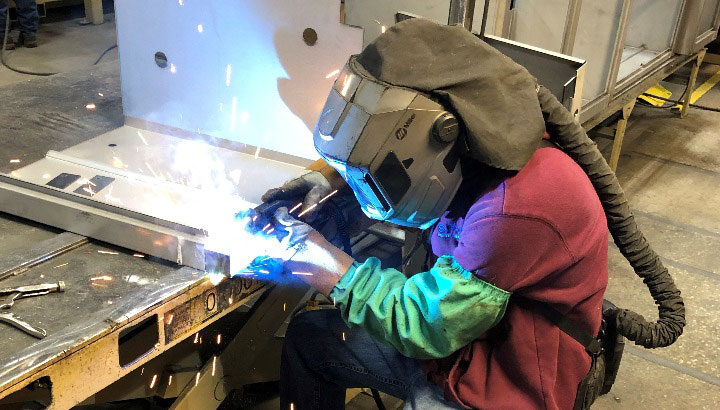
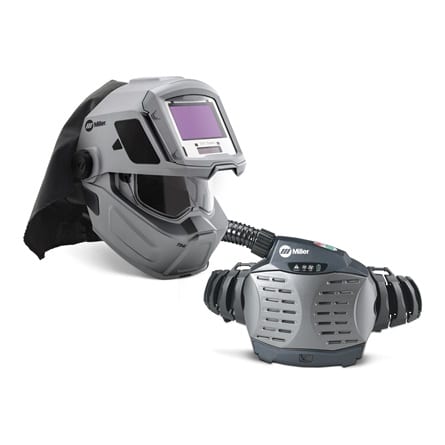
PAPR welding is a type of respiratory protection system used by welders to filter and purify the air they breathe while working. The system consists of a helmet, a powered air-purifying respirator, and a battery-powered blower that pulls air through filters to remove harmful particles and fumes. At Norsemen/Welder’s Choice we offer some of the best Air Fed Welding Helmets in the UK and Ireland.

air fed welding helmet

Is a PAPR welding helmet worth it?

Benefits of PAPR Welding

PAPR welding offers several benefits over other forms of respiratory protection, including:

  1. Safety First: The number one benefit of using a powered air welding helmet is the enhanced safety it provides. With its integrated respiratory protection, you’ll be shielded from harmful fumes, gases, and particulates that are often released during welding processes.
  2. Breath of Fresh Air: Traditional welding helmets can sometimes leave you feeling stuffy due to poor ventilation. A PAPR helmet, on the other hand, delivers a constant stream of clean, filtered air, ensuring you can breathe comfortably throughout your work sessions.
  3. Unobstructed Vision: Clarity is key in welding, and a PAPR helmet doesn’t disappoint. It eliminates the need for a traditional mask, giving you an unobstructed view of your workpiece. This means you can achieve precise welds without compromising on safety.
  4. Increased Productivity: When you’re breathing clean air and can see your work clearly, your overall productivity increases. You won’t need to take as many breaks due to discomfort or restricted vision, leading to more work done in less time.
  5. Less Fatigue: The lightweight design of PAPR helmets reduces strain on your neck and shoulders, allowing you to work for longer periods without experiencing excessive fatigue. This translates to improved focus and better weld quality.

See the Miller New Miller PAPR Working

How PAPR Welding Works

PAPR welding systems consist of three main components: the helmet, the blower unit, and the filters. The blower unit pulls air through the filters and circulates it into the helmet, where it is breathed in by the welder. The filters remove harmful particles and fumes, ensuring that the air the welder breathes is clean and safe.

Choosing the Right PAPR Welding Helmet

When choosing a PAPR welding system, several factors must be considered. These include the level of protection required, the weight and comfort of the system, and the type of work being performed. It is essential to choose a system that provides the necessary level of protection while still being comfortable enough to wear for extended periods.

Consider the cost of replacement filters and the cost of the inner and outer protective covers. Speedglas PAPR units are very popular and a descent unit but the cost of their replacement filters and lenses are extremely high making the ongoing upkeep a big investment. At Norsemen Safety/Welder’s Choice, we always recommend the Miller PAPR welding helmet system because not only does it come with two batteries, but the cost of replacement spares are much more cost affordable then many of the competative units.

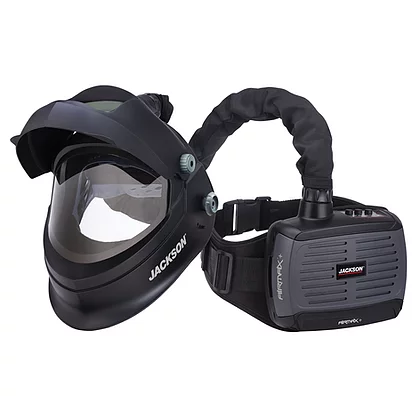
jackson airmax translight flip 455

PAPR Welding Helmet Alternatives

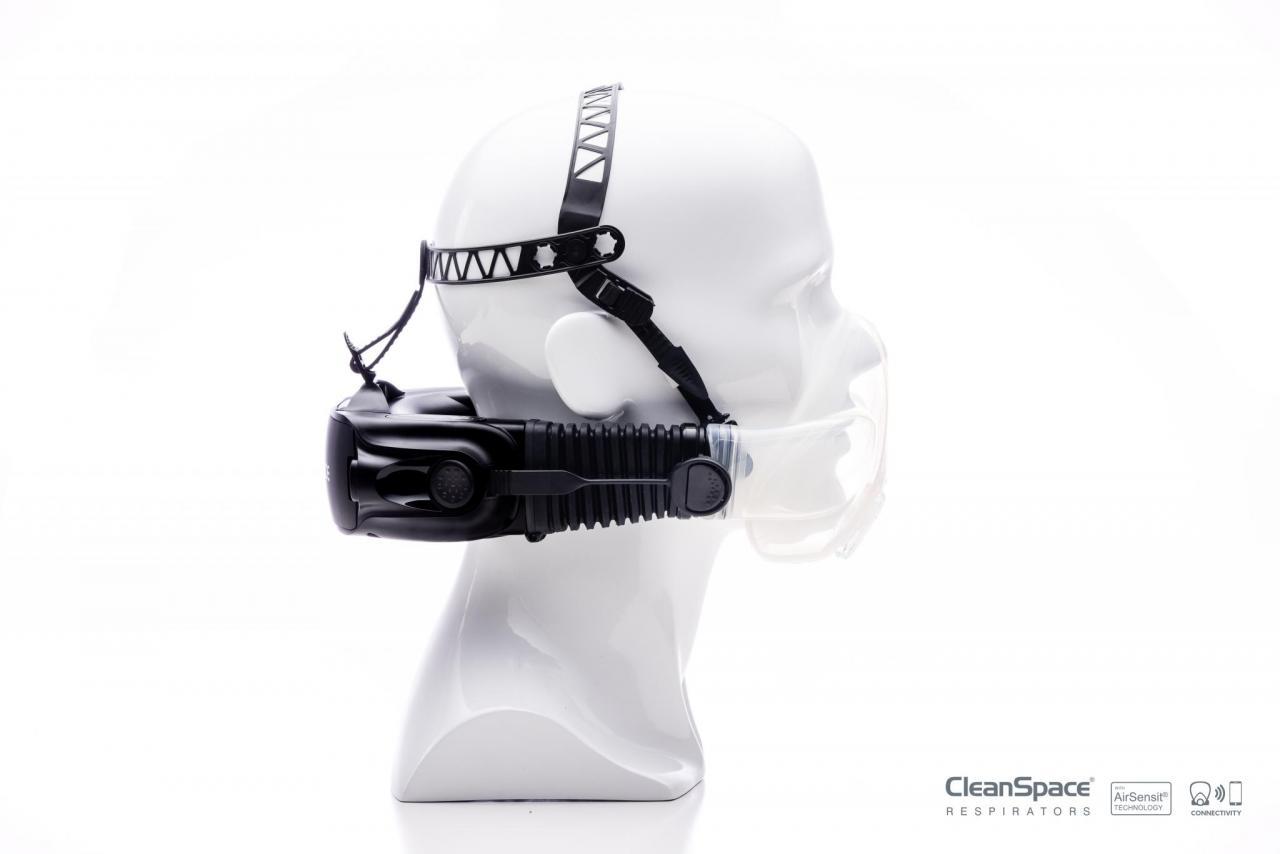
Powered air helmets can be expensive for certain use cases, this means that some people would want to know what the next best alternative would be. The CleanSpace Pro powered respirator, this allows for you to be able to keep your current helmet and still be able to have a respirator. CleanSpace PAPR gives the welder total protection without the weight of a standard powered air welding helmet system.

image

In Conclusion:

PAPR welding is an effective solution for welders looking to protect themselves from the hazards of welding. The system provides superior protection, greater mobility and comfort, and increased productivity. When choosing a PAPR welding system, it is essential to consider the level of protection required, the weight and comfort of the system, and the type of work being performed. With the right PAPR welding system, welders can work safely and efficiently while reducing the risk of respiratory issues and other related health problems.

FAQs

  1. Is PAPR welding more expensive than other forms of respiratory protection? PAPR welding systems can be more expensive than other forms of respiratory protection, but they offer superior protection and can increase productivity, making them a worthwhile investment.
  2. Can PAPR welding systems be used in all welding applications? PAPR welding systems can be used in most welding applications, but it is essential to choose a system that provides the necessary level of protection for the specific application.
  3. How long do the filters in PAPR welding systems last? The lifespan of the filters in PAPR welding systems depends on several factors, including the type of filters used and the environment in which they are used. It is essential to follow the manufacturer’s recommendations for filter replacement to ensure optimal performance.
  4. Are PAPR welding systems comfortable to wear for extended periods? PAPR welding systems are designed to be lightweight and comfortable to wear for extended periods, reducing fatigue and increasing productivity.
  5. Can PAPR welding systems be used in combination with other PPE? PAPR welding systems can be used in combination with other PPE, such as gloves, eye protection, and hearing protection, to provide comprehensive protection for the welder.

PAPR Welding Helmets: An Effective Solution for Welders

cropped Norsemen Welding Safety Logo
Norsemen Welding Safety Logo
CONTACT DETAILS
OUR HOURS
8 AM – 5 PM Monday – Thursday
8 AM – 4 PM on Friday
Safety Equipment
Welding Equipment
Find The Right Equipment Faster