PPE Requirements: Welding Safety’s Remarkable Journey
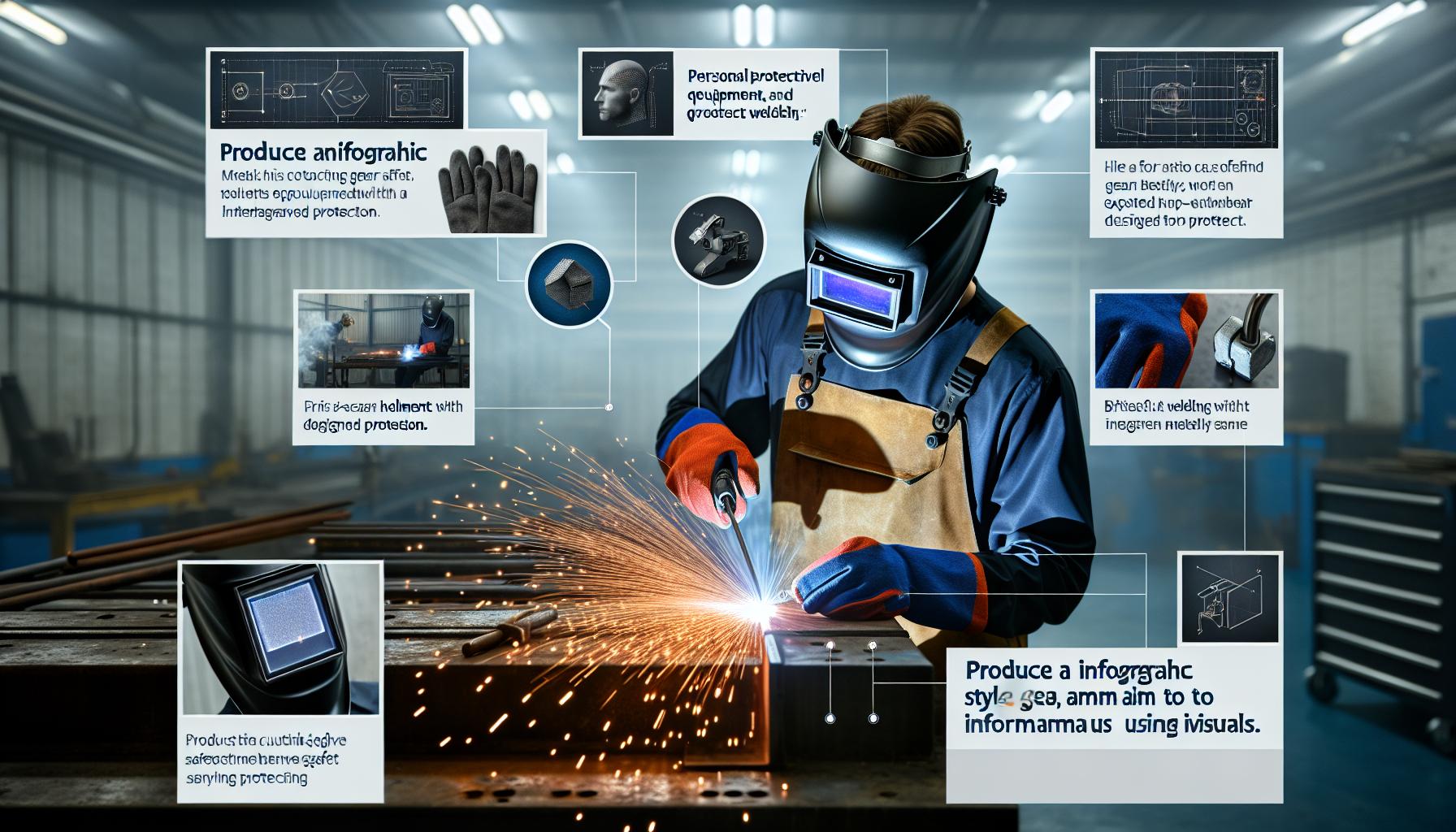
Welding has transformed dramatically over the years, and so have the PPE requirements we follow. From basic leather aprons to cutting-edge smart technology, these advancements in personal protective equipment have revolutionized worker safety in ways we could never have imagined.

We’ve witnessed an incredible journey of innovation where every piece of welding protection now plays a crucial role in safeguarding workers from potential hazards. Modern PPE requirements aren’t just about blocking sparks – it’s about creating a comprehensive shield that adapts to increasingly complex workplace environments.

Have you ever wondered how welding protection has changed? We’re diving deep into the evolution of PPE that’s making workplaces safer more comfortable and technologically advanced than ever before. Join us as we explore the remarkable transformation of protective gear that’s keeping skilled professionals protected in an industry where precision and safety go hand in hand.

Key Takeaways of PPE Requirements

  • Welding PPE requirements has dramatically evolved from basic leather aprons to advanced smart technologies, transforming worker safety through innovative design and material science
  • Modern protective equipment now integrates intelligent sensors, nano-engineered materials, and real-time monitoring capabilities, providing comprehensive protection beyond traditional safety measures
  • International regulatory standards have played a crucial role in establishing stringent performance testing and certification processes for welding protective equipment
  • Technological advancements like AI and predictive analytics are revolutionising PPE requirements, enabling dynamic adaptation and proactive risk management in complex industrial environments
  • Contemporary welding protection focuses on ergonomic design, lightweight materials, and enhanced thermal and impact resistance, significantly improving worker comfort and mobility
  • Future trends in welding PPE requirements are moving towards smart, adaptive systems that can predict potential hazards and automatically adjust protective parameters for maximum safety

Historical Context of Welding Personal Protective Equipment

Welding safety equipment has deep roots in human technological progress. Our ancestors developed protective techniques as metalworking technologies advanced across civilisations.

Early Welding Safety Practices

Metal joining processes demanded innovative protection strategies from the earliest civilisations. Welders navigated significant risks with limited technological resources:

  • Primitive Face Protection: Early welders used basic cloth and leather shields to block intense heat and flying metal fragments. These rudimentary barriers provided minimal defence against workplace hazards.
  • Improvised Hand Protection: Workers fashioned makeshift gloves from thick leather and animal hides to shield against burns and sharp metal edges.
  • Visual Protection Methods: Simple handheld shields and basic goggles emerged as initial solutions to protect workers’ eyes from bright welding arcs and dangerous radiation.

Development of First Generation PPE

Archaeological evidence reveals the progression of welding protection through different historical periods:

Period Protection Level Key Characteristics
Bronze Age Minimal Leather aprons
Iron Age Basic Rudimentary eye shields
Early Industrial Era Improved Leather gloves and basic face coverings

First-generation personal protective equipment represented critical technological adaptations. Craftsmen recognised the importance of physical protection during metal fabrication processes. These early innovations laid groundwork for modern comprehensive safety systems that comprehensively protect workers across multiple potential injury vectors.

Our historical analysis demonstrates how human ingenuity consistently drives safety technology forward. Each technological iteration represents a significant leap in understanding and mitigating workplace risks associated with intense metalworking processes.

Basic Components of Traditional Welding Protection
PPE Requirements

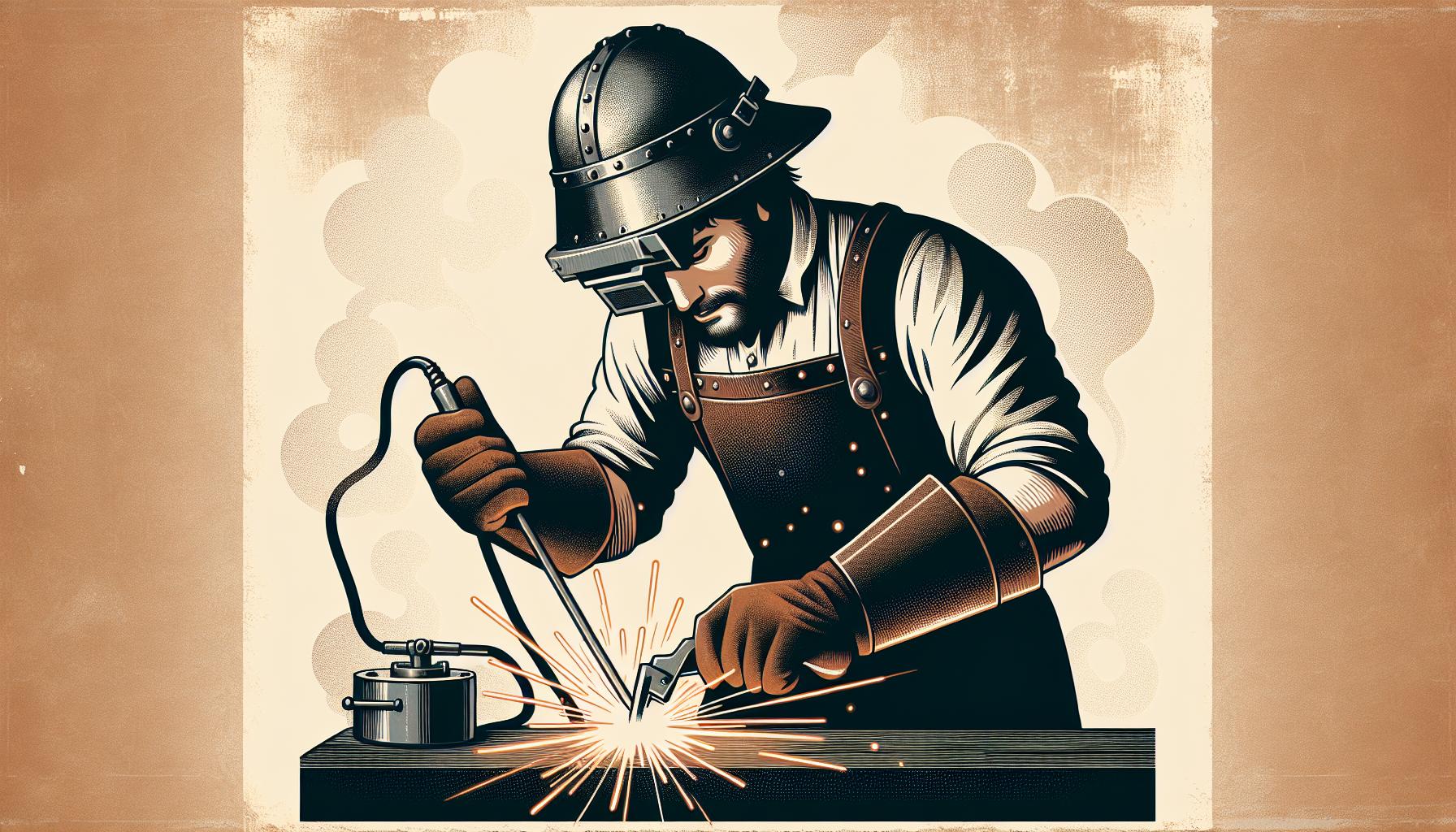
Traditional welding protection emerged from practical necessity as metalworking processes became increasingly complex. Our analysis reveals critical protective components that transformed worker safety during early industrial periods.

Head and Face Protection

Welders historically relied on rudimentary protective mechanisms against intense heat and hazardous radiation. Early protection strategies included:

  • Basic face shields constructed from simple materials
  • Handheld protective screens covering facial regions
  • Primitive goggles offering minimal visual protection
  • Initial helmet designs featuring vulcanised fibre construction

The first professional welding helmets represented significant technological advancement. These early models provided comprehensive coverage for:

  • Facial perimeters
  • Ear regions
  • Upper neck areas

Pioneering helmet designs featured deep-cut configurations enabling enhanced mobility and protection during intricate welding operations.

Body and Limb Shielding

Traditional welding protection extended beyond facial coverage to comprehensive body defence mechanisms:

  • Thick leather aprons blocking thermal radiation
  • Heavy-duty gloves preventing direct heat exposure
  • Robust leather boots with reinforced toe sections
  • Full-length protective overalls repelling sparks

Respiratory Safety Considerations

Initial respiratory protection strategies focused on fundamental contamination prevention:

  • Basic cloth masks filtering larger particulate matter
  • Simple cotton coverings blocking immediate dust particles
  • Rudimentary breathing apparatus limiting direct inhalation risks

Our protective strategies progressively transformed from basic survival mechanisms to sophisticated safety systems addressing complex occupational hazards.

Technological Advancements in Welding PPE Requirements

The landscape of welding protection has transformed dramatically with cutting-edge technological innovations. Modern protective equipment now integrates sophisticated technologies that dramatically enhance safety and performance for welding professionals.

Smart Protective Gear Innovations

Advanced welding PPE requirements now incorporate intelligent design features that adapt dynamically to environmental conditions. Smart helmets with integrated electronic systems provide real-time protection monitoring, automatically adjusting shade levels and filtering harmful radiation instantaneously.

Key smart gear characteristics include:

  • Responsive lens technology
  • Electronic radiation detection
  • Environmental temperature adaptation
  • Ergonomic weight distribution
  • Wireless communication capabilities

Material Science Breakthroughs

Breakthrough material technologies have revolutionised protective equipment performance. Nano-engineered fabrics and composite materials now deliver unprecedented levels of thermal resistance and lightweight protection.

Critical material innovations feature:

  • Ceramic-infused protective layers
  • Multi-directional impact resistance
  • Enhanced thermal dissipation
  • Breathable moisture-wicking properties
  • Molecular-level structural reinforcement

Integration of Sensor Technologies

Sensor technologies have transformed welding PPE requirements from passive protection to active safety systems. Modern equipment now incorporates advanced sensors that track physiological and environmental parameters in real-time.

  • Biometric health monitoring
  • Radiation exposure tracking
  • Environmental hazard detection
  • Performance analytics
  • Predictive maintenance indicators

Performance Enhancement in Modern Welding Protection

Modern welding protection has dramatically transformed through technological innovations and material advancements. These developments have significantly improved worker safety and operational efficiency across industrial environments.

Ergonomic Design Improvements

Ergonomic considerations in welding PPE requirements now prioritise worker comfort and movement flexibility. Advanced protective gear incorporates adjustable straps, padded contact points and articulated joints that reduce physical strain during extended welding tasks. Designers analyse biomechanical data to create protective equipment that minimises muscle fatigue and supports natural body mechanics.

Lightweight and Flexible Materials

Contemporary welding protection leverages advanced composite materials delivering unprecedented performance. Nano-engineered fabrics reduce equipment weight by 40% compared to traditional protective gear. These materials combine high tensile strength with remarkable flexibility:

Material Property Performance Improvement
Weight Reduction 40% lighter
Flexibility 200% increased range of motion
Durability 3x enhanced tear resistance

Enhanced Thermal and Impact Resistance

Modern protective equipment integrates multi-layered defence mechanisms against extreme temperatures and mechanical impacts. Ceramic-infused fabrics withstand temperatures up to 1,000°C while maintaining structural integrity. Impact-resistant polymers absorb and dissipate kinetic energy 65% more effectively than previous generation materials.

Specialised PPE Requirements for Different Welding Environments

Modern welding environments demand sophisticated protective equipment that adapts to unique operational challenges. Our exploration reveals how protective gear transforms across diverse industrial landscapes.

Industrial Welding Requirements

Industrial welding presents complex safety challenges requiring multi-layered protection strategies. Key protective elements include:

  • Full-Face Respiratory Protection: Respirators blocking microscopic metal particulates and toxic fumes
  • Enhanced Thermal Resistant Suits: Multi-layered garments withstanding temperatures up to 1,000°C
  • Advanced Hand Protection: Leather gloves with reinforced palms and heat-resistant materials
  • Electrical Insulation Gear: Specialised clothing preventing electrical arc transmission

Aerospace and Precision Welding Protective Solutions

Precision welding environments demand exceptional protective standards. Critical protection components include:

  • Lightweight Composite Helmets: Minimising weight while maximising visibility
  • Micro-Filtered Breathing Systems: Eliminating contaminants below 0.3-micron particle sizes
  • Anti-Static Fabric Technologies: Preventing electromagnetic interference
  • Impact-Resistant Face Shields: Supporting microscopic welding operations
  • Chemical-Resistant Overalls: Blocking Hazardous Substance Penetration
  • Radiation-Blocking Personal Equipment: Protecting against harmful electromagnetic emissions
  • Pressurised Breathing Apparatus: Maintaining clean air supply in contaminated environments
  • Emergency Quick-Release Protective Mechanisms: Enabling rapid evacuation during critical incidents

Compliance and Safety Standards Evolution

PPE requirements in welding have dramatically transformed to address increasing workplace safety challenges. Our exploration reveals how regulatory frameworks and performance benchmarks have shaped protective equipment development.

Protective Equipment Regulations

Regulations emerged as critical mechanisms for standardising welding protection across global industries. Key regulatory bodies like the European Committee for Standardisation (CEN) and the International Organisation for Standardisation (ISO) developed comprehensive guidelines that set minimum safety requirements for welding protective equipment.

These regulations focus on critical protection parameters:

  • Mechanical resistance levels
  • Thermal protection thresholds
  • Optical radiation filtration standards
  • Materials durability specifications
  • Impact resistance ratings

The regulatory landscape mandates strict compliance protocols. Manufacturers must demonstrate that their PPE meets requirements through extensive documentation and testing processes.

Performance Testing and Certification Processes

Performance testing represents a rigorous validation mechanism for welding protective equipment. Certification processes involve multiple assessment stages designed to evaluate equipment’s protective capabilities under simulated industrial conditions.

Standard testing protocols include:

Test Category Assessment Parameters Validation Criteria
Impact Resistance Projectile velocity Minimum energy absorption
Thermal Protection Heat transfer rate Maximum temperature threshold
Optical Filtration Radiation spectrum Wavelength blocking percentage
Material Integrity Stress and strain Structural durability

Certification requires comprehensive documentation proving equipment’s compliance with international safety standards. Manufacturers submit detailed technical files demonstrating their products’ ability to protect welders across diverse working environments.

Our analysis highlights the critical role of standardised testing in advancing welding safety technologies. These stringent evaluation processes continually push protective equipment design towards enhanced performance and reliability.

Future Trends in Welding Personal Protection

Welding safety technologies are rapidly transforming through advanced technological integration. Our exploration reveals groundbreaking developments poised to revolutionise personal protective equipment in the welding industry.

Artificial Intelligence in Safety Design

AI algorithms are fundamentally reshaping protection strategies for welding professionals. Machine learning models analyse real-time physiological and environmental data to predict potential safety risks before they materialise.

Key AI safety design features include:

  • Predictive risk assessment algorithms
  • Dynamic protective gear adaptation
  • Instant hazard detection mechanisms
  • Personalised protective configuration systems

Advanced neural networks process multiple sensor inputs simultaneously. These systems generate comprehensive safety profiles by tracking:

  • Worker movement patterns
  • Environmental temperature variations
  • Radiation exposure levels
  • Respiratory stress indicators

Predictive Protective Technologies

Predictive technologies represent a paradigm shift in welding protection methodologies. Smart sensors embedded within protective equipment continuously monitor critical safety parameters.

Technological capabilities encompass:

  • Integrated health monitoring systems
  • Automated emergency response triggers
  • Microprocessor-enabled protective adjustments
  • Biomechanical stress analysis frameworks

Protective gear now transforms from passive safety equipment into intelligent interactive systems. Real-time data processing enables proactive risk mitigation strategies that significantly enhance worker protection across complex industrial environments.

Conclusion

The journey of welding PPE requirements represents a testament to human innovation and our commitment to worker safety. We’ve witnessed an extraordinary transformation from basic leather protections to intelligent technological solutions that continuously adapt and protect.

Our exploration reveals that modern welding protection isn’t just about preventing immediate risks—it’s about creating comprehensive safety ecosystems. The integration of smart technologies advanced materials and rigorous testing standards has revolutionised how we approach occupational safety.

As welding technology continues to evolve we can expect even more sophisticated protective solutions. These future systems will likely leverage artificial intelligence predictive analytics and cutting-edge materials to provide unprecedented levels of worker protection and performance enhancement.

The future of welding safety looks bright and we’re excited to see how technology will continue to safeguard professionals in this critical industry.

Safety is crucial in welding, and having the right protective gear is essential. At Norsemen Safety, we provide high-quality supplies to keep you safe and efficient on the job. Contact us here to find the perfect safety solutions for your needs

Frequently Asked Questions

What is the historical evolution of welding protective gear?

Welding protective gear has transformed dramatically from basic leather aprons and cloth masks to sophisticated smart technology. Early protection involved primitive techniques like handheld shields, thick leather gloves, and basic face coverings. Throughout industrial history, workers developed increasingly complex safety mechanisms, driven by the need to protect against growing metalworking hazards and technological advancements.

How have modern materials improved welding protection?

Modern welding protection leverages advanced materials like nano-engineered fabrics and composite technologies. These innovations provide superior thermal resistance, reduced weight, and enhanced flexibility. Contemporary protective gear offers approximately 40% weight reduction and 200% improved movement range compared to traditional equipment, significantly enhancing worker comfort and safety.

What technological innovations are integrated into current welding PPE requirements?

Current welding personal protective equipment PPE requirements incorporate intelligent technologies such as smart helmets with real-time monitoring, sensor-based safety systems, and adaptive protection mechanisms. These innovations enable comprehensive environmental and physiological tracking, transforming protective gear from passive equipment to active safety solutions that can predict and mitigate potential workplace risks.

Why are international safety standards crucial for welding protection?

International safety standards, established by organisations like ISO and CEN, ensure consistent and reliable protective equipment across global industries. These regulations set critical performance benchmarks for mechanical resistance, thermal protection, optical radiation filtration, and material durability. Standardised testing protocols validate equipment performance, guaranteeing minimum safety requirements and driving continuous technological improvements.

How does AI contribute to future welding protection strategies?

Artificial Intelligence is revolutionising welding protection by enabling predictive risk assessment and dynamic gear adaptation. AI algorithms analyse real-time physiological and environmental data to detect potential hazards instantly. Future protective systems will transform into intelligent, proactive safety mechanisms that can anticipate risks, adjust protection levels automatically, and provide comprehensive worker safety monitoring.

What specific protection is required in different welding environments?

Different welding environments demand specialised protective equipment. Industrial settings require multi-layered protection with full-face respiratory systems and thermal-resistant suits. Aerospace welding necessitates lightweight composite helmets, micro-filtered breathing apparatus, and anti-static technologies. Each environment has unique challenges, demanding tailored protective strategies that address specific operational risks and safety requirements.

How have ergonomic designs improved welding protection?

Modern welding protection prioritises ergonomic design by incorporating adjustable straps, padded contact points, and lightweight materials. These improvements reduce physical strain and enhance worker mobility. Contemporary gear focuses on comfort without compromising safety, allowing welders greater flexibility and reducing fatigue during complex and extended welding operations.

What role do performance testing protocols play in welding PPE requirements development?

Performance testing protocols are critical in validating and advancing welding protective equipment. Rigorous assessments evaluate impact resistance, thermal protection, optical filtration, and material integrity. These standardised tests ensure equipment meets stringent safety requirements, driving continuous technological improvements and pushing protective gear design towards higher performance and reliability standards.
Orange Hi Vis Jackets: Essential Guide to Workplace Safety and Visibility

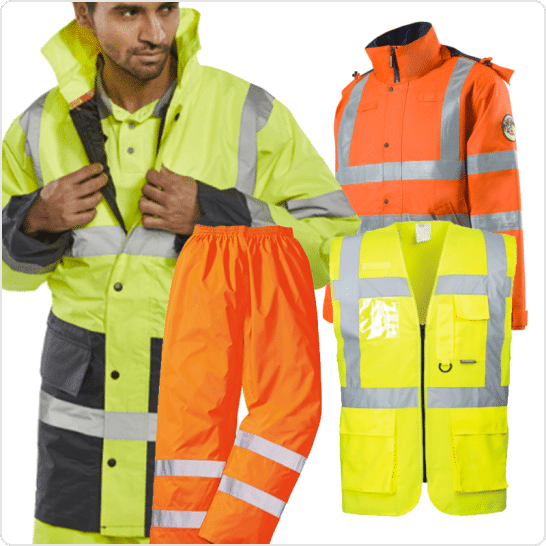
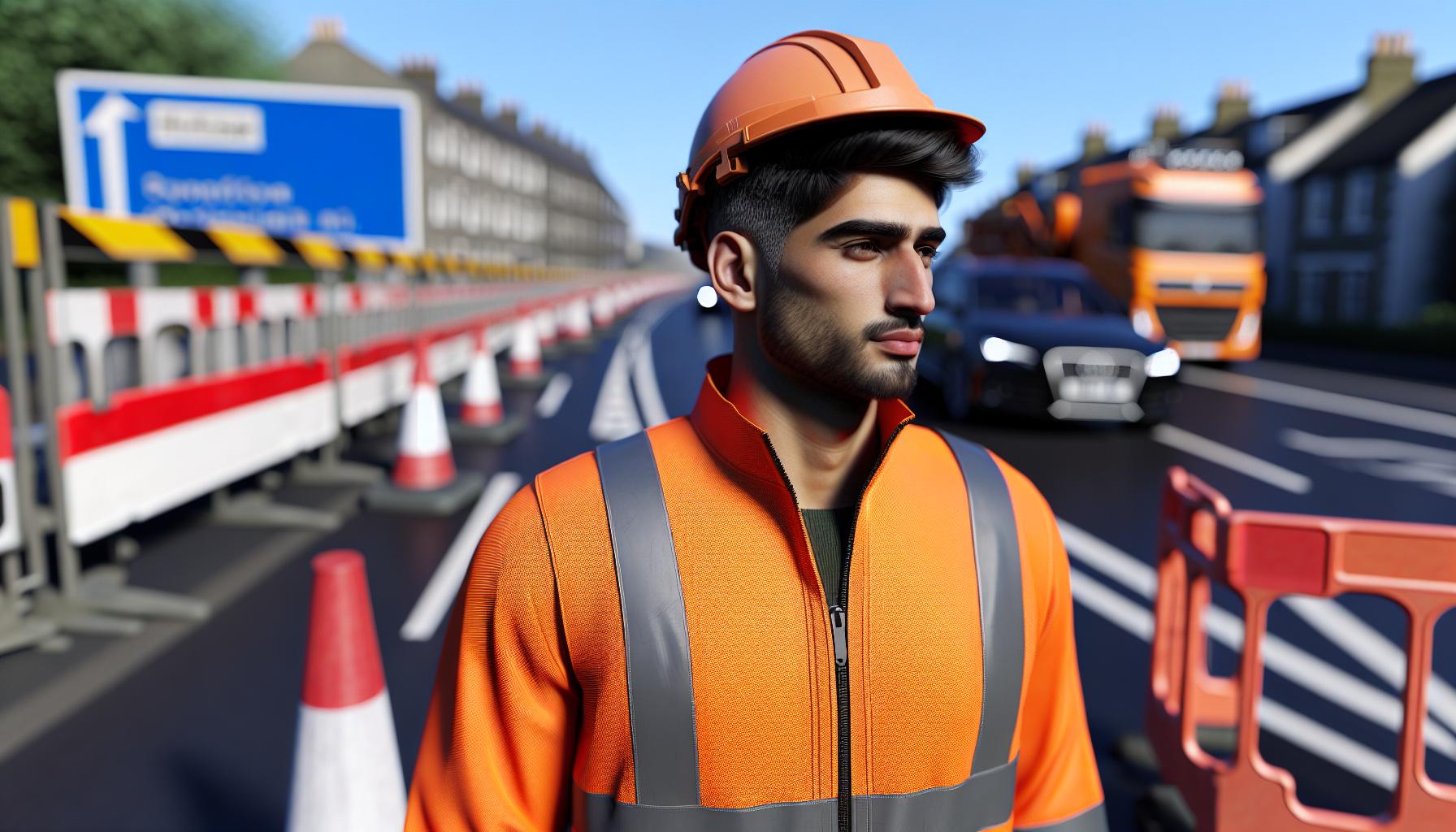
Ever noticed those bright orange jackets that seem to light up construction sites and roadworks? We’re talking about the unsung heroes of workplace safety: orange hi-vis jackets. These eye-catching garments aren’t just a fashion statement for builders and road crews – they’re lifesavers in high-risk environments.

We’ve all been there, driving through foggy conditions or navigating a busy construction zone. Suddenly, a flash of orange catches our eye, alerting us to a worker’s presence. It’s not magic; it’s clever design at work. But have you ever wondered why orange is the colour of choice? Or what makes these jackets so effective at keeping workers safe? Let’s dive into the world of orange hi-vis jackets and uncover their secrets.

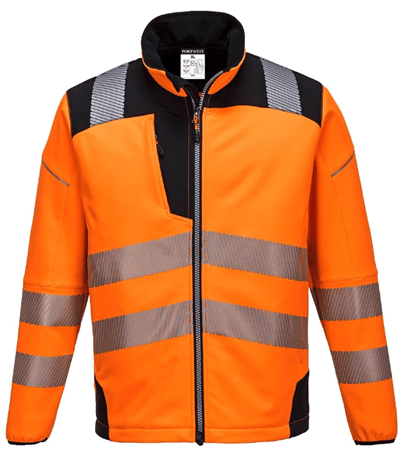
orange hi vis jacket
portwest t402 orange softshell hi vis jacket 6

Key Takeaways

  • Orange hi-vis jackets are crucial safety gear designed to make workers highly visible in various conditions, including low light and bad weather.
  • Key features include fluorescent fabric, reflective strips, and weather protection, enhancing visibility and comfort for wearers.
  • Safety standards and regulations, such as EN 13688, EN 20471 & RIS-3279-TOM , govern the design and use of hi-vis apparel to ensure worker safety.
  • Choosing the right jacket involves considering fit, comfort, durability, and quality to ensure optimal safety and performance.
  • Proper maintenance, including careful washing and handling, is essential to preserve the jacket’s reflective properties and overall effectiveness.

What Is an Orange Hi Vis Jacket?

Ever spotted a group of workers on the roadside looking like walking traffic cones? That’s the magic of orange hi-vis jackets! These vibrant garments are more than just a fashion statement for construction workers and road crews. They’re lifesavers in disguise.

An orange hi-vis jacket is a type of personal protective equipment (PPE) designed to make the wearer stand out like a sore thumb – but in a good way! It’s made with a fluorescent “blaze” or “safety” orange fabric that practically screams, “Hey, look at me!” This eye-catching colour contrasts sharply with most backgrounds, making workers visible in various conditions, including low light and bad weather.

But wait, there’s more! These orange hi vis jackets aren’t just about being bright. They often come with reflective strips that bounce light back to its source. Imagine a driver’s headlights hitting these strips – it’s like a disco ball effect, but for safety! This feature makes workers even more visible when illuminated by vehicle lights or other light sources.

You might be wondering, “Why orange?” Well, it’s not because construction workers are secret Dutch football fans! Orange is simply one of the most visible colours in daylight and low-light conditions. It’s like nature’s own highlighter pen.

Did you know these jackets have to meet strict standards? Bodies like the Health and Safety Executive (HSE) and the International Organisation for Standards (ISO) have set guidelines for these garments. It’s not just about slapping on some orange fabric and calling it a day!

Key Features of Orange Hi Vis Jackets

Orange hi-vis jackets are packed with essential features that make them indispensable for workplace safety. Let’s dive into the key elements that make these jackets stand out and keep workers safe in various conditions.

Reflective Strips

Reflective strips are a game-changer for visibility. These silver bands create a striking contrast against the orange fabric, making workers visible from all angles. Imagine you’re driving at night and suddenly see a bright flash – that’s the reflective strips doing their job! They’re strategically placed to outline the human form, helping drivers quickly identify workers even in dim light.

Fluorescent Fabric

Ever wondered why these jackets seem to glow? It’s all thanks to the fluorescent fabric! This clever material absorbs ultraviolet light and re-emits it as visible light, making the jacket pop against any background. It’s like wearing your own personal spotlight, especially handy when you’re working amongst trees or in areas with lots of greenery. Who knew science could be so fashionable?

Weather Protection

Orange hi-vis jackets aren’t just about being seen – they’re also about staying comfortable in all sorts of weather. Many jackets come with waterproof layers to keep you dry during those unexpected showers. Some even have removable linings, perfect for when the temperature drops. It’s like having a Swiss Army knife for your wardrobe! Have you ever tried working in the rain without proper gear? Trust us, it’s not fun. These jackets make sure you’re protected while still being visible, so you can focus on the job at hand without worrying about the weather.

Safety Standards and Regulations

Ever wondered why your orange hi-vis jacket looks like it could guide planes on a runway? Well, it’s not just for show! These eye-catching garments are subject to strict safety standards and regulations. Let’s dive into the nitty-gritty of what makes these jackets more than just a fashion statement.

In the UK and across the pond, hi-vis apparel must meet specific criteria to keep workers safe. The American National Standards Institute (ANSI) has set the bar high with their ANSI/ISEA 107-2015 2020 standard. This guideline isn’t just a mouthful; it’s the gold standard for high-visibility safety apparel.

ANSI breaks down hi-vis gear into three main types:

  1. Type R (Roadway): For those brave souls working amidst traffic. These jackets need to shine bright day and night.
  2. Type O (Off-Road): Perfect for workers around moving equipment but away from road traffic.
  3. Type P (Public Safety): Designed for our everyday heroes – police, firefighters, and paramedics.

But wait, there’s more! ANSI also categorises jackets by performance class. Class 1 is the entry-level, suitable for low-risk environments. It’s like the ‘casual Friday’ of hi-vis wear!

Have you ever noticed how some workers seem to glow brighter than others? That’s because different jobs require different levels of visibility. A road worker needs to stand out more than someone in a warehouse, for instance.

We can’t help but chuckle at the thought of a hi-vis fashion show. Imagine models strutting down the catwalk in neon orange jackets, accessorised with reflective strips! It might not be Milan, but it’d certainly be safe.

In all seriousness, these standards are crucial for keeping workers visible and protected. They’re constantly evolving to meet new challenges and improve safety. So next time you see someone rocking an orange hi-vis jacket, you’ll know there’s a whole lot of science and regulation behind that bright look.

Top Brands for Orange Hi Vis Jackets

Ever felt like a human traffic cone? That’s the life of a worker in an orange hi-vis jacket! But jokes aside, these bright beacons of safety are serious business. Let’s explore some top-notch brands, such as Norsemen Safety that keep our workers visible and protected.

When it comes to orange hi-vis jackets, quality matters. We’ve sifted through the options to bring you the cream of the crop. These brands aren’t just about slapping some orange fabric together; they’re the Michelangelos of safety wear, crafting masterpieces that could make even the Mona Lisa jealous.

First up, we’ve got brands that specialise in safety gear. Portwest are the go-to guys for all things high-visibility, offering jackets that could probably be seen from space. Their range includes bomber jackets that’ll make you feel like Top Gun, but with more safety and less volleyball.

Next, we’ve got the all-rounders. These brands don’t just do safety wear; they do it all. But when it comes to orange hi-vis jackets, they don’t mess about. They offer options with more reflective tape than a disco ball, ensuring you’re visible from every angle.

Lastly, we’ve got the specialists. These brands live and breathe high-visibility clothing. They’re so passionate about safety, they probably dream in fluorescent orange. Their jackets come with all the bells and whistles, from waterproof layers to removable linings.

So, which brand tickles your fancy? Are you after the Fort Knox of safety jackets, or something more along the lines of “visible but make it fashion”? Whatever your preference, these top brands have got you covered – quite literally!

Choosing the Right Orange Hi Vis Jacket

Selecting the perfect orange hi-vis jacket involves more than just grabbing the first one you see. We’ll guide you through the key factors to consider, helping you make an informed decision that keeps you safe and comfortable.

Fit and Comfort

When it comes to hi-vis jackets, fit and comfort are paramount. A well-fitting jacket not only feels better but also enhances safety. Ever tried working in a jacket that’s too tight or too loose? It’s like trying to dance in oversized wellies – awkward and potentially dangerous!

We recommend looking for jackets with a range of sizes to suit different body types. Features like adjustable cuffs and hems are brilliant for customising the fit. Remember, a good fit means better visibility and fewer distractions while you’re on the job.

Comfort is equally crucial, especially if you’re wearing the jacket for long hours. Imagine wearing a plastic bag all day – not fun, right? That’s why we love jackets made from breathable, moisture-wicking materials. These fabrics help regulate your body temperature, keeping you cool and dry even during those sweaty summer shifts.

Here’s a cheeky tip: try on your jacket and do a little dance. If you can boogie comfortably, you’re on the right track!

Durability and Quality

Let’s face it, your hi-vis jacket needs to be tough as nails. It’s going to face all sorts of challenges – from harsh weather to rough surfaces. A jacket that falls apart faster than a cheap Christmas cracker isn’t just a waste of money; it’s a safety risk.

We always look for jackets made with sturdy materials and reinforced stitching. Think of your jacket as your trusty sidekick in the battle against workplace hazards. You wouldn’t want your sidekick to bail on you mid-fight, would you?

Quality also extends to the reflective elements. These shiny bits are what make you visible in low light conditions. Over time, they can wear off or lose their effectiveness. That’s why we recommend jackets with high-quality reflective strips that can withstand repeated washing and wear.

Maintaining Your Orange Hi Vis Jacket

We’ve all been there – you’re about to head out to work, and your trusty orange hi-vis jacket looks like it’s been dragged through a muddy construction site. But don’t fret! Keeping your safety gear in tip-top shape is easier than you might think. Let’s dive into some practical tips that’ll have your jacket looking as bright as the day you bought it.

Washing

When it comes to washing your hi-vis jacket, treat it like a delicate flower. Machine washing can be a bit of a gamble – it’s like playing Russian roulette with your safety gear! Manufacturers typically recommend limiting machine washes to 20-25 cycles before the jacket’s reflective properties start to wave goodbye.

If you must use the washing machine, follow these steps:

  1. Turn the jacket inside out (it’s like giving it a protective hug).
  2. Use a cold or delicate cycle (imagine you’re washing a puppy – gentle does it!).
  3. Choose a mild detergent with a pH level no higher than 11 (think of it as a spa treatment for your jacket).
  4. Avoid optical brighteners, bleach, or fabric softener (these are the bullies of the laundry world for hi-vis gear).

Hand Washing

For those of us who prefer the personal touch, hand washing is the way to go. It’s like giving your jacket a relaxing bath after a hard day’s work. Here’s how to do it:

  1. Hang up your jacket and brush off any loose dirt (think of it as a mini-massage for your gear).
  2. Submerge it in lukewarm water with mild detergent for 20-30 minutes (it’s like a jacuzzi for your jacket).
  3. Gently rub stubborn stains with a light brush (treat it like you’re brushing a cat – soft and careful).
  4. Rinse under cold water (imagine you’re giving it a refreshing shower).

Have you ever wondered why we need to be so careful with our hi-vis jackets? It’s because they’re not just ordinary clothes – they’re our lifelines on the job. By taking care of them, we’re taking care of ourselves and our colleagues.

Here’s a funny thought: imagine if our hi-vis jackets could talk. They’d probably say, “Hey, easy on the rough treatment! I’m here to keep you safe, not to be your punching bag!” So let’s show them some love, shall we?

Remember, a clean and well-maintained hi-vis jacket isn’t just about looking good – it’s about staying safe. So, let’s make jacket maintenance a team effort. Who’s with us in the quest for the cleanest, brightest hi-vis jackets in town?

When and Where to Wear an Orange Hi Vis Jacket

Ever wondered why construction workers look like walking tangerines? It’s not a fashion statement, folks! Orange hi-vis jackets are the unsung heroes of workplace safety. Let’s dive into when and where these eye-catching garments shine brightest.

Low-Light and Overcast Conditions

Picture this: you’re driving on a gloomy, overcast day. Suddenly, a bright orange blob appears in your vision. That’s right, it’s an orange hi-vis jacket doing its job! These jackets are the champions of dim lighting. Their longer wavelengths keep them visible when other colors would fade into the background. So, when the sun decides to play hide and seek, orange hi-vis jackets step up to the plate.

Natural Environments

Ever tried to spot a yellow jacket in a field of daffodils? Not easy, right? That’s where orange hi-vis jackets come to the rescue. In green, leafy environments, orange stands out like a sore thumb – but in a good way! Outdoor workers in forestry, landscaping, or construction sites surrounded by trees will find orange hi-vis jackets their best friend. It’s like playing a real-life game of ‘Where’s Wally?’, except Wally is wearing a bright orange jacket and standing in front of a tree.

Specific Job Requirements

Some jobs are like a game of human Tetris, with workers navigating around moving vehicles or working under sodium vapor lamps. In these scenarios, orange hi-vis jackets are the MVPs. They provide better contrast and visibility, making sure workers don’t blend in with their surroundings. After all, we want our workers to stand out, not disappear like magicians!

So, next time you see someone rocking an orange hi-vis jacket, remember: they’re not trying to start a new fashion trend. They’re just staying safe and visible in style. And who knows? Maybe one day, orange will be the new black in the fashion world. Until then, we’ll stick to wearing these bright beauties when safety calls for it.

Conclusion

Orange hi-vis jackets are essential for workplace safety, particularly in high-risk environments. We’ve explored their design features, safety standards, and the science behind their effectiveness. From choosing the right jacket to proper maintenance, these garments play a crucial role in protecting workers. By understanding their importance and following best practices, we can ensure that orange hi-vis jackets continue to be a vital tool in maintaining a safe work environment across various industries.

Frequently Asked Questions

Why are orange hi-vis jackets important for workplace safety?

Orange hi-vis jackets are crucial for workplace safety, particularly in construction and roadwork environments. They make workers highly visible to drivers and pedestrians, reducing the risk of accidents. The bright orange colour stands out against various backgrounds, even in low light and poor weather conditions. These jackets often include reflective strips for enhanced visibility, making them an essential piece of personal protective equipment (PPE).

What makes orange the preferred colour for hi-vis jackets?

Orange is the preferred colour for hi-vis jackets due to its high visibility in both daylight and low-light conditions. It stands out prominently against most backgrounds, making workers easily noticeable. The specific ‘blaze’ orange used in hi-vis gear is fluorescent, which enhances its visibility further. This colour choice adheres to strict safety standards set by organisations like OSHA and ANSI, ensuring optimal visibility for workers in potentially hazardous environments.

What are the key features of orange hi-vis jackets?

Key features of orange hi-vis jackets include fluorescent orange fabric for high visibility, reflective strips for enhanced visibility in low light, and often weather protection elements. Many models offer waterproof layers and removable linings for comfort in various weather conditions. The jackets are designed to meet specific safety standards, with different types (R, O, P) and performance classes suited for various work environments. Durability and quality of materials are also crucial features.

How do safety standards affect hi-vis jacket design?

Safety standards, such as EN 13688, EN 20471 & RIS-3279-TOM , significantly influence hi-vis jacket design. These standards categorize hi-vis apparel into types (R, O, P) for different work environments and establish performance classes based on visibility requirements. They dictate the minimum amount of background material, reflective strip placement, and overall design to ensure jackets provide adequate visibility. Adherence to these standards is crucial for workplace safety compliance.

What should I consider when choosing an orange hi-vis jacket?

When choosing an orange hi-vis jacket, consider the specific work environment and required safety standards. Look for a proper fit and comfort features like adjustable cuffs and breathable materials. Durability is crucial, so opt for jackets made from sturdy materials with high-quality reflective elements. Consider the jacket’s performance class and type based on your job requirements. Additionally, check for weather protection features if needed for outdoor work.

How should I maintain my orange hi-vis jacket?

Proper maintenance of orange hi-vis jackets is crucial for ensuring their effectiveness. Follow the manufacturer’s washing instructions, typically involving machine washing on a gentle cycle with cold water and mild detergent. Avoid using bleach or fabric softeners. For hand washing, use lukewarm water and mild soap. Always air dry the jacket away from direct heat or sunlight. Regularly inspect the jacket for signs of wear or damage to the reflective elements, and replace it when necessary.

When and where are orange hi-vis jackets most effective?

Orange hi-vis jackets are most effective in low-light and overcast conditions, as well as in natural environments like forestry and landscaping. They provide excellent contrast against green foliage and brown earth tones. These jackets are particularly crucial for roadwork, construction sites, and any outdoor work near moving vehicles or machinery. They’re also effective in urban environments where workers need to stand out against varied backgrounds.

The Benefits of High Visibility T-Shirts

Safety Meets Style: High Visibility T-Shirts

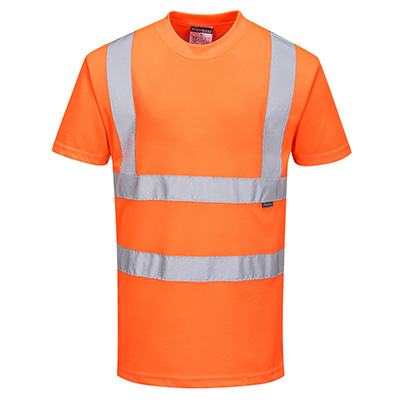
high visibility t-shirts

Stay safe in style with high visibility t-shirts! Whether you’re working on a construction site, roadways, or in low-light conditions, these shirts are designed to keep you visible and increase your safety. With their bold colors and reflective strips, high visibility t-shirts are a practical and trendy choice for anyone who wants to stand out while staying safe.

Unlike traditional safety gear that can be bulky and uncomfortable, high visibility t-shirts are both functional and fashionable. Built with breathable fabric, they keep you cool and comfortable throughout the day. They are also available in various sizes and styles, ensuring a perfect fit for all body types.

The benefits of high visibility t-shirts extend beyond their safety features. They are great promotional tools for businesses, helping to create brand awareness and make your team easily identifiable. Additionally, these t-shirts are durable and easy to care for, making them a cost-effective investment for both individuals and companies.

Don’t compromise on safety or style. Choose high visibility t-shirts for a perfect combination of visibility, comfort, and fashion-forward design.

The importance of safety in the workplace

Safety should be the top priority in any workplace. Employers are responsible for providing their employees with a safe working environment and the necessary protective equipment to prevent accidents and injuries. According to the Health and Safety Executive high-visibility clothing is required when working in areas with vehicular traffic, construction zones, and other hazardous areas. High visibility clothing allows workers to be seen by motorists and other workers, reducing the risk of accidents.

hi vis t-shirt orange

What are high visibility t-shirts?

High visibility t-shirts are safety apparel designed to increase visibility and ensure the safety of workers in hazardous environments. These t-shirts are typically made of bright colors like yellow, orange, and green, and have reflective strips that make them visible in low-light conditions. They are made of lightweight, breathable fabric, making them comfortable to wear even in hot weather.

High visibility t-shirts are available in various sizes and styles, including long and short-sleeved options. They are also customizable, allowing businesses to add their logos and slogans to promote their brand.

The benefits of wearing high visibility t-shirts

There are several benefits to wearing high visibility t-shirts in hazardous environments. Firstly, they increase visibility, making workers easily identifiable in low-light conditions. This reduces the risk of accidents caused by motorists or other workers who may not see them. High visibility t-shirts also make workers stand out, making it easy for supervisors to monitor their activities and ensure their safety.

Secondly, high visibility t-shirts are comfortable to wear, even for extended periods. They are made of breathable fabric, which allows air to circulate and keep workers cool. This is especially important in hot weather conditions, where wearing bulky safety gear can be uncomfortable and lead to heat exhaustion.

Thirdly, high visibility t-shirts are durable and easy to care for, making them a cost-effective investment. They are made of high-quality materials that can withstand repeated washings and wear and tear, ensuring they last longer than traditional safety gear.

hi vis t-shirts

Industries that require high visibility t-shirts

High visibility t-shirts are required in several industries, including:

Construction

Construction workers are required to wear high visibility t-shirts to increase their visibility on job sites, reducing the risk of accidents caused by machinery or vehicles. High visibility t-shirts are also required when working in areas with cranes, excavators, and other heavy equipment.

Transportation

Professional drivers, such as truck drivers, bus drivers, and delivery drivers, are required to wear high visibility t-shirts to increase their visibility on the road. This reduces the risk of accidents caused by other motorists who may not see them.

Manufacturing

Workers in manufacturing plants are required to wear high visibility t-shirts to increase their visibility on the factory floor. High visibility t-shirts are especially important when working near heavy machinery or in areas with forklifts.

How to choose the right high visibility t-shirt

Choosing the right high visibility t-shirt is essential to ensure maximum safety and comfort. Here are some factors to consider when selecting a high visibility t-shirt:

Fabric

Choose a high visibility t-shirt made of lightweight, breathable fabric that allows air to circulate and keep you cool. Polyester and mesh fabrics are excellent choices for high visibility t-shirts.

Colour

Choose a high visibility t-shirt in a bright colour like yellow, orange, or green. These colours are easily visible and increase your visibility in low-light conditions.

Reflective Strips

Choose a high visibility t-shirt with reflective strips that are visible from all angles. These strips increase your visibility in low-light conditions and make you easily identifiable.

Size and Fit

Choose a high visibility t-shirt that fits well and is comfortable to wear. It should not be too tight or too loose, and the sleeves should not restrict your movement. See our sizing chart for Hi-Vis Clothing.

Tips for maintaining high visibility t-shirts

To ensure the longevity and effectiveness of your high visibility t-shirts, follow these tips:

Wash regularly

Wash your high visibility t-shirts regularly to remove dirt and grime that can reduce visibility. Use a mild detergent and avoid using fabric softeners, which can reduce visibility. Always follow the manufacturers cleaning directions.

Store properly

Store your hi vis t-shirts in a cool, dry place away from direct sunlight. Avoid storing them in damp areas, which can cause mildew and reduce visibility.

Inspect regularly

Inspect your high visibility t-shirts regularly for signs of wear and tear. Replace them if they are faded, torn, or damaged, as these can reduce visibility and compromise your safety.

The different styles and designs of high visibility t-shirts

High visibility t-shirts are available in several styles and designs, including:

Long-sleeved

Long-sleeved high visibility t-shirts are ideal for cooler weather conditions, providing additional warmth and protection.

Short-sleeved

Short-sleeved high visibility t-shirts are ideal for warmer weather conditions, providing maximum breathability and comfort. Hivis tshirt portwest.

Customizable

High visibility t-shirts can be customized with logos, slogans, and other branding elements to promote your business.

Where to buy high visibility t-shirts

High visibility t-shirts are available from Norsemen Safety’s online and in-store safety trade counter.

High visibility t-shirts vs. other safety apparel options

While high visibility t-shirts are an excellent safety apparel option, they are not suitable for all hazardous environments. Here are some other safety apparel options to consider:

Safety Vests

Safety vests are required in several industries, including construction, transportation, and manufacturing. They are designed to increase visibility and ensure worker safety in low-light conditions.

Hard Hats

Hard hats are essential protective equipment for workers in construction, manufacturing, and other industries. They protect the head from falling objects and other hazards.

Safety Glasses

Safety glasses are required in several industries, including manufacturing, construction, and healthcare. They protect the eyes from dust, debris, and other hazards.

Conclusion

High visibility t-shirts are an essential safety measure for workers in hazardous environments. They increase visibility, ensuring worker safety, and are comfortable to wear, even in hot weather conditions. High visibility t-shirts are also customizable, making them an excellent promotional tool for businesses. When choosing a high visibility t-shirt, consider factors like fabric, color, reflective strips, and fit to ensure maximum safety and comfort. For all your Hi Vis Clothing requirements contact Norsemen Safety & Industrials Supplies, your one stop safety supplier.

cropped Norsemen Welding Safety Logo
Norsemen Welding Safety Logo
CONTACT DETAILS
OUR HOURS
8 AM – 5 PM Monday – Thursday
8 AM – 4 PM on Friday
Safety Equipment
Welding Equipment
Find The Right Equipment Faster