MIG Welding vs Arc Welding: Which Method Suits Your Project Best?
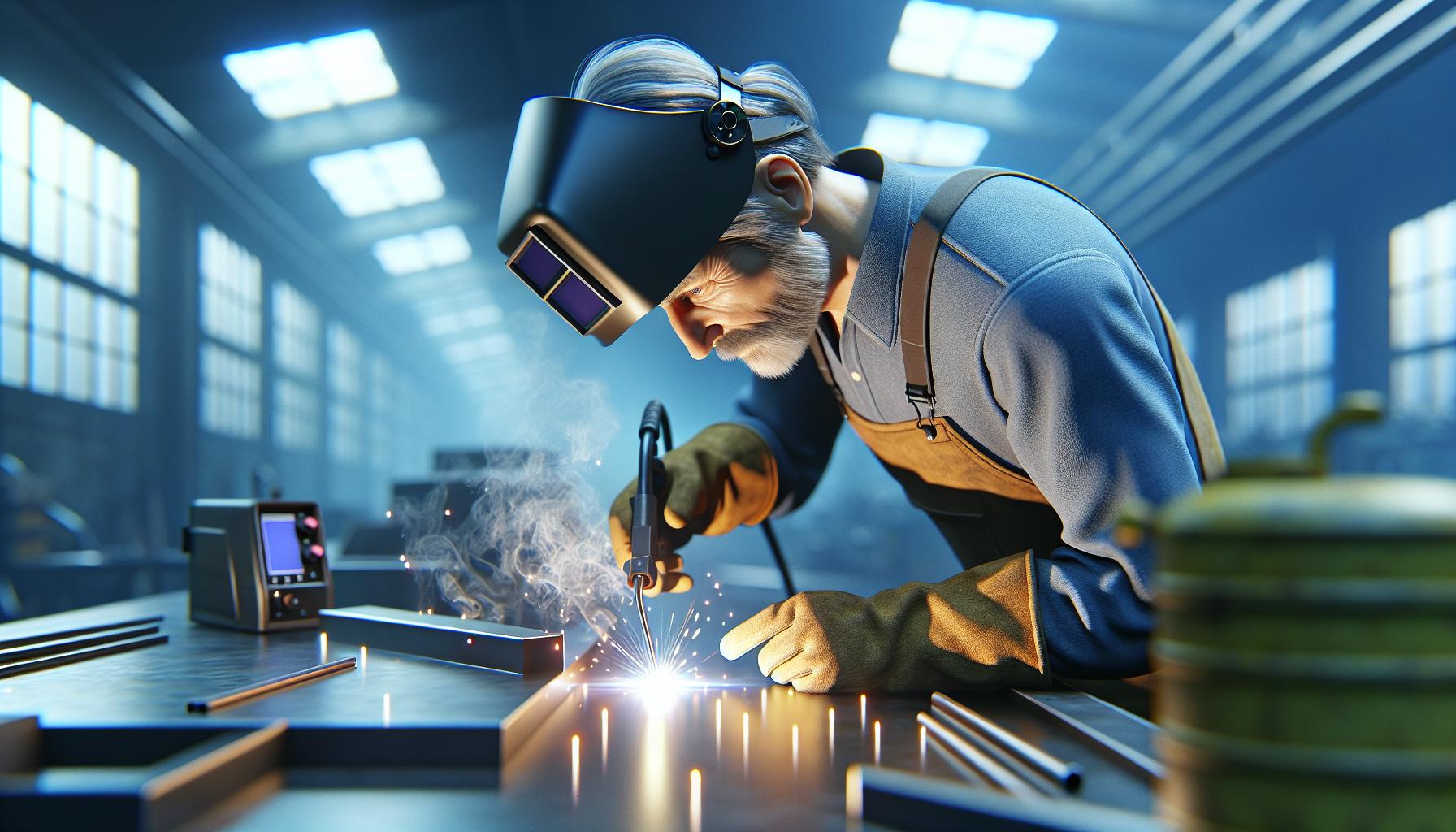
Have you ever found yourself scratching your head over which welding method to choose? We’ve all been there! MIG welding vs arc welding is like the chocolate and vanilla of the welding world – both popular, but each with its own unique flavour.

Key Takeaways

  • MIG welding offers faster, cleaner welds and is easier to learn, but requires more complex equipment and is less suitable for outdoor use.
  • Arc welding is more versatile, portable and cost-effective, but has a steeper learning curve and slower welding speed.
  • MIG welding produces smoother welds, while arc welding often provides stronger joints for heavy-duty applications.
  • MIG welding equipment is generally more expensive, but arc welding may have higher ongoing costs for consumable electrodes.
  • Both methods require proper safety gear, but MIG welding involves additional precautions for handling shielding gas cylinders.
  • Norsemen/Welder’s Choice supplies all the equipment and welding consumables for mig welding, arc welding (Stick/MMA) and Tig Welding.

Understanding MIG Welding vs Arc Welding

MIG Welding: The Smooth Operator

MIG welding, or Metal Inert Gas welding, is like spreading butter on toast – smooth and continuous. It’s a process that uses a wire electrode fed through a welding gun, creating an electric arc between the wire and the workpiece. This arc melts both the wire and the base metal, forming a weld that’s as neat as a pin.

Ever tried to keep a steady hand while drawing a long, unbroken line? That’s what MIG welding feels like. The wire feeds automatically, allowing for a consistent weld bead.

Arc Welding: The Versatile Veteran

Arc welding, also known as Shielded Metal Arc Welding (SMAW), is the Swiss Army knife of welding. It’s been around the block a few times and knows a thing or two about joining metals. This method uses a consumable electrode covered with flux, which burns off during welding to protect the molten metal from atmospheric contamination.

Imagine you’re at a barbecue, and your mate hands you a stick with a marshmallow on the end. That’s a bit like an arc welding electrode – except instead of toasting marshmallows, you’re fusing metal. And let’s be honest, that’s way cooler!

Equipment: The Tools of the Trade

MIG welding requires a few more bells and whistles than its arc counterpart. You’ll need a wire feeder, a welding gun, and a gas cylinder. It’s like preparing for a fancy dinner party – you need all the right cutlery and crockery to make it work.

Arc welding, on the other hand, is more of a minimalist. It doesn’t need a separate shielding gas, as the flux on the electrode does all the heavy lifting. It’s the backpacker of welding methods – lightweight and ready for action.

The Basics of MIG Welding

MIG welding, short for Metal Inert Gas welding, is a popular arc welding process that uses a continuous wire electrode. It’s like having a never-ending supply of metal to join two pieces together seamlessly.

How MIG Welding Works

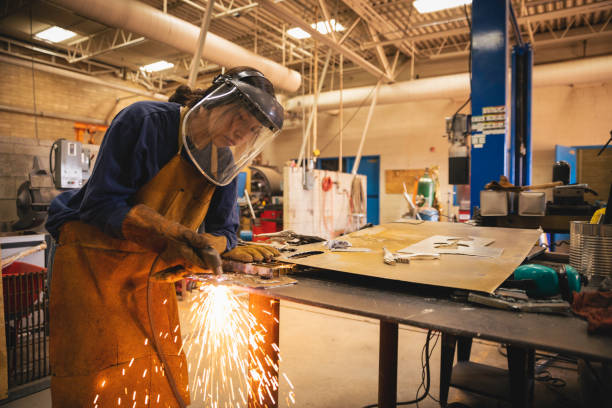
MIG welding operates on a simple principle: a wire electrode is fed through a welding gun, creating an electric arc between the wire and the workpiece. This arc melts both the wire and the base metal, forming a weld pool. The process is shielded by an inert gas, typically argon or a mix of argon and CO2, which protects the weld from atmospheric contamination.

Think of it as a hot glue gun for metal. The wire is like the glue stick, continuously feeding through the gun, while the electric arc acts as the heating element. The shielding gas is your invisible helper, keeping pesky air particles away from your masterpiece.\
istockphoto 1416507388 612x612 1

Advantages of MIG Welding

  1. Speed: MIG welding is faster than many other welding methods. It’s like the fast food of the welding world – quick and efficient.
  2. Clean welds: The process produces neat, spatter-free welds. No more messy clean-ups!
  3. Versatility: MIG welding works on various metals and thicknesses. It’s the Swiss Army knife of welding techniques.
  4. Easy to learn: Even beginners can pick up MIG welding relatively quickly. It’s like riding a bike – once you get the hang of it, you’re off!
  5. Continuous welding: The wire feed allows for long, uninterrupted welds. No need to stop and start like with stick welding.

Draw Backs of Mig Welding

  1. Equipment complexity: MIG welding requires more equipment than some other methods. It’s a bit like needing a full kitchen to make a gourmet meal.
  2. Outdoor restrictions: Wind can blow away the shielding gas, making outdoor welding tricky. It’s not the best choice for your backyard projects on a blustery day. Gasless mig wire is a great option for outdoor welding.
  3. Power requirements: MIG welders often need more power than other welding machines. They’re the energy guzzlers of the welding world.
  4. Material limitations: While versatile, MIG welding isn’t ideal for all metals. It’s like trying to spread cold butter – some materials just won’t cooperate.
  5. Cost: The initial setup for MIG welding can be pricey. It’s an investment, much like buying a good set of power tools.

The Fundamentals of Arc Welding

Arc welding, also known as Shielded Metal Arc Welding (SMAW) or stick welding, is a popular metal joining technique. It’s like using a giant, superheated pencil to draw metal together. Let’s dive into the nitty-gritty of this welding method.

How Arc Welding Works

Arc welding creates an electric arc between a consumable electrode (the “stick“) and the workpiece. This arc generates enough heat to melt the metal, allowing two pieces to join when cooled. The electrodes have a flux coating that protects the weld area from atmospheric gases, eliminating the need for external shielding gas.

Ever tried toasting marshmallows? Arc welding is similar, but instead of a campfire, you’re using electricity to melt metal. The stick electrode is like your marshmallow stick, but much hotter and more precise.

Advantages of Arc Welding

  1. Versatility: Arc welding works in various environments, including windy or outdoor conditions.
  2. Portability: The equipment is relatively lightweight and easy to move around.
  3. Cost-effectiveness: Arc welders and electrodes are generally less expensive than other welding equipment.
  4. Simplicity: With fewer components, there’s less to go wrong.

Have you ever needed to fix something in a tricky spot? Arc welding might be your go-to solution. It’s like having a Swiss Army knife in your welding toolkit – ready for almost any situation.

Disadvantages of Arc Welding

  1. Skill requirement: It takes practice to master the technique.
  2. Slower speed: Compared to some other methods, arc welding can be time-consuming.
  3. Frequent electrode changes: You’ll need to pause work to replace electrodes.
  4. Slag removal: After welding, you’ll need to chip away the slag covering.

Remember the last time you tried to learn a new skill? Arc welding can feel like that – a bit challenging at first, but rewarding once you’ve got the hang of it.

Comparing MIG Welding vs Arc Welding

When it comes to welding, MIG welding vs arc welding are like two different flavours of ice cream. Each has its own unique taste and texture, appealing to different palates. Let’s dive into the nitty-gritty of these welding methods and see how they stack up against each other.

Ease of Use and Learning Curve

MIG welding is the friendly neighbour of the welding world. It’s like learning to ride a bike with training wheels – you’ll be zipping along in no time. The automatic wire feed makes it a breeze to maintain a consistent weld, much like cruise control in your car. On the other hand, arc welding is more like mastering a unicycle. It’s trickier to get the hang of, requiring a steady hand and a keen eye to manage the electrode. But once you’ve got it down, you’ll feel like a proper welding acrobat!

Have you ever tried to write with your non-dominant hand? That’s a bit what arc welding feels like at first. But don’t worry, with practice, you’ll be signing your name (or rather, your welds) with flourish in no time.

Weld Quality and Strength

MIG welding produces welds smoother than a baby’s bottom. It’s like spreading butter on hot toast – smooth, even, and oh-so-satisfying. However, when it comes to strength, arc welding often takes the cake. It’s like the difference between a handshake and a bear hug – both get the job done, but one’s got a bit more oomph behind it.

Versatility and Applications

MIG welding is like your trusty Swiss Army knife – it’s handy for a wide range of jobs and materials. From car bodywork to household repairs, it’s got you covered. Arc welding, however, is more like that old, sturdy toolbox in your grandad’s shed. It might not be as flashy, but it can handle tough jobs in various conditions, even outdoors on a blustery day.

Cost Considerations: MIG Welding vs Arc Welding

When it comes to welding, we’re all looking for the best bang for our buck, aren’t we? Let’s dive into the cost considerations of MIG welding vs arc welding – it’s like comparing apples and oranges, but with sparks!

Equipment Costs

MIG welders are the fancy sports cars of the welding world. They’re sleek, complex, and come with a heftier price tag. With their wire feeders and gas delivery systems, MIG welders can cost 2-4 times more than their arc welding counterparts. It’s like buying a smartphone instead of a basic mobile – you’re paying for the bells and whistles.

Arc welders, on the other hand, are the trusty bicycles of welding. They’re simple, durable, and won’t break the bank. With fewer moving parts, arc welders are not only cheaper to buy but also easier on the wallet when it comes to maintenance. It’s like choosing between a Swiss Army knife and a simple pocketknife – both get the job done, but one’s a bit more straightforward.

Consumables

Here’s where things get interesting! MIG welding uses consumable wire, which isn’t too pricey on its own. But wait, there’s more! You’ll need shielding gas too, usually a mix of argon and carbon dioxide. It’s like needing both petrol and oil for your car – the costs can add up.

Arc welding, however, keeps things simple with its flux-coated electrodes. These little sticks are like the all-in-one meals of the welding world – everything you need in one package.

Have you ever tried to budget for a DIY project only to find hidden costs popping up everywhere? Welding can be a bit like that, especially when you’re just starting out. But don’t worry, we’ve all been there!

Remember, the cheapest option isn’t always the most cost-effective in the long run. It’s about finding the right balance for your needs and budget. So, whether you’re team MIG welding vs team Arc welding, make sure you’ve crunched all the numbers before making your choice. After all, in welding as in life, it’s not just about the initial investment – it’s about the long-term value.

Safety Aspects of MIG Welding vs Arc Welding

Let’s dive into the safety aspects of MIG welding vs arc welding. Think of welding safety as putting on your seatbelt before driving – it’s essential and non-negotiable.

Equipment and Setup

MIG welding is like preparing a gourmet meal – it requires more ingredients and tools. The setup includes a welding gun, wire feeder, and gas cylinder. This complexity can increase the risk of tripping or equipment damage. It’s a bit like having too many cooks in the kitchen!

On the other hand, arc welding is more like making a sandwich – simple and straightforward. The equipment is minimal, reducing the chances of accidents due to complex setups.

Personal Protective Equipment (PPE)

When it comes to PPE, both MIG welding vs arc welding demand respect. MIG welding produces less slag and spatter, but it’s not a free pass to skimp on protection. Arc welding, meanwhile, is like a fireworks display – lots of sparks and slag!

For both methods, we need:

  • Welding helmet: Your face’s best friend
  • Gloves: Because who wants toasty fingers?
  • Protective clothing: Fashion meets function

Have you ever tried to explain your welding gear to non-welders? It’s like describing a superhero costume – they just don’t get it!

Shielding Gas Considerations

MIG welding uses shielding gas, typically a mix of argon and carbon dioxide. Handling gas cylinders is like juggling – it requires care and attention. One wrong move, and you might find yourself chasing a runaway cylinder down the workshop!

Arc welding, however, doesn’t need separate shielding gas. The flux coating on the electrode does the job, making it a bit less complicated in this regard.

Remember, safety in welding isn’t just about protecting yourself – it’s about keeping your workshop mates safe too. After all, we’re all in this together, right?

Choosing Between MIG Welding vs Arc Welding

Let’s start with MIG welding. It’s like driving an automatic car – smooth, easy to handle, and perfect for beginners. You’ve got a wire that feeds automatically, like a never-ending stream of molten metal. Fancy, right? But remember, it’s a bit fussy about where it works. Wind is its enemy, so it’s best kept indoors or in sheltered areas.

Arc welding is more like riding a bike. It might take a bit more skill to master, but once you’ve got it, you can take it anywhere. It’s the sturdy, reliable friend that’s always ready for an adventure. Plus, it’s not picky about the weather – rain or shine, it’s ready to weld.

But how do you choose? Well, let’s break it down:

  1. What are you welding? Thin sheets? Go MIG. Thick, rusty metal? Arc’s your mate.
  2. Where are you welding? Indoors? MIG’s happy there. Outdoors? Arc won’t let you down.
  3. How’s your budget looking? MIG’s initial cost might make your wallet wince, but arc keeps things simple and affordable.

We’re all part of this welding community, learning and growing together. What’s your go-to welding method? Have you had any hilarious welding mishaps? Share your stories with us!

Conclusion

Both MIG welding vs arc welding have their place in the world of metal joining. We’ve explored their unique characteristics strengths and limitations. MIG welding shines with its ease of use and clean welds while arc welding stands out for its versatility and ruggedness. Your choice ultimately depends on your specific needs project requirements and budget. Whether you opt for the smooth consistency of MIG or the robust reliability of arc welding remember that mastering either technique takes practice and patience. Choose wisely and weld with confidence!

Frequently Asked Questions

What is MIG welding?

MIG welding, or Metal Inert Gas welding, is a smooth and continuous welding process that uses a wire electrode fed through a welding gun. It creates an electric arc that melts both the wire and the base metal to form a neat weld. The process is shielded by an inert gas, typically argon or a mix of argon and CO2, to protect the weld from contamination.

What is arc welding?

Arc welding, also known as Shielded Metal Arc Welding (SMAW), is a versatile welding method that uses a consumable electrode covered with flux. It creates an electric arc between the electrode and the workpiece, generating enough heat to melt the metal for joining. The flux on the electrode protects the molten metal from contamination during the welding process.

Which welding method is easier to learn?

MIG welding is generally considered easier to learn and more user-friendly for beginners. It offers a smooth, continuous process with automatic wire feeding, making it easier to maintain a consistent weld bead. Arc welding, on the other hand, requires more skill and practice to master the technique of maintaining the correct arc length and speed.

What are the main advantages of MIG welding?

The main advantages of MIG welding include its speed, clean welds, versatility, and ease of learning for beginners. It produces smooth, spatter-free welds and can be used on a variety of metals. MIG welding is also faster than arc welding and allows for longer continuous welds due to its automatic wire feed system.

What are the benefits of arc welding?

Arc welding offers several benefits, including versatility in various environments, portability, cost-effectiveness, and simplicity due to fewer components. It can be used outdoors and in windy conditions, making it suitable for field work. Arc welding equipment is also generally less expensive and more portable than MIG welding equipment.

Which welding method is more cost-effective?

Arc welding is generally more cost-effective in terms of initial equipment costs and consumables. Arc welders are simpler and more affordable, often likened to “trusty bicycles” in the welding world. While MIG welding requires additional costs for shielding gas, arc welding’s flux-coated electrodes are more straightforward and economical.

How do MIG welding vs arc welding compare in terms of weld quality?

MIG welding typically produces smoother, cleaner welds with less spatter. However, arc welding often results in stronger joints, especially on thicker materials. The quality of the weld in both methods depends on the skill of the welder and the specific application. MIG welding is preferred for thin sheets, while arc welding excels on thicker, rusty metals.

What safety considerations are important for both welding methods?

Both MIG and arc welding require proper personal protective equipment (PPE), including welding helmets, gloves, and flame-resistant clothing. Arc welding generates more sparks and slag, necessitating extra caution. MIG welding involves handling pressurised gas cylinders, which requires additional safety measures. Proper ventilation is crucial for both methods to avoid inhaling harmful fumes.

How do I choose between MIG welding vs arc welding?

Choose based on your specific welding needs and budget. Consider factors like the type and thickness of metal, working environment (indoor vs outdoor), frequency of use, and your skill level. MIG welding is ideal for thin sheets and indoor work, while arc welding is better for thick, rusty metal and outdoor conditions. Evaluate your requirements carefully to select the most suitable method for your projects.
6013 WELDING ROD

Interested in learning more about the 6013 welding rod and its distinguishing features in comparison to other welding rods available in the market?

Our comprehensive overview delves into the realm of 6013 welding rods, encompassing an explanation of their composition, benefits, typical applications, guidelines for selecting the appropriate variant, and detailed instructions on the correct utilization of these welding rods.

Additionally, we tackle prevalent troubleshooting concerns associated with 6013 welding rods and furnish practical suggestions for their resolution. Immerse yourself in the realm of expertise surrounding the 6013 welding rod.

Understanding 6013 Welding Rod

A comprehensive understanding of the 6013 welding rod is essential for individuals involved in the welding sector. This electrode, categorised within AWS specifications, holds importance in various welding applications, especially those involving mild steel. Known for its low hydrogen coating, the 6013 welding rod plays a vital role in achieving high-quality welds across a range of welding processes.

Let’s break down the significance of the E6013 classification:

  • The ‘E’ stands for electrode.
  • The ’60’ represents its tensile strength, which is nearly 60,000 pounds per square inch.
  • The ‘1’ designates the rod’s position compatibility. E6013 can be used in all four positions – flat, horizontal, vertical, and overhead.
  • The ‘3’ signifies the type of slag, flux composition, and power supply it can handle. E6013 is suitable for both AC and DC straight, as well as reverse polarity welding.

What is 6013 Welding Rod?

The 6013 welding rod is a versatile electrode that finds application across various sectors within the welding industry. Comprising a mild steel core wire enveloped by a thin flux coating, this electrode offers stability and ease of use during welding processes.

Renowned for its production of smooth and clean weld beads, the 6013 rod is highly favoured by both novice welders and seasoned professionals. Primarily utilised for welding light to medium gauge metal sheets, this electrode is well-suited for projects in automotive repair, construction and general fabrication.

A notable advantage of the 6013 welding rod lies in its capacity to initiate and sustain a stable arc with ease, resulting in minimal spatter and welds that necessitate less post-weld cleanup.

Advantages of 6013 Welding Rod

The 6013 welding rod presents numerous advantages that position it as a favoured selection among welders, encompassing attributes such as profound penetration, a seamless arc, and superior slag control.

Strengths and Benefits

The utilisation of a 6013 welding rod offers numerous advantages and strengths, including the production of superior weld qualityrobust welds, and the ability to employ various welding techniques. The 6013 welding rod is widely favoured by welders seeking to achieve high-strengthimmaculate welds across a spectrum of applications.

A significant benefit of the 6013 rod lies in its capacity to create smooth, spatter-free welds, thereby diminishing the necessity for extensive post-weld cleaning procedures. Furthermore, its versatility permits welders to operate in multiple welding positions, encompassing flat, horizontal, vertical, and overhead orientations. This adaptability provides welders with flexibility in executing diverse projects, ultimately leading to time savings and enhanced efficiency in welding operations.

Common Applications of 6013 Welding Rod

The 6013 welding rods are frequently used in a range of welding applications that cover various industries including:

  • Industrial welding
  • Metal fabrication
  • Construction welding
  • Automotive welding
  • Maintenance welding
  • Repair welding

Industries and Projects that Use 6013 Welding Rod

The utilisation of 6013 welding rods is prevalent in industries and projects, particularly within the fabrication sector and various welding undertakings managed by skilled welding practitioners.

In the fabrication industry, the application of 6013 welding rods is extensive in the construction of crucial structural steel elements, including beams, columns, and platforms. Welding professionals favour these rods due to their adaptability and effortless handling, particularly in endeavours such as erecting frameworks, repairing machinery, and crafting custom metal designs.

The 6013 rods are esteemed for their capability to generate seamless and neat welds, rendering them a preferred selection in scenarios where aesthetics and precision hold paramount significance. These rods align with the expectations of welding experts who emphasise quality, productivity, and cost efficiency in their assignments.

Choosing the Right 6013 Welding Rod

Selecting the appropriate 6013 welding rod requires a comprehensive understanding of various welding specifications, standards, and guidelines to ensure optimal performance and weld quality.

Factors to Consider

Several factors should be taken into consideration when selecting a 6013 welding rod, including the specific welding procedures, desired weld quality, and compatibility with the available welding equipment.

The selection of a 6013 welding rod is significantly influenced by the specific welding procedures employed. Various welding techniques, such as shielded metal arc welding (SMAW) or gas metal arc welding (GMAW), have distinct requirements that can directly affect the performance of the welding rod. Moreover, the desired weld quality, whether it pertains to achieving a smooth finish, strong penetration, or minimal spatter, plays a vital role in determining the most appropriate welding rod to be used. Additionally, ensuring compatibility with the existing welding equipment, including the amperage range and polarity settings of the welding machine, is imperative for attaining optimal results when utilising the 6013 rod.

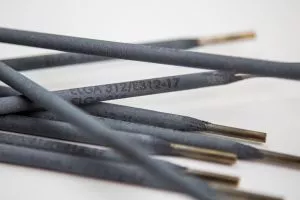
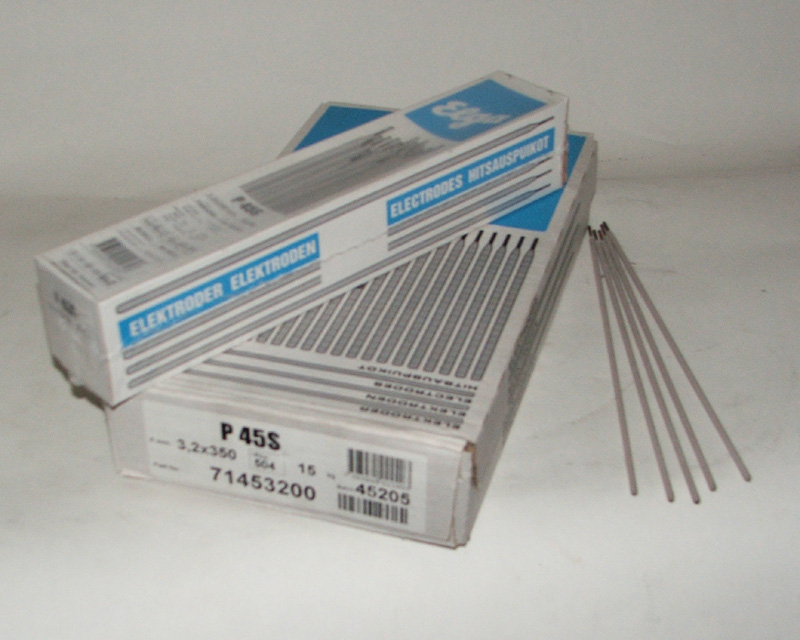
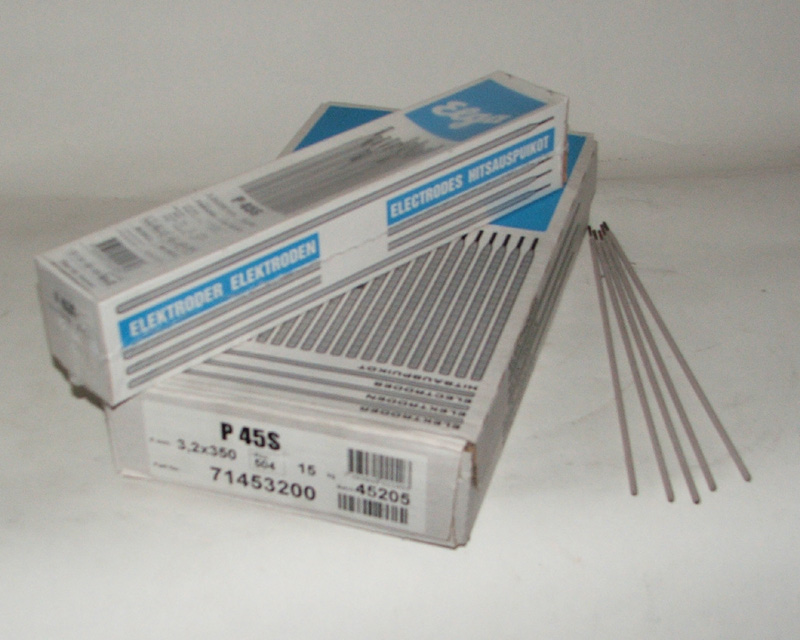
If you require an all position 6013 welding electrode, try the Elga P45S stick welding rod.

Elga P45S 6013 Welding Rod

How to Use 6013 Welding Rod

Using a 6013 welding rod effectively requires a thorough understanding of various welding techniques and the skill to perform positional welding, including vertical welding and welding of thin metals.

Step-by-Step Guide for Proper Usage

Adhering to a systematic guide for the correct utilization of a 6013 welding rod is essential to ensure that welding operations are conducted safely and efficiently.

Ahead of commencing the welding procedure, it is imperative to prepare the workspace by eliminating any combustible materials and ensuring adequate ventilation.

Subsequently, verify that the welding apparatus is configured to the suitable current in accordance with the rod thickness. During the welding process, uphold a consistent arc length and travel speed to attain a tidy bead.

Upon completion of the welding task, allow the joint to naturally cool down before conducting an inspection to identify any flaws.

It is imperative to always don appropriate welding safety attire such as gloves, helmet, and fire-resistant clothing to safeguard oneself from potential dangers.

Troubleshooting Common Issues with 6013 Welding Rod

Addressing prevalent challenges associated with the 6013 welding rod is essential for upholding the integrity and quality of welds, requiring the expertise and guidance of welding professionals.

Tips for Addressing Common Problems

The resolution of common issues associated with 6013 welding rods entails the application of specific troubleshooting methods aimed at enhancing the quality of welds.

A prevalent problem often observed is the presence of porosity within the weld, attributable to potential contamination or improper utilization of shielding gas. To address this issue effectively, meticulous cleaning of the work area is imperative, coupled with a thorough examination of gas flow and its quality.

Another common challenge encountered is the occurrence of slag inclusions, typically stemming from improper handling of the electrode during welding. The prevention of slag inclusions can be achieved through the correct manipulation of the electrode, focusing on maintaining the appropriate angle and speed during the welding process.

Instances of poor arc stability may arise due to inaccuracies in amperage settings or the composition of the electrode material. Making appropriate adjustments to these variables can lead to a substantial enhancement in the welding process, thereby yielding welds of superior quality.

Frequently Asked Questions

Where can I buy 6013 stick rods?

Welder’s Choice offers a complete range of welding electrodes, welding machines and welding supplies. Call 028 9046 0541, stop into our trade counter 71 Sydenham Road Belfast BT3 9DJ or buy online at Norsemen Safety/Welder’s Choice.

What is a 6013 welding rod?

A 6013 welding rod is a type of electrode used for shielded metal arc welding (SMAW). It is made of a carbon steel core and coated with a flux material, and is designed for welding in all positions.

What are the advantages of using 6013 welding rods?

6013 welding rods are known for their versatility and ease of use. They can be used on a variety of metal surfaces, including thin and dirty materials, and produce a smooth and clean weld with minimal splatter. They also have a high tensile strength and can be used for both AC and DC welding.

What types of projects are best suited for 6013 welding rods?

6013 welding rods are commonly used for general purpose welding, such as in fabrication, repair work, and maintenance. They are also suitable for welding mild and galvanized steel, as well as some low alloy steels.

How do I properly use a 6013 welding rod?

To use a 6013 welding rod, start by cleaning the metal surface to remove any dirt or debris. Then, strike an arc by touching the rod to the metal and quickly pulling it away. Hold the rod at a 10-15 degree angle and move it along the joint in a steady and consistent motion. Remember to maintain the correct arc length and use the appropriate amperage for your specific project.

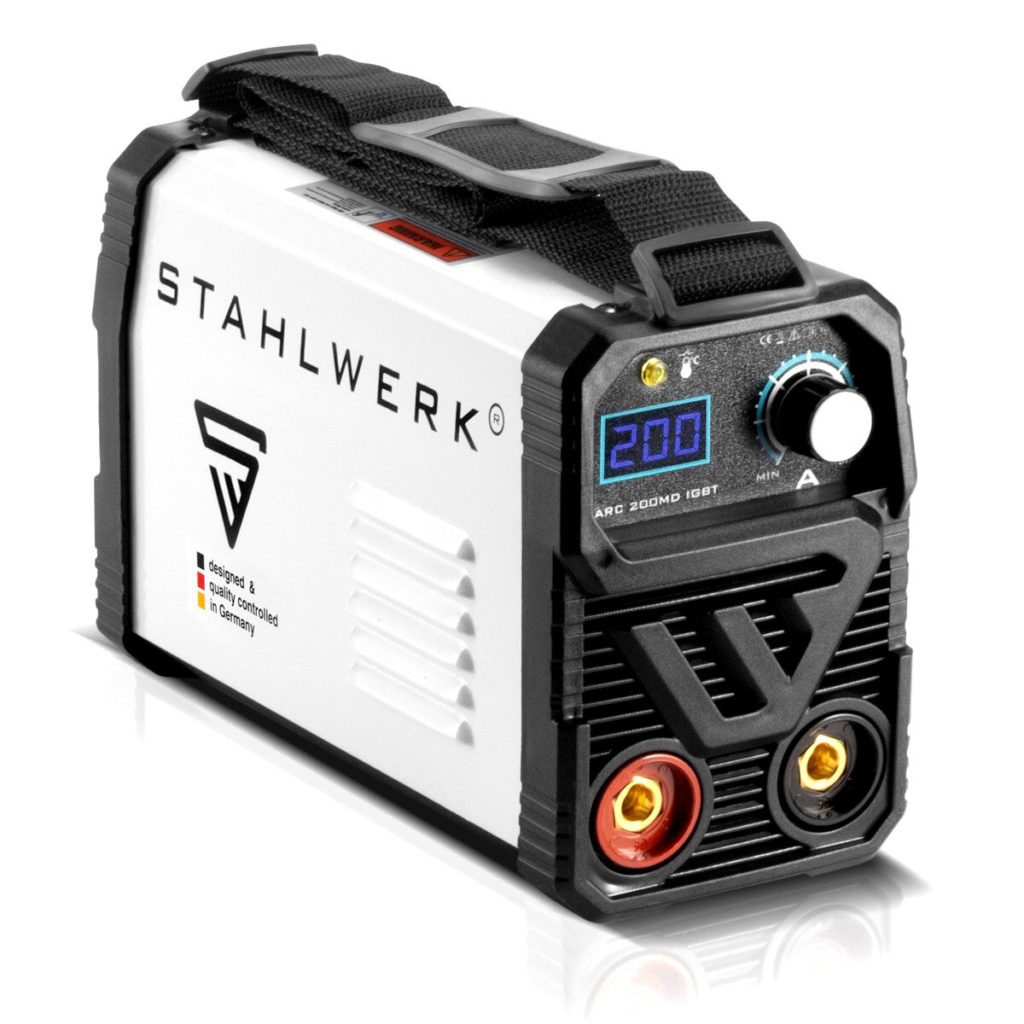
You will need a stick welder (arc welder) to use a 6013 welding stick.

One option is the Stahlwerk ARC 200 MD

stahlwerk arc 200md

Are there any safety precautions I should take when using 6013 welding rods?

Yes, it is important to wear proper protective gear, including a welding helmet, gloves, and protective clothing. Make sure to also work in a well-ventilated area and keep a fire extinguisher nearby. Additionally, always follow the manufacturer’s instructions for handling and storing the welding rods.

Can 6013 welding rods be used for all types of welding?

No, 6013 welding rods are mainly used for shielded metal arc welding (SMAW). They are not suitable for TIG or MIG welding as they do not have a shielding gas. However, they can be used for some types of brazing and soldering applications.

The Essential Guide to Welding Sticks and Rods for Every Project – Welder’s Choice

If you’re new to welding or looking to expand your knowledge on the subject, understanding the ins and outs of welding sticks | welding rods is essential.

Here, we will explore what welding sticks are, how they work, the different types available, their advantages and disadvantages, how to choose the right welding rod for your project, and important safety precautions to keep in mind.

Whether you’re a seasoned welder or just starting out, this comprehensive guide will help you navigate the world of welding rods and welding sticks with confidence.

What Are Welding Sticks | Welding Rods?

Welding rods, also known as welding electrodes or welding sticks, are essential tools in the metalworking industry used for metal joining and fabrication processes.

These rods are made of various welding materials, such as mild steel, stainless steel, and aluminum, each designed to suit specific welding techniques and applications.

Welding rods play a crucial role in providing the necessary heat and filler material to create strong bonds between metal pieces. As a result, welding rods are indispensable in various welding applications, from structural steel fabrication to automotive repairs.

How Do Welding Sticks Work?

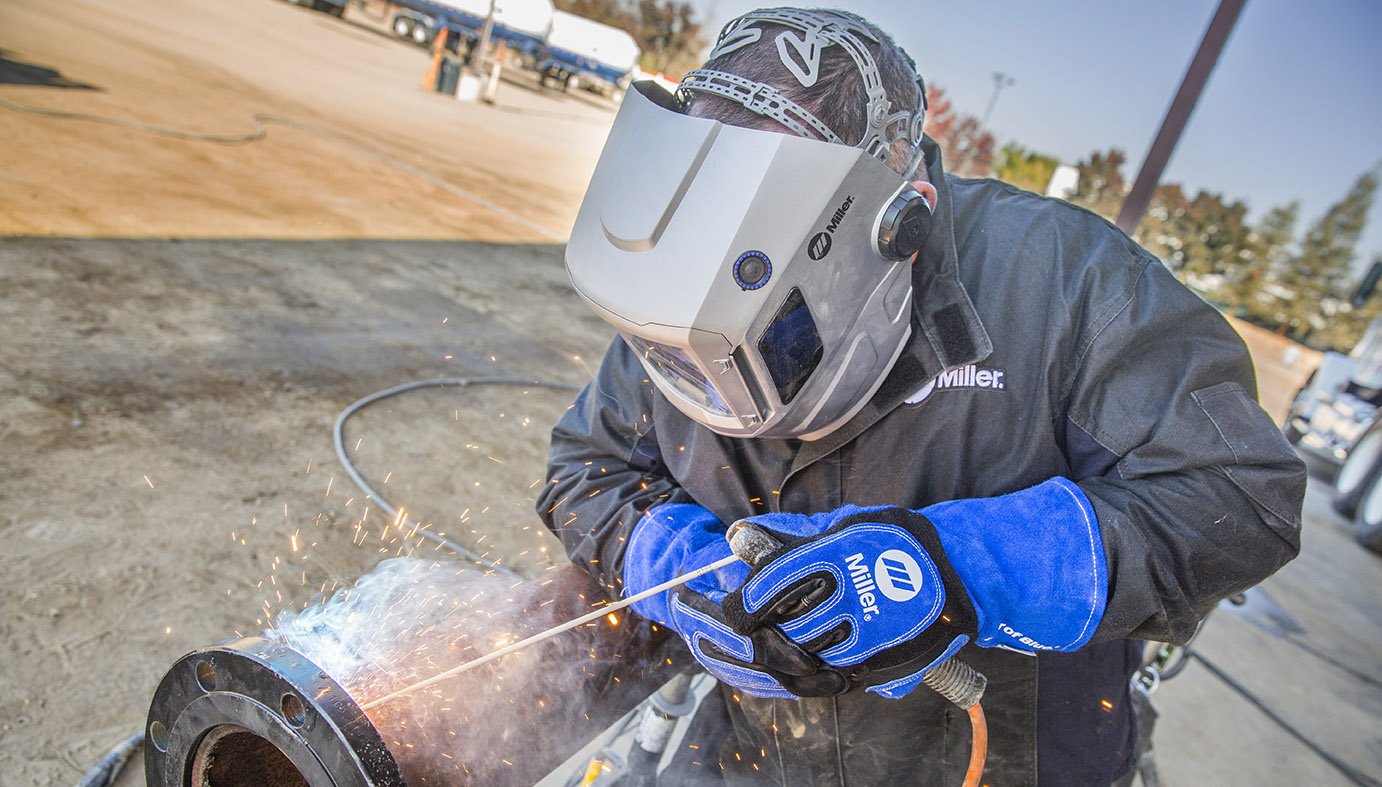
Welding rods function by creating an electrical arc that generates intense heat, melting both the welding filler material and the base metals to form a strong bond.

stick welding

This process relies on the heat source provided by the electrical current passing through the welding rod to melt the materials. The intense heat softens the metals, allowing them to fuse together as the filler material fills any gaps and strengthens the joint.

Proper technique is crucial in ensuring a secure weld, requiring steady hand control and precise manipulation of the welding rod to achieve the desired result. With the right skills and understanding of the welding process, professionals can effectively join different metal components with welding rods.

What Are the Different Types of Welding Sticks?

There are three primary categories:

  • Basic
  • Cellulosic
  • Rutile

Basic Welding Electrodes

These electrodes feature a coating rich in calcium carbonate (limestone) and calcium fluoride (fluorspar), leading to a more fluid slag compared to rutile coatings. This fluidity, coupled with fast-freezing properties, aids in vertical and overhead welding. They’re ideal for projects requiring higher weld quality, excellent mechanical properties, and crack resistance under high stress.

Characteristics:

  • Produces low hydrogen weld metal.
  • Needs high welding currents/speeds.
  • Results in a poor bead profile with a convex and coarse surface.
  • Slag removal is challenging.
  • Sensitive to air moisture, requiring pre-use drying in a controlled temperature oven for about an hour at 150°C to 300°C. Post-drying, keep them at 100°C to 150°C to prevent moisture reabsorption.

Metal Powder Electrodes

By incorporating metal powder in the flux coating, these electrodes support higher welding currents, enhancing the metal deposition rate and efficiency. They’re predominantly used in flat and horizontal/vertical positions for their increased deposition rates. Their slag is usually easy to remove, and the arc is less forceful, which might reduce bead penetration.

Cellulosic Welding Electrodes

With a high cellulose percentage in the coating, these electrodes are known for their deep penetrating arc and rapid burn-off rate, enabling high welding speeds. While their weld deposit might be coarse and the slag fluid, making deslagging tough, they excel in versatility, including vertical down welding, and are recognized for the ‘stovepipe’ welding technique.

Characteristics:

  • Deep penetration in all welding positions.
  • Suitable for vertical down welding.
  • Produces reasonably good mechanical properties.
  • Generates a high level of hydrogen, posing a risk of cracking.

These electrodes are less prone to moisture and might not always need drying, except in very humid conditions.

Rutile Welding Electrodes

Rutile electrodes contain significant titanium oxide, facilitating easy arc ignition, smooth operation, and minimal spatter. They’re versatile, suitable for all positions, and compatible with AC and DC. Particularly effective for horizontal/vertical fillet joints due to their good welding properties and easily removable slag.

Specialty Electrodes

  • Hard Wear/Facing Electrodes: Used for applying a hard surface on softer materials, commonly for repairing wear surfaces like mining equipment teeth.
  • DC Copper Coated and Plain Electrodes: The former offers stable arc characteristics and a longer life, while the latter, lacking copper coating, consumes more rapidly.
  • AC Coated Electrodes: These include special additives for arc stabilization and are copper coated, designed for use with compressed air to prevent excessive metal removal.

What Are the Advantages of Using Welding Sticks?

Using welding rods offers several advantages, including versatility in different welding applications, portability for on-site work, cost-effectiveness compared to other welding methods, and ease of use for welders.

The versatility of welding rods allows welders to tackle a variety of materials and thicknesses, making them a valuable tool in the welding equipment arsenal. Their portable nature enables welders to work in remote locations or confined spaces where traditional welding equipment may not be practical. The cost-effectiveness of welding rods makes them a budget-friendly option for both professionals and hobbyists looking to complete welding tasks without breaking the bank. The user-friendly design of welding rods makes them accessible to welders of all skill levels, contributing to their widespread popularity in the industrial tools sector.

Versatility

The versatility of welding rods allows them to be used in various welding applications, from small repairs to heavy industrial projects, making them indispensable welding supplies.

These welding rods possess a unique quality that sets them apart in the realm of welding equipment – their flexibility and adaptability. This quality enables welders to tackle a wide range of welding tasks, whether it’s joining pieces of metal in intricate designs or fusing large structural components together. Welding rods can seamlessly transition between different welding techniques, offering a versatile solution for any welding challenge that comes their way. Their ability to conform to the needs of the project at hand makes them a valuable asset in the armoury of welding supplies for professionals and hobbyists alike.

Portability

The portability of welding rods makes them ideal for building sites and remote locations where transporting heavy welding machinery may not be feasible.

Workers in the construction industry often depend on welding equipment that can easily be moved between different work sites. Welding rods offer the convenience of setting up and using them in various environments without the need for costly and bulky equipment. This mobility enables welders to address repairs or fabrication tasks quickly and efficiently, improving productivity on the job. The compact size of welding rods makes them a practical option for confined spaces or projects that demand precision and agility.

Cost-effective

Welding rods are a cost-effective welding solution, particularly advantageous in the manufacturing industry where high-quality welds can be achieved without expensive welding consumables.

The use of welding rods in the manufacturing sector significantly reduces operational costs by eliminating the need for complex equipment and specialised gases, making it a highly efficient and budget-friendly option.

The simplicity of welding rods allows for quick and easy setup, enabling workers to complete welding tasks swiftly and with precision. This simplicity also translates to minimal training requirements, further enhancing productivity and reducing labour expenses in a manufacturing environment.

The affordability and effectiveness of welding rods make them a preferred choice for many industrial welding applications.

Easy to Use

Welding rods are favoured for their ease of use, making them suitable for welders of various skill levels and reducing the likelihood of welding defects.

Users find that welding rods provide a more intuitive welding experience compared to other methods, allowing them to focus on honing their welding skills. By simplifying the welding process, these rods enable welders to achieve better control over their technique and produce cleaner, more precise welds. The ability to easily manipulate the rod results in improved manoeuvrability, contributing to enhanced accuracy and reducing the occurrence of common welding defects such as porosity and lack of fusion.

What Are the Disadvantages of Using Welding Sticks?

Factors Impacting Stick Welding

Several factors can impact the success of stick welding, including the presence of moisture, the quality of power sources and welding machines, and the precise control of welding parameters throughout the process.

Moisture, in particular, can have a significant effect on the quality of the final weld. High moisture levels in the welding environment can lead to porosity and cracking in the weld metal, compromising its strength and integrity.

Regarding power sources and welding machines, it is essential to ensure that they are in optimal working condition. A reliable power source and a well-maintained welding machine can provide the stable arc needed for producing quality welds.

The control of welding parameters such as amperage, electrode angle, and travel speed plays a crucial role in determining the overall quality of the weld. Precision in these parameters ensures proper penetration and fusion, resulting in strong and durable weld joints.

Moisture and Stick Welding

Moisture can significantly impact stick welding performance, particularly in humid environments or when working with materials prone to moisture absorption. Understanding how to mitigate the effects of moisture is essential for achieving consistent welding quality in the British market.

The presence of moisture in welding electrodes or base materials can lead to various issues such as porosity, cracks, and weak welds. When moisture vaporises upon contact with the arc, it can introduce hydrogen into the weld pool, causing hydrogen embrittlement.

To address these challenges, welders should store electrodes in a dry environment and preheat them if exposed to high humidity. Utilising proper welding techniques, such as maintaining appropriate amperage, electrode angle, and travel speed, is crucial for minimising the negative impact of moisture on weld quality.

Limited Welding Positions

One of the disadvantages of welding rods is their limitation in accessing confined or complex welding positions, requiring specialised welding techniques and workshops for challenging projects.

In certain welding procedures, such as overhead welding or welding in tight spaces, the rigidity and length of welding rods can hinder proper manoeuvrability and precision. This is where welding professionals often turn to advanced welding workshops for specialised training in more intricate welding positions.

By incorporating innovative techniques and tools provided in these workshops, welders can enhance their skills and effectively tackle the challenges presented by difficult welding scenarios. Such workshops play a crucial role in sharpening the expertise required to excel in demanding welding projects.

Requires Skill and Experience

Using welding rods effectively requires a high level of welding skills and experience, often requiring welding certification and expertise to ensure weld quality and safety.

Welding rods necessitate a thorough understanding of welding techniques and material properties to achieve strong and durable welds. Welders must be able to interpret technical drawings, adjust welding parameters, and troubleshoot potential issues during the welding process. A welding certification is vital as it shows that the welder has received formal training and meets industry standards. Possessing welding expertise enables welders to identify the most appropriate welding methods and materials for specific projects, ensuring the structural integrity and longevity of the welds.

Creates More Waste

The use of welding rods can result in the generation of more waste due to the consumption of welding filler materials, presenting a challenge in waste management and recycling efforts in welding practices.

This increased waste generation is a direct result of the materials used to create strong bonds between metal pieces during the welding process. The discarded filler materials, such as rods, wires, or flux, accumulate as by-products that require proper disposal. Unfortunately, the management of this waste poses significant challenges, as it contains potentially hazardous substances and needs specialised handling to prevent environmental harm.

Emphasising sustainable practices in welding not only reduces waste but also promotes a cleaner and safer working environment for welders and the surrounding community.

How to Choose the Right Welding Stick for Your Project?

Selecting the appropriate welding rod for your project involves considering factors such as the type of metal, material thickness, electrode size, and the welding position to ensure optimal welding results.

See the Miller Welding Stick Welding Setting Calculator.

Understanding the characteristics of different welding materials is essential in determining which welding rod will provide the best results for each specific project. Welding techniques play a crucial role in creating strong and long-lasting welds, emphasising the need to match the rod to the welding process being used.

Electrode sizes must also be selected carefully, taking into account the thickness of the material being welded and the desired penetration for a successful weld. It’s important to conduct thorough research and testing to find the perfect combination of welding rod, material, and technique for your welding project.

Consider the Metal Type

When choosing a welding rod, it is crucial to consider the type of metal being welded to ensure compatibility and effective metal joining, aligning with specific welding procedures for different metal compositions.

Different metals have varying properties such as conductivity, melting point, and strength, which directly affect the choice of welding rod. For instance, using the wrong rod for a specific metal composition may result in weak joints or even breakage.

Proper selection of welding rods ensures proper fusion and bonding of metals during the metal joining process, contributing to the overall strength and durability of the final weld. The use of appropriate welding rods in accordance with the specific welding procedures is essential for achieving high-quality and reliable welds in diverse metalworking applications.

Determine the Thickness of the Metal

The thickness of the metal plays a crucial role in choosing the right welding rod, as different metal thicknesses require varying levels of heat and welding inspection to ensure proper fusion and structural integrity.

When working with thin metals, such as sheet metal, using a precise heat source is essential to prevent warping or burn-through. Thicker metals, on the other hand, may require more heat to achieve proper penetration. Welding inspection becomes critical to verify the quality of the weld and ensure it meets the required specifications for strength and durability. Understanding how heat sources interact with varying metal thicknesses is fundamental in achieving successful welds that hold up under stress and pressure.

Choose the Appropriate Electrode Size

Selecting the right electrode size is crucial for achieving optimal welding quality and performance, as incorrect electrode sizes can lead to defects and quality issues in the weld.

The size of the electrode used in welding plays a critical role in determining the strength and integrity of the weld. When the electrode size is not properly matched to the specific welding requirements, it can result in defects such as cracks, porosity, and lack of fusion, compromising the overall quality of the weld.

Welding defects like these can weaken the structural integrity of the joint and reduce the overall performance of the welded workpiece. Therefore, understanding the significance of electrode size selection is essential for ensuring high-quality, defect-free welds.

Consider the Welding Position

Understanding the welding position is essential when choosing a welding rod, as different positions require specific safety measures, adherence to regulations, and proper equipment set-up for successful welding operations.

For example, overhead welding requires extra precautions due to the potential risks associated with falling debris and spatter. Welders must ensure that their protective gear, such as helmets, gloves, and clothing, is in place to shield them from any hazards.

Following welding regulations and standards ensures the weld’s quality and the safety of the welder and those around them. Factors like electrode selection, current setting, and technique vary based on the welding position, highlighting the need for a comprehensive understanding of welding safety and regulatory compliance.

Power Sources for Stick Welding

arc welder

Selecting the appropriate power sources for stick welding is crucial for maintaining a stable welding arc, optimising welding speed, and ensuring consistent weld quality. Understanding the characteristics of different power sources is essential for successful welding operations.

Power sources play a vital role in providing the necessary energy for the welding electrodes to create the welding arc. The type of power source chosen can significantly impact the stability of the arc duration and overall welding speed. For instance, constant current power sources are often preferred for stick welding due to their ability to deliver a consistent current output, which is essential for maintaining a stable arc.

Along with arc stability, power sources also influence the penetration depth and bead appearance, affecting the overall quality of the weld. By selecting the right power source, welders can achieve their desired welding outcomes, such as proper fusion, minimal spatter, and smooth weld beads.

Despite their advantages, welding rods have limitations such as restricted welding positions, the need for skill and experience to operate effectively, and the generation of more waste compared to other welding methods.

Using welding rods can be cumbersome when working in tight or overhead welding positions, as their rigid nature limits the flexibility of movement. This constraint can impact the quality and efficiency of the welding job, making it challenging to achieve the desired weld strength and aesthetics.

Mastering the technique of welding with rods requires a significant amount of practice and expertise. Novice welders may struggle with maintaining stable arc conditions and controlling the deposition of filler metal, leading to subpar welds and potential rework. The maintenance of welding rods involves regular cleaning, inspection, and replacement of consumables like electrodes, adding to the overall operational costs and downtime.

What Safety Precautions Should You Take When Using Welding Sticks?

When working with welding rods, it is vital to adhere to strict safety precautions such as wearing appropriate protective equipment, operating in well-ventilated spaces, keeping fire extinguishers close by, and carrying out regular equipment inspections.

Protective equipment like welding masks, gloves, and welding jackets are essential to protect oneself from sparks and UV radiation produced during the welding process. Adequate ventilation is crucial to avoid inhaling harmful fumes and gases. It is essential to have a clear understanding of fire safety procedures, including the correct storage of flammable materials and the presence of a fire extinguisher within easy reach at all times. Regular inspections of welding equipment, such as ensuring proper connections and insulation, are crucial to prevent accidents and maintain a safe welding environment.

Wear Protective Gear

Protective equipment such as welding helmets, gloves, and safety glasses are essential when using welding rods to comply with industry standards, codes, and regulations for personal safety.

It is crucial to ensure that welding helmets meet the specific requirements outlined in welding standards to provide adequate protection against intense heat and sparks.

gys welding helmet

Welding gloves should be robust and flame-retardant to prevent burns and injuries during welding operations.

Safety glasses with appropriate shading levels are necessary to shield the eyes from harmful ultraviolet and infrared rays produced during the welding process.

Adhering to welding codes and safety guidelines is paramount to creating a safe working environment and reducing the risk of accidents in welding workshops.

Work in a Well-Ventilated Area

Working in a well-ventilated area is crucial during welding operations with rods to ensure proper fume extraction, air circulation, and safety demonstration practices for minimising exposure to harmful welding by-products.

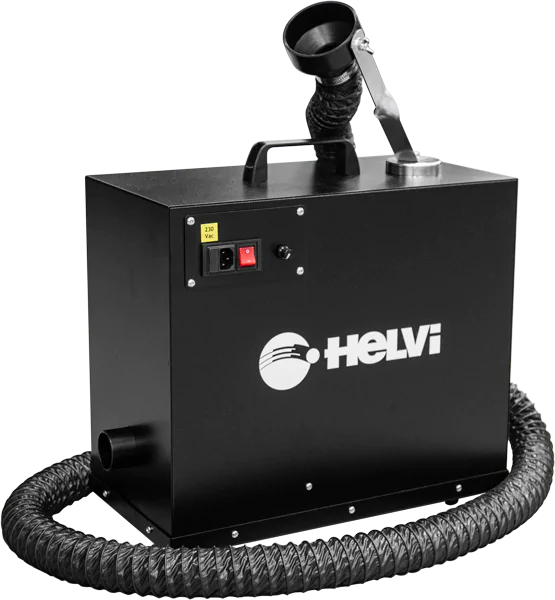
portable welding fume extractor

Effective ventilation plays a key role in welding procedures as it helps in maintaining a clean and safe working environment. By ensuring adequate air circulation, ventilation not only assists in reducing the concentration of welding fumes but also aids in maintaining a comfortable temperature for welding demonstrations. Proper ventilation systems also contribute significantly to the overall health and safety of welders by minimising the risks associated with inhaling toxic fumes. Therefore, incorporating proper ventilation techniques is essential for a successful and safe welding operation.

Keep a Fire Extinguisher Nearby

Having a fire extinguisher readily available is a critical safety measure when using welding rods, ensuring quick response to potential fire hazards and supporting automated safety features or innovative welding technologies.

Incorporating fire extinguishers into welding rod operations not only complies with safety regulations but also promotes a proactive approach towards fire prevention. By seamlessly integrating fire extinguishers within the welding automation systems, businesses can effortlessly enhance their safety protocols. These innovative safety advancements in welding technology aim to mitigate potential risks and create a secure working environment for welders. Embracing the necessity of fire extinguishers underscores a commitment to safeguarding personnel and equipment while fostering a culture of safety awareness in welding operations.

Inspect Your Equipment Regularly

Regular equipment inspections are essential for maintaining the quality and performance of welding rods, addressing potential operational challenges, and implementing effective solutions to ensure consistent welding outcomes.

By carrying out regular inspections, welders can proactively identify issues such as equipment wear, electrical irregularities, and gas leaks that may hinder the welding process. Identifying these challenges early on allows for prompt corrective action, resulting in optimised welding performance and productivity.

Implementing solutions such as replacing worn components, calibrating equipment settings, and ensuring proper ventilation can significantly enhance the efficiency and effectiveness of the welding operation. Through careful maintenance and problem-solving, welders can uphold the integrity of their equipment and produce high-quality welds consistently.

Frequently Asked Questions

What are welding sticks?

Welding sticks, also known as welding electrodes, are consumable tools used in arc welding. They are typically made of metal and coated with a flux material that melts and creates a protective gas shield when heated, allowing for a strong weld to be formed.

What types of welding sticks are available?

There are various types of welding sticks, each designed for different welding applications. Some common types include coated electrodes for stick welding, tungsten electrodes for TIG welding, and flux-cored electrodes for MIG welding.

How do I choose the right welding sticks for my project?

Choosing the right welding sticks depends on several factors, such as the type of metal being welded, the welding process being used, and the thickness of the materials. It is best to consult with a welding professional or refer to the welding stick manufacturer’s guidelines for proper selection.

Are welding sticks reusable?

No, welding sticks are not reusable. Once they have been used for welding, they are consumed and must be replaced with a new stick. It is important to properly dispose of used sticks to prevent any potential hazards.

How should I store welding sticks?

Welding sticks should be stored in a dry and temperature-controlled environment, away from moisture and extreme heat or cold. They should also be kept in their original packaging or a moisture-proof container to prevent any damage or degradation.

Do I need any special equipment to use welding sticks?

Yes, you will need a welding machine or power source that is compatible with the type of welding stick you are using. You may also need additional equipment, such as welding gloves, safety glasses, and a welding helmet, for proper safety and protection while welding.

cropped Norsemen Welding Safety Logo
Norsemen Welding Safety Logo
CONTACT DETAILS
OUR HOURS
8 AM – 5 PM Monday – Thursday
8 AM – 4 PM on Friday
Safety Equipment
Welding Equipment
Find The Right Equipment Faster