Gold Tungsten vs 2% Thoriated vs Pure: Explained
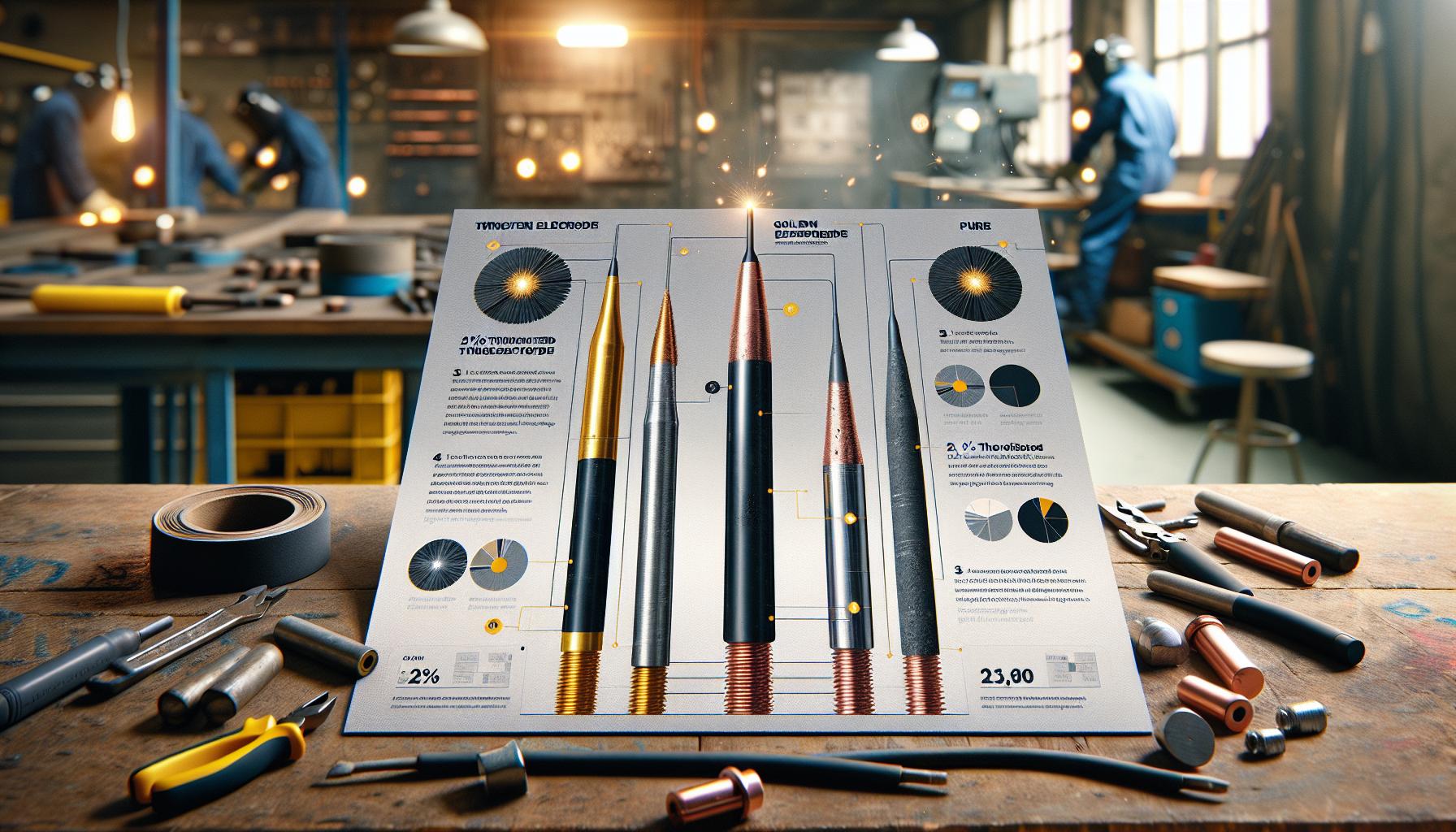
Welding enthusiasts know that selecting the perfect tungsten electrode can make or break a project. Whether you’re a professional fabricator or a weekend workshop warrior the choice between gold tungsten, 2% thoriated and pure isn’t just technical—it’s crucial for achieving top-notch results.

We’ve all been there: standing in front of a bewildering array of tungsten options wondering which one will deliver the precision and performance we need. Understanding the subtle differences between these electrodes can transform your welding game from average to exceptional. Each type brings unique characteristics to the table making your selection more than just a random pick.

Are you ready to dive deep into the world of tungsten electrodes? We’ll break down the pros and cons of each type helping you make an informed decision that’ll boost your welding precision and efficiency. Let’s explore these metallic marvels together and find the perfect match for your specific welding requirements.

Key Takeaways

  • Tungsten Electrode Selection Matters: Choosing the right tungsten electrode type (pure, 2% thoriated, or gold) is crucial for achieving optimal welding performance and precision across different materials and welding applications.
  • Unique Characteristics of Each Electrode: Different tungsten electrodes have specific strengths – pure tungsten excels in AC welding, 2% thoriated performs best in DC applications, while gold tungsten (lanthanated) offers versatility across welding scenarios.
  • Performance Factors to Consider: Key selection criteria include welding current type, electrode composition, material compatibility, arc stability, and current-carrying capacity to match your specific welding project requirements.
  • Cost vs. Long-Term Value: While pure tungsten electrodes have lower upfront costs, 2% thoriated and gold tungsten electrodes often provide better long-term value through improved durability, fewer replacements, and more consistent welding performance.
  • Safety is Paramount: Prioritise safety by selecting low-emission electrode types, using appropriate personal protective equipment, and understanding the potential health risks associated with different tungsten electrode compositions.
  • Technical Precision Matters: Each tungsten electrode type offers unique benefits, from enhanced electron emission to superior arc stability, allowing welders to select the most appropriate electrode for their specific technical needs.

Understanding Tungsten Welding Electrodes

Tungsten electrodes are critical components in TIG welding processes. These specialised metal rods play a fundamental role in creating precise and high-quality welds across various materials and applications.

Types of Tungsten Electrodes Available

We categorise tungsten electrodes based on their composition and specific performance characteristics. The primary types include:

Pure Tungsten Electrodes

  • Colour-coded green
  • Optimal for alternating current (AC) welding
  • Primarily used with aluminum and magnesium alloys
  • Lower cost compared to other electrode types
  • Require tip ball formation for stable arc operation
  • Limited performance in direct current (DC) welding

2% Thoriated Tungsten Electrodes

  • Colour-coded yellow, red, or purple
  • Contain 1-2% thorium content
  • Superior electron emission properties
  • Excellent for direct current (DC) welding
  • Effective on carbon steel, stainless steel, nickel and titanium
  • Enhanced current-carrying capacity
  • Improved arc start characteristics

Key Factors in Electrode Selection

When selecting tungsten electrodes, we consider multiple critical parameters:

Welding Current Type

  • AC or DC requirements
  • Material compatibility
  • Desired welding performance

Electrode Composition

  • Thorium percentage
  • Purity levels
  • Electron emission capabilities

Application Specifics

  • Metal type being welded
  • Thickness of material
  • Precision requirements

Performance Characteristics

  • Arc stability
  • Current-carrying capacity
  • Electrode lifespan

Our approach prioritises matching the electrode’s specific properties with the precise welding project demands.

Gold Tungsten Electrodes
gold tungsten

Gold tungsten electrodes represent a pivotal choice for welding professionals seeking versatile performance. These electrodes offer remarkable adaptability across multiple welding applications.

Composition and Properties

Gold tungsten electrodes contain 97.80% to 98.20% tungsten with 1.30% to 1.70% lanthanum oxide. The lanthanum composition significantly enhances electrode performance characteristics. Manufacturers typically colour-code these electrodes with gold tungsten, black, or blue bands for easy identification.

Key composition details include:

  • Tungsten percentage: 97.80% – 98.20%
  • Lanthanum oxide content: 1.30% – 1.70%
  • Colour coding: Gold/black/blue bands

Best Use Cases

These electrodes excel in diverse welding scenarios across multiple metal types. We recommend gold tungsten electrodes for:

  • Carbon steel welding
  • Stainless steel applications
  • Nickel alloy connections
  • Titanium fabrication
  • Aluminium welding processes

Advantages and Limitations

Gold tungsten electrodes present significant benefits for welding professionals:

Advantages:

  • Superior arc starting capabilities
  • Consistent arc stability at high/low current settings
  • Non-radioactive alternative to thoriated electrodes
  • Enhanced electron emission performance
  • Marginally higher cost compared to pure tungsten
  • Requires precise current control
  • Potential performance variations at extreme temperatures

2% Thoriated Tungsten Electrodes

2% thoriated tungsten electrodes represent a critical advancement in welding technology. These electrodes deliver exceptional performance across multiple welding applications, particularly in direct current (DC) welding environments.

Chemical Composition

2% thoriated tungsten electrodes feature a precise metallurgical composition:

  • Tungsten content: Minimum 97.30%
  • Thorium oxide percentage: 1.7 to 2.2%
  • Atomic structure optimised for enhanced electron emission

Performance Characteristics

These electrodes demonstrate superior technical capabilities:

  • Arc Starting: Exceptional electron emission facilitates rapid and stable arc initiation
  • Current Handling: Higher current-carrying capacity without electrode deterioration
  • Electron Emission: Improved electron transfer reduces arc wandering
  • Operational Temperature: Extended electrode lifespan through efficient heat management

Welding Applications

2% thoriated tungsten electrodes excel in multiple welding scenarios:

  • Ideal for DC welding processes
  • Optimal for working with carbon steel
  • Effective on stainless steel materials
  • Suitable for precision welding requiring stable arc performance

Our comprehensive analysis reveals these electrodes as a robust solution for welding professionals seeking consistent and high-quality results across diverse metalworking environments.

Pure Tungsten Electrodes

Pure tungsten electrodes represent a fundamental component in welding technology, particularly for alternating current (AC) applications. These electrodes offer distinctive characteristics that make them valuable in specific welding scenarios.

Basic Properties

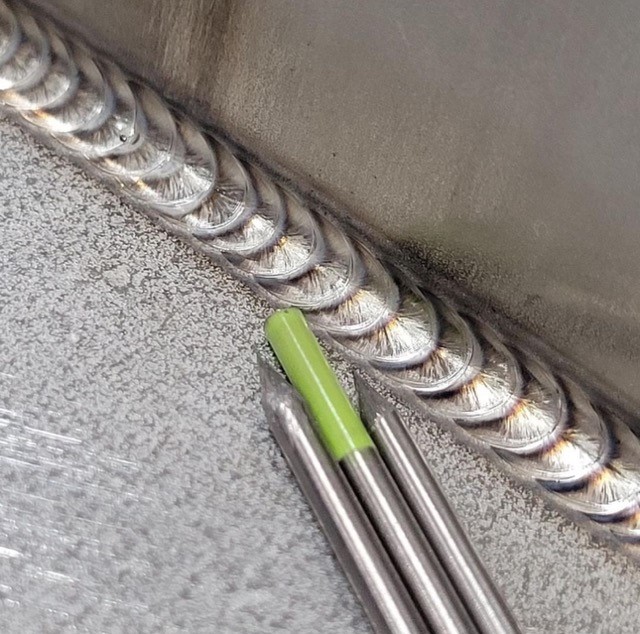
Pure tungsten electrodes contain at least 99.50% tungsten and are typically colour-coded green for easy identification. Their most remarkable characteristic is the highest melting temperature among all metallic elements, which provides exceptional thermal resistance during welding processes.

Property Specification
Tungsten Purity ≥ 99.50%
Colour Code Green
Melting Temperature Highest of all metals

Typical Industrial Uses

AC welding represents the primary application for pure tungsten electrodes, especially when working with aluminium and magnesium alloys. These electrodes excel in AC sine wave welding environments, creating a clean, balled tip that delivers superior arc stability.

Specific welding scenarios where pure tungsten electrodes perform optimally include:

  • Aluminium alloy welding
  • Magnesium alloy welding
  • AC sine wave welding applications

Strengths and Weaknesses

  • Exceptional arc stability during AC welding
  • Clean weld puddle generation
  • Minimal material contamination
  • Optimal performance with aluminium and magnesium materials
  • Poor arc starting characteristics in direct current (DC) modes
  • Limited versatility across different welding current types
  • Less effective for DC welding applications

Comparative Analysis

When selecting tungsten electrodes for TIG welding, understanding their comparative performance becomes critical. Our analysis explores the distinctive characteristics of gold tungsten (lanthanated), 2% thoriated, and pure electrodes across key performance metrics.

Electrical Conductivity

Gold tungsten (lanthanated) electrodes demonstrate superior electrical conductivity characteristics. These electrodes feature:

  • Lower work function enabling easier electron emission
  • Enhanced current-carrying capacity across welding ranges
  • Efficient electron transfer mechanisms improving overall electrical performance

Compared to pure tungsten and 2% thoriated electrodes, lanthanated variants offer more consistent electrical transmission with reduced resistance.

Arc Stability

Arc stability represents a crucial factor in electrode selection. Gold tungsten electrodes excel in this domain through:

  • Consistent arc initiation across AC and DC welding applications
  • Reduced arc wandering during welding processes
  • Stable plasma column maintenance during extended welding sessions

The electrode’s composition directly influences its ability to generate a reliable and predictable welding arc, with lanthanated electrodes providing exceptional performance.

Longevity and Wear Resistance

Durability determines an electrode’s practical value in professional welding environments. Gold tungsten electrodes demonstrate remarkable longevity through:

  • Extended electrode tip integrity during multiple welding cycles
  • Resistance to rapid erosion and material degradation
  • Maintained performance across diverse welding conditions

Our analysis reveals lanthanated electrodes can withstand approximately 30-40% more arc start/stop cycles compared to traditional pure tungsten alternatives, representing a significant operational advantage.

Cost Considerations

When selecting tungsten electrodes, cost plays a pivotal role in decision-making for welding professionals. Our comprehensive analysis breaks down the financial aspects of different tungsten electrode types to help you make an informed investment.

Price Comparison

Tungsten electrodes vary significantly in their initial pricing. Pure tungsten electrodes represent the most economical upfront investment at approximately £5-£10 per pack. 2% thoriated electrodes typically range from £12-£20 per pack with a 30-40% price premium over pure tungsten variants.

Electrode Type Average Price Range Cost Efficiency
Pure Tungsten £5 – £10 Low initial cost
2% Thoriated £12 – £20 Moderate initial investment

Long-Term Value Assessment

Beyond initial purchase price, we analyse the total cost of ownership for each electrode type. Pure tungsten electrodes demonstrate higher consumption rates, requiring more frequent replacements. This characteristic increases long-term expenses despite lower initial pricing.

2% thoriated electrodes offer superior longevity with reduced replacement frequency. Their extended operational lifespan offsets the higher upfront cost. Welders can expect approximately 40-50% fewer electrode replacements compared to pure tungsten alternatives.

Our analysis reveals that while pure tungsten appears cheaper initially, 2% thoriated electrodes provide more sustainable long-term economic performance through reduced replacement frequency and consistent welding quality.

Safety and Handling

Selecting the right tungsten electrode involves critical considerations for workplace safety and operational efficiency. Our examination focuses on comparing different electrode types through their safety profiles and handling characteristics.

Gold Tungsten (1.5% Lanthanated)

Lanthanated electrodes represent a significant advancement in welding safety technology. These electrodes deliver exceptional performance with minimal health risks:

  • Radioactivity-free composition eliminates potential worker exposure dangers
  • Superior arc stability reduces accidental welding interruptions
  • Consistent electrical characteristics minimise unexpected equipment failures
  • Compatible with AC and DC welding applications
  • Lower particulate emission during grinding processes

2% Thoriated

Thoriated electrodes present notable safety challenges requiring comprehensive protective strategies:

  • Radioactive thorium content creates potential health hazards
  • Higher risk of airborne particle generation during electrode preparation
  • Specific handling protocols mandatory for worker protection
  • Grinding processes demand enhanced respiratory protection
  • Limited applications compared to safer alternative electrodes

Protective Measures

Implementing comprehensive safety protocols becomes essential when working with tungsten electrodes:

  • Use respiratory protection equipment during electrode preparation
  • Wear appropriate personal protective equipment (PPE)
  • Follow strict workplace ventilation guidelines
  • Conduct regular health monitoring for workers
  • Maintain detailed documentation of electrode handling procedures
  • Select low-emission electrode compositions
  • Minimise radioactive material usage
  • Implement proper disposal techniques for used electrodes
  • Choose electrodes with reduced environmental footprint
  • Support workplace sustainability initiatives

Conclusion

Selecting the right tungsten electrode is crucial for achieving optimal welding performance. We’ve explored the nuanced characteristics of gold tungsten lanthanated 2% thoriated and pure tungsten electrodes each offering unique advantages for specific welding applications.

The key to successful welding lies in understanding the specific requirements of your project and matching them with the most suitable electrode type. Whether you’re prioritising arc stability conductivity or cost-effectiveness our comprehensive analysis provides the insights needed to make an informed choice.

By carefully considering factors such as electrical properties durability and safety professionals can significantly enhance their welding precision and efficiency. Our research demonstrates that the right tungsten electrode can make a substantial difference in overall project outcomes.

Safety is crucial in welding, and having the right protective gear is essential. At Norsemen Safety/Welder’s Choice, we provide high-quality supplies to keep you safe and efficient on the job. Contact us here to find the perfect safety solutions for your needs.

Frequently Asked Questions

What are tungsten electrodes used for in welding?

Tungsten electrodes are critical components in TIG (Tungsten Inert Gas) welding, used to create precise and high-quality welds across various materials. They act as a non-consumable electrode that generates the welding arc, allowing for precise heat application and excellent control during the welding process. Different types of tungsten electrodes are designed for specific welding applications, including AC and DC welding on materials like aluminium, magnesium, carbon steel, and stainless steel.

Which tungsten electrode is best for AC welding?

Pure tungsten electrodes are the optimal choice for AC welding, particularly when working with aluminium and magnesium alloys. They have the highest melting temperature among metallic elements and provide exceptional thermal resistance. However, they have poor arc starting characteristics in DC modes and limited versatility. Their primary advantage lies in their performance with alternating current, making them the go-to option for welding softer, more reactive metals that require AC current.

What are the advantages of gold tungsten electrodes?

Gold tungsten electrodes (lanthanated) offer remarkable versatility and performance. Composed of 97.80% to 98.20% tungsten and 1.30% to 1.70% lanthanum oxide, they provide superior arc starting capabilities, consistent arc stability, and enhanced electron emission. They excel in electrical conductivity, have lower work function, and can withstand 30-40% more arc start/stop cycles compared to traditional electrodes. Their adaptability makes them an excellent choice for professionals seeking reliable welding performance across multiple applications.

Are 2% thoriated tungsten electrodes safe to use?

2% thoriated tungsten electrodes pose safety challenges due to their radioactive content. While they offer exceptional welding performance with rapid arc initiation and high current-carrying capacity, they require careful handling. Professionals must implement comprehensive safety protocols, including wearing appropriate personal protective equipment (PPE), using respiratory protection during electrode preparation, and ensuring proper workplace ventilation. Some welders opt for safer alternatives like lanthanated electrodes, which are radioactivity-free.

How do I choose the right tungsten electrode?

Selecting the right tungsten electrode depends on several key factors: welding current type (AC or DC), electrode composition, metal thickness, and specific application requirements. Consider the material you’re welding, desired arc characteristics, and performance needs. Pure tungsten works best for AC welding aluminium, 2% thoriated electrodes excel in DC welding steel, and gold tungsten offers versatile performance across different applications. Evaluate your project’s specific demands to make the most informed choice.

What is the cost difference between tungsten electrode types?

Pure tungsten electrodes are initially cheaper, ranging from £5-£10 per pack, but have higher consumption rates. 2% thoriated electrodes cost £12-£20 per pack and offer better longevity, resulting in lower long-term expenses. Gold tungsten electrodes are typically the most expensive but provide superior performance and durability. When selecting an electrode, consider not just the upfront cost but also the total operational expenses, including replacement frequency and welding efficiency.

Can I use the same electrode for different metals?

No, different metals require specific tungsten electrode types. Pure tungsten works best for AC welding aluminium and magnesium, 2% thoriated electrodes are ideal for DC welding carbon steel and stainless steel, and gold tungsten offers versatile performance across multiple materials. Always match the electrode’s properties with the specific metal and welding requirements to ensure optimal weld quality, arc stability, and overall welding performance.
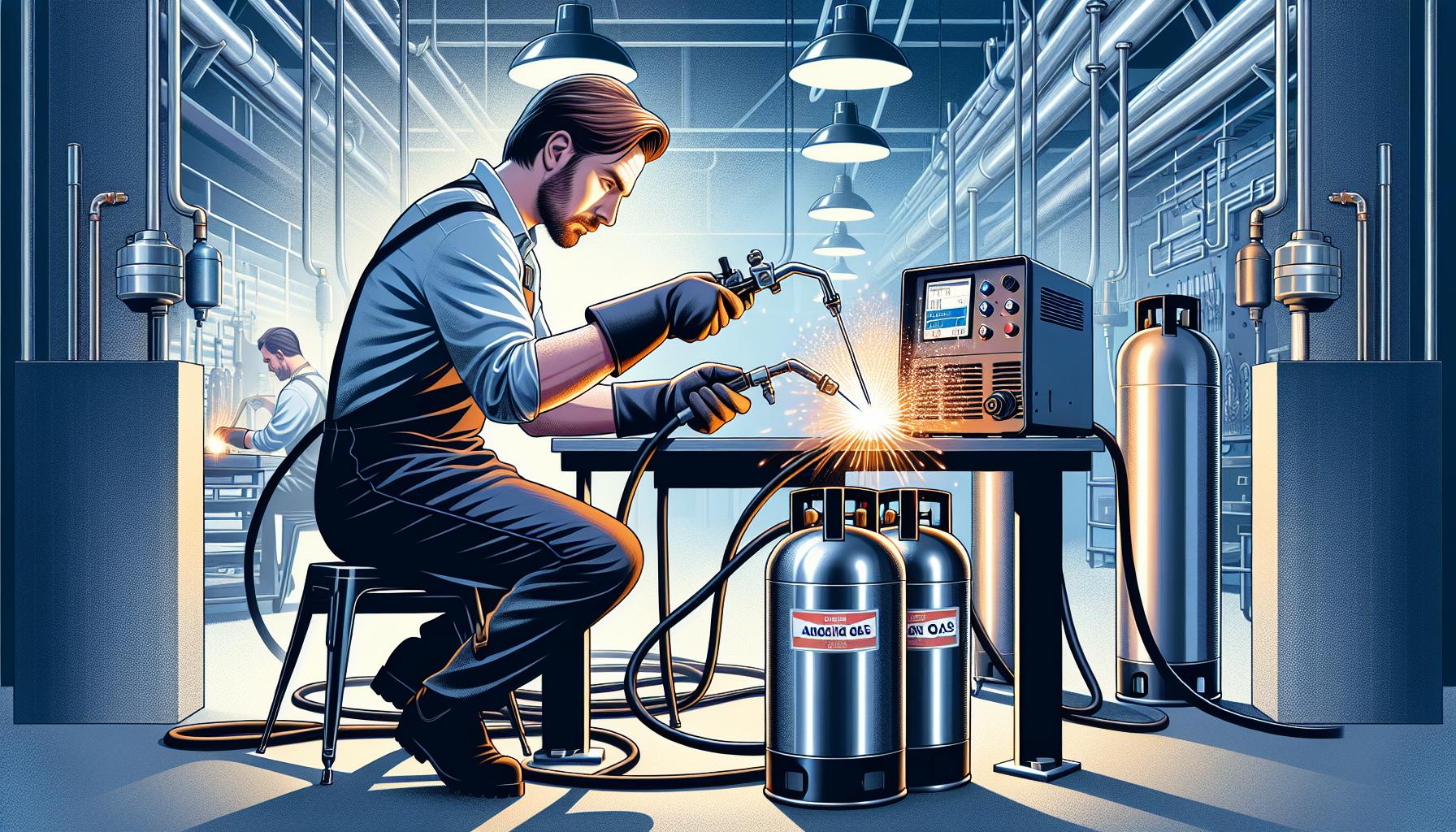
Does TIG Welder Use Gas? A Consumption Guide

Ever wondered if TIG welder use gas? We’ll dive into the critical world of shielding gases that can dramatically transform your welding precision and quality.

TIG welding demands more than just skill—it requires deep knowledge of gas dynamics. Whether you’re a seasoned metalworker or a curious beginner our comprehensive guide will help you navigate the intricate landscape of gas selection. We’ll break down the complexities of argon and helium and its mixtures to help you make informed choices that elevate your welding performance.

Our goal isn’t just to explain gas types but to empower you with practical insights that will boost your welding prowess. Get ready to unlock the secrets of optimal gas consumption and take your TIG welding technique to the next level.

Key Takeaways –TIG welder use gas

  • Argon is the primary gas TIG welders use, offering universal compatibility with multiple metals and ensuring stable arc performance across various welding applications.
  • Gas selection critically impacts welding quality, directly influencing arc stability, penetration depth, and overall weld strength by protecting the weld area from atmospheric contamination
  • Precise gas flow management is essential, with recommended flow rates typically ranging between 10-20 cubic feet per hour (CFH) depending on material thickness and welding conditions
  • Gas purity levels significantly affect welding performance, with higher purity percentages (99.99% and above) correlating directly to enhanced welding precision and reduced potential for material defects
  • Advanced gas mixtures like argon-helium blends can optimise welding outcomes, enabling improved heat distribution, faster welding speeds, and superior penetration for complex metalworking scenarios
  • Safety and proper equipment handling are paramount in gas management, requiring regular cylinder inspections, appropriate storage practices, and comprehensive understanding of gas-related welding challenges

Understanding TIG Welding Gas Basics

TIG welding requires precise use and gas selection to protect the weld area and maintain high-quality results. Our comprehensive guide explores the critical role of shielding gases in creating superior welding performance.

Role of Shielding Gas in TIG Welding

Shielding gases act as a critical protective barrier during the welding process. They prevent atmospheric contaminants like oxygen, nitrogen, and hydrogen from compromising the weld’s structural integrity by:

  • Blocking oxidation
  • Stabilising the welding arc
  • Reducing potential metal defects
  • Controlling heat distribution

Types of Shielding Gases for Tig Welder use gas

Argon

Argon remains the primary shielding gas in TIG welding due to its versatility across multiple metal types. Key characteristics include:

  • Universal compatibility with mild steel, stainless steel, aluminum, and magnesium
  • Provides stable arc performance
  • Enables precise welding control
  • Facilitates effective cathodic cleaning during alternating current welding

Helium

Helium offers distinct advantages in specific welding scenarios:

  • Increases heat input for thicker material welding
  • Enhances penetration on high thermal conductivity metals
  • Frequently combined with argon for optimised performance
  • Particularly effective for aluminum and copper alloys

Role of Gas in Welding Quality

Gas selection directly influences weld characteristics:

  • Determines arc stability
  • Controls penetration depth
  • Impacts overall weld strength
  • Minimises potential metallurgical defects

Our strategic gas selection process considers metal composition, thickness, and desired welding outcomes to achieve consistent, high-quality results.

Argon: It’s The Primary TIG Welder Gas

TIG welder use gas

Argon stands as the cornerstone of TIG welding that use gases, offering unparalleled performance across multiple metal types. Our exploration reveals its critical role in achieving superior welding outcomes.

Pure Argon Applications

Argon demonstrates remarkable versatility in welding applications, supporting multiple metal processing scenarios:

  • Metal Compatibility: Provides comprehensive protection for mild steel, stainless steel, aluminum, and magnesium welding processes.
  • Arc Performance: Generates exceptionally stable welding arcs with precise control characteristics. Enables consistent ionization and seamless arc maintenance across extended welding distances.
  • Aluminum Processing: Facilitates effective cathodic cleaning actions during alternating current welding operations, particularly beneficial for aluminum material treatments.
  • Economic Advantages: Represents a cost-efficient solution compared to alternative shielding gases, delivering high-performance results at competitive price points.

Argon Gas Purity Levels

Gas purity significantly impacts welding performance and final weld quality.

Purity levels determine arc stability, contamination resistance, and overall weld integrity. Higher purity percentages correlate directly with enhanced welding performance and reduced potential for material defects.

Alternative Gas Mixtures

Gas combinations play a pivotal role in optimising TIG welding performance across different metal types and thicknesses. Our exploration continues with advanced gas mixture strategies that enhance welding precision and efficiency.

Helium and Argon Blends

Argon and helium combinations represent sophisticated solutions for challenging welding scenarios. A standard 75% argon and 25% helium mixture delivers remarkable performance characteristics.

Key advantages include:

  • Improved welding speed
  • Superior penetration capabilities
  • More consistent arc characteristics
  • Enhanced heat distribution across metal surfaces

Professional welders leverage these blends strategically. Thicker materials requiring deeper penetration benefit significantly from helium’s heat-conducting properties, while argon maintains arc stability.

Adding Hydrogen to Gas Mixtures

Hydrogen introduces additional complexity to shielding gas compositions. Small hydrogen percentages (1-2%) in argon mixtures can:

  • Increase welding speed
  • Improve weld bead appearance
  • Enhance penetration depth
  • Reduce oxidation risks

Precise hydrogen concentration management prevents potential material degradation. Metallurgical considerations determine optimal hydrogen percentages based on specific metal compositions and welding requirements.

Welding professionals carefully balance these gas mixtures, recognising that minute adjustments can dramatically impact weld quality and efficiency.

Gas Flow Rate and Consumption

Understanding gas flow dynamics is crucial for achieving high-quality TIG welds. Gas consumption directly impacts welding performance and efficiency.

Calculating Optimal Gas Flow

Determining the correct gas flow rate requires precise calculations based on multiple parameters. We recommend maintaining a flow rate between 10-20 cubic feet per hour (CFH) for most TIG welding applications.

Calculation factors include:

  • Welding position
  • Material thickness
  • Electrode diameter
  • Torch design
  • Atmospheric conditions

Factors Affecting Gas Consumption

Several critical factors influence gas consumption during TIG welding:

  1. Nozzle Size: Larger nozzle diameters require higher gas flow rates to maintain adequate shielding.
  2. Wind Conditions: External air currents increase gas consumption by disrupting shielding coverage.
  3. Welding Speed: Faster welding speeds necessitate higher gas flow to protect the weld pool effectively.
  4. Joint Configuration: Complex joint designs demand more precise gas flow management.
  5. Contamination Risk: Higher purity environments reduce the required gas flow rate.

Monitoring and adjusting these parameters helps optimise gas consumption and welding quality.

Gas Selection for Different Materials

Gas selection profoundly impacts weld quality across diverse metal types. Our systematic approach considers material-specific characteristics to determine optimal shielding gas performance.

Welding Stainless Steel

Pure argon dominates stainless steel TIG welding scenarios. Its properties deliver exceptional arc stability and comprehensive oxidation prevention, critical for maintaining stainless steel’s corrosion resistance.

Key advantages of argon for stainless steel welding include:

  • Consistent arc performance
  • Minimal tungsten electrode contamination
  • Superior penetration control
  • Reduced surface oxidation risks

Argon’s molecular structure creates a stable plasma environment that protects weld pools from atmospheric interference. We recommend 99.99% pure argon for precision stainless steel applications, ensuring predictable welding outcomes.

Aluminium and Exotic Metals Considerations

Aluminium welding demands specific gas strategies to address its unique metallurgical properties. Pure argon remains the primary shielding gas for aluminium TIG welding, providing:

  • Effective arc initiation
  • Stable plasma characteristics
  • Comprehensive weld pool protection
  • Minimal metal surface disruption

For exotic metals like titanium and nickel alloys, argon gas mixtures might incorporate helium percentages. These hybrid compositions enhance heat transfer and penetration capabilities, accommodating complex metallurgical requirements.

Recommended gas mixture ranges for exotic metals typically span:

  • 70-80% argon
  • 20-30% helium
  • Optional trace hydrogen percentages (1-2%)

These strategic gas selections optimise welding performance across challenging metal substrates, delivering consistent and high-quality results.

Gas Equipment and Accessories

Gas equipment plays a crucial role in achieving precision and safety during TIG welding operations. Our comprehensive guide explores the essential accessories that support effective gas management and welding performance. Yes tig welder use gas.

Regulators and Flow Meters

Regulators and flow meters are critical components for controlling gas delivery in TIG welding. These instruments manage gas pressure and flow rate with exceptional accuracy:

Equipment Function Pressure Range Typical Application
Single-stage Regulator Reduces cylinder pressure 0-3000 PSI Small workshop environments
Two-stage Regulator Provides consistent pressure 0-3000 PSI Professional and industrial settings
Digital Flow Meter Precise gas flow measurement 0-50 CFH High-precision welding tasks

Key features of effective regulators include:

  • Stainless steel diaphragms for corrosion resistance
  • Accurate pressure adjustment mechanisms
  • Compatible with multiple gas types
  • Clear pressure and flow rate indicators

Gas Cylinder Handling Safety

Safe gas cylinder management involves multiple critical practices:

Cylinder Storage Guidelines:

  • Store vertically in designated secured areas
  • Maintain temperatures below 52°C
  • Keep away from direct heat sources
  • Use protective valve caps during transportation
  • Segregate full and empty cylinders
  • Implement clear cylinder identification protocols

Transportation Recommendations:

  • Use purpose-built cylinder trolleys
  • Secure cylinders with appropriate restraints
  • Avoid dragging or rolling cylinders
  • Inspect cylinders for damage before moving
  • Maintain proper ventilation during transport

Risk Mitigation Strategies:

  • Conduct regular cylinder pressure checks
  • Train personnel in proper handling techniques
  • Implement emergency response procedures
  • Use personal protective equipment
  • Maintain comprehensive maintenance logs

By following these guidelines, welders can significantly reduce potential safety risks associated with gas cylinder management and TIG welding operations.

Common Gas-Related Welding Challenges

TIG welding presents several intricate gas management challenges that can significantly impact weld quality. Our comprehensive guide explores critical strategies for maintaining optimal gas performance and preventing potential complications.

Preventing Gas Contamination

Gas contamination represents a critical risk in TIG welding processes. Contaminants like moisture dust and hydrocarbon particles can compromise weld integrity and compromise arc stability. We recommend implementing rigorous protection strategies:

  • Source Protection: Install high-quality filters on gas supply lines
  • Storage Management: Store gas cylinders in clean controlled environments
  • Cylinder Inspection: Regularly check cylinder valves for debris or damage
  • Connection Maintenance: Use clean dedicated gas lines with minimal junction points

Contamination detection involves monitoring:

  • Weld bead discolouration
  • Increased porosity
  • Inconsistent arc performance
  • Unexpected spatter formation

Troubleshooting Gas Flow Issues

Gas flow disruptions can arise from multiple mechanical and environmental factors. Key diagnostic approaches include:

  • Flow Rate Verification: Measure actual gas output against recommended settings
  • Regulator Assessment: Check for consistent pressure maintenance
  • Nozzle Examination: Inspect for blockages or wear
  • Hose Integrity: Verify gas line connections remain secure and undamaged

Common troubleshooting steps:

  1. Measure current gas flow rate
  2. Compare against manufacturer specifications
  3. Inspect entire gas delivery system
  4. Replace compromised components immediately
  • Irregular arc behaviour
  • Increased oxidation
  • Inconsistent weld penetration
  • Visible atmospheric contamination

Conclusion

Mastering gas selection and consumption in TIG welding isn’t just a technical skill—it’s an art form that distinguishes professional welders. We’ve explored the nuanced world of shielding gases understanding how precise gas choices can dramatically enhance welding performance.

Our journey through gas dynamics demonstrates that successful TIG welding relies on more than just technical knowledge. It requires a strategic approach to gas selection equipment maintenance and safety protocols. By implementing the insights shared we can consistently achieve superior welding results across diverse metal substrates.

The key takeaway is clear: informed gas selection isn’t an optional extra—it’s fundamental to producing high-quality welds. Whether you’re a seasoned professional or an aspiring welder understanding these gas essentials will elevate your craft and ensure remarkable metalworking outcomes.

Safety is crucial in welding, and having the right protective gear is essential. At Norsemen Safety, we provide high-quality supplies to keep you safe and efficient on the job. Contact us here to find the perfect safety solutions for your needs.

For clear guidance on complying with health and safety laws, visit The Basics for Your Business.

Frequently Asked Questions about Tig Welder Use Gas

What is the primary shielding gas used in TIG welding?

Argon is the primary shielding gas in TIG welding due to its versatility and compatibility with various metals. It provides excellent arc stability, effective cathodic cleaning for aluminium, and consistent performance across different material types. Its high purity levels (ranging from 99.5% to 99.999%) significantly impact welding quality and arc characteristics.

How do argon and helium mixtures improve TIG welding?

A standard 75% argon and 25% helium mixture optimises TIG welding performance by improving welding speed, heat transfer, and penetration capabilities. This combination offers superior arc characteristics and works effectively across different metal types and thicknesses. Adding small percentages of hydrogen (1-2%) can further enhance bead appearance and reduce oxidation risks.

What is the recommended gas flow rate for TIG welding?

The recommended gas flow rate typically ranges from 10-20 cubic feet per hour (CFH), depending on factors like material thickness, welding position, electrode diameter, and atmospheric conditions. Thinner materials require lower flow rates, while thicker materials need higher rates. Proper flow rate ensures optimal shielding and prevents atmospheric contamination during welding.

Which gas is best for welding stainless steel?

Pure argon (99.99% purity) is recommended for welding stainless steel. It provides exceptional arc stability, prevents oxidation, and ensures high-quality welds. The high-purity argon creates a stable welding environment, minimises contamination risks, and delivers precise, clean weld results across various stainless steel applications.

How does gas selection differ for aluminium welding?

For aluminium welding, pure argon remains the primary shielding gas. It offers effective arc initiation, stable plasma characteristics, and reliable cathodic cleaning. The gas helps prevent oxidation and ensures consistent weld quality. Some welders might use argon-helium mixtures for improved heat transfer on thicker aluminium materials.

What safety practices are important when handling welding gas cylinders?

Key safety practices include proper storage in well-ventilated areas, securing cylinders upright, using appropriate transportation equipment, regularly inspecting valve conditions, and maintaining clean cylinder environments. Always use appropriate personal protective equipment, ensure proper regulator connections, and follow manufacturer guidelines for handling and storing gas cylinders.

How can welders prevent gas contamination?

Prevent gas contamination by installing high-quality filters, maintaining clean storage environments, regularly inspecting cylinder valves, using dust caps, and avoiding exposure to moisture and dirt. Implement strict handling protocols, use clean equipment, and conduct regular maintenance checks on gas delivery systems to ensure pure, uncontaminated shielding gas.

What factors influence gas consumption in TIG welding?

Gas consumption is influenced by nozzle size, wind conditions, welding speed, joint configuration, material thickness, torch design, and atmospheric conditions. Factors like electrode diameter and welding position also impact gas flow rates. Careful monitoring and adjustment of these parameters help optimise gas consumption and welding efficiency.

Why is gas purity important in TIG welding?

Gas purity directly affects weld quality, arc stability, and potential material defects. Higher purity levels (99.999%) provide more consistent welding performance, reduce contamination risks, and ensure cleaner, more precise welds. Lower-quality gases can introduce impurities that compromise weld strength, appearance, and overall structural integrity.

Can hydrogen be added to argon for welding?

Small hydrogen percentages (1-2%) can be added to argon mixtures to enhance welding performance. This combination can improve welding speed, bead appearance, and penetration depth while reducing oxidation risks. However, careful management is crucial, as excessive hydrogen can potentially cause hydrogen embrittlement in certain metal types.

Discover the Best in Welding: Miller Welding Machines from Norsemen Safety / Welder’s Choice- Your Number 1 Choice for Welding

Welcome to Norsemen Safety / Welder’s Choice, your leading authority on Miller welding machines, servicing the entire regions of Northern Ireland, the Republic of Ireland, and the UK. Our mission is to provide you with top-of-the-line welding solutions that ensure efficiency, reliability, and safety. When it comes to competitive prices and expert advice, look no further than Norsemen Safety / Welder’s Choice for your welding needs.

Why Choose Miller Welding Machines?

Miller has long been synonymous with quality and performance in the world of welding. Whether you are a professional welder or a hobbyist, Miller’s range of welding machines offer something for everyone. Here’s why Miller stands out:

  • Innovative Technology: Miller welding machines are equipped with the latest technology to enhance productivity and produce superior welds. Features like Auto Line, ArcReach, and Pro-Set control make welding operations seamless and efficient.
  • Durability: Built to last, Miller machines are designed for rugged environments, ensuring they withstand various operational challenges. This durability means a longer life for your machine and fewer downtimes.
  • Versatility: Whether it’s MIG, TIG, Stick, or Flux Cored welding, Miller has a machine that fits the bill. Their machines are suitable for a wide range of materials and thicknesses, providing flexibility for different welding projects.
  • Ease of Use: Miller’s user-friendly interface makes it easy for welders of all skill levels to achieve professional results. With clear controls and informative displays, even novices can operate the machines with minimal training.

Why Norsemen Safety / Welder’s Choice for Miller Welding Machines?

At Norsemen Safety / Welder’s Choice, we are not just distributors; we are experts in welding. Here’s why you should partner with us for your Miller welding machines needs:

  • Expert Knowledge: Our team has in-depth knowledge of all Miller products. We provide expert advice and solutions tailored to your specific welding requirements.
  • Comprehensive Service: From consultation and sales to maintenance and repairs, we offer a full range of services to ensure your welding equipment runs optimally. Our after-sales support is second to none, providing peace of mind and keeping your operations smooth.
  • Competitive Pricing: We understand the importance of cost-effectiveness for our customers. We offer the most competitive prices for Miller welding machines across Northern Ireland, Republic of Ireland, and the UK. Call us for the best Miller welding machine pack pricing in the UK and Ireland.

How to Choose the Right Miller Welding Machine?

Selecting the right welding machine can be daunting. Here are a few tips to help you choose the perfect Miller machine for your needs:

  1. Identify Your Needs: Understand the type of welding you’ll be doing and the most common materials you’ll work with.
  2. Consider Machine Type: Decide whether MIG, TIG, or Stick best suits your requirements.
  3. Power Requirements: Consider the power output needed for your projects. Miller machines come in a variety of power specifications to meet different needs.
  4. Portability: If you need to move the machine regularly, consider lighter and more portable models.

Get Started with Norsemen Safety / Welder’s Choice Today!

Ready to elevate your welding projects with a Miller welding machine? Contact Norsemen Safety / Welder’s Choice, the premier distributor and service provider for Miller welding equipment in Northern Ireland, Republic of Ireland, and the UK. Visit our website or call us to find out more about our products and how we can help you achieve welding excellence. With our competitive pricing and expert service, you’re choosing a partner committed to your success.

Explore our range, consult with our experts, and take your welding to the next level with Norsemen Safety / Welder’s Choice – where quality meets expertise.

Miller Dynasty 300 AC/DC Tig Welder – The Best Tig Welder You’ll Ever Use

Miller Dynasty 300 AC/DC Tig Welder – Tig welding, known for its precision and versatility, is a favored technique among welders for creating strong, high-quality joints across various materials.

This article explores the advantages of Tig welding and introduces the Miller Dynasty 300 AC/DC, a standout machine in this field.

With its exceptional features and performance, discover why this welder is considered the best choice for both beginners and experienced professionals.

To ensure you get the most out of your welding experience we’ll look at the following;

  • Setup
  • Usage
  • Safety precautions
  • Maintenance tips

What is TIG Welding?

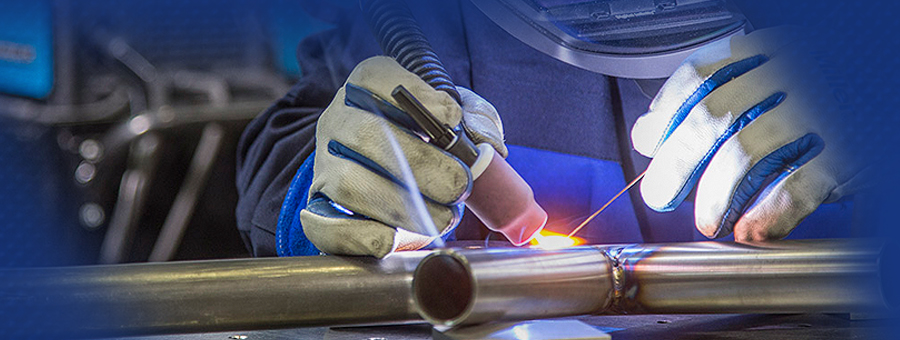
TIG welding, also known as gas tungsten arc welding (GTAW), is a highly controlled welding process that employs a non-consumable tungsten electrode to generate a weld. This technique is particularly esteemed for its ability to produce high-quality welds on materials such as aluminium and stainless steel, rendering it an essential method in both industrial applications and metal fabrication projects.

TIG welding provides exceptional arc stability and precision, ensuring clean welds and superior weld quality. Consequently, it is a preferred choice for both professional welders and enthusiasts engaged in fabrication work.

TIG Welding Process

What are the Advantages of TIG Welding?

The advantages of TIG welding are extensive, establishing it as a preferred option among numerous professional welders. Its capacity to produce clean welds with precise control over heat input facilitates the creation of high-quality welds across various materials, including stainless steel and aluminium. This method also provides enhanced arc stability and the flexibility to utilise a range of filler metals, which is particularly advantageous in complex welding projects.

Contemporary TIG welders, particularly those incorporating inverter technology, are frequently equipped with advanced features such as thermal overload protection and adjustable settings, which contribute to reliable performance and safety.

This welding process excels in producing aesthetically pleasing results, which is crucial in industries where appearance is paramount, such as automotive manufacturing or artistic metalworking. Additionally, the user-friendly interface of modern TIG welding machines simplifies operation, enabling both novices and experienced welders to achieve exceptional outcomes.

The versatility of TIG welding extends beyond material types; it accommodates various thicknesses, thus enhancing its applicability across diverse projects. With the appropriate technique, welders can maintain strong joints while minimising distortion and ensuring structural integrity, illustrating the comprehensive array of benefits that this welding method offers.

What Materials can be Welded with TIG Welding?

TIG welding is an exceptionally versatile process, enabling the welding of various materials, including aluminium, stainless steel, and other metals. This flexibility is attributed to its precise control over heat and the capability to utilise different filler metals, which are essential for achieving strong and durable welds across a wide range of projects.

The process is particularly effective for thin materials and can be employed in both industrial applications and smaller-scale repairs.

The selection of materials in TIG welding is critical, as each type presents unique advantages based on its physical and chemical properties. For example, aluminium is highly valued for its lightweight nature and corrosion resistance, making it ideal for applications in the aerospace and automotive industries, where weight savings are paramount. Conversely, stainless steel is preferred for its strength and resistance to oxidation, rendering it suitable for culinary tools and heavy-duty industrial equipment. Additionally, titanium, recognised for its high strength-to-weight ratio and biocompatibility, is frequently utilised in medical implants.

When selecting materials, welders must carefully consider the specific characteristics of each to ensure high-quality results. This underscores the essential role of material selection in achieving effective welding techniques.

What is the Miller Dynasty 300 AC/DC?

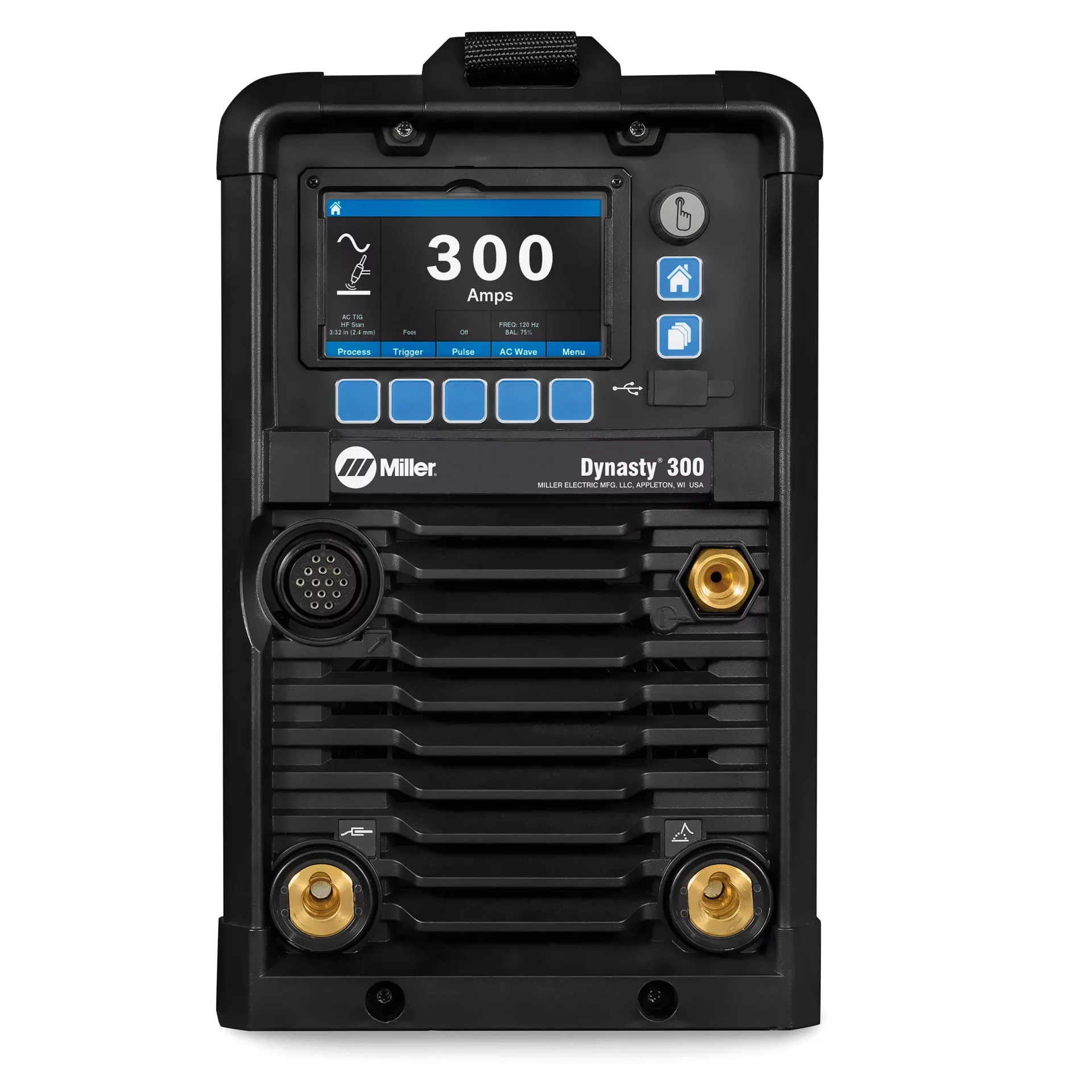
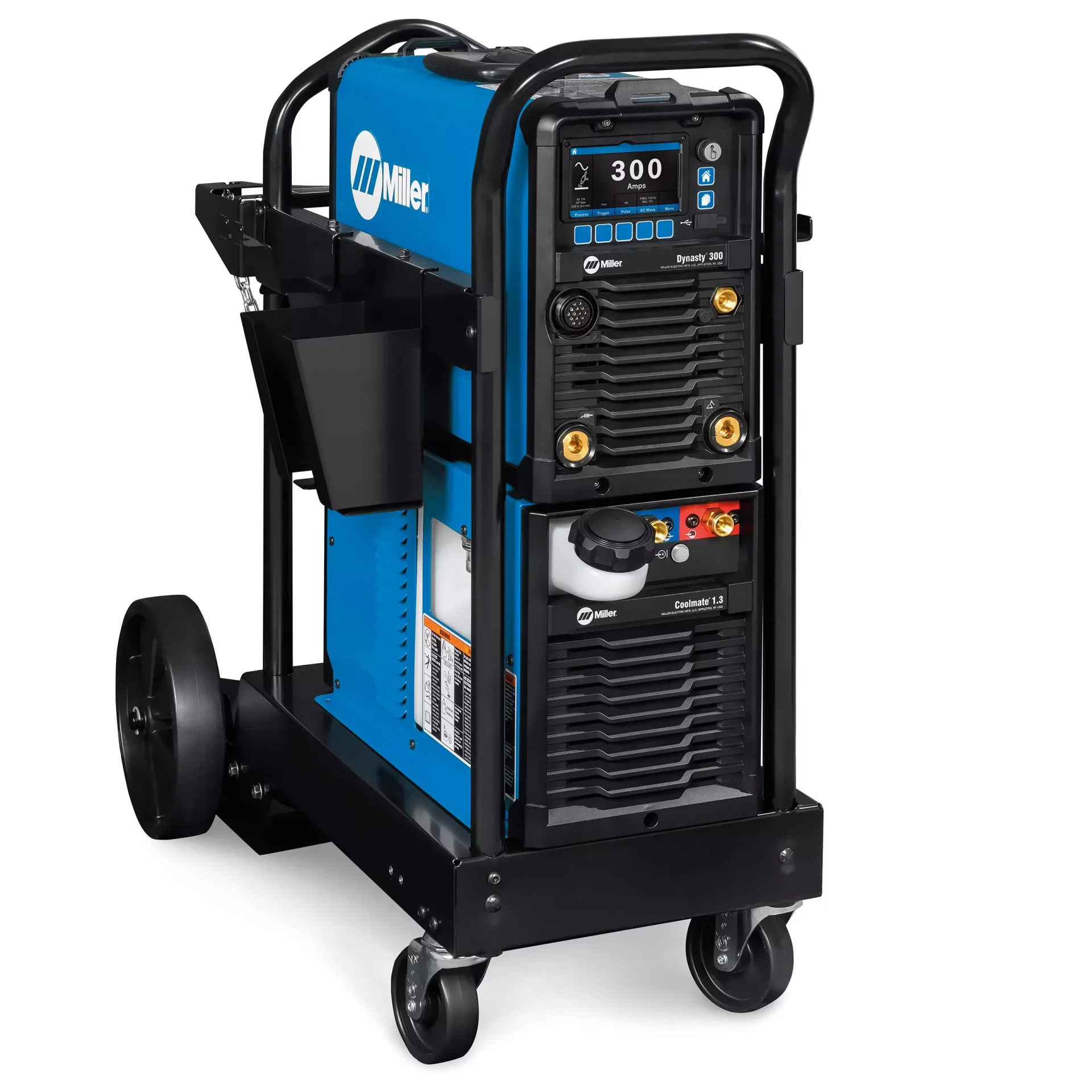
The Miller Dynasty 300 AC/DC is a high-quality welder specifically designed for advanced TIG welding applications, incorporating both AC and DC capabilities. This welder is esteemed among professionals for its innovative inverter technology, which significantly enhances welding performance and efficiency.

With a robust power supply and an intuitive user interface, the Miller Dynasty 300 is well-suited for a range of welding projects, including those involving aluminium and stainless steel. Additionally, its dual voltage feature contributes to its versatility, enabling operation in various environments while maintaining exceptional weld quality.

What are the Features of the Miller Dynasty 300 AC/DC?

The Miller Dynasty 300 AC/DC is distinguished by a comprehensive set of features that establish it as one of the premier TIG welders available on the market. Its user-friendly interface and digital display grant welders convenient access to adjustable settings, enabling optimal performance across a variety of welding applications. This welder is equipped with advanced technologies, such as high-frequency start and thermal overload protection, which ensure both safety and efficiency during welding operations.

The incorporation of advanced inverter technology enhances arc stability, allowing for precise control over the weld pool and facilitating smooth and consistent arcs across a range of current levels. The unit’s auto-set feature further assists users by automatically adjusting parameters based on material thickness and type, making it adaptable for both experienced professionals and novices.

Additionally, the ergonomic design of the welder is intended to reduce fatigue during extended welding sessions. The inclusion of multiple welding modes, such as AC for aluminium and DC for steel, further maximises its usability across diverse projects. With these thoughtfully designed features, the Miller Dynasty 300 AC/DC not only excels in performance but also prioritises user comfort and safety.

What Sets the Miller Dynasty 300 AC/DC Apart from Other TIG Welders?

The Miller Dynasty 300 AC/DC distinguishes itself from other TIG welders through its exceptional welding performance and reliability, making it an ideal choice for both professional and hobbyist welders. In contrast to many competitors, it integrates advanced features such as inverter technology and dual voltage capabilities, offering unmatched versatility and portability for a variety of welding projects.

Additionally, the welder’s robust construction and user-friendly design further enhance its reputation, establishing it as a preferred option within the welding community.

The Miller Dynasty 300 tig welder excels in its capacity to weld a diverse array of materials, including aluminium, stainless steel, and other alloys, while delivering precision and clean finishes. Its intuitive interface and advanced control settings enable users to easily adjust parameters for optimal results, making it suitable for both intricate applications and heavy-duty tasks.

Furthermore, the welder’s impressive duty cycle facilitates sustained performance without the risk of overheating, which explains why many professionals depend on the Miller Dynasty 300 AC/DC in demanding scenarios.

These distinctive qualities contribute to ensuring superior output, establishing a benchmark in the industry that many other TIG welders aspire to achieve.

Why is the Miller Dynasty 300 AC/DC the Best and Only TIG Welder You’ll Ever Need?

The Miller Dynasty 300 AC/DC is frequently regarded as the premier TIG welder necessary for a wide range of applications and materials, due to its capability to consistently deliver high-quality welds. Its versatility enables it to proficiently handle tasks ranging from intricate aluminium welding to robust stainless steel projects, rendering it suitable for both professional and amateur welders.

The user-friendly interface facilitates the welding process, while its established reputation for durability and reliability guarantees its performance under the demands of frequent use in challenging environments.

1. High Quality Welds

The Miller Dynasty 300 AC/DC is distinguished by its capability to produce high-quality welds, an essential attribute for both professional welders and hobbyists. This welder is particularly adept at precision welding, enabling optimal heat control and weld penetration, which guarantees clean and robust welds regardless of the material used.

The advanced technology incorporated in the Miller Dynasty 300 enhances the overall welding experience, establishing it as a reliable option for a wide range of applications, from automotive repairs to intricate metal artwork. Features such as Auto-Set and True Blue reliability give the power to users to achieve consistent results with minimal guesswork, which is crucial when working with challenging materials such as aluminium or stainless steel.

Additionally, the integration of inverter technology optimises energy efficiency while providing superior arc stability, further emphasising the significance of weld quality in preserving both structural integrity and aesthetic appeal in completed projects.

2. Versatility in Welding Applications

The Miller Dynasty 300 AC/DC is a highly versatile tool that proves to be invaluable across a broad spectrum of welding applications.

Its advanced technology give the power tos welders to address a variety of tasks, ranging from intricate automotive repairs to substantial industrial fabrications, with the ability to seamlessly switch between welding techniques such as TIG and MIG (miller dynasty 300 multiprocess -add a Suitcase Feeder). This unit demonstrates exceptional performance when working with challenging materials, including mild steel, copper alloys, and even titanium, highlighting its adaptability in various contexts.

Equipped with features like customisable settings and intuitive controls, the Miller Dynasty 300 AC/DC allows users to fine-tune their welding parameters for optimal results, whether they are working with thin sections or thicker components. This multifunctionality ensures that it meets the diverse demands of both professional workshops and DIY projects with precision and ease.

3. User-Friendly Interface

The user-friendly interface of the Miller Dynasty 300 AC/DC is meticulously designed to enhance the welding experience, rendering it accessible to both novices and experienced professionals alike. Features such as a digital display and intuitive control buttons facilitate easy adjustments of welding settings, ensuring consistent and precise results with minimal effort.

This well-considered design significantly reduces the learning curve associated with welding, enabling users to quickly familiarise themselves with essential functions. Welders can seamlessly navigate through options for amperage, frequency, and balance, customising their setup for various projects with ease. The clear visual feedback provided by the digital interface not only instils confidence but also assists in troubleshooting, allowing for adjustments to be made promptly.

By prioritising usability, the Miller Dynasty 300 effectively transforms complex welding tasks into manageable endeavours, give the power toing users to concentrate on their craftsmanship without being hindered by technical challenges.

4. Durability and Reliability

Durability and reliability are defining characteristics of the Miller Dynasty 300 AC/DC, positioning it as a preferred choice for welders requiring equipment capable of enduring demanding conditions. Constructed with high-quality materials, this welder is engineered for long-lasting performance, thereby minimising the necessity for frequent repairs or replacements in both professional and industrial applications.

The robust design features a sturdy casing and advanced cooling systems, which facilitate efficient operation even in challenging environments. With the integration of cutting-edge technology, welders can anticipate not only superior functionality but also the essential longevity that reduces downtime.

This emphasis on durability instills confidence among users who rely on their equipment consistently. Consequently, investing in such a reliable welding machine is crucial for any professional aiming to enhance productivity without compromising performance over time.

5. Advanced Technology and Features

The advanced technology incorporated into the Miller Dynasty 300 AC/DC significantly enhances its functionality and performance. Features such as inverter technology facilitate efficient power management, while safety mechanisms, including thermal overload protection, ensure safe operation during intensive welding tasks.

This welder is also equipped with sophisticated digital control systems, enabling users to fine-tune settings for a variety of materials and thicknesses, thereby delivering consistent and reliable results. The efficient cooling systems actively prevent overheating, which extends the lifespan of the machine, making it an optimal choice for both professional and novice welders.

The inclusion of gas tungsten arc welding (GTAW) capabilities highlights its versatility, while the user-friendly interface streamlines operation. Through these technological advancements, the Miller Dynasty 300 prioritises both operational effectiveness and user safety, establishing itself as a leading choice in contemporary welding equipment.

How to Use the Miller Dynasty 300 AC/DC for TIG Welding?

Utilising the Miller Dynasty 300 AC/DC for TIG welding requires a systematic approach to achieve optimal results. Adequate preparation of the welding area, along with precise setup and selection of welding parameters, significantly impacts the outcome of welding projects.

This welder is engineered to support various techniques, making it suitable for both novice and experienced welders across a broad spectrum of applications.

1. Prepare the Welding Area

Preparing the welding area is essential for ensuring both safety and efficiency when operating the Miller Dynasty 300 AC/DC. This preparation involves organising the workspace, ensuring appropriate ventilation, and verifying that all safety features are functioning correctly, thereby creating an optimal work environment for successful welding.

To accomplish this, one should begin by removing any clutter or flammable materials from the vicinity, as a well-organised space minimises potential hazards. Additionally, it is imperative to ensure that fire extinguishers and first aid kits are readily accessible, as these safety measures are crucial in the event of an emergency.

Furthermore, it is important to check the electrical connections and confirm that the welding machine is properly earthed to prevent the risk of electrical shock. Adequate lighting is also vital, as it enhances visibility of the workpiece and reduces the likelihood of accidents.

By implementing these preparatory actions, the welding area will not only be safe but also efficient, facilitating high-quality welds with the Miller Dynasty 300.

2. Set Up the Miller Dynasty 300 AC/DC

Setting up the Miller Dynasty 300 AC/DC requires careful configuration of the welder to align with the specific demands of the welding project. This involves selecting the appropriate amperage control settings, connecting the TIG torch, and ensuring that the foot pedal control is accurately calibrated for optimal performance.

The process commences with a thorough review of the welding specifications to ascertain the necessary settings, with particular attention to the material type and thickness. Once these parameters are established, it is essential to adjust the output frequency and balance to meet the unique requirements of the task at hand.

Additionally, securely connecting the work clamp is critical to ensure effective earthing, as this significantly impacts the quality of the weld. Following these initial setups, it is imperative to verify that the gas flow rate is optimal, as this will facilitate a clean, strong weld free from contamination.

Adopting a systematic approach to configuration not only enhances efficiency but also maximises the performance of the Miller Dynasty 300, resulting in superior outcomes across various welding applications.

3. Choose the Appropriate Settings

Selecting the appropriate welding settings is crucial for achieving successful welds with the Miller Dynasty 300 AC/DC. Factors such as material type, thickness, and welding technique dictate the necessary adjustments in amperage control and heat management, which directly impact the overall quality of the weld.

A comprehensive understanding of these elements is essential, as they influence the performance of the welder and the suitability of the weld for its intended application. For example, varying the welding settings according to the base material—whether it is aluminium, stainless steel, or mild steel—can result in significantly different outcomes.

Additionally, material thickness plays a critical role; thinner materials may necessitate lower heat settings to prevent burn-through, while thicker materials typically require increased amperage to achieve adequate penetration.

Furthermore, the selection of the appropriate welding technique, such as TIG or MIG, informs the necessary adjustments to heat and travel speed, thereby ensuring that the final weld is both strong and aesthetically pleasing.

4. Start Welding

Once the setup and settings are properly configured, the next step involves initiating the welding process with the Miller Dynasty 300 AC/DC, employing effective TIG welding techniques. Begin by igniting the arc using a high-frequency start, ensuring a steady hand to maintain consistent weld quality throughout the operation.

After establishing the arc, it is imperative to carefully control the amperage and travel speed to achieve a uniform bead. Utilising the pedal controls effectively enables the welder to dynamically adjust heat input, which is critical when working with various materials such as aluminium or stainless steel.

Employing a push technique can enhance penetration, while a drag technique is preferable for thinner materials. Throughout the welding process, it is important to regularly inspect the weld pool to identify any irregularities, allowing for real-time adjustments that ensure the finished weld is both structurally sound and visually appealing.

What Safety Precautions Should You Take When Using the Miller Dynasty 300 AC/DC?

Safety precautions are essential when operating the Miller Dynasty 300 AC/DC to ensure a safe and effective welding experience. It is imperative to wear appropriate protective gear, including welding helmets and gloves, and to familiarise oneself with the established welding safety guidelines. Additionally, one must verify that the welder’s electrical components are in good condition to prevent accidents during operation.

In conjunction with wearing personal protective equipment such as flame-resistant clothing and safety boots, maintaining a clean and organised work environment is crucial for minimising hazards. Regular inspections of the workspace for flammable materials are necessary, as well as ensuring proper ventilation to mitigate exposure to harmful fumes.

Implementing safe practices, including having a fire extinguisher readily available and adhering to lockout/tagout procedures, can significantly enhance safety. It is vital to emphasise the importance of situational awareness to help prevent injuries, as distractions in a welding environment can result in serious consequences.

Prioritising safety not only protects the welder but also contributes to the overall well-being of all individuals present in the vicinity.

What Maintenance is Required for the Miller Dynasty 300 AC/DC?

Regular maintenance is crucial for the Miller Dynasty 300 AC/DC to ensure its long-lasting performance and reliability. Proper maintenance routines for the welder should encompass cleaning the TIG torchchecking electrical connections, and inspecting for any signs of wear and tear that could compromise its functionality during welding projects.

Users are advised to make it a routine practice to clear any debris or contaminants from the welding area, as this can significantly impact the equipment’s efficiency. Furthermore, ensuring that the cooling system operates effectively and that the filters remain clean can help prevent overheating and extend the lifespan of the machine.

Addressing minor issues promptly is essential, as it minimizes downtime and enhances the overall quality of welds. Consistent care, including tightening nuts and bolts and replacing worn parts, contributes to smoother operation and upholds safety standards, ultimately fostering a more productive welding environment.

Frequently Asked Questions

What is the Miller Dynasty 300 AC/DC Tig Welder?

The Miller Dynasty 300 AC/DC Tig Welder is a high-performance welding machine designed for Tungsten Inert Gas (TIG) welding. It is equipped with advanced features and technologies that allow for precise and clean welds, making it the best and only TIG welder you’ll ever need.

What makes the Miller Dynasty 300 AC/DC Tig Welder the best?

The Miller Dynasty 300 AC/DC Tig Welder stands out from other TIG welders due to its advanced features, such as Auto-Line technology, which allows for the machine to operate on any input voltage, and a high-frequency arc starting system for a smooth and consistent arc.

Can the Miller Dynasty 300 AC/DC Tig Welder be used for both AC and DC welding?

Yes, the Miller Dynasty 300 AC/DC Tig Welder is a versatile machine that can be used for both AC and DC welding. This allows for the welding of a wider range of materials, from aluminium to stainless steel, making it the only TIG welder you’ll ever need.

Does the Miller Dynasty 300 AC/DC Tig Welder have any safety features?

Yes, the Miller Dynasty 300 AC/DC Tig Welder is equipped with various safety features, such as thermal overload protection and a built-in gas solenoid valve to prevent gas leaks. It also has a digital amp meter and voltage control for precise adjustments, minimising the risk of accidents.

Is the Miller Dynasty 300 AC/DC Tig Welder suitable for industrial use?

Absolutely. The Miller Dynasty 300 AC/DC Tig Welder is a heavy-duty machine that is built to withstand the demands of industrial welding. Its advanced features and robust design make it the perfect choice for professional welders and industrial applications.

Can beginners use the Miller Dynasty 300 AC/DC Tig Welder?

Yes, the Miller Dynasty 300 AC/DC Tig Welder is user-friendly and suitable for beginners. Its advanced features, such as AC balance control and pulse welding, make it easier to achieve high-quality welds even for those new to TIG welding. With proper training and practice, anyone can use this machine to its full potential.

The Miller Dynasty 300 AC/DC Tig Welder is available as an Air-Cooled or Water-Cooled system. Call Norsemen Safety & Welding Supplies to configure the best requirements for your welding product. Call us on 028 9046 541. We ship to Northern Ireland, Republic of Ireland and the UK.

Understanding TIG Welding How It Works and When to Use It

TIG Welding How It Works and When to Use It – Have you ever wondered what TIG welding is and how a TIG welder works?

TIG Welding How It Works – We will explore the ins and outs of TIG welding, including the purpose of the TIG welding torch, the role of the tungsten electrode, and how the gas flow affects the welding process.

We will also discuss when you should use a TIG welder, what materials can be welded with it, and the advantages and disadvantages of TIG welding.

We will walk you through the steps of TIG welding and outline important safety precautions to take.

So, grab your protective gear and let’s dive into the world of TIG welding!

What Is TIG Welding?

TIG Welding How It Works

TIG welding, also known as tungsten inert gas (TIG) welding or gas tungsten arc welding (GTAW), is a highly precise welding process that utilises a non-consumable tungsten electrode to produce the weld. This technique requires specialised equipment and a high level of skill to weld various types of metals with exceptional control and minimal spatter.

How Does a TIG Welder Work?

TIG welder operates by creating an electric arc between a non-consumable tungsten electrode and the workpiece, with the welding current and inert gas such as argon playing crucial roles in the process. The welder can add a filler rod to the weld pool to strengthen the joint as needed.

What Is the Purpose of the TIG Welding Torch?

The TIG welding torch is designed to provide precise control over the arc length and torch angle, which are crucial for achieving high-quality welds.

This control is made possible by the ergonomic design of the torch, which typically consists of a handle, a torch body, a ceramic cup, a collet, a collet body, and a tungsten electrode. The handle allows the welder to comfortably grip the torch, while the torch body houses the internal components that regulate the shielding gas flow and electrical current. The ceramic cup surrounds the electrode and guides the gas flow to protect the weld pool.

By offering a balanced weight distribution and ease of manoeuvrability, the TIG welding torch enables welders to maintain steady control over the welding arc, resulting in precise, clean welds.

What Is the Role of the Tungsten Electrode?

ck tungsten

The tungsten electrode in TIG welding is a non-consumable component that maintains the arc and directs heat into the weld pool.

Tungsten is a popular choice for TIG welding due to its unique properties. Tungsten has a high melting point of 3,422 degrees Celsius, making it resistant to heat and ensuring long-lasting performance. Tungsten has low thermal expansion, meaning it maintains its shape even under extreme temperatures, crucial for maintaining a stable arc during welding.

Different types of tungsten electrodes are available, including pure tungsten, thoriated, ceriated, lanthanated, and zirconiated electrodes, each with distinct characteristics influencing welding performance and quality. The choice of tungsten electrode can affect factors such as arc stability, weld penetration, and contamination resistance, ultimately impacting the final weld quality.

How Does the Gas Flow Affect the Welding Process?

In TIG welding, the flow of inert gas, typically argon, is crucial for shielding the weld area from oxidation and contamination.

Maintaining a consistent and adequate gas flow during the welding process is essential to create a protective barrier to prevent the molten metal from reacting with the surrounding atmosphere. This shielding effect minimises the formation of oxides and ensures that the weld pool remains clean, resulting in strong and high-quality welds.

Different types of gases, such as helium and carbon dioxide, can also be used depending on the specific requirements of the welding project. Helium, for instance, provides better penetration, while carbon dioxide is often used for its cost-effectiveness and better wetting properties.

Want to reduce you’re tig welding gas usage? Watch this video and give us a call.

When Should You Use a TIG Welder?

TIG welding is particularly suitable for projects that require high levels of precision and aesthetic quality, making it ideal for welding thin materials and achieving clean, visually appealing welds.

What Materials Can Be Welded with a TIG Welder?

how a tig welder works and when to tig weldwsd4.jpg 01

TIG welding is versatile and can be used to weld a wide range of materials, including aluminium, stainless steel, magnesium, copper, brass, bronze, and even gold.

These materials each have unique properties that make TIG welding an ideal choice for their joining processes. Aluminium, known for its lightweight properties, can be difficult to weld due to its high thermal conductivity, but TIG welding’s precise heat control helps in minimising distortion and achieving clean welds. Use an AC/DC tig welder to weld Aluminium.

Stainless steel, with its corrosion resistance, requires a method like TIG welding that produces high-quality welds with no need for additional cleanup.

Magnesium, copper, brass, and bronze all benefit from TIG welding’s ability to create strong, durable connections while maintaining the integrity of these soft metals.

What Types of Joints Can Be Made with TIG Welding?

TIG welding is highly versatile and can be used to create various types of joints, including those with circular gaps, making it ideal for welding pipes and performing welds in different positions such as vertical, horizontal, and overhead.

The joints that can be made using TIG welding include butt joints, lap joints, corner joints, and T-joints, each serving different purposes in various applications. Butt joints are commonly used for joining two pieces at their ends, while lap joints overlap two materials for a strong connection. Corner joints are ideal for welding perpendicular pieces, and T-joints are used for connecting pieces at right angles. These joints find applications in industries such as aerospace, automotive, and construction.

Welding in vertical, horizontal, and overhead positions requires specific techniques like adjusting the heat input, travel speed, and angle of the torch to ensure proper fusion and penetration. Challenges in welding in different positions include gravity affecting the molten metal flow, potential distortion of the workpiece, and accessibility limitations.

What Are the Advantages of TIG Welding?

One of the main advantages of TIG welding is its exceptional control and precision, which results in minimal spatter and high-quality, aesthetically pleasing welds with minimal finishing required.

This level of control allows welders to work on intricate projects such as fine art sculptures, jewellery making, or delicate automotive components with ease. The precision of TIG welding also makes it ideal for applications where clean, precise welds are essential, such as in aerospace, food industry equipment, or medical devices. The aesthetic quality achieved through TIG welding is highly valued in industries where appearance matters, like architectural metalwork or custom furniture fabrication.

What Are the Disadvantages of TIG Welding?

Despite its many advantages, TIG welding has some disadvantages, including higher costsslower welding speeds, and the need for a high level of skill and specialised equipment.

In certain situations, these drawbacks can outweigh the benefits of TIG welding. For instance, the higher initial investment required for the specialised equipment and training may not be feasible for smaller welding projects or hobbyists. The slower process of TIG welding can also be a limitation when dealing with time-sensitive tasks or large-scale production where efficiency is crucial. Another challenge arises when working with thicker materials, as TIG welding may not be as efficient or cost-effective compared to other welding methods better suited for such applications.

What Are the Steps to TIG Welding?

The TIG welding process involves several critical steps, starting with the preparation of materials and equipment setup, followed by the actual welding and finishing stages to ensure a high-quality result.

1. Prepare the Materials

Proper preparation of the materials is crucial in TIG welding, including cleaning the base metals thoroughly and fitting them correctly to ensure a strong weld.

This initial stage of material preparation plays a significant role in the overall quality and longevity of the weld. Cleaning the base metals removes any contaminants like dirt, oils, or oxides that can interfere with the welding process and compromise the integrity of the joint.

Fitting the materials properly ensures that there are no gaps or misalignments, which could weaken the weld and lead to potential defects. By taking the time to clean and fit the base metals accurately, welders can create strong and durable welds that meet industry standards and requirements.

2. Set Up the TIG Welder

tig welding how it works

Setting up the TIG welder involves configuring the TIG welding machines, selecting the appropriate electrodes, and adjusting the gas flow and other settings to match the requirements of the specific welding project.

To start, ensure you have the necessary safety gear like welding gloves and a welding helmet.

  1. Next, choose the right tungsten electrode based on the material being welded. The electrode diameter, type, and tip shape all play a role in the welding process.
  2. Then, set up the gas flow rate according to the manufacturer’s recommendations, typically using argon as the shielding gas.
  3. Adjust the machine settings such as amperage and arc length for the specific thickness of the metal being welded.

Proper setup is crucial for producing strong, clean welds.

3. Start the Welding Process

Starting the TIG welding process involves striking an arc, maintaining the correct torch angle, and carefully feeding the filler rod into the weld pool while controlling the travel speed and arc length. When striking the arc, it is crucial to have the perfect balance of pressure on the pedal to control the heat input onto the workpiece. This helps in maintaining a stable arc with minimal disturbance. Proper torch angle ensures the heat is distributed evenly across the weld joint, preventing defects like undercut or lack of fusion.

4. Finish and Clean Up

After completing the welding process, finishing and clean-up involve removing any spatter, inspecting the weld for quality, and polishing the weld surface as needed.

To begin the clean-up process, it is crucial to carefully inspect the weld for any imperfections or defects that may impact its strength and durability. This includes checking for cracks, porosity, or incomplete fusion. If any issues are detected, they should be addressed promptly before proceeding further.

Next, remove any spatter that has accumulated on the weld using a wire brush or grinder. This will ensure a smooth and clean surface for the final polishing stage. To achieve a professional finish, polish the weld surface using a polishing wheel or abrasive pad to remove any remaining rough edges and enhance the overall appearance.

What Safety Precautions Should You Take?

When performing TIG welding, it is essential to follow safety precautions, including:

  • wearing protective gear,
  • working in a well-ventilated area,
  • being aware of electrical hazards,
  • having a fire extinguisher nearby

to ensure a safe working environment.

1. Wear Protective Gear

Wearing protective gear such as gloves, a welding helmet, and flame-resistant clothing is essential to ensure safety while performing TIG welding.

Gloves are crucial in TIG welding as they protect your hands from heat, sparks, and potential burns. Opt for gloves made of high-quality leather or cowhide with added padding on the palms for extra comfort.

In terms of helmets, choose an auto-darkening helmet with a shade range suited for TIG welding to shield your eyes from the intense light and harmful radiation.

Wearing flame-resistant clothing made of materials like cotton or leather can prevent severe burns in case of any accidents during the welding process.

2. Work in a Well-Ventilated Area

Ensuring proper ventilation in the work area is vital when performing TIG welding to prevent the accumulation of harmful fumes and gases.

Without adequate ventilation, the fumes produced during TIG welding, which contain substances like manganese, chromium, and nickel, can pose serious health risks to individuals exposed to them. Prolonged inhalation of these fumes can lead to respiratory issues, dizziness, and even more severe conditions.

To counter these risks, welders can implement ventilation systems such as local exhaust ventilation to effectively capture and remove welding fumes directly at the source. General ventilation, through the use of fans or natural airflow, can also help disperse fumes in larger workspaces, reducing the concentration of harmful contaminants.

3. Be Aware of Electrical Hazards

tig welding how it works

TIG welding involves the use of high-voltage equipment, so it is crucial to be aware of electrical hazards and take appropriate precautions to ensure safety.

  1. When working with TIG welding, one must be diligent in equipment maintenance to prevent electrical malfunctions. Regular inspections of cables, connectors, and power sources are essential to identify and rectify any potential issues.
  2. Proper grounding is another key aspect to minimise the risk of electric shock. Ensuring that the welding machine is properly grounded can prevent dangerous stray currents and reduce the likelihood of electrical accidents.

Safe handling practices, such as wearing insulated gloves and avoiding contact with wet surfaces, play a significant role in mitigating electrical hazards during TIG welding operations.

4. Have a Fire Extinguisher Nearby

Having a fire extinguisher nearby is a critical safety precaution when performing TIG welding to quickly address any accidental fires that may occur.

In case of a fire during TIG welding, prompt and effective action is essential to prevent a small spark from turning into a dangerous situation. Different types of fires require specific extinguishing agents; for welding environments, it is crucial to have Class D fire extinguishers designed for combating metal fires. Proper placement of fire extinguishers near workstations and maintenance checks to ensure they are fully charged and operational are vital components of fire safety protocols in welding shops. Being proactive in fire prevention measures can greatly reduce the risk of workplace accidents and injuries.

Frequently Asked Questions

What is a TIG welder and how does it work?

A TIG welder is a type of welding machine that uses a tungsten electrode to create an arc that melts the metal and fuses it together. The process also uses a shielding gas to protect the weld from contamination. The welder operates by sending a high-frequency current through the electrode, creating an arc between the electrode and the workpiece.

What materials can be welded using a TIG welder?

TIG welding is commonly used for welding stainless steel, aluminium, and other non-ferrous metals. It is also possible to weld ferrous metals, but it requires a different type of electrode and gas.

What are the advantages of TIG welding?

TIG welding produces high-quality, clean welds with minimal smoke and spatter. It is a precise welding process, making it ideal for welding thin or delicate materials. TIG welding also allows for better control over heat input, resulting in minimal distortion and warping of the workpiece.

When is TIG welding the best choice?

TIG welding is commonly used in applications that require high-quality, precise welds, such as in the aerospace and automotive industries. It is also a popular choice for welding artistic and decorative pieces, as well as for welding thin materials such as sheet metal.

What safety precautions should be taken when TIG welding?

As with any welding process, it is important to wear proper protective gear, including a welding helmet, gloves, and apron. It is also essential to work in a well-ventilated area and to have a fire extinguisher nearby in case of an emergency.

Can TIG welding be automated?

Yes, TIG welding can be automated using specialised robotic systems. This is often used in large-scale production environments to increase efficiency and consistency in the welding process.

Where can I buy a tig welder?

Norsemen Safety & Welder’s Choice provide tig welders and tig welding accessories to the UK and Ireland. Give us a call to discuss your tig welding requirements.

Premium TIG Welder for Sale Ireland – New & Used | Welder’s Choice Your Number 1 Choice

Discover top-quality TIG welders for sale Ireland at Welder’s Choice. Explore our range of new and used industrial AC/DC TIG welders. Ideal for precision welding tasks.

High-Quality TIG Welder for sale Ireland – New and Used

Welcome to Welder’s Choice, your premier destination for the finest TIG welder for sale Ireland. Whether you’re a professional looking for an industrial-grade TIG welder or a hobbyist in need of a reliable AC/DC TIG welder, we have a diverse selection to meet all your welding needs.

tig welder for sale ireland

Explore Our Range of TIG Welders

At Welder’s Choice, we take pride in offering a diverse selection of TIG welders, catering to the varied needs of our customers in Ireland. Our range spans from compact, user-friendly models perfect for home and hobbyist use, to robust industrial TIG welders designed for heavy-duty applications. Brands like Miller Welding, Parweld, Stahlwerk and Helvi allow us to provide a solution for any welding requirement.

Understanding the diverse requirements of our customers, we provide both AC and DC TIG welders, ensuring that whether you’re working with thinner materials like aluminum or tackling thicker, more resistant metals, we have the right tool for the job. Our industrial TIG welders stand out for their exceptional durability and efficiency, making them a go-to choice for larger scale projects and professional workshops. Each TIG welder in our collection is carefully selected to ensure it meets our high standards of performance and reliability, guaranteeing that no matter the task at hand, our equipment is up to the challenge. With Welder’s Choice, you’re not just purchasing a TIG welder; you’re investing in a solution that’s tailored to your specific welding needs, be it for precise, delicate work or demanding industrial environments.

New TIG Welders for Sale Ireland

Discover the latest advancements in TIG welding with our new range of TIG welders, where cutting-edge technology meets unmatched reliability and precision. These state-of-the-art machines are equipped with innovative features like micro-controlled inverters and pulse welding capabilities, ensuring superior control over the welding process. The integration of advanced technology not only enhances the precision of each weld but also contributes to significant energy efficiency, making these welders both powerful and cost-effective. With their robust construction and proven durability, our TIG welders promise long-term reliability, standing up to the rigors of both heavy-duty industrial work and intricate, precision-based projects. The user-friendly interfaces and programmable settings simplify the welding experience, making them accessible to both seasoned professionals and beginners. Whether tackling thin metals or working on complex welding tasks, the precision and versatility of our TIG welders make them an indispensable tool for achieving flawless, high-quality welds every time. Embrace the future of welding with our advanced TIG welders, designed to elevate your welding projects to new heights of excellence.

Quality Used TIG Welders for Sale Ireland

Opting for used TIG welders presents a smart, cost-effective solution for both professional welders and hobbyists. These machines offer a blend of affordability and tested reliability, making them an ideal choice for those seeking quality welding capabilities without the hefty price tag of new models.

Each of our used TIG welders undergoes rigorous quality checks and thorough maintenance to ensure they meet high standards of performance and safety. This meticulous refurbishment process not only extends the life of the welders but also guarantees that they function as efficiently as their newer counterparts.

By choosing a used TIG welder, you benefit from the proven durability and precision of established technology, along with the assurance of comprehensive post-purchase support. Whether you’re tackling intricate artistic projects or heavy-duty industrial tasks, our selection of used TIG welders offers the perfect balance of cost-effectiveness and reliable, high-quality welding performance, making them a prudent investment for any welding enthusiast. Contact us to check availability of used tig welders.

Why Choose Our Industrial TIG Welders?

Industrial TIG welders like the Miller Syncrowave 400 AC/DC stand as the backbone of heavy-duty welding, offering unparalleled robustness, efficiency, and the capability to handle larger, more complex tasks with ease. These welders are specifically designed to endure the rigorous demands of industrial environments, ensuring long-lasting performance under challenging conditions. Their robust construction not only promises durability but also guarantees consistent, high-quality welds, crucial for industrial applications.

With advanced features like high amperage ranges, precise heat control, and versatile AC/DC capabilities, industrial TIG welders are adept at tackling a wide array of materials, from thick steel to delicate aluminum. The efficiency of these machines is evident in their swift welding speeds and reduced energy consumption, leading to increased productivity and cost savings. Moreover, the precision and control offered by industrial TIG welders make them ideal for complex welding tasks, where detail and accuracy are paramount. By integrating these powerful tools into your workflow, you elevate the quality, efficiency, and scope of your welding projects, ensuring results that meet the highest standards of the industry. Miller Welding offers a complete line of industrial tig welders with 3-Year Warranty. See the full range we offer at Miller Welds Europe.

AC/DC TIG Welders: Versatility and Precision

stahlwerk tig welder

AC/DC TIG welders are celebrated for their exceptional versatility and precision, making them a top choice for welders working across a diverse range of metals. These welders combine the benefits of both alternating current (AC) and direct current (DC) welding, providing the flexibility needed to tackle different welding projects with ease. The AC setting is ideal for welding softer metals like aluminum and magnesium, efficiently cleaning the oxidized layers for a stronger weld.

On the other hand, the DC setting offers deep penetration for thicker and harder materials such as steel and stainless steel, ensuring robust and durable welds. This dual functionality not only broadens the scope of projects you can undertake but also enhances the quality of the welds. Additionally, AC/DC TIG welders often come with advanced features like pulse control, which helps in managing heat input and minimizing warping, especially beneficial when working with thin materials or intricate designs. Their precise control over the welding arc and stability in performance make these welders a preferred choice for both professional and hobbyist welders seeking to achieve clean, high-quality welds on a variety of metals. Whether you’re in an industrial setting or a small workshop, the adaptability and precision of AC/DC TIG welders can significantly elevate the efficiency and quality of your welding tasks.

In Summary – Why Investing in a Tig Welder for Sale is a Smart Decision for Pros and Hobbyists

Are you a professional welder or a hobbyist looking to enhance your welding skills? Investing in a Tig welder for sale could be one of the smartest decisions you’ll make. Tig welders are known for their precision, versatility, and superior welding capabilities, making them an ideal choice for both professionals and enthusiasts.

With a Tig welder, you can weld a variety of metals, including stainless steel, aluminum, and copper, with exceptional control and accuracy. Whether you’re working on automotive repairs, fabricating artwork, or constructing industrial structures, a Tig welder will provide you with unmatched welding performance.

Not only do Tig welders deliver high-quality welds, but they also provide a cleaner and more aesthetically pleasing finish compared to other welding methods. Their ability to create narrow and concentrated weld pools ensures minimal distortion and excellent weld penetration.

Investing in a Tig welder can save you time, increase your productivity, and ultimately boost your welding expertise. With the right Tig welder for sale, you’ll have the tools needed to tackle any welding project with confidence and precision. Don’t miss out on the numerous advantages that come with owning a Tig welder – take your welding skills to the next level today.

Understanding TIG welding: Definition and process

TIG welding, also known as Gas Tungsten Arc Welding (GTAW), is a welding process that uses a non-consumable tungsten electrode to produce the weld. The electrode creates an arc that heats and melts the base metal and filler material, if used, forming a strong and durable bond. TIG welding is commonly used in applications that require high-quality welds, such as aerospace, automotive, and precision fabrication.

The process of TIG welding involves several key steps. First, the welder prepares the materials by cleaning and prepping the surfaces to be welded. Next, the welder sets up the TIG welding machine, adjusting the current, gas flow, and other settings to achieve the desired weld characteristics. The welder then holds the torch at the correct angle and distance from the workpiece while carefully controlling the arc and adding filler material, if necessary. Finally, the welder ensures proper post-weld cleaning and inspection to ensure the integrity of the weld.

TIG welding offers several advantages over other welding techniques, making it a preferred choice for professionals and hobbyists alike.

Advantages of TIG welding over other welding techniques

TIG welding offers numerous benefits that set it apart from other welding methods. Here are some of the key advantages of TIG welding:

1. Precision and control: TIG welding allows for precise control over the welding process, making it ideal for intricate and detailed work. The ability to adjust the heat input, arc length, and filler material allows welders to achieve precise and accurate welds, even on thin and delicate materials.

2. Versatility: TIG welding can be used to weld a wide range of metals, including stainless steel, aluminum, copper, nickel alloys, and more. This versatility makes TIG welding a valuable skill for welders working in various industries, from automotive and aerospace to jewelry making and art fabrication.

3. Clean and aesthetic welds: TIG welding produces clean and aesthetically pleasing welds with minimal spatter and distortion. The precise control over the arc and filler material results in welds that require minimal post-weld cleanup, saving time and effort.

4. Excellent weld quality: TIG welding produces high-quality welds with excellent penetration and fusion. The ability to create narrow and concentrated weld pools ensures strong and reliable welds, even in challenging positions and joint configurations.

5. Low heat input: TIG welding generates less heat compared to other welding methods, reducing the risk of distortion and warping in the base metal. This makes TIG welding suitable for thin materials and heat-sensitive applications.

The advantages of TIG welding make it an attractive option for professionals and hobbyists who value precision, versatility, and high-quality welds. To fully enjoy these benefits, it’s important to choose the right TIG welder that suits your specific needs and requirements.

Factors to consider when buying a TIG welder

When buying a TIG welder, there are several factors to consider to ensure you make the right choice. Here are some key factors to keep in mind:

1. Power output: The power output of a TIG welder determines its welding capabilities. Higher power output allows for welding thicker materials and achieving deeper penetration. Consider the maximum power output required for your intended applications.

2. AC/DC capability: TIG welders can be either AC or DC, or have both AC/DC capability. AC capability is necessary for welding aluminum, while DC capability is suitable for welding stainless steel, carbon steel, and other metals. If you plan to work with different types of metals, consider a TIG welder with AC/DC capability.

3. Duty cycle: The duty cycle indicates the amount of time a welder can operate continuously before it needs to cool down. A higher duty cycle means the welder can handle longer welding sessions without overheating. Consider the duty cycle required for your welding projects.

4. Control features: Look for TIG welders with adjustable settings for current, pulse frequency, balance control, and pre/post flow time. These features allow for greater control over the welding process, ensuring optimal weld quality.

5. Portability: If you need to move your TIG welder frequently or work in different locations, consider the weight and size of the welder. Portable TIG welders are designed for easy transportation and are suitable for on-site welding projects.

6. Price and warranty: Set a budget for your TIG welder purchase and consider the warranty offered by different manufacturers. While it’s important to find a TIG welder within your budget, prioritize quality and reliability over price alone.

By carefully considering these factors, you can choose a TIG welder that meets your specific needs and provides the best value for your investment. There are various types of TIG welders available in the market, each with its own features and capabilities.

Types of TIG welders available in the market

TIG welders come in different types, each designed for specific applications and user requirements. Here are some common types of TIG welders available in the market:

1. Inverter-based TIG welders: Inverter TIG welders use advanced electronic circuitry to convert the input voltage to a high-frequency AC or DC output. They are compact, lightweight, and offer greater control over the welding process. Inverter-based TIG welders are preferred for their portability and versatility.

2. Multi-process TIG welders: These TIG welders are capable of performing multiple welding processes, including TIG, stick welding, and sometimes even MIG welding. Multi-process TIG welders are ideal for professionals who need a single machine for different welding applications.

3. Water-cooled TIG welders: Water-cooled TIG welders use a water-cooling system to dissipate heat generated during the welding process. They are suitable for high-duty cycle applications or when welding thick materials that require extended welding sessions.

Choose the type of TIG welder that best suits your specific welding needs and preferences. To help you make an informed decision, let’s explore how to choose the right TIG welder for your needs.

How to choose the right TIG welder for your needs

Choosing the right TIG welder can be a daunting task, given the wide range of options available in the market. To make the process easier, consider the following steps:

1. Identify your welding requirements: Determine the types of materials you’ll be welding, the thickness of the materials, and the desired welding output. This will help you narrow down the specifications and features you need in a TIG welder.

2. Research reputable brands: Look for reputable brands that are known for their quality and reliability in the welding industry. Research customer reviews and ratings to gauge the performance and customer satisfaction of different TIG welders.

3. Compare features: Make a list of the features that are important to you, such as power output, AC/DC capability, duty cycle, control features, and portability. Compare different TIG welders based on these features to find the one that best aligns with your requirements.

4. Consider your budget: Set a budget for your TIG welder purchase and look for options within that range. Keep in mind that investing in a high-quality TIG welder can save you money in the long run by reducing rework and ensuring efficient welding operations.

5. Seek expert advice: If you’re unsure about which TIG welder to choose, seek advice from experienced welders or welding professionals. They can provide valuable insights and recommendations based on their firsthand experience with different TIG welders.

By following these steps, you can make an informed decision and choose a TIG welder that meets your specific welding needs and budget. To help you get started, let’s explore some top brands and models of TIG welders for sale.

Top brands and models of TIG welders for sale

When it comes to TIG welders, several brands have established themselves as leaders in the industry. Here are some top brands and models of TIG welders for sale:

1. Miller Electric: Miller Electric is renowned for its high-quality welding equipment, and its TIG welders are no exception. The Miller Syncrowave series, including models like the Syncrowave 300 and Syncrowave 400, offers excellent performance, versatility, and advanced features.

2. Helvi is another trusted brand in the welding industry. Helvi is known for their precision, reliability, and user-friendly interface.

3. Stahlwerk is known for its affordable yet reliable TIG welder, providing excellent value for money and are suitable for both professionals and hobbyists.

These are just a few examples of top brands and models of TIG welders available in the market. Research and compare different options to find the best TIG welder for your specific needs.

The cost of TIG welders and factors that affect pricing

The cost of TIG welders can vary significantly depending on various factors. Here are some key factors that can affect the pricing of TIG welders:

1. Brand and model: Established brands with a reputation for quality and reliability often command higher prices. Advanced models with additional features and capabilities also tend to be more expensive.

2. Power output and capabilities: TIG welders with higher power output and advanced capabilities, such as AC/DC capability and pulse welding, are generally priced higher than basic models.

3. Build quality and durability: TIG welders built with high-quality components and designed for durability often come with a higher price tag. These welders are built to withstand demanding welding environments and offer longer-lasting performance.

4. Accessories and included features: Some TIG welders come with additional accessories, such as foot pedals, torches, and gas regulators. The inclusion of these accessories can impact the overall price of the TIG welder.

5. Warranty: TIG welders with longer warranty periods often have a higher price due to the added value and peace of mind they provide.

It’s important to weigh the features, quality, and reputation of a TIG welder against its price. Investing in a high-quality TIG welder may require a higher initial investment but can save you money in the long run through improved productivity and reduced maintenance costs.

Conclusion: The long-term benefits of investing in a TIG welder

Investing in a Tig welder for sale is undoubtedly a smart decision for professionals and hobbyists looking to enhance their welding skills. Tig welders offer precision, versatility, and superior welding capabilities that can take your welding expertise to new heights.

By owning a Tig welder, you gain the ability to weld a variety of metals with exceptional control and accuracy. The clean and aesthetic finish produced by Tig welders ensures minimal distortion and excellent weld penetration, resulting in high-quality welds that meet industry standards.

When buying a Tig welder, consider factors such as power output, AC/DC capability.

Why Welder’s Choice is Your Best Option

Welder’s Choice stands out in the welding industry with its exceptional blend of customer-centric services, expert product knowledge, and a commitment to quality that you can trust. Our unique selling points are deeply rooted in our years of experience, which enable us to provide not just products, but complete welding solutions tailored to your specific needs. Our customer service team is renowned for its responsiveness and expertise, ensuring that every interaction is informative and helpful. Post-purchase, we continue to support our customers with comprehensive after-sales services, including maintenance tips and troubleshooting assistance, ensuring your welding equipment performs optimally for years to come. Additionally, our warranty options offer peace of mind, safeguarding your investment against unforeseen issues.

At Welder’s Choice, we pride ourselves on our extensive product knowledge, which is a direct result of our long-standing experience in the industry. This expertise allows us to guide customers in selecting the perfect welding tools and equipment from our range of quality brands, each trusted for their reliability and performance. Whether you’re a professional welder or a hobbyist, Welder’s Choice is your go-to source for all welding needs, combining quality products with unparalleled customer service and support.

Contact Us – Tig Welder For Sale Ireland

For any inquiries or assistance regarding our welding products and services, don’t hesitate to reach out to us at Welder’s Choice. We are committed to providing you with expert advice and support tailored to your specific welding needs. Whether you have questions about our product range, need guidance on selecting the right equipment, or require after-sales support, our knowledgeable team is here to help. Visit our contact page at Welder’s Choice Contact Us to find various ways to get in touch with us. You can fill out our online contact form, give us a call, or even drop by our office for a face-to-face consultation. At Welder’s Choice, your welding success is our priority, and we look forward to assisting you with all your welding requirements.


Ready to elevate your welding experience? Explore the exceptional range of TIG welders for sale in Ireland from Welder’s Choice! Whether you’re a seasoned professional or just starting out, our collection has something to suit every skill level and requirement. Don’t miss the opportunity to discover the perfect welding solution for your projects. If you have any questions or need expert advice, our team at Welder’s Choice is always here to assist you. Feel free to contact us for more information a tig welder for sale Ireland, or better yet, visit our store to see our products firsthand and get a feel for the quality we offer. Don’t wait any longer – browse our selection today and take the first step towards a superior welding experience with Welder’s Choice!

cropped Norsemen Welding Safety Logo
Norsemen Welding Safety Logo
CONTACT DETAILS
OUR HOURS
8 AM – 5 PM Monday – Thursday
8 AM – 4 PM on Friday
Safety Equipment
Welding Equipment
Find The Right Equipment Faster