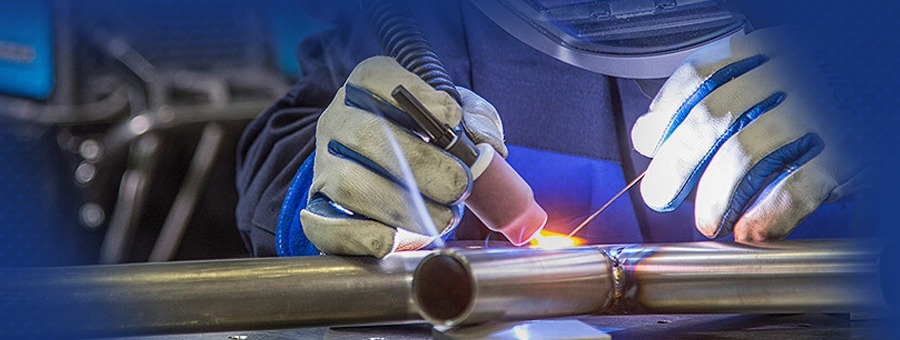
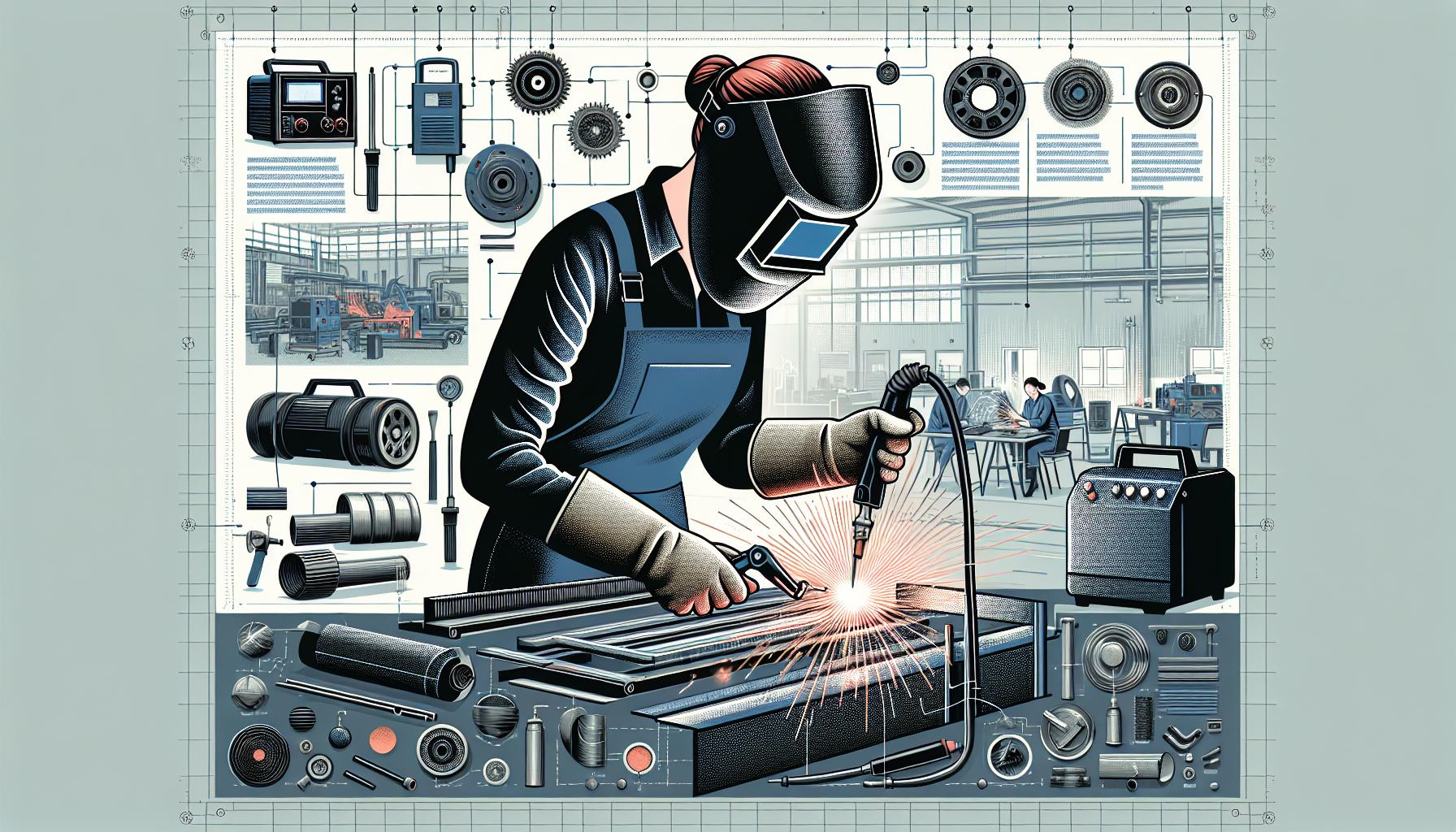
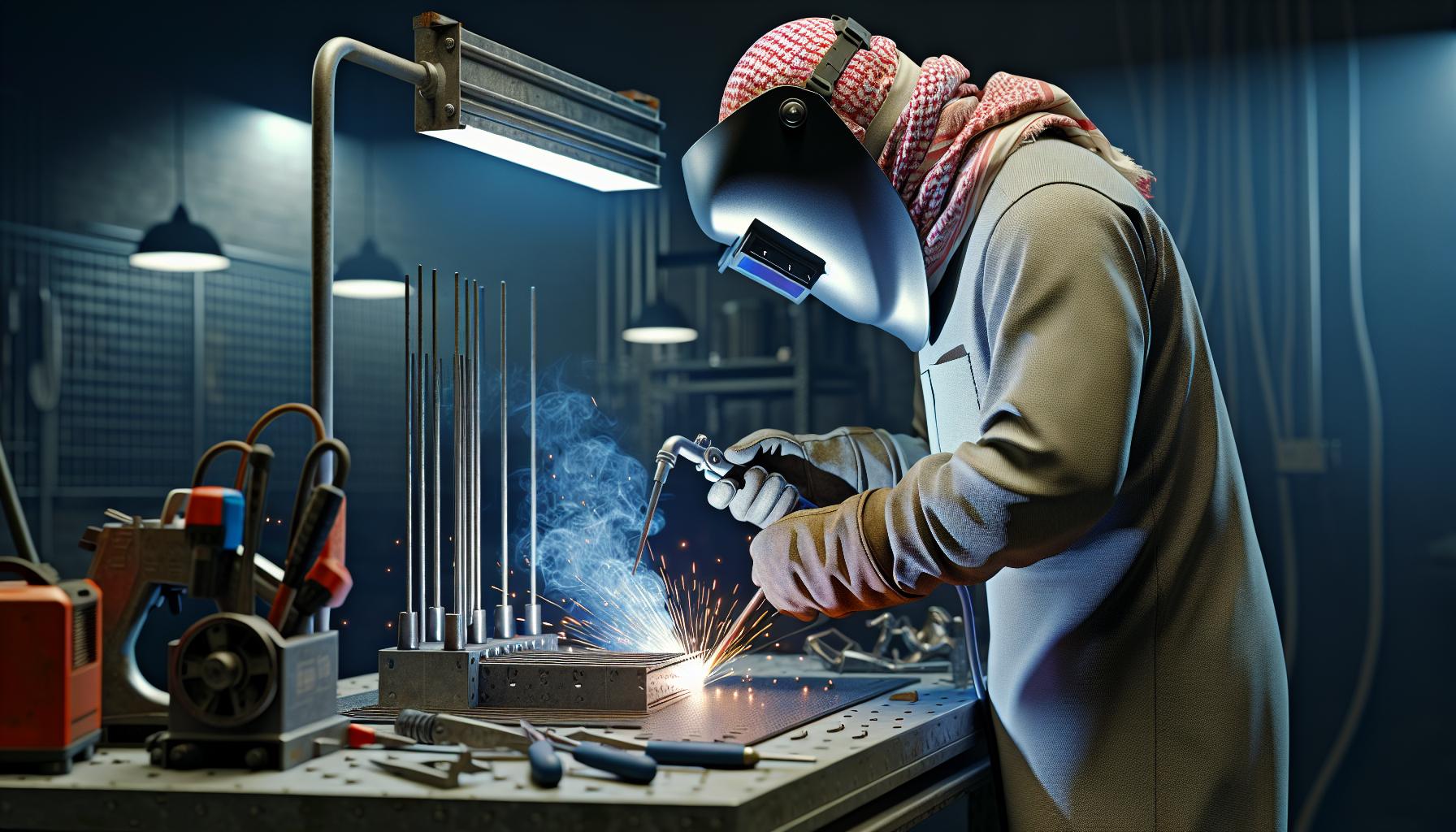
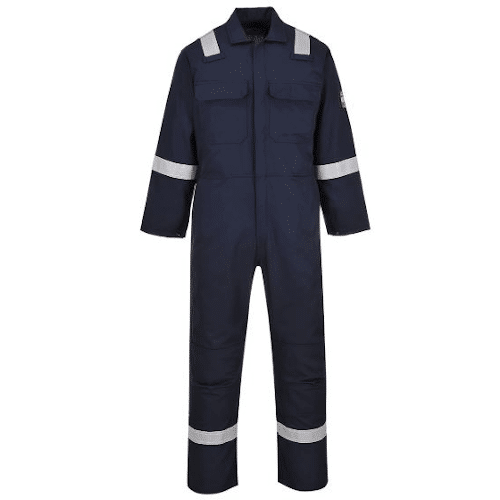
If you’re looking for precision, cleanliness, and control in your welding applications, TIG in welding is a process that stands out. Whether you’re fabricating stainless steel handrails or working on intricate aluminium components, TIG welding offers unmatched quality and a cleaner finish than most other welding techniques.
But what exactly is TIG welding, how does it work, and what equipment do you need? In this guide, we’ll break it all down and show you where to find the best TIG welders in the UK — right here at Welder’s Choice.
What Does TIG in Welding Mean?
TIG stands for Tungsten Inert Gas welding, also known as GTAW (Gas Tungsten Arc Welding). It’s a manual welding process that uses a non-consumable tungsten electrode to produce the weld. The weld area is shielded from atmospheric contamination by an inert gas, typically argon or a mix of argon and helium.
TIG in welding is highly valued for its ability to produce clean, high-quality welds with excellent bead appearance. It’s ideal for applications that require precise, low-spatter welds — including aerospace, automotive, food-grade stainless fabrication, and pipe welding.
Key Features of TIG Welding
Precision and control: You control heat input and filler material independently.
Versatility: Works on thin or thick materials, including aluminium, stainless steel, copper, titanium, and more.
No spatter: Because no filler is required unless added manually, there’s minimal mess.
Strong, clean welds: Especially useful where weld aesthetics or x-ray quality welds are needed.
How Does TIG Welding Work?
TIG in welding uses an arc between the non-consumable tungsten electrode and the workpiece. The welder may use a filler rod, but it’s not always necessary. The arc and weld area are protected by a stream of inert shielding gas.
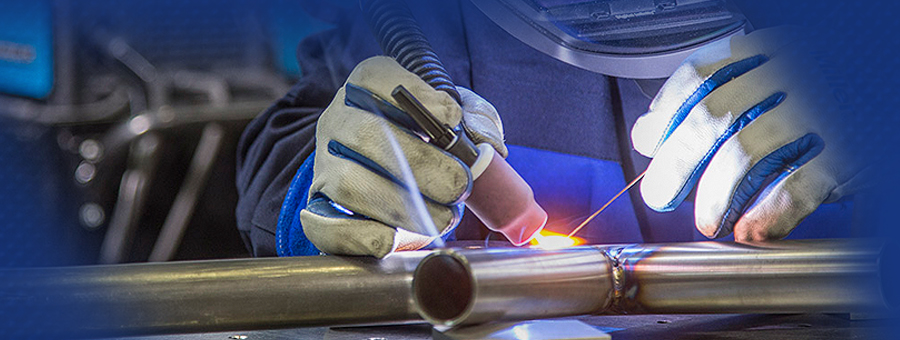
In TIG welding, you often need to manually feed the filler rod with one hand while holding the torch in the other — giving you full control but requiring more skill than MIG or Stick welding.
What Do You Need for TIG Welding?
To perform TIG in welding, you’ll need:
A TIG welder with DC or AC/DC output if you plan to weld aluminium.
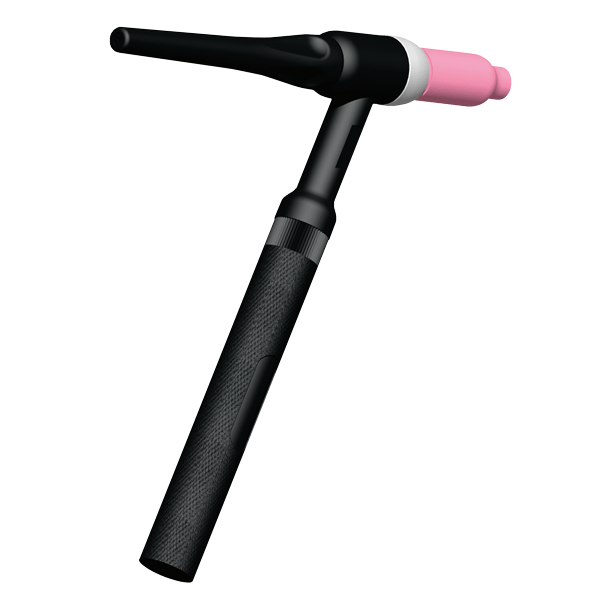
A TIG torch with a tungsten electrode.
Filler rods appropriate for your base material.
An inert shielding gas, usually argon.
A gas regulator or flow meter.
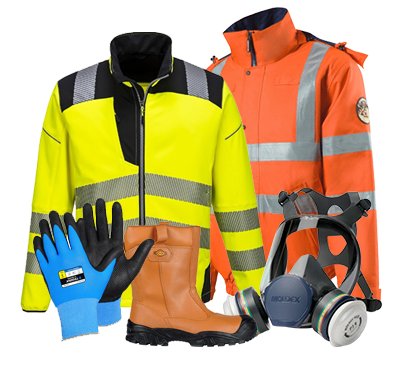
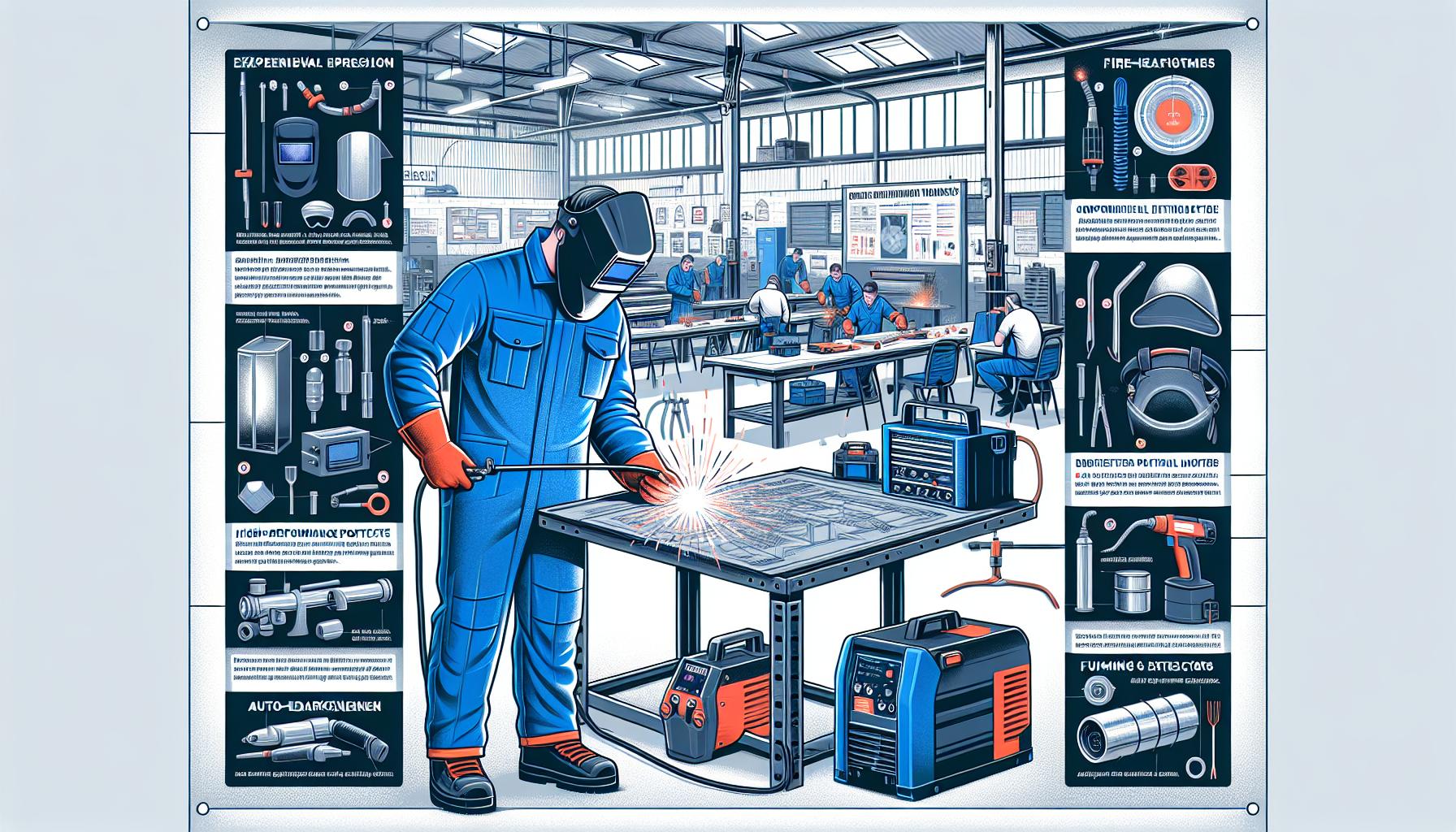
PPE: gloves, auto-darkening welding helmet, and fire-resistant clothing.
At Welder’s Choice, we stock a wide range of TIG welders, torches, and consumables from top brands like Stahlwerk, Miller, and Helvi — all available with fast UK delivery. Browse TIG welders now.
TIG vs MIG: What’s the Difference?
You may be wondering how TIG welding compares to MIG welding. Here’s a quick breakdown:
Feature
TIG Welding
MIG Welding
Electrode Type
Non-consumable tungsten
Consumable wire
Shielding Gas
Argon or argon/helium
Argon/CO₂ mix
Weld Appearance
Very clean, smooth, neat
Less clean, more spatter
Skill Level Needed
High
Moderate
Ideal For
Thin metals, aluminium, stainless
Thicker metals, mild steel
Speed
Slower
Faster
Verdict: TIG welding is slower but offers better weld quality, especially when detail and appearance matter.
What Materials Can You TIG Weld?
TIG in welding is one of the most versatile welding processes, capable of welding:
Stainless steel – Common in food, medical, and marine applications.
Aluminium – Using AC output and a balance control feature.
Mild steel – Perfect for intricate fabrication.
Copper and brass – With proper technique and settings.
Titanium – Used in motorsport, aerospace, and medical components.
Our Top Picks for TIG Welders
Ready to invest in your first TIG machine or upgrade to a better unit? Here are some of our most popular options:
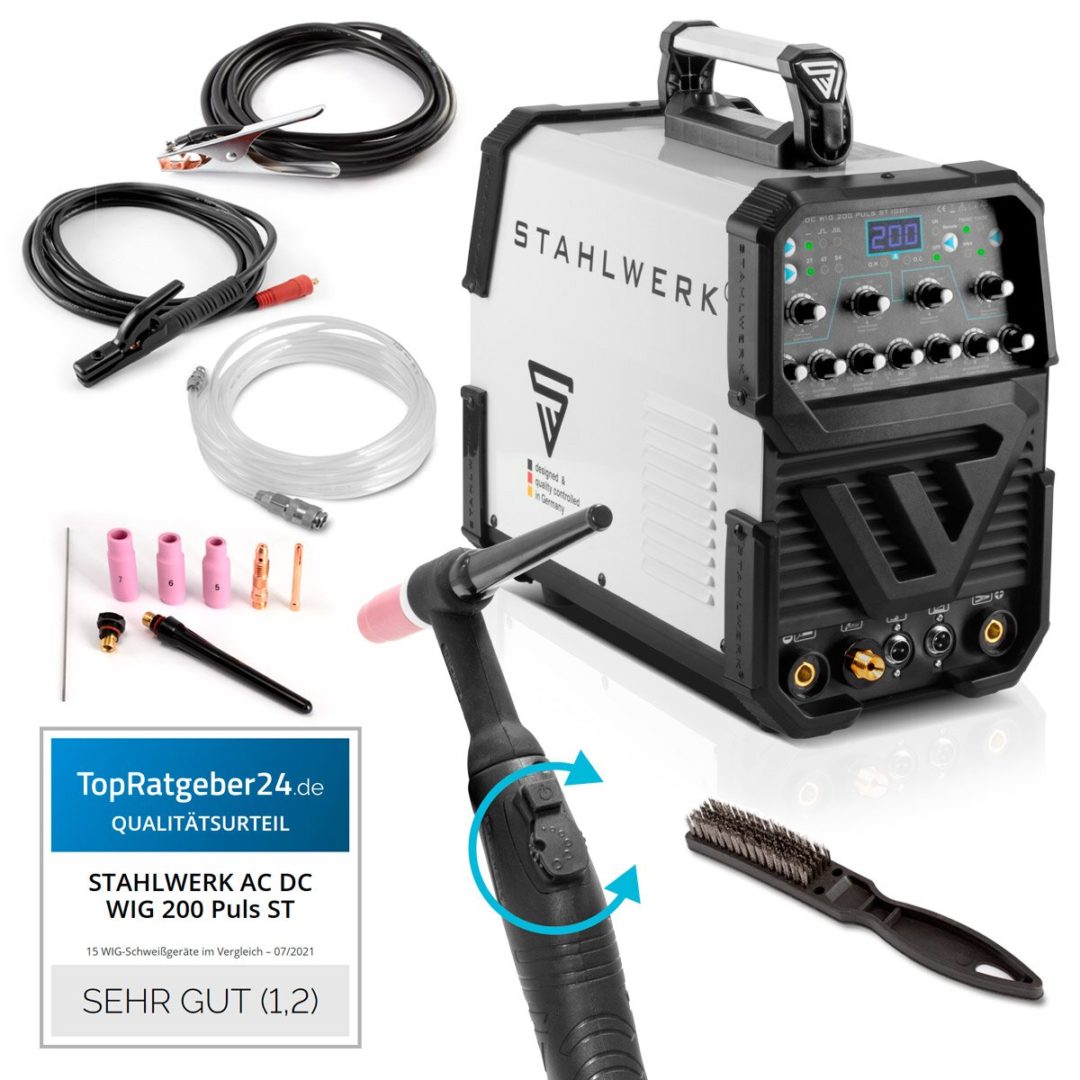
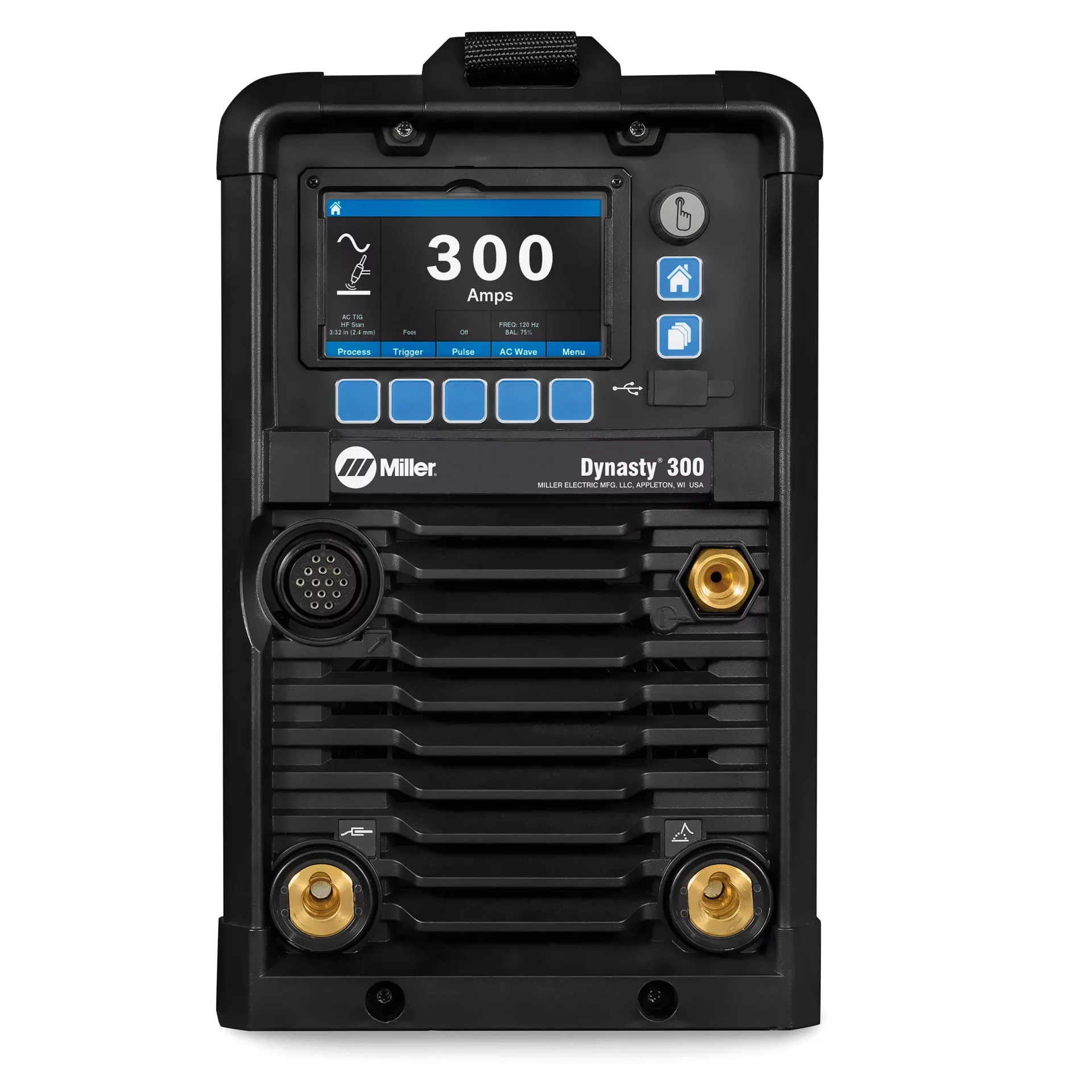
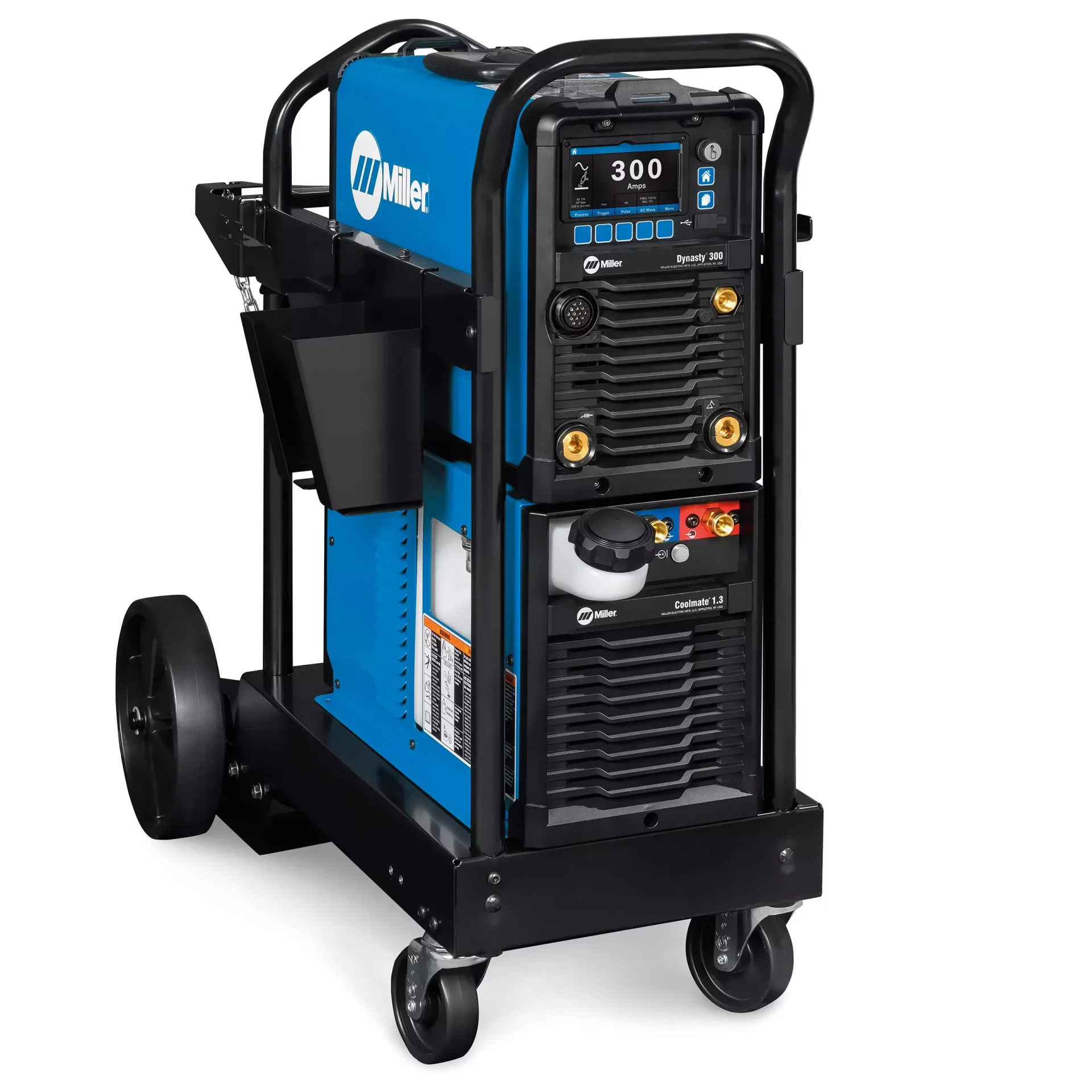
Great for mobile TIG in welding, DC Tig Welding, AC Tig Welding Aluminium , Arc Welding and also MMA/Stick Welding.
TIG Welding Tips for Beginners
Start with DC and steel – Get comfortable before moving on to aluminium.
Keep the tungsten sharp – A properly shaped tip helps arc stability.
Use the correct gas – 100% argon is best for most TIG work.
Steady hands are key – Use a finger rest or slide for precision.
Invest in a foot pedal – Allows better amperage control while welding.
TIG in Welding: Is It Right for You?
If you need clean, precise welds and are working with stainless steel or aluminium, TIG in welding is the way to go. While it takes more time and skill, the results speak for themselves. Whether you’re repairing bike frames, welding pressure pipe, or fabricating stainless tanks, TIG gives you control, beauty, and strength.
Looking to get started or upgrade your setup? At Norsemen Safety, we’ve got you covered.
Final Thoughts
TIG welding remains the gold standard for clean, strong, and precise welds. While it may not be the fastest process, it’s the preferred method when quality counts.
With the right equipment and some practice, TIG welding can elevate your fabrication skills and open the door to a wider range of jobs — from artistic projects to high-end industrial work.
If you’re in the market for a TIG welder in the UK, check out Welder’s Choice at Norsemen Safety — your go-to source for reliable machines, top brands, and expert advice.
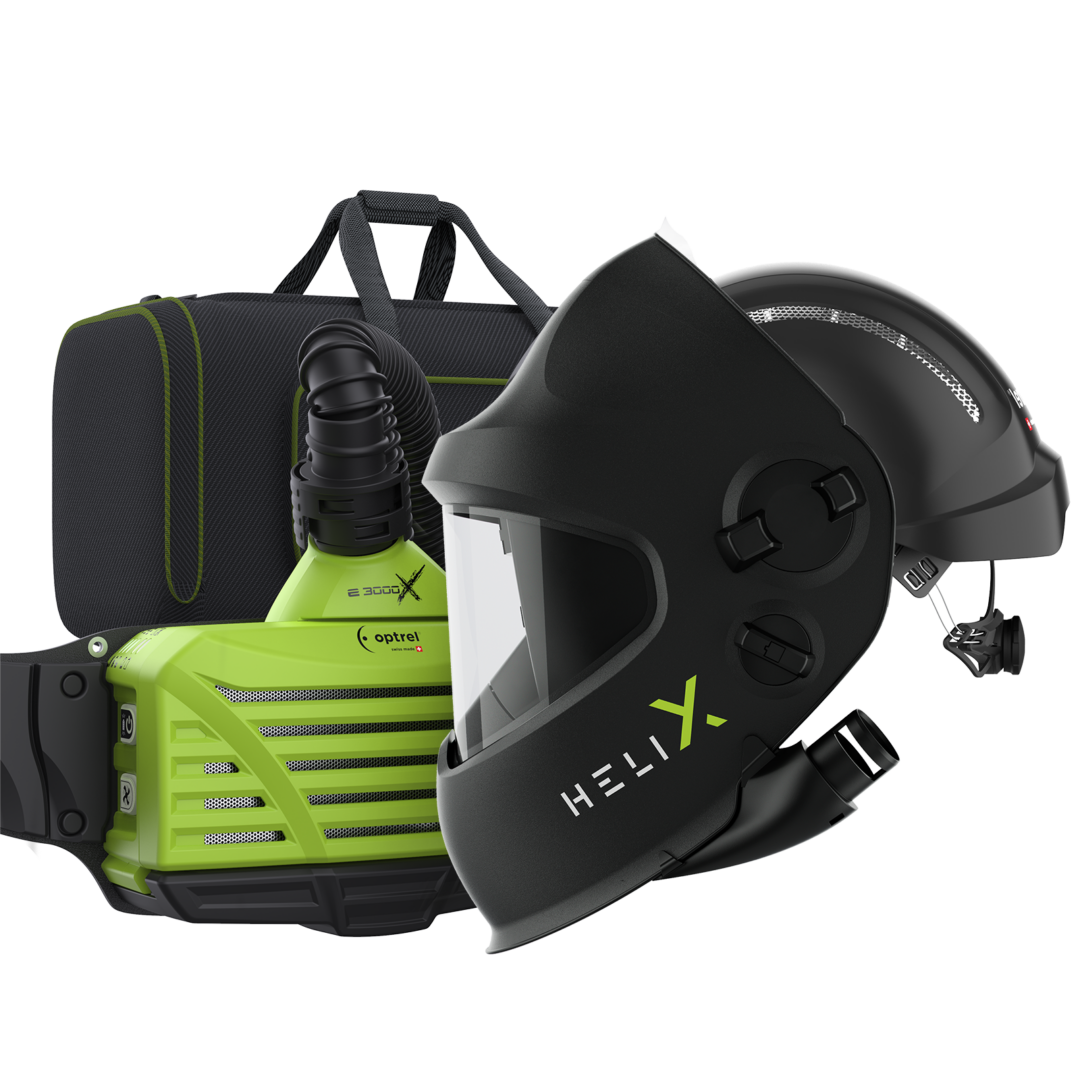
When selecting the best powered air-purifying respirator (PAPR) for welders, the debate often centre’s on the Optrel PAPR vs 3M Speedglas PAPR. These two leading welding respirators are trusted globally, but which one offers the best protection, comfort, and value?
Filtration Performance
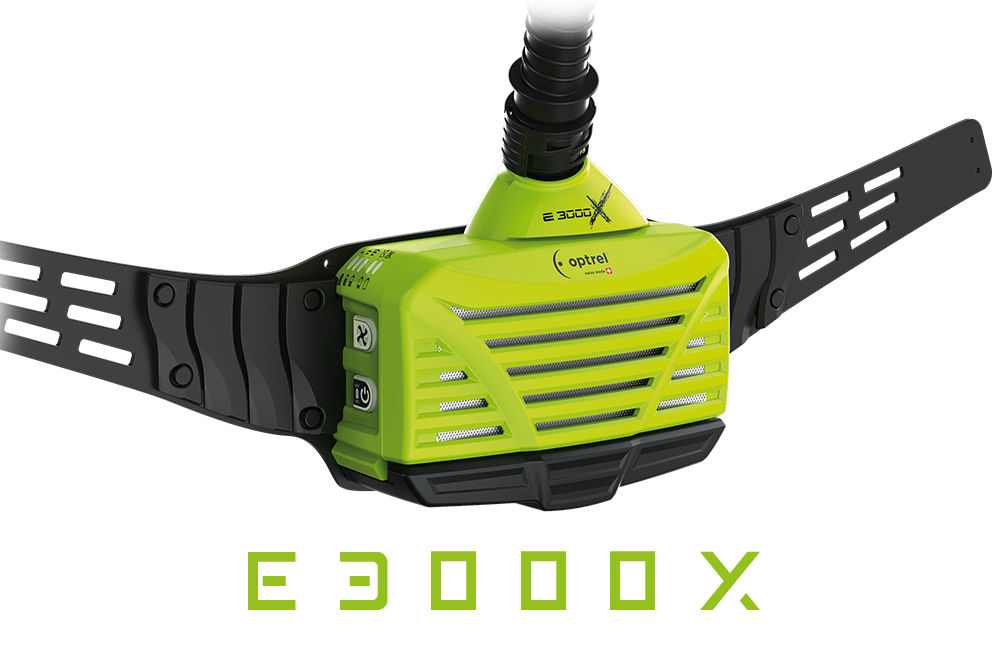
The Optrel PAPR, particularly the e3000X model, leads the industry with its TH3 certification, filtering out 99.8% of welding fumes, dust, and smoke. This top-level filtration is essential for welders working in hazardous conditions. Conversely, the 3M Speedglas PAPR G5-01 provides TH2-level protection, filtering around 98% of particles.
Verdict: Optrel PAPR’s TH3 certification ensures superior respiratory protection, setting it apart from the 3M Speedglas PAPR.
Comfort and Ergonomics
Welding respirators must be comfortable for extended use. The Optrel PAPR is renowned for its ultra-lightweight frame and ergonomic belt system, which evenly distributes weight and minimizes fatigue. The airflow system is adjustable, offering a dry-eye-free experience. In contrast, users of the 3M Speedglas PAPR often note that it is heavier and can become uncomfortable over long shifts.
Verdict: The Optrel PAPR stands out for all-day comfort, making it the preferred choice for welders working extended hours.
Battery Life
Optrel’s e3000X PAPR excels with up to 18 hours of battery life per charge—ideal for continuous, long shifts. The 3M Speedglas PAPR provides 8–10 hours of use, often necessitating mid-shift recharges.
Verdict: Optrel PAPR’s superior battery life supports high productivity, outlasting the 3M Speedglas PAPR significantly.
Airflow and Breathing Comfort
The Optrel PAPR system delivers precision-controlled airflow, reducing eye irritation and keeping welders cool and comfortable. The 3M Speedglas PAPR also provides good airflow but with slightly less customization.
Verdict: For superior breathing comfort, the Optrel PAPR offers a more refined experience.
Ease of Use
Optrel’s welding respirator features a simple one-button control and clear LED indicators for battery and filter status, making it user-friendly. The 3M Speedglas PAPR requires more manual checks, which can interrupt workflow.
The Optrel PAPR pairs seamlessly with advanced helmets like the Crystal 2.0 and Panoramaxx, offering True Colour technology and a panoramic view. The 3M Speedglas PAPR works with Speedglas helmets but provides a smaller viewing area and older lens technology.
Verdict: Optrel PAPR ensures superior visual clarity and a wider field of vision.
Durability and Build Quality
Both welding respirators are durable and built with high-quality materials. The Optrel PAPR combines durability with a sleek, lightweight design, while the 3M Speedglas PAPR focuses on a heavy-duty build.
Verdict: Optrel PAPR maintains durability with enhanced comfort.
Compliance and Certifications
The Optrel PAPR meets the highest TH3 certification standards, making it compliant with rigorous workplace safety regulations. The 3M Speedglas PAPR is TH2 certified, sufficient for less hazardous environments.
Verdict: Optrel PAPR is the safer choice for high-risk welding tasks.
Cost and Value
Though both PAPRs are premium-priced, the Optrel PAPR offers greater long-term value through its high filtration, long battery life, and ergonomic design. The 3M Speedglas PAPR, while slightly cheaper upfront, may incur more costs over time.
Verdict: Optrel PAPR delivers better value for money in the long run.
Conclusion: Optrel PAPR vs 3M Speedglas PAPR – The Winner
In the Optrel PAPR vs 3M Speedglas PAPR debate, Optrel emerges as the leader in filtration efficiency, battery life, comfort, and helmet compatibility. For welders seeking reliable, high-performance respiratory protection, the Optrel PAPR is the top choice.
How often should filters be changed in a welding respirator? Follow the manufacturer’s guidelines or replace sooner if airflow decreases.
Is TH3 certification necessary for all welding environments? TH3 certification is ideal for high-risk jobs but may not be required in all settings.
Can Optrel helmets be used with other PAPR units? Optrel helmets are optimized for Optrel PAPRs; compatibility with others may vary.
What is the warranty period for Optrel and Speedglas PAPRs? Optrel offers a two year warranty plus and extension if you register your purchase https://www.optrel.com/en/service/customer-service/product-registration .
Are PAPRs only for welding? No, PAPRs are suitable for various industries needing respiratory protection, provided the unit meets specific hazard requirements.
Aluminium TIG welders require AC power capability and specialised features like high-frequency start and adjustable frequency controls (60-200 Hz) for optimal performance
Essential components include AC power source, foot pedal control, cooling system, gas flow control, and pulse settings to ensure clean, precise welds
Proper machine setup requires pure argon gas (15-20 L/min), correct tungsten selection (pure, ceriated, or lanthanated), and AC balance settings of 65-75% electrode negative
Surface preparation is crucial – thorough cleaning, oxide removal, and degreasing are necessary steps before welding aluminium
Common challenges include contamination control and heat management, which can be addressed through proper technique and parameter settings
Regular maintenance and appropriate safety equipment (including auto-darkening helmet, FR-rated clothing, and respirator) are essential for optimal welding performance and operator protection
Looking for the right TIG welder for your aluminium projects can feel overwhelming with so many options available. We’ll help you understand what makes a quality aluminium TIG welder and how to choose one that matches your specific welding needs.
Whether you’re working on automotive parts decorative railings or precision fabrication aluminium welding requires specialised equipment for the best results. We’ve researched and tested numerous TIG welders to bring you clear practical advice on selecting a machine that’ll deliver clean consistent welds on aluminium every time.
Let’s explore what features matter most in an aluminium TIG welder from AC frequency controls and pulse settings to torch options and cooling systems. Have you considered how these specifications might affect your welding results?
What Is an Aluminium TIG Welder?
A TIG welder for aluminium is a specialised welding machine that uses tungsten inert gas (TIG) technology to create precise, clean welds on aluminium materials. This welding method delivers high-quality results through a controlled process that maintains material integrity.
Key Components and Features
The essential components of an aluminium TIG welder include:
AC Power Source: Alternating current capability for cleaning oxide layers
High-Frequency Start: Creates arc initiation without contact
Foot Pedal Control: Regulates amperage during welding
Cooling System: Maintains optimal torch temperature
Gas Flow Control: Adjusts shielding gas distribution
Pulse Settings: Controls heat input for different thicknesses
These components work together to create stable arcs, precise heat control and superior weld quality. Modern TIG welders feature digital displays, programmable memory settings and adjustable AC balance controls.
How TIG Welding Works
TIG welding aluminium follows a specific process:
Surface Preparation
Clean metal surfaces thoroughly
Remove oxide layer
Apply proper clamping
Equipment Setup
Set AC frequency (60-200 Hz)
Adjust gas flow (12-15 CFH)
Position tungsten electrode correctly
Welding Operation
Strike arc using high frequency
Maintain consistent travel speed
Control heat input with foot pedal
Add filler metal as needed
The process creates a protective gas shield around the weld pool, preventing oxidation while maintaining precise control over the heat input. This method produces clean, strong welds without spatter or slag.
Parameter
Typical Range
AC Frequency
60-200 Hz
Gas Flow Rate
12-15 CFH
Material Thickness
0.5-6mm
Amperage Range
50-200A
Choosing the Right Aluminium TIG Welder
Selecting an aluminium TIG welder requires careful consideration of specific technical requirements for optimal welding performance. A proper machine delivers consistent arc stability plus effective oxide removal for clean aluminium welds.
Power Requirements and Specifications
TIG welders for aluminium operate optimally between 200-250 amps for standard applications. The input power requirements include:
Single-phase 230V or three-phase 415V power supply options
Minimum 60% duty cycle at rated output
AC output with balanced wave control
5-200 amp output range for varied material thicknesses
The power specifications correlate directly with material thickness capabilities:
Material Thickness (mm)
Required Amperage
1.6
50-70 amps
3.2
90-120 amps
6.4
130-180 amps
9.5
180-200 amps
Essential Features to Consider
Key features that impact aluminium welding performance include:
AC frequency control (20-200 Hz range)
Pre and post-flow gas timing settings
High-frequency start capability
Pulse width modulation controls
Water-cooling system compatibility
Digital display panels for precise adjustments
Foot pedal amperage control interface
Control Feature
Optimal Range
AC Balance
60-80%
Gas Pre-flow
0.5-1.0 seconds
Gas Post-flow
8-12 seconds
Pulse Frequency
1-10 pulses/sec
Setting Up Your TIG Welder for Aluminium
Setting up a TIG welder for aluminium requires precise configuration of gas flow, tungsten type and machine parameters. These settings create optimal conditions for clean, strong welds on aluminium materials.
Gas Flow and Tungsten Selection
Pure argon gas flows at 15-20 litres per minute for aluminium TIG welding. A flow meter maintains consistent gas coverage while welding, protecting the weld pool from contamination.
The optimal tungsten choices include:
Pure tungsten (green band) for AC welding under 200 amps
Ceriated tungsten (grey band) for improved arc starts
Lanthanated tungsten (gold band) for higher current capacity
Tungsten diameter correlates with amperage:
Tungsten Size
AC Current Range
1.6mm
50-120 amps
2.4mm
120-200 amps
3.2mm
200-250 amps
Machine Settings and Parameters
AC frequency settings impact weld characteristics:
60-80 Hz: Standard cleaning action
120-200 Hz: Focused arc for thin materials
Balance control at 65-75% electrode negative
Essential parameter ranges include:
Parameter
Recommended Range
Start Amps
15-25 amps
Main Weld Amps
2-3 amps/0.025mm
Post Flow Time
8-12 seconds
Pre Flow Time
2-3 seconds
Peak time: 0.1-0.9 seconds
Background current: 30-50% of peak
Frequency: 1-3 pulses per second
Proper Techniques for Aluminium TIG Welding
TIG welding aluminium requires precise control over multiple variables to achieve high-quality welds. Mastering the correct techniques leads to strong welds with minimal defects.
Surface Preparation Methods
Proper surface preparation forms the foundation of successful aluminium TIG welding. Remove all oxide layers with a stainless steel brush to expose clean base metal. Clean the weld area using acetone or isopropyl alcohol to eliminate oils grease or moisture. Sand the edges with 80-grit aluminium oxide paper to create uniform surfaces for welding. Keep prepared surfaces covered until welding begins to prevent re-oxidation.
Surface Preparation Steps
Tools/Materials Required
Oxide removal
Stainless steel brush
Degreasing
Acetone/isopropyl alcohol
Edge preparation
80-grit aluminium oxide paper
Surface protection
Clean cloth or cover
Torch Control and Filler Metal Application
Control the torch at a 15-20 degree angle from vertical with the electrode extending 3-5mm from the cup. Position the filler rod at a 15-20 degree angle from horizontal opposite the torch. Feed the filler metal into the leading edge of the weld pool maintaining consistent speed. Move the torch in a slight circular motion to control the weld pool size heat input.
Torch Control Parameters
Recommended Values
Torch angle
15-20 degrees
Electrode extension
3-5mm
Filler rod angle
15-20 degrees
Arc length
2-3mm
Keep the arc length consistent at 2-3mm to maintain stable welding conditions. Add filler metal only after establishing a proper weld pool using smooth rhythmic movements. Maintain steady travel speed to create uniform bead appearance penetration.
Common Challenges When Welding Aluminium
TIG welding aluminium presents specific challenges that require proper techniques and careful attention to detail. Two primary obstacles stand out when working with aluminium: contamination control and heat management.
Preventing Contamination and Oxidation
Aluminium’s highly reactive nature creates a persistent oxide layer that interferes with weld quality. Here’s how to address contamination:
Clean the base metal with acetone or isopropyl alcohol to remove oils grease
Use a dedicated stainless steel brush for aluminium only
Store filler rods in a clean dry container at room temperature
Set AC balance to 65-75% electrode negative for effective oxide removal
Maintain argon gas coverage at 15-20 litres per minute
Keep shielding gas flowing 3-5 seconds after welding stops
Dealing With Heat Control
Start with a higher initial amperage (25-30% more than the main welding current)
Reduce amperage gradually as the material heats up
Use pulse welding at 1-2 pulses per second to control heat input
Set background current at 30-40% of peak amperage
Keep torch movement steady at 75-100mm per minute
Allow proper cooling between passes on multi-pass welds
Monitor the base metal temperature (keep below 150°C)
Heat Control Parameters
Recommended Range
Initial Amperage
25-30% above main current
Pulse Rate
1-2 PPS
Background Current
30-40% of peak
Travel Speed
75-100mm/min
Max Base Metal Temp
150°C
Maintenance and Safety Considerations
Proper maintenance of an aluminium TIG welder extends its lifespan while safe operation protects the operator. Regular checks combined with appropriate safety equipment create an optimal welding environment.
Routine Equipment Care
Cleaning the TIG torch components prevents contamination in aluminium welds. Here’s a maintenance checklist:
Inspect collets weekly for wear signs
Clean gas nozzles after 8 hours of use to remove spatter
Check water-cooling connections monthly for leaks
Test gas lines quarterly for proper flow rates
Replace tungsten electrodes after 15-20 hours of use
Clean cable connections every 3 months to maintain conductivity
These maintenance schedules align with professional welding standards while protecting both equipment performance and operator safety.
Conclusion
We’ve explored the comprehensive world of aluminium TIG welding and the essential equipment needed for success. The right TIG welder combined with proper techniques settings and maintenance practices will ensure outstanding results in your aluminium welding projects.
Remember that achieving excellent welds requires attention to detail from equipment selection to safety protocols. By following our guidelines for machine setup surface preparation and welding techniques you’ll be well-equipped to tackle any aluminium welding challenge with confidence.
Whether you’re working on automotive parts or decorative projects we trust this guide will serve as a valuable resource for your welding journey. If you have any questions or need further guidance, feel free to contact us.
Frequently Asked Questions
What power requirements do I need for TIG welding aluminium?
TIG welders for aluminium typically require 200-250 amps and either a single-phase 230V or three-phase 415V power supply. The machine should have a minimum 60% duty cycle at rated output for optimal performance.
What type of gas should I use for aluminium TIG welding?
Pure argon gas is the recommended shielding gas for aluminium TIG welding. The flow rate should be maintained between 15-20 litres per minute, and a flow meter should be used to ensure consistent coverage.
Which tungsten electrode is best for aluminium welding?
For lower amperages, use pure tungsten. Ceriated tungsten is ideal for improved arc starts, while lanthanated tungsten works best for higher current capacity. Choose the tungsten diameter based on your specific amperage range.
How should I prepare aluminium surfaces before welding?
Remove oxide layers with a stainless steel brush, degrease the weld area using acetone or isopropyl alcohol, and sand edges with 80-grit aluminium oxide paper. Proper surface preparation is crucial for achieving high-quality welds.
What are the essential safety precautions for TIG welding aluminium?
Wear an auto-darkening helmet, FR-rated clothing, and respiratory protection. Ensure proper ventilation in the work area. Regular inspection and replacement of PPE items are crucial for maintaining safety standards.
How often should I maintain my TIG welder?
Perform routine maintenance by inspecting collets, cleaning gas nozzles, checking water-cooling connections, and replacing tungsten electrodes as needed. Regular maintenance extends equipment lifespan and ensures consistent welding performance.
What are the common challenges in aluminium TIG welding?
The main challenges include controlling contamination and managing heat input. Prevent contamination by using clean materials and maintaining proper gas coverage. Control heat by starting with higher amperage and gradually reducing it, using pulse welding when necessary.
What is the ideal torch technique for aluminium TIG welding?
Maintain consistent torch and filler rod angles, keep a steady arc length, and use slight circular motions to control the weld pool size. This ensures uniform bead appearance and proper penetration.
Laser Welding vs TIG Welding. Choosing between laser welding and TIG welding can be a challenging decision for UK manufacturers and fabricators. We understand that selecting the right welding method affects product quality, production speed and overall costs. Whether you’re working on precision components or large-scale industrial projects, it’s essential to understand the key differences between these two popular welding techniques.
In the UK manufacturing sector, both laser and TIG welding offer distinct advantages for specific applications. We’ll compare these methods across critical factors like precision, speed, cost-effectiveness and material compatibility. By exploring their strengths and limitations, you’ll be better equipped to make an informed choice for your welding requirements. What factors matter most in your welding projects?
Introduction to Welding Processes
Welding is a crucial process in various industries, including manufacturing, construction, and automotive. It involves joining two or more metal pieces together using heat, pressure, or both. There are several welding processes, each with its unique characteristics, advantages, and disadvantages. Two popular welding processes are Laser Welding and TIG (Tungsten Inert Gas) Welding. In this article, we will explore the differences between these two processes, their advantages, and disadvantages.
Understanding Laser and TIG Welding Processes
Laser and TIG welding represent two distinct approaches to metal joining, each with specific advantages in manufacturing applications. These processes differ in their heat source, application methods and precision levels.
Basic Principles of Laser Welding
Laser beam welding employs concentrated light energy to create precise, localized heat for joining metals, plastics, and composites. Pulsed laser welding minimizes the contact between the laser and the workpiece, allowing for quick and efficient spot welds while preventing issues associated with excessive heat input and improving weld quality. A focused laser beam generates temperatures up to 25,000°C, forming a keyhole in the material that creates deep, narrow welds. The process occurs in a controlled environment with shielding gas to prevent oxidation.
Key characteristics of laser welding:
Creates welds as narrow as 0.4mm in diameter
Produces minimal heat-affected zones
Operates at speeds up to 10 metres per minute
Functions without direct contact with the workpiece
Requires minimal post-weld cleanup
How TIG Welding Works
TIG (Tungsten Inert Gas) welding, a traditional technique, uses a non-consumable tungsten electrode to generate an electric arc. TIG welding methods are crucial for improving weld penetration and quality, with specific techniques minimizing the Heat Affected Zone (HAZ) and distortion. The TIG welding process offers advantages such as manual control over heat input and steady heat distribution, but it also has limitations like weld penetration issues.
Arc temperatures reach 6,100°C
Offers manual control over heat input
Creates weld widths from 2.5mm to 5mm
Uses filler material for reinforced joints
Maintains steady heat distribution
Feature
Laser Welding
TIG Welding
Heat Source
Light Energy
Electric Arc
Max Temperature
25,000°C
6,100°C
Min Weld Width
0.4mm
2.5mm
Speed Range
1-10 m/min
0.1-0.5 m/min
Power Input
1-10 kW
3-200 A
Key Differences Between Laser and TIG Welding
Laser and TIG welding present distinct operational characteristics that impact their applications in UK manufacturing. Here’s a detailed analysis of their primary differences:
Precision and Accuracy Comparison
Laser welders deliver pinpoint accuracy with beam spots as small as 0.2mm in diameter. TIG welding creates wider beads ranging from 2.5mm to 5mm, making laser welders superior for intricate components such as medical devices or electronic parts. The focused energy beam in laser welding produces consistent welds with +/-0.1mm tolerance levels, compared to TIG welding’s +/-0.5mm typical tolerance range.
Heat Affected Zone Analysis
The Heat Affected Zone (HAZ) varies significantly between these methods:
Welding Type
HAZ Width
Temperature Distribution
Distortion Risk
Laser
0.4-1mm
Concentrated
Minimal
TIG
3-8mm
Widespread
Moderate to High
Heat generation laser welding is a highly controlled process that minimizes energy usage, resulting in less heat production compared to traditional welding methods. This lower heat input leads to reduced residual stress and distortion in the materials being welded, preserving the mechanical properties of sensitive materials like titanium alloys or stainless steel. TIG welding’s broader HAZ requires additional cooling time between passes, affecting the material’s microstructure across a larger area.
Speed and Productivity Factors
Laser welding operates at speeds up to 10 metres per minute, significantly enhancing productivity by allowing for high-quality welds without sacrificing welding speed. TIG welding speeds average 0.5 metres per minute, making it more suitable for smaller batch production. The automated nature of laser systems reduces setup times to 5-10 minutes, while TIG welding requires 15-30 minutes for equipment preparation plus ongoing operator involvement throughout the process.
Parameter
Laser Welding
TIG Welding
Speed Range
1-10 m/min
0.1-0.5 m/min
Setup Time
5-10 mins
15-30 mins
Production Volume
High
Low to Medium
Advantages and Disadvantages
Advantages of Laser Welding
Laser welding is a precise and efficient process that offers several advantages over traditional welding methods. Some of the benefits of laser welding include:
High accuracy and repeatability: Laser welding delivers pinpoint precision, making it ideal for intricate and delicate components.
Fast welding speeds: Capable of operating at speeds up to 10 metres per minute, laser welding significantly boosts productivity.
Low heat input: This reduces distortion and thermal stress, preserving the integrity of the materials being welded.
Versatility in materials: Laser welding can join a wide range of materials, including metals, polymers, and glass.
Clean and precise welds: The process produces minimal spatter and requires little to no post-weld processing.
Reduced material waste and energy consumption: Laser welding is an efficient process that minimizes waste and conserves energy.
Disadvantages of Laser Welding
While laser welding offers several advantages, it also has some limitations. Some of the disadvantages of laser welding include:
High initial investment: Laser welding machines and equipment can be costly, with prices starting at £15,000.
Specialized training required: Operating laser welding machines requires specific skills and expertise.
Limited to thin materials: Typically, laser welding is most effective for materials up to 1/4 inch thick.
Material reflectivity and surface finish: Reflective materials and certain surface finishes can affect the welding process.
Additional safety measures: Laser welding requires stringent safety protocols to prevent eye damage and burns.
Advantages of TIG Welding
TIG welding is a versatile process that offers several advantages, including:
Wide range of metals: TIG welding can join various metals, including cast iron, stainless steel, and aluminum.
High-quality welds: The process produces welds with excellent mechanical properties and aesthetic quality.
Suitable for thin and thick materials: TIG welding can handle a broad range of material thicknesses.
Relatively low initial investment: The cost of TIG welding equipment and training is generally lower than that of laser welding.
Variety of welding speeds and techniques: TIG welding offers flexibility in terms of speed and methods, making it adaptable to different projects.
By understanding the advantages and disadvantages of both laser welding and TIG welding, manufacturers can make informed decisions based on their specific needs and constraints.
Cost Considerations in the UK Market
The financial aspects of laser welding vs TIG welding extend beyond initial investments, encompassing various operational factors that impact the total cost of ownership.
Equipment and Setup Expenses
Laser welding systems represent a significant capital investment, with basic setups starting at £15,000 and advanced systems reaching £250,000. A laser welding machine, with its various configurations and operational techniques, can be more costly than traditional methods but offers numerous advantages. The equipment includes:
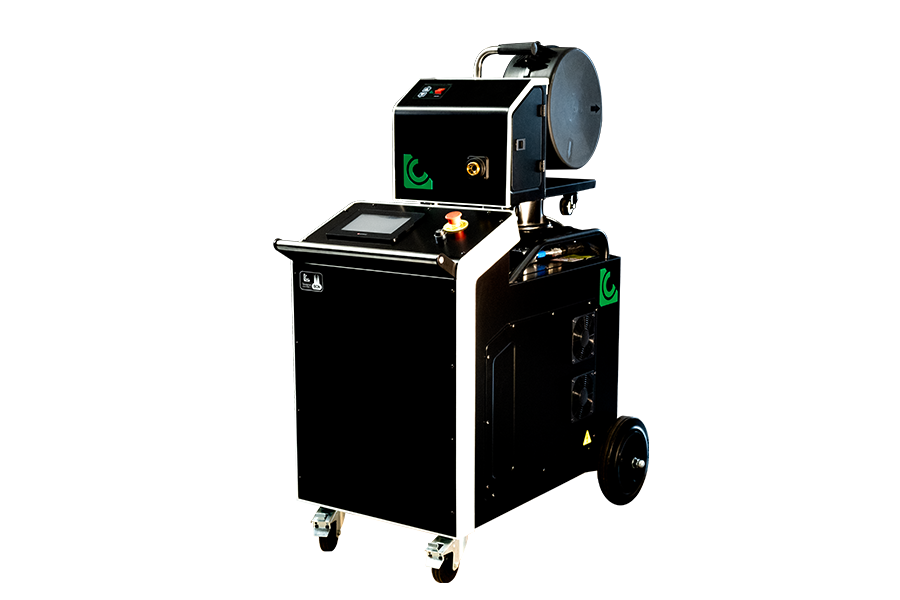
Try our all in one handheld laser welder, LC-WELD SMART
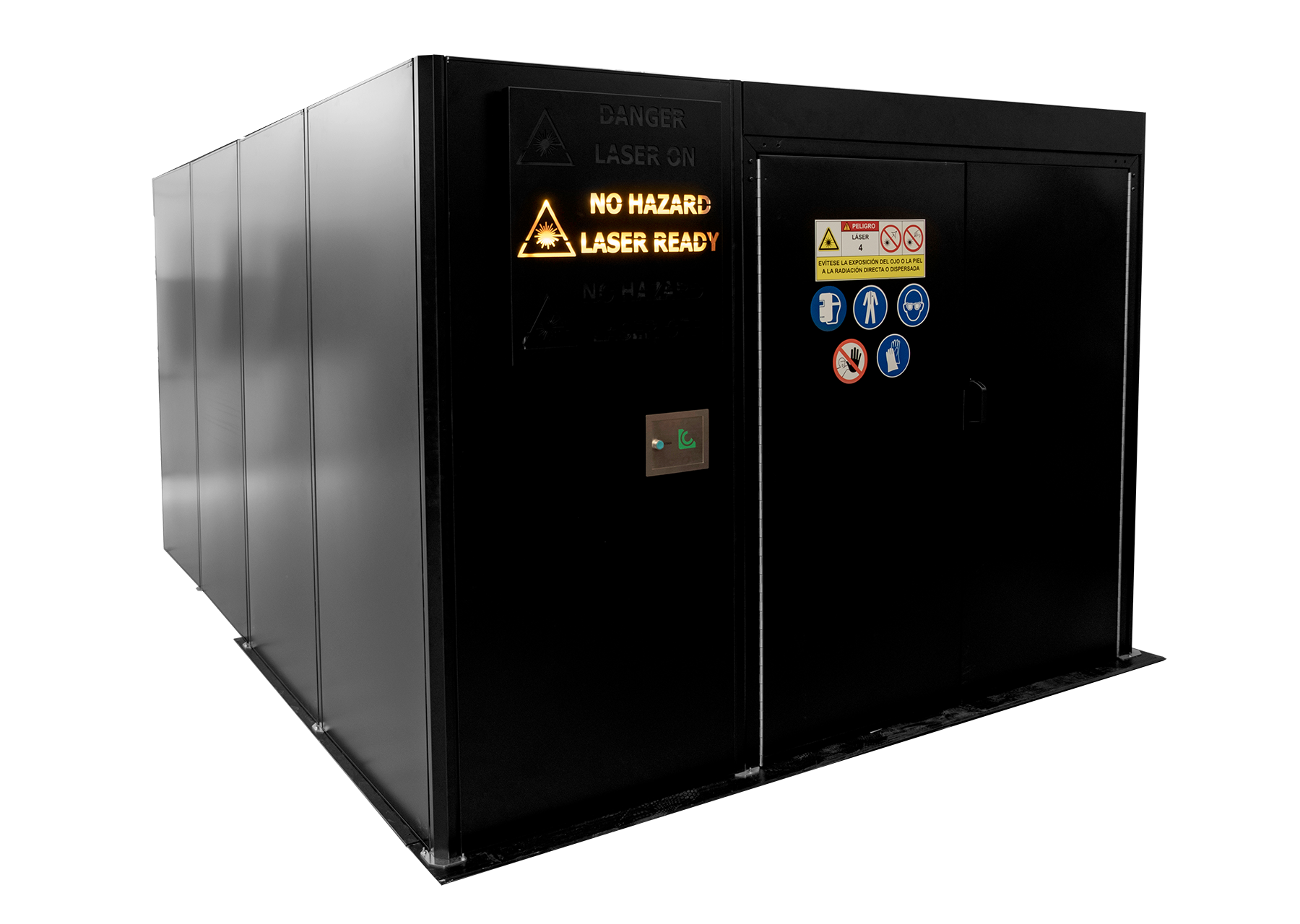
At Norsemen we supply a Laser Welding Cabin to allow for a safe and clean welding environment.
At Norsemen Safety we have safety equipment for any of your needs. Click here to see more
Operating Costs and Maintenance
The daily operational costs differ substantially between these technologies:
Regular maintenance requirements include:
Laser welding:
Optical system cleaning (quarterly)
Cooling system checks (monthly)
Beam alignment (bi-annual)
Filter replacement (quarterly)
TIG welding:
Electrode replacement (weekly)
Torch maintenance (monthly)
Cable inspections (quarterly)
Applications and Material Compatibility
Both laser welding and TIG welding excel in specific applications based on material type thickness project requirements. The choice between these methods depends on precision demands production volume material characteristics.
Ideal Use Cases for Laser Welding
Laser beam welding performs exceptionally with thin materials under 6mm thickness, offering speed and versatility in large-scale manufacturing compared to traditional methods like TIG welding. It’s particularly effective for:
Automotive components like transmission parts and gear assemblies
Medical devices requiring sterile high-precision joints
Electronics manufacturing for circuit boards and battery connections
Aerospace parts needing minimal heat distortion
Precision instruments with microscopic weld requirements
Materials compatible with laser welding include:
Material Type
Maximum Thickness
Stainless Steel
5mm
Aluminium
4mm
Titanium
3mm
Copper
2mm
Best Applications for TIG Welding
Traditional TIG welding offers superior control for diverse material combinations and is particularly effective in specific applications, such as achieving better penetration for thicker materials and dealing with various metal alloys. Common applications include:
Pressure vessel fabrication for chemical storage
Food processing equipment assembly
Custom motorcycle frame construction
Artistic metalwork sculptures
HVAC ductwork installation
Materials suited for TIG welding:
Material Type
Thickness Range
Stainless Steel
0.5-10mm
Aluminium
1-12mm
Carbon Steel
0.5-8mm
Brass
1-6mm
Creates clean aesthetically pleasing welds on stainless steel
Maintains material strength in heat-sensitive alloys
Provides excellent control for joining dissimilar metals
Achieves high-quality results on non-ferrous materials
Industry Standards and Regulations in the UK
British welding standards establish specific requirements for both laser and TIG welding processes, focusing on operator safety, procedure qualifications, material testing, and quality assurance protocols.
Mandatory Standards
BS EN ISO 3834-2:2021 constitutes the primary quality standard for fusion welding of metallic materials, with these key requirements:
The UK Health and Safety Executive (HSE) mandates strict safety protocols:
Safety Aspect
Laser Welding
TIG Welding
Eye Protection
Class 4 laser safety goggles
Shade 10-13 welding helmet
Ventilation
Local exhaust system
Minimum 0.5m/s airflow
PPE Requirements
Full body protection
Heat-resistant clothing
Training
Laser safety certification
Level 2 welding qualification
Quality Control Standards
British manufacturing requires adherence to specific testing methods:
Non-destructive testing (NDT) at defined intervals
Visual inspection requirements per BS EN ISO 17637
Weld strength verification through destructive testing
Documentation of all testing procedures
Environmental Regulations
UK environmental guidelines specify:
Maximum workplace emission levels
Waste material disposal procedures
Energy efficiency requirements
Noise level restrictions (85dB maximum)
Industry-Specific Requirements
Different sectors maintain additional standards:
Industry
Certification Required
Inspection Frequency
Aerospace
AS9100D
100% inspection
Medical
ISO 13485
Batch testing
Automotive
IATF 16949
Sampling basis
Nuclear
RCC-M
100% inspection
These regulations apply to all UK welding operations, with regular updates from the British Standards Institution (BSI).
Conclusion
Both laser welding and TIG welding offer unique advantages for UK manufacturers. We’ve explored how laser welding excels in precision automated production with its superior speed and minimal heat distortion. It’s particularly valuable for high-volume manufacturing of intricate components despite higher initial costs.
TIG welding remains a versatile choice for smaller operations requiring exceptional control and flexibility. While it’s slower it provides excellent results for custom work and diverse material combinations at a more accessible price point.
The choice between these methods ultimately depends on specific project requirements, production volumes, and budget constraints. We recommend carefully evaluating these factors alongside our detailed comparison to make the most informed decision for your welding needs. Have questions or need assistance? Contact us today!
Frequently Asked Questions
What is the main difference between laser welding and TIG welding?
The primary difference lies in their heat sources and precision. Laser welding uses concentrated light energy reaching 25,000°C with beam spots as small as 0.2mm, whilst TIG welding uses a tungsten electrode generating an electric arc at 6,100°C with wider beads of 2.5-5mm. Laser welding offers higher precision and faster speeds but comes at a higher cost.
Which welding method is more cost-effective for small-scale operations?
TIG welding is more cost-effective for small-scale operations, with initial equipment costs ranging from £500 to £8,000. Laser welding systems start at £15,000, making them a significant investment better suited for large-scale production. TIG welding also has lower operational costs and maintenance requirements.
What materials can be welded using laser welding?
Laser welding is excellent for materials under 6mm thickness, including stainless steel, aluminium, titanium, and copper. It’s particularly suited for precision work in automotive components, medical devices, electronics manufacturing, and aerospace parts where minimal heat distortion is crucial.
How do setup times compare between laser and TIG welding?
Laser welding requires 5-10 minutes for setup, whilst TIG welding takes 15-30 minutes. However, TIG welding needs continuous operator involvement throughout the process, making it more labour-intensive. Laser welding can be automated for longer production runs with minimal supervision.
Which welding method is better for thick materials?
TIG welding is better suited for thicker materials and offers superior control for diverse material combinations. It’s commonly used in pressure vessel fabrication, custom motorcycle frames, and HVAC ductwork installation. Laser welding is limited to materials under 6mm thickness.
What safety standards must be followed in the UK for both welding methods?
Both methods must comply with BS EN ISO 3834-2:2021 standards and HSE regulations. This includes proper eye protection, ventilation systems, PPE, and certified operator training. Specific safety protocols vary between methods, with laser welding requiring additional laser safety measures.
What is the impact on production speed?
Laser welding operates at speeds up to 10 metres per minute, making it ideal for high-volume production. TIG welding averages 0.5 metres per minute, making it more suitable for smaller batches where precision and control are prioritised over speed.
We are a leading welding and safety supplies across Ireland and UK with 40+ years of expertise and nationwide delivery from Belfast
Essential welding supplies include comprehensive MIG/TIG equipment, specialised safety gear like auto-darkening helmets, fire-resistant clothing, and respiratory protection that meets UK/EU standards
All safety equipment requires regular maintenance with specific replacement schedules – helmets every 2-3 years, gloves every 3-6 months, respirators monthly (filters), and work boots every 12-18 months
Products comply with strict Irish and UK safety regulations including HSA/HSE guidelines, with mandatory certifications like EN ISO 9001 and regular inspection requirements
Strategic bulk purchasing can provide 10-35% cost savings, with delivery times ranging from 1-7 days depending on order volume
Looking for quality welding and safety supplies across Ireland and the UK? With over 40 years of industry expertise Norsemen has built a reputation as one of the largest suppliers of welding equipment and PPE safety gear in the region.
From our central Belfast location we deliver premium welding solutions throughout Northern Ireland the Republic of Ireland and across the UK. Our comprehensive range includes everything from MIG and TIG welders to specialist welding safety equipment all backed by our commitment to outstanding service. What matters most to you when choosing welding supplies for your projects?
We understand that selecting the right welding equipment is crucial for safety and success. That’s why we partner with leading manufacturers while maintaining competitive prices to provide you access to trusted products that meet the highest industry standards.
Essential Welding Equipment and Safety Gear in Ireland and the UK
Professional welding requires specific equipment and safety gear to maintain workplace safety standards across Ireland and the UK. Our comprehensive range includes essential tools, machinery and protective equipment from leading manufacturers.
Basic Welding Tools and Machinery
Essential welding tools comprise high-quality MIG welders, TIG welders and specialised accessories for precise metal fabrication. Here’s what professional welders need:
MIG Welding Equipment
Wire feed welders
Gas regulators
Contact tips
Welding wire
TIG Welding Components
Power sources
Torches
Tungsten electrodes
Filler metals
Accessories
Angle grinders
Clamps
Chipping hammers
Wire brushes
Personal Protective Equipment for Welders
Head Protection
Auto-darkening helmets
Face shields
Safety glasses
Body Protection
Fire-resistant jackets
Heavy-duty gloves
Steel-toe boots
Leather aprons
Respiratory Equipment
Welding respirators
Fume extractors
Filtration masks
Fresh air systems
PPE Category
Protection Level
Replacement Frequency
Welding Helmets
UV/IR Protection
2-3 years
Safety Gloves
Heat Resistant
3-6 months
Respirators
Particle/Fume
Filters: Monthly
Work Boots
Impact/Heat
12-18 months
Top Safety Supply Manufacturers and Distributors
The UK and Irish markets feature established manufacturers and distributors of welding equipment and safety supplies. These suppliers maintain extensive inventories of certified products that meet British and European safety standards.
Leading Irish Suppliers – Norsemen Safety & Industrial Supplies
Irish safety supply distributors offer comprehensive product ranges from Belfast to Cork. Local stockists provide next-day delivery services across the Republic of Ireland and Northern Ireland for essential welding equipment and PPE. These suppliers, such as Norsemen Safety stock auto-darkening helmets, fire-resistant clothing, respiratory protection and specialised welding consumables from major European manufacturers.
Major UK Suppliers and Stockists – Norsemen Safety & Industrial Supplies
UK-based distributors maintain large warehouses across England, Scotland, and Wales with direct supply links to Ireland. These stockists carry:
Safety Equipment
EN-certified protective gear
Industrial workwear
Respiratory systems
Welding Products
MIG/TIG/Plasma equipment
Fume extraction units
Consumable materials
Industrial Safety Standards and Regulations
Industrial safety standards protect workers through comprehensive legislation backed by regulatory bodies in Ireland and the UK. These standards establish specific requirements for welding operations while prioritising workplace safety.
Irish Safety Requirements
The Safety, Health and Welfare at Work Act 2005 governs workplace safety in Ireland. Here are the key requirements:
Employers must provide appropriate PPE certified to EN standards
Risk assessments become mandatory before starting welding operations
Workplace ventilation systems require regular maintenance documentation
Annual equipment inspections need certification from qualified professionals
Emergency procedures must be displayed in welding areas
Training records for all welding personnel require updating every 24 months
The Health and Safety Authority (HSA) conducts periodic site inspections to verify compliance with:
COSHH regulations for controlling hazardous substance exposure
PUWER guidelines for equipment maintenance schedules
LOLER requirements for lifting equipment certification
RIDDOR incident reporting procedures within 10 days
Work at Height regulations for elevated welding tasks
Critical compliance areas include:
Safety Element
Standard Reference
Update Frequency
Risk Assessment
HSG 129
Every 12 months
Electrical Safety
BS EN 60974-1
Every 6 months
Fume Control
HSG 37
Quarterly checks
Fire Prevention
HSG 51
Monthly reviews
Welding fumes: 5mg/m³ over 8 hours
Noise levels: 85dB(A) daily average
Vibration: 2.5 m/s² A(8) for hand-arm exposure
Choosing Quality Welding Supplies
Quality welding supplies impact both safety and project outcomes. The right equipment paired with proper certifications creates optimal welding conditions.
Material Certifications and Standards
Welding supplies in the UK and Ireland adhere to strict British Standards (BS) and European Norms (EN). Essential certifications include:
EN ISO 9001 for quality management systems
EN 1090 for structural steel components
BS EN ISO 15614 for welding procedure specifications
EN ISO 5817 for weld quality levels
Certified materials feature these key identifiers:
Batch tracking numbers
Material composition certificates
Heat treatment records
Testing documentation
Maintaining and Replacing Safety Equipment
Regular maintenance extends the life of welding safety equipment whilst protecting workers from potential hazards. Here’s a comprehensive guide to maintaining and replacing essential safety gear:
Inspection Schedule
Check auto-darkening helmets weekly for lens scratches cracks or damage
Test respiratory equipment filters daily before use
Examine welding gloves before each shift for wear tears or holes
Inspect protective clothing monthly for burns holes or compromised integrity
Cleaning Procedures
Clean helmet lenses daily with anti-static wipes
Sanitise respirator masks after each use with approved cleaning solutions
Wash flame-resistant clothing according to manufacturer specifications
Wipe down safety glasses with lens cleaner between shifts
Replacement Guidelines
Equipment Type
Replacement Frequency
Signs for Immediate Replacement
Welding Helmets
2-3 years
Cracked lens delayed auto-darkening
Safety Gloves
3-6 months
Holes worn patches frayed seams
Respirators
6-12 months
Damaged valves clogged filters
Safety Boots
12 months
Worn soles exposed steel toe
Storage Requirements
Store helmets in dust-free containers away from direct sunlight
Keep respirators in sealed bags between uses
Hang protective clothing in ventilated areas
Place safety boots in dry areas away from chemicals
Documentation
Log all equipment inspections with dates findings
Record cleaning activities maintenance procedures
Track replacement dates serial numbers
Document training sessions equipment demonstrations
Following these maintenance protocols maximises equipment effectiveness reduces replacement costs. Regular checks identify potential issues before they become safety hazards keeping welding operations safe efficient.
Conclusion
We’ve explored the comprehensive world of welding and safety supplies across Ireland and the UK. From trusted suppliers with decades of experience to essential safety equipment and regulatory compliance our guide serves as your gateway to informed purchasing decisions.
Remember that quality welding supplies and proper safety equipment aren’t just about meeting regulations – they’re vital investments in worker safety and project success. Whether you’re a professional welder or managing a workshop we’re here to help you make the right choices for your welding needs.
Visit our showroom in Belfast, UK or browse our extensive online catalogue to discover our full range of welding equipment and safety supplies. Together, we can ensure your welding operations remain safe, efficient, and compliant with all relevant standards. Have questions or need assistance? Contact us today!
Frequently Asked Questions
What certifications should I look for when buying welding supplies?
Look for EN ISO 9001 certification for quality management systems and BS EN ISO 15614 for welding procedure specifications. All equipment should have relevant CE markings and batch tracking numbers. For PPE, ensure items meet current British and European safety standards.
How often should welding safety equipment be replaced?
Welding helmets should be replaced every 3-5 years, gloves every 3-6 months (or when worn), respirator filters monthly, and safety boots annually. However, replace any equipment immediately if damaged or showing signs of wear, regardless of timeframe.
What are the minimum PPE requirements for welding?
Essential PPE includes an auto-darkening welding helmet, fire-resistant clothing, heavy-duty welding gloves, safety boots, and appropriate respiratory protection. Additional items may include ear protection and safety glasses for grinding work.
What are the main safety regulations for welding in Ireland?
The Safety, Health and Welfare at Work Act 2005 governs welding safety in Ireland. Key requirements include mandatory PPE certification, regular risk assessments, and equipment inspections. The Health and Safety Authority (HSA) conducts periodic site inspections.
How can I reduce costs when purchasing welding supplies?
Implement strategic bulk purchasing, establish minimum stock levels, and coordinate bulk deliveries. Consider volume-based discounts and develop relationships with reliable suppliers. Always balance cost savings with quality requirements.
What maintenance is required for welding equipment?
Perform daily visual inspections of all equipment, clean gear after each use, and maintain proper storage conditions. Keep detailed maintenance records, regularly test safety features, and follow manufacturer guidelines for servicing schedules.
Are there specific requirements for fume extraction?
Yes, adequate ventilation or fume extraction systems are mandatory. COSHH regulations require proper control of welding fumes. Local exhaust ventilation (LEV) systems must be tested every 14 months and maintained regularly.
What should I consider when choosing a welding supplier?
Look for suppliers with extensive industry experience, ISO 9001 certification, comprehensive product ranges, and reliable delivery services. Consider their stock availability, technical support, and compliance with current safety regulations.
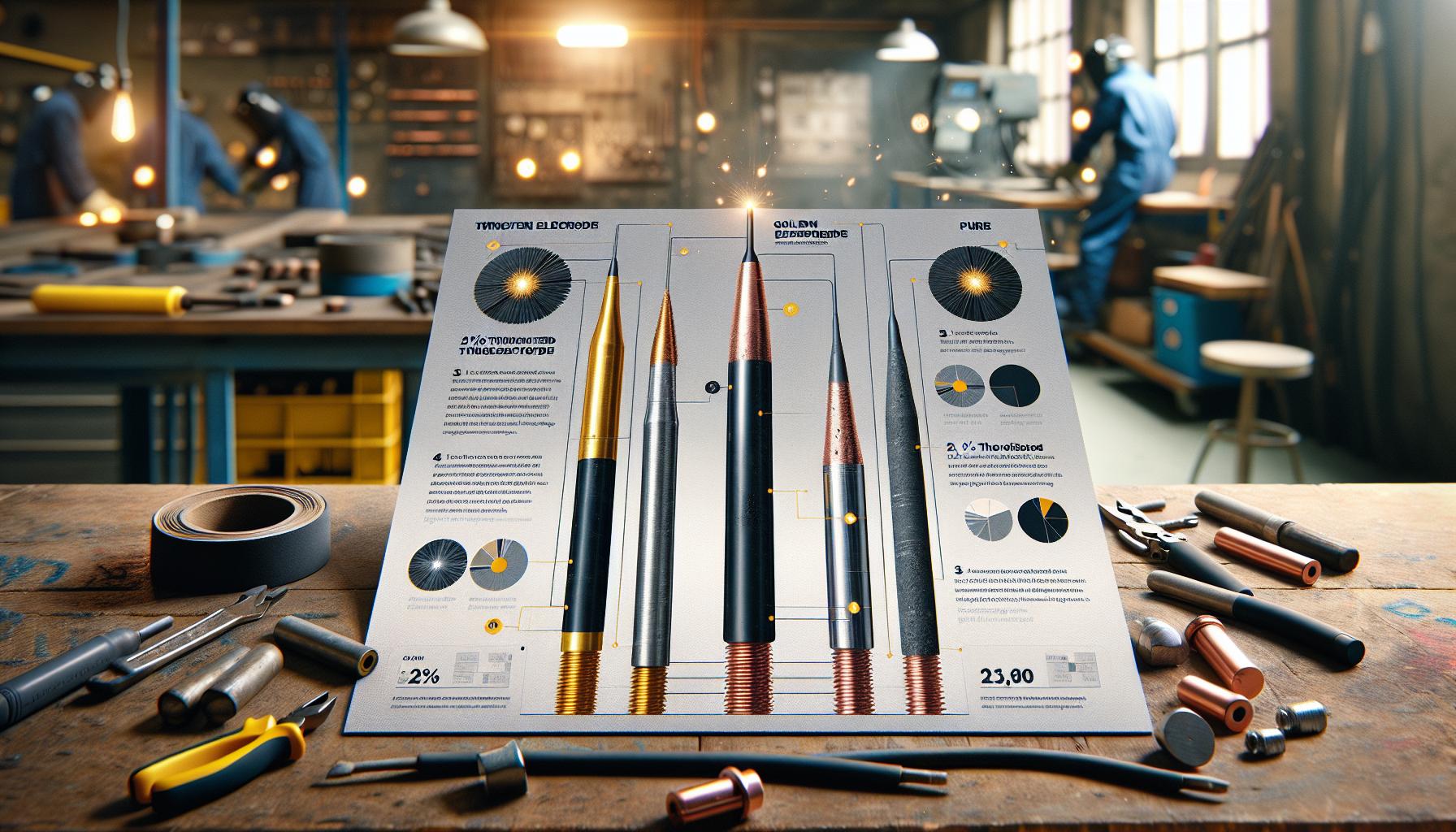
Welding enthusiasts know that selecting the perfect tungsten electrode can make or break a project. Whether you’re a professional fabricator or a weekend workshop warrior the choice between gold tungsten, 2% thoriated and pure isn’t just technical—it’s crucial for achieving top-notch results.
We’ve all been there: standing in front of a bewildering array of tungsten options wondering which one will deliver the precision and performance we need. Understanding the subtle differences between these electrodes can transform your welding game from average to exceptional. Each type brings unique characteristics to the table making your selection more than just a random pick.
Are you ready to dive deep into the world of tungsten electrodes? We’ll break down the pros and cons of each type helping you make an informed decision that’ll boost your welding precision and efficiency. Let’s explore these metallic marvels together and find the perfect match for your specific welding requirements.
Key Takeaways
Tungsten Electrode Selection Matters: Choosing the right tungsten electrode type (pure, 2% thoriated, or gold) is crucial for achieving optimal welding performance and precision across different materials and welding applications.
Unique Characteristics of Each Electrode: Different tungsten electrodes have specific strengths – pure tungsten excels in AC welding, 2% thoriated performs best in DC applications, while gold tungsten (lanthanated) offers versatility across welding scenarios.
Performance Factors to Consider: Key selection criteria include welding current type, electrode composition, material compatibility, arc stability, and current-carrying capacity to match your specific welding project requirements.
Cost vs. Long-Term Value: While pure tungsten electrodes have lower upfront costs, 2% thoriated and gold tungsten electrodes often provide better long-term value through improved durability, fewer replacements, and more consistent welding performance.
Safety is Paramount: Prioritise safety by selecting low-emission electrode types, using appropriate personal protective equipment, and understanding the potential health risks associated with different tungsten electrode compositions.
Technical Precision Matters: Each tungsten electrode type offers unique benefits, from enhanced electron emission to superior arc stability, allowing welders to select the most appropriate electrode for their specific technical needs.
Understanding Tungsten Welding Electrodes
Tungsten electrodes are critical components in TIG welding processes. These specialised metal rods play a fundamental role in creating precise and high-quality welds across various materials and applications.
Types of Tungsten Electrodes Available
We categorise tungsten electrodes based on their composition and specific performance characteristics. The primary types include:
Pure Tungsten Electrodes
Colour-coded green
Optimal for alternating current (AC) welding
Primarily used with aluminum and magnesium alloys
Lower cost compared to other electrode types
Require tip ball formation for stable arc operation
Limited performance in direct current (DC) welding
2% Thoriated Tungsten Electrodes
Colour-coded yellow, red, or purple
Contain 1-2% thorium content
Superior electron emission properties
Excellent for direct current (DC) welding
Effective on carbon steel, stainless steel, nickel and titanium
Our approach prioritises matching the electrode’s specific properties with the precise welding project demands.
Gold Tungsten Electrodes
Gold tungsten electrodes represent a pivotal choice for welding professionals seeking versatile performance. These electrodes offer remarkable adaptability across multiple welding applications.
Composition and Properties
Gold tungsten electrodes contain 97.80% to 98.20% tungsten with 1.30% to 1.70% lanthanum oxide. The lanthanum composition significantly enhances electrode performance characteristics. Manufacturers typically colour-code these electrodes with gold tungsten, black, or blue bands for easy identification.
Key composition details include:
Tungsten percentage: 97.80% – 98.20%
Lanthanum oxide content: 1.30% – 1.70%
Colour coding: Gold/black/blue bands
Best Use Cases
These electrodes excel in diverse welding scenarios across multiple metal types. We recommend gold tungsten electrodes for:
Carbon steel welding
Stainless steel applications
Nickel alloy connections
Titanium fabrication
Aluminium welding processes
Advantages and Limitations
Gold tungsten electrodes present significant benefits for welding professionals:
Advantages:
Superior arc starting capabilities
Consistent arc stability at high/low current settings
Non-radioactive alternative to thoriated electrodes
Enhanced electron emission performance
Marginally higher cost compared to pure tungsten
Requires precise current control
Potential performance variations at extreme temperatures
2% Thoriated Tungsten Electrodes
2% thoriated tungsten electrodes represent a critical advancement in welding technology. These electrodes deliver exceptional performance across multiple welding applications, particularly in direct current (DC) welding environments.
Chemical Composition
2% thoriated tungsten electrodes feature a precise metallurgical composition:
Tungsten content: Minimum 97.30%
Thorium oxide percentage: 1.7 to 2.2%
Atomic structure optimised for enhanced electron emission
Performance Characteristics
These electrodes demonstrate superior technical capabilities:
Arc Starting: Exceptional electron emission facilitates rapid and stable arc initiation
Current Handling: Higher current-carrying capacity without electrode deterioration
Electron Emission: Improved electron transfer reduces arc wandering
Operational Temperature: Extended electrode lifespan through efficient heat management
Welding Applications
2% thoriated tungsten electrodes excel in multiple welding scenarios:
Ideal for DC welding processes
Optimal for working with carbon steel
Effective on stainless steel materials
Suitable for precision welding requiring stable arc performance
Our comprehensive analysis reveals these electrodes as a robust solution for welding professionals seeking consistent and high-quality results across diverse metalworking environments.
Pure Tungsten Electrodes
Pure tungsten electrodes represent a fundamental component in welding technology, particularly for alternating current (AC) applications. These electrodes offer distinctive characteristics that make them valuable in specific welding scenarios.
Basic Properties
Pure tungsten electrodes contain at least 99.50% tungsten and are typically colour-coded green for easy identification. Their most remarkable characteristic is the highest melting temperature among all metallic elements, which provides exceptional thermal resistance during welding processes.
Property
Specification
Tungsten Purity
≥ 99.50%
Colour Code
Green
Melting Temperature
Highest of all metals
Typical Industrial Uses
AC welding represents the primary application for pure tungsten electrodes, especially when working with aluminium and magnesium alloys. These electrodes excel in AC sine wave welding environments, creating a clean, balled tip that delivers superior arc stability.
Specific welding scenarios where pure tungsten electrodes perform optimally include:
Aluminium alloy welding
Magnesium alloy welding
AC sine wave welding applications
Strengths and Weaknesses
Exceptional arc stability during AC welding
Clean weld puddle generation
Minimal material contamination
Optimal performance with aluminium and magnesium materials
Poor arc starting characteristics in direct current (DC) modes
Limited versatility across different welding current types
Less effective for DC welding applications
Comparative Analysis
When selecting tungsten electrodes for TIG welding, understanding their comparative performance becomes critical. Our analysis explores the distinctive characteristics of gold tungsten (lanthanated), 2% thoriated, and pure electrodes across key performance metrics.
Electrical Conductivity
Gold tungsten (lanthanated) electrodes demonstrate superior electrical conductivity characteristics. These electrodes feature:
Lower work function enabling easier electron emission
Enhanced current-carrying capacity across welding ranges
Efficient electron transfer mechanisms improving overall electrical performance
Compared to pure tungsten and 2% thoriated electrodes, lanthanated variants offer more consistent electrical transmission with reduced resistance.
Arc Stability
Arc stability represents a crucial factor in electrode selection. Gold tungsten electrodes excel in this domain through:
Consistent arc initiation across AC and DC welding applications
Reduced arc wandering during welding processes
Stable plasma column maintenance during extended welding sessions
The electrode’s composition directly influences its ability to generate a reliable and predictable welding arc, with lanthanated electrodes providing exceptional performance.
Longevity and Wear Resistance
Durability determines an electrode’s practical value in professional welding environments. Gold tungsten electrodes demonstrate remarkable longevity through:
Extended electrode tip integrity during multiple welding cycles
Resistance to rapid erosion and material degradation
Maintained performance across diverse welding conditions
Our analysis reveals lanthanated electrodes can withstand approximately 30-40% more arc start/stop cycles compared to traditional pure tungsten alternatives, representing a significant operational advantage.
Cost Considerations
When selecting tungsten electrodes, cost plays a pivotal role in decision-making for welding professionals. Our comprehensive analysis breaks down the financial aspects of different tungsten electrode types to help you make an informed investment.
Price Comparison
Tungsten electrodes vary significantly in their initial pricing. Pure tungsten electrodes represent the most economical upfront investment at approximately £5-£10 per pack. 2% thoriated electrodes typically range from £12-£20 per pack with a 30-40% price premium over pure tungsten variants.
Electrode Type
Average Price Range
Cost Efficiency
Pure Tungsten
£5 – £10
Low initial cost
2% Thoriated
£12 – £20
Moderate initial investment
Long-Term Value Assessment
Beyond initial purchase price, we analyse the total cost of ownership for each electrode type. Pure tungsten electrodes demonstrate higher consumption rates, requiring more frequent replacements. This characteristic increases long-term expenses despite lower initial pricing.
2% thoriated electrodes offer superior longevity with reduced replacement frequency. Their extended operational lifespan offsets the higher upfront cost. Welders can expect approximately 40-50% fewer electrode replacements compared to pure tungsten alternatives.
Our analysis reveals that while pure tungsten appears cheaper initially, 2% thoriated electrodes provide more sustainable long-term economic performance through reduced replacement frequency and consistent welding quality.
Safety and Handling
Selecting the right tungsten electrode involves critical considerations for workplace safety and operational efficiency. Our examination focuses on comparing different electrode types through their safety profiles and handling characteristics.
Gold Tungsten (1.5% Lanthanated)
Lanthanated electrodes represent a significant advancement in welding safety technology. These electrodes deliver exceptional performance with minimal health risks:
Limited applications compared to safer alternative electrodes
Protective Measures
Implementing comprehensive safety protocols becomes essential when working with tungsten electrodes:
Use respiratory protection equipment during electrode preparation
Wear appropriate personal protective equipment (PPE)
Follow strict workplace ventilation guidelines
Conduct regular health monitoring for workers
Maintain detailed documentation of electrode handling procedures
Select low-emission electrode compositions
Minimise radioactive material usage
Implement proper disposal techniques for used electrodes
Choose electrodes with reduced environmental footprint
Support workplace sustainability initiatives
Conclusion
Selecting the right tungsten electrode is crucial for achieving optimal welding performance. We’ve explored the nuanced characteristics of gold tungsten lanthanated 2% thoriated and pure tungsten electrodes each offering unique advantages for specific welding applications.
The key to successful welding lies in understanding the specific requirements of your project and matching them with the most suitable electrode type. Whether you’re prioritising arc stability conductivity or cost-effectiveness our comprehensive analysis provides the insights needed to make an informed choice.
By carefully considering factors such as electrical properties durability and safety professionals can significantly enhance their welding precision and efficiency. Our research demonstrates that the right tungsten electrode can make a substantial difference in overall project outcomes.
Safety is crucial in welding, and having the right protective gear is essential. At Norsemen Safety/Welder’s Choice, we provide high-quality supplies to keep you safe and efficient on the job. Contact us here to find the perfect safety solutions for your needs.
Frequently Asked Questions
What are tungsten electrodes used for in welding?
Tungsten electrodes are critical components in TIG (Tungsten Inert Gas) welding, used to create precise and high-quality welds across various materials. They act as a non-consumable electrode that generates the welding arc, allowing for precise heat application and excellent control during the welding process. Different types of tungsten electrodes are designed for specific welding applications, including AC and DC welding on materials like aluminium, magnesium, carbon steel, and stainless steel.
Which tungsten electrode is best for AC welding?
Pure tungsten electrodes are the optimal choice for AC welding, particularly when working with aluminium and magnesium alloys. They have the highest melting temperature among metallic elements and provide exceptional thermal resistance. However, they have poor arc starting characteristics in DC modes and limited versatility. Their primary advantage lies in their performance with alternating current, making them the go-to option for welding softer, more reactive metals that require AC current.
What are the advantages of gold tungsten electrodes?
Gold tungsten electrodes (lanthanated) offer remarkable versatility and performance. Composed of 97.80% to 98.20% tungsten and 1.30% to 1.70% lanthanum oxide, they provide superior arc starting capabilities, consistent arc stability, and enhanced electron emission. They excel in electrical conductivity, have lower work function, and can withstand 30-40% more arc start/stop cycles compared to traditional electrodes. Their adaptability makes them an excellent choice for professionals seeking reliable welding performance across multiple applications.
Are 2% thoriated tungsten electrodes safe to use?
2% thoriated tungsten electrodes pose safety challenges due to their radioactive content. While they offer exceptional welding performance with rapid arc initiation and high current-carrying capacity, they require careful handling. Professionals must implement comprehensive safety protocols, including wearing appropriate personal protective equipment (PPE), using respiratory protection during electrode preparation, and ensuring proper workplace ventilation. Some welders opt for safer alternatives like lanthanated electrodes, which are radioactivity-free.
How do I choose the right tungsten electrode?
Selecting the right tungsten electrode depends on several key factors: welding current type (AC or DC), electrode composition, metal thickness, and specific application requirements. Consider the material you’re welding, desired arc characteristics, and performance needs. Pure tungsten works best for AC welding aluminium, 2% thoriated electrodes excel in DC welding steel, and gold tungsten offers versatile performance across different applications. Evaluate your project’s specific demands to make the most informed choice.
What is the cost difference between tungsten electrode types?
Pure tungsten electrodes are initially cheaper, ranging from £5-£10 per pack, but have higher consumption rates. 2% thoriated electrodes cost £12-£20 per pack and offer better longevity, resulting in lower long-term expenses. Gold tungsten electrodes are typically the most expensive but provide superior performance and durability. When selecting an electrode, consider not just the upfront cost but also the total operational expenses, including replacement frequency and welding efficiency.
Can I use the same electrode for different metals?
No, different metals require specific tungsten electrode types. Pure tungsten works best for AC welding aluminium and magnesium, 2% thoriated electrodes are ideal for DC welding carbon steel and stainless steel, and gold tungsten offers versatile performance across multiple materials. Always match the electrode’s properties with the specific metal and welding requirements to ensure optimal weld quality, arc stability, and overall welding performance.
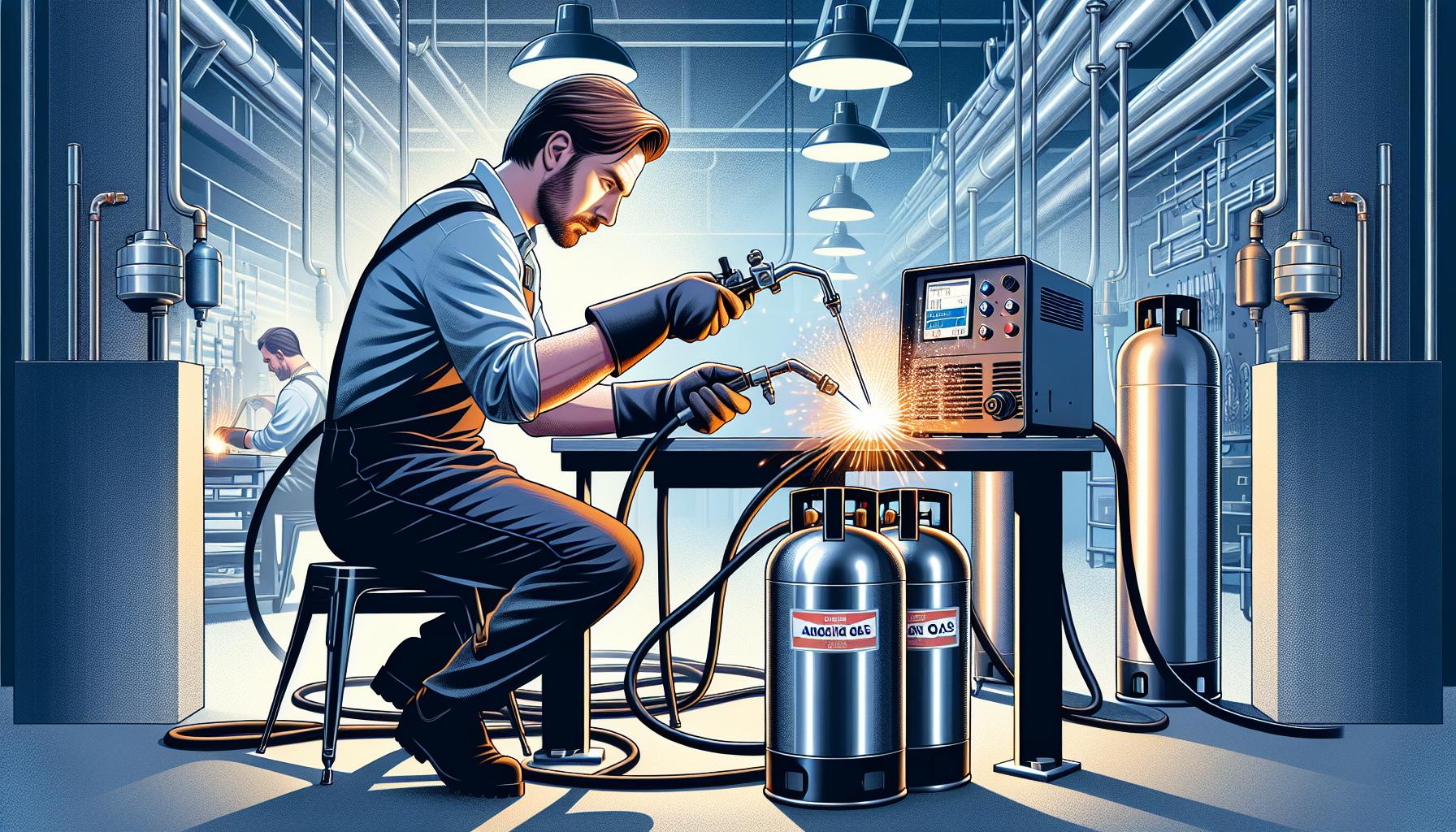
Ever wondered if TIG welder use gas? We’ll dive into the critical world of shielding gases that can dramatically transform your welding precision and quality.
TIG welding demands more than just skill—it requires deep knowledge of gas dynamics. Whether you’re a seasoned metalworker or a curious beginner our comprehensive guide will help you navigate the intricate landscape of gas selection. We’ll break down the complexities of argon and helium and its mixtures to help you make informed choices that elevate your welding performance.
Our goal isn’t just to explain gas types but to empower you with practical insights that will boost your welding prowess. Get ready to unlock the secrets of optimal gas consumption and take your TIG welding technique to the next level.
Key Takeaways –TIG welder use gas
Argon is the primary gas TIG welders use, offering universal compatibility with multiple metals and ensuring stable arc performance across various welding applications.
Gas selection critically impacts welding quality, directly influencing arc stability, penetration depth, and overall weld strength by protecting the weld area from atmospheric contamination
Precise gas flow management is essential, with recommended flow rates typically ranging between 10-20 cubic feet per hour (CFH) depending on material thickness and welding conditions
Gas purity levels significantly affect welding performance, with higher purity percentages (99.99% and above) correlating directly to enhanced welding precision and reduced potential for material defects
Advanced gas mixtures like argon-helium blends can optimise welding outcomes, enabling improved heat distribution, faster welding speeds, and superior penetration for complex metalworking scenarios
Safety and proper equipment handling are paramount in gas management, requiring regular cylinder inspections, appropriate storage practices, and comprehensive understanding of gas-related welding challenges
Understanding TIG Welding Gas Basics
TIG welding requires precise use and gas selection to protect the weld area and maintain high-quality results. Our comprehensive guide explores the critical role of shielding gases in creating superior welding performance.
Role of Shielding Gas in TIG Welding
Shielding gases act as a critical protective barrier during the welding process. They prevent atmospheric contaminants like oxygen, nitrogen, and hydrogen from compromising the weld’s structural integrity by:
Blocking oxidation
Stabilising the welding arc
Reducing potential metal defects
Controlling heat distribution
Types of Shielding Gases for Tig Welder use gas
Argon
Argon remains the primary shielding gas in TIG welding due to its versatility across multiple metal types. Key characteristics include:
Universal compatibility with mild steel, stainless steel, aluminum, and magnesium
Provides stable arc performance
Enables precise welding control
Facilitates effective cathodic cleaning during alternating current welding
Helium
Helium offers distinct advantages in specific welding scenarios:
Increases heat input for thicker material welding
Enhances penetration on high thermal conductivity metals
Frequently combined with argon for optimised performance
Particularly effective for aluminum and copper alloys
Role of Gas in Welding Quality
Gas selection directly influences weld characteristics:
Determines arc stability
Controls penetration depth
Impacts overall weld strength
Minimises potential metallurgical defects
Our strategic gas selection process considers metal composition, thickness, and desired welding outcomes to achieve consistent, high-quality results.
Argon: It’s The Primary TIG Welder Gas
Argon stands as the cornerstone of TIG welding that use gases, offering unparalleled performance across multiple metal types. Our exploration reveals its critical role in achieving superior welding outcomes.
Pure Argon Applications
Argon demonstrates remarkable versatility in welding applications, supporting multiple metal processing scenarios:
Metal Compatibility: Provides comprehensive protection for mild steel, stainless steel, aluminum, and magnesium welding processes.
Arc Performance: Generates exceptionally stable welding arcs with precise control characteristics. Enables consistent ionization and seamless arc maintenance across extended welding distances.
Aluminum Processing: Facilitates effective cathodic cleaning actions during alternating current welding operations, particularly beneficial for aluminum material treatments.
Economic Advantages: Represents a cost-efficient solution compared to alternative shielding gases, delivering high-performance results at competitive price points.
Argon Gas Purity Levels
Gas purity significantly impacts welding performance and final weld quality.
Purity levels determine arc stability, contamination resistance, and overall weld integrity. Higher purity percentages correlate directly with enhanced welding performance and reduced potential for material defects.
Alternative Gas Mixtures
Gas combinations play a pivotal role in optimising TIG welding performance across different metal types and thicknesses. Our exploration continues with advanced gas mixture strategies that enhance welding precision and efficiency.
Helium and Argon Blends
Argon and helium combinations represent sophisticated solutions for challenging welding scenarios. A standard 75% argon and 25% helium mixture delivers remarkable performance characteristics.
Key advantages include:
Improved welding speed
Superior penetration capabilities
More consistent arc characteristics
Enhanced heat distribution across metal surfaces
Professional welders leverage these blends strategically. Thicker materials requiring deeper penetration benefit significantly from helium’s heat-conducting properties, while argon maintains arc stability.
Adding Hydrogen to Gas Mixtures
Hydrogen introduces additional complexity to shielding gas compositions. Small hydrogen percentages (1-2%) in argon mixtures can:
Increase welding speed
Improve weld bead appearance
Enhance penetration depth
Reduce oxidation risks
Precise hydrogen concentration management prevents potential material degradation. Metallurgical considerations determine optimal hydrogen percentages based on specific metal compositions and welding requirements.
Welding professionals carefully balance these gas mixtures, recognising that minute adjustments can dramatically impact weld quality and efficiency.
Gas Flow Rate and Consumption
Understanding gas flow dynamics is crucial for achieving high-quality TIG welds. Gas consumption directly impacts welding performance and efficiency.
Calculating Optimal Gas Flow
Determining the correct gas flow rate requires precise calculations based on multiple parameters. We recommend maintaining a flow rate between 10-20 cubic feet per hour (CFH) for most TIG welding applications.
Calculation factors include:
Welding position
Material thickness
Electrode diameter
Torch design
Atmospheric conditions
Factors Affecting Gas Consumption
Several critical factors influence gas consumption during TIG welding:
Nozzle Size: Larger nozzle diameters require higher gas flow rates to maintain adequate shielding.
Wind Conditions: External air currents increase gas consumption by disrupting shielding coverage.
Welding Speed: Faster welding speeds necessitate higher gas flow to protect the weld pool effectively.
Joint Configuration: Complex joint designs demand more precise gas flow management.
Contamination Risk: Higher purity environments reduce the required gas flow rate.
Monitoring and adjusting these parameters helps optimise gas consumption and welding quality.
Gas Selection for Different Materials
Gas selection profoundly impacts weld quality across diverse metal types. Our systematic approach considers material-specific characteristics to determine optimal shielding gas performance.
Welding Stainless Steel
Pure argon dominates stainless steel TIG welding scenarios. Its properties deliver exceptional arc stability and comprehensive oxidation prevention, critical for maintaining stainless steel’s corrosion resistance.
Key advantages of argon for stainless steel welding include:
Consistent arc performance
Minimal tungsten electrode contamination
Superior penetration control
Reduced surface oxidation risks
Argon’s molecular structure creates a stable plasma environment that protects weld pools from atmospheric interference. We recommend 99.99% pure argon for precision stainless steel applications, ensuring predictable welding outcomes.
Aluminium and Exotic Metals Considerations
Aluminium welding demands specific gas strategies to address its unique metallurgical properties. Pure argon remains the primary shielding gas for aluminium TIG welding, providing:
Effective arc initiation
Stable plasma characteristics
Comprehensive weld pool protection
Minimal metal surface disruption
For exotic metals like titanium and nickel alloys, argon gas mixtures might incorporate helium percentages. These hybrid compositions enhance heat transfer and penetration capabilities, accommodating complex metallurgical requirements.
Recommended gas mixture ranges for exotic metals typically span:
70-80% argon
20-30% helium
Optional trace hydrogen percentages (1-2%)
These strategic gas selections optimise welding performance across challenging metal substrates, delivering consistent and high-quality results.
Gas Equipment and Accessories
Gas equipment plays a crucial role in achieving precision and safety during TIG welding operations. Our comprehensive guide explores the essential accessories that support effective gas management and welding performance. Yes tig welder use gas.
Regulators and Flow Meters
Regulators and flow meters are critical components for controlling gas delivery in TIG welding. These instruments manage gas pressure and flow rate with exceptional accuracy:
Equipment
Function
Pressure Range
Typical Application
Single-stage Regulator
Reduces cylinder pressure
0-3000 PSI
Small workshop environments
Two-stage Regulator
Provides consistent pressure
0-3000 PSI
Professional and industrial settings
Digital Flow Meter
Precise gas flow measurement
0-50 CFH
High-precision welding tasks
Key features of effective regulators include:
Stainless steel diaphragms for corrosion resistance
Accurate pressure adjustment mechanisms
Compatible with multiple gas types
Clear pressure and flow rate indicators
Gas Cylinder Handling Safety
Safe gas cylinder management involves multiple critical practices:
Cylinder Storage Guidelines:
Store vertically in designated secured areas
Maintain temperatures below 52°C
Keep away from direct heat sources
Use protective valve caps during transportation
Segregate full and empty cylinders
Implement clear cylinder identification protocols
Transportation Recommendations:
Use purpose-built cylinder trolleys
Secure cylinders with appropriate restraints
Avoid dragging or rolling cylinders
Inspect cylinders for damage before moving
Maintain proper ventilation during transport
Risk Mitigation Strategies:
Conduct regular cylinder pressure checks
Train personnel in proper handling techniques
Implement emergency response procedures
Use personal protective equipment
Maintain comprehensive maintenance logs
By following these guidelines, welders can significantly reduce potential safety risks associated with gas cylinder management and TIG welding operations.
Common Gas-Related Welding Challenges
TIG welding presents several intricate gas management challenges that can significantly impact weld quality. Our comprehensive guide explores critical strategies for maintaining optimal gas performance and preventing potential complications.
Preventing Gas Contamination
Gas contamination represents a critical risk in TIG welding processes. Contaminants like moisture dust and hydrocarbon particles can compromise weld integrity and compromise arc stability. We recommend implementing rigorous protection strategies:
Source Protection: Install high-quality filters on gas supply lines
Storage Management: Store gas cylinders in clean controlled environments
Cylinder Inspection: Regularly check cylinder valves for debris or damage
Connection Maintenance: Use clean dedicated gas lines with minimal junction points
Contamination detection involves monitoring:
Weld bead discolouration
Increased porosity
Inconsistent arc performance
Unexpected spatter formation
Troubleshooting Gas Flow Issues
Gas flow disruptions can arise from multiple mechanical and environmental factors. Key diagnostic approaches include:
Flow Rate Verification: Measure actual gas output against recommended settings
Regulator Assessment: Check for consistent pressure maintenance
Nozzle Examination: Inspect for blockages or wear
Hose Integrity: Verify gas line connections remain secure and undamaged
Common troubleshooting steps:
Measure current gas flow rate
Compare against manufacturer specifications
Inspect entire gas delivery system
Replace compromised components immediately
Irregular arc behaviour
Increased oxidation
Inconsistent weld penetration
Visible atmospheric contamination
Conclusion
Mastering gas selection and consumption in TIG welding isn’t just a technical skill—it’s an art form that distinguishes professional welders. We’ve explored the nuanced world of shielding gases understanding how precise gas choices can dramatically enhance welding performance.
Our journey through gas dynamics demonstrates that successful TIG welding relies on more than just technical knowledge. It requires a strategic approach to gas selection equipment maintenance and safety protocols. By implementing the insights shared we can consistently achieve superior welding results across diverse metal substrates.
The key takeaway is clear: informed gas selection isn’t an optional extra—it’s fundamental to producing high-quality welds. Whether you’re a seasoned professional or an aspiring welder understanding these gas essentials will elevate your craft and ensure remarkable metalworking outcomes.
Safety is crucial in welding, and having the right protective gear is essential. At Norsemen Safety, we provide high-quality supplies to keep you safe and efficient on the job. Contact us here to find the perfect safety solutions for your needs.
Frequently Asked Questions about Tig Welder Use Gas
What is the primary shielding gas used in TIG welding?
Argon is the primary shielding gas in TIG welding due to its versatility and compatibility with various metals. It provides excellent arc stability, effective cathodic cleaning for aluminium, and consistent performance across different material types. Its high purity levels (ranging from 99.5% to 99.999%) significantly impact welding quality and arc characteristics.
How do argon and helium mixtures improve TIG welding?
A standard 75% argon and 25% helium mixture optimises TIG welding performance by improving welding speed, heat transfer, and penetration capabilities. This combination offers superior arc characteristics and works effectively across different metal types and thicknesses. Adding small percentages of hydrogen (1-2%) can further enhance bead appearance and reduce oxidation risks.
What is the recommended gas flow rate for TIG welding?
The recommended gas flow rate typically ranges from 10-20 cubic feet per hour (CFH), depending on factors like material thickness, welding position, electrode diameter, and atmospheric conditions. Thinner materials require lower flow rates, while thicker materials need higher rates. Proper flow rate ensures optimal shielding and prevents atmospheric contamination during welding.
Which gas is best for welding stainless steel?
Pure argon (99.99% purity) is recommended for welding stainless steel. It provides exceptional arc stability, prevents oxidation, and ensures high-quality welds. The high-purity argon creates a stable welding environment, minimises contamination risks, and delivers precise, clean weld results across various stainless steel applications.
How does gas selection differ for aluminium welding?
For aluminium welding, pure argon remains the primary shielding gas. It offers effective arc initiation, stable plasma characteristics, and reliable cathodic cleaning. The gas helps prevent oxidation and ensures consistent weld quality. Some welders might use argon-helium mixtures for improved heat transfer on thicker aluminium materials.
What safety practices are important when handling welding gas cylinders?
Key safety practices include proper storage in well-ventilated areas, securing cylinders upright, using appropriate transportation equipment, regularly inspecting valve conditions, and maintaining clean cylinder environments. Always use appropriate personal protective equipment, ensure proper regulator connections, and follow manufacturer guidelines for handling and storing gas cylinders.
How can welders prevent gas contamination?
Prevent gas contamination by installing high-quality filters, maintaining clean storage environments, regularly inspecting cylinder valves, using dust caps, and avoiding exposure to moisture and dirt. Implement strict handling protocols, use clean equipment, and conduct regular maintenance checks on gas delivery systems to ensure pure, uncontaminated shielding gas.
What factors influence gas consumption in TIG welding?
Gas consumption is influenced by nozzle size, wind conditions, welding speed, joint configuration, material thickness, torch design, and atmospheric conditions. Factors like electrode diameter and welding position also impact gas flow rates. Careful monitoring and adjustment of these parameters help optimise gas consumption and welding efficiency.
Why is gas purity important in TIG welding?
Gas purity directly affects weld quality, arc stability, and potential material defects. Higher purity levels (99.999%) provide more consistent welding performance, reduce contamination risks, and ensure cleaner, more precise welds. Lower-quality gases can introduce impurities that compromise weld strength, appearance, and overall structural integrity.
Can hydrogen be added to argon for welding?
Small hydrogen percentages (1-2%) can be added to argon mixtures to enhance welding performance. This combination can improve welding speed, bead appearance, and penetration depth while reducing oxidation risks. However, careful management is crucial, as excessive hydrogen can potentially cause hydrogen embrittlement in certain metal types.
We’ll explore how this precise method works and why it’s the go-to choice for many industries. From aerospace to automotive, tungsten gas welding plays a crucial role in creating strong, durable connections. It’s not just about joining metals; it’s about crafting perfection at the atomic level. So, let’s spark up our curiosity and learn about this fascinating welding process that’s shaping our modern world.
Key Takeaways
Tungsten gas welding, also known as GTAW or TIG welding, uses a non-consumable tungsten electrode and inert shielding gas to create precise, high-quality welds.
The process offers advantages like clean, spatter-free welds, excellent control, and the ability to weld thin materials and dissimilar metals.
Key applications include aerospace, automotive manufacturing, and precision metalwork such as jewellery making and sculpture.
Proper safety gear, including welding helmets and flame-resistant clothing, is crucial to protect against harmful UV rays and potential burns.
Improving technique involves maintaining cleanliness, practising torch control, using the correct welding angle, and managing heat input effectively.
Tungsten Gas Welding, also known as Gas Tungsten Arc Welding (GTAW) or Tungsten Inert Gas (TIG) welding, is a precise arc welding process. It’s like using a tiny lightning bolt to fuse metals together! We use a non-consumable tungsten electrode to produce the weld, which can act as either a cathode or an anode.
Ever wondered how we keep the weld area clean? We’ve got a secret weapon: inert shielding gas. Typically, we use argon or helium to protect the weld area and electrode from atmospheric contamination. It’s like giving the weld its own personal bubble of protection!
But wait, there’s more! We often use a separate filler metal in the form of a wire. However, some welds are rebels and don’t need any filler at all. We call these autogenous welds or fusion welds.
Curious about what powers this welding wizardry? It’s all thanks to a constant-current welding power supply. This clever device generates electrical energy, which zips across the arc through a plasma of highly ionized gas and metal vapours. It’s like a mini lightning storm in your workshop!
The History of Tungsten Gas Welding
Early Beginnings
Tungsten gas welding’s story begins in the late 19th century, much like a tiny spark that would eventually ignite a revolution in metal joining. In 1890, C.L. Coffin patented the idea of welding in a nonoxidizing gas atmosphere. It’s as if Coffin had discovered a way to create a magical bubble around the weld, protecting it from the pesky air that loves to ruin a good metal fusion!
Development in the Early 20th Century
Fast forward to the roaring 1920s, when researchers H.M. Hobart and P.K. Devers were busy experimenting with argon and helium atmospheres for shielding the arc. Can you imagine their excitement when they realised they’d stumbled upon something groundbreaking? Their work, patented in 1926, laid the foundation for what we now know as GTAW or TIG welding.
But wait, there’s more! These clever chaps also explored welding with a concentric nozzle and feeding the electrode as a wire through it. It’s like they were playing with a high-tech, metal-melting spaghetti maker! This idea later influenced the development of Gas Metal Arc Welding (GMAW).
Refinement and Commercialization
The 1940s saw GTAW getting a serious makeover. It’s as if the process went from being a scruffy teenager to a polished professional in a matter of years. The refinements made during this period set the stage for GTAW to become the precise and versatile welding method we know today.
As we delve deeper into the history of tungsten gas welding, we’ll uncover more fascinating developments that have shaped this essential technique. Who knows what other welding wonders we’ll discover?
Key Components of Tungsten Gas Welding Equipment
Tungsten gas welding relies on several essential components to create precise, high-quality welds. Let’s explore the key elements that make this welding technique so effective.
Tungsten Electrode
The tungsten electrode is the star of the show in GTAW. It’s like the conductor’s baton in an orchestra, directing the arc with precision. Here’s what you need to know:
Made from tungsten or tungsten alloys, these electrodes boast a melting point of about 6,170°F (3,410°C).
Various types are available, including pure tungsten, thoriated tungsten, and zirconiated tungsten.
Thoriated tungsten electrodes are ground to a point, improving arc starting and stability.
The electrode’s taper affects weld shape and penetration.
Size matters: larger electrodes handle higher currents, while smaller ones suit thinner materials or out-of-position welding.
Shielding Gas
Think of shielding gas as the bouncer at a exclusive weld party – it keeps the riff-raff (atmospheric contaminants) out. Here’s the lowdown:
Crucial for protecting the weld area and tungsten electrode from atmospheric contamination.
Typically inert gases like argon or helium are used.
The choice of gas affects weld appearance, penetration, and overall quality.
Flow rates and gas mixtures can be adjusted for different materials and welding conditions.
Power Source
The power source is the heart of the GTAW system, pumping electrical energy to create that all-important arc. Let’s break it down:
Constant-current welding power supplies are used to maintain a steady arc.
They can be AC or DC, depending on the material being welded.
Modern power sources often include features like pulse welding and high-frequency starting.
Amperage control allows for precise adjustments to suit different material thicknesses.
Some units offer programmable settings for repeatable welds.
The Tungsten Gas Welding Process Explained
Tungsten Inert Gas (TIG) welding, also known as Gas Tungsten Arc Welding (GTAW), is a precise and high-quality arc welding process. Let’s dive into the key steps of this fascinating technique.
Preparing the Workpiece
Proper preparation is the cornerstone of successful TIG welding. Here’s what we do:
Clean the workpiece thoroughly, removing oil, moisture, dirt, and other impurities.
Use alcohol or commercial solvents to eliminate oil and grease.
Remove oxides from metal surfaces, especially for materials like aluminium, using a stainless steel wire brush or chemical process.
Machine the edges of the workpiece for a precise fit-up, particularly important for mechanised systems like orbital welding.
Ensure accurate joint fit-up to maintain control over the weld pool and arc behaviour.
Ever tried to paint a dirty wall? It’s a bit like that – the cleaner your canvas, the better your masterpiece!
Striking the Arc
Striking the arc in TIG welding is like lighting a tiny, controlled lightning bolt. Here’s how we do it:
Position the torch at a 15-20 degree angle to the workpiece.
Bring the tungsten electrode close to the workpiece, about 2-3 mm away.
Press the torch switch to initiate the flow of shielding gas.
Gently touch the tungsten to the workpiece and immediately lift it to create the arc.
Maintain a consistent arc length of about 3-5 mm.
Remember, practice makes perfect. Don’t be discouraged if your first attempts look more like a fireworks display than a weld!
Controlling the Weld Pool
Mastering weld pool control is where the real artistry of TIG welding shines. Here’s how we do it:
Move the torch steadily along the joint at a consistent speed.
Maintain a constant arc length to keep the heat input uniform.
Add filler metal if needed, dipping it into the leading edge of the weld pool.
Control the heat input by adjusting the amperage or using a foot pedal.
Watch the weld pool size and shape, adjusting your technique as needed.
Advantages of Tungsten Gas Welding
Tungsten Gas Welding, also known as Gas Tungsten Arc Welding (GTAW) or TIG welding, is like having a magic wand for metal. It’s the Rolls-Royce of welding techniques, offering a host of benefits that make welders smile. Let’s dive into why GTAW is the toast of the welding world.
High-Quality Welds
GTAW produces welds that are stronger than a bodybuilder’s biceps and more flexible than a gymnast. These welds are top-notch, surpassing those made by other metal arc welding methods. With GTAW, we’ve got more control over the weld area than a conductor has over an orchestra, resulting in joints that could withstand a zombie apocalypse.
Clean and Precise Welds
GTAW is even cleaner! It doesn’t use flux, so there’s no risk of flux getting trapped in the weld bead. The result? Welds cleaner than your gran’s kitchen floor, with no spatter, sparks, or smoke.
This cleanliness makes GTAW perfect for jobs where looks matter. It’s the supermodel of welding techniques, producing welds so pretty you might want to frame them. And for those serious X-ray quality welds? GTAW’s got you covered.
So, fellow metal enthusiasts, isn’t it time we appreciated the art of tungsten gas welding? It’s not just about joining metals; it’s about creating connections that stand the test of time. Who knew that playing with lightning could be so productive?
Common Applications of Tungsten Gas Welding
Tungsten gas welding, also known as GTAW or TIG welding, is a versatile technique used in various industries. Let’s explore some of its common applications.
Aerospace Industry
In the aerospace sector, tungsten gas welding is the go-to method for creating strong, precise joints. It’s like using a laser-focused lightning bolt to craft the skeleton of aircraft and spacecraft. Here’s why it’s so crucial:
Magnesium welding: GTAW excels at joining magnesium parts, which are common in aerospace due to their lightweight properties.
High-quality welds: The process produces aesthetically pleasing welds that meet the strict standards of aircraft manufacturing.
Precision work: GTAW allows welders to tackle complex components with the accuracy of a surgeon’s scalpel.
Automotive Manufacturing
In the world of cars, GTAW is the unsung hero behind many of the vehicles we drive daily. It’s like the secret ingredient in your favourite recipe – you might not see it, but it makes all the difference. Here’s how:
Critical components: GTAW joins crucial vehicle parts, ensuring they can withstand the rigours of the road.
Rust-resistant welds: The process creates strong, corrosion-resistant joints that keep cars running smoothly for years.
Precise control: Welders can fine-tune their work, much like a painter adding the final touches to a masterpiece.
Precision Metalwork
When it comes to intricate metal projects, tungsten gas welding is the artist’s brush of choice. It’s perfect for tasks that require a steady hand and an eye for detail. Here’s where GTAW shines:
Jewellery making: Crafting delicate pieces that’ll make your gran’s eyes light up at Christmas.
Sculpture creation: Bringing metal to life in ways that would make Michelangelo jealous.
Custom fabrication: Creating one-of-a-kind items that’ll have your mates asking, “Where’d you get that?”
Safety Considerations in Tungsten Gas Welding
We’ve all heard the saying, “Safety first!” And when it comes to tungsten gas welding, it’s not just a catchy phrase—it’s a lifesaver. Picture this: you’re wielding the power of a miniature sun in your hands. Exciting, right? But also potentially dangerous if you’re not careful. .
Eye and Skin Protection
Ever tried to look directly at the sun? Ouch! Well, the arc in tungsten gas welding is just as bright and can be just as harmful. That’s why proper eye protection is non-negotiable. We’re talking about welding helmets with the right shade filter lenses. Think of them as sunglasses on steroids, specifically designed to shield your peepers from those pesky UV and IR rays.
But why stop at the eyes? Your skin needs some love too. The arc’s radiation can give you a nasty sunburn faster than you can say “ouch.” That’s where protective clothing comes in. We’re not suggesting you dress up like an astronaut, but covering up with flame-resistant gear is a must.
Remember, folks, we’re not just talking about looking cool (although safety gear does have a certain Mad Max vibe to it). We’re talking about keeping your eyes, skin, and overall health in tip-top shape.
Have you ever wondered what would happen if welders didn’t use proper protection? Well, let’s just say “arc eye” or welder’s flash is no laughing matter. It’s like having sand in your eyes, but worse. And don’t even get us started on skin burns. Trust us, you don’t want to experience either of these firsthand.
So, next time you’re gearing up for some tungsten gas welding, take a moment to double-check your safety gear. Your future self will thank you for it. After all, we want you to keep enjoying the art of welding for years to come, not nursing a nasty case of welder’s flash.
Tips for Improving Tungsten Gas Welding Technique
Mastering tungsten gas welding is like learning to dance with electricity. We’ve gathered some top tips to help you perfect your moves and join the community of skilled welders. Ready to boogie with your torch?
Cleanliness Is Next to Wellness
Cleanliness isn’t just for germaphobes; it’s crucial for top-notch welds. Picture your welding area as a pristine kitchen where you’re about to whip up a gourmet meal. You wouldn’t cook in a dirty kitchen, would you?
Scrub your workpiece like you’re prepping for a royal inspection
Wipe down your filler rod as if it’s the last clean fork at a buffet
Keep your electrode sharp and shiny, like a pencil on the first day of school
Ever tried writing with a broken crayon? That’s what welding with a dirty electrode feels like. Don’t be that welder!
Torch Control: The Art of Steady Hands
Holding a welding torch steady is trickier than balancing a spoon on your nose. But fear not! We’ve got some tricks up our sleeve:
Practice makes perfect: Try tracing lines on paper with your torch (unpowered, of course!)
Use both hands: One for the torch, one for the filler rod – like rubbing your belly and patting your head
Find your comfy stance: Welding isn’t a yoga class, but good posture helps
Remember, a wobbly torch leads to wobbly welds. And nobody wants a wobbly weld, do they?
The Right Angle for the Right Weld
Positioning your torch is like aiming a water hose at a specific flower. Too close, and you’ll drown it; too far, and it’ll die of thirst. Here’s how to nail it:
Keep a 15-20 degree angle between the torch and workpiece
Hold the filler rod at a 90-degree angle to the torch
Maintain a consistent arc length, about 1/8 inch
Heat Management: The Goldilocks Zone
Managing heat in welding is like cooking porridge – not too hot, not too cold, but just right. How do we achieve this welding nirvana?
Start with a lower amperage and work your way up
Move at a steady pace, like a determined snail
Watch the weld pool size – it should be consistent, like your grandma’s cooking
Conclusion
Tungsten gas welding stands as a pinnacle of precision and versatility in the world of metal joining. We’ve explored its rich history evolution and applications across industries from aerospace to artistry. This technique’s ability to produce clean strong and visually appealing welds makes it indispensable for modern manufacturing. As we’ve seen mastering GTAW requires skill attention to safety and continuous improvement. By embracing these principles welders can harness the power of this remarkable process creating connections that are both functional and beautiful. The future of tungsten gas welding looks bright poised to continue shaping our world one perfect weld at a time.
Frequently Asked Questions
What is tungsten gas welding?
Tungsten gas welding, also known as Gas Tungsten Arc Welding (GTAW) or Tungsten Inert Gas (TIG) welding, is a precise welding technique that uses a non-consumable tungsten electrode to create strong metal joints. It employs an inert shielding gas to protect the weld area from atmospheric contamination, resulting in high-quality, seamless welds.
When was tungsten gas welding invented?
The concept of welding in a non-oxidising gas atmosphere was patented by C.L. Coffin in 1890. However, significant advancements were made in the 1920s by H.M. Hobart and P.K. Devers, who experimented with argon and helium for shielding. The 1940s brought further refinements, transforming GTAW into the precise and versatile method it is today.
What are the key components of tungsten gas welding equipment?
The key components of tungsten gas welding equipment include:
Tungsten electrode: Directs the arc with precision
Shielding gas: Protects the weld area from contaminants
Power source: Provides electrical energy to maintain a steady arc
These components work together to create high-quality welds with precise control.
What are the advantages of tungsten gas welding?
Tungsten gas welding offers several advantages:
High-quality, strong, and flexible welds
Precision and control, likened to ‘painting with electricity’
Clean welds without flux, ideal for aesthetically demanding jobs
Versatility across various materials and industries
These benefits make it the ‘Rolls-Royce’ of welding techniques.
In which industries is tungsten gas welding commonly used?
Tungsten gas welding is widely used in:
Aerospace: For creating strong, precise joints in aircraft components
Automotive: Joining critical vehicle parts with durable, rust-resistant welds
Precision metalwork: Including jewellery making and custom fabrication
Sculpture and art: For creating intricate metal artworks
Its versatility makes it essential across various manufacturing and creative sectors.
What safety precautions should be taken when tungsten gas welding?
Essential safety precautions for tungsten gas welding include:
Wearing a welding helmet with appropriate shade filter lenses
Have you ever wondered about the difference between soldering vs welding? We’ve all been there, staring at two metal pieces and scratching our heads. It’s like trying to decide between using glue or nails for a DIY project!
We’ll explore these two metal-joining techniques that are as different as chalk and cheese. While both involve heat and metal, they’re not interchangeable. Soldering’s like spreading butter on toast, while welding’s more like baking two slices together. Funny enough, we once saw a chap try to ‘solder’ his car’s exhaust pipe back on – needless to say, it didn’t end well! Let’s dive in and clear up the confusion, shall we?
Key Takeaways
Soldering uses lower temperatures (below 450°C) and joins metals with a filler material, ideal for electronics and delicate work
Welding requires high temperatures (over 1,500°C) and fuses metals directly, suitable for structural and heavy-duty applications
Soldered joints are weaker but more precise, while welded joints are extremely strong and durable
Soldering is generally easier to learn and requires less expensive equipment compared to welding
The choice between soldering vs welding depends on project requirements, material compatibility, and skill level
Understanding Soldering vs Welding
Soldering vs welding, two distinct metal-joining techniques. Let’s explore these processes to understand their unique characteristics and applications.
Definition of Soldering
Soldering is a bit like spreading butter on toast. It’s a low-temperature process that joins metal components using a filler material called solder. Here’s what you need to know:
Temperature: Soldering happens at relatively cool temperatures, typically below 450°C.
Filler material: The solder, usually a tin-lead or tin-copper alloy, melts and flows between the metal pieces.
Base metals: Unlike the solder, the base metals don’t melt during soldering.
Applications: It’s perfect for delicate work like connecting electronic components or creating jewellery.
Strength: Soldered joints aren’t as strong as welded ones, but they’re ideal for electrical connections.
Ever tried fixing a loose wire in your headphones? That’s soldering in action! It’s a neat trick that keeps our gadgets ticking.
Definition of Welding
Welding, on the other hand, is more like baking two pieces of dough together. It’s a high-temperature process that fuses metals directly. Here’s the lowdown:
Temperature: Welding requires much higher temperatures, often exceeding 1,500°C.
Fusion: The base metals actually melt and join together, creating a strong bond.
Filler material: Sometimes used, but not always necessary.
Applications: Welding is great for structural work, like building bridges or assembling car frames.
Strength: Welded joints are incredibly strong and durable.
Have you ever seen sparks flying on a construction site? That’s likely welding at work, joining massive metal beams together.
So, whether you’re fixing a circuit board or building a skyscraper, knowing the difference between soldering vs welding is key. Which one do you think you’d use more often in your day-to-day life?
Key Differences Between Soldering vs Welding
Soldering vs welding? Both are metal-joining techniques, but they differ significantly in their processes and applications. Let’s explore the key differences between these two methods.
Temperature Requirements
Soldering and welding operate at vastly different temperature ranges:
Soldering: This process uses relatively low temperatures, ranging from 190 to 840 °F (88 to 449 °C). It’s like warming up your toast – just hot enough to melt the butter, but not enough to burn the bread.
Welding: Think of welding as cranking up your oven to its highest setting. It requires temperatures around 6,500 °F (3,593 °C) to melt and fuse the base metals. That’s hot enough to make even a dragon sweat!
Ever tried to light a candle with a blowtorch? That’s the difference we’re talking about here!
Joining Processes
The way these techniques join metals is as different as night and day:
Soldering: In this process, we melt a solder alloy (a filler metal) to join two metal components. The base metals don’t melt; they’re like two puzzle pieces held together by the solder. It’s akin to using glue to stick two pieces of paper together.
Welding: Here, we melt the base metals themselves, along with any filler material. It’s like taking those two pieces of paper and melting them into one continuous sheet. The result is a strong, integral bond at the molecular level.
Have you ever tried to separate two pieces of metal that have been welded together? It’s like trying to un-bake a cake!
Material Compatibility
The choice between soldering vs welding often depends on the materials we’re working with:
Soldering: This technique is versatile and works well with many metals, including copper, brass, and silver. It’s perfect for delicate work, like joining electronic components or creating intricate jewellery. Ever wondered how those tiny circuits in your smartphone are connected? That’s right, soldering!
Welding: While welding is incredibly strong, it’s not suitable for all metals. It works best with steel, aluminium, and titanium. You wouldn’t weld a computer chip, just like you wouldn’t use a sledgehammer to hang a picture frame!
Applications of Soldering
Soldering is a versatile technique with numerous applications across various industries. Let’s explore some of the most common uses of this low-temperature joining method.
Electronics and Circuit Boards
Soldering is the go-to method for connecting electronic components on circuit boards. It’s like the glue that holds our gadgets together! From smartphones to computers, soldering plays a crucial role in creating reliable electrical connections. Have you ever wondered how those tiny resistors and capacitors stay put on your favourite devices? That’s soldering at work!
Imagine trying to assemble a jigsaw puzzle where the pieces are microscopic electronic parts. Soldering is the steady hand that places each piece precisely where it belongs. It’s not just about joining components; it’s about creating pathways for electricity to flow smoothly. Ever tried to follow a squiggly line with your finger? That’s what electrons do as they zip through soldered connections on a circuit board.
Plumbing and Metalwork
In the world of pipes and fittings, soldering is the unsung hero. It’s the reason we don’t wake up to flooded bathrooms every morning! Plumbers use soldering to create watertight seals in copper pipes, ensuring our taps flow and our toilets flush without a hitch.
But it’s not all about keeping things dry. Soldering also shines in metalwork and jewellery making. It’s the secret behind those intricate designs on your favourite pendant or the seamless join in a custom-made brass ornament. Think of it as the baker’s piping bag, but instead of icing, we’re using molten metal to create beautiful, lasting connections.
Here’s a chuckle for you: A plumber once told me he was so good at soldering, he could join water to fire. I’m still waiting for that demonstration!
Applications of Welding
Welding plays a crucial role in various industries, creating strong and durable bonds between metals. Let’s explore how this technique is used in construction and the automotive sector.
Construction and Structural Work
Welding is the backbone of modern construction, quite literally holding our buildings and infrastructure together. Here’s why it’s so important:
Strong Joints: Welding fuses metals, creating connections as strong as the surrounding material. It’s like turning two separate pieces into one solid unit.
Versatility: From skyscrapers to bridges, welding adapts to various construction needs. Imagine it as the Swiss Army knife of metal joining techniques.
Weatherproof: Welded joints resist harsh weather conditions. They’re the sturdy boots of the construction world, keeping structures safe in rain or shine.
Have you ever wondered how those massive steel beams in buildings stay put? That’s the magic of welding at work!
Automotive Industry
In the world of cars, welding is the unsung hero that keeps our vehicles safe and sturdy. Here’s how:
Body Assembly: Welding joins car body panels, creating a rigid structure. It’s like giving cars their very own exoskeleton.
Safety Features: Welded components in cars absorb impact during collisions. Think of them as the car’s personal bodyguards.
Custom Modifications: From exhaust systems to roll cages, welding enables car enthusiasts to personalise their rides. It’s the automotive equivalent of a makeover show!
Advantages and Disadvantages
Soldering vs welding? Each have their own set of benefits and drawbacks. Let’s explore the pros and cons of these metal-joining techniques to help you decide which method suits your project best.
Pros and Cons of Soldering
Soldering, is a delicate art with its own perks and quirks. Here’s what you need to know:
Advantages:
Cool as a Cucumber: Soldering operates at lower temperatures, typically below 840°F (450°C). This prevents material distortion and is perfect for delicate components. It’s like giving your metals a gentle warm hug instead of a scorching embrace.
Easy-Peasy: Soldering is generally easier to learn and execute. You don’t need to be a metal-joining wizard to get started. It’s the “paint by numbers” of metal joining!
Precision is Key: It’s ideal for intricate electronic components and delicate work. Think of it as performing surgery on your circuit boards or crafting tiny metallic masterpieces in jewellery making.
Wallet-Friendly: Soldering equipment is often more affordable compared to welding gear. Your bank account will thank you!
Pinpoint Accuracy: Soldering can be done with localized heat, which is brilliant when working near heat-sensitive materials. It’s like using tweezers instead of tongs.
Disadvantages:
Not the Strongest Link: Soldered joints aren’t as strong as welded ones. They’re not meant to bear heavy loads, so don’t expect your soldered bookshelf to hold your entire Harry Potter collection.
Temperature Sensitive: Soldered joints can weaken or fail if exposed to high temperatures. It’s like chocolate – great at room temperature, but a bit of a mess when things heat up.
Surface Limitations: Soldering works best on clean, oxide-free surfaces. Trying to solder dirty or oxidized metals is like trying to stick a plaster on a wet surface – it just won’t work!
Pros and Cons of Welding
Welding, on the other hand, is like the heavyweight champion of metal joining. Let’s dive into its strengths and weaknesses:
Advantages:
Tough as Nails: Welded joints are incredibly strong and durable. They can withstand heavy loads and harsh conditions. It’s like giving your metals superpowers!
Versatility King: Welding works on a wide range of metals and thicknesses. From delicate sculptures to massive bridges, welding’s got you covered.
Weather-Resistant: Welded joints are often waterproof and can withstand extreme temperatures. They’re the all-weather champions of the metal-joining world.
Long-Lasting: A properly welded joint can last for decades. It’s the tortoise in the race of metal joining – slow and steady wins the longevity game.
Hot Stuff: Welding requires extremely high temperatures, often exceeding 1,500°C. It’s not for the faint-hearted or those who prefer to keep their eyebrows intact!
Skill Required: Welding requires more skill and practice than soldering. It’s not something you can master overnight – unless you’re some sort of welding prodigy.
Equipment Costs: Welding equipment can be expensive and bulky. Your wallet might feel a bit lighter, and your garage a bit fuller.
Material Changes: The high heat can alter the properties of some metals, potentially affecting their strength or appearance. It’s like giving your metals an extreme makeover – sometimes for better, sometimes for worse.
Remember, whether you choose soldering or welding depends on your project’s needs. It’s like choosing between a sports car and a lorry – both have their uses, but you wouldn’t use a Ferrari to move house, would you?
Choosing Between Soldering vs Welding
Selecting the right joining method can make or break your project. Let’s explore the key factors to consider when deciding between soldering vs welding.
Project Requirements
The nature of your project plays a crucial role in choosing between soldering vs welding. Soldering shines in electronic applications, creating electrical connections without damaging sensitive components. It’s perfect for circuit boards and delicate wiring. Welding, on the other hand, is the go-to for structural projects that require strong, permanent bonds. Think of soldering as a gentle handshake and welding as a bear hug – both have their place, but in very different situations!
Let’s face it, we’ve all been there – staring at a project, wondering if we’re in over our heads. Soldering is generally more forgiving for beginners. It’s like learning to ride a bike with training wheels – you can start small and work your way up. Welding, however, is more like jumping straight onto a motorcycle. It requires more practice and safety precautions.
Safety Considerations
When it comes to soldering vs welding, safety is paramount. These processes involve different temperatures and risks, requiring specific precautions to protect oneself and the workspace.
Protective Equipment
Soldering vs welding, both require different levels of protective gear. For soldering, we typically need:
Safety goggles to shield eyes from solder splashes
Remember, it’s better to be over-prepared than under-protected. Have you ever tried to weld without proper gear? We bet you won’t make that mistake twice!
Workspace Precautions
Creating a safe workspace is crucial for both soldering vs welding. For soldering:
Set up in a well-ventilated area
Use a non-flammable work surface
Keep a fire extinguisher nearby
Store solder and flux safely
Welding requires additional precautions:
Work in a designated welding area
Remove all flammable materials
Install fire-resistant screens or curtains
Ensure proper electrical grounding
By following these safety guidelines, we can enjoy our soldering vs welding projects without any unwanted surprises. What’s your go-to safety tip for metalworking?
Conclusion
Soldering vs welding? Both are essential techniques in metal joining, each with unique characteristics and applications. We’ve explored their differences in temperature, process, and strength, highlighting their roles in various industries. From delicate electronic work to robust structural projects, these methods offer solutions for diverse needs. Understanding their advantages, limitations, and safety considerations empowers us to choose the right technique for any task. Whether you’re tinkering with circuits or building structures, mastering these skills opens up a world of creative possibilities in metalworking.
Frequently Asked Questions about Soldering vs Welding
What is the main difference between soldering vs welding?
Soldering vs welding differ primarily in temperature and joining process. Soldering uses lower temperatures (below 450°C) and a filler material to join metals without melting the base materials. Welding operates at much higher temperatures (often over 1,500°C) to melt and fuse the base metals together, creating a stronger bond.
Is soldering or welding better for electronic components?
Soldering is better for electronic components. It operates at lower temperatures, making it ideal for delicate electronic work. Soldering doesn’t melt the base materials, allowing for precise connections between components on circuit boards without damaging sensitive parts. Welding’s high temperatures would likely destroy electronic components.
Soldering vs welding: Which method is stronger?
Welding creates stronger joints than soldering. Welded joints fuse the base metals together, resulting in a bond that’s as strong as the original materials. Soldered joints, while effective for many applications, are generally weaker because they rely on a filler material to create the bond rather than fusing the base metals.
Can soldering be used for plumbing?
Yes, soldering is commonly used in plumbing. It’s particularly effective for creating watertight seals in copper pipes. The low-temperature process allows for joining pipes without damaging their structure, and the solder creates a reliable seal that can withstand water pressure. However, for larger or high-pressure systems, welding might be preferred.
What safety precautions should be taken when welding?
When welding, safety is paramount. Essential precautions include wearing a welding helmet with appropriate eye protection, flame-resistant clothing, and leather gloves. Ensure proper ventilation in the work area, remove flammable materials, and have a fire extinguisher nearby. It’s also crucial to be aware of electrical safety when using arc welding equipment.
Soldering vs welding: Which is more beginner-friendly?
Soldering is generally more beginner-friendly than welding. It requires less expensive equipment, operates at lower temperatures, and is easier to learn. The process is less intimidating and has fewer safety risks. Welding, while learnable, requires more skill, specialised equipment, and stricter safety measures, making it more challenging for beginners.
What materials can be joined by soldering?
Soldering is versatile and can join many metals, particularly those with lower melting points. Common materials include copper, brass, silver, gold, and tin. It’s ideal for joining electrical components, creating jewellery, and working with thin metals. However, it’s not suitable for high-strength applications or metals with high melting points like steel.
How does welding affect the properties of metals?
Welding can significantly affect metal properties due to the intense heat involved. It can cause changes in the metal’s microstructure, potentially altering its strength, ductility, and corrosion resistance. This process, known as the heat-affected zone (HAZ), can sometimes lead to weakening or brittleness. Proper welding techniques and post-weld heat treatments can mitigate these effects.
Miller Dynasty 300 AC/DC Tig Welder – Tig welding, known for its precision and versatility, is a favored technique among welders for creating strong, high-quality joints across various materials.
This article explores the advantages of Tig welding and introduces the Miller Dynasty 300 AC/DC, a standout machine in this field.
With its exceptional features and performance, discover why this welder is considered the best choice for both beginners and experienced professionals.
To ensure you get the most out of your welding experience we’ll look at the following;
Setup
Usage
Safety precautions
Maintenance tips
What is TIG Welding?
TIG welding, also known as gas tungsten arc welding (GTAW), is a highly controlled welding process that employs a non-consumable tungsten electrode to generate a weld. This technique is particularly esteemed for its ability to produce high-quality welds on materials such as aluminium and stainless steel, rendering it an essential method in both industrial applications and metal fabrication projects.
TIG welding provides exceptional arc stability and precision, ensuring clean welds and superior weld quality. Consequently, it is a preferred choice for both professional welders and enthusiasts engaged in fabrication work.
What are the Advantages of TIG Welding?
The advantages of TIG welding are extensive, establishing it as a preferred option among numerous professional welders. Its capacity to produce clean welds with precise control over heat input facilitates the creation of high-quality welds across various materials, including stainless steel and aluminium. This method also provides enhanced arc stability and the flexibility to utilise a range of filler metals, which is particularly advantageous in complex welding projects.
Contemporary TIG welders, particularly those incorporating inverter technology, are frequently equipped with advanced features such as thermal overload protection and adjustable settings, which contribute to reliable performance and safety.
This welding process excels in producing aesthetically pleasing results, which is crucial in industries where appearance is paramount, such as automotive manufacturing or artistic metalworking. Additionally, the user-friendly interface of modern TIG welding machines simplifies operation, enabling both novices and experienced welders to achieve exceptional outcomes.
The versatility of TIG welding extends beyond material types; it accommodates various thicknesses, thus enhancing its applicability across diverse projects. With the appropriate technique, welders can maintain strong joints while minimising distortion and ensuring structural integrity, illustrating the comprehensive array of benefits that this welding method offers.
What Materials can be Welded with TIG Welding?
TIG welding is an exceptionally versatile process, enabling the welding of various materials, including aluminium, stainless steel, and other metals. This flexibility is attributed to its precise control over heat and the capability to utilise different filler metals, which are essential for achieving strong and durable welds across a wide range of projects.
The process is particularly effective for thin materials and can be employed in both industrial applications and smaller-scale repairs.
The selection of materials in TIG welding is critical, as each type presents unique advantages based on its physical and chemical properties. For example, aluminium is highly valued for its lightweight nature and corrosion resistance, making it ideal for applications in the aerospace and automotive industries, where weight savings are paramount. Conversely, stainless steel is preferred for its strength and resistance to oxidation, rendering it suitable for culinary tools and heavy-duty industrial equipment. Additionally, titanium, recognised for its high strength-to-weight ratio and biocompatibility, is frequently utilised in medical implants.
When selecting materials, welders must carefully consider the specific characteristics of each to ensure high-quality results. This underscores the essential role of material selection in achieving effective welding techniques.
What is the Miller Dynasty 300 AC/DC?
The Miller Dynasty 300 AC/DC is a high-quality welder specifically designed for advanced TIG welding applications, incorporating both AC and DC capabilities. This welder is esteemed among professionals for its innovative inverter technology, which significantly enhances welding performance and efficiency.
With a robust power supply and an intuitive user interface, the Miller Dynasty 300 is well-suited for a range of welding projects, including those involving aluminium and stainless steel. Additionally, its dual voltage feature contributes to its versatility, enabling operation in various environments while maintaining exceptional weld quality.
What are the Features of the Miller Dynasty 300 AC/DC?
The Miller Dynasty 300 AC/DC is distinguished by a comprehensive set of features that establish it as one of the premier TIG welders available on the market. Its user-friendly interface and digital display grant welders convenient access to adjustable settings, enabling optimal performance across a variety of welding applications. This welder is equipped with advanced technologies, such as high-frequency start and thermal overload protection, which ensure both safety and efficiency during welding operations.
The incorporation of advanced inverter technology enhances arc stability, allowing for precise control over the weld pool and facilitating smooth and consistent arcs across a range of current levels. The unit’s auto-set feature further assists users by automatically adjusting parameters based on material thickness and type, making it adaptable for both experienced professionals and novices.
Additionally, the ergonomic design of the welder is intended to reduce fatigue during extended welding sessions. The inclusion of multiple welding modes, such as AC for aluminium and DC for steel, further maximises its usability across diverse projects. With these thoughtfully designed features, the Miller Dynasty 300 AC/DC not only excels in performance but also prioritises user comfort and safety.
What Sets the Miller Dynasty 300 AC/DC Apart from Other TIG Welders?
The Miller Dynasty 300 AC/DC distinguishes itself from other TIG welders through its exceptional welding performance and reliability, making it an ideal choice for both professional and hobbyist welders. In contrast to many competitors, it integrates advanced features such as inverter technology and dual voltage capabilities, offering unmatched versatility and portability for a variety of welding projects.
Additionally, the welder’s robust construction and user-friendly design further enhance its reputation, establishing it as a preferred option within the welding community.
The Miller Dynasty 300 tig welder excels in its capacity to weld a diverse array of materials, including aluminium, stainless steel, and other alloys, while delivering precision and clean finishes. Its intuitive interface and advanced control settings enable users to easily adjust parameters for optimal results, making it suitable for both intricate applications and heavy-duty tasks.
Furthermore, the welder’s impressive duty cycle facilitates sustained performance without the risk of overheating, which explains why many professionals depend on the Miller Dynasty 300 AC/DC in demanding scenarios.
These distinctive qualities contribute to ensuring superior output, establishing a benchmark in the industry that many other TIG welders aspire to achieve.
Why is the Miller Dynasty 300 AC/DC the Best and Only TIG Welder You’ll Ever Need?
The Miller Dynasty 300 AC/DC is frequently regarded as the premier TIG welder necessary for a wide range of applications and materials, due to its capability to consistently deliver high-quality welds. Its versatility enables it to proficiently handle tasks ranging from intricate aluminium welding to robust stainless steel projects, rendering it suitable for both professional and amateur welders.
The user-friendly interface facilitates the welding process, while its established reputation for durability and reliability guarantees its performance under the demands of frequent use in challenging environments.
1. High Quality Welds
The Miller Dynasty 300 AC/DC is distinguished by its capability to produce high-quality welds, an essential attribute for both professional welders and hobbyists. This welder is particularly adept at precision welding, enabling optimal heat control and weld penetration, which guarantees clean and robust welds regardless of the material used.
The advanced technology incorporated in the Miller Dynasty 300 enhances the overall welding experience, establishing it as a reliable option for a wide range of applications, from automotive repairs to intricate metal artwork. Features such as Auto-Set and True Blue reliability give the power to users to achieve consistent results with minimal guesswork, which is crucial when working with challenging materials such as aluminium or stainless steel.
Additionally, the integration of inverter technology optimises energy efficiency while providing superior arc stability, further emphasising the significance of weld quality in preserving both structural integrity and aesthetic appeal in completed projects.
2. Versatility in Welding Applications
The Miller Dynasty 300 AC/DC is a highly versatile tool that proves to be invaluable across a broad spectrum of welding applications.
Its advanced technology give the power tos welders to address a variety of tasks, ranging from intricate automotive repairs to substantial industrial fabrications, with the ability to seamlessly switch between welding techniques such as TIG and MIG (miller dynasty 300 multiprocess -add a Suitcase Feeder). This unit demonstrates exceptional performance when working with challenging materials, including mild steel, copper alloys, and even titanium, highlighting its adaptability in various contexts.
Equipped with features like customisable settings and intuitive controls, the Miller Dynasty 300 AC/DC allows users to fine-tune their welding parameters for optimal results, whether they are working with thin sections or thicker components. This multifunctionality ensures that it meets the diverse demands of both professional workshops and DIY projects with precision and ease.
The user-friendly interface of the Miller Dynasty 300 AC/DC is meticulously designed to enhance the welding experience, rendering it accessible to both novices and experienced professionals alike. Features such as a digital display and intuitive control buttons facilitate easy adjustments of welding settings, ensuring consistent and precise results with minimal effort.
This well-considered design significantly reduces the learning curve associated with welding, enabling users to quickly familiarise themselves with essential functions. Welders can seamlessly navigate through options for amperage, frequency, and balance, customising their setup for various projects with ease. The clear visual feedback provided by the digital interface not only instils confidence but also assists in troubleshooting, allowing for adjustments to be made promptly.
By prioritising usability, the Miller Dynasty 300 effectively transforms complex welding tasks into manageable endeavours, give the power toing users to concentrate on their craftsmanship without being hindered by technical challenges.
4. Durability and Reliability
Durability and reliability are defining characteristics of the Miller Dynasty 300 AC/DC, positioning it as a preferred choice for welders requiring equipment capable of enduring demanding conditions. Constructed with high-quality materials, this welder is engineered for long-lasting performance, thereby minimising the necessity for frequent repairs or replacements in both professional and industrial applications.
The robust design features a sturdy casing and advanced cooling systems, which facilitate efficient operation even in challenging environments. With the integration of cutting-edge technology, welders can anticipate not only superior functionality but also the essential longevity that reduces downtime.
This emphasis on durability instills confidence among users who rely on their equipment consistently. Consequently, investing in such a reliable welding machine is crucial for any professional aiming to enhance productivity without compromising performance over time.
5. Advanced Technology and Features
The advanced technology incorporated into the Miller Dynasty 300 AC/DC significantly enhances its functionality and performance. Features such as inverter technology facilitate efficient power management, while safety mechanisms, including thermal overload protection, ensure safe operation during intensive welding tasks.
This welder is also equipped with sophisticated digital control systems, enabling users to fine-tune settings for a variety of materials and thicknesses, thereby delivering consistent and reliable results. The efficient cooling systems actively prevent overheating, which extends the lifespan of the machine, making it an optimal choice for both professional and novice welders.
The inclusion of gas tungsten arc welding (GTAW) capabilities highlights its versatility, while the user-friendly interface streamlines operation. Through these technological advancements, the Miller Dynasty 300 prioritises both operational effectiveness and user safety, establishing itself as a leading choice in contemporary welding equipment.
How to Use the Miller Dynasty 300 AC/DC for TIG Welding?
Utilising the Miller Dynasty 300 AC/DC for TIG welding requires a systematic approach to achieve optimal results. Adequate preparation of the welding area, along with precise setup and selection of welding parameters, significantly impacts the outcome of welding projects.
This welder is engineered to support various techniques, making it suitable for both novice and experienced welders across a broad spectrum of applications.
1. Prepare the Welding Area
Preparing the welding area is essential for ensuring both safety and efficiency when operating the Miller Dynasty 300 AC/DC. This preparation involves organising the workspace, ensuring appropriate ventilation, and verifying that all safety features are functioning correctly, thereby creating an optimal work environment for successful welding.
To accomplish this, one should begin by removing any clutter or flammable materials from the vicinity, as a well-organised space minimises potential hazards. Additionally, it is imperative to ensure that fire extinguishers and first aid kits are readily accessible, as these safety measures are crucial in the event of an emergency.
Furthermore, it is important to check the electrical connections and confirm that the welding machine is properly earthed to prevent the risk of electrical shock. Adequate lighting is also vital, as it enhances visibility of the workpiece and reduces the likelihood of accidents.
By implementing these preparatory actions, the welding area will not only be safe but also efficient, facilitating high-quality welds with the Miller Dynasty 300.
2. Set Up the Miller Dynasty 300 AC/DC
Setting up the Miller Dynasty 300 AC/DC requires careful configuration of the welder to align with the specific demands of the welding project. This involves selecting the appropriate amperage control settings, connecting the TIG torch, and ensuring that the foot pedal control is accurately calibrated for optimal performance.
The process commences with a thorough review of the welding specifications to ascertain the necessary settings, with particular attention to the material type and thickness. Once these parameters are established, it is essential to adjust the output frequency and balance to meet the unique requirements of the task at hand.
Additionally, securely connecting the work clamp is critical to ensure effective earthing, as this significantly impacts the quality of the weld. Following these initial setups, it is imperative to verify that the gas flow rate is optimal, as this will facilitate a clean, strong weld free from contamination.
Adopting a systematic approach to configuration not only enhances efficiency but also maximises the performance of the Miller Dynasty 300, resulting in superior outcomes across various welding applications.
3. Choose the Appropriate Settings
Selecting the appropriate welding settings is crucial for achieving successful welds with the Miller Dynasty 300 AC/DC. Factors such as material type, thickness, and welding technique dictate the necessary adjustments in amperage control and heat management, which directly impact the overall quality of the weld.
A comprehensive understanding of these elements is essential, as they influence the performance of the welder and the suitability of the weld for its intended application. For example, varying the welding settings according to the base material—whether it is aluminium, stainless steel, or mild steel—can result in significantly different outcomes.
Additionally, material thickness plays a critical role; thinner materials may necessitate lower heat settings to prevent burn-through, while thicker materials typically require increased amperage to achieve adequate penetration.
Furthermore, the selection of the appropriate welding technique, such as TIG or MIG, informs the necessary adjustments to heat and travel speed, thereby ensuring that the final weld is both strong and aesthetically pleasing.
4. Start Welding
Once the setup and settings are properly configured, the next step involves initiating the welding process with the Miller Dynasty 300 AC/DC, employing effective TIG welding techniques. Begin by igniting the arc using a high-frequency start, ensuring a steady hand to maintain consistent weld quality throughout the operation.
After establishing the arc, it is imperative to carefully control the amperage and travel speed to achieve a uniform bead. Utilising the pedal controls effectively enables the welder to dynamically adjust heat input, which is critical when working with various materials such as aluminium or stainless steel.
Employing a push technique can enhance penetration, while a drag technique is preferable for thinner materials. Throughout the welding process, it is important to regularly inspect the weld pool to identify any irregularities, allowing for real-time adjustments that ensure the finished weld is both structurally sound and visually appealing.
What Safety Precautions Should You Take When Using the Miller Dynasty 300 AC/DC?
Safety precautions are essential when operating the Miller Dynasty 300 AC/DC to ensure a safe and effective welding experience. It is imperative to wear appropriate protective gear, including welding helmets and gloves, and to familiarise oneself with the established welding safety guidelines. Additionally, one must verify that the welder’s electrical components are in good condition to prevent accidents during operation.
In conjunction with wearing personal protective equipment such as flame-resistant clothing and safety boots, maintaining a clean and organised work environment is crucial for minimising hazards. Regular inspections of the workspace for flammable materials are necessary, as well as ensuring proper ventilation to mitigate exposure to harmful fumes.
Implementing safe practices, including having a fire extinguisher readily available and adhering to lockout/tagout procedures, can significantly enhance safety. It is vital to emphasise the importance of situational awareness to help prevent injuries, as distractions in a welding environment can result in serious consequences.
Prioritising safety not only protects the welder but also contributes to the overall well-being of all individuals present in the vicinity.
What Maintenance is Required for the Miller Dynasty 300 AC/DC?
Regular maintenance is crucial for the Miller Dynasty 300 AC/DC to ensure its long-lasting performance and reliability. Proper maintenance routines for the welder should encompass cleaning the TIG torch, checking electrical connections, and inspecting for any signs of wear and tear that could compromise its functionality during welding projects.
Users are advised to make it a routine practice to clear any debris or contaminants from the welding area, as this can significantly impact the equipment’s efficiency. Furthermore, ensuring that the cooling system operates effectively and that the filters remain clean can help prevent overheating and extend the lifespan of the machine.
Addressing minor issues promptly is essential, as it minimizes downtime and enhances the overall quality of welds. Consistent care, including tightening nuts and bolts and replacing worn parts, contributes to smoother operation and upholds safety standards, ultimately fostering a more productive welding environment.
Frequently Asked Questions
What is the Miller Dynasty 300 AC/DC Tig Welder?
The Miller Dynasty 300 AC/DC Tig Welder is a high-performance welding machine designed for Tungsten Inert Gas (TIG) welding. It is equipped with advanced features and technologies that allow for precise and clean welds, making it the best and only TIG welder you’ll ever need.
What makes the Miller Dynasty 300 AC/DC Tig Welder the best?
The Miller Dynasty 300 AC/DC Tig Welder stands out from other TIG welders due to its advanced features, such as Auto-Line technology, which allows for the machine to operate on any input voltage, and a high-frequency arc starting system for a smooth and consistent arc.
Can the Miller Dynasty 300 AC/DC Tig Welder be used for both AC and DC welding?
Yes, the Miller Dynasty 300 AC/DC Tig Welder is a versatile machine that can be used for both AC and DC welding. This allows for the welding of a wider range of materials, from aluminium to stainless steel, making it the only TIG welder you’ll ever need.
Does the Miller Dynasty 300 AC/DC Tig Welder have any safety features?
Yes, the Miller Dynasty 300 AC/DC Tig Welder is equipped with various safety features, such as thermal overload protection and a built-in gas solenoid valve to prevent gas leaks. It also has a digital amp meter and voltage control for precise adjustments, minimising the risk of accidents.
Is the Miller Dynasty 300 AC/DC Tig Welder suitable for industrial use?
Absolutely. The Miller Dynasty 300 AC/DC Tig Welder is a heavy-duty machine that is built to withstand the demands of industrial welding. Its advanced features and robust design make it the perfect choice for professional welders and industrial applications.
Can beginners use the Miller Dynasty 300 AC/DC Tig Welder?
Yes, the Miller Dynasty 300 AC/DC Tig Welder is user-friendly and suitable for beginners. Its advanced features, such as AC balance control and pulse welding, make it easier to achieve high-quality welds even for those new to TIG welding. With proper training and practice, anyone can use this machine to its full potential.
The Miller Dynasty 300 AC/DC Tig Welder is available as an Air-Cooled or Water-Cooled system. Call Norsemen Safety & Welding Supplies to configure the best requirements for your welding product. Call us on 028 9046 541. We ship to Northern Ireland, Republic of Ireland and the UK.