Recommended Safety Boots: Steel vs Composite Toe for Welders
Every welder knows that protecting your feet isn’t just smart—it’s survival. When you’re working with blazing torches and heavy metal equipment choosing the recommended safety boots can mean the difference between a safe shift and a potential injury.

Steel toe or composite toe? It’s the age-old debate that sparks more heated discussion than a welding torch. We’ve walked miles in both types of boots and understand the critical factors that matter most to professionals who risk their toes daily. From intense heat protection to weight considerations our experience tells us there’s no one-size-fits-all solution.

Key Takeaways

  • Steel vs Composite Toe: No Universal Solution – Welders must carefully assess their specific workplace environment to choose between steel and composite toe boots, as each offers unique protection advantages
  • Protection Beyond Weight – Recommended safety boots for welders aren’t just about lightness; critical factors include impact resistance, temperature protection, electrical safety, and durability across challenging work conditions
  • Performance Varies by Material – Steel toe boots provide superior impact protection (up to 3.5 tonnes), while composite toe boots offer lightweight design, better thermal insulation, and zero electrical conductivity
  • Cost Isn’t Just Initial Price – Consider long-term value by evaluating maintenance costs, replacement frequency, and performance durability; composite toe boots may have higher upfront costs but potentially longer operational lifespans
  • Ergonomics Impact Performance – Selecting recommended safety boots that balance protection with comfort can significantly improve welder mobility, reduce fatigue, and enhance overall workplace productivity

Understanding Safety Boot Protection for Welders

When welding, protecting our feet from potential hazards becomes paramount. Our recommended safety boots represent the critical barrier between workers and serious workplace injuries.

Key Safety Requirements in Welding Environments

Welding environments demand robust foot protection due to multiple critical risks:

  • Heat exposure from molten metal splashes
  • Falling heavy equipment or materials
  • Electrical hazards
  • Sharp metal fragments
  • Potential puncture points from scattered debris

Each risk requires specific protective characteristics in safety footwear to prevent potential injuries.

Importance of Protective Footwear

Protective footwear in welding isn’t optional—it’s essential. Our safety depends on selecting boots that offer comprehensive protection across multiple dimensions:

  1. Impact Resistance: Boots must withstand significant compression forces
  2. Temperature Protection: Materials must resist extreme heat without degrading
  3. Electrical Safety: Non-conductive properties prevent potential electrical accidents
  4. Durability: Boots should maintain structural integrity under harsh conditions
Protection Category Steel Toe Composite Toe
Weight Heavier Lighter
Conductivity Higher Lower
Temperature Resistance Moderate Higher
Metal Detection High Low

By understanding these critical protection parameters, welders can make informed decisions about their safety footwear selection.

Steel Toe Recommended Safety Boots: Strengths and Limitations
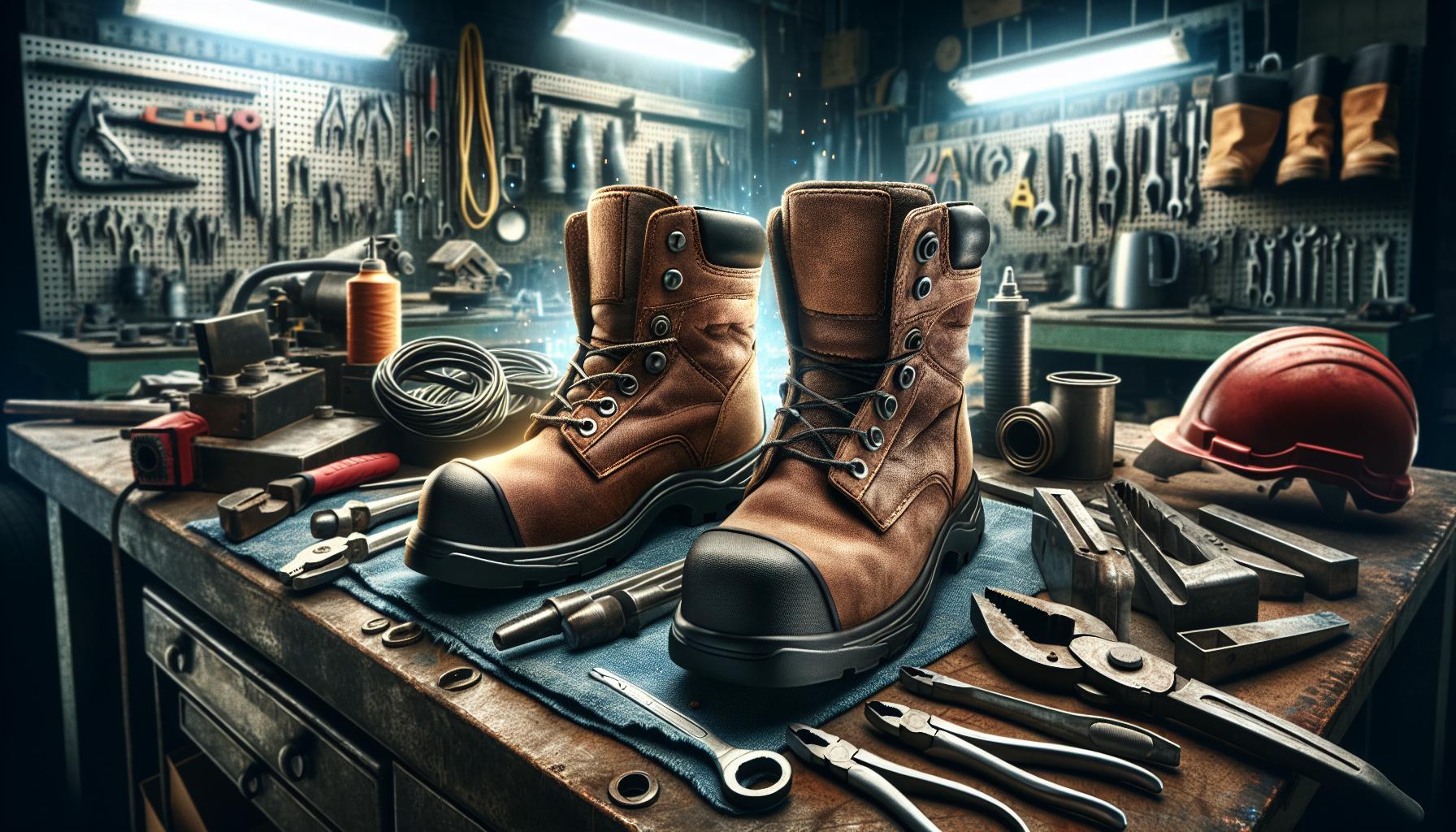
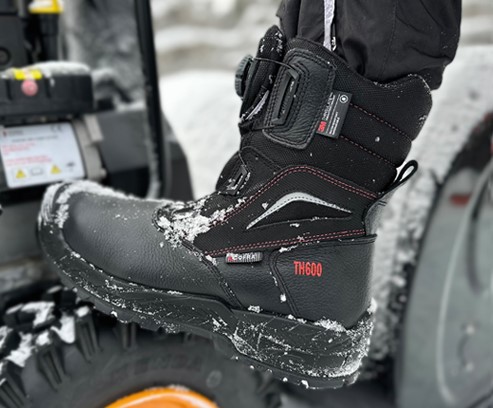
recommended safety boots

Steel toe recommended safety boots remain a critical protective option for welders dealing with extreme workplace hazards. Our analysis explores the comprehensive performance characteristics of these robust footwear solutions.

Material Composition and Durability

Steel toe boots feature a metal protective cap constructed from high-grade steel alloys. These metal toe caps provide exceptional structural integrity under challenging industrial conditions. Key advantages include:

  • Resistance to permanent deformation after impact
  • Consistent performance across temperature ranges
  • Minimal structural breakdown under repeated stress
  • Protection against compression forces up to 3.5 tons

Metallurgical engineering ensures these protective components maintain geometric stability during extreme welding environments. The steel construction offers predictable protective characteristics that industrial safety standards demand.

Impact Resistance Characteristics

Impact resistance represents the primary functional criterion for welding safety footwear. Steel toe designs excel in this critical performance metric through:

  • Superior force absorption capabilities
  • Consistent protective performance across multiple impact scenarios
  • Capability to withstand significant compression forces
  • Proven effectiveness in preventing catastrophic foot injuries

Welding environments require footwear that can rapidly dissipate kinetic energy from falling objects or accidental impacts. Steel toe configurations provide millisecond-level protection against potential workplace accidents.

Weight Considerations

Steel toe boots traditionally weigh more than alternative protective footwear options. However, modern manufacturing techniques have significantly reduced overall mass:

Weight Category Typical Range
Traditional Steel Toe 1.2 – 1.8 kg
Modern Lightweight Design 0.8 – 1.3 kg

Advanced metallurgical processes enable manufacturers to create lighter protective components without compromising structural integrity. Welders can now access high-protection footwear that minimises physical strain during extended work shifts.

Composite Toe Safety Boots: Modern Protection Solutions

Composite toe recommended safety boots represent a cutting-edge approach to foot protection for welders. These innovative boots offer advanced solutions that address multiple challenges in high-risk work environments.

Advanced Material Technology

Composite toe boots leverage sophisticated non-metallic materials engineered for superior protection. Our research reveals these boots typically incorporate high-performance materials like:

Material Key Characteristics
Kevlar Exceptional strength-to-weight ratio
Carbon Fiber Extreme durability
Carbon Nanotubes Enhanced impact resistance
Fiberglass Lightweight structural integrity

The advanced material composition provides robust protection without metal components. This design eliminates magnetic interference and reduces overall boot weight while maintaining critical safety standards for welders.

Lightweight Design Benefits

Welders experience significant ergonomic advantages with composite toe boots. These lightweight protective footwear options reduce physical strain during extended shifts.

Comparative weight analysis demonstrates composite toe boots weigh approximately:

  • 30-40% lighter than traditional steel toe alternatives
  • Reduce muscular fatigue by minimising lower limb burden
  • Improve mobility and worker comfort throughout demanding work periods

Electrical Conductivity Advantages

Composite toe boots offer critical electrical safety features for welding environments. Non-metallic construction provides:

  • Zero electrical conductivity
  • Enhanced protection against electrical hazards
  • Reduced risk of electrical current transmission through footwear

Our comprehensive assessment confirms composite toe boots deliver comprehensive protection tailored specifically for welders’ complex workplace requirements.

Performance Comparison for Welding Scenarios

When comparing recommended safety boots for welding environments, multiple critical factors determine optimal protection and performance. We’ll analyse the key aspects that distinguish steel toe and composite toe boots in high-risk work settings.

Impact Protection Levels

Steel toe boots demonstrate superior impact resistance, capable of withstanding compression forces up to 3.5 tons. They protect against heavy falling objects with exceptional durability.

Composite toe alternatives meet safety standards but require thicker materials to achieve equivalent protection. Their non-metallic construction means:

  • Reduced weight
  • Lower magnetic interference
  • Consistent safety compliance

Temperature Resistance

Steel toe boots function as thermal conductors, rapidly transferring heat and cold. This characteristic creates challenges in extreme temperatures:

  • Potential heat transfer in hot welding environments
  • Risk of rapid temperature changes affecting foot comfort
  • Increased potential for temperature-related discomfort

Composite toe boots offer superior thermal insulation by:

  • Minimising heat conductivity
  • Maintaining consistent foot temperature
  • Providing better protection against temperature fluctuations

Comfort and Mobility

Composite toe boots provide significant ergonomic advantages:

  • 30-40% lighter than traditional steel toe designs
  • Reduced muscular fatigue during extended shifts
  • Enhanced mobility for welders
  • Zero electrical conductivity
  • Improved overall work performance

Steel toe boots compensate with:

  • Robust impact protection
  • Established safety track record
  • Durability in harsh working conditions

Our analysis demonstrates that each boot type offers distinctive advantages for welding professionals.

Cost and Long-Term Value Analysis

When comparing recommended safety boots for welders, the financial investment extends beyond the initial purchase price. Our analysis explores the economic factors influencing steel toe and composite toe boot selections.

Initial Investment Considerations

Steel toe boots present a more budget-friendly option for welders. Prices typically range from £50 to £150, making them an attractive initial investment. Composite toe alternatives cost between £80 and £200, reflecting their advanced material technology.

Boot Type Price Range Average Cost
Steel Toe £50 – £150 £100
Composite Toe £80 – £200 £140

Key financial factors include:

  • Lower upfront purchase price for steel toe boots
  • Higher material costs for composite toe designs
  • Long-term performance considerations beyond initial expenditure

Maintenance and Replacement Factors

Maintenance costs differ significantly between steel and composite toe boots. Steel toe boots require more frequent replacement due to:

  • Higher risk of corrosion
  • Potential structural degradation from heat exposure
  • Greater weight-related wear and tear

Composite toe boots offer:

  • Reduced maintenance requirements
  • Better resistance to environmental damage
  • Extended operational lifespan

Replacement frequency comparisons reveal:

  • Steel toe boots: Typically replaced every 6-12 months
  • Composite toe boots: Can last 12-24 months with proper care

Our analysis demonstrates that while composite toe boots demand a higher initial investment, their durability and reduced maintenance costs can provide better long-term value for welders seeking reliable foot protection.

Selecting the Right Safety Boots for Welding Work

Selecting recommended safety boots can significantly impact a welder’s protection and performance. Our comprehensive guide explores the critical factors that influence boot selection for welding environments.

Critical Selection Criteria

When choosing safety boots for welding work, we prioritise several key factors:

Impact Protection

  • Evaluate boot toe cap strength against potential falling objects
  • Consider impact resistance ratings
  • Assess protection level for compression forces up to 2.5 tonnes

Temperature Resistance

  • Analyse thermal protection capabilities
  • Check material heat deflection ratings
  • Verify resistance to molten metal splatter
  • Confirm performance in temperatures ranging from -10°C to 150°C

Comfort and Mobility

  • Compare boot weight (steel toe: 1.2-1.5 kg vs composite toe: 0.8-1.1 kg)
  • Assess ergonomic design features
  • Evaluate flexibility and ankle support
  • Check breathability and moisture-wicking properties

Durability

  • Examine material quality and construction
  • Review expected lifespan (6-24 months)
  • Check stitching and sole attachment methods
  • Verify resistance to chemical exposure and abrasion

Workplace Safety Standards Compliance

Safety boot selection demands rigorous adherence to established standards.

Conclusion

We’ve explored the critical considerations for welders selecting safety boots. Your choice between steel toe and composite toe footwear isn’t just about protection—it’s about finding the perfect balance of safety comfort and performance.

Each boot type offers unique advantages that cater to different workplace demands. Whether you prioritise traditional durability or modern lightweight design your decision should ultimately align with your specific welding environment and personal comfort needs.

Remember that investing in quality safety boots isn’t an expense—it’s a crucial investment in your professional safety and long-term well-being. Prioritise protection evaluate your specific requirements and choose wisely.

Ultimately the best safety boot is one that provides comprehensive protection meets workplace standards and allows you to work confidently and comfortably.

Safety is crucial in welding, and having the right protective gear is essential. At Norsemen Safety, we provide high-quality supplies to keep you safe and efficient on the job. Contact us here to find the perfect safety solutions for your needs.

Frequently Asked Questions

What are the main safety risks for welders’ feet?

Welders face numerous foot safety risks including heat exposure from molten metal, falling equipment, electrical hazards, sharp fragments, and potential puncture wounds from debris. These risks can cause severe injuries like burns, crushing, electrical shock, and penetrating wounds. Proper safety footwear is essential to mitigate these dangers and protect workers from potential life-altering accidents in hazardous work environments.

What is the difference between steel toe and composite toe boots?

Steel toe boots feature metal alloy caps providing robust impact protection, whilst composite toe boots use non-metallic materials like Kevlar and carbon fibre. Steel toe boots offer superior durability and can withstand compression forces up to 3.5 tons. Composite toe boots are lighter, non-conductive, and do not trigger metal detectors. Both provide ASTM-certified protection, but each has unique advantages depending on specific workplace requirements.

How much do recommended welding safety boots typically cost?

Recommended safety boots range from £50 to £200, depending on material and protection level. Steel toe boots are generally more affordable, costing between £50 and £150, while composite toe boots are pricier, ranging from £80 to £200. The price reflects advanced materials, safety certifications, and protective technologies. Welders should consider long-term value, including durability and replacement frequency, when making their purchasing decision.

Are composite toe boots better than steel toe boots?

Neither boot type is universally superior; each has strengths. Composite toe boots offer lighter weight, non-conductivity, and better temperature resistance. Steel toe boots provide exceptional impact protection and durability. The best choice depends on specific workplace conditions, personal comfort, and safety requirements. Welders should assess their unique environment, considering factors like weight, conductivity, mobility, and potential hazards before selecting their ideal safety footwear.

What safety standards should welding boots meet?

Recommended safety boots must comply with NEBOSH regulations and ASTM performance standards. Key requirements include impact resistance, electrical hazard protection, puncture resistance, and heat resistance. Boots should have protective toe caps capable of withstanding significant compression forces, non-conductive materials, and robust soles. Welders should select footwear that exceeds minimum safety standards to ensure comprehensive protection in challenging work environments.

How often should welding safety boots be replaced?

Steel toe boots typically require replacement every 6-12 months due to wear and potential corrosion. Composite toe boots can last 12-24 months with proper maintenance. Replacement frequency depends on usage intensity, workplace conditions, and visible damage. Regular inspections for signs of deterioration, such as worn soles, compromised protective caps, or structural weakening, are crucial for maintaining optimal safety protection.

Can welding boots protect against electrical hazards?

Yes, many recommended welding safety boots are designed with electrical hazard protection. Composite toe boots, being non-conductive, offer superior electrical safety. These boots can prevent electrical current transmission, protecting welders from potential shock risks. Look for boots rated as “Electrical Hazard (EH)” which can withstand up to 18,000 volts in dry conditions, providing essential protection in electrically challenging work environments.
Norsemen Safety – A proud distributor of Cofra Safety Boots.

If you work in industries like construction, manufacturing, oil and gas, you know the importance of having protective gear. Cofra Safety Boots are designed to keep your feet safe and comfortable in hazardous work environments. This article will guide you on how to choose the right Cofra Safety Boots for your needs, covering their features, benefits, and the different types available. Learn valuable tips on care and maintenance to ensure your boots last long and provide maximum protection. All of which is supplied by us, Norsemen Safety.

What Are Safety Boots?

Safety boots are a crucial component of protective footwear designed to ensure the safety of workers in various industries.

Safety boots are specifically engineered to provide necessary foot protection in hazardous work environments, offering a blend of functionality and comfort. Cofra boots are equipped with features such as steel toe caps, puncture-resistant soles, and slip-resistant outsoles, making them ideal for construction sites, warehouses, and manufacturing facilities. Their durable construction and high-quality materials ensure longevity and reliability, meeting the stringent safety standards required for different job roles and settings. Workers commonly rely on Cofra safety boots to shield their feet from potential hazards and maintain optimum safety levels at the workplace.

What Are the Features of Cofra Safety Boots?

Cofra safety boots are equipped with advanced features such as steel toe caps, waterproofing, slip-resistant soles, and insulation for maximum protection and comfort.

These safety boots not only meet rigorous safety standards but also exceed them with their steel toe protection, ensuring the feet stay shielded from impact and compression hazards in industrial environments.

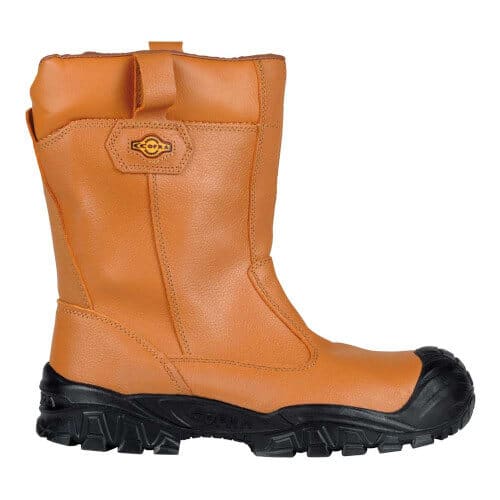
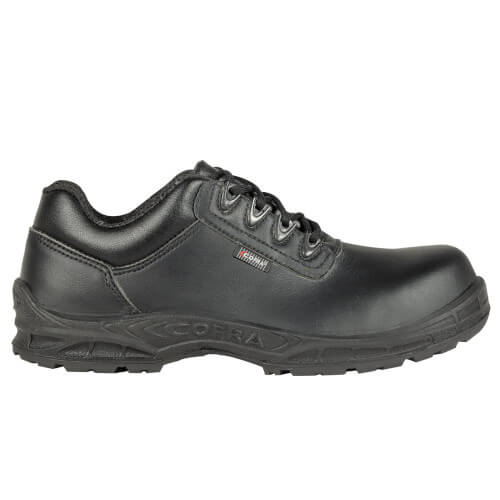
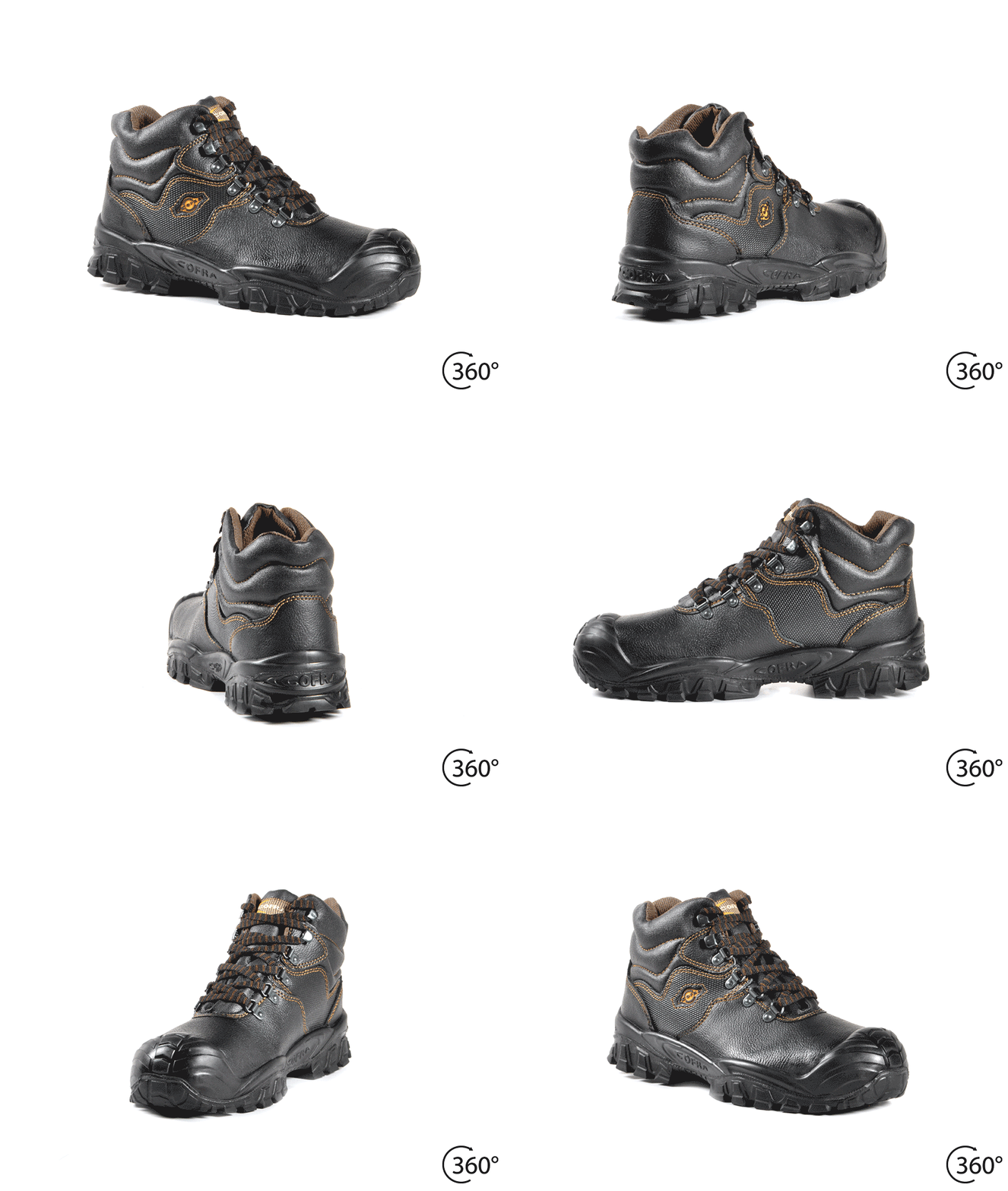
cofra new reno uk safety boot

The waterproof capabilities of Cofra boots keep feet dry and comfortable even in the harshest conditions, while the slip-resistant soles provide superior traction to prevent slips and falls.

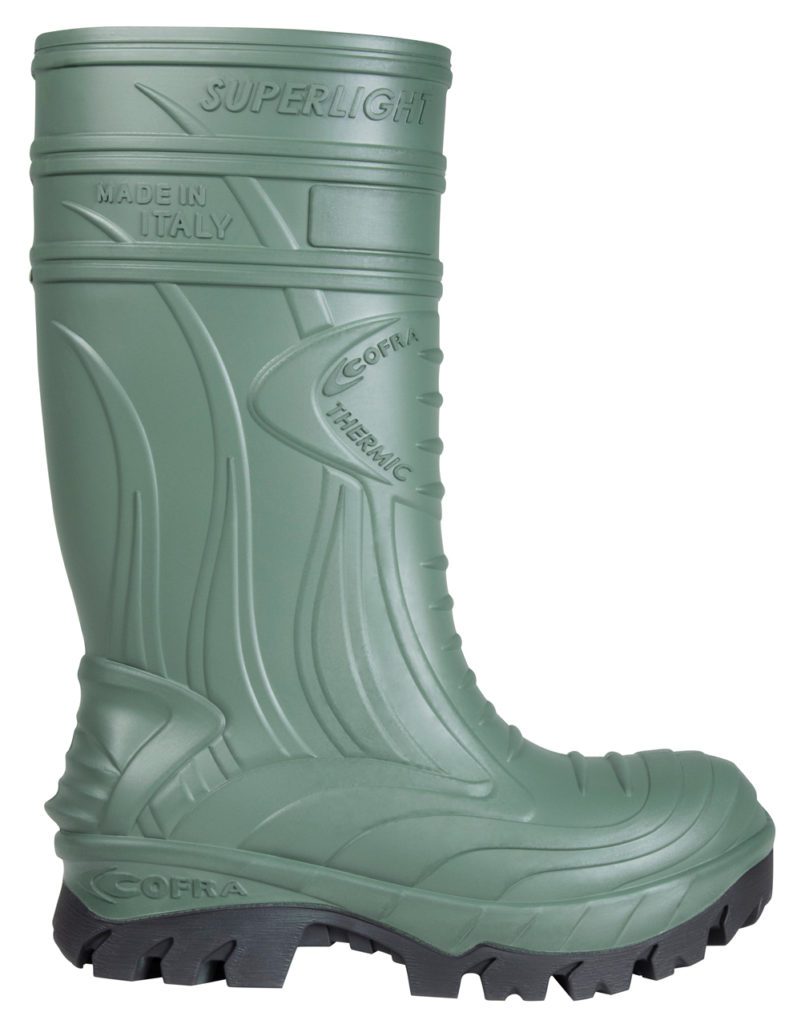
cofra thermic s5 safety wellington boot

Adding to their exceptional features, the insulation properties of these boots keep the feet warm in cold environments, enhancing overall comfort and safety for the wearer.

Rigger Boots Cofra Castle Safety Boot

What Are the Different Types of Cofra Safety Boots?

Cofra offers a diverse range of safety boots, all of which can be purchased on our site, including Safety Boots, Welders Boots, Wellington Boots, Rigger Boots, Metatarsal Boots, Chemical resistant Boots and Water Resistant Boots. For the full list of Cofra products please go to their website here, or please feel free to contact us for more information.

Safety boots by Cofra are crafted with durable materials and feature a slip-resistant outsole for enhanced traction. The rigger boots are designed for rugged outdoor environments, with metatarsal guard models providing additional protection for the top of the foot. Cofra’s chemical resistant varieties offer safety and comfort during long hours of work. The waterproof membrane in their hurricane boots ensures feet stay dry in wet conditions, while non-metallic materials make the boots lightweight and suitable for various worksites.

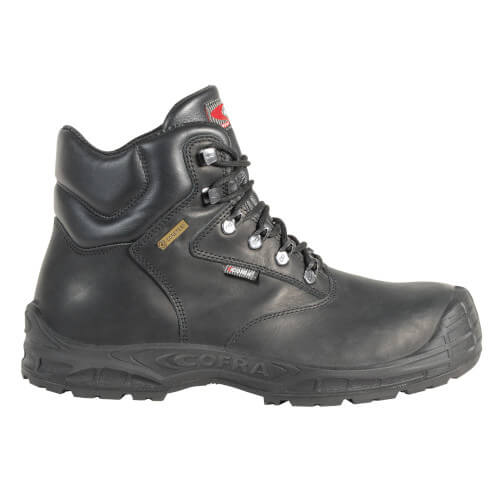
COFRA Hurricane Safety Boot
Cofra Safety Boots

What Are the Benefits of Cofra Safety Boots?

Cofra safety boots offer a wide array of benefits, including protective features, comfort, durability, reliability and compliance with personal protective equipment (PPE) standards.

These safety boots are designed to provide impeccable foot protection, ensuring that workers are shielded from potential hazards in various industries. The combination of sturdy materials and reinforced structures enhances their durability, allowing for long-term use without compromising on safety. Cofra boots not only prioritise safeguarding employees but also prioritise their comfort, with features like cushioned insoles and ergonomic designs.

By adhering to strict PPE guidelines, Cofra safety boots set a standard for excellence in safety footwear.

Protects Feet from Injuries

Cofra safety boots excel in protecting the feet from potential injuries due to their robust safety features and impact protection capabilities.

These safety boots are designed with key safety elements that work together to shield the feet during hazardous situations. The toe caps provide crucial protection against impact and compression hazards, while the midsoles ensure underfoot safety by dispersing and absorbing the force of any harmful impacts. The incorporation of advanced safety technologies such as slip-resistant soles and metatarsal guards further enhances the overall protective capabilities of Cofra safety boots, making them a reliable choice for individuals working in high-risk environments.

Provides Comfort and Support

Cofra safety boots prioritise comfort and support through their ergonomic design, innovative comfort technology, and reliable foot support features.

Crafted with the wearer’s comfort in mind, these safety boots are engineered to provide unparalleled support and cushioning, ensuring that every step is a comfortable one. By incorporating advanced comfort-enhancing technologies, such as memory foam insoles and shock-absorbing midsoles, Cofra ensures that wearers can tackle long hours on their feet without discomfort or fatigue. The strategic placement of arch support and heel stabilisers further enhances the overall foot support, reducing the risk of strain or injury.

This blend of ergonomic design and cutting-edge comfort features not only promotes long-lasting wear but also prioritises the health and well-being of the wearer’s feet, making them an essential choice for those in demanding work environments.

Resistant to Water and Chemicals

Cofra safety boots demonstrate exceptional resistance to water and chemicals, thanks to their waterproofing technology, chemical-resistant materials, and oil-resistant properties.

This innovative waterproofing technology not only keeps the feet dry and comfortable in wet conditions but also acts as a barrier against various chemicals, making these boots ideal for industrial environments where exposure to hazardous substances is common.

The chemical-resistant components used in the construction of these boots help maintain their integrity even when exposed to harsh chemicals, ensuring their durability and longevity.

The oil-repelling features of Cofra safety boots prevent oil absorption, making them easier to clean and enhancing their overall protective qualities against slippery surfaces.

COFRA Helium S3 SRC Chemical Resistant Safety Shoe

Durable and Long-lasting

Cofra safety boots are renowned for their durability and longevity, undergoing rigorous quality assurance tests to ensure heavy-duty performance and long-lasting wear.

These boots are crafted with high-quality materials such as premium leather and durable rubber soles, ensuring they can withstand the harshest work conditions. Cofra implements stringent durability testing procedures, including impact resistance, water resistance, and slip resistance evaluations, to guarantee that each pair meets the highest standards. The brand’s commitment to quality assurance is reflected in their meticulous attention to detail in the manufacturing process, resulting in boots that provide optimal protection and comfort for those working in demanding environments.

What Industries Use Cofra Safety Boots?

Cofra safety boots are trusted by various industries such as construction, industrial settings, worksites, warehouses, manufacturing facilities, and other professional environments for their reliable foot protection.

These durable boots are designed to withstand the rigorous demands of construction sites, providing essential features such as reinforced toes and slip-resistant soles to prevent accidents. In industrial workplaces, Cofra safety boots offer protection against heavy machinery and hazardous materials, with specialised models equipped with puncture-resistant insoles for added security. Work sites benefit from the lightweight yet sturdy construction of Cofra boots, ensuring comfort and safety during long hours of strenuous activity. In warehouses and manufacturing plants, these boots meet strict safety regulations, with anti-static and chemical-resistant options available to suit specific workplace requirements.

Construction

In the construction industry, Cofra safety boots are a staple choice due to their heavy-duty construction, compliance with safety regulations, and adherence to industry-specific safety standards.

These heavy-duty work boots are specifically designed to withstand the rigorous demands of construction sites, providing unparalleled protection from potential hazards like falling objects, sharp debris, and heavy machinery. With their steel toe caps, slip-resistant outsoles, and puncture-resistant midsoles, Cofra safety boots offer a comprehensive safety solution for construction workers to ensure their well-being on the job. These boots are crafted in alignment with the latest construction safety regulations, meeting and often exceeding industry standards to guarantee utmost safety and comfort for the wearers.

Manufacturing

Manufacturing facilities rely on Cofra safety boots for their exceptional safety footwear ratings, quality assurance standards, and innovative footwear technology that enhance worker protection and comfort.

These safety boots are designed to meet stringent safety standards, providing protection against hazards like heavy objects, sharp materials, and slippery surfaces commonly found in manufacturing environments. Cofra ensures that each pair undergoes rigorous quality assurance procedures to guarantee durability and reliability under challenging conditions, giving workers the confidence to focus on their tasks without worrying about foot injuries.

The incorporation of advanced footwear technologies such as impact-resistant toe caps, slip-resistant outsoles, and moisture-wicking linings further enhances comfort and performance, making them indispensable tools for maintaining a safe and efficient work environment.

Oil and Gas

The oil and gas industry values Cofra safety boots for their electrical hazard protection, heat resistance capabilities, and chemical-resistant properties that safeguard workers in demanding environments.

These specialised boots play a crucial role in protecting workers from potential electrical hazards commonly present in the oil and gas sector, where the risk of exposure to high voltage equipment is significant. In addition to their ability to withstand extreme heat conditions, Cofra safety boots are designed to offer reliable protection against various chemicals that workers may encounter, ensuring their feet are shielded from corrosive substances and providing peace of mind in challenging work environments.

Agriculture

Cofra safety boots play a vital role in agriculture with their waterproofing treatments, ankle support designs, and non-slip outsoles that provide farmers and agricultural workers with the necessary protection and stability.

These innovative features are crucial for individuals working in various agricultural settings such as farms, fields, and orchards. By incorporating advanced waterproofing treatments, Cofra boots ensure that water and moisture do not penetrate the boots, keeping the feet dry and comfortable throughout long hours of work. The ankle support designs offer extra reinforcement, reducing the risk of twists and injuries in rugged terrains. The non-slip outsoles provide reliable traction on wet surfaces, preventing slips and falls, especially during rainy days or muddy conditions.

The Safety boot we would recommend for this use is the Cofra thermic Boots, these allow for low temperature protection as well as non-slip soles to allow for traction on wet surfaces.

How to Choose the Right Cofra Safety Boots?

Selecting the appropriate Cofra safety boots involves considering factors such as the sizing guide, ensuring a comfortable fit, evaluating safety toe caps, and matching the boots to the specific requirements of the work environment.

One crucial aspect to pay attention to when selecting Cofra safety boots is utilising the sizing guide provided by the manufacturer. This guide will help you determine the correct fit based on your foot measurements, ensuring that you can work comfortably without any discomfort or issues.

Understanding the different safety toe cap options available is essential to cater to the specific safety needs of your job. By assessing whether you require steel toe caps, composite toe caps, or other variations, you can ensure optimal protection for your feet in hazardous environments.

Consider the Job Requirements

When choosing Cofra safety boots, it is vital to consider the specific job requirements, focusing on the necessary safety features and the nature of the protective clothing worn in the workplace.

Different work environments require specific safety features in boots to ensure that they provide adequate protection in accordance with safety regulations. For example, a construction site may require boots with steel toe caps to protect against heavy objects, while a chemical plant might require boots with chemical-resistant materials. It is crucial that the safety boots not only match the job’s requirements but also complement the rest of the protective gear worn, creating a coherent and effective safety outfit.

Check for Safety Ratings

Before purchasing Cofra safety boots, it is essential to check for safety ratings, ensuring compliance with industry standards and undergoing necessary safety inspections for quality assurance.

By verifying safety ratings and conducting regular safety inspections, wearers can be confident that the Cofra safety boots meet stringent safety regulations to protect against workplace hazards.

Safety ratings provide insight into the boots’ ability to withstand various conditions, such as slip-resistance, impact protection, and electrical hazard resistance. Periodic safety inspections help identify any potential wear and tear, ensuring that the boots maintain their safety integrity over time.

Prioritising safety compliance and quality assurance processes through these measures can ultimately contribute to a safer work environment, reducing the risk of accidents and injuries.

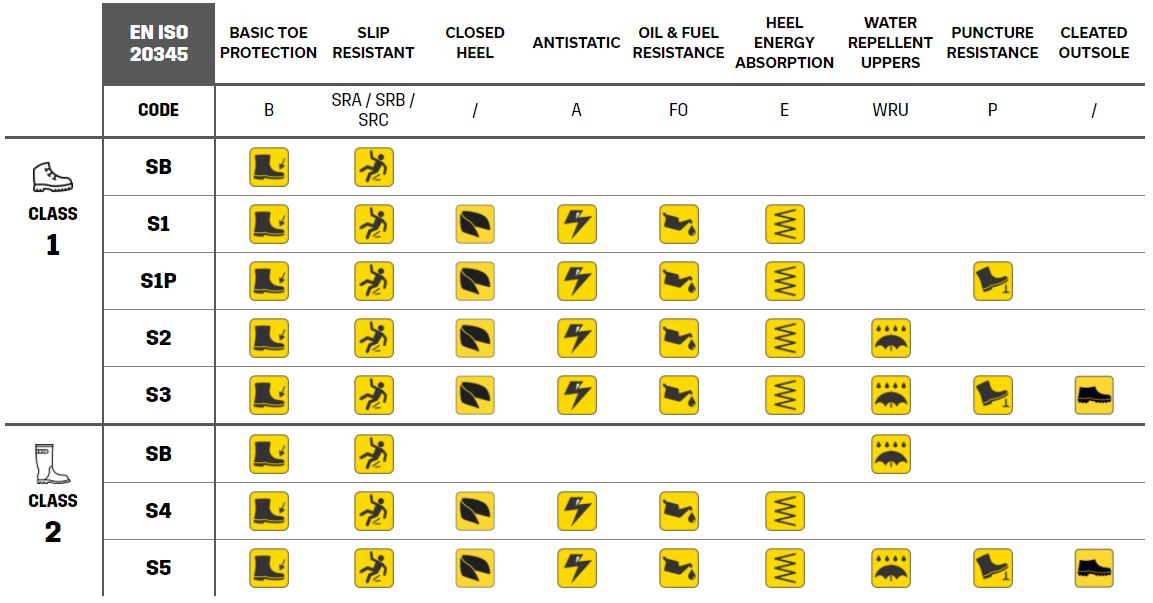
Safety Boots Guide

The above guide will assist you in finding out what safety rating your boot require.

Choose the Right Material

Opting for the appropriate material in Cofra safety boots is crucial, with choices like leather, breathable linings, and waterproofing technologies offering specific benefits for diverse work environments.

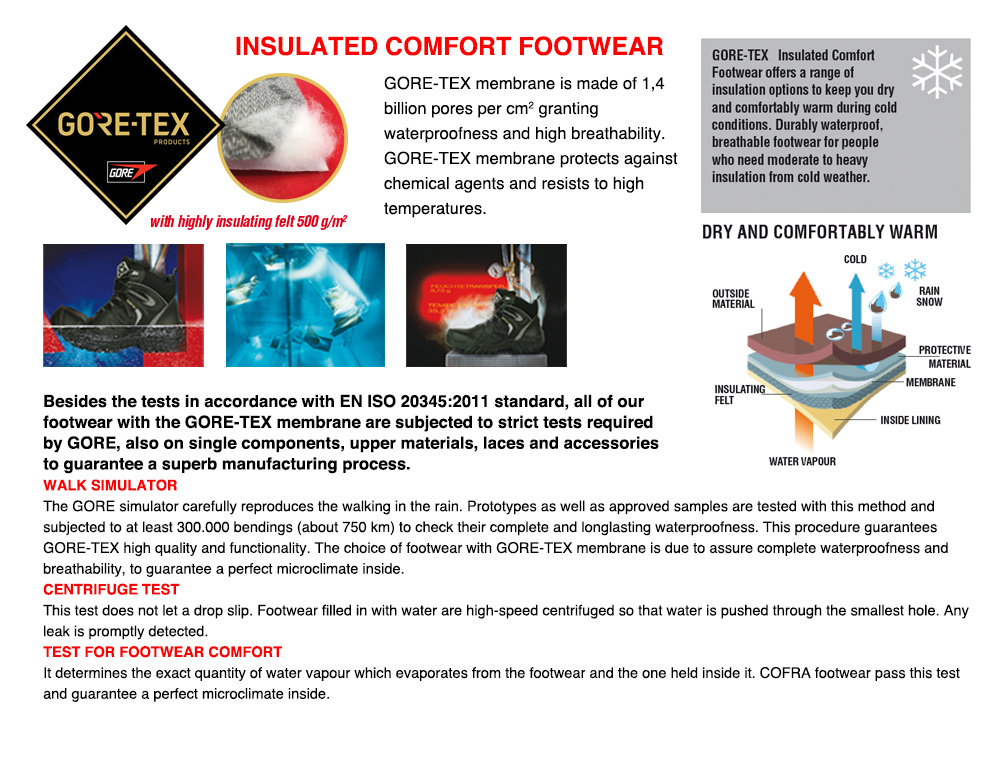
For instance, selecting high-quality leather in Cofra safety boots provides not only a stylish appearance but also exceptional durability and protection against abrasions and impacts. Breathable linings like Gore-Tex or moisture-wicking fabrics enhance comfort by regulating temperature and moisture levels inside the boots, crucial for long work shifts. Waterproofing technologies such as Sympatex or OutDry ensure feet remain dry even in challenging weather conditions, preventing discomfort and potential health issues. These material choices significantly influence the overall performance and user experience of Cofra safety boots.

Ensure Proper Fit

Achieving a proper fit with Cofra safety boots is essential for comfort, extended wear, and moisture-wicking properties that maintain foot health and support throughout long work shifts.

It is crucial to select boots that offer adequate arch support and cushioning to prevent fatigue and foot pain. Look for features like shock-absorbing midsoles and contoured insoles that provide the necessary support for all-day wear.

Prioritising boots with moisture-wicking linings can help keep your feet dry and comfortable, reducing the risk of blisters and irritation.

Choosing the right size is also key; ensure a snug fit without being too tight to allow room for movement and circulation, ultimately enhancing your overall comfort and performance.

What Are the Care and Maintenance Tips for Cofra Safety Boots?

Proper care and maintenance of Cofra safety boots involve regular cleaning, appropriate storage, and timely replacement when necessary to ensure their longevity and continued effectiveness.

Regular cleaning of the boots is vital to remove dirt, mud, and other contaminants that can compromise their protective qualities. Simple maintenance routines like wiping them down with a damp cloth and allowing them to air dry can go a long way in preserving the materials.

When not in use, it’s important to store the boots in a cool, dry place away from direct sunlight and extreme temperatures to prevent deterioration. Keep an eye out for signs of wear such as cracks, worn treads, or loose stitching, as these indicate the need for prompt replacement to maintain optimal safety standards.

Clean Regularly

Regular cleaning of Cofra safety boots is essential to maintain their quality and effectiveness, especially when utilising easy maintenance features like waterproofing treatments and oil-resistant outsoles.

By incorporating proper cleaning routines into your maintenance regimen, you not only ensure that your Cofra safety boots last longer but also enhance their protective properties. Waterproofing treatments act as a barrier, repelling water and moisture, thereby keeping your feet dry and comfortable in various conditions. The oil-resistant outsoles help maintain traction and stability in oily or slippery environments, reducing the risk of accidents. Regular cleaning not only maintains the boots’ appearance but also extends their durability and performance, making them a reliable choice for various work environments.

Replace When Necessary

Timely replacement of Cofra safety boots is crucial to ensure continued protection and safety, with durability tests, safety inspections, and longevity considerations guiding the replacement process.

Regular durability tests play a key role in assessing the boots’ ability to withstand wear and tear, ensuring they offer the required protection. Safety inspections help identify any signs of damage or wear that might compromise the boots’ protective capabilities. Assessing the longevity of the boots helps determine when they need to be replaced to maintain optimal safety standards. By following these replacement guidelines and conducting timely assessments, individuals can prioritise workplace safety and ensure their protection is not compromised.

Frequently Asked Questions

1. What are Cofra Safety Boots?

Cofra Safety Boots are high-quality, durable boots designed specifically for work environments that require protection and safety. They are made with top-grade materials and advanced technologies to ensure maximum comfort and safety for the wearer.

2. What safety features do Cofra Safety Boots have?

Cofra Safety Boots are equipped with various safety features, including steel toes, slip-resistant soles, and puncture-resistant materials. They also have heat and chemical resistance, water resistance, and electrical hazard protection, making them suitable for various work environments.

3. Are Cofra Safety Boots suitable for all types of work?

Cofra Safety Boots are designed for a wide range of industries and work environments, including construction, manufacturing, mining, and agriculture. However, it is always recommended to check the specific safety requirements and regulations of your workplace before purchasing any safety boots.

4. Are Cofra Safety Boots comfortable to wear?

Yes, Cofra Safety Boots are designed with comfort in mind. They have cushioned insoles, padded collars, and ergonomic designs for maximum comfort during long hours of wear. Additionally, they are lightweight and have excellent shock absorption to reduce strain on the feet.

5. How do I take care of my Cofra Safety Boots?

To maintain the quality and longevity of your Cofra Safety Boots, it is essential to clean them regularly and follow the manufacturer’s care instructions. Brush off any dirt or debris and wipe them down with a damp cloth. Avoid using harsh chemicals or solvents, and allow them to air dry completely before wearing them again.

cropped Norsemen Welding Safety Logo
Norsemen Welding Safety Logo
CONTACT DETAILS
OUR HOURS
8 AM – 5 PM Monday – Thursday
8 AM – 4 PM on Friday
Safety Equipment
Welding Equipment
Find The Right Equipment Faster