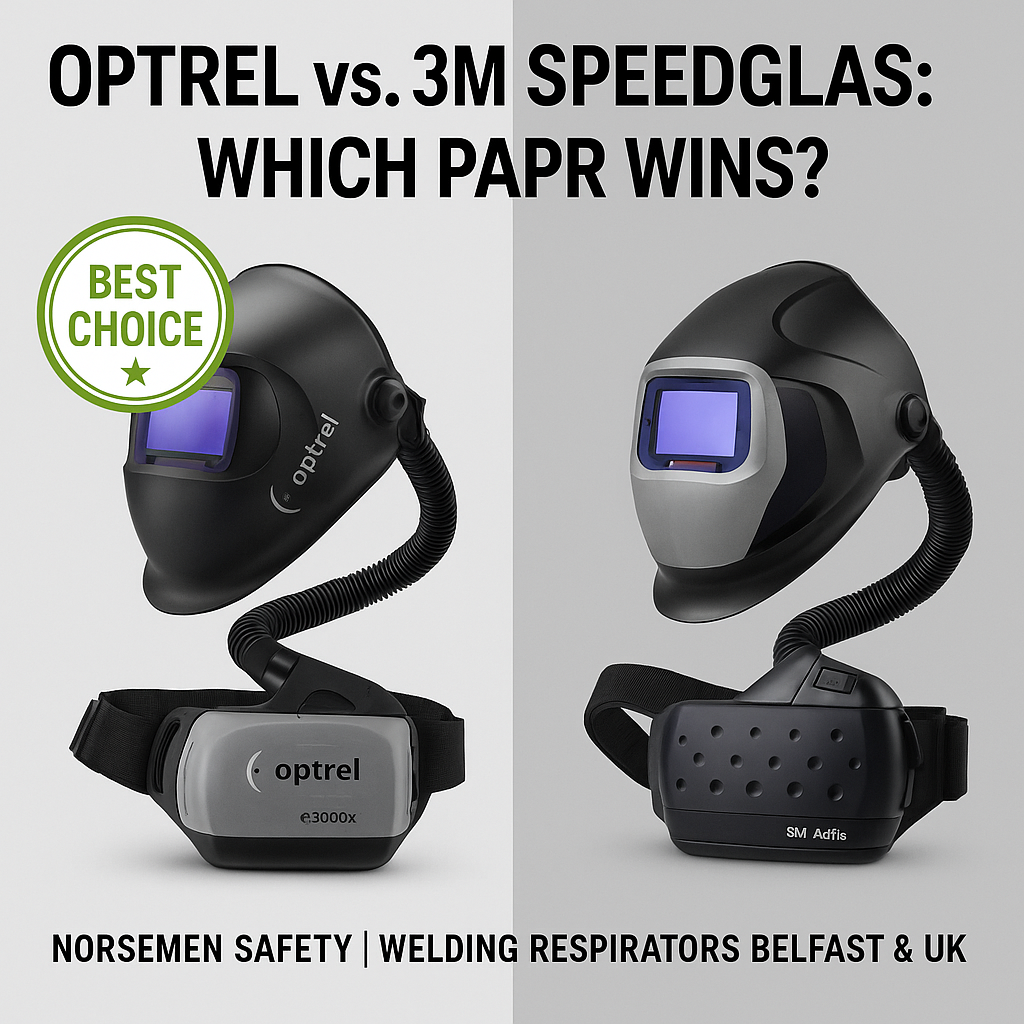
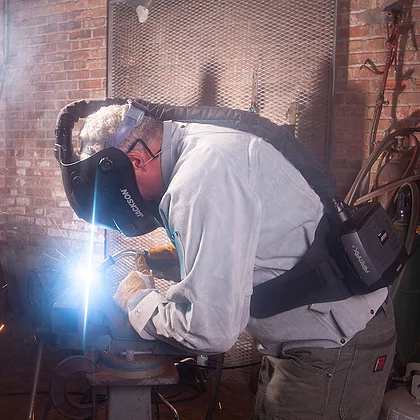
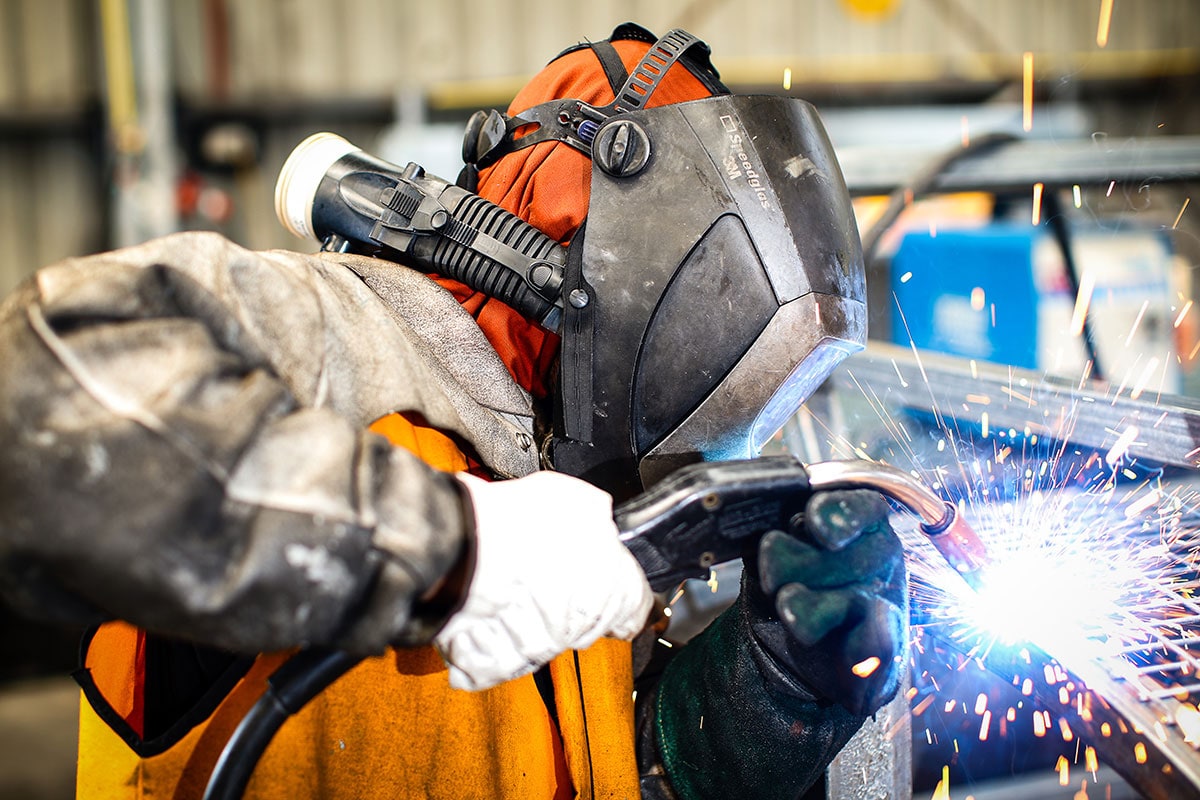
When selecting the best powered air-purifying respirator (PAPR) for welders, the debate often centre’s on the Optrel PAPR vs 3M Speedglas PAPR. These two leading welding respirators are trusted globally, but which one offers the best protection, comfort, and value?
Filtration Performance
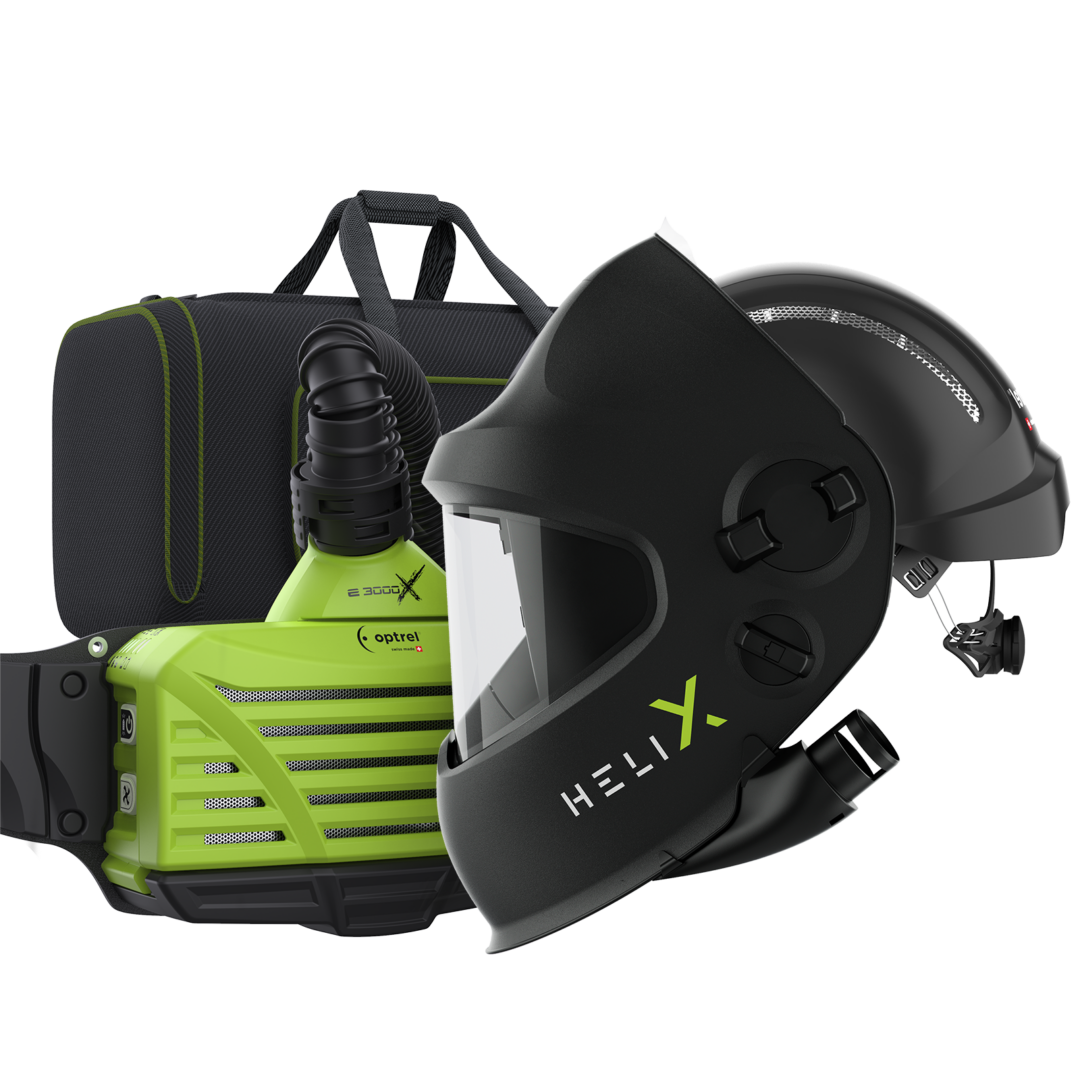
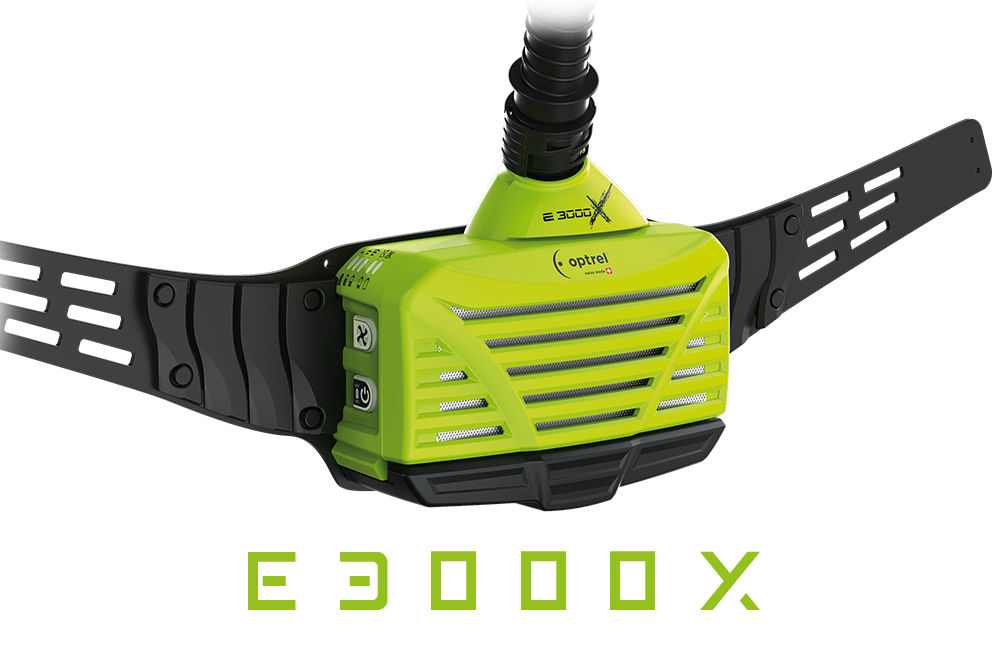
The Optrel PAPR, particularly the e3000X model, leads the industry with its TH3 certification, filtering out 99.8% of welding fumes, dust, and smoke. This top-level filtration is essential for welders working in hazardous conditions. Conversely, the 3M Speedglas PAPR G5-01 provides TH2-level protection, filtering around 98% of particles.
Verdict: Optrel PAPR’s TH3 certification ensures superior respiratory protection, setting it apart from the 3M Speedglas PAPR.
Comfort and Ergonomics
Welding respirators must be comfortable for extended use. The Optrel PAPR is renowned for its ultra-lightweight frame and ergonomic belt system, which evenly distributes weight and minimizes fatigue. The airflow system is adjustable, offering a dry-eye-free experience. In contrast, users of the 3M Speedglas PAPR often note that it is heavier and can become uncomfortable over long shifts.
Verdict: The Optrel PAPR stands out for all-day comfort, making it the preferred choice for welders working extended hours.
Battery Life
Optrel’s e3000X PAPR excels with up to 18 hours of battery life per charge—ideal for continuous, long shifts. The 3M Speedglas PAPR provides 8–10 hours of use, often necessitating mid-shift recharges.
Verdict: Optrel PAPR’s superior battery life supports high productivity, outlasting the 3M Speedglas PAPR significantly.
Airflow and Breathing Comfort
The Optrel PAPR system delivers precision-controlled airflow, reducing eye irritation and keeping welders cool and comfortable. The 3M Speedglas PAPR also provides good airflow but with slightly less customization.
Verdict: For superior breathing comfort, the Optrel PAPR offers a more refined experience.
Ease of Use
Optrel’s welding respirator features a simple one-button control and clear LED indicators for battery and filter status, making it user-friendly. The 3M Speedglas PAPR requires more manual checks, which can interrupt workflow.
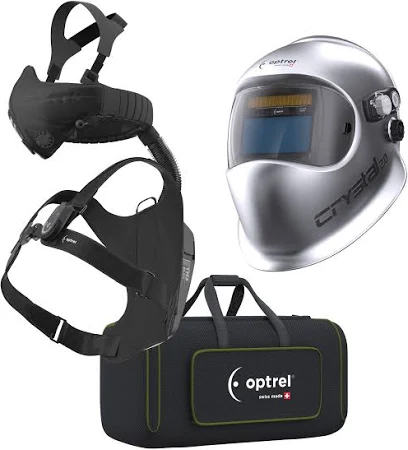
The Optrel PAPR pairs seamlessly with advanced helmets like the Crystal 2.0 and Panoramaxx, offering True Colour technology and a panoramic view. The 3M Speedglas PAPR works with Speedglas helmets but provides a smaller viewing area and older lens technology.
Verdict: Optrel PAPR ensures superior visual clarity and a wider field of vision.
Durability and Build Quality
Both welding respirators are durable and built with high-quality materials. The Optrel PAPR combines durability with a sleek, lightweight design, while the 3M Speedglas PAPR focuses on a heavy-duty build.
Verdict: Optrel PAPR maintains durability with enhanced comfort.
Compliance and Certifications
The Optrel PAPR meets the highest TH3 certification standards, making it compliant with rigorous workplace safety regulations. The 3M Speedglas PAPR is TH2 certified, sufficient for less hazardous environments.
Verdict: Optrel PAPR is the safer choice for high-risk welding tasks.
Cost and Value
Though both PAPRs are premium-priced, the Optrel PAPR offers greater long-term value through its high filtration, long battery life, and ergonomic design. The 3M Speedglas PAPR, while slightly cheaper upfront, may incur more costs over time.
Verdict: Optrel PAPR delivers better value for money in the long run.
Conclusion: Optrel PAPR vs 3M Speedglas PAPR – The Winner
In the Optrel PAPR vs 3M Speedglas PAPR debate, Optrel emerges as the leader in filtration efficiency, battery life, comfort, and helmet compatibility. For welders seeking reliable, high-performance respiratory protection, the Optrel PAPR is the top choice.
How often should filters be changed in a welding respirator? Follow the manufacturer’s guidelines or replace sooner if airflow decreases.
Is TH3 certification necessary for all welding environments? TH3 certification is ideal for high-risk jobs but may not be required in all settings.
Can Optrel helmets be used with other PAPR units? Optrel helmets are optimized for Optrel PAPRs; compatibility with others may vary.
What is the warranty period for Optrel and Speedglas PAPRs? Optrel offers a two year warranty plus and extension if you register your purchase https://www.optrel.com/en/service/customer-service/product-registration .
Are PAPRs only for welding? No, PAPRs are suitable for various industries needing respiratory protection, provided the unit meets specific hazard requirements.
The Optrel PAPR welding helmets UK series stands out by combining advanced respiratory protection with cutting-edge auto-darkening technology. We’ll explore why these helmets have become popular among UK welders looking for top-tier protection and comfort in their daily work.
We know selecting the right powered air-purifying respirator (PAPR) welding helmet can feel overwhelming with so many options available in the UK market. As professional welders ourselves we understand the importance of protecting your respiratory health while maintaining optimal visibility during welding tasks. Are you ready to discover how these innovative helmets can transform your welding experience while keeping you safe and comfortable all day long?
Understanding PAPR Welding Helmets
PAPR welding helmets combine respiratory protection with advanced auto-darkening technology to create a comprehensive safety solution for welders. These systems integrate multiple protective features into one efficient unit.
How PAPR Systems Work
PAPR systems draw contaminated air through a battery-powered blower unit attached to the welder’s belt. The air passes through a high-efficiency particulate air (HEPA) filter, removing 99.97% of airborne particles 0.3 microns or larger. Clean, filtered air flows through a hose into the helmet, creating positive pressure that prevents contaminants from entering the breathing zone.
PAPR Component
Function
Blower Unit
Draws in ambient air at 170-220 litres per minute
HEPA Filter
Removes particles ≥0.3 microns
Battery Pack
Powers system for 8-10 hours
Air Hose
Delivers clean air to helmet
Benefits of Powered Air Purification
Powered air purification offers enhanced respiratory protection compared to passive filters. The constant flow of clean air reduces breathing resistance while maintaining a cool temperature inside the helmet. The positive pressure environment prevents fog buildup on the lens, improving visibility during welding tasks.
Key advantages include:
Reduced respiratory strain through active air circulation
Lower heat buildup inside the helmet
Clear visibility with anti-fog protection
Extended wear comfort for long welding sessions
Protection from metal fumes, particles, dust
Feature
Benefit
Air Delivery
100-130 L/min
Temperature
3-4°C cooler than ambient
Protection Level
APF 20-40
Runtime
8-10 hours per charge
Optrel’s Premium PAPR Range
Optrel leads the industry with advanced PAPR welding helmets that prioritise both respiratory protection and optical clarity. Our premium range showcases cutting-edge technology paired with ergonomic design for professional welders.
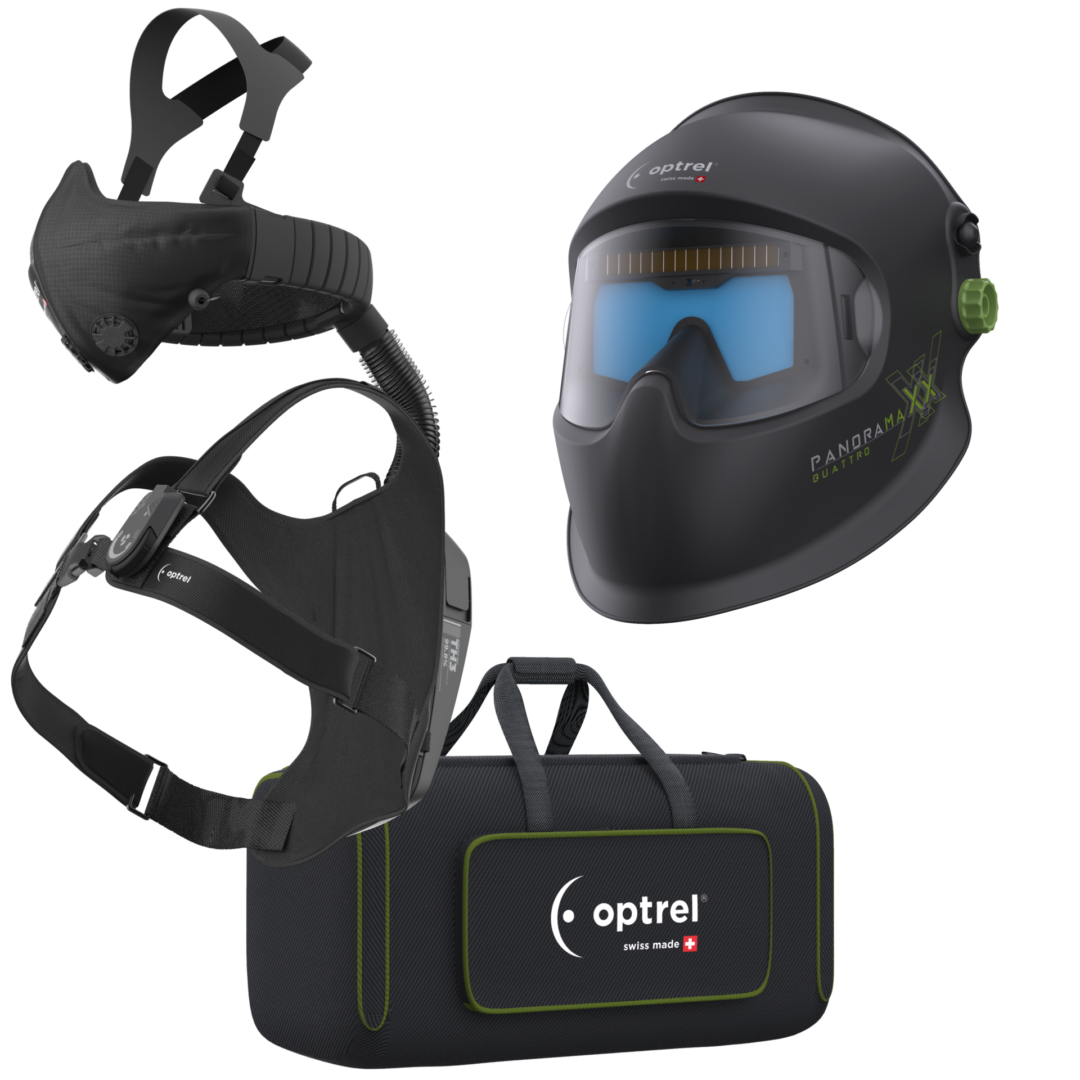
The Panoramaxx PAPR series combines revolutionary viewing technology with superior respiratory protection. Key features include:
Nose cut-out design for closer positioning to eyes
Autopilot shade adjustment from 5-12
Built-in particle sensor for filter monitoring
Both systems integrate with Swiss Air PAPR units, providing consistent airflow protection across varied welding applications.
Key Features and Technology
Optrel PAPR welding helmets integrate advanced safety features with cutting-edge technology to protect welders during their work. Each component works in harmony to deliver superior protection paired with exceptional functionality.
Auto-Darkening Capabilities
The auto-darkening filter (ADF) in Optrel PAPR helmets responds in 0.1 milliseconds to protect eyes from harmful arc rays. These helmets offer shade levels ranging from DIN 4 to DIN 13, automatically adjusting based on the welding process intensity. The true-colour view technology maintains natural colour perception through the lens, enabling welders to see their work clearly at all times.
Comfort and Ergonomics
The helmets feature a balanced weight distribution system that reduces neck strain during extended use. The adjustable headband includes multiple pivot points for a customised fit, while the soft padding absorbs sweat effectively. The air distribution system includes 3 adjustable vents to direct cooling airflow where needed, maintaining comfort in high-temperature environments.
Respiratory Protection Standards
Optrel PAPR helmets meet EN 12941 TH3 standards, providing the highest level of respiratory protection with an assigned protection factor (APF) of 40. The e3000X PAPR unit delivers:
Feature
Specification
Airflow Rate
100-130 l/min
Filter Efficiency
99.97% at 0.3 microns
Battery Life
20 hours
Charging Time
3 hours
The three-stage filtration system includes a pre-filter, main HEPA filter and activated carbon layer to remove welding fumes, particles and odours. The helmets maintain positive pressure inside the breathing zone, preventing contaminated air from entering the workspace.
Performance and Safety Ratings
Optrel PAPR welding helmets meet rigorous UK safety standards with comprehensive certifications that validate their performance in respiratory protection and eye safety. Here’s a detailed look at their safety credentials and protection capabilities.
British Safety Certifications
Optrel PAPR helmets comply with BS EN 12941:1998+A2:2008 standards for powered filtering devices. The helmets feature CE markings that verify conformity with European health, safety and environmental protection standards. These certifications include:
EN 379:2003+A1:2009 for auto-darkening filters
EN 166:2001 for personal eye protection
EN 175:1997 for welding face protection
EN 166 B for impact resistance
EN 169/379 for radiation protection
Protection Levels Explained
The protection levels of Optrel PAPR helmets correspond to specific performance metrics:
Protection Feature
Rating
Performance Level
Respiratory Protection
TH3
APF 40 (99.8% efficiency)
Auto-Darkening
1/1/1/1
Optical Class 1
Impact Resistance
B
Medium energy impact
UV/IR Protection
Up to shade 16
Permanent protection
Assigned Protection Factor (APF) of 40 for superior respiratory safety
True colour visibility in light state shade 2.0
Automatic darkness adjustment between shades 4-13
High-speed switching time of 0.1 milliseconds
Three-stage filtration with particle monitoring
Positive pressure airflow at 170-240 l/min
Price in the UK
Optrel PAPR welding helmets offer premium respiratory protection with prices ranging from £1,200 to £2,500 depending on the model and features. The investment reflects the advanced technology integrated into these professional-grade safety systems.
Warranty Coverage
The standard warranty package for Optrel PAPR welding helmets includes:
Base Coverage:
2-year warranty on the helmet shell
1-year coverage for electronic components
6-month warranty on consumable parts
Registration within 30 days extends coverage by 12 months
Battery replacement programme for the first 18 months
Free software updates for compatible models
Technical support from UK-based specialists
Component
Standard Warranty
Extended Warranty
Helmet Shell
2 years
3 years
Electronics
1 year
2 years
Consumables
6 months
1 year
Battery
1 year
18 months
Regular maintenance according to the manual
Use of genuine Optrel replacement parts
Professional servicing by approved technicians
Registration of the product with Optrel UK
Conclusion
Optrel PAPR welding helmets represent the pinnacle of welding safety technology in the UK market. We’ve seen how these advanced systems combine superior respiratory protection with cutting-edge auto-darkening features to create an unmatched welding experience.
Whether you choose the Crystal 2.0 or Panoramaxx series you’ll benefit from exceptional build quality outstanding optical clarity and comprehensive protection that meets the highest industry standards. The investment in an Optrel PAPR system backed by solid warranty coverage delivers long-term value for professional welders who demand the best.
For welders seeking to elevate their safety and performance, these helmets stand as the gold standard in respiratory and visual protection. With Optrel’s innovative technology, we’re looking at the future of welding safety. Have questions or need assistance? Contact us today!
Frequently Asked Questions
What is a PAPR welding helmet and how does it work?
A PAPR welding helmet combines respiratory protection with auto-darkening technology. It uses a battery-powered blower unit to draw air through a HEPA filter, removing 99.97% of airborne particles. The filtered air is then delivered to the helmet, creating a positive pressure environment for safe breathing whilst welding.
How long does the battery last on an Optrel PAPR system?
The Optrel e3000X PAPR unit offers a 20-hour battery life on a single charge, with a charging time of just 3 hours. This extended battery life ensures continuous protection throughout long work shifts without interruption.
What level of protection do Optrel PAPR helmets provide?
Optrel PAPR helmets meet EN 12941 TH3 standards, providing the highest level of respiratory protection with an assigned protection factor (APF) of 40. They feature a 1/1/1/1 optical rating and B-rated impact resistance for medium energy impacts.
How much do Optrel PAPR welding helmets cost in the UK?
Optrel PAPR welding helmets range from £1,200 to £2,500 in the UK, depending on the model and features selected. Prices vary between different retailers and suppliers.
What warranty coverage comes with Optrel PAPR helmets?
Optrel provides a 2-year warranty on the helmet shell, 1-year coverage for electronic components, and 6-month warranty on consumable parts. Extended coverage is available through registration within 30 days of purchase.
How quickly does the auto-darkening filter respond?
The auto-darkening filter responds in 0.1 milliseconds when detecting welding arcs, providing instant protection. The shade levels range from DIN 4 to DIN 13, suitable for various welding applications.
What maintenance is required for PAPR helmets?
Regular maintenance includes filter replacement, battery care, and cleaning of components. Using genuine replacement parts is recommended to maintain optimal performance and ensure continued safety protection.
Essential Safety Guidelines for Using Welding Mask Air Fed Units.
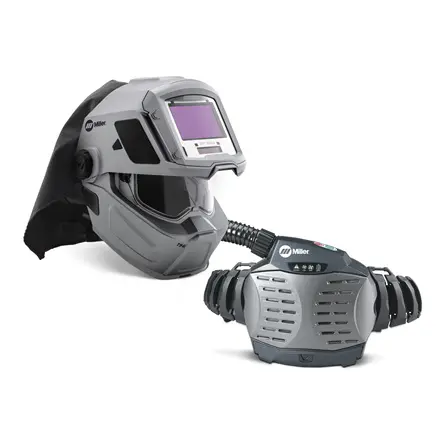
Miller T94i-R Powered Air Welding Helmet
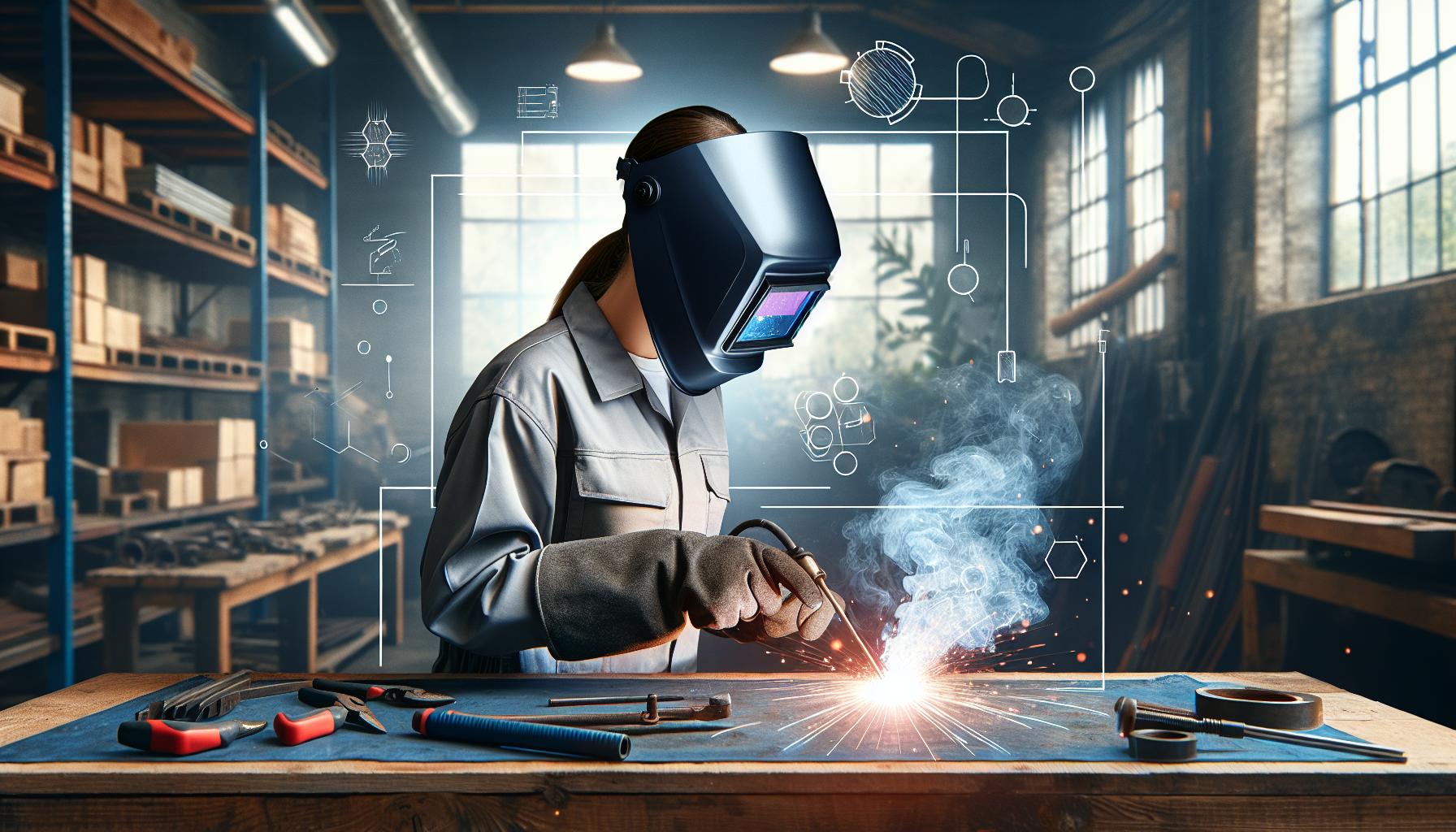
Ever been curious about how welders protect themselves from harmful fumes and intense light? Enter the welding mask air fed! These masks not only protect the face and eyes but also supply clean, breathable air to the user. But as with any protective equipment, proper use and care are paramount. Here’s the essentials of ensuring safety with these masks.
Introduction to Air Fed Welding Masks
Definition and Purpose: Air fed welding masks, also known as powered air purifying respirators (PAPRs), are designed to provide welders with filtered air, protecting them from harmful gases and particulates produced during welding. They combine eye protection with respiratory safety, ensuring an all-around defense.
Importance of Safety: In welding, hazards are ever-present. Fumes can contain harmful metals and gases. Without the right protection, prolonged exposure can lead to health complications. Hence, ensuring the correct use of an air fed welding mask is not just about compliance; it’s about well-being. Read this quick guide to safety when welding.
Components of Welding Masks Air Fed
Face Shield: This part protects the eyes from intense light and the face from hot splatter. Made of high-quality, heat-resistant material, it offers clear visibility and durability.
Air Delivery System: This system channels filtered air to the wearer, ensuring they breathe uncontaminated air. It’s like giving welders a breath of fresh air amidst all the chaos!
Filtration System: Think of it as the mask’s lungs. It filters out the bad stuff—dust, vapors, and harmful gases.
Advantages of Using Welding Masks Air Fed
Enhanced Protection: These masks offer dual protection: for the lungs from harmful fumes and for the eyes from blinding light. Isn’t it wonderful to have one tool that looks out for you in more ways than one?
Comfort and Breathability: Ever tried working while feeling suffocated? Air fed masks eliminate that discomfort, ensuring welders can focus solely on their craft.
Essential Safety Guidelines
Proper Fit and Adjustment: Just like you wouldn’t wear shoes that don’t fit, ensure your mask sits snugly without being too tight. Regularly adjust the straps for optimal protection.
Regular Inspection and Maintenance: Treat your welding mask air fed like your car. Regular check-ups ensure it runs smoothly. Check for cracks, leaks, and ensure the filtration system works effectively.
Battery Management: Remember, the mask’s efficiency relies on power. Regularly charge batteries and have backups ready.
Proper Cleaning Techniques: After a long day, your mask deserves a spa! Clean it with recommended solutions to maintain its efficiency.
Safe Storage: Store in a cool, dry place away from direct sunlight.
Common Mistakes to Avoid
Ignoring Leaks: A small leak can compromise your safety. Regularly check and address any leaks.
Using Damaged or Expired Filters: Would you drink water from a dirty filter? Similarly, don’t breathe air through a compromised filter.
Neglecting Battery Care: A mask without power is like a car without gas. Regularly check battery levels.
The Imperative of Safety
Safety isn’t just a word; it’s a responsibility. By ensuring the proper use and care of air fed welding masks, welders can protect themselves from potential hazards and focus on what they do best—crafting masterpieces with metal.
FAQs
How often should I replace the filters in my air fed welding helmets?
It depends on usage and the environment, but it’s good practice to check them regularly and replace them as recommended by the manufacturer.
Can I use any cleaning solution for my mask?
Always check the manufacturers recommendations about cleaning solutions to avoid damaging the mask.
How long do the batteries typically last on PAPR auto darkening welding helmets ?
Battery life varies by model and usage, but most last between 8-10 hours. Always refer to the manufacturer’s guide.
What should I do if I notice a crack in the face shield of my PAPR air fed welding helmet?
Replace it immediately. A crack can compromise your protection.