
Portwest Flame Resistant Jackets: UK Safety Guide 2024
Key Takeaways

  • Portwest FR jacket UK must meet strict safety standards, including EN ISO 11612 and EN ISO 14116, ensuring protection against heat, flames, and other workplace hazards.
  • These jackets feature triple-layer construction with moisture-wicking, thermal barrier and weather-resistant properties, alongside anti-static protection and UV resistance.
  • The Bizflame Plus Series offers protection up to 250°C and includes features like reinforced seams, metal snap closures and high-visibility reflective bands, making it suitable for various industrial applications.

  • Proper maintenance is crucial – jackets should be washed at 40°C with mild detergent, air-dried naturally, and stored in cool, dry conditions to maintain protective properties.

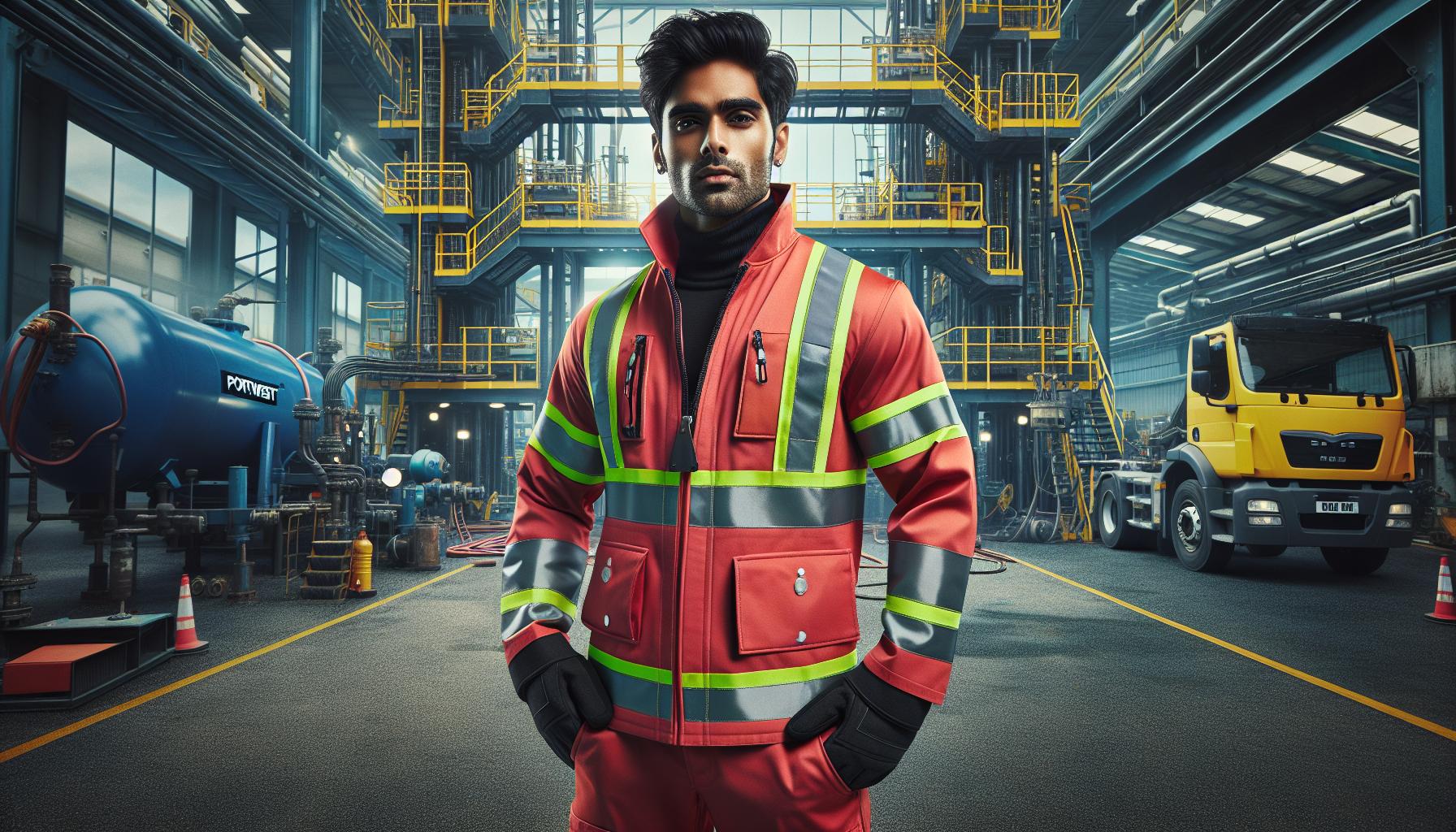
When it comes to workplace safety, we know that protecting against fire hazards can’t be left to chance. The Portwest flame resistant jacket stands as a crucial piece of safety equipment for workers across the UK who face potential fire risks daily.

We’ve seen countless professionals in industries like welding, electrical work and oil & gas rely on these protective garments. What makes these jackets special isn’t just their fire-resistant properties – but how they balance safety with comfort for all-day wear. Are you looking for a reliable flame resistant jacket that meets UK safety standards without compromising on quality?

Understanding Flame Resistant Clothing Standards in the UK

Flame resistant (FR) clothing in the UK follows strict regulatory standards that protect workers in high-risk environments. These standards establish specific requirements for FR workwear manufacturing testing protocols.

EN ISO Standards for FR Workwear

The EN ISO 11612 standard governs protective clothing against heat flames in the UK manufacturing processes. This certification requires FR garments to pass multiple tests:

  • Flame spread resistance (A1 A2)
  • Convective heat protection (B1-B3)
  • Radiant heat resistance (C1-C4)
  • Contact heat protection (F1-F3)
  • Molten metal splash resistance (D1-D3)

The EN ISO 14116 standard applies specifically to FR materials properties testing:

Test Parameter Requirement
Flame Spread Index 1-3
Hole Formation No hole formation
Afterglow ≤ 2 seconds
Afterflame ≤ 2 seconds

UK Safety Regulations

The UK safety regulations mandate specific FR clothing requirements across industries:

  • Personal Protective Equipment at Work Regulations 1992
  • Control of Substances Hazardous to Health 2002
  • Electricity at Work Regulations 1989

Key compliance requirements include:

  1. Regular testing documentation
  2. Clear FR clothing identification labels
  3. Performance level classifications
  4. Material composition details
  5. Care maintenance instructions
  • Workplace inspections
  • Risk assessment reviews
  • Compliance documentation checks
  • Equipment testing verification
  • Training record audits

Key Features of Portwest Flame Resistant Jackets

portwest fr jacket uk

Portwest flame resistant jackets combine advanced protective features with practical functionality for workplace safety. These jackets incorporate multiple layers of specialized materials to create effective barriers against heat, flames and electrical hazards.

Material Composition and Technology

The outer shell consists of inherently flame-resistant fibres like aramid blends with cotton. A triple-layer construction includes:

  • Moisture-wicking inner layer that pulls sweat away from the skin
  • Thermal barrier made from fire-retardant treated cotton batting
  • Weather-resistant outer shell with DWR (Durable Water Repellent) coating

The fabric technology provides:

  • Anti-static properties to prevent spark ignition
  • UV protection rating of UPF 50+
  • Breathable membrane for comfort during extended wear
  • Chemical splash resistance through specialized coating

Protection Levels and Ratings

These jackets meet key safety standards with verified protection levels:

Protection Type Rating/Standard Protection Level
Flame Spread EN ISO 11612 A1/A2
Contact Heat EN ISO 11612 B1/B2
Radiant Heat EN ISO 11612 C1/C2
Molten Metal EN ISO 11612 D1/D2
Electric Arc IEC 61482-2 Class 1
  • High-visibility reflective strips that maintain FR properties
  • Metal snap closures rated for 3,000+ cycles
  • Double-stitched seams with FR thread
  • Reinforced stress points at shoulders and elbows
  • Radio loops and FR hook-and-loop closures

Popular Portwest FR Jacket Models for UK Market

Portwest’s flame resistant jacket range features specialised collections designed for specific workplace hazards. Each series incorporates distinct protective elements that meet UK safety requirements for different industrial applications.

Bizflame Plus Series

The Bizflame Plus Series offers triple-layer protection with a moisture-wicking base, thermal middle layer, and flame-resistant outer shell. These jackets feature:

  • Reinforced double-stitched seams with FR thread
  • Metal snap closures for quick release
  • High-visibility reflective bands on arms and torso
  • Multiple tool pockets with secure closure systems
  • Compatible with fall protection harnesses
  • Protection against heat exposure up to 250°C

Key specifications:

Feature Rating
Flame Resistance EN ISO 11612 A1 B1 C1
Heat Protection Class 3
Durability 50+ industrial washes
Weight 350g/m²

Bizweld Products

Bizweld Cape Hood

This hood is designed to offer maximum protection and comfort to the wearer, made with self-fabric drawcord to allow for adjustment for a comfortable fit.
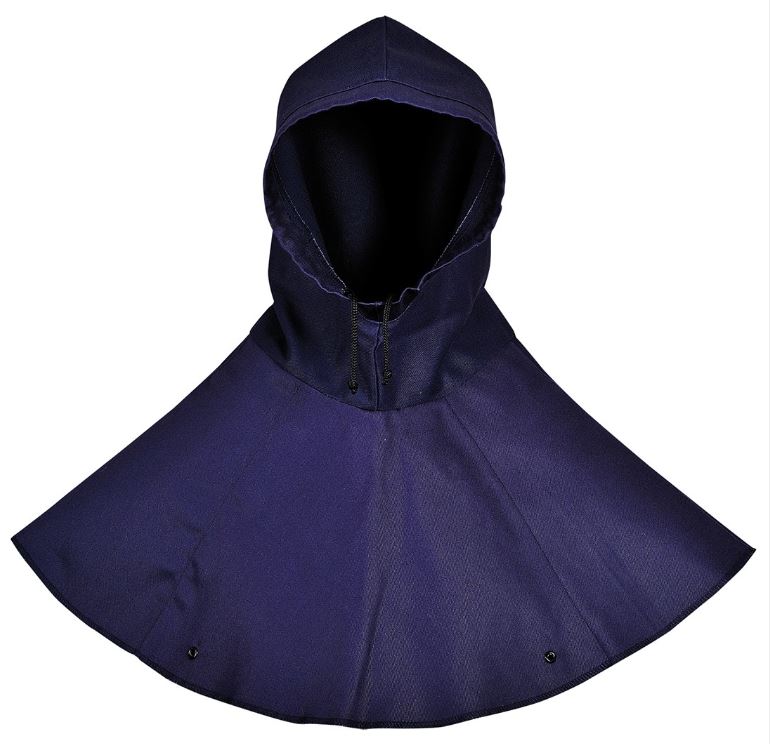
Portwest Bizweld Cape Hood BZ12

Bizweld Trousers

These trousers are designed to provide the best protection and comfort to the wearer, with twin stitched seams for extra strength and side pockets.
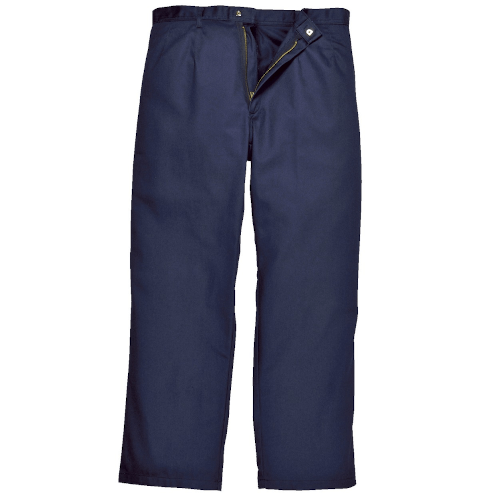
Portwest Bizweld Flame Retardant Trousers BZ30

Bizweld Jacket

This jacket provides the wearer all day protection and comfort. It offers dual hazard protection, and guaranteed flame resistance for the life of the garment.
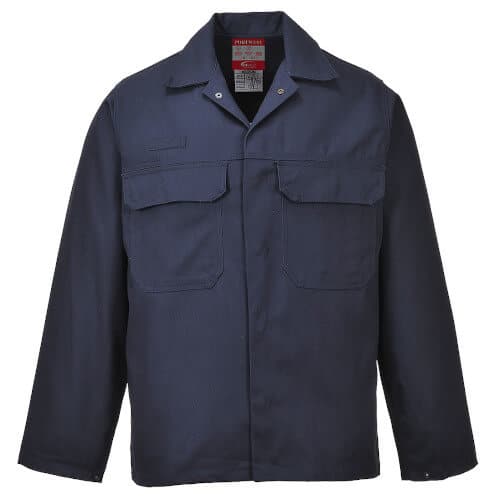
Portwest Bizweld Welding Jacket BIZ2

Bizweld Welding Overall

This welding overall is flame resistant throughout the coveralls life cycle. It is resistant against radiant, convective and contact heat and has a certified protection against molten splash and protection for welding.
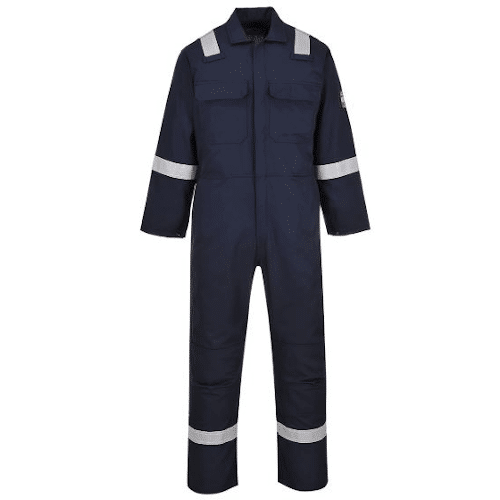
welding overall

Anti-Static FR Collection

The Anti-Static FR Collection combines flame resistance with electrostatic dissipative properties. These jackets include:

  • Carbon fibre anti-static grid throughout fabric
  • Chemical splash-resistant coating
  • Adjustable cuffs with FR hook and loop closures
  • Radio loops on both shoulders
  • Internal storm cuffs for weather protection
  • Arc flash protection rating of 12.4 cal/cm²
Protection Type Standard
Anti-static EN 1149-5
Arc Flash IEC 61482-2
Chemical EN 13034 Type 6
Flame Spread Index 3

Anti-Static Flame Retardant Coverall

These coveralls are perfect for the demands of the offshore industry. Constructed with flame-retardant fabric and hi-vis reflective tape for enhanced visibility.
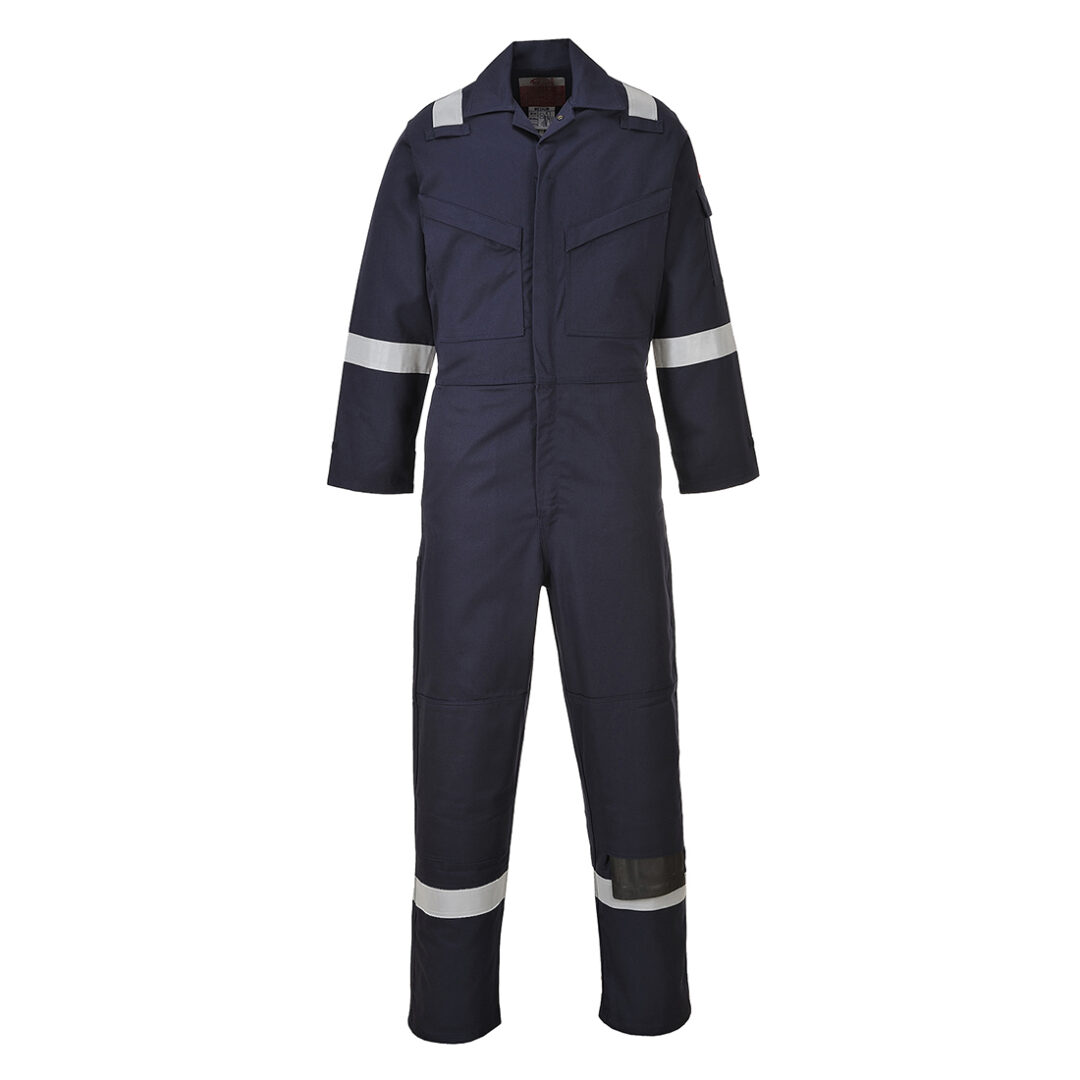
Portwest FR50 Anti-Static Flame Retardant Coverall.

Proper Care and Maintenance

Maintaining Portwest flame resistant jackets extends their lifespan and preserves their protective properties. Following specific care instructions keeps the FR protection intact while preventing damage to the specialised fabric treatments.

Washing Instructions

  • Wash FR jackets at 40°C with mild detergent free from bleach or fabric softeners
  • Turn jackets inside out before washing to protect reflective strips
  • Use a gentle cycle setting to prevent damage to protective coatings
  • Avoid mixing FR jackets with regular clothing during washing
  • Air dry naturally away from direct heat sources or sunlight
  • Remove stains immediately with a damp cloth to prevent setting
  • Check garment care labels for specific washing symbols and temperature limits
  • Store FR jackets in a cool dry place away from direct sunlight
  • Hang jackets on sturdy hangers to maintain shape and prevent creasing
  • Keep separate from non-FR clothing to avoid cross-contamination
  • Check for damage or wear before storing after each use
  • Allow jackets to dry completely before storage to prevent mildew
  • Avoid storing in compressed spaces that can damage protective layers
  • Maintain proper ventilation in storage areas to prevent moisture buildup
Care Aspect Recommended Frequency
Regular Washing After 5-7 wears or when visibly soiled
Deep Cleaning Every 3 months
Inspection Before each use
Replacement Every 12-18 months or when damaged

Value for Money and Durability Assessment

Portwest flame resistant jackets demonstrate exceptional value through their extended service life and reliable protection in challenging industrial environments. The initial investment delivers long-term cost benefits through durability and sustained protective performance.

Performance in Industrial Settings

These FR jackets excel in demanding industrial environments through repeated exposure to:

  • Direct flame contact for up to 5 seconds without degradation
  • Heat sources ranging from 100°C to 250°C
  • Chemical splashes from common industrial substances
  • Static electricity in explosive atmospheres
  • Regular friction against metal surfaces

Performance testing data shows consistent protection levels after:

  • 500+ hours of continuous wear
  • 100+ exposure cycles to high-temperature environments
  • 75+ cycles of chemical splash resistance tests
Test Category Performance Duration
Seam Strength 2000+ movement cycles
Closure Systems 1000+ open/close cycles
Fabric Integrity 500+ abrasion cycles

Conclusion

Portwest flame resistant jackets stand as a cornerstone of workplace safety in the UK’s high-risk industries. We’ve seen how these garments combine advanced protection with practical features while meeting rigorous safety standards.

The impressive durability cost-effectiveness and comprehensive protective features make them an invaluable investment for businesses prioritising worker safety. Through proper care and maintenance these jackets deliver reliable protection that working professionals can trust.

For UK workers facing fire hazards, we can confidently say that Portwest’s range of FR jackets provides the perfect balance of safety compliance, comfort, and value. Have questions or need assistance? Contact us today!

Frequently Asked Questions

What are Portwest flame resistant jackets designed for?

Portwest flame resistant jackets are designed to protect workers in high-risk environments from fire hazards. They’re specifically engineered for professionals in industries like welding and oil & gas, combining fire resistance with comfort for extended wear whilst meeting strict UK safety standards.

What safety standards do Portwest FR jackets comply with?

Portwest FR jackets comply with EN ISO 11612 and EN ISO 14116 standards. These standards govern protective clothing against heat and flames, requiring garments to pass specific tests for flame spread resistance and molten metal splash resistance, ensuring comprehensive worker protection.

What are the key features of Portwest FR jackets?

The jackets feature a triple-layer design with moisture-wicking inner layer, thermal barrier, and weather-resistant outer shell. They include anti-static properties, UV protection, breathability, chemical splash resistance, reflective strips, metal snap closures, and reinforced stress points.

How long do Portwest FR jackets typically last?

Portwest FR jackets typically last 12-18 months with proper care and maintenance. However, they should be replaced immediately if damaged. Regular inspection before each use and proper care can help maximise their lifespan.

How should I maintain my Portwest FR jacket?

Wash the jacket at 40°C using mild detergent after 5-7 wears. Air dry away from direct heat and store in a cool, dry place. Perform deep cleaning every three months and inspect before each use to maintain protective properties.

Are Portwest FR jackets cost-effective?

Yes, Portwest FR jackets offer excellent value for money. With prices between £150-£200 and a lifespan of 12-18 months, the daily cost averages £0.50-£0.75. Their durability and reliable protection make them more cost-efficient than cheaper alternatives.

What protection levels do these jackets offer?

The jackets provide comprehensive protection against flame spread, contact heat up to 250°C, radiant heat, molten metal splashes, and electric arc flashes. They also feature anti-static properties and chemical splash resistance for additional safety.

Which industries commonly use Portwest FR jackets?

These jackets are widely used in welding, oil and gas, petrochemical, electrical work, and other high-risk industrial environments where workers need protection from fire hazards, chemical splashes, and static electricity.
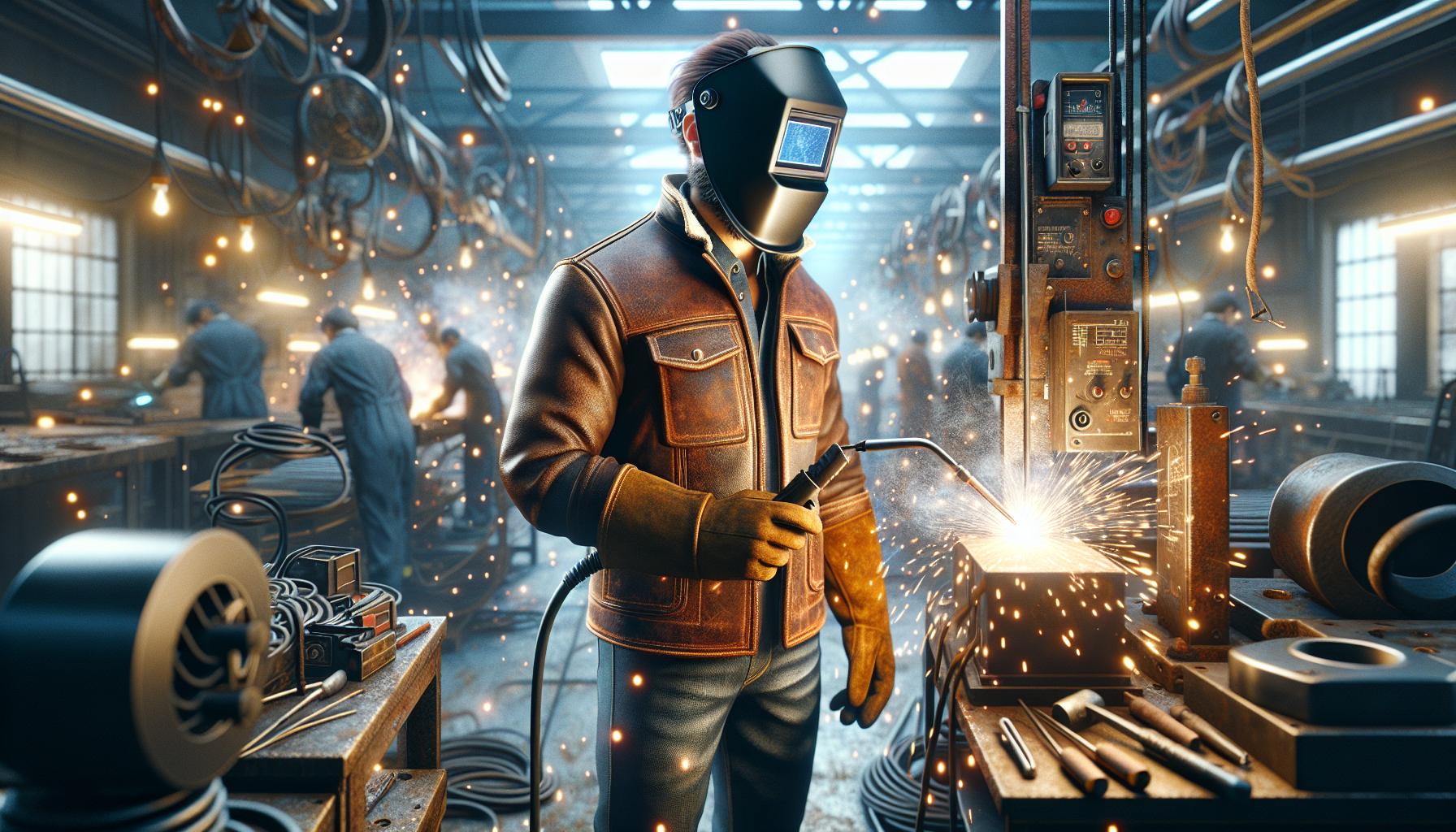
Top 10 Jackets for Welding: Ultimate Protection for Metal Workers

Ever wondered why welders look like they’re ready for a sci-fi movie? It’s all about those cool jackets for welding! We’ve all seen them – tough, rugged, and ready for action. But there’s more to these jackets than meets the eye.

Think of welding jackets as superhero suits for metalworkers. They’re not just fashion statements; they’re lifesavers! These jackets shield welders from sparks, heat, and UV rays. Without them, welding would be like trying to fry bacon naked – ouch! So, let’s dive into the world of welding jackets and discover why they’re essential for every welder’s toolkit. Ready to spark your interest in welding safety?

Key Takeaways

  • Welding jackets are essential safety gear, protecting against sparks, heat, and UV radiation
  • Key features include fire-resistant materials, durability, and a balance of protection and comfort
  • Top materials for welding jackets are leather and flame-resistant cotton
  • Styles vary between full-length and waist-length jackets, each suited for different welding tasks
  • Proper maintenance, including regular cleaning and inspection, extends the life of welding jackets

What Are Welding Jackets?

jackets for welding

Welding jackets are the unsung heroes of the metalworking world. Picture a firefighter’s coat, but designed for folks who play with metal and fire daily. These jackets aren’t your average outerwear; they’re specialized garments crafted to keep welders safe in high-heat environments.

Made from tough materials like leather or flame-resistant fabrics, welding jackets form a protective barrier between the welder and the hazards of their trade. They shield against sparks, spatter, and intense heat that could otherwise cause serious burns or injuries. But that’s not all – these jackets also protect against harmful UV radiation emitted during the welding process.

Ever wonder why welders don’t look like they’ve spent a week on the beach after a day’s work? It’s because their jackets block those sneaky UV rays that could otherwise lead to a nasty “welder’s tan” (which is really just a painful sunburn in disguise).

Jackets for welding come in various styles and weights, catering to different welding techniques and environments. Some are lightweight for comfort in warmer conditions, while others are heavier for intense, high-heat welding jobs. They often feature special closures and collars to prevent sparks from sneaking in and causing trouble.

Here’s a fun fact: did you know that some welders call their jackets “spark catchers”? It’s like they’re wearing their own personal fireworks show! But trust us, you don’t want to be the one catching those sparks with your bare skin.

Key Features of Quality Welding Jackets

Quality welding jackets are essential for protecting welders from hazards. Let’s explore the key features that make these jackets indispensable for safety and comfort.

Fire-Resistant Materials

Top-notch welding jackets use fire-resistant materials like leather or treated cotton. These fabrics withstand high temperatures and resist ignition from sparks or spatter. Leather jackets offer excellent protection but can be heavy. Treated cotton provides a lighter alternative while maintaining fire resistance. Some jackets combine both materials for optimal safety and comfort.

Durability and Protection

Welding jackets are built to last in harsh conditions. They feature reinforced seams and sturdy closures to prevent sparks from sneaking in. High-quality jackets often have additional padding in high-risk areas like the chest and arms. This extra protection shields welders from heat and flying debris. Ever wonder how welders stay cool under pressure? It’s partly thanks to these tough-as-nails jackets!

Comfort and Flexibility

While protection is crucial, comfort can’t be ignored. The best welding jackets balance safety with ease of movement. They’re designed with gusseted underarms and ergonomic cuts to allow full range of motion. Some jackets feature breathable panels to help regulate body temperature. After all, who wants to feel like they’re wearing a suit of armor while trying to work? A comfortable welder is a focused welder, and that’s safer for everyone.

Top Materials for Welding Jackets

Welding jackets come in various materials, each offering unique protective qualities. Let’s explore the top materials used in welding jackets and their specific benefits for welders.

Leather

Leather is a classic choice for welding jackets. It’s tough, durable, and naturally resistant to sparks and heat. Think of leather as the tank armor of welding gear – it can take a beating and keep on protecting. Cowhide and pigskin are popular options, with cowhide being thicker and more protective, while pigskin is lighter and more flexible. Ever wonder why cowboys wore leather chaps? They knew a thing or two about protection!

Flame-Resistant Cotton

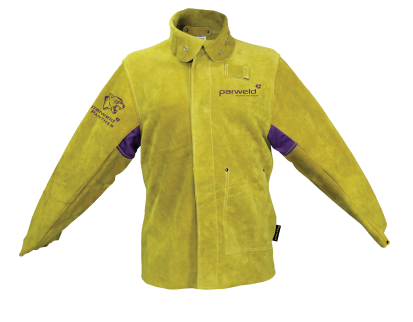
Portwest Bizweld Welding Jacket BIZ2

Flame-resistant (FR) cotton offers a lightweight alternative to leather. It’s treated with special chemicals that make it self-extinguishing when exposed to flames. Imagine a fabric that says “no thanks” to fire! FR cotton is breathable and comfortable, making it ideal for long welding sessions or work in warmer environments. It’s like wearing a fire-resistant second skin. Have you ever tried on an FR cotton jacket? You might be surprised by how comfy it feels!

Best Welding Jacket Styles

Welding jackets come in various styles to suit different needs and preferences. Let’s explore the two main types: full-length and waist-length jackets.

Full-Length Jackets

Full-length welding jackets offer maximum coverage from neck to knees. They’re the heavyweight champions of protection, shielding welders from head to toe. These jackets are perfect for overhead welding or working in tight spaces where sparks can fly unpredictably. Ever tried catching popcorn in your mouth? That’s how sparks behave, and full-length jackets catch them all!

Key features of full-length jackets include:

  • Extended coverage for legs and lower body
  • High collars to protect the neck
  • Reinforced sleeves for added durability
  • Multiple pockets for tools and accessories

While they provide top-notch protection, full-length jackets can be a bit warm. But hey, who doesn’t love a good sweat session while crafting metal masterpieces?

Waist-Length Jackets

Waist-length jackets are the cool cousins of the welding jacket family. They offer a balance between protection and mobility, covering the upper body while leaving the legs free. These jackets are ideal for lighter welding tasks or when you need to move around more.

Benefits of waist-length jackets include:

  • Increased flexibility for bending and crouching
  • Lighter weight for reduced fatigue
  • Better ventilation in warmer environments
  • Easier to put on and take off

Waist-length jackets are like your favorite t-shirt – comfortable and versatile. They’re perfect for those days when you’re playing musical chairs with different welding positions.

Choosing the Right Welding Jacket for Your Needs

Selecting the perfect welding jacket is crucial for safety and comfort. Let’s explore the key factors to consider when making your choice.

Consider Your Work Environment

The workplace plays a big role in jacket selection. Indoor welding in a controlled setting? A lightweight option might do the trick. Outdoor welding in harsh conditions? You’ll want something more heavy-duty.

Think about temperature too. Is your shop like a sauna or more of an ice box? We’ve all been there, sweating buckets or shivering mid-weld. A breathable jacket works wonders in hot spots, while insulated ones keep you toasty in chilly areas.

Don’t forget about sparks and spatter. Are you working with high-amperage processes that throw sparks like the Fourth of July? Opt for thicker materials with extra protection. For lighter work, a standard flame-resistant jacket should suffice.

What’s your workspace like? Tight spaces might call for a more flexible jacket, while open areas allow for bulkier options. Remember, comfort is key – you don’t want to feel like a marshmallow man while trying to reach those tricky spots!

Assess Your Welding Technique

Your go-to welding method impacts jacket choice big time. TIG welding? You’re in luck – it’s generally cleaner, so a lighter jacket works well. But if you’re into stick welding, prepare for a spark shower! You’ll want something tougher to handle the heat.

Position matters too. Overhead welding? Full-length jackets are your best friend, catching those gravity-defying sparks. For flat or horizontal welds, a waist-length jacket might be just the ticket, offering more mobility.

Think about your welding duration. Quick jobs? A standard jacket will do. Marathon welding sessions? Look for something with extra comfort features. After all, no one wants to feel like they’re wearing a straitjacket after hour three!

Maintaining Your Welding Jacket

Ever feel like your welding jacket’s been through a war? Well, it kind of has! Just like a trusty sidekick, your jacket’s been battling sparks, heat, and UV rays alongside you. But even superheroes need a little TLC, right? Let’s dive into how we can keep our protective gear in tip-top shape.

Cleaning Your Welding Jacket

Picture this: you’re at a BBQ, and someone spills sauce all over your favorite shirt. You’d wash it, wouldn’t you? The same goes for your welding jacket! Here’s how we roll:

  1. Shake it out: Give your jacket a good shake to remove loose debris.
  2. Spot clean: Use a damp cloth for small stains.
  3. Deep clean: For tougher grime, use mild soap and water.
  4. Dry thoroughly: Air dry your jacket before its next use.

Remember, folks, a clean jacket is a happy jacket!

Inspecting for Damage

Let’s play detective! Regular check-ups can catch small issues before they become big problems. What should we look for?

  • Holes or thin spots
  • Frayed seams
  • Damaged closures (zippers, snaps, buttons)
  • Signs of excessive wear

Pro tip: Make this inspection a part of your pre-welding ritual. It’s like checking your parachute before skydiving – you want to know it’s good to go!

Repairing Minor Damage

Ever heard the phrase “a stitch in time saves nine”? It’s spot-on for welding jackets. Small repairs can extend your jacket’s life significantly. Here’s what we can do:

  1. Patch small holes with heat-resistant material
  2. Reinforce weakened seams with sturdy thread
  3. Replace broken closures promptly

Don’t be shy about DIY repairs, but know when to call in the pros for major fixes.

Proper Storage

Think of your welding jacket as a hibernating bear – it needs a cozy, dry place to rest when not in use. Here’s how we can make that happen:

  • Hang it up: Use a sturdy hanger to maintain its shape
  • Keep it dry: Store in a moisture-free area
  • Avoid direct sunlight: UV rays can weaken the material over time

By giving your jacket a proper home, you’re setting it up for a long, productive life.

When to Replace Your Welding Jacket

Even the best jackets don’t last forever. How do we know when it’s time to say goodbye? Look out for these signs:

  • Multiple holes or thin spots that can’t be repaired
  • Significant fading or discoloration
  • Loss of flexibility or comfort
  • Inability to provide adequate protection

Remember, safety first! A jacket past its prime is like expired milk – it’s just not worth the risk.

Maintaining our welding jackets doesn’t have to be a chore. With these simple steps, we can keep our protective gear in fighting shape for years to come. After all, a well-maintained jacket is like a loyal friend – always there when you need it most. So, welders, how do you plan to show your jacket some love today?

Conclusion

Welding jackets are more than just protective gear they’re essential for every welder’s safety and success. We’ve explored the various materials styles and features that make these jackets indispensable in the welding world. By choosing the right jacket and maintaining it properly you’ll ensure optimal protection and longevity. Remember a well-chosen welding jacket isn’t just an investment in your safety it’s a commitment to your craft. So gear up stay safe and let your welding skills shine! Norsemen Safety & Welding is your one stop shop for all your welding PPE, give us a call on 028 9046 0541 or shop online.

Frequently Asked Questions

What is a welding jacket?

A welding jacket is a specialized protective garment designed for metalworkers. Made from tough materials like leather or flame-resistant fabrics, it shields welders from sparks, heat, and UV rays. These jackets form a crucial barrier against potential injuries in high-heat welding environments.

Why are jackets for welding important?

Welding jackets are essential for safety, protecting welders from serious burns, injuries, and harmful UV radiation. They prevent sparks and molten metal from reaching the skin, block intense heat, and help avoid “welder’s tan” – painful sunburns caused by UV exposure during welding.

What materials are welding jackets made from?

Welding jackets are typically made from fire-resistant materials such as leather (cowhide or pigskin) or flame-resistant (FR) treated cotton. Leather offers excellent toughness and natural spark resistance, while FR cotton provides lightweight, breathable protection for longer welding sessions or warmer environments.

What styles of welding jackets are available?

Two main styles of welding jackets are available: full-length and waist-length. Full-length jackets offer maximum coverage from neck to knees, ideal for overhead welding or confined spaces. Waist-length jackets provide a balance of protection and mobility, suitable for lighter tasks and offering better ventilation.

How do I choose the right welding jacket?

Choose a welding jacket based on your work environment, welding technique, and personal comfort needs. Consider factors like indoor or outdoor welding, workspace temperature, type of welding (TIG, stick, etc.), duration of work, and required mobility. Prioritize both protection and comfort for optimal performance.

How should I maintain my welding jacket?

Maintain your welding jacket by regularly shaking out debris, spot cleaning, and occasionally deep cleaning with mild soap and water. Inspect for damage before each use, perform minor repairs like patching holes, and store properly to maintain shape. Replace the jacket when it shows signs of significant wear or damage.

cropped Norsemen Welding Safety Logo
Norsemen Welding Safety Logo
CONTACT DETAILS
OUR HOURS
8 AM – 5 PM Monday – Thursday
8 AM – 4 PM on Friday
Safety Equipment
Welding Equipment
Find The Right Equipment Faster