If you’re new to welding or looking to expand your knowledge on the subject, understanding the ins and outs of welding sticks | welding rods is essential.
Here, we will explore what welding sticks are, how they work, the different types available, their advantages and disadvantages, how to choose the right welding rod for your project, and important safety precautions to keep in mind.
Whether you’re a seasoned welder or just starting out, this comprehensive guide will help you navigate the world of welding rods and welding sticks with confidence.
What Are Welding Sticks | Welding Rods?
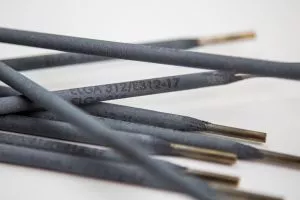
Welding rods, also known as welding electrodes or welding sticks, are essential tools in the metalworking industry used for metal joining and fabrication processes.
These rods are made of various welding materials, such as mild steel, stainless steel, and aluminum, each designed to suit specific welding techniques and applications.
Welding rods play a crucial role in providing the necessary heat and filler material to create strong bonds between metal pieces. As a result, welding rods are indispensable in various welding applications, from structural steel fabrication to automotive repairs.
How Do Welding Sticks Work?
Welding rods function by creating an electrical arc that generates intense heat, melting both the welding filler material and the base metals to form a strong bond.
This process relies on the heat source provided by the electrical current passing through the welding rod to melt the materials. The intense heat softens the metals, allowing them to fuse together as the filler material fills any gaps and strengthens the joint.
Proper technique is crucial in ensuring a secure weld, requiring steady hand control and precise manipulation of the welding rod to achieve the desired result. With the right skills and understanding of the welding process, professionals can effectively join different metal components with welding rods.
What Are the Different Types of Welding Sticks?
There are three primary categories:
Basic Welding Electrodes
These electrodes feature a coating rich in calcium carbonate (limestone) and calcium fluoride (fluorspar), leading to a more fluid slag compared to rutile coatings. This fluidity, coupled with fast-freezing properties, aids in vertical and overhead welding. They’re ideal for projects requiring higher weld quality, excellent mechanical properties, and crack resistance under high stress.
Characteristics:
- Produces low hydrogen weld metal.
- Needs high welding currents/speeds.
- Results in a poor bead profile with a convex and coarse surface.
- Slag removal is challenging.
- Sensitive to air moisture, requiring pre-use drying in a controlled temperature oven for about an hour at 150°C to 300°C. Post-drying, keep them at 100°C to 150°C to prevent moisture reabsorption.
Metal Powder Electrodes
By incorporating metal powder in the flux coating, these electrodes support higher welding currents, enhancing the metal deposition rate and efficiency. They’re predominantly used in flat and horizontal/vertical positions for their increased deposition rates. Their slag is usually easy to remove, and the arc is less forceful, which might reduce bead penetration.
Cellulosic Welding Electrodes
With a high cellulose percentage in the coating, these electrodes are known for their deep penetrating arc and rapid burn-off rate, enabling high welding speeds. While their weld deposit might be coarse and the slag fluid, making deslagging tough, they excel in versatility, including vertical down welding, and are recognized for the ‘stovepipe’ welding technique.
Characteristics:
- Deep penetration in all welding positions.
- Suitable for vertical down welding.
- Produces reasonably good mechanical properties.
- Generates a high level of hydrogen, posing a risk of cracking.
These electrodes are less prone to moisture and might not always need drying, except in very humid conditions.
Rutile Welding Electrodes
Rutile electrodes contain significant titanium oxide, facilitating easy arc ignition, smooth operation, and minimal spatter. They’re versatile, suitable for all positions, and compatible with AC and DC. Particularly effective for horizontal/vertical fillet joints due to their good welding properties and easily removable slag.
Specialty Electrodes
- Hard Wear/Facing Electrodes: Used for applying a hard surface on softer materials, commonly for repairing wear surfaces like mining equipment teeth.
- DC Copper Coated and Plain Electrodes: The former offers stable arc characteristics and a longer life, while the latter, lacking copper coating, consumes more rapidly.
- AC Coated Electrodes: These include special additives for arc stabilization and are copper coated, designed for use with compressed air to prevent excessive metal removal.
What Are the Advantages of Using Welding Sticks?
Using welding rods offers several advantages, including versatility in different welding applications, portability for on-site work, cost-effectiveness compared to other welding methods, and ease of use for welders.
The versatility of welding rods allows welders to tackle a variety of materials and thicknesses, making them a valuable tool in the welding equipment arsenal. Their portable nature enables welders to work in remote locations or confined spaces where traditional welding equipment may not be practical. The cost-effectiveness of welding rods makes them a budget-friendly option for both professionals and hobbyists looking to complete welding tasks without breaking the bank. The user-friendly design of welding rods makes them accessible to welders of all skill levels, contributing to their widespread popularity in the industrial tools sector.
Versatility
The versatility of welding rods allows them to be used in various welding applications, from small repairs to heavy industrial projects, making them indispensable welding supplies.
These welding rods possess a unique quality that sets them apart in the realm of welding equipment – their flexibility and adaptability. This quality enables welders to tackle a wide range of welding tasks, whether it’s joining pieces of metal in intricate designs or fusing large structural components together. Welding rods can seamlessly transition between different welding techniques, offering a versatile solution for any welding challenge that comes their way. Their ability to conform to the needs of the project at hand makes them a valuable asset in the armoury of welding supplies for professionals and hobbyists alike.
Portability
The portability of welding rods makes them ideal for building sites and remote locations where transporting heavy welding machinery may not be feasible.
Workers in the construction industry often depend on welding equipment that can easily be moved between different work sites. Welding rods offer the convenience of setting up and using them in various environments without the need for costly and bulky equipment. This mobility enables welders to address repairs or fabrication tasks quickly and efficiently, improving productivity on the job. The compact size of welding rods makes them a practical option for confined spaces or projects that demand precision and agility.
Cost-effective
Welding rods are a cost-effective welding solution, particularly advantageous in the manufacturing industry where high-quality welds can be achieved without expensive welding consumables.
The use of welding rods in the manufacturing sector significantly reduces operational costs by eliminating the need for complex equipment and specialised gases, making it a highly efficient and budget-friendly option.
The simplicity of welding rods allows for quick and easy setup, enabling workers to complete welding tasks swiftly and with precision. This simplicity also translates to minimal training requirements, further enhancing productivity and reducing labour expenses in a manufacturing environment.
The affordability and effectiveness of welding rods make them a preferred choice for many industrial welding applications.
Easy to Use
Welding rods are favoured for their ease of use, making them suitable for welders of various skill levels and reducing the likelihood of welding defects.
Users find that welding rods provide a more intuitive welding experience compared to other methods, allowing them to focus on honing their welding skills. By simplifying the welding process, these rods enable welders to achieve better control over their technique and produce cleaner, more precise welds. The ability to easily manipulate the rod results in improved manoeuvrability, contributing to enhanced accuracy and reducing the occurrence of common welding defects such as porosity and lack of fusion.
What Are the Disadvantages of Using Welding Sticks?
Factors Impacting Stick Welding
Several factors can impact the success of stick welding, including the presence of moisture, the quality of power sources and welding machines, and the precise control of welding parameters throughout the process.
Moisture, in particular, can have a significant effect on the quality of the final weld. High moisture levels in the welding environment can lead to porosity and cracking in the weld metal, compromising its strength and integrity.
Regarding power sources and welding machines, it is essential to ensure that they are in optimal working condition. A reliable power source and a well-maintained welding machine can provide the stable arc needed for producing quality welds.
The control of welding parameters such as amperage, electrode angle, and travel speed plays a crucial role in determining the overall quality of the weld. Precision in these parameters ensures proper penetration and fusion, resulting in strong and durable weld joints.
Moisture and Stick Welding
Moisture can significantly impact stick welding performance, particularly in humid environments or when working with materials prone to moisture absorption. Understanding how to mitigate the effects of moisture is essential for achieving consistent welding quality in the British market.
The presence of moisture in welding electrodes or base materials can lead to various issues such as porosity, cracks, and weak welds. When moisture vaporises upon contact with the arc, it can introduce hydrogen into the weld pool, causing hydrogen embrittlement.
To address these challenges, welders should store electrodes in a dry environment and preheat them if exposed to high humidity. Utilising proper welding techniques, such as maintaining appropriate amperage, electrode angle, and travel speed, is crucial for minimising the negative impact of moisture on weld quality.
Limited Welding Positions
One of the disadvantages of welding rods is their limitation in accessing confined or complex welding positions, requiring specialised welding techniques and workshops for challenging projects.
In certain welding procedures, such as overhead welding or welding in tight spaces, the rigidity and length of welding rods can hinder proper manoeuvrability and precision. This is where welding professionals often turn to advanced welding workshops for specialised training in more intricate welding positions.
By incorporating innovative techniques and tools provided in these workshops, welders can enhance their skills and effectively tackle the challenges presented by difficult welding scenarios. Such workshops play a crucial role in sharpening the expertise required to excel in demanding welding projects.
Requires Skill and Experience
Using welding rods effectively requires a high level of welding skills and experience, often requiring welding certification and expertise to ensure weld quality and safety.
Welding rods necessitate a thorough understanding of welding techniques and material properties to achieve strong and durable welds. Welders must be able to interpret technical drawings, adjust welding parameters, and troubleshoot potential issues during the welding process. A welding certification is vital as it shows that the welder has received formal training and meets industry standards. Possessing welding expertise enables welders to identify the most appropriate welding methods and materials for specific projects, ensuring the structural integrity and longevity of the welds.
Creates More Waste
The use of welding rods can result in the generation of more waste due to the consumption of welding filler materials, presenting a challenge in waste management and recycling efforts in welding practices.
This increased waste generation is a direct result of the materials used to create strong bonds between metal pieces during the welding process. The discarded filler materials, such as rods, wires, or flux, accumulate as by-products that require proper disposal. Unfortunately, the management of this waste poses significant challenges, as it contains potentially hazardous substances and needs specialised handling to prevent environmental harm.
Emphasising sustainable practices in welding not only reduces waste but also promotes a cleaner and safer working environment for welders and the surrounding community.
How to Choose the Right Welding Stick for Your Project?
Selecting the appropriate welding rod for your project involves considering factors such as the type of metal, material thickness, electrode size, and the welding position to ensure optimal welding results.
See the Miller Welding Stick Welding Setting Calculator.
Understanding the characteristics of different welding materials is essential in determining which welding rod will provide the best results for each specific project. Welding techniques play a crucial role in creating strong and long-lasting welds, emphasising the need to match the rod to the welding process being used.
Electrode sizes must also be selected carefully, taking into account the thickness of the material being welded and the desired penetration for a successful weld. It’s important to conduct thorough research and testing to find the perfect combination of welding rod, material, and technique for your welding project.
Consider the Metal Type
When choosing a welding rod, it is crucial to consider the type of metal being welded to ensure compatibility and effective metal joining, aligning with specific welding procedures for different metal compositions.
Different metals have varying properties such as conductivity, melting point, and strength, which directly affect the choice of welding rod. For instance, using the wrong rod for a specific metal composition may result in weak joints or even breakage.
Proper selection of welding rods ensures proper fusion and bonding of metals during the metal joining process, contributing to the overall strength and durability of the final weld. The use of appropriate welding rods in accordance with the specific welding procedures is essential for achieving high-quality and reliable welds in diverse metalworking applications.
Determine the Thickness of the Metal
The thickness of the metal plays a crucial role in choosing the right welding rod, as different metal thicknesses require varying levels of heat and welding inspection to ensure proper fusion and structural integrity.
When working with thin metals, such as sheet metal, using a precise heat source is essential to prevent warping or burn-through. Thicker metals, on the other hand, may require more heat to achieve proper penetration. Welding inspection becomes critical to verify the quality of the weld and ensure it meets the required specifications for strength and durability. Understanding how heat sources interact with varying metal thicknesses is fundamental in achieving successful welds that hold up under stress and pressure.
Choose the Appropriate Electrode Size
Selecting the right electrode size is crucial for achieving optimal welding quality and performance, as incorrect electrode sizes can lead to defects and quality issues in the weld.
The size of the electrode used in welding plays a critical role in determining the strength and integrity of the weld. When the electrode size is not properly matched to the specific welding requirements, it can result in defects such as cracks, porosity, and lack of fusion, compromising the overall quality of the weld.
Welding defects like these can weaken the structural integrity of the joint and reduce the overall performance of the welded workpiece. Therefore, understanding the significance of electrode size selection is essential for ensuring high-quality, defect-free welds.
Consider the Welding Position
Understanding the welding position is essential when choosing a welding rod, as different positions require specific safety measures, adherence to regulations, and proper equipment set-up for successful welding operations.
For example, overhead welding requires extra precautions due to the potential risks associated with falling debris and spatter. Welders must ensure that their protective gear, such as helmets, gloves, and clothing, is in place to shield them from any hazards.
Following welding regulations and standards ensures the weld’s quality and the safety of the welder and those around them. Factors like electrode selection, current setting, and technique vary based on the welding position, highlighting the need for a comprehensive understanding of welding safety and regulatory compliance.
Power Sources for Stick Welding
Selecting the appropriate power sources for stick welding is crucial for maintaining a stable welding arc, optimising welding speed, and ensuring consistent weld quality. Understanding the characteristics of different power sources is essential for successful welding operations.
Power sources play a vital role in providing the necessary energy for the welding electrodes to create the welding arc. The type of power source chosen can significantly impact the stability of the arc duration and overall welding speed. For instance, constant current power sources are often preferred for stick welding due to their ability to deliver a consistent current output, which is essential for maintaining a stable arc.
Along with arc stability, power sources also influence the penetration depth and bead appearance, affecting the overall quality of the weld. By selecting the right power source, welders can achieve their desired welding outcomes, such as proper fusion, minimal spatter, and smooth weld beads.
Despite their advantages, welding rods have limitations such as restricted welding positions, the need for skill and experience to operate effectively, and the generation of more waste compared to other welding methods.
Using welding rods can be cumbersome when working in tight or overhead welding positions, as their rigid nature limits the flexibility of movement. This constraint can impact the quality and efficiency of the welding job, making it challenging to achieve the desired weld strength and aesthetics.
Mastering the technique of welding with rods requires a significant amount of practice and expertise. Novice welders may struggle with maintaining stable arc conditions and controlling the deposition of filler metal, leading to subpar welds and potential rework. The maintenance of welding rods involves regular cleaning, inspection, and replacement of consumables like electrodes, adding to the overall operational costs and downtime.
What Safety Precautions Should You Take When Using Welding Sticks?
When working with welding rods, it is vital to adhere to strict safety precautions such as wearing appropriate protective equipment, operating in well-ventilated spaces, keeping fire extinguishers close by, and carrying out regular equipment inspections.
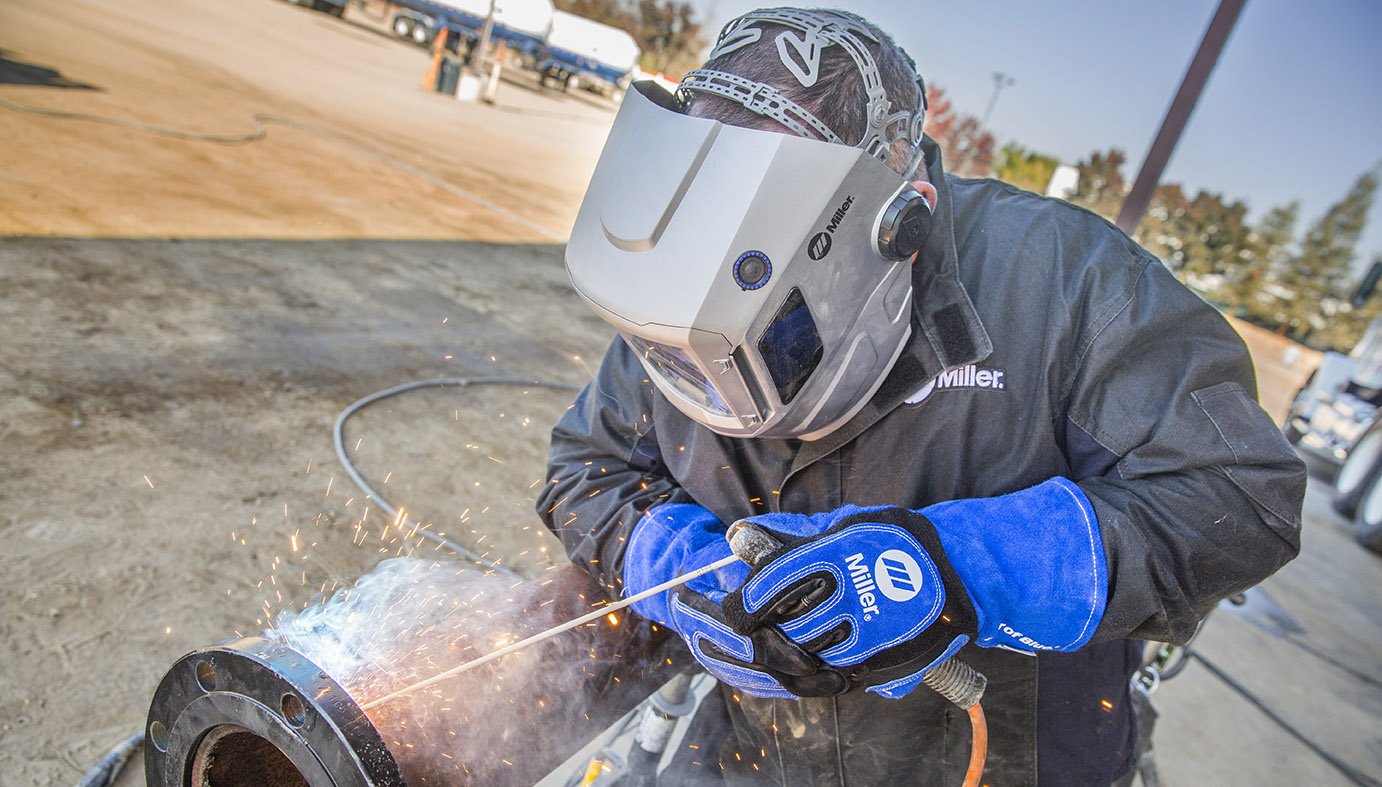
Protective equipment like welding masks, gloves, and welding jackets are essential to protect oneself from sparks and UV radiation produced during the welding process. Adequate ventilation is crucial to avoid inhaling harmful fumes and gases. It is essential to have a clear understanding of fire safety procedures, including the correct storage of flammable materials and the presence of a fire extinguisher within easy reach at all times. Regular inspections of welding equipment, such as ensuring proper connections and insulation, are crucial to prevent accidents and maintain a safe welding environment.
Wear Protective Gear
Protective equipment such as welding helmets, gloves, and safety glasses are essential when using welding rods to comply with industry standards, codes, and regulations for personal safety.
It is crucial to ensure that welding helmets meet the specific requirements outlined in welding standards to provide adequate protection against intense heat and sparks.
Welding gloves should be robust and flame-retardant to prevent burns and injuries during welding operations.
Safety glasses with appropriate shading levels are necessary to shield the eyes from harmful ultraviolet and infrared rays produced during the welding process.
Adhering to welding codes and safety guidelines is paramount to creating a safe working environment and reducing the risk of accidents in welding workshops.
Work in a Well-Ventilated Area
Working in a well-ventilated area is crucial during welding operations with rods to ensure proper fume extraction, air circulation, and safety demonstration practices for minimising exposure to harmful welding by-products.
Effective ventilation plays a key role in welding procedures as it helps in maintaining a clean and safe working environment. By ensuring adequate air circulation, ventilation not only assists in reducing the concentration of welding fumes but also aids in maintaining a comfortable temperature for welding demonstrations. Proper ventilation systems also contribute significantly to the overall health and safety of welders by minimising the risks associated with inhaling toxic fumes. Therefore, incorporating proper ventilation techniques is essential for a successful and safe welding operation.
Keep a Fire Extinguisher Nearby
Having a fire extinguisher readily available is a critical safety measure when using welding rods, ensuring quick response to potential fire hazards and supporting automated safety features or innovative welding technologies.
Incorporating fire extinguishers into welding rod operations not only complies with safety regulations but also promotes a proactive approach towards fire prevention. By seamlessly integrating fire extinguishers within the welding automation systems, businesses can effortlessly enhance their safety protocols. These innovative safety advancements in welding technology aim to mitigate potential risks and create a secure working environment for welders. Embracing the necessity of fire extinguishers underscores a commitment to safeguarding personnel and equipment while fostering a culture of safety awareness in welding operations.
Inspect Your Equipment Regularly
Regular equipment inspections are essential for maintaining the quality and performance of welding rods, addressing potential operational challenges, and implementing effective solutions to ensure consistent welding outcomes.
By carrying out regular inspections, welders can proactively identify issues such as equipment wear, electrical irregularities, and gas leaks that may hinder the welding process. Identifying these challenges early on allows for prompt corrective action, resulting in optimised welding performance and productivity.
Implementing solutions such as replacing worn components, calibrating equipment settings, and ensuring proper ventilation can significantly enhance the efficiency and effectiveness of the welding operation. Through careful maintenance and problem-solving, welders can uphold the integrity of their equipment and produce high-quality welds consistently.
Frequently Asked Questions
What are welding sticks?
Welding sticks, also known as welding electrodes, are consumable tools used in arc welding. They are typically made of metal and coated with a flux material that melts and creates a protective gas shield when heated, allowing for a strong weld to be formed.
What types of welding sticks are available?
There are various types of welding sticks, each designed for different welding applications. Some common types include coated electrodes for stick welding, tungsten electrodes for TIG welding, and flux-cored electrodes for MIG welding.
How do I choose the right welding sticks for my project?
Choosing the right welding sticks depends on several factors, such as the type of metal being welded, the welding process being used, and the thickness of the materials. It is best to consult with a welding professional or refer to the welding stick manufacturer’s guidelines for proper selection.
Are welding sticks reusable?
No, welding sticks are not reusable. Once they have been used for welding, they are consumed and must be replaced with a new stick. It is important to properly dispose of used sticks to prevent any potential hazards.
How should I store welding sticks?
Welding sticks should be stored in a dry and temperature-controlled environment, away from moisture and extreme heat or cold. They should also be kept in their original packaging or a moisture-proof container to prevent any damage or degradation.
Do I need any special equipment to use welding sticks?
Yes, you will need a welding machine or power source that is compatible with the type of welding stick you are using. You may also need additional equipment, such as welding gloves, safety glasses, and a welding helmet, for proper safety and protection while welding.