MIG Welding 101: Master the Art of Metal Joining Like a Pro
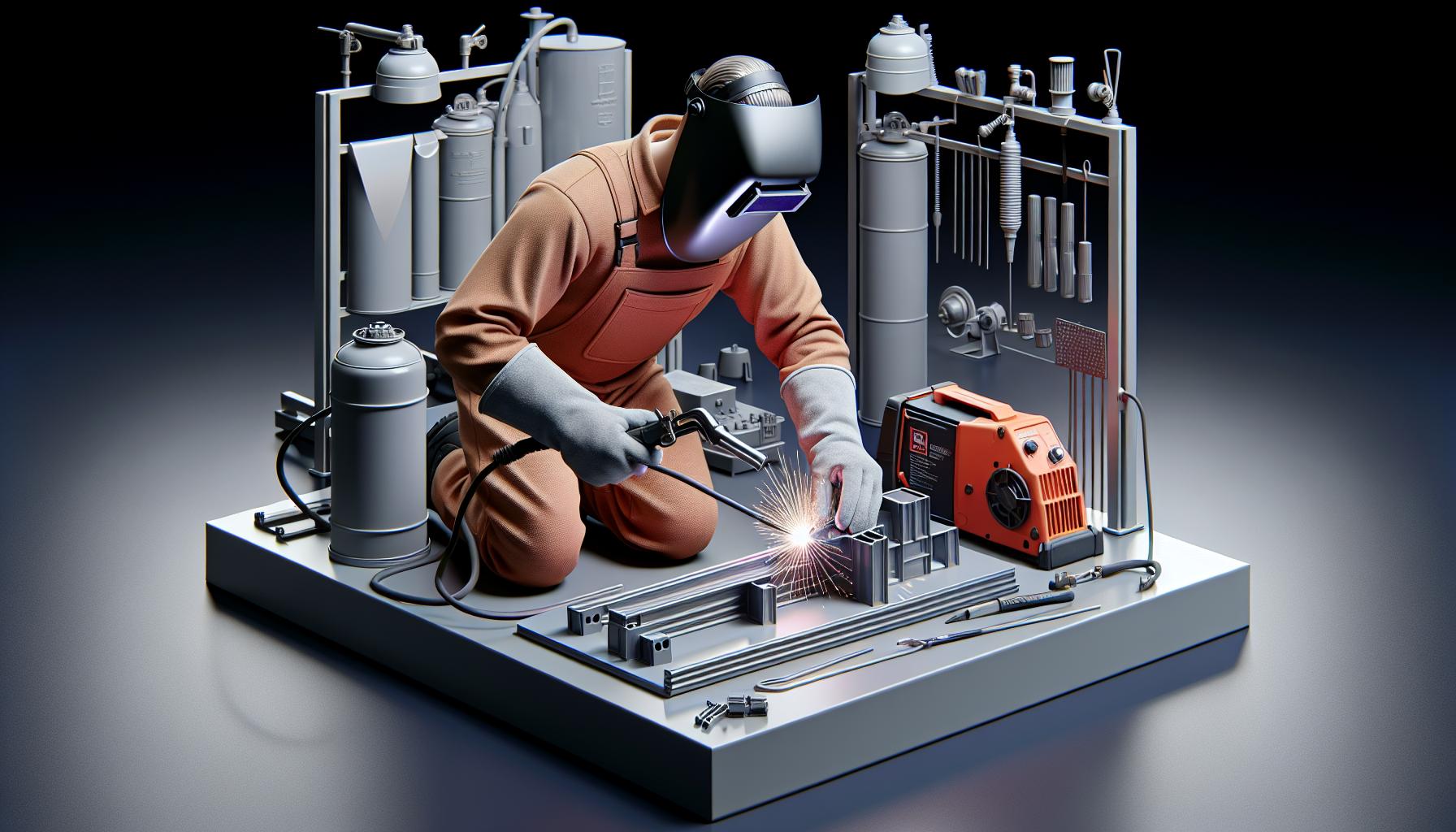
Ever watched a skilled welder fuse metal like it’s child’s play? That’s the magic of MIG welding! We’re diving into this popular welding technique that’s as versatile as a Swiss Army knife in the world of metal fabrication.

MIG welding, short for Metal Inert Gas welding, is the go-to method for many DIY enthusiasts and pros alike. It’s like using a hot glue gun, but for metal! Remember that time your buddy tried to weld and ended up with a pile of molten mess? We’ve all been there. But with MIG welding, even beginners can create strong, clean welds.

Key Takeaways

  • MIG welding uses a wire electrode and shielding gas to join metals, offering speed, clean welds, and versatility across various applications.
  • Essential MIG welding equipment includes the welder, shielding gas, and wire feed system, each playing a crucial role in creating strong, quality welds.
  • Proper techniques, including correct welder setup, gun positioning, and mastering common welding patterns, are vital for achieving high-quality MIG welds.
  • Safety is paramount in MIG welding, requiring appropriate personal protective equipment (PPE) and a well-organized, ventilated workspace.
  • MIG welding is widely used in automotive, construction, and manufacturing industries, with applications ranging from car frames to structural steel fabrication.

What Is MIG Welding?

MIG welding, short for Metal Inert Gas welding, is a process that uses a continuously fed wire electrode and shielding gas to join metal pieces. This welding method is known for its efficiency and versatility across various metal fabrication applications.

How MIG Welding Works

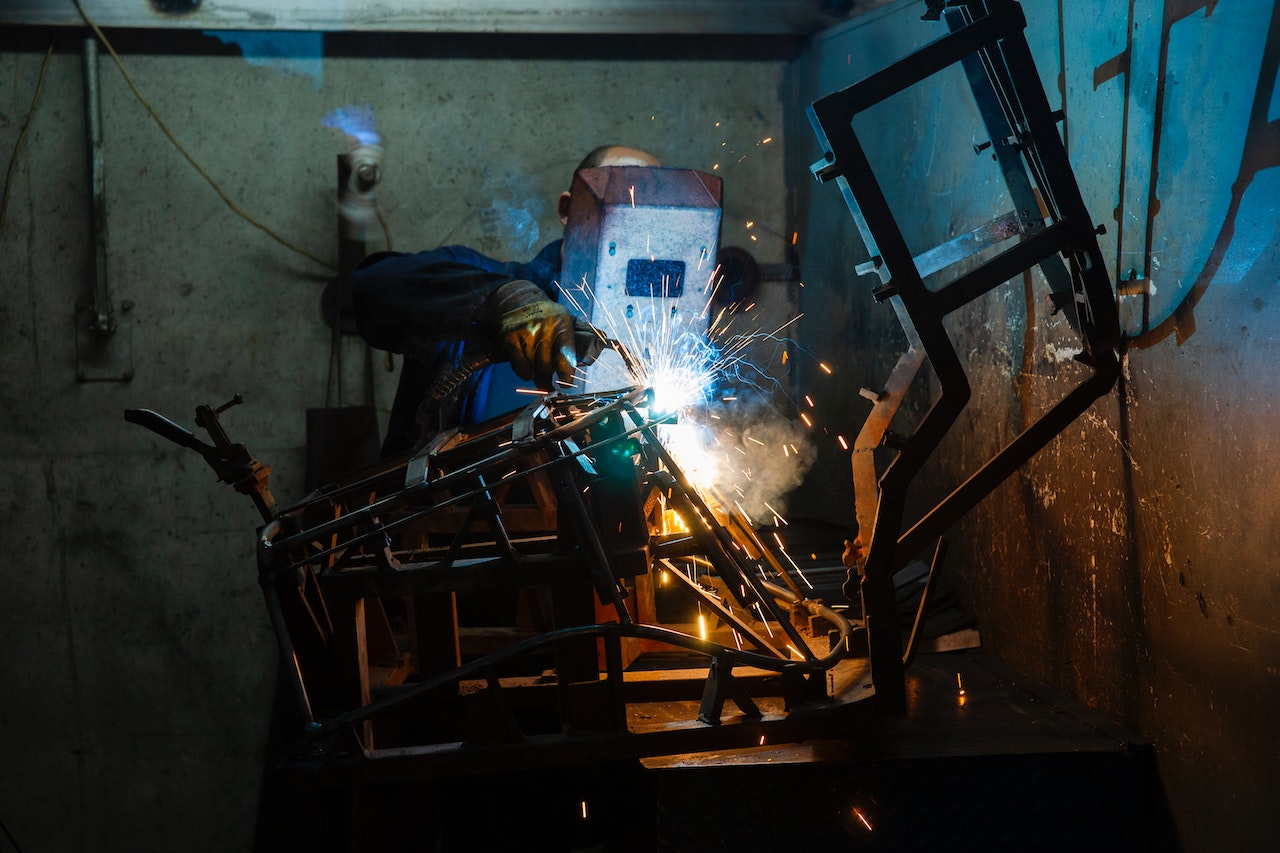
MIG welding operates by creating an electric arc between the workpiece and a consumable wire electrode. The wire feeds through a welding gun, melting as it contacts the workpiece. Simultaneously, an inert gas (typically argon or a mix) flows from the gun, shielding the weld pool from atmospheric contamination.

The process involves:

  1. Setting up the welding machine with the correct wire and gas
  2. Adjusting voltage and wire feed speed
  3. Positioning the gun at a 15-30 degree angle to the workpiece
  4. Pulling the trigger to start the arc and moving along the joint

Ever wondered what it’s like to write with molten metal? That’s essentially what MIG welding feels like!

Advantages of MIG Welding

MIG welding offers several benefits that make it a go-to choice for many welders:

  • Speed: It’s faster than many other welding methods
  • Clean welds: Minimal slag means less post-weld cleanup
  • Versatility: Works on various metal thicknesses and types
  • Easy to learn: Beginners can pick up basic techniques quickly
  • Precision: Allows for accurate control of the weld bead

Remember that time you tried to glue a broken vase back together? MIG welding is like that, but for metal – and way cooler! You get to play with electricity and molten metal. What’s not to love?

Essential MIG Welding Equipment
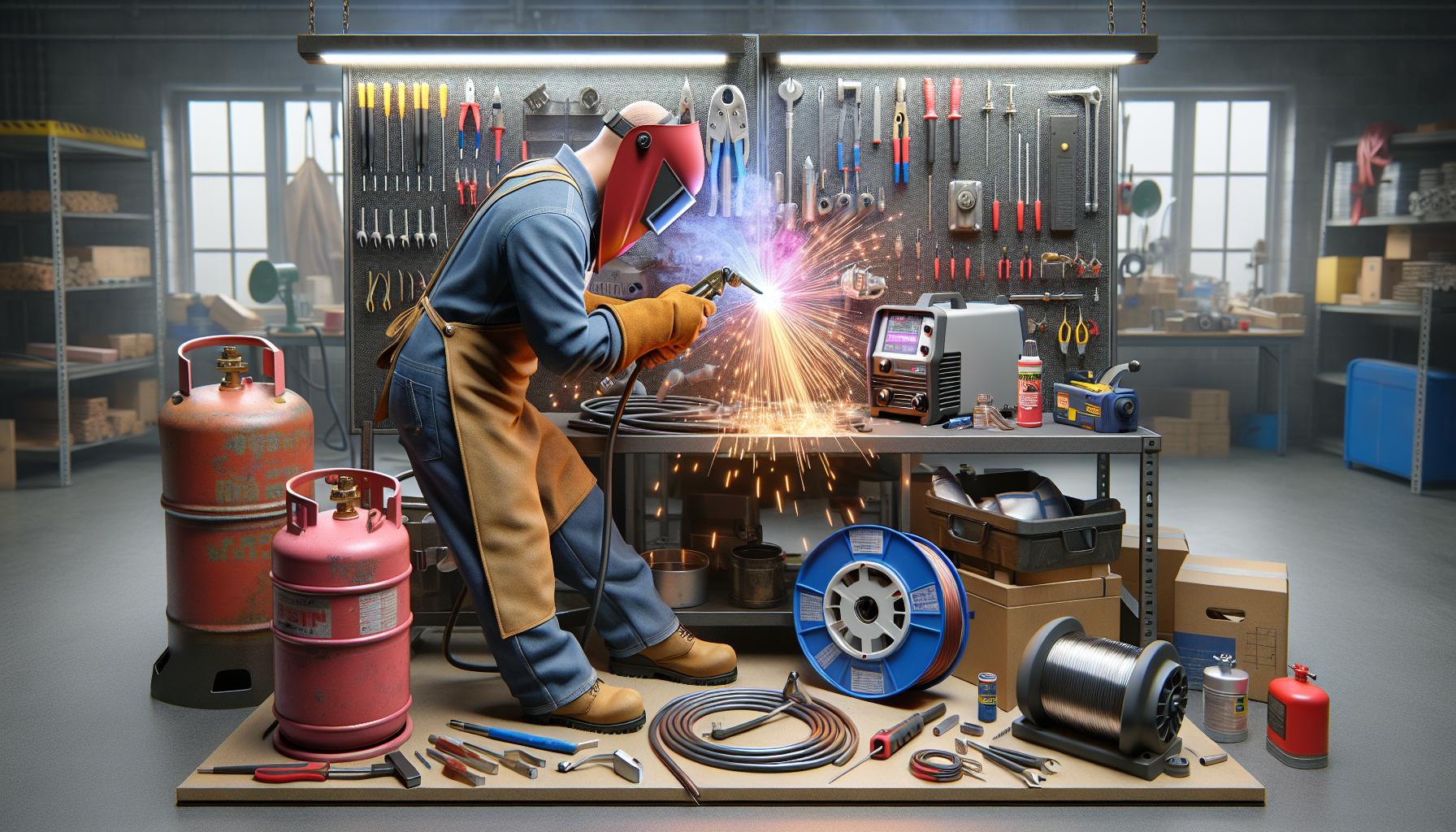
4d64de8d 48b6 40f9 bd49 f5ed8b657280:WqNg23zDl3 v0SAMHUgSf

MIG welding requires specific tools to create strong, clean welds. Let’s explore the key equipment needed for successful MIG welding projects.

MIG Welders

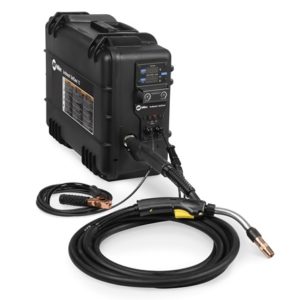
MIG welders are the heart of the welding process. These machines come in various sizes and power outputs, from compact units for home use to industrial-grade models. Think of a MIG welder as your metal-melting sidekick – it’s always ready to jump into action! When choosing a welder, consider factors like:

  • Amperage range
  • Duty cycle
  • Input voltage requirements
  • Portability

Have you ever wondered how these machines can turn a simple wire into a molten metal masterpiece? It’s like having a miniature lightning bolt at your fingertips!

Shielding Gas

Shielding gas is the invisible hero of MIG welding. It protects the weld pool from atmospheric contamination, ensuring a clean and strong weld. Common shielding gases include:

  • 100% CO2
  • Argon/CO2 mix
  • Tri-mix (argon, CO2, and helium)

Choosing the right gas is like picking the perfect dance partner for your metal – it’s got to match the moves! Remember that time we accidentally used the wrong gas and our welds looked like a toddler’s crayon scribbles? Yeah, let’s not repeat that!

Wire Feed System

The wire feed system is the steady hand that guides your welding wire. It consists of:

  1. Wire spool
  2. Drive rollers
  3. Gun and cable assembly

MIG Welding Techniques

MIG welding techniques are essential for creating strong, clean welds. We’ll explore the key aspects of setting up your welder, maintaining proper welding positions, and mastering common welding patterns.

Setting Up Your Welder

Setting up your MIG welder correctly is crucial for achieving high-quality welds. Start by selecting the appropriate wire diameter and type for your project. Adjust the wire feed speed and voltage settings based on the material thickness and type. Remember to set the gas flow rate to provide adequate shielding for your weld pool. It’s like tuning an instrument – get it right, and you’ll create beautiful metal music!

Proper Welding Position

Maintaining the right welding position is key to producing consistent, high-quality welds. Hold the welding gun at a 10-15 degree push angle and keep a consistent travel speed. Maintain a 1/4 to 3/8 inch stick-out (the distance between the contact tip and the workpiece). Think of it as a dance – you’re leading, and the metal follows your smooth, steady movements.

Common Welding Patterns

Mastering common welding patterns improves weld quality and appearance. The three main patterns are:

  1. Straight line: Move the gun in a straight line along the joint.
  2. Weave: Move the gun in a side-to-side motion while progressing along the joint.
  3. Circle: Create small circles as you move along the joint.

Each pattern has its place, depending on the joint type and material thickness. It’s like choosing the right dance steps for different songs – you’ll want to master them all!

Ever tried to write your name in cursive with molten metal? That’s essentially what you’re doing with these patterns. Practice makes perfect, so don’t be discouraged if your first attempts look more like abstract art than neat welds.

MIG Welding Safety Precautions

Safety is paramount in MIG welding. Proper precautions protect welders from potential hazards and create a secure work environment. Let’s explore the essential safety measures every MIG welder should know.

Personal Protective Equipment

Gearing up for MIG welding is like suiting up for a superhero mission. Our first line of defense is personal protective equipment (PPE). Here’s what we need:

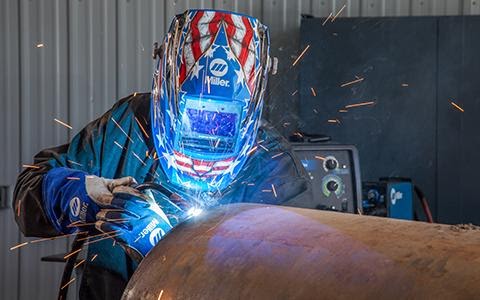
  1. Welding helmet: A must-have to shield our eyes and face from intense light and sparks. Auto-darkening helmets are a game-changer, adjusting automatically to protect our vision.
  2. Welding gloves: These heavy-duty gloves safeguard our hands from heat and spatter. They’re like oven mitts on steroids!
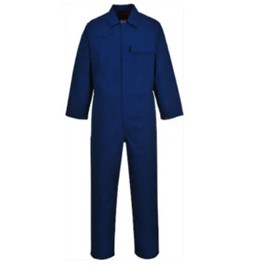
  3. Fire-resistant clothing: Long-sleeved shirts and pants made of flame-resistant materials keep us safe from sparks and UV radiation.
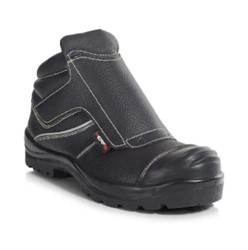
  4. Steel-toed boots: Our feet need protection too. Steel-toed boots guard against falling objects and hot metal.
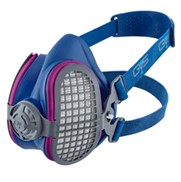
  5. Respirator: This crucial piece of equipment filters out harmful fumes and particulates. Think of it as a gas mask for welders.

Remember, skimping on PPE is like going into battle without armor. It’s not worth the risk!

Workspace Considerations

Creating a safe welding workspace is key to preventing accidents. Here’s how we set up our welding area:

  1. Ventilation: Good airflow is crucial. We set up fans or use a ventilation system to remove welding fumes. It’s like creating a fresh breeze in our workspace.
  2. Fire prevention: We keep flammable materials far from our welding area. A fire extinguisher is always within reach, just in case things get too hot to handle.
  3. Clutter-free zone: We keep our workspace tidy and organized. Tripping over tools while holding a welding gun is a recipe for disaster!
  4. Electrical safety: We check all electrical connections and equipment regularly. Faulty wiring can turn our welding adventure into a shocking experience.
  5. Proper lighting: Good lighting helps us see what we’re doing. We don’t want to be fumbling around in the dark with molten metal!

Have you ever thought about how your workspace affects your welding quality? A clean, organized area not only keeps us safe but also improves our work.

Here’s a funny tidbit: A welder once told us he used to keep his sandwich next to his welding area. One day, he accidentally grabbed his welding rod instead of his lunch! Needless to say, he learned his lesson about keeping food away from the workspace.

Applications of MIG Welding

MIG welding’s versatility makes it a go-to choice for various industries. From joining thin sheet metal to fabricating heavy-duty structures, this welding process adapts to numerous applications.

Automotive Industry

In the automotive world, MIG welding is the backbone of vehicle production. It’s used to create everything from car frames to exhaust systems. Remember that rusty muffler you replaced last year? Chances are, MIG welding played a part in crafting its replacement. This technique’s precision allows for strong, clean welds on thin auto body panels without warping the metal. Ever wondered how those sleek sports cars maintain their smooth lines? MIG welding’s the secret sauce!

Funny story: A friend once tried to MIG weld a custom spoiler onto his car. He ended up with what looked like a melted candy bar stuck to his trunk. Lesson learned: Leave the auto body mods to the pros!

Construction and Manufacturing

MIG welding is the unsung hero of the construction and manufacturing sectors. It’s used to fabricate structural steel for buildings, bridges, and even those massive cranes that dot city skylines. In manufacturing, MIG welding helps create everything from industrial equipment to home appliances. Ever seen those massive wind turbines? MIG welding plays a crucial role in their construction.

Here’s a question for you: What’s the last thing you used today that might have been MIG welded? Your office chair? The elevator you rode? The possibilities are endless!

MIG welding’s speed and efficiency make it ideal for high-volume production. It’s like the fast food of the welding world – quick, consistent, and always ready to serve. But don’t let that fool you; the quality is top-notch when done right.

Troubleshooting Common MIG Welding Issues

Even seasoned welders face challenges with MIG welding. Let’s dive into some common issues and how to fix them. Remember, every welder has been there, so don’t get discouraged!

Wire Feed Problems

Wire feed issues can turn your welding project into a frustrating game of “why won’t this work?” Common culprits include clogged liners, worn drive rolls, or incorrect tension settings. To fix these:

  1. Clean or replace the liner
  2. Check drive rolls for wear and replace if necessary
  3. Adjust wire tension – it should feel like you’re reeling in a medium-sized fish

Ever had your wire bunch up like a tangled ball of yarn? We’ve all been there! One welder we know nicknamed his bunched-up wire “the metal spaghetti monster.” Remember, patience is key when untangling these messes.

Poor Weld Quality

Struggling with ugly welds? Don’t worry, we’ve got your back. Poor weld quality often stems from incorrect settings, contaminated materials, or improper technique. Here’s how to tackle these issues:

  1. Adjust your voltage and wire feed speed
  2. Clean your base metal thoroughly
  3. Practice your gun angle and travel speed

Think of welding like cooking – too much heat burns your food, too little leaves it raw. Finding the right balance takes practice, but once you get it, you’ll be serving up perfect welds every time!

Advancing Your MIG Welding Skills

Improving MIG welding skills requires practice and dedication. We’ll explore projects for beginners and advanced techniques to help you become a better welder.

Practice Projects for Beginners

Beginners can start with simple projects to hone their MIG welding skills:

  1. Welding scrap metal: Practice creating straight beads on flat pieces of scrap metal.
  2. Metal box: Construct a small box by welding four sides and a bottom.
  3. Coat rack: Make a functional coat rack using metal pipes and plates.
  4. Garden tools holder: Create a storage rack for garden tools using angle iron.
  5. Welding cart: Build a mobile cart to store your welding equipment.

These projects allow you to practice different joint types and positions. Remember, welding is like learning to ride a bike – the more you practice, the better you’ll get!

Advanced MIG Welding Techniques

Ready to level up your MIG welding game? Try these advanced techniques:

  1. Pulse welding: This technique alternates between high and low current, reducing heat input and distortion.
  2. Push-pull welding: Ideal for aluminum, this method uses a special gun to push and pull the wire through the liner.
  3. Out-of-position welding: Master welding in vertical and overhead positions for challenging projects.
  4. Thin material welding: Learn to weld materials as thin as 24 gauge without burn-through.
  5. Multi-pass welding: Create stronger welds on thick materials by laying multiple passes.

Think of these techniques as adding new dance moves to your welding repertoire. They might feel awkward at first, but with practice, you’ll be grooving like a pro!

Have you ever tried welding upside down? It’s like trying to write your name while doing a handstand – tricky, but not impossible! We once knew a welder who accidentally welded his zipper while attempting an overhead weld. Let’s just say he learned the importance of proper positioning the hard way!

Conclusion

MIG welding stands as a versatile and accessible technique in the world of metal fabrication. We’ve explored its fundamental principles applications and essential equipment. From safety considerations to troubleshooting tips we’ve covered the key aspects of this popular welding method. Whether you’re a DIY enthusiast or a professional welder MIG welding offers a reliable way to join metals with efficiency and precision. As with any skill mastery comes with practice and dedication. So grab your welder don your safety gear and start your journey into the exciting world of MIG welding. You’ll soon discover why it’s become a go-to method for welders across industries.

Frequently Asked Questions

What is MIG welding?

MIG welding, or Metal Inert Gas welding, is a process that uses a continuously fed wire electrode and shielding gas to join metal pieces. It’s known for its efficiency and versatility across various applications, making it popular among both DIY enthusiasts and professionals.

How does MIG welding work?

MIG welding creates an electric arc between the workpiece and a consumable wire electrode. An inert gas shields the weld pool from contamination. The process involves setting up the machine, adjusting voltage and wire feed speed, and positioning the gun correctly to create a strong, clean weld.

What are the advantages of MIG welding?

MIG welding offers several benefits: it’s fast, produces clean welds with minimal slag, works on various metal types and thicknesses, is easy for beginners to learn, and allows precise control of the weld bead. Its versatility and efficiency make it a popular choice in many industries.

What equipment is needed for MIG welding?

Essential MIG welding equipment includes a MIG welder, shielding gas, and a wire feed system. The welder is the primary tool, while shielding gas protects the weld pool from contamination. The wire feed system guides the welding wire for optimal results.

How do I choose the right MIG welder?

When selecting a MIG welder, consider factors like amperage range, duty cycle, input voltage requirements, and portability. Think about the types of projects you’ll be working on and choose a welder that matches your needs in terms of power output and features.

What shielding gases are used in MIG welding?

Common shielding gases for MIG welding include 100% CO2 and argon/CO2 mixes. The choice of gas depends on the type of metal being welded and the desired weld characteristics. Selecting the right gas is crucial for successful welding.

What are some basic MIG welding techniques?

Key MIG welding techniques include setting up the welder correctly, maintaining proper gun angle (10-15 degrees), and using appropriate welding patterns like straight line, weave, or circle. Consistent travel speed and practice are essential for creating strong, clean welds.

What safety precautions should I take when MIG welding?

Essential safety measures include wearing proper personal protective equipment (PPE) such as welding helmets, gloves, fire-resistant clothing, steel-toed boots, and respirators. Ensure proper ventilation, maintain a clutter-free workspace, and check electrical safety before welding.

What industries commonly use MIG welding?

MIG welding is widely used in automotive, construction, and manufacturing industries. It’s employed for fabricating car frames, exhaust systems, structural steel, and industrial equipment. Its speed and efficiency make it a popular choice across various sectors.

How can I troubleshoot common MIG welding issues?

To troubleshoot MIG welding problems, check for wire feed issues by cleaning or replacing components and adjusting wire tension. For poor weld quality, adjust settings, clean base metals, and refine your technique. Remember, finding the right balance is key to successful welding.

What are some beginner projects for practicing MIG welding?

Beginners can practice MIG welding on projects like welding scrap metal, constructing a metal box, making a coat rack, creating a garden tools holder, or building a welding cart. These projects help novices develop their skills and gain confidence in welding.

What are some advanced MIG welding techniques?

Advanced MIG welding techniques include pulse welding, push-pull welding, out-of-position welding, thin material welding, and multi-pass welding. These techniques require practice and dedication but can significantly enhance a welder’s skill set and capabilities.

Top Men’s Waterproof Trousers: Stay Dry on Any Adventure

Ever been caught in a sudden downpour while hiking? We’ve all been there, and it’s no fun feeling like a soggy mess. That’s where men’s waterproof trousers come to the rescue! These nifty pants are like your personal force field against rain, keeping you dry and comfortable no matter what Mother Nature throws your way.

We carry a couple of top choices at Norsemen Safety, including Portwest Sealtex AIR Waterproof Rain Trousers S351 and Portwest AIR Sealtex Waterproof Rain Trousers S451.

Portwest men’s waterproof trousers are made from a unique lightweight material which offers breathability, waterproof and windproof protection. The trousers have a secure yet comfortable fit, with a fully elasticated waistband and stud adjustable hems. The material is durable and stretchy, and can be wiped clean if dirty. The fabric used is extremely water resistant, so water simply just slides off.

Key Takeaways

  • Men’s waterproof trousers use special fabrics and treatments like membrane technologies and DWR coatings to repel water while remaining breathable
  • Key features to look for include high-quality waterproof materials, breathability, adjustable waistbands, and sealed seams
  • Top brands offer both high-end options with advanced features and budget-friendly choices for basic protection
  • Proper care involves washing with mild detergent, avoiding fabric softeners, and regularly reapplying waterproof treatments
  • Waterproof trousers can be styled for casual outdoor looks or athletic wear, offering both functionality and fashion

Understanding Men’s Waterproof Trousers

Men’s waterproof trousers are essential gear for outdoor activities. They keep you dry and comfortable in wet conditions, allowing you to enjoy your adventures without worrying about the weather.

What Makes Trousers Waterproof?

Waterproof trousers use special fabrics and treatments to repel water. These materials have tiny pores that let sweat escape but prevent water droplets from entering. Some common waterproofing methods include:

  1. Membrane technologies: Thin layers that block water while allowing vapor to pass through
  2. Durable Water Repellent (DWR) coatings: Chemical treatments that make water bead up and roll off
  3. Sealed seams: Taped or welded seams that prevent water from seeping through stitching

Ever wondered why rain rolls off a duck’s back? Waterproof trousers work similarly, keeping you dry as a duck in a downpour!

Benefits of Waterproof Trousers for Men

Waterproof trousers offer several advantages for outdoor enthusiasts:

  1. Dry comfort: Stay dry even in heavy rain or while trekking through wet grass
  2. Wind protection: Block chilly gusts, keeping you warmer in harsh conditions
  3. Versatility: Wear them over regular pants for quick weather protection
  4. Lightweight: Easy to pack and carry for unexpected weather changes
  5. Durability: Withstand rough outdoor conditions better than regular pants

Remember that time you got caught in a sudden shower without proper gear? With waterproof trousers, you’ll be laughing in the rain instead of squelching in soggy socks!

Top Features to Look for in Waterproof Trousers

2a82f40c a99f 4f78 bb05 bfaf645fe33c:E REJJJXgUYXzjTywH04j

When shopping for waterproof trousers, it’s crucial to consider several key features. These attributes can make a significant difference in your outdoor experience, keeping you dry and comfortable in wet conditions.

Fabric and Material Quality

High-quality waterproof trousers use advanced materials to repel water effectively. Look for options made with breathable, waterproof fabrics like Gore-Tex or eVent. These materials create a barrier against water while allowing sweat to escape, preventing that clammy feeling we all dread. Have you ever felt like you’re wearing a plastic bag during a hike? That’s what we want to avoid!

Breathability and Comfort

Breathability is just as important as water resistance. The best waterproof trousers balance keeping water out and letting air circulate. Features like mesh-lined pockets and ventilation zips can boost airflow, keeping you cool during active pursuits. Remember that time you wore non-breathable rain gear and felt like you were in a personal sauna? Let’s steer clear of that sweat fest!

Best Men’s Waterproof Trousers Brands

When it comes to staying dry in wet conditions, choosing the right brand of waterproof trousers is crucial. We’ve compiled a list of top-notch brands that offer both high-end and budget-friendly options for men’s waterproof trousers.

High-End Options

Premium waterproof trousers often come with advanced features and superior materials. These high-end options typically use cutting-edge membrane technologies and top-quality fabrics. They’re designed for extreme weather conditions and intense outdoor activities.

Key features of high-end waterproof trousers include:

  • Multi-layer construction for enhanced durability
  • Advanced breathability systems
  • Reinforced knees and seat areas
  • Fully taped seams for complete waterproofing
  • Adjustable waistbands and ankle cuffs
  • Multiple pockets with water-resistant zippers

High-end brands often offer lifetime warranties, reflecting their confidence in product quality. While these options come with a higher price tag, they’re an investment for serious outdoor enthusiasts who demand top performance in challenging conditions.

Budget-Friendly Choices

Don’t let a tight budget rain on your parade! There are plenty of affordable waterproof trousers that offer solid protection without breaking the bank. These budget-friendly options often prioritize essential features:

  • Basic waterproofing technology
  • Lightweight design for easy packing
  • Simple closure systems
  • Minimal pockets to reduce production costs
  • Limited color options

While they may lack some advanced features of high-end models, budget-friendly waterproof trousers can still keep you dry during unexpected showers or light rain. They’re perfect for occasional hikers or those who need basic protection for everyday activities.

Caring for Your Waterproof Trousers

Proper maintenance of waterproof trousers is crucial for their longevity and performance. We’ll share some practical tips to keep your gear in top shape.

Cleaning and Maintenance Tips

Cleaning waterproof trousers isn’t rocket science, but it does require a bit of know-how. First, always check the care label for specific instructions. Generally, we recommend washing them in cold water with a mild, specialized detergent. Avoid fabric softeners and bleach like the plague – they’re kryptonite for waterproof gear!

After washing, give your trousers a good rinse to remove all soap residue. Then, tumble dry on low heat or air dry. Here’s a fun fact: heat actually helps reactivate the water-repellent coating. So, a quick tumble in the dryer can work wonders!

Remember that time you forgot to empty your pockets before washing? Let’s not repeat that mistake with your waterproof trousers. Always empty pockets and close all zippers before washing to prevent snags and damage.

Extending the Lifespan of Your Trousers

Want to keep your waterproof trousers performing like champs for years to come? We’ve got you covered! Regular maintenance is key. After each use, give them a quick wipe-down to remove dirt and debris. This simple step can prevent grime from working its way into the fabric.

Re-waterproofing is another trick up our sleeve. Over time, the water-repellent coating can wear off. But don’t worry – it’s easy to reapply. Use a spray-on or wash-in waterproofing treatment every few months or when you notice water no longer beading on the surface.

Storage matters too. Hang your trousers in a cool, dry place away from direct sunlight. Folding can create creases that may compromise the waterproof coating. Think of your trousers as vampires – they don’t like the sun!

Lastly, be gentle with your gear. Avoid sitting on rough surfaces or bushwhacking through thorny underbrush. Your trousers will thank you by keeping you dry on your next rainy adventure.

Styling Men’s Waterproof Trousers

Waterproof trousers don’t have to be just functional; they can be stylish too. Let’s explore how to incorporate these practical pants into casual outdoor looks and athletic wear.

Casual Outdoor Looks

Waterproof trousers can easily blend into your everyday wardrobe. Pair them with a cozy sweater and hiking boots for a rugged, outdoorsy vibe. Dark colors like navy or charcoal work well for versatility. Add a pop of color with a bright raincoat or jacket. For a more polished look, choose slim-fit waterproof trousers and team them with a button-down shirt and leather boots. Remember, layering is key for unpredictable weather. How about adding a vest or lightweight fleece to complete your outfit?

Athletic and Performance Wear

When it comes to athletic styling, waterproof trousers are a game-changer. Opt for lightweight, breathable options in sleek designs. These pair perfectly with moisture-wicking base layers and performance tops. For runners, choose tapered legs to reduce drag and increase mobility. Cyclists might prefer trousers with reinforced seats and reflective details for safety. Don’t forget to coordinate colors with your favorite athletic shoes or boots. Ever tried matching your waterproof trousers with your favorite team’s colors? It’s a fun way to show your spirit while staying dry during outdoor events.

Conclusion

Men’s waterproof trousers are an essential piece of gear for any outdoor enthusiast. They offer protection comfort and versatility in challenging weather conditions. Whether you’re a serious hiker or an occasional adventurer there’s a pair of waterproof trousers to suit your needs and budget. By choosing the right features maintaining them properly and styling them effectively you’ll be well-prepared for whatever Mother Nature throws your way. So gear up stay dry and embrace the outdoors with confidence in your waterproof trousers.

Frequently Asked Questions

What are the main benefits of men’s waterproof trousers?

Men’s waterproof trousers offer protection against wet weather, ensuring dry comfort during outdoor activities. They provide a barrier against rain and wind, are versatile for various conditions, and are typically lightweight and durable. These trousers keep you dry and comfortable even in heavy downpours, making them essential for hikers and outdoor enthusiasts.

How do waterproof trousers work?

Waterproof trousers use special fabrics and treatments to repel water while allowing sweat to escape. They often feature membrane technologies, Durable Water Repellent (DWR) coatings, and sealed seams. Advanced materials like Gore-Tex or eVent provide both water repellency and breathability, preventing moisture from entering while allowing perspiration to escape, keeping the wearer dry and comfortable.

What features should I look for when buying waterproof trousers?

When shopping for waterproof trousers, look for high-quality fabrics like Gore-Tex or eVent. Prioritize breathability with features such as mesh-lined pockets and ventilation zips. Consider the level of waterproofing, seam sealing, and overall comfort. For serious outdoor use, look for reinforced areas and multi-layer construction. Ensure a good fit that allows for layering underneath.

Are there budget-friendly options for waterproof trousers?

Yes, there are budget-friendly waterproof trousers available. These options typically offer essential waterproofing capabilities and lightweight design, making them suitable for occasional hikers or everyday use. While they may not have all the advanced features of high-end models, budget-friendly trousers can still provide adequate protection against rain for less frequent outdoor activities.

How do I care for and maintain waterproof trousers?

To maintain waterproof trousers, wash them in cold water with mild detergent, avoiding fabric softeners. Reactivate the water-repellent coating by drying on low heat. Regularly inspect and clean your trousers, and apply re-waterproofing treatments as needed. Store them away from direct sunlight and handle gently to prevent damage. Proper care ensures longevity and continued performance of the waterproof properties.

Can waterproof trousers be stylish?

Yes, waterproof trousers can be both functional and stylish. They can be incorporated into casual outdoor looks by pairing with cozy sweaters and hiking boots. For a more polished appearance, choose slim-fit waterproof trousers and combine them with a button-down shirt. Athletic styles with tapered legs or reinforced seats can coordinate well with performance tops for various sports activities.

Essential Welding Protective Gear: Your Safety Shield for Every Project

Ever wondered why welders look like they’re gearing up for a space mission? Well, we’re about to dive into the world of welding protective gear – the unsung heroes keeping welders safe while they create sparks and magic!

Key Takeaways

  • Welding protective gear is essential for shielding welders from hazards like flying sparks, intense heat, harmful radiation, and toxic fumes
  • Essential safety equipment includes welding helmets, gloves, flame-resistant jackets, and sturdy boots
  • Specialized gear such as auto-darkening helmets, respiratory protection, and foot/leg guards provide enhanced safety for welders
  • When choosing protective gear, consider factors like welding type, work environment, comfort, durability, and relevant safety certifications
  • Regular inspection and maintenance of welding safety equipment is crucial for optimal protection and longevity
  • Replace protective gear according to manufacturer recommendations and when signs of wear or damage are evident

The Importance of Welding Protective Gear

Welding protective gear is the unsung hero of the welding world. Ever wondered what keeps welders safe while they’re playing with fire and metal? It’s not magic, folks – it’s their gear! Let’s dive into why this equipment is a welder’s best friend.

First things first, welding protective gear is like a superhero suit for welders. It shields them from a barrage of hazards:

  • Flying sparks: These little fireballs can cause serious burns
  • Intense heat: We’re talking temperatures hot enough to cook a steak in seconds
  • Harmful radiation: UV rays that make sunburn look like a walk in the park
  • Toxic fumes: The invisible enemy that can wreak havoc on your lungs

But why all the fuss about safety gear? Well, imagine trying to fry bacon without a shirt on. Ouch! That’s nothing compared to welding without proper protection.

Welding protective gear isn’t just about avoiding injuries; it’s about boosting confidence and productivity. When you’re decked out in top-notch gear, you can focus on your craft without worrying about getting zapped or singed.

So, what’s in a welder’s arsenal of protective gear? Here’s a quick rundown:

  1. Helmets: These bad boys protect your eyes and face from intense light and flying debris
  2. Gloves: Because no one wants crispy fingers
  3. Jackets: Keeping your torso toasty (in a good way)
  4. Boots: Sturdy footwear to prevent slips and protect your toes

Remember, folks: in welding, it’s better to be safe than sorry. Investing in quality protective gear is like buying insurance for your body – you hope you never need it, but you’re darn glad it’s there when you do!

Essential Welding Safety Equipment

01979bb3 589e 46f6 b754 daefeec98ad4:91sWdJvLfIYT2Kcqvmgc0

Welding safety equipment protects welders from various hazards during their work. Here’s a breakdown of the crucial gear every welder needs:

Welding Helmets and Face Shields

Welding helmets and face shields are the first line of defense against eye and face injuries. They shield welders from intense light, flying sparks, and debris. Modern auto-darkening helmets adjust their shade automatically, allowing welders to see clearly before and during welding. Remember the time your buddy tried welding with sunglasses? Spoiler alert: it didn’t end well! What’s your go-to helmet style?

Protective Clothing and Gloves

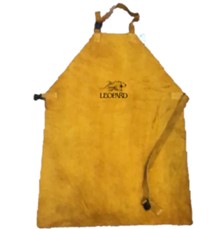
Flame-resistant clothing and heavy-duty gloves are non-negotiable for welders. Leather jackets, aprons, and sleeves protect against heat and sparks. Gloves made of heat-resistant materials safeguard hands from burns and cuts. Ever tried grabbing a hot piece of metal barehanded? We bet you only made that mistake once! How do you choose the right gloves for your welding projects?

Respiratory Protection

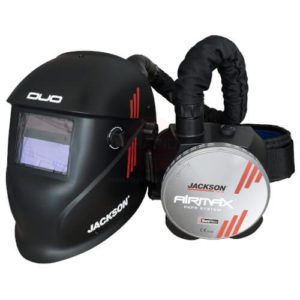
Welding fumes can be harmful when inhaled, making respiratory protection essential. Respirators filter out toxic particles and gases, keeping welders’ lungs safe. Some welders use disposable masks, while others opt for powered air-purifying respirators for extended use. It’s like having a personal air purifier strapped to your face! Have you ever experienced the difference between welding with and without proper respiratory protection?

Specialized Welding Protective Gear

Welding requires gear that goes beyond the basics. Let’s dive into some specialized equipment that takes safety to the next level.

Eye and Ear Protection

Welding sparks aren’t just pretty; they’re dangerous. That’s why we need more than just a standard helmet. We’re talking about specially designed goggles and face shields that block out harmful ultraviolet and infrared rays. These high-tech shields often come with auto-darkening features, adjusting to different light levels faster than you can say “strike an arc.”

But what about our ears? They need love too. Welding can be noisy business, with decibel levels that’d make a rock concert seem like a whisper. That’s where earplugs and earmuffs come in. They’re not just for blocking out your neighbor’s awful karaoke; they’re crucial for protecting your hearing on the job.

Remember the time Jim thought his regular sunglasses would do the trick? Let’s just say he won’t be winning any eyebrow modeling contests anytime soon!

Foot and Leg Guards

Our feet and legs are the unsung heroes of welding. They’re down there, taking the heat (literally) while we focus on the sparks above. That’s why we’ve got specialized boots and leg guards.

Welding boots aren’t your average work boots. They’re like mini fortresses for your feet, with steel toes, metatarsal guards, and heat-resistant soles. They’re designed to keep your toes intact even if a heavy piece of metal decides to take a tumble.

Leg guards, or spats as the cool kids call them, are like shin guards for welders. They protect against stray sparks and molten metal that love to play hide and seek in your pant cuffs. Ever seen a welder do the “hot-foot dance”? It’s not as fun as it sounds, trust us.

Choosing the Right Welding Protective Gear

Selecting the best welding protective gear is crucial for safety and comfort. We’ll explore key factors to consider and essential quality standards to help you make informed decisions.

Factors to Consider

When choosing welding protective gear, we must weigh several important aspects:

  1. Type of welding: Different welding processes require specific protection levels.
  2. Work environment: Indoor or outdoor settings influence gear selection.
  3. Comfort and fit: Properly fitted gear enhances safety and productivity.
  4. Duration of use: Longer welding sessions may require more durable equipment.
  5. Heat resistance: Higher temperatures demand better heat-resistant materials.
  6. Visibility: Clear vision is essential for precise welding work.
  7. Mobility: Gear should allow for necessary movement and flexibility.

Remember the time Bob tried welding in his gardening gloves? Let’s just say his roses weren’t the only things that got singed that day!

Maintaining and Replacing Welding Safety Equipment

Regular maintenance of welding safety gear is crucial for optimal protection. We’ve all been there – pulling out our trusty helmet only to find a cracked lens or worn-out straps. It’s like discovering a hole in your favorite pair of socks right before a big presentation! To avoid these surprises, we recommend inspecting our gear before each use.

Helmets need special attention. Check for cracks, chips, or scratches on the lens. A damaged lens is about as useful as sunglasses at night! Clean the lens with a soft cloth and mild soap, avoiding abrasive materials that could scratch the surface. Don’t forget to examine the headgear for wear and tear. Loose or broken parts can compromise your protection faster than you can say “arc flash.”

Gloves are our hands’ best friends in the welding world. Inspect them for holes, thin spots, or signs of wear. Remember that time Bob tried welding with gloves that had more holes than Swiss cheese? Let’s just say his hands weren’t too happy about it! Replace gloves when they show signs of wear to keep your hands safe and comfortable.

Protective clothing requires regular cleaning and inspection. Look for burn marks, frayed edges, or thinning fabric. Wash flame-resistant clothing according to manufacturer instructions to maintain its protective properties. Ever tried to explain why your work jacket smells like a barbecue gone wrong? Trust us, it’s not a conversation you want to have!

Boots are the unsung heroes of welding safety. Check the soles for wear and ensure the leather uppers are free from cracks or holes. A good pair of welding boots should last longer than your favorite pizza joint’s punch card, but they’re not immortal. Replace them when they show signs of significant wear.

Respirators need consistent care to function properly. Clean and disinfect them regularly, and store them in a clean, dry place. Check filters and cartridges, replacing them as needed. Think of it like changing the oil in your car – a little maintenance goes a long way!

When it’s time to replace gear, don’t cut corners. High-quality equipment is an investment in our safety and comfort. Look for gear that meets or exceeds industry standards. It’s like choosing between a dollar store umbrella and a sturdy raincoat – sometimes it’s worth spending a little more for better protection.

Have you ever wondered how often we should replace our welding gear? While there’s no one-size-fits-all answer, a good rule of thumb is to replace helmets every 3-5 years, gloves every few months (depending on use), and clothing when it shows signs of wear. But always defer to manufacturer recommendations and your own judgment based on wear and tear.

Conclusion

Welding protective gear is the cornerstone of safety in the welding profession. We’ve explored the essential equipment that shields welders from various hazards and highlighted the importance of choosing the right gear for specific tasks. Remember that investing in high-quality certified gear isn’t just about compliance it’s about safeguarding your health and career. Regular maintenance and timely replacement of equipment are crucial for ensuring optimal protection. By prioritizing safety through proper gear selection and care we can create a safer more productive welding environment for all.

Frequently Asked Questions

What is the most important piece of welding protective gear?

The welding helmet is arguably the most crucial piece of protective gear. It shields your eyes, face, and neck from intense light, harmful UV and infrared rays, and flying sparks. Modern auto-darkening helmets offer enhanced visibility and protection, making them essential for any welder’s safety arsenal.

How often should I replace my welding gloves?

Welding gloves should be replaced when they show signs of wear and tear, such as holes, thinning, or loss of flexibility. Generally, heavy-duty welding gloves last about 3-6 months with regular use. However, this can vary based on the frequency and intensity of your welding work. Always inspect your gloves before each use.

Are flame-resistant clothes really necessary for welding?

Absolutely. Flame-resistant clothing is crucial for protecting your skin from sparks, spatter, and potential fires. Regular clothing can easily catch fire or melt, causing severe burns. Flame-resistant jackets, pants, and aprons are designed to self-extinguish and provide a vital layer of protection against heat and flames.

What type of respiratory protection do I need for welding?

The type of respiratory protection depends on your welding environment and materials. For most welding applications, a half-mask respirator with P100 filters is sufficient. However, in poorly ventilated areas or when working with galvanized metals, you may need a powered air-purifying respirator (PAPR) for enhanced protection against toxic fumes and gases.

How do I know if my welding protective gear meets safety standards?

Look for certification labels on your gear. These standards ensure that the equipment has been tested and meets minimum safety requirements. Always purchase gear from reputable manufacturers and suppliers.

Can I use regular work boots for welding?

While regular work boots offer some protection, they’re not ideal for welding. Specialized welding boots have features like metatarsal guards, heat-resistant soles, and flame-resistant materials. They protect against falling sparks, hot metal, and provide better stability. Investing in proper welding boots significantly enhances foot protection and comfort during long welding sessions.

Welding for Beginners: Everything you Need To Know About Welding PPE

Welcome to our guide, ‘Welding for beginners’, Welding is a valuable and rewarding skill that allows you to create, repair, and transform metal objects. However, starting a welding project can be potentially dangerous if you don’t know what your doing and if you don’t have the right welding PPE to keep you safe.

In this article, we’ll give you a thorough run through of welding PPE (Personal Protective Equipment) ensuring that you know how to keep yourself safe and protected throughout your welding project.

At Norsemen Safety/Welder’s Choice we are welding specialists. We supply a wide range of welding PPE and equipment, making us your one-stop-shop for all your welding needs. Contact us if you would like to discuss any of our PPE or products and we’d be happy to help guide you with expert advice.

Welding PPE

Welding is a rewarding hobby, but it comes with its own set of hazards. Before beginning your welding project, ensure that you have the correct Personal Protective Equipment (PPE) to maintain a safe working environment.

Welding Helmet

A welding helmet protects your face and eyes from radiation, sparks, and spatter. Auto-darkening helmets are highly recommended as they automatically adjust the lens shade when welding begins.

Welding PPE, Welders Mask, Welding for beginners

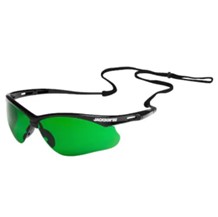
Safety Glasses

Wearing welding safety glasses under your helmet provides an extra layer of protection, safeguarding your eyes from flying debris when you lift the helmet. They are also designed to protect the wearer against harmful UV and IR Radiation when welding.

Welding PPE, Safety Glasses

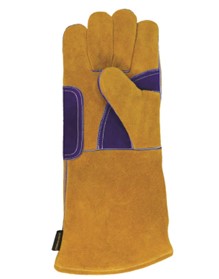
Welding Gloves

Welding gloves are made from durable, heat-resistant materials like leather. They protect the welder’s hands from heat, sparks, and spatter and should always be worn during welding projects.

Welding PPE, Gauntlet

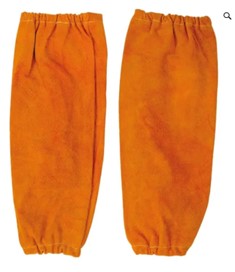
Welding Sleeves

Welding sleeves offer an added layer of protection, by ensuring that the forearms and elbows of the welder are sheldied from potential debris, sparks spatter, and UV radiation. The elasticated ends also ensure maximum protection and a secure fit.

Welding PPE, Welders Sleeves

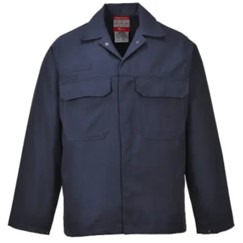
Welding Clothing

A flame-resistant welding jacket or pair of chaps will help protect your body from the heat and any flying metal debris. They are typically made with a high UPF rating to block out harmful UV rays.

Welding PPE, Welders Jacket

Welding Coveralls

Welding coveralls offer complete protection for your arms, torso and legs, protecting your body from sparks, splatter and hot metals. They are typically worn by welders/industrial workers who are regularly exposed to heat, but if you’re undertaking a big welding project, a coverall might be ideal.

Welders PPE, Welding coverallls

Welding Apron

A Welding apron protects your torso and upper legs from any sparks and spatter. They are usually made from leather or flame-resistant cotton and have adjustable straps for the perfect fit.

Welding PPE, Welding Apron

Respirator

A welding respirator protects you from inhaling toxic and harmful fumes and dust. It is especially important when welding in confined or poorly ventilated spaces and it should be worn under your welding mask.

Welding PPE , Respirator

Welding Boots

Welding boots are made from flame-resistant materials like leather, they also often have metatarsal protection and a steel toe cap, protecting your feet from falling objects, sparks and molten metals.

Welding PPE, Welding Boots

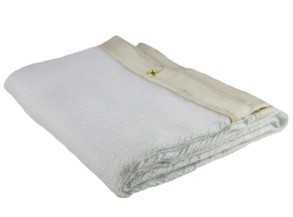
Welding blanket

Whilst it’s not an exclusive part of welding PPE, a welding blanket still offers protection to the surrounding area. It is made from a protective, flame-retardant material and designed to be placed over or around a welding work area to protect surfaces and equipment from sparks, spatter, and heat generated during the welding process.

Welding PPE, Welding blanket

Importance of welding PPE

Welding PPE is not optional; it is a necessary component of the welding process. Each piece of the PPE plays a critical role in protecting the welder from various hazards associated with the trade.

As a beginner to welding, you should invest in high-quality welding PPE, it is absolutely necessary before starting a project. At Norsemen Safety, our welding PPE is made to industry standards, ensuring optimum protection for the welder.

Check other safety concerns

As a beginner to welding, there are a few other safety concerns, apart from welding PPE, that you should check before commencing on your project. Read this list below and ensure that you’re working safe and responsibly.

Install safety equipment

You should have safety equipment installed around your welding area, incase of an emergency. Set up a fire extinguisher in an easily accessible location, have a first aid kit on hand and if possible, install a fume extractor or fan to help with ventilation.

Choose a suitable location

Choose a location for your welding project that has enough space to move around freely. You should also ensure that it is well-ventilated to disperse welding fumes and away from any flammable materials and general foot traffic.

Clean and well lit

Clean the area before welding, removing all flammable materials, including paper, wood, and cloth, from the welding area. You should also ensure that the area is well-lit with bright, shadow-free lighting, so you can clearly see your work.

Set up a welding table

A welding table will be your primary work surface for welding. Ensure that you use a metal table that is grounded for stability and at comfortable height for you to work on.

Keep your workspace organised

As you work, keep tools and materials organised, putting them back in their place after using them. You should also clean up any debris or spatter as they happen.

Check electrical safety

Ensure that your welding machine is properly grounded and use a dedicated electrical circuit for your welding machine to avoid overloading.

Inspect and test

Before starting any welding project, inspect your setup, making sure that all of the equipment is in good working condition.

There are many safety considerations to take into account, but welding is still an incredibly rewarding skill to learn. Whether you’re beginning welding as a hobby or hoping to develop it into a career, the safety concerns remain the same.

Suppliers of Welding PPE and Equipment

Norsemen Safety is the UK’s largest supplier of welding and safety equipment. We are dedicated to supplying your needs and providing an unparalleled service with our dedicated customer support team. Contact us should you need any advice or guidance for your upcoming welding projects.

Welding for Beginners: Everything you Need To Know About Welding PPE

Safety Shoes: The Ultimate Guide to Finding The Right Fit

Safety is paramount in any work environment, and choosing the right safety shoes is a critical decision for your protection.

In this article, we have provided the ultimate guide to helping you find the right safety shoes, from exploring the different types of safety footwear to identifying what features you will need –  keep reading to find the right fit for the job.

Norsemen Safety: Leading providers of safety shoes

Norsemen Safety is a trusted provider of high-quality safety footwear and PPE. With us, you’ll find a range of protective footwear and clothing that has been made with high-quality materials and designed to meet industry standards and regulations.

We understand the importance of investing in the right pair of safety shoes, and we can help you find the right pair for peace of mind on the job. If you can’t find the information you’re looking for in this article, don’t hesitate to contact us for advice and guidance on all things PPE.

Why Do You Need to Wear Safety Shoes?

Safety shoes are a crucial component of personal protective equipment (PPE) for millions of workers across various industries. The primary purpose of safety shoes is to protect feet from harm, safeguarding against numerous potential foot injuries, including cuts, punctures, sprains, and fractures.

In many industries, safety shoes are a legal requirement, for protecting employees, reducing employer liability and promoting best safety practices. They are far more than just a part of the uniform; they are a vital tool in protecting the health and safety of workers and addressing the specific risks and challenges of different work environments.

Types of Safety Shoes

Safety shoes are not a one-size-fits-all, there are many different types which cater to different work environments, risks and hazards. Below is a summary of the different types of safety shoes.

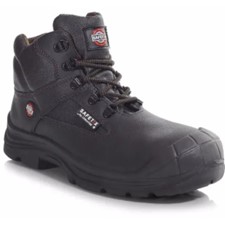
Safety Boots

Safety boots are designed to provide the highest level of protection. They are ideal for heavy-duty work environments where the risk of injuries is high. Many safety boots also have an embedded steel toe cap which protects the feet from falling objects. They also have a high-top design which lends support to the ankle through the working day.

Safety Shoes , Ultimate guide

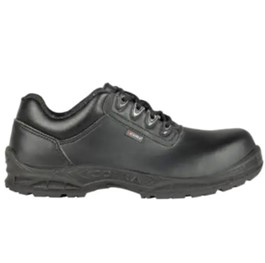
Safety Shoes

Safety shoes are versatile and can be used in various work environments. They are designed to look more like regular shoes but with added safety features, such as chemical resistance, slip-resistant soles, anti-torsion support, etc,  making them suitable for both indoor and outdoor use.

Picture2

Safety Wellingtons

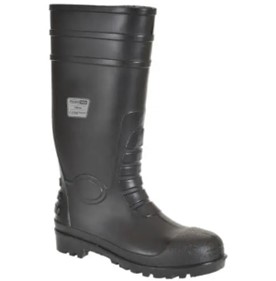
Wellington safety boots are waterproof and suited for working in wet conditions. They are ideal for industries such as agriculture and construction, where workers are regularly exposed to mud and water. Safety wellingtons also have slip-resistant soles, which protect the wearer from potential slips on wet or oily surfaces.

Picture3

Metatarsal Safety Boots

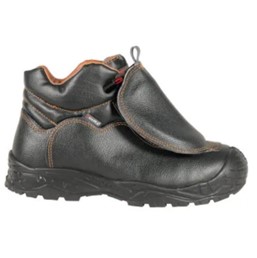
Metatarsal safety boots are designed to provide comprehensive protection for the feet, particularly in environments where there is a risk of heavy objects falling or rolling onto the feet. The protective shield covers the upper part of the foot and is designed to disperse the impact of a heavy object, preventing or reducing injury to the metatarsal bones.

Picture4

Safety Shoes Features

There are many different features of safety shoes, and you should know what you require in order to find the right fit for the job. Check out the list of safety features that protect the wearer from various hazards and risks in the workplace.

Slip-Resistant Soles

These soles are designed with specific tread patterns and materials that provide enhanced traction on slippery surfaces, significantly reducing the risk of falls and related injuries. They are essential for workers in wet or oily environments.

Chemical Protection

Safety shoes with chemical protection are made from materials that resist damage from various chemicals. They protect the feet from chemical burns and exposure, making them vital for workers who handle or are exposed to hazardous substances.

Electric Protection

Electrically protective safety shoes are designed to significantly reduce the risk of electric shocks. They have non-conductive, electrical shock-resistant soles and heels, making them essential for electricians and other workers exposed to electrical hazards.

Waterproof

Waterproof safety shoes are designed to prevent water from penetrating the shoe, keeping the feet dry in wet conditions. They are ideal for workers in environments exposed to liquids, water, or wet weather conditions.

Reinforced Toes

Safety shoes with reinforced toes have a protective cap (often made of steel, composite, or aluminium) in the toe section of the shoe. This cap protects the toes from falling objects and compression injuries.

Lightweight Safety Shoes

Modern safety shoes are typically made with lightweight materials that do not compromise on the level of protection. This feature ensures comfort during long working hours and can help reduce fatigue.

Breathable Material

Safety shoes made with breathable materials allow air to circulate around the feet, helping to keep them dry and comfortable. This is important for workers who wear their safety shoes for extended periods of time.

Ergonomically Design

Ergonomically designed safety shoes are shaped to support the natural structure of the foot. This design reduces strain on the feet, legs, and back, promoting overall posture health and comfort throughout the workday.

Arch Support

Safety shoes with arch support have specially designed insoles that help to distribute weight evenly across the feet and support the arch, reducing foot fatigue and discomfort. This is especially important for workers who are on their feet for long periods.

Each of these features addresses the specific risks and challenges of different work environments. When choosing safety shoes, it is essential to consider which of these features are necessary based on the hazards associated with a particular job.

Always consult with a safety professional or follow your workplace guidelines when selecting safety footwear, ensuring that you are protected while on the job.

Finding the right fit with Norsemen Safety

Safety shoes are more than just a part of your work attire; they are a vital component of your personal protective equipment. Norsemen Safety offers a wide range of options, from boots to shoes to wellingtons, ensuring that you can find the perfect fit for your needs and work conditions. Visit Norsemen Safety today and take the first step towards a safer and more comfortable working environment.

Safety Shoes: The Ultimate Guide to Finding The Right Fit

5 Essential Gasless MIG Welding Tips | The Best Welder’s Choice

Interested in learning more about gasless MIG welding? Here, we discuss what gasless MIG welding is, why you should use it, and provide essential tips for successful welding projects.

From choosing the right welding wire to using the correct technique and wearing proper protective gear, we cover it all. We also highlight common mistakes to avoid when using gasless MIG welding.

Ready to dive in and improve your welding skills? Let’s get started!

Gasless MIG welding is a popular welding technique that eliminates the need for an external shielding gas. This makes it ideal for projects that require mobility or working in tight spaces. In this article, we’ll explore the benefits of gasless MIG welding and how it differs from traditional MIG welding.

Remember when welding with gasless wire, the wire is a self-shielding wire and you don’t require a cylinder of welding gas.

A lot of beginners also prefer a gasless mig welder, as it’s easier and cheaper to get up and running. Gasless mig welding is one of the simplest ways for amateur welders to get professional results.

However, you still need to know what you’re doing.

Today, we’ll look at five simple tips to help beginners and experienced professionals alike get the most out of their gasless mig welders. But first, let’s get the basics out of the way.

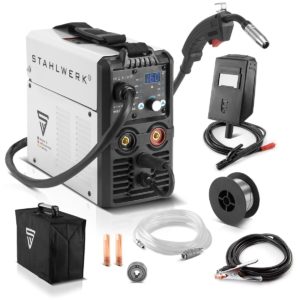
stahlwerk mig 160 m


What is Gasless MIG Welding?

Gas vs Gasless MIG welding?

Most welders use an external gas cylinder to shield their joints from oxygen in the air. This prevents holes within the weld bead, known as porosity, as well as excessive spatter. 

Instead of using an external gas cylinder, gasless welders use what’s known as ‘self-shielding wire’.

Essentially, this is a metal tube with a flux core. When the wire is heated, the flux burns and produces shielding gas. This prevents the welding joint from becoming oxidised or contaminated, without the need for an external gas cylinder. 

With that in mind, here are five tips for getting better results with a gasless MIG welder.

  1. Select the Right Welding Polarity

The first thing you need to understand is that not all welders can be used with self-shielding wire. This is because welding torches need to have the right polarity for the type of wire you’re using.

Luckily, there are only three types of welding polarity to get your head around:

  • DC Straight – The electrical current flows from the electrode to the welding surface, creating significant heat on the welding surface.
  • DC Reverse – The electrical current flows from the welding surface to the electrode, concentrating the heat on the electrode itself.
  • Alternating – Here, the direction of the current alternates. This is primarily used for large industrial applications.

A gasless mig welder requires a welding gun with DC reverse polarity. 

Using straight polarity with self-shielding wire will give you poor results. Typically, this will result in a large amount of splatter around the join. Naturally, you want your joints to look as clean as possible, so this is best avoided.  

Even worse, this can lead to structural issues, as wire splatters onto the wrong areas of your welding surface.

Most modern MIG welding machines can be set to either straight or reverse polarity. If your welder only offers straight polarity, it shouldn’t be used for gasless welding.

  1. Use your Gasless MIG Welder in a Well Ventilated Area

One of the great benefits of gasless welding is that it’s easier to work in small spaces when you don’t have an external gas cylinder. However, this creates certain problems of its own, especially as small spaces offer poor ventilation.

This is a big problem, as gasless welders produce quite a lot of fumes.

In the short term, this creates an unpleasant working environment. In the longer term, exposure to fumes can also cause health problems. As such, it’s vital to take precautions when working with a gasless welder. 

The best way to prevent harm from welding fumes is to use a combination of local exhaust ventilation (LEV) and respiratory protective equipment (RPE). For instance, you might use a welding bench with air extraction, as well as an air fed welding helmet. You may also want to consider fume extraction at the source.  This could be on-torch extraction or with a portable fume extraction unit. 

papr
Air-fed welding helmets provide wearable ventilation.
  1. Use a Voltage Sensing Wire Feeder

Gasless mig welding is also popular for outdoor applications. For example, many farmers prefer gasless welders for repairing fences on their land, as they offer better portability. However, gasless welders don’t always work well with external generators. 

Many portable generators provide constant current and variable voltage. This is not ideal for gasless welding, as different gauges of self-shielding wire require different currents. 

To get around this problem, it’s best to use a voltage sensing wire feeder. This allows you to control the current going to your welding torch, even when you have a constant current supply. 

Even when you’re not working in the field, voltage sensing wire feeders add an extra level of control over your welding arc. This helps you to create cleaner and more precise beads. 

gasless mig welding
Combine gasless welding with a voltage sensitive wire feeder to control current in the field.
  1. Choose the Optimum Travel Speed and Angle

Switching from gas-shielded to self-shielding welding can be tricky for even the most seasoned professionals. As with anything, old habits are hard to break. This is equally true for adjusting your welding technique.

Because of their higher concentration of heat on the electrode, gas welders work best in a smaller range of attack angles. For vertical welding, 5-15 degrees is the optimal range of angels. For horizontal welding, this is 15-40 degrees. 

Maintaining a constant travel speed is also vital when welding with self-shielding wire. Again, the high concentration of heat on the electrode can quickly cause puddling and create slag on your welding surface. To prevent this, it’s important to keep the torch moving. 

  1. Avoid Porosity and Worm Tracking

Self-shielding wire creates some problems which don’t occur with external gas shielding. This can be visual as well as structural. In either case, simply being aware of these is often enough to prevent them.

The first is porosity. Essentially, this is when pockets of the gas which is emitted by the flux get trapped in the joint. This results in weak points along your welding surface.  

Porosity can be prevented by thoroughly cleaning the surface before welding. This includes removing any dirt or grime from the surface. It’s also a good practice to keep your electrode extension under 3cm. 

The second issue is worm tracking. This is the name given to marks created by flux gas on the surface of your welding joint. Typically, worm tracking won’t occur if you stick to the parameters listed by the manufacturer of the wire.  

If worm tracking does occur, it’s important to reduce your voltage setting. To find the optimum voltage, use a test piece and reduce your voltage in increments of half a volt until the problem goes away.

The big advantage of gasless mig welding is you don’t have to use industrial shielding gas, saving you lots of money on cylinder rental/leases.

Shielding gases are expensive and if you aren’t doing alot of mig welding, a cylinder sitting in your garage or shop is costly on a monthly or yearly basis.

For more information and video about gasless MIG welding, please read this article from one of our valued suppliers MillerWelds.

Expert’s Guide to MIG Welding Aluminium| Norsemen Welding and Safety Specialists 101

As a welder, you need to work with a range of different materials. Today, we’ll look at one of the trickiest materials of all, in our expert guide to MIG welding on aluminium.

Welding aluminium can be a challenge for even the most experienced welders. However, with the right equipment and techniques, it is possible to MIG weld aluminium successfully. In this guide, we’ll explore the unique properties of aluminium and provide tips for welding it with a MIG welder.

Expert’s Guide To MIG Welding Aluminium | Norsemen Welding &Safety

As a professional or hobbyist welder, it’s important to get to grips with a range of different materials. Today, we’ll look at one of the trickiest materials of all, in our expert guide to MIG welding aluminium.

As you likely already know, MIG welding uses a feeding wire to create the initial arc. This then melts on the welding surface, forming a joint. This is the most popular form of welding, owing to its great flexibility.

Most new welders learn how to create a MIG joint on mild steel. It’s important to have this down before you move on to different materials. In particular, MIG welding aluminium presents a number of challenges.

To understand these, let’s look at some of the key differences between aluminium and steel.

Difference Between Welding Aluminium and Mild Steel

For welders, the important difference between aluminium and mild steel is the melting point. That is, it takes a lot more heat to melt aluminium. Generally, this is between 21 and 24 volts.

This creates a range of considerations.

For one thing, it means that there’s a relatively high minimum thickness for MIG welding aluminium. Typically, you shouldn’t attempt a MIG joint on a piece of aluminium which is thinner than about 18 gauge, or 1.2mm.

For anything thinner than this, you may want to consider TIG welding aluminum. Tig welder

Additionally, when aluminium melts, you don’t get the same ‘red hot’ effect as you’d expect when you weld mild steel. People often say an aluminium weld pool looks like wet tinfoil. This means there is a bit of a learning curve for deciding when your weld pool is too hot.

As such, it can be easy to accidentally destroy your aluminium MIG welding projects, at least at first. In fact, accidental burn-through is very common when MIG welding aluminium.

Let’s look at the proper technique, so that you can prevent this from happening.

Technique for MIG Welding Aluminium

When learning to weld any new material, it’s crucial that you learn and practise the correct technique. Once you have mastered this, MIG welding aluminium is actually a fairly simple process.

Spray Transfer Welding

Most of the time, you should MIG weld aluminium using what’s known as the spray transfer method. This is when tiny droplets of molten metal are transferred across your welding arc, similar to how water comes out of a garden hose.

To achieve this, you need to use a welding arc which is above the ‘transition’ threshold of your feed wire. This can be done with either constant current or constant voltage power supplies, although CV welding is more common for aluminium.

Angle and Gas Flow

Luckily, there are still some similarities between MIG welding aluminium and mild steel. For example, there is generally no different in the best angle of attack for each material. When MIG welding aluminium, aim for a 10-15 degree attack angle.

It’s best to set your gas flow to 20-30 CFH. It’s essential to get the right gas flow when welding using the spray transfer method. If this is either too high or too low, you can end up with porosity in your joints.

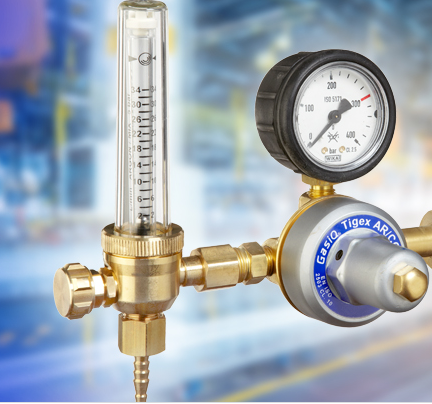
regulator with flowmeter
Use a gas flow meter to ensure you create the perfect spray transfer weld.

Additionally, many people overestimate the right gas flow when MIG welding aluminium for the first time. However, as well as porosity, this can easily lead to weld turbulence where gas flow exceeds around 40 CFH.

Travel Speed and Direction

This is where things get difficult for many people MIG welding aluminium for the first time. One of the common rules of thumb you’ll see is that if you’re using the same voltage as you would for mild steel, you should double your travel speed.

At first, this can be very difficult, simply because it’s a challenge to move with precision at high speeds.

Additionally, selecting the right direction of travel for MIG welding aluminium is crucial. When welding any material, you have two options:

  • Pushing – where you angle the welding gun towards the direction of travel,
  • Pulling – where you angle the welding gun away from the direction of travel.

When MIG welding aluminium, you should always push. This gives you a clean, flat joint, as well as ensuring that you have adequate gas coverage and penetration. 

Equipment for MIG Welding Aluminium

By now, you understand the theory behind MIG welding aluminium. However, it’s also worth noting that you might need some different equipment to MIG weld aluminium than you would for mild steel.

Let’s take a look at the key gear you’ll need.

Gas

The most common welding gas is known as C25, meaning that it’s a mixture of 25% carbon dioxide and 75% argon. However, for most aluminium MIG welding projects, you’ll need 100% argon gas.

This is necessary to ensure a successful spray transfer weld.

Additionally, you’ll need a different gas mixture if you’re welding thicker pieces of aluminium. Here, helium is added to the gas mixture to create sufficient penetration in your joints. This can vary between 25% and 75% helium.

Wire Feed Problems when MIG Welding Aluminium

How to convert a mig welder to weld aluminum?

Of course, when your welding aluminium with a MIG welder, you should set up your wire feeder for aluminium wire. The trouble is that aluminium wire is a lot weaker and softer than steel wire. It also expands much more quickly. Invest in “U” groove drive rolls and a Teflon liner for your MIG torch.  Keep your MIG torch to the shortest length possible. 

Otherwise, if you try to use “V” groove drive rolls and a steel liner which is common for mild steel wire, it will create a range of practical problems, as the wire becomes stuck in your feeder.

This can create a range of practical problems, as the wire becomes stuck in your feeder.

Luckily, there are also a number of easy workarounds for these. For example, many welders choose a larger welding tip when working with aluminium. Where a tip is rated for 1.2mm, they might use 1.0mm wire. 

Use the largest size wire your machine will run, this will make it easier to feed the wire.

A good option is to use a spool gun, instead of feeding your wire through a standard mig torch. This is because aluminium wire can often become jammed in the liner of your welding guns as it is fed along.

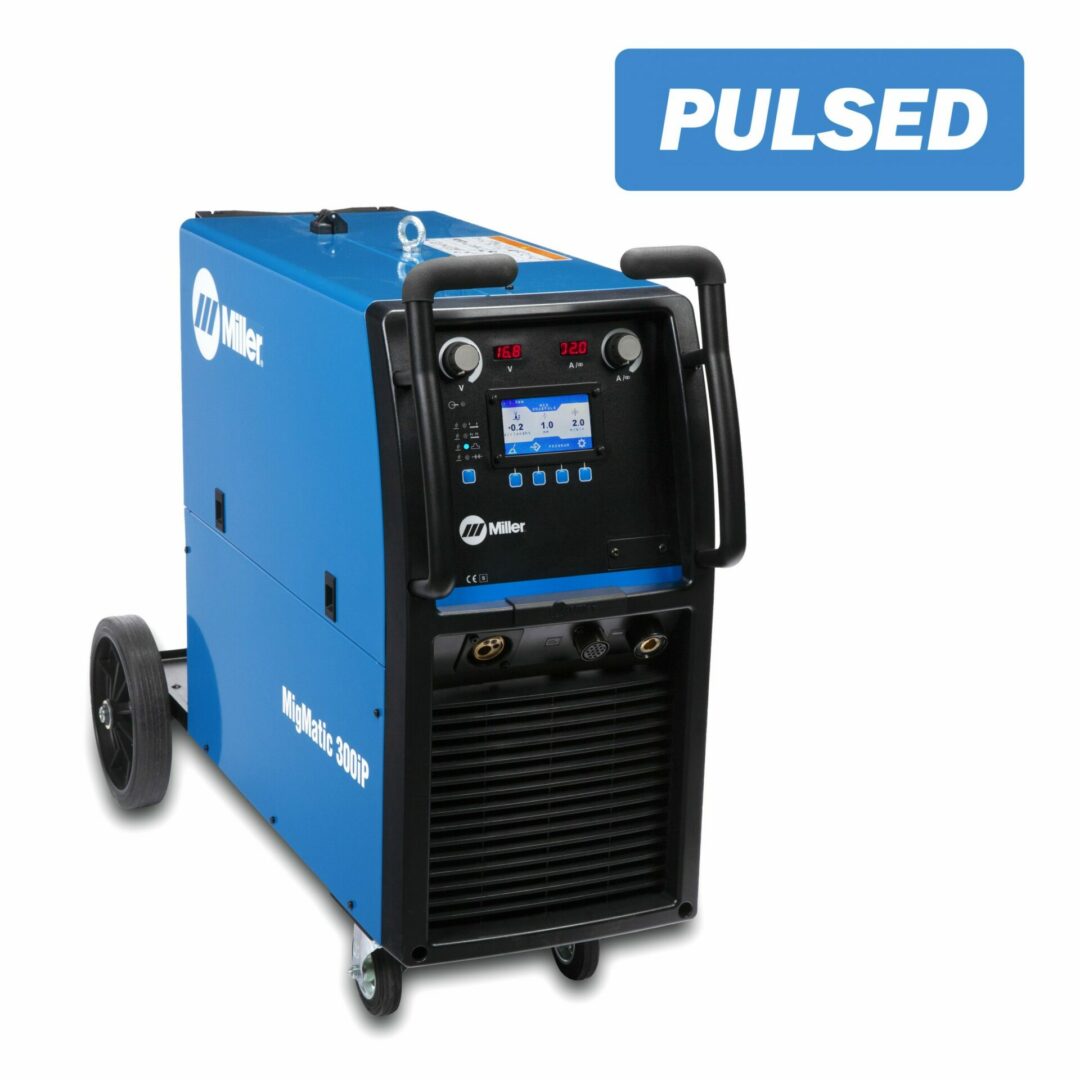
If your serious about mig welder for aluminium, consider synergic pulse mig welders. We offer a range of Miller Synergic Pulse mig welders that will make your job easier and produce amazing aluminium welds. The Miller Migmatic 300iP is a cost effective and simple machine to use.

PULSED MG 9806 300iP scaled 1

Aluminium Mig Wire

What’s the best filler metal for the job. The answer depends on the specific application and the filler characteristics that are most important for that application. You need consider what the application factors are and the type of base material you’re working with, this will determine the wire you choose. Please see the attached article giving a great summary of how to choose the correct aluminum welding wire. Choosing the Right Aluminum Filler Wire.

Safety Equipment for MIG Welding Aluminium

As you should already know, safety equipment is pretty much the most important investment you can make as a welder. This applies just as much to MIG welding aluminium. In fact, given the techniques you’ll use, there are a couple of extra concerns.

Specifically, spray transfer can create some additional risks.

Once a spray transfer arc is initiated, it is constantly on. This means that it is particularly important to use an auto-darkening helmet with a high sensitivity, to respond to minor variations in the light produced by the arc. Hazardous welding fumes are a serious health issue. It’s important the you use a PAPR Welding Helmet along with welding fume extraction.

Additionally, spray transfer welds should only be performed in the flat or horizontal position. Because of this, it’s important to have a sufficiently clear workstation, and you may need additional clamps or organisational tools to achieve the right position.

Understanding Who is Responsible for Health and Safety in the Workplace

As we all know, welders face a number of hazards and dangers throughout their working lives. Luckily, most of these can be minimised, if not eliminated completely. To achieve this, it’s vital to understand who is responsible for health and safety in the workplace.

Of course, no one wants to see their co-workers or employees suffer an injury or accident while at work. While employers and employees have different legal responsibilities when it comes to health and safety, everyone has a role to play nonetheless.

In fact, it’s not really useful to think of health and safety as a specific person’s job. For one thing, this leads to the attitude that it’s someone else’s job, which creates unnecessary risk. Additionally, modern regulations mean that health and safety must be built into all elements of how a business operates. 

With that in mind, let’s take a look at how health and safety can be built into the day-to-day running of a welding business.

Welding: What is Health and Safety in the Workplace?

First thing’s first. Of course, it’s vital to understand the kinds of health and safety issues that professional welders face. Indeed, given the nature of the work, understanding health and safety in the workplace for welders can be a matter of life and death.

Essentially, welding hazards and risks fall into two broad categories:

  • Immediate injuries – These are when an incident occurs, which immediately causes harm to someone. This can include burns, cuts, or any other kind of injury which is felt immediately. These might be temporary, or they may cause lasting damage.
  • Long-term harm – This is damage which is done over a longer period of time, or which is not felt in the immediate term. For welders, common examples include long term hearing and vision loss, back injuries, and lung damage from exposure to gasses.

In extreme cases, any of these health and safety risks can cause life-altering damage to the victim. Of course, we’d all like to do our part to prevent this. With that in mind, let’s look at the specifics of who is responsible for health and safety in the workplace.

Who is responsible for health and safety in the workplace?
Employers and staff both have a role to play in ensuring the workplace is a safe environment.

Health and Safety in the Workplace: Employers’ Responsibilities

In the workplace, it’s the employer who is primarily responsible for the health and safety of their workers and their customers. Indeed, business owners are legally required to ensure the safety of anyone who enters their premises.

This begins with understanding the specific risks associated with their line of work. 

As such, the first health and safety requirement for employers is creating an in-depth risk assessment for their business. The goal of this is to decide what risks are present, who could be affected, and how these can be mitigated. As part of this process, employers are required to consult their employees on the risks they face.

The next step is for employers to create a written health and safety policy. This is a legal requirement for companies with five or more members of staff, but it is advisable for even the smallest of companies.

Under UK law, a proper health and safety policy has three parts:

  1. Your statement of intent, including what a business wants to achieve through their policy,
  2. The members of staff who have specific health and safety responsibilities, and what these responsibilities are,
  3. Practical details of how the goals of the health and safety will be met, including the methodology for your risk assessment, arrangements for training staff, and the equipment and procedures which will be used.

Once a health and safety policy has been drafted, employers are also responsible for ensuring that this is effectively implemented and communicated to staff. This includes everyone from managers to welding apprentices.

On the one hand, this involves creating training programs, to ensure that all staff members understand the policy. For welders, this may include what to do in the event of a fire, electrical incident or explosion. Training should also include how to use any and all welding equipment safely.

Employers should also provide clear and relevant health and safety information on posters around the workplace, as well as leaflets and other materials to ensure that employees have easy access to the health and safety information they need.

Who is Responsible for Purchasing Health and Safety Equipment?

Similarly, employers are required to provide all of the equipment their staff need to do their jobs safely. For welders, this includes a range of different kinds of equipment, such as:

Despite what some unscrupulous employers may tell you, it is also not legal to leverage a charge on employees for safety equipment, or to deduct this from their wages. Similarly, it is not sufficient for the employer to simply have PPE on their premises. 

Rather, they should put policies in place which ensure employees always have effective access to the PPE they need, whether they are at their normal place of work, or in the field.

First aid kits are vital for health and safety in the workplace
Companies which employ welders should provide first aid, eye wash and burn kits.

Welding Health and Safety in the Workplace: Employees’ Role

Of course, without employee compliance, no health and safety policy would be effective. In fact, workers have a duty to take care of their own health and safety at work, as well as that of their colleagues.

This includes keeping up to date with their employer’s health and safety policies, as well as ensuring that they are implemented properly. One important element of this is engaging with the employer on what’s working and what isn’t.

For example, a company which employs specialist workers, like welders, might implement impractical health and safety policies, which are not feasible or prevent work being carried out.

Employees must inform their employees of this fact, and engage with them to find a workable solution for the business.

Additionally, workers often have a better insight into the risks they face than their boss. As such, if a worker finds a health and safety risk, or inadequate protection, then they are required to report this to senior management.

For example, welders are responsible for reporting defective or broken equipment to their employers, where this has the potential to cause an accident or injury. They should also report safety equipment which is not fit for purpose.

This includes informing an employer that PPE, such as safety boots, have worn out or torn.

For more informaiton about the regulations visit the HSE website here

How to Prepare for Your Welding Apprenticeship

These days, the job market is tough for young people. We’ve all seen entry level positions which ask for years of experience. Often, it can be difficult to get your foot in the door. A welding apprenticeship is the perfect way to gain experience in an in-demand job.

In fact, becoming a qualified welder will open countless doors for you at home and abroad.

Apprenticeships are aimed at on-the-job learning, as well as getting paid to learn a new skill. This is an excellent alternative to academic education, as you’ll learn the skills that employers need in your local area. You’ll also gain practical experience from day one.

This article is all about how to prepare for a welding apprenticeship. Whether you’re about to start a new role, or you’re considering a career as a welder, read on for important information on how to make the most of your apprenticeship.

What can You Expect as a Welding Apprentice?

First, it’s important to think about what life will be like as a welding apprentice. Most apprenticeships are offered by small-to-medium sized companies. This means that you may be given quite a lot of responsibility relatively quickly.

Remember, your employer’s goal is for you to become a fully-fledged member of the team.

At first, you might be responsible for basic tasks like cleaning the workshop and equipment. Then, as you learn more about welding, you’ll gradually be given more hands-on responsibilities. 
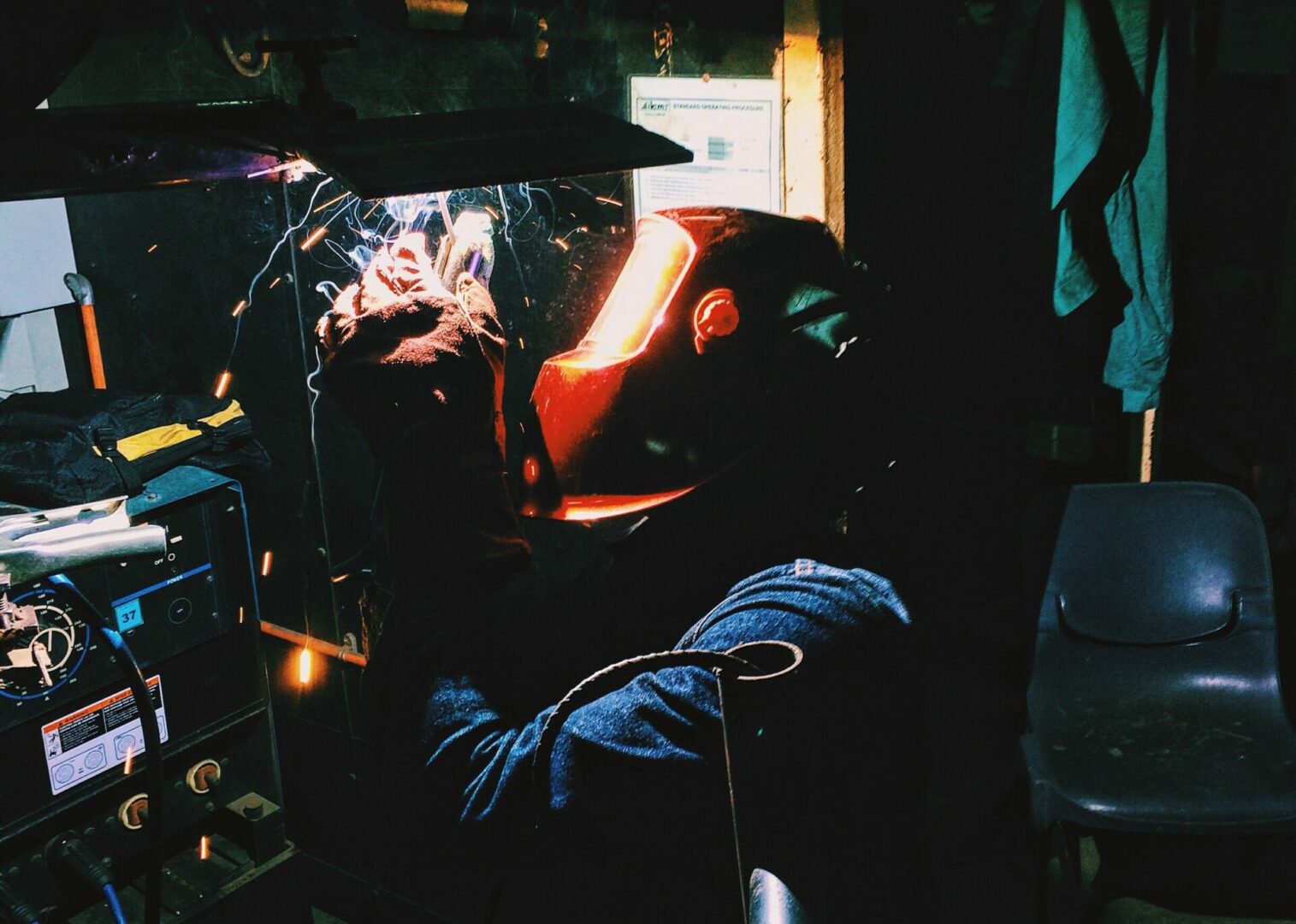
No matter what tasks you’re working on, you should consider it a chance to prove your work ethic and determination to your new employer.

To prepare yourself, you can read up on the different types of welding. You should also learn as much as you can about the company you’ll be working for, and what kind of projects you’ll be involved in.

Working Conditions

Welders work in a variety of different settings. Depending on your employer, you might be in a workshop, on client sites, or a mixture of both. Obviously, you should know this before your first day.

3 Best Welding Products


Welders can work in workshops, on client sites, or a mixture of both.

To prepare for your welding apprenticeship, you should also be ready to work under pressure. Welding projects often involve tight deadlines. As well as this, the nature of the work can often be stressful, as welding is a loud process which produces a lot of heat.

This might take some getting used to, but remember that your employer’s job is to help you settle into your new role.

Keeping Safe During your Welding Apprenticeship

Welding can be a dangerous job. From injuries, to longer term health issues, there are a lot of risks involved in being a welder. As such, welding safety is absolutely critical. Luckily, if you follow certain rules, these risks can mostly be avoided.

As a welding apprentice, your top priority should be to listen to and follow instructions.

Apprentices have the benefit of learning their trade from professionals with years of experience. A huge part of this is learning how to weld safely as a beginner.

When your mentor tells you to hold your torch a certain way, or keep your workstation organised, they aren’t just making conversation. Experienced welders know first hand how things can go wrong. Always take their advice to heart, and they’ll keep you right.

What Equipment does a Welding Apprentice Need?

When you accept a welding apprenticeship, it can be tempting to immediately go out shopping for new gear. After all, you’re excited to get started with your new career. However, it’s vital that you speak to your employer about what equipment you’ll actually need.

For example, it’s pretty unlikely that your employer will require you to supply your own welding machine. However, you might still want to purchase an entry-level welding machine of your own to practice on small projects at home.

Your employer will also understand the exact PPE which is appropriate for your work.

However, there are a few things which will help you make the most of your welding apprenticeship, that your employer may not provide for you. 

For instance, it’s a good idea to have a pen and paper near to hand at all times, in order to take notes. Your apprenticeship will mostly involve hands-on learning. Writing key information down will help you to remember it.

Similarly, a personal diary or calendar will make it much easier to track your progress and set goals for yourself during your welding apprenticeship.

What other Skills do You Need as a Welder?

Obviously, no-one expects you to know everything about welding from day one. The whole point of an apprenticeship is for you to learn how to weld professionally. A little bit of experience can never hurt, but it’s definitely not a requirement.

So, what makes a ‘good’ welding apprentice?

For any apprenticeship, the most important skills you can have are transferable ones.

If you look at job ads for welders’ apprentices, they almost never ask for prior experience. Instead, most of them emphasise soft skills like teamwork and good time management.

The whole point of an apprenticeship is to teach you new skills. Because of this, employers simply want to know that you’re going to be a hard working, enthusiastic employee, and that you’re going to follow instructions.

Don’t be Afraid to Ask for Help

Starting an apprenticeship can be scary. After all, you’re joining a new company as the least experienced member of the team. An apprenticeship might even be your first experience in the workplace.

Still, you shouldn’t let this intimidate you.

Specifically, employers love new employees who speak up and ask questions. This shows them that you’re eager to learn how to do your job properly.

It’s important to remember that asking experienced colleagues questions doesn’t mean you’re wasting their time. You’re all part of a team, working towards the same goals. The more you learn from them, the better the whole team will work.

This is best for everyone.

Welding Apprenticeships: Next Steps

If you want to get the most out of your welding apprenticeship, it’s never too early to start thinking about your next steps. That is, where would you like to go in your welding career? After all, welders have a range of career paths open to them.

For example, maybe eventually you’d like to specialise in automotive welding. Alternatively, maybe you’ve always wanted to run your own firm, and you’d like to get a better insight into how to run a welding business.

In fact, there are countless highly specialised types of welding. These are sometimes referred to as ‘super skills’. Many of these can lead to very highly paid jobs, and allow you to travel the world.

Here are just a few of the amazing places a welding apprenticeship can eventually lead you:

  • Underwater welding -These are some of the most highly specialised welders around, working on the likes of oil rigs and undersea cables around the world.
  • Aerospace – Welders in the aerospace industry are often highly paid. These jobs require a combination of meticulous attention to detail and the ability to learn new techniques quickly.
  • Nuclear – There are also welders who specialise in the nuclear power industry. This requires a range of additional qualifications and clearances. However, once qualified you can expect a lucrative career, with the potential to travel internationally.

In any case, having a clear idea of what you’d like to do after your welding apprenticeship is a great way to set short term goals, and stay motivated. On top of this, when your employer knows your goals, they’ll be in a good position to support you in reaching them.

Ultimately, what you get out of your welding apprenticeship will depend on what you put into it. As we’ve said several times already, the most important thing is that you are ready to work hard and learn your craft.

How to Choose the Best Welding Helmet for your Needs

Welders face countless risks when carrying out their work. These include vision damage, burns, hearing loss, and even death. All of these can be prevented by ensuring you have the best welding helmet for your needs.

But with so many helmets on the market, how do you know which is right for you?

Today, we’ll explore some of the key factors you should consider when choosing a welding helmet. Of course, the best options vary from person to person. As such, it’s crucial to take into account the type of welding you do, as well as your own personal preferences.

With that in mind, here’s what you should look out for when choosing a welding helmet.

Best Welding Helmets: Fixed Shade vs Auto Darkening

The first thing to understand is that there are two broad types of welding helmet. These are:

  • Fixed shade welding helmets – Also known as passive welding helmets, these offer the same level of vision protection regardless of how much light is created by your arc or other nearby light sources.
  • Auto darkening welding helmets – By contrast, auto darkening helmets respond to the light created by your arc. This means that you receive the optimum vision protection, without sacrificing your ability to see in lower light conditions.

Fixed shade helmets are generally cheaper and more lightweight. These are a great option if you generally always weld on the same material, with the same torch strength. However, for less repetitive work, auto darkening helmets are usually best.

How to Choose an Auto Darkening Helmet

When using an auto darkening helmet, you can adjust the sensitivity, delay time and shade of the lens. This essentially allows you to control how dark your lens gets, and how it responds to changes in light levels.

However, there are a couple of extra features you should look out for. 

The best welding helmets also offer memory settings. That way, you can create presets for each kind of project, rather than manually dialling in your desired settings as you move between jobs.

Whether or not it’s worth paying extra for a helmet with memory presets depends on your needs. For instance, if you only ever weld in your workshop, this may not be necessary. If you work in different environments, it’s probably worth the investment.

It’s also important to consider the number of sensors on your helmet. The cheapest auto darkening helmets usually have two sensors, while high end ones have as many as four.

With too few sensors, you can suffer vision damage as a result of your shade level being reduced when one sensor becomes blocked. Additional sensors eliminate this risk. When tig welding, a 4 sensor automatic welding helmet is the better choice.

The best auto darkening welding helmets have four light sensors.

You should also consider how your auto darkening helmet is powered. Different helmets have a variety of different types of batteries. Many also feature solar panels, which is very useful for outdoor welding.

Do you Need an Air Fed Welding Helmet?

Welders are also exposed to harmful fumes and gases throughout their working day. These can cause long-term lung damage, as well as more immediate harm. Depending on your working environment, there are a number of ways these risks can be mitigated.

For example, if you work in a single location, the best solution might be a workbench with built-in extraction.

However, if you work indoors, but frequently need to move around, the best welding helmet for you will need to provide respiratory protection. This is known as an air fed welding helmet.

Air fed welding helmet product image
Consider an air fed welding helmet like the Miller T94i-R

Essentially, these are welding helmets with built in respirators. They provide a constant stream of safe clean air, via a filtration system which is worn on your back.

Choosing a Welding Helmet which Fits

While the primary purpose of a welding helmet is to protect your face, head and vision, it’s also important to think about comfort. There are a number of reasons for this. For one thing, you’re going to be wearing your helmet for a large proportion of the working day.

There’s no sense causing yourself unnecessary discomfort.

There are also less obvious reasons why a comfortable helmet is vital. For example, when your helmet doesn’t fit properly, it may be more tempting to perform small jobs without wearing it correctly. 

This creates avoidable risk to you and your colleagues.

A welding helmet fits correctly if it is tight enough that it doesn’t move around, but not so tight that it’s uncomfortable. It should also click into place easily with a quick snap of your neck.

Is a Lighter Welding Helmet Better?

Some of the most common occupational hazards faced by welders relate to back, neck and shoulder pain. At the best of times, these can cause short term annoyance or discomfort. However, they can also develop into longer term problems.

They can also be prevented with the right welding helmet.

Again, you need to consider your particular needs here in order to choose the best welding helmet for you.

The best welding helmet for you balances  comfort, safety and practicality.
Lightweight welding helmets can help to prevent neck and shoulder injuries.

For example, if welding is your primary task, it’s normally worth investing in the most lightweight helmet you can afford. As a rule of thumb, the longer you spend wearing your helmet, the lighter it should be.

This prevents you from developing injuries like strains and RSIs in your neck and shoulders.

However, lighter helmets typically come at a premium. If you only weld occasionally or for shorter periods of time, the weight of your helmet may be less of a priority.

What is the Perfect Viewing Area?

To some extent, this is a matter of personal preference. Obviously, a welding helmet with a large viewing area offers greater visibility. Increased peripheral vision can be useful to maintain safety in a busy workplace.

However, some people find that this is an unnecessary distraction, and that a narrower field of vision makes it easier to focus.

In that sense, the best welding helmet viewing area depends on a combination of your working habits and your needs.

Choosing a Welding Helmet: Reliability

Beyond safety and comfort, the next thing to consider is the reliability of your welding helmet. Like any other tool, a helmet is an investment. You need to have confidence that it will work properly long into the future.

The best way to do this is to purchase from a specialist welding supplier, rather than a generic online shop. You should also be wary about buying a second hand welding helmet, as you won’t receive a warranty this way.

Purchasing from a dedicated welding shop also gives you the option to seek out expert advice on which welding helmet is best for your needs.

cropped Norsemen Welding Safety Logo
Norsemen Welding Safety Logo
CONTACT DETAILS
OUR HOURS
8 AM – 5 PM Monday – Thursday
8 AM – 4 PM on Friday
Safety Equipment
Welding Equipment
Find The Right Equipment Faster