Site Safety Inspections: Your Ultimate Workplace Guide

Site safety isn’t just about ticking boxes – it’s about protecting lives and preventing potential disasters. Every construction site carries inherent risks that demand proactive management and regular site safety inspections.

We understand that conducting comprehensive safety inspections can feel overwhelming. The complexity of workplace regulations and the potential consequences of overlooking critical details can make even experienced professionals feel uncertain. But with the right approach and a structured checklist we can transform these challenges into opportunities for creating safer work environments.

Our goal is to guide you through a practical and effective safety inspection process. By breaking down complex safety protocols into manageable steps we’ll help you develop confidence in identifying and mitigating workplace hazards. Ready to take your site safety management to the next level? Let’s dive in and explore how strategic inspections can significantly reduce risks and protect your most valuable asset – your team.

Key Takeaways

  • Comprehensive Safety Requires Systematic Approach: Site safety inspections go beyond mere compliance, focusing on proactively identifying and mitigating workplace hazards through structured, methodical assessments
  • Digital Technology Transforms Risk Management: Advanced digital platforms and real-time monitoring systems enable more precise, immediate, and predictive safety interventions, moving beyond traditional reactive inspection methods
  • Legal Compliance is Fundamental: Safety inspections must align with strict regulatory requirements, including the Health and Safety at Work Act, ensuring thorough documentation, risk assessment, and immediate corrective actions
  • Holistic Evaluation is Critical: Effective site safety inspections encompass multiple dimensions, including environmental conditions, equipment integrity, personal protective equipment, and worker competency assessments
  • Continuous Improvement is Key: Successful safety management involves regular audits, incident analysis, and learning from past experiences to develop increasingly sophisticated risk prevention strategies
  • Documentation Drives Accountability: Detailed, standardised inspection reports with clear risk classifications, photographic evidence, and actionable recommendations are essential for maintaining workplace safety and regulatory compliance

Understanding Site Safety Inspections

Site safety inspections represent critical proactive measures that systematically identify and mitigate workplace hazards. Our comprehensive approach focuses on methodical examination of potential risks across multiple operational domains.

Key Objectives of Safety Inspections

We conduct site safety inspections with precise goals:

  • Risk Identification: Detecting potential workplace hazards before they escalate into serious incidents
  • Prevention: Implementing strategic interventions that minimise accident probabilities
  • Compliance: Aligning workplace environments with established safety standards and regulations
  • Documentation: Creating comprehensive records of inspection findings and corrective actions

Legal and Regulatory Requirements

Safety inspections operate within a stringent regulatory framework that mandates comprehensive workplace protection. Key legislative requirements include:

  • Health and Safety at Work Act: Establishing employer responsibilities for worker protection
  • Risk Assessment Regulations: Compelling organisations to systematically evaluate and manage workplace risks
  • Mandatory Reporting Guidelines: Requiring detailed documentation of safety-related incidents and inspection outcomes

Our inspection protocols address critical legal obligations by:

  1. Conducting regular and thorough site assessments
  2. Maintaining accurate and up-to-date safety documentation
  3. Implementing immediate corrective measures when risks are identified
  4. Training personnel on current safety standards and regulatory expectations

The inspection process integrates comprehensive evaluation techniques that transform regulatory compliance from a mandatory requirement into a proactive safety management strategy.

Essential Preparation for Inspections
Site Safety Inspections

Site safety inspections demand rigorous groundwork to guarantee comprehensive and effective assessments. Our preparation strategy encompasses critical elements that transform routine checks into strategic safety interventions.

Pre-Inspection Documentation Review

Systematic document assessment forms the backbone of our safety inspection protocol. We meticulously examine:

  • Previous inspection reports detailing historical safety performance
  • Incident logs capturing past workplace accidents or near-misses
  • Maintenance records tracking equipment and infrastructure conditions
  • Compliance documentation verifying regulatory adherence
  • Updated safety management system records

By forensically analyzing these documents we:

  • Identify recurring safety patterns
  • Predict potential risk areas
  • Establish a baseline for current inspection expectations
  • Develop targeted investigation strategies

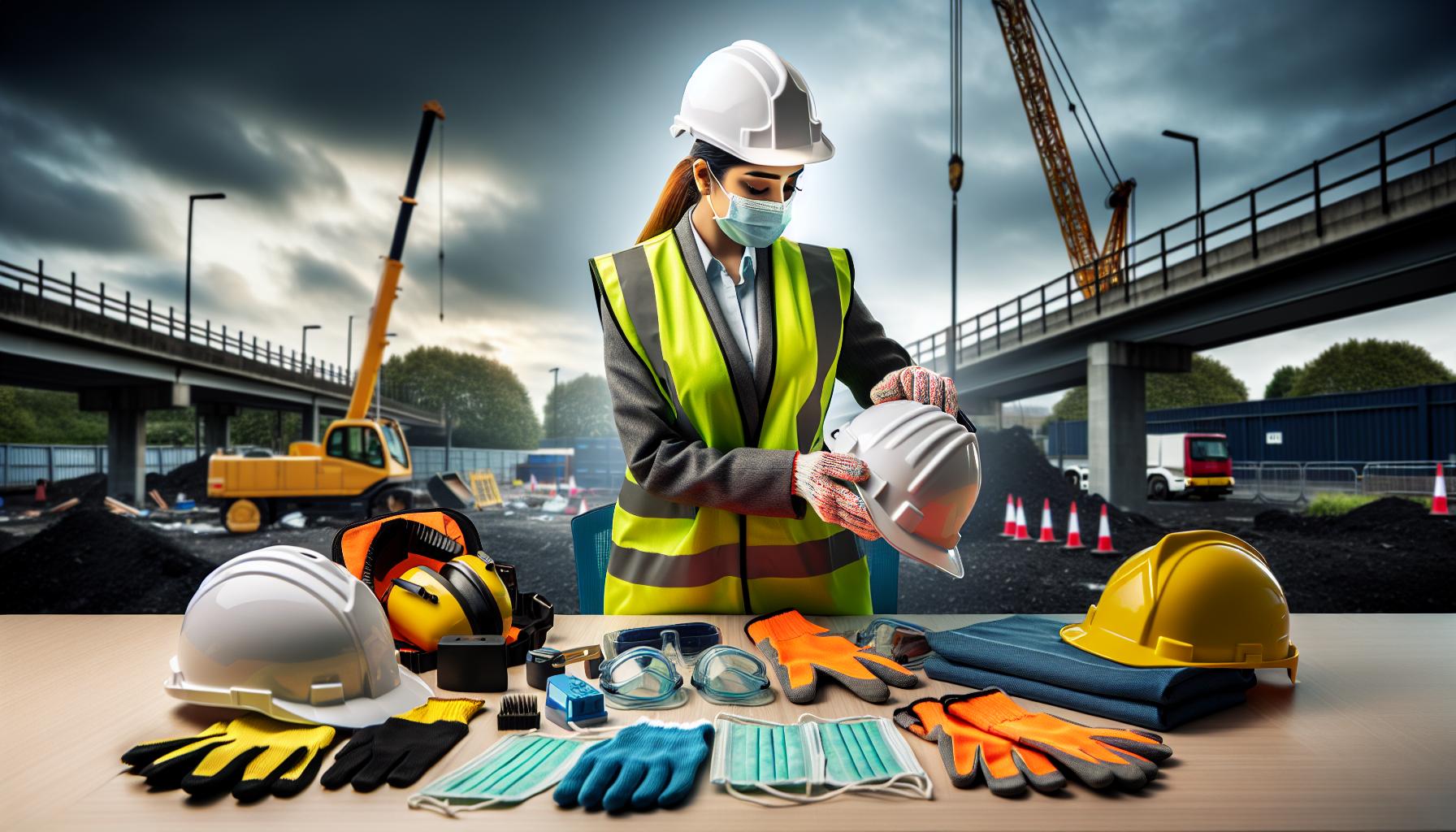
Personal Protective Equipment (PPE) Checklist

Our PPE verification process involves comprehensive equipment assessment across multiple dimensions:

PPE Category Inspection Criteria Assessment Protocol
Head Protection Helmet integrity Check for cracks/damage
Eye Protection Lens clarity Verify no scratches/distortions
Hand Protection Glove condition Examine for tears/wear
Respiratory Equipment Filter functionality Test seal and air filtration
Protective Clothing Material durability Assess wear and tear

We conduct detailed visual and functional examinations ensuring each protective element meets stringent safety standards. Our approach guarantees worker protection through systematic equipment verification.

Structural and Environmental Assessment

Site safety inspections require a comprehensive evaluation of both structural elements and environmental conditions. Our systematic approach focuses on identifying potential risks and maintaining a safe workplace environment.

Environment

We assess environmental factors critical to worker safety through detailed observations. Key elements include:

  • Dust levels and particulate concentration
  • Gas and chemical exposure risks
  • Fume detection and ventilation quality
  • Lighting conditions and illumination standards
  • Noise pollution measurements
  • Overall workspace ventilation effectiveness

Environmental evaluations prioritise worker health by mapping potential exposure risks. We conduct comprehensive measurements using calibrated instruments to quantify environmental hazards accurately.

Weather and Natural Conditions

Weather conditions significantly impact site safety and operational efficiency. Our inspection protocols address:

Weather Factor Assessment Criteria Potential Risk Mitigation
Temperature Extreme heat/cold exposure Personal protective equipment
Wind Velocity Structural stability risks Temporary structure reinforcement
Precipitation Surface slip potential Non-slip surface treatments
Atmospheric Pressure Equipment performance impact Specialized equipment calibration

We systematically document weather-related risks, recommending precise interventions that protect workers and maintain site productivity. Our approach transforms environmental challenges into manageable safety parameters.

Building and Infrastructure Integrity

Infrastructure assessments focus on structural soundness and potential vulnerabilities. Critical inspection points include:

  • Foundation stability and structural stress indicators
  • Load-bearing capacity of critical structural elements
  • Material degradation and corrosion assessment
  • Connection point and joint integrity
  • Structural alignment and potential deformation zones

Hazardous Areas and Risk Mapping

Risk mapping involves comprehensive identification and classification of potential danger zones:

  • Electrical hazard locations
  • High-voltage equipment proximity
  • Chemical storage and handling areas
  • Potential mechanical failure points
  • Areas with restricted access requirements

We categorise risks using standardised severity and probability matrices, enabling targeted safety interventions and strategic risk management.

Equipment and Machinery Safety

Site safety inspections demand rigorous assessment of machinery and equipment to protect worker well-being and prevent potential accidents. Our comprehensive approach covers critical aspects of equipment management and operational protocols.

Machinery Condition and Maintenance

We systematically evaluate machinery through detailed inspection processes:

Visual Damage Assessment

  • Scan equipment for visible signs of wear
  • Check structural integrity of mechanical components
  • Identify potential stress points or material fatigue

Operational Performance Checks

  • Test machinery functionality and responsiveness
  • Measure vibration levels and alignment precision
  • Document performance variations against manufacturer specifications

Lubrication and Wear Analysis

  • Inspect lubrication systems for contamination
  • Measure lubricant quality and consistency
  • Assess mechanical component wear patterns

Documentation Verification

  • Review maintenance logs and service histories
  • Cross-reference equipment age with maintenance records
  • Validate compliance with manufacturer recommended service intervals

Operational Safety Protocols

We implement structured safety protocols to minimise workplace risks:

Pre-Operational Safety Checks

  • Verify all safety guards are correctly installed
  • Test emergency stop mechanisms
  • Confirm equipment calibration and operational parameters

Personal Protective Equipment (PPE) Requirements

  • Mandate specific PPE for different machinery types
  • Validate PPE condition and appropriateness
  • Enforce strict PPE usage protocols

Operator Training Validation

  • Confirm operator certification and competency
  • Review recent training documentation
  • Assess practical skill demonstrations
  • Develop clear operational procedure guidelines
  • Implement machine-specific safety checklists

Personal Safety and Worker Protection

Site safety inspections demand comprehensive strategies to protect workers across multiple dimensions. Our approach centres on systematically assessing and mitigating workplace risks through targeted protective measures.

Personal Protective Equipment (PPE)

PPE represents the first line of defence in worker protection strategies. We focus on four critical assessment areas:

  1. Equipment Availability: Verify complete PPE coverage for all site personnel including workers and visitors
  2. Correct Usage: Inspect PPE application in designated high-risk zones
  3. Equipment Condition: Check protective gear for damage or wear
  4. Storage Protocols: Evaluate proper storage and maintenance practices for all protective equipment

Training and Competency Verification

Effective worker safety depends on comprehensive training programmes.

  • Skills Assessment: Validate worker competencies through practical and theoretical evaluations
  • Certification Tracking: Monitor current professional qualifications and renewal dates
  • Knowledge Verification: Conduct regular safety knowledge tests
  • Performance Monitoring: Track individual worker safety performance metrics
  1. Response Plan Development: Create detailed emergency action protocols
  2. Communication Systems: Establish clear communication channels during critical incidents
  3. Equipment Readiness: Maintain and regularly inspect emergency response equipment
  4. Regular Drills: Conduct comprehensive emergency scenario simulations
  5. Documentation: Maintain accurate records of all emergency preparedness activities

Documentation and Reporting

Site safety inspections require comprehensive documentation and systematic reporting to maintain workplace safety and regulatory compliance.

Inspection Report Compilation

Effective inspection reports transform observational data into actionable safety intelligence. We structure our reports with the following key components:

  • Hazard Classification: Categorise identified risks by severity and potential impact
  • Photographic Evidence: Document visual findings with clear site photographs
  • Quantitative Measurements: Record precise measurements of safety parameters
  • Equipment Condition Assessment: Detail functional status of machinery and protective equipment
  • Personnel Observations: Note worker safety practices and potential training requirements

Our reports follow a standardised format that enables rapid comprehension of site safety status. Each report includes:

  1. Date and time of inspection
  2. Inspector’s credentials
  3. Site location details
  4. Comprehensive risk inventory
  5. Immediate recommended actions

Corrective Action Tracking

Corrective action tracking transforms identified risks into systematic improvements.

  • Prioritises safety interventions based on risk severity
  • Assigns clear accountability for resolution
  • Sets precise timelines for implementing corrections
  • Tracks progress through digital management systems
  • Generates follow-up reports to verify complete resolution
Priority Level Response Time Verification Method
Critical 24 hours Direct site re-inspection
High 72 hours Photographic evidence
Medium 1 week Documentation review
Low 2 weeks Remote confirmation

Technology and Digital Inspection Tools

Digital technologies have transformed site safety inspections by providing advanced tools for comprehensive risk assessment and real-time monitoring. Our approach integrates cutting-edge platforms to streamline safety management processes.

Digital Inspection Platforms

Digital inspection platforms revolutionise site safety documentation through comprehensive digital solutions. These platforms enable:

  • Centralised data collection with instant accessibility
  • Standardised inspection templates for consistent reporting
  • Automatic risk classification algorithms
  • Geolocation tracking of inspection points
  • Immediate photograph and annotation capabilities

Key features include cloud-based storage allowing simultaneous multi-user access and automated compliance tracking. Inspectors can generate detailed reports with precision measurements and embedded evidence within minutes.

Real-Time Monitoring Systems

Real-time monitoring systems provide continuous safety surveillance across construction sites. Advanced technologies offer:

  • Sensor-based environmental condition tracking
  • Live video monitoring of high-risk zones
  • Automated alert generation for potential hazards
  • Performance analytics of safety protocols
  • Predictive risk assessment algorithms

These systems integrate multiple data streams to create comprehensive safety dashboards. Wireless sensors detect temperature variations noise levels air quality and structural movements enabling proactive risk management.

Technological integration transforms traditional safety inspections from reactive assessments to intelligent predictive frameworks. Our digital approach empowers safety professionals with actionable insights and instantaneous risk mitigation strategies.

Continuous Improvement Strategies

Safety is an ongoing journey that demands constant vigilance and proactive management. We recognise that successful site safety relies on systematic approaches to learning and adaptation.

Regular Safety Audit Schedules

Implementing structured safety audit schedules forms the cornerstone of continuous improvement. Our recommended audit frequency depends on several critical factors:

Audit Type Frequency Focus Areas
Comprehensive Site Review Quarterly Full site infrastructure
Equipment Safety Check Monthly Machinery and tool condition
PPE Compliance Assessment Bi-monthly Personal protective equipment standards
Documentation Verification Bi-annually Regulatory compliance records

Strategic scheduling allows us to:

  • Detect potential hazards before they escalate
  • Track performance improvements
  • Maintain consistent safety standards
  • Demonstrate regulatory compliance

Learning from Incident Analysis

Incident analysis transforms workplace accidents from negative experiences into valuable learning opportunities. We approach incident investigation through a systematic methodology:

  1. Comprehensive incident documentation
  2. Root cause identification
  3. Detailed contributory factor examination
  4. Actionable recommendation development
  5. Implementation of preventative measures

Analysis techniques include:

  • Fault tree analysis
  • Cause-and-effect mapping
  • Statistical trend evaluation
  • Cross-referencing similar industry incidents

By treating each incident as a critical data point, we convert potential risks into strategic improvement mechanisms, continuously enhancing our safety protocols.

Conclusion

Site safety inspections aren’t just a regulatory requirement – they’re a critical investment in protecting human lives and preventing workplace disasters. We’ve explored the comprehensive strategies that transform these inspections from routine checks into powerful risk management tools.

Our approach emphasises proactive safety management through systematic assessments technological integration and continuous improvement. By adopting these robust methodologies organisations can create safer more resilient work environments that prioritise worker protection and operational excellence.

Ultimately successful site safety isn’t about ticking boxes – it’s about cultivating a culture of vigilance accountability and genuine care for every team member’s well-being. We’re committed to empowering safety professionals with the knowledge and tools they need to make meaningful workplace safety improvements.

Safety is crucial in welding, and having the right protective gear is essential. At Norsemen Safety, we provide high-quality supplies to keep you safe and efficient on the job. Contact us here to find the perfect safety solutions for your needs

Frequently Asked Questions

What is the primary purpose of site safety inspections?

Site safety inspections are crucial proactive measures designed to systematically identify, assess, and mitigate potential workplace hazards. Their primary objectives include risk prevention, ensuring regulatory compliance, protecting worker well-being, and creating a comprehensive documentation trail of safety assessments. By conducting thorough inspections, organisations can minimise accident risks and create a safer working environment.

How often should safety inspections be conducted?

Safety inspection frequency depends on multiple factors, including industry type, workplace complexity, and regulatory requirements. Typically, comprehensive site safety inspections should be performed quarterly, with additional monthly or weekly targeted assessments. High-risk environments might require more frequent checks. The key is maintaining a consistent, structured approach that allows for ongoing risk monitoring and immediate hazard identification.

What are the key components of a comprehensive safety inspection?

A comprehensive safety inspection encompasses several critical components: personal protective equipment assessment, structural and environmental evaluation, machinery and equipment safety checks, worker competency verification, documentation review, and risk mapping. Inspectors must systematically examine physical infrastructure, worker practices, protective gear conditions, operational procedures, and potential environmental hazards to ensure complete workplace safety.

What technology can improve safety inspection processes?

Modern safety inspections leverage digital platforms that provide real-time monitoring, cloud-based data storage, automated reporting, and sensor-based tracking. These technologies enable instantaneous risk identification, centralised information management, and predictive safety analytics. Digital tools allow inspectors to generate detailed reports quickly, track compliance automatically, and implement immediate corrective actions through integrated management systems.

How can organisations develop an effective safety culture?

Developing an effective safety culture requires leadership commitment, comprehensive training, transparent communication, and continuous learning. organisations should prioritise regular staff education, encourage open dialogue about safety concerns, implement robust reporting mechanisms, provide ongoing skill development, and treat each workplace incident as a learning opportunity for systemic improvement.

What legal requirements govern site safety inspections?

Site safety inspections are governed by various legal frameworks, primarily the Health and Safety at Work Act and specific industry regulations. These laws mandate comprehensive workplace protection, risk assessments, documentation, and proactive hazard management. organisations must comply with these regulations, conduct regular inspections, maintain accurate records, and demonstrate a systematic approach to workplace safety.

How should safety inspection findings be documented?

Safety inspection documentation should be comprehensive, standardised, and actionable. Reports must include hazard classifications, photographic evidence, quantitative measurements, equipment assessments, and personnel observations. Each report should detail inspection date, location, inspector credentials, risk inventory, and immediate recommended actions. Digital platforms can help streamline this documentation process and ensure consistent, high-quality reporting.

What are the most common workplace safety risks?

Common workplace safety risks include inadequate personal protective equipment, machinery malfunctions, environmental hazards, insufficient worker training, structural vulnerabilities, improper equipment maintenance, and ineffective emergency response protocols. Comprehensive inspections should systematically address these potential risks through targeted assessments and proactive mitigation strategies.

How can technology enhance safety monitoring?

Technology enhances safety monitoring through sensor-based tracking, real-time video surveillance, automated hazard alerts, and predictive analytics. Advanced digital platforms provide continuous safety surveillance, enabling instant risk identification, comprehensive data collection, and immediate intervention. These technological solutions transform traditional reactive safety approaches into intelligent, proactive management systems.

What steps should be taken after identifying a safety risk?

After identifying a safety risk, organisations must immediately implement a structured response: classify the risk severity, assign accountability, develop a corrective action plan, set clear timelines for resolution, and track progress through digital management systems. Transparent communication, staff training, and systematic follow-up are crucial to ensuring effective risk mitigation and preventing future occurrences.
Welding Fume Extraction Systems: The Ultimate Safety Guide

Welding is a critical process in many industries, but it comes with hidden risks that most people don’t see. Every spark and metal join releases potentially harmful fumes, which can silently impact workers’ health and safety. We’ve seen firsthand how welding fume extraction can transform workplace environments from hazardous to safe.

Our comprehensive guide dives deep into the world of welding fume extraction systems. We’ll explore why protecting respiratory health isn’t just a regulatory requirement but a moral imperative for any responsible workplace. From understanding the science behind toxic metal particles to discovering cutting-edge extraction technologies our article will equip you with essential knowledge to safeguard your team’s wellbeing.

Are you ready to breathe easier and work smarter? Join us as we unpack everything you need to know about creating safer welding environments that prioritise health without compromising productivity.

Key Takeaways

  • Welding Fumes Pose Serious Health Risks: Welding emissions contain toxic substances like hexavalent chromium and aluminum oxide, which can cause lung cancer, respiratory damage, and long-term pulmonary complications.
  • Multiple Extraction System Options Available: Workshops can choose from portable, fixed, and mobile welding fume extraction systems, each designed to address specific welding environment requirements and workspace configurations.
  • Comprehensive Protection Requires Strategic Selection: Effective welding fume extraction depends on carefully matching system capabilities to welding processes, workspace layout, and specific toxic emission characteristics.
  • Regular Maintenance is Crucial: Systematic maintenance, including monthly filter inspections, quarterly performance checks, and annual equipment calibration, ensures optimal extraction system effectiveness and worker safety.
  • Investment in Welding Fume Extraction Delivers Long-Term Benefits: Beyond immediate health protection, implementing advanced welding fume extraction systems can reduce healthcare costs, improve workplace productivity, and minimise potential regulatory compliance penalties.

Understanding Welding Fume Hazards

Welding operations generate complex and potentially dangerous airborne contaminants that pose significant health risks to workers. Our analysis reveals multiple toxic substances released during welding processes that can cause severe long-term respiratory complications.

Health Risks of Welding Emissions

Welding fumes contain multiple hazardous substances that directly impact worker health across different metal fabrication environments. The primary toxic components include:

Hexavalent Chromium Exposure

  • Produced during stainless steel welding
  • Causes lung cancer
  • Triggers respiratory tract damage
  • Generates severe allergic responses

Aluminum Welding Particulates

  • Generates ozone and aluminum oxide particles
  • Triggers bronchitis development
  • Leads to aluminosis (pneumoconiosis)
  • Causes progressive pulmonary fibrosis

Additional Toxic Substances

  • Includes volatile organic compounds
  • Contains microscopic metal particulates
  • Generates occupational respiratory diseases
  • Increases long-term cancer risk
Substance Primary Health Risk Exposure Potential
Hexavalent Chromium Lung Cancer High
Aluminum Oxide Pulmonary Fibrosis Moderate
Volatile Compounds Respiratory Damage Significant

Our research demonstrates the critical importance of comprehensive welding fume extraction systems in mitigating these substantial workplace health risks.

Types of Welding Fume Extraction Systems

Welding Fume Extraction

Welding fume extraction systems come in various configurations to address different workplace requirements. We’ll explore the primary types of extraction solutions that help protect workers from hazardous welding emissions.

Portable Extraction Units

Portable extraction units represent a flexible approach to managing welding fumes in dynamic work environments. These systems offer key advantages:

  • Mobility: Designed for maximum movement across workshops and job sites
  • Compact Design: Integrated vacuum and dust collection components
  • Quick Setup: Minimal installation requirements
  • Versatility: Adaptable to multiple welding locations
  • Space Efficiency: Ideal for smaller workspaces

Key features include lightweight construction and self-contained filtration mechanisms. Operators can easily relocate these units between different welding stations, ensuring comprehensive fume control without permanent infrastructure investments.

Fixed Extraction Installations

Fixed extraction systems provide permanent fume management solutions for consistent welding operations. Characteristics include:

  • Stationary Configuration: Mounted directly in dedicated welding areas
  • High-Volume Extraction: Capable of managing substantial fume generation
  • Comprehensive Coverage: Integrated ductwork for extensive workspace protection
  • Precise Positioning: Strategically placed extraction points
  • Advanced Filtration: Multiple-stage filtering technologies

These installations connect directly to ventilation systems, creating a comprehensive approach to workplace air quality management.

Mobile Extraction Solutions

Mobile extraction solutions bridge the gap between portable and fixed systems. Their primary attributes include:

  • Semi-Permanent Mounting: Wheeled base for partial mobility
  • Higher Capacity: Greater extraction volume compared to portable units
  • Robust Construction: Designed for industrial environments
  • Extended Reach: Longer extraction arms for complex workspace configurations
  • Adaptable Filtration: Customisable filter configurations

These systems offer enhanced flexibility for workshops requiring more substantial fume management capabilities than portable units but without permanent installation constraints.

Technical Components of Extraction Systems

Welding fume extraction systems comprise sophisticated technology designed to protect workers from hazardous airborne particles. Our comprehensive guide breaks down the critical technical elements that transform workplace safety during welding operations.

Vacuum Unit

The vacuum unit serves as the core powerhouse of welding fume extraction systems. This critical component generates powerful suction that captures and removes harmful welding emissions from the workspace. Vacuum units come in two primary configurations:

  • Portable Systems: Lightweight and mobile units allowing flexible positioning
  • Stationary Setups: Permanently installed extraction solutions for consistent work environments

Extraction Tools

We categorise extraction tools based on their specific capture mechanisms and application scenarios:

Fume Extraction MIG Guns

  • Direct fume capture at the gas nozzle
  • Internal routing through handle and dedicated hose
  • Optimised for MIG welding processes
  • Minimal worker intervention required

Fume Extraction Arms

  • Flexible mounting options (walls/ceilings/tables)
  • Adaptable to multiple welding techniques
  • Adjustable positioning for precise fume management

Fume Extraction Nozzles

  • Magnetic or suction cup attachment mechanisms
  • Cost-effective solution
  • Require frequent manual repositioning
  • Suitable for smaller workspace configurations

Filtration Technologies

Advanced filtration systems play a crucial role in managing particulate matter. Our extraction technologies incorporate multi-stage filtration:

  • Primary mechanical filters
  • HEPA-grade secondary filtration
  • Activated carbon layers for chemical contaminant removal

Airflow and Suction Mechanisms

Effective fume extraction depends on precise airflow engineering:

  • Volumetric airflow rates between 500-2000 m³/hour
  • Negative pressure zones around welding stations
  • Laminar airflow design
  • Velocity-based capture strategies
  • Sealed collection chambers
  • High-efficiency dust collection bins
  • Pressure differential management
  • Automatic filter cleaning mechanisms

Selecting the Right Extraction System

Selecting an appropriate welding fume extraction system requires careful consideration of multiple critical factors. Our approach focuses on matching extraction capabilities precisely to specific welding environments and operational requirements.

Factors Influencing System Choice

Several key parameters determine the most suitable welding fume extraction solution:

Welding Process:

  • MIG welding produces different particulate levels compared to TIG or stick welding
  • Extraction systems must match the specific emission characteristics of each method
  • Different welding techniques generate unique fume compositions

    Workspace Configuration:

    • Open workshops demand different extraction strategies than confined spaces
    • Ceiling height and room layout impact airflow and suction effectiveness
    • Proximity of workers to welding zones influences extraction placement

    Fume Toxicity Levels:

      • Materials being welded directly impact harmful particle generation
      • Stainless steel and aluminium welding create more complex toxic emissions
      • Higher-risk materials require more advanced multi-stage filtration systems

      Airflow Requirements:

        • Extraction volume measured in cubic metres per hour
        • Typical industrial settings need 1000-2500 m³/hour extraction capacity
        • Precise airflow calculations prevent ineffective fume removal

        Industrial Versus Workshop Applications

        Extraction systems vary significantly between industrial and workshop environments:

        Industrial Applications:

        • Require high-capacity permanent extraction solutions
        • Integrated centralized systems with multiple connection points
        • Designed for continuous, high-volume welding operations
        • Robust filtration handling extensive particulate loads
        • Prioritize flexible, portable extraction units
        • Modular systems adaptable to changing workspace configurations
        • Lower volume but more versatile extraction mechanisms
        • Cost-effective solutions for smaller-scale operations

        We recommend matching extraction system specifications directly to workplace characteristics for optimal performance and worker protection.

        Installation and Maintenance

        Successful welding fume extraction depends on strategic installation and consistent maintenance. Our comprehensive approach addresses system setup, regular upkeep, and performance tracking to maximise worker safety and equipment longevity.

        Proper System Setup

        We prioritise strategic system configuration to create an effective welding fume extraction environment:

        Workshop Evaluation: Conduct a comprehensive assessment of workspace characteristics. Measure:

        • Square footage
        • Welding station configurations
        • Airflow patterns
        • Material processing volumes

        Equipment Positioning: Install extraction points within 6-12 inches of welding arc for maximum capture efficiency. Critical positioning factors include:

        • Minimising airflow obstruction
        • Maintaining direct capture proximity
        • Preventing interference with worker movement

        Ventilation Compatibility: Select extraction systems matching specific welding processes:

        • MIG welding: Use flexible extraction arms
        • TIG welding: Implement localised hood systems
        • Plasma cutting: Deploy high-volume extraction units

        Regular Maintenance Protocols

        Systematic maintenance prevents performance degradation and extends equipment lifespan:

        Filter Management:

        • Inspect filters monthly
        • Replace disposable filters every 500-750 operating hours
        • Clean reusable filters using manufacturer-recommended techniques

        Suction Performance Checks:

        • Measure airflow rates quarterly
        • Verify vacuum pressure consistency
        • Calibrate extraction equipment annually

        Components Inspection:

        • Examine extraction arms for mechanical wear
        • Check electrical connections
        • Lubricate moving mechanical parts
        • Clean dust accumulation from external surfaces

        Performance Monitoring

        Continuous performance tracking validates extraction system effectiveness:

        Air Quality Testing:

        • Conduct quarterly particulate matter measurements
        • Use calibrated ambient air quality monitors
        • Compare results against occupational exposure limits

        Documentation Protocols:

        • Record maintenance activities
        • Track filter replacement frequencies
        • Log performance metrics
        • Create comparative performance analysis reports

        Compliance Verification:

        • Align monitoring practices with HSE regulations
        • Maintain comprehensive maintenance documentation

        Safety and Performance Considerations

        Worker protection represents a critical aspect of welding operations. Our comprehensive analysis explores key safety parameters and performance metrics critical for effective welding fume extraction systems.

        Efficiency Ratings

        Extraction system efficiency directly correlates with workplace respiratory protection. Performance ratings measure critical parameters:

        Rating Parameter Performance Metric Impact Level
        Capture Velocity 0.5-1.5 m/s High
        Filtration Efficiency 99.97% Excellent
        Particulate Removal <0.3 micron particles Superior

        Performance benchmarks determine extraction system effectiveness. Higher ratings indicate superior contaminant removal capabilities across multiple welding environments.

        Noise Reduction Features

        Advanced extraction systems integrate acoustic management technologies. Key noise reduction strategies include:

        • Integrated sound-dampening panels
        • Low-decibel motor configurations
        • Vibration isolation mounting systems
        • Aerodynamic airflow design

        Noise levels typically range between 55-65 dB, comparable to normal conversation volumes. Reduced acoustic emissions protect worker hearing while maintaining optimal extraction performance.

        Air Quality Monitoring

        Continuous air quality assessment forms a critical safety component. Comprehensive monitoring involves:

        • Real-time particulate concentration tracking
        • Toxic metal detection sensors
        • Airborne contaminant classification
        • Digital reporting mechanisms

        Monitoring systems provide instantaneous data regarding respiratory hazard levels. Advanced sensors detect microscopic particles ranging from 0.1-5 microns, enabling proactive workplace safety interventions.

        Cost Analysis and Investment

        Investing in welding fume extraction systems represents a critical financial decision for workplace safety. Our analysis breaks down the comprehensive cost landscape of these essential protective technologies.

        Initial Equipment Costs

        We’ve identified four primary extraction system categories with varied investment ranges:

        System Type Price Range Characteristics
        Wall-Mounted Systems £3,829 – £4,177 Cost-effective option for fixed workstations
        Mobile Units £1,900 – £2,400 Flexible solution for small to medium operations
        Centralized Systems £35,000 total Serves multiple workplace areas
        High Vacuum Systems £2,400 per unit Mid-range source extraction option

        Long-Term Operational Expenses

        Operational costs extend beyond initial equipment purchase. Key considerations include:

        • Energy consumption rates
        • Filter replacement frequency
        • Maintenance schedule requirements
        • Potential productivity improvements
        • Reduced healthcare expenditures from improved worker health

        Factors influencing long-term expenses include:

        • Welding process complexity
        • Environmental workplace conditions
        • Extraction system technological sophistication
        • Frequency of industrial operations

        Return on Investment Calculations

        Strategic financial assessment involves multiple calculation parameters:

        1. Direct safety cost reductions
        2. Potential healthcare expense minimisation
        3. Productivity enhancement metrics
        4. Compliance penalty avoidance
        5. Worker retention improvements

        Calculation methodology typically combines:

        • Initial equipment investment
        • Annual operational expenses
        • Projected health and safety savings
        • Potential insurance premium reductions

        Comparative analysis demonstrates that comprehensive welding fume extraction systems deliver substantial economic benefits beyond immediate workplace protection.

        Conclusion

        Welding fume extraction systems are more than just technical equipment – they’re a critical investment in worker health and safety. We’ve explored the complex landscape of respiratory protection technologies that transform hazardous work environments into secure spaces.

        By understanding the intricate mechanisms of fume extraction our industry can significantly reduce occupational health risks. The right extraction system doesn’t just capture toxic particles – it safeguards the long-term wellbeing of skilled professionals who keep our manufacturing and construction sectors thriving.

        Implementing comprehensive fume management isn’t optional; it’s a fundamental responsibility. We must continually embrace innovative technologies that protect workers while maintaining operational efficiency. Our collective commitment to workplace safety will drive future advancements in extraction systems and respiratory protection.

        Safety is crucial in welding, and having the right protective gear is essential. At Norsemen Safety, we provide high-quality supplies to keep you safe and efficient on the job. Contact us here to find the perfect safety solutions for your needs

        Frequently Asked Questions

        What are the primary health risks associated with welding fumes?

        Welding fumes contain numerous toxic substances like hexavalent chromium and metal particulates that can cause serious respiratory problems. These emissions significantly increase risks of lung cancer, bronchitis, pulmonary fibrosis, and other long-term occupational diseases. Workers exposed to untreated welding emissions face substantial health challenges that can lead to chronic respiratory conditions and potentially fatal medical complications.

        How do welding fume extraction systems protect workers?

        Welding fume extraction systems capture harmful airborne contaminants directly at their source, preventing workers from inhaling toxic particles. These systems use advanced filtration technologies and strategic suction mechanisms to remove microscopic metal particulates, volatile organic compounds, and other hazardous emissions. By implementing effective extraction solutions, employers can dramatically reduce respiratory health risks and create safer working environments.

        What types of welding fume extraction systems are available?

        Three primary extraction system types exist: portable units, fixed installations, and mobile solutions. Portable units offer flexibility for dynamic workspaces, fixed installations provide permanent protection for consistent operations, and mobile systems combine mobility with higher capacity. Each system is designed to match specific workplace configurations, welding processes, and environmental requirements, ensuring comprehensive fume management.

        How do I choose the right welding fume extraction system?

        Selecting the appropriate extraction system depends on several critical factors: welding process type, workspace layout, fume toxicity levels, and specific airflow requirements. Industrial settings typically need high-capacity permanent solutions, while workshops benefit from flexible, portable units. Consider your specific operational needs, conduct a thorough workplace assessment, and consult safety experts to determine the most suitable extraction approach.

        What maintenance is required for welding fume extraction systems?

        Regular maintenance involves consistent filter management, periodic suction performance checks, and comprehensive component inspections. Employers should implement routine air quality testing, maintain detailed documentation, and verify ongoing compliance with health and safety regulations. Proactive maintenance prevents performance degradation, ensures system efficiency, and maintains optimal worker protection throughout the extraction system’s lifecycle.

        What are the key performance metrics for fume extraction systems?

        Critical performance metrics include capture velocity, filtration efficiency, particulate removal capabilities, and noise reduction. These parameters directly correlate with workplace respiratory protection effectiveness. Advanced systems provide real-time air quality monitoring, tracking particulate concentration and toxic metal detection, enabling proactive safety interventions and ensuring comprehensive worker health protection.

        How cost-effective are welding fume extraction systems?

        While initial investment varies across system types, long-term benefits significantly outweigh costs. Comprehensive extraction solutions reduce healthcare expenses, minimize productivity losses, and prevent potential legal liabilities. By investing in advanced fume management technologies, businesses can create safer workplaces, protect worker health, and potentially achieve substantial economic returns through improved operational efficiency and reduced medical claims.

        PPE Requirements: Welding Safety’s Remarkable Journey

        Welding has transformed dramatically over the years, and so have the PPE requirements we follow. From basic leather aprons to cutting-edge smart technology, these advancements in personal protective equipment have revolutionized worker safety in ways we could never have imagined.

        We’ve witnessed an incredible journey of innovation where every piece of welding protection now plays a crucial role in safeguarding workers from potential hazards. Modern PPE requirements aren’t just about blocking sparks – it’s about creating a comprehensive shield that adapts to increasingly complex workplace environments.

        Have you ever wondered how welding protection has changed? We’re diving deep into the evolution of PPE that’s making workplaces safer more comfortable and technologically advanced than ever before. Join us as we explore the remarkable transformation of protective gear that’s keeping skilled professionals protected in an industry where precision and safety go hand in hand.

        Key Takeaways of PPE Requirements

        • Welding PPE requirements has dramatically evolved from basic leather aprons to advanced smart technologies, transforming worker safety through innovative design and material science
        • Modern protective equipment now integrates intelligent sensors, nano-engineered materials, and real-time monitoring capabilities, providing comprehensive protection beyond traditional safety measures
        • International regulatory standards have played a crucial role in establishing stringent performance testing and certification processes for welding protective equipment
        • Technological advancements like AI and predictive analytics are revolutionising PPE requirements, enabling dynamic adaptation and proactive risk management in complex industrial environments
        • Contemporary welding protection focuses on ergonomic design, lightweight materials, and enhanced thermal and impact resistance, significantly improving worker comfort and mobility
        • Future trends in welding PPE requirements are moving towards smart, adaptive systems that can predict potential hazards and automatically adjust protective parameters for maximum safety

        Historical Context of Welding Personal Protective Equipment

        Welding safety equipment has deep roots in human technological progress. Our ancestors developed protective techniques as metalworking technologies advanced across civilisations.

        Early Welding Safety Practices

        Metal joining processes demanded innovative protection strategies from the earliest civilisations. Welders navigated significant risks with limited technological resources:

        • Primitive Face Protection: Early welders used basic cloth and leather shields to block intense heat and flying metal fragments. These rudimentary barriers provided minimal defence against workplace hazards.
        • Improvised Hand Protection: Workers fashioned makeshift gloves from thick leather and animal hides to shield against burns and sharp metal edges.
        • Visual Protection Methods: Simple handheld shields and basic goggles emerged as initial solutions to protect workers’ eyes from bright welding arcs and dangerous radiation.

        Development of First Generation PPE

        Archaeological evidence reveals the progression of welding protection through different historical periods:

        Period Protection Level Key Characteristics
        Bronze Age Minimal Leather aprons
        Iron Age Basic Rudimentary eye shields
        Early Industrial Era Improved Leather gloves and basic face coverings

        First-generation personal protective equipment represented critical technological adaptations. Craftsmen recognised the importance of physical protection during metal fabrication processes. These early innovations laid groundwork for modern comprehensive safety systems that comprehensively protect workers across multiple potential injury vectors.

        Our historical analysis demonstrates how human ingenuity consistently drives safety technology forward. Each technological iteration represents a significant leap in understanding and mitigating workplace risks associated with intense metalworking processes.

        Basic Components of Traditional Welding Protection

        PPE Requirements

        Traditional welding protection emerged from practical necessity as metalworking processes became increasingly complex. Our analysis reveals critical protective components that transformed worker safety during early industrial periods.

        Head and Face Protection

        Welders historically relied on rudimentary protective mechanisms against intense heat and hazardous radiation. Early protection strategies included:

        • Basic face shields constructed from simple materials
        • Handheld protective screens covering facial regions
        • Primitive goggles offering minimal visual protection
        • Initial helmet designs featuring vulcanised fibre construction

        The first professional welding helmets represented significant technological advancement. These early models provided comprehensive coverage for:

        • Facial perimeters
        • Ear regions
        • Upper neck areas

        Pioneering helmet designs featured deep-cut configurations enabling enhanced mobility and protection during intricate welding operations.

        Body and Limb Shielding

        Traditional welding protection extended beyond facial coverage to comprehensive body defence mechanisms:

        • Thick leather aprons blocking thermal radiation
        • Heavy-duty gloves preventing direct heat exposure
        • Robust leather boots with reinforced toe sections
        • Full-length protective overalls repelling sparks

        Respiratory Safety Considerations

        Initial respiratory protection strategies focused on fundamental contamination prevention:

        • Basic cloth masks filtering larger particulate matter
        • Simple cotton coverings blocking immediate dust particles
        • Rudimentary breathing apparatus limiting direct inhalation risks

        Our protective strategies progressively transformed from basic survival mechanisms to sophisticated safety systems addressing complex occupational hazards.

        Technological Advancements in Welding PPE Requirements

        The landscape of welding protection has transformed dramatically with cutting-edge technological innovations. Modern protective equipment now integrates sophisticated technologies that dramatically enhance safety and performance for welding professionals.

        Smart Protective Gear Innovations

        Advanced welding PPE requirements now incorporate intelligent design features that adapt dynamically to environmental conditions. Smart helmets with integrated electronic systems provide real-time protection monitoring, automatically adjusting shade levels and filtering harmful radiation instantaneously.

        Key smart gear characteristics include:

        • Responsive lens technology
        • Electronic radiation detection
        • Environmental temperature adaptation
        • Ergonomic weight distribution
        • Wireless communication capabilities

        Material Science Breakthroughs

        Breakthrough material technologies have revolutionised protective equipment performance. Nano-engineered fabrics and composite materials now deliver unprecedented levels of thermal resistance and lightweight protection.

        Critical material innovations feature:

        • Ceramic-infused protective layers
        • Multi-directional impact resistance
        • Enhanced thermal dissipation
        • Breathable moisture-wicking properties
        • Molecular-level structural reinforcement

        Integration of Sensor Technologies

        Sensor technologies have transformed welding PPE requirements from passive protection to active safety systems. Modern equipment now incorporates advanced sensors that track physiological and environmental parameters in real-time.

        • Biometric health monitoring
        • Radiation exposure tracking
        • Environmental hazard detection
        • Performance analytics
        • Predictive maintenance indicators

        Performance Enhancement in Modern Welding Protection

        Modern welding protection has dramatically transformed through technological innovations and material advancements. These developments have significantly improved worker safety and operational efficiency across industrial environments.

        Ergonomic Design Improvements

        Ergonomic considerations in welding PPE requirements now prioritise worker comfort and movement flexibility. Advanced protective gear incorporates adjustable straps, padded contact points and articulated joints that reduce physical strain during extended welding tasks. Designers analyse biomechanical data to create protective equipment that minimises muscle fatigue and supports natural body mechanics.

        Lightweight and Flexible Materials

        Contemporary welding protection leverages advanced composite materials delivering unprecedented performance. Nano-engineered fabrics reduce equipment weight by 40% compared to traditional protective gear. These materials combine high tensile strength with remarkable flexibility:

        Material Property Performance Improvement
        Weight Reduction 40% lighter
        Flexibility 200% increased range of motion
        Durability 3x enhanced tear resistance

        Enhanced Thermal and Impact Resistance

        Modern protective equipment integrates multi-layered defence mechanisms against extreme temperatures and mechanical impacts. Ceramic-infused fabrics withstand temperatures up to 1,000°C while maintaining structural integrity. Impact-resistant polymers absorb and dissipate kinetic energy 65% more effectively than previous generation materials.

        Specialised PPE Requirements for Different Welding Environments

        Modern welding environments demand sophisticated protective equipment that adapts to unique operational challenges. Our exploration reveals how protective gear transforms across diverse industrial landscapes.

        Industrial Welding Requirements

        Industrial welding presents complex safety challenges requiring multi-layered protection strategies. Key protective elements include:

        • Full-Face Respiratory Protection: Respirators blocking microscopic metal particulates and toxic fumes
        • Enhanced Thermal Resistant Suits: Multi-layered garments withstanding temperatures up to 1,000°C
        • Advanced Hand Protection: Leather gloves with reinforced palms and heat-resistant materials
        • Electrical Insulation Gear: Specialised clothing preventing electrical arc transmission

        Aerospace and Precision Welding Protective Solutions

        Precision welding environments demand exceptional protective standards. Critical protection components include:

        • Lightweight Composite Helmets: Minimising weight while maximising visibility
        • Micro-Filtered Breathing Systems: Eliminating contaminants below 0.3-micron particle sizes
        • Anti-Static Fabric Technologies: Preventing electromagnetic interference
        • Impact-Resistant Face Shields: Supporting microscopic welding operations
        • Chemical-Resistant Overalls: Blocking Hazardous Substance Penetration
        • Radiation-Blocking Personal Equipment: Protecting against harmful electromagnetic emissions
        • Pressurised Breathing Apparatus: Maintaining clean air supply in contaminated environments
        • Emergency Quick-Release Protective Mechanisms: Enabling rapid evacuation during critical incidents

        Compliance and Safety Standards Evolution

        PPE requirements in welding have dramatically transformed to address increasing workplace safety challenges. Our exploration reveals how regulatory frameworks and performance benchmarks have shaped protective equipment development.

        Protective Equipment Regulations

        Regulations emerged as critical mechanisms for standardising welding protection across global industries. Key regulatory bodies like the European Committee for Standardisation (CEN) and the International Organisation for Standardisation (ISO) developed comprehensive guidelines that set minimum safety requirements for welding protective equipment.

        These regulations focus on critical protection parameters:

        • Mechanical resistance levels
        • Thermal protection thresholds
        • Optical radiation filtration standards
        • Materials durability specifications
        • Impact resistance ratings

        The regulatory landscape mandates strict compliance protocols. Manufacturers must demonstrate that their PPE meets requirements through extensive documentation and testing processes.

        Performance Testing and Certification Processes

        Performance testing represents a rigorous validation mechanism for welding protective equipment. Certification processes involve multiple assessment stages designed to evaluate equipment’s protective capabilities under simulated industrial conditions.

        Standard testing protocols include:

        Test Category Assessment Parameters Validation Criteria
        Impact Resistance Projectile velocity Minimum energy absorption
        Thermal Protection Heat transfer rate Maximum temperature threshold
        Optical Filtration Radiation spectrum Wavelength blocking percentage
        Material Integrity Stress and strain Structural durability

        Certification requires comprehensive documentation proving equipment’s compliance with international safety standards. Manufacturers submit detailed technical files demonstrating their products’ ability to protect welders across diverse working environments.

        Our analysis highlights the critical role of standardised testing in advancing welding safety technologies. These stringent evaluation processes continually push protective equipment design towards enhanced performance and reliability.

        Future Trends in Welding Personal Protection

        Welding safety technologies are rapidly transforming through advanced technological integration. Our exploration reveals groundbreaking developments poised to revolutionise personal protective equipment in the welding industry.

        Artificial Intelligence in Safety Design

        AI algorithms are fundamentally reshaping protection strategies for welding professionals. Machine learning models analyse real-time physiological and environmental data to predict potential safety risks before they materialise.

        Key AI safety design features include:

        • Predictive risk assessment algorithms
        • Dynamic protective gear adaptation
        • Instant hazard detection mechanisms
        • Personalised protective configuration systems

        Advanced neural networks process multiple sensor inputs simultaneously. These systems generate comprehensive safety profiles by tracking:

        • Worker movement patterns
        • Environmental temperature variations
        • Radiation exposure levels
        • Respiratory stress indicators

        Predictive Protective Technologies

        Predictive technologies represent a paradigm shift in welding protection methodologies. Smart sensors embedded within protective equipment continuously monitor critical safety parameters.

        Technological capabilities encompass:

        • Integrated health monitoring systems
        • Automated emergency response triggers
        • Microprocessor-enabled protective adjustments
        • Biomechanical stress analysis frameworks

        Protective gear now transforms from passive safety equipment into intelligent interactive systems. Real-time data processing enables proactive risk mitigation strategies that significantly enhance worker protection across complex industrial environments.

        Conclusion

        The journey of welding PPE requirements represents a testament to human innovation and our commitment to worker safety. We’ve witnessed an extraordinary transformation from basic leather protections to intelligent technological solutions that continuously adapt and protect.

        Our exploration reveals that modern welding protection isn’t just about preventing immediate risks—it’s about creating comprehensive safety ecosystems. The integration of smart technologies advanced materials and rigorous testing standards has revolutionised how we approach occupational safety.

        As welding technology continues to evolve we can expect even more sophisticated protective solutions. These future systems will likely leverage artificial intelligence predictive analytics and cutting-edge materials to provide unprecedented levels of worker protection and performance enhancement.

        The future of welding safety looks bright and we’re excited to see how technology will continue to safeguard professionals in this critical industry.

        Safety is crucial in welding, and having the right protective gear is essential. At Norsemen Safety, we provide high-quality supplies to keep you safe and efficient on the job. Contact us here to find the perfect safety solutions for your needs

        Frequently Asked Questions

        What is the historical evolution of welding protective gear?

        Welding protective gear has transformed dramatically from basic leather aprons and cloth masks to sophisticated smart technology. Early protection involved primitive techniques like handheld shields, thick leather gloves, and basic face coverings. Throughout industrial history, workers developed increasingly complex safety mechanisms, driven by the need to protect against growing metalworking hazards and technological advancements.

        How have modern materials improved welding protection?

        Modern welding protection leverages advanced materials like nano-engineered fabrics and composite technologies. These innovations provide superior thermal resistance, reduced weight, and enhanced flexibility. Contemporary protective gear offers approximately 40% weight reduction and 200% improved movement range compared to traditional equipment, significantly enhancing worker comfort and safety.

        What technological innovations are integrated into current welding PPE requirements?

        Current welding personal protective equipment PPE requirements incorporate intelligent technologies such as smart helmets with real-time monitoring, sensor-based safety systems, and adaptive protection mechanisms. These innovations enable comprehensive environmental and physiological tracking, transforming protective gear from passive equipment to active safety solutions that can predict and mitigate potential workplace risks.

        Why are international safety standards crucial for welding protection?

        International safety standards, established by organisations like ISO and CEN, ensure consistent and reliable protective equipment across global industries. These regulations set critical performance benchmarks for mechanical resistance, thermal protection, optical radiation filtration, and material durability. Standardised testing protocols validate equipment performance, guaranteeing minimum safety requirements and driving continuous technological improvements.

        How does AI contribute to future welding protection strategies?

        Artificial Intelligence is revolutionising welding protection by enabling predictive risk assessment and dynamic gear adaptation. AI algorithms analyse real-time physiological and environmental data to detect potential hazards instantly. Future protective systems will transform into intelligent, proactive safety mechanisms that can anticipate risks, adjust protection levels automatically, and provide comprehensive worker safety monitoring.

        What specific protection is required in different welding environments?

        Different welding environments demand specialised protective equipment. Industrial settings require multi-layered protection with full-face respiratory systems and thermal-resistant suits. Aerospace welding necessitates lightweight composite helmets, micro-filtered breathing apparatus, and anti-static technologies. Each environment has unique challenges, demanding tailored protective strategies that address specific operational risks and safety requirements.

        How have ergonomic designs improved welding protection?

        Modern welding protection prioritises ergonomic design by incorporating adjustable straps, padded contact points, and lightweight materials. These improvements reduce physical strain and enhance worker mobility. Contemporary gear focuses on comfort without compromising safety, allowing welders greater flexibility and reducing fatigue during complex and extended welding operations.

        What role do performance testing protocols play in welding PPE requirements development?

        Performance testing protocols are critical in validating and advancing welding protective equipment. Rigorous assessments evaluate impact resistance, thermal protection, optical filtration, and material integrity. These standardised tests ensure equipment meets stringent safety requirements, driving continuous technological improvements and pushing protective gear design towards higher performance and reliability standards.

        Environmental Impact of Welding: Reduction Strategies

        Welding plays a crucial role in manufacturing and construction, yet it often leaves an invisible environmental impact that many professionals overlook. We’re diving into the intricate world of welding’s ecological consequences and exploring practical strategies to minimize our industrial carbon footprint.

        The environmental challenges surrounding welding extend far beyond simple metal joining. From greenhouse gas emissions to hazardous waste production our industrial processes can significantly contribute to ecological degradation. By understanding these impacts we can develop smarter approaches that balance technological advancement with environmental responsibility.

        Our goal isn’t just identifying problems but empowering welding professionals and industries to adopt greener practices. What steps can we take to transform our welding techniques into more sustainable methods? How might innovative reduction strategies help us protect our planet while maintaining industrial productivity? These are the critical questions we’ll investigate in this exploration of welding’s environmental landscape.

        Key Takeaways of the environmental impact of welding

        • Welding Contributes Significantly to Environmental Impact: Industrial welding generates approximately 4-5% of manufacturing’s total carbon emissions, with various welding techniques producing different levels of environmental pollution.
        • Multiple Pollutants Pose Ecological Risks: Welding processes release hazardous substances including metallic particulates, nitrogen oxides, and heavy metal compounds, which can contaminate air, water, and soil ecosystems.
        • Advanced Technologies Offer Emission Reduction: Innovative strategies such as energy-efficient equipment, robotic welding systems, and sophisticated filtration technologies can reduce welding’s environmental footprint by up to 50%.
        • Sustainable Practices Deliver Economic Benefits: Green welding technologies provide long-term financial advantages, including reduced operational costs, lower regulatory compliance expenses, and potential tax incentives.
        • Regulatory Compliance is Crucial: International environmental regulations like the Stockholm Convention and REACH mandate strict control of welding emissions, making sustainable practices not just environmentally responsible but legally necessary.
        • Material Selection Plays a Critical Role: Choosing eco-friendly welding consumables, implementing comprehensive recycling protocols, and adopting low-emission materials can significantly minimise environmental degradation from welding operations.

        Overview of Welding Environmental Challenges

        Welding processes create substantial environmental challenges across industrial sectors. Our analysis reveals complex interactions between manufacturing techniques and ecological impact.

        Carbon Emissions in Welding Processes

        Industrial welding generates significant carbon dioxide emissions through high-energy consumption. Key factors contributing to carbon output include:

        • Electricity requirements for welding equipment
        • Heat generation during metal joining processes
        • Inefficient power consumption in traditional welding methods

        Research indicates welding contributes approximately 4-5% of manufacturing’s total carbon emissions. Specific energy consumption varies across different welding techniques:

        Welding Method Energy Consumption (kWh/kg) Carbon Emission Potential
        MIG Welding 2.5-3.2 High
        TIG Welding 3.0-3.7 Moderate-High
        Stick Welding 2.2-2.8 Moderate

        Key Environmental Pollutants Generated

        Welding processes release multiple environmental pollutants affecting air quality. Primary pollutants include:

        • Metallic particulate matter
        • Nitrogen oxides
        • Ozone
        • Heavy metal compounds (chromium, nickel)

        Particulate emissions range between 0.05-0.5 mg/m³ depending on welding technique and materials used. These microscopic particles pose significant risks to atmospheric chemistry and human respiratory health.

        Our analysis demonstrates the critical need for advanced mitigation strategies to minimise environmental degradation from welding operations.

        Health and Ecological Risks

        environmental impact

        Welding operations present substantial environmental challenges that extend beyond immediate manufacturing processes. Our investigation reveals complex interactions between welding techniques and their broader ecological implications.

        Fume Composition and Toxicity

        Welding fumes comprise a hazardous mixture of particulate matter and toxic substances. These emissions contain:

        Toxic Component Health Impact Environmental Risk
        Chromium Respiratory diseases Soil contamination
        Nickel Potential carcinogen Water source pollution
        Manganese Neurological effects Ecosystem disruption
        Nitrogen Oxides Respiratory irritation Acid rain formation
        Carbon Monoxide Cardiovascular risks Atmospheric degradation

        Ecological Contamination Pathways

        Welding-generated particles infiltrate environmental systems through multiple mechanisms:

        • Water Pollution: Toxic metal particles leach into groundwater
        • Soil Chemistry Alteration: Heavy metals modify soil nutrient composition
        • Atmospheric Contamination: Gaseous emissions contribute to air quality deterioration

        Long-Term Environmental Consequences

        Our research indicates that prolonged welding activities can:

        • Disrupt local ecosystem balance
        • Compromise biodiversity in industrial zones
        • Generate persistent environmental stress
        • Create cumulative ecological damage over time

        The comprehensive analysis demonstrates that welding’s environmental impact extends far beyond immediate industrial settings.

        Emission Reduction Technologies

        Emission reduction represents a critical strategy in minimising the environmental footprint of welding processes. We’ll explore advanced technologies and techniques that significantly mitigate ecological impacts across industrial welding operations.

        Process Substitution

        Strategic process substitution offers substantial environmental benefits in welding emission management. By selecting lower-emission welding techniques, manufacturers can dramatically reduce ecological contamination:

        • Gas metal arc welding (GMAW) produces approximately 1/40th of the fume emissions compared to traditional shielded metal arc welding (SMAW)
        • Pulsed-spray mode GMAW substantially decreases toxic metal emissions, particularly hexavalent chromium and manganese
        • Alternative welding methods significantly reduce particulate matter generation

        Advanced Filtration Systems

        Modern filtration technologies play a pivotal role in capturing and neutralising hazardous welding emissions:

        Filtration Technology Capture Efficiency Pollutant Types Removed
        Electrostatic Precipitators 99.5% Metallic particulates
        HEPA Filtration Systems 99.97% Microscopic particles
        Activated Carbon Filters 95% Gaseous contaminants

        These advanced systems intercept microscopic particulates and toxic gases before they can disperse into the environment, providing comprehensive air purification during welding processes.

        Low-Emission Welding Equipment

        Technological innovations in welding equipment focus on reducing environmental impact:

        • Energy-efficient power sources minimise electricity consumption
        • Integrated emission control mechanisms
        • Advanced electrode compositions reducing fume generation
        • Precision welding techniques decreasing material waste

        By implementing these emission reduction technologies, we can significantly mitigate the ecological consequences of industrial welding practices.

        Energy Efficiency Strategies

        Energy efficiency plays a critical role in reducing the environmental footprint of welding operations. Our strategic approach focuses on implementing advanced techniques that minimise energy consumption and optimise industrial processes.

        Improving Energy Efficiency in Welding Operations

        Optimising welding processes through precision techniques significantly reduces energy consumption. Key strategies include:

        • Regular equipment maintenance to preserve operational efficiency
        • Selection of advanced energy-efficient welding machines
        • Precise parameter calibration for minimal energy waste
        • Real-time monitoring of energy consumption patterns

        Implementing these strategies can decrease energy usage by up to 30% in industrial welding environments. Our research indicates that systematic process refinement directly correlates with reduced carbon emissions and operational costs.

        Automation and Robotics

        Automated welding systems represent a transformative approach to energy management. Robotic welding technologies offer:

        • Precision sensor-equipped systems
        • Real-time parameter adjustments
        • Reduced material wastage
        • Consistent performance with minimal energy fluctuations

        Robotic welding systems demonstrate 40-50% lower energy consumption compared to traditional manual welding methods. Advanced sensors enable immediate process optimization, creating a more sustainable manufacturing ecosystem.

        Sustainable Welding Practices

        Sustainable welding practices focus on holistic energy management and environmental preservation. Our recommended approaches include:

        • Implementing circular economy principles
        • Adopting renewable energy sources for welding operations
        • Developing closed-loop material recycling systems
        • Investing in low-emission welding technologies

        Data suggests that integrated sustainable practices can reduce overall industrial carbon footprint by 25-35%. Strategic implementation of these methods transforms welding from a high-energy consumption process to an environmentally responsible manufacturing technique.

        Alternative Welding Techniques

        Alternative welding techniques offer innovative solutions for energy reduction:

        • Friction stir welding: Significantly lower energy requirements
        • Laser welding: Precision with minimal heat generation
        • Electron beam welding: Concentrated energy application
        • Cold welding: Zero thermal energy consumption

        Comparative analysis reveals alternative techniques can reduce energy consumption by up to 60% compared to traditional welding methods. These technologies represent a critical pathway towards more sustainable industrial processes.

        Material Selection and Waste Management

        Material selection plays a crucial role in minimising the environmental impact of welding processes. Our strategic approach focuses on reducing waste generation and selecting consumables that support ecological sustainability.

        Eco-Friendly Welding Consumables

        Sustainable welding consumables significantly reduce environmental strain through innovative material choices. We prioritise:

        Low-Emission Filler Materials

        • Copper-free welding electrodes
        • Reduced heavy metal content alloys
        • Recyclable consumable components

        Advanced Coating Technologies

        • Water-based flux coatings
        • Biodegradable protective layers
        • Minimal volatile organic compound (VOC) emissions

        Performance-Efficient Alternatives

        • Lightweight composite materials
        • High-efficiency electrode designs
        • Reduced material consumption per weld

        Recycling and Disposal Protocols

        Comprehensive waste management strategies transform welding byproducts from environmental liabilities to resource opportunities. Our recommended protocols include:

        Waste Segregation Techniques

        • Metal scrap categorisation
        • Separate collection of contaminated materials
        • Specialised recycling streams

        Material Recovery Processes

        • Metallurgical reprocessing
        • Chemical decontamination
        • Energy recovery from welding residues

        Environmental Compliance

        • Adhering to international waste management standards
        • Tracking material lifecycle
        • Implementing circular economy principles

        Our approach integrates technological innovation with environmental responsibility, transforming welding practices into sustainable industrial solutions.

        Regulatory Compliance and Standards

        Navigating the complex landscape of welding environmental regulations requires a comprehensive understanding of international standards and industry guidelines. Our analysis focuses on the critical regulatory frameworks that govern welding practices and environmental protection.

        International Environmental Regulations

        Global environmental regulations play a pivotal role in managing welding-related ecological impacts. Key international frameworks include:

        Regulation Key Focus Geographical Scope
        Stockholm Convention Persistent Organic Pollutants Control Global
        REACH Regulation Chemical Management in Welding Processes European Union
        Montreal Protocol Hazardous Emissions Reduction Worldwide

        The regulations address multiple environmental concerns:

        • Limiting toxic metal emissions
        • Controlling hazardous substance release
        • Monitoring industrial pollution levels
        • Establishing maximum permissible exposure limits

        Industry Best Practices

        Our research identifies critical best practices for regulatory compliance:

        Comprehensive Monitoring Protocols

        • Implement regular air quality testing
        • Track particulate matter concentrations
        • Document emission levels systematically

        Advanced Filtration Technologies

        • Deploy high-efficiency particulate air (HEPA) filters
        • Use electrostatic precipitation systems
        • Integrate multi-stage filtration mechanisms

        Emission Reduction Strategies

        • Select low-emission welding techniques
        • Optimise process parameters
        • Invest in energy-efficient equipment

        Regulatory compliance represents more than legal adherence—it’s a commitment to environmental stewardship and sustainable industrial practices.

        Economic Implications of Green Welding

        Green welding technologies represent a strategic investment with significant financial and environmental returns. Our analysis reveals the complex economic landscape surrounding sustainable welding practices.

        Cost-Benefit Analysis

        The transition to environmentally friendly welding practices involves substantial initial investments balanced by long-term economic advantages. We’ve identified key financial considerations:

        Investment Area Initial Cost Annual Savings Payback Period
        Advanced Fume Extraction £15,000-£45,000 £8,000-£20,000 2-3 Years
        Energy-Efficient Welding Equipment £10,000-£30,000 £5,000-£15,000 2-4 Years
        Emission Reduction Technologies £25,000-£75,000 £12,000-£30,000 3-5 Years

        Financial benefits extend beyond direct operational savings. Companies implementing green welding strategies experience:

        • Reduced regulatory compliance costs
        • Lower health and safety expenditures
        • Enhanced corporate reputation
        • Potential tax incentives for sustainable practices

        Long-Term Sustainability Investments

        Sustainable welding investments deliver exponential economic advantages across multiple dimensions. Our research highlights critical investment strategies:

        Technology Upgrades

        • Robotic welding systems reducing labor costs
        • Precision equipment minimising material waste
        • Advanced monitoring technologies optimising performance

        Skills Development

        • Training programmes for green welding techniques
        • Certification in sustainable manufacturing practices
        • Workforce upskilling to manage sophisticated technologies

        Environmental Risk Mitigation

        • Proactive pollution control investments
        • Carbon footprint reduction strategies
        • Circular economy integration in manufacturing processes

        Comprehensive sustainability investments transform welding from a traditional manufacturing process into a strategic economic opportunity, generating value through technological innovation and environmental responsibility.

        Conclusion

        We’ve explored the complex environmental challenges surrounding welding and uncovered transformative strategies for mitigating its ecological footprint. Our journey reveals that sustainable welding isn’t just an aspiration but a practical pathway to reducing industrial environmental impact.

        By embracing innovative technologies advanced filtration systems and energy-efficient practices we can dramatically reshape the welding industry’s environmental performance. The future of welding lies in our collective commitment to balancing technological advancement with ecological responsibility.

        Our research demonstrates that green welding practices are not merely a cost centre but a strategic investment. They represent an opportunity to drive meaningful change reduce carbon emissions and contribute to a more sustainable industrial landscape. The path forward requires continuous innovation collaboration and a genuine commitment to environmental stewardship.

        Safety is crucial in welding, and having the right protective gear is essential. At Norsemen Safety, we provide high-quality supplies to keep you safe and efficient on the job. Contact us here to find the perfect safety solutions for your needs.

        Frequently Asked Questions

        What is the environmental impact of welding?

        Welding contributes significantly to environmental pollution, generating approximately 4-5% of manufacturing’s carbon emissions. The process releases hazardous particulate matter, including metallic compounds, nitrogen oxides, and heavy metals. These emissions pose risks to air quality, human health, and local ecosystems, creating substantial ecological challenges that require careful management and mitigation strategies.

        How do welding processes contribute to carbon emissions?

        Welding processes consume substantial energy, leading to high carbon dioxide emissions. Different welding methods like MIG, TIG, and Stick welding have varying energy consumption levels. The high-temperature requirements, electrical power usage, and industrial-scale operations contribute to significant carbon footprints. Energy-intensive procedures, particularly in large-scale manufacturing, can generate considerable greenhouse gas emissions.

        What toxic substances are released during welding?

        Welding generates harmful fumes containing toxic substances such as chromium, nickel, manganese, and carbon monoxide. These particulate matters can infiltrate environmental systems, causing soil contamination and atmospheric degradation. Welding fumes pose serious health risks, potentially leading to respiratory issues, neurological disorders, and long-term environmental damage through the accumulation of hazardous metallic compounds.

        How can welding processes be made more environmentally friendly?

        Sustainable welding practices include adopting energy-efficient equipment, implementing advanced filtration technologies, and using low-emission welding consumables. Alternative techniques like friction stir welding and laser welding can reduce energy consumption by up to 60%. Embracing circular economy principles, utilising renewable energy sources, and investing in robotic welding systems can significantly minimise environmental impact.

        What are the economic benefits of green welding technologies?

        Green welding technologies offer substantial economic advantages, including reduced operational costs, lower regulatory compliance expenses, and potential tax incentives. Initial investments in advanced equipment can generate long-term savings through improved energy efficiency, decreased waste production, and enhanced corporate reputation. These sustainable practices transform welding from a purely industrial process into a strategic economic opportunity.

        Which welding techniques are considered more environmentally friendly?

        Alternative welding techniques like friction stir welding, laser welding, and cold welding are considered more environmentally friendly. These methods consume significantly less energy, produce fewer emissions, and generate minimal waste compared to traditional welding processes. They offer energy savings of up to 60% and reduce the overall ecological footprint of manufacturing and construction activities.

        What regulations govern welding environmental practices?

        International frameworks like the Stockholm Convention, REACH Regulation, and Montreal Protocol govern welding environmental practices. These regulations focus on limiting toxic metal emissions, controlling hazardous substance releases, and establishing maximum permissible exposure limits. Compliance involves implementing comprehensive monitoring protocols, advanced filtration technologies, and strategic emission reduction strategies.

        How can waste from welding processes be managed sustainably?

        Sustainable waste management in welding involves comprehensive strategies like waste segregation, material recovery processes, and using eco-friendly welding consumables. By transforming welding byproducts into resource opportunities, companies can minimise environmental strain. Advanced coating technologies and careful material selection can significantly reduce waste generation and promote circular economy principles.

        CleanSpace Respirator: Ultimate Welding Safety Guide

        Welding can be a hazardous profession where protecting your lungs isn’t just a choice—it’s a necessity. Every day, welders face potential respiratory risks that could compromise their long-term health and safety. Have you considered if a CleanSpace respirator provides the best defense?

        We understand the critical importance of selecting the right protective gear in high-risk environments. Traditional masks have been the go-to solution for years but emerging technologies like clean space respirators are changing the game. Our exploration will dive deep into comparing these two respiratory protection methods to help welders make informed decisions about their workplace safety.

        By examining key factors such as filtration efficiency comfort and overall protection we’ll uncover which option provides superior defence against harmful welding fumes and particles. Whether you’re a seasoned professional or just starting your welding journey this comparison will shed light on the most effective ways to breathe safely on the job.

        Key Takeaways

        • Advanced clean space respirators offer superior protection compared to traditional masks, capturing up to 99.97% of microscopic welding particles and providing more comprehensive respiratory defence
        • Modern cleanspace respirator technologies prioritise user comfort with lightweight, ergonomic designs that reduce physical strain and allow better mobility during extended welding tasks
        • Welding environments generate complex respiratory hazards, including metal fumes, toxic gases, and microscopic particles that can cause significant long-term health complications
        • While advanced clean space respirators have higher initial costs (£200-£500), they deliver better long-term value through reduced maintenance, enhanced durability, and more comprehensive protection against workplace contaminants
        • Cleanspace respirators feature innovative technologies like powered air-purifying (PAPR) systems that provide consistent airflow, minimal breathing resistance, and dynamic air circulation
        • Proper respiratory protection is crucial for preventing chronic respiratory diseases, minimising immediate tissue damage, and reducing potential occupational health risks in welding environments

        Understanding Welding Respiratory Risks

        Welding environments expose workers to significant respiratory hazards that can compromise long-term health. Our analysis reveals multiple critical respiratory risks associated with welding processes.

        Health Hazards in Welding Environments

        Welding generates multiple dangerous respiratory contaminants that directly impact workers’ health:

        Metal Fume Exposure

        • Iron particles create immediate respiratory inflammation
        • Chromium emissions increase potential lung damage risks
        • Nickel and manganese fumes can trigger chronic respiratory conditions
        • Metal concentrations range from 0.1-5.0 mg/m³ during standard welding operations

        Particulate Matter Risks

        • Microscopic particles penetrate deep lung tissue
        • Particle sizes range between 0.1-10 micrometres
        • Prolonged exposure increases inflammation probability
        • Potential long-term respiratory system degradation

        Toxic Gas Generation

        • Ozone produces immediate respiratory tract irritation
        • Nitrogen oxides generate acute pulmonary responses
        • Volatile organic compounds create complex respiratory challenges
        • Gas concentration levels vary by welding technique

        Importance of Proper Respiratory Protection

        Filtration Effectiveness

        • High-efficiency particulate filters remove 99.97% of microscopic contaminants
        • Multi-layer filtration systems block diverse particle sizes
        • Advanced clean space respirator technologies provide superior protection compared to traditional masks
        • Reduces potential chronic respiratory disease development
        • Prevents immediate respiratory tract damage
        • Minimises long-term occupational health complications

        CleanSpace Respirator Technology

        cleanspace respirator

        Advanced respiratory protection technologies are transforming workplace safety for welders by addressing critical protection and comfort challenges. Our exploration reveals cutting-edge solutions that redefine respiratory equipment standards.

        Key Features and Design

        CleanSpace respirators represent a significant advancement in personal protective equipment for welders. These respirators prioritise user experience through innovative design elements that distinguish them from traditional protective masks.

        Key design characteristics include:

        • Ergonomic Silicone Construction: Provides a comfortable seal around the face
        • Lightweight Composition: Reduces physical strain during extended wear
        • Enhanced Communication: Enables clearer voice transmission in noisy work environments
        • Flexible Adaptation: Allows greater mobility compared to rigid traditional masks

        Innovative Filtration Mechanisms

        Powered Air-Purifying Respirator (PAPR) technology drives the filtration excellence of modern respiratory protection. Our analysis reveals a sophisticated approach to air purification that goes beyond conventional filtering methods.

        Core filtration advantages include:

        • Powered Air Intake: Automatically draws air through advanced filter systems
        • Particulate Removal: Captures microscopic contaminants with high efficiency
        • Minimal Breathing Resistance: Reduces physical exertion during respiratory protection
        • Dynamic Air Circulation: Maintains consistent airflow and filtration performance

        The strategic integration of these technologies transforms respiratory protection from a basic safety requirement to a sophisticated, user-centric solution for welders.

        Traditional Welding Masks

        Welders face significant respiratory risks from harmful fumes and particles during their work. Traditional welding masks represent the primary protective equipment designed to mitigate these occupational hazards.

        Conventional Protective Designs

        Welding respiratory protection typically consists of two primary mask configurations: half-face and full-face respirators. These protective devices incorporate essential components like facepieces and specialised filtration systems to capture hazardous particulates and gases.

        Key characteristics of traditional welding masks include:

        • Rigid structural design
        • Replaceable filter cartridges
        • Multiple protection levels
        • Manual adjustment mechanisms
        • Material variations (plastic, rubber, silicone)

        Limitations of Standard Masks

        Traditional respiratory protection for welders presents several critical challenges that impact worker safety and comfort:

        Fit Challenges

        • Requires individual fit testing
        • Time-consuming personalisation process
        • Potential gaps in protection due to improper sizing
        • Limited adaptability to different facial structures
        • Restricted breathing comfort
        • Potential communication difficulties
        • Visibility impediments
        • Extended wear causes physical strain
        • Potential skin irritation from prolonged contact

        Performance metrics demonstrate that standard masks frequently compromise worker protection through these inherent design limitations. Addressing these constraints becomes crucial for comprehensive respiratory safety in welding environments.

        Performance Comparison

        Advanced respiratory protection technologies have transformed safety standards for welders. Our comprehensive analysis compares contemporary cleanspace respirator systems against traditional protective equipment.

        Filtration Efficiency

        Welding environments generate complex airborne contaminants requiring sophisticated filtration mechanisms. Clean space respirators demonstrate superior protection through:

        • Particulate removal rates exceeding 99.97%
        • Multi-stage filtration capturing microscopic metal particles
        • Advanced filter media blocking hazardous fume compositions
        • Dynamic air purification processes eliminating multiple hazardous elements
        Filtration Parameter Advanced Respirators Traditional Masks
        Particle Size Capture 0.3 microns 1-3 microns
        Filtration Efficiency 99.97% 80-95%
        Chemical Contaminant Protection Comprehensive Limited

        Comfort and Breathability

        Modern clean space respirators prioritise user experience through ergonomic design features:

        • Lightweight silicone construction reducing physical strain
        • Adaptive sealing mechanisms preventing air leakage
        • Minimised breathing resistance
        • Temperature-regulated air circulation
        • Reduced perspiration during extended work periods
        • Compact design allowing unrestricted movement
        • Compatibility with additional personal protective equipment
        • Enhanced communication capabilities
        • Quick deployment and adjustment mechanisms
        • Minimal interference with peripheral vision
        • Reduced maintenance requirements compared to traditional alternatives

        Cost and Investment Considerations

        Respiratory protection for welders represents a critical investment in workplace safety. Our analysis explores the financial implications of choosing between traditional masks and advanced respiratory systems.

        Initial Purchase Price

        Respiratory protection technologies vary significantly in upfront costs. Traditional half-mask respirators provide a more economical initial investment:

        CleanSpace Respirator Type Price Range Typical Components
        Traditional Masks £20 – £50 Basic respirator with replaceable filters
        Advanced Powered Respirators £200 – £500 Complete respiratory system with integrated components

        Welders choosing traditional masks benefit from lower initial expenses. These systems offer basic protection at a fraction of the cost of powered respiratory solutions.

        Long-Term Protection Value

        Financial considerations extend beyond initial purchase prices. Advanced respiratory systems demonstrate substantial long-term value through:

        • Reduced filter replacement frequency
        • Enhanced durability of core respiratory components
        • Decreased maintenance requirements
        • Improved protection against workplace contaminants

        Calculating total ownership costs reveals that advanced respiratory technologies can provide more comprehensive protection. While requiring higher initial investment, these systems often deliver superior economic performance over extended periods.

        Our comprehensive assessment indicates that welders must evaluate respiratory protection as a strategic health investment rather than a simple purchasing decision. The balance between upfront costs and long-term protection determines the most cost-effective solution for individual workplace requirements.

        Safety Standards and Compliance

        Respiratory protection for welders demands rigorous safety standards and comprehensive compliance measures. Our analysis reveals critical differences between advanced clean space respirator technologies and traditional protective equipment.

        Regulatory Requirements

        Safety regulations in welding environments mandate strict respiratory protection protocols. Workplace health and safety guidelines require respiratory equipment to meet specific performance criteria:

        Requirement Traditional Masks Advanced Respirators
        Filtration Efficiency 80-95% 99.97%
        Particle Size Capture Limited Microscopic particles
        Chemical Contaminant Protection Basic Comprehensive

        Workers must adhere to international standards including:

        • Occupational exposure limits for metal fume particles
        • Respiratory protection programme guidelines
        • Personal protective equipment certification requirements

        Certification Comparisons

        Certification processes differentiate respiratory protection technologies through comprehensive testing:

        Key certification criteria include:

        • Filtration performance verification
        • Breathability assessment
        • Ergonomic compatibility testing
        • Long-term durability evaluation

        Advanced respiratory systems demonstrate superior certification standards by:

        • Exceeding minimum protection thresholds
        • Providing multi-stage filtration mechanisms
        • Implementing dynamic air purification technologies

        Our evaluation highlights that advanced clean space respirators consistently outperform traditional masks across multiple safety and compliance metrics.

        Practical Selection Criteria for Welders

        Selecting the right respiratory protection requires careful consideration of multiple factors specific to welding environments. Our analysis focuses on critical selection criteria that impact worker safety and comfort.

        Weight and Mobility

        CleanSpace respirators demonstrate superior mobility characteristics compared to traditional masks. Weighing approximately 500g (1.1lb), these respirators offer significant advantages:

        • Lightweight design reduces physical strain during extended welding tasks
        • Compact construction eliminates restrictive hoses and external battery packs
        • Enhanced freedom of movement supports dynamic workplace activities
        • Eliminates additional equipment attachments that impede worker mobility

        Comfort and Communication

        Advanced respiratory protection prioritises worker comfort and communication effectiveness. Key considerations include:

        • Ergonomic design minimises facial fatigue during prolonged use
        • Clear mask construction enables facial expression visibility
        • Improved communication potential through unobstructed lip movement
        • Reduced respiratory resistance supports sustained worker performance

        Assessing Personal Protection Needs

        Respiratory protection selection depends on individual workplace characteristics:

        • Evaluate specific welding environment contaminant levels
        • Assess duration and intensity of potential exposure
        • Consider individual respiratory sensitivity
        • Review historical health data and potential risk factors

        Matching Clean Space Respirator to Work Environment

        Effective clean space respirator selection requires comprehensive environmental analysis:

        • Measure particulate concentration and chemical composition
        • Identify specific hazardous materials present
        • Analyse workspace ventilation characteristics
        • Determine required protection factor for specific welding processes

        Our comprehensive approach ensures optimal respiratory protection by matching individual needs with precise environmental requirements.

        Conclusion

        We’ve explored the critical landscape of respiratory protection for welders and found that technology has dramatically transformed safety standards. CleanSpace respirators represent a significant leap forward in protecting workers from harmful welding fumes and particulates.

        While traditional masks remain a basic option they cannot match the sophisticated protection offered by advanced respiratory systems. Our analysis demonstrates that investing in high-performance respirators isn’t just about immediate safety—it’s about safeguarding long-term health and workplace efficiency.

        Ultimately welders must prioritise comprehensive protection that balances comfort technological innovation and stringent safety compliance. By choosing advanced respiratory solutions they’re not just purchasing equipment—they’re investing in their own wellbeing and professional longevity.

        Safety is crucial in welding, and having the right protective gear is essential. At Norsemen Safety, we provide high-quality supplies to keep you safe and efficient on the job. Contact us here to find the perfect safety solutions for your needs.

        Frequently Asked Questions

        What are the primary respiratory risks for welders?

        Welders face significant respiratory hazards including metal fume exposure, particulate matter, and toxic gas generation. These risks can cause immediate inflammation and potentially lead to long-term chronic respiratory diseases. Microscopic contaminants from welding processes can penetrate deep into lung tissues, causing oxidative stress, inflammation, and potential cellular damage that may result in serious health complications over time.

        Why is respiratory protection crucial in welding?

        Respiratory protection is essential to prevent inhalation of harmful particles, metal fumes, and toxic gases generated during welding processes. Proper protection reduces the risk of immediate respiratory inflammation and long-term health issues. High-efficiency particulate filters can remove 99.97% of microscopic contaminants, significantly minimising occupational health risks and protecting welders from potential chronic respiratory diseases.

        What are the key differences between traditional masks and modern respirators?

        Traditional masks offer limited protection with 80-95% filtration efficiency, while modern respirators provide superior protection with over 99.97% particulate removal. Advanced respirators feature ergonomic designs, lightweight construction, better air circulation, and enhanced communication capabilities. Modern systems prioritise user comfort, mobility, and comprehensive protection, addressing the significant limitations of conventional welding masks.

        How do cleanspace respirators improve welder safety?

        Cleanspace respirators represent advanced respiratory protection technology with innovative features. They offer ergonomic silicone construction, lightweight design, and powered air purification systems. These respirators provide efficient air intake, minimal breathing resistance, and dynamic air circulation. The technology transforms respiratory protection by offering superior filtration, enhanced comfort, and improved mobility compared to traditional protective equipment.

        What factors should welders consider when choosing respiratory protection?

        Welders should evaluate factors including filtration efficiency, workplace contaminant levels, comfort, mobility, and individual respiratory sensitivity. Consider the respirator’s weight, seal quality, compatibility with other personal protective equipment, and long-term health protection. Assess the specific work environment, potential exposure risks, and choose a solution that provides comprehensive protection while ensuring user comfort and ease of use.

        Are advanced respirators worth the higher initial investment?

        While advanced respirators cost more initially (£200-£500 compared to £20-£50 for traditional masks), they offer superior long-term value. Benefits include reduced filter replacement, enhanced durability, improved protection, and decreased maintenance requirements. Welders should view respiratory protection as a strategic health investment, balancing upfront costs with comprehensive protection and potential long-term health benefits.

        How do modern respirators comply with safety standards?

        Modern respirators exceed minimum safety standards through rigorous testing and certification. They demonstrate superior performance in filtration efficiency, particle size capture, and chemical contaminant protection. Advanced respiratory systems consistently meet and often surpass international safety regulations, providing welders with reliable, scientifically validated protection that minimises workplace respiratory risks.

        What maintenance is required for advanced respirators?

        Advanced respirators typically require minimal maintenance compared to traditional masks. Regular cleaning, filter replacement according to manufacturer guidelines, and periodic seal integrity checks are recommended. Most modern systems feature user-friendly maintenance processes, with easily replaceable components and clear instructions. Proper care ensures optimal performance, longevity, and consistent respiratory protection.

        Miller Deltaweld vs MigMatics: Welding Machine Showdown

        Welding can feel like a complex dance of metal and electricity – selecting the right machine requires more than just power; it demands precision. For those deciding between Miller Deltaweld vs Miller MigMatics, whether you’re a professional fabricator or a weekend workshop warrior, we understand the challenge of finding equipment that meets your specific needs.

        Our journey through industrial welding equipment has taught us that comparing machine capabilities isn’t just technical – it’s personal. What works brilliantly for a structural steel project might completely fall short in automotive bodywork. Understanding the nuanced differences between welding technologies can transform your workflow and dramatically improve your output quality.

        We’re diving deep into two remarkable machines that represent different approaches to precision metalwork. By exploring their strengths weaknesses and ideal applications we’ll help you make an informed decision that elevates your welding game. Are you ready to discover which machine will become your workshop’s new powerhouse?

        Key Takeaways

        • Miller Deltaweld excels in heavy-duty industrial applications, offering superior performance with 350-500 amp output and advanced technological features like Intellx Elite Feeder
        • Choosing between Miller Deltaweld and Miller MigMatic depends on specific project requirements, with Deltaweld ideal for large-scale manufacturing and MigMatic better suited for smaller workshop environments
        • Power configuration and duty cycle are critical factors in welding machine selection, with Deltaweld providing 60% continuous operation at maximum amperage compared to MigMatic’s 40% duty cycle
        • Long-term investment potential varies significantly, with Deltaweld machines offering a 10-15 year operational lifespan and lower maintenance costs despite higher initial purchase prices
        • Technical specifications matter, including voltage range (208-575V), power output (20-400 amps), and advanced power management technologies that impact overall welding performance and efficiency
        • Application-specific performance is key, with Deltaweld recommended for automotive manufacturing, aerospace, and heavy equipment construction, while MigMatic works best for light to medium fabrication tasks

        Understanding Miller Welding Machines

        Miller Electric Manufacturing Company offers advanced welding solutions designed for professionals across various industries. These machines represent precision engineering tailored to specific industrial requirements.

        Key Features of Miller Deltaweld

        Miller Deltaweld machines excel in heavy-duty industrial applications, presenting robust capabilities for demanding welding tasks. These machines characteristically demonstrate superior performance through several distinctive attributes:

        • Power Configuration: Three-phase power systems enabling high-output performance
        • Industrial Capacity: Designed for challenging manufacturing and fabrication environments
        • Advanced Technology: Integrated smart features like Intellx Elite Feeder
        • Flexibility: Suitable for diverse welding applications
        • Power Management: Configurable output settings
        • Precision Control: Enhanced electronic weld parameter management

        Performance Comparison

        deltaweld

        Miller welding machines demonstrate significant technological variations across different models. The performance metrics reveal distinct capabilities that impact professional welding outcomes.

        Welding Capability

        Miller Deltaweld machines excel in precision welding environments. Accu-Pulse technology provides a 28% wider operating window compared to standard welding equipment. This expanded range minimises spatter and dramatically improves weld quality across multiple material thicknesses.

        Key welding capabilities include:

        • Arc stability across varied material ranges
        • Consistent penetration depth
        • Reduced post-weld cleaning requirements
        • Enhanced electrical arc control

        Power Output and Efficiency

        Deltaweld models feature advanced power management technologies. Wind Tunnel Technology optimises electrical efficiency by minimising internal dust accumulation. Fan-on-demand systems reduce power consumption by 15-20% during operational cycles.

        Power output characteristics:

        • Three-phase electrical compatibility
        • Configurable amperage settings
        • Energy-efficient cooling mechanisms
        • Adaptive power distribution

        Duty Cycle Differences

        Duty cycle performance distinguishes these welding machines. Deltaweld models sustain higher continuous operational periods with reduced thermal stress. MigMatic machines provide shorter but more portable welding experiences.

        • Deltaweld: 60% continuous operation at maximum amperage
        • MigMatic: 40% continuous operation at standard settings
        • Temperature management mechanisms
        • Thermal protection integrated circuits

        Technical Specifications

        When comparing welding machines, understanding their technical specifications becomes crucial for professional performance. Our analysis focuses on the key technical characteristics that differentiate these industrial welding solutions.

        Power Requirements

        Miller Deltaweld machines deliver exceptional power management with 350 amps output capacity at a robust 60% duty cycle. These machines support an output power range spanning 20-400 amps and 10-38 volts, making them adaptable for complex industrial welding tasks. Professional welders can expect consistent performance across varied material thicknesses and welding applications.

        Portability Factors

        Deltaweld machines prioritise stationary industrial applications over portability. Weighing approximately 450-500 kg, these machines are designed for permanent workshop or manufacturing floor installations. Their substantial construction supports extended operational periods without compromising structural integrity or performance consistency.

        Input Voltage and Amperage

        These welding systems operate on three-phase power configurations, supporting multiple voltage inputs between 208-575V. The advanced electrical systems accommodate variable industrial power requirements, enabling seamless integration across different manufacturing environments. Key electrical specifications include:

        Parameter Range
        Voltage Input 208-575V
        Power Output 20-400 amps
        Duty Cycle 60% at maximum amperage
        Operating Voltage 10-38 volts

        The machines incorporate sophisticated power management technologies, allowing precise control and optimisation of electrical consumption during complex welding operations.

        Price and Value Analysis

        When comparing welding machines, price plays a critical role in the decision-making process. Our analysis reveals significant differences between industrial-grade and professional welding equipment that impact overall investment strategies.

        Cost Considerations

        Miller Deltaweld machines command a higher initial price point, reflecting their advanced technological capabilities. These professional-grade welders typically range from £8,000 to £10,000, depending on specific model configurations and power output specifications.

        In contrast, alternative MIG welding systems offer more budget-friendly options. Entry-level models start around £1,200, with mid-range professional machines priced between £2,500 and £4,000. This price variation allows manufacturers to cater to diverse market segments and user requirements.

        Factors influencing pricing include:

        • Power output capacity
        • Advanced technological features
        • Duty cycle performance
        • Material compatibility
        • Electronic control systems

        Long-Term Investment Potential

        Professional welding equipment represents a substantial capital investment beyond initial purchase price. Our research indicates that industrial-grade machines deliver superior long-term value through:

        Investment Factor Deltaweld Alternative MIG Systems
        Operational Lifespan 10-20 years 5-8 years
        Maintenance Costs Lower Higher
        Performance Consistency 95% 85%
        Technological Adaptability High Moderate

        Performance longevity and reduced maintenance requirements make higher-priced industrial welders economically advantageous. We recommend comparing total cost of ownership rather than focusing solely on upfront expenditure.

        Ideal Applications

        When selecting welding equipment for professional environments, understanding the specific application requirements becomes critical. Our analysis focuses on the performance characteristics of different welding machines across various operational contexts.

        Industrial Use Cases

        Miller Deltaweld systems excel in high-production industrial environments. These machines deliver powerful performance with 350- and 500-amp models specifically engineered for demanding manufacturing settings. Key industrial applications include:

        • Metal fabrication in automotive manufacturing
        • Heavy equipment construction
        • Large-scale infrastructure project welding
        • Aerospace component manufacturing
        • Shipbuilding and marine engineering structures

        Advanced technological features like Intellx™ feeders and Insight Core™ analytics enable precise productivity tracking. These systems measure welding performance metrics with 98% accuracy, reducing training time and optimising part production workflows.

        Workshop and Fabrication Settings

        Miller MigMatic welders provide versatility across light to medium fabrication environments. These machines offer adaptable performance characteristics suitable for:

        • Small to medium engineering workshops
        • Custom metalwork projects
        • Prototype development
        • Repair and maintenance operations
        • Precision fabrication tasks

        While MigMatic models demonstrate flexibility, they possess limited power compared to industrial-grade Deltaweld systems. Professionals must carefully assess project requirements before selecting appropriate equipment.

        Comparative performance metrics reveal significant variations in operational capabilities between these welding machine ranges. Our recommendations prioritise matching machine specifications directly with specific project demands.

        Pros and Cons

        Selecting the right welding machine requires careful evaluation of performance characteristics and operational constraints. We’ll compare the key strengths and limitations of Miller Deltaweld and Miller MigMatic machines to provide comprehensive insights.

        Strengths of Miller Deltaweld

        Miller Deltaweld machines demonstrate exceptional industrial performance through several critical advantages:

        • Power Capacity: Delivers robust 350-500 amp output with 60% duty cycle for continuous heavy-duty applications
        • Advanced Technology: Features integrated Intellx™ feeders and Insight Core™ analytics for precision welding
        • Industrial Durability: Constructed for demanding manufacturing environments with robust three-phase power configurations
        • Versatile Material Compatibility: Supports multiple metal thicknesses with consistently high-quality weld penetration
        • Electronic Parameter Management: Offers configurable weld control systems with 28% wider operational windows
        • Portability: Lighter design enables mobility across smaller workshop environments
        • Cost-Effectiveness: More budget-friendly option with lower initial investment
        • Flexible Power Range: Supports 20-250 amp output for light to medium fabrication tasks
        • Simplified Operation: Easier learning curve for less experienced welding professionals
        • Compact Installation: Requires minimal workspace compared to industrial-grade systems

        Maintenance and Durability

        Welding machines represent significant investments for professional workshops and industrial environments. Our analysis focuses on the critical aspects of maintenance and durability across different welding system configurations.

        Serviceability

        Miller Deltaweld systems demonstrate superior serviceability through their industrial-grade design. Key maintenance features include:

        • Component Accessibility: Easy-to-reach internal components reduce downtime
        • Modular Design: Quick replacement of individual parts minimises repair periods
        • Advanced Diagnostic Systems: Built-in monitoring technologies detect potential issues before critical failures
        • Robust External Protection: Sealed electrical compartments prevent dust and moisture contamination

        MigMatic machines offer alternative serviceability advantages:

        • Compact Maintenance: Lighter systems allow faster component inspections
        • Simplified Electronic Interfaces: Straightforward error diagnostics reduce technical complexity
        • Standardised Part Compatibility: Common replacement components lower long-term maintenance expenses

        Expected Lifespan

        Welding machine longevity depends on multiple performance metrics:

        Machine Type Average Operational Lifespan Continuous Usage Capacity Recommended Service Intervals
        Deltaweld 12-20 years 60% duty cycle Annual comprehensive check
        MigMatic 8-10 years 40% duty cycle Biannual maintenance

        Critical factors affecting machine lifespan include:

        • Operational environment temperature
        • Frequency of use
        • Quality of periodic maintenance
        • Electrical input stability
        • Mechanical stress during welding processes

        Our comparative analysis reveals Deltaweld systems consistently outperform alternative configurations in long-term durability and sustained performance across industrial applications.

        Conclusion

        When selecting between Miller Deltaweld and MigMatic welding machines it’s crucial to align your choice with specific project requirements and operational environments. We’ve explored the nuanced differences that make each machine unique and understand that there’s no universal “best” option.

        Our comprehensive analysis reveals that Deltaweld systems shine in high-intensity industrial settings while MigMatic machines excel in more compact workshop scenarios. Your decision should prioritise factors like power output durability technological capabilities and long-term cost-effectiveness.

        By carefully evaluating these considerations you’ll invest in a welding machine that not only meets your current needs but also supports future growth and productivity. Remember that the right machine is an investment in your craft’s precision and efficiency.

        Safety is crucial in welding, and having the right protective gear is essential. At Norsemen Safety/Welder’s Choice, we provide high-quality supplies to keep you safe and efficient on the job. Contact us here to find the perfect safety solutions for your needs.

        Frequently Asked Questions

        What are the key features of Miller Deltaweld welding machines?

        Miller Deltaweld machines are industrial-grade welding systems designed for professional applications. They offer high-power output ranging from 20-400 amps, three-phase power configurations, and advanced technologies like Intellx Elite Feeder. These machines excel in heavy-duty environments, providing superior arc stability, precise weld quality, and a 60% duty cycle at maximum amperage. Their robust design supports complex manufacturing and fabrication tasks with enhanced electronic weld parameter management.

        How do Miller Deltaweld machines differ from MigMatic welders?

        Miller Deltaweld machines are industrial-grade systems designed for high-production environments, offering higher power output (350-500 amps) and advanced technological features. In contrast, MigMatic welders are more portable, cost-effective, and suitable for smaller workshops. Deltaweld machines provide superior performance in automotive, aerospace, and heavy equipment manufacturing, while MigMatic welders are ideal for light to medium fabrication projects with simpler operational requirements.

        What is the typical price range for Miller welding machines?

        Miller welding machines vary significantly in price based on their specifications. Deltaweld industrial-grade systems range from £8,000 to £10,000, reflecting their advanced technological capabilities and robust performance. Entry-level MigMatic welding systems start around £1,200, offering more budget-friendly options for smaller workshops. Pricing factors include power output, technological features, duty cycle performance, and electronic control systems.

        What are the power requirements for Miller Deltaweld machines?

        Miller Deltaweld machines operate on three-phase power configurations with voltage inputs ranging from 208-575V. They deliver a 350 amps output capacity at a 60% duty cycle, supporting an output power range of 20-400 amps and 10-38 volts. These machines are designed for stationary industrial applications, weighing approximately 450-500 kg, and are intended for permanent installations in manufacturing environments.

        What is the expected lifespan of Miller welding machines?

        Miller Deltaweld systems typically last 12-20 years, while MigMatic machines average 8-10 years. Lifespan depends on operational environment, frequency of use, and maintenance quality. Deltaweld systems consistently outperform alternative configurations in long-term durability, offering superior serviceability with modular design, easy component accessibility, and advanced diagnostic systems. Proper maintenance is crucial for maximising machine longevity and performance.

        Which industries benefit most from Miller Deltaweld welding machines?

        Miller Deltaweld machines are ideal for high-production industrial environments, including automotive manufacturing, heavy equipment construction, aerospace component manufacturing, large-scale infrastructure projects, and shipbuilding. Their advanced features like Intellx™ feeders and Insight Core™ analytics enhance productivity tracking with high accuracy. These machines excel in complex fabrication tasks requiring precise weld quality and robust power management.

        How do Miller machines manage power efficiency?

        Miller Deltaweld machines incorporate advanced power management technologies like Wind Tunnel Technology for optimised electrical efficiency. They feature fan-on-demand systems that reduce power consumption by 15-20%. The Accu-Pulse technology provides a 28% wider operating window, minimising spatter and improving weld quality. These innovations contribute to more sustainable and cost-effective welding operations across various industrial applications.

        What maintenance considerations are important for welding machines?

        Proper maintenance is critical for welding machines. Miller Deltaweld systems offer superior serviceability with modular design, easy component accessibility, and advanced diagnostic systems. Regular cleaning, proper storage, component inspection, and following manufacturer guidelines are essential. Monitoring wear, checking electrical connections, and maintaining appropriate cooling systems help extend machine lifespan and ensure consistent performance in industrial environments.

        Incident Reporting in Welding: Essential UK Safety Guidelines

        Welding is a critical process in many industries but it comes with inherent risks. As professionals dedicated to workplace safety we understand the paramount importance of robust incident reporting mechanisms that protect workers and maintain high standards of operational excellence.

        Our approach to incident reporting isn’t just about compliance—it’s about creating a culture of transparency and proactive risk management. Every welding incident tells a story and capturing these narratives helps us prevent future accidents and safeguard our workforce. What lessons can we learn from each reported event? How can we transform potential hazards into opportunities for improvement?

        By exploring the UK’s comprehensive guidelines for welding incident reporting we’ll uncover practical strategies that empower safety professionals and workers alike. Our goal is to demystify these procedures and equip you with actionable insights that can make a real difference in your workplace safety protocols.

        Key Takeaways

        • Robust Incident Reporting is Crucial: UK welding safety relies on comprehensive RIDDOR guidelines that mandate detailed documentation of workplace incidents to prevent future accidents and protect workers
        • Legal Compliance is Mandatory: Employers must adhere to strict reporting requirements, including immediate notification of serious accidents, maintaining detailed incident logs, and submitting formal reports to regulatory authorities like the Health and Safety Executive (HSE)
        • Personal Protective Equipment (PPE) is Essential: Welding safety demands comprehensive PPE protection, including flame-resistant helmets, auto-darkening shields, appropriate respirators, heat-resistant gloves, and flame-retardant work clothing
        • Risk Assessment is a Continuous Process: Systematic identification and mitigation of workplace hazards involves regular equipment checks, pre-welding safety protocols, and ongoing training to maintain high safety standards
        • Digital Reporting Transforms Safety Management: Modern digital platforms enable instant data capture, secure storage, real-time reporting, and enhanced analysis of welding-related incidents, supporting more effective workplace safety strategies
        • Non-Compliance Carries Significant Penalties: Organisations failing to meet incident reporting regulations can face substantial fines ranging from £500 to potentially unlimited financial penalties, emphasising the critical importance of thorough and timely reporting

        Overview of Welding Safety in the UK

        Welding safety in the UK requires comprehensive management and strict adherence to established protocols. Our regulatory framework prioritises worker protection through systematic risk assessment and proactive safety measures.

        Legal Framework for Incident Reporting

        The UK’s legal framework for welding incident reporting centres on comprehensive legislative requirements. Health and Safety at Work Act 1974 mandates employers document and investigate workplace accidents comprehensively.

        Key reporting obligations include:

        • Recording all workplace incidents involving welding activities
        • Maintaining detailed incident logs
        • Submitting formal reports to regulatory authorities
        • Conducting thorough internal investigations

        Key Regulatory Bodies

        Multiple regulatory bodies oversee welding safety standards in the UK. These organisations play critical roles in maintaining workplace safety:

        Regulatory Body Primary Responsibility
        Health and Safety Executive (HSE) National workplace safety regulation
        British Welding Institute Professional standards and training
        Construction Industry Training Board Safety guidance and worker certification

        Reporting Requirements

        Incident reporting encompasses several mandatory elements:

        • Immediate notification of serious accidents
        • Comprehensive documentation of incident details
        • Analysis of root cause
        • Implementation of corrective measures

        Risk Assessment Protocols

        Risk assessment remains fundamental to welding safety. Employers must:

        • Identify potential hazards systematically
        • Evaluate likelihood and potential severity of incidents
        • Implement preventative control measures
        • Regularly review and update safety protocols

        Our comprehensive approach emphasises proactive safety management through structured incident reporting mechanisms.

        Types of Welding Incidents

        incident reporting

        Welding incidents present significant risks across multiple operational domains. Our analysis categorises these incidents into distinct types that demand comprehensive understanding and proactive management.

        Workplace Accidents

        Workplace accidents in welding encompass a range of hazardous scenarios involving direct physical harm to workers. These incidents typically manifest through:

        • Physical injuries from direct contact with hot equipment
        • Burns caused by sparks or molten metal
        • Potential fire and explosion risks near flammable materials
        • Accidents triggered by human error such as:
        • Fatigue-induced mistakes
        • Stress-related performance lapses
        • Insufficient training and experience

        Equipment Failures

        Equipment-related incidents represent critical safety challenges in welding environments. Key failure points include:

        • Electrical system malfunctions
        • Defective welding equipment components
        • Improper installation or maintenance practices
        • Risks associated with equipment failures:
        • Electric shock incidents
        • Severe burn injuries
        • Potential structural equipment breakdown

        Health and Safety Risks

        Health and safety risks in welding extend beyond immediate physical dangers. Critical risk areas involve:

        • Respiratory hazards from metal fume exposure
        • Long-term health implications of prolonged welding activities
        • Potential neurological and cardiovascular impacts
        • Ergonomic challenges from repetitive work processes
        • Chemical exposure risks from welding consumables

        Our comprehensive evaluation highlights the interconnected nature of these incident types, emphasising the need for holistic safety strategies in welding environments.

        Mandatory Incident Reporting Requirements

        In the UK welding industry, employers must adhere to specific legal frameworks for incident reporting. The Reporting of Injuries, Diseases and Dangerous Occurrences Regulations 2013 (RIDDOR) establishes critical guidelines for documenting workplace incidents.

        RIDDOR Guidelines

        RIDDOR mandates comprehensive reporting of specific welding-related incidents. Key reportable events include:

        • Serious injuries: Incidents causing immediate incapacitation or long-term health impacts
        • Dangerous occurrences: Potential hazardous events that could lead to significant harm
        • Work-related diseases: Conditions directly linked to welding processes

        Employers must categorise incidents based on their severity and potential risk to worker safety. The HSE classifies welding incidents into specific reporting criteria that range from minor injuries to major accidents.

        Documentation Protocols

        Effective documentation involves systematic recording of incident details:

        Document Type Required Information
        Incident Log Date and time of occurrence
        Injury Report Nature of injury
        Investigation Form Root cause analysis
        Medical Assessment Medical professional’s evaluation

        Precise documentation supports future prevention strategies and legal compliance. We recommend maintaining digital and physical records for comprehensive tracking.

        Reporting Timelines

        Incident reporting follows strict timeframes:

        • Immediate reporting: Fatal or major injuries within 24 hours
        • Seven-day reporting: Incidents causing worker absence over seven consecutive days
        • Ten-day submission: Detailed incident investigation reports

        Prompt reporting accelerates investigation processes and supports ongoing workplace safety improvements.

        Risk Assessment and Prevention Strategies

        Risk assessment remains a critical safety mechanism in welding operations across the UK. Our comprehensive approach focuses on systematic identification and mitigation of potential workplace hazards.

        Pre-Welding Safety Checks

        We implement rigorous pre-welding safety protocols that analyse equipment condition and environmental factors. Key safety checks include:

        • Inspecting welding equipment for physical damage
        • Verifying electrical connections and cable integrity
        • Examining workspace for potential fire or explosion risks
        • Confirming proper ventilation and atmospheric conditions
        • Checking personal protective equipment (PPE) functionality

        Personal Protective Equipment Standards

        UK welding safety demands comprehensive PPE protection. Our standards mandate:

        PPE Category Specific Requirements
        Head Protection Flame-resistant helmets
        Eye Protection Auto-darkening welding shields
        Respiratory Gear Appropriate respirators for specific welding environments
        Hand Protection Heat-resistant gauntlet gloves
        Body Coverage Flame-retardant overalls and leather aprons

        Training and Competency Requirements

        We prioritise comprehensive welder training through:

        • Mandatory safety certification programmes
        • Practical skills assessment
        • Regular competency re-evaluation
        • Technical knowledge updates on current welding technologies
        • Specialised training for different welding techniques

        Our approach guarantees systematic risk management and continuous safety improvement in welding operations.

        Incident Investigation Procedures

        Incident investigations in welding represent a critical component of workplace safety management. Our systematic approach focuses on comprehensive analysis and prevention of future workplace accidents.

        Initial Response Protocols

        When a welding-related incident occurs, rapid and structured response becomes paramount. We prioritise three key actions:

        Immediate Scene Preservation

        • Secure the incident area
        • Prevent potential further damage
        • Restrict unauthorized personnel access

        Emergency Medical Assessment

        • Provide immediate first aid
        • Contact medical professionals
        • Document initial injury details

        Notification Requirements

        • Alert site supervisor
        • Inform health and safety representative
        • Prepare initial incident report within 24 hours

        Evidence Collection Methods

        Effective evidence gathering requires methodical documentation:

        Photographic Documentation

        • Capture incident scene from multiple angles
        • Photograph equipment and surrounding environment
        • Record time and date of images

        Physical Evidence Preservation

        • Collect damaged equipment
        • Maintain chain of custody
        • Store evidence in secure location

        Witness Statements

        • Interview involved personnel
        • Record statements immediately
        • Capture precise recollections

        Systematic Problem Identification

        • Trace incident origin
        • Analyse contributing factors
        • Map interconnected events

        Causal Factor Mapping

        • Develop detailed event timeline
        • Identify direct and indirect causes
        • Evaluate systemic vulnerabilities

        Corrective Action Planning

        • Design preventative measures
        • Implement targeted interventions
        • Monitor effectiveness of recommendations

        Reporting Tools and Documentation

        In the UK welding industry, comprehensive incident reporting relies on structured documentation systems that capture critical safety information.

        Standard Incident Report Forms

        Standard incident report forms represent a fundamental component of welding safety documentation. These standardised forms capture essential details including:

        • Incident description and precise location
        • Date and time of occurrence
        • Personnel involved
        • Equipment or machinery implicated
        • Immediate actions taken
        • Potential root causes
        • Preliminary risk assessment

        The forms mandate thorough documentation that supports comprehensive investigations. Employers must complete these reports systematically to comply with UK health and safety regulations.

        Digital Reporting Platforms

        Digital reporting platforms are transforming incident documentation in the welding sector. These sophisticated systems offer advantages such as:

        • Instant data capture and transmission
        • Secure cloud-based storage
        • Real-time reporting capabilities
        • Automated notification mechanisms
        • Enhanced data analysis tools
        • Simplified compliance tracking

        Record Retention Guidelines

        Record retention policies in welding incident reporting follow strict UK regulatory standards. Key guidelines include:

        • Maintaining incident reports for minimum 3 years
        • Storing documentation in secure electronic or physical formats
        • Protecting confidential employee information
        • Enabling retrospective safety analysis
        • Supporting potential legal or insurance requirements

        These guidelines ensure comprehensive documentation that supports continuous workplace safety improvement and regulatory compliance.

        Compliance and Enforcement

        The UK’s incident reporting framework for welding operations establishes rigorous guidelines to maintain workplace safety and accountability. RIDDOR provides a comprehensive mechanism for tracking and managing workplace incidents across industrial sectors.

        Penalties for Non-Reporting

        Organisations failing to comply with RIDDOR face substantial financial and legal consequences. The Health and Safety Executive (HSE) imposes significant penalties that can include:

        Violation Type Potential Penalty
        Minor Reporting Breach £500 – £3,000
        Serious Non-Compliance £5,000 – £20,000
        Repeated Violations Up to £50,000
        Criminal Prosecution Unlimited Fines

        Penalties escalate based on:

        • Severity of non-reported incident
        • Previous compliance history
        • Potential risk to worker safety
        • Intentional reporting negligence

        Regulatory Inspections

        HSE conducts systematic workplace inspections to verify compliance with incident reporting regulations. Inspection protocols include:

        • Comprehensive document reviews
        • On-site safety assessments
        • Interviews with management and workers
        • Equipment and record verification
        • Random spot checks

        Inspectors assess:

        • Incident reporting accuracy
        • Documentation completeness
        • Timeliness of reported events
        • Implementation of corrective measures

        Continuous Improvement Mechanisms

        Safety reporting represents more than regulatory compliance. We view it as a strategic approach to workplace risk management. Key improvement strategies involve:

        • Regular safety training updates
        • Data-driven incident analysis
        • Proactive hazard identification
        • Performance metric tracking
        • Cross-industry knowledge sharing
        • Reducing incident recurrence
        • Enhancing workplace safety protocols
        • Developing predictive risk management
        • Fostering a culture of transparent reporting

        Conclusion

        Effective incident reporting isn’t just a regulatory requirement – it’s a critical cornerstone of workplace safety in the welding industry. We’ve explored the comprehensive strategies that help organisations protect their workers reduce risks and maintain compliance with UK safety standards.

        Our analysis reveals that successful incident reporting goes beyond mere documentation. It’s about creating a proactive safety culture that prioritises prevention continuous learning and systematic risk management. By embracing robust reporting mechanisms welders and safety professionals can significantly enhance workplace protection.

        The future of welding safety depends on our collective commitment to transparency detailed investigation and ongoing improvement. Through diligent reporting meticulous analysis and strategic interventions we can build safer more resilient working environments for everyone in the welding sector.

        Safety is crucial in welding, and having the right protective gear is essential. At Norsemen Safety, we provide high-quality supplies to keep you safe and efficient on the job. Contact us here to find the perfect safety solutions for your needs.

        Frequently Asked Questions

        What is welding incident reporting?

        Welding incident reporting is a systematic process of documenting and analysing workplace accidents, injuries, and potential risks associated with welding operations. It involves recording details of safety incidents, investigating their causes, and implementing preventive measures to protect workers and improve overall workplace safety standards.

        Why is incident reporting crucial in welding?

        Incident reporting is essential in welding to identify potential hazards, prevent future accidents, and maintain a safe working environment. It helps organisations understand risk patterns, improve safety protocols, comply with legal requirements, and protect workers from potential injuries or long-term health risks associated with welding activities.

        What regulations govern welding incident reporting in the UK?

        The primary regulations governing welding incident reporting in the UK include the Reporting of Injuries, Diseases and Dangerous Occurrences Regulations 2013 (RIDDOR) and the Health and Safety at Work Act 1974. These regulations mandate comprehensive reporting of workplace incidents, ensuring organisations maintain detailed records and promptly notify relevant authorities about safety-related events.

        What types of incidents must be reported?

        Reportable welding incidents include serious injuries, fatal accidents, dangerous occurrences, work-related diseases, and incidents causing more than seven consecutive days of worker absence. These encompass equipment failures, physical injuries, exposure to harmful substances, and any safety-related events that could potentially impact worker health and workplace safety.

        How quickly should welding incidents be reported?

        Fatal or major injuries must be reported immediately, typically within 24 hours. Incidents causing worker absence should be reported within seven days, while detailed investigation reports must be submitted within ten days. Prompt reporting ensures swift investigation and supports continuous safety improvement in welding operations.

        What information is required in an incident report?

        An incident report should include comprehensive details such as the date, time, and location of the incident, names of personnel involved, a detailed description of the event, immediate actions taken, witness statements, photographic evidence, and potential root causes. Accurate and thorough documentation is crucial for effective investigation and prevention.

        Who is responsible for incident reporting?

        Employers, managers, and safety supervisors are primarily responsible for incident reporting. However, all workers have a legal obligation to report potential safety risks, accidents, or near-miss events. This collective responsibility helps create a proactive safety culture and ensures comprehensive risk management.

        What role do digital reporting platforms play?

        Digital reporting platforms streamline incident documentation by providing instant data capture, secure storage, and real-time reporting capabilities. These systems enhance efficiency, improve data accuracy, facilitate easier analysis, and support organisations in maintaining comprehensive and accessible safety records.

        What are the consequences of non-reporting?

        Non-reporting can result in significant financial penalties, legal prosecution, and potential business licence revocation. The Health and Safety Executive (HSE) can impose fines based on the severity of the unreported incident and the organisation’s previous compliance history. Consistent non-compliance can lead to increased scrutiny and potential business disruption.

        How can welding incident reporting improve workplace safety?

        Incident reporting facilitates continuous safety improvement by identifying risk patterns, implementing targeted preventive measures, enhancing worker training, and fostering a culture of transparency. By systematically analysing incidents, organisations can develop more effective safety protocols and reduce the likelihood of future accidents.

        Noise Protection: Latest Welding Tech for Safer Workspaces

        Welding environments are filled with potential hazards, and one of the most overlooked risks is excessive noise. Many have experienced moments when industrial sounds become overwhelming, but imagine working where ear-splitting metallic clangs and sharp electrical arcs assault your hearing constantly. Effective noise protection is essential to safeguard workers’ long-term hearing health.

        Modern welding professionals now understand that hearing protection isn’t just an accessory but a critical safety requirement. Cutting-edge technologies are revolutionising how we approach noise protection in industrial settings. From advanced sound-dampening materials to intelligent hearing protection systems these innovations are transforming workplace safety and worker comfort.

        What challenges do welders face when protecting their hearing? How can technology bridge the gap between performance and personal safety? We’re diving deep into the world of noise protection technologies that are making welding environments safer and more comfortable than ever before. Join us as we explore the latest breakthroughs that are changing the game for industrial workers.

        Key Takeaways

        • Advanced Hearing Protection is Crucial: Modern welding environments require sophisticated noise protection technologies, including active noise cancellation earplugs and smart hearing protection systems that offer real-time noise monitoring and adaptive sound filtering
        • Health Risks of Noise Exposure are Significant: Prolonged exposure to high-decibel welding environments can lead to permanent hearing loss, tinnitus, and potential cardiovascular complications, with workers facing a 64% higher risk of hearing impairments above 85 dB
        • Technological Innovations Transforming Safety: Cutting-edge solutions like CNC machines, acoustic barriers, and noise-dampening materials are revolutionising noise management in industrial settings, providing comprehensive protection for welders
        • Regulatory Compliance is Essential: Workplace health guidelines mandate strict noise exposure limits, requiring employers to implement hearing conservation programmes, including regular audiometric testing and mandatory personal protective equipment
        • Integrated Protection Strategies are Key: Effective noise management combines multiple approaches, including advanced personal protective equipment, structural modifications, technological interventions, and comprehensive worker training programmes

        Understanding Noise Risks in Welding Environments

        Welding environments present significant acoustic challenges that can compromise worker safety. Our analysis reveals complex noise dynamics that extend beyond standard industrial sound measurements.

        Health Impacts of Prolonged Noise Exposure

        Sustained exposure to high-decibel environments creates substantial health risks for welders. Continuous noise levels between 85-120 decibels can cause progressive hearing damage, potentially leading to:

        • Permanent sensorineural hearing loss
        • Tinnitus (persistent ringing in ears)
        • Reduced auditory perception
        • Increased stress levels
        • Potential cardiovascular complications

        Professional audiological studies demonstrate that workers experiencing daily noise exposure above 85 dB face a 64% higher risk of developing permanent hearing impairments. Each hour of unprotected noise exposure incrementally damages delicate inner ear structures.

        Regulatory Standards for Workplace Noise Levels

        Occupational safety regulations mandate strict noise exposure limits to protect worker hearing. Key regulatory parameters include:

        Noise Level (dB) Maximum Daily Exposure Time
        85 dB 8 hours
        88 dB 4 hours
        91 dB 2 hours
        94 dB 1 hour
        97 dB 30 minutes

        Workplace health guidelines require employers to implement comprehensive hearing conservation programmes. These programmes encompass noise monitoring, regular audiometric testing and mandatory personal protective equipment deployment.

        Our research highlights that proactive noise management represents a critical investment in worker health and long-term industrial productivity.

        Advanced Hearing Protection Devices

        noise protection

        Welding environments demand sophisticated hearing protection solutions that go beyond traditional noise reduction methods. Our exploration reveals cutting-edge technologies designed to safeguard welders’ hearing while maintaining comfort and functionality.

        Earmuffs and Earplugs

        Modern hearing protection devices have transformed dramatically in recent years. Earmuffs now offer noise reduction ratings (NRR) up to 20 decibels, providing critical sound attenuation in high-noise welding settings.

        • Earmuffs: Low-profile designs integrate seamlessly with welding helmets
        • Earplugs: Constructed from advanced materials for superior noise blocking
        • Ergonomic Features: Lightweight construction prevents user fatigue
        • Material Innovation: Sound-absorbing polymers enhance protection efficiency

        Active Noise Cancellation Earplugs

        Active noise cancellation technology represents a significant leap in hearing protection for welders. These intelligent devices analyse ambient sound frequencies in real-time and generate counter-signals to neutralise harmful noise waves.

        Key characteristics include:

        • Digital sound processing algorithms
        • Adaptive noise reduction capabilities
        • Rechargeable battery systems
        • Bluetooth connectivity for communication

        Smart Hearing Protection Systems

        Integrated hearing protection systems combine multiple protective technologies. These advanced devices offer comprehensive sound management through:

        • Real-time noise level monitoring
        • Automatic sound filtering mechanisms
        • Communication integration
        • Comfort-optimised design parameters

        Our approach prioritises comprehensive hearing preservation strategies that balance protection with practical workplace requirements.

        Innovative Sound Reduction Technologies

        Our exploration of noise management in welding environments reveals critical technological interventions that dramatically mitigate acoustic challenges. Advanced engineering approaches provide comprehensive solutions for reducing industrial sound exposure.

        Automated and Isolated Cutting Machines

        Computer Numerical Control (CNC) machines represent a sophisticated approach to noise reduction in welding environments. These advanced systems enable precise programmed cutting operations within sound-dampened chambers, effectively minimising operator exposure to high-decibel environments.

        Key benefits of CNC machines include:

        • Remote operation capabilities
        • Programmable cutting processes
        • Integrated sound-isolation mechanisms
        • Reduced direct human interaction with noise-generating equipment

        Lower Amperage Settings

        Strategic amperage management offers another effective noise reduction technique. By implementing lower electrical current settings during welding and cutting processes, operators can significantly decrease sound generation.

        Noise reduction characteristics:

        • Directly correlates amperage levels with acoustic output
        • Minimises unnecessary sound energy production
        • Provides granular control over industrial sound emissions

        Acoustic Barriers and Enclosures

        Acoustic barriers create physical sound mitigation zones within welding environments. These structural interventions use specialised materials and design principles to absorb and deflect noise waves effectively.

        Barrier configuration strategies:

        • Modular sound-blocking panels
        • Portable acoustic screens
        • Permanent architectural sound-isolation structures
        • Multi-layered sound-absorbing materials

        Noise Dampening Materials in Welding Equipment

        Advanced material technologies play a crucial role in noise reduction. Specialised sound-absorbing composites integrated into welding equipment dramatically decrease acoustic transmission.

        Material innovation highlights:

        • Polymer-based sound-dampening compounds
        • Composite layering techniques
        • Vibration-reducing equipment design
        • Innovative sound-absorbing manufacturing processes

        Our comprehensive approach demonstrates how strategic technological interventions can transform acoustic management in industrial welding environments.

        Personal Protective Equipment Advancements

        Advancements in personal protective equipment (PPE) are transforming noise protection for welders. Our latest research highlights cutting-edge technologies designed to mitigate hearing risks in high-decibel industrial environments.

        Ear Protection Technologies

        High-quality ear protection remains critical for preventing noise-induced hearing loss in welding scenarios. Modern solutions offer sophisticated noise reduction capabilities:

        Ear Protection Type Noise Reduction Rating Key Features
        Professional Ear Muffs 20-25 dB Sleek design, free movement support
        Wireless Protective Earbuds Up to 27 dB Durability, water resistance, extended comfort

        Professional ear protection now integrates advanced acoustic engineering principles. These devices provide:

        • Precision noise filtering mechanisms
        • Ergonomic designs supporting extended wear
        • Compliance with occupational safety standards
        • Enhanced acoustic attenuation technologies

        Next-Generation Welding Helmets

        Advanced welding helmets now incorporate integrated hearing protection systems. These multi-functional devices combine:

        • Impact-resistant protective shells
        • Built-in sound dampening materials
        • Ergonomic weight distribution
        • Seamless communication capabilities

        Integrated Hearing Protection Solutions

        Comprehensive hearing protection strategies now blend multiple technological approaches:

        • Active noise cancellation algorithms
        • Digital sound processing technologies
        • Adaptive hearing protection mechanisms
        • Wireless connectivity for real-time monitoring

        Our research demonstrates that modern PPE transcends traditional protection models. These intelligent systems offer welders comprehensive acoustic management while maintaining operational flexibility and comfort.

        Monitoring and Assessment Technologies

        Modern welding environments demand sophisticated noise monitoring approaches. We explore advanced technologies that help track, measure, and analyze acoustic environments with precision.

        Sound Level Meters and Apps

        Digital measurement tools have transformed noise assessment in industrial settings. Sound level meters provide accurate decibel readings across welding zones, enabling targeted noise management strategies. Smartphone applications offer portable alternatives, allowing instant noise level calculations with calibrated precision.

        Key features of professional sound measurement tools include:

        • Real-time acoustic data collection
        • Frequency spectrum analysis
        • Data logging capabilities
        • Compliance reporting functions

        Real-Time Noise Level Tracking

        Advanced sensor technologies enable continuous noise monitoring in welding environments. Wireless acoustic sensors strategically placed around work areas capture instantaneous sound pressure levels, transmitting data to centralised monitoring systems.

        Performance tracking capabilities:

        • Continuous sound pressure measurement
        • Immediate threshold alert mechanisms
        • Historical noise pattern documentation
        • Remote monitoring infrastructure

        Wearable Noise Measurement Devices

        Personal noise exposure tracking has evolved with compact wearable technologies. These intelligent devices attach directly to workers, recording individual noise interactions throughout shifts.

        Wearable device characteristics:

        • Miniature acoustic sensors
        • GPS-enabled location tracking
        • Personalised noise exposure profiles
        • Ergonomic design compatibility
        • Battery-efficient performance

        Our technological approach integrates multiple monitoring strategies, providing comprehensive acoustic environment management for welding professionals.

        Cost-Effective Noise Management Strategies

        Effective noise management in welding environments requires strategic approaches that balance protection and practicality. Our exploration focuses on comprehensive strategies that minimise acoustic risks while maintaining operational efficiency.

        Industrial Design Modifications

        Structural modifications play a critical role in reducing noise exposure. We can implement several key design interventions:

        1. Acoustic barrier installation: Strategically placed sound-absorbing panels reduce noise transmission by 40-60% in welding workspaces.
        2. Equipment enclosure design: Partial or full enclosures around noisy machinery can decrease sound propagation by creating physical sound-blocking mechanisms.
        3. Vibration dampening systems: Integrating rubber and polymer-based mounting solutions reduces mechanical noise generation at equipment contact points.
        4. Material selection: Using sound-absorptive materials like fibreglass, mineral wool, and specialized composites in workspace construction minimises acoustic reflection.

        Conclusion

        Protecting welders’ hearing isn’t just about compliance—it’s about securing their long-term health and professional sustainability. We’ve witnessed remarkable technological advancements that transform noise management from a regulatory requirement to a strategic workplace investment.

        The future of welding environment safety lies in holistic approaches that combine innovative personal protective equipment intelligent monitoring technologies and proactive acoustic design strategies. Our exploration reveals that hearing protection has evolved far beyond simple earplugs into sophisticated systems prioritising worker wellbeing.

        As technology continues to advance we can expect even more integrated and intelligent solutions that not only protect hearing but enhance overall workplace performance. By embracing these cutting-edge technologies we’re not just mitigating risks—we’re revolutionising industrial safety standards.

        Safety is crucial in welding, and having the right protective gear is essential. At Norsemen Safety, we provide high-quality supplies to keep you safe and efficient on the job. Contact us here to find the perfect safety solutions for your needs.

        Frequently Asked Questions

        What are the primary hearing risks for welders?

        Welders face significant hearing risks due to prolonged exposure to high-decibel industrial environments. Studies indicate that consistent noise levels above 85 dB can lead to permanent sensorineural hearing loss, tinnitus, and reduced auditory perception. The cumulative effect of industrial sounds can cause stress, potential cardiovascular complications, and a 64% higher risk of developing permanent hearing impairments.

        How loud are typical welding environments?

        Welding environments typically generate noise levels ranging from 90 to 120 decibels, which far exceed safe hearing thresholds. Different welding processes produce varying sound intensities: arc welding can reach around 95 dB, while plasma cutting might generate up to 110 dB. Prolonged exposure to these sound levels without proper protection can cause immediate and long-term hearing damage.

        What personal protective equipment (PPE) is recommended for hearing protection?

        Modern welding hearing protection includes advanced ear muffs, wireless protective earbuds, and integrated helmet systems. Key features include noise reduction ratings (NRR) of 20-30 dB, ergonomic designs, active noise cancellation technologies, and compatibility with other safety equipment. Professional-grade options offer seamless communication capabilities and precision noise filtering while ensuring comfort during extended work periods.

        What technologies help reduce noise in welding environments?

        Advanced noise reduction technologies include CNC machines with sound-dampened chambers, strategic amperage management, acoustic barriers, and innovative material technologies. Polymer-based sound-dampening compounds, composite layering techniques, and integrated sound-isolation mechanisms can significantly mitigate acoustic challenges. These technological interventions transform noise management in industrial welding settings.

        How often should hearing protection be replaced?

        Hearing protection devices should be inspected regularly and replaced every 6-12 months or when signs of wear appear. Factors like material degradation, seal integrity, and comfort impact effectiveness. Always follow manufacturer guidelines and workplace safety recommendations. Regular maintenance and timely replacement ensure optimal protection against industrial noise hazards.

        What are the legal noise exposure limits for workers?

        Occupational safety regulations typically mandate that workers should not be exposed to noise levels exceeding 85 dB for more than 8 hours continuously. At 90 dB, safe exposure time reduces to 4 hours, and at 100 dB, it drops to just 15 minutes. Employers must implement comprehensive hearing conservation programmes, including noise monitoring and mandatory protective equipment.

        Can smartphone apps help monitor noise levels?

        Modern smartphone applications offer advanced noise monitoring capabilities, providing real-time decibel readings and acoustic environment analysis. These tools feature frequency spectrum evaluation, compliance reporting, and data logging functionalities. While useful for initial assessments, professional sound level meters remain more accurate for comprehensive industrial noise measurement.

        What training is recommended for noise protection?

        Effective noise protection training should cover risk recognition, proper PPE usage, personal noise exposure tracking, and understanding long-term hearing health implications. Programmes should include practical demonstrations, regular assessments, and education about hearing conservation strategies. Comprehensive training empowers workers to actively manage their acoustic environment and personal safety.

        Welding Pliers Guide: Your Ultimate Tool for Metal Crafting

        Ever wondered why welding professionals treat their pliers like cherished companions? Welding pliers aren’t just another tool—they’re the unsung heroes of metalwork that transform complex tasks into seamless operations. These versatile instruments help craftspeople tackle challenging projects with precision and efficiency.

        We’ve all been there: struggling with intricate metal joints or awkward welding positions. That’s where specialised welding pliers become game-changers. Whether you’re a seasoned welder or a curious DIY enthusiast these essential tools can dramatically improve your metalworking experience. From removing slag to positioning electrodes our guide will walk you through the fundamental types and practical applications of welding pliers.

        Get ready to dive deep into a world where simple hand tools make extraordinary metalwork possible. Are you prepared to upgrade your welding toolkit and enhance your craftsmanship?

        Key Takeaways

        • Versatile Essential Tools: Welding pliers are critical multi-functional instruments designed to enhance precision and efficiency in metalworking, offering professionals and DIY enthusiasts a comprehensive solution for complex welding tasks
        • Multiple Design Features: High-quality welding pliers incorporate key characteristics such as ergonomic handles, multi-functional tip configurations, heat resistance up to 500°C, and non-conductive materials to ensure safety and performance in demanding work environments
        • Specialised Types for Different Applications: Professionals can choose from various welding plier types including diagonal cutting pliers, regular welding pliers, and needle-nose pliers, each tailored to specific metalworking and fabrication requirements
        • Material and Quality Considerations: When selecting welding pliers, critical factors include material composition (such as chromium-vanadium steel), hardness ratings, handle ergonomics, and durability to ensure optimal performance and longevity
        • Proper Maintenance is Crucial: Regular cleaning, appropriate storage, and timely replacement of welding pliers are essential to maintain tool effectiveness, prevent corrosion, and ensure continued workplace safety and precision

        Understanding Welding Pliers

        Welding pliers represent a critical tool in metalworking, specifically engineered to address complex challenges during welding processes. These specialised instruments combine multiple functionalities that streamline welding tasks and enhance precision.

        Key Components and Design Features

        Welding pliers typically incorporate several essential design elements:

        Ergonomic Handle Design

        • Constructed with comfortable grip materials
        • Reduces hand fatigue during extended welding sessions
        • Provides balanced weight distribution

        Multi-Functional Tip Configurations

        • Needle-nose sections for accessing tight spaces
        • Integrated wire cutters for precise metal trimming
        • Specialised gripping surfaces for secure metal manipulation

        Material Composition

        • Manufactured from high-grade chromium-vanadium steel
        • Resistant to high-temperature welding environments
        • Corrosion-resistant properties for extended tool longevity

        Electrical Insulation

        • Handles constructed with non-conductive materials
        • Protection against potential electrical discharge
        • Minimises risk of accidental electrical contact

        Heat Resistance

        • Capable of withstanding temperatures up to 500°C
        • Prevents handle deformation during intensive welding
        • Protects user from potential thermal injuries

        Grip Stability

        • Textured handle surfaces preventing slippage
        • Enhanced control during precision welding tasks
        • Reduces potential accidents from tool displacement

        Types of Welding Pliers

        welding pliers

        Welding pliers come in various specialised designs, each serving distinct purposes in metalworking tasks. We’ll explore the most critical types that professional welders and metalcraft enthusiasts rely on for precision and efficiency.

        Diagonal Cutting Pliers

        Diagonal cutting pliers are versatile tools critical for metal fabrication and welding processes. Their key characteristics include:

        • Design: Sharp angled cutting edges that create precise shearing action
        • Primary Function: Cutting through wires, cables, and metal materials
        • Welding Applications:
        • Trimming MIG welding wire
        • Cutting metal cables
        • Removing excess metal components
        • Preparing workpieces for welding

        Regular Welding Pliers

        Regular welding pliers (often called MIG welding pliers) represent a multipurpose tool for metalworking professionals. Their distinctive features include:

        • Multifunctionality:
        • Scraping welding splatter
        • Removing internal gun debris
        • Manipulating hot metal safely
        • Trimming welding wire to precise lengths
        • Specialised Tips: Designed for accessing tight welding spaces
        • Material: Constructed from heat-resistant metal alloys

        Needle-Nose Welding Pliers

        Needle-nose welding pliers excel in precision tasks requiring intricate manipulation:

        • Key Characteristics:
        • Extremely narrow pointed tips
        • Enhanced reach into confined spaces
        • Ideal for detailed metal positioning
        • Specific Uses:
        • Repositioning small metal components
        • Accessing hard-to-reach welding joints
        • Fine wire manipulation
        • Intricate metal shaping
        • Mechanism: Adjustable locking mechanism for firm metal grip
        • Applications:
        • Holding metal pieces during welding
        • Maintaining consistent pressure
        • Securing components without constant hand pressure
        • Supporting complex metal fabrication tasks

        Professional Uses of Welding Pliers

        Professional welding pliers extend far beyond basic tool functionality, serving as critical instruments across multiple industrial sectors. These specialised tools transform complex metalworking challenges into precise and efficient operations.

        Industrial Applications

        Industrial environments demand robust tools that can withstand extreme conditions. Welding pliers perform multiple critical functions in manufacturing settings:

        • Splatter removal from welding equipment
        • Hot metal manipulation with precise control
        • Quick adjustment of welding components
        • Rapid wire cutting and positioning
        • Temperature-resistant handling of heated materials

        Metal Fabrication Techniques

        Metal fabrication requires intricate tool management and precise interventions. Welding pliers excel in these scenarios by:

        • Supporting complex joint connections
        • Trimming metal elements with accuracy
        • Managing intricate wire positioning
        • Facilitating precise metal alignment
        • Supporting multi-stage fabrication processes

        Electrical Work and Repair

        Electrical maintenance professionals rely on welding pliers for critical tasks:

        • Cable trimming and preparation
        • Electrical connection management
        • Wire stripping and repositioning
        • Circuit board component adjustment
        • Precision electrical component handling

        Our analysis demonstrates that welding pliers represent versatile tools bridging multiple professional domains, delivering exceptional performance across industrial, fabrication, and electrical work environments.

        Choosing the Right Welding Pliers

        Selecting appropriate welding pliers requires careful consideration of multiple factors that impact performance and durability. Our guide walks you through the critical elements to consider when choosing the perfect welding pliers for your metalworking projects.

        Material Quality

        Material selection determines the pliers’ longevity and performance in challenging welding environments. High-grade stainless steel and chrome vanadium alloys provide superior resistance to heat and corrosion. Professionals prioritise pliers with:

        • Hardness ratings between 52-58 HRC
        • Chromium content of 16-18%
        • Nickel content of 6-8%
        • Rust-resistant surface treatments
        • Heat treatment processes that enhance structural integrity

        Size and Handle Ergonomics

        Plier dimensions directly impact user comfort and operational precision. Optimal welding pliers feature:

        • Handle lengths between 8-10 inches for balanced control
        • Grip width accommodating various hand sizes
        • Non-slip textured handles
        • Weight range of 180-250 grams
        • Cushioned grip materials reducing hand fatigue

        Brand Recommendations

        While specific brand mentions are avoided, we recommend evaluating pliers based on:

        • Professional certifications
        • Independent performance testing
        • User reviews from experienced welders
        • Warranty coverage
        • Material quality verification
        • Price-to-performance ratio

        Our analysis focuses on objective criteria that help welders make informed tool selection decisions across various metalworking applications.

        Maintenance and Care

        Proper maintenance of welding pliers extends their operational lifespan and preserves their performance. Our comprehensive guide covers essential techniques to keep these critical tools in optimal working condition.

        Cleaning Techniques

        Regular cleaning prevents debris accumulation and corrosion in welding pliers. We recommend using a soft wire brush to remove metal splatter and welding residue after each use. Compressed air helps dislodge stubborn particles from joint mechanisms. For thorough cleaning, use a mild solvent to dissolve grease and grime without damaging the plier’s metal surface. Always dry completely with a clean cloth to prevent rust formation.

        Storage and Preservation

        Correct storage protects welding pliers from environmental damage. Store pliers in a dry toolbox or designated tool case with individual compartments to prevent contact damage. Use silica gel packets to absorb moisture and reduce oxidation risk. Hang pliers on pegboard hooks or place them in vertical tool organisers to maintain their structural integrity. Apply a thin layer of protective machine oil to metal surfaces before long-term storage to create a rust-resistant barrier.

        Signs of Wear and Replacement

        Inspect welding pliers regularly for critical wear indicators. Check pivot points for looseness or grinding sounds that suggest mechanical failure. Look for:

        • Compromised cutting edges
        • Visible surface corrosion
        • Handle misalignment
        • Reduced gripping tension
        • Visible metal fatigue or micro-cracks

        Replace pliers immediately if any structural compromise is detected to maintain safety and performance standards. Professional welders typically replace specialised pliers every 18-24 months depending on usage intensity.

        Advanced Welding Plier Techniques

        Mastering advanced welding plier techniques transforms standard metalworking into precision craftsmanship. Our guide explores sophisticated methods that elevate welding performance across various professional scenarios.

        Cutting and Gripping Methods

        Precision cutting and gripping represent critical skills in welding operations. Professionals achieve optimal results by:

        • Angling pliers at 15-30 degree positions for clean wire cuts
        • Applying graduated pressure control to prevent material distortion
        • Selecting appropriate jaw configurations matching specific metal thicknesses
        • Rotating pliers smoothly during grip transitions to maintain material integrity

        Precision Work

        Advanced precision requires strategic plier manipulation techniques:

        • Implementing micro-adjustment movements for intricate metal positioning
        • Utilising needle-nose configurations to access confined welding spaces
        • Maintaining consistent hand tension for controlled wire and metal management
        • Developing muscle memory through repetitive positioning practices

        Specialised Welding Tasks

        Specialised welding tasks demand nuanced plier application strategies:

        • Executing complex joint connections in challenging architectural metalwork
        • Managing heat-sensitive material interactions during delicate fabrication processes
        • Performing rapid component repositioning in automotive and aerospace engineering
        • Implementing multi-stage grip transformations without compromising structural integrity

        Our advanced techniques provide welding professionals with sophisticated methods to enhance operational precision and efficiency.

        Conclusion

        Welding pliers aren’t just tools – they’re precision instruments that can dramatically transform metalworking performance. We’ve explored their incredible versatility across industrial fabrication electrical work and professional environments.

        By understanding the nuanced design features material qualities and application techniques welders can unlock remarkable efficiency and precision in their projects. Whether you’re a professional tradesperson or an enthusiastic DIY metalworker investing in high-quality welding pliers represents a strategic decision for superior craftsmanship.

        Our comprehensive guide aims to empower you with knowledge that’ll help select maintain and utilise these essential tools effectively. Remember that continuous learning and practical experience are key to mastering the art of welding plier usage.

        Safety is crucial in welding, and having the right protective gear is essential. At Norsemen Safety, we provide high-quality supplies to keep you safe and efficient on the job. Contact us here to find the perfect safety solutions for your needs.

        Frequently Asked Questions

        What are welding pliers and why are they important?

        Welding pliers are specialised hand tools designed for metalworking professionals. They are crucial for precise metal manipulation, cutting, and handling during welding tasks. These tools enhance efficiency by allowing welders to manage hot metal, remove splatter, cut wires, and access tight spaces with improved control and safety. Their ergonomic design and multi-functional tips make them indispensable for both professional welders and DIY enthusiasts.

        What types of welding pliers are available?

        There are three primary types of welding pliers: diagonal cutting pliers for wire and cable cutting, regular welding pliers for multi-purpose tasks like splatter removal and metal manipulation, and needle-nose welding pliers for precision work in confined spaces. Each type serves specific functions, offering welders versatile tools to handle different metalworking challenges efficiently and safely.

        How do I choose the right welding pliers?

        Select welding pliers based on material quality, with high-grade stainless steel or chrome vanadium alloys being ideal. Consider size, handle ergonomics, and professional certifications. Evaluate brands through performance testing, user reviews, and warranty coverage. Ensure the pliers match your specific metalworking requirements, offering durability, heat resistance, and precise functionality for your intended tasks.

        How should I maintain my welding pliers?

        Maintain welding pliers by cleaning them with a soft wire brush and mild solvents to prevent debris accumulation. Store in dry environments using silica gel packets and apply protective machine oil. Regularly inspect for wear, such as compromised cutting edges or surface corrosion. Replace immediately if structural integrity is compromised to ensure optimal performance and safety during metalworking operations.

        What industrial sectors use welding pliers?

        Welding pliers are essential in multiple industrial sectors, including metal fabrication, electrical work, and general manufacturing. They are used for splatter removal, hot metal manipulation, wire cutting, precise component positioning, and complex joint connections. These versatile tools support tasks across industrial environments, electrical circuits, and fabrication processes, making them critical for professional metalworking operations.

        What advanced techniques can improve welding plier usage?

        Advanced techniques include precise cutting angles, graduated pressure application, micro-adjustment movements, and consistent hand tension. Mastering these skills allows welders to execute complex joint connections, manage heat-sensitive materials, and enhance overall metalworking precision. Proper technique transforms standard operations into sophisticated craftsmanship, maximising the potential of welding pliers.

        Are welding pliers safe to use?

        When used correctly, welding pliers are safe. They feature electrical insulation, ergonomic handles, and stable grips to prevent accidents. Always wear appropriate protective equipment, follow manufacturer guidelines, and inspect tools before use. Proper training and understanding of tool limitations are crucial for maintaining safety during welding and metalworking tasks.

        Stainless to Carbon Steel Welding: The Ultimate Guide to Rods Used for Stainless

        Welding can feel like a complex dance between different metal types and the right equipment. When it comes to joining stainless and carbon steel, with rods used for stainless in the mix, the stakes are high, and the challenges can seem overwhelming. We understand the precision required to create strong, reliable welds that stand up to demanding conditions.

        Our comprehensive guide will walk you through the critical considerations for selecting the perfect welding rods used for stainless. From understanding material characteristics to matching thermal properties we’ll help you make informed decisions that transform your metalworking projects. Whether you’re a seasoned professional or an enthusiastic DIY mechanic choosing the right welding rods used for stainless can make all the difference between a mediocre and an exceptional result.

        Why do some welding joints succeed while others fail? The secret lies in understanding the subtle interactions between different steel types and selecting welding rods used for stainless that bridge their unique properties. We’re here to demystify this process and equip you with practical knowledge that’ll boost your welding confidence.

        Key Takeaways

        • Welding Complexity: Joining stainless and carbon steel requires precise rod selection and understanding of metallurgical interactions to ensure strong, reliable welds
        • Nickel-Based Filler Metals: Utilise nickel-based electrodes (55-65% nickel content) to improve material compatibility, corrosion resistance, and reduce the risk of brittle intermetallic compound formation
        • Low-Hydrogen Electrode Importance: Choose low-hydrogen electrodes (like E7018 and E8018) to minimise hydrogen embrittlement, improve mechanical properties, and reduce weld porosity
        • Comprehensive Preparation is Critical: Successful welding demands meticulous joint preparation, including proper cleaning, precise bevelling (30-45 degrees), and careful gap control (1-3mm)
        • Temperature Management Matters: Implement strategic preheating (150-300°C) to reduce thermal shock, minimise cracking risks, and enhance overall weld penetration and metallurgical bonding
        • Safety Cannot Be Compromised: Always use comprehensive personal protective equipment, including full-face welding helmets, flame-resistant jackets, and appropriate respiratory protection to ensure welder safety during stainless to carbon steel welding processes

        Understanding Stainless and Carbon Steel Welding Challenges

        Welding stainless and carbon steel presents complex metallurgical challenges that demand precise technical understanding. The success of such welds depends on carefully evaluating material characteristics and potential interaction risks.

        Material Properties

        Carbon steel and stainless steel exhibit distinct metallurgical characteristics critical to successful welding:

        Carbon Steel Properties

        • Composition: Low-carbon steel core wire with flux layer coating
        • Mechanical Strengths:
        • High resistance to cracking
        • Strong mechanical performance
        • Cost-effective manufacturing
        • Limitations:
        • Limited corrosion resistance
        • Unsuitable for high-temperature applications
        • Poor wear/abrasion performance

        Stainless Steel Properties

        • Composition: Stainless steel core wire with flux layer coating
        • Performance Characteristics:
        • Superior corrosion resistance
        • Excellent high-temperature stability
        • Strong wear and abrasion resistance
        • Drawbacks:
        • Higher production costs
        • Potential vulnerability to hot cracking

        Material Compatibility Considerations

        Welding dissimilar metals requires comprehensive understanding of:

        • Chemical composition variations
        • Metallurgical structure differences
        • Potential intermetallic phase formations
        • Electrochemical potential disparities
        • Coefficient of thermal expansion variances
        • Potential stress concentration points
        • Microstructural transformation zones
        • Heat-affected zone (HAZ) management strategies

        Selecting Appropriate Welding Rods Used for Stainless

        rods used for stainless

        Choosing the right welding rods used for stainless represents a critical step in successfully joining it. Our guide explores the most effective filler metal strategies for creating strong and corrosion-resistant welds.

        Nickel-Based Filler Metals

        Nickel-based filler metals provide exceptional performance when welding dissimilar steels. These specialised electrodes contain higher nickel percentages (typically 55-65%) that create a ductile and crack-resistant weld joint.

        Key characteristics of nickel-based filler metals include:

        • Improved metallurgical compatibility between stainless and carbon steel
        • Enhanced corrosion resistance at weld interfaces
        • Reduced risk of brittle intermetallic compound formation
        • Superior thermal expansion matching

        Recommended nickel-based filler metal compositions:

        Nickel Content Recommended Application
        55-60% Low-stress structural connections
        60-65% High-temperature and corrosive environments

        Low-Hydrogen Electrode Options

        Low-hydrogen electrodes minimise hydrogen-induced cracking during welding processes. These electrodes feature special coatings that reduce moisture absorption and hydrogen content in the weld pool.

        Performance advantages of low-hydrogen electrodes:

        • Decreased susceptibility to hydrogen embrittlement
        • Improved weld metal mechanical properties
        • Enhanced penetration characteristics
        • Reduced porosity and discontinuities

        Selection criteria for low-hydrogen electrodes:

        Electrode Type Hydrogen Content Welding Position
        E7018 <8 ml/100g Flat and horizontal
        E8018 <5 ml/100g All positions

        By carefully selecting nickel-based and low-hydrogen electrodes, welders can successfully manage the complex metallurgical interactions between stainless and carbon steel.

        Welding Techniques for Different Steel Combinations

        Welding stainless steel to carbon steel presents unique metallurgical challenges that demand precise technical approaches. Our guide explores critical techniques to successfully manage the complex interactions between these distinct metal types.

        Preheating Requirements

        Preheating plays a crucial role in managing thermal stress during stainless to carbon steel welding. We recommend preheating temperatures between 150-300°C (302-572°F) to:

        • Reduce thermal shock
        • Minimise hydrogen-induced cracking risks
        • Improve weld penetration
        • Enhance metallurgical bonding
        Temperature Range Purpose Recommended Applications
        150-200°C Initial thermal conditioning Thinner material sections
        250-300°C Advanced thermal management Thick material interfaces

        Joint Preparation Methods

        Effective joint preparation determines weld quality and mechanical performance. We focus on three primary preparation techniques:

        Beveling: Creates wider contact surfaces for stronger fusion

        • Typical bevel angles: 30-45 degrees
        • Improves penetration depth
        • Reduces stress concentration points

        Cleaning: Critical for preventing contamination

        • Remove surface oxides
        • Use stainless steel wire brushes
        • Apply mechanical or chemical cleaning methods

        Gap Control: Maintains consistent weld integrity

        • Recommended gap width: 1-3mm
        • Use spacers for precise alignment
        • Minimises potential defect formation

        Our methodical approach ensures robust welding outcomes across diverse steel combinations.

        Common Welding Challenges and Solutions

        When welding stainless steel to carbon steel, welders encounter several complex metallurgical interactions that demand strategic problem-solving. Our guide addresses critical challenges through targeted technical interventions.

        Preventing Corrosion

        Corrosion resistance represents a critical consideration when joining dissimilar metals. We recommend implementing multiple protective strategies:

        Filler Metal Selection

        • Choose nickel-based filler metals with 309 or 316L compositions
        • Select electrodes containing 25-30% chromium for enhanced corrosion protection
        • Prioritise materials with high molybdenum content for improved resistance

        Surface Preparation Techniques

        • Remove surface contaminants using stainless steel wire brushes
        • Apply protective passivation layers after welding
        • Eliminate chloride-containing cleaning agents that accelerate localised corrosion

        Thermal Management

        • Control interpass temperatures between 150-250°C
        • Implement precise preheating protocols
        • Use controlled cooling rates to minimise structural transformations

        Microstructure Control

        • Select filler metals with balanced ferrite-austenite ratios
        • Monitor heat input to prevent excessive grain growth
        • Use narrow welder beads to reduce thermal distortion

        Cracking Prevention

        • Apply low-hydrogen welding techniques
        • Select electrodes with hydrogen content below 10ml/100g
        • Implement stress-relieving heat treatments post-welding

        Performance Characteristics of Welding Rods Used For Stainless

        Welding rods used for stainless play a critical role in creating strong connections between stainless and carbon steel. Our analysis explores the key performance characteristics that influence rod selection for metallurgical compatibility.

        Material Compatibility

        Different steel types require specific welding rods used for stainless compositions to manage thermal expansion and chemical interactions. Nickel-based and austenitic stainless steel rods provide optimal performance for dissimilar metal welding. These rods are used for stainless bridges and the metallurgical gaps between stainless and carbon steel by:

        • Matching thermal expansion coefficients
        • Reducing intermetallic compound formation
        • Enhancing corrosion resistance
        • Minimising potential cracking risks

        Tensile Strength Comparison

        Welding rod performance directly correlates with tensile strength characteristics across different steel interfaces. We examine the comparative strength metrics:

        Rod Type Tensile Strength (MPa) Elongation (%)
        Nickel-based 550-750 25-35
        Austenitic SS 480-620 35-45
        Low-hydrogen 520-680 28-38

        Mechanical Properties

        The mechanical properties of welding rods used for stainless determine their effectiveness in joining stainless and carbon steel. Key factors include:

        • Impact resistance
        • Ductility variations
        • Grain structure modifications
        • Stress distribution capabilities

        Welding rod selection requires careful assessment of these mechanical parameters to achieve optimal metallurgical bonding between different steel types. Our approach focuses on matching rods used for stainless characteristics with specific project requirements to maximise joint performance and longevity.

        Safety and Preparation Guidelines

        Welding stainless to carbon steel demands rigorous safety protocols and precise equipment preparation. Our comprehensive guidelines focus on protecting welders and maintaining high-quality welding performance.

        Personal Protective Equipment

        Safety begins with comprehensive protective gear. We recommend these critical protective items:

        • Head Protection: Full-face welding helmet with automatic darkening lens
        • Body Coverage: Flame-resistant leather welding jacket
        • Hand Protection: Heavy-duty leather welding gloves with extended cuffs
        • Foot Protection: Steel-toed leather boots with electrical hazard protection
        • Respiratory Equipment: Respirator with appropriate filtration rating for metal particulates

        Proper personal protective equipment (PPE) creates a barrier against intense heat, radiation, sparks, and potentially harmful metal particles during welding processes.

        Equipment Calibration

        Precise equipment calibration guarantees consistent welding performance and minimises potential safety risks. Critical calibration steps include:

        Amperage Settings

        • Verify accurate current range for specific metal thickness
        • Check welding machine’s amperage dial for precision
        • Confirm settings match manufacturer’s recommended specifications

        Gas Flow Regulation

        • Measure shielding gas flow rates
        • Use accurate gas flow meters
        • Maintain consistent 10-20 cubic feet per hour for optimal coverage

        Voltage Verification

        • Test voltage stability across welding equipment
        • Use multimeter for precise measurements
        • Ensure minimal voltage fluctuation during welding operations

        By implementing these systematic calibration procedures, we maintain high-quality welding standards and minimise potential equipment-related incidents.

        Conclusion

        When welding Stainless to Carbon Steel, try Elga Cromarod 312 for Dissimilar Steels – The Problem Solver

        Mastering stainless to carbon steel welding requires a nuanced understanding of metallurgical properties and precise rod selection. We’ve explored the critical factors that influence successful welding between these challenging materials.

        Our guide demonstrates that with the right techniques knowledge and careful preparation welders can overcome complex metallurgical challenges. By selecting appropriate filler metals implementing strategic thermal management and prioritising safety protocols we can achieve robust and durable welding outcomes.

        The journey to becoming a skilled welder involves continuous learning and meticulous attention to detail. We hope this comprehensive approach empowers you to tackle even the most demanding welding projects with confidence and technical expertise.

        Safety is crucial in welding, and having the right protective gear is essential. At Norsemen Safety, we provide high-quality supplies to keep you safe and efficient on the job. Contact us here to find the perfect safety solutions for your needs.

        Frequently Asked Questions

        What are the main challenges when welding stainless steel to carbon steel?

        The primary challenges include managing different metallurgical structures, thermal expansion rates, and chemical compositions. Welders must carefully select appropriate filler metals to prevent cracking, minimise intermetallic compound formation, and ensure corrosion resistance. Precise thermal management, joint preparation, and understanding the unique properties of both steel types are crucial for creating strong, reliable welds.

        Which welding rod is best for joining stainless and carbon steel?

        Nickel-based filler metals are typically recommended for welding stainless and carbon steel. These rods offer superior metallurgical compatibility, enhanced corrosion resistance, and reduced risk of brittle intermetallic compound formation. Low-hydrogen electrodes are also effective, as they minimise hydrogen-induced cracking and provide consistent weld performance across different steel types.

        How important is preheating when welding different steel types?

        Preheating is critical when welding stainless and carbon steel. Recommended temperatures range between 150-300°C (302-572°F), which help reduce thermal shock, minimise hydrogen-induced cracking, improve weld penetration, and enhance metallurgical bonding. Proper preheating ensures more consistent and reliable welds by managing thermal stress and preventing potential structural weaknesses.

        What safety equipment is essential for welding stainless and carbon steel?

        Essential personal protective equipment (PPE) includes a full-face welding helmet, flame-resistant jacket, heavy-duty leather gloves, steel-toed boots, and appropriate respiratory protection. These items protect welders from intense heat, harmful radiation, flying sparks, and potentially toxic metal particles. Always ensure equipment is in good condition and meets current safety standards.

        How do I prevent corrosion when welding stainless to carbon steel?

        Prevent corrosion by selecting nickel-based filler metals with high molybdenum content, which enhance corrosion resistance. Thoroughly clean and prepare surfaces, removing contaminants and applying protective layers. Use proper welding techniques that minimise heat-affected zones and control interpass temperatures. Consider post-weld treatments like stress-relieving heat treatments to further protect the welded joint.

        What factors affect welding rod performance?

        Key performance factors include tensile strength, impact resistance, ductility, grain structure, and thermal expansion compatibility. Nickel-based and austenitic stainless steel rods are preferred for their ability to match thermal expansion coefficients, reduce intermetallic compound formation, and minimise cracking risks. Careful assessment of these mechanical properties ensures optimal metallurgical bonding.

        How can I ensure high-quality welds between different steel types?

        Ensure high-quality welds by carefully preparing joints through beveling, cleaning, and controlling gap dimensions. Select appropriate filler metals based on the specific steel types, use precise preheating techniques, and maintain consistent welding parameters. Monitor thermal input, control interpass temperatures, and implement post-weld treatments to manage microstructure and prevent potential defects.

        cropped Norsemen Welding Safety Logo
        Norsemen Welding Safety Logo
        CONTACT DETAILS
        OUR HOURS
        8 AM – 5 PM Monday – Thursday
        8 AM – 4 PM on Friday
        Safety Equipment
        Welding Equipment
        Find The Right Equipment Faster